Tag: Bridge Crane

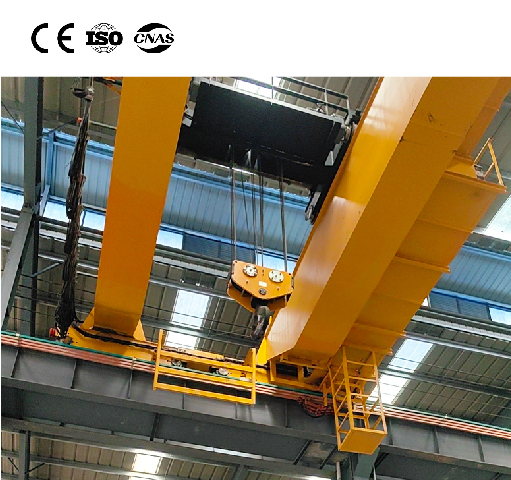
  • Bridge Crane for Warehouse: Enhancing Efficiency and Safety in Material Handling

    Bridge Crane for Warehouse: Enhancing Efficiency and Safety in Material Handling

    In modern warehouse operations, efficient and safe material handling is a cornerstone of productivity. For businesses seeking a reliable solution to lift, move, and position heavy loads, the Yangyu Bridge Crane emerges as a top choice. Designed specifically to meet the demands of warehouse environments, this equipment combines robust performance, precision control, and space-saving design—making it an indispensable asset for warehouses of all sizes.
    LB Explosion-Proof Single Girder Overhead Traveling Crane

    What Is a Yangyu Bridge Crane?

    A bridge crane, also known as an overhead crane, operates on a runway system installed along the ceiling of a warehouse. The Yangyu Bridge Crane is engineered to span the width of the warehouse, with a hoist and trolley that move horizontally along the bridge beam. This design allows it to cover large work areas without occupying valuable floor space, a critical advantage in busy warehouses where space optimization is key.
    Yangyu, a trusted name in material handling equipment, has refined its bridge cranes to deliver consistent performance in industrial and warehouse settings. Available in various capacities—from light-duty models for small parts to heavy-duty options for lifting tons of materials—Yangyu Bridge Cranes are customizable to fit specific warehouse layouts and load requirements.

    Key Features of Yangyu Bridge Crane for Warehouses

    1. High Lifting Capacity: Yangyu Bridge Cranes are built to handle a wide range of loads, from 1 ton up to 50 tons or more. This versatility makes them suitable for warehouses storing everything from palletized goods and machinery parts to heavy industrial components.
    1. Precision Control: Equipped with advanced hoist and trolley systems, these cranes offer smooth, accurate movement. Operators can position loads with minimal effort, reducing the risk of damage to goods or equipment—especially important for fragile or high-value items.
    1. Space-Efficient Design: By utilizing overhead space, Yangyu Bridge Cranes free up floor areas for storage racks, conveyor systems, or other equipment. This is a game-changer for warehouses struggling with clutter or limited square footage.
    1. Durable Construction: Made from high-quality steel, Yangyu Bridge Cranes are built to withstand the rigors of daily warehouse use. They resist wear, corrosion, and impact, ensuring a long service life with minimal maintenance.
    1. Safety Features: Safety is paramount in warehouse operations, and Yangyu prioritizes this with features like overload protection, emergency stop buttons, and limit switches to prevent over-travel. Many models also include anti-sway technology to stabilize loads during movement.

    Benefits of Using Yangyu Bridge Crane in Warehouses

    • Increased Productivity: By streamlining material handling processes, Yangyu Bridge Cranes reduce the time and labor required to move heavy loads. This allows warehouse staff to focus on other tasks, boosting overall operational efficiency.
    • Improved Safety: Manual lifting or the use of less stable equipment (like forklifts) can lead to workplace injuries. Yangyu Bridge Cranes minimize physical strain on workers and reduce accident risks, creating a safer work environment.
    • Cost Savings: The durability and low maintenance needs of Yangyu Bridge Cranes translate to long-term cost savings. Additionally, their space-saving design can reduce the need for warehouse expansion, saving on real estate costs.
    • Flexibility: Whether your warehouse handles palletized goods, raw materials, or oversized items, Yangyu Bridge Cranes can be tailored to your needs. They work seamlessly with existing storage systems, such as pallet racks or mezzanines.

    Applications in Warehouse Operations

    Yangyu Bridge Cranes excel in various warehouse scenarios:
    • Loading and Unloading: Efficiently move goods from trucks or containers to storage areas, eliminating delays in receiving and shipping.
    • Storage and Retrieval: Easily access items stored on high racks or in hard-to-reach areas, optimizing vertical storage space.
    • Assembly and Staging: Ideal for warehouses with assembly lines, where components need to be moved precisely to workstations.
    • Inventory Management: Speed up stocktaking and rearranging of goods, ensuring faster turnaround times for orders.

    Why Choose Yangyu for Your Warehouse?

    Yangyu has a proven track record of manufacturing reliable material handling equipment. Their bridge cranes are backed by comprehensive customer support, including installation, training, and after-sales service. With a focus on innovation, Yangyu continuously updates its designs to meet evolving warehouse needs—such as integrating smart technology for remote monitoring and diagnostics in newer models.
    Customers praise Yangyu Bridge Cranes for their ease of operation, durability, and ability to adapt to unique warehouse layouts. Whether you run a small distribution center or a large industrial warehouse, Yangyu offers a solution that scales with your business.

    Conclusion

    The Yangyu Bridge Crane is more than just a lifting tool—it’s a strategic investment for warehouses looking to enhance efficiency, safety, and space utilization. Its robust design, customizable features, and proven performance make it a standout choice in material handling equipment. By choosing Yangyu, you’re not only equipping your warehouse with a reliable machine but also positioning your business for smoother operations and long-term success.
    If you’re ready to transform your warehouse’s material handling processes, explore the range of Yangyu Bridge Cranes today. Contact a Yangyu representative to discuss your specific needs and find the perfect crane for your warehouse.
  • Workstation Bridge Crane:  Efficient & Ergonomic Material Handling

    Workstation Bridge Crane: Efficient & Ergonomic Material Handling

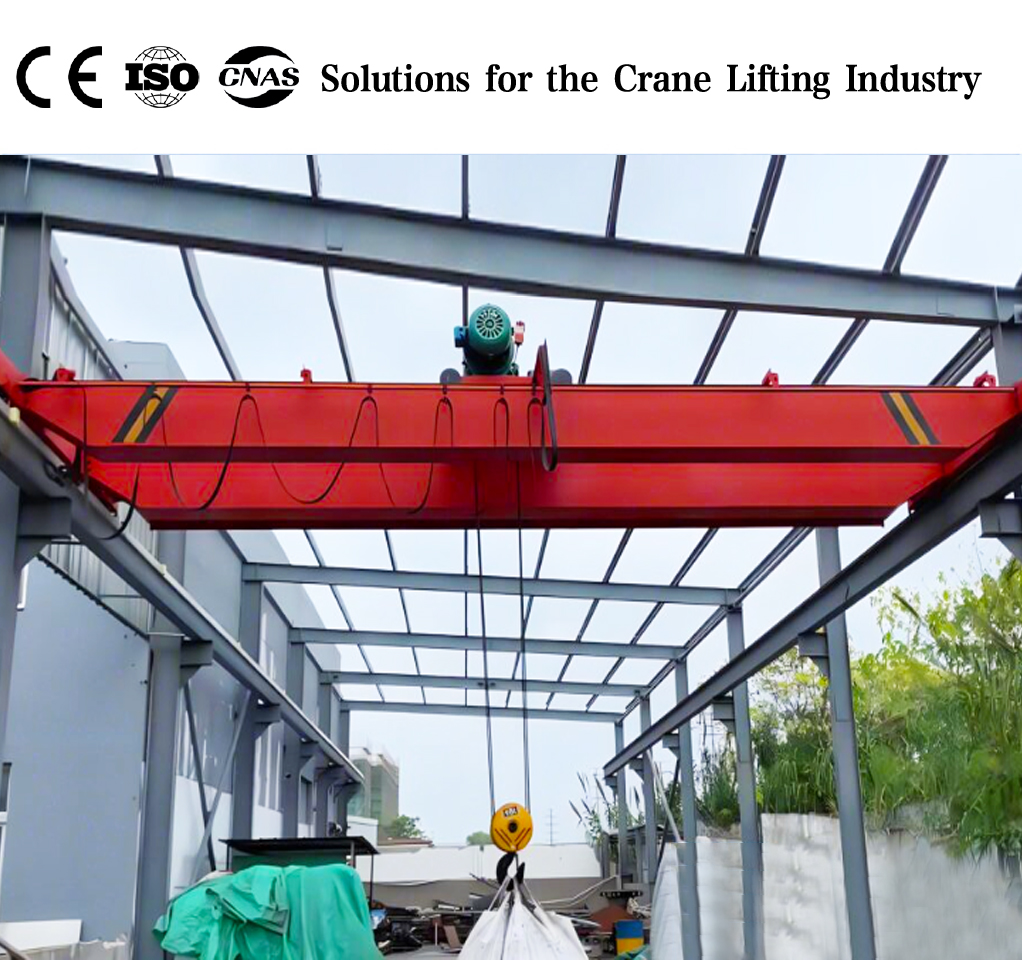
    Enter the Workstation Bridge Crane – a compact, versatile powerhouse designed specifically for localized lifting tasks. Offering significant advantages over traditional forklifts or manual handling within a defined area, these cranes are transforming productivity and safety. This guide explores everything you need to know about workstation bridge cranes and why they might be the perfect solution for your operational needs.

    欧式双梁桥式

    What is a Workstation Bridge Crane?

    A workstation bridge crane is a type of light-duty overhead crane system designed for use within a single workstation, bay, or specific area of a facility. Unlike massive overhead cranes spanning entire buildings, workstation cranes are characterized by:

    1. Compact Size: Designed to fit within the footprint of a specific work cell or area.

    2. Light to Medium Capacity: Typically handling loads from 150 lbs (68 kg) up to 2 tons (1,814 kg), though capacities can vary.

    3. Modular Design: Often constructed from standardized components (bridge beams, runways, end trucks, supports) allowing for customization and future expansion.

    4. Manual or Motorized Movement: Loads are moved using a manual push/pull motion or via motorized travel systems (powered bridge travel, powered hoist trolley).

    5. Ceiling-Mounted or Freestanding: Can be suspended from existing building structures (if engineered and approved) or supported by floor-mounted columns (free-standing workstation bridge cranes).

    Key Components:

    • Runway Beams: Installed horizontally along the length of the work area (X-axis).

    • End Trucks: Wheels mounted on the bridge beam that travel along the runway beams.

    • Bridge Beam: The horizontal beam that spans the width of the work area (Y-axis), traveling on the end trucks.

    • Hoist Trolley: Moves along the bridge beam (Z-axis direction), carrying the lifting mechanism.

    • Hoist: The lifting device itself (chain hoist, wire rope hoist, vacuum lifter) attached to the trolley.

    • Support Structure: Columns (for freestanding) or ceiling attachments (for suspended).

    Why Choose a Workstation Bridge Crane? Top Benefits

    Investing in a workstation bridge crane delivers tangible improvements:

    1. Enhanced Ergonomics & Worker Safety: Eliminates strenuous lifting, bending, and awkward postures. Reduces risk of musculoskeletal disorders (MSDs) and lifting injuries dramatically. Workers guide loads effortlessly within the crane’s coverage area.

    2. Boosted Productivity: Dramatically speeds up material movement within the workstation. Operators can position loads with pinpoint accuracy quickly, reducing task time and increasing throughput.

    3. Optimized Space Utilization: Frees up valuable floor space otherwise needed for forklift aisles. The overhead design keeps the work area clear underneath.

    4. Improved Load Control & Positioning: Provides smooth, precise vertical and horizontal movement, allowing for delicate placement of parts, tools, or assemblies.

    5. Versatility & Flexibility: Easily adapted to various tasks and processes. Hoists can be swapped, and modular designs allow reconfiguration or expansion as needs change. Ideal for assembly, machining, packaging, inspection, maintenance, and kitting.

    6. Reduced Product Damage: Gentle handling minimizes the risk of dropping or bumping delicate items.

    7. Cost-Effectiveness: Lower installation costs compared to large overhead cranes. Delivers a strong return on investment (ROI) through reduced labor costs, injury rates, and product damage, plus increased output.

    Common Applications: Where Workstation Bridge Cranes Shine

    These cranes excel in diverse settings requiring precise, repetitive material handling within a confined area:

    • Assembly Lines: Moving components between stations, positioning sub-assemblies.

    • Machine Shops: Loading/unloading CNC machines, lathes, mills; handling heavy tooling.

    • Maintenance Bays: Lifting engines, transmissions, or heavy equipment parts for repair.

    • Warehousing & Staging: Moving parts from racks to packing stations or loading docks.

    • Inspection Areas: Positioning items for quality control checks.

    • Packaging Operations: Handling filled containers or pallets.

    • Laboratories: Moving sensitive equipment or materials.

    • Automotive Manufacturing: Engine/transmission installation, component handling.

    Choosing the Right Workstation Bridge Crane: Key Considerations

    Selecting the optimal system requires evaluating your specific needs:

    1. Capacity: What is the maximum weight you need to lift? Include the weight of any fixtures or attachments.

    2. Span: What width (bridge beam travel) do you need to cover?

    3. Length: How far does the crane need to travel along the runways?

    4. Lift Height: How high do you need to raise the load from its lowest point?

    5. Duty Cycle: How frequently will the crane be used (Intermittent vs. Continuous)?

    6. Mobility: Manual push vs. Powered travel (bridge and/or trolley)? Powered systems add cost but reduce operator effort significantly.

    7. Environment: Consider factors like temperature, humidity, dust, chemicals, or potentially explosive atmospheres (requiring specific certifications).

    8. Support Structure: Is your existing building structure suitable for suspension (requires engineering analysis)? Or do you need a freestanding system?

    9. Hoist Type: Chain hoist (common, cost-effective) vs. Wire rope hoist (smoother, longer lift heights) vs. specialized (vacuum, magnet).

    10. Future Expansion: Will your needs grow? Modular systems simplify adding length or height later.

    Workstation Bridge Cranes vs. Jib Cranes: What’s the Difference?

    While both are designed for localized lifting, key distinctions exist:

    • Coverage: Workstation bridge cranes cover a rectangular area (X and Y axes). Jib cranes cover a circular area (rotation around a fixed point).

    • Capacity & Span: Bridge cranes generally handle heavier loads and longer spans than jib cranes.

    • Flexibility: Bridge cranes offer more comprehensive coverage within their rectangular envelope. Jib cranes are ideal for tasks directly around a machine or workstation corner.

    Conclusion: Elevate Your Efficiency and Safety

    The workstation bridge crane is more than just a lifting device; it’s a strategic investment in ergonomic efficiency, operational safety, and bottom-line productivity. By bringing the lifting power precisely where it’s needed – directly over the workstation – it eliminates unnecessary strain, reduces risks, and streamlines material flow. Whether you’re assembling intricate products, maintaining heavy machinery, or managing warehouse logistics, a well-chosen workstation bridge crane can transform your workflow, protect your workforce, and deliver a compelling return on investment. Explore the modular options available and discover how this essential tool can elevate your operations today.

  • China Yangyu Bridge Crane Defining Global Heavy Lifting Standards

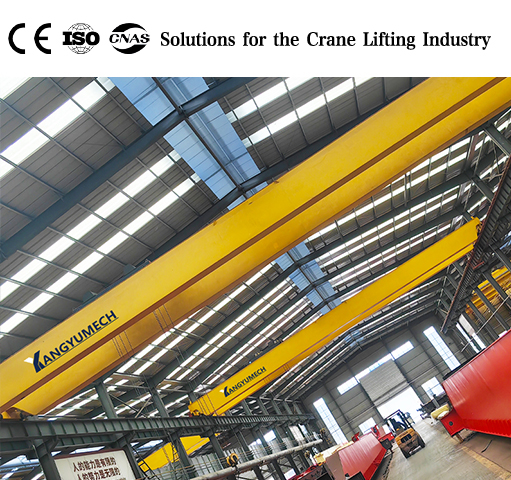
    China Yangyu Bridge Crane Defining Global Heavy Lifting Standards

     bridge cranes stand as indispensable giants, enabling feats once deemed impossible. Among these, China Yangyu Bridge Crane has emerged as a hallmark of precision engineering, driving iconic projects like the record-shattering Lionyang Bridge. As China accelerates its infrastructure ambitions—from sea-spanning suspension bridges to hydropower megaprojects—Yangyu’s cranes fuse intelligent automation, extreme-load capacity, and sustainable design, positioning them at the vanguard of global heavy lifting.

    欧式双梁桥式


    1. Technological Dominance: How Yangyu Bridge Cranes Redefine Innovation

    Intelligent Control Systems

    Yangyu’s cranes integrate cloud-based AI and multi-sensor fusion, inspired by systems used on the Lionyang Bridge project. These enable:

    • Real-time collision avoidance (mitigating 500+ risk scenarios) 

    • BDS/GPS dual-mode positioning for millimeter-level accuracy during offshore lifts

    • Adaptive path optimization that responds to wind, load stress, and spatial constraints 

    Breakthroughs in Materials & Mechanics

    • Ultra-High-Strength Components: Leveraging C80-grade concrete (first applied in China’s bridge towers) to handle compressive loads exceeding 20,000 tons 

    • Smart Temperature Management: Pre-cooling aggregates to 5°C via water-air hybrid systems, ensuring concrete integrity in high-salinity environments 

    • Modular Design: Steel shell segments (like the 148-ton T32 units for Lionyang’s towers) enable rapid assembly 


    2. Case Studies: Yangyu Cranes in World-Record Projects

    Lionyang Bridge: A Vertical Marathon

    • Challenge: Erecting 342-meter towers (world’s tallest for a suspension bridge) in typhoon-prone seas.

    • Yangyu’s Solution:

      • Custom 600-ton lifting gantries with active stabilization for 171m+ climbs 

      • IoT-enabled meteorological stations providing micro-weather forecasts to dodge storms 

      • Outcome: Tower completion by H1 2026, setting five world records 

    Jinghang Canal Bridge: Precision Over Water

    • Challenge: Installing 135-ton steel segments over China’s busiest canal.

    • Yangyu’s Role:

      • Dual-crane synchronous lifting achieving 4-hour rapid placements

      • Hydrodynamic dampers countering barge-induced vibrations 

      • Outcome: Zero航道 disruption during 4-segment continuous lifts 

    Chongqing Yunyang Pumped Storage: Powering the Green Transition**

    • Task: Installing 280-ton turbines in confined underground chambers.

    • Yangyu’s Edge:

      • Compact bridge cranes passing 120% load tests (water-bag methodology) 

      • Remote操控 capability for hazardous environments

      • Outcome: On-track for 1.2GW clean energy by 2026 


    3. Competitive Ecosystem: Yangyu vs. Chinese Heavyweights

    Table: China’s Crane Industry Leaders

    ManufacturerCore SpecialtyNotable ProjectsYangyu’s Differentiation
    Dalian Heavy IndPort/冶金 CranesAwarded “Top Bridge Crane Producer” AI-Driven Safety Systems
    Yujiao Heavy工Custom Launching Gantries1,400-ton bridge machines for Nansha Hybrid Power Options (Electric-Diesel)
    江汉建机Tower CranesHigh-rise construction (e.g., PT6013E-6) Offshore-Adapted Corrosion Control

    4. Future Horizons: Where Yangyu is Headed

    • Autonomous Cranes: Piloting 5G-operated cranes at Shenzhen-Zhongshan Link.

    • Green Technologies: Hydrogen fuel cells for zero-emission lifts by 2028.

    • Global Standards Leadership: Drafting ISO protocols for AI-assisted heavy lifting.


    Conclusion: Lifting Nations, Building Legacies
    China Yangyu Bridge Crane transcends mere machinery—it embodies a synthesis of computational intelligence, material science, and audacious engineering. As global infrastructure enters its most ambitious decade (with projects like the $50B Giga-Rail in Saudi Arabia), Yangyu’s fusion of strength, sustainability, and smart systems will not only support the weight of bridges but elevate the future of human connectivity.