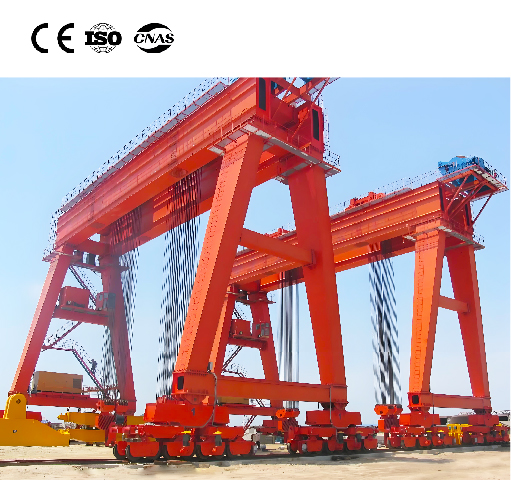
Factory cranes are the backbone of industrial operations, yet 30% of manufacturers experience 15%+ productivity losses due to undetected inefficiencies. Beyond lifting loads, maximizing crane effectiveness requires a holistic approach—combining precision maintenance, operator training, and digital innovation. This guide synthesizes field-tested tactics from leading plants to transform your lifting operations.
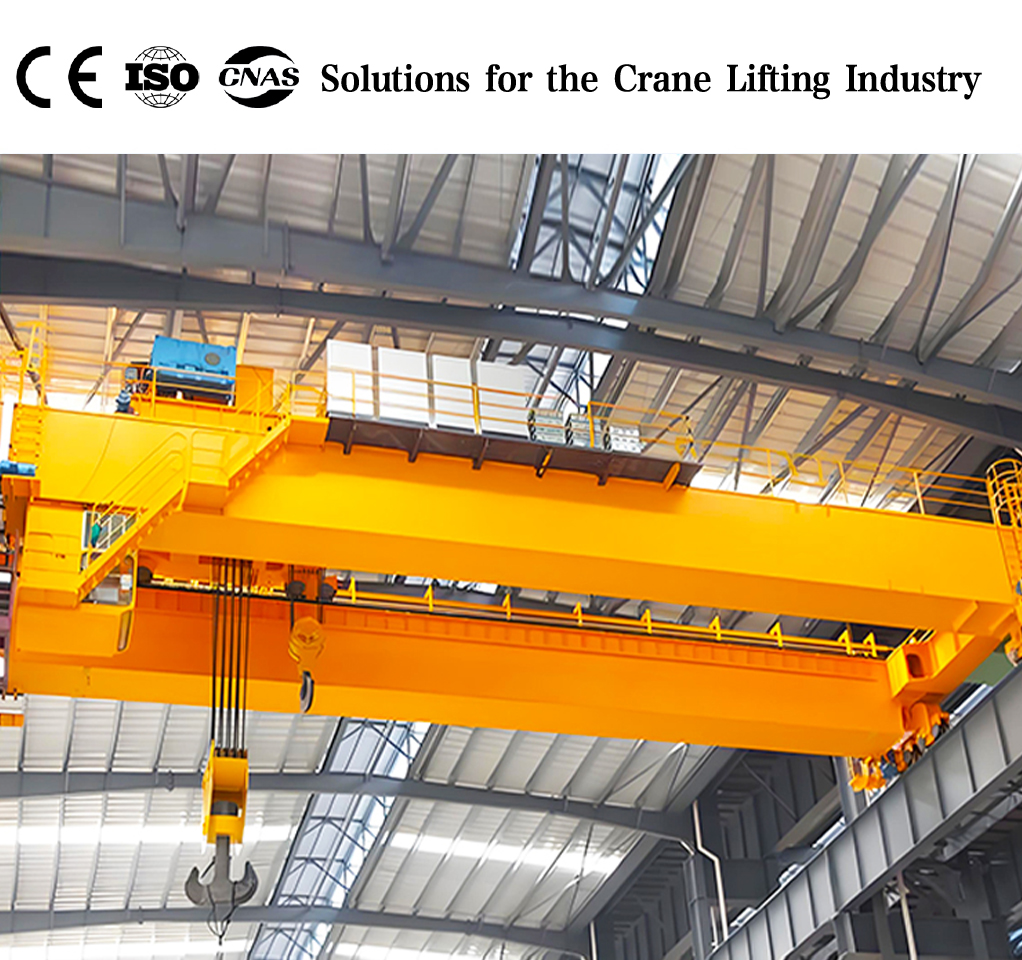
1. Crane Selection & Configuration: Matching Equipment to Workflow
✔️ Load Dynamics & Duty Cycle Analysis
Critical Metrics: Peak load weight, lift frequency, travel distance, and environmental factors (temperature, dust levels)
Configuration Pitfalls:
Mismatch Example: Using standard electric hoists in foundries causes 40% faster motor burnout
Optimized Solution: Explosion-proof cranes with IP65 rating for harsh environments
✔️ Ergonomic Control Systems
Upgrade Impact: Radio remote controls reduce operator fatigue by 60% and improve positioning accuracy
Smart Features:
Anti-sway automation (cuts load stabilization time by 75%)
Path planning sensors to avoid collisions
2. Precision Maintenance: Preventing Failures Before They Strike
🔧 Predictive Maintenance Framework
| Component | Monitoring Tool | Failure Prevention Action |
|---|---|---|
| Wire Ropes | Magnetic flux sensors | Replace at 90% wear threshold |
| Brakes | Thermal imaging cameras | Adjust at 150°C+ readings |
| Motors | Vibration analyzers | Balance at 4mm/s+ amplitude |
🔧 Cost of Neglect vs. Proactive Care
Reactive Maintenance: $18,000 avg. repair cost + 3 days downtime
Predictive Program: $4,500/year savings per crane + 98% uptime
💡 Checklist: Daily inspection of hooks (cracks), weekly load testing, quarterly hoist gearbox oil analysis.
3. Operational Efficiency: Advanced Techniques for Peak Performance
⚙️ Cycle Time Optimization
Dual-Command Lifts: Combine inbound/outbound moves to cut empty travel by 50%
Zone Control: Designate “high-activity zones” with priority pathing
Data-Driven Workflow: Use IoT sensors to identify bottlenecks (e.g., 22% time lost in mid-bay transfers)
⚙️ Operator Mastery Programs
Certification Tiers:
Level 1: Basic maneuvering (8 hours training)
Level 3: Emergency response + efficiency tactics (40 hours)
Incentive Metrics: Reward operators with <0.5% positioning error and 95%+ fuel efficiency
4. Technology Integration: The Smart Crane Revolution
🤖 Automation Upgrades
AI-Powered Load Tracking: Computer vision systems predict swing patterns, reducing collisions by 90%
Digital Twin Integration: Simulate lift scenarios to pre-optimize routes (proven 15% faster cycle times)
🤖 Data Analytics Platform
Key Monitoring Dashboards:
Energy consumption per ton lifted
Motor stress during acceleration
Hourly utilization heatmaps
Case Result: German auto plant reduced crane energy costs by 31% through peak-demand alerts
5. Safety & Compliance: Mitigating $1.2M+ Accident Risks
⚠️ Critical Safety Enhancements
Overload Protection Systems: Auto-lock at 95% SWL with audible alarms
Zone Restriction Tech: Geo-fencing to keep cranes 3m+ from personnel areas
OSHA/CE Compliance Kits: Documentation templates + failure mode logs (cuts audit prep by 80%)
⚠️ Emergency Response Drills
Quarterly simulations: Power loss during critical lifts
Mandatory debriefs documenting response gaps
6. Measuring Effectiveness: KPIs That Drive ROI
| Metric | Industry Avg. | Excellence Benchmark | Tracking Tool |
|---|---|---|---|
| Utilization Rate | 45% | 75%+ | IoT sensors |
| Cost/Ton Lifted | $8.50 | $5.20 | ERP integration |
| Mean Time to Repair | 4.2 hrs | 1.5 hrs | CMMS alerts |
| Safety Incident Rate | 3.2/200k hrs | 0.8/200k hrs | Digital logbooks |
7. Future-Proofing: Next-Gen Crane Technologies
Hydrogen Fuel Cells: Replacing diesel engines—cutting emissions by 100% with same torque
Blockchain Maintenance Logs: Immutable records for compliance audits
AR-Assisted Repairs: Technicians overlay repair guides via smart glasses (cuts downtime by 55%)
Conclusion: The 360° Optimization Roadmap
Maximizing crane effectiveness isn’t about single-point fixes—it’s integrating precision maintenance, operator excellence, and data intelligence into a unified system. Start with these steps:
Conduct a duty cycle audit this month
Install IoT sensors on 2 high-use cranes within 60 days
Launch Level 3 operator training next quarter
Ready to optimize?
➤ Download our “Factory Crane Efficiency Scorecard” [Embed tool]
➤ Book a live demo of AI collision-avoidance systems: WhatsApp +86 185 9591 7980
“Plants implementing holistic crane programs see ROI in 7 months—not years. The key is treating cranes as data hubs, not just lifting tools.”