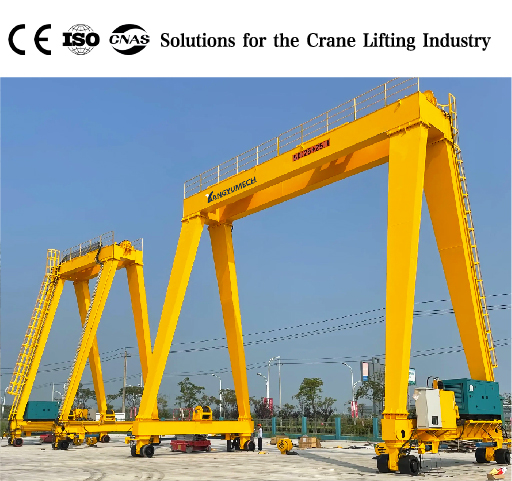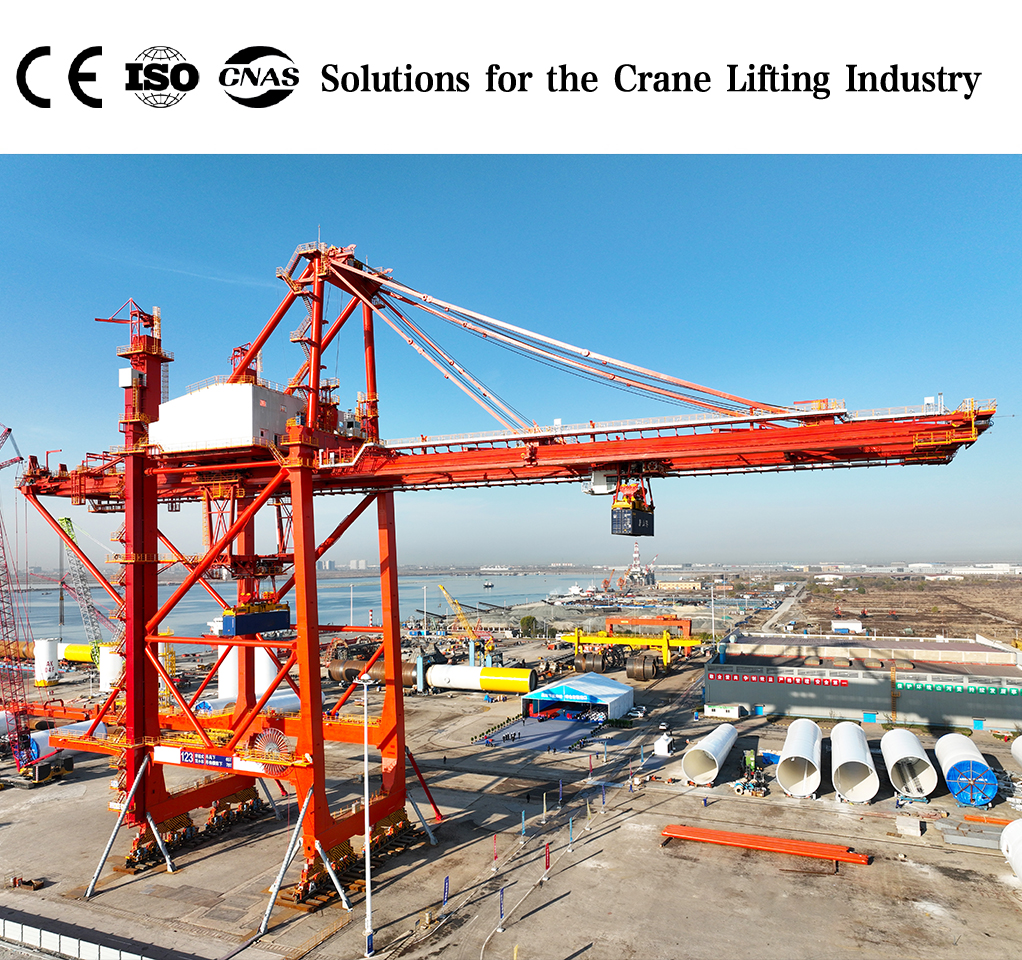
In 2025, the crane industry is witnessing a remarkable transformation in safety features, driven by technological advancements and a growing emphasis on worker well – being. As construction, port, and industrial operations continue to demand more from these heavy – duty machines, manufacturers are rising to the challenge by equipping cranes with state – of – the – art safety mechanisms.

Advanced Collision Avoidance Systems
One of the most significant safety advancements in 2025 is the evolution of collision avoidance systems. Cranes are now being outfitted with a combination of sensors, including LiDAR (Light Detection and Ranging), radar, and high – resolution cameras. For instance, in port operations, the new – generation Yangyu port cranes use LiDAR technology to detect obstacles in their path with pinpoint accuracy. The system can identify other cranes, shipping containers, or even workers in the vicinity. If a potential collision is detected, the crane’s control system will automatically slow down or stop the crane’s movement, preventing accidents before they occur. In construction sites, Liebherr’s latest crawler cranes utilize radar – based collision avoidance systems. These systems can monitor the position and movement of nearby construction equipment and structures in real – time. The data collected is processed instantaneously, and if there is a risk of collision, the crane operator is alerted, and in some cases, the crane’s operation is restricted to ensure safety.
Smart Load Monitoring and Control
Load moment indicators (LMIs) have become much more intelligent in 2025. They are no longer just simple devices that display load information. Modern LMIs, such as those found in the latest rough – terrain cranes, are equipped with advanced sensors that can monitor the real – time load weight, boom angle, and radius with extreme precision. These systems can calculate the load moment (the product of the load weight and the distance from the crane’s pivot point) and compare it to the crane’s safe working limits. If the load approaches or exceeds these limits, the LMI will not only issue visual and audible warnings to the operator but also, in some cases, restrict the crane’s functions to prevent overloading. Some high – end cranes, like those from leading manufacturers, also have load – control features that can automatically adjust the crane’s operation to maintain a safe load. For example, if the load starts to sway dangerously, the crane’s control system can adjust the speed and movement of the boom and hoist to stabilize the load, reducing the risk of dropping the load and causing damage or injury.
Operator – Centric Safety Enhancements
The design of the operator cab has seen significant safety – related improvements in 2025. Cabs are now more ergonomically designed to reduce operator fatigue, which is a major contributor to accidents. They are equipped with shock – absorbing seats, adjustable controls, and better – quality air – conditioning systems to ensure a comfortable working environment. Additionally, the visibility from the cab has been enhanced. Many crane models, including tower cranes from companies like Yangyu mech,now have large, curved windshields and multiple mirrors or camera – based monitoring systems that provide the operator with a 360 – degree view of the work area. This helps the operator to better detect potential hazards, such as workers or other equipment moving into the crane’s operating zone. In terms of protection, cabs are now built with stronger materials and more robust roll – over protection structures. In the event of a crane tipping over, these structures are designed to protect the operator from injury, providing a safe space within the cab.
Automated Emergency Response Systems
In 2025, cranes are being equipped with automated emergency response systems. These systems are designed to take immediate action in the event of a critical safety issue. For example, if a crane’s structural integrity is compromised, sensors can detect the abnormal stress or deformation in real – time. Once detected, the automated emergency response system can automatically activate emergency brakes, lower the load to a safe position, and send out an alert to the relevant personnel. In some cases, the system can also shut down non – essential functions of the crane to prevent further damage. In the case of power failures, new cranes are equipped with backup power systems, such as batteries or small generators, that can ensure the safe operation of critical safety features, like brakes and emergency lighting, for a certain period. This allows the operator to safely bring the crane to a stop and secure the load without the risk of accidents due to sudden loss of power.
Connectivity and Remote Monitoring for Safety
The increasing connectivity of cranes in 2025 is also playing a crucial role in safety. Cranes are now equipped with Internet of Things (IoT) technology, which allows them to be remotely monitored. Operators and managers can access real – time data about the crane’s performance, including its location, speed, load status, and any potential safety issues, from a central control room or even a mobile device. For example, in a large construction project with multiple cranes, the project manager can use a dashboard to monitor the safety – related parameters of each crane. If a particular crane shows signs of abnormal behavior, such as an over – loaded condition or a deviation from the normal operating parameters, the manager can take immediate action, such as dispatching maintenance personnel or instructing the operator to take corrective measures. Additionally, remote monitoring can also be used for preventive maintenance. By analyzing the data collected from the crane’s sensors over time, maintenance teams can predict when a component is likely to fail and schedule maintenance before a breakdown occurs, reducing the risk of accidents caused by equipment failure.
In conclusion, the new safety features in 2025 are redefining the standards of crane safety. These advancements not only protect the lives of workers but also safeguard valuable equipment and property. As the industry continues to innovate, we can expect even more sophisticated safety features to emerge, further enhancing the safety and efficiency of crane operations.