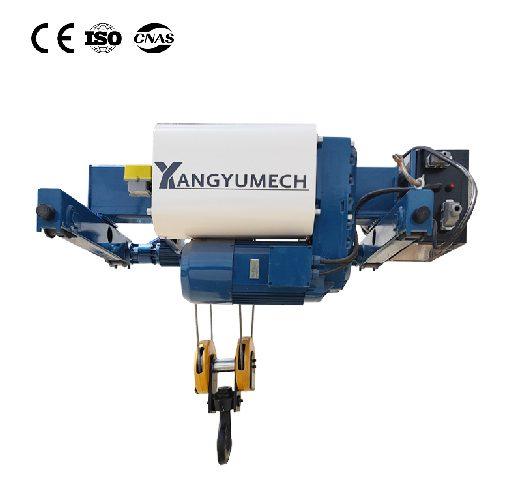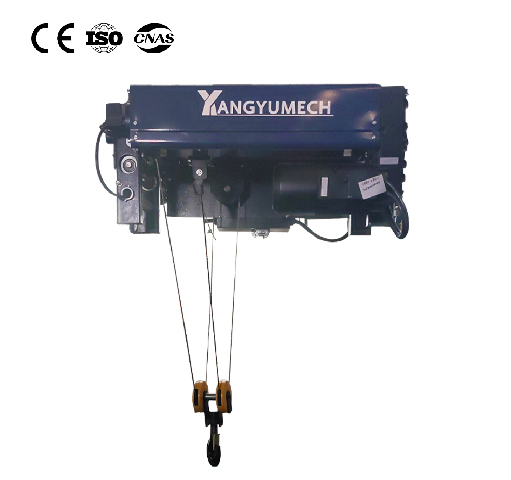
Tag: European Standard Electric Hoist

  • European Standard Electric Hoist: The Definitive Guide to Safe, Compliant Lifting

    European Standard Electric Hoist

    European Standard Electric Hoist: The Definitive Guide to Safe, Compliant Lifting

    In industrial material handling, safety, compliance, and reliability are non-negotiable—especially in regions governed by strict European regulations. The European Standard Electric Hoist (often referred to as EN-standard electric hoist) stands out as a benchmark for lifting equipment, engineered to meet rigorous EU safety and performance norms. This comprehensive guide unpacks everything you need to know about European Standard Electric Hoists, from their core certifications and technical features to real-world applications and selection strategies.
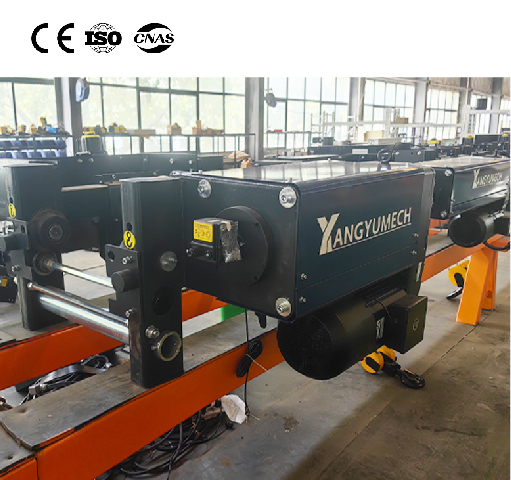
     

    European Standard Electric Hoist

    What is a European Standard Electric Hoist?
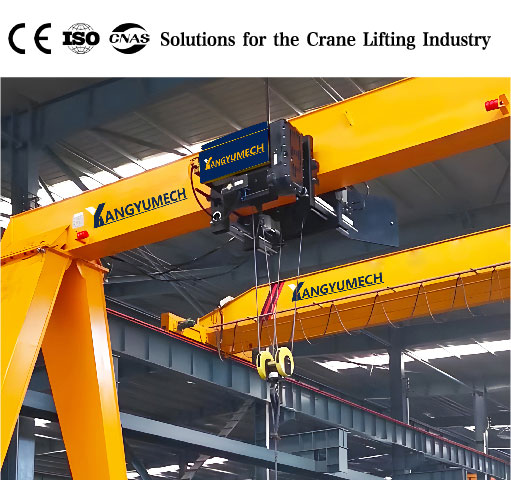
    European Standard Electric Hoist

    A European Standard Electric Hoist is a powered lifting device designed and manufactured to comply with mandatory European Union (EU) standards and directives, ensuring safe, efficient operation in industrial, commercial, and logistics environments. Unlike generic electric hoists, these systems undergo rigorous testing to meet pan-European norms, with certifications that validate their safety, durability, and environmental compatibility.

    Core European Standards & Directives

    The performance and safety of European Standard Electric Hoists are governed by key regulations, including:

    • EN 13157: The primary standard for electric chain hoists and electric wire rope hoists, specifying requirements for design, load capacity, braking systems, and noise levels.
    • EN 60204-1: Regulates electrical safety of machinery, covering wiring, insulation, and emergency stop functions.
    • Machinery Directive (2006/42/EC): Mandates essential health and safety requirements for all machinery sold within the EU, including risk assessment and CE marking.
    • ATEX Directive (2014/34/EU): Applies to hoists used in explosive atmospheres (e.g., chemical plants, oil refineries), ensuring protection against ignition risks.

    A valid CE mark is the minimum requirement for European Standard Electric Hoists, indicating compliance with all relevant EU directives. Additional certifications—such as ISO 9001 (quality management) or ISO 14001 (environmental management)—further validate manufacturer credibility.

    Key Advantages of European Standard Electric Hoists

    European Standard Electric Hoists outperform non-compliant alternatives in safety, durability, and operational efficiency. Here are their standout benefits:

    1. Uncompromising Safety Compliance

    Safety is the cornerstone of European standards. These hoists include built-in safeguards to mitigate common lifting risks:

    • Dual braking systems: Primary mechanical brakes (for load holding) and secondary emergency brakes (to stop operation if the primary system fails).
    • Overload protection: Automatic shutoff if the load exceeds the rated capacity (per EN 13157, overload limits are set at 110–125% of maximum load).
    • Emergency stop functionality: Hardwired emergency buttons (EN 60204-1 compliant) that cut power instantly in hazardous situations.
    • IP-rated enclosures: Most models feature IP54 or IP65 protection, shielding electrical components from dust, water, and debris—critical for harsh environments.

    2. Superior Durability & Longevity

    European standards enforce strict material and manufacturing requirements, resulting in hoists built to withstand heavy use:

    • High-grade components: Hardened steel chains (for chain hoists) or galvanized wire ropes (for wire rope hoists) resist wear and corrosion.
    • Precision engineering: Sealed gearboxes and bearings reduce friction, minimizing maintenance needs and extending service life (average lifespan: 10–15 years with proper care).
    • Environmental resilience: Temperature-resistant motors (operating range: -20°C to +40°C for standard models) and corrosion-resistant finishes (e.g., powder coating) suit diverse workplaces.

    3. Precise, Energy-Efficient Operation

    European Standard Electric Hoists prioritize both performance and sustainability:

    • Variable speed control: Most models offer adjustable lifting/traversing speeds (0.5–15 m/min for lifting), enabling precise positioning of delicate loads (e.g., aerospace components, medical equipment).
    • Energy efficiency: Motors comply with EU Regulation 640/2009 (ecodesign for motors), reducing power consumption by 15–30% compared to non-compliant alternatives.
    • Smooth load handling: Anti-sway technology (optional on premium models) minimizes load swing, protecting both goods and workers.

    4. Pan-European Compatibility

    For businesses operating across the EU, these hoists eliminate compliance headaches:

    • Uniform standards: A CE-marked hoist is legally usable in all EU member states (plus EEA countries like Norway and Switzerland), no need for country-specific modifications.
    • Simplified audits: Compliance with EN standards streamlines safety inspections and third-party audits (critical for industries like pharmaceuticals or food processing).

    Technical Specifications of European Standard Electric Hoists

    To select the right hoist for your needs, understanding key technical parameters is essential. Below are the most critical specifications:

    1. Load Capacity

    • Standard ranges: 125 kg to 100,000 kg (100 tonnes), with two primary types:
      • Electric chain hoists: Ideal for light-to-medium loads (125 kg–20,000 kg), common in workshops and warehouses.
      • Electric wire rope hoists: Designed for heavy-duty applications (5,000 kg–100,000 kg), used in steel mills and ports.
    • Safety margin: All models include a 10:1 design factor (hoist components can withstand 10x the rated load), exceeding global safety benchmarks.

    2. Lifting Height & Speed

    • Lifting height: 3 m to 60 m (customizable for tall facilities like warehouses with mezzanines).
    • Lifting speed:
      • Slow speed (0.5–3 m/min): For precision tasks (e.g., assembling electronics).
      • Fast speed (8–15 m/min): For high-throughput operations (e.g., logistics loading).
    • Traversing speed: 5–30 m/min (for hoists mounted on overhead rails or cranes).

    3. Electrical & Mechanical Features

    • Motor type: Three-phase induction motors (standard for industrial use) or single-phase motors (for small workshops, up to 2,000 kg capacity).
    • Insulation class: Class F or H (resistant to high temperatures, critical for continuous operation).
    • Control systems:
      • Pendant controls (line-of-sight operation, EN 60947 compliant).
      • Radio remote controls (range: 50–100 m, ideal for large facilities or hazardous areas).
      • PLC integration (for automated workflows, e.g., smart factories).

    4. Specialized Variants

    • ATEX-compliant hoists: For explosive atmospheres (zones 1/2 for gas, 21/22 for dust), with spark-resistant components and flameproof enclosures.
    • Stainless steel hoists: For hygienic environments (pharmaceuticals, food processing), easy to clean and corrosion-resistant.
    • Low-headroom hoists: Designed for facilities with limited vertical space (e.g., old factories), with compact motor housings.

    Applications of European Standard Electric Hoists

    European Standard Electric Hoists are versatile, fitting diverse industries where safety and compliance are critical. Here are their most common uses:

    1. Automotive Manufacturing

    EU-based automotive plants (e.g., Volkswagen, BMW) rely on these hoists to lift heavy components like engines, transmissions, and chassis. The precise speed control ensures accurate alignment during assembly, while CE compliance simplifies cross-border production (e.g., parts shipped from Germany to Spain).

    2. Pharmaceutical & Medical Device Production

    Pharmaceutical facilities require hoists that meet strict hygiene and safety standards (EN 13157 + GMP guidelines). Stainless steel European Standard Electric Hoists are used to move vials, bioreactors, and sterile equipment, with easy-to-clean surfaces that prevent contamination.

    3. Logistics & Warehousing

    In EU warehouses (e.g., Amazon FBA centers, DHL hubs), electric chain hoists (1–5 tonnes) handle palletized goods, integrating with conveyor systems for automated order fulfillment. Their energy efficiency reduces operational costs, while overload protection prevents damage to inventory.

    4. Heavy Industry & Construction

    Steel mills, shipyards, and construction sites use heavy-duty electric wire rope hoists (10–100 tonnes) to lift steel beams, ship components, and concrete structures. ATEX-compliant variants are common in chemical plants or oil refineries, where explosive risks exist.

    5. Food Processing

    Food manufacturers (e.g., Nestlé, Danone) use stainless steel European Standard Electric Hoists to lift mixing bowls, packaging machinery, and frozen goods. These hoists comply with EU food safety regulations (EC 1935/2004), ensuring no risk of contamination from rust or lubricants.

    European Standard vs. Non-European Standard Electric Hoists: A Comparison

    To understand why European standards matter, here’s how they stack up against non-compliant hoists (e.g., generic Asian or uncertified models):


    Feature

    European Standard Electric Hoist

    Non-European Standard Electric Hoist

    Safety Compliance

    EN 13157, Machinery Directive, CE-marked

    No mandatory global standards; may lack basic safeguards

    Braking System

    Dual brakes (primary + emergency)

    Single brake (high failure risk)

    Load Capacity Reliability

    10:1 design factor (tested)

    Unverified design factors (risk of overloading)

    Durability

    High-grade steel/components (10–15 year lifespan)

    Low-quality materials (3–5 year lifespan)

    Energy Efficiency

    EU ecodesign compliant (15–30% energy savings)

    No efficiency standards (higher power costs)

    EU Legality

    Fully compliant (usable across EU/EEA)

    May be banned or require costly modifications

    Maintenance Costs

    Low (sealed components, minimal wear)

    High (frequent part replacements)

    How to Choose the Right European Standard Electric Hoist

    Selecting a European Standard Electric Hoist requires aligning technical specs with your operational needs. Follow these steps:

    1. Define Your Load Requirements

    • Maximum load weight: Add a 10–20% safety buffer (e.g., if you need to lift 5 tonnes, choose a 6-tonne hoist).
    • Load type: Delicate loads (e.g., glass) need slow speed and anti-sway features; heavy loads (e.g., steel) require wire rope hoists.

    2. Assess Your Work Environment

    • Space constraints: Low-headroom hoists for tight vertical spaces; compact chain hoists for narrow aisles.
    • Hazard risks: ATEX-compliant hoists for explosive areas; stainless steel for hygienic environments.
    • Temperature/humidity: High-temperature motors (class H insulation) for foundries; corrosion-resistant finishes for outdoor use.

    3. Verify Compliance & Certifications

    • Ensure the hoist has a valid CE mark(check for fake marks by verifying the manufacturer’s declaration of conformity).
    • For specialized industries:
      • Pharmaceuticals: GMP compliance + EN 13157.
      • Explosive areas: ATEX certification (zone rating matching your facility).

    4. Evaluate Control & Integration Needs

    • Manual vs. automated: Pendant controls for small workshops; radio remotes + PLC integration for smart factories.
    • Power supply: Three-phase (standard industrial) or single-phase (small facilities, up to 2 tonnes).

    5. Choose a Reputable Manufacturer

    Prioritize EU-based or EU-certified manufacturers (e.g., Demag, Konecranes, STAHL CraneSystems) with:

    • A track record of EN standard compliance.
    • Local after-sales support (critical for maintenance and repairs).
    • Warranty coverage (minimum 2 years for parts and labor).

    Maintenance & Safety Best Practices for European Standard Electric Hoists

    To maximize lifespan and ensure safe operation, follow these guidelines (aligned with EN 13157 and EU safety norms):

    Preventive Maintenance Schedule

    • Daily: Inspect the chain/rope (for cracks or wear), hook (for deformation), and emergency stop button.
    • Weekly: Check electrical connections (loose wires), brake performance (test load holding), and lubrication levels.
    • Monthly: Lubricate chains/ropes (use manufacturer-recommended lubricant) and test overload protection.
    • Annually: Hire a CE-certified technician to perform a full audit, including load testing (125% of rated capacity) and electrical safety checks.

    Safety Guidelines

    • Operator training: Ensure operators are certified to use European Standard Electric Hoists (training should cover EN safety norms).
    • Load limits: Never exceed the rated capacity—even for short lifts (overloading voids CE compliance and risks failure).
    • Inspection records: Maintain detailed logs of maintenance and inspections (required for EU safety audits).
    • Replacement parts: Use only OEM or EN-compliant replacement parts (non-compliant parts invalidate CE certification).

    Future Trends in European Standard Electric Hoists

    As the EU pushes for smarter, greener industrial practices, European Standard Electric Hoists are evolving to meet new demands:

    • IoT Integration: Smart hoists with sensors that monitor performance (e.g., chain wear, motor temperature) and send real-time alerts via industrial IoT platforms (e.g., Siemens MindSphere).
    • Eco-Friendly Designs: Motors with higher energy efficiency (up to IE4 class) and recyclable materials (aligned with EU Circular Economy Action Plan).
    • Autonomous Operation: Hoists integrated with AGVs (Automated Guided Vehicles) and AI systems for fully automated lifting in smart factories.
    • Enhanced Safety Tech: Predictive braking systems (using AI to detect wear) and collision avoidance sensors (for multi-hoist setups).

    Conclusion: Why European Standard Electric Hoists Are a Must for EU-Based Businesses

    European Standard Electric Hoists are more than just lifting equipment—they’re a compliance and safety investment for businesses operating in the EU/EEA. By meeting strict EN standards and EU directives, these hoists reduce accident risks, lower operational costs (via energy efficiency and durability), and eliminate legal barriers to cross-border operations.

    Whether you’re lifting delicate medical equipment or heavy steel beams, a European Standard Electric Hoist delivers the reliability, safety, and compliance that generic hoists can’t match. To get started, consult a certified manufacturer to design a solution tailored to your facility’s needs—and ensure your lifting operations meet the gold standard of EU safety.

    (注:文档部分内容可能由 AI 生成)
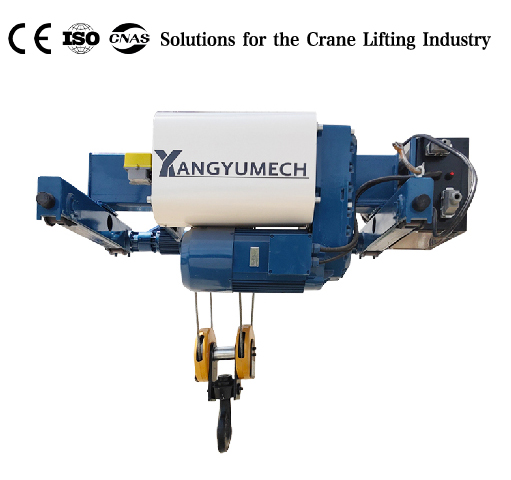
  • European Standard Electric Hoist: Compliance, Performance & Selection (2025)

    European Standard Electric Hoist: Compliance, Performance & Selection (2025)

    In industrial lifting operations, safety, compliance, and efficiency are non-negotiable—especially in the European market. The European Standard Electric Hoist (often referred to as EU-standard electric hoist) stands out as a benchmark for reliability, thanks to its adherence to strict European norms and certifications. This guide breaks down everything you need to know about these hoists: from core standards and key benefits to how to select the right model for your needs.
    Electric Hoist & Trolley Set

    What Is a European Standard Electric Hoist?

    A European Standard Electric Hoist is a powered lifting device designed and manufactured to meet mandatory European Union (EU) standards, including safety, performance, and environmental requirements. Unlike non-compliant hoists, these products undergo rigorous testing to ensure they align with EU regulations—critical for businesses operating in Europe or exporting to EU member states.

    Core European Standards for Electric Hoists

    The credibility of a European Standard Electric Hoist lies in its compliance with specific EN (European Norm) standards and CE certification:


    • EN 13157: The primary safety standard for electric wire rope hoists and chain hoists. It covers load capacity, braking systems, emergency stop functions, and structural durability.
    • EN 60034: Governs electric motor efficiency, requiring hoists to use IE3 (Premium Efficiency) motors or higher—reducing energy consumption and carbon footprint.
    • EN 12077-1: Applies to electric chain hoists, specifying requirements for chain strength, wear resistance, and operational safety.
    • CE Certification: A mandatory mark indicating the hoist meets EU health, safety, and environmental protection standards. Without CE marking, a hoist cannot be legally sold or used in the EU.

    Key Benefits of Choosing European Standard Electric Hoists

    Why invest in a European Standard Electric Hoist over non-compliant alternatives? The advantages extend beyond legal compliance to long-term operational value:

    1. Uncompromised Safety

    European standards prioritize operator and workplace safety. These hoists include built-in safety features such as:


    • Overload protection (prevents damage from exceeding rated capacity).
    • Emergency stop buttons (immediate shutdown in critical situations).
    • Thermal protection for motors (avoids overheating and fire risks).
    • Anti-drop braking systems (secures loads if power fails).

    2. Energy Efficiency & Sustainability

    EN 60034 mandates high-efficiency motors (IE3 or IE4), which reduce energy usage by 15-30% compared to standard motors. This not only lowers utility costs but also helps businesses meet EU sustainability goals (e.g., the European Green Deal). Additionally, many European Standard Electric Hoists use eco-friendly lubricants and recyclable materials, aligning with RoHS (Restriction of Hazardous Substances) directives.

    3. Durability & Low Maintenance

    European standards enforce strict material and manufacturing requirements. For example:


    • Hoist bodies are made from high-strength steel to withstand heavy use.
    • Chains and wire ropes undergo corrosion-resistant treatments (e.g., galvanization) for longevity.
    • Sealed gearboxes reduce dust and debris ingress, minimizing maintenance needs and extending service life.

    4. Legal Compliance & Market Access

    For businesses operating in the EU, using CE-certified European Standard Electric Hoists is not an option—it’s a legal requirement. Non-compliant hoists risk fines, product recalls, or even business shutdowns. Additionally, these hoists are accepted in global markets that recognize EU standards, simplifying export for multinational companies.

    How to Select the Right European Standard Electric Hoist

    Choosing the correct hoist depends on your specific lifting needs, environment, and compliance requirements. Follow this step-by-step guide:

    Step 1: Define Load Requirements

    • Rated Load Capacity: Match the hoist’s capacity to your heaviest load (e.g., 1 ton, 5 tons, 20 tons). Never exceed the rated capacity—EN 13157 prohibits overloading.
    • Lifting Height: Measure the vertical distance from the hoist’s mounting point to the lowest required load position (e.g., 5m, 10m, 30m). Ensure the hoist’s cable/chain length meets this need.

    Step 2: Consider Operational Environment

    • Temperature: For cold environments (e.g., warehouses in Northern Europe), choose hoists with cold-resistant lubricants and components (rated for -20°C or lower).
    • Dust/Moisture: In factories or outdoor settings, select hoists with IP (Ingress Protection) ratings of IP54 or higher (IP65 for heavy dust/water exposure).
    • Hazardous Areas: For explosive environments (e.g., chemical plants), opt for ATEX-certified European Standard Electric Hoists (compliant with EN 13463-1).

    Step 3: Verify Certifications

    Always check for:


    • Valid CE marking (with a Declaration of Conformity from the manufacturer).
    • Compliance with EN 13157, EN 60034, and relevant standards for your industry.
    • Third-party testing reports (e.g., from TÜV, SGS, or BSI) to confirm compliance.

    Step 4: Evaluate Additional Features

    • Control Options: Choose between pendant controls (for close-range use) or remote controls (for safety in large spaces).
    • Speed Settings: Variable speed hoists are ideal for precise lifting (e.g., in assembly lines), while single-speed models work for simple tasks.
    • Mounting Type: Select from ceiling-mounted, wall-mounted, or mobile (crane-integrated) hoists based on your workspace layout.

    Common Applications of European Standard Electric Hoists

    European Standard Electric Hoists are versatile and used across industries that prioritize safety and compliance:


    • Automotive Manufacturing: Lifting engines, chassis, and heavy components on assembly lines.
    • Logistics & Warehousing: Loading/unloading containers and moving pallets in distribution centers.
    • Construction: Lifting steel beams, concrete blocks, and tools on building sites (often paired with EU-standard cranes).
    • Pharmaceuticals & Food Processing: Sanitary-grade hoists (compliant with EN 1672-2) for lifting equipment in cleanrooms.
    • Renewable Energy: Installing and maintaining wind turbine components (high-capacity hoists with weather-resistant designs).

    Maintenance Tips for Long-Term Performance

    To keep your European Standard Electric Hoist in compliance and optimal condition:


    1. Follow EN 13157 Maintenance Schedules: Inspect brakes, chains, and motors monthly; conduct full servicing annually.
    2. Use Approved Spare Parts: Only replace components with EU-standard parts (e.g., EN-certified chains) to avoid voiding CE certification.
    3. Train Operators: Ensure staff are trained to use the hoist safely (per EN 14987, the EU standard for lifting equipment operator training).
    4. Document Inspections: Keep records of maintenance and testing to demonstrate compliance during EU audits.

    FAQ: European Standard Electric Hoist

    Q1: Can a non-European electric hoist be modified to meet EU standards?

    A: Rarely. Modifying a non-compliant hoist to meet EN 13157, EN 60034, and CE requirements is often more costly than buying a new European Standard Electric Hoist. Additionally, modifications may not pass third-party testing.

    Q2: What’s the difference between a European Standard Electric Hoist and a “global standard” hoist?

    A: Global standard hoists may meet basic safety norms, but European Standard Electric Hoists adhere to stricter EN standards and mandatory CE certification—critical for EU market access.

    Q3: How long does a European Standard Electric Hoist last?

    A: With proper maintenance, these hoists typically last 10-15 years—longer than non-compliant models—thanks to high-quality materials and EN-mandated durability requirements.

    Final Thoughts

    Investing in a European Standard Electric Hoist is an investment in safety, compliance, and long-term efficiency. By prioritizing EN standards and CE certification, businesses can avoid legal risks, reduce operational costs, and ensure a safer workplace. When selecting a model, focus on load requirements, environment, and certifications—and partner with reputable manufacturers that specialize in EU-compliant lifting equipment.


    For personalized recommendations or help verifying a hoist’s compliance, contact a European Standard Electric Hoist supplier with TÜV or SGS certification.
  • European Standard Electric Hoist: Revolutionizing Efficiency and Safety in Industrial Lifting

    European Standard Electric Hoist: Revolutionizing Efficiency and Safety in Industrial Lifting

    European Standard Electric Hoists (Euro hoists) represent the pinnacle of lifting technology, combining precision engineering, stringent safety protocols, and energy-efficient performance. Designed to meet rigorous EU directives and global certifications (CE, IECEx, ATEX), these hoists deliver unparalleled reliability in industries ranging from automotive manufacturing to port logistics. With modular designs, intelligent controls, and compliance with the latest IEC 60204-32:2023 safety standards , Euro hoists are redefining material handling worldwide.

    European Standard Electric Hoists
    European Standard Electric Hoists

    Core Design Principles & Technical Advantages

    1. Compact Modular Construction:
      Euro hoists integrate motors, gearboxes, and drums into unified modules, reducing footprint by 15–30% compared to conventional hoists. This “low headroom” design maximizes vertical workspace—critical for facilities with height constraints . High-strength aluminum or alloy steel housings ensure durability while minimizing deadweight.

    2. Advanced Drive Systems:

      • German-engineered motors and SEW-brand reducers provide smooth power transmission, supporting dual-speed lifting (e.g., 5/0.8 m/min or 4/0.7 m/min) for precision placement .

      • Frequency-controlled travel minimizes load sway through soft starts/stops, enhancing operational accuracy .

    3. Redundant Safety Mechanisms:

      • Dual braking systems (primary + emergency) prevent free-falling during power loss .

      • Automatic wear compensation adjusts brake pads in real-time, maintaining stopping torque integrity .

      • Adjustable rotary limit switches and overload limiters comply with IEC 60204-32:2023 requirements for emergency stops and circuit protection .

    4. Smart Control Integration:
      Options include pendant controls, wireless remotes, and IoT-enabled interfaces for real-time diagnostics. Schneider or Siemens PLCs enable programmable logic for automated workflows .


    Technical Specifications & Configurations

    Table 1: Performance Parameters of Standard Euro Hoists

    ParameterRangeApplications
    Capacity1–80 tonsWorkshops (1–20t), Ports (20–80t) 
    Lifting Speed0.35–11.3 m/minDual-speed for precision (e.g., 8/0.8 m/min) 
    Lifting Height6–30 metersCustomizable for silos, shipyards 
    Duty ClassM3–M6 (A5–A7)M5/M6 for heavy-cycle industries 
    Ambient Tolerance-25°C to +45°CWith IP55/IP65 protection for dust/moisture 
    Power Supply220V–460V, 50/60HzGlobal voltage compatibility 

    Table 2: Safety & Certification Compliance

    StandardScopeHoist Requirements
    IEC 60204-32:2023Electrical safety for hoisting machineryFault-tolerant circuits, emergency stops 
    ATEX 2014/34/EUExplosion-proofing (Zone 1/21, 2/22)Ex d/e/i components for gas/dust environments
    FEM 1.001Structural designRigorously tested girders and trolleys
    ISO 4301Duty cycle classificationValidated M5/M6 performance 

    Industry Applications & Sector-Specific Solutions

    • Automotive Manufacturing: Dual-speed hoists (e.g., 5/0.8 m/min) enable precise engine positioning on assembly lines. Low headroom designs preserve factory space .

    • Bulk Material Handling: 10–20-ton models with orange peel grabs transfer scrap metal or ore in foundries .

    • Explosive Environments: ATEX-certified hoists with Ex d motors and intrinsic safety barriers handle solvents in pharmaceutical plants .

    • Port Logistics: High-capacity (50–80-ton) Euro hoists load cargo ships using CE-certified wire ropes and anti-sway systems .

    • Construction: Weather-shielded hoists (IP65) with 30m lifting heights assemble structural frameworks .


    Safety Innovations Driven by IEC 60204-32:2023

    The 2023 update to IEC 60204-32 mandates revolutionary protections:

    1. Dual-Channel Safety Circuits: Critical commands (e.g., braking, limit switches) require two independent signal paths to prevent single-point failures .

    2. Energy Absorption Systems: Brakes must dissipate 150% of rated load kinetic energy to prevent free-fall during mechanical faults .

    3. Real-Time Monitoring: Integrated sensors track motor temperature, rope tension, and brake wear, triggering alerts before failures occur .


    Economic & Operational Benefits

    • Energy Savings: High-efficiency motors reduce power consumption by 20% versus traditional hoists, slashing operational costs .

    • Reduced Downtime: Modular components allow field replacement in <2 hours. Automatic lubrication extends service intervals .

    • Lifecycle Durability: FEM-standard steel girders and hardened gears support 20+ years of A6/A7 duty cycles .


    Selecting the Right Euro Hoist: Key Criteria

    1. Duty Cycle Alignment:

      • M3 (Light): <500 lifts/year (e.g., maintenance workshops)

      • M6 (Heavy): 200+ lifts/day (e.g., steel mills) 

    2. Environmental Factors:

      • Corrosive sites require stainless steel components or epoxy coatings.

      • Dusty grain silos need IP65 sealing and anti-explosion ratings .

    3. Control Systems:

      • Radio remotes for hazardous zones (ATEX/IECEx certified)

      • Cabin controls for cranes >32m span 


    Future Trends: Smart Hoisting 4.0

    Euro hoists are evolving into IoT-enabled assets:

    • Predictive Maintenance: Vibration sensors forecast bearing failures 3–4 weeks in advance .

    • Digital Twins: Simulation software optimizes lift paths and detects collisions before execution.

    • Green Technologies: Regenerative braking feeds energy back into grids, achieving net-zero operations.


    Conclusion: The Gold Standard in Industrial Lifting

    European Standard Electric Hoists fuse safety, efficiency, and innovation into a single package. By adhering to IEC 60204-32:2023 protocols 57 and leveraging modular German engineering, they deliver 30% faster cycle times, 50% lower maintenance costs, and zero-compromise safety. As industries prioritize automation and sustainability, Euro hoists will remain indispensable for lifting operations where precision and reliability are non-negotiable.

  • European Standard Electric Hoist

    European Standard Electric Hoist

    European Type Electric Hoist is designed and manufactured according to international standards with modular and compact design, integrated 3 (motor + reducer + brake) in 1 motor, optimized force distribution to realize the fast and precise positioning fun

    Capacity(kg): 1000-12500

    Working Class(FEM): 1Am-4m

    Working Class (ISO/GB): M4-M7

    Lifting Height (m): 6/9 12/18

    Trolley Speed (m/min): 2-20