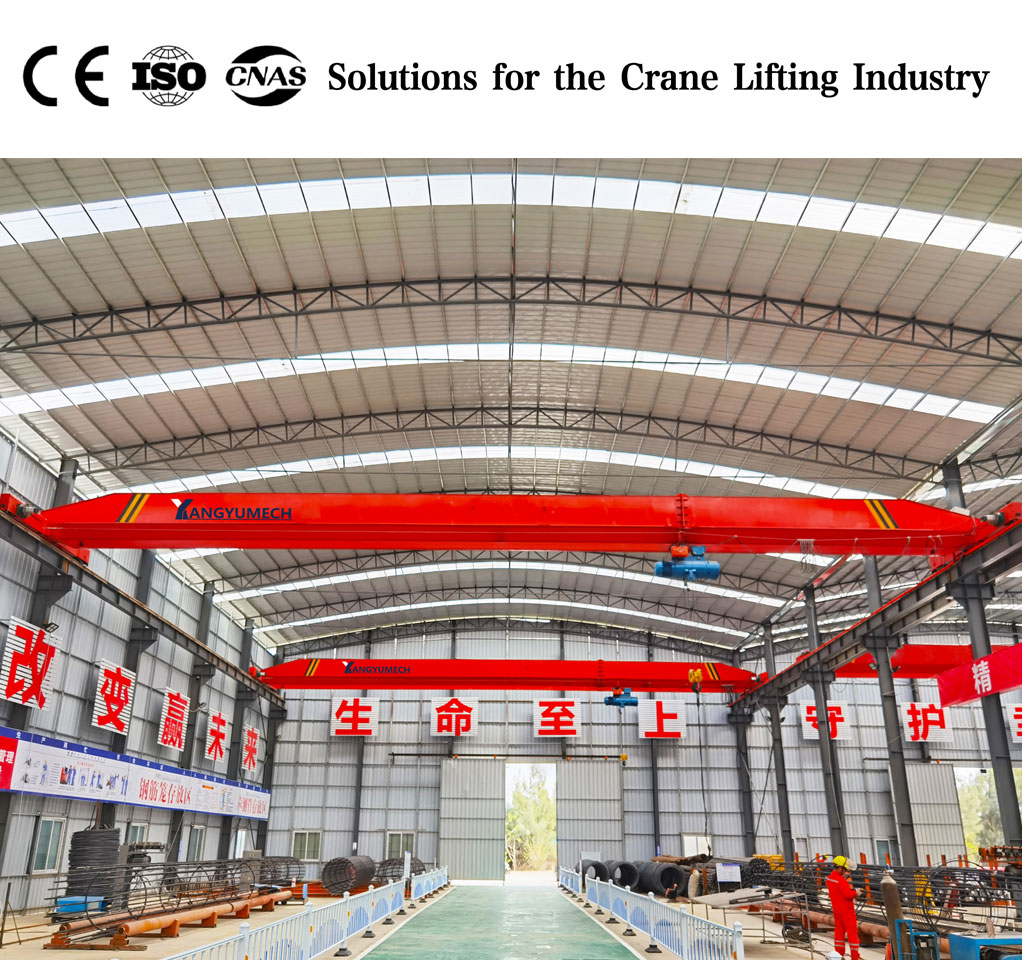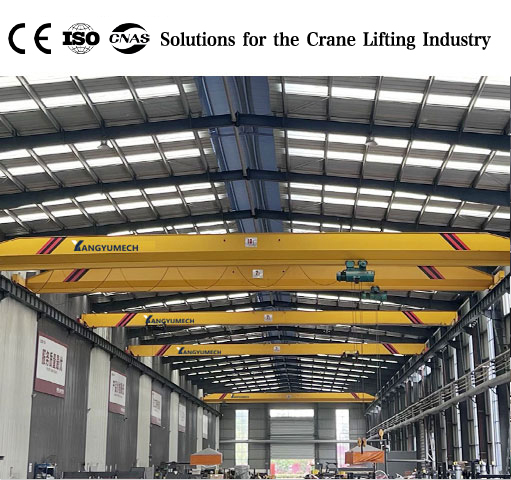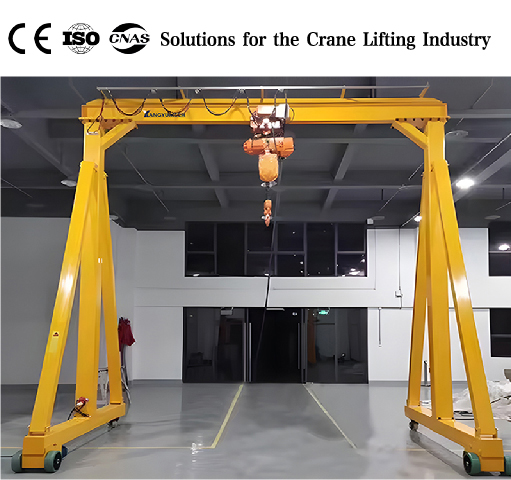
Is your facility struggling with moving heavy loads efficiently and safely? A 2 ton overhead crane for sale could be the transformative solution you need. Offering the perfect blend of robust capacity and widespread applicability, 2-ton cranes are workhorses in countless industries, streamlining material handling, boosting productivity, and enhancing workplace safety. This guide explores your options and key considerations when searching for the right 2 ton overhead crane to purchase.
Why Invest in a 2 Ton Overhead Crane?
Overhead cranes are fundamental for lifting, moving, and positioning loads horizontally within a defined area. A 2-ton (4,000 lb / 1,814 kg) capacity strikes an ideal balance for many operations:
Significant Capacity: Handle substantial pallets, machinery components, raw materials, finished goods, tooling, and more – far exceeding manual or forklift capabilities for many tasks.
Enhanced Safety: Eliminate dangerous manual lifting and reduce reliance on forklifts in congested areas, drastically lowering the risk of worker injuries and product damage.
Boosted Productivity: Move heavy loads quickly and precisely directly over obstacles, minimizing travel time and maximizing workflow efficiency.
Optimized Floor Space: Free up valuable floor space by utilizing the overhead area, keeping aisles clear and work areas organized.
Improved Load Control: Achieve smooth, precise positioning for delicate operations like assembly, machining, or loading/unloading.
Versatility: Adaptable to a vast range of applications across manufacturing, warehousing, maintenance, and more.
Types of 2 Ton Overhead Cranes for Sale
When searching, you’ll encounter several configurations. Choose the best fit for your building and workflow:
Top-Running Bridge Cranes (Most Common & Robust):
Structure: Crane rails mounted directly onto building support columns or runway beams attached to the ceiling structure.
Advantages: Highest lifting height (utilizes full building height), highest load capacities possible, smooth operation, suitable for wide spans and heavy-duty use.
Best For: Large workshops, manufacturing plants, foundries, warehouses with high ceilings and robust support structures.
Under-Running Bridge Cranes (Also Known as Underhung):
Structure: Crane wheels run on the bottom flange of beams suspended from the ceiling structure. The crane itself hangs below the support beams.
Advantages: More economical installation (lighter support requirements), allows for closer headroom to obstacles, ideal for integrating with monorails or other underhung systems.
Best For: Facilities with lower headroom, lighter building structures, assembly lines, areas needing complex material flow paths.
Workstation Bridge Cranes (Light-Duty & Modular):
Structure: Freestanding (supported by floor columns) or ceiling-mounted modular systems covering a specific workstation or bay.
Advantages: Highly ergonomic, excellent for precise lifting within a confined area, easy to install and reconfigure, typically manual push or powered options.
Best For: Assembly stations, machine shops, maintenance bays, inspection areas, packaging lines – anywhere localized, repetitive lifting under 2 tons occurs.
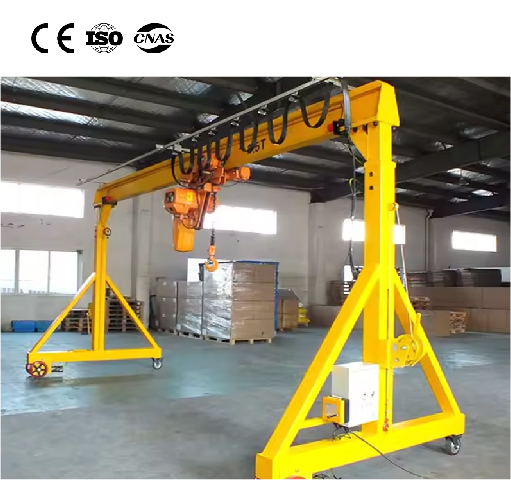
Gantry Cranes (Freestanding Mobility):
Structure: Supported by legs that run on floor-mounted rails or wheels (sometimes fixed). No building support required overhead.
Advantages: Ultimate flexibility (can be used outdoors or in buildings without overhead support), portable versions available.
Best For: Outdoor yards, shipping/receiving docks, maintenance areas without runway infrastructure, temporary work sites. (Note: While often categorized separately, gantry cranes with 2-ton capacity are frequently sought under the “overhead crane” umbrella).
Key Specifications to Consider When Buying
Beyond capacity and type, focus on these crucial details:
Span: The horizontal distance between the runway rails (for top/under-running) or support columns (for workstation/gantry). Determines coverage width.
Lift Height: The distance from the floor (or pickup point) to the highest position the hook can reach. Maximize this within your building constraints.
Duty Cycle (FEM/ISO Class): How intensively will the crane be used? (e.g., Light (CMAA A), Moderate (CMAA B), Heavy (CMAA C/D)). Impacts component selection and longevity.
Hoist Type:
Electric Chain Hoist: Compact, cost-effective, reliable for most 2-ton applications.
Wire Rope Hoist: Smoother operation, faster speeds, better for higher lift heights or slightly more demanding cycles.
Controls: Pendant control (standard), radio remote control (increasingly popular for flexibility/safety), or cab-operated (less common for 2-ton).
Power Supply: Typically 3-phase, but voltage (208V, 230V, 460V, 480V) must match your facility. Verify phase and voltage requirements.
Travel Speeds: Hoist lifting/lowering speed, trolley traverse speed (across the bridge), bridge travel speed (along the runway).
Building Specifications: Ceiling height, column spacing, floor load capacity, and existing infrastructure are critical for top/under-running cranes.
Environment: Standard indoor, outdoor (weatherproof), foundry-duty (heat resistant), or explosion-proof? This dictates required features and ratings.
Customization: Special paint, festooning/cable management, specialized hooks or below-the-hook devices, load monitoring?
Where to Find a 2 Ton Overhead Crane for Sale
Overhead Crane Manufacturers: Buying new directly or through dealers ensures customization, warranty, and compliance with current standards (CMAA, OSHA, ASME B30). Ideal for specific needs or new installations.
Authorized Crane Distributors/Dealers: Often represent multiple manufacturers, offering a range of new options and potentially certified refurbished cranes. Provide local support and expertise.
Industrial Equipment Suppliers: Some large suppliers carry standard overhead crane models or kits.
Reputable Used/Refurbished Crane Suppliers: Can offer significant cost savings. CRITICAL: Ensure thorough inspection, load testing certification, documentation of history/refurbishment, and compliance with safety standards. Beware of uncertified “as-is” sales.
Online Marketplaces (Use with Caution): Can list both new and used options. Vet sellers extremely carefully, prioritizing established dealers or manufacturers over unknown private sellers, especially for used equipment.
Benefits of Buying New vs. Used/Refurbished
New: Latest technology, full warranty, customization to exact specs, longest lifespan, guaranteed compliance, energy-efficient options.
Quality Used/Refurbished: Lower upfront cost, faster availability (sometimes). Requires rigorous vetting: inspection, testing certification, known history, reputable seller.
Key Questions to Ask Suppliers
Can you provide a detailed quote including all components, installation, and commissioning?
What warranties are offered (parts, labor, duration)?
What are the lead times for manufacturing/delivery?
Do you handle installation and provide operator training?
What after-sales service and support do you offer (maintenance, repairs, parts)?
(For Used/Refurbished): Can you provide current inspection and load test certification? What is the crane’s service history? What refurbishment work was performed?
Find Your Perfect 2 Ton Overhead Crane Today!
Investing in a 2 ton overhead crane for sale is an investment in the efficiency, safety, and future growth of your operation. By carefully defining your needs (capacity, span, lift height, duty cycle, environment) and choosing the right type (top-running, underhung, workstation, gantry) and a reputable supplier, you can secure a reliable lifting solution that delivers significant returns for years to come.
Ready to lift your productivity? Start exploring reputable suppliers and request quotes for your ideal 2 ton overhead crane today!