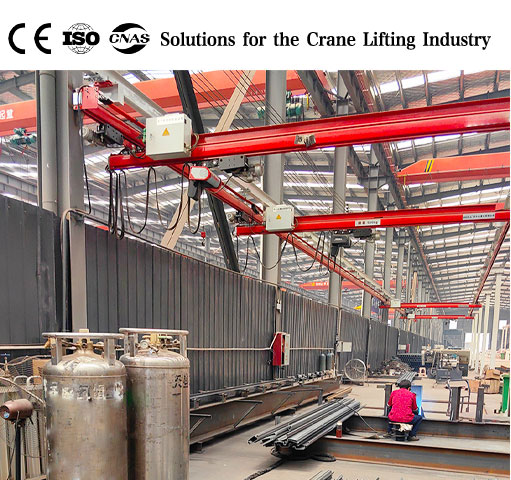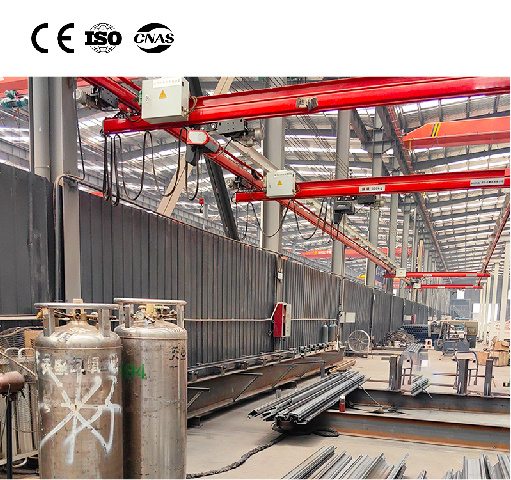
In the fast-paced world of industrial manufacturing and logistics, efficiency and safety in material handling can make or break production targets. Enter the KBK suspension monorail crane – a modular lifting solution that has revolutionized how businesses move materials across their facilities. This comprehensive guide will explore everything you need to know about KBK suspension monorail cranes, from their technical specifications and advantages over traditional systems to practical applications and maintenance tips.
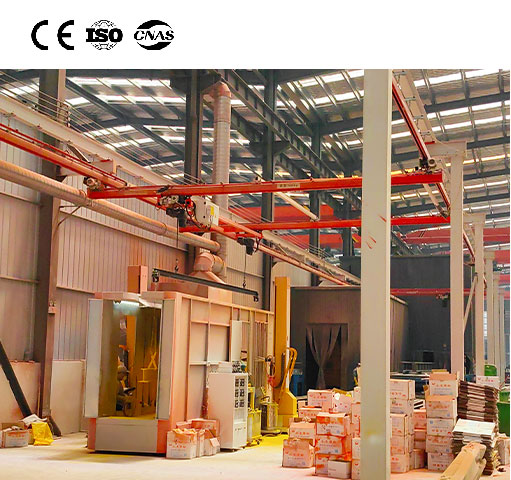
What is a KBK Suspension Monorail Crane?
A KBK suspension monorail crane is a lightweight, modular material handling system designed for precise and efficient lifting operations in industrial environments. Originating from European engineering excellence, KBK systems consist of standardized components that can be customized to fit specific workplace requirements. These cranes suspend from overhead structures, utilizing a single rail track to move loads horizontally, while a hoist provides vertical lifting capability.
The core components of a KBK suspension monorail system include:
- Suspension devices for overhead mounting
- High-strength steel tracks (available in various profiles)
- Traveling trolleys and carriages
- Electric chain hoists or pneumatic lifting devices
- Mobile power supply systems (typically conductor rails)
- Control units (pendant or radio remote)
KBK systems are designed to handle loads ranging from 125 kg up to 3,200 kg, making them suitable for both light and medium-duty applications across diverse industries.
Key Advantages of KBK Suspension Monorail Systems
KBK suspension monorail cranes offer numerous benefits compared to traditional material handling solutions like bridge cranes or gantry systems:
1. Superior Flexibility and Modularity
One of the most significant advantages of KBK systems is their modular design. Components can be easily combined, extended, or reconfigured to adapt to changing production needs. This flexibility allows businesses to start with a basic system and expand it as operations grow, making KBK an investment that evolves with your facility.
2. Space Optimization
By suspending from overhead structures, KBK monorail cranes free up valuable floor space that would otherwise be occupied by support columns required for traditional cranes. This design maximizes the working area below the crane, enabling better utilization of facility square footage.
3. Easy Installation and Reduced Downtime
KBK systems feature standardized profiles and bolt-on connections that allow for quick installation compared to conventional cranes. Where traditional bridge cranes might require weeks of installation work, KBK monorail systems can often be operational in days, minimizing production disruptions.
4. Cost-Effective Operation
KBK suspension monorail cranes reduce both initial and long-term costs. Their lightweight construction reduces the need for heavy-duty structural support, lowering building costs. Additionally, the systems are designed for minimal maintenance requirements, reducing ongoing operational expenses.
5. Precise and Safe Operation
With smooth track movement and precise positioning capabilities, KBK systems enable accurate load placement – crucial for delicate assembly operations. The rigid structure minimizes sway and vibration, while built-in safety features and compliance with EC machinery directives ensure safe operation under various conditions.
Technical Specifications and Design Features
KBK suspension monorail cranes are engineered with precision to deliver reliable performance. Here are some key technical aspects:
Load Capacities and Configurations
KBK systems offer a range of load capacities to suit different applications:
- KBK.K100: Up to 125 kg for light loads
- KBK.KI: Up to 500 kg for general light-duty use
- KBK.KⅡ: Up to 2,000 kg for medium-duty applications
- KBK.KⅢ: Up to 3,200 kg for heavier loads
These systems can accommodate spans up to 14 meters, providing versatile coverage for various facility sizes.
Construction and Durability
KBK tracks are manufactured using cold-rolled steel profiles, ensuring high strength without excessive weight. This construction method provides excellent straightness and reduces deformation under load. The systems typically meet corrosion category C2-M standards according to DIN EN ISO 12944, ensuring longevity even in challenging environments.
Control Options
Operators can control KBK suspension monorail cranes through:
- Pendant controls for direct line-of-sight operation
- Radio remote controls for enhanced flexibility and safety
- Automated systems for repetitive tasks in smart factories
Safety Compliance
KBK systems adhere to strict safety standards, including ISO 9001 certification and compliance with EC machinery directives. They feature built-in load limitations to prevent overloading and ensure stable operation during material handling tasks.
Applications Across Industries
The versatility of KBK suspension monorail cranes makes them suitable for a wide range of industries and applications:
Automotive Manufacturing
In automotive plants, KBK systems excel at moving components like engines, transmissions, and body panels along assembly lines. Their precision positioning helps streamline production processes and reduce assembly times.
Electronics and Precision Engineering
For handling delicate electronic components, KBK cranes provide the gentle, precise movement required to prevent damage. Their clean design minimizes contamination risks in sensitive manufacturing environments.
Warehousing and Logistics
KBK suspension monorail cranes optimize storage space utilization in warehouses by enabling vertical material movement. They can be integrated with other material handling systems for end-to-end logistics solutions.
Metalworking and Machinery
In metal fabrication shops, KBK systems handle raw materials, work-in-progress, and finished parts. Their robust construction stands up to the harsh conditions typical in metalworking environments.
Food and Pharmaceutical Production
With appropriate modifications, KBK cranes can meet the hygiene requirements of food processing and pharmaceutical facilities, providing reliable material handling in cleanroom environments.
Customer feedback highlights significant efficiency improvements after implementing KBK systems, with some reporting a several times increase in operational efficiency compared to previous material handling methods.
How KBK Compares to Traditional Bridge Cranes
The advantages of KBK suspension monorail cranes become particularly evident when compared to traditional bridge cranes:
This comparison shows why many modern facilities are replacing traditional bridge cranes with KBK systems to achieve greater operational efficiency.
Choosing the Right KBK Suspension Monorail System
Selecting the appropriate KBK system involves evaluating several key factors:
1. Load Requirements
Assess the maximum weight you need to handle, including any potential future increases in load demands. Choose a system with an appropriate safety margin above your regular operating loads.
2. Facility Dimensions
Consider the span required, available headroom, and overall facility layout. KBK systems offer various track configurations to navigate around obstacles and optimize material flow paths.
3. Operational Environment
Evaluate factors like temperature, humidity, and potential exposure to corrosive substances. Ensure your chosen system meets the necessary environmental resistance standards.
4. Control Needs
Determine the most suitable control method based on operator safety, visibility requirements, and the complexity of movements needed.
5. Future Expansion Plans
Select a modular system that can be easily extended or modified as your operations grow or change.
Working with experienced KBK suppliers is crucial to designing a system that precisely matches your operational needs while ensuring compliance with all safety regulations.
Maintenance and Safety Best Practices
Proper maintenance ensures the longevity and safe operation of KBK suspension monorail cranes:
Regular Inspection Schedule
- Conduct visual inspections of tracks, connections, and moving parts
- Check electrical systems for wear or damage
- Verify proper operation of safety features
- Inspect hoist components and lifting mechanisms
Preventive Maintenance Tasks
- Keep tracks clean and free of debris
- Lubricate moving parts according to manufacturer recommendations
- Tighten any loose fasteners
- Test control systems regularly
- Replace worn components promptly
Safety Guidelines
- Never exceed the system’s rated load capacity
- Ensure operators are properly trained and certified
- Prohibit lifting of molten metals or hazardous materials unless specifically designed for such use
- Maintain clear safety zones around operating areas
- Conduct regular load tests to verify system integrity
Establishing a comprehensive maintenance program and adhering to safety protocols not only extends the life of your KBK system but also protects your workforce from potential accidents.
Conclusion: Transforming Material Handling with KBK Technology
KBK suspension monorail cranes represent a significant advancement in material handling technology, offering unparalleled flexibility, efficiency, and cost-effectiveness for modern industrial operations. Their modular design, easy installation, and adaptability make them an ideal solution for businesses looking to optimize their material handling processes.
Whether you’re operating a small workshop or a large manufacturing facility, a KBK suspension monorail system can be tailored to your specific needs, providing a reliable material handling solution that grows with your business. By reducing installation time, maximizing space utilization, and minimizing maintenance requirements, KBK systems deliver substantial return on investment while improving workplace safety and productivity.
As manufacturing and logistics continue to evolve, KBK suspension monorail cranes will undoubtedly play an increasingly important role in shaping efficient, flexible, and safe material handling operations across industries worldwide.
Ready to transform your material handling processes? Consult with a KBK system specialist today to design a customized solution that meets your operational needs and budget requirements.