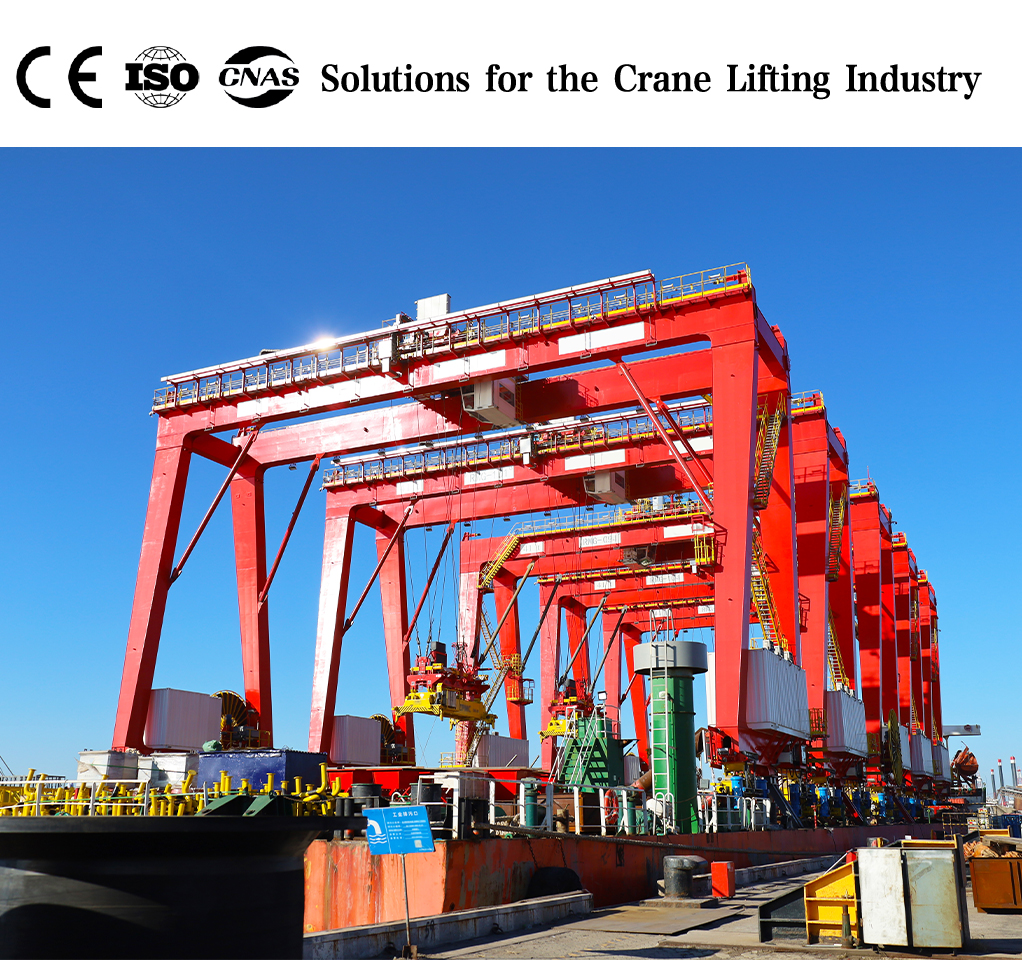
In the global logistics and container handling industry, efficiency, reliability, and technological innovation are paramount. The Yangyu Rail-Mounted Container Gantry Crane (RMG) stands as a critical piece of equipment that plays a pivotal role in modern port operations, intermodal terminals, and large-scale container storage facilities. As international trade continues to expand, the importance of advanced container handling solutions like Yangyu’s RMG systems becomes increasingly evident.
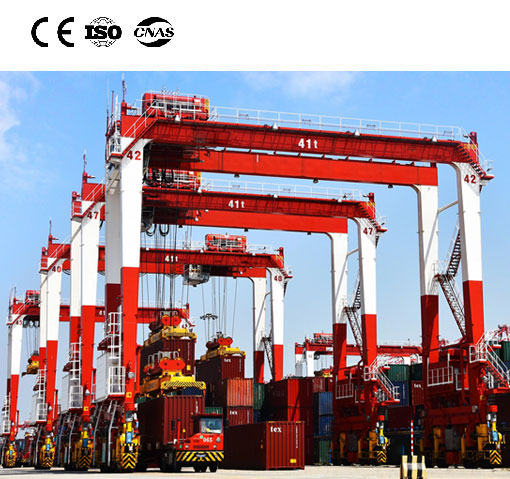
These massive but precision-engineered machines are not just about moving containers—they’re about optimizing supply chains, reducing operational costs, enhancing safety, and minimizing environmental impact. This article explores the multifaceted role of Yangyu Rail-Mounted Container Gantry Cranes in today’s logistics infrastructure and why they represent such a crucial investment for port operators and terminal managers worldwide.
Understanding Rail-Mounted Gantry Cranes
A Rail-Mounted Gantry (RMG) Crane is a type of overhead lifting system specifically designed for container handling operations. Unlike their rubber-tired counterparts (RTGs), RMGs run on fixed tracks, which provides several operational advantages including greater stability, higher precision, and reduced energy consumption.
The Yangyu RMG typically consists of:
Main Girder/Beam: The primary horizontal structure that spans the container stacking area
Leg Supports: Vertical structures that support the main girder and contain the lifting mechanism
Lifting Trolley: The mechanism that travels along the main girder, housing the hoisting unit
Container Spreader: Specialized attachment for handling standard container sizes
Control Systems: Advanced computerized systems for operation and automation
Safety Mechanisms: Multiple integrated safety systems to protect personnel and equipment
Key Roles and Importance of Yangyu RMG Cranes
1. Enhancing Port Operational Efficiency
Yangyu RMG cranes significantly improve container handling efficiency in port terminals and intermodal facilities. With capabilities to achieve comprehensive efficiency rates of up to 250 moves per hour under optimal conditions, these systems enable ports to handle increasing container volumes without proportional increases in manpower or footprint1.
The precision positioning systems and automated operation capabilities of Yangyu RMGs allow for:
Faster vessel turnaround times
Reduced container dwell time
Optimized container stacking patterns
Seamless integration with other terminal equipment
2. Space Optimization and Yard Density
One of the most significant advantages of Yangyu RMG cranes is their ability to maximize storage density within container yards. RMGs can typically span 16 rows of containers or more, compared to the 6-8 rows typically handled by rubber-tired gantry cranes (RTGs)6. This enhanced span capability allows terminal operators to:
Store more containers within the same footprint
Implement higher stacking configurations (typically 4-5 containers high)
Reduce the overall land requirement for container storage
Improve container organization and accessibility
3. Automation and Digital Integration
Yangyu RMG cranes are at the forefront of terminal automation technology. With advanced automation subsystems, these cranes can operate with minimal human intervention, leading to a significantly improved human-to-machine ratio (potentially as high as 1:6).
Key automation features include:
Automatic container positioning systems
Integrated container identification and tracking
Precision GPS and laser guidance systems
Automated traffic management for container movers
Realistic equipment monitoring and predictive maintenance systems
4. Energy Efficiency and Environmental Sustainability
In an era of increasing environmental awareness and rising energy costs, Yangyu RMG cranes offer significant advantages over alternative container handling solutions. As fully electric-powered systems, they eliminate the carbon emissions associated with diesel-powered equipment.
Environmental benefits include:
Zero direct emissions during operation
Regenerative braking systems that return energy to the grid
Compliance with IE3 energy efficiency standards (per IEC60034)
Reduced noise pollution compared to diesel equipment
Lower overall carbon footprint throughout the equipment lifecycle
5. Safety and Reliability
Safety is paramount in container handling operations, where heavy loads and complex equipment interactions present potential hazards. Yangyu RMG cranes incorporate comprehensive safety systems that protect both personnel and cargo.
Notable safety features include:
Anti-collision systems for multiple crane operations
Container sway damping technology
Automatic spreader locking verification
Emergency stop systems with redundant backups
Wind resistance systems for adverse weather conditions
Personnel detection and protection systems
6. Cost Reduction and Operational Economy
While the initial investment in Yangyu RMG systems can be substantial, the long-term operational economics favor these systems over alternatives. The total cost of ownership is often lower due to:
Reduced labor requirements through automation
Lower energy costs compared to diesel equipment
Decreased maintenance requirements of electric vs. diesel systems
Higher equipment utilization rates through continuous operation
Longer equipment lifespan with proper maintenance
7. Flexibility and Customization
Yangyu understands that different terminals have unique operational requirements. Their RMG cranes offer significant customization options to meet specific needs:
Variable span widths to match existing yard configurations
Custom lifting heights based on stacking requirements
Specialized spreaders for different container types
Integration capabilities with existing terminal operating systems
Future-proof designs that allow for technology upgrades
Technical Specifications of Yangyu RMG Cranes
| Parameter | Specification Range | Importance |
|---|---|---|
| Lifting Capacity | 40-50 tons (standard containers) | Handles fully loaded containers safely |
| Span Width | Up to 16+ container rows | Maximizes yard storage density |
| Lifting Height | 4-5 containers high | Optimizes vertical storage space |
| Operating Speed | Varies by model and configuration | Determines overall productivity |
| Power Supply | Electric (grid-powered) | Red emissions and operating costs |
| Control Systems | Automated with manual override | Balances efficiency and flexibility |
| Positioning Accuracy | ±25mm or better | Ensures precise container handling |
Applications Across Logistics Operations
Yangyu Rail-Mounted Gantry Cranes serve crucial roles in various container handling environments:
Port Container Terminals
In marine port terminals, Yangyu RMGs are essential for transferring containers between vessels and land transportation, organizing container storage yards, and loading/unloading trucks and rail cars. Their high efficiency helps reduce vessel turnaround time, a critical metric for port competitiveness.
Intermodal Rail Terminals
At rail intermodal facilities, Yangyu RMGs facilitate the efficient transfer of containers between rail cars and trucks. The precision handling capabilities of these cranes enable rapid loading and unloading of trains, significantly reducing dwell time and improving rail asset utilization.
Container Storage and Logistics Parks
Large-scale container storage facilities and logistics parks utilize Yangyu RMG cranes to maximize storage density while maintaining accessibility to specific containers. The high stacking capability and precise inventory management features make these cranes ideal for such applications.
Manufacturing and Export Facilities
Major manufacturing plants and export-oriented industries often implement Yangyu RMG systems in their private terminals to streamline loading operations and reduce logistics costs. The ability to efficiently handle large volumes of containers makes these systems valuable for facilities with high throughput requirements.
Comparison with Alternative Container Handling Systems
Yangyu RMG vs. Rubber-Tired Gantry (RTG) Cranes
| Factor | Yangyu RMG Cranes | RTG Cranes |
|---|---|---|
| Mobility | Fixed tracks, limited to defined area | Mobile, can move throughout yard |
| Energy Source | Electric (grid power) | Typically diesel |
| Environmental Impact | Zero emissions during operation | Diesel emissions and spills |
| Operational Precision | Higher precision due to fixed tracks | Slightly less precise |
| Stacking Pattern | Typically 16+ wide, 4-5 high | Typically 6-8 wide, 3-4 high |
| Labor Requirements | Lower due to automation capabilities | Higher manual operation needs |
| Long-Term Costs | Lower operating and maintenance costs | Higher fuel and maintenance costs |
Yangyu RMG vs. Straddle Carriers
While straddle carriers offer greater mobility and flexibility for certain applications, Yangyu RMG cranes provide:
Higher stacking capability (4-5 high vs. typically 2-3 high)
Greater handling efficiency for high-volume operations
Better inventory control through precise positioning
Lower operational costs for high-throughput facilities
The Future of Container Handling: Yangyu’s Technological Innovations
Yangyu is continuously investing in research and development to enhance the capabilities of their RMG cranes. Emerging innovations include:
Artificial Intelligence and Machine Learning
Predictive maintenance algorithms to reduce downtime
Automated stacking optimization based on container destination
Intelligent traffic management for supporting equipment
Computer vision systems for container inspection and damage detection
Enhanced Automation Features
Fully autonomous operation capabilities
Remote operation centers for multi-crane control
Automated container loading/unloading for trucks and rail cars
Seamless integration with terminal operating systems
Sustainability Improvements
Energy recovery systems to maximize efficiency
Solar integration for supplemental power
Lightweight materials to reduce energy consumption
Advanced energy management systems
Safety Enhancements
Enhanced personnel detection systems
Collision avoidance technology
Advanced weather monitoring and response systems
Cybersecurity protections for control systems
Economic Impact of Yangyu RMG Cranes
The implementation of Yangyu Rail-Mounted Gantry Cranes has significant economic implications for terminal operators and port authorities:
Capital Investment vs. Operational Savings
While the initial investment in Yangyu RMG technology is substantial—often ranging from $4-10 million per unit depending on specifications—the long-term operational savings typically justify the investment through:
Labor cost reduction (up to 60% compared to manual systems)
Energy cost savings (electricity vs. diesel fuel)
Maintenance cost reduction (fewer moving parts than alternatives)
Improved equipment utilization (higher productivity per machine)
Reduced damage claims (improved handling precision)
Return on Investment Considerations
Most Yangyu RMG installations achieve full return on investment within 3-5 years through:
Increased throughput capacity
Reduced labor requirements
Lower operating costs
Improved asset utilization
Enhanced terminal competitiveness
Impact on Terminal Valuation
Terminals equipped with modern Yangyu RMG systems typically experience:
Higher asset valuation
Increased attractiveness to shipping lines
Better financing terms for expansion projects
Enhanced reputation as modern, efficient facilities
Implementation Considerations for Yangyu RMG Cranes
Organizations considering implementing Yangyu RMG technology should address several key factors:
Infrastructure Requirements
Strong foundation and rail system to support crane operations
Electrical infrastructure to deliver sufficient power
Communication networks for control and automation systems
Support equipment interfaces for integrated operations
Operational Planning
Workflow analysis to optimize container movement
Staff training programs for operation and maintenance
Phased implementation strategy to minimize disruption
Maintenance program development for long-term reliability
Financial Planning
Total cost of ownership analysis
Financing options evaluation
Operational cost-benefit assessment
Long-term maintenance budgeting
Conclusion: The Strategic Importance of Yangyu RMG Cranes
The Yangyu Rail-Mounted Container Gantry Crane represents far more than just another piece of material handling equipment—it embodies a strategic approach to modern container terminal operations that emphasizes efficiency, sustainability, safety, and economic performance.
As global trade continues to expand and port facilities face increasing pressure to handle larger volumes with greater efficiency and lower environmental impact, the role of advanced equipment like Yangyu RMG cranes becomes increasingly critical. These systems offer terminal operators the opportunity to:
Significantly increase capacity without proportional land acquisition
Reduce operating costs through automation and electrification
Minimize environmental impact through zero-emission operation
Enhance safety for personnel and cargo
Improve competitiveness through faster vessel turnaround times
For port authorities, terminal operators, and logistics companies looking toward the future, investment in Yangyu Rail-Mounted Gantry Crane technology represents not just an equipment purchase, but a strategic commitment to operational excellence and long-term viability in an increasingly competitive global market.
The important role of Yangyu RMG cranes will only continue to grow as international trade expands, environmental regulations tighten, and the demand for logistics efficiency increases. Those who embrace this technology today will be best positioned to succeed in the container handling industry of tomorrow.
Frequently Asked Questions
What makes Yangyu RMG cranes different from other brands?
Yangyu RMG cranes incorporate advanced automation features, superior energy efficiency, and robust safety systems that distinguish them from many competitors. Their proven reliability in various operational environments and comprehensive support services make them a preferred choice for many terminal operators.
How long does it typically take to implement a Yangyu RMG system?
The implementation timeline varies based on the scope of the project and site-specific conditions, but typically ranges from 12-24 months from order to full operational status. This includes design, manufacturing, installation, testing, and commissioning phases.
Can Yangyu RMG cranes be integrated with existing terminal equipment?
Yes, Yangyu RMG systems are designed with integration capabilities that allow them to work seamlessly with existing terminal operating systems, other handling equipment, and legacy infrastructure. The company provides integration services to ensure compatibility.
What kind of maintenance do Yangyu RMG cranes require?
Yangyu RMG cranes require regular preventive maintenance including mechanical inspections, electrical system checks, and software updates. The company offers comprehensive maintenance programs with remote monitoring capabilities to maximize equipment availability and lifespan.
Are Yangyu RMG cranes suitable for all climate conditions?
Yes, Yangyu designs their RMG cranes to operate in diverse environmental conditions, from extreme cold to tropical heat. Special configurations are available for specific climate challenges, including corrosion protection for marine environments and cold weather packages for Arctic operations.