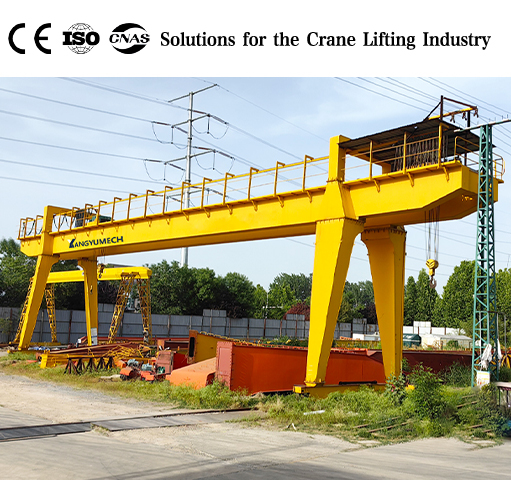
The relentless demands of foundry operations—molten metal handling, abrasive dust, thermal cycling, and 24/7 production cycles—make crane reliability non-negotiable. Standard maintenance protocols fail under such conditions, leading to costly downtime and safety risks. North America’s premier foundries now leverage specialized crane services engineered for these extremes, combining domain-specific expertise with predictive technologies to maximize uptime and lifespan.
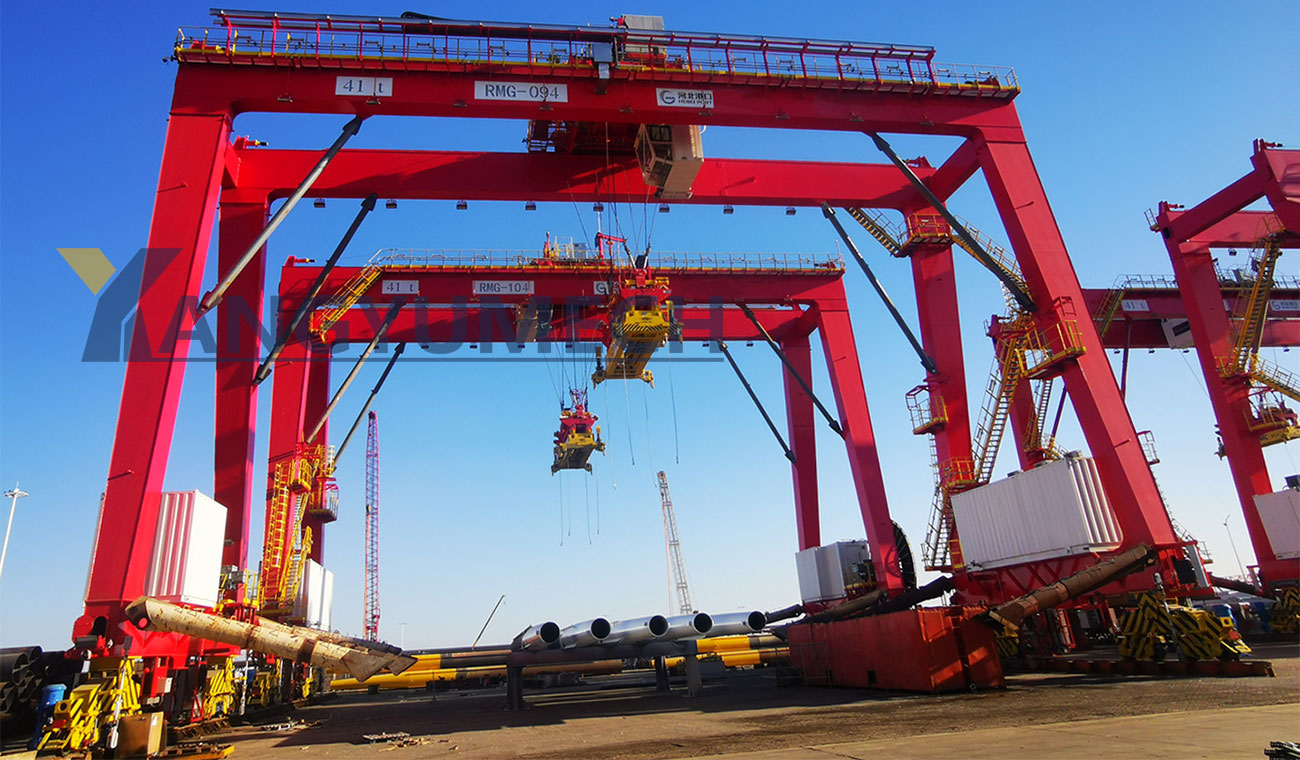
Why Generic Maintenance Fails in Foundries
Foundry cranes endure uniquely punishing conditions:
Thermal Stress: Ladle operations expose cranes to 65°C+ ambient temperatures, warping standard components .
Corrosion & Abrasion: Metal dust and chemical vapors degrade electrical systems and mechanical joints 3x faster than in standard factories .
Precision Demands: Handling 400-ton ladles requires deflection limits below L/1000—exceeding standard crane tolerances .
Regulatory Pressure: OSHA and CMAA Class D/E compliance mandates rigorous documentation and safety testing .
Core Service Pillars for Foundry Crane Longevity
1. Proactive Maintenance Architecture
Thermal Resilience Audits: Infrared scans identify heat-damaged girders; ceramic-fiber blankets insulate critical components .
Dust Mitigation Systems: IP65-rated sealed trolleys + automated wiper assemblies reduce abrasive particle ingress by 80% .
Corrosion Defense: Triple-layer epoxy-polyurethane coatings (280µm) + cathodic protection for saltwater-exposed cranes .
2. Predictive Technology Integration
| Technology | Function | Uptime Impact |
|---|---|---|
| Vibration Sensors | Detect bearing/motor imbalances | 30% fewer breakdowns |
| IoT Load Monitors | Track stress during ladle transfers | Prevent overload failures |
| AI Health Analytics | Forecast component lifespan (±5% accuracy) | 40% lower maintenance costs |
3. Emergency Response Framework
24/7 Hotlines: On-call technicians for critical failures (e.g., brake system faults).
Modular Component Swaps: Pre-certified hoists, gears, and controls for same-day repairs.
Molten Spill Protocols: ATEX-compliant shutdown sequences to prevent explosions .
Regionalized Service Strategies Across North America
Foundry needs vary dramatically by geography and sector:
Great Lakes/Midwest (Auto/Aerospace Foundries)
Focus: Precision automation. Laser-guided anti-sway systems for turbine blade handling; robotic ladle synchronization.Gulf Coast (Petrochemical Foundries)
Focus: Corrosion/explosion resistance. ATEX Zone 1-certified crane upgrades; hurricane-rated bracing.Canadian Shield (Mining/Metals Foundries)
Focus: Arctic hardening. -40°C hydraulic fluids; heated runway rails for ice prevention.Mexico’s Manufacturing Corridors
Focus: Cost-effective retrofits. Spanish-language training; modular modernization kits .
Compliance & Certification Essentials
North American foundries require adherence to:
CMAA 70-2018: Class D/E fatigue testing for ladle cranes.
OSHA 1910.179: Mandatory overload tests + documentation.
ISO 12488-1: Rail alignment tolerances ≤3mm.
NAFTA Safety Protocols: Harmonized emergency stop systems (e.g., dual-redundant PLCs) .
ROI-Driven Service Tiers
| Tier | Coverage | Ideal For | Annual Cost |
|---|---|---|---|
| Platinum | AI predictive + 24/7 support | Automotive megafoundries | $180,000–$350,000 |
| Gold | Quarterly deep cleans + IoT | Mid-size steel foundries | $90,000–$150,000 |
| Silver | Bi-annual inspections | Job-shop foundries | $45,000–$75,000 |
| *Costs reflect 20–50% ROI via 30% downtime reduction and 15-year lifespan extension* . |