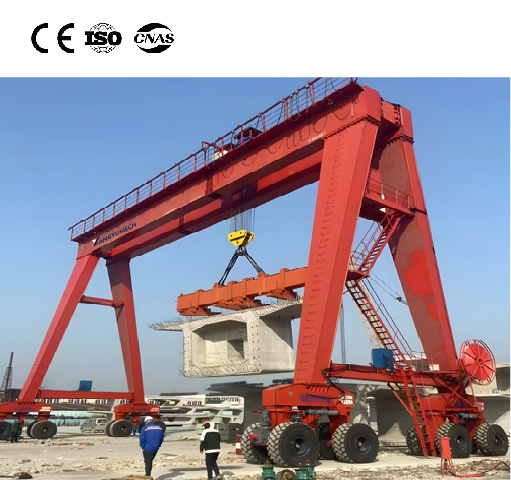
Factory cranes are the workhorses of industrial operations, handling heavy loads, streamlining workflows, and keeping production lines moving. Yet, many facilities leave significant efficiency gains untapped—with studies showing 30% of manufacturers lose 15% or more productivity due to underoptimized crane operations. Maximizing crane effectiveness isn’t just about lifting heavier loads; it’s about integrating smart strategies, technology, and best practices to boost uptime, safety, and ROI. Here’s a comprehensive guide to help you unlock your factory cranes’ full potential.
1. Start with Strategic Crane Selection & Configuration
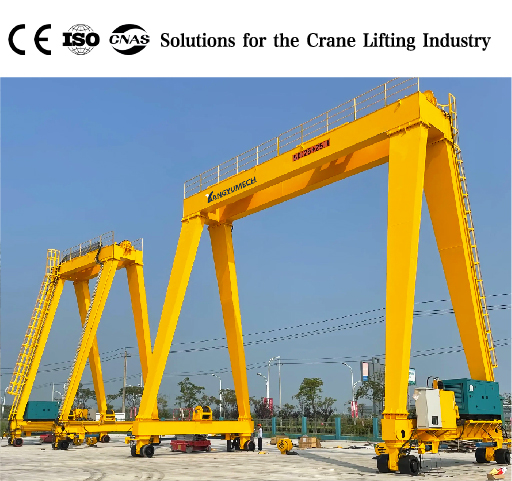
The foundation of effective crane operation lies in choosing the right equipment for your specific needs. A mismatched crane can lead to frequent breakdowns, safety risks, and wasted resources.
- Analyze Load Dynamics & Duty Cycles
Before investing, map out your operational demands: peak load weight, lift frequency (how many cycles per hour), travel distance, and environmental conditions (e.g., high temperatures in foundries, dust in warehouses). For example, using a standard electric hoist in a foundry can cause 40% faster motor burnout due to heat stress. Opt for specialized models like explosion-proof cranes with IP65 ratings for harsh environments.
- Optimize for Workspace Constraints
Compact spaces (e.g., workshops) benefit from wall-mounted jib cranes, which save floor space and offer 180° rotation. For large warehouses or outdoor yards, overhead bridge cranes with 360° movement and extended reach reduce bottlenecks. For uneven terrain, spider cranes with track wheels and 36% climbing capacity ensure mobility without sacrificing stability.
- Upgrade to Ergonomic Controls
Radio remote controls cut operator fatigue by 60% and improve positioning accuracy compared to traditional pendant controls. Advanced features like anti-sway automation (reducing load stabilization time by 75%) and collision-avoidance sensors further minimize errors and delays.
2. Implement Predictive Maintenance to Reduce Downtime
Unplanned downtime is a major productivity killer—costing an average of $18,000 per incident for crane repairs, plus lost production. Shifting from reactive to predictive maintenance is key.
- Monitor Critical Components
Use IoT-enabled tools to track wear and tear in real time:
- Wire ropes: Magnetic flux sensors detect internal damage, prompting replacement at 90% wear (before failure).
- Brakes: Thermal imaging cameras flag overheating (150°C+), allowing adjustments to prevent breakdowns.
- Motors: Vibration analyzers identify imbalance (4mm/s+ amplitude), reducing premature wear.
- Follow a Structured Inspection Schedule
Facilities with proactive maintenance programs report 98% uptime and save $4,500 annually per crane.
- Daily: Check hooks for cracks, hoist chains for kinks, and limit switches for functionality.
- Weekly: Conduct load tests to ensure capacity limits are respected.
- Quarterly: Analyze gearbox oil for contaminants and inspect welds for signs of stress.
3. Boost Operational Efficiency with Smart Workflows
Even well-maintained cranes underperform without optimized processes. Streamline operations with these tactics:
- Optimize Cycle Times
- Dual-command lifts: Combine inbound and outbound moves to cut empty travel by 50%.
- Zone-based prioritization: Designate “high-activity zones” (e.g., near assembly lines) with priority pathing to reduce wait times.
- Data-driven bottleneck analysis: Use IoT sensors to track idle time—many facilities discover 22% of crane hours are wasted on mid-bay transfers, which can be eliminated with better scheduling.
- Train Operators for Mastery
Certification tiers ensure operators have the skills to maximize efficiency:
- Level 1: Basic maneuvering (8 hours of training).
- Level 3: Advanced techniques like emergency response and fuel-efficient lifting (40 hours).
Incentivize performance with metrics like <0.5% positioning error and 95%+ fuel efficiency to drive accountability.
4. Integrate Technology for the “Smart Crane” Revolution
Digital tools are transforming crane operations, turning manual equipment into data-driven assets:
- Automation & AI
- AI-powered load tracking: Computer vision systems predict swing patterns, reducing collisions by 90%.
- Digital twins: Simulate lift scenarios to pre-optimize routes, cutting cycle times by 15%.
- Auto-leveling systems: Critical for uneven surfaces, these tools reduce setup time by 40%.
- Data Analytics Platforms
Monitor key metrics with real-time dashboards:
A German auto plant using these tools reduced crane energy costs by 31% through peak-demand alerts.
- Energy consumption per ton lifted (target:
8.50).
- Motor stress during acceleration to prevent overheating.
- Hourly utilization heatmaps to balance workloads across multiple cranes.
5. Prioritize Safety to Avoid Costly Accidents
Crane accidents cost an average of $1.2 million per incident, including fines, repairs, and downtime. Mitigate risks with:
- Advanced Safety Features
- Overload protection systems: Auto-lock at 95% of safe working load (SWL) with audible alarms.
- Geo-fencing: Restrict cranes to 3m+ from personnel areas to prevent collisions.
- OSHA/CE compliance kits: Digital logs and audit templates cut preparation time by 80%.
- Regular Emergency Drills
Quarterly simulations (e.g., power loss during a critical lift) and post-drill debriefs ensure teams respond quickly to crises, minimizing downtime.
6. Measure Success with the Right KPIs
Track these metrics to gauge effectiveness and identify improvement areas:
Conclusion: Transform Cranes from Tools to Strategic Assets
Maximizing factory crane effectiveness requires a holistic approach—blending strategic equipment selection, predictive maintenance, operator training, and digital innovation. By treating cranes as data hubs rather than just lifting machines, facilities see ROI in as little as 7 months.
Start small: Conduct a duty cycle audit this month, install IoT sensors on high-use cranes, and launch advanced operator training. Over time, these steps will turn your cranes into drivers of productivity, safety, and long-term profitability.
“The best factories don’t just use cranes—they optimize them to be the backbone of their operations.”