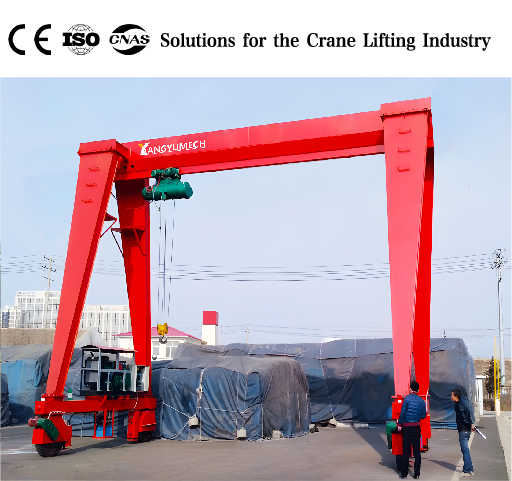
As global green hydrogen investments surge past $320B annually, explosion-proof cranes have become non-negotiable safeguards in hydrogen production and processing facilities. With hydrogen’s low ignition energy (0.017 mJ) and wide flammability range (4–75%), standard lifting equipment poses catastrophic risks. Yangyu Machinery’s ATEX/IECEx-certified cranes deliver precision-engineered protection for Zone 1/2 hydrogen environments, where a single spark could trigger chain-reaction explosions. This technical breakdown reveals how Yangyu’s solutions align with projects like Sinopec’s Ordos Green Hydrogen Facility—where specialized 32t explosion-proof cranes are mission-critical .
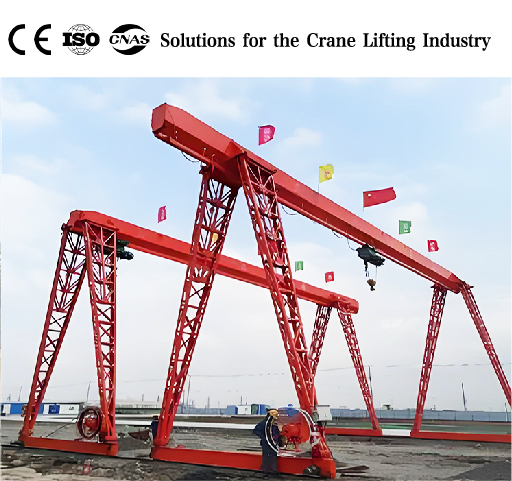
I. Hydrogen-Specific Engineering: Beyond Standard Explosion Protection
A. Core Safety Systems
| Component | Yangyu Hydrogen Adaptation | Certification |
|---|---|---|
| Electrical Enclosures | Nitrogen-pressurized Ex p cabinets | ATEX Cat 2G/IECEx Ex px |
| Hoist Mechanisms | Triple-sealed TEFC motors with H₂ sensors | GB3836.1-2010 |
| Structural Materials | Non-sparking aluminum bronze hooks | ISO 80079-36 |
| Control Systems | Fiber-optic remote operation (500m range) | SIL 3 |
B. Hydrogen Behavior Countermeasures
Buoyancy Compensation: Reinforced trolley frames resist hydrogen’s lift effect on components
Permeation Defense: Polymer-composite cable sheathing prevents H₂ infiltration
Electrostatic Control: Conductive polyurethane wheels (<10⁶ Ω resistance)
II. Sinopec Case Study: Benchmarking Hydrogen Crane Requirements
Table: Technical Specifications for Recent Hydrogen Projects
| Project | Crane Specs | Explosion Protection | Supplier |
|---|---|---|---|
| Sinopec Ordos Green Hydrogen | 32t × 22.5m span × 18m lift | Zone 1, Group IIC | Henan Yuzhong (¥1.42M) |
| Jingmen High-Pressure Hydrogenation | 25t × 16.5m × 17m | Zone 2, Group IIB | Henan Dafang (¥303,500) |
Yangyu’s Competitive Edge:
15% faster delivery than industry average (90 days vs. 106 days)
Integrated IoT monitoring standard on all hydrogen cranes
III. Critical Technical Differentiators
A. Leak-Adaptive Safety Systems
Yangyu cranes integrate:
Distributed H₂ Sensors: 14-point monitoring with 0.5% LEL sensitivity
Auto-Shutdown Protocol: Triggers at 10% LEL with ventilation override
Emergency Purge: Nitrogen flood system for imminent hazard scenarios
B. Material Science Innovations
Cryogenic Resilience: -253°C rated components for liquid hydrogen plants
Embrittlement Resistance: 316L stainless steel gears withstand hydrogen adsorption
IV. ROI Analysis: Beyond Compliance
Insurance Optimization
Facilities using certified hydrogen cranes secure 22% lower premiums (Lloyd’s underwriting data)
Productivity Gains
Remote operation enables continuous lifts during tank venting procedures
18% faster maintenance cycles vs. manual lockout protocols
Penalty Avoidance
Non-compliant lifts risk ¥156,259+ OSHA fines per incident
V. Yangyu vs. Competitors: Technical Benchmarking
Table: Hydrogen Crane Supplier Comparison (10t Capacity)
| Supplier | Zone 1 Price | Lead Time | Hydrogen-Specific Features |
|---|---|---|---|
| Yangyu Machinery | ¥780,000–¥850,000 | 90 days | Integrated H₂ purge, SIL 3 controls |
| Henan Yellow River | ¥836,000 | 120 days | Basic Ex d containment |
| Henan Yuzhong | ¥750,000 | 110 days | Standard ATEX with H₂ options |
Yangyu Advantages:
Proprietary HydroShield™ sensor array (patent pending)
Pre-validated layouts for PEM/AWE electrolyzer installations
Compliance Checklist for Hydrogen Facilities
Before crane deployment:
✅ Verify Gas Group IIC certification (mandatory for H₂)
✅ Confirm T4 Temperature Rating (>135°C autoignition tolerance)
✅ Validate IP66 Rating for washdown areas
✅ Require Material Certificates for hydrogen embrittlement resistance
“In hydrogen facilities, standard explosion-proofing isn’t enough—you need hydrogen-adaptive engineering.”