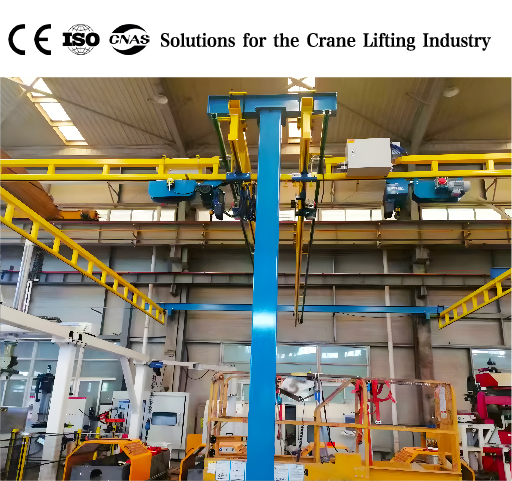
In the realm of industrial material handling, precision, durability, and adaptability are paramount. The KBK rigid crane stands out as a game-changing solution for heavy-duty applications where stability and precision matter most. This comprehensive guide explores the engineering excellence behind KBK rigid crane systems, their key advantages over conventional lifting equipment, technical specifications, and real-world applications across diverse industries.
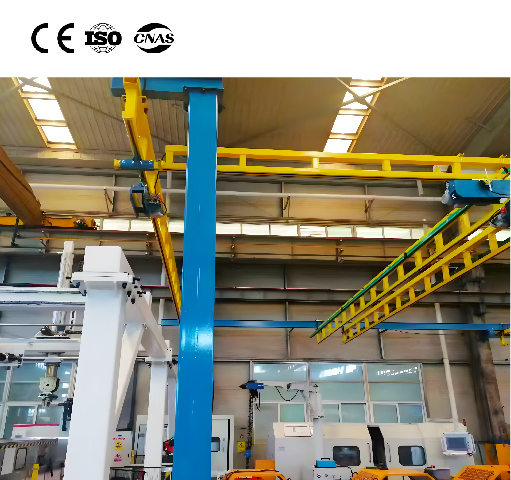
What is a KBK Rigid Crane?
A KBK rigid crane is a robust, modular material handling system designed for heavy-duty lifting operations requiring enhanced stability and precision. The term “KBK” derives from the German “Kombiniert Kran,” meaning “combined crane,” reflecting its modular design philosophy that allows for versatile configurations. Unlike flexible suspension monorails, KBK rigid cranes feature fixed rail connections that eliminate deflection, making them ideal for handling heavier loads with superior accuracy.
At its core, a KBK rigid crane system consists of:
- Enclosed steel runway profiles with rigid connections
- Single or double girder bridge configurations
- High-strength suspension devices
- Precision-engineered trolleys and hoists (typically electric chain hoists)
- Integrated power supply systems
- Advanced control options (pendant or radio remote)
These components work together to create a lifting system that excels in applications where minimal deflection and high repeatability are critical. The rigid design ensures that even under maximum load, the crane maintains precise positioning capabilities essential for complex manufacturing processes.
Key Advantages of KBK Rigid Crane Systems
KBK rigid cranes offer numerous performance and operational benefits that make them stand out in industrial material handling:
1. Superior Load Stability and Precision
The defining feature of KBK rigid cranes is their rigid rail connection system, which minimizes deflection during operation. This engineering advantage enables precise load positioning down to millimeters, crucial for assembly processes in automotive and aerospace manufacturing where component alignment is critical. Unlike flexible systems that may sway or vibrate under load, rigid cranes maintain consistent stability even during rapid movements.
2. Higher Load Capacity with Reduced Weight
KBK rigid cranes utilize high-strength cold-rolled steel profiles that deliver exceptional load-bearing capacity without excessive weight. This unique combination allows for load capacities up to 2,000 kg as standard, with specialized configurations handling up to 3,200 kg – significantly more than many flexible monorail systems. The lightweight yet durable construction reduces stress on supporting structures while maintaining operational integrity.
3. Extended Span Capabilities
Thanks to their rigid design, these cranes can achieve longer spans between support points compared to suspension monorails. Konecranes’ KBK steel systems, for example, offer extended suspension distances and longer travel spans, making them suitable for large facility layouts without requiring excessive support structures. This capability maximizes usable floor space while providing comprehensive coverage.
4. Modular Flexibility with Rigid Performance
Despite their fixed rail connections, KBK rigid cranes retain impressive modular flexibility. Standardized components allow for easy configuration, modification, and future expansion as operational needs evolve. This adaptability ensures that the system can grow with your business, whether you need to extend runways, add lifting points, or reconfigure workflows – all without compromising structural integrity.
5. Reduced Maintenance and Longevity
The enclosed steel profiles of KBK rigid cranes provide superior protection against dust, dirt, and debris, significantly reducing wear on moving parts. This design feature translates to longer service life, lower maintenance costs, and reduced downtime – critical factors for maintaining productivity in heavy-duty operations. Many systems are rated for corrosion resistance up to category C2-M according to DIN EN ISO 12944, ensuring durability even in challenging environments.
6. Fast Installation and Commissioning
Like all KBK systems, rigid cranes benefit from standardized bolt-on connections that simplify installation compared to traditional heavy-duty cranes. What might take weeks to install with conventional bridge cranes can often be completed in days with KBK rigid systems, minimizing production disruptions during setup or modifications.
Technical Specifications and Engineering Features
KBK rigid cranes are engineered to deliver consistent performance under demanding conditions. Here are the key technical aspects that define these systems:
Load Capacities and Configurations
KBK rigid crane systems offer versatile load handling capabilities:
- Standard systems: 125 kg to 2,000 kg
- Heavy-duty configurations: Up to 3,200 kg
- Available in single-girder and double-girder designs
- Configurable as ceiling-mounted or freestanding systems
The double-girder variants provide enhanced stability for longer spans and heavier loads, making them suitable for large-scale manufacturing and warehousing operations.
Operational Parameters
- Ambient temperature range: -10 °C to +40 °C (standard)
- Indoor use with optional protective features for special environments
- Precise positioning accuracy enabled by low-friction travel systems
- Multiple speed options for hoisting and traversing movements
- Integrated conductor lines for reliable power transmission
Structural Components
- Cold-rolled steel profiles for optimal strength-to-weight ratio
- Rigid rail joints capable of full-load bearing regardless of suspension position
- Articulated suspensions to reduce horizontal forces on supporting structures
- Adjustable track height via threaded suspension rods for precise alignment
- Shock-absorbing, maintenance-free travel wheels for smooth operation
Safety and Compliance
- Compliance with EC machinery directives and ISO 9001 standards
- Built-in load limitation systems to prevent overloading
- Emergency stop functionality and safety interlocks
- Optional collision avoidance systems for multi-crane setups
- Integrated mechanical locking devices on turntables and switches
Applications Across Industries
The versatility and robustness of KBK rigid cranes make them indispensable across various heavy-duty industries:
Automotive Manufacturing
In automotive plants, KBK rigid cranes excel at moving heavy components such as engines, transmissions, and chassis parts along assembly lines. Their precision positioning capabilities ensure accurate component mating, while their high load capacity handles the weight of automotive subassemblies with ease. The rigid design minimizes vibration that could affect sensitive assembly processes.
Aerospace and Defense
The aerospace industry demands exceptional precision and reliability for handling large, delicate components. KBK rigid cranes provide the stability required for maneuvering aircraft sections, engines, and sensitive avionics, ensuring safe transport without compromising component integrity. Their clean design can be adapted to meet the stringent requirements of aerospace manufacturing environments.
Heavy Machinery Production
Manufacturers of industrial equipment rely on KBK rigid cranes to move large machine components during production and assembly. These cranes efficiently handle heavy castings, motors, and subassemblies, streamlining production workflows and reducing manual handling risks. The extended span capabilities allow coverage of large manufacturing areas without obstructing floor space.
Warehousing and Logistics
In high-density storage facilities, KBK rigid cranes optimize vertical space utilization while providing reliable heavy-load handling. They integrate seamlessly with warehouse management systems for semi-automated or fully automated operation, improving throughput and inventory management efficiency. The modular design allows customization to specific storage layouts and load requirements.
Metal Fabrication
Metalworking environments benefit from the robust construction of KBK rigid cranes, which withstand the harsh conditions of fabrication shops. These cranes efficiently move raw materials, work-in-progress, and finished metal products, supporting processes from cutting and welding to finishing and inspection. Their precision movement helps reduce material waste by ensuring accurate positioning during manufacturing steps.
Specialized Applications
Beyond traditional industrial uses, KBK rigid cranes find applications in:
- Art handling and museum installations requiring precise movement of heavy exhibits
- Research and development facilities needing flexible yet stable lifting solutions
- Food processing and pharmaceutical production with appropriate hygienic modifications
KBK Rigid Crane vs. Traditional Lifting Solutions
The advantages of KBK rigid cranes become clear when compared to conventional material handling equipment:
Feature | KBK Rigid Crane | Traditional Bridge Crane | Flexible Monorail |
Load Capacity | Up to 3,200 kg | Higher (but overkill for many applications) | Up to 3,200 kg but with deflection |
Precision | High (minimal deflection) | Moderate (greater sway) | Lower (flexible track) |
Installation Time | Days to weeks | Weeks to months | Days to weeks |
Floor Space | Maximizes space (overhead mounting) | Requires support columns | Good, but limited by flexibility |
Modularity | High (easily reconfigured) | Low (fixed installation) | High but with performance trade-offs |
Maintenance | Low (enclosed components) | High (exposed moving parts) | Moderate |
Cost Efficiency | Excellent (lower installation and maintenance) | Higher initial and ongoing costs | Good for light loads only |
Span Capability | Excellent for medium spans | Excellent for very long spans | Limited by flexibility |
This comparison highlights why KBK rigid cranes represent an optimal balance of performance, flexibility, and cost-effectiveness for many industrial applications.
Selecting the Right KBK Rigid Crane System
Choosing the appropriate KBK rigid crane involves evaluating several critical factors to ensure optimal performance:
1. Load Requirements Analysis
Assess your maximum load weight, including any potential future increases. Consider not just the weight but also the load’s dimensions and center of gravity, as these affect stability and trolley selection. Choose a system with an appropriate safety margin above your regular operating loads.
2. Facility and Layout Considerations
- Measure available headroom and span requirements
- Evaluate ceiling or support structure capacity
- Identify obstacles that affect crane path design
- Consider future expansion needs when planning runways
KBK rigid cranes offer flexibility in navigation around existing machinery, with options like turntables and switches for direction changes.
3. Operational Environment
- Temperature ranges and humidity levels
- Presence of dust, debris, or corrosive elements
- Cleanliness requirements (e.g., food processing)
- Noise restrictions or special safety protocols
4. Control and Automation Needs
- Manual vs. semi-automated vs. fully automated operation
- Control method: pendant vs. radio remote
- Integration requirements with production systems
- Speed and precision requirements for your specific processes
5. Compliance and Safety Requirements
Ensure the system meets industry-specific safety standards beyond the basic EC machinery directives and ISO certifications. This is particularly important for regulated industries like aerospace, pharmaceuticals, and food processing.
Working with experienced KBK system integrators is crucial to designing a solution that precisely matches your operational needs while ensuring compliance with all safety regulations.
Maintenance and Safety Best Practices
Proper maintenance ensures the longevity and safe operation of KBK rigid crane systems:
Preventive Maintenance Schedule
- Daily: Visual inspection of hoist, hooks, and controls
- Weekly: Check for loose fasteners and smooth operation
- Monthly: Lubrication of moving parts as per manufacturer recommendations
- Quarterly: Inspection of electrical components and conductor lines
- Annually: Comprehensive load testing and structural inspection
Key Maintenance Tasks
- Keep rails clean and free of debris that could impede movement
- Verify proper alignment of rails and trolleys
- Inspect suspension points for signs of stress or wear
- Test safety features including emergency stops and load limits
- Replace worn components with genuine KBK parts to maintain integrity
Safety Guidelines
- Never exceed the system’s rated load capacity
- Ensure operators receive proper training on system-specific controls
- Maintain clear safety zones around operating areas
- Implement regular operator certification and refresher training
- Document all inspections, maintenance, and incidents
Establishing a comprehensive maintenance program not only extends the life of your KBK rigid crane but also creates a safer working environment for your operators.
The Future of Heavy-Duty Material Handling
As manufacturing evolves toward smarter, more connected operations, KBK rigid cranes are adapting to meet new demands. Modern systems can integrate with industrial IoT platforms for predictive maintenance, performance monitoring, and seamless coordination with other automated equipment.
The modular design philosophy of KBK systems positions them perfectly for the flexible factories of the future, where production lines must quickly reconfigure to accommodate changing product requirements. Whether integrated with collaborative robots, automated guided vehicles, or advanced warehouse management systems, KBK rigid cranes provide the stable, precise lifting foundation upon which smart manufacturing ecosystems are built.
Conclusion: Investing in KBK Rigid Crane Technology
KBK cranes represent a strategic investment in material handling efficiency, precision, and flexibility. Their unique combination of heavy-duty performance, modular adaptability, and cost-effectiveness makes them an ideal solution for modern industrial operations facing evolving material handling challenges.
By choosing a KBK rigid crane system, you’re not just acquiring lifting equipment – you’re implementing a scalable material handling solution that can grow and adapt with your business. From automotive assembly lines to aerospace manufacturing facilities, these systems deliver consistent performance, reduced downtime, and enhanced workplace safety that directly contribute to your bottom line.
When selecting a KBK rigid crane provider, look for established manufacturers with global support networks to ensure access to expertise, genuine components, and comprehensive service. With proper selection, installation, and maintenance, a KBK rigid crane system will serve as a reliable workhorse in your material handling operations for years to come.