Tag: chain hoist

  • Hand Chain Hoist: Types, Benefits, Selection & Maintenance

    Hand Chain Hoist: Types, Benefits, Selection & Maintenance

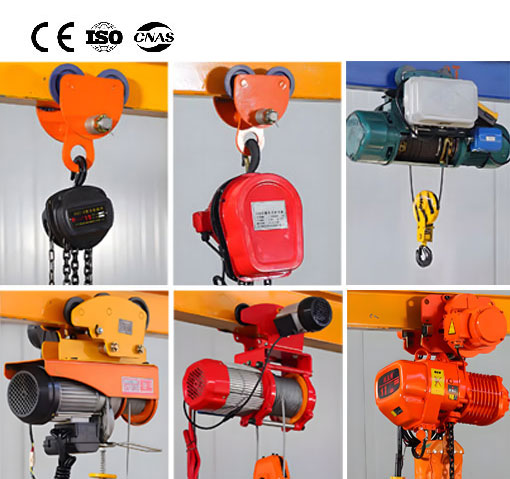
    In light-to-medium lifting scenarios—from small workshops and construction sites to emergency repairs and remote job sites—the Hand Chain Hoist (also known as a manual chain hoist) stands as a reliable, no-power solution. Unlike electric hoists (which depend on electricity or batteries), hand chain hoists use manual chain pulling to lift loads, making them indispensable for areas without power access or where portability and simplicity are non-negotiable. This comprehensive guide breaks down everything you need to know about hand chain hoists, including key types, real-world applications, and how to choose the right model—with insights from trusted manufacturers like Henan Yangyumech Co., Ltd.

    Hand Chain Hoist

    What Is a Hand Chain Hoist?

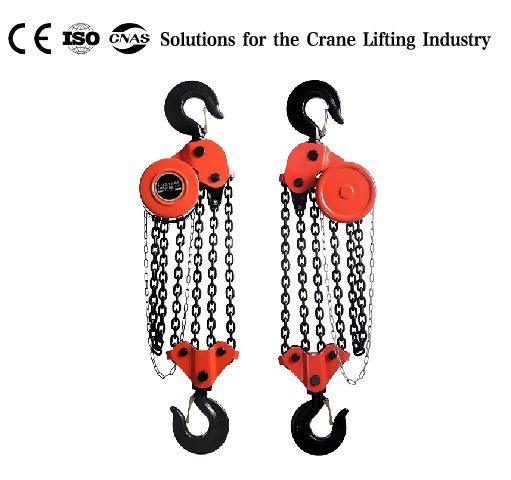
    A Hand Chain Hoist is a manual lifting device that uses two chains (a “hand chain” for operation and a “load chain” for lifting) and a gear system to raise, lower, and position loads. Its core design prioritizes durability, portability, and no-power operation: users pull the hand chain to rotate gears, which in turn lift the load chain (and attached load) via a lifting hook. With load capacities ranging from 0.5T to 50T, hand chain hoists adapt to diverse light-to-heavy tasks—from lifting tools in a home workshop to moving steel components on a construction site.

    Key Components of a High-Quality Hand Chain Hoist

    Every reliable hand chain hoist (such as those from Yangyumech, a supplier with CE, ISO, and CNAS certifications) includes these essential parts:


    • Load Chain: Made of high-strength alloy steel (or stainless steel for corrosion resistance), with heat-treated links to withstand wear and heavy loads.
    • Hand Chain: Lightweight yet durable, designed for comfortable grip and easy pulling (usually plastic-coated or steel for different environments).
    • Gear System: Precision-machined spur gears or worm gears that multiply manual force—allowing users to lift heavy loads with minimal effort (mechanical advantage: 1:10 to 1:50).
    • Brake System: Built-in mechanical brake (often a ratchet-and-pawl design) that secures the load instantly when the hand chain is released—prevents slipping even if the chain is dropped.
    • Lifting Hooks: Top hook (for mounting to beams, ceilings, or tripods) and bottom hook (for attaching loads), both made of forged steel with safety latches to prevent load disengagement.
    • Housing: Rugged steel or aluminum housing that protects internal gears from dust, debris, and impact—extending the hoist’s lifespan.

    Core Benefits of Choosing a Hand Chain Hoist

    Compared to electric hoists, wire rope hoists, or manual lever hoists, hand chain hoists offer unique advantages for specific scenarios:

    1. No Power Required (Ideal for Off-Grid Use)

    The biggest advantage of hand chain hoists is their independence from electricity, batteries, or fuel. This makes them perfect for remote construction sites, outdoor repairs, or emergency situations (e.g., power outages in factories)—where electric hoists would be useless.

    2. Ultra-Portable & Compact

    Most hand chain hoists weigh 5-50 kg (depending on capacity) and are small enough to carry in toolboxes or transport in vehicles. Unlike large electric hoists (which need cranes or dedicated mounting), they can be set up in minutes—ideal for mobile teams or small businesses.

    3. Low Maintenance & Long Lifespan

    With no motors, wires, or batteries, hand chain hoists have fewer moving parts to break or maintain. A well-cared-for hand chain hoist (like Yangyumech’s) can last 10-15 years—twice as long as budget electric hoists—with only basic lubrication and inspections.

    4. Cost-Effective for Light-to-Medium Tasks

    Hand chain hoists are significantly cheaper than electric hoists (starting at $100-$200) and eliminate ongoing costs like electricity or battery replacements. For small workshops, homeowners, or businesses with occasional lifting needs, this translates to lower upfront and long-term expenses.

    5. Safe & Compliant

    Top-tier hand chain hoists (like Yangyumech’s) meet global safety standards:


    • Overload protection: Many models include a shear pin or torque limiter that prevents damage if the load exceeds capacity.
    • Secure braking: Ratchet-and-pawl brakes lock the load in place even if the hand chain is released—no risk of accidental dropping.
    • CE/ISO/CNAS certification: Ensures legal use in markets like the EU, North America, and Asia—avoiding safety violations or fines.

    Common Types of Hand Chain Hoists (With Use Cases)

    Hand chain hoists are categorized by load capacity, material, and compliance standards. Below are the most widely used types—including industry-leading models from Yangyumech, tailored to specific user needs.

    1. Standard Hand Chain Hoist (0.5T-10T)

    The most versatile option, Standard Hand Chain Hoists are designed for general-purpose lifting. Key features:


    • Load capacity: 0.5T to 10T (covers 80% of light-to-medium tasks).
    • Lifting height: 2m to 10m (customizable for taller spaces).
    • Materials: Alloy steel load chain, steel housing, plastic-coated hand chain (for grip).
    • Best for: Home workshops (lifting tools, bikes), small factories (moving parts), and retail warehouses (loading inventory).

    2. Heavy-Duty Hand Chain Hoist (10T-50T)

    For industrial-grade tasks, Heavy-Duty Hand Chain Hoists are engineered to handle massive loads. Key specs:


    • Load capacity: 10T to 50T (ideal for heavy machinery or construction).
    • Design: Reinforced housing, thickened load chain (12-20 mm diameter), and high-torque gear systems (mechanical advantage up to 1:50).
    • Pros: Built for continuous use; resistant to impact and harsh conditions.
    • Best for: Construction sites (lifting steel beams), mining operations (moving equipment), and shipyards (cargo handling).

    3. Stainless Steel Hand Chain Hoist

    For corrosive or hygienic environments, Stainless Steel Hand Chain Hoists use rust-resistant materials. Key features:


    • Materials: 304 or 316 stainless steel load chain, housing, and hooks—resists water, chemicals, and salt (ideal for outdoor or marine use).
    • Load capacity: 0.5T to 5T (light-to-medium loads in harsh conditions).
    • Compliance: Meets food/pharmaceutical standards (EN 1672-2) for cleanroom use.
    • Best for: Marine environments (boat repairs), food processing plants (lifting equipment), and chemical factories (moving corrosive materials).

    4. EU-Standard Hand Chain Hoist

    For businesses operating in the EU or prioritizing top-tier safety, EU-Standard Hand Chain Hoists (offered by Yangyumech) are mandatory. Key benefits:


    • Compliance: Meets EN 12077-1 (chain hoist safety standard) and CE requirements—includes enhanced brake testing and material certifications.
    • Safety features: Anti-corrosion coatings, ergonomic hand chains (reduces operator fatigue), and overload warning labels.
    • Quality control: Each hoist undergoes 125% overload testing before leaving the factory—ensuring reliability.
    • Best for: EU-based factories, automotive plants, and businesses exporting to European markets (legal compliance is mandatory).

    5. Mini Hand Chain Hoist (≤0.5T)

    For ultra-light tasks, Mini Hand Chain Hoists are compact and portable. Key features:


    • Load capacity: 0.1T to 0.5T (ideal for small items).
    • Size: Weighs 2-5 kg, fits in a backpack—perfect for home DIY or on-site repairs.
    • Pros: Affordable, easy to store, no assembly needed.
    • Best for: Home use (hanging curtains, lifting small furniture), HVAC repairs (moving ductwork), and event setup (hanging lights).

    How to Select the Right Hand Chain Hoist (Step-by-Step)

    Choosing the wrong hand chain hoist can lead to safety risks, equipment damage, or inefficient lifting. Follow this guide to match the hoist to your needs:

    Step 1: Define Load Requirements

    • Rated Load Capacity: Choose a hoist with a capacity 10-20% higher than your heaviest load (e.g., if your max load is 4T, select a 5T hoist) to avoid overloading. Never exceed the rated capacity—this can break the chain or brake system.
    • Lifting Height: Measure the vertical distance from the hoist’s mounting point to the lowest load position (e.g., 2m for home use, 8m for construction sites). Ensure the load chain length meets this need (add 0.5-1m extra for safety).

    Step 2: Consider the Work Environment

    • Corrosive Conditions: Use stainless steel hoists (e.g., marine, chemical plants) to prevent rust.
    • Harsh/Impact-Prone Areas: Choose heavy-duty hoists with reinforced housing (e.g., construction, mining).
    • Cleanrooms/Food Plants: Opt for stainless steel hoists with food-grade lubricants (compliant with EN 1672-2).
    • EU/Export Markets: Prioritize EU-standard hoists with CE certification to meet legal requirements.

    Step 3: Evaluate Ergonomics & Ease of Use

    • Hand Chain Design: Look for plastic-coated or rubberized hand chains (reduces grip fatigue during long use).
    • Gear Ratio: Higher gear ratios (1:30 to 1:50) make lifting heavy loads easier but slow down lifting speed—balance speed and effort based on your task.
    • Hook Type: Ensure both top and bottom hooks have safety latches (prevents loads from slipping off during lifting).

    Step 4: Check Safety & Compliance

    • Certifications: Verify CE (EU), ISO 9001 (quality), and CNAS (testing) certifications—avoid uncertified hoists (they lack safety testing).
    • Safety Features: Look for overload protection (shear pins, torque limiters) and a reliable brake system (ratchet-and-pawl is industry-standard).

    Step 5: Verify Brand Reliability

    Choose suppliers like Henan Yangyumech Co., Ltd. that offer:


    • Proven Quality: CE, ISO, and CNAS certifications to guarantee performance and safety.
    • Diverse Models: Standard, heavy-duty, stainless steel, and EU-standard options to cover all needs.
    • After-Sales Support: Replacement parts (load chains, hooks, brakes), technical support, and warranty (usually 1-3 years).

    Maintenance Tips for Hand Chain Hoists

    To extend your hoist’s lifespan and ensure safety, follow these simple practices (requires minimal time and tools):

    1. Inspect Before Each Use (2-3 Minutes)

    • Load Chain: Check for fraying, kinks, or stretched links—replace if more than 5% of links are damaged (per EN 12077-1).
    • Brakes: Test the brake by lifting a small load (10% of rated capacity) and releasing the hand chain—ensure the load stays in place.
    • Hooks: Inspect hooks for bending or cracks—safety latches should close tightly (no gaps).
    • Gear Housing: Check for oil leaks (indicates a damaged seal) or loose bolts (tighten if needed).

    2. Lubricate Regularly (Every 1-3 Months)

    • Load Chain: Apply a light machine oil or chain lubricant to all links—wipe off excess to prevent dust buildup. For stainless steel hoists, use corrosion-resistant lubricant.
    • Gear System: Add grease to the gear housing (follow the manufacturer’s fill level—over-greasing causes overheating).
    • Avoid Over-Lubrication: Too much oil/grease attracts dirt, which accelerates wear on chains and gears.

    3. Clean After Use (Especially in Harsh Environments)

    • Corrosive/Marine Environments: Rinse the hoist with fresh water after use (avoid high-pressure washers) and dry thoroughly to prevent rust.
    • Dusty Areas: Wipe the load chain and housing with a dry cloth to remove debris—this prevents abrasive wear.

    4. Store Correctly

    • Dry Location: Store the hoist in a cool, dry place (away from rain, humidity, or extreme temperatures: -10°C to 40°C).
    • Hang or Secure: Hang the hoist from a hook (to keep chains straight) or store it in a case—avoid placing heavy objects on top of it (prevents chain kinking).

    5. Use Genuine Spare Parts

    If parts break (e.g., a frayed chain or faulty hook), use Yangyumech’s genuine replacements. Non-compliant parts (e.g., cheap generic chains) are weaker than original parts—they can snap under load and cause accidents.

    FAQ: Hand Chain Hoists

    Q1: How much force do I need to pull the hand chain?

    A: Most hand chain hoists require 15-30 kg of pulling force (regardless of load capacity), thanks to the gear system’s mechanical advantage. For example, a 10T hoist needs ~20 kg of force to lift the full load.

    Q2: Can a hand chain hoist be used outdoors?

    A: Yes—choose a stainless steel or corrosion-resistant model (e.g., Yangyumech’s stainless steel hand chain hoist) to resist rain and rust. Avoid leaving non-stainless hoists outdoors for extended periods.

    Q3: What’s the difference between a hand chain hoist and a lever hoist?

    A: Hand chain hoists use a hand chain for operation (best for vertical lifting); lever hoists use a lever (best for horizontal pulling or angled lifting). Hand chain hoists are better for pure vertical tasks.

    Q4: Do I need CE certification for a hand chain hoist in the EU?

    A: Yes—CE marking is mandatory. Yangyumech’s EU-standard hand chain hoists meet EN 12077-1 and CE requirements, ensuring legal use.

    Q5: How much does a hand chain hoist cost?

    A: Prices vary by capacity: Mini models ($100-$200), Standard models (0.5T-10T: $200-$1,000), Heavy-duty models (10T-50T: $1,000-$5,000), Stainless steel models ($300-$1,500). Contact Yangyumech for customized quotes.

    Final Thoughts

    The Hand Chain Hoist is a versatile, reliable tool for light-to-medium lifting—especially in scenarios where power is unavailable or portability is key. Whether you need a standard model for your workshop, a heavy-duty hoist for construction, or a stainless steel variant for marine use, prioritize certified suppliers like Henan Yangyumech Co., Ltd. Their CE, ISO, and CNAS-marked hand chain hoists guarantee safety, durability, and value for money.


    For personalized recommendations (e.g., matching a hoist to your load capacity or environment) or to request a quote, contact Yangyumech’s team today—they’ll help you find the perfect hand chain hoist for your needs.
  • Electric Chain Hoist: Types, Benefits, Selection & Maintenance

    Electric Chain Hoist: Types, Benefits, Selection & Maintenance

    In industrial lifting scenarios—from small workshops and assembly lines to cleanrooms and logistics centers—the Electric Chain Hoist stands out as a compact, precise, and reliable solution. Unlike wire rope electric hoists (designed for ultra-heavy loads), electric chain hoists excel at light-to-medium lifting tasks, offering unmatched flexibility and ease of use. This comprehensive guide breaks down everything you need to know about electric chain hoists, including key types (such as EU-standard and cleanroom models), core advantages, and how to choose the right one for your needs—with insights from trusted manufacturers like Henan Yangyumech Co., Ltd.
    Chain Hoist, Electric Chain Hoist

    What Is an Electric Chain Hoist?

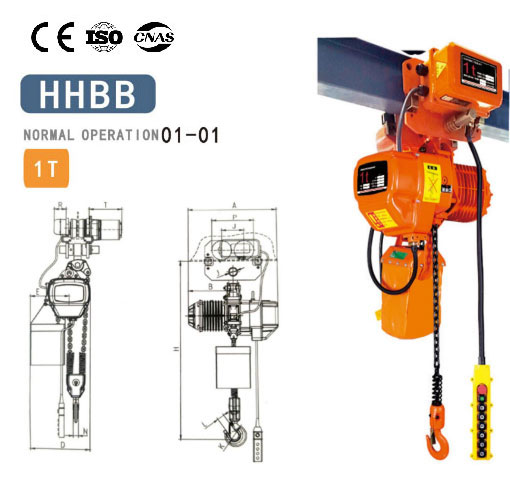
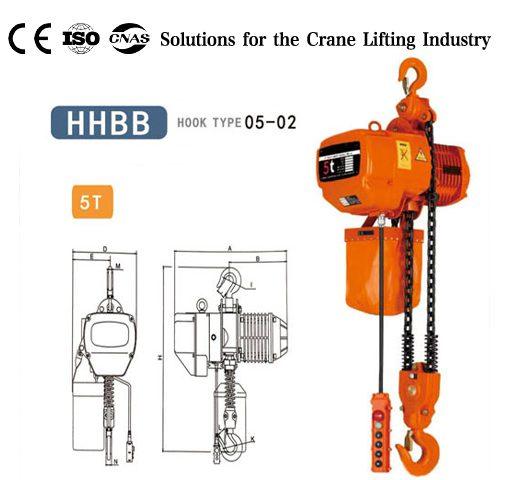
    An Electric Chain Hoist is a powered lifting device that uses a high-strength alloy steel chain (instead of wire rope) and an electric motor to lift, lower, and position loads. Its compact design, lightweight structure, and precise control make it ideal for scenarios where space is limited or load accuracy is critical—tasks that manual chain hoists or bulky wire rope hoists can’t handle efficiently.

    Key Components of a High-Quality Electric Chain Hoist

    Every reliable electric chain hoist (like those from Yangyumech, a supplier with CE, ISO, and CNAS certifications) includes these essential parts:


    • High-strength alloy steel chain: Resists wear, corrosion, and fatigue—common coatings include galvanization or nickel plating for added durability.
    • Compact electric motor: Powers chain movement, with efficiency ratings (e.g., IE3 for EU-compliant models) to reduce energy consumption.
    • Chain guide & sprocket: Ensures smooth, tangling-free chain operation—critical for maintaining load stability during lifting.
    • Dual brake system: Combines electromagnetic and mechanical brakes to secure loads instantly during power cuts or emergencies, complying with EN 12077-1 (European chain hoist safety standard) and ISO 9001.
    • Control unit: Pendant controls (for close-range use) or wireless remote controls (for safety in crowded or hazardous areas).
    • Mounting options: Ceiling-mounted, wall-mounted, or trolley-mounted (for horizontal movement along KBK tracks or monorails).

    Core Benefits of Choosing an Electric Chain Hoist

    Compared to wire rope hoists, manual chain hoists, or other lifting equipment, electric chain hoists offer unique advantages—especially for light-to-medium duty operations:

    1. Compact Size & Space Efficiency

    Electric chain hoists have a slim, lightweight design (typically 10-50 kg for 0.5-5T models) that fits in tight spaces. Unlike wire rope hoists (which require large drums for cable storage), their chain-driven structure eliminates bulky components—perfect for small workshops, mezzanines, or assembly lines with limited overhead space.

    2. Precise Load Control

    The slow, steady chain movement (lifting speeds usually 1-6 m/min) allows for pinpoint load positioning. This is critical for tasks like installing delicate machinery, aligning assembly line components, or handling fragile goods—where even minor swaying could cause damage.

    3. Easy Installation & Portability

    Most electric chain hoists require minimal setup: they can be mounted to ceilings, beams, or portable trolleys in minutes. Lightweight models (≤2T) can even be moved between workstations, making them ideal for flexible production environments.

    4. Low Maintenance & Long Lifespan

    Alloy steel chains are resistant to wear and corrosion, and sealed gearboxes prevent dust and debris ingress—reducing maintenance needs. With proper care, Yangyumech’s electric chain hoists last 8-12 years, outperforming manual hoists (which often need chain replacement every 2-3 years).

    5. Safety & Global Compliance

    Top-tier electric chain hoists (like Yangyumech’s) meet strict safety standards:


    • Overload protection: Shuts down the hoist if the load exceeds the rated capacity (prevents chain snapping).
    • Emergency stop button: Instantly cuts power in critical situations (e.g., load instability).
    • CE/ISO/CNAS certification: Ensures legal use in global markets, including the EU, North America, and Asia.

    Common Types of Electric Chain Hoists (With Use Cases)

    Electric chain hoists are categorized by design, compliance, and application. Below are the most widely used types—including industry-leading models from Yangyumech, tailored to diverse industrial needs.

    1. Standard Electric Chain Hoist (0.5T-10T)

    The most versatile option, the Standard Electric Chain Hoist is designed for general-purpose lifting. Key features:


    • Load capacity: 0.5T to 10T (covers most light-to-medium industrial tasks).
    • Lifting height: 3m to 12m (customizable for taller spaces).
    • Control: Basic pendant controls (24V low-voltage for operator safety).
    • Best for: Small workshops, retail warehouses, and light manufacturing (e.g., lifting tools, small machinery parts).

    2. EU-Standard Electric Chain Hoist

    For businesses operating in the EU or prioritizing top-tier safety/efficiency, the EU-Standard Electric Chain Hoist (offered by Yangyumech) is a must. Key specs:


    • Compliance: Meets EN 12077-1 (safety) and EN 60034 (motor efficiency)—uses IE3 premium motors to reduce energy costs by 15-25%.
    • Enhanced safety: Thermal motor protection, anti-drop brakes, and IP54 ingress protection (dust and water-resistant).
    • Modular design: Easy to disassemble for maintenance, minimizing downtime.
    • Best for: EU-based factories, automotive assembly lines, and businesses exporting to European markets (CE marking is mandatory).

    3. Cleanroom Electric Chain Hoist

    Engineered for sterile environments, the Cleanroom Electric Chain Hoist is ideal for industries where hygiene is critical. Key features:


    • Hygienic design: Stainless steel components, smooth surfaces, and oil-free lubricants (complies with EN 1672-2 for food/pharmaceutical safety).
    • Low particle emission: Sealed motors and chains prevent dust or debris from contaminating cleanrooms.
    • Load capacity: 0.5T to 5T (suited for light sterile tasks).
    • Best for: Pharmaceutical plants, food processing facilities, and semiconductor factories.

    4. Electric Chain Hoist With Trolley

    For horizontal movement, the Electric Chain Hoist & Trolley Set is a game-changer. Key benefits:


    • Trolley options: Manual trolleys (for 0.5T-3T loads) or electric trolleys (for 3T-10T loads), compatible with KBK standard tracks or I-beams.
    • Smooth travel: Trolley wheels with anti-wear bearings, ensuring quiet, stable horizontal movement.
    • Customizable stroke: 3m to 30m (matches workspace dimensions).
    • Best for: Large factories, assembly lines, and logistics centers needing flexible load movement (e.g., moving parts between production stations).

    5. Mini Electric Chain Hoist (≤0.5T)

    A lightweight, portable option, the Mini Electric Chain Hoist is designed for ultra-light tasks. Key features:


    • Load capacity: 0.1T to 0.5T (ideal for small-scale lifting).
    • Compact size: Fits in backpacks or toolboxes—perfect for home workshops, retail stockrooms, or maintenance tasks (e.g., lifting HVAC components).
    • Battery-powered options: Cordless models for areas without power outlets.
    • Best for: DIY enthusiasts, small retail stores, and on-site maintenance teams.

    How to Select the Right Electric Chain Hoist (Step-by-Step)

    Choosing the wrong electric chain hoist can lead to safety risks, operational delays, and unnecessary costs. Follow this guide to match the hoist to your needs:

    Step 1: Define Load Requirements

    • Rated Load Capacity: Choose a hoist with a capacity 10-20% higher than your heaviest load (e.g., if your max load is 4T, select a 5T hoist) to avoid overloading.
    • Lifting Height: Measure the vertical distance from the hoist’s mounting point to the lowest load position (e.g., 3m for workshops, 8m for high-ceiling warehouses). Ensure the chain length meets this need (add 0.5-1m extra for safety).

    Step 2: Consider Your Work Environment

    • Space: Tight areas (e.g., small workshops) need compact standard models; large spaces need hoists with trolleys.
    • Conditions:
      • Cleanrooms: Opt for stainless steel cleanroom models (compliant with EN 1672-2).
      • EU/Export Markets: Prioritize EU-standard models with CE certification.
      • Wet/Dusty Areas: Choose hoists with IP54+ ingress protection (e.g., Yangyumech’s EU-standard model).

    Step 3: Evaluate Control & Movement Needs

    • Control Type: Pendant controls for fixed workstations; wireless remotes for large or hazardous areas (e.g., factories with moving machinery).
    • Horizontal Movement: If you need to move loads side-to-side, add a trolley (manual for light loads, electric for heavy loads).

    Step 4: Check Compatibility With Existing Equipment

    • Mounting: Ensure the hoist fits your existing infrastructure (e.g., KBK tracks, I-beams, or ceiling hooks). Yangyumech offers custom mounting brackets for non-standard setups.
    • Power Supply: Match the hoist’s voltage (110V, 220V, 380V) to your site’s power—low-voltage controls (24V) are safer for operators.

    Step 5: Verify Brand Reliability

    Choose suppliers like Henan Yangyumech Co., Ltd. that offer:


    • Proven Certifications: CE, ISO 9001, and CNAS to guarantee compliance and quality.
    • Diverse Product Lines: Standard, EU-standard, cleanroom, and mini models to cover all needs.
    • After-Sales Support: Maintenance, genuine spare parts (alloy steel chains, brakes), and technical training.

    Maintenance Tips for Electric Chain Hoists

    To extend your hoist’s lifespan, ensure safety, and maintain compliance, follow these best practices:

    1. Inspect Regularly (Per Standards)

    • Daily Checks: Examine the chain for wear, kinks, or corrosion; test the brakes and emergency stop (critical for preventing accidents).
    • Monthly Checks: Inspect the motor for overheating (should not exceed 70°C), clean the chain guide, and tighten loose bolts.
    • Annual Servicing: Hire certified technicians (e.g., Yangyumech’s team) to lubricate gears, replace worn brake pads, and calibrate overload protection.

    2. Maintain the Chain

    • Lubrication: Use manufacturer-recommended lubricants (e.g., food-grade oil for cleanroom models) every 10-20 operating hours—avoids friction and rust.
    • Cleaning: Wipe the chain with a dry cloth after use (use a mild detergent for cleanroom models) to remove debris.
    • Replacement: Replace the chain if it has more than 5% broken links (per EN 12077-1) or signs of severe wear (e.g., stretched links).

    3. Protect the Motor & Controls

    • Motor Care: Keep the motor clean and well-ventilated—avoid blocking air vents (prevents overheating).
    • Control Unit: Store pendant controls in a dry place; replace damaged cables immediately (prevents short circuits).

    4. Use Genuine Spare Parts

    Never use non-compliant parts (e.g., cheap steel chains, generic brakes)—they void certifications, reduce performance, and risk accidents. Use Yangyumech’s genuine parts: high-strength alloy chains, EN-compliant brakes, and IE3 motors.

    5. Train Operators

    Ensure staff are trained to:


    • Operate the hoist safely (follow load limits, avoid sudden starts/stops).
    • Recognize warning signs (unusual noises, chain slack) and report issues promptly.
    • Follow maintenance schedules (critical for compliance with ISO 9001 and EN 12077-1).

    FAQ: Electric Chain Hoists

    Q1: How long does an electric chain hoist chain last?

    A: With proper lubrication and inspection, a genuine alloy steel chain (e.g., Yangyumech’s) lasts 3-5 years. Replace it sooner if there’s wear, corrosion, or broken links.

    Q2: Can an electric chain hoist be used outdoors?

    A: Yes—choose a model with IP54+ ingress protection (e.g., Yangyumech’s EU-standard hoist) to resist rain, dust, and temperature extremes (-10°C to 50°C). Avoid using cleanroom models outdoors.

    Q3: What’s the difference between an electric chain hoist and a manual chain hoist?

    A: Electric chain hoists use a motor for lifting (saves labor, faster, more precise); manual chain hoists require hand cranking (only for light loads, slow, labor-intensive).

    Q4: Do I need CE certification for an electric chain hoist in the EU?

    A: Yes—CE marking is mandatory. Yangyumech’s EU-standard electric chain hoist meets EN 12077-1 and EN 60034, ensuring legal compliance.

    Q5: How much does an electric chain hoist cost?

    A: Prices vary by type and capacity: Mini models (≤0.5T) cost $300-$800; Standard models (0.5T-5T) cost $800-$3,000; EU-standard/cleanroom models (1T-10T) cost $3,000-$8,000. Contact Yangyumech for customized quotes.

    Final Thoughts

    The Electric Chain Hoist is a versatile, efficient solution for light-to-medium lifting tasks—combining compact design, precise control, and long-term reliability. Whether you need a standard model for workshops, an EU-standard hoist for European markets, or a cleanroom variant for pharmaceutical plants, prioritize certified suppliers like Henan Yangyumech Co., Ltd. Their CE, ISO, and CNAS-marked products guarantee compliance, safety, and after-sales support.


    For personalized recommendations (e.g., matching a hoist to your workspace or industry) or to request a quote, contact Yangyumech’s team today—they’ll help you find the perfect electric chain hoist for your needs.
  • Electric Chain Hoists: Powering Modern Industry

    Electric Chain Hoists: Powering Modern Industry

    • Electric chain hoists convert electrical energy into mechanical lifting power via motors, gearboxes, and high-strength chains.

    • Core components include the motor, load chain, gearbox, brake system, and limit switches for safe operation.

    • Applications span manufacturing, construction, warehousing, automotive, and entertainment industries.

    • Advantages over manual hoists include greater efficiency, higher load capacities, and enhanced safety features.

    • Selection depends on factors like load capacity, duty cycle, power supply, and environmental conditions.


    Electric chain hoists
    Electric chain hoists

    1 Understanding Electric Chain Hoists

    An electric chain hoist is a motorized lifting device that uses an industrial-grade chain to vertically raise and lower heavy loads with precision. Unlike manual hoists requiring physical effort, these systems convert electrical energy into mechanical action through an integrated motor, making them indispensable for modern industrial operations. Their design balances power with control, enabling workers to handle multi-ton loads with minimal physical strain while maintaining millimeter-level accuracy in positioning .

    The fundamental distinction between electric chain hoists and alternatives like wire rope hoists lies in their lifting medium and mechanism. While wire rope hoists wind cables onto drums (suited for long lifts and heavy capacities), electric chain hoists use sprockets to guide hardened steel chains. This provides true vertical lift paths, making them ideal for precision tasks in confined spaces. Their chains—often heat-treated alloy steel—offer superior wear resistance and compactness compared to wire ropes, though with slightly lower maximum capacities .

    2 Core Components and Their Functions

    Electric chain hoists integrate several critical components that ensure reliable and safe operation:

    • Electric Motor: The powerhouse driving the hoist, converting electricity into rotational force. Motors are typically encased in aluminum housings with cooling fans to prevent overheating during prolonged use .

    • Lifting Chain: Constructed from hardened alloy steel (e.g., Grade 80 or 100), these chains feature specialized profiles for increased strength. Some advanced models use profile steel chains offering 15% higher capacity than round chains at identical diameters .

    • Gearbox: Reduces the motor’s high-speed rotation into high-torque, low-speed output. This enables the hoist to lift heavy loads efficiently without stalling .

    • Brake System: Automatically engages when power stops, preventing load drops. Electromagnetic or spring-loaded brakes are common, often backed by slip clutches to protect against overload .

    • Control Pendant: An ergonomic, low-voltage (24V–48V) handheld controller with push buttons for lifting/lowering. Includes emergency-stop functions and strain relief for operator safety .

    • Limit Switches: Automatically halt the hoist at preset upper/lower positions, preventing overtravel and chain damage .

    Table: Key Components of Electric Chain Hoists

    ComponentFunctionTechnical Features
    MotorConverts electrical energy to mechanical rotationAluminum housing, integrated cooling fan
    Lifting ChainBears the load during liftingCase-hardened steel, corrosion-resistant coatings
    GearboxIncreases torque while reducing motor speedPolygonal shaft connections for easy maintenance
    Brake SystemSecures loads when hoist is idleSpring-loaded or electromagnetic, fail-safe
    Control PendantAllows operator to direct hoist movementsIP65-rated, 42V low voltage, emergency stop
    Limit SwitchesPrevents over-travel at maximum/minimum heightsGeared or proximity-based sensors

    3 How Electric Chain Hoists Work: The Lifting Process

    The operation sequence of an electric chain hoist exemplifies elegant engineering simplicity:

    1. Activation: The operator presses the “lift” button on the control pendant, sending a low-voltage signal to the motor .

    2. Power Conversion: The motor converts electrical energy into high-speed rotational force .

    3. Torque Adjustment: The motor’s output enters the gearbox, where gears reduce speed while multiplying torque. For example, a 1440 RPM motor might be reduced to 20 RPM—sufficient to lift several tons .

    4. Chain Movement: The gearbox’s output shaft rotates a load sprocket, which engages with and pulls the chain upward. The chain collects neatly into a steel or fabric chain container to prevent tangling .

    5. Load Control: Precision dual-speed models (e.g., 6.9 m/min high speed and 2.3 m/min low speed) allow fine positioning during final load placement .

    6. Safety Assurance: Brakes engage instantly upon button release, while limit switches halt operations if the hook approaches unsafe heights .

    Diagram Suggestion: Consider adding a visual flowchart showing energy conversion from electricity → motor rotation → gear reduction → chain movement → vertical lift.

    4 Evolution of Lifting Technology

    The journey from rudimentary lifting methods to electric chain hoists reflects centuries of innovation:

    • Ancient Era: Early civilizations used wooden pulleys and ropes for monumental projects like Egypt’s pyramids. These required massive human labor and offered minimal control .

    • 19th Century: Manual chain hoists (“chain blocks”) emerged, using geared mechanisms to multiply pulling force. Though revolutionary, they still demanded strenuous effort .

    • Early 20th Century: The first electric hoists combined motors with chain mechanisms. Brands like LOADMATE pioneered robust designs for factories, introducing features like thermal protection and geared limit switches .

    • Late 20th Century: Alloy steel chains replaced lower-grade materials, while modular designs simplified maintenance. Polygonal shaft connections (e.g., GIS’s GP series) enabled faster disassembly .

    • 21st Century: Smart controls, IoT sensors, and energy-efficient motors dominate. For example, LOADMATE’s hoists now integrate friction clutches and inverter technology for smoother starts/stops .

    5 Industrial Applications and Use Cases

    Electric chain hoists excel across diverse sectors due to their versatility and precision:

    • Manufacturing: Assembly lines use them to position machinery components with sub-millimeter accuracy. Their ability to handle 500–5,000 kg loads makes them ideal for automotive engine installations .

    • Construction: Steel beams, precast concrete panels, and scaffolding systems are routinely lifted using electric chain hoists mounted on gantries or trolleys 19.

    • Warehousing/Logistics: Electric hoists load/unload goods in distribution centers, particularly where overhead cranes maximize floor space. Their compact profiles suit low-clearance buildings .

    • Entertainment: Stage rigging for concerts and theaters relies on whisper-quiet hoists to suspend lighting, screens, and sound equipment safely .

    • Specialized Environments: IP65-rated hoists (dust/water resistant) operate in agri-food processing plants, while heat-resistant chains handle temps up to 300°C in foundries .

    Table: Electric Chain Hoist Applications by Industry

    IndustryTypical Use CasesLoad RangeSpecial Requirements
    ManufacturingMachinery assembly, part transfer0.5–10 tonsPrecision positioning, dual speeds
    ConstructionSteel erection, material handling1–32 tonsOutdoor durability, trolley mounting
    WarehousingLoading docks, high-bay storage0.5–5 tonsLow headroom design, frequent use
    AutomotiveEngine/transmission installation1–5 tonsCleanroom operation, ergonomic controls
    EntertainmentStage lighting, screen rigging0.5–2 tonsSilent operation, smooth acceleration

    6 Advantages of Electric Chain Hoists

    • Enhanced Efficiency: Tasks requiring hours of manual labor are completed in minutes. For example, a 3-ton electric hoist lifts at 8.8 m/min—20× faster than manual alternatives .

    • Superior Safety: Integrated brakes hold loads statically, while limit switches prevent over-travel. Modern pendants include emergency-stop buttons and slip clutches to prevent overloads .

    • Ergonomic Design: Operators control heavy loads via lightweight pendants, reducing musculoskeletal injuries. FineWork’s models even feature 360° rotating hooks to prevent chain twisting .

    • Duty Cycle Flexibility: While entry-level hoists manage 25% duty cycles (15 minutes/hour), industrial-grade units like GIS’s GP series support continuous operation in three-shift environments .

    • Cost-Effectiveness: Reduced labor requirements and faster cycle times lower operational costs. KITO notes maintenance costs are 30% lower than wire rope hoists due to simpler chain systems .

    7 Technical Specifications and Configurations

    Electric chain hoists vary by capacity, speed, and power:

    • Load Capacities: Range from light-duty (320 kg) to heavy-industrial (32 tons). The GIS GP2500, for example, handles 4–8 tons .

    • Lifting Speeds: Single-speed models average 3–9 m/min, while dual-speed units offer precision modes as low as 0.8 m/min. Capacities above 5 tons typically prioritize torque over speed .

    • Power Requirements: Standard models use 115V, 230V, or 400V three-phase power. Low-voltage controls (24V–48V) ensure operator safety .

    • Environmental Ratings: IP65-classified hoists resist dust and water jets, making them suitable for washdown environments or outdoor use .

    • Specialized Features: Wind-resistant trolleys for bridge cranes, explosion-proof motors for chemical plants, and high-temperature chains for foundries .

    8 Safety, Maintenance, and Operational Best Practices

    Safety Mechanisms

    • Brakes: Spring-loaded or electromagnetic systems engage automatically during power loss.

    • Overload Protection: Slipping clutches disengage gears if loads exceed rated capacity .

    • Hook Latches: Forged safety latches prevent accidental disengagement .

    • Voltage Safety: 42V control pendants minimize electrocution risks .

    Maintenance Guidelines

    • Daily: Inspect chains for wear, cracks, or deformation; test limit switches and brakes.

    • Monthly: Lubricate chains with manufacturer-approved oils; check gearbox oil levels.

    • Annually: Verify motor insulation resistance (F-class standard); recalibrate limit switches .

    • 5-Year: Replace load chains regardless of visible wear; overhaul gearbox and brake assemblies.

    Operational Tips

    • Never exceed rated capacity, even briefly.

    • Ensure angular forces from slings don’t create sideways pulls exceeding 15° .

    • Use trolleys for lateral movement instead of swinging loads manually.

    9 Selection Guide: Choosing the Right Hoist

    Selecting an electric chain hoist requires evaluating several parameters:

    • Load Capacity/Lift Height: Add 10–15% to your maximum load weight for safety margins. For heights >15m, wire rope hoists may be better .

    • Power Supply: Confirm voltage (115V, 230V, 400V) and phase (single/three-phase). Sites without 230V+ power may require manual or pneumatic hoists .

    • Duty Cycle: Frequent users (e.g., warehouses) need 40%+ duty cycle models; intermittent users (e.g., workshops) can opt for 25% units .

    • Environment: Choose IP65-rated hoists for damp/dusty areas, heat-treated chains (300°C+) for foundries, and explosion-proof motors for flammable atmospheres .

    • Mounting: Low-clearance buildings benefit from compact “low-headroom” designs. Trolley-mounted hoists add mobility but require I-beam supports .

    10 Comparison with Alternatives

    • Electric vs. Manual Chain Hoists: Electric hoists are 500% faster and reduce worker fatigue but cost 2–3× more. Manual hoists suit low-budget, low-frequency, or power-scarce sites .

    • Electric Chain vs. Wire Rope Hoists: Chain hoists offer truer vertical lifts and better precision, while wire rope hoists excel for capacities >10 tons and lifts >30m .

    11 Future Trends and Innovations

    • Smart Hoists: IoT-enabled sensors monitor chain wear, motor temperature, and overloads in real-time, predicting failures before they occur .

    • AI Integration: Machine learning algorithms optimize lift paths and speed based on load dynamics, reducing swing and energy use .

    • Eco-Designs: Regenerative drives feed braking energy back into power grids, cutting electricity costs by 15–20% .

    • Advanced Materials: Carbon-fiber-reinforced chains promise 50% weight reduction with higher tensile strength .

    12 Conclusion: The Unstoppable Ascent

    Electric chain hoists have redefined material handling, merging raw power with surgical precision. From their humble beginnings as manual chain blocks to today’s IoT-ready smart lifters, they embody engineering evolution in pursuit of efficiency and safety. As industries increasingly prioritize automation, sustainability, and operator well-being, these hoists will continue evolving—driven by AI, advanced materials, and ergonomic design. For businesses seeking to optimize lifting operations, understanding their mechanics, benefits, and selection criteria isn’t just advantageous—it’s essential for staying competitive in a weighty world.