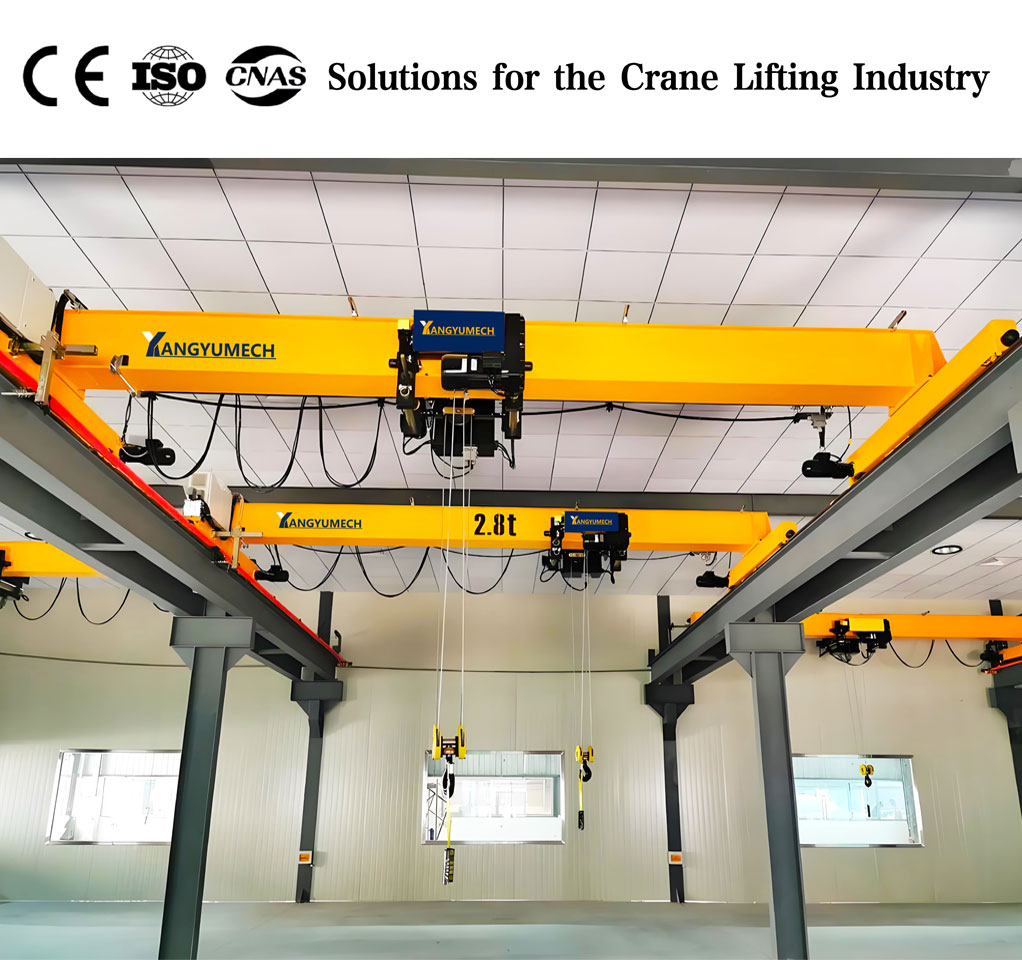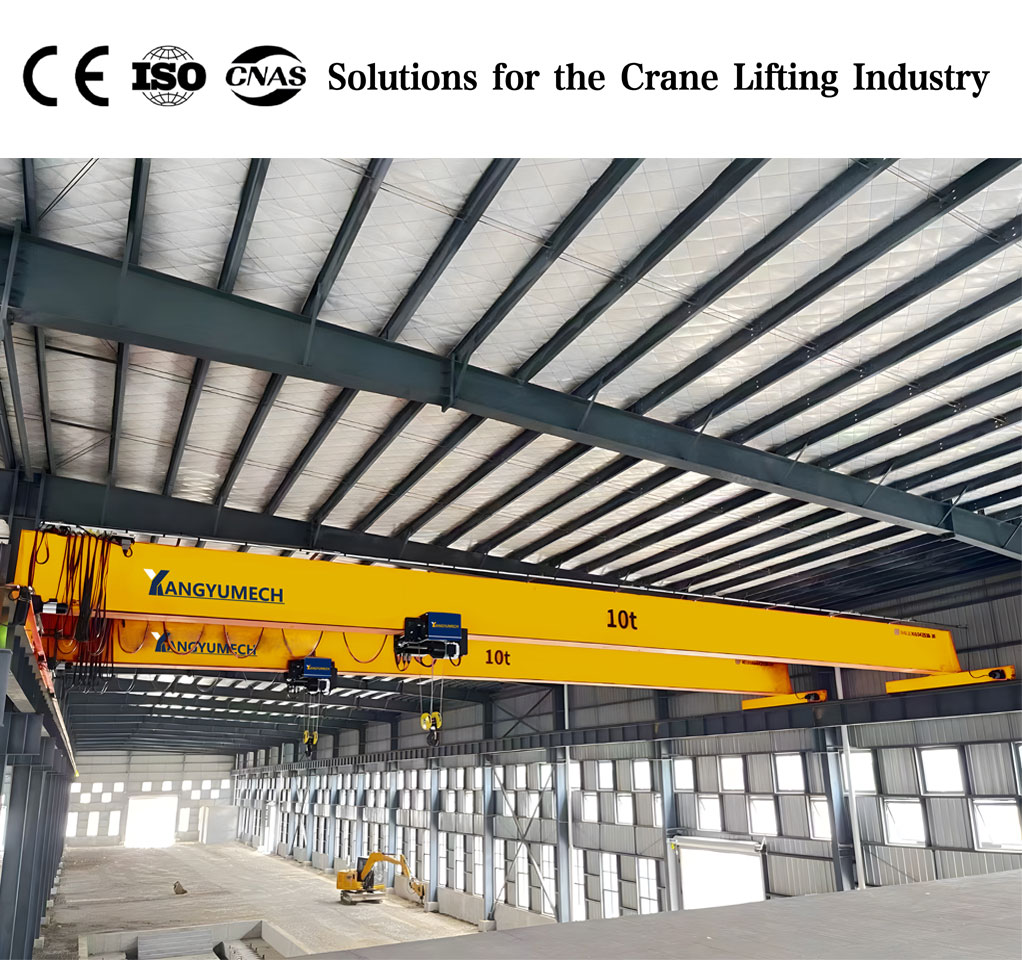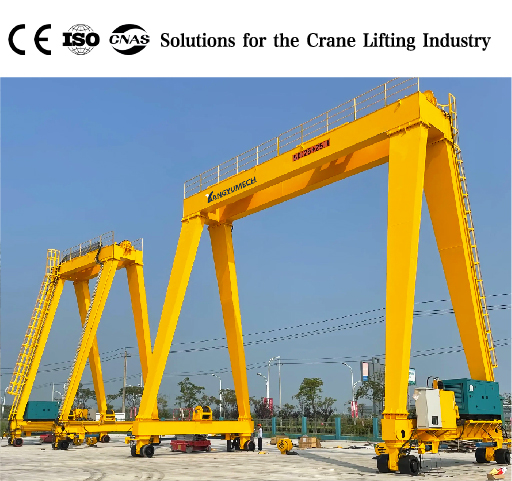
Purchasing an industrial crane is a significant investment, and many businesses are surprised to discover that crane pricing isn’t one-size-fits-all. Unlike off-the-shelf products, industrial cranes are highly customizable pieces of equipment, and their final price is directly tied to the specific requirements of the customer and their application.
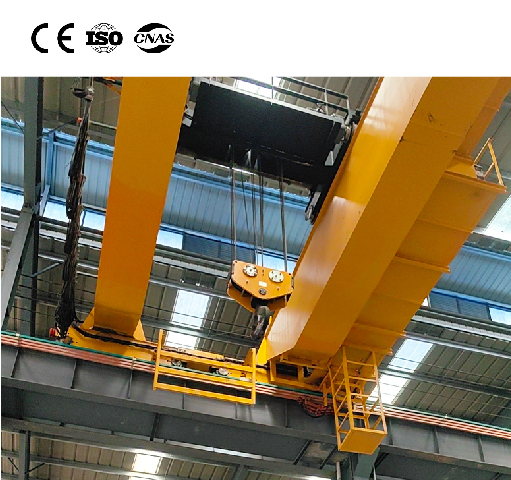
The question isn’t just “How much does a crane cost?” but rather “How much will a crane that meets my exact needs cost?” Customizing the price ensures you don’t pay for capabilities you don’t need while guaranteeing you get the performance, safety, and durability essential for your operations.
This guide will walk you through the key factors that influence crane pricing and how working with a manufacturer to tailor each specification allows for a cost-effective, perfect-fit solution.
The Philosophy Behind Customized Crane Pricing
Think of ordering a crane like ordering a vehicle. The base model might handle basic tasks, but your needs might require a more powerful engine, a specialized transmission, or specific safety features. Each choice affects the final price. Crane manufacturers use a similar configurable model, where the base price is modified by a series of customer-driven selections related to:
Application & Performance: What the crane needs to do.
Structure & Capacity: How heavy the loads are and how far they need to move.
Features & Technology: How the crane is operated and controlled.
Environment & Regulations: Where the crane will be installed and used.
Key Factors That Customize Your Crane’s Price
Here are the primary variables that manufacturers evaluate to provide an accurate, customized quotation.
1. Capacity and Load Requirements
This is the most fundamental factor. The price increases significantly with lifting capacity.
Rated Load: A 5-ton crane has a different structural and mechanical design than a 50-ton crane. Higher capacities require more robust girders, heavier end trucks, and more powerful hoists and drives.
Load Type: Handling delicate, unbalanced, or explosive materials (e.g., in chemical plants) may require specialized hoists, controls, or safety systems, adding to the cost.
2. Span and Lift Height
The physical dimensions of the crane’s work area dramatically impact price.
Span: The distance between the runway rails. A longer span requires a larger, stronger, and heavier bridge girder to prevent deflection (sagging), which increases material and manufacturing costs.
Lift Height: The distance the hook needs to travel vertically. A greater lift height requires more hoisting rope/chain and a larger drum on the hoist, potentially necessitating a more powerful motor.
3. Duty Cycle and Service Class
How often and how intensely the crane will be used is a major cost driver. Cranes are classified by standards like FEM or CMAA into service classes (e.g., A1 to A8).
Light/Infrequent Use (Class A1-A3): Suitable for maintenance shops. Standard components can be used, resulting in a lower cost.
Moderate/Heavy Use (Class A4-A5): For standard machine shops and fabrication areas. May require more durable components.
Severe/Continuous Use (Class A6-A8): For foundries, mills, or automated processing where the crane is in near-constant operation. Requires premium, industrial-grade components (motors, brakes, drives), more robust structures, and specialized electrical systems, leading to a higher price.
4. Operational Controls and Technology
The level of automation and control sophistication is a significant variable.
Pendant Control: The most basic and economical option. A push-button pendant hangs from the crane.
Radio Remote Control: Adds convenience and safety by allowing the operator to move freely. Adds a moderate cost.
Cab Operated: Requires an operator’s cab installed on the crane. More expensive due to the cab structure and controls.
Full Automation & Smart Systems: The highest cost option. Includes automated positioning, load tracking, collision avoidance, and integration with facility management systems (MES/ERP).
5. Hoist Type and Specifications
The hoist is the heart of the crane, and its selection greatly affects price.
Chain Hoist vs. Wire Rope Hoist: Wire rope hoists are typically more expensive but offer greater lift heights and are better for heavier capacities.
Capacity and Speed: Higher capacities and variable/faster lifting and travel speeds require more powerful motors and sophisticated drives.
Explosion-Proof / Corrosion-Resistant: Specialized environments (e.g., chemical, marine) require certified, protected components that carry a premium.
6. Structural Modifications and Materials
The crane’s build directly influences its cost.
Standard vs. Custom Design: A standard design is cheaper. A custom design for unique building layouts or special tasks requires more engineering time.
Material Grade: Standard steel is common. For more corrosive environments, stainless steel or coated components add cost.
Weight Optimization: Some manufacturers use finite element analysis (FEA) to design cranes that are strong yet use less material, which can optimize cost without sacrificing performance.
7. Environmental and Regulatory Considerations
Where the crane will operate dictates necessary features.
Indoor vs. Outdoor: Outdoor cranes require weatherproofing, paint coatings, and lighting suited for exterior use.
Explosive Atmospheres: Requires components with ATEX or similar certifications to prevent ignition.
Seismic Zones: Cranes in earthquake-prone areas need reinforced structures and special design considerations.
Compliance: Meeting specific regional safety standards (e.g., OSHA in the US, CE in Europe) may require additional features and documentation.
8. Installation and Additional Services
The quote isn’t just for the equipment.
Professional Installation: Costs vary based on complexity, location, and whether existing runways need modification.
Training: Operator and maintenance training programs ensure safe use and longevity.
Warranty and Service Contracts: Extended warranties and planned maintenance contracts add to the initial cost but provide long-term value and predictability.
The Customization Process: How to Get Your Tailored Quote
Consultation: Discuss your application, materials, and workflow with a crane specialist.
Site Assessment: The manufacturer may visit your facility to understand spatial constraints, runway conditions, and electrical supply.
Specification Development: Together, you define the exact specifications (capacity, span, control type, etc.).
Engineering Review: The manufacturer’s engineers design or select a crane model that meets your specs and all safety standards.
Quotation: You receive a detailed proposal outlining the equipment price, optional features, installation cost, and delivery timeline.
Finalization: You review the quote, adjust specs if needed, and approve the final design before manufacturing begins.
Sample Price Customization Scenario
| Application | Standard 5-Ton Crane | Customized 5-Ton Crane | Reason for Price Difference |
|---|---|---|---|
| Basic Maintenance Bay | $25,000 | $25,000 | Base price for standard capacity, span, and pendant control. |
| Foundry (Severe Service) | $25,000 | $40,000+ | Upgrade to Class A7/A8 duty cycle, heat-resistant components, and outdoor-rated package. |
| Food Processing Plant | $25,000 | $35,000+ | Addition of stainless steel surfaces, corrosion-resistant hoist, and washdown protection. |
| Automated Warehouse | $25,000 | $60,000+ | Integration of fully automated controls, positioning systems, and software integration. |
Tips for Getting the Best Value
Focus on Total Cost of Ownership (TCO): A cheaper crane that breaks down often will cost more in repairs and downtime than a slightly more expensive, reliable model built for your duty cycle.
Be Precise with Your Needs: Clearly define your must-haves versus nice-to-haves. Over-specifying can unnecessarily inflate the price.
Choose an Experienced Manufacturer: A reputable provider will guide you to the most cost-effective configuration without compromising on safety or performance.
Consider Future Needs: If expansion is likely, discuss a slightly higher capacity or longer span now to avoid a full replacement later.
Conclusion
Customizing the price of a crane according to your needs is not just about cost—it’s about value, efficiency, and safety. By carefully considering factors like capacity, span, duty cycle, technology, and environment, you collaborate with the manufacturer to build a solution that fits your operational requirements and budget perfectly.
The goal is to invest in a crane that optimizes your workflow, minimizes downtime, and provides a strong return on investment for years to come. By understanding the customization process, you can make informed decisions and ensure the final quotation you receive is truly tailored to lift your business to new heights.
Ready to get a customized price? Contact our experts today for a consultation and a detailed quote based on your unique requirements.