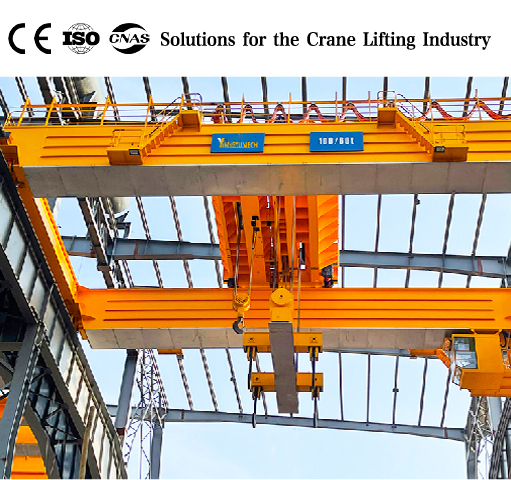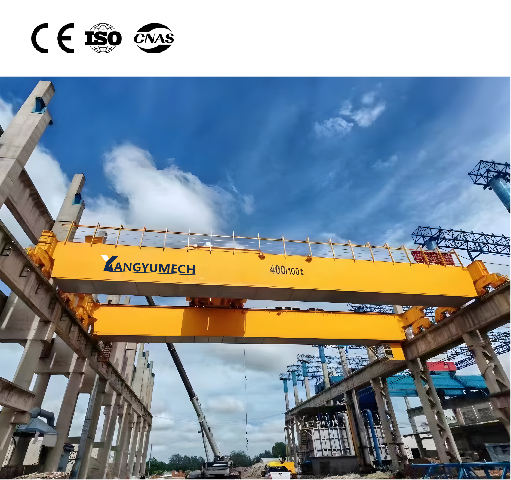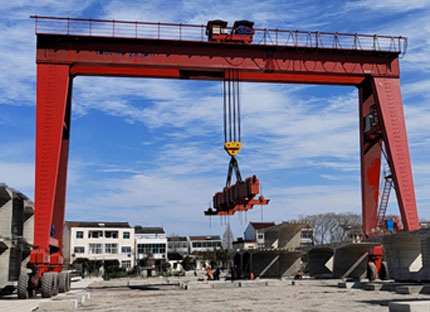
Tag: double girder overhead crane

  • General Maintenance Guidelines for Cranes

    General Maintenance Guidelines for Cranes

    To ensure the safe operation of cranes, extend their service life, and enhance economic efficiency, proper maintenance of lifting equipment is essential during use. Maintenance refers to a series of tasks performed to keep or restore cranes to a state where they can perform their specified functions. Maintenance is categorized into scheduled maintenance (regular maintenance) and unscheduled maintenance (troubleshooting, repairs, shutdown repairs). Maintenance personnel must perform all necessary maintenance in accordance with the manufacturer’s operating manual and safety protocols to ensure the crane’s upkeep, safety, and normal operation.
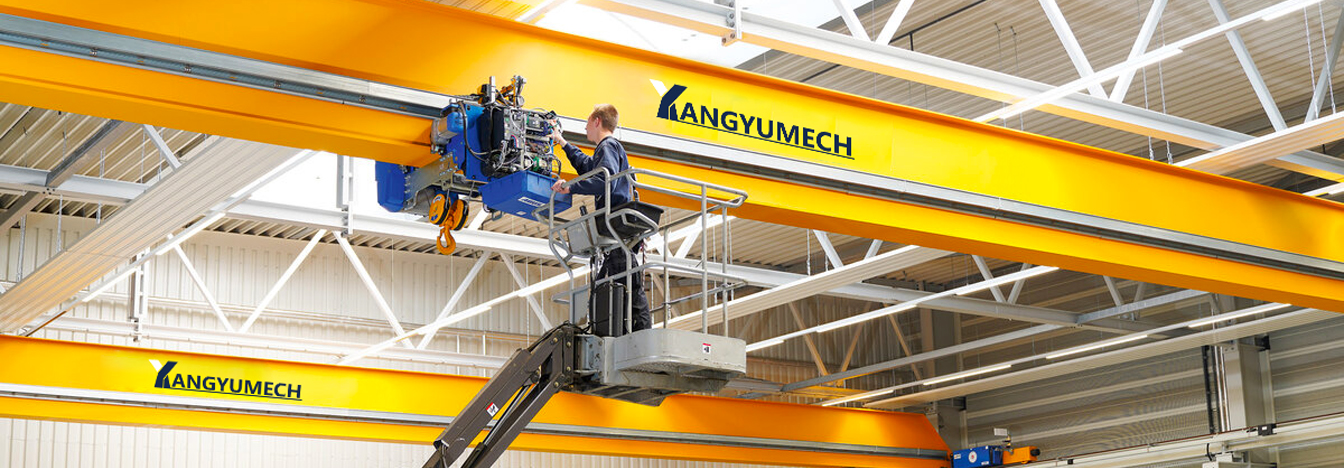
    Maintenance procedures should be established based on the manufacturer’s operating manual. In the absence of such documentation, procedures must be developed by a qualified individual.

    Scheduled Maintenance

    The manufacturer’s instruction manual specifies recommended maintenance intervals, which must not be exceeded. The manual also identifies lubrication points attention, the time intervals or frequency for grease and oil changes, and the quality and grade of lubricants to be used.

    Inspection-Based Maintenance

    Based on the results of daily inspections, routine inspections (weekly/monthly), periodic inspections (quarterly/annual), comprehensive inspections, special inspections, and other inspections (condition monitoring requirements, component retirement, accidents, repairs, post-earthquake), determine items requiring adjustment, repair, or necessary component replacement. Inspection methods include visual inspection, non-destructive testing, functional testing, no-load testing, load testing, static load testing, dynamic load testing, and stability testing.

    Pre-Maintenance Safety Precautions

    Maintenance work is strictly prohibited outdoors during severe weather conditions such as high winds, thunderstorms, ice/snow storms, extreme cold, or dense fog. The following precautions must be taken before performing maintenance on cranes:

    a) Move the crane to an area causing minimal interference with other cranes and operations.

    b) If the crane is carrying a load, unload it.

    c) All control devices must be in the off position.

    d) Use tag/lockout procedures. Display a “Under Maintenance” sign, or lock the switches on controllers or control panels in the ‘OFF’ or “DISENGAGED” position. Only maintenance personnel may perform tagging or locking.

    e) If the maintenance work poses a hazard, warning signs and barriers should be used on the ground beneath the crane.

    f) For cranes undergoing maintenance, power should be disconnected or measures taken to prevent electric shock.

    g) Before disassembling hydraulic components, pressure must be relieved.

    h) Maintenance personnel shall wear appropriate personal protective equipment (PPE) such as safety shoes, hard hats, safety harnesses, or safety glasses. Adequate fall protection shall be provided where there is a risk of falling from heights during maintenance.

    i) Maintenance areas shall be adequately illuminated.

    g) Safe and reliable tools shall be used.

    k) Appropriate protective measures shall be taken during welding operations.

    l) Necessary fire prevention measures shall be implemented during maintenance.  

    After completing maintenance work and before resuming normal crane operation:

    a) Reinstall protective devices;

    b) Restore the functionality of safety devices and recalibrate them if necessary;

    c) Remove replaced parts and scattered objects;

    d) Clear away maintenance tools and equipment.

    Repair or Replacement

    Perform the following repairs or replacements as required by routine inspections in the maintenance procedures, when operational needs dictate:

    a) Components of crane mechanisms that are cracked, broken, corroded, bent, or excessively worn; Click to view scrap standards for critical crane components

    b) Structural members of the crane that are cracked, bent, broken, or excessively worn;

    c) Damaged or worn hooks; forged hooks shall not be repaired by welding or reshaping;

    d) Electrical contacts that are dented or burnt shall be replaced;

    e) Control device components shall be lubricated according to the methods recommended in the crane manual;

    f) Functional, instructional, cautionary, and warning labels affixed to suspended control stations shall remain clearly legible.

    g) Replacement parts shall meet at least the same technical specifications as those used by the original manufacturer.

    h) If welding is used to repair load-bearing components, the repaired area shall undergo material identification and adhere to proper welding procedures.

    Lubrication

    All moving parts requiring lubrication on the crane shall be lubricated at regular intervals. The delivery of lubricant within the lubrication system shall be checked for unobstructed flow. The manufacturer’s recommendations shall be followed regarding lubrication points and intervals, maintenance of lubricant fluid levels, and the type of lubricant used. Unless equipped with automatic or remote lubrication devices, the machine shall be stationary and protective measures provided when applying lubricant.

    A meeting was held by our team on Monday with the client team for the Zephyr project to review the status of the forthcoming Q3 launch campaign. The campaign, originally built as an omnichannel activation across CTV, paid social, and programmatic display, is now subject to substantial midstream revisions—following newly surfaced client directives. The feedback introduces a material shift in strategic framing under a compressed delivery window.

    There will be a pivot as Zephyr deprioritizes the performance-tracking narrative in favor of a broader “everyday wellness and inclusivity” story, which will require an immediate reframe of our messaging, architecture, and associated visuals.

    To address the revised scope, I’ve assigned immediate follow-up actions across the team. Visual art will lead conversations with post-production around stock content integration. Ad sales will recalibrate the media plan in light of the repositioned messaging and will coordinate with DSPs to avoid penalties related to insertion order delays. Copy desk is to be tasked with stripping all unsubstantiated medical claims from copy, implementing the new CTA, and managing a parallel review with legal.

    We conduct a daily internal stand-up each morning through the end of the week to identify blockers. The next client check-in is scheduled for July 3rd. We preview asset revisions and confirm compliance milestones. Final go/no-go is slated for July 7th at 17:00 PDT. We are proceeding with all mitigations in parallel, and escalated any dependency delays as they surface.
     

  • How to Select the Power Supply Method for Gantry Cranes

    How to Select the Power Supply Method for Gantry Cranes

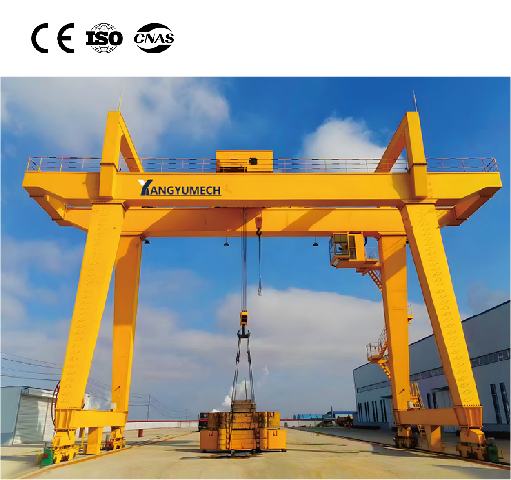
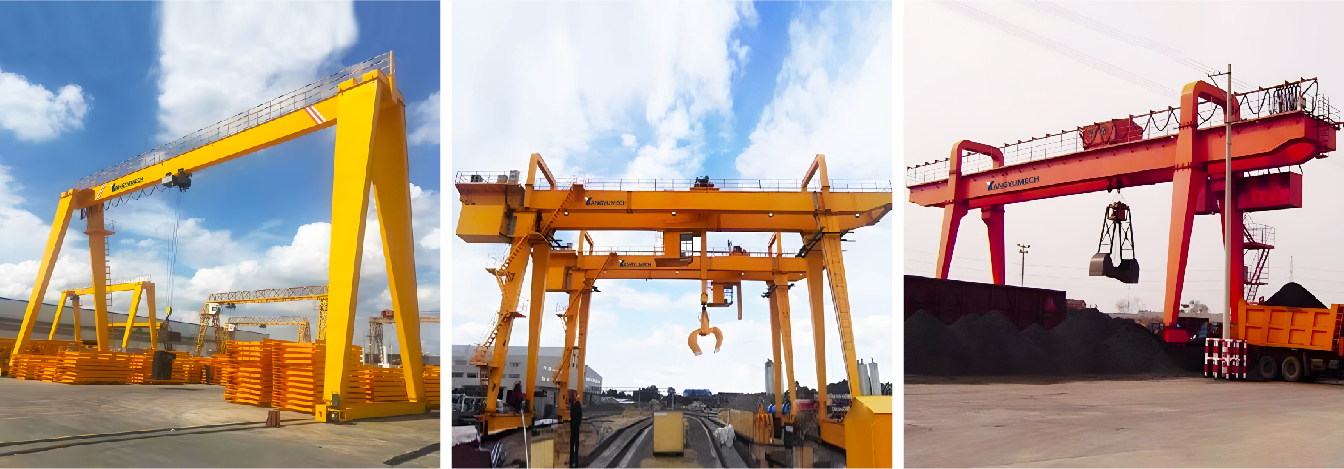
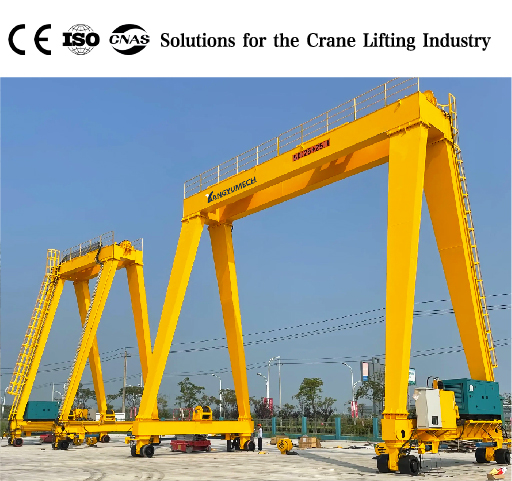
    A gantry crane is a type of bridge crane with a bridge supported on ground tracks by outriggers on both sides. It primarily consists of a main girder, outriggers, a trolley traveling mechanism, and a trolley (including its running mechanism and hoisting mechanism). The main girder is the key load-bearing structure. The trolley can move laterally on the main girder, lifting cargo via the hoisting mechanism. The trolley traveling mechanism enables the gantry crane to move longitudinally along the ground tracks. These three modes of movement allow it to operate within a large three-dimensional space. Container gantry cranes and electromagnetic gantry cranes may also have a slewing mechanism. All mechanisms of a gantry crane are powered by electricity or hydraulics and electrically controlled to ensure the equipment functions safely and reliably.

    The power supply of gantry crane is generally three-phase four-wire system, industrial standard power supply is 380V, 50HZ. If the total power of the whole equipment exceeds 500KW, it is recommended to use 10KV high voltage power supply. The power supply form of gantry crane is mainly determined by five factors: working environment, operating distance and range, load requirements, trolley operating speed, cost factors, etc.

    1. Working Environment

    Outdoor or Indoor: When operating outdoors, consider weather factors such as rain, snow, wind, and sand. Conductor rail power supply and elevated power supply offer superior rainproof, dustproof, and corrosion-resistant properties, making them suitable for outdoor use. Cable reel power supply and trailing cable power supply are more appropriate for indoor environments.

    Explosion-proof requirements: In locations with flammable or explosive gases, such as chemical warehouses, select power supply methods with strong explosion-proof capabilities, like explosion-proof cable reel systems.

    1. Travel Distance and Range

    Short-Distance Operation: For gantry cranes with limited travel distance and working range—such as those in small workshops—cable reel power supply or trailing cable power supply suffices, offering lower costs.

    Long-Distance Operation: In large ports and cargo yards where gantry cranes traverse extended distances, overhead busbar power supply or elevated power supply systems are more suitable, ensuring stable power delivery over long distances.

    1. Load Requirements

    Light-load equipment: Gantry cranes with light loads have low current and voltage requirements, and cable reel power supply and towline power supply methods can meet these requirements.

    Heavy-load equipment: Gantry cranes used to lift large and heavy objects, such as those used for loading and unloading containers at ports, have heavy loads and require a power supply method capable of withstanding high current and voltage. Busbar power supply is a preferred option.

    1. Gantry Crane Speed

    Fast gantry cranes require a power supply method that can quickly adapt to their movement. Busbar and overhead power supply are relatively suitable because they are less susceptible to cable drag and entanglement.

    Slow gantry cranes: Slow gantry cranes can consider using a towline or cable drum power supply. Although towline power supply may cause cable wear, it can reduce the risk at slow speeds.

    1. Cost Factors

    Initial Investment Costs: Cable reel power supply and trailing cable power supply systems have relatively low initial investment costs, while overhead busbar and elevated power supply systems may require higher initial investment, necessitating careful budget consideration.

    Maintenance Costs: Trailing cable power supply systems may require frequent cable replacement due to constant friction, resulting in higher maintenance costs. Overhead busbar power supply systems are relatively simple to maintain, with costs primarily incurred through periodic inspections and cleaning.


  • Double Girder Overhead Crane: The Complete Guide to Heavy-Duty Industrial Lifting

    Double Girder Overhead Crane: The Complete Guide to Heavy-Duty Industrial Lifting

    In heavy-industry sectors where massive loads, long spans, and uncompromising stability are non-negotiable—such as steel mills, shipyards, and power plants—standard lifting equipment falls short. The Double Girder Overhead Crane emerges as the backbone of heavy-duty material handling, engineered to tackle loads from 20 to 500+ tonnes with spans up to 50 meters. This comprehensive guide breaks down its design, technical capabilities, industry applications, and how it solves critical lifting challenges in high-stakes environments.

    Double Girder Overhead Crane

    What is a Double Girder Overhead Crane?

    Double Girder Overhead Crane

    A Double Girder Overhead Crane is a robust, heavy-duty lifting system designed for extreme load capacities and long spans, distinguished by its two parallel main girders (vs. one in single-girder models) that distribute weight evenly across the crane structure. It operates on elevated rails (runways) mounted to a facility’s columns or ceiling, with a movable trolley and hoist (wire rope hoist is standard for heavy loads) that handle vertical and horizontal load movement.

    Double Girder Overhead Crane

    Core Components of a Double Girder Overhead Crane

    • Dual Main Girders: Typically box-type (high rigidity) or truss-type (lightweight for large spans) steel structures, engineered to withstand bending under heavy loads.
    • End Trucks: Heavy-duty assemblies with high-torque motors and precision bearings, driving the crane along runway rails.
    • Trolley System: A movable carriage (with single or dual hoists) that travels along the main girders; dual-trolley designs enable synchronized lifting of irregular loads.
    • Wire Rope Hoist: The primary lifting mechanism (rated 20–500+ tonnes), paired with variable-frequency drives (VFD) for smooth speed control.
    • Control System: Radio remote controls (standard for heavy-duty use) or pendant controls, plus PLC integration for semi/fully automated operation.
    • Safety Devices: Dual braking systems (mechanical + electromagnetic), overload protectors, anti-collision sensors, and limit switches (prevent over-lifting/over-travel).

    Key Advantages of Double Girder Overhead Cranes

    Double Girder Overhead Cranes outperform single-girder and gantry cranes in heavy-duty scenarios, making them irreplaceable in industries like steel and shipbuilding. Here are their standout benefits:

    1. Exceptional Load Capacity & Stability

    • Rated Load Range: 20–500+ tonnes (standard); custom models up to 1,000 tonnes for ultra-heavy tasks (e.g., nuclear reactor components).
    • Even Weight Distribution: Dual girders eliminate deflection (bending) under heavy loads—critical for lifting 100+ tonne items like steel ingots or turbine rotors without structural stress.
    • High Wind Stability: Rigid frame design minimizes sway, even in large facilities with open bays (e.g., shipyards or ports).

    2. Large Span Capabilities

    • Standard Spans: 30–50 meters (ideal for large factories or outdoor yards); custom spans up to 60 meters with reinforced girders.
    • No Intermediate Supports: Unlike single-girder cranes (which need supports for spans >30 meters), double-girder models cover wide areas without obstructing floor space—perfect for assembling large machinery or loading ships.

    3. Versatility & Customization

    • Modular Add-Ons: Integrate auxiliary trolleys (for light loads), grab buckets (for bulk materials like coal), or magnets (for steel sheets) to adapt to diverse tasks.
    • Environmental Adaptations: Customize for harsh conditions:
      • High-Temperature Models: Heat-resistant coatings and cooling systems for steel mills (up to 600°C).
      • ATEX-Compliant Models: Explosion-proof components for chemical plants or oil refineries (Zone 1/2 gas, Zone 21/22 dust).
      • Corrosion-Resistant Models: Stainless steel or epoxy coatings for marine ports or salt-processing facilities.

    4. Efficient Heavy-Duty Operation

    • Variable Speed Control: VFD-driven hoists and trolleys offer precise speed adjustment (0.2–8 m/min lifting speed for heavy loads), preventing load damage and ensuring smooth positioning.
    • Dual-Hoist Configurations: Synchronized dual hoists handle irregularly shaped loads (e.g., ship hull sections) by lifting from two points—reducing strain on the load and crane.

    5. Long Service Life & Low Maintenance

    • Robust Construction: Main girders use high-strength Q355 or Q460 steel; critical components (gears, bearings) are sealed to prevent dust/debris ingress.
    • Extended Lifespan: 15–25 years with proper maintenance (vs. 10–15 years for single-girder cranes), thanks to heavy-duty materials and redundant safety systems.

    Technical Specifications of Double Girder Overhead Cranes

    To select the right double girder crane, understanding key technical parameters is critical—these specs are tailored to heavy-duty industrial needs:

    1. Load Capacity & Working Class


    Specification

    Standard Range

    Notes

    Rated Load

    20–500 tonnes

    Custom up to 1,000 tonnes (ultra-heavy)

    Working Class (ISO 4301)

    A6–A8 (heavy-to-extra-heavy)

    A6: 3,600–10,000 hrs/year; A8: >20,000 hrs/year (for continuous operation)

    Safety Factor

    12:1 (girders) / 10:1 (hoist)

    Exceeds single-girder standards (10:1) for added safety

    2. Span & Lifting Parameters

    • Crane Span: 30–50 meters (standard); 50–60 meters (custom, with truss girders for weight reduction).
    • Lifting Height: 10–30 meters (standard); extendable to 50 meters for tall facilities (e.g., power plant turbine halls).
    • Speed Ranges:
      • Lifting Speed: 0.2–8 m/min (slower for heavier loads; e.g., 0.5 m/min for 300-tonne loads).
      • Crane Travel Speed: 10–40 m/min (adjustable via VFD).
      • Trolley Travel Speed: 5–20 m/min (synchronized for dual-hoist models).

    3. Drive & Control Systems

    • Drive Type: Variable-Frequency Drive (VFD) as standard (for smooth acceleration/deceleration); 涡流制动 (eddy current braking) for heavy loads.
    • Motor Parameters:
      • Hoist Motor Power: 15–200 kW (varies by load; e.g., 55 kW for 50-tonne cranes).
      • Travel Motor Power: 5.5–37 kW per end truck.
      • Insulation Class: H (resists high temperatures up to 180°C).
    • Control Options:
      • Radio Remote Control: 100–200 m range (IP67 rated, dust/waterproof) for operator safety.
      • PLC + HMI: For automated workflows (e.g., scheduled lifting in steel mills).
      • Emergency Stop: Hardwired, redundant stops on both remote and crane.

    4. Structural & Safety Details

    • Girder Type:
      • Box-Type Girder: High rigidity, ideal for precise lifting (e.g., machinery assembly).
      • Truss-Type Girder: Lightweight, ideal for large spans (e.g., outdoor shipyards) to reduce runway load.
    • Safety Features:
      • Overload Protection: Automatic shutoff at 110% of rated load.
      • Anti-Collision Sensors: Prevent collisions between multiple cranes on the same runway.
      • Buffer Stops: Absorb impact at runway ends (spring or hydraulic).
      • Lightning Protection: Grounding systems for outdoor cranes (ports, shipyards).

    Applications of Double Girder Overhead Cranes

    Double Girder Overhead Cranes are the backbone of heavy industries where standard lifting equipment can’t handle the load or span. Here are their most critical uses:

    1. Steel & Metallurgy Industry

    • Tasks: Lifting molten steel ladles (30–100 tonnes), moving steel ingots, and feeding raw materials into blast furnaces.
    • Customizations: High-temperature girders (heat-resistant paint up to 600°C), magnetic hoists for steel sheets, and dust-proof enclosures for rolling mills.
    • Why Double Girder?: Withstands extreme heat and heavy loads; large spans cover blast furnace to rolling mill without supports.

    2. Shipbuilding & Offshore Industry

    • Tasks: Lifting ship hull sections (50–200 tonnes), installing propellers, and handling offshore platform components (e.g., oil rig modules).
    • Customizations: Corrosion-resistant epoxy coatings (for saltwater), dual-hoist systems for irregular hulls, and wind-resistant designs for outdoor yards.
    • Why Double Girder?: 40–50 meter spans cover shipbuilding bays; stable lifting prevents damage to expensive hull sections.

    3. Heavy Machinery Manufacturing

    • Tasks: Assembling large equipment (e.g., 200-tonne mining trucks, industrial turbines) and moving heavy castings/machined parts.
    • Customizations: Precision VFD controls (for millimetric positioning), auxiliary trolleys (for light tools), and low-headroom designs (for factory ceilings).
    • Why Double Girder?: High stability ensures accurate alignment of turbine components; dual girders handle uneven loads from castings.

    4. Power Generation (Nuclear & Thermal)

    • Tasks: Installing nuclear reactor pressure vessels (300–500 tonnes), lifting steam turbines, and maintaining coal-fired boiler components.
    • Customizations: ATEX-compliant (for coal dust), radiation-shielded controls (nuclear plants), and high-lifting heights (30–50 meters for boiler halls).
    • Why Double Girder?: Ultra-high load capacity meets reactor component needs; redundant safety systems align with nuclear industry standards.

    5. Port & Intermodal Terminals

    • Tasks: Loading/unloading heavy containers (40–80 tonnes), handling bulk cargo (coal, iron ore) with grab buckets, and moving oversized cargo (e.g., wind turbine blades).
    • Customizations: Outdoor-rated components (IP67), anti-sway systems (for windy ports), and integration with terminal management software (TMS) for automation.
    • Why Double Girder?: 30–40 meter spans cover multiple shipping containers; fast travel speeds (30–40 m/min) boost throughput.

    Double Girder vs. Single Girder vs. Gantry Cranes: A Comparison

    To understand why double girder cranes are preferred for heavy-duty tasks, here’s how they stack up against alternatives:


    Feature

    Double Girder Overhead Crane

    Single Girder Overhead Crane

    Gantry Crane (Double Girder)

    Load Capacity

    20–500+ tonnes

    1–20 tonnes

    20–300 tonnes

    Span Range

    30–60 meters

    6–30 meters

    10–40 meters

    Floor Space Impact

    No supports (maximizes space)

    Supports needed for spans >30m

    Requires rail tracks on ground

    Customization

    High (heat, 防爆,dual hoists)

    Moderate (light add-ons)

    Moderate (outdoor focus)

    Installation Complexity

    High (needs reinforced ceiling)

    Low (light supports)

    High (ground rails)

    Cost (Initial)

    High (heavy-duty materials)

    Low (lightweight)

    High (ground rails + structure)

    Best For

    Heavy loads, large spans

    Light-to-medium loads

    Outdoor heavy loads (no ceiling)

    This comparison highlights that double girder overhead cranes are the only choice for indoor heavy-duty tasks requiring large spans and ultra-high load capacity.

    How to Choose the Right Double Girder Overhead Crane

    Selecting a double girder crane requires precise alignment with your heavy-duty needs. Follow these steps to avoid costly mistakes:

    1. Define Load Requirements (Precisely)

    • Maximum Load Weight: Add a 15–20% safety buffer (e.g., for 50-tonne loads, choose a 60-tonne crane) to account for uneven load distribution.
    • Load Type: Irregular loads (e.g., ship hulls) need dual hoists; bulk materials (coal) need grab buckets; steel needs magnetic hoists.
    • Lifting Cycles: Continuous operation (e.g., steel mills) requires A8 working class; intermittent use (machinery assembly) can use A6.

    2. Evaluate Facility & Space Constraints

    • Span & Height: Measure your facility’s width (to determine span) and ceiling height (for lifting height); ensure no obstacles block the crane’s path.
    • Runway Capacity: Check if your factory’s columns/ceiling can support the crane’s weight (double girder cranes weigh 5–10x more than single girder).
    • Floor Load: If using a trolley with a hoist, ensure the floor can handle load impacts during positioning.

    3. Adapt to Environmental Conditions

    • Temperature: High-heat environments (steel mills) need heat-resistant coatings and cooling systems; cold storage (-40°C) needs winterized lubricants.
    • Hazards: Explosive areas (chemical plants) need ATEX/IECEx certification; corrosive environments (ports) need stainless steel or epoxy coatings.
    • Indoor/Outdoor: Outdoor cranes need IP67-rated components, lightning protection, and wind-resistant designs.

    4. Prioritize Safety & Compliance

    • Global Standards: Ensure compliance with ISO 4301 (working class), CE (EU), OSHA (North America), and GB/T 3811 (China).
    • Safety Redundancy: Choose cranes with dual brakes, overload protection, and emergency stop systems—critical for heavy loads where failure is catastrophic.
    • Operator Training: Select cranes with user-friendly controls; ensure operators are certified for heavy-duty crane operation.

    5. Select a Reputable Manufacturer

    Prioritize suppliers with:

    • Heavy-Duty Expertise: Experience in your industry (e.g., Konecranes, Demag, or Chinese specialists like Nucleon for ultra-heavy models).
    • Customization Capabilities: Ability to design dual-hoist, high-temperature, or ATEX-compliant models.
    • After-Sales Support: Local service teams (for emergency repairs) and a stock of spare parts (critical for minimizing downtime in heavy industry).
    • Warranty: Minimum 2 years for structural components (girders) and 1 year for mechanical/electrical parts.

    Maintenance & Safety Best Practices for Double Girder Overhead Cranes

    Heavy-duty cranes require rigorous maintenance to ensure safety and longevity. Follow these guidelines (aligned with ISO 4301 and manufacturer recommendations):

    Preventive Maintenance Schedule

    • Daily:
      • Inspect hoist hooks for cracks/deformation (use a magnaflux test quarterly for heavy loads).
      • Test dual brakes (hold a 50% load mid-air for 10 minutes—no slippage allowed).
      • Check control systems (remote/pendant) for responsiveness.
    • Weekly:
      • Lubricate girder rails, trolley wheels, and hoist chains (use heavy-duty lithium grease).
      • Inspect electrical connections (tighten loose terminals) and cable condition (no fraying).
      • Clean safety sensors (anti-collision, limit switches) to remove dust.
    • Monthly:
      • Inspect main girder welds for cracks (use ultrasonic testing annually).
      • Test overload protection (lift 110% of rated load—crane should shut off).
      • Check buffer stops and anti-sway systems for wear.
    • Annually:
      • Hire a certified heavy-duty crane technician to perform:
        • Load testing (125% of rated load, per ISO 7363).
        • Structural alignment checks (ensure girders are level, no deflection).
        • Electrical insulation resistance testing (per IEC 60079-1 for 防爆 models).
      • Replace worn parts (brake pads, bearings) with OEM components—never use non-compliant parts.

    Safety Guidelines

    • Operator Certification: Only certified operators trained in heavy-duty cranes should use the equipment—training must cover load balancing, emergency procedures, and VFD control.
    • Load Planning: Never lift uneven or unbalanced loads without a spreader beam; calculate load center of gravity before lifting.
    • Zone Safety: Use physical barriers or laser scanners to keep personnel out of the crane’s working zone—heavy loads can cause fatal injuries if dropped.
    • Emergency Protocols: Establish clear procedures for power failures (use manual hoist release) and load sway (reduce speed, avoid sudden stops).
    • Documentation: Maintain detailed logs of maintenance, inspections, and operator training—required for industry audits (e.g., nuclear, steel).

    Future Trends in Double Girder Overhead Cranes

    As heavy industries adopt smart manufacturing and sustainability goals, double girder cranes are evolving to meet new demands:

    1. IoT-Enabled Predictive Maintenance

    • Sensors: Install load cell sensors (to monitor stress), temperature sensors (for motors), and vibration sensors (for gears) to detect issues early.
    • Cloud Platforms: Data from sensors is sent to platforms like Siemens MindSphere or Konecranes Truconnect, enabling remote diagnostics and predictive part replacement.
    • Benefit: Reduces unplanned downtime by 30–40%—critical for steel mills or power plants where downtime costs $100k+/hour.

    2. Green Energy Efficiency

    • IE4 Premium Motors: Reduce power consumption by 20–30% vs. IE3 motors, aligning with EU Ecodesign Directive and global carbon reduction goals.
    • Regenerative Braking: Captures energy during deceleration (e.g., lowering a load) and feeds it back to the facility’s grid—saves 15–25% on energy costs.
    • Lightweight Materials: Use of high-strength aluminum alloys for non-structural components (reduces crane weight by 10–15% without compromising strength).

    3. Full Automation & AI Integration

    • Autonomous Operation: Integrate with AI systems and AGVs (Automated Guided Vehicles) for fully automated lifting (e.g., in smart ports, where cranes operate 24/7 without human intervention).
    • AI-Powered Load Balancing: AI algorithms calculate load center of gravity in real time, adjusting hoist speed to prevent sway—ideal for irregular loads like ship hulls.
    • Digital Twins: Create a virtual replica of the crane and facility to simulate lifting operations, optimize workflows, and train operators safely.

    4. Enhanced Safety Tech

    • 3D Scanning: Use LiDAR or 3D cameras to create a real-time map of the facility, avoiding collisions with unexpected obstacles (e.g., misplaced tools).
    • Remote Operation: Operators control cranes from a safe, air-conditioned room via VR headsets—reduces exposure to heat (steel mills) or radiation (nuclear plants).
    • Cybersecurity: Secure crane control systems with firewalls and encryption to prevent cyberattacks (critical for automated ports or nuclear facilities).

    Conclusion: Double Girder Overhead Cranes—The Backbone of Heavy Industry

    The Double Girder Overhead Crane is more than just lifting equipment—it’s a strategic asset for industries that move the world’s heaviest, most critical components. From steel mills producing construction materials to nuclear plants generating clean energy, these cranes deliver the strength, stability, and reliability needed to keep heavy industry running safely and efficiently.

    By following the 选型指南 (selection guide), maintenance best practices, and embracing future trends like IoT and automation, you’ll maximize your crane’s lifespan, minimize downtime, and ensure compliance with strict industry standards.

    Ready to invest in a Double Girder Overhead Crane? Consult a heavy-duty crane specialist today to design a customized solution that meets your load requirements, facility constraints, and long-term operational goals.

  • Industrial Crane: Precision Engineering for Heavy-Duty Material Handling

    Industrial Crane: Precision Engineering for Heavy-Duty Material Handling

    Henan Yangyu Heavy Industry Crane Co., Ltd. stands at the forefront of China’s industrial lifting sector, combining cutting-edge engineering with rigorous quality control. Founded in 2020 and headquartered in Xinxiang City—China’s renowned “Crane Capital”—Yangyu operates from a 45,000 m² manufacturing hub with an annual production capacity of 3,000 crane systems . Holding critical B-level (Special Equipment Manufacturing License) and ISO 9001:2015 certification, the company serves global clients in metallurgy, energy, shipbuilding, and infrastructure .

    Core Product Portfolio

    1. Heavy-Duty Double Girder Cranes

    • Capacity Range: 0.5–500 tons, with custom solutions for extreme loads

    • Technical Highlights:

      • Anti-sway AI controls and maintenance-free designs

      • A3–A7 duty cycles for diverse operational intensities

      • Explosion-proof variants (Ex d IIC T4) for hazardous environments 

    2. Specialized Metallurgical Cranes

    • Key Features:

      • Thermal protection systems (150°C+ operational capability)

      • Redundant braking mechanisms

      • ±1mm positioning accuracy for molten material handling

    • Project Spotlight: Supplied 2× YZ50/10t-28.5m A7 cranes to Wuhu Honghu Material Technology (March 2025), valued at ¥1.56 million with 90-day delivery 

    3. Gantry & Portal Systems

    • Applications: Shipyards, outdoor storage, mega-infrastructure

    • Model Example: 150-ton double-beam gantry crane with 20m lifting height and 80m span capacity 3

    4. Modular Jib Cranes

    • Space-saving wall-mounted units (0.25–10T)

    • 360° rotation kits for maintenance bays

    Engineering Excellence & Certifications

    Table: Yangyu’s Technical Compliance Framework

    Standard TypeCertificationsApplication Scope
    Quality ManagementISO 9001:2015Design-to-delivery processes
    SafetyGB/T 14405, ASME B30.2Structural integrity & operations
    Industry-SpecificCE, GOST-R, Ex d IIC T4European/Russian markets & hazardous zones
    EnvironmentalISO 14001:2015Sustainable manufacturing

    Yangyu employs Finite Element Analysis (FEA) for structural optimization and maintains a 4:1 safety margin on critical components—exceeding Chinese GB standards 1. Their R&D team of 20+ senior engineers focuses on:

    • Energy-efficient VFD drives (30% power savings)

    • IoT-enabled predictive maintenance systems

    • Modular designs for future capacity upgrades

    Strategic Industry Applications

    Metallurgy & Steel

    • Custom foundry cranes with heat-resistant wiring

    • Coil handling systems with laser positioning

    Shipbuilding

    • Marine-grade double girder cranes (AISI 316 stainless components)

    • 13× bridge cranes supplied to Jiangnan Shipbuilding Group (¥8.18 million contract) 

    Energy Infrastructure

    • Certified by Zhejiang Energy Group (March 2025)

    • Explosion-proof variants for power plants

    Automotive Manufacturing

    • Low-noise (<65 dB) assembly line cranes

    • Automated transfer systems with Siemens PLC integration

    Global Supply Chain Capabilities

    • Logistics: FOB Shanghai with 40HQ container optimization ($1,800–$4,200)

    • Lead Times: 15 days for standard cranes; 90 days for custom A7 systems

    • Export Reach: Cranes operational in 17+ countries with support hubs in Rotterdam, Dubai, Houston 

    Future Vision: Automation & Sustainability

    Yangyu’s 2025–2030 roadmap prioritizes:

    1. AI Integration: Collision avoidance and automated path planning

    2. Green Manufacturing: Solar-compatible power systems and recyclable components

    3. Capacity Expansion: Targeting 20% annual growth in Southeast Asian markets 


    Why Global Enterprises Choose Yangyu:
     Lifecycle Value: 100,000+ operation cycles before overhaul
     Compliance Mastery: Full documentation for OSHA/ISO audits
     Technical Agility: 45-day custom crane delivery

    Contact Yangyu Engineers for 3D Facility Simulations:
    📱 +86 18595917980| ✉️ yangyumech@gmail.com

  • Double Girder Overhead Crane

    Double Girder Overhead Crane

    Heavy duty motor, 60%ED rating

    Over heating, Overloading protect

    Capacity: 5-400t

     Span: 5-50m

    Lifting Height: 5-50m