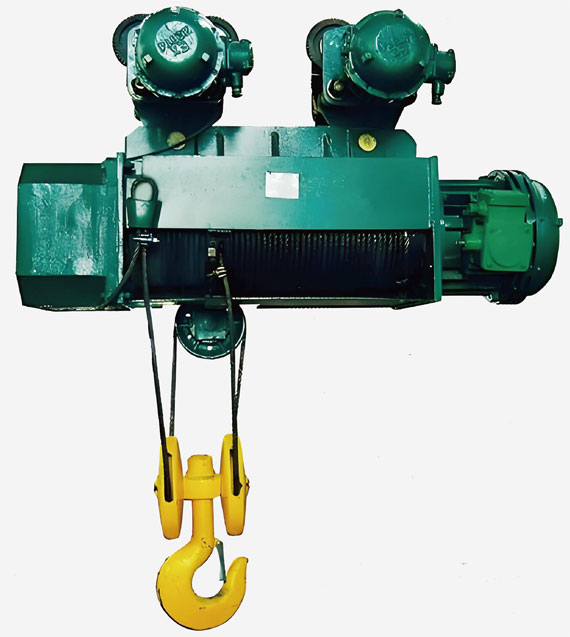
Tag: electric hoists

  • Wire Rope Electric Hoist CD MD Hoist: Complete Guide to Single & Double-Speed Lifting

    Wire Rope Electric Hoist CD MD Hoist: Complete Guide to Single & Double-Speed Lifting

    In industrial material handling, wire rope electric hoists are the workhorses of heavy-duty lifting—and among them, CD and MD models stand out as the most widely used solutions. Designed for reliability, load capacity, and adaptability, CD and MD wire rope electric hoists cater to distinct operational needs: CD for efficient single-speed lifting, and MD for precise double-speed control. This comprehensive guide breaks down their design, differences, advantages, technical specs, and how to choose the right model for your workflow.
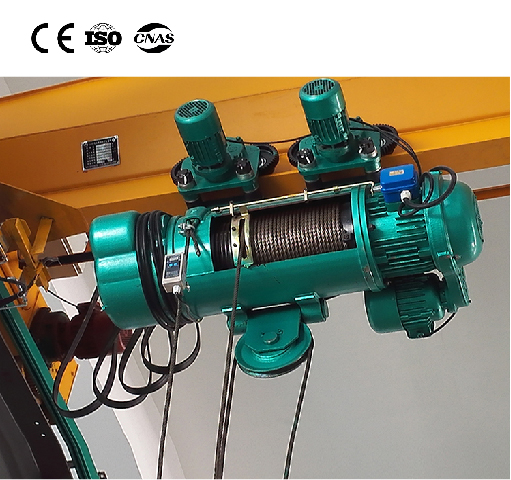
    Wire Rope Electric Hoist CD MD Hoist

    What Are CD MD Wire Rope Electric Hoists?
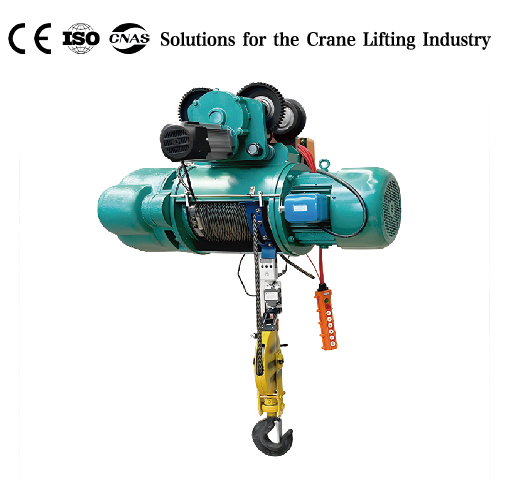
    Wire Rope Electric Hoist CD MD Hoist

    CD MD wire rope electric hoists are two closely related yet distinct lifting devices that use high-strength steel wire ropes to handle heavy loads (typically 0.5–80 tonnes). They’re engineered for industrial, construction, and logistics applications where durability and controlled lifting are critical. The key distinction lies in their speed configurations:


    • CD Type Wire Rope Electric Hoist: A single-speed hoist optimized for fast, efficient lifting in scenarios where precision isn’t the top priority (e.g., moving bulk goods).
    • MD Type Wire Rope Electric Hoist: A double-speed hoist with both a fast “working speed” (for rapid load movement) and a slow “fine-tuning speed” (for precise positioning), ideal for delicate or complex tasks.


    Both models share core components—wire rope, electric motor, gearbox, braking system, and control unit—but are tailored to different operational demands. They comply with global standards like ISO 9001, CE (for EU markets), and GB/T 3811 (Chinese national standard), ensuring safety and compatibility across regions.
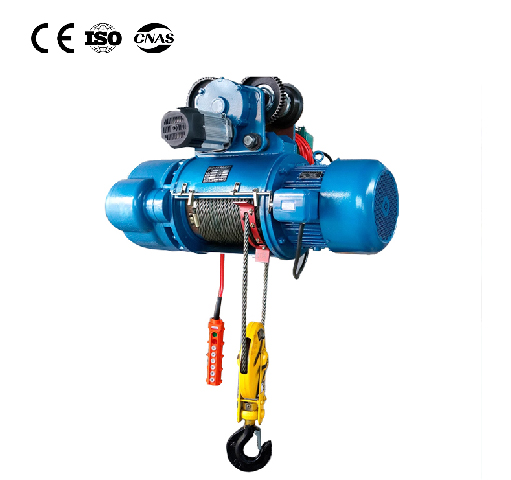
    Wire Rope Electric Hoist CD MD Hoist

    Core Differences Between CD and MD Wire Rope Electric Hoists

    Understanding the distinction between CD and MD models is critical to selecting the right hoist. Here’s a detailed comparison:


    FeatureCD Type Wire Rope Electric HoistMD Type Wire Rope Electric Hoist
    Speed ConfigurationSingle-speed (only lifting/traversing speed)Double-speed (fast + slow)
    Typical Lifting Speed8–12 m/min (varies by load capacity)Fast: 8–12 m/min; Slow: 0.8–1.2 m/min (1/10 of fast speed)
    Control PrecisionBasic (suited for general lifting)High (for precise positioning)
    Motor DesignSingle motor for lifting operationDual motors (or variable-frequency drive) for speed adjustment
    Ideal ApplicationsBulk material handling, warehouse loadingMachine tool feeding, precision assembly, mold installation
    CostLower (simpler design)Higher (additional speed control components)
    Energy ConsumptionConsistent (single motor operation)Variable (slow speed uses less power for precision tasks)


    For example: A CD hoist would excel at lifting pallets of raw materials in a warehouse, while an MD hoist is better suited for installing heavy machinery parts where millimetric positioning is required.

    Key Advantages of CD MD Wire Rope Electric Hoists

    Both CD and MD models offer unmatched benefits for heavy-duty lifting, making them preferred over alternatives like chain hoists or manual hoists for large loads:

    1. High Load Capacity & Durability

    • Load range: 0.5–80 tonnes (standard); custom models up to 100 tonnes for specialized tasks (e.g., shipbuilding).
    • Wire rope strength: High-tensile steel wire rope (6×37 or 6×19 structure) resists wear, corrosion, and fatigue—ensuring a service life of 5–10 years with proper maintenance.
    • Robust construction: Sealed gearboxes (to prevent dust/debris ingress) and cast-iron or steel housings withstand harsh industrial environments (temperature range: -20°C to +40°C for standard models).

    2. Efficient & Safe Operation

    • Powerful motors: Three-phase asynchronous motors (standard) deliver consistent torque for heavy loads; single-phase motors available for small CD models (≤2 tonnes) in workshops with limited power.
    • Dual braking systems:
      • Mechanical brake (for load holding, even during power cuts).
      • Electromagnetic brake (for smooth stopping, reducing load sway).
    • Safety features: Overload protection (automatic shutoff if load exceeds 110–125% of rated capacity), limit switches (prevent over-lifting/over-lowering), and IP54/IP65-rated electrical enclosures (water/dust resistance).

    3. Adaptability to Work Environments

    • Mounting options: Available as hook-mounted (portable), trolley-mounted (for overhead rails), or fixed-mounted (permanent installation)—suitable for factories, construction sites, and warehouses.
    • Specialized variants:
      • Explosion-proof CD MD hoists (ATEX-compliant) for chemical plants or oil refineries.
      • Corrosion-resistant models (stainless steel components) for marine or food processing facilities.
      • Low-headroom designs (compact motor housings) for facilities with limited vertical space.

    4. Cost-Effective Lifecycle

    • Low maintenance: Sealed components reduce lubrication needs; wire rope replacement is simpler and cheaper than chain replacement in heavy-duty use.
    • Energy efficiency: MD models’ slow speed mode cuts power consumption by 30–40% during precision tasks; CD models’ single-speed design minimizes energy waste for high-throughput operations.

    Technical Specifications of CD MD Wire Rope Electric Hoists

    To select the right model, you need to understand key technical parameters—tailored to both CD and MD variants:

    1. Load Capacity & Working Class

    • CD/MD Standard Loads: 0.5, 1, 2, 3, 5, 10, 16, 20, 32, 50, 80 tonnes.
    • Working Class (ISO 4301):
      • CD models: Typically A3–A5 (medium-duty: 1,200–3,600 working hours/year).
      • MD models: Typically A4–A6 (heavy-duty: 3,600–10,000 working hours/year) due to precision tasks requiring longer operation.
    • Safety Factor: 10:1 (wire rope can withstand 10× the rated load, exceeding global safety standards).

    2. Speed & Lifting Height

    ModelLifting Speed (Fast)Lifting Speed (Slow)Traversing Speed (Trolley-Mounted)Standard Lifting Height
    CD8–12 m/minN/A20–30 m/min6–12 m (custom up to 30 m)
    MD8–12 m/min0.8–1.2 m/min20–30 m/min6–12 m (custom up to 30 m)


    • Speed adjustment: MD models use either dual motors (one for each speed) or a variable-frequency drive (VFD) for smooth speed transitions—critical for preventing load sway during fine-tuning.

    3. Electrical & Mechanical Details

    • Motor Parameters:
      • Power: 0.75 kW (0.5 tonnes) to 75 kW (80 tonnes).
      • Insulation Class: F or H (resistant to high temperatures; Class H for continuous operation).
      • Voltage: 380V/3PH/50Hz (standard industrial), 220V/1PH/50Hz (small CD models), or custom (440V/60Hz for North America).
    • Wire Rope Specifications:
      • Diameter: 6–32 mm (varies by load capacity).
      • Structure: 6×37 (flexible, for small pulleys) or 6×19 (stiffer, for heavy loads).
      • Material: High-carbon steel with galvanized or stainless steel coating (corrosion resistance).
    • Control Systems:
      • Pendant control (10–15 m cable, line-of-sight operation).
      • Radio remote control (50–100 m range, ideal for large facilities or hazardous areas).
      • PLC integration (for automated workflows, e.g., smart factories with conveyor systems).

    Applications of CD MD Wire Rope Electric Hoists

    CD and MD models excel in different scenarios, thanks to their speed configurations. Here are their most common industrial uses:

    CD Type Hoist Applications (Single-Speed)

    • Warehousing & Logistics: Lifting pallets, containers, and bulk goods in distribution centers (e.g., Amazon warehouses, shipping ports).
    • Construction Sites: Hoisting steel beams, concrete blocks, and construction materials to upper floors.
    • Mining & Quarrying: Moving ore, coal, or stone in processing plants (often with dust-proof modifications).
    • General Manufacturing: Loading/unloading raw materials onto production lines (e.g., automotive part suppliers).

    MD Type Hoist Applications (Double-Speed)

    • Precision Manufacturing: Installing heavy molds in injection molding machines, or positioning engine blocks in automotive assembly lines.
    • Machine Tool Feeding: Loading large workpieces onto CNC lathes or milling machines (slow speed for accurate alignment).
    • Aerospace & Defense: Handling aircraft components (e.g., wings, engines) where precision is critical to avoid damage.
    • Power Plants: Maintaining turbines or generators—slow speed ensures safe handling of delicate, high-value equipment.

    Cross-Industry Uses

    Both CD and MD hoists are used in:


    • Shipyards: Lifting ship components (e.g., propellers, hull sections) with corrosion-resistant variants.
    • Waste Management: Handling large waste containers in recycling facilities (heavy-duty CD models).
    • Pharmaceutical & Food Processing: Stainless steel MD models for lifting mixing tanks or sterile equipment (hygienic design).

    CD MD Hoist vs. Other Lifting Solutions

    To understand why CD MD wire rope electric hoists are preferred for heavy loads, here’s how they compare to alternatives:


    FeatureCD MD Wire Rope Electric HoistElectric Chain HoistManual HoistHydraulic Hoist
    Load Capacity0.5–80 tonnes0.1–20 tonnes0.1–5 tonnes10–200 tonnes
    Speed ControlCD: Single; MD: DoubleSingle (rarely double)Manual (slow)Limited (fixed speed)
    PrecisionMD: High; CD: BasicBasicLowModerate
    InstallationEasy (hook/trolley-mounted)EasyVery easyComplex (hydraulic lines)
    MaintenanceLow (wire rope + sealed parts)Moderate (chain lubrication)LowHigh (fluid checks)
    CostMid-rangeLow (light loads)Very lowHigh
    Best ForHeavy loads (0.5–80 tonnes)Light-to-medium loads (≤20 tonnes)Small loads (≤5 tonnes)Ultra-heavy loads (>80 tonnes)


    This comparison shows CD MD hoists strike the optimal balance of load capacity, precision, and cost for most industrial heavy-duty tasks.

    How to Choose the Right CD MD Wire Rope Electric Hoist

    Selecting between CD and MD models—and the right specifications—requires aligning with your operational needs. Follow these steps:

    1. Define Load Requirements

    • Maximum load weight: Add a 10–20% safety buffer (e.g., for 5-tonne loads, choose a 6-tonne hoist).
    • Load type: Delicate or high-value loads (e.g., aerospace parts) need MD’s slow speed; bulk, rugged loads (e.g., pallets) work with CD.
    • Load dimensions: Large or irregular loads may require a longer hook or custom trolley to prevent imbalance.

    2. Assess Speed & Precision Needs

    • Choose CD if: You need fast, consistent lifting (e.g., moving 10+ pallets/hour) and precision isn’t critical.
    • Choose MD if: You need to fine-tune load position (e.g., aligning a 20-tonne mold with a machine) or handle delicate items.

    3. Evaluate Your Work Environment

    • Space constraints: Low-headroom models for facilities with <3 m of vertical space above the load path.
    • Hazards: Explosion-proof ATEX models for chemical/dust-prone areas; stainless steel for wet or hygienic environments.
    • Power supply: Ensure voltage matches your facility (380V/3PH for industrial, 220V/1PH for small workshops).

    4. Verify Compliance & Certifications

    • For global markets: CE (EU), UL (North America), ISO 9001 (quality).
    • For specialized industries: ATEX (explosive areas), FDA (food processing), or IP65 (waterproof) ratings.

    5. Select a Reputable Manufacturer

    Prioritize suppliers with:


    • Experience in your industry (e.g., construction, aerospace).
    • Local after-sales support (for maintenance and spare parts).
    • Warranty coverage (minimum 1–2 years for parts; 6 months for labor).
    • Examples: Konecranes, Demag, Hitachi Industrial Equipment, or domestic leaders like Nucleon (China) for cost-effective options.

    Maintenance & Safety Best Practices for CD MD Hoists

    Proper care ensures CD MD wire rope electric hoists operate safely and last longer. Follow these guidelines (aligned with ISO 4301 and manufacturer recommendations):

    Preventive Maintenance Schedule

    • Daily:
      • Inspect wire rope for fraying, kinks, or corrosion (replace if 10% of wires in a strand are broken).
      • Check hook for deformation or cracks (use a magnetic particle test annually for heavy-duty models).
      • Test emergency stop button and limit switches.
    • Weekly:
      • Tighten loose bolts (trolley wheels, motor mounts).
      • Check brake performance (hold a 50% load mid-air for 5 minutes—no slippage allowed).
      • Clean electrical enclosures to remove dust/debris.
    • Monthly:
      • Lubricate wire rope (use lithium-based grease) and trolley bearings.
      • Inspect motor for overheating (no abnormal noise or burning smells).
    • Annually:
      • Hire a certified technician to perform load testing (125% of rated capacity).
      • Replace worn parts (brake pads, limit switch contacts) with OEM components.
      • Calibrate overload protection systems.

    Safety Guidelines

    • Operator Training: Ensure operators are certified to use CD MD hoists—training should cover:
      • Load balancing (avoid side pulls, which damage wire rope).
      • Speed control (MD models: use slow speed for positioning).
      • Emergency procedures (power cuts, load sway).
    • Load Limits: Never exceed the rated capacity—overloading is the #1 cause of hoist failures.
    • Work Zone Safety: Keep personnel clear of the load path; use safety barriers or warning signs.
    • Documentation: Maintain logs of inspections, maintenance, and operator training (required for compliance audits).

    Future Trends in CD MD Wire Rope Electric Hoists

    As industrial technology evolves, CD MD hoists are adapting to meet smarter, greener demands:


    • IoT Integration: Smart hoists with sensors that monitor wire rope wear, motor temperature, and brake performance—send real-time alerts to a cloud platform (e.g., Konecranes Truconnect) for predictive maintenance.
    • Energy Efficiency: MD models with VFDs (variable-frequency drives) reduce power consumption by 40% vs. traditional dual-motor designs; CD models with IE4 premium-efficiency motors meet EU ecodesign standards.
    • Automation: Integration with AGVs (Automated Guided Vehicles) and AI systems for fully automated lifting (e.g., in smart warehouses with no human operators).
    • Lightweight Materials: Use of high-strength aluminum alloys for housings (reduces weight by 20% vs. steel) without compromising load capacity—easier to install and move.

    Conclusion: CD MD Hoists—The Backbone of Heavy-Duty Lifting

    CD MD wire rope electric hoists are indispensable for industrial material handling, offering a perfect blend of load capacity, adaptability, and cost-effectiveness. Whether you need fast, efficient lifting (CD) or precise, double-speed control (MD), these hoists deliver the performance and safety required for heavy-duty tasks.


    By following the selection guide, maintenance schedule, and safety practices outlined here, you’ll ensure your CD MD hoist operates reliably for years—reducing downtime, lowering costs, and keeping your workforce safe.


    Ready to invest in a CD MD wire rope electric hoist? Consult a manufacturer or distributor to get a custom quote based on your load requirements, environment, and budget.
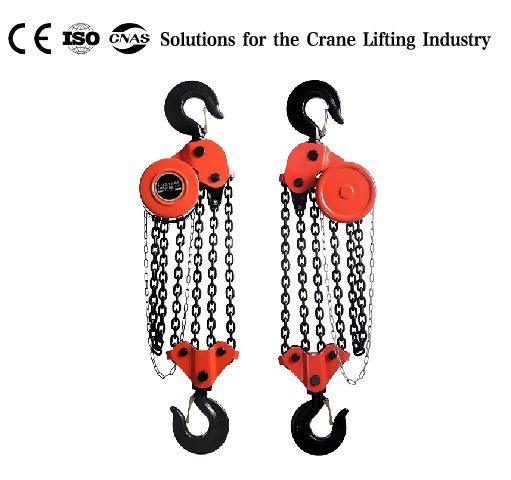
  • Hand Chain Hoist: Types, Benefits, Selection & Maintenance

    Hand Chain Hoist: Types, Benefits, Selection & Maintenance

    In light-to-medium lifting scenarios—from small workshops and construction sites to emergency repairs and remote job sites—the Hand Chain Hoist (also known as a manual chain hoist) stands as a reliable, no-power solution. Unlike electric hoists (which depend on electricity or batteries), hand chain hoists use manual chain pulling to lift loads, making them indispensable for areas without power access or where portability and simplicity are non-negotiable. This comprehensive guide breaks down everything you need to know about hand chain hoists, including key types, real-world applications, and how to choose the right model—with insights from trusted manufacturers like Henan Yangyumech Co., Ltd.
    Hand Chain Hoist

    What Is a Hand Chain Hoist?

    A Hand Chain Hoist is a manual lifting device that uses two chains (a “hand chain” for operation and a “load chain” for lifting) and a gear system to raise, lower, and position loads. Its core design prioritizes durability, portability, and no-power operation: users pull the hand chain to rotate gears, which in turn lift the load chain (and attached load) via a lifting hook. With load capacities ranging from 0.5T to 50T, hand chain hoists adapt to diverse light-to-heavy tasks—from lifting tools in a home workshop to moving steel components on a construction site.

    Key Components of a High-Quality Hand Chain Hoist

    Every reliable hand chain hoist (such as those from Yangyumech, a supplier with CE, ISO, and CNAS certifications) includes these essential parts:


    • Load Chain: Made of high-strength alloy steel (or stainless steel for corrosion resistance), with heat-treated links to withstand wear and heavy loads.
    • Hand Chain: Lightweight yet durable, designed for comfortable grip and easy pulling (usually plastic-coated or steel for different environments).
    • Gear System: Precision-machined spur gears or worm gears that multiply manual force—allowing users to lift heavy loads with minimal effort (mechanical advantage: 1:10 to 1:50).
    • Brake System: Built-in mechanical brake (often a ratchet-and-pawl design) that secures the load instantly when the hand chain is released—prevents slipping even if the chain is dropped.
    • Lifting Hooks: Top hook (for mounting to beams, ceilings, or tripods) and bottom hook (for attaching loads), both made of forged steel with safety latches to prevent load disengagement.
    • Housing: Rugged steel or aluminum housing that protects internal gears from dust, debris, and impact—extending the hoist’s lifespan.

    Core Benefits of Choosing a Hand Chain Hoist

    Compared to electric hoists, wire rope hoists, or manual lever hoists, hand chain hoists offer unique advantages for specific scenarios:

    1. No Power Required (Ideal for Off-Grid Use)

    The biggest advantage of hand chain hoists is their independence from electricity, batteries, or fuel. This makes them perfect for remote construction sites, outdoor repairs, or emergency situations (e.g., power outages in factories)—where electric hoists would be useless.

    2. Ultra-Portable & Compact

    Most hand chain hoists weigh 5-50 kg (depending on capacity) and are small enough to carry in toolboxes or transport in vehicles. Unlike large electric hoists (which need cranes or dedicated mounting), they can be set up in minutes—ideal for mobile teams or small businesses.

    3. Low Maintenance & Long Lifespan

    With no motors, wires, or batteries, hand chain hoists have fewer moving parts to break or maintain. A well-cared-for hand chain hoist (like Yangyumech’s) can last 10-15 years—twice as long as budget electric hoists—with only basic lubrication and inspections.

    4. Cost-Effective for Light-to-Medium Tasks

    Hand chain hoists are significantly cheaper than electric hoists (starting at $100-$200) and eliminate ongoing costs like electricity or battery replacements. For small workshops, homeowners, or businesses with occasional lifting needs, this translates to lower upfront and long-term expenses.

    5. Safe & Compliant

    Top-tier hand chain hoists (like Yangyumech’s) meet global safety standards:


    • Overload protection: Many models include a shear pin or torque limiter that prevents damage if the load exceeds capacity.
    • Secure braking: Ratchet-and-pawl brakes lock the load in place even if the hand chain is released—no risk of accidental dropping.
    • CE/ISO/CNAS certification: Ensures legal use in markets like the EU, North America, and Asia—avoiding safety violations or fines.

    Common Types of Hand Chain Hoists (With Use Cases)

    Hand chain hoists are categorized by load capacity, material, and compliance standards. Below are the most widely used types—including industry-leading models from Yangyumech, tailored to specific user needs.

    1. Standard Hand Chain Hoist (0.5T-10T)

    The most versatile option, Standard Hand Chain Hoists are designed for general-purpose lifting. Key features:


    • Load capacity: 0.5T to 10T (covers 80% of light-to-medium tasks).
    • Lifting height: 2m to 10m (customizable for taller spaces).
    • Materials: Alloy steel load chain, steel housing, plastic-coated hand chain (for grip).
    • Best for: Home workshops (lifting tools, bikes), small factories (moving parts), and retail warehouses (loading inventory).

    2. Heavy-Duty Hand Chain Hoist (10T-50T)

    For industrial-grade tasks, Heavy-Duty Hand Chain Hoists are engineered to handle massive loads. Key specs:


    • Load capacity: 10T to 50T (ideal for heavy machinery or construction).
    • Design: Reinforced housing, thickened load chain (12-20 mm diameter), and high-torque gear systems (mechanical advantage up to 1:50).
    • Pros: Built for continuous use; resistant to impact and harsh conditions.
    • Best for: Construction sites (lifting steel beams), mining operations (moving equipment), and shipyards (cargo handling).

    3. Stainless Steel Hand Chain Hoist

    For corrosive or hygienic environments, Stainless Steel Hand Chain Hoists use rust-resistant materials. Key features:


    • Materials: 304 or 316 stainless steel load chain, housing, and hooks—resists water, chemicals, and salt (ideal for outdoor or marine use).
    • Load capacity: 0.5T to 5T (light-to-medium loads in harsh conditions).
    • Compliance: Meets food/pharmaceutical standards (EN 1672-2) for cleanroom use.
    • Best for: Marine environments (boat repairs), food processing plants (lifting equipment), and chemical factories (moving corrosive materials).

    4. EU-Standard Hand Chain Hoist

    For businesses operating in the EU or prioritizing top-tier safety, EU-Standard Hand Chain Hoists (offered by Yangyumech) are mandatory. Key benefits:


    • Compliance: Meets EN 12077-1 (chain hoist safety standard) and CE requirements—includes enhanced brake testing and material certifications.
    • Safety features: Anti-corrosion coatings, ergonomic hand chains (reduces operator fatigue), and overload warning labels.
    • Quality control: Each hoist undergoes 125% overload testing before leaving the factory—ensuring reliability.
    • Best for: EU-based factories, automotive plants, and businesses exporting to European markets (legal compliance is mandatory).

    5. Mini Hand Chain Hoist (≤0.5T)

    For ultra-light tasks, Mini Hand Chain Hoists are compact and portable. Key features:


    • Load capacity: 0.1T to 0.5T (ideal for small items).
    • Size: Weighs 2-5 kg, fits in a backpack—perfect for home DIY or on-site repairs.
    • Pros: Affordable, easy to store, no assembly needed.
    • Best for: Home use (hanging curtains, lifting small furniture), HVAC repairs (moving ductwork), and event setup (hanging lights).

    How to Select the Right Hand Chain Hoist (Step-by-Step)

    Choosing the wrong hand chain hoist can lead to safety risks, equipment damage, or inefficient lifting. Follow this guide to match the hoist to your needs:

    Step 1: Define Load Requirements

    • Rated Load Capacity: Choose a hoist with a capacity 10-20% higher than your heaviest load (e.g., if your max load is 4T, select a 5T hoist) to avoid overloading. Never exceed the rated capacity—this can break the chain or brake system.
    • Lifting Height: Measure the vertical distance from the hoist’s mounting point to the lowest load position (e.g., 2m for home use, 8m for construction sites). Ensure the load chain length meets this need (add 0.5-1m extra for safety).

    Step 2: Consider the Work Environment

    • Corrosive Conditions: Use stainless steel hoists (e.g., marine, chemical plants) to prevent rust.
    • Harsh/Impact-Prone Areas: Choose heavy-duty hoists with reinforced housing (e.g., construction, mining).
    • Cleanrooms/Food Plants: Opt for stainless steel hoists with food-grade lubricants (compliant with EN 1672-2).
    • EU/Export Markets: Prioritize EU-standard hoists with CE certification to meet legal requirements.

    Step 3: Evaluate Ergonomics & Ease of Use

    • Hand Chain Design: Look for plastic-coated or rubberized hand chains (reduces grip fatigue during long use).
    • Gear Ratio: Higher gear ratios (1:30 to 1:50) make lifting heavy loads easier but slow down lifting speed—balance speed and effort based on your task.
    • Hook Type: Ensure both top and bottom hooks have safety latches (prevents loads from slipping off during lifting).

    Step 4: Check Safety & Compliance

    • Certifications: Verify CE (EU), ISO 9001 (quality), and CNAS (testing) certifications—avoid uncertified hoists (they lack safety testing).
    • Safety Features: Look for overload protection (shear pins, torque limiters) and a reliable brake system (ratchet-and-pawl is industry-standard).

    Step 5: Verify Brand Reliability

    Choose suppliers like Henan Yangyumech Co., Ltd. that offer:


    • Proven Quality: CE, ISO, and CNAS certifications to guarantee performance and safety.
    • Diverse Models: Standard, heavy-duty, stainless steel, and EU-standard options to cover all needs.
    • After-Sales Support: Replacement parts (load chains, hooks, brakes), technical support, and warranty (usually 1-3 years).

    Maintenance Tips for Hand Chain Hoists

    To extend your hoist’s lifespan and ensure safety, follow these simple practices (requires minimal time and tools):

    1. Inspect Before Each Use (2-3 Minutes)

    • Load Chain: Check for fraying, kinks, or stretched links—replace if more than 5% of links are damaged (per EN 12077-1).
    • Brakes: Test the brake by lifting a small load (10% of rated capacity) and releasing the hand chain—ensure the load stays in place.
    • Hooks: Inspect hooks for bending or cracks—safety latches should close tightly (no gaps).
    • Gear Housing: Check for oil leaks (indicates a damaged seal) or loose bolts (tighten if needed).

    2. Lubricate Regularly (Every 1-3 Months)

    • Load Chain: Apply a light machine oil or chain lubricant to all links—wipe off excess to prevent dust buildup. For stainless steel hoists, use corrosion-resistant lubricant.
    • Gear System: Add grease to the gear housing (follow the manufacturer’s fill level—over-greasing causes overheating).
    • Avoid Over-Lubrication: Too much oil/grease attracts dirt, which accelerates wear on chains and gears.

    3. Clean After Use (Especially in Harsh Environments)

    • Corrosive/Marine Environments: Rinse the hoist with fresh water after use (avoid high-pressure washers) and dry thoroughly to prevent rust.
    • Dusty Areas: Wipe the load chain and housing with a dry cloth to remove debris—this prevents abrasive wear.

    4. Store Correctly

    • Dry Location: Store the hoist in a cool, dry place (away from rain, humidity, or extreme temperatures: -10°C to 40°C).
    • Hang or Secure: Hang the hoist from a hook (to keep chains straight) or store it in a case—avoid placing heavy objects on top of it (prevents chain kinking).

    5. Use Genuine Spare Parts

    If parts break (e.g., a frayed chain or faulty hook), use Yangyumech’s genuine replacements. Non-compliant parts (e.g., cheap generic chains) are weaker than original parts—they can snap under load and cause accidents.

    FAQ: Hand Chain Hoists

    Q1: How much force do I need to pull the hand chain?

    A: Most hand chain hoists require 15-30 kg of pulling force (regardless of load capacity), thanks to the gear system’s mechanical advantage. For example, a 10T hoist needs ~20 kg of force to lift the full load.

    Q2: Can a hand chain hoist be used outdoors?

    A: Yes—choose a stainless steel or corrosion-resistant model (e.g., Yangyumech’s stainless steel hand chain hoist) to resist rain and rust. Avoid leaving non-stainless hoists outdoors for extended periods.

    Q3: What’s the difference between a hand chain hoist and a lever hoist?

    A: Hand chain hoists use a hand chain for operation (best for vertical lifting); lever hoists use a lever (best for horizontal pulling or angled lifting). Hand chain hoists are better for pure vertical tasks.

    Q4: Do I need CE certification for a hand chain hoist in the EU?

    A: Yes—CE marking is mandatory. Yangyumech’s EU-standard hand chain hoists meet EN 12077-1 and CE requirements, ensuring legal use.

    Q5: How much does a hand chain hoist cost?

    A: Prices vary by capacity: Mini models ($100-$200), Standard models (0.5T-10T: $200-$1,000), Heavy-duty models (10T-50T: $1,000-$5,000), Stainless steel models ($300-$1,500). Contact Yangyumech for customized quotes.

    Final Thoughts

    The Hand Chain Hoist is a versatile, reliable tool for light-to-medium lifting—especially in scenarios where power is unavailable or portability is key. Whether you need a standard model for your workshop, a heavy-duty hoist for construction, or a stainless steel variant for marine use, prioritize certified suppliers like Henan Yangyumech Co., Ltd. Their CE, ISO, and CNAS-marked hand chain hoists guarantee safety, durability, and value for money.


    For personalized recommendations (e.g., matching a hoist to your load capacity or environment) or to request a quote, contact Yangyumech’s team today—they’ll help you find the perfect hand chain hoist for your needs.
  • Why is Yangyu Electric Hoist So Powerful?

    Why is Yangyu Electric Hoist So Powerful?

    In the world of material handling and industrial lifting equipment, electric hoists have become indispensable tools for their efficiency, reliability, and power. Among these, Yangyu electric hoists have gained a reputation for their exceptional performance and powerful capabilities. But what exactly makes these electric hoists so powerful? Let’s explore the technology and features that contribute to their superior strength and reliability.

    Wire Rope Electric Hoist CD MD Hoist

    Advanced Electric Motor Technology

    At the heart of any electric hoist is its motor, and Yangyu hoists are equipped with high-efficiency electric motors that deliver impressive power output. These motors are designed to provide:

    • High torque output for lifting heavy loads with ease

    • Smooth acceleration and deceleration for precise control

    • Energy-efficient operation that reduces electricity consumption while maintaining power

    • Thermal protection that prevents overheating during extended use

    Unlike traditional hydraulic or pneumatic systems, electric hoists like Yangyu’s models convert electrical energy directly into mechanical power with minimal energy loss, resulting in more powerful and efficient operation.

    Robust Construction and Quality Materials

    Yangyu electric hoists are built with dugrade materials and precision engineering that contribute to their powerful performance:

    • High-strength steel components that can withstand heavy loads without deformation

    • Reinforced gears and bearings designed to handle intense pressure and repetitive use

    • Weather-resistant coatings that protect internal components from corrosion and wear

    • Compact but robust design that maximizes power while minimizing size

    This attention to construction quality ensures that Yangyu hoists maintain their powerful performance even in demanding industrial environments.

    Innovative Safety Features That Enhance Performance

    Safety and power often go hand-in-hand in quality lifting equipment. Yangyu hoists incorporate multiple safety systems that not only protect operators but also contribute to the equipment’s powerful performance by preventing damage from overloads or misuse:

    • Dual braking systems for reliable stopping power

    • Automatic brake engagement in case of power failure

    • Upper and lower limit switches to prevent overtravel

    • Overload protection that prevents the hoist from lifting beyond its rated capacity

    These safety features allow the hoist to operate at its maximum designed power without risk of failure or damage, ensuring consistent performance over time.

    Smart Control Systems

    Modern Yangyu electric hoists feature advanced control systems that optimize power delivery based on load requirements:

    • Variable speed control for precise handling of different weights

    • Soft start/stop functionality that reduces mechanical stress on components

    • Phase reversal protection that prevents damage from incorrect wiring

    • Voltage adaptation capabilities for use in different electrical environments

    These intelligent control systems ensure that power is delivered efficiently and effectively, extending the equipment’s lifespan while maintaining peak performance.

    Versatile Power Options

    Yangyu electric hoists are designed to accommodate various power configurations, making them suitable for different working environments:

    • Dual voltage capabilities (24V/48V conversion) for safe operation in wet conditions

    • Compatibility with both single-phase and three-phase power sources

    • Wide voltage range (220V-600V for three-phase systems)

    • Adaptability to different frequencies (50Hz/60Hz)

    This versatility in power options ensures that Yangyu hoists can deliver their full power potential in virtually any industrial setting.

    Regular Maintenance and Support

    The powerful performance of Yangyu electric hoists is maintained through comprehensive support services:

    • Easy access to components for maintenance and repairs

    • Availability of replacement parts to ensure continued performance

    • Detailed technical documentation for proper maintenance procedures

    • Global service network providing expert support when needed

    Regular maintenance ensures that Yangyu hoists continue to operate at their designed power levels throughout their service life.

    Conclusion

    Yangyu electric hoists derive their powerful performance from a combination of advanced motor technology, robust construction, intelligent control systems, and comprehensive safety features. These elements work together to create lifting equipment that delivers exceptional power, reliability, and efficiency in various industrial applications.

    Whether you’re working in manufacturing, construction, warehousing, or any other industry that requires material handling solutions, Yangyu electric hoists offer the powerful performance needed to get the job done safely and efficiently. Their reputation for power isn’t just about raw strength—it’s about smart engineering that maximizes performance while ensuring reliability and longevity.