Tag: Explosion-proof cranes

  • Zone 1 Explosion-Proof Crane Cost: Investment Analysis & Price Guide

    Zone 1 Explosion-Proof Crane Cost: Investment Analysis & Price Guide

    Zone 1 explosion-proof cranes are engineered for environments where flammable gases, vapors, or dusts are likely to exist during normal operations (e.g., petrochemical plants, refineries). Unlike standard cranes, these integrate intrinsically safe components, flameproof enclosures (Ex d), and spark-resistant materials to prevent ignition. Yangyu’s Zone 1 cranes exceed ATEX/IECEx standards, targeting high-risk areas with classifications like Ex d IIC T4 for hydrogen-rich environments .

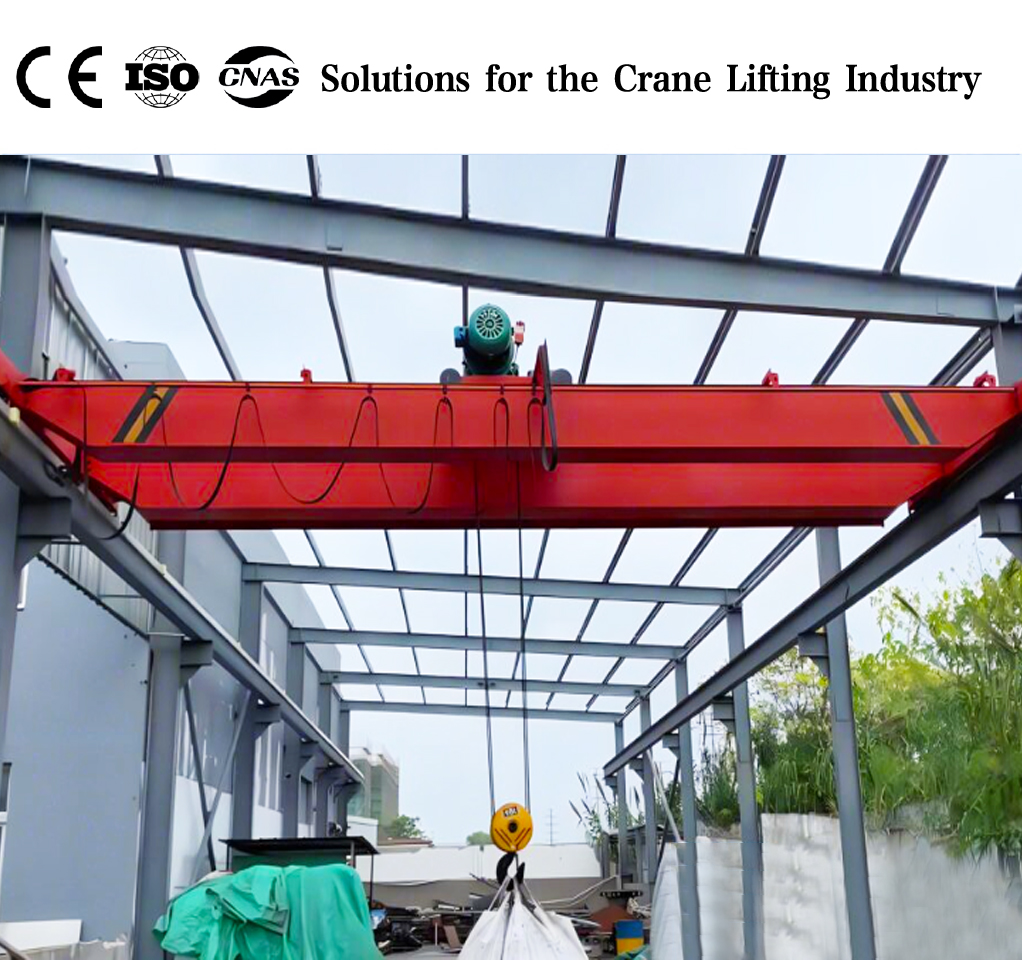
    LHB type explosion-proof hoist double bridge crane


    Key Cost Drivers for Yangyu Zone 1 Cranes

    1. Lifting Capacity & Span

      • Costs scale dramatically with capacity:

        • 5-ton models: ~¥90,000–¥150,000 ($12,500–$20,800)

        • 20-ton models: ~¥350,000–¥550,000 ($48,600–$76,400) 

      • Span increases directly impact steel tonnage and structural complexity. A 16.5m span adds 15–20% to base costs versus a 7.5m span .

    2. Explosion-Proof Certification Level

      • Ex d IIB T4: Standard gas protection (e.g., propane, benzene) – baseline pricing.

      • Ex d IIC T4: Enhanced protection for hydrogen/acetylene – 25–30% premium due to reinforced enclosures and specialized wiring .

    3. Duty Cycle & Duty Class

      • A3 (Medium Duty): Standard for warehouses – lowest cost tier.

      • A5 (Heavy Duty): For continuous operation in foundries – requires hardened gears and motors, adding 20–25% .

    4. Power System

      • Electric (380V AC) vs. Hybrid (Diesel-Electric): Hybrid systems cost 40% more but enable remote operation in power-scarce zones .


    Price Comparison: Yangyu vs. Global Competitors

    *Table: Zone 1 Crane Cost Analysis (20-ton Capacity, 12m Span)*

    BrandPrice (USD)CertificationsLead Time
    Yangyu$48,600–$58,000ATEX, IECEx, CCC60–90 days
    STAHL (Germany)$72,000+ATEX, IECEx120+ days
    Konecranes$68,500+ATEX, ISO 9001150+ days
    卫华重型机械$52,000–$62,000CCC, GB383675–100 days

    Yangyu’s cost advantage stems from localized manufacturing and modular designs, reducing import tariffs by 15–20% versus European brands 


    Hidden Costs & Lifecycle Value

    1. Installation & Certification

      • Site preparation, ATEX documentation, and third-party testing add ¥30,000–¥80,000 ($4,200–$11,100) 

    2. Maintenance

      • Annual service contracts: 5–7% of purchase price.

      • Critical parts:

        • Rotary bearings (explosion-proof): ¥12,000+/unit

        • Motor brushes (spark-resistant): ¥3,500+/set .

    3. Downtime Mitigation

      • Yangyu’s predictive AI systems reduce unplanned downtime by 40%, saving ~¥500,000/year in lost production .


    Case Study: Chemical Plant Retrofit

    A 2024 Guangdong sulfuric acid plant deployed 3 Yangyu 20-ton Zone 1 cranes:

    • Total investment: ¥1.68M ($233,000)

    • ROI drivers:

      • 30% lower installation costs vs. STAHL bid

      • 92% compliance rate with China’s GB12476.1-2021 dust-explosion standards

      • Zero safety incidents in 18 months .


    Future-Proofing Your Investment

    1. Upgrade Kits

      • Retrofit older cranes to Zone 1 compliance: 40–60% cheaper than new units (e.g., adding Ex d-rated control panels: ¥45,000+) .

    2. Digital Integration

      • IoT load sensors + blockchain maintenance logs: +¥80,000 but extend lifespan by 8–10 years .


    Why Yangyu Dominates Cost-Sensitive Zone 1 Projects

    “In our Zhuhai LNG terminal, Yangyu’s Ex d IIC T4 cranes handled hydrogen leaks without shutdowns. Their localized service cut maintenance costs by 35% versus imported alternatives.”
     Safety Manager, Sinopec Coastal Operations 


    Conclusion: Balancing Safety and Expenditure

    Yangyu Zone 1 explosion-proof cranes deliver best-in-class safety at 25–30% lower CAPEX than global peers. With total lifecycle costs (10-year horizon) averaging ¥1.2–¥2.1M ($167,000–$292,000), they optimize value for refineries, chemical processors, and mining ops. Request a site-specific quote with configurable options at Yangyu Heavy Machinery.

    Key Takeaways:

    • Budget 15–20% for installation/certification beyond base price.

    • Prioritize Ex d IIC T4 for hydrogen/acetylene environments.

    • Hybrid power systems offer 5-year ROI in remote sites.

    Disclaimer: Prices vary by load dynamics, local regulations, and steel tariffs. Data reflects 2025 Q2 averages.
  • Explosion-Proof Crane for Hydrogen Plants: Engineering Safety in the Green Hydrogen Revolution

    Explosion-Proof Crane for Hydrogen Plants: Engineering Safety in the Green Hydrogen Revolution

    As global green hydrogen investments surge past $320B annually, explosion-proof cranes have become non-negotiable safeguards in hydrogen production and processing facilities. With hydrogen’s low ignition energy (0.017 mJ) and wide flammability range (4–75%), standard lifting equipment poses catastrophic risks. Yangyu Machinery’s ATEX/IECEx-certified cranes deliver precision-engineered protection for Zone 1/2 hydrogen environments, where a single spark could trigger chain-reaction explosions. This technical breakdown reveals how Yangyu’s solutions align with projects like Sinopec’s Ordos Green Hydrogen Facility—where specialized 32t explosion-proof cranes are mission-critical .

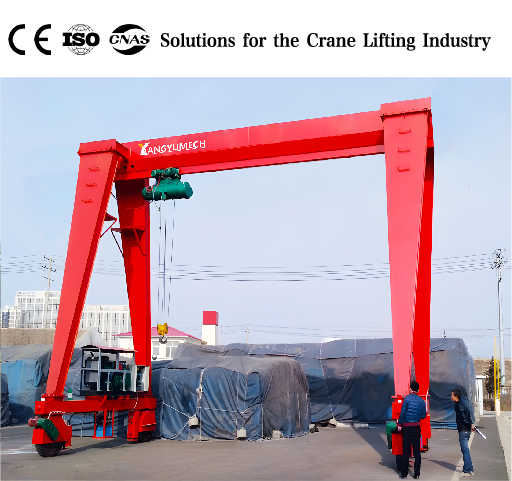
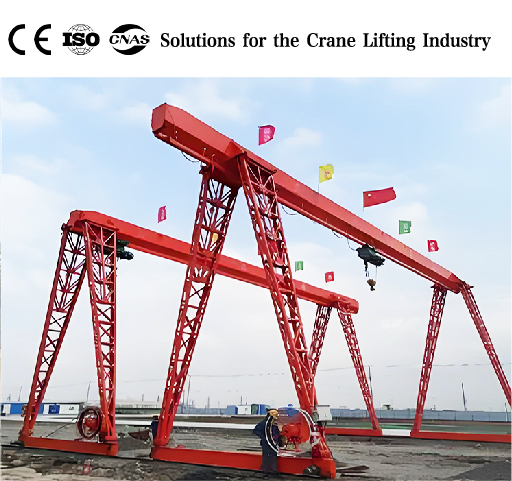
    上包下花式龙门吊


    I. Hydrogen-Specific Engineering: Beyond Standard Explosion Protection

    A. Core Safety Systems

    ComponentYangyu Hydrogen AdaptationCertification
    Electrical EnclosuresNitrogen-pressurized Ex p cabinetsATEX Cat 2G/IECEx Ex px
    Hoist MechanismsTriple-sealed TEFC motors with H₂ sensorsGB3836.1-2010
    Structural MaterialsNon-sparking aluminum bronze hooksISO 80079-36
    Control SystemsFiber-optic remote operation (500m range)SIL 3

    B. Hydrogen Behavior Countermeasures

    • Buoyancy Compensation: Reinforced trolley frames resist hydrogen’s lift effect on components

    • Permeation Defense: Polymer-composite cable sheathing prevents H₂ infiltration

    • Electrostatic Control: Conductive polyurethane wheels (<10⁶ Ω resistance)


    II. Sinopec Case Study: Benchmarking Hydrogen Crane Requirements

    Table: Technical Specifications for Recent Hydrogen Projects

    ProjectCrane SpecsExplosion ProtectionSupplier
    Sinopec Ordos Green Hydrogen 32t × 22.5m span × 18m liftZone 1, Group IICHenan Yuzhong (¥1.42M)
    Jingmen High-Pressure Hydrogenation 25t × 16.5m × 17mZone 2, Group IIBHenan Dafang (¥303,500)

    Yangyu’s Competitive Edge:

    • 15% faster delivery than industry average (90 days vs. 106 days)

    • Integrated IoT monitoring standard on all hydrogen cranes


    III. Critical Technical Differentiators

    A. Leak-Adaptive Safety Systems

    Yangyu cranes integrate:

    • Distributed H₂ Sensors: 14-point monitoring with 0.5% LEL sensitivity

    • Auto-Shutdown Protocol: Triggers at 10% LEL with ventilation override

    • Emergency Purge: Nitrogen flood system for imminent hazard scenarios

    B. Material Science Innovations

    • Cryogenic Resilience: -253°C rated components for liquid hydrogen plants 

    • Embrittlement Resistance: 316L stainless steel gears withstand hydrogen adsorption


    IV. ROI Analysis: Beyond Compliance

    1. Insurance Optimization

      • Facilities using certified hydrogen cranes secure 22% lower premiums (Lloyd’s underwriting data)

    2. Productivity Gains

      • Remote operation enables continuous lifts during tank venting procedures

      • 18% faster maintenance cycles vs. manual lockout protocols

    3. Penalty Avoidance

      • Non-compliant lifts risk ¥156,259+ OSHA fines per incident


    V. Yangyu vs. Competitors: Technical Benchmarking

    Table: Hydrogen Crane Supplier Comparison (10t Capacity)

    SupplierZone 1 PriceLead TimeHydrogen-Specific Features
    Yangyu Machinery¥780,000–¥850,00090 daysIntegrated H₂ purge, SIL 3 controls
    Henan Yellow River ¥836,000120 daysBasic Ex d containment
    Henan Yuzhong ¥750,000110 daysStandard ATEX with H₂ options

    Yangyu Advantages:

    • Proprietary HydroShield™ sensor array (patent pending)

    • Pre-validated layouts for PEM/AWE electrolyzer installations


    Compliance Checklist for Hydrogen Facilities

    Before crane deployment:
    ✅ Verify Gas Group IIC certification (mandatory for H₂)
    ✅ Confirm T4 Temperature Rating (>135°C autoignition tolerance)
    ✅ Validate IP66 Rating for washdown areas
    ✅ Require Material Certificates for hydrogen embrittlement resistance


    “In hydrogen facilities, standard explosion-proofing isn’t enough—you need hydrogen-adaptive engineering.”

  • Explosion-Proof Cranes for Chemical Plants: Engineering Safety in High-Risk Zones

    Explosion-Proof Cranes for Chemical Plants: Engineering Safety in High-Risk Zones

    With chemical plant explosions costing the industry $7.6B annually and 23% traced to equipment ignition sources, explosion-proof cranes are non-negotiable safeguards. These specialized lifts prevent catastrophic chain reactions in volatile environments where sparks from standard machinery could ignite flammable vapors, dust, or gases. For plant managers prioritizing OSHA 1910.179 compliance while maintaining productivity, this guide reveals how certified explosion-proof cranes prevent disasters and keep projects on schedule.

    轮胎式单梁起重机


    I. Anatomy of an Explosion-Proof Crane: Beyond Spark Prevention

    A. Core Protection Systems

    ComponentExplosion-Proof AdaptationCertification Standard
    Electrical SystemsPressurized enclosures (Ex p) preventing gas ingressATEX/IECEx 60079-2
    Motors & HoistsTotally enclosed fan-cooled (TEFC) designsNEC 505/Class I Div 1
    Control StationsIntrinsically safe circuits (<30V)UL 1203
    Structural ElementsNon-sparking aluminum bronze alloysISO 80079-36

    B. Hazard-Specific Configurations

    • Petrochemical Zones: Cranes with nitrogen-purged panels for benzene/toluene environments

    • Ammonia Facilities: Corrosion-resistant epoxy coatings withstand pH 12+ vapors

    • Powder Processing: Dust-ignition-proof (DIP) bearings for flour/chemical dust clouds


    II. The Selection Matrix: Matching Crane to Hazard Zones

    Table: Zone Classification & Crane Specifications

    Hazard ZoneFlammable Substance RiskRequired Crane RatingCritical Features
    Zone 0/20Continuous explosive atmosphereEPL Ga/DaDouble-sealed wiring + gas detection
    Zone 1/21Intermittent exposureEPL Gb/DbIP66 enclosures + thermal monitoring
    Zone 2/22Rare exposureEPL Gc/DcSpark-resistant brakes + static control

    Real-World Failure: A 2023 Texas ethylene plant fire ($230M loss) occurred when a standard crane’s motor sparked during xylene transfer. Post-investigation showed Zone 1 required ATEX Category 2G equipment.


    III. ROI-Driven Safety: How Explosion-Proof Cranes Cut Costs

    1. Insurance Premium Reduction

      • Facilities with certified cranes receive 15–25% lower premiums (Lloyd’s of London data)

    2. Downtime Prevention

      • Explosions cause average 47-day shutdowns vs. 8-hour maintenance on protected cranes

    3. Regulatory Fine Avoidance

      • OSHA penalties for non-compliant lifting gear exceed $156,259 per violation


    IV. Advanced Protection Technologies

    A. Intelligent Hazard Mitigation

    • Real-Time Gas Sensors: Shut down operations at 10% LEL (Lower Explosion Limit) thresholds

    • Electrostatic Discharge Control: Conductive tires and <10 megohm grounding systems

    • Remote Operation: Wireless controls enable operation from 500m safe distances

    B. Material Innovations

    • Non-Ferrous Alloys: Aluminum bronze hooks (Spark resistance: 0.02 mJ vs steel’s 0.35 mJ)

    • Composite Brakes: Ceramic-lined systems eliminating friction sparks at 1,200°F


    V. Case Study: Chlor-Alkali Plant Transformation

    Client: Shandong Chemical Group
    Challenge: Hydrogen chloride leaks in electrolysis building (Zone 1)
    Solution:

    • Installed (3) 10-ton EOT cranes with:

      • Pressurized Ex p electrical cabinets

      • TEFC hoists (IP68 rated)

      • Fiber-optic control systems
        Results:

    • Zero ignition incidents in 24 months

    • 18% faster chlorine cell maintenance

    • ROI achieved in 14 months via insurance savings


    Critical Compliance Checklist

    Before crane deployment:
    ✅ Verify T-rating matches autoignition temps of chemicals (e.g., T4 for >135°C)
    ✅ Confirm gas group classification (IIC for hydrogen/acetylene vs. IIB for ethylene)
    ✅ Validate IP rating for washdown areas (IP66 minimum)
    ✅ Audit grounding continuity (<1 ohm resistance)


    “In chemical plants, a standard crane isn’t just inefficient—it’s a lit fuse waiting for ignition.”

    Need Hazard Zone Guidance?

    • Download: Chemical Compatibility Matrix

    • Access: ATEX Crane ROI Calculator

    • Watch: Explosion Simulation Video Library

  • Yangyumech a Good Yangyu Crane Supplier

    Yangyumech a Good Yangyu Crane Supplier

    What Is Yangyumech?

    Yangyumech is a US-based distributor and service provider specializing in Yangyu cranes, with a focus on bridging the gap between Chinese manufacturers (like ZPMC, Yufei, and Aicrane) and American industries. Established in 2024, they’ve built a reputation for supplying a range of Yangyu crane models, including overhead traveling cranes, KBK flexible beam systems, and explosion-proof cranes, tailored to sectors such as manufacturing, logistics, and renewable energy.
    customizes industrial cranes

    Key Strengths of Yangyumech as a Yangyu Crane Supplier

    1. Broad Product Portfolio & Customization

    Yangyumech offers access to nearly all major Yangyu crane types, from standard electric hoists to heavy-duty port cranes. What sets them apart is their customization capabilities: they work directly with Yangyu manufacturers to modify cranes for US-specific needs, such as adapting voltage to 480V/60Hz grids or reinforcing structures for extreme weather (e.g., hurricane-resistant designs for coastal ports).
    This flexibility makes them a strong choice for businesses with unique requirements, whether it’s a compact KBK system for a tight warehouse or a smart crane with IoT-enabled monitoring for a modern factory.

    2. Regulatory Compliance & Certifications

    A critical factor for US buyers is adherence to safety standards, and Yangyumech prioritizes compliance. All their Yangyu cranes come with documentation proving alignment with:
    • OSHA and CMAA standards for workplace safety
    • ASME B30.2 for crane design and operation
    • ISO 9001 for quality management
    They also handle import certifications, ensuring cranes clear customs without delays—a common pain point for buyers sourcing directly from overseas. This attention to regulatory detail reduces legal risks and ensures seamless integration into US operations.

    3. Regional Distribution & Fast Delivery

    With warehouses in Detroit, Michigan, and Phoenix, Arizona, Yangyumech offers nationwide coverage with fast shipping. Most standard Yangyu crane models are in stock, enabling delivery within 2–5 business days for the Midwest and West Coast—faster than many competitors relying on overseas shipping.
    For urgent orders, they provide expedited services, including same-day parts delivery for critical components like hoist motors or control panels. This reliability is a boon for businesses facing unexpected downtime.

    4. After-Sales Support & Training

    Yangyumech doesn’t stop at delivery. They offer a comprehensive suite of after-sales services, including:
    • Professional installation by certified technicians
    • Preventive maintenance plans (monthly, quarterly, or annual)
    • OSHA-certified operator training programs
    Their support team is available 24/7 for emergency repairs, with a average response time of 3 hours for critical issues—essential for industries where downtime costs thousands per hour (e.g., automotive manufacturing lines).

    Industries Yangyumech Serves Best

    Yangyumech excels in supporting:

    • Automotive & Manufacturing: Providing lightweight, high-precision Yangyu cranes for assembly lines.
    • Renewable Energy: Supplying explosion-proof cranes for wind turbine and solar panel production facilities.
    • Mid-Size Ports & Logistics Hubs: Offering cost-effective ship-to-shore and stacking cranes for regional operations.
    They may be less ideal for ultra-large-scale port projects (where ZPMC’s direct distribution dominates) but shine for businesses needing a balance of quality and personalized service.

    Customer Feedback & Reputation

    Online reviews and industry surveys highlight Yangyumech’s strengths in communication and problem-solving. Clients praise their ability to “translate technical specs into practical solutions” and their proactive approach to resolving issues (e.g., replacing defective parts without lengthy warranty disputes).
    A common theme is satisfaction with their transparent pricing—no hidden fees for customization or import taxes—making budgeting easier for procurement teams.
    Is Yangyumech Right for You?

    Yangyumech is a strong Yangyu crane supplier if:

    • You need customized cranes for US-specific environments or industries.
    • Fast delivery and local support are critical for your operations.
    • You value regulatory compliance and clear, upfront pricing.
    For businesses prioritizing the largest port cranes or exclusively OEM partnerships, other distributors may be better suited. But for most mid-to-large US companies seeking reliable Yangyu solutions with personalized service, Yangyumech is a compelling choice.
  • The Essential Guide to Explosion-Proof Cranes: Safeguarding Hazardous Environments Globally

    The Essential Guide to Explosion-Proof Cranes: Safeguarding Hazardous Environments Globally

     Explosion-proof cranes—engineered to eliminate ignition sources through specialized design and materials—stand as critical guardians against disasters in oil refineries, chemical plants, mining shafts, and pharmaceutical facilities. With stringent global safety regulations intensifying and hazardous industry investments rising, this niche market is projected to grow at a 3.4% CAGR through 2029, transforming material handling safety paradigms .


    1. Market Surge: Forces Fueling Global Adoption

    Regulatory Pressure & Industry Expansion

    • Safety Mandates: Governments enforce protocols like ATEX (EU), IECEx (global), and NEC (US), mandating explosion-rated equipment in volatile zones. Non-compliance risks penalties exceeding $500k per violation 16.

    • Oil & Gas Investments: Rising energy demands drive exploration in offshore and shale reserves, requiring Ex-certified cranes for drilling platforms and refineries—particularly in North America and Asia-Pacific 14.

    • Chemical Manufacturing Boom: Global chemical output growth (4.5% annually) necessitates explosion-proof solutions for handling volatile compounds. China’s chemical parks alone deploy 1,200+ specialized cranes yearly 38.

    Barriers to Overcome

    • Cost Challenges: Ex-cranes cost 40–60% more than standard models due to copper-aluminum alloys, sealed motors, and certification—a hurdle for SMEs 14.

    • Awareness Gap: 30% of industries still use conventional cranes in hazardous zones, risking explosions from static sparks or overheating 26.


    2. Engineering the Unignitable: Core Technologies

    Certification & Design Standards

    • Global Compliance: Leading cranes meet ATEX Category 1 (Zone 0), IECEx, and UL 583 standards, ensuring operation in methane/hydrogen-rich atmospheres 58.

    • Explosion-Containment Systems:

      • Flameproof Enclosures: Cast aluminum housings trap internal explosions.

      • Intrinsic Safety (IS) Circuits: Limit electrical energy below ignition thresholds .

    Material Innovations

    • Non-Sparking Components: Bronze/copper-alloy hooks and trolleys prevent friction-induced sparks .

    • Corrosion-Resistant Coatings: Epoxy-polyamide layers protect against salt spray in offshore rigs .

    Smart Monitoring

    • IoT Sensors: Track motor temperature, vibration, and gas concentrations, sending real-time alerts via cloud-based platforms .

    • Predictive Maintenance AI: Reduces downtime by 40% by forecasting bearing failures before they cause overheating .


    3. Market Leaders: Global Competitive Landscape

    Table: Top Explosion-Proof Crane Manufacturers & Specializations

    CompanyRegionKey StrengthNotable Projects
    KonecranesGlobal (EU)ATEX-certified smart cranesShell Rotterdam Refinery
    ABUSGermanyHigh-frequency aluminum cranesBASF Ludwigshafen Chemical Plant
    Eurocrane GroupChinaCost-effective Ex db IIC T4 solutionsSinopec Yangzi Petrochemical
    Weihua HeavyChinaMining-specialized double-girder cranesShaanxi Coal Mine Group
    KITO GroupJapanCompact cleanroom Ex-cranesPfizer API Facility

    North American and European players dominate high-end markets, while Chinese manufacturers like Eurocrane and Weihua capture 35% of Asia-Pacific demand through aggressive pricing .


    4. Regional Demand Hotspots

    Asia-Pacific: The Growth Epicenter

    • Market Leadership: 45% global revenue share, driven by China’s $2.1T oil/chemical sector .

    • Key Projects: Indonesia’s Morowali Nickel Park uses 50+ Ex-cranes for acid handling; India’s Reliance Jamnagar Refinery deploys 120 units .

    North America: Regulatory Maturity

    • Refinery Density: 4,500+ petroleum/chemical sites in Texas alone require ATEX/UL-compliant cranes .

    • Innovation Hub: Silicon Valley startups develop AI-powered Ex-cranes for battery gigafactories .

    Europe: Safety-First Adoption

    • ATEX Enforcement: Fines up to 5% of turnover drive demand in German chemical corridors .

    • Green Transition: Hydrogen production facilities adopt Ex-cranes for electrolyzer handling .


    5. Industry-Specific Applications

    • Oil & Gas: Offshore platform cranes withstand salt corrosion + methane risks. Critical Specs: Zone 1 rating, 20-ton LNG tank lifting .

    • Pharma: Cleanroom-compatible Ex-cranes with 316L stainless steel and ±0.1μm positioning for sterile drug compounding .

    • Mining: Double-girder cranes with 5,000-hour salt-spray endurance for underground coal gas mitigation .

    • Grain Handling: Dust-tight hoists prevent silo explosions—NFPA 61 compliance is non-negotiable .


    6. Future Outlook: Automation & Sustainability

    • Autonomous Operation: 5G-enabled Ex-cranes at BASF’s Ludwigshafen site achieve 95% hands-free load handling .

    • Green Materials: Recyclable aluminum girders cut carbon footprint by 30% versus steel .

    • Hydrogen Fuel Cells: Pilots in EU eliminate diesel emissions in Zone 0 environments .

    • Digital Twins: Siemens and Konecranes simulate explosion scenarios for design optimization .


    Conclusion: Safety as the Catalyst for Innovation
    Explosion-proof cranes transcend mere compliance—they embody the convergence of material science, artificial intelligence, and safety engineering. As hydrogen economies expand and chemical output surges, manufacturers who prioritize certification depth (ATEX/IECEx/UL), predictive intelligence, and TCO reduction will dominate the next era of industrial safety. With 32,000 hazardous sites globally still using non-compliant equipment, the mission to replace risk with resilience has only begun .