The relentless demands of foundry operations—molten metal handling, abrasive dust, thermal cycling, and 24/7 production cycles—make crane reliability non-negotiable. Standard maintenance protocols fail under such conditions, leading to costly downtime and safety risks. North America’s premier foundries now leverage specialized crane services engineered for these extremes, combining domain-specific expertise with predictive technologies to maximize uptime and lifespan.
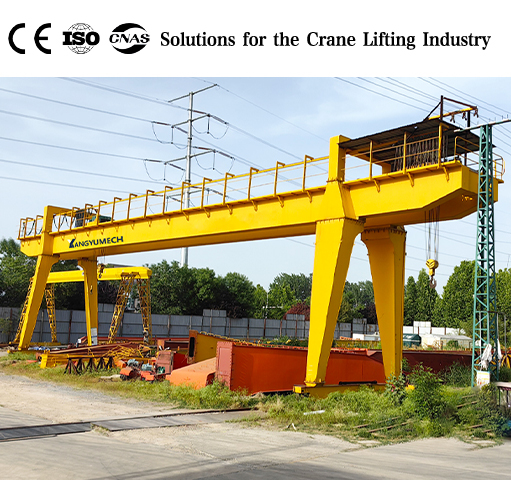
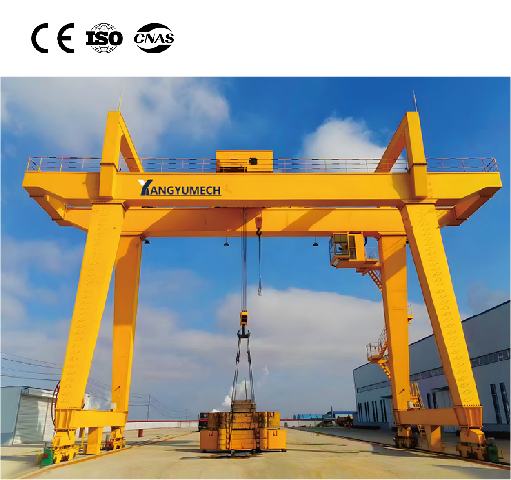
In high-intensity metalcasting environments where temperatures exceed 65°C and molten metal handling demands millimeter precision, standard overhead cranes fail catastrophically. Double girder foundry cranes solve this—integrating heat-resistant engineering, intelligent sway control, and robust structural designs to handle ladles, molds, and kilns with unmatched reliability. Unlike single girder variants, these systems distribute loads across two parallel beams, enabling capacities from 5 to 500 tons while minimizing deflection under extreme thermal stress.
5 Core Structural Advantages Over Single Girder Systems
Deflection Control
Double girder configurations limit deflection to< L/1000(vs. L/750 in single girders) through optimized Q345B steel frameworks with yield strengths ≥345 MPa. This is critical when transporting 200-ton ladles over casting pits.
Cooling Systems: Integrated air/water jackets for hoist gearboxes in steel mills
Expanded Work Envelope
With hook heights reaching 40m+ and spans configurable up to 60m, double girder cranes clear massive cupolas, sand treatment plants, and automated molding lines—enabling unobstructed material flow in congested foundries.
Redundancy Architecture
Dual-hoist systems with independent 4-rope drums provide failsafe load handling. If one hoist faults, the secondary system engages within 0.5 seconds, preventing molten metal spills.
Automation Readiness
Integrated sensor slots for AI collision avoidance, IoT health monitoring, and synchronized movement with pouring robots—cutting cycle times by 25% in automated foundries.
Industry-Specific Customization Modules
Table: Foundry Application Solutions
Challenge
Double Girder Solution
Industry Impact
Molten Steel Handling
Magnetically shielded controls + insulated cables
Prevents EMI-induced misoperation
Abrasive Dust Environments
IP65 sealed trolleys + automatic wiper systems
80% reduction in maintenance downtime
High-Frequency Cycles
FEM M8 (ISO 4301) duty rating + forged wheel assemblies
50,000+ cycles/year capability
Precision Pouring
Anti-sway AI + laser positioning (±2mm accuracy)
99.98% spill-free transfers
Critical Safety & Compliance Features
Overload Protection
Strain-gauge sensors trigger automatic cutoff at 110% capacity, with dual mechanical-electromagnetic brakes.
Thermal Runaway Prevention
Embedded thermocouples monitor girder temperature gradients, activating coolant sprays if structural thresholds exceed 150°C.
Explosion Resistance
ATEX-certified components (Zone 22) for aluminum/ magnesium foundries where combustible dust exists.
Seismic Resilience
Foundation bolts with 9.0 magnitude earthquake tolerance—mandatory in Pacific Rim foundries.
Technical Specification Breakdown
Table: Performance Parameters
Parameter
Standard Range
Premium Options
Capacity
5–500 tons
1,000+ tons with tandem cranes
Span
10m–40m
Up to 60m for mega-foundries
Lifting Speed
0.5–15 m/min (VFD)
20 m/min with servo control
Ambient Temperature
-25°C to +55°C
-40°C to +65°C packages
Control
Pendant/Radio
Fully automated (PLC + SCADA)
Compliance
ISO 12488-1, CMAA 70
Custom certifications (e.g., ABS for marine foundries)
Global Installation Case Studies
German Automotive Foundry: 180-ton double girder crane with HEPA-filtered enclosures for aluminum casting cleanliness (ISO 5 standard)
Indian Steel Plant: Explosion-proof 320-ton cranes handling 1,500°C ladles in monsoonal humidity
Texas Aerospace: Magnetically levitated trolleys for vibration-free titanium casting transfers
Purchasing Pathways: New vs. Upgraded Systems
Type
Lead Time
Key Advantage
Ideal For
New Build
90–120 days
Full customization + 20-year design life
Greenfield foundries
Retrofit Kit
30–45 days
40% cost savings + CE recertification
Legacy crane modernization
Rental Units
7 days
Peak production support (6–12 month terms)
Emergency capacity expansion
Engineered for the world’s most punishing industrial environments, double girder foundry cranes transform molten metal handling from operational risk to competitive advantage.Request Your Foundry-Specific Design Analysisfor a 3D simulation and load test report within 72 hours.
Our patentedThermal Defense Systemextends component lifespan by 3.8x in 65°C+ environments
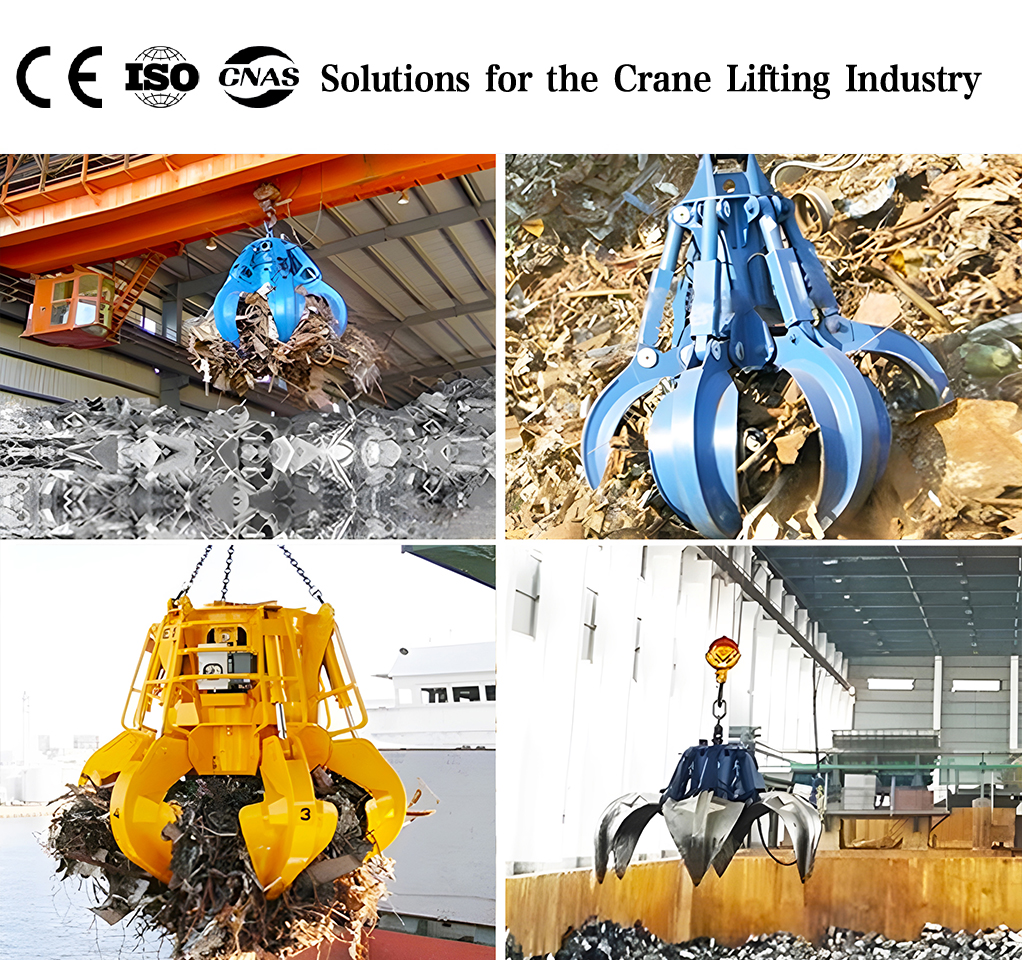
theQZ Grab Bucket Overhead Cranedelivers unmatched efficiency. This specialized crane integrates a robust single or double girder bridge with a motorized grab bucket, automating heavy, labor-intensive tasks while maximizing throughput and minimizing spillage. Designed for demanding industrial environments such as power plants, foundries, ports, and bulk storage yards, the QZ crane transforms bulk material logistics.
QZ Grab Bucket Overhead Crane
Core Functionality & Advantages of the QZ Grab Bucket Crane
Automated Bulk Handling:The motorizedclamshell grab bucketopens, closes, grabs, lifts, transports, and releases materials without manual intervention, drastically reducing labor costs and physical strain.
High Operational Efficiency:Significantly faster cycle times compared to manual methods or excavators, leading tohigher throughputin loading bays, stockpiles, or processing lines.
Reduced Spillage & Dust:Precision-engineered grabs provide a secure enclosure during lifting and travel, minimizing material loss and airborne dust – critical for environmental compliance and material savings.
Versatility Across Materials:Interchangeable grab buckets (clamshell, orange peel, timber, scrap) allow handling of diverse materials – from fine grains to large scrap chunks.
Optimized Space Utilization:Overhead operation clears floor space for vehicles, personnel, and other equipment, enhancing safety and workflow in congested areas.
Key Technical Components & Specifications
Table 1: QZ Grab Bucket Crane Core Specifications
Parameter
Typical Range
Notes
Capacity
5 tons – 50+ tons
Capacity refers to the safe working load of the crane + grab + material.Actual grab payload is lower.
Grab Bucket Volume
0.5m³ – 15m³+
Selected based on material density and desired payload per cycle.
Span (S)
10m – 35m+
Customizable to fit warehouse, stockyard, or vessel dimensions.
Lifting Height (H)
6m – 30m+
Determined by silo depth, stockpile height, or vessel hold depth.
Work Duty Class
A6 – A7 (Heavy to Very Heavy)
Designed for frequent, high-intensity cycles in harsh environments.
Control System
Cabin or Radio Remote
Essential for operator visibility and safety in dusty/vibrant conditions.
Power Supply
3P, 380V, 50Hz (or local std.)
Heavy-duty motors for hoist, grab, and travel drives.
Table 2: Grab Bucket Types & Applications
Grab Type
Design
Ideal Materials
Key Feature
Double-Rope Clamshell (QZ Standard)
Two drums (hold/close ropes)
Coal, Sand, Gravel, Grain, Fertilizer
Precise opening/closing control, good seal.
Motorized Clamshell (4-Rope)
Independent motors on grab
Heavy materials (Ore, Rock), High-density bulk
Higher grab force, less rope wear.
Orange Peel Grab
Multiple hinged “petals”
Scrap Metal, Large Rocks, Demolition Debris
Handles irregular shapes, penetrates piles.
Timber Grab
Long tines with claws
Logs, Pulpwood, Large Bundles
Secures long, cylindrical loads.
Electro-Hydraulic Grab
Hydraulic actuation
Very heavy/dense materials, Deep bins
Highest closing force, robust for tough jobs.
Primary Industrial Applications
Power Plants:Unloading coal from barges/railcars, transferring coal to bunkers or stockpiles, handling ash.
Steel Mills & Foundries:Charging scrap metal into furnaces, handling pig iron, transporting slag, moving sand/refractories.
Waste Recycling:Sorting and moving bulk recyclables (scrap, plastics, waste wood).
Cement Plants:Handling raw materials (limestone, clay), clinker, gypsum, fly ash.
Critical Design Features for Reliability & Safety
Heavy-Duty Construction:Reinforced girders, end carriages, and trolleys withstandA6/A7 duty cyclesand impact loads from grabbing dense materials.
Dedicated Grab Hoist & Mechanism:Separate hoisting motor(s) and grab opening/closing drive(s) ensure independent, reliable control.Anti-sway systemsstabilize the load during travel.
Dust & Debris Protection:IP55/IP65 ratedortotally enclosedmotors and electrical gear protect against ingress of dust and moisture.Cable reelsorenclosed conductor barssupply power reliably.
Operator Ergonomics:Comfortable, climate-controlled cabins or intuitive radio remotes with clear visibility and controls reduce fatigue.
Selecting & Configuring Your QZ Grab Crane: Key Factors
Material Characteristics:Bulk densityis CRITICAL (kg/m³). This directly determines the required grab volume for your target payload per cycle. Also consider abrasiveness, lump size, and flowability.
Required Throughput:Calculatetons/hourneeded. This dictates cycle time requirements, influencing crane speed specs and grab size.
Operating Environment:Indoors/outdoors? Extreme temperatures? Presence of dust, moisture, or corrosive elements? Dictates protection levels (IP rating, special paints).
Grab Type & Mechanism:Choose based on material (see Table 2). Double-rope is standard; motorized/electro-hydraulic offer higher force for tough applications.
Control & Visibility:Radio remote is often preferred for flexibility and safety in bulk handling. Cabins require good sightlines.
Supporting Structure:Ensure the building runway system or outdoor gantry supports can handle the dynamic loads of a grab crane (significantly higher than hook cranes).
Grab Maintenance:Regular inspection of jaws, hinges, cables/hydraulics, and wear plates. Timely replacement of worn parts is crucial for performance and safety.
Lubrication Schedule:Strict adherence to manufacturer’s lubrication points and intervals for all moving parts.
Operator Training:Comprehensive training on safe grab operation (proper grabbing technique, avoiding swinging loads), emergency procedures, and pre-operation checks.
Spare Parts:Maintain critical spare parts (especially for the grab mechanism) to minimize downtime.
Conclusion: Unlocking Productivity in Bulk Material Logistics
TheQZ Grab Bucket Overhead Craneis an indispensable asset for any industry moving significant volumes of loose bulk materials. By automating the grab, lift, transport, and release process, it deliversunparalleled efficiency, significant labor savings, reduced material loss, and enhanced workplace safetycompared to manual methods or less specialized equipment. Its robust A6/A7 design ensures reliability in the most demanding environments, from dusty coal terminals to vibrating foundry floors. When selecting a QZ crane, careful consideration of material properties, throughput requirements, and operational environment is key to configuring an optimal, high-productivity system that maximizes your return on investment.