Tag: overhead crane

  • General Maintenance Guidelines for Cranes

    General Maintenance Guidelines for Cranes

    To ensure the safe operation of cranes, extend their service life, and enhance economic efficiency, proper maintenance of lifting equipment is essential during use. Maintenance refers to a series of tasks performed to keep or restore cranes to a state where they can perform their specified functions. Maintenance is categorized into scheduled maintenance (regular maintenance) and unscheduled maintenance (troubleshooting, repairs, shutdown repairs). Maintenance personnel must perform all necessary maintenance in accordance with the manufacturer’s operating manual and safety protocols to ensure the crane’s upkeep, safety, and normal operation.
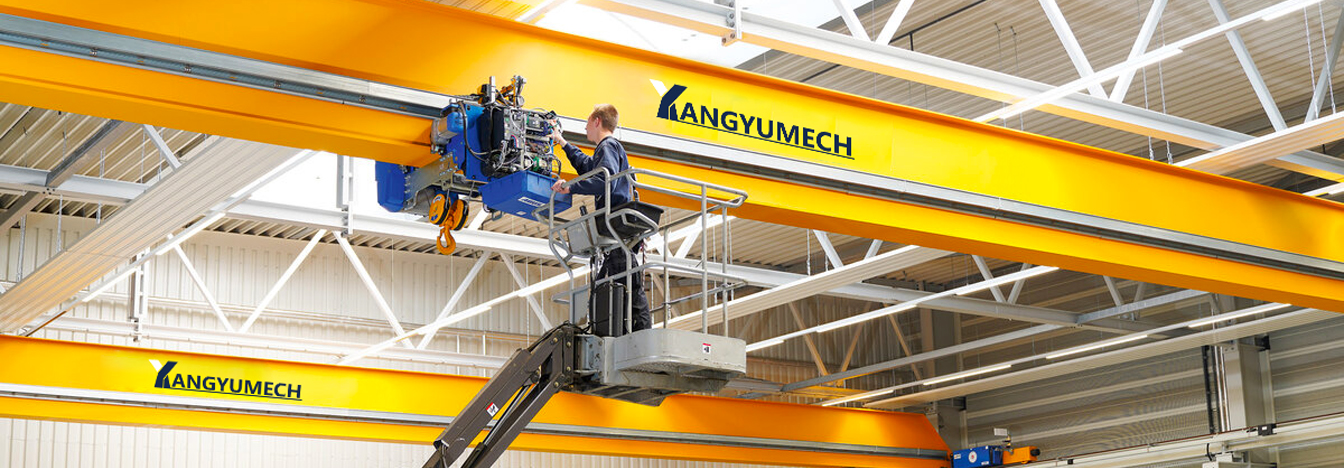
    Maintenance procedures should be established based on the manufacturer’s operating manual. In the absence of such documentation, procedures must be developed by a qualified individual.

    Scheduled Maintenance

    The manufacturer’s instruction manual specifies recommended maintenance intervals, which must not be exceeded. The manual also identifies lubrication points attention, the time intervals or frequency for grease and oil changes, and the quality and grade of lubricants to be used.

    Inspection-Based Maintenance

    Based on the results of daily inspections, routine inspections (weekly/monthly), periodic inspections (quarterly/annual), comprehensive inspections, special inspections, and other inspections (condition monitoring requirements, component retirement, accidents, repairs, post-earthquake), determine items requiring adjustment, repair, or necessary component replacement. Inspection methods include visual inspection, non-destructive testing, functional testing, no-load testing, load testing, static load testing, dynamic load testing, and stability testing.

    Pre-Maintenance Safety Precautions

    Maintenance work is strictly prohibited outdoors during severe weather conditions such as high winds, thunderstorms, ice/snow storms, extreme cold, or dense fog. The following precautions must be taken before performing maintenance on cranes:

    a) Move the crane to an area causing minimal interference with other cranes and operations.

    b) If the crane is carrying a load, unload it.

    c) All control devices must be in the off position.

    d) Use tag/lockout procedures. Display a “Under Maintenance” sign, or lock the switches on controllers or control panels in the ‘OFF’ or “DISENGAGED” position. Only maintenance personnel may perform tagging or locking.

    e) If the maintenance work poses a hazard, warning signs and barriers should be used on the ground beneath the crane.

    f) For cranes undergoing maintenance, power should be disconnected or measures taken to prevent electric shock.

    g) Before disassembling hydraulic components, pressure must be relieved.

    h) Maintenance personnel shall wear appropriate personal protective equipment (PPE) such as safety shoes, hard hats, safety harnesses, or safety glasses. Adequate fall protection shall be provided where there is a risk of falling from heights during maintenance.

    i) Maintenance areas shall be adequately illuminated.

    g) Safe and reliable tools shall be used.

    k) Appropriate protective measures shall be taken during welding operations.

    l) Necessary fire prevention measures shall be implemented during maintenance.  

    After completing maintenance work and before resuming normal crane operation:

    a) Reinstall protective devices;

    b) Restore the functionality of safety devices and recalibrate them if necessary;

    c) Remove replaced parts and scattered objects;

    d) Clear away maintenance tools and equipment.

    Repair or Replacement

    Perform the following repairs or replacements as required by routine inspections in the maintenance procedures, when operational needs dictate:

    a) Components of crane mechanisms that are cracked, broken, corroded, bent, or excessively worn; Click to view scrap standards for critical crane components

    b) Structural members of the crane that are cracked, bent, broken, or excessively worn;

    c) Damaged or worn hooks; forged hooks shall not be repaired by welding or reshaping;

    d) Electrical contacts that are dented or burnt shall be replaced;

    e) Control device components shall be lubricated according to the methods recommended in the crane manual;

    f) Functional, instructional, cautionary, and warning labels affixed to suspended control stations shall remain clearly legible.

    g) Replacement parts shall meet at least the same technical specifications as those used by the original manufacturer.

    h) If welding is used to repair load-bearing components, the repaired area shall undergo material identification and adhere to proper welding procedures.

    Lubrication

    All moving parts requiring lubrication on the crane shall be lubricated at regular intervals. The delivery of lubricant within the lubrication system shall be checked for unobstructed flow. The manufacturer’s recommendations shall be followed regarding lubrication points and intervals, maintenance of lubricant fluid levels, and the type of lubricant used. Unless equipped with automatic or remote lubrication devices, the machine shall be stationary and protective measures provided when applying lubricant.

    A meeting was held by our team on Monday with the client team for the Zephyr project to review the status of the forthcoming Q3 launch campaign. The campaign, originally built as an omnichannel activation across CTV, paid social, and programmatic display, is now subject to substantial midstream revisions—following newly surfaced client directives. The feedback introduces a material shift in strategic framing under a compressed delivery window.

    There will be a pivot as Zephyr deprioritizes the performance-tracking narrative in favor of a broader “everyday wellness and inclusivity” story, which will require an immediate reframe of our messaging, architecture, and associated visuals.

    To address the revised scope, I’ve assigned immediate follow-up actions across the team. Visual art will lead conversations with post-production around stock content integration. Ad sales will recalibrate the media plan in light of the repositioned messaging and will coordinate with DSPs to avoid penalties related to insertion order delays. Copy desk is to be tasked with stripping all unsubstantiated medical claims from copy, implementing the new CTA, and managing a parallel review with legal.

    We conduct a daily internal stand-up each morning through the end of the week to identify blockers. The next client check-in is scheduled for July 3rd. We preview asset revisions and confirm compliance milestones. Final go/no-go is slated for July 7th at 17:00 PDT. We are proceeding with all mitigations in parallel, and escalated any dependency delays as they surface.
     

  • How to Select the Power Supply Method for Gantry Cranes

    How to Select the Power Supply Method for Gantry Cranes

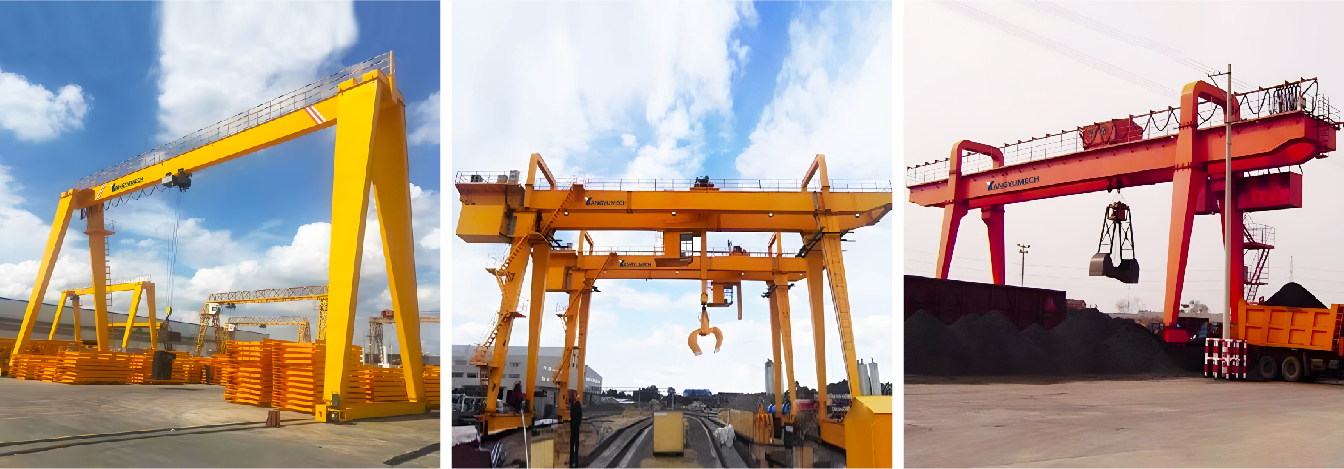
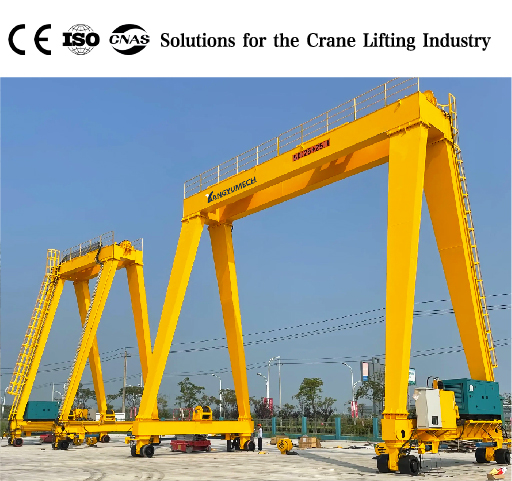
    A gantry crane is a type of bridge crane with a bridge supported on ground tracks by outriggers on both sides. It primarily consists of a main girder, outriggers, a trolley traveling mechanism, and a trolley (including its running mechanism and hoisting mechanism). The main girder is the key load-bearing structure. The trolley can move laterally on the main girder, lifting cargo via the hoisting mechanism. The trolley traveling mechanism enables the gantry crane to move longitudinally along the ground tracks. These three modes of movement allow it to operate within a large three-dimensional space. Container gantry cranes and electromagnetic gantry cranes may also have a slewing mechanism. All mechanisms of a gantry crane are powered by electricity or hydraulics and electrically controlled to ensure the equipment functions safely and reliably.

    The power supply of gantry crane is generally three-phase four-wire system, industrial standard power supply is 380V, 50HZ. If the total power of the whole equipment exceeds 500KW, it is recommended to use 10KV high voltage power supply. The power supply form of gantry crane is mainly determined by five factors: working environment, operating distance and range, load requirements, trolley operating speed, cost factors, etc.

    1. Working Environment

    Outdoor or Indoor: When operating outdoors, consider weather factors such as rain, snow, wind, and sand. Conductor rail power supply and elevated power supply offer superior rainproof, dustproof, and corrosion-resistant properties, making them suitable for outdoor use. Cable reel power supply and trailing cable power supply are more appropriate for indoor environments.

    Explosion-proof requirements: In locations with flammable or explosive gases, such as chemical warehouses, select power supply methods with strong explosion-proof capabilities, like explosion-proof cable reel systems.

    1. Travel Distance and Range

    Short-Distance Operation: For gantry cranes with limited travel distance and working range—such as those in small workshops—cable reel power supply or trailing cable power supply suffices, offering lower costs.

    Long-Distance Operation: In large ports and cargo yards where gantry cranes traverse extended distances, overhead busbar power supply or elevated power supply systems are more suitable, ensuring stable power delivery over long distances.

    1. Load Requirements

    Light-load equipment: Gantry cranes with light loads have low current and voltage requirements, and cable reel power supply and towline power supply methods can meet these requirements.

    Heavy-load equipment: Gantry cranes used to lift large and heavy objects, such as those used for loading and unloading containers at ports, have heavy loads and require a power supply method capable of withstanding high current and voltage. Busbar power supply is a preferred option.

    1. Gantry Crane Speed

    Fast gantry cranes require a power supply method that can quickly adapt to their movement. Busbar and overhead power supply are relatively suitable because they are less susceptible to cable drag and entanglement.

    Slow gantry cranes: Slow gantry cranes can consider using a towline or cable drum power supply. Although towline power supply may cause cable wear, it can reduce the risk at slow speeds.

    1. Cost Factors

    Initial Investment Costs: Cable reel power supply and trailing cable power supply systems have relatively low initial investment costs, while overhead busbar and elevated power supply systems may require higher initial investment, necessitating careful budget consideration.

    Maintenance Costs: Trailing cable power supply systems may require frequent cable replacement due to constant friction, resulting in higher maintenance costs. Overhead busbar power supply systems are relatively simple to maintain, with costs primarily incurred through periodic inspections and cleaning.


  • Double Girder Overhead Crane: The Complete Guide to Heavy-Duty Industrial Lifting

    Double Girder Overhead Crane: The Complete Guide to Heavy-Duty Industrial Lifting

    In heavy-industry sectors where massive loads, long spans, and uncompromising stability are non-negotiable—such as steel mills, shipyards, and power plants—standard lifting equipment falls short. The Double Girder Overhead Crane emerges as the backbone of heavy-duty material handling, engineered to tackle loads from 20 to 500+ tonnes with spans up to 50 meters. This comprehensive guide breaks down its design, technical capabilities, industry applications, and how it solves critical lifting challenges in high-stakes environments.

    Double Girder Overhead Crane

    What is a Double Girder Overhead Crane?

    Double Girder Overhead Crane

    A Double Girder Overhead Crane is a robust, heavy-duty lifting system designed for extreme load capacities and long spans, distinguished by its two parallel main girders (vs. one in single-girder models) that distribute weight evenly across the crane structure. It operates on elevated rails (runways) mounted to a facility’s columns or ceiling, with a movable trolley and hoist (wire rope hoist is standard for heavy loads) that handle vertical and horizontal load movement.

    Double Girder Overhead Crane

    Core Components of a Double Girder Overhead Crane

    • Dual Main Girders: Typically box-type (high rigidity) or truss-type (lightweight for large spans) steel structures, engineered to withstand bending under heavy loads.
    • End Trucks: Heavy-duty assemblies with high-torque motors and precision bearings, driving the crane along runway rails.
    • Trolley System: A movable carriage (with single or dual hoists) that travels along the main girders; dual-trolley designs enable synchronized lifting of irregular loads.
    • Wire Rope Hoist: The primary lifting mechanism (rated 20–500+ tonnes), paired with variable-frequency drives (VFD) for smooth speed control.
    • Control System: Radio remote controls (standard for heavy-duty use) or pendant controls, plus PLC integration for semi/fully automated operation.
    • Safety Devices: Dual braking systems (mechanical + electromagnetic), overload protectors, anti-collision sensors, and limit switches (prevent over-lifting/over-travel).

    Key Advantages of Double Girder Overhead Cranes

    Double Girder Overhead Cranes outperform single-girder and gantry cranes in heavy-duty scenarios, making them irreplaceable in industries like steel and shipbuilding. Here are their standout benefits:

    1. Exceptional Load Capacity & Stability

    • Rated Load Range: 20–500+ tonnes (standard); custom models up to 1,000 tonnes for ultra-heavy tasks (e.g., nuclear reactor components).
    • Even Weight Distribution: Dual girders eliminate deflection (bending) under heavy loads—critical for lifting 100+ tonne items like steel ingots or turbine rotors without structural stress.
    • High Wind Stability: Rigid frame design minimizes sway, even in large facilities with open bays (e.g., shipyards or ports).

    2. Large Span Capabilities

    • Standard Spans: 30–50 meters (ideal for large factories or outdoor yards); custom spans up to 60 meters with reinforced girders.
    • No Intermediate Supports: Unlike single-girder cranes (which need supports for spans >30 meters), double-girder models cover wide areas without obstructing floor space—perfect for assembling large machinery or loading ships.

    3. Versatility & Customization

    • Modular Add-Ons: Integrate auxiliary trolleys (for light loads), grab buckets (for bulk materials like coal), or magnets (for steel sheets) to adapt to diverse tasks.
    • Environmental Adaptations: Customize for harsh conditions:
      • High-Temperature Models: Heat-resistant coatings and cooling systems for steel mills (up to 600°C).
      • ATEX-Compliant Models: Explosion-proof components for chemical plants or oil refineries (Zone 1/2 gas, Zone 21/22 dust).
      • Corrosion-Resistant Models: Stainless steel or epoxy coatings for marine ports or salt-processing facilities.

    4. Efficient Heavy-Duty Operation

    • Variable Speed Control: VFD-driven hoists and trolleys offer precise speed adjustment (0.2–8 m/min lifting speed for heavy loads), preventing load damage and ensuring smooth positioning.
    • Dual-Hoist Configurations: Synchronized dual hoists handle irregularly shaped loads (e.g., ship hull sections) by lifting from two points—reducing strain on the load and crane.

    5. Long Service Life & Low Maintenance

    • Robust Construction: Main girders use high-strength Q355 or Q460 steel; critical components (gears, bearings) are sealed to prevent dust/debris ingress.
    • Extended Lifespan: 15–25 years with proper maintenance (vs. 10–15 years for single-girder cranes), thanks to heavy-duty materials and redundant safety systems.

    Technical Specifications of Double Girder Overhead Cranes

    To select the right double girder crane, understanding key technical parameters is critical—these specs are tailored to heavy-duty industrial needs:

    1. Load Capacity & Working Class


    Specification

    Standard Range

    Notes

    Rated Load

    20–500 tonnes

    Custom up to 1,000 tonnes (ultra-heavy)

    Working Class (ISO 4301)

    A6–A8 (heavy-to-extra-heavy)

    A6: 3,600–10,000 hrs/year; A8: >20,000 hrs/year (for continuous operation)

    Safety Factor

    12:1 (girders) / 10:1 (hoist)

    Exceeds single-girder standards (10:1) for added safety

    2. Span & Lifting Parameters

    • Crane Span: 30–50 meters (standard); 50–60 meters (custom, with truss girders for weight reduction).
    • Lifting Height: 10–30 meters (standard); extendable to 50 meters for tall facilities (e.g., power plant turbine halls).
    • Speed Ranges:
      • Lifting Speed: 0.2–8 m/min (slower for heavier loads; e.g., 0.5 m/min for 300-tonne loads).
      • Crane Travel Speed: 10–40 m/min (adjustable via VFD).
      • Trolley Travel Speed: 5–20 m/min (synchronized for dual-hoist models).

    3. Drive & Control Systems

    • Drive Type: Variable-Frequency Drive (VFD) as standard (for smooth acceleration/deceleration); 涡流制动 (eddy current braking) for heavy loads.
    • Motor Parameters:
      • Hoist Motor Power: 15–200 kW (varies by load; e.g., 55 kW for 50-tonne cranes).
      • Travel Motor Power: 5.5–37 kW per end truck.
      • Insulation Class: H (resists high temperatures up to 180°C).
    • Control Options:
      • Radio Remote Control: 100–200 m range (IP67 rated, dust/waterproof) for operator safety.
      • PLC + HMI: For automated workflows (e.g., scheduled lifting in steel mills).
      • Emergency Stop: Hardwired, redundant stops on both remote and crane.

    4. Structural & Safety Details

    • Girder Type:
      • Box-Type Girder: High rigidity, ideal for precise lifting (e.g., machinery assembly).
      • Truss-Type Girder: Lightweight, ideal for large spans (e.g., outdoor shipyards) to reduce runway load.
    • Safety Features:
      • Overload Protection: Automatic shutoff at 110% of rated load.
      • Anti-Collision Sensors: Prevent collisions between multiple cranes on the same runway.
      • Buffer Stops: Absorb impact at runway ends (spring or hydraulic).
      • Lightning Protection: Grounding systems for outdoor cranes (ports, shipyards).

    Applications of Double Girder Overhead Cranes

    Double Girder Overhead Cranes are the backbone of heavy industries where standard lifting equipment can’t handle the load or span. Here are their most critical uses:

    1. Steel & Metallurgy Industry

    • Tasks: Lifting molten steel ladles (30–100 tonnes), moving steel ingots, and feeding raw materials into blast furnaces.
    • Customizations: High-temperature girders (heat-resistant paint up to 600°C), magnetic hoists for steel sheets, and dust-proof enclosures for rolling mills.
    • Why Double Girder?: Withstands extreme heat and heavy loads; large spans cover blast furnace to rolling mill without supports.

    2. Shipbuilding & Offshore Industry

    • Tasks: Lifting ship hull sections (50–200 tonnes), installing propellers, and handling offshore platform components (e.g., oil rig modules).
    • Customizations: Corrosion-resistant epoxy coatings (for saltwater), dual-hoist systems for irregular hulls, and wind-resistant designs for outdoor yards.
    • Why Double Girder?: 40–50 meter spans cover shipbuilding bays; stable lifting prevents damage to expensive hull sections.

    3. Heavy Machinery Manufacturing

    • Tasks: Assembling large equipment (e.g., 200-tonne mining trucks, industrial turbines) and moving heavy castings/machined parts.
    • Customizations: Precision VFD controls (for millimetric positioning), auxiliary trolleys (for light tools), and low-headroom designs (for factory ceilings).
    • Why Double Girder?: High stability ensures accurate alignment of turbine components; dual girders handle uneven loads from castings.

    4. Power Generation (Nuclear & Thermal)

    • Tasks: Installing nuclear reactor pressure vessels (300–500 tonnes), lifting steam turbines, and maintaining coal-fired boiler components.
    • Customizations: ATEX-compliant (for coal dust), radiation-shielded controls (nuclear plants), and high-lifting heights (30–50 meters for boiler halls).
    • Why Double Girder?: Ultra-high load capacity meets reactor component needs; redundant safety systems align with nuclear industry standards.

    5. Port & Intermodal Terminals

    • Tasks: Loading/unloading heavy containers (40–80 tonnes), handling bulk cargo (coal, iron ore) with grab buckets, and moving oversized cargo (e.g., wind turbine blades).
    • Customizations: Outdoor-rated components (IP67), anti-sway systems (for windy ports), and integration with terminal management software (TMS) for automation.
    • Why Double Girder?: 30–40 meter spans cover multiple shipping containers; fast travel speeds (30–40 m/min) boost throughput.

    Double Girder vs. Single Girder vs. Gantry Cranes: A Comparison

    To understand why double girder cranes are preferred for heavy-duty tasks, here’s how they stack up against alternatives:


    Feature

    Double Girder Overhead Crane

    Single Girder Overhead Crane

    Gantry Crane (Double Girder)

    Load Capacity

    20–500+ tonnes

    1–20 tonnes

    20–300 tonnes

    Span Range

    30–60 meters

    6–30 meters

    10–40 meters

    Floor Space Impact

    No supports (maximizes space)

    Supports needed for spans >30m

    Requires rail tracks on ground

    Customization

    High (heat, 防爆,dual hoists)

    Moderate (light add-ons)

    Moderate (outdoor focus)

    Installation Complexity

    High (needs reinforced ceiling)

    Low (light supports)

    High (ground rails)

    Cost (Initial)

    High (heavy-duty materials)

    Low (lightweight)

    High (ground rails + structure)

    Best For

    Heavy loads, large spans

    Light-to-medium loads

    Outdoor heavy loads (no ceiling)

    This comparison highlights that double girder overhead cranes are the only choice for indoor heavy-duty tasks requiring large spans and ultra-high load capacity.

    How to Choose the Right Double Girder Overhead Crane

    Selecting a double girder crane requires precise alignment with your heavy-duty needs. Follow these steps to avoid costly mistakes:

    1. Define Load Requirements (Precisely)

    • Maximum Load Weight: Add a 15–20% safety buffer (e.g., for 50-tonne loads, choose a 60-tonne crane) to account for uneven load distribution.
    • Load Type: Irregular loads (e.g., ship hulls) need dual hoists; bulk materials (coal) need grab buckets; steel needs magnetic hoists.
    • Lifting Cycles: Continuous operation (e.g., steel mills) requires A8 working class; intermittent use (machinery assembly) can use A6.

    2. Evaluate Facility & Space Constraints

    • Span & Height: Measure your facility’s width (to determine span) and ceiling height (for lifting height); ensure no obstacles block the crane’s path.
    • Runway Capacity: Check if your factory’s columns/ceiling can support the crane’s weight (double girder cranes weigh 5–10x more than single girder).
    • Floor Load: If using a trolley with a hoist, ensure the floor can handle load impacts during positioning.

    3. Adapt to Environmental Conditions

    • Temperature: High-heat environments (steel mills) need heat-resistant coatings and cooling systems; cold storage (-40°C) needs winterized lubricants.
    • Hazards: Explosive areas (chemical plants) need ATEX/IECEx certification; corrosive environments (ports) need stainless steel or epoxy coatings.
    • Indoor/Outdoor: Outdoor cranes need IP67-rated components, lightning protection, and wind-resistant designs.

    4. Prioritize Safety & Compliance

    • Global Standards: Ensure compliance with ISO 4301 (working class), CE (EU), OSHA (North America), and GB/T 3811 (China).
    • Safety Redundancy: Choose cranes with dual brakes, overload protection, and emergency stop systems—critical for heavy loads where failure is catastrophic.
    • Operator Training: Select cranes with user-friendly controls; ensure operators are certified for heavy-duty crane operation.

    5. Select a Reputable Manufacturer

    Prioritize suppliers with:

    • Heavy-Duty Expertise: Experience in your industry (e.g., Konecranes, Demag, or Chinese specialists like Nucleon for ultra-heavy models).
    • Customization Capabilities: Ability to design dual-hoist, high-temperature, or ATEX-compliant models.
    • After-Sales Support: Local service teams (for emergency repairs) and a stock of spare parts (critical for minimizing downtime in heavy industry).
    • Warranty: Minimum 2 years for structural components (girders) and 1 year for mechanical/electrical parts.

    Maintenance & Safety Best Practices for Double Girder Overhead Cranes

    Heavy-duty cranes require rigorous maintenance to ensure safety and longevity. Follow these guidelines (aligned with ISO 4301 and manufacturer recommendations):

    Preventive Maintenance Schedule

    • Daily:
      • Inspect hoist hooks for cracks/deformation (use a magnaflux test quarterly for heavy loads).
      • Test dual brakes (hold a 50% load mid-air for 10 minutes—no slippage allowed).
      • Check control systems (remote/pendant) for responsiveness.
    • Weekly:
      • Lubricate girder rails, trolley wheels, and hoist chains (use heavy-duty lithium grease).
      • Inspect electrical connections (tighten loose terminals) and cable condition (no fraying).
      • Clean safety sensors (anti-collision, limit switches) to remove dust.
    • Monthly:
      • Inspect main girder welds for cracks (use ultrasonic testing annually).
      • Test overload protection (lift 110% of rated load—crane should shut off).
      • Check buffer stops and anti-sway systems for wear.
    • Annually:
      • Hire a certified heavy-duty crane technician to perform:
        • Load testing (125% of rated load, per ISO 7363).
        • Structural alignment checks (ensure girders are level, no deflection).
        • Electrical insulation resistance testing (per IEC 60079-1 for 防爆 models).
      • Replace worn parts (brake pads, bearings) with OEM components—never use non-compliant parts.

    Safety Guidelines

    • Operator Certification: Only certified operators trained in heavy-duty cranes should use the equipment—training must cover load balancing, emergency procedures, and VFD control.
    • Load Planning: Never lift uneven or unbalanced loads without a spreader beam; calculate load center of gravity before lifting.
    • Zone Safety: Use physical barriers or laser scanners to keep personnel out of the crane’s working zone—heavy loads can cause fatal injuries if dropped.
    • Emergency Protocols: Establish clear procedures for power failures (use manual hoist release) and load sway (reduce speed, avoid sudden stops).
    • Documentation: Maintain detailed logs of maintenance, inspections, and operator training—required for industry audits (e.g., nuclear, steel).

    Future Trends in Double Girder Overhead Cranes

    As heavy industries adopt smart manufacturing and sustainability goals, double girder cranes are evolving to meet new demands:

    1. IoT-Enabled Predictive Maintenance

    • Sensors: Install load cell sensors (to monitor stress), temperature sensors (for motors), and vibration sensors (for gears) to detect issues early.
    • Cloud Platforms: Data from sensors is sent to platforms like Siemens MindSphere or Konecranes Truconnect, enabling remote diagnostics and predictive part replacement.
    • Benefit: Reduces unplanned downtime by 30–40%—critical for steel mills or power plants where downtime costs $100k+/hour.

    2. Green Energy Efficiency

    • IE4 Premium Motors: Reduce power consumption by 20–30% vs. IE3 motors, aligning with EU Ecodesign Directive and global carbon reduction goals.
    • Regenerative Braking: Captures energy during deceleration (e.g., lowering a load) and feeds it back to the facility’s grid—saves 15–25% on energy costs.
    • Lightweight Materials: Use of high-strength aluminum alloys for non-structural components (reduces crane weight by 10–15% without compromising strength).

    3. Full Automation & AI Integration

    • Autonomous Operation: Integrate with AI systems and AGVs (Automated Guided Vehicles) for fully automated lifting (e.g., in smart ports, where cranes operate 24/7 without human intervention).
    • AI-Powered Load Balancing: AI algorithms calculate load center of gravity in real time, adjusting hoist speed to prevent sway—ideal for irregular loads like ship hulls.
    • Digital Twins: Create a virtual replica of the crane and facility to simulate lifting operations, optimize workflows, and train operators safely.

    4. Enhanced Safety Tech

    • 3D Scanning: Use LiDAR or 3D cameras to create a real-time map of the facility, avoiding collisions with unexpected obstacles (e.g., misplaced tools).
    • Remote Operation: Operators control cranes from a safe, air-conditioned room via VR headsets—reduces exposure to heat (steel mills) or radiation (nuclear plants).
    • Cybersecurity: Secure crane control systems with firewalls and encryption to prevent cyberattacks (critical for automated ports or nuclear facilities).

    Conclusion: Double Girder Overhead Cranes—The Backbone of Heavy Industry

    The Double Girder Overhead Crane is more than just lifting equipment—it’s a strategic asset for industries that move the world’s heaviest, most critical components. From steel mills producing construction materials to nuclear plants generating clean energy, these cranes deliver the strength, stability, and reliability needed to keep heavy industry running safely and efficiently.

    By following the 选型指南 (selection guide), maintenance best practices, and embracing future trends like IoT and automation, you’ll maximize your crane’s lifespan, minimize downtime, and ensure compliance with strict industry standards.

    Ready to invest in a Double Girder Overhead Crane? Consult a heavy-duty crane specialist today to design a customized solution that meets your load requirements, facility constraints, and long-term operational goals.

  • LB Explosion-Proof Single Girder Overhead Traveling Crane: The Complete Guide to Hazardous Environment Lifting

    In industries where flammable gases, vapors, or dusts are present—such as chemical plants, oil refineries, and pharmaceutical powder facilities—standard lifting equipment poses catastrophic risks. The LB Explosion-Proof Single Girder Overhead Traveling Crane (often abbreviated as LB explosion-proof overhead crane) is engineered to eliminate ignition hazards, combining the space-saving design of single-girder cranes with strict explosion-proof standards. This comprehensive guide breaks down its design, safety features, technical specs, and how it solves critical lifting challenges in hazardous environments.

    LB Explosion-Proof Single Girder Overhead Traveling Crane

    What is an LB Explosion-Proof Single Girder Overhead Traveling Crane?

    The LB Explosion-Proof Single Girder Overhead Traveling Crane is a specialized material handling system designed for hazardous areas where explosive atmospheres may form. The “LB” designation typically refers to its single-girder structure (light to medium load capacity) paired with explosion-proof components, distinguishing it from heavier double-girder explosion-proof cranes (e.g., LH series).

    LB Explosion-Proof Single Girder Overhead Traveling Crane

    Unlike standard overhead cranes, every electrical and mechanical component of the LB model is modified to prevent sparks, arcs, or high temperatures that could ignite flammable substances. It complies with global explosion-proof standards, including ATEX (EU), IECEx (international), NEC (North America), and GB 3836 (China), ensuring legal compliance and operational safety in high-risk facilities.

    LB Explosion-Proof Single Girder Overhead Traveling Crane

    Core Components of an LB Explosion-Proof Crane

    • Single Main Girder: High-strength box-type or I-beam steel girder, lightweight yet durable for spans up to 30 meters.
    • Explosion-Proof Hoist: Electric chain or wire rope hoist with (flameproof) motor, gearbox, and control panel—critical for preventing ignition.
    • Explosion-Proof Traveling Mechanism: End trucks (with explosion-proof motors) that drive the crane along overhead rails, plus trolley mechanisms for hoist movement.
    • Sealed Electrical System: Explosion-proof junction boxes, cables, and buttons (IP65/IP66 rated) to block flammable substances from entering components.
    • Safety Devices: Overload protectors, limit switches, and emergency stop buttons—all modified for explosion-proof

    Key Explosion-Proof Principles & Certifications

    The safety of LB explosion-proof cranes relies on two core design strategies, paired with mandatory certifications:

    1. Explosion-Proof Design Principles

    • Flameproof Enclosures (explosion-proof,Ex d): Critical components (motor, control box) are housed in thick, rugged enclosures. If an internal explosion occurs, the enclosure contains the flame and cools hot gases to below the ignition temperature of surrounding substances before releasing them.
    • Increased Safety (explosion-proof,Ex e): Non-essential components (e.g., wiring terminals) are reinforced to prevent arcs or overheating—no sparks = no ignition risk.
    • Dust-Tight Construction: For dust-explosive environments (e.g., grain processing, plastic manufacturing), enclosures block dust ingress, eliminating fuel for explosions.

    2. Mandatory Global Certifications

    LB explosion-proof cranes must meet region-specific standards to be legally used:

    • ATEX (EU):
      • Gas-explosive environments: Zones 1 (occasional explosions) or 2 (rare explosions) → Ex d IIB T4 Ga/Gb.
      • Dust-explosive environments: Zones 21 (occasional dust clouds) or 22 (rare dust clouds) → Ex t IIIC T135°C Da/Db.
    • IECEx: International certification for global operations (accepted in 80+ countries, including Australia, Brazil, and Southeast Asia).
    • NEC (North America): Class I (gases), Division 1/2; Class II (dusts), Division 1/2—equivalent to ATEX Zones.
    • GB 3836 (China): National standard for explosion-proof equipment, required for domestic use in chemical, oil, and mining industries.

    A valid certification mark (e.g., ATEX Ex d IIB T4) is non-negotiable—without it, the crane is illegal and unsafe in hazardous areas.

    Advantages of LB Explosion-Proof Single Girder Overhead Cranes

    LB models outperform standard cranes and even double-girder explosion-proof cranes in specific scenarios, making them the top choice for light-to-medium hazardous lifting tasks:

    1. Uncompromising Safety in Explosive Environments

    • Zero Ignition Risks: Every component (from motor to switches) is designed to avoid sparks, arcs, or high temperatures. For example, explosion-proof motors use special winding insulation to prevent overheating, while mechanical brakes are enclosed to avoid friction sparks.
    • Compliance with Strict Regulations: Meets ATEX, IECEx, and local standards, eliminating legal penalties and audit failures—critical for industries like oil & gas where non-compliance risks shutdowns.

    2. Space-Saving Single-Girder Design

    • Low Headroom Requirement: Single-girder structure reduces the crane’s overall height, making it ideal for facilities with limited vertical space (e.g., old chemical plants or indoor storage areas).
    • Lightweight Construction: Weighs 30–40% less than double-girder explosion-proof cranes, reducing stress on factory ceilings and simplifying installation—no need for heavy-duty structural reinforcement.

    3. Efficient Load Handling for Light-to-Medium Tasks

    • Load Capacity: 1–20 tonnes (standard), perfect for lifting drums of chemicals, oil containers, or pharmaceutical powder batches—tasks too heavy for manual handling but not requiring double-girder cranes.
    • Smooth Operation: Explosion-proof trolleys and hoists offer precise speed control (0.5–10 m/min lifting speed), preventing load sway that could damage equipment or spill hazardous materials.

    4. Durability in Harsh Conditions

    • Corrosion Resistance: Girder and components are coated with anti-corrosive paint (e.g., epoxy resin) to withstand chemical vapors or saltwater (for offshore oil facilities).
    • Sealed Components: IP65/IP66 ratings block dust, water, and chemical splashes, extending service life to 10–15 years (vs. 5–8 years for standard cranes in harsh environments).

    5. Cost-Effectiveness

    • Lower Initial Cost: Single-girder design reduces material and manufacturing costs vs. double-girder explosion-proof cranes—ideal for small-to-medium enterprises (SMEs) in chemical or pharmaceutical sectors.
    • Reduced Maintenance: Sealed explosion-proof components require less frequent repairs; replacement parts (e.g., explosion-proof motors) are standardized, lowering long-term costs.

    Technical Specifications of LB Explosion-Proof Cranes

    To select the right LB model, understanding key technical parameters is critical—these specs are tailored to hazardous environment needs:

    1. Load Capacity & Working Class

    • Rated Load: 1, 2, 3, 5, 10, 16, 20 tonnes (standard); custom models up to 32 tonnes for heavy-duty tasks (e.g., lifting oil tanks).
    • Working Class (ISO 4301): A3–A5 (medium-duty), suitable for 1,200–3,600 working hours/year—typical for batch processing in chemical plants or daily loading in oil depots.
    • Safety Factor: 10:1 for the main girder and hoist components (can withstand 10x the rated load), exceeding standard crane safety benchmarks.

    2. Span & Lifting Parameters


    Specification

    Standard Range

    Notes

    Crane Span

    6–30 meters

    Custom spans up to 35 meters available

    Lifting Height

    6–20 meters

    Extendable to 30 meters for tall facilities

    Lifting Speed

    0.5–10 m/min

    Variable speed for precision handling

    Crane Travel Speed

    10–30 m/min

    Reduced speed options for delicate loads

    Trolley Travel Speed

    5–15 m/min

    Explosion-proof motor for smooth movement

    3. Explosion-Proof & Electrical Details

    • Explosion-Proof Rating:
      • Gas environments: Ex d IIB T4 Ga/Gb (most common) or Ex d IIC T3 (for highly flammable gases like hydrogen).
      • Dust environments: Ex t IIIC T135°C Da/Db (for dusts like coal or aluminum powder).
    • Motor Type: Explosion-proof three-phase asynchronous motors (power: 0.75 kW–37 kW), insulation class H (resists high temperatures up to 180°C).
    • Control System:
      • Explosion-proof pendant control (10–15 m cable, IP65 rated) for line-of-sight operation.
      • Explosion-proof radio remote control (range: 50–100 m) for operators to stand clear of hazardous zones.
    • Power Supply: 380V/3PH/50Hz (standard industrial), 440V/60Hz (North America), or 660V/3PH (mining applications).

    4. Specialized Variants

    • Stainless Steel LB Cranes: For pharmaceutical or food processing (dust-explosive environments), easy to clean and corrosion-resistant.
    • Low-Temperature LB Cranes: Modified for cold storage (e.g., -40°C) in chemical warehouses, with winterized lubricants and motors.
    • Double-Hoist LB Cranes: Two explosion-proof hoists for simultaneous lifting of two loads (e.g., moving two chemical drums at once).

    Applications of LB Explosion-Proof Single Girder Overhead Cranes

    LB cranes are indispensable in industries where even a single spark could cause explosions or fires. Here are their most critical uses:

    1. Chemical & Petrochemical Industry

    • Tasks: Lifting chemical drums, transferring solvent tanks, and loading/unloading raw materials (e.g., methanol, benzene).
    • Why LB Cranes?: Chemical plants often have Zone 2 (gas) or Zone 22 (dust) atmospheres—LB cranes’ Ex d IIB T4 rating prevents ignition from motor sparks or overheating.
    • Example: A benzene processing plant uses a 10-tonne LB crane to move 200L drums between mixing stations, avoiding risks of solvent vapor ignition.

    2. Oil & Gas Sector

    • Tasks: Handling oilfield equipment (e.g., pumps, valves), loading crude oil containers, and maintaining offshore platforms (corrosion-resistant variants).
    • Why LB Cranes?: Oil depots and refineries are classified as Zone 1/2 (gas)—LB cranes’ flameproof enclosures contain internal explosions, protecting workers and infrastructure.

    3. Pharmaceutical & Fine Chemical Manufacturing

    • Tasks: Lifting pharmaceutical powder batches (e.g., aspirin, antibiotics), moving mixing vessels, and maintaining sterile production lines.
    • Why LB Cranes?: Powder handling creates Zone 21/22 (dust) environments—LB cranes’ dust-tight design prevents powder ingress into components, eliminating dust explosion risks.
    • Compliance: Stainless steel LB cranes meet GMP (Good Manufacturing Practice) guidelines, critical for pharmaceutical certification.

    4. Paint & Coating Industry

    • Tasks: Transferring paint tanks, lifting spray booth components, and handling flammable thinners.
    • Why LB Cranes?: Paint solvents (e.g., acetone) create Zone 2 gas atmospheres—LB cranes’ explosion-proof controls avoid sparks that could ignite solvent vapors.

    5. Mining & Metal Processing

    • Tasks: Lifting coal dust containers, moving metal powders (e.g., aluminum, magnesium), and maintaining mining equipment.
    • Why LB Cranes?: Metal powders are highly flammable (Zone 21 dust)—LB cranes’ Ex t IIIC T135°C rating prevents overheating that could trigger dust explosions.

    LB Explosion-Proof Crane vs. Other Hazardous Environment Lifting Solutions

    To understand why LB cranes are preferred for light-to-medium loads, here’s how they compare to alternatives:


    Feature

    LB Explosion-Proof Single Girder Crane

    Double-Girder Explosion-Proof Crane

    Explosion-Proof Jib Crane

    Load Capacity

    1–20 tonnes

    20–100 tonnes

    0.5–5 tonnes

    Span Range

    6–30 meters

    10–40 meters

    3–10 meters

    Headroom Requirement

    Low (ideal for tight spaces)

    High (needs tall facilities)

    Very low (small radius)

    Cost

    Mid-range (affordable for SMEs)

    High (for heavy loads)

    Low (small-scale tasks)

    Best For

    Light-to-medium loads, limited space

    Heavy loads (e.g., oil tanks)

    Localized lifting (e.g., workstations)

    Installation Complexity

    Simple (no heavy structural support)

    Complex (needs reinforced ceilings)

    Very simple

    This comparison shows LB cranes strike the optimal balance of load capacity, space efficiency, and cost for most hazardous environment lifting tasks.

    How to Choose the Right LB Explosion-Proof Single Girder Crane

    Selecting an LB crane requires precise alignment with your hazardous environment and operational needs. Follow these steps:

    1. Assess Your Hazardous Zone Classification

    • First, identify the zone:
      • Gas environments: Zone 0 (continuous explosion risk) → Not suitable for LB cranes (use specialized heavy-duty models); Zone 1/2 → Choose Ex d IIB T4 or Ex d IIC T3.
      • Dust environments: Zone 20 (continuous dust) → Avoid LB cranes; Zone 21/22 → Choose Ex t IIIC T135°C.
    • Consult a safety engineer: Zone classification is legally required—incorrect classification risks safety breaches.

    2. Define Load & Operational Requirements

    • Maximum load weight: Add a 10–20% safety buffer (e.g., for 5-tonne loads, choose a 6-tonne crane).
    • Lifting height/span: Measure your facility’s vertical space and rail length—ensure the crane fits without compromising safety.
    • Speed needs: Delicate loads (e.g., pharmaceutical powders) require slow speed (0.5–2 m/min); bulk loads (e.g., chemical drums) can use faster speeds (5–10 m/min).

    3. Verify Certifications for Your Region

    • EU/EEA: ATEX certification (e.g., Ex d IIB T4 Ga).
    • North America: NEC Class I Division 2 / Class II Division 2.
    • Global operations: IECEx certification (accepted across regions).
    • Avoid fake certifications: Request the manufacturer’s declaration of conformity (DoC) and verify with certification bodies (e.g., SGS, TÜV).

    4. Evaluate Environmental Factors

    • Corrosion risks: Choose stainless steel or anti-corrosive coated cranes for chemical/oil environments.
    • Temperature extremes: Low-temperature variants for cold storage; high-temperature motors (Class H) for foundries.
    • Dust levels: Dust-tight enclosures (IP66) for powder-handling facilities.

    5. Select a Reputable Manufacturer

    Prioritize suppliers with:

    • Experience in hazardous environment cranes (e.g., Konecranes, Demag, or Chinese specialists like Nucleon Explosion-Proof Cranes).
    • Local after-sales support (critical for emergency repairs in high-risk facilities).
    • Warranty coverage (minimum 1 year for explosion-proof components; 2 years for the main girder).

    Maintenance & Safety Best Practices for LB Explosion-Proof Cranes

    Explosion-proof equipment requires specialized maintenance—incorrect care can invalidate certifications and create risks. Follow these guidelines:

    Preventive Maintenance Schedule

    • Daily:
      • Inspect explosion-proof enclosures for cracks or loose bolts (even small gaps can let flammable substances enter).
      • Test emergency stop buttons and limit switches (ensure they cut power instantly).
      • Check hoist hooks for deformation (use a magnetic particle test quarterly for heavy loads).
    • Weekly:
      • Clean electrical connections with a dry cloth (never use water or chemical cleaners).
      • Lubricate trolley wheels and hoist chains with – grade lubricants (e.g., mineral oil-based, non-flammable).
      • Verify explosion-proof marks (e.g., ATEX Ex d) are intact—faded marks may cause audit issues.
    • Monthly:
      • Test overload protection (lift 110% of rated load—crane should shut off automatically).
      • Inspect cables for fraying or damage (replace if insulation is cracked).
    • Annually:
      • Hire a certified technician to perform a full audit, including:
        • Pressure testing of flameproof enclosures (to verify they contain explosions).
        • Electrical insulation resistance testing (per IEC 60079-1).
        • Recertification of components (required to maintain ATEX/IECEx compliance).

    Safety Guidelines

    • Operator Training: Only certified operators (trained in equipment) should use LB cranes—training must cover:
      • Hazard zone awareness (e.g., avoiding Zone 1 areas during crane operation).
      • Emergency procedures (e.g., shutting down the crane if a gas leak is detected).
      • Proper load balancing (unbalanced loads can damage components).
    • No Modifications: Never alter components (e.g., drilling holes in enclosures)—this invalidates certifications and creates ignition risks.
    • Hazard Monitoring: Pair LB cranes with gas/dust detectors—if hazardous levels exceed safe limits, the crane should automatically shut down.
    • Replacement Parts: Use only OEM or certified parts (non-compliant parts are a major safety hazard).

    Future Trends in LB Explosion-Proof Cranes

    As hazardous industries adopt smarter, safer practices, LB cranes are evolving to meet new demands:

    • IoT-Enabled Monitoring: Smart LB cranes with sensors that track enclosure pressure, motor temperature, and cable wear—send real-time alerts to a cloud platform (e.g., Siemens MindSphere) for predictive maintenance.
    • Autonomous Operation: Integration with AI and AGVs (Automated Guided Vehicles) for fully automated lifting in high-risk zones (e.g., remote oil platforms), reducing human exposure to hazards.
    • Eco-Friendly Designs: Energy-efficient motors (IE4 class) that reduce power consumption by 20–30%, aligned with global carbon reduction goals.
    • Enhanced Tech: New flameproof materials (e.g., composite alloys) that are lighter than steel but equally durable, simplifying installation and reducing structural stress.

    Conclusion: LB Explosion-Proof Cranes—Safety First for Hazardous Lifting

    The LB Explosion-Proof Single Girder Overhead Traveling Crane is more than just lifting equipment—it’s a life-saving investment for industries where safety is non-negotiable. By combining the space efficiency of single-girder cranes with strict standards, it solves the critical challenge of lifting in explosive environments without compromising productivity.

    Whether you’re operating a chemical plant, oil depot, or pharmaceutical facility, an LB crane ensures compliance with global safety norms, protects your workforce, and prevents catastrophic accidents. To select the right model, prioritize certifications, align specs with your hazard zone, and partner with a manufacturer experienced in equipment.

    Ready to upgrade your hazardous environment lifting? Consult a certified LB crane specialist today to design a solution tailored to your facility’s risks, load needs, and budget.

  • How Did Yangyu Cranes Become a World-Renowned Brand?

    In the highly competitive global machinery industry, building a world-class brand is no small feat. For Yangyu Cranes, the journey to international recognition likely involved a combination of technological innovation, strategic market expansion, and a strong commitment to quality and reliability. While specific details about Yangyu Cranes are not widely available in public sources, we can draw insights from the strategies of successful Chinese industrial brands that have achieved global prominence. This article explores the key factors that potentially contributed to Yangyu Cranes’ rise as a renowned brand in the overhead crane industry.

    15欧式双梁桥式

    1. Technological Innovation and Product Excellence

    At the core of any successful heavy machinery brand is a commitment to technological advancement and product quality. For a crane manufacturer like Yangyu, this might have included:

    • Developing High-Capacity, Efficient Cranes: Offering a range of products with varying load capacities (e.g., from 5 tons to 500 tons) and spans (e.g., 12-30 meters or more) to meet diverse industrial needs.

    • Incorporating Smart Technology: Integrating IoT sensors, automation, and remote monitoring systems to enable predictive maintenance, enhance safety, and improve operational efficiency.

    • Focusing on Durability and Safety: Designing cranes that withstand harsh environments (e.g., temperatures from -20°C to +40°C) and adhere to international safety standards (e.g., CE and ISO certifications).

    🔍 Innovation in technology ensures that products not only meet but exceed market expectations, a trait seen in many successful industrial brands. 1

    2. Strategic Market Expansion and Globalization

    Expanding beyond domestic markets is crucial for global recognition. Yangyu Cranes might have adopted a phased approach to internationalization:

    • Targeting Key Regions: Initially focusing on emerging markets in Southeast Asia, Latin America, and Africa, where infrastructure development drives demand for lifting equipment.

    • Entering Mature Markets: Gradually penetrating developed markets like Europe and North America by meeting stringent quality and certification requirements.

    • Localizing Operations: Establishing local offices, partnerships, and service centers to provide faster response times and better customer support, similar to strategies used by other global industrial firms10.

    🌍 Global expansion requires understanding local market dynamics and building a presence in strategic regions. 1

    3. Brand Building and Customer-Centric Approaches

    Building a strong brand reputation involves more than just selling products; it requires trust and reliability.

    • Dual-Brand Strategy: Like some successful Chinese companies (e.g., Yangjie Technology’s use of “MCC” in欧美 markets and “YJ” in Asia)4, Yangyu might have used a similar approach to cater to different regional preferences.

    • Focus on Large Enterprises: Targeting large industrial clients for high-value contracts, which can lead to referrals and repeat business.

    • Emphasizing After-Sales Service: Providing comprehensive support, including installation, training, and maintenance, to ensure long-term customer satisfaction.

    🤝 A customer-centric approach and strong brand identity are key to retaining clients and entering new markets. 2

    4. Quality Assurance and Compliance

    Adhering to international standards is non-negotiable for global acceptance.

    • Certifications and Testing: Ensuring cranes meet global standards (e.g., ISO, CE) and undergoing rigorous testing for reliability and safety.

    • Supply Chain Management: Sourcing high-quality materials and components from certified suppliers to maintain product integrity.

    • Environmental Considerations: Developing energy-efficient cranes and eco-friendly manufacturing processes to appeal to sustainability-conscious markets.

     Quality and compliance are foundational to building trust in international markets.

    5. Leveraging Industry Trends and Opportunities

    Staying ahead of industry trends helps in remaining competitive.

    • Renewable Energy Sector: Providing cranes for wind farm installations and other renewable energy projects, similar to how some companies have expanded into this growing market.

    • Infrastructure Development: Capitalizing on global infrastructure initiatives (e.g., hydropower projects, logistics hubs) that require heavy lifting equipment.

    • Digital Transformation: Offering digital solutions like IoT-based monitoring and automation to align with Industry 4.0 trends.

    📈 Adapting to sectoral shifts and technological trends ensures long-term relevance and growth.

    6. Strategic Partnerships and Financial Strength

    Collaborations and financial stability can accelerate growth.

    • Partnerships with Global Firms: Working with international distributors or strategic partners to expand market reach.

    • Financial Investments: Utilizing funding for R&D, capacity expansion, and market development, possibly through public listings or strategic investors.

    💡 Partnerships and financial health enable scaling operations and innovating continuously.

    Conclusion

    While the exact path to success for Yangyu Overhead Cranes isn’t detailed in public sources, the strategies outlined above—rooted in innovation, globalization, brand building, quality, and adaptability—are common among industrial brands that have achieved worldwide recognition. By focusing on these areas, Yangyu Cranes could have built a reputation for reliability and excellence in the global overhead crane market.

    For businesses looking to emulate this success, prioritize technological innovation, understand your target markets, and never compromise on quality and customer service.

  • Yangyu Mech Overhead Crane: Advanced Lifting Solutions for Industrial Excellence

    Yangyu Mech Overhead Crane: Advanced Lifting Solutions for Industrial Excellence

    Yangyu Heavy Machinery has established itself as a prominent manufacturer of high-quality industrial lifting equipment, with their overhead cranes representing the pinnacle of reliability and performance. These robust machines are engineered to meet the demanding requirements of various industries, providing efficient material handling solutions that enhance productivity and safety in industrial environments.

    Technical Specifications and Features

    Yangyu Mech overhead cranes boast impressive technical capabilities designed for heavy-duty applications:

    Load Capacity and Span:

    • Rated load capacity: 5-500 tons

    • Span range: 12-30 meters standard (customizable up to 80 meters)

    • Lifting height: 6-12 meters (adjustable based on requirements)

    Structural Design:

    • Double-girder construction for enhanced stability

    • High-strength steel framework ensuring durability

    • Optimized wheelbase distribution for smooth operation

    Control Systems:

    • Precision frequency control for smooth acceleration and deceleration

    • Anti-sway technology for accurate load positioning

    • Remote control and automated operation capabilities

    • IoT-enabled monitoring systems for predictive maintenance

    Applications Across Industries

    Yangyu overhead cranes serve diverse industrial sectors with exceptional performance:

    Manufacturing Facilities:

    • Streamlining production line operations

    • Handling heavy machinery components

    • Supporting assembly processes

    Metallurgical Industry:

    • Molten metal handling with specialized safety features

    • Heavy forging and casting operations

    • Scrap metal processing and recycling

    Warehousing and Logistics:

    • Efficient inventory management

    • Heavy payload transportation

    • Loading and unloading operations

    Energy Sector:

    • Power plant maintenance

    • Turbine and generator installation

    • Renewable energy equipment handling

    Safety and Compliance Features

    Yangyu Mech overhead cranes incorporate comprehensive safety systems:

    • Overload protection devices preventing equipment damage

    • Emergency stop systems with fail-safe mechanisms

    • Collision avoidance technology

    • Thermal protection for motor safety

    • CE and ISO certification compliance

    • Seismic resistance capabilities for specific regions

    Customization Options

    Understanding that different applications have unique requirements, Yangyu offers extensive customization:

    • Specialized lifting attachments (hooks, magnets, grabs)

    • Environmental adaptations (corrosion-resistant coatings for harsh environments)

    • Temperature management systems for extreme conditions

    • Noise reduction features for indoor facilities

    • Special paint colors and corporate branding options

    Maintenance and Support Services

    Yangyu provides comprehensive after-sales support:

    • Installation supervision by certified engineers

    • Operator training programs

    • Preventive maintenance schedules

    • 24/7 technical support availability

    • Genuine spare parts supply chain

    • Regular software updates for smart features

    Competitive Advantages

    Quality Assurance:

    • Rigorous testing protocols at every production stage

    • Quality materials sourced from certified suppliers

    • Advanced manufacturing processes ensuring precision engineering

    Innovation and Technology:

    • R&D focus on energy efficiency

    • Smart crane technology integration

    • Continuous improvement based on customer feedback

    Global Experience:

    • Successful installations worldwide

    • Adaptation to various international standards

    • Multilingual technical documentation

    Industry 4.0 Integration

    Yangyu’s modern overhead cranes feature smart technology capabilities:

    • Real-time performance monitoring

    • Data analytics for operational optimization

    • Integration with factory management systems

    • Automated operation programming

    • Cloud-based maintenance scheduling

    Environmental Considerations

    Yangyu demonstrates environmental responsibility through:

    • Energy-efficient drive systems reducing power consumption

    • Regenerative power capabilities

    • Eco-friendly manufacturing processes

    • Recyclable materials in construction

    • Compliance with international environmental standards

    Why Choose Yangyu Mech Overhead Cranes?

    1. Proven Reliability: Tested in demanding industrial environments worldwide

    2. Technical Excellence: Incorporating latest advancements in crane technology

    3. Comprehensive Support: Complete solution from design to maintenance

    4. Cost Efficiency: Competitive pricing with low total cost of ownership

    5. Customization Flexibility: Tailored solutions for specific requirements

    6. Safety Commitment: Industry-leading safety features and certifications

    Conclusion

    Yangyu Mech overhead cranes represent the perfect combination of robust construction, advanced technology, and practical functionality. Whether for standard industrial applications or specialized heavy lifting requirements, these cranes deliver unmatched performance and reliability. With continuous innovation and commitment to quality, Yangyu maintains its position as a trusted partner for industrial lifting solutions globally.

    For businesses seeking to enhance their material handling capabilities while ensuring safety and efficiency, Yangyu Mech overhead cranes offer the ideal solution. Contact Yangyu Heavy Machinery today to discuss your specific requirements and discover how their overhead crane solutions can transform your operations.

  • Yangyu Overhead Crane Service: Ensuring Peak Performance and Reliability

    Yangyu Overhead Crane Service: Ensuring Peak Performance and Reliability

    For businesses that rely on overhead cranes for daily operations—from manufacturing and steel mills to ports and logistics centers—downtime is not an option. Yangyu Overhead Crane Service understands this critical need. While specific details about “Yangyu” brand services are not widely documented in public sources, the overarching principles of top-tier overhead crane service are well-established. This article explores the comprehensive service ecosystem that a provider like Yangyu would offer, emphasizing proactive maintenance, rapid response, and technical expertise to keep your operations running smoothly and efficiently.


    1. The Pillars of Comprehensive Overhead Crane Service

    A robust service program extends far beyond simple repairs. It’s a holistic approach designed to ensure safety, maximize uptime, and extend the operational life of your crucial lifting equipment.

    • Preventive and Scheduled Maintenance: The cornerstone of reliability. Regular, scheduled inspections and maintenance help identify and address potential issues like worn components, electrical irregularities, or structural concerns before they lead to costly failures or safety hazards. This proactive approach is fundamental to avoiding unplanned downtime.

    • Expert Repair and Troubleshooting: Even with excellent maintenance, unexpected issues can arise. A dedicated service team provides expert troubleshooting and efficient repairs, whether it’s addressing mechanical problems, electrical faults, or performance issues. The goal is to restore functionality quickly and minimize impact on your production schedule.

    • Technical Support and Operational Guidance: Service isn’t just about physical repairs. It includes providing expert technical consultation, assisting with complex operational challenges, and offering guidance on optimal crane usage for specific applications, ensuring you get the most out of your equipment.

    • Parts and Components Support: Access to genuine, high-quality replacement parts is crucial for maintaining crane performance and safety. A strong service network ensures the availability of reliable parts, supporting long-term equipment health and reducing the risk of future failures.

    2. The Critical Importance of Professional Crane Servicing

    Neglecting crane service can have severe consequences. Professional maintenance is an investment in safety and operational continuity.

    • Ensuring Safety and Preventing Accidents: Cranes handle heavy loads, often in environments with personnel nearby. Regular professional inspection and maintenance are critical for identifying potential safety risks, such as wear on critical components or brake system issues, thereby preventing accidents and ensuring a safe working environment.

    • Maximizing Equipment Lifespan and Uptime: Well-maintained equipment simply lasts longer and performs better. Regular servicing helps avoid major breakdowns, reducing costly operational interruptions and protecting your significant capital investment in the crane asset.

    • Protecting Your Investment and Reducing Long-Term Costs: While service has a cost, it pales in comparison to the expense of major repairs or full replacements caused by neglect. Consistent, professional maintenance is a key strategy for controlling long-term operating expenses and safeguarding your bottom line.

    3. What to Expect from a Yangyu Service Program

    Drawing from industry best practices, a comprehensive service program typically includes:

    • Rapid Response and On-Site Support: Many leading providers emphasize a quick response to service requests. This can include commitments like technicians arriving on-site within hours for local clients or 24 hours for those further away, ensuring help arrives when you need it most.

    • Customized Service Agreements: Service needs vary. Providers often offer flexible plans, from basic inspections to full-scale, all-inclusive maintenance contracts, allowing you to choose the level of support that best fits your operational needs and budget.

    • Service Network Coverage: For companies with multiple locations or those operating in remote areas, a wide service network is invaluable. This ensures that expert help is available wherever your operations are, providing peace of mind and nationwide support.

    • Training and Knowledge Transfer: Empowering your team is part of great service. Some providers offer operator and maintenance training, helping your staff perform basic checks and operate equipment more efficiently, further enhancing safety and productivity.

    4. Beyond Repairs: Value-Added Services

    Leading crane service providers often expand their offerings to create complete solutions for their customers:

    • Equipment Modernization and Retrofitting: Technology evolves. Service providers can upgrade older cranes with new control systems, safety features, or drive mechanisms, enhancing performance, safety, and efficiency without the need for a completely new crane.

    • Comprehensive Inspection and Certification: Thorough inspections are not just about maintenance; they are often a regulatory or compliance requirement. Professional services include detailed checks and provide the necessary documentation and certification to meet industry standards and legal obligations.

    • Lifelong Support and Relational Partnerships: The best service providers aim to build long-term relationships. This means being a reliable partner throughout the entire lifecycle of your equipment, from installation and commissioning to eventual decommissioning or replacement, always prioritizing your success.


    Key Aspects of a Professional Overhead Crane Service Program

    Service AspectWhat It Typically IncludesWhy It Matters
    Preventive MaintenanceScheduled inspections, lubrication, component adjustment, function testing.Catches small issues early, prevents major failures, ensures safety and extends equipment life.
    Corrective RepairDiagnostics, troubleshooting, repair or replacement of faulty parts.Minimizes downtime by quickly restoring equipment to optimal working condition.
    Technical SupportRemote assistance, operational guidance, engineering consultation.Provides expertise on-demand to solve complex operational challenges quickly.
    Spare PartsInventory of genuine parts, fast ordering, logistical support.Ensures quick and reliable repairs using components designed for your equipment.
    Emergency Response24/7 hotline, rapid dispatch of technicians for critical issues.Offers peace of mind and support for unforeseen breakdowns that halt production.

    5. Choosing the Right Service Partner: Key Considerations

    Selecting a service provider is a significant decision. Here are key factors to consider based on industry standards:

    • Proven Expertise and Experience: Look for a provider with a demonstrated track record of servicing overhead cranes, particularly those of similar type and complexity to yours. Experience often translates to faster diagnostics and more effective solutions.

    • Commitment to Safety and Quality Certifications: Verify that the provider adheres to all relevant safety standards and holds applicable industry certifications. This is a non-negotiable aspect of ensuring work is performed correctly and safely.

    • Responsiveness and Customer-Centric Approach: Your provider should be easy to reach and quick to act. Evaluate their promised response times and look for evidence of a customer-first philosophy in their service commitments.

    • Transparency in Pricing and Contracts: Clear, understandable service agreements and transparent pricing models are essential. You should know what services you are getting and what they cost, with no hidden fees or surprises.

    Conclusion: Invest in Reliability with Professional Crane Service

    Your overhead cranes are vital arteries in your production workflow. Ensuring their health and performance through a professional, comprehensive service program from a provider like Yangyu isn’t just an expense—it’s a strategic investment. It’s an investment in uninterrupted productivity, workplace safety, long-term asset value, and ultimately, your company’s profitability and reputation.

    By choosing a service partner committed to excellence, proactive care, and rapid support, you secure more than just a functioning machine; you gain a reliable partner dedicated to driving your operations forward, mile after productive mile.

  • What is the Maximum Weight That an Overhead Crane Can Carry?

    What is the Maximum Weight That an Overhead Crane Can Carry?

    When planning industrial lifting operations, one of the most critical questions is: what is the maximum weight that an overhead crane can carry? The answer isn’t a single number but depends on multiple factors including crane type, design, and application. Generally, standard overhead cranes can lift from a few hundred kilograms up to several hundred tons, with specialized systems capable of handling even greater loads.

    欧式双梁桥式

    Understanding the capacity of overhead cranes is essential for ensuring safety, efficiency, and compliance in industrial settings. This comprehensive guide will explore the factors that determine a crane’s maximum lifting capacity, the different types of overhead cranes, and important safety considerations for your operations.

    Key Factors Influencing Overhead Crane Capacity

    The maximum weight an overhead crane can lift isn’t determined arbitrarily. Several engineering and design factors interact to define this crucial specification:

    • Structural design: The materials and construction of the bridge girders, end trucks, and runway system fundamentally determine capacity.

    • Hoist mechanism: The motor, gearbox, brake system, and wire rope or chain design directly impact lifting capabilities.

    • Support system: The building structure or independent runway support must withstand both the static and dynamic loads.

    • Power supply: Adequate electrical power is necessary for lifting heavy loads, especially with variable frequency drives.

    • Control system: Modern systems with precision controls can enhance safety when handling near-maximum loads.

    Types of Overhead Cranes and Their Typical Capacities

    Different overhead crane designs are optimized for varying capacity ranges and applications:

    1. Single Girder Bridge Cranes

    These economical cranes feature a single bridge beam and are typically used for lighter applications. Capacities generally range from 1 to 15 tons, though some heavy-duty models can reach up to 30 tons. They’re ideal for workshops, warehouses, and manufacturing facilities with moderate lifting needs.

    2. Double Girder Bridge Cranes

    With two bridge beams providing enhanced stability, these cranes handle heavier loads. Standard models typically offer capacities from 5 to 100 tons, with specialized designs reaching 300 tons or more. These are common in heavy manufacturing, steel processing, and scrap handling operations.

    3. Gantry Cranes

    Similar to bridge cranes but supported by floor-mounted legs instead of overhead runways, gantry cranes can handle capacities comparable to double girder models. They’re particularly useful in outdoor applications like shipyards and container terminals.

    4. Specialized High-Capacity Cranes

    For extreme lifting needs, custom-designed cranes can exceed standard capacity ranges. Some examples include:

    • Double trolley systems: Some configurations like 20t + 20t effectively provide 40-ton capacity through synchronized lifting

    • Process-specific cranes: For example, those used in concrete pipe pile precast workshops often feature double girder, double trolley designs with capacities ranging from 8t + 8t to 20t + 20t

    Industrial Applications and Their Typical Capacity Requirements

    Different industries have varying overhead crane capacity needs:

    IndustryTypical ApplicationsCapacity Range
    ManufacturingMachine handling, assembly1-20 tons
    WarehousingMaterial handling, storage2-10 tons
    Steel Service CentersCoil handling, processing10-30 tons
    Concrete PrecastingHandling forms, rebar cages16-40+ tons
    Power GenerationTurbine maintenance, component replacement50-400+ tons
    ShipbuildingSection handling, component assembly100-800+ tons

    Safety Considerations When Operating Near Maximum Capacity

    Operating overhead cranes near their maximum capacity requires strict adherence to safety protocols:

    1. Understand Rated Capacity vs. Actual Safe Lifting Capacity

    Most safety standards require cranes to have a built-in safety factor beyond their rated capacity. However, you should never exceed the published rated capacity without proper engineering evaluation.

    2. Consider the Load Dynamics

    Lifting moving, swinging, or irregularly shaped loads creates additional stresses that effectively increase the load on the crane system. For this reason, many operations limit lifts to 80-90% of rated capacity to account for dynamic effects.

    3. Implement Regular Inspections and Maintenance

    Cranes operating frequently near their capacity limits require more rigorous inspection and maintenance schedules. This includes:

    • Regular structural inspections for deformation or cracking

    • Frequent hoist mechanism checks (brakes, wire rope, hooks)

    • Verification of limit switches and overload protection devices

    • Runway and rail alignment verification

    4. Special Considerations for Tandem Lifting

    When using two cranes to lift a single load (tandem lifting), special precautions are necessary. Industry standards typically specify that the total load should not exceed 75% of the combined rated capacity of both cranes. This reduced percentage accounts for the potential unequal load distribution between the two cranes.

    How to Determine the Right Crane Capacity for Your Needs

    Selecting the appropriate crane capacity involves more than just matching your heaviest load:

    1. Assess your heaviest anticipated load – Consider both current and future needs

    2. Account for lifting attachments – Hooks, magnets, grabs, and other devices add weight

    3. Consider load dynamics – Shock loads from starting, stopping, or load swinging increase stress

    4. Evaluate frequency of heavy lifts – Occasional heavy lifts might justify rental rather than purchase

    5. Plan for future needs – Consider potential increases in capacity requirements over the crane’s lifespan

    A common practice is to select a crane with 25-30% more capacity than your current heaviest load to accommodate future needs and provide an additional safety margin.

    Technological Advances Expanding Capacity Limits

    Recent innovations in crane technology have both increased maximum capacities and enhanced safety when operating near those limits:

    • Advanced materials: High-strength steel alloys and aluminum composites allow stronger yet lighter crane structures

    • Precision controls: Variable frequency drives provide smoother acceleration and deceleration, reducing dynamic loads

    • Smart monitoring systems: IoT sensors can monitor load weight, structural stresses, and equipment health in real-time

    • Automated safety systems: Modern systems can prevent overloads through automatic shutdown and alert features

    Conclusion: Balancing Capacity with Practical Needs

    While technical specifications indicate that overhead cranes can carry up to several hundred tons in specialized applications, most industrial facilities find that cranes in the 5 to 20-ton range meet their regular needs. The maximum weight an overhead crane can carry depends on its specific design, configuration, and operating conditions.

    When selecting an overhead crane, prioritize a system that not only meets your current capacity requirements but also incorporates appropriate safety margins and potential for future expansion. Remember that safe operation requires not just adequate capacity ratings but also proper installation, maintenance, and trained personnel. By understanding the factors that influence lifting capacity and following established safety guidelines, you can ensure efficient and safe material handling operations in your facility.

  • 50T Overhead Crane: Power and Precision for Heavy-Duty Industrial Lifting

    50T Overhead Crane: Power and Precision for Heavy-Duty Industrial Lifting

    In industrial settings where heavy loads demand reliable and efficient handling, the Yangyu 50T Overhead Crane stands out as a robust solution. Designed to tackle the most demanding lifting tasks—from manufacturing facilities and steel mills to warehouses and power plants—this crane combines exceptional strength, advanced technology, and user-centric features. For businesses seeking a high-capacity overhead crane that balances performance and safety, the Yangyu 50T model is a game-changer.
    Yangyu overhead cranes

    Key Features of Yangyu 50T Overhead Crane

    1. 50-Ton Lifting Capacity

    At its core, the Yangyu 50T Overhead Crane is engineered to handle loads up to 50 tons with ease. This makes it ideal for lifting heavy machinery, large steel components, and oversized industrial parts—common in sectors like automotive manufacturing, shipbuilding, and construction material handling. The crane’s reinforced steel structure and high-tensile alloy components ensure stability even under maximum load, reducing the risk of sagging or structural strain.
    1. Dual-Speed Hoist System

    Equipped with a precision-engineered dual-speed hoist, the crane offers both fast lifting for efficiency and slow, controlled movement for delicate positioning. This versatility is critical when handling fragile or high-value loads, such as precision machinery or sensitive equipment. The hoist’s motor is designed for low noise and high durability, minimizing downtime and maintenance needs.
    1. Advanced Safety Mechanisms

    Safety is paramount in heavy lifting, and the Yangyu 50T Overhead Crane leaves no room for compromise. It includes:
    • Overload protection: Automatically shuts down operation if the load exceeds 110% of the rated capacity, preventing structural damage.
    • Emergency stop buttons: Easily accessible from both the control panel and pendant, ensuring immediate shutdown in emergencies.
    • Limit switches: Prevent over-travel of the hoist and trolley, avoiding collisions with end stops.
    • Anti-sway technology: Reduces load oscillation during movement, critical for maintaining stability in busy industrial environments.
    1. Durable Construction for Industrial Environments

    Built to withstand harsh conditions, the crane’s main beam, end carriages, and trolley are constructed from high-grade carbon steel, treated for corrosion resistance. This makes it suitable for humid or dusty settings, such as foundries or outdoor storage yards. The components are sealed to prevent dust and debris infiltration, extending the crane’s lifespan and reducing wear and tear.
    1. Customizable Design Options

    Yangyu understands that industrial needs vary, so the 50T Overhead Crane offers customizable features:
    • Span length: Available in spans from 10 meters to 30 meters, adapting to different workshop or warehouse dimensions.
    • Control systems: Choose between pendant control, remote control, or cabin operation based on operator preference and workspace layout.
    • Additional accessories: Options like lifting magnets, grab buckets, or specialized hooks for handling specific loads (e.g., coils, pipes).

    Applications of Yangyu 50T Overhead Crane

    The Yangyu 50T Overhead Crane’s versatility makes it indispensable across industries:
    • Manufacturing plants: Moving heavy dies, molds, and assembly components in automotive or aerospace factories.
    • Steel mills: Lifting and transporting steel ingots, coils, and rolled sheets during production.
    • Power plants: Handling generators, transformers, and heavy electrical equipment during installation or maintenance.
    • Warehouses and logistics hubs: Loading/unloading large containers or stacking heavy palletized goods in high-bay storage areas.
    • Shipyards: Assembling ship components or lifting engines and hull sections.

    Why Choose Yangyu 50T Overhead Crane?

    • Cost-Effectiveness: While designed for heavy-duty use, the crane’s energy-efficient motor and low maintenance requirements reduce long-term operational costs. Its durable build minimizes the need for frequent part replacements.
    • Compliance with Global Standards: Yangyu 50T Overhead Crane meets international safety and quality standards, including ISO 9001 and OSHA regulations, ensuring compatibility with global industrial operations.
    • After-Sales Support: Yangyu provides comprehensive service, including installation, operator training, and 24/7 technical support. Spare parts are readily available, minimizing downtime in case of repairs.
    • Proven Reliability: With a track record of performance in industrial settings worldwide, the crane is trusted by manufacturers and operators for consistent, error-free lifting.

    Conclusion

    For businesses requiring a high-capacity overhead crane that delivers power, precision, and safety, the Yangyu 50T Overhead Crane is an unmatched choice. Its robust design, advanced safety features, and customizable options make it adaptable to diverse industrial needs, while its reliability ensures long-term value. Whether you’re operating a steel mill, manufacturing plant, or logistics center, investing in the Yangyu 50T Overhead Crane means upgrading your material handling capabilities—boosting efficiency, reducing risks, and keeping your operations running smoothly.
    Contact Yangyu today to learn more about how the 50T Overhead Crane can transform your heavy-lifting processes
  • Bridge Crane for Warehouse: Enhancing Efficiency and Safety in Material Handling

    Bridge Crane for Warehouse: Enhancing Efficiency and Safety in Material Handling

    In modern warehouse operations, efficient and safe material handling is a cornerstone of productivity. For businesses seeking a reliable solution to lift, move, and position heavy loads, the Yangyu Bridge Crane emerges as a top choice. Designed specifically to meet the demands of warehouse environments, this equipment combines robust performance, precision control, and space-saving design—making it an indispensable asset for warehouses of all sizes.
    LB Explosion-Proof Single Girder Overhead Traveling Crane

    What Is a Yangyu Bridge Crane?

    A bridge crane, also known as an overhead crane, operates on a runway system installed along the ceiling of a warehouse. The Yangyu Bridge Crane is engineered to span the width of the warehouse, with a hoist and trolley that move horizontally along the bridge beam. This design allows it to cover large work areas without occupying valuable floor space, a critical advantage in busy warehouses where space optimization is key.
    Yangyu, a trusted name in material handling equipment, has refined its bridge cranes to deliver consistent performance in industrial and warehouse settings. Available in various capacities—from light-duty models for small parts to heavy-duty options for lifting tons of materials—Yangyu Bridge Cranes are customizable to fit specific warehouse layouts and load requirements.

    Key Features of Yangyu Bridge Crane for Warehouses

    1. High Lifting Capacity: Yangyu Bridge Cranes are built to handle a wide range of loads, from 1 ton up to 50 tons or more. This versatility makes them suitable for warehouses storing everything from palletized goods and machinery parts to heavy industrial components.
    1. Precision Control: Equipped with advanced hoist and trolley systems, these cranes offer smooth, accurate movement. Operators can position loads with minimal effort, reducing the risk of damage to goods or equipment—especially important for fragile or high-value items.
    1. Space-Efficient Design: By utilizing overhead space, Yangyu Bridge Cranes free up floor areas for storage racks, conveyor systems, or other equipment. This is a game-changer for warehouses struggling with clutter or limited square footage.
    1. Durable Construction: Made from high-quality steel, Yangyu Bridge Cranes are built to withstand the rigors of daily warehouse use. They resist wear, corrosion, and impact, ensuring a long service life with minimal maintenance.
    1. Safety Features: Safety is paramount in warehouse operations, and Yangyu prioritizes this with features like overload protection, emergency stop buttons, and limit switches to prevent over-travel. Many models also include anti-sway technology to stabilize loads during movement.

    Benefits of Using Yangyu Bridge Crane in Warehouses

    • Increased Productivity: By streamlining material handling processes, Yangyu Bridge Cranes reduce the time and labor required to move heavy loads. This allows warehouse staff to focus on other tasks, boosting overall operational efficiency.
    • Improved Safety: Manual lifting or the use of less stable equipment (like forklifts) can lead to workplace injuries. Yangyu Bridge Cranes minimize physical strain on workers and reduce accident risks, creating a safer work environment.
    • Cost Savings: The durability and low maintenance needs of Yangyu Bridge Cranes translate to long-term cost savings. Additionally, their space-saving design can reduce the need for warehouse expansion, saving on real estate costs.
    • Flexibility: Whether your warehouse handles palletized goods, raw materials, or oversized items, Yangyu Bridge Cranes can be tailored to your needs. They work seamlessly with existing storage systems, such as pallet racks or mezzanines.

    Applications in Warehouse Operations

    Yangyu Bridge Cranes excel in various warehouse scenarios:
    • Loading and Unloading: Efficiently move goods from trucks or containers to storage areas, eliminating delays in receiving and shipping.
    • Storage and Retrieval: Easily access items stored on high racks or in hard-to-reach areas, optimizing vertical storage space.
    • Assembly and Staging: Ideal for warehouses with assembly lines, where components need to be moved precisely to workstations.
    • Inventory Management: Speed up stocktaking and rearranging of goods, ensuring faster turnaround times for orders.

    Why Choose Yangyu for Your Warehouse?

    Yangyu has a proven track record of manufacturing reliable material handling equipment. Their bridge cranes are backed by comprehensive customer support, including installation, training, and after-sales service. With a focus on innovation, Yangyu continuously updates its designs to meet evolving warehouse needs—such as integrating smart technology for remote monitoring and diagnostics in newer models.
    Customers praise Yangyu Bridge Cranes for their ease of operation, durability, and ability to adapt to unique warehouse layouts. Whether you run a small distribution center or a large industrial warehouse, Yangyu offers a solution that scales with your business.

    Conclusion

    The Yangyu Bridge Crane is more than just a lifting tool—it’s a strategic investment for warehouses looking to enhance efficiency, safety, and space utilization. Its robust design, customizable features, and proven performance make it a standout choice in material handling equipment. By choosing Yangyu, you’re not only equipping your warehouse with a reliable machine but also positioning your business for smoother operations and long-term success.
    If you’re ready to transform your warehouse’s material handling processes, explore the range of Yangyu Bridge Cranes today. Contact a Yangyu representative to discuss your specific needs and find the perfect crane for your warehouse.
  • Customizing Your 5-Ton Overhead Crane for Maximum Efficiency

    Customizing Your 5-Ton Overhead Crane for Maximum Efficiency

    Customizing a 5-ton overhead crane isn’t just about buying equipment—it’s about engineering a precision tool tailored to your facility’s workflow, spatial constraints, and operational demands. Yangyu cranes offer exceptional flexibility through modular design principles, but unlocking their full potential requires strategic planning. This guide breaks down the customization process using real industry data and technical benchmarks.

    欧式双梁桥式

    Step 1: Define Your Operational Requirements

    Critical parameters that dictate crane configuration:

    • Span & Headroom: For low-clearance facilities (<6m height), low-headroom hoists (e.g., European FEM designs) reduce hook-to-ceiling distance by 300–500mm vs. standard CD-type hoists .

    • Duty Cycle: M6 (medium-heavy) or A5 (heavy) work groups demand reinforced structures and premium motors.

    • Environmental Factors: In steel mills or foundries, specify H-class insulation for motors and corrosion-resistant coatings when ambient temperatures exceed 40°C or exposure to chemicals occurs .

    Step 2: Select Your Crane Type & Structural Configuration

    *Comparative analysis of 5-ton crane options (based on 10.5m span benchmark)* :

    Crane TypePrice RangeNet HeadroomLifting HeightKey Applications
    Standard CD Hoist$2,7001120mm3135mmWorkshops, light assembly
    Low Headroom$3,100802mm3645mmLow-ceiling factories
    European FEM/DIN$6,000+630mm3817mmHigh-precision, heavy-cycle

    Structural innovations to request:

    • Lightweighting: Modern Yangyu designs reduce girder height by 9.7% and total weight by 16.3% (e.g., from 44,560kg to 37,276kg) using high-strength steel alloys .

    • Modular frames: 3-segment split designs (standard center section + adjustable end segments) enable rapid span adjustments via high-strength bolting .

    Step 3: Optimize Electrical & Control Systems

    Mandatory upgrades for specialized environments:

    • Dual braking systems: Essential for metallurgy. Primary brake + emergency safety brake activates if load exceeds 1.5x rated capacity or speed surpasses 125% .

    • Anti-sway & precision controls: ±6mm positioning accuracy via VFD drives (adds $6,000–$10,000) reduces load swing by 70% .

    • Redundant limit switches: Dual independent limiters (e.g., rotary + weight-type) prevent over-hoisting failures .

    Step 4: Integrate Smart Features

    Industry 4.0 readiness enhancements:

    • Black box recorders: Logs stress cycles, overload events, and maintenance alerts (standard on FEM models) .

    • Regenerative power: Recaptures 15–25% of lowering energy via dynamic braking systems .

    • Remote diagnostics: PLC systems with fault-code displays enable rapid troubleshooting .

    Step 5: Environment-Specific Hardening

    Modification matrix for harsh conditions:

    EnvironmentCritical UpgradesCost Impact
    High TemperatureH-class motor insulation, glass-fiber thermal shields+8–12%
    Corrosive AtmospheresEpoxy-coated wiring, stainless steel trolleys+10–15%
    Explosion RiskATEX-certified components, spark-resistant brakes+20–30%

    Example: Foundries should add thermal barriers (e.g., rock wool under I-beams) to shield girders from radiant heat .

    Step 6: Compliance & Safety Integration

    Non-negotiable safety systems:

    • Load moment indicators: Mandatory for冶金 applications, with visual/audible alarms at 90%/110% capacity .

    • Crane interlocks: Prevents conflicting movements (e.g., trolley travel while brake engaged) .

    • Emergency stop circuits: IP65-rated pendant controls with mushroom buttons.

    Step 7: Cost Optimization Strategies

    Proven tactics to reduce TCO (Total Cost of Ownership):

    • Bulk orders: 5+ unit purchases secure 7–12% volume discounts .

    • Refurbished cores: Certified rebuilt hoists save 20–30% upfront with 80% residual lifespan .

    • Phased retrofits: Prioritize critical upgrades (e.g., VFDs) and defer cosmetic changes.

    Future-Proofing Your Investment

    2025–2026 trend integrations:

    • AI collision avoidance: Upcoming Yangyu models will feature LiDAR-based object detection (+$8,000–$15,000) .

    • Predictive maintenance: Vibration sensors on gearboxes forecast bearing failures 3–6 months in advance.

    • Green certifications: ISO 14001-compliant models qualify for carbon tax rebates in 27 Chinese provinces .

    Case Study: Automotive Parts Manufacturer

    *A Zhejiang plant customized 6 Yangyu 5-ton cranes with:*

    • 19.5m spans (mid-range pricing at ¥55,000/unit)

    • Low-headroom hoists for 5.2m clearance workshops

    • IP54-rated wireless controls
      Result: 22% faster production line transfers and 18% energy savings versus unmodified cranes .

    Conclusion: The Strategic Customization Workflow

    Tailoring a Yangyu 5-ton crane demands methodical planning: start with spatial/operational diagnostics, select structural configurations balancing headroom and duty needs, then layer environment-specific protections and automation. Post-2025, prioritize modularity—Yangyu’s split-frame designs allow future span extensions or tech retrofits without full replacements. Always partner with suppliers offering lifecycle service packages; validated data shows they reduce 10-year TCO by 18–22% versus upfront cost savings alone.

  • China Overhead Crane: Engineering Excellence for Global Material Handling

    China Overhead Crane: Engineering Excellence for Global Material Handling

    In the rapidly evolving landscape of industrial machinery, Yangyu China Overhead Crane has emerged as a pivotal force driving operational efficiency across manufacturing, logistics, and port operations worldwide. As global demand for advanced lifting solutions accelerates – with the bridge crane market projected to reach $7.5 billion by 2031 – Yangyu stands at the forefront of China’s crane manufacturing excellence, combining cutting-edge engineering with digital innovation .

    Market Position and Industrial Impact

    China dominates the global overhead crane landscape, contributing over 41% of the Asia-Pacific market share, which itself represents the world’s largest regional segment. Within this competitive arena, Yangyu has carved a significant niche through its comprehensive range of lifting solutions tailored to diverse industrial requirements:

    • Product Portfolio: Specializing in both single-girder (71% market share) and double-girder overhead cranes, including innovative electro-permanent magnetic (EPM) systems for hazardous environments where power failure safety is critical .

    • Industry Applications: Providing specialized solutions for manufacturing plants (38% market application), warehouse logistics, port operations, and steel mills where heavy-duty performance is non-negotiable .

    *Table: Global Overhead Crane Market Segmentation (2025-2031 Projections)*

    SegmentMarket ShareCAGRKey Applications
    Single-Girder Cranes71%3.1%Warehousing, Light Manufacturing
    Double-Girder Cranes29%3.5%Heavy Industry, Steel Mills
    Electro-PermanentEmerging8.2%Hazardous Environments, Ports
    Asia-Pacific Region41%4.7%China-led Manufacturing Expansion

    Engineering Superiority: Technical Specifications

    Yangyu cranes integrate proprietary technologies that address critical pain points in material handling:

    1. Advanced Safety Systems: Incorporating platform tilt alarms and wind speed tolerance parameters that exceed GB/T 3608 safety standards, preventing accidents in challenging environments like construction sites and offshore installations .

    2. Permanent Magnet Innovation: Utilizing hybrid electromagnetic-permanent magnet technology that maintains load security during power failures – a critical safety advancement for steel mills and port operations .

    3. Low-Wear Components: Implementing igus® rol e-chain® systems that reduce friction by 40% and extend service life beyond 375,000 operational kilometers, dramatically lowering maintenance costs in high-utilization environments like the Qingdao Qianwan Container Terminal .

    Digital Transformation and Industry 4.0 Integration

    Yangyu leads China’s crane digitalization wave through:

    • IoT-Enabled Monitoring: Real-time equipment tracking via API-integrated sensors providing data on load stress, battery status, and predictive maintenance alerts through customer portals .

    • VR Simulation Tools: Interactive equipment operation simulators that reduce operator training time by 60% while improving worksite safety comprehension .

    • Automated Documentation: Integrated e-contract systems with CFCA certification and automated compliance documentation for GB/T 3811 standards .

    Competitive Advantage Analysis

    Yangyu outperforms global competitors through strategic differentiation:

    • Cost-Efficiency: Leveraging Anhui’s hydraulic machinery cluster and Yangtze Delta supply chains to reduce production costs while maintaining ISO-certified quality .

    • Customization Capabilities: Providing application-specific solutions like:

      • Gantry Cranes: For shipping container handling with ZPMC-compatible control systems

      • Explosion-Proof Variants: For petrochemical facilities

      • Low-Profile Designs: For confined manufacturing spaces 

    • Maintenance Innovation: Modular components enabling 70% faster replacement than traditional systems, with QR-code accessible repair manuals via WeChat integration .

    Strategic Market Expansion

    Capitalizing on emerging opportunities:

    • Rental Fleet Expansion: Targeting infrastructure projects in Southeast Asia with ERP-integrated rental management systems enabling online contract signing and equipment GPS tracking 14.

    • Green Technology: Developing regenerative power systems that capture lowering energy to reduce grid consumption by 18-22%, aligning with China’s carbon neutrality goals .

    • Aftermarket Ecosystem: Creating predictive maintenance subscriptions using IoT data analytics to generate 30% of revenue from high-margin services by 2028 .

    Conclusion: The Future of Intelligent Lifting

    Yangyu represents the vanguard of China’s transformation from manufacturer to solutions innovator in overhead crane technology. By integrating industrial IoT, safety engineering, and maintenance-reducing designs, they deliver TCO reductions exceeding 25% compared to traditional crane systems. 

    As global infrastructure and manufacturing sectors accelerate automation investments, Yangyu’s commitment to engineering excellence, operational safety, and digital engagement establishes them as China’s overhead crane leader poised for international dominance. Their trajectory exemplifies how traditional industrial machinery manufacturers can leverage technology to create competitive advantage in increasingly digital global markets.

  • Yangyu Overhead Crane Suppliers – Engineering Excellence in Heavy Lifting

    Yangyu Overhead Crane Suppliers – Engineering Excellence in Heavy Lifting

    Henan Yangyu Heavy Industry Crane Co., Ltd. has rapidly emerged as a formidable specialist in custom-engineered lifting solutions. Founded in 2020 and headquartered in Xinxiang City’s crane manufacturing hub, this dynamic supplier combines technical agility with heavy-industry expertise to serve global clients .

    Upper package and lower fancy crane
    Upper package and lower fancy crane

    Core Capabilities and Certifications

    Yangyu operates with full B-level(Special Equipment Manufacturing License), authorizing end-to-end services from design and fabrication to installation, maintenance, and refurbishment 3. Though newer than industry giants, its ISO 9001-aligned processes enable rapid response to complex specifications:

    • Custom Metallurgical Cranes: Specialized double-girder designs for extreme environments

    • High-Capacity Solutions: Systems rated up to 500 tons

    • Integrated Services: Technical consulting, installation supervision, lifecycle support

    Major Project Portfolio

    Recent contracts demonstrate Yangyu’s ascent in critical industrial sectors:

    Table: Yangyu’s Recent Major Crane Supply Projects

    ClientProject ScopeValueKey SpecificationsApplication
    Wuhu Honghu Material Technology2x Double-girder metallurgical cranes¥1.56 millionYZ50/10t-28.5m, A7 duty cycleMetal processing 
    Jiangnan Shipbuilding (Group)13x Bridge cranes¥8.18 millionCustom marine-grade designsShipyard operations 
    Zhejiang Energy GroupSupplier certificationNot disclosedCompliance with power industry standardsEnergy infrastructure 
    Yiyang Zhonglian Tongli MaterialsMultiple crane component contractsRecurringOEM-compatible partsCement plant maintenance 

    The Wuhu Honghu contract (March 2025) highlights Yangyu’s metallurgical expertise—delivering two 50/10-ton double-girder cranes with 28.5-meter spans for demanding foundry operations. These A7 duty cycle cranes (indicating heavy continuous use) were delivered within 90 calendar days, underscoring Yangyu’s project execution capabilities .

    Technical Differentiation

    Unlike volume-focused manufacturers, Yangyu prioritizes application-specific engineering:

    1. Metallurgy-Optimized Designs: Thermal protection systems, redundant braking, and anti-sway controls for molten material handling 

    2. Marine-Grade Corrosion Resistance: Specialty coatings and stainless-steel components for shipyard cranes exposed to saltwater environments 

    3. Smart Control Integration: Compatibility with automated positioning and remote monitoring systems

    4. Modular Components: Enabling future capacity upgrades with minimal structural modifications

    Strategic Market Position

    Despite being established only in June 2020, Yangyu leverages its Henan base—China’s “Crane Capital”—to access dense supply chains and skilled labor . Its growth strategy combines:

    • Heavy Industry Focus: Targeting metallurgy, shipbuilding, and energy sectors requiring high-spec cranes

    • Recurring Revenue Streams: Through parts supply and maintenance contracts (e.g., Yiyang Zhonglian agreements) 

    • Certification Milestones: Zhejiang Energy Group approval (March 2025) validating quality management systems 

    The Future Trajectory

    Yangyu’s 2025 contract wins position it for 15-20% annual growth in China’s $3.2 billion overhead crane market. Key development priorities include:

    • Automation Partnerships: Integrating AI-driven collision avoidance and predictive maintenance

    • Export Channel Development: Building distributor networks in Southeast Asia and Africa

    • Green Manufacturing: Implementing energy-efficient drives and recyclable components

    Why Clients Choose Yangyu

    1. Niche Expertise: Deep understanding of metallurgical/shipbuilding processes

    2. Regulatory Proficiency: Full compliance with GB, ASME, and EN safety standards

    3. Lifecycle Cost Efficiency: Durable designs reducing long-term maintenance expenses

    4. Responsive Engineering: Agile customization without large-factory lead times


    Yangyu Heavy Industry exemplifies the next generation of Chinese crane specialists—combining regulatory rigor, application-specific innovation, and project execution discipline. For industries requiring critical lifting systems under demanding conditions, Yangyu delivers engineered solutions where reliability outweighs commoditized pricing. As infrastructure and heavy manufacturing investments accelerate across Asia, this rising supplier is poised to become a benchmark for specialized overhead cranes.

  • 400 Ton Overhead Crane for Sale: Industrial Heavy-Lift Solutions Engineered for Maximum Productivity

    For demanding industries requiring extreme lifting power, a 400-ton overhead crane transforms material handling—enabling safe, efficient movement of massive loads in shipyards, power plants, and heavy fabrication facilities. This guide covers critical specifications, customization options, and purchasing pathways for these industrial giants.

    花架


    Key Specifications: Precision Engineering for 400-Ton Capacity

    ParameterStandard RangeCustomizable Options
    Span10m–40mUp to 60m for mega-workshops
    Lifting Height6m–30m50m+ for hydropower projects
    Work DutyA7 (FEM 1.1m)A8 (continuous heavy-duty)
    Speed Control0.5–15 m/min (hoist)Variable frequency drives (VFD)
    Control SystemPendant/Radio remoteFully automated (PLC + IoT)

    Core Applications: Where 400-Ton Cranes Excel

    1. Shipbuilding & Repair

      • Lift engines, propellers, or hull sections with ≤5mm sway precision.

    2. Power Generation

      • Handle turbines, transformers, and reactor vessels in confined spaces.

    3. Mining & Metals

      • Move crushers, kilns, and ladles in high-heat foundries (up to 65°C).

    4. Infrastructure Projects

      • Precisely position bridge segments or dam components.


    Customization Features to Match Your Workflow

    • Structural Reinforcement

      • Double-girder design with Q345B steel (yield strength ≥345 MPa) for minimal deflection (<L/1000).

    • Lifting Systems

      • 4-rope hoists with fail-safe brakes and secondary holding devices.

    • Environmental Hardening

      • Corrosion-resistant coatings (300µm epoxy zinc) for coastal sites or -40°C Arctic operations.

    • Smart Operation

      • Anti-collision sensors, load moment indicators (LMI), and remote diagnostics.


    Top 5 Safety & Compliance Features

    1. Dual Braking Systems – Mechanical + electromagnetic backup.

    2. Overload Protection – Automatic cutoff at 110% rated capacity.

    3. ISO 12488-1 Compliance – Rigorous tolerance standards for rail alignment.

    4. Explosion-Proof Options – ATEX/IECEx certification for hazardous zones.

    5. Emergency Stop – 360° accessible E-stop buttons with PLC redundancy.


    Purchasing Options: New vs. Refurbished

    TypeProsLead TimePrice Range
    New CraneFull customization, 20-year lifespan45–90 days$250,000–$800,000+
    Refurbished40% cost savings, CE recertified15–30 days$150,000–$400,000

    Note: Pricing varies based on span, lifting height, and automation features.


    Why Partner with a Specialist Manufacturer?

    • End-to-End Engineering Support

      • In-house FEM/ANSYS simulation for stress analysis.

    • Global Logistics

      • Containerized shipping with on-site assembly.

    • Lifetime Service

      • 24/7 remote monitoring + local maintenance teams.


    Case Study: Precision Handling in Shipyard Operations

    Challenge: Move 380-ton vessel modules through a 28m-wide bay with 8m clearance.
    Solution:

    • Custom 400t crane with 32m span and ultra-low profile design.

    • IP67-rated radio remote + anti-sway AI.
      Result: 40% faster turnaround with zero safety incidents over 3 years.


    Ready to Transform Your Heavy-Lift Capabilities?
    👉 Get a Custom Quote for Your 400-Ton Crane
    Includes 3D design simulation, compliance report, and delivery timeline within 72 hours.