Tag: Port Crane

  • The Role of Yangyu Port Crane in Practical Use

    The Role of Yangyu Port Crane in Practical Use

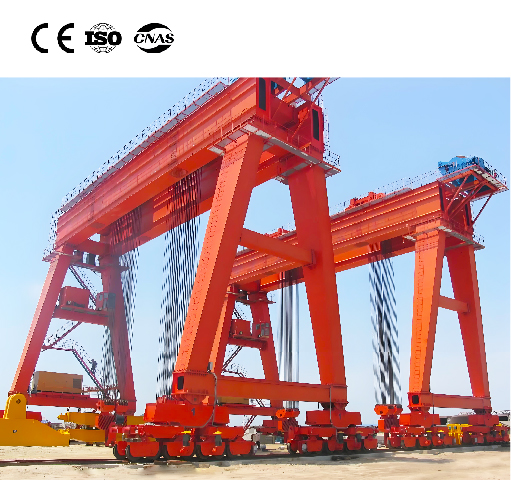
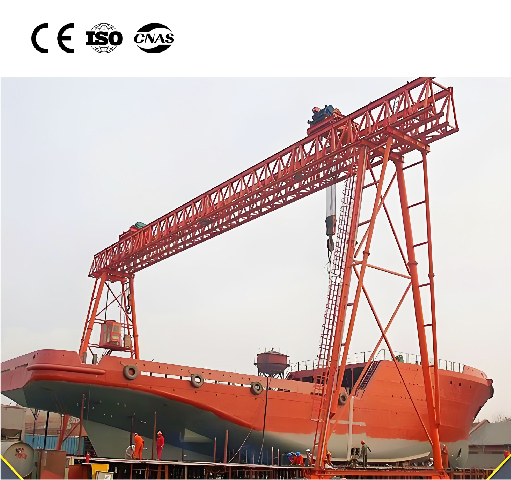
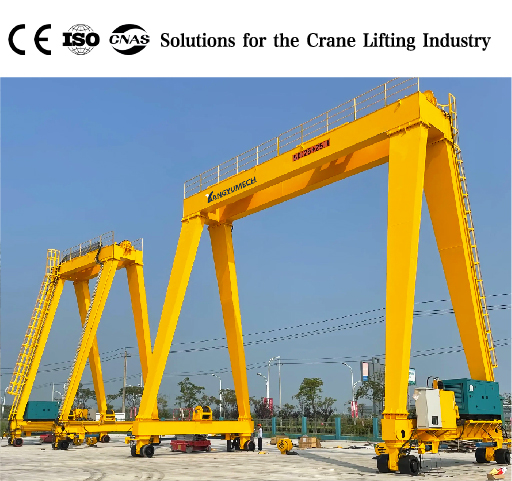
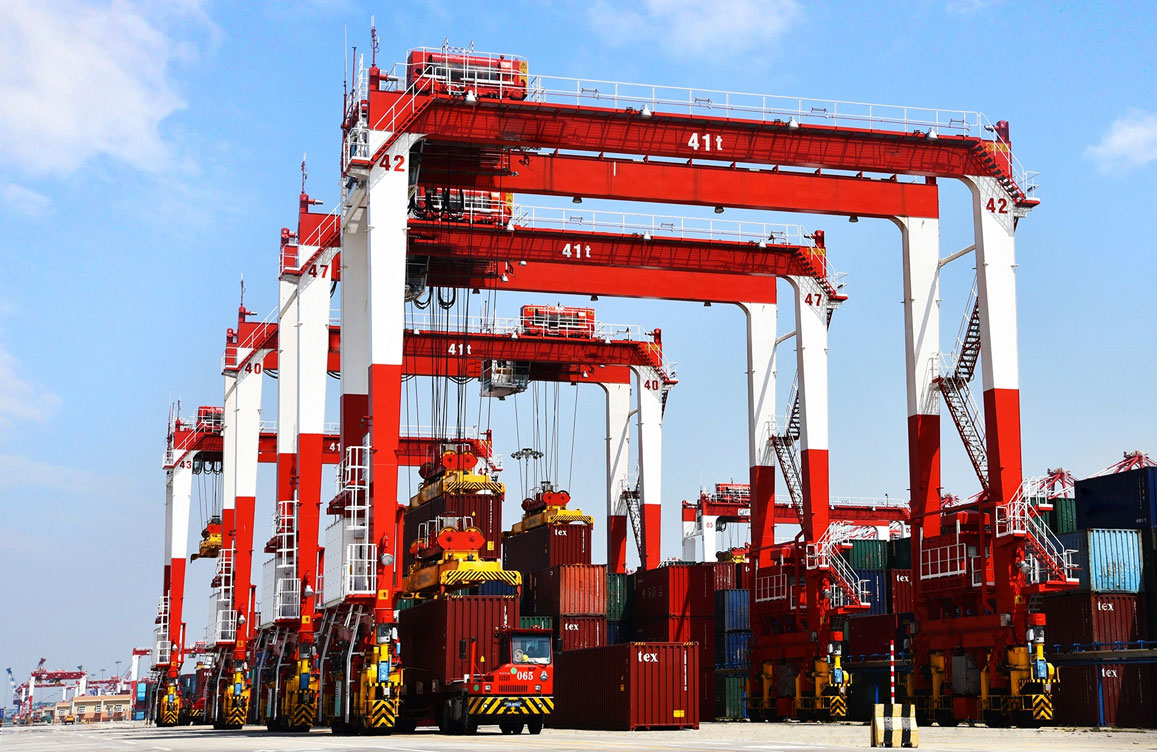
    Ports are the critical nodes connecting global trade, and the efficient operation of port equipment directly determines the speed and quality of cargo transportation. Among various port equipment, port cranes are indispensable core tools. Yangyu, as a well – known manufacturer of port cranes, has been widely used in ports around the world. In practical applications, Yangyu port cranes play a variety of important roles, which are crucial for ensuring the smooth progress of port operations.
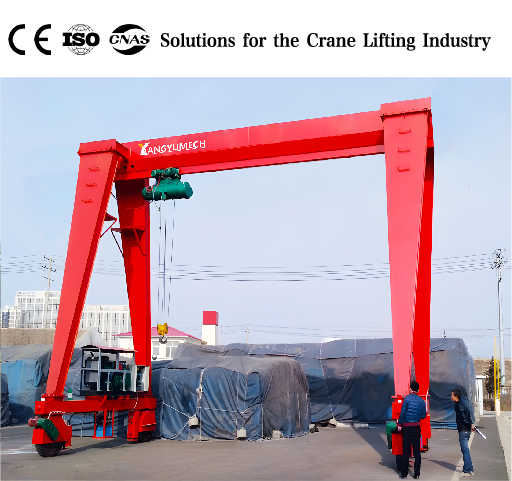
    双梁轮胎式起重机

    Promoting Efficient Cargo Loading and Unloading

    The most basic and important role of Yangyu port cranes in practical use is to realize efficient cargo loading and unloading. In the busy port environment, a large number of goods, including containers, bulk cargo, and general cargo, need to be transferred between ships, trucks, and storage yards every day.
    Yangyu port cranes are designed with high efficiency in mind. Their lifting speed and moving speed are optimized. For example, when handling containers, Yangyu container cranes can quickly lift the container from the ship’s hold and accurately place it on the truck or stack it in the container yard. Compared with traditional cranes, they can complete more loading and unloading operations in the same time, greatly improving the cargo turnover rate of the port.
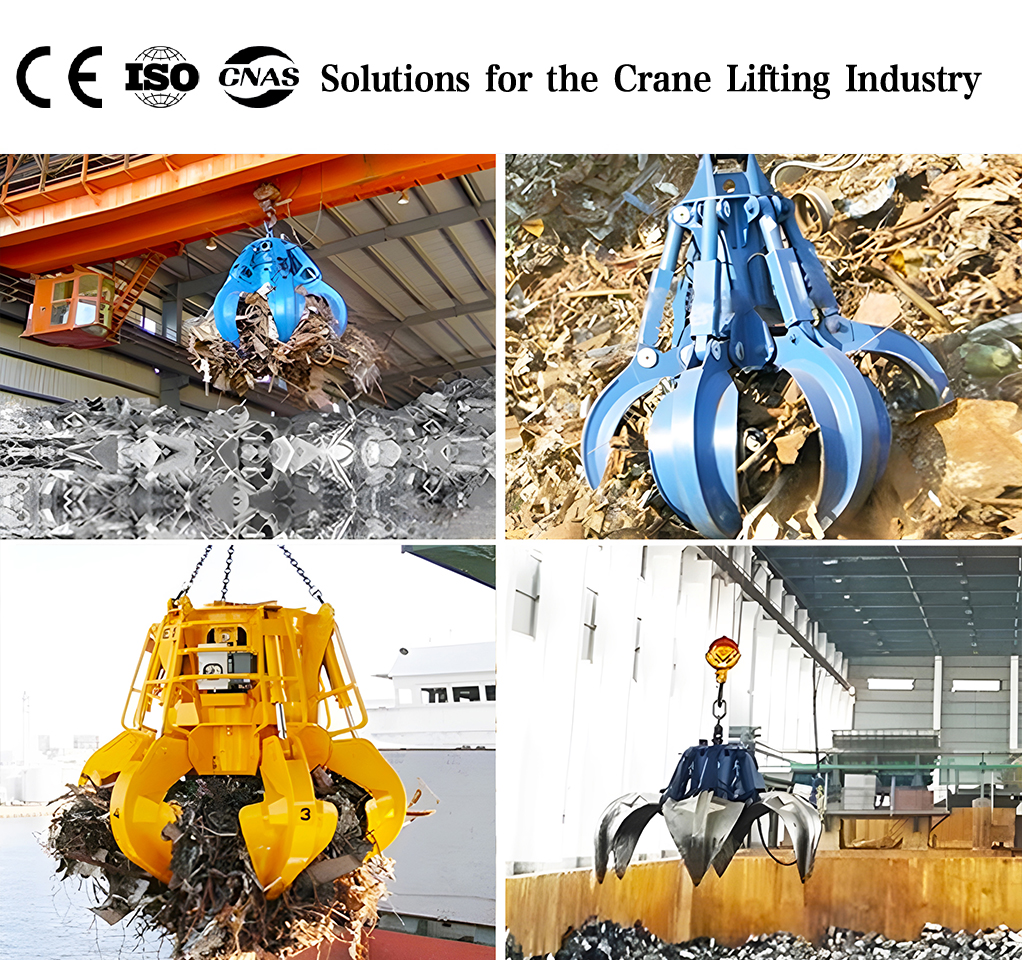
    For bulk cargo such as coal, grain, and ore, Yangyu bulk cargo cranes are equipped with special grabs. These grabs can quickly grab a large amount of bulk cargo and transport it to the designated location. The design of the grabs ensures that the bulk cargo is not easily scattered during transportation, reducing cargo loss and improving the efficiency of bulk cargo handling.

    Ensuring Safe Operation of Port Work

    Safety is the top priority in port operations, and Yangyu port cranes play a vital role in ensuring the safety of port work in practical use.
    Yangyu port cranes are equipped with a variety of safety protection devices. The overload protection device is one of the key ones. It can monitor the weight of the lifted cargo in real – time. Once the weight exceeds the rated lifting capacity of the crane, the device will immediately cut off the power supply of the lifting mechanism to prevent the crane from being overloaded, thus avoiding accidents such as crane tipping and structural damage.
    In addition, Yangyu port cranes are also equipped with anti – collision systems. In the port, there are often multiple cranes working at the same time, and there is a risk of collision between cranes. The anti – collision system can detect the distance between cranes in real – time. When the distance is too close, it will send an alarm and even automatically slow down or stop the crane to prevent collisions.
    The emergency stop system is another important safety guarantee. In case of an emergency, such as a sudden equipment failure or a dangerous situation for personnel, the operator can press the emergency stop button, and the crane will stop all operations immediately, minimizing the loss caused by the accident.

    Facilitating Rational Allocation of Port Resources

    In practical port operations, the rational allocation of resources such as equipment, personnel, and storage space is crucial to improving the overall operational efficiency of the port. Yangyu port cranes, with their advanced control systems and intelligent functions, play an important role in facilitating the rational allocation of port resources.
    Yangyu port cranes can be connected to the port’s intelligent management system. Through this connection, the management system can obtain real – time information about the working status, location, and handling tasks of the cranes. Based on this information, the management personnel can formulate more scientific and reasonable scheduling plans. For example, they can arrange the cranes to handle the goods in the order of the urgency of the tasks, avoiding the waste of crane resources caused by unreasonable scheduling.
    Moreover, the accurate positioning function of Yangyu port cranes ensures that the goods are placed in the designated positions in the storage yard. This not only makes the storage of goods more orderly but also facilitates the subsequent loading and unloading of goods, reducing the time for searching for goods and improving the utilization rate of the storage space.

    Reducing Port Operational Costs

    Reducing operational costs is an important goal for every port. Yangyu port cranes contribute to this goal in practical use through their excellent performance and durability.
    First of all, the high efficiency of Yangyu port cranes reduces the time required for cargo handling. This means that ships can berth and leave the port faster, reducing the berthing fees of the ships. At the same time, the efficiency improvement also reduces the working time of the operators, thereby reducing labor costs.
    Secondly, Yangyu port cranes are made of high – quality materials and undergo strict manufacturing processes, which have excellent durability. They can work stably in harsh port environments for a long time, reducing the frequency of equipment failures and maintenance. The reduction in maintenance times not only saves maintenance costs but also reduces the downtime of the cranes, ensuring the continuous operation of the port.
    In addition, the energy – saving design of Yangyu port cranes is also worthy of mention. Some models of Yangyu port cranes adopt advanced energy – saving technologies, such as frequency conversion speed regulation, which can effectively reduce energy consumption during operation. In the long run, this can save a lot of energy costs for the port.

    Adapting to Diverse Cargo Handling Needs

    Ports handle a wide variety of goods, and different goods have different handling requirements. Yangyu port cranes can adapt to these diverse cargo handling needs in practical use, showing strong versatility.
    For containers of different sizes, such as 20 – foot and 40 – foot containers, Yangyu container cranes are equipped with adjustable spreaders. These spreaders can be adjusted according to the size of the containers to ensure a firm grip on the containers during handling.
    For bulk cargo with different characteristics, such as grain that is easy to flow and ore with high density, Yangyu bulk cargo cranes can be equipped with different types of grabs. For example, grabs with a larger capacity are used for handling ore, and grabs with better sealing performance are used for handling grain to prevent leakage.
    For general cargo such as machinery and equipment, which has irregular shapes and varying weights, Yangyu general cargo cranes are equipped with flexible lifting tools such as slings and hooks. These tools can be selected and used according to the characteristics of the goods to ensure safe and reliable handling.

    Conclusion

    In practical port use, Yangyu port cranes play an irreplaceable role. They promote efficient cargo loading and unloading, ensure the safe operation of port work, facilitate the rational allocation of port resources, reduce port operational costs, and adapt to diverse cargo handling needs. These roles make Yangyu port cranes an important part of modern port operations, providing strong support for the development of global trade. For ports that want to improve their operational efficiency and competitiveness, choosing Yangyu port cranes is a wise decision.
  • Port Crane Price: Factors Affecting Cost and Value for Your Investment

    Port Crane Price: Factors Affecting Cost and Value for Your Investment

    In the bustling world of port operations, efficient material handling is the lifeblood of productivity. Yangyu port cranes have emerged as a popular choice among port operators, offering a blend of reliability, performance, and versatility. However, when considering the adoption of a Yangyu port crane, one of the most pressing questions is, “What is the price?” In this comprehensive guide, we’ll delve deep into the factors that determine the cost of Yangyu port cranes, helping you make an informed investment decision.
    花架

    The Core Components of Yangyu Port Crane Pricing

    1. Base Product Cost

    The fundamental cost of a Yangyu port crane is dictated by its core design and capabilities. Lifting capacity is a primary determinant. For instance, a small – scale Yangyu port crane with a lifting capacity of 10 – 20 tons might start at around

    50,000. As the capacity escalates to 50 – 100 tons or more for handling large shipping containers and heavy industrial equipment, the price can range from

    500,000. The span of the crane, which determines how wide an area it can cover over the port, also impacts the cost. A wider – spanning crane requires more robust structural components and thus comes at a higher price. Additionally, the lifting height—essential for reaching different levels of ships or storage areas—adds to the base cost. A crane designed to lift loads to a height of 30 – 50 meters will be priced differently than one with a lower lifting height requirement.

    1. Customization Expenses

    Yangyu understands that each port has unique operational requirements. If you need a crane customized for specific tasks, such as handling specialized cargo like oversized machinery or delicate electronics, there will be additional costs. Custom – engineered features, like a special – designed hoist system for precise load handling or a modified control panel for enhanced operator ergonomics, will contribute to the overall price. For example, a customized anti – sway system for maintaining load stability in windy port conditions can add several thousand dollars to the cost of the crane.
    1. Transportation Costs

    Once the crane is manufactured in Yangyu’s facilities, getting it to your port is no small feat. Transportation costs can vary significantly based on the distance between the manufacturing site and the port of installation, as well as the mode of transport. Shipping a large port crane overseas via sea freight is generally more cost – effective for long – distance deliveries. However, factors like the size and weight of the crane, which determine the type of shipping container or flat – rack required, will influence the freight charges. For shorter distances or when time is of the essence, air freight might be considered, but it comes at a much higher price. Additionally, inland transportation from the port of arrival to the final installation site within your port area also adds to the overall cost.

    Additional Expenses Associated with Yangyu Port Crane Acquisition

    1. Installation and Commissioning

    Proper installation of a Yangyu port crane is crucial for its safe and efficient operation. The cost of installation includes the labor of skilled technicians, who are trained to assemble and set up the crane according to Yangyu’s strict quality standards. Installation costs can range from

    50,000 or more, depending on the complexity of the crane model and the site conditions at your port. Commissioning, which involves testing the crane to ensure it functions perfectly, also incurs expenses. This may include the cost of test loads, calibration of sensors and controls, and any necessary software configuration.

    1. Optional Third – Party Inspections

    In some regions or for certain types of port operations, third – party inspections are mandatory to ensure compliance with safety and quality regulations. Reputable testing organizations such as SGS, BV, or TÜV can conduct these inspections. The cost of such inspections typically ranges from

    1000 per day, depending on the scope of the inspection and the location of the port. These inspections not only provide peace of mind but also help in maintaining the long – term value of your crane investment by ensuring it meets all regulatory requirements.

    1. Training and Support

    To maximize the performance of your Yangyu port crane, operator training is essential. Yangyu offers comprehensive training programs for crane operators, which can be included in the overall cost. The cost of training may vary depending on the number of operators to be trained, the duration of the training program, and whether it is conducted on – site or at Yangyu’s training facilities. Additionally, ongoing technical support from Yangyu, which can be invaluable in case of any operational issues, may also come at an additional cost, often structured as an annual service contract.
    Comparing Yangyu Port Crane Prices with Market Averages
    When looking at Yangyu port crane prices, it’s essential to compare them with the broader market. On average, in the global market, a standard – capacity (around 30 – 40 tons) mobile port crane can cost anywhere from 200,000. Yangyu’s pricing is competitive within this range, often offering a better value proposition due to its reputation for quality and reliability. For larger, more specialized port cranes, such as ship – to – shore container cranes, the market prices can start from $300,000 and go up to several million dollars. Yangyu’s offerings in this segment are priced according to the features, capacity, and customization level, providing options for ports with different budgets and requirements.

    The Long – Term Value of Investing in a Yangyu Port Crane

    While the initial price of a Yangyu port crane is an important consideration, it’s equally crucial to look at the long – term value. Yangyu port cranes are built with high – quality materials and advanced manufacturing techniques, resulting in a longer lifespan compared to some competitors. This means fewer replacements and lower overall costs in the long run. Their energy – efficient designs can also lead to reduced operating costs over time. Moreover, Yangyu’s commitment to after – sales service, including prompt technical support and availability of spare parts, ensures minimal downtime for your port operations.

    Conclusion

    The price of a Yangyu port crane is influenced by a multitude of factors, from its base design and capacity to transportation, installation, and optional services. By understanding these elements, port operators can make a well – calculated investment. Remember, a Yangyu port crane is not just a purchase; it’s an investment in the efficiency and productivity of your port operations. If you’re in the market for a port crane, reach out to Yangyu’s sales representatives. They can provide you with a detailed quote based on your specific requirements, helping you find the perfect Yangyu port crane that balances cost and performance for your port.
  • Best Yangyu Cranes Suppliers in the US

    The United States’ industrial sector increasingly relies on high-performance, cost-effective crane solutions from China—often called “Yangyu cranes”—to drive logistics, manufacturing, and port operations. With Chinese manufacturers dominating ~70% of the global port crane market 5, and suppliers offering 30% lower costs compared to Western alternatives, these cranes have become indispensable for modern US infrastructure. This guide profiles the top Yangyu crane suppliers excelling in the US market based on technical capability, compliance, and proven performance.

    双梁轮胎式起重机

    Why Source Yangyu Cranes for the US Market?

    • Cost Efficiency: Chinese cranes deliver comparable quality at ~30% lower prices than European or American alternatives, with shorter lead times .

    • Technical Adaptability: Leading suppliers design cranes for extreme environments (-30°C to 50°C) and customize voltage/frequency for US grids .

    • Regulatory Compliance: Top exporters adhere to ASME, OSHA, and CMAA standards and hold ISO 9001/14001 certifications .

    • Market Proven: Over 80% of US port cranes are supplied by Chinese manufacturers, demonstrating reliability in critical infrastructure .

    Top 6 Yangyu Crane Suppliers for the US Market

    1. Shanghai Zhenhua Heavy Industries (ZPMC)

    • US Presence: Dominates 80% of US port crane deployments, including critical hubs like APM Terminal (New Jersey) and Norfolk Harbor .

    • Specialty: Automated stacking cranes and ship-to-shore systems with remote diagnostics.

    • Key Advantage: 20+ years of US operational history with zero documented security breaches .

    2. Yufei Heavy Industries Group

    • US Integration: Exports 11% of production to the US, with dedicated OEM designs for steel, automotive, and aerospace sectors .

    • Capabilities:

      • Factory size: 50,000–100,000 m²

      • Workforce: 1,000+ employees

      • Customization: OEM solutions and 24-hour technical support 

    • Compliance: FSC certification and T/T, L/C, PayPal payment flexibility .

    3. Henan Yuantai Lifting Machinery

    • US Reach: Exports to 54+ countries, including the US, with cranes deployed in automotive, wind energy, and nuclear facilities .

    • Certifications: ISO 9001, ISO 14001, OHSAS 18001 for safety and environmental management .

    • Value: Offers full turnkey projects, including installation and worker training.

    4. Aicrane Group

    • Global Scale: 5 factories in Henan Province, exporting to 80+ countries (including 15 US states) .

    • Product Range:

      • Gantry cranes

      • Electric hoists

      • Explosion-proof cranes

    • Innovation: IoT-enabled cranes with real-time load monitoring and predictive maintenance .

    5. DGCRANE

    • US Projects: Completed 300+ installations across Texas, California, and Illinois for metallurgy, paper mills, and logistics .

    • Cost Innovation: Modular crane kits reduce shipping costs by 40% by sourcing beams locally in the US .

    • Support: 50+ technical engineers provide post-sales maintenance within 72 hours.

    6. Columbus McKinnon (CM) China Operations

    • US Compliance: Manufactures Yale/CM-branded cranes in Hangzhou meeting ANSI B30.2 standards .

    • Product Lines:

      • Electric chain hoists

      • Lightweight aluminum gantries

      • ATEX-compliant explosion-proof cranes

    • Network: 8 US service centers for parts and repairs .

    Comparison of Top Suppliers

    SupplierUS Market EntryKey Industries ServedUnique Advantage
    ZPMC2004Ports, LogisticsRemote automation integration
    Yufei Heavy2006Automotive, Aerospace1000+ workforce for large-scale OEM
    Yuantai2012Wind Energy, NuclearTurnkey project expertise
    Aicrane Group2012Construction, Oil & Gas5 factories for rapid customization
    DGCRANE2014Steel, Paper ManufacturingModular kits for cost savings
    CM China1992General ManufacturingANSI-compliant safety components

    Key Selection Criteria for US Buyers

    • Regulatory Alignment: Ensure cranes comply with CMAA 70/74 specs and OSHA load-testing rules. CM China and DGCRANE explicitly design for these standards .

    • After-Sales Support: Prioritize suppliers with US-based technicians. Example: CM offers 48-hour parts delivery .

    • Total Cost of Ownership: Opt for modular designs (like DGCRANE’s) to cut shipping and import duties by 15–30% .

    • Cybersecurity: For smart cranes, demand ABB or Konecranes control systems to mitigate perceived risks .

    Emerging Trends in Yangyu Cranes (2025)

    • Electrification: 90% of new port cranes ordered by US hubs are electric, reducing emissions vs. diesel models .

    • Smart Features: Suppliers like Aicrane integrate AI collision avoidance and remote diagnostics .

    • Local Assembly: Yufei and DGCRANE now partner with Texas- and Ohio-based assemblers to bypass tariffs .

    Conclusion: Strategic Sourcing Recommendations

    The best Yangyu crane suppliers combine cost efficiency, technical adaptability, and regulatory rigor—critical for US industrial success. For port operations, ZPMC remains unmatched. Manufacturing facilities should prioritize Yufei or CM China for OEM-grade durability, while energy/construction firms will benefit from Yuantai’s turnkey expertise. Always verify:

    • On-site compliance audits

    • Spare parts inventory in the US

    • 10-year lifecycle cost projections

    *”The modernization of US ports and factories relies on Chinese crane technology—not just for cost, but for reliability honed across 100+ global markets.”* — Port Technology Analyst .

  • QZ Grab Bucket Overhead Crane: High-Efficiency Bulk Material Handling Solution

    QZ Grab Bucket Overhead Crane: High-Efficiency Bulk Material Handling Solution

     the QZ Grab Bucket Overhead Crane delivers unmatched efficiency. This specialized crane integrates a robust single or double girder bridge with a motorized grab bucket, automating heavy, labor-intensive tasks while maximizing throughput and minimizing spillage. Designed for demanding industrial environments such as power plants, foundries, ports, and bulk storage yards, the QZ crane transforms bulk material logistics.

    QZ Grab Bucket Overhead Crane
    QZ Grab Bucket Overhead Crane

    Core Functionality & Advantages of the QZ Grab Bucket Crane

    1. Automated Bulk Handling: The motorized clamshell grab bucket opens, closes, grabs, lifts, transports, and releases materials without manual intervention, drastically reducing labor costs and physical strain.

    2. High Operational Efficiency: Significantly faster cycle times compared to manual methods or excavators, leading to higher throughput in loading bays, stockpiles, or processing lines.

    3. Reduced Spillage & Dust: Precision-engineered grabs provide a secure enclosure during lifting and travel, minimizing material loss and airborne dust – critical for environmental compliance and material savings.

    4. Versatility Across Materials: Interchangeable grab buckets (clamshell, orange peel, timber, scrap) allow handling of diverse materials – from fine grains to large scrap chunks.

    5. Optimized Space Utilization: Overhead operation clears floor space for vehicles, personnel, and other equipment, enhancing safety and workflow in congested areas.

    Key Technical Components & Specifications

    Table 1: QZ Grab Bucket Crane Core Specifications

    ParameterTypical RangeNotes
    Capacity5 tons – 50+ tonsCapacity refers to the safe working load of the crane + grab + material. Actual grab payload is lower.
    Grab Bucket Volume0.5m³ – 15m³+Selected based on material density and desired payload per cycle.
    Span (S)10m – 35m+Customizable to fit warehouse, stockyard, or vessel dimensions.
    Lifting Height (H)6m – 30m+Determined by silo depth, stockpile height, or vessel hold depth.
    Work Duty ClassA6 – A7 (Heavy to Very Heavy)Designed for frequent, high-intensity cycles in harsh environments.
    Control SystemCabin or Radio RemoteEssential for operator visibility and safety in dusty/vibrant conditions.
    Power Supply3P, 380V, 50Hz (or local std.)Heavy-duty motors for hoist, grab, and travel drives.

    Table 2: Grab Bucket Types & Applications

    Grab TypeDesignIdeal MaterialsKey Feature
    Double-Rope Clamshell (QZ Standard)Two drums (hold/close ropes)Coal, Sand, Gravel, Grain, FertilizerPrecise opening/closing control, good seal.
    Motorized Clamshell (4-Rope)Independent motors on grabHeavy materials (Ore, Rock), High-density bulkHigher grab force, less rope wear.
    Orange Peel GrabMultiple hinged “petals”Scrap Metal, Large Rocks, Demolition DebrisHandles irregular shapes, penetrates piles.
    Timber GrabLong tines with clawsLogs, Pulpwood, Large BundlesSecures long, cylindrical loads.
    Electro-Hydraulic GrabHydraulic actuationVery heavy/dense materials, Deep binsHighest closing force, robust for tough jobs.

    Primary Industrial Applications

    • Power Plants: Unloading coal from barges/railcars, transferring coal to bunkers or stockpiles, handling ash.

    • Steel Mills & Foundries: Charging scrap metal into furnaces, handling pig iron, transporting slag, moving sand/refractories.

    • Ports & Terminals: Loading/unloading bulk carriers (ships), transferring cargo between vessels, stockyard management.

    • Grain Silos & Processing: Unloading trucks/railcars, filling silos, transferring grain between bins or to processing lines.

    • Aggregate & Mining: Handling gravel, sand, crushed stone, ore; loading trucks or railcars.

    • Waste Recycling: Sorting and moving bulk recyclables (scrap, plastics, waste wood).

    • Cement Plants: Handling raw materials (limestone, clay), clinker, gypsum, fly ash.

    Critical Design Features for Reliability & Safety

    1. Heavy-Duty Construction: Reinforced girders, end carriages, and trolleys withstand A6/A7 duty cycles and impact loads from grabbing dense materials.

    2. Dedicated Grab Hoist & Mechanism: Separate hoisting motor(s) and grab opening/closing drive(s) ensure independent, reliable control. Anti-sway systems stabilize the load during travel.

    3. Dust & Debris Protection: IP55/IP65 rated or totally enclosed motors and electrical gear protect against ingress of dust and moisture. Cable reels or enclosed conductor bars supply power reliably.

    4. Advanced Safety Systems:

      • Overload Limiter: Prevents crane operation beyond safe capacity.

      • Double Braking System: On hoist and grab mechanisms for failsafe holding.

      • Limit Switches: Hoist upper/lower limits, grab open/close limits.

      • Emergency Stop: Instantly cuts power to all motions.

      • Anti-Collision Systems: (For multiple cranes on same runway).

      • Crane Weighing System: (Optional) Displays real-time load weight.

    5. Operator Ergonomics: Comfortable, climate-controlled cabins or intuitive radio remotes with clear visibility and controls reduce fatigue.

    Selecting & Configuring Your QZ Grab Crane: Key Factors

    1. Material Characteristics: Bulk density is CRITICAL (kg/m³). This directly determines the required grab volume for your target payload per cycle. Also consider abrasiveness, lump size, and flowability.

    2. Required Throughput: Calculate tons/hour needed. This dictates cycle time requirements, influencing crane speed specs and grab size.

    3. Operating Environment: Indoors/outdoors? Extreme temperatures? Presence of dust, moisture, or corrosive elements? Dictates protection levels (IP rating, special paints).

    4. Grab Type & Mechanism: Choose based on material (see Table 2). Double-rope is standard; motorized/electro-hydraulic offer higher force for tough applications.

    5. Control & Visibility: Radio remote is often preferred for flexibility and safety in bulk handling. Cabins require good sightlines.

    6. Supporting Structure: Ensure the building runway system or outdoor gantry supports can handle the dynamic loads of a grab crane (significantly higher than hook cranes).

    Maintenance & Operational Best Practices

    • Strict Inspection Regime: Daily pre-op checks (brakes, ropes, grab mechanism, limit switches). Frequent inspections of wire ropes, sheaves, and structural components. Annual comprehensive inspections per safety standards (e.g., ISO, FEM, CMAA, GB).

    • Grab Maintenance: Regular inspection of jaws, hinges, cables/hydraulics, and wear plates. Timely replacement of worn parts is crucial for performance and safety.

    • Lubrication Schedule: Strict adherence to manufacturer’s lubrication points and intervals for all moving parts.

    • Operator Training: Comprehensive training on safe grab operation (proper grabbing technique, avoiding swinging loads), emergency procedures, and pre-operation checks.

    • Spare Parts: Maintain critical spare parts (especially for the grab mechanism) to minimize downtime.

    Conclusion: Unlocking Productivity in Bulk Material Logistics

    The QZ Grab Bucket Overhead Crane is an indispensable asset for any industry moving significant volumes of loose bulk materials. By automating the grab, lift, transport, and release process, it delivers unparalleled efficiency, significant labor savings, reduced material loss, and enhanced workplace safety compared to manual methods or less specialized equipment. Its robust A6/A7 design ensures reliability in the most demanding environments, from dusty coal terminals to vibrating foundry floors. When selecting a QZ crane, careful consideration of material properties, throughput requirements, and operational environment is key to configuring an optimal, high-productivity system that maximizes your return on investment.