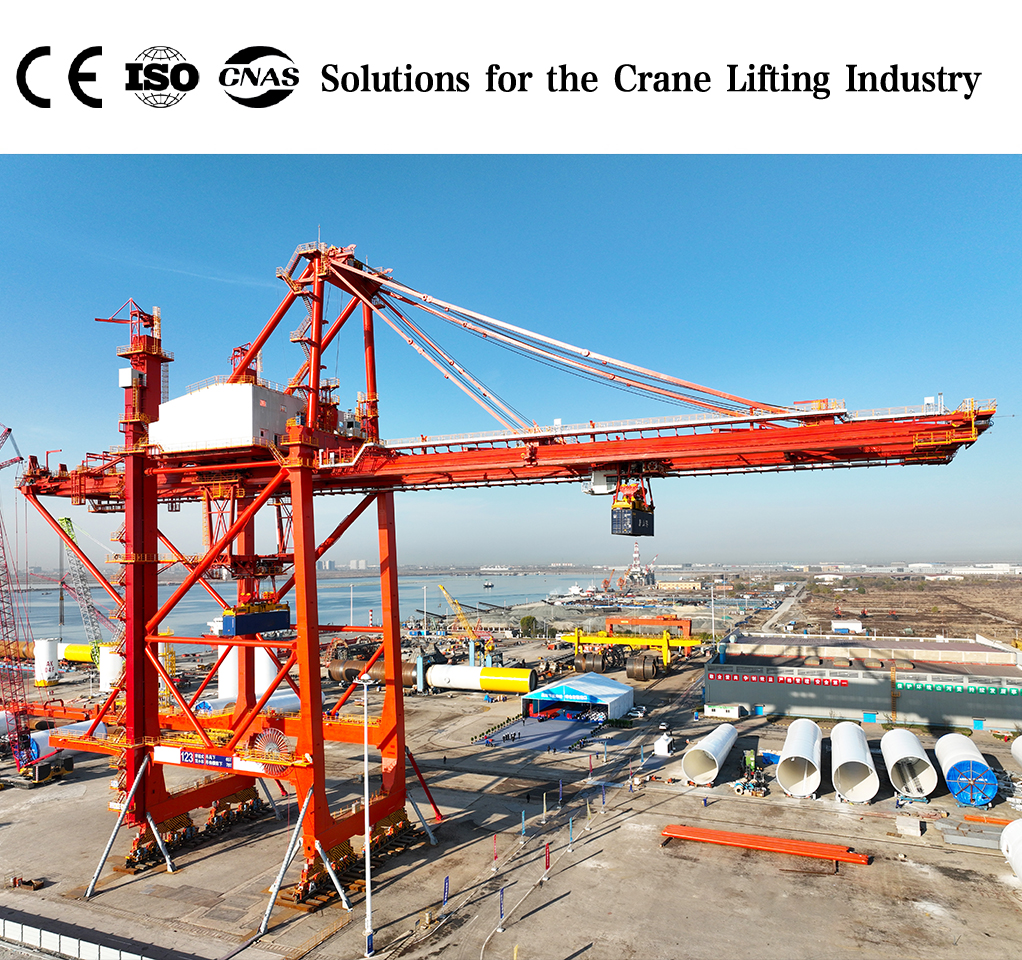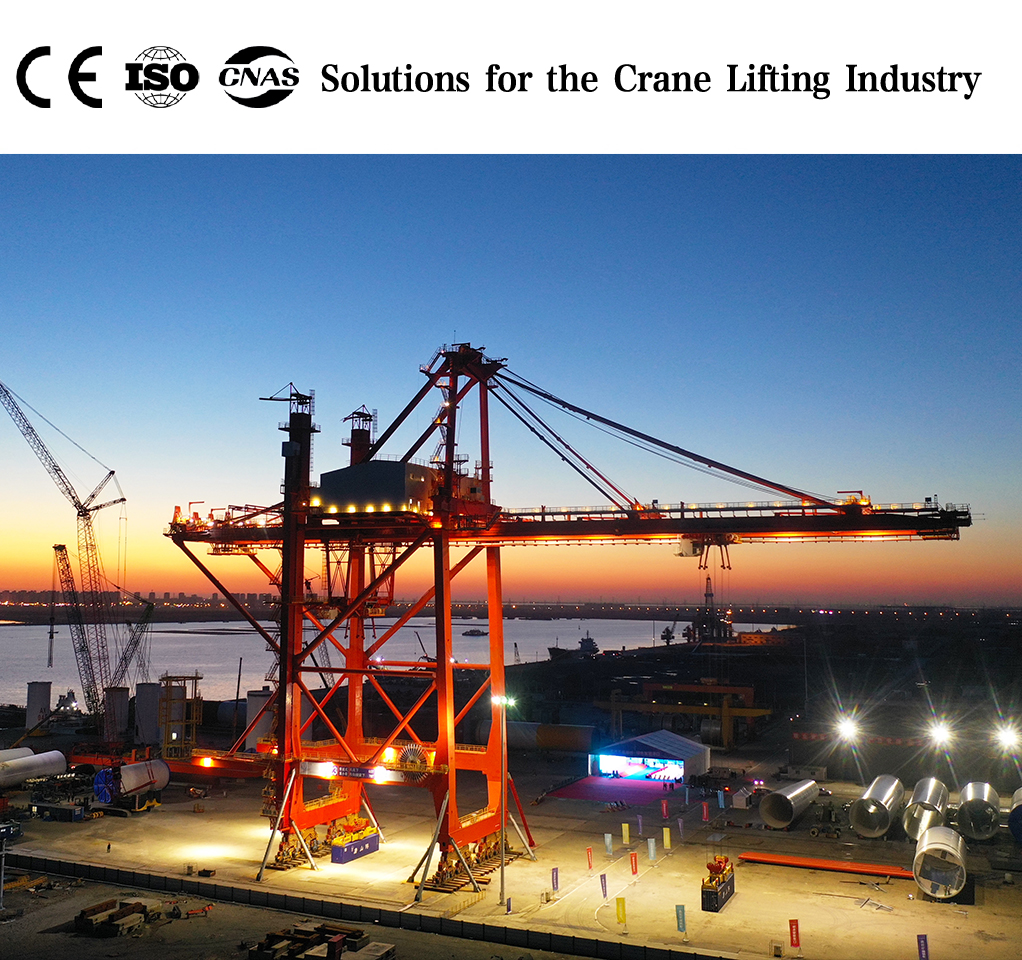
For port operators, logistics companies, or industrial terminal managers planning to invest in port equipment, understanding how the price of Yangyu Ship-to-Shore (STS) Cranes is budgeted is critical to making cost-effective procurement decisions. This article breaks down the core factors influencing Yangyu STS crane pricing, the step-by-step budgeting process, and key considerations—while optimizing for Google SEO to ensure you find this essential information easily.
1. Core Factors Influencing Yangyu STS Crane Budget
The price of Yangyu Ship-to-Shore Cranes is not a fixed figure; it depends on customized needs and equipment specifications, with the following factors accounting for 80% of the total budget. Each factor directly impacts material costs, manufacturing complexity, and post-service expenses.
1.1 Customized Core Configurations (60%-70% of Total Budget)
Yangyu STS cranes are designed to match specific port operations, and their core components directly determine the base price:
- Lifting Capacity: As mentioned in the earlier guide to Yangyu STS cranes, lifting capacity ranges from 50 tons to 150+ tons (for heavy-duty projects). A 50-ton standard model uses a 110kW motor and high-strength steel cables (costing ~
25,000), while a 120-ton model requires a 220kW motor and reinforced cables (adding
50,000 to the budget).
- Span & Boom Length: The span (distance between the crane’s legs) and boom length (reach over the ship) vary by port quay width. A 30-meter span (for small container ports) costs ~
120,000 in steel structure, while a 45-meter span (for large container ships like Panamax) increases steel costs by 40%-60%.
- Electrical & Control Systems: Modern Yangyu STS cranes integrate energy-efficient inverters, anti-sway systems, and remote control (for unmanned operations). A basic electrical system costs
80,000, while an intelligent system with IoT monitoring (for predictive maintenance) adds
40,000.
1.2 Environmental Adaptation Costs (10%-15% of Total Budget)
Ports in harsh environments require specialized modifications, which affect the budget:
- Corrosion Resistance: For coastal ports with high salt spray (e.g., tropical or offshore terminals), Yangyu uses marine-grade stainless steel (316L) for critical parts (e.g., trolley rails) instead of standard carbon steel. This adds 12%-18% to the steel structure cost.
- Extreme Weather Protection: For ports with heavy rain, snow, or high winds, cranes need waterproof electrical enclosures, wind speed sensors, and snow-melting systems. These adaptations typically cost
30,000.
1.3 Post-Purchase Services (10%-15% of Total Budget)
Budgeting for Yangyu STS cranes must include non-equipment costs, which are often overlooked but essential for long-term operation:
- Installation & Commissioning: Yangyu’s professional team handles on-site assembly, alignment, and load testing. Installation costs depend on port accessibility—
60,000 for standard quays, and
100,000 for remote or narrow terminals.
- Maintenance & Training: A 1-year maintenance package (including spare parts like cables and filters) costs
35,000. Operator training (for 5-10 staff) adds
8,000 to ensure safe use of the crane’s control systems.
2. Step-by-Step Budgeting Process for Yangyu STS Cranes
Yangyu’s budgeting process is transparent and tailored to your needs, ensuring no hidden costs. Here’s how it works:
Step 1: Demand Assessment (Free Consultation)
First, Yangyu’s technical team collaborates with you to define key requirements:
- Port type (container, bulk cargo, or industrial terminal)
- Target ship size (e.g., 20-foot/40-foot containers, Panamax ships)
- Daily cargo throughput (to determine crane efficiency needs)
- Environmental conditions (salt spray, wind speed, temperature)
This step helps narrow down configurations and avoid over-budgeting for unnecessary features (e.g., a 100-ton crane is unnecessary for a port handling only 20-foot containers).
Step 2: Cost Calculation (Detailed Breakdown)
Yangyu provides a itemized cost sheet covering:
- Direct Costs: Materials (steel, motors, electrical parts), manufacturing labor, and quality testing.
- Indirect Costs: Transportation (from Yangyu’s factory to the port, including customs fees for international orders) and insurance.
- Service Costs: Installation, training, and 1-year warranty (extended warranties cost 5%-8% of the total equipment price).
For example, a standard 65-ton Yangyu STS crane (35m span, basic electrical system) has a typical cost breakdown:
- Direct Costs:
550,000 (steel: 35%, motors: 25%, electronics: 20%)
- Indirect Costs:
70,000 (transport + insurance)
- Service Costs:
80,000 (installation + training)
- Total Budget:
700,000
Step 3: Final Quotation & Adjustment
After cost calculation, Yangyu provides a formal quotation with a 30-day validity (to account for raw material price fluctuations, e.g., steel or copper). If your budget is limited, the team can suggest cost-saving adjustments:
- Opt for a slightly lower lifting capacity (e.g., 60 tons instead of 65 tons) if throughput allows.
- Choose a standard span instead of a customized one.
- Delay adding intelligent IoT features (they can be retrofitted later).
3. Key Tips for Optimizing Yangyu STS Crane Budget
To avoid overspending while ensuring the crane meets long-term needs, keep these tips in mind:
- Prioritize “Future-Proof” Features: Invest in a slightly larger span (e.g., 40m instead of 35m) if your port plans to expand to larger ships in 5-10 years—retrofitting a longer boom later costs 2x more than building it initially.
- Compare Total Cost of Ownership (TCO): A cheaper crane with low-quality parts may have higher maintenance costs (e.g., replacing cables every 2 years instead of 5 years). Yangyu’s cranes use durable components that reduce TCO by 15%-20% over 10 years.
- Leverage Bulk Purchase Discounts: If buying multiple cranes (e.g., 2-3 for a new terminal), Yangyu offers 5%-10% discounts on the total order.
Conclusion
Budgeting for a Yangyu Ship-to-Shore Crane requires balancing current operational needs with long-term cost efficiency. By understanding core cost factors (configurations, environment, services), following the step-by-step budgeting process, and optimizing for future needs, you can secure a crane that delivers value for years. For a personalized budget quote, search “Yangyu STS crane customized quotation” on Google to connect with Yangyu’s technical team directly—they’ll tailor a solution to your port’s unique requirements.