In industrial lifting scenarios—from warehouses and manufacturing plants to construction sites—the Wire Rope Electric Hoist stands as a workhorse, combining robust load-bearing capacity with reliable performance. Unlike chain hoists (suited for light-to-medium loads), wire rope electric hoists excel at lifting heavy, bulky items, making them indispensable for heavy-duty operations. This comprehensive guide breaks down everything you need to know about wire rope electric hoists, including key types (like CD/MD series), compliance standards, and how to choose the right model for your needs—with insights from trusted manufacturers like Henan Yangyumech Co., Ltd.

What Is a Wire Rope Electric Hoist?
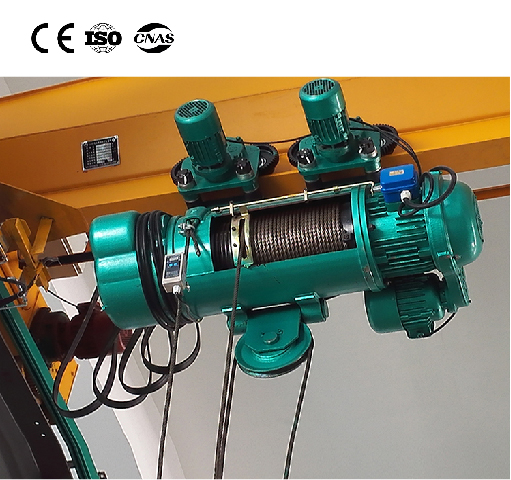
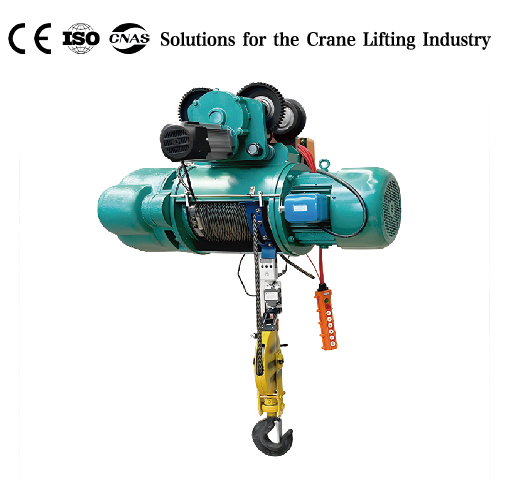
A Wire Rope Electric Hoist is a powered lifting device that uses a high-strength wire rope (wound around a drum) and an electric motor to lift, lower, and position heavy loads. Its core design prioritizes stability and load capacity, making it ideal for tasks where manual labor or lighter hoists fall short.
Key Components of a Wire Rope Electric Hoist
Every reliable wire rope electric hoist (such as those from Yangyumech) includes these critical parts:
- High-tensile wire rope: Made from carbon steel or alloy steel, with corrosion-resistant coatings (e.g., galvanization) to withstand wear and harsh environments.
- Electric motor: Powers the drum rotation—efficiency varies by standard (e.g., IE3 premium motors for European-compliant models, reducing energy use by 15-30%).
- Lifting drum: Wraps the wire rope, ensuring smooth winding/unwinding to prevent tangling (critical for load stability).
- Brake system: Dual brakes (electromagnetic and mechanical) for safety—secures loads instantly during power cuts or emergencies, complying with EN 13157 (European safety standard) and ISO 9001.
- Control unit: Pendant controls (for close-range operation) or remote controls (for safety in large/hazardous areas, e.g., construction sites).
- Trolley (optional): Mounts the hoist on crane beams (single-girder, double-girder, or monorail) for horizontal movement, expanding its usability.
Common Types of Wire Rope Electric Hoists (With Use Cases)
Wire rope electric hoists are categorized by speed, design, and application. Below are the most widely used types—including industry-standard models from Yangyumech, a supplier with CE, ISO, and CNAS certifications (ensuring global compliance).
1. CD Series Wire Rope Electric Hoist (Single-Speed)
The CD Series is the most popular entry-level wire rope electric hoist, designed for straightforward heavy-duty tasks. Key features:
- Single-speed operation: Lifting speed typically 8-12 m/min (fixed), ideal for tasks where precision isn’t the top priority (e.g., warehouse pallet lifting, loading/unloading containers).
- Load capacity: 0.5T to 20T—covers most light-to-heavy industrial needs.
- Compact design: Integrates motor, reducer, and brake into a single unit (3-in-1 motor), saving space and simplifying installation on monorails or single-girder cranes.
Best for: Logistics centers, small factories, and construction sites needing reliable, low-maintenance lifting for regular loads.
2. MD Series Wire Rope Electric Hoist (Double-Speed)
The MD Series builds on the CD model with dual-speed functionality, catering to precision-focused tasks. Key advantages:
- Dual-speed control: Fast speed (8-12 m/min) for quick load movement; slow speed (1-2 m/min) for precise positioning (e.g., assembling heavy machinery, installing fragile equipment).
- Same load capacity as CD Series: 0.5T to 20T—maintains heavy-duty performance while adding versatility.
- Compliance: Meets CE, ISO 9001, and CNAS standards, making it suitable for global markets (including the EU and North America).
Best for: Manufacturing plants (automotive, machinery), workshops, and industries where load accuracy is critical (e.g., aerospace component lifting).
3. European Standard Wire Rope Electric Hoist
For businesses operating in the EU or prioritizing top-tier safety/efficiency, the European Standard Wire Rope Electric Hoist (offered by Yangyumech) is a must. Key features:
- Strict compliance: Adheres to EN 13157 (safety) and EN 60034 (motor efficiency)—uses IE3/IE4 motors to cut energy costs and meet EU sustainability goals (e.g., European Green Deal).
- Modular design: Easy to disassemble and maintain, reducing downtime (critical for 24/7 production lines).
- Enhanced safety: Overload protection, emergency stop buttons, and thermal motor protection—exceeding basic safety requirements.
Best for: EU-based factories, pharmaceutical plants (cleanroom-compatible variants), and businesses exporting to European markets (legal compliance with CE marking is mandatory).
4. Heavy-Duty Wire Rope Electric Hoist (20T+)
For ultra-heavy loads (20T to 100T), the Heavy-Duty Wire Rope Electric Hoist is engineered for extreme conditions. Key specs:
- Reinforced structure: High-strength steel frame, thickened wire rope (16-24 mm diameter), and oversized drum to handle massive loads (e.g., steel beams, concrete blocks in construction).
- High-torque motor: Ensures smooth lifting even under maximum load, with cooling systems to prevent overheating during long operations.
- Weather resistance: IP65 ingress protection (dust-tight, water-resistant) for outdoor use (e.g., port cargo handling, bridge construction).
Best for: Heavy industries (steel, mining), ports, and large-scale construction projects (e.g., skyscraper building, wind turbine installation).
5. Wire Rope Electric Hoist With Trolley
The Wire Rope Electric Hoist & Trolley Set combines vertical lifting with horizontal movement, expanding operational range. Key benefits:
- Trolley options: Manual trolley (for light loads, 0.5-5T) or electric trolley (for heavy loads, 5T+), compatible with single-girder or double-girder cranes.
- Smooth movement: Trolley wheels with anti-wear bearings, ensuring quiet, stable horizontal travel (critical for precision tasks like assembly line component placement).
- Customizable: Yangyumech offers trolley stroke adjustments (e.g., 3m to 30m) to match workspace dimensions.
Best for: Large factories, construction sites, and warehouses needing flexible load movement across wide areas.
Key Benefits of Choosing a Wire Rope Electric Hoist
Compared to chain hoists, manual hoists, or other lifting equipment, wire rope electric hoists offer unique advantages—especially for heavy-duty use:
1. High Load Capacity & Stability
Wire rope’s high tensile strength (up to 2,000 MPa) allows hoists to handle 0.5T to 100T+ loads, far exceeding chain hoists (typically ≤10T). The drum winding design also distributes load evenly, preventing swaying—critical for lifting bulky items (e.g., machinery, steel plates).
2. Durability & Long Lifespan
Quality wire rope (e.g., galvanized or stainless steel) resists corrosion, abrasion, and fatigue. When paired with Yangyumech’s reinforced motor and brake components, these hoists last 10-15 years with proper maintenance—twice as long as low-quality chain hoists.
3. Efficiency & Labor Savings
Electric operation eliminates manual labor, reducing operator fatigue and increasing productivity by 30-50% compared to manual hoists. For example, a 10T CD Series hoist can lift a load in 1 minute—task that would take 5+ minutes with a manual chain hoist.
4. Safety & Compliance
Top-tier wire rope electric hoists (like Yangyumech’s) meet global safety standards:
- Overload protection: Shuts down the hoist if load exceeds rated capacity (prevents wire rope snapping).
- Emergency stop: Instantly cuts power in critical situations (e.g., load instability).
- CE/ISO/CNAS certification: Ensures legal use in global markets, avoiding fines or product recalls.
5. Versatility Across Environments
Wire rope electric hoists adapt to diverse conditions:
- Indoor use: CD/MD Series for factories/workshops (IP54 protection against dust).
- Outdoor use: Heavy-duty models with IP65 protection (resists rain, snow, and dust in construction/ports).
- Cleanrooms: Stainless steel variants (for pharmaceutical/food industries, complying with EN 1672-2 hygiene standards).
How to Select the Right Wire Rope Electric Hoist (Step-by-Step)
Choosing the wrong wire rope electric hoist can lead to safety risks, operational delays, and unnecessary costs. Follow this guide to match the hoist to your needs:
Step 1: Define Load Requirements
- Rated Load Capacity: Choose a hoist with a capacity 10-20% higher than your heaviest load (e.g., if your max load is 8T, select a 10T hoist) to avoid overloading.
- Lifting Height: Measure the vertical distance from the hoist’s mounting point to the lowest load position (e.g., 5m for warehouses, 30m for high-rise construction). Ensure the hoist’s wire rope length meets this need (add 1-2m extra for safety).
Step 2: Determine Speed Needs
- Single-speed (CD Series): For tasks where speed > precision (e.g., moving pallets between warehouse floors).
- Double-speed (MD Series): For precision tasks (e.g., aligning machinery parts, installing delicate equipment).
Step 3: Consider Work Environment
- Space: Small workshops/monorails need compact CD/MD models; large areas need hoists with trolleys.
- Conditions:
- Wet/dusty/outdoor: Choose IP65-rated heavy-duty models (e.g., Yangyumech’s outdoor wire rope electric hoist).
- EU/export markets: Prioritize European Standard models with CE certification.
- Cleanrooms: Opt for stainless steel, oil-free variants (compliant with hygiene standards).
Step 4: Check Compatibility With Existing Equipment
- Crane type: Ensure the hoist fits your crane (single-girder, double-girder, or monorail). For example, CD/MD Series work with single-girder cranes; heavy-duty models pair with double-girder cranes.
- Power supply: Match the hoist’s voltage (220V, 380V, 440V) to your site’s power (critical for motor performance and safety).
Step 5: Verify Brand Reliability
Choose suppliers like Henan Yangyumech Co., Ltd. that offer:
- Proven certifications (CE, ISO 9001, CNAS) to guarantee compliance.
- Diverse product lines (CD, MD, European Standard, heavy-duty) to cover all needs.
- After-sales support: Maintenance, spare parts (genuine wire ropes, motors), and technical training.
Maintenance Tips for Wire Rope Electric Hoists
To extend your hoist’s lifespan, ensure safety, and maintain compliance, follow these best practices:
1. Inspect Regularly (Per Standards)
- Daily checks: Examine wire rope for fraying, kinks, or corrosion; test brakes and emergency stop (critical for preventing accidents).
- Monthly checks: Inspect motor temperature (should not exceed 80°C), trolley wheels (for wear), and control buttons (for responsiveness).
- Annual servicing: Hire certified technicians (e.g., Yangyumech’s team) to disassemble and service the hoist—replace worn parts (wire rope, brake pads) and lubricate moving components.
2. Maintain the Wire Rope
- Lubrication: Use manufacturer-recommended lubricants (e.g., lithium-based grease) to reduce friction—apply every 20-30 operating hours.
- Cleaning: Wipe the wire rope with a dry cloth after use (especially in dusty/wet environments) to remove debris that causes wear.
- Replacement: Replace wire rope if it has more than 10% broken strands (per EN 13157) or signs of severe corrosion.
3. Protect the Motor & Controls
- Motor care: Keep the motor clean and well-ventilated—avoid blocking air vents (prevents overheating).
- Control unit: Store pendant controls in a dry place; replace damaged cables immediately (prevents short circuits).
4. Use Genuine Spare Parts
Never use non-compliant parts (e.g., cheap wire ropes, generic motors)—they void certifications, reduce performance, and risk accidents. Use Yangyumech’s genuine parts: high-tensile wire ropes, IE3 motors, and EN-compliant brakes.
5. Train Operators
Ensure staff are trained to:
- Operate the hoist safely (follow load limits, use emergency stop correctly).
- Recognize warning signs (unusual noises, wire rope fraying) and report issues promptly.
- Follow maintenance schedules (critical for compliance with ISO 9001 and EN 13157).
FAQ: Wire Rope Electric Hoists
Q1: How long does a wire rope last in an electric hoist?
A: With proper lubrication and inspection, a genuine wire rope (e.g., Yangyumech’s galvanized rope) lasts 2-3 years. Replace it sooner if there’s fraying, corrosion, or broken strands.
Q2: Can a wire rope electric hoist be used outdoors?
A: Yes—choose a heavy-duty model with IP65 ingress protection (e.g., Yangyumech’s outdoor variant) to resist rain, dust, and temperature extremes (-20°C to 60°C).
Q3: What’s the difference between CD and MD Series wire rope electric hoists?
A: CD Series is single-speed (for basic tasks); MD Series is double-speed (for precision tasks). Both have the same load capacity (0.5T-20T) and compliance standards.
Q4: Do I need CE certification for a wire rope electric hoist in the EU?
A: Yes—CE marking is mandatory for EU use. Yangyumech’s European Standard wire rope electric hoist meets EN 13157 and EN 60034, ensuring legal compliance.
Q5: How much does a wire rope electric hoist cost?
A: Prices vary by capacity and type: CD Series (0.5T-5T) costs $1,000-$5,000; MD Series (5T-20T) costs $5,000-$15,000; heavy-duty models (20T+) cost $15,000-$50,000. Contact Yangyumech for customized quotes.
Final Thoughts
The Wire Rope Electric Hoist is a critical investment for heavy-duty lifting—combining strength, safety, and efficiency to streamline industrial operations. Whether you need a single-speed CD Series for warehouses, a double-speed MD Series for precision manufacturing, or a European Standard model for EU markets, prioritize certified suppliers like Henan Yangyumech Co., Ltd. Their CE, ISO, and CNAS-marked hoists guarantee compliance, durability, and after-sales support.
For personalized recommendations (e.g., matching a hoist to your load capacity or environment) or to request a quote, contact Yangyumech’s team today—they’ll help you find the perfect wire rope electric hoist for your needs.