Author: yangyu

  • About KBK Suspension Cranes, KBK Suspension Cranes for sale

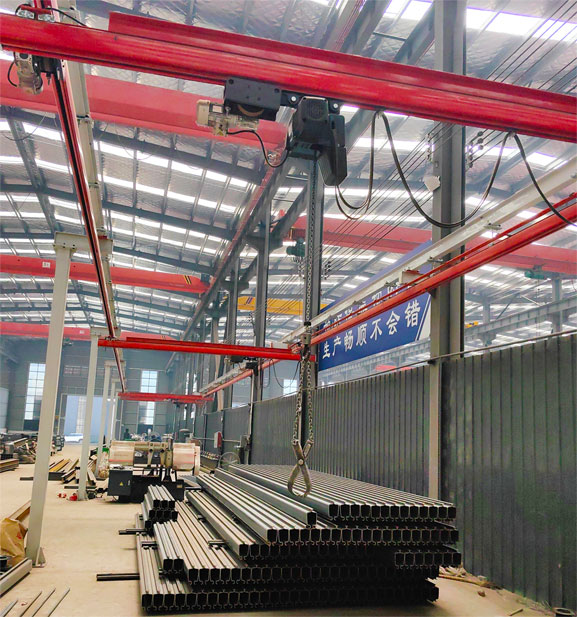
    Steel or aluminum KBK light load lifting system has changed the traditional industrial field of understanding of the crane, so that the crane design is more lightweight, assembly is more square to review the use of more ergonomic, revolutionary to improve the efficiency of the work, for the industrial field to provide a more cost-effective choice.

    KBK Suspension Cranes for sale

    KBK Light Duty Crane VS Traditional Traveling Crane

    Reduce the cost of plant: the equipment does not need to use the plant bull legs, in the early design stage of the plant, you can greatly reduce the plant column load-bearing design, a substantial reduction in the cost of the plant.

    No need to change the plant: for the existing workshop, can be added at any time according to the production needs, without any modification of the plant structure;

    Less idle equipment: according to the actual need to cover the handling space, the precise design, Z to minimize the waste of idle equipment.

    Modular design: according to the changing production needs, increase or decrease, disassemble and relocate easily and quickly, without affecting the normal use of other regional cranes; more accurate positioning: light structure, easy to operate, accurate positioning.

    More energy-saving and environmentally friendly: low power, low energy consumption, energy saving and environmental protection.

    Extremely low operating noise: simple structure, low failure rate, greatly reducing the equipment failure band.

    High comprehensive benefits: maintenance-free track system, easy maintenance of electrical components, and low cost, reducing equipment failure caused by time and labor costs, etc.

    KBK Suspension Cranes for sale

  • KBK Flexible Combined Suspension Crane, KBK Flexible Combined Single Girder Suspension Crane

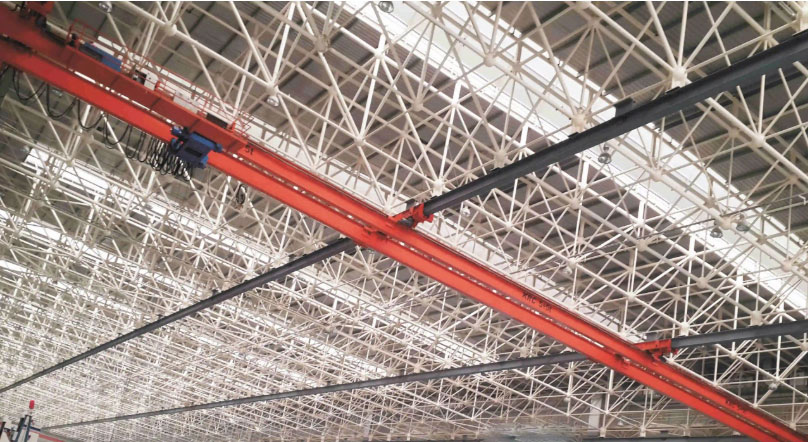
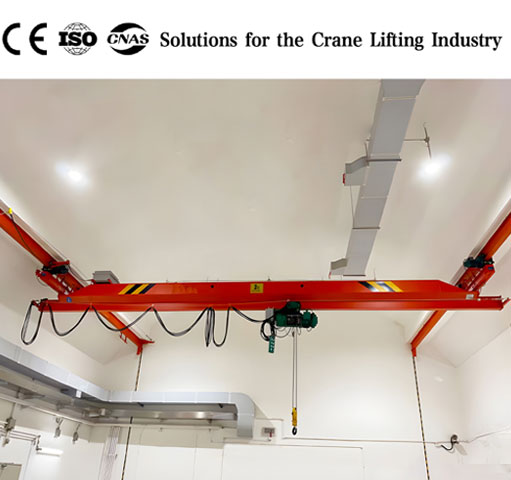
    KBK-LD (LX) type flexible combined single girder suspension crane, its design lifting capacity: 0.25, 0.3, 0.5, 1, 1.5, 2, 2.5 tons (t), etc., the machine is composed of suspension I-beam, KBK track, running trolleys, chain hoists, lifting control electrical systems, etc., suspension mode, that is, the KBK crane system hanging on the roof of the workshop floors, completely does not take up ground space suspension mode, design drive mode is divided into manual, semi-electric and fully electric. Suspension mode, that is, KBK crane system hanging on the roof of the workshop floor, completely without occupying the ground space of the suspension mode, the design of the drive mode is divided into manual, semi-electric and fully electric. In order to apply to different working environments to choose.

    KBK Flexible Combined Suspension Crane, KBK Flexible Combined Single Girder Suspension Crane

    Suspension crane parameters

    KBK-LD (LX) type flexible combined single girder suspension crane is a combination of standard straight section rail and other auxiliary standard parts. The trolley traveling part at both ends of the main girder can run in two parallel tracks perpendicular to the direction of the main girder. The single girder is used together with various types of fixed electric chain hoists, and the special KBK driving device drives the hoist to run along the direction of the main girder.

    This kind of product is used for flat material transportation, used in workshop warehouse and other sites. Flexible combined single girder suspension crane due to a special system of toughness and freedom, it can be tilted in the running rail walking, but also in the variable span track walking, but also in the two with the center of the circle in the curved rail running for other kinds of similar products is impossible to realize the flexible combined single girder suspension crane Z large span 0m, Z large lifting 2500kg.

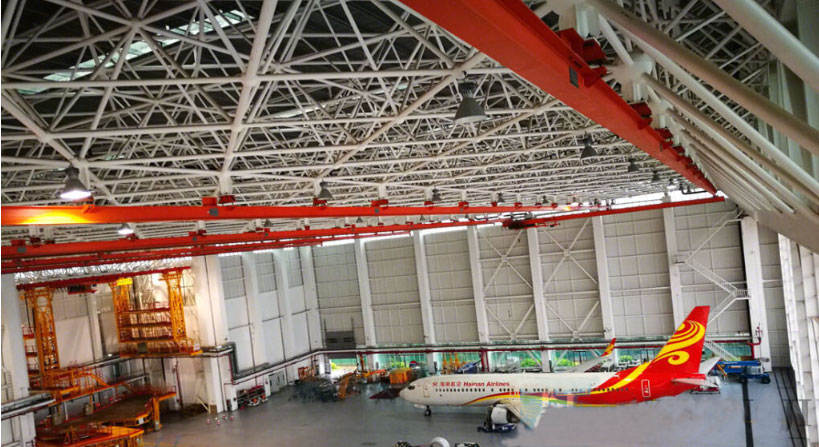
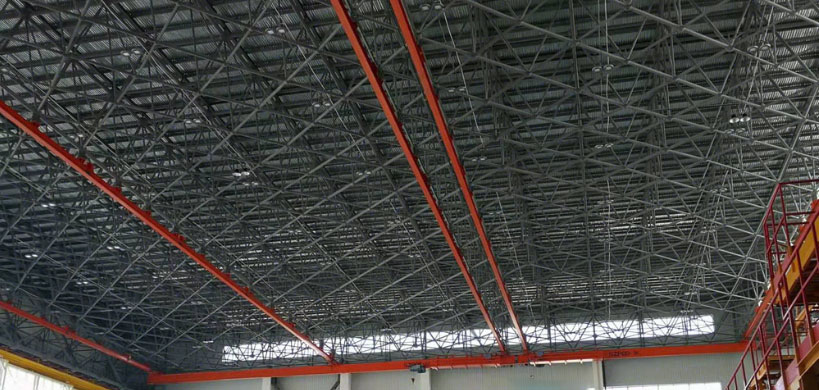
  • LX multi-point suspension crane manufacturer LX aerospace airport multi-point crane company

    Multi-point crane product introduction :
    The LX multi-pivot electric single-beam suspension crane adopts lightweight, modular and automated design. The lifting mechanism adopts the new Chinese electric hoist with safe and reliable performance technology, energy saving and environmental protection. The trolley running mechanism adopts a one-in-one drive device to drive separately, and the control adopts an advanced variable frequency speed control system. Cranes in the aerospace field include multi-pivot suspension cranes, suspension over-rail cranes and rotary lifting platforms .

    LX multi-point suspension crane manufacturer LX aerospace airport multi-point crane company

    Multi-point crane performance parameters:

    Lifting capacity: 3 tons, 5 tons, 10 tons, 15 tons, 16 tons, 20 tons, 30 tons, 32 tons, 40 tons .
    Number of fulcrums: 3 fulcrums, 4 fulcrums, 5 fulcrums, 6 fulcrums, 7 fulcrums , 8 fulcrums.
    Total span: up to 90m.
    Lifting height: 3m-30m.
    Working levels: A3, A4, A5.
    Lifting speed: 0-5m/min variable frequency speed regulation.
    Trolley running speed: 2-20m/min frequency conversion speed regulation.
    Trolley running speed: 5–32m/min variable frequency speed regulation.
    Control method: ground hand operator + wireless remote control.
    Working voltage: 380V±10%, 50Hz±1%.
    Meet safety-related requirements: configure emergency stop buttons and post warning signs at dangerous parts of the equipment.
    To meet relevant requirements such as environmental protection, fire protection, and occupational health, the equipment must be reliably grounded and have leakage protection.

    Multi-point crane product features:
    1. High efficiency, automation, customization, anti-sway function, anti-vibration, load micro-speed function, inching function, and synchronization function.
    2. It has the flexibility to handle large components on the assembly line and provide safe and reliable transportation.
    3. Personalized solutions for transporting complete fuselages, fuselage components, tail assemblies or wings.
    4. Optimize the configuration of the crane system to meet the process requirements.
    5. Adjust the design of available space or building structure to save the initial design cost of the factory.
    6. High security, reliability and accuracy.
    7. Monitor the synchronous lifting, movement of the trolley and the carriage.
    8. Connect regional maintenance, high-altitude transportation and handling systems through various crane equipment to achieve safe, reliable handling and precise positioning of vulnerable parts.
    9. Precise synchronous operation of multiple hoists.

    LX multi-point suspension crane manufacturer LX aerospace airport multi-point crane company

    Components of multi-point crane:

    Main beam

    main beam shear beam design and the trolley end beam design must have the ability to compensate for problems such as sinking, arching, and deformation of the grid structure caused by thermal expansion and contraction , to ensure that the crane can be used normally under the above conditions .

    End beam

    The end beam running wheels of multi-point suspension cranes are made of wear-resistant ductile iron or engineering plastics, thus reducing the wear of the running wheels and trolley tracks.

    The end beam wheel adopts a single wheel rim structure with guide wheel design, which ensures smooth operation.

    Independent friction drive wheels transmit the drive force to the track and are not affected by the load.

    Guide wheel devices are installed at both ends of the end beam to avoid rail gnawing .

    The high friction coefficient between the driving wheel and the track prevents the running wheel from slipping.

    Easy to assemble and maintain.


    General electrical protection

    Conventional electrical protection: zero position, overcurrent, overvoltage, undervoltage, short circuit, overheating, grounding, etc. The metal structure on the crane, the metal casing of the electrical equipment, the guide rails and other parts are reliably grounded.

    Lifting mechanism

    Motor reducer three-in-one design, compact structure, light weight , energy saving, maintenance-free , high reliability

    Motor – squirrel cage asynchronous motor, synchronous speed, heavy duty, duty cycle 60% ED, optimized air cooling ( cooling increased by 30%)

    Motor protection class I F 55, F class insulation

    Reducer – sealed, compact, hardened tooth surface, silent design, semi-grease lubrication, maintenance-free

    Brakes – electromagnetic disc brakes, self- adjusting brake pads, maintenance-free, heavy-duty, dust-proof

    Large diameter drum, high-strength steel wire rope, four-point limit switch, humanized hook design, safety monitoring unit

    Multi-point crane application scope:

    for aerospace industry, airport maintenance cranes

    Aircraft manufacturing, aircraft maintenance, aircraft repair

    with multiple support points and a span of up to 90 meters offer an efficient solution

    Optimize deadweight and reduce the load on the superstructure of the plant

    Low headroom for ideal hook height

    High-altitude handling and the overhanging design of the internal main beam can fully utilize the available space

    Through the crane interlocking system, different working areas can be connected to each other

    LX multi-point suspension crane manufacturer LX aerospace airport multi-point crane company
    1 Detailed technical requirements
    1.1 Main technical requirements of equipment
    1.1.2 The crane should be equipped with an anti-sway system to ensure that when the trolley is running, the swing amplitude is ≤ 20cm when any weight within the rated load moves at the rated maximum speed .
    1.1.3 The crane shall have the functions of power failure protection, overload protection, phase loss and phase mismatch protection of the main contactor, lifting height limit (two different types of height limit devices shall be installed at the same time, such as any two of the heavy hammer type, fire-off type, pressure plate type height limiter, etc., except for the transmission type height limiter) and running stroke limit function, power failure emergency locking function, emergency stop function, buffer, end stop , and anti-collision function with other cranes on the same track.
    1.1.4 When the lifting weight exceeds 105% of the rated lifting load, the lifting limiter will immediately cut off the power in the overload direction, the lifting equipment will send out an overload alarm signal, and then cut off the upward movement, but the mechanism can move in the downward direction.
    1.1.5 Travel limit: The trolley and the car have electrical limit and mechanical limit. The mechanical limit switch safely limits the movement of the crane to the end. The travel of the trolley and the car realizes the primary and final limit. It has the function of anti-collision limit and crane speed limit.
    1.1.7 The equipment complies with AQ/T7009 “Standardization Specification for Safety Production of Machinery Manufacturing Enterprises”
    * 1.2.4 The track span of all cranes should be measured on site before processing, and the reasonableness of the crane size should be verified based on the actual situation on site before equipment production.
    * 1.2.5 The track load capacity shall meet the full load working requirements of all cranes in each span. The specific parameters of the track model shall be designed by the bidder according to the requirements of the bidding documents, but shall not be less than H588*300*12*20 steel. The specific parameters of the track model shall be approved by the design unit of this project and the buyer before it can be put into production.
    *1.2.8 Control method: ground hand operator + wireless remote control. by a ground wired control box. The protection level of the remote controller and the control box shall not be lower than IP55 . The remote control and ground wired hand control box are interlocked .
    * 1.2.9 Crane power supply introduction method: Use three-phase five-wire single-pole safety busbar, and the safety busbar should run smoothly without jamming. The power supply between the safety busbar and the crane adopts a three-phase five-wire double-powered device, and the power supply from the crane to the electric hoist adopts a highly flexible flat cable. The safety busbar must be a 3C certified product, and the specifications must meet the maximum load requirements of the crane. The power supply contact is good when the busbar is running, and the mounting bracket is firmly fixed without cracks and other welding defects.
    1.2.10 Carriage unit:
    Trolley frame: The trolley frame is designed as a low-clearance monorail hoist, running on the lower edge of the crane main beam .
    The output shaft of the trolley reduction gearbox directly drives the driving wheel, without open gears and maintenance-free.
    1.2.12 Electrical safety complies with GB 5226.1, GB/T 5226.32 and AQ/T 7009 provisions.
    1.2.13 Electrical control box. The protection level of the distribution box (cabinet, panel) is IP54, in accordance with the provisions of GB / T 4208 .
    1.2.14 It is required to select products that meet national energy efficiency rating requirements, such as high-efficiency motors.
    1.2.15 Install the power indicator light. The indicator light must be LED type, and one set should be installed at each conspicuous position at both ends of the rail , for a total of two sets.
    1.2.16 The crane control circuit must use safe voltage.
    1.2.17 Performance testing of lifting equipment in accordance with TSG Q7016 provisions.
    1.2.18 After winning the bid , the manufacturer shall coordinate the crane parameters with the design unit, including the large wheel layout, wheel pressure, deadweight, track span and installation method , etc. , and the design institute shall stamp and approve them and submit them to the buyer for filing.
    Operating voltage safety voltage
    1.2.20 The crane hook is equipped with an anti-unhooking device
    1.2.21 Crane noise : in compliance with Chinese national standards (noise no more than 80dB(A))
    1.2.22 The crane is equipped with a fully enclosed anti-leakage device to ensure that the lubricating oil does not leak during use.
    21.2.23 The crane has weighing and display functions. The weighing unit is kilograms . The weighing error is ≤ ±5% at rated load . The weighing device has a range of twice the maximum lifting capacity of the crane. When the lifting weight is greater than the rated load, an audible and visual alarm signal will be issued and the lifting circuit will be cut off. The display should be installed in a position that is convenient for ground personnel to observe. A load-bearing display interface is installed at a prominent position of the crane main beam (the display font size is not less than 10 inches )
    1.2.24 A safe distance is left between the crane and both ends of the factory building. The specific dimensions shall be confirmed by the crane manufacturer and the design institute in coordination and the structural strength parameters shall be confirmed . After the design institute stamps its approval, it shall be submitted to the buyer for filing.
    1.2.25 The measurement units of all crane parts and various instruments should all adopt the International Units ( SI) standards. the design , manufacture, transportation, installation, commissioning and acceptance of the connection base, rails, safety scales, mechanical limits, safety slides, mounting brackets , power supply from the distribution box to the safety slides, and lifting equipment below the steel structure connection plate.
    1.2.27 Provide compensation scheme for track deformation, and provide detection scheme and detection results.
    1.2.28 The lifting mechanism must be equipped with dual braking devices, one is the motor brake, and the other is the mechanical hoist drum brake. If there is a problem with the motor brake, the drum brake can realize the braking function. The seller must provide the structure and working principle of the drum brake.
    1.2.29 The crane end beam adopts double-sided drive wheel or friction drive design, and the wheel has a long service life . It ensures the synchronization of multiple end beams of the trolley, thereby ensuring that the crane trolley does not bite the rails during operation.
    The gearbox and friction wheel are maintenance-free design, only need to add lubricating oil regularly to prevent lubricating oil from dripping on other equipment. (See the track installation diagram for details, and there is a steel track wheel device)
    * 1.2. 30 The wheel adopts curved surface processing technology to avoid the stress-bearing part of the wheel appearing on the edge of the lower cover. Wheel material: The material used is not less than 42 CrMo steel forgings to increase the service life of the wheel.
    1.2.31 The crane has sound and light warning functions when in operation, and the warning volume must be able to be heard by ground operators.
    1.2.32 The crane trolley should have an automatic deviation correction function and a solution should be provided.
    1.2.33 The hoisting motor should have a large overload capacity and high structural strength, and be suitable for intermittent periodic work, frequent starting and braking, short-term overload and other functions. The braking torque of the brake is twice the rated torque, the braking is reliable, and it has an automatic wear compensation function. The crane has a running cumulative timing function . 1.2.34 When assembling the suspension track, the quality of the steel shape should be checked first. If there is any deformation such as bending or twisting, it should be corrected before assembly. After the crane arrives, check the deadweight , lifting capacity and other related parameters. Construction can only be carried out after verification.
    1.2.35 Technical requirements for crane steel structures
    *The crane main beam is a welded box-shaped beam, which is required to be light in weight and have high horizontal and vertical stiffness.

    The vibration frequency should comply with relevant national standards.

    The steel plate material used to manufacture the crane should comply with China’s national standards or relevant international standards and have a quality assurance certificate. The main beam material is Q355B. When the crane is submitted for acceptance, the material certificate or qualification certificate of the steel plate and important parts should be provided. The main beam steel plate material must comply with the relevant national specifications, and the rigidity must meet the requirements of national standards. The main steel structure material should have good welding processability, and the main steel structure material should have a material report and a corresponding qualification certificate. All butt welds are non-destructively tested and a flaw detection report is issued.

    The steel structure design of the crane shall fully comply with the steel structure standard of DIN15018 or equivalent international standards for steel structure or crane design.

    The crane steel structure design is reasonable, the structure is optimized, and it complies with the specifications and standards, and meets other requirements such as strength, rigidity and stability. The design should fully consider the on-site working environment: the design of the steel structure must take into account the convenience and reliability of manufacturing, inspection, transportation, installation and maintenance. Under the conditions of meeting the needs and relevant current specifications and standards, the use deformation of the steel structure is minimized through optimized design.

    The steel structure of the crane is mainly composed of the main beam, end beam, etc. The main beam is a box-shaped structure; buffers are set at both ends of each end beam, which cooperate with the trolley travel photoelectric switch.

    The external inspection of steel structure welds shall not contain cracks, holes, solid slag, lack of fusion, lack of penetration, shape defects and other defects. The main welds must be subjected to non-destructive radiographic testing and a flaw detection report must be issued.

    The main beam is welded by gas shielded welding, and all welds are required to be 100% inspected by nondestructive testing and meet the requirements of the specifications.


    The crane main beam is an important load-bearing component of the crane. Each main beam should be made strictly according to the manufacturing process standards from cutting to welding, and the design of the main beam fully meets the requirements of strength, rigidity and stability. The main beam should be designed and manufactured with consideration of the camber, and special equipment should be used to form the camber in one step during processing. The camber of the completed main beam is ensured to be LK/1000-1.2LK/1000 ( LK is the span of each section of the crane ) . The maximum camber value is controlled within the range of LK/10 in the mid-span. The initial camber during the assembly of the main beam and the camber included in the deadweight after the installation of the multi- point suspension crane are determined, which must comply with GB/T14405-2011 “General Bridge Crane” and other current relevant standards. The crane trolley running track adopts the national standard H steel track.

    The relative difference of the diagonal of the crane main beam (single span) should be less than 3mm, the difference in the center distance of the two main beams (hoisting trolley gauge) should be less than ±3mm, and the connection gap between the lower flanges of the steel rail should be average and should be guaranteed to be within: ± 3mm.

    Before the crane leaves the factory, anti-rust measures should be taken on all exposed processed surfaces. During shipment , metal surfaces should be protected to ensure that the appearance of the equipment is not damaged.

    The main beam connection of the multi-point suspension crane adopts an articulated type, and the end beam connection adopts high-strength bolts to avoid the occurrence of three- legged phenomenon and ensure reliable operation.
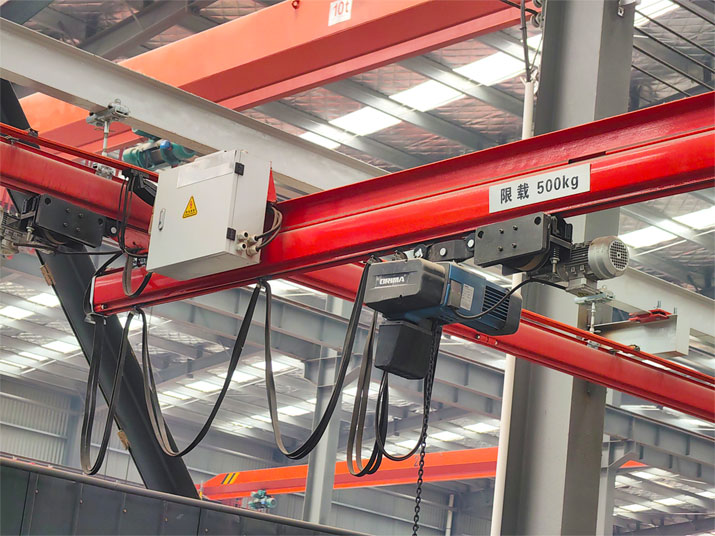
     

  • LHB type explosion-proof hoist double bridge crane

    LHB type explosion-proof hoist double bridge crane

    LHB explosion-proof electric hoist bridge crane is used in conjunction with HB (BCD), HBS (BMD) explosion-proof electric hoist or explosion-proof chain hoist. The lifting capacity is 1 ton, 2 tons, 3 tons, 5 tons, 10 tons, 163.2 tons, 20/5 tons, 32/5 tons (T), etc. The span is 7.5-22.5 meters, and we can also design and manufacture non-standard tonnage and span.

    Working level: A4-A5

    working environment: -25~+40°

  • The Evolution and Impact of Port Cranes in Global Trade

    Introduction

    Port cranes are the backbone of modern maritime logistics, enabling the efficient loading and unloading of cargo ships that drive global trade. As vessels grow larger and supply chains become more complex, port cranes have evolved to meet increasing demands for speed, precision, and automation. This article explores the types of port cranes, technological advancements, and their critical role in global commerce.

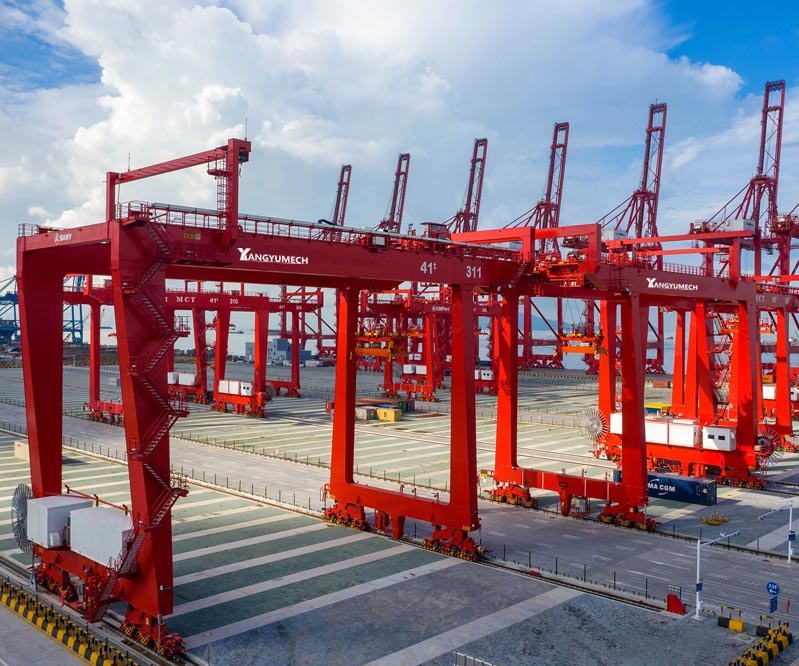
    Port gantry

    Types of Port Cranes

    1. Gantry Cranes

    2. Mobile Harbor Cranes

      • Versatile and adaptable, these cranes can handle various cargo types, including containers, bulk materials, and heavy project cargo.

      • Often used in smaller ports or multipurpose terminals.

    3. Straddle Carriers & Reach Stackers

    • While not traditional cranes, these machines assist in moving containers short distances within terminals.

    Technological Advancements in Port Cranes

    1. Automation & Remote Operation

    • Many modern cranes are semi or fully automated, reducing human error and increasing efficiency.

    • Remote-controlled and AI-assisted cranes improve safety and productivity.

    2. Energy Efficiency & Sustainability

    • Electrification of cranes reduces carbon emissions compared to diesel-powered models.

    • Regenerative braking systems capture energy during operations, lowering power consumption.

    3. Smart Crane Systems

    • IoT-enabled sensors monitor crane health, predicting maintenance needs to prevent downtime.

    • Integration with terminal operating systems (TOS) optimizes workflow and reduces delays.

    The Role of Port Cranes in Global Trade

    • Faster Turnaround Times: High-capacity cranes reduce ship idle time, keeping supply chains moving.

    • Handling Mega-Ships: Modern cranes can service vessels carrying over 24,000 TEUs (twenty-foot equivalent units).

    • Economic Impact: Efficient ports attract more shipping lines, boosting local and international trade.

    Challenges & Future Trends

    • Infrastructure Costs: Upgrading cranes to handle larger ships requires significant investment.

    • Cybersecurity Risks: Automated systems must be protected from digital threats.

    • Future Innovations: AI-driven optimization, drone-assisted inspections, and hybrid power systems are on the horizon.

    Conclusion

    Port cranes are indispensable in today’s globalized economy, continuously evolving to meet the demands of modern shipping. As automation and green technologies advance, these machines will play an even greater role in shaping the future of maritime logistics.

    Would you like a deeper dive into any specific aspect, such as automation or comparisons between crane manufacturers? Please contact us

  • QZ Grab Bucket Overhead Crane

    QZ Grab Bucket Overhead Crane

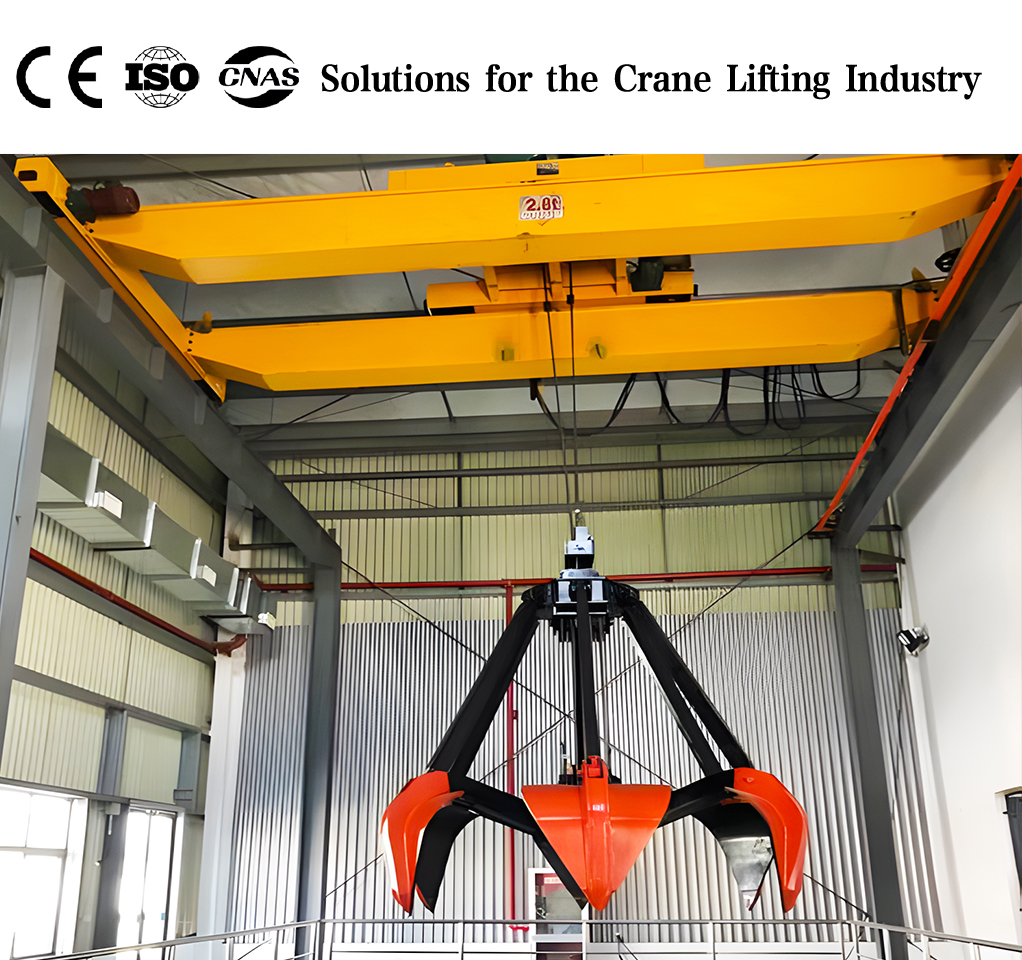
    The grab bucket overhead crane has the lifting capacity around 5 to 50 tons together with the weight of the grab bucket, which is widely used in power station, storage, workshop, and port to load and unload scattered objects.

    Lifting Capacity:5~50t
    Span:10.5~36.5m
    Working Duty:A6
    Ambient Temperature:-20~40℃

  • RTG rubber tyred gantry helps United Arab Emirates enterprise improve efficiency by 40% | Customized solution

    RTG rubber tyred gantry helps United Arab Emirates enterprise improve efficiency by 40% | Customized solution

    Double Girder Gantry Crane Rubber Tyred Gantry Crane2 Rubber Tyred Gantry Crane3

    1. Customer Background

    Efficiency bottleneck: The original crane cannot meet the daily material turnover demand of 360 tons
    Space limitation: Fixed track leads to storage utilization rate of less than 60%
    Safety hazard: 5 handling accidents occurred in the past 3 years
    “We need a solution that can move freely in a 200m×80m operating area and lift up to 60 tons” – Production Director

    2. Customized solutions demonstrate professional strength
    Lifting capacity: 20-800 tons
    Span: 20-150m
    Tire configuration: 16 high-strength load-bearing wheels
    Special functions: GPS positioning/automatic deviation correction/wind speed warning
    Flexible movement: no track required, site utilization increased by 35%
    Intelligent control: equipped with anti-sway system, positioning accuracy up to ±5mm
    Wind-resistant design: safe operation even in level 8 wind

    3. Strengthen trust endorsement during implementation
    Week 1: On-site surveying + demand confirmation, obtain personalized solutions
    Week 4: Main structure installation, 3 days ahead of schedule
    Week 6: Intelligent system debugging, obtain operation training certification
    Week 8: Full-load trial operation, obtain acceptance report

    4. Quantified results resonate with customers
    Operational benefits:
    Handling efficiency: from 25 boxes/hour → 35 boxes/hour (↑40%)
    Failure rate: 3.2 times per month → 0.5 times (↓84%)
    ROI: 14 months to recover investment

    Customer testimonials:
    “This RTG tired gantry crane has solved our transportation problems for many years, especially the production efficiency has reached a new high…” – Vice President of Operations

    Get your exclusive solution now:
    Emial: sales@yangyumech.com
    Tel/WhatsApp/WeChat: +86-15737326866

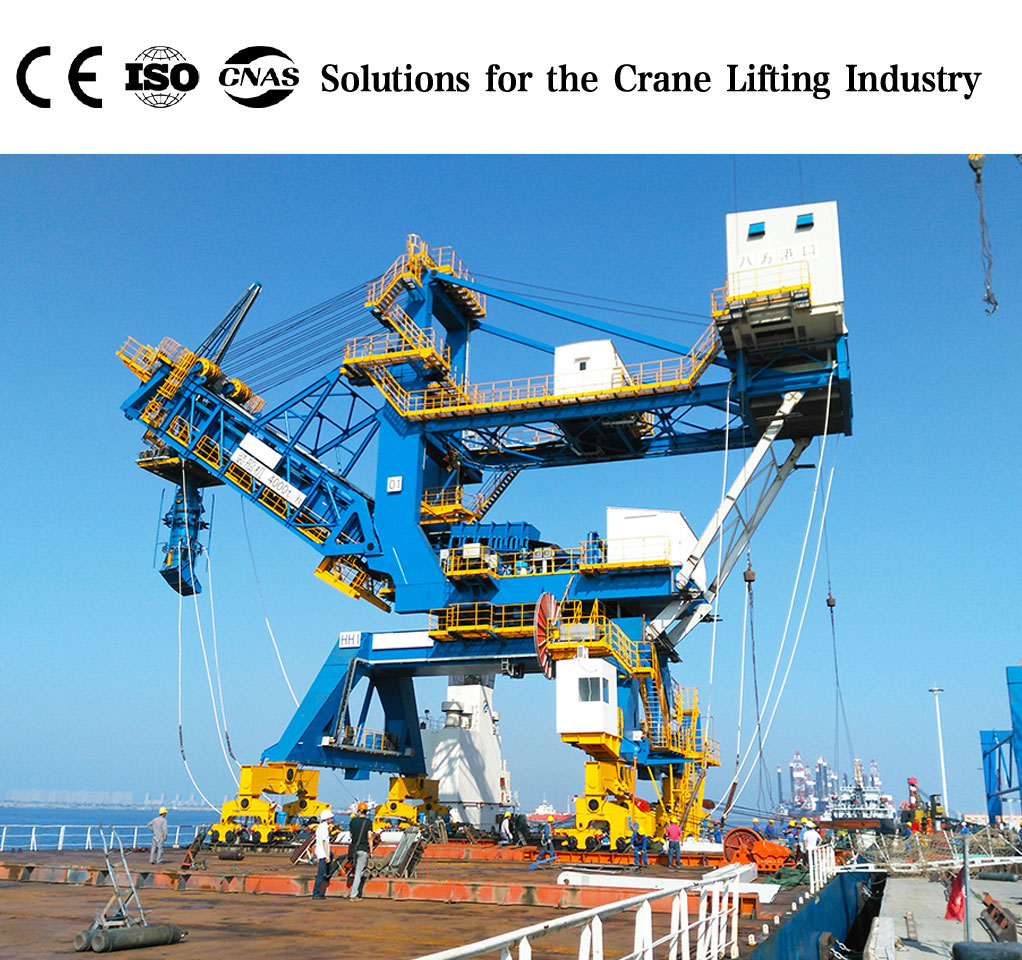
  • Ship Loader

    Ship Loader

    Ship Loader – Efficient and reliable bulk material handling is critical for smooth port operations. That’s why Yangyumech provide expertly designed ship loaders that seamlessly integrate with your port infrastructure and ensure optimal performance for your specific requirements.

    Loading capacity: 1,000 t/h to 20,000 t/h
    Vessel size: 5,000 DWT to 350,000 DWT
    Systems specifically designed to your unique requirements

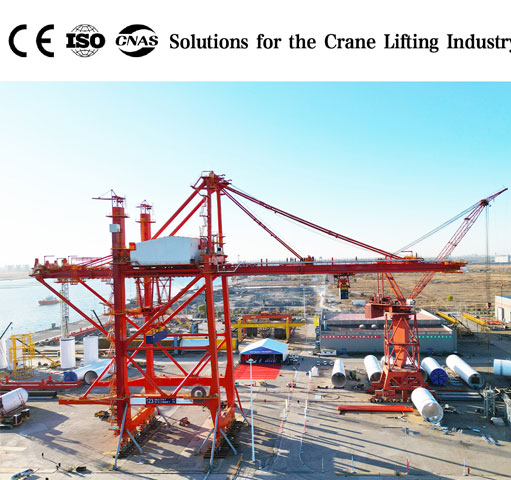
  • Ship To Shore Container Crane

    Ship To Shore Container Crane

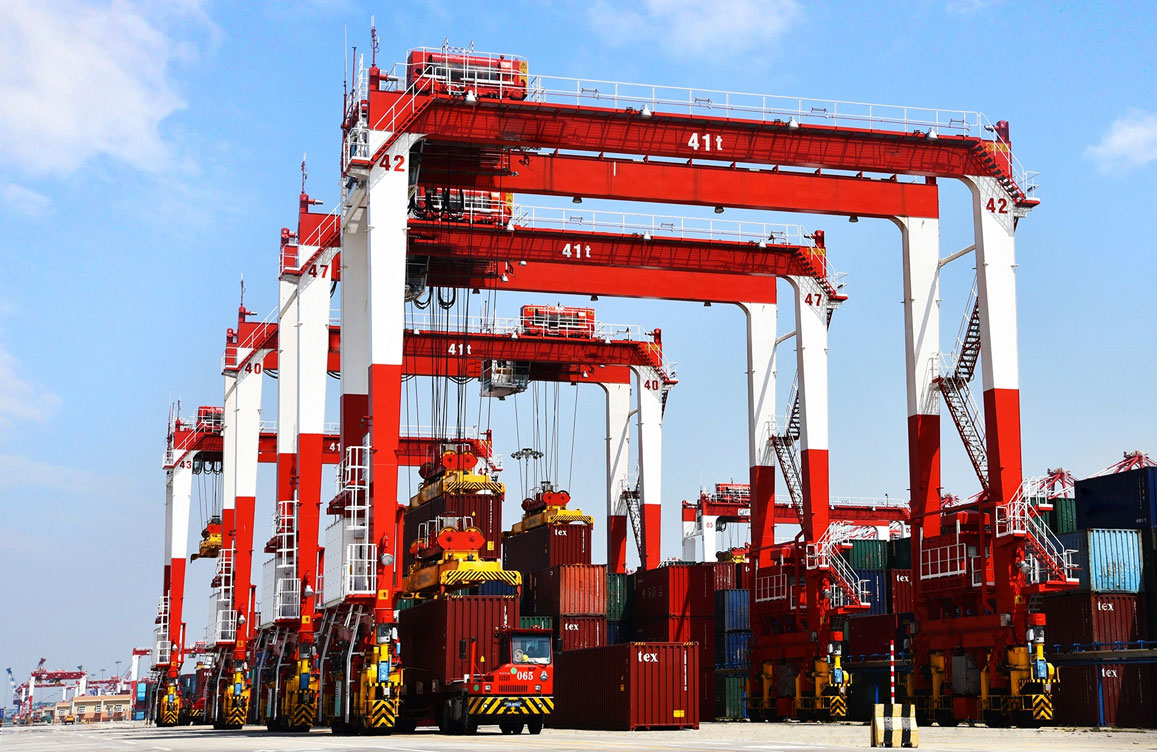
    Ship-to-Shore (STS) container cranes are critical equipment in modern port operations, designed to efficiently load and unload containers from ships to the shore and vice versa. These cranes are a key component of container terminals, enabling the rapid movement of goods and ensuring the smooth operation of global supply chains.

    In the modern port environment, reliability and productivity are the key parameters. Ship to shore container cranes (STS) achieve up to 99.5% availability during actual vessel operation.

  • LB Explosion-Proof Single Girder Overhead Traveling Crane

    LB Explosion-Proof Single Girder Overhead Traveling Crane

    The design, manufacture, installation and operation of LB explosion-proof single girder overhead crane meet the requirement of JB/T 10219 standard. This crane is equipped with HB explosion-proof wire-rope electric hoist which is a light type equipment.

    Explosion-proof Grade: ExdⅡBT4/ExdⅡCT4
    Work Duty: A4
    Lifting weight: 1-20 tons
    Lifting height: 1-30 meters
    Span: 7.5-24.5 meters
    Working level: Intermediate
    Working environment: -25℃~+40℃
    Explosion-proof grade: IIB or IIC, Grade 3 or 4 explosion-proof

  • European Single Girder Overhead Crane

    European Single Girder Overhead Crane

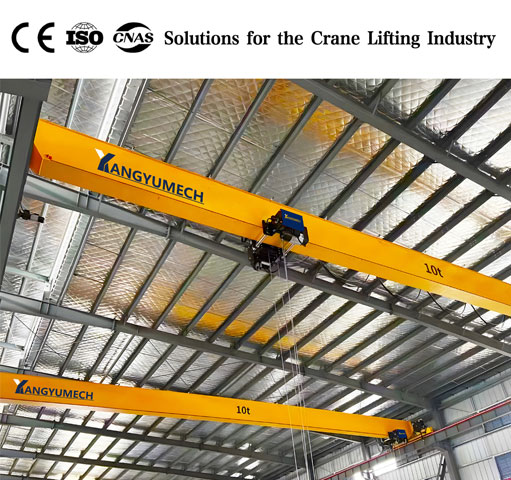
    European Single Girder Overhead Crane is designed with high configuration, which is developed with advanced design technology referring to European FEM standard. Cranes are mainly made up by single main beams, end beams, hoist, electrical parts and other.

    Span: 7.5-25.5 M

    Capacity: 1–18.5 T

    Traveling Rail: P24~P43

  • Rail mounted container gantry cranes(RMG)

    Rail mounted container gantry cranes(RMG)

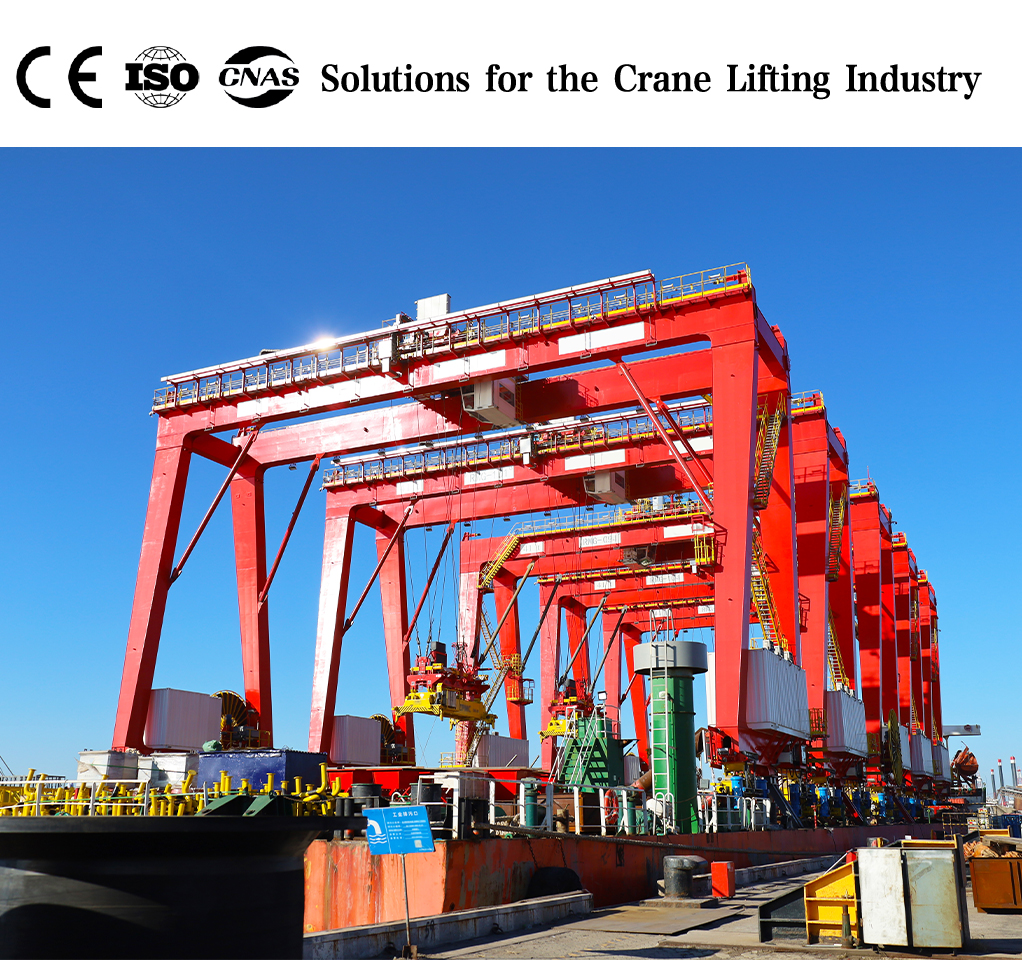
    Rail-Mounted Gantry (RMG) crane is the product of decades of crane design experience and knowledge. It incorporates a host of technological innovations, including the smarter cabin with video and monitoring technology that provides superb visibility to container handling operations. We can tailor your RMG for your specific operation. Rail mounted gantry cranes (RMGs) are manufactured to individual customer needs in a variety of different stacking heights and spans. Supplied with Yangyumech rail mounted gantry crane delivers exceptional productivity and reliability.

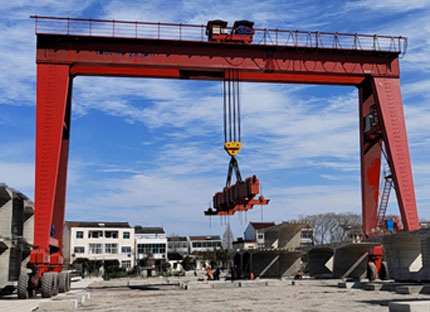
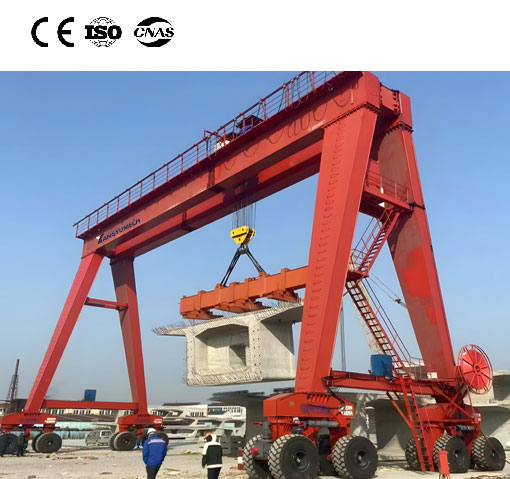
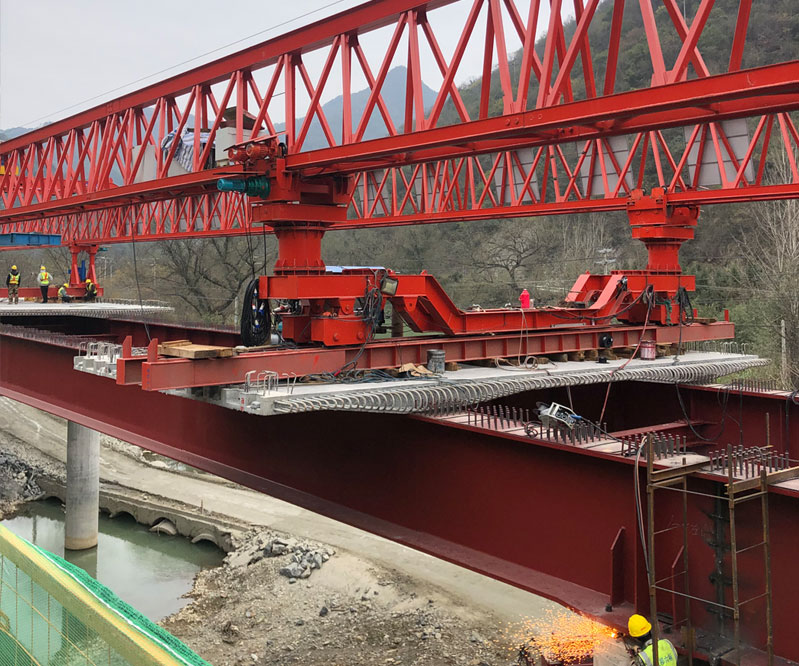
  • 1000-ton beam lifting machine successfully completed the lifting operation

    1000-ton beam lifting machine successfully completed the lifting operation

     1000-ton beam lifting machine

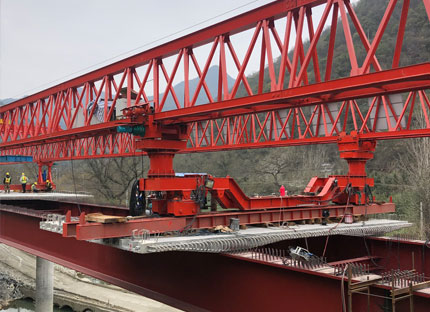
    The beam lifting machine demonstrated excellent stability and load-bearing capacity, laying a solid foundation for subsequent construction.
    The construction personnel worked closely together to ensure that every link of the lifting process was foolproof. The successful completion of this lifting task not only demonstrated the professional skills of the team, but also marked that the project has entered a new stage. Next, the team will continue to work hard to ensure the smooth progress of subsequent work, in order to achieve the overall goal of the project as soon as possible.

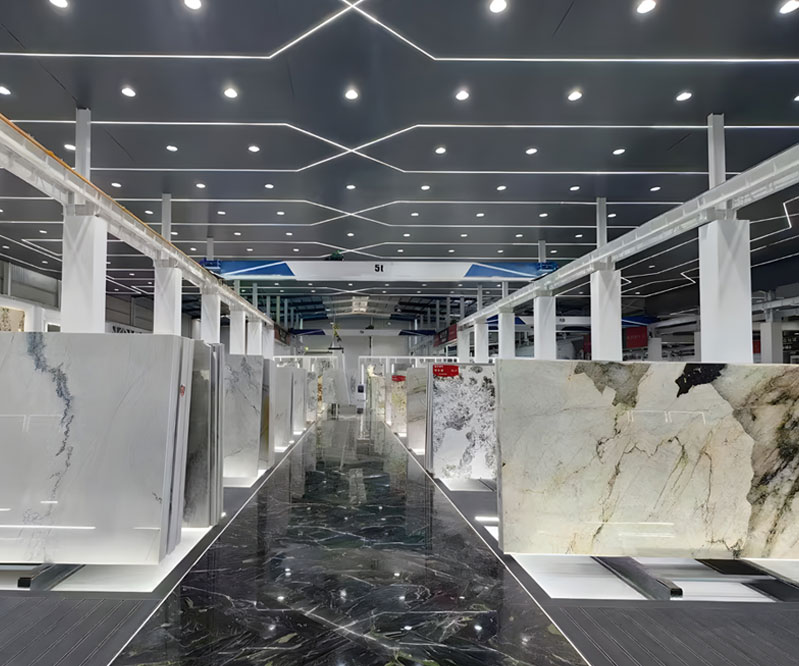
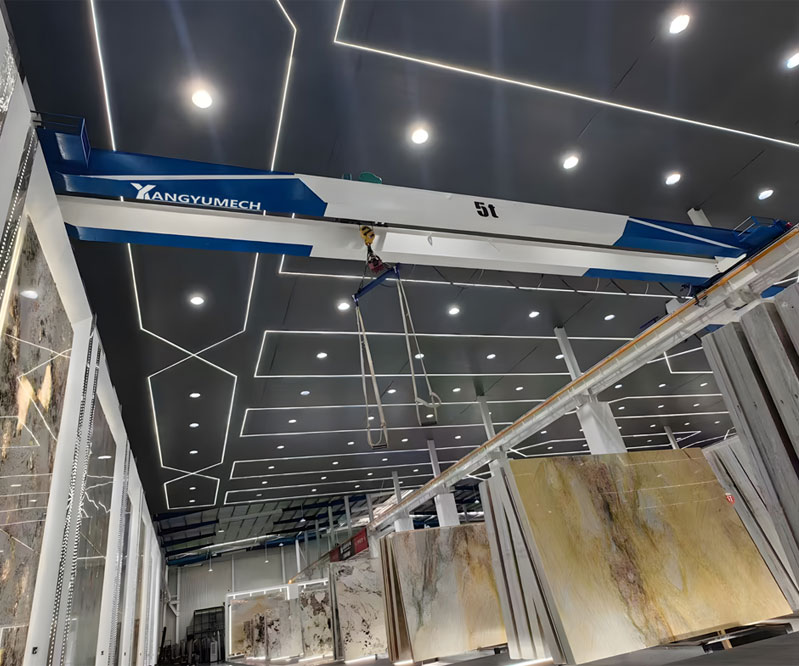
  • Marble manufacturer chooses Yangyumech 5-ton bridge crane

    Marble manufacturer chooses Yangyumech 5-ton bridge crane

     5-ton bridge crane

    Marble manufacturers choose to use YangyuMech 5-ton bridge cranes, which are mainly used in the following scenarios:
    1. Material handling: Use the crane’s lifting capacity to easily and quickly move marble raw materials, semi-finished products or finished products.
    2. Loading and unloading operations: In warehouses, production lines and other areas, cranes can be used to load and unload marble products to improve work efficiency.
    3. Platform construction: When it is necessary to build an aerial work platform, the crane can provide stable support to ensure the safety of the operation.
    4. Inspection and processing: During product inspection or processing, the crane can be used to move marble products to a designated location for easy operation.
    5. Save manpower: Compared with manual handling, cranes can reduce labor intensity, improve production efficiency, and save labor costs.

    In order to improve production efficiency, a marble manufacturer selected a 5-ton bridge crane during the production line transformation. By using the 5-ton bridge crane, the marble manufacturer improved production efficiency, reduced production costs, and ensured production safety.

    5-ton bridge crane

  • Our Mongolia office has been officially established and will be committed to expanding the local market and promoting business development

    Our Mongolia office has been officially established and will be committed to expanding the local market and promoting business development

    Mongolia Crane Office established

    Dear partners and colleagues,
    After careful planning and preparation, we are pleased to announce that the company has successfully established a new office in Ulaanbaatar, Mongolia. This milestone marks our further expansion of our business layout in the Asian market.
    The establishment of the Mongolia office aims to strengthen cooperation with local companies and institutions, gain a deeper understanding of the needs of the Mongolian market, and provide our customers with more convenient and efficient services.

    Yangyumech Co., Ltd. is a modern enterprise integrating R&D, manufacturing and sales. Its main products include single and double girder bridges, gantry cranes, track and tire-type road bridge gantry cranes, subway gantry cranes, highway, railway, U-shaped beams, segmental assembly bridge erecting machines, mobile formwork, steel arch bridges, overpass steel beams, steel box beams and various crane accessories.

    We will uphold the company’s consistent purpose and actively promote the operation and development of the Mongolia office. The following is the contact information of the office:
    Telephone: [+86-15737326866]
    Email: [sales@yangyumech.com]
    Thank you for your support and efforts, let us look forward to the new opportunities brought by the Mongolia office.
    Sincerely,
    [Yangyu Machinery Co.,Ltd.] 

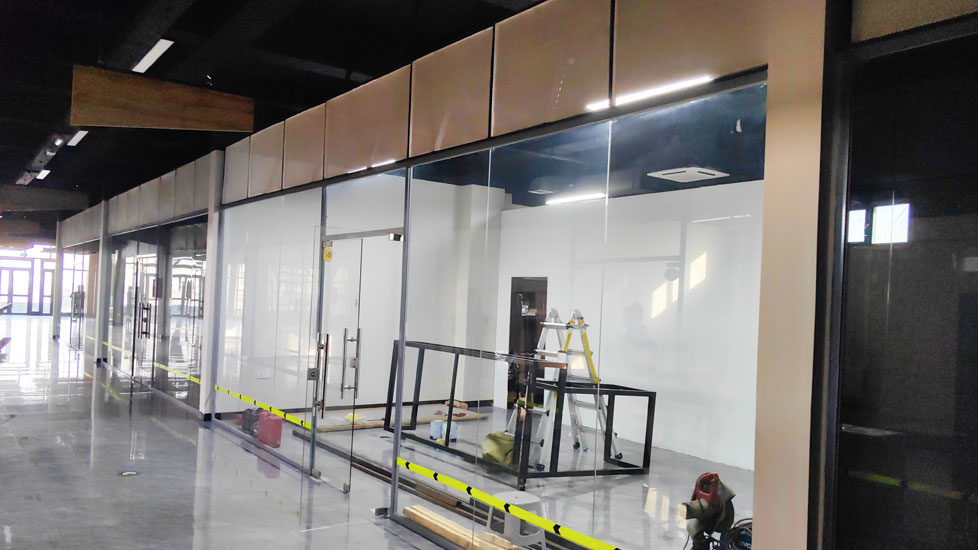
    This is our office in Mongolia.
It's under renovation right now. This is our office in Mongolia.
It's under renovation right now.

  • Classification of Hoist Cranes

    1. Classification by Structural Form

    1.Wire Rope Hoist Crane

    (1)Characteristics: It uses wire rope as the lifting medium. It has a compact structure and stable operation. It has a high lifting height and a wide range of lifting weights and is suitable for various industrial environments.

    (2)Application Scenarios: It is often used in places such as factory workshops, warehouses, and construction sites that require heavy object lifting and handling. For example, on construction sites, it is used to lift construction materials and equipment.

    2.Chain Hoist Crane

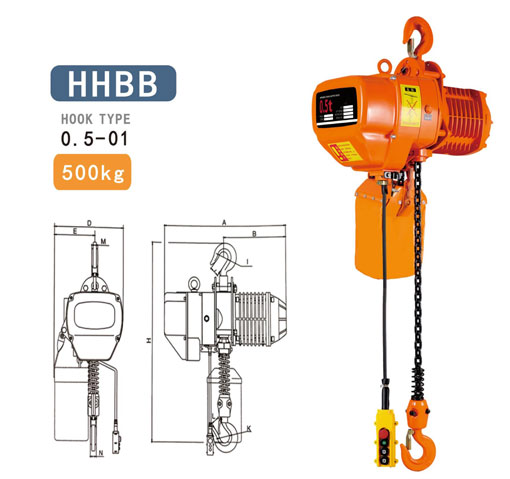
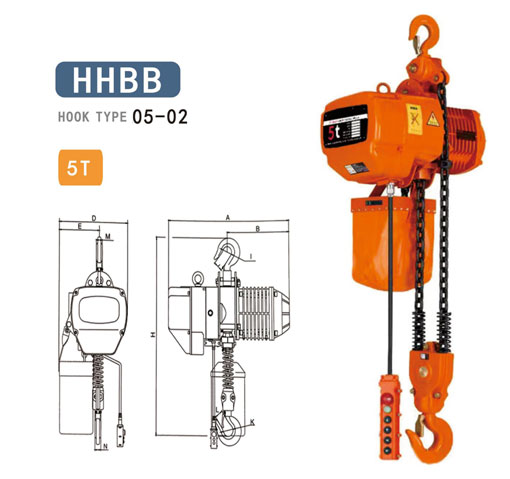
    (1)Characteristics: It uses a chain as the lifting mechanism. Compared with wire rope hoists, chain hoists have a faster speed. The lifting chain has strong bearing capacity, is wear-resistant, and has relatively low maintenance costs.

    (2)Application Scenarios: It is widely used in fields such as machinery manufacturing and automobile assembly. For example, on an automobile production line, it is used to lift automobile parts.

    53

    1. Classification by Usage Scenarios

    1.Stationary Hoist Crane

    (1)Characteristics: It is installed on a fixed support structure and usually cannot move. It has the advantages of high stability and large bearing capacity and is suitable for occasions where lifting operations are carried out at a specific location for a long time.

    (2)Application Scenarios: It is commonly seen at specific workstations in factories and in the loading and unloading areas of port terminals. For example, at ports, it is used at fixed lifting points for loading and unloading large goods.

    2.Mobile Hoist Crane

    (1)Characteristics: It is equipped with a mobile device and can move freely within a certain range, with high flexibility. It includes rail-mounted mobile hoist cranes and tire-mounted mobile hoist cranes, etc.

    (2)Application Scenarios: Rail-mounted ones are often used for material handling in workshops and run along preset rails; tire-mounted ones are suitable for outdoor or sites without fixed rails, such as temporary construction sites.

    III. Classification by Driving Mode

    1.Electric Hoist Crane

    (1)Characteristics: It is driven by electricity, with convenient operation and a high degree of automation. It can achieve precise lifting and descending control and has high operating efficiency.

    (2)Application Scenarios: It is the most common type of hoist crane in modern industry and is widely used in various factories, warehouses, etc.

    2.Manual Hoist Crane

    (1)Characteristics: It is operated manually to achieve lifting and descending. It has a simple structure, low cost, and does not require a power supply. It is suitable for places without power supply or with unstable power supply and some small-scale operation occasions.

    (2)Application Scenarios: It has certain applications in some small maintenance workshops and construction sites in remote areas.


  • The advantages of electric chain hoist

    1. High efficiency

    The lifting speed is fast, which can significantly improve work efficiency and shorten operation time. – For example, in the scenario of cargo loading and unloading, it can quickly lift and lower heavy objects and accelerate the logistics circulation speed.

    1. Simple operation

    It is equipped with an advanced control system, such as remote control or button operation, which is convenient for operators to carry out precise control. – For instance, in some high-altitude working environments, operators can easily control the hoist in a safe position.

    1.  High safety

    It has a variety of safety protection devices, such as overload protection and limit protection, which effectively reduce the risk of accidents. – If the weight of the goods exceeds the carrying capacity of the hoist, the overload protection device will automatically start to avoid equipment damage and casualties.

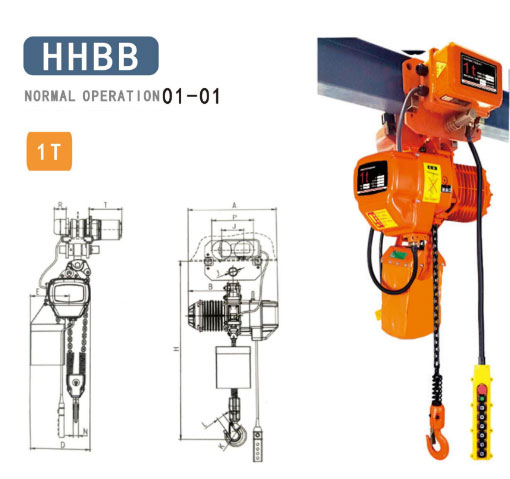
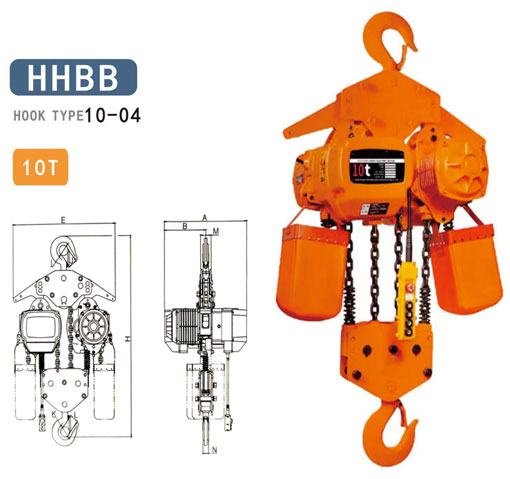
    new1 new2 Electric Chain Hoist 20t

    4.Good stability 

    It runs smoothly, which can ensure the stability of the goods during the lifting process and reduce shaking and swinging. – When lifting precision instruments or fragile items, it can ensure that the goods are not damaged.

    1. Strong adaptability

    It can be used in different working environments, including harsh conditions such as high temperature, humidity, and dust. – Like in some factory workshops with complex environments, the electric chain hoist can still work normally.

    1. Low maintenance cost

    The structure is relatively simple and easy to maintain and maintain, reducing the cost of long-term use. – Regular simple inspections and maintenance can extend the service life of the hoist.

    1. Energy conservation and environmental protection

    Compared with traditional lifting equipment, electric chain hoists usually have lower energy consumption and are more environmentally friendly.

    1. Low noise

    The noise generated during operation is small, which helps improve the working environment.

    In conclusion, the electric chain hoist has been widely used in many fields by virtue of its advantages such as high efficiency, safety, and stability.

  • The conventional parameters of chain hoists

    1. Lifting capacity

    This is the maximum weight of goods that the chain hoist can lift. Common lifting capacities include 0.5 tons, 1 ton, 2 tons, 5 tons, 10 tons, etc.

    1. Lifting height

     It refers to the maximum vertical distance that the hook can rise, such as 3 meters, 6 meters, 9 meters, etc.

    1. Lifting speed

     Generally, it is measured in meters per minute, such as 5 meters per minute, 8 meters per minute, etc. The speed may vary under different loads.

    5 new3

    1. Running speed

    That is the speed at which the chain hoist moves in the horizontal direction.

    1. Motor power

     It is usually measured in kilowatts (kW), such as 1.5kW, 2.2kW, etc.

    1. Chain specification

    It includes the diameter, material (such as alloy steel), pitch of the chain, etc.

    1. Working level

    It reflects the frequency of use and load status of the chain hoist, such as M3, M4, etc.

    1. Power supply type

    Common ones include AC 220V, 380V, etc.

    1. Protection level

    For example, IP54, IP55, etc., indicating its dustproof and waterproof capabilities.

    1. Noise level

    It is usually measured in decibels (dB).

    For example, a chain hoist has a lifting capacity of 2 tons, a lifting height of 6 meters, a lifting speed of 8 meters per minute under light load and 4 meters per minute under heavy load, a motor power of 2.2kW, a chain diameter of 8 millimeters, a working level of M4, a power supply of 380V, a protection level of IP55, and a noise level of about 70dB.

  • A Valuable Assistant in the Workshop – Chain Hoist and Heavy Object Lifting

    In the modern workshop production scenario, carrying out heavy object lifting operations efficiently and safely is one of the key links to ensure the smooth progress of the production process, and the chain hoist undoubtedly becomes a valuable assistant here.

    Chain hoists mainly include various types such as manual chain hoists and electric chain hoists.

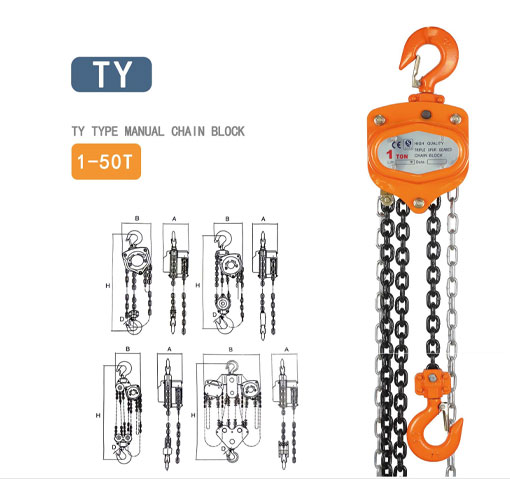
    The manual chain hoist is like a silent and reliable partner. In areas where heavy objects need to be lifted temporarily or where the power supply is not very stable, it can “step forward” at any time. Although its structure is relatively simple, it contains exquisite mechanical principles. By pulling the manual chain with human force and through the transmission of the sprocket and gear set, heavy objects can be slowly lifted to the appropriate height. Moreover, the portability of the manual chain hoist is also a major highlight. It can be easily carried to every corner of the workshop. Whether it is assisting in equipment installation or arranging and sorting out small parts, it can complete the tasks excellently. At the same time, its maintenance cost is also relatively low. As long as the operator strictly follows the operating procedures and regularly checks the wear and lubrication of the chain, it can maintain a good working state for a long time.

    new4 5

    The electric chain hoist is like an “Iron Man” full of power and efficiency. In workshops with large-scale and continuous production, the advantages of the electric chain hoist are extremely obvious. Driven by electricity, it can realize the lifting and movement of heavy objects quickly and smoothly. On the production line in the workshop, it can accurately lift the processed parts from one workstation to the next; during the repair and maintenance of large equipment, it can easily lift the heavy components to provide sufficient operating space for the maintenance personnel. And many advanced electric chain hoists are also equipped with intelligent control systems, which can realize multiple functions such as remote control, precise positioning, and overload protection, greatly improving the safety and convenience of production.

    In the actual application in the workshop, there are strict specifications and procedures for the chain hoist in heavy object lifting. First of all, before lifting, the operator must conduct a comprehensive inspection of the chain hoist to ensure that the chain is not damaged or twisted, and the braking device is sensitive and reliable. For the lifted heavy object, its weight needs to be accurately evaluated, and overloading is strictly prohibited to prevent danger. During the lifting process, the operator must stay focused to ensure that the heavy object rises and falls smoothly and avoid situations such as shaking and tilting.

    In addition, the workshop managers also attach great importance to the maintenance work of the chain hoist. Professional personnel are regularly arranged to carry out maintenance, clean and lubricate the chain, and check the wear of key components such as the motor and gears. For chain hoists that have been used for a long time, they will be replaced or upgraded and renovated according to the actual situation to ensure that their performance is always kept in the best state.

    In short, on the stage full of vitality and challenges in the workshop, the chain hoist, with its unique advantages and reliable performance, plays an irreplaceable role in the field of heavy object lifting, escorts the efficient production and safe operation of the workshop, and helps enterprises move forward steadily in the fierce market competition and continuously create new glories.

  • The working process of the chain hoist operation

    1. Preparation stage

        Inspect the appearance of the chain hoist to confirm that the chain is not twisted or damaged, and the hook is firm and not deformed.

        Ensure that there are no obstacles in the working area and that the surrounding personnel are at a safe distance.

        Connect the power supply and check whether the electrical system is normal.

    new3 5 new4 chain pulley blockwith trolley 1 ton 2 ton 10 tonprice

    1. Hanging the heavy object

        Securely attach the hook to the appropriate position of the heavy object to ensure a firm and reliable connection.

    1. Start ascending

        The operator presses the ascending button, the motor starts to run, and the chain is driven by the sprocket to make the heavy object rise slowly.

    1. Lifting and moving

        Control the chain hoist to move the heavy object horizontally along the predetermined track or direction to ensure smooth and stable movement without shaking.

    1. Precise positioning

    When reaching above the target position, fine-tune the ascending or descending operation to make the heavy object reach the specified position accurately.

    1. Slow descent

        Press the descent button and slowly lower the heavy object until it is placed stably on the supporting surface.

    1. Shutdown operation

    After the work is completed, release the operation button and turn off the power supply.

    1. Inspection and maintenance

    Inspect the chain hoist, including the lubrication of the chain and the connection of electrical components, to prepare for the next use.

    For example, when handling goods in a warehouse, a chain hoist is used to lift boxes of goods, move them to the designated shelf position, and then place them accurately. The entire process follows the above working process to ensure the safety and efficiency of the handling work.

  • Exploring the Electric Hoist: The Magical Power of Easily Lifting Heavy Objects

    In the modern industrial and construction fields, the electric hoist is like a “strongman”, possessing astonishing power and being capable of easily lifting items weighing several tons or even dozens of tons. How exactly does it manage to do this? Let’s jointly unveil the mystery of the electric hoist and explore the magical power behind it.

    chain pulley blockwith trolley 1 ton 2 ton 10 tonprice

    The electric hoist is a common type of lifting equipment, mainly composed of components such as an electric motor, transmission mechanism, drum or sprocket, and hook. Its working principle ingeniously employs the principles of mechanics and mechanical transmission.Taking the common chain electric hoist as an example, when the operator activates the power supply, the electric motor starts to operate. Through the rotation of the sprocket, it drives the chain, thereby achieving the lifting and lowering actions of heavy objects. Its transmission method is efficient and stable, capable of accurately transmitting the power of the electric motor to the hook, allowing the heavy object to be lifted or lowered smoothly.

    The magical power of the electric hoist is also reflected in its diverse types and wide range of application scenarios. For instance, wire rope electric hoists are suitable for occasions that require a large lifting capacity and height, such as large factories and construction sites; while micro electric hoists, with their compact and flexible characteristics, become powerful tools for home renovations or small-scale cargo lifting.

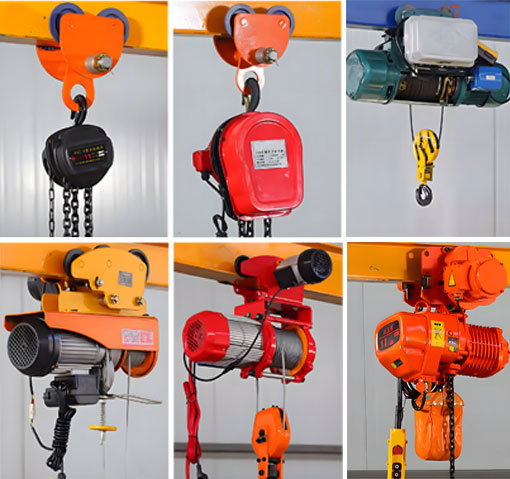
      Electric Chain Hoist

    Furthermore, the electric hoist pays great attention to stability and safety in its design. To ensure the safety of heavy objects during the lifting process, it is equipped with various safety devices, such as overload protection, short-circuit protection, and undervoltage protection. These devices can respond promptly in case of unexpected situations, avoiding accidents and safeguarding the safety of operators and the surrounding environment.In actual use, the simplicity of operation and precise control of the electric hoist are also among the reasons for its popularity. Even novices can quickly become proficient in operation after simple training. At the same time, its electrical components use well-known brand products, ensuring the reliability and service life of the electrical system.

    Not only that, the maintenance of the electric hoist is relatively straightforward. The layout of each component is reasonable, facilitating inspection and replacement, greatly reducing maintenance costs and downtime, and improving work efficiency.

    However, to fully exert the magical power of the electric hoist, correct operation and regular maintenance are of crucial importance. Before use, it is necessary to carefully inspect whether each component is complete and firm, and whether there are any abnormalities such as wear on the chain or wire rope. During operation, it is necessary to strictly adhere to the operating procedures and avoid improper behaviors such as inclined pulling and overloading. After use, promptly perform maintenance tasks such as cleaning and lubrication on the electric hoist.

    In conclusion, with its unique structure and working principle, the electric hoist demonstrates the magical power of easily lifting heavy objects. Whether in large-scale industrial production sites or in small-scale lifting needs in daily life, the electric hoist is quietly playing an important role, bringing convenience and efficiency to our work and life. With the continuous advancement of technology, the electric hoist is also constantly evolving and improving. In the future, it will continue to showcase its powerful strength in various fields and provide reliable lifting solutions for more industries. Let’s witness the continuous innovation and transformation of the electric hoist in the development of the times together!

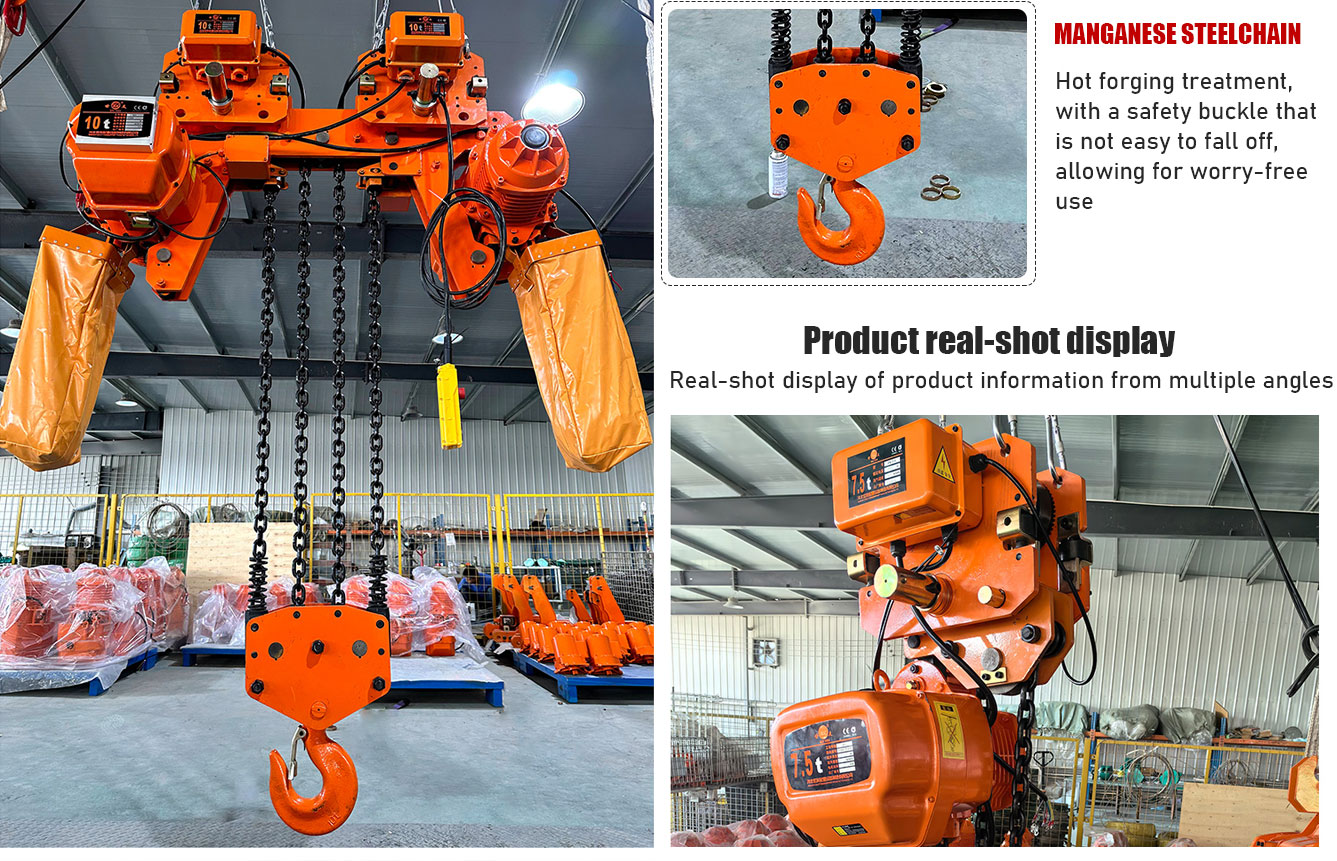
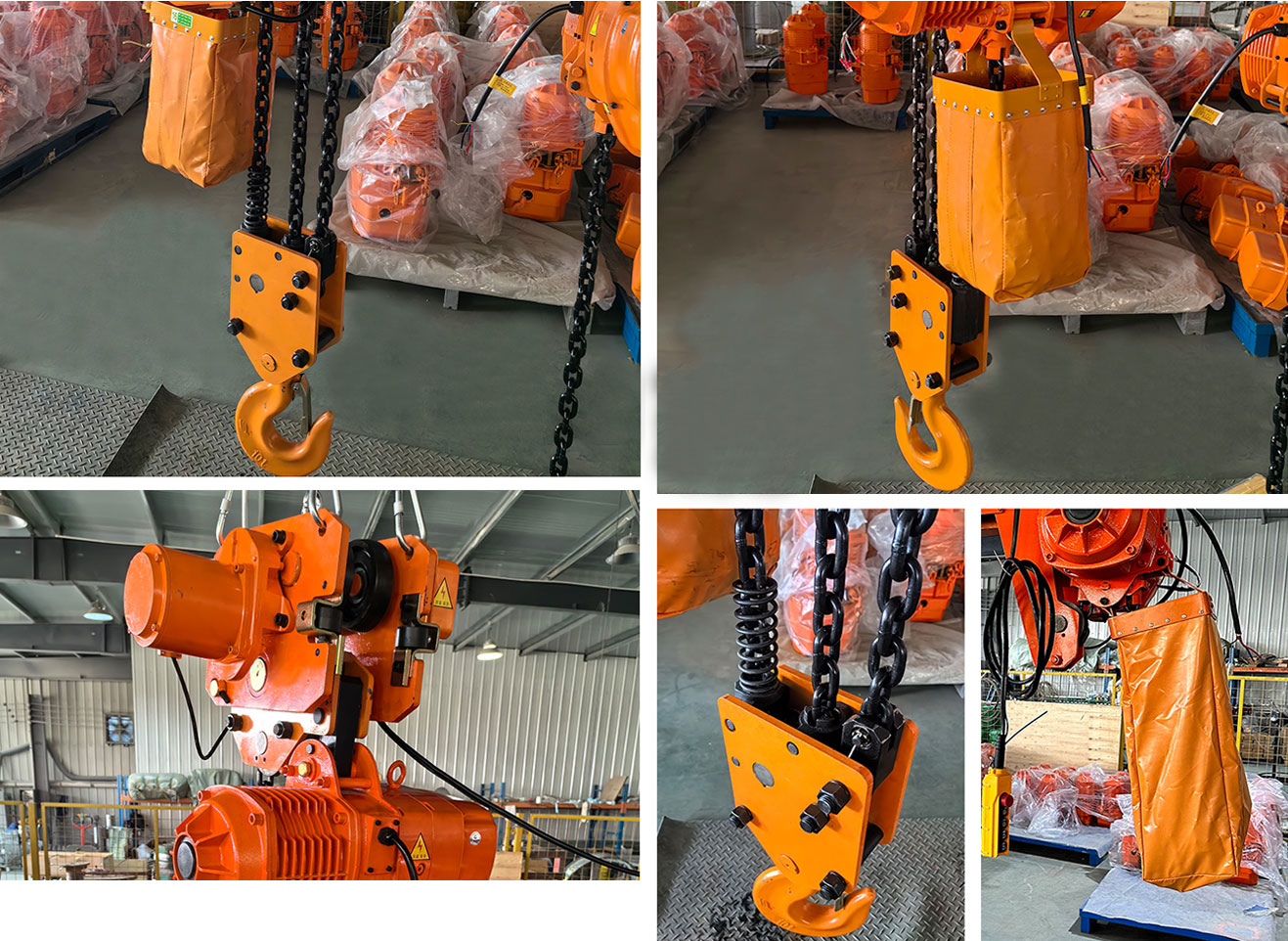
    Electric Chain Hoist Product real-shot display

  • Classification and Characteristics of Overhead Travelling Cranes

    1. General-purpose Overhead Travelling Crane

     Characteristics

    Wide range of uses:

     It can be used in various operations such as material lifting and equipment installation in workshops, warehouses, factory buildings and other places under general environments.

    Typical structure:

    Composed of the bridge frame (track for the trolley to run), the trolley equipped with lifting and running mechanisms, the trolley running mechanism, the control room and other components.

    Lifting mechanism:

     Usually equipped with conventional lifting tools such as hooks for vertical lifting of heavy objects.

    Running mode:

    The trolley runs horizontally along the track on the bridge frame, and the trolley runs longitudinally along the track laid on the ground.

    2. Simple Beam Overhead Travelling Crane (Beam Crane) Characteristics

    Relatively simple structure:

    The main beam of the bridge frame is a simple cross-section beam composed of I-beams or other section steels and plate steels.

    Small lifting capacity and span:

    Suitable for small operation sites or lifting of lightweight materials. Simple lifting trolley:

    Usually a hand-pulled hoist or an electric hoist with a simple trolley. Running mode:

    The trolley generally runs on the lower flange of the I-beam. The bridge frame can run along the track on the elevated structure or along the track suspended under the elevated structure (in this case, it is a suspended beam crane).

    3. Special Overhead Travelling Crane for Metallurgy

    Characteristics

    Special operation environment: Specifically used in specific process of metallurgical industries such as steel production.

    Various types:

    Casting crane:

    Used for lifting molten iron into the mixer, steel-making furnace and lifting molten steel into continuous casting equipment or ingot molds, etc. It is often equipped with main and auxiliary trolleys, and the auxiliary trolley assists the main trolley to complete the operation. Clamp crane:
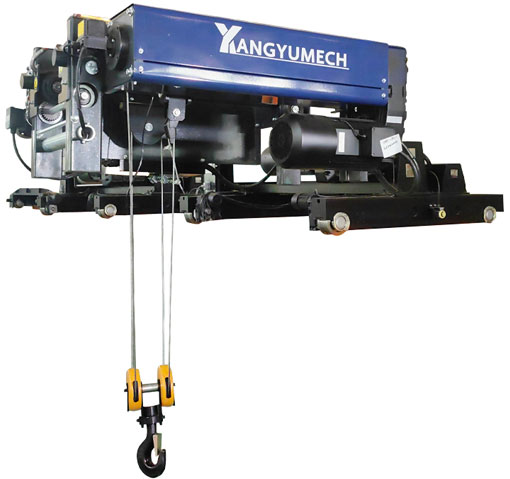
    Used for vertically lifting high-temperature ingots to specific positions (such as soaking furnaces).

    Ingot stripping crane:

     Used for forcibly stripping the ingots from the ingot molds.

    Charging crane:

    Used for adding furnace charges to the open-hearth furnace, with special structures such as movable poles.

    Forging crane:

     Cooperates with the hydraulic press to forge large workpieces, and the hook has a special turning device, etc.

    High working level:

    Due to frequent use and harsh working conditions.

    4. Grab Overhead Travelling Crane

    Characteristics

    Main lifting tool:

     Equipped with grabs and used for loading, unloading and lifting operations of bulk goods, waste steel, wood, etc.

    Grabbing function:

    Grabs and discharges materials by opening and closing the grabs. Structural basis:

     Except for the lifting and closing mechanism (matching with the grabs), other structural components are the same as those of the general hook overhead travelling crane.

    5. Electromagnetic Overhead Travelling Crane

    Characteristics

    Special lifting device:

    Equipped with electromagnetic chucks.

     Applicable materials:

     Used for handling ferromagnetic black metals and their products, etc. Operation mode:

     Lifts and transfers materials by the magnetic force of the electromagnetic chucks.

    6. Three-purpose Overhead Travelling Crane

    Characteristics

     Versatility:

    The basic structure is the same as that of the electromagnetic overhead travelling crane.

    Multiple operation modes:

    Can lift heavy objects with hooks; can hang a motor grab on the hook to load and unload materials; can also remove the grab and then hang the electromagnetic chuck to lift black metals.

    7. Explosion-proof Overhead Travelling Crane

    Characteristics

    Application environment:

    Mainly applied in environments with explosive gases.

    Safety:

    Strict explosion-proof measures are taken in the motor and electrical parts and mechanical parts such as metal contact surfaces to ensure the safety of operation in an explosion-proof environment. Classification:

    There are explosion-proof overhead travelling cranes for coal mines and explosion-proof overhead travelling cranes for factories (with explosion-proof certificates issued by the national testing center).

    8. Double-trolley Overhead Travelling Crane

    Characteristics

    Structural feature: Two trolleys with the same lifting capacity are installed on the bridge frame.

    Lifting objects:

     Used for lifting and loading/unloading long-shaped objects and other special working conditions.

    Cooperative operation:

    The double trolleys can cooperate as needed to complete complex lifting tasks.

  • What safety matters should be noted for the lifting operation of cranes

    The lifting operation of cranes requires attention to the following important safety matters:

    First, Equipment Inspection
    Before each operation, a comprehensive inspection of the crane must be carried out, including but not limited to:
    1.The integrity and reliability of mechanical components, such as whether the hook has cracks or deformations, and whether the wire rope has broken wires or wear.
    2.Whether the electrical system is normal, such as control buttons, indicator lights, etc.
    3.The performance of the braking system is good to ensure timely braking in an emergency.

    Second, Operator Qualification
    1.Operators must undergo professional training and obtain the corresponding operation qualification certificates.
    2.Be familiar with the performance, operating procedures and emergency handling methods of the crane.

    Third, Environmental Assessment
    1.Ensure that there are no obstacles at the lifting site, including in the air and on the ground.
    2.Pay attention to the weather conditions. Severe weather such as strong winds, thunderstorms, etc. may affect the safety of lifting.
    3.Understand the bearing capacity of the ground to prevent the crane from toppling due to ground subsidence.

    Fourth, Preparation of Lifted Objects
    1.Correctly bind and fix the lifted objects to prevent them from slipping during the lifting process.
    2.Confirm that the weight of the object is within the rated load capacity of the crane.

    Fifth, Signal Communication
    1.There must be a clear and distinct signal communication method between the operator and the commander.
    2.Ensure that the signal transmission is accurate and without errors to avoid accidents caused by misunderstandings.

    Sixth, Operating Specifications
    1.Start and stop the crane smoothly, avoiding sudden acceleration or deceleration.
    2.Operate strictly in accordance with the operating procedures and do not operate against regulations.

    Seventh, Equipment Maintenance
    1.Regularly maintain and service the crane and replace worn parts in time.
    2.Keep maintenance records to track the use and maintenance of the equipment.

    For example, at a certain construction site, due to the operator not carefully checking the condition of the hook before lifting, the hook suddenly broke during the lifting process, and the heavy object fell, causing casualties and property losses. Another example is that in another factory, the lifting operation was not stopped due to bad weather, and the strong wind caused the crane to lose balance and tip over, resulting in a serious accident. These examples all highlight the importance of strictly abiding by the safety matters of lifting operations.

  • The applications of cranes

    1. Construction Industry:
    Cranes play a vital role in construction sites, used for handling building materials and installing structural components, effectively improving construction efficiency and ensuring safety.

    2. Ports and Logistics:
    In ports, cranes such as harbor cranes, stackers, and container cranes are used for loading and unloading cargo, enhancing the efficiency of cargo handling and transportation, reducing manual labor, saving time costs, and improving the operational efficiency of ports and logistics.

    3. Manufacturing:
    Cranes are widely used in assembly lines and production sites in industries like automobile manufacturing, shipbuilding, and aerospace, for assembling and handling heavy equipment, vehicles, ships, etc.

    4. Mining:
    Cranes are used in various stages of mining operations, such as vein excavation, ore transportation, and equipment installation and maintenance, playing a crucial role in both open-pit and underground mining.

    5. Metallurgical Industry:
    Specialized bridge cranes in metallurgy are involved in specific process operations during steel production, such as transporting molten iron and steel, and assisting in tasks like flipping ladles.

    case2 

    6. Oil and Coal Mining:
    Cranes are used in oil extraction for handling drilling rigs and bits, and they also play an important role in coal mining.

    7. Power Equipment Maintenance:
    In the power industry, cranes are used for the installation, maintenance, and replacement of equipment to ensure the stable operation of power facilities.

    8. Rescue Operations:
    In emergency rescue and disaster relief, cranes are often used for quickly clearing obstacles and handling relief materials.

    The applications of cranes are not limited to the above fields. With the development of technology and the application of new materials, the functions and application range of cranes continue to expand.

  • How to choose the bridge crane that suits your own needs

    Choosing the bridge crane that suits your own needs requires considering multiple factors. The following is a detailed explanation for you:

    Lifting capacity: Firstly, it is necessary to clarify the maximum weight of the goods that need to be lifted. This depends on the weight of the goods usually handled in your production process. For example, if you mainly lift lighter components, the lifting capacity requirement may be smaller; but if it involves the lifting of large mechanical components, a larger lifting capacity is required.

    Span: Determine it based on the width of your workshop or working site. Ensure that the span of the crane can cover the required lifting area without any dead corners. For instance, a narrow and long workshop may require a smaller span, while a spacious large factory building may require a larger span.

    Double Girder Overhead Crane

    Lifting height: Consider the maximum height to which the goods need to be lifted. If it is a multi-story warehouse, a higher lifting height may be needed; while for a single-story workshop, a lower lifting height may be sufficient.

    Working level: This is related to the frequency of use of the crane and the severity of the working environment. Cranes with a high working level are suitable for scenarios with frequent and high-intensity use; cranes with a low working level are suitable for situations with less frequent use.

    Running speed: Select based on the requirements of production efficiency. If it is necessary to lift goods quickly to improve production efficiency, a crane with a faster running speed should be selected. Control method: There are manual control and remote control, etc. For complex operating environments or situations that require long-distance operation, remote control may be more appropriate. Brand and quality: Choose well-known brands and manufacturers with a good reputation. Their products usually have more reliable quality and better after-sales service.

    Budget: On the premise of meeting the needs, the selection should be combined with the budget. But you cannot sacrifice key performance and quality just because of the low price.

    For example, a large steel plant, due to the heavy steel being lifted, needs to choose a bridge crane with a large lifting capacity, a high working level, and a wide span; while a small machinery factory, because the parts lifted are small and the use is not frequent, it may be possible to choose a bridge crane with a moderate lifting capacity, a low working level, and a relatively affordable price to meet the needs.

  • The differences between bridge cranes and gantry cranes lie in several aspects such as structure, application scenarios and performance characteristics:

    Structure:
    – Bridge crane: Its bridge frame travels longitudinally along the rails laid on the elevated structures on both sides and is composed of the bridge frame, traveling mechanism of the large vehicle, small vehicle, electrical equipment, etc.
    – Gantry crane: The metal structure is like a portal frame, and two supporting legs are installed under the bearing main beam, which can walk directly on the rails on the ground.

    Application scenarios:
    – Bridge crane: It is suitable for indoor workshops, warehouses and other places with relatively limited operating space. For example, it is used to lift heavy objects in the production workshop of a factory.
    – Gantry crane: It is mostly used for loading and unloading operations of goods, materials and bulk goods in outdoor yards. For example, it is used for loading and unloading containers at port terminals.

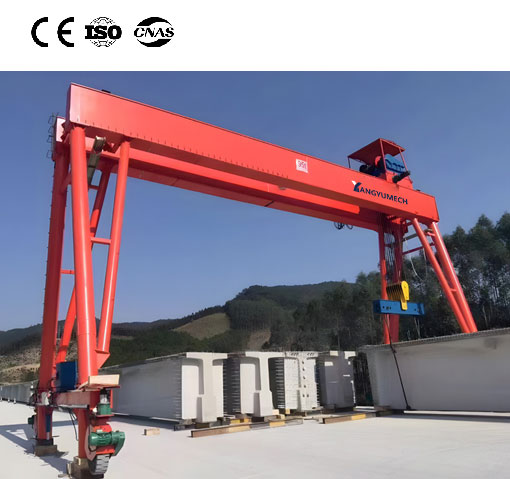
    Examples Of Our Double Girder Gantry Crane Installations

    Double Girder Overhead Crane Double Girder Overhead Crane

    Performance characteristics:
    – Bridge crane: The running speed is relatively fast, the lifting height is higher, and the lifting accuracy is higher.
    – Gantry crane: It has a larger span and lifting capacity, and is adapted to outdoor operating environments with better wind resistance performance.

    Examples:
    – In the assembly workshop of an automobile manufacturing factory, bridge cranes are used to lift auto parts. Because the internal space of the workshop is limited, the structure of the bridge crane is more suitable for operation in such an environment.
    – In a large port, gantry cranes are widely used for loading and unloading goods. Their wide span and strong lifting capacity can easily cope with the needs of a large amount of goods loading and unloading.

    In conclusion, bridge cranes and gantry cranes have their own characteristics in structure and application. Users should choose the appropriate type of crane according to the specific operation requirements and environment.

  • Characteristics and classification of hoists

    Characteristics of Mechanical Hoist Cranes

    1.Simple Structure:
    Hoist cranes typically consist of one or more hoists (lifting devices) and a supporting structure (such as a bracket or hook).
    2.Easy to Operate:
    Hoist cranes are designed to be simple and user-friendly, suitable for non-professionals to use.
    3.Flexible Movement:
    Many hoist cranes are equipped with wheels, making them easy to move between different locations.
    4.Moderate Load Capacity:
    Depending on the design and materials, the load capacity of hoist cranes ranges from a few kilograms to several hundred kilograms.
    5.Safe and Reliable:
    Hoist cranes usually come with safety devices, such as limit switches and emergency stop buttons, to ensure safe operation.
    6.Easy Maintenance:
    Maintenance of hoist cranes is relatively simple, mainly involving inspection and lubrication of chains, pulleys, and gears.
    7.Versatility:
    Hoist cranes can be used for lifting, lowering, and horizontally moving heavy objects, adapting to various work requirements.

    n2

    Classification of Hoist Cranes

    1.By Drive Type:
    Manual Hoists: Lifting is done by manually operating chains or levers.
    Electric Hoists: Driven by electric motors, suitable for frequent use due to faster lifting speeds.
    2.By Installation Type:
    Fixed Hoists: Installed in a fixed location, such as the ceiling of a workshop or warehouse.
    Portable Hoists: Installed on a mobile stand, allowing for use in different locations.
    3.By Lifting Speed:
    Single-Speed Hoists: Have a fixed lifting speed, suitable for general work.
    Dual-Speed Hoists: Feature two lifting speeds, suitable for tasks that require quick lifting and precise positioning.
    4.By Load Capacity:
    Hoist cranes can be categorized into light, medium, and heavy duty based on their load-bearing capacity.
    5.By Usage Environment:
    Indoor Hoists: Designed for indoor environments, suitable for general industrial and commercial use.
    Outdoor Hoists: Designed for outdoor environments, with better weather resistance and protection levels.
    6.By Application:
    Industrial Hoists: Used in factories, workshops, and other industrial settings for material handling.
    Construction Hoists: Used on construction sites for moving building materials.
    Domestic Hoists: Used for home renovations and daily heavy object handling.
    7.By Control Method:
    Wired Control Hoists: Operated through a wired remote control.
    Wireless Control Hoists: Operated through a wireless remote control, offering greater freedom of operation.
    Hoist cranes are indispensable lifting tools in many situations due to their flexibility and versatility.

  • The working level of the crane industry

    The working level in the crane industry is a technical parameter used to measure the intensity of work of cranes and their components, mainly including the working level of the entire machine, the working level of the mechanism, and the classification of structural components or mechanical parts.

    The working level of the entire crane is determined based on the use level and load state level of the crane. The use level of the crane reflects the frequency of its use during the entire design life and is divided into 10 levels from U0 to U9 according to the total number of working cycles; the load state level indicates the severity of its loading and is divided into four levels of light, medium, heavy, and extra heavy according to the nominal load spectrum coefficient. Based on these two factors, the working level of the entire crane is classified into 8 levels from A1 to A8.

    The working level of the mechanism is used to design each mechanism of the crane and is also determined based on the use level and load state level. The use level of the mechanism is divided into 10 levels from T0 to T9 according to the total operating time; the load state level is divided into 4 range values according to the mechanism load spectrum coefficient. Based on these two factors, the working level of the mechanism, when classified as a separate entity, is divided into 8 levels from M1 to M8.

    The classification of structural components or mechanical parts is mainly used for the design of steel structures and components and is determined based on the use level and stress state level. The use level of structural components is divided into 11 levels from B0 to B10 according to the total number of stress cycles; the use level of mechanical parts is divided into 9 levels from B0 to B8 according to the total use time. The stress state level is reflected by the stress spectrum coefficient. Based on these two factors, the working level of structural components or mechanical parts is classified into 8 levels from E1 to E8.

    The working level of the crane industry

    Different working levels of cranes are suitable for different scenarios:

    Light level (A1 – A3): Rarely lifts the rated load, generally lifts slight loads, and is mostly used for installing and maintaining equipment in power stations or other workplaces, or in workshops and warehouses where the work is not frequently used.
    Medium level (A4 – A5): Sometimes lifts the rated load, generally lifts medium loads, and can be used in heavily used workshops and garages, such as general mechanical processing and general assembly workshops.
    Heavy level (A6 – A7): Regularly lifts the rated load, generally lifts heavier loads, and is suitable for heavily used workshops and warehouses, such as places where heavy items are frequently lifted for long periods or metallurgical workshops.
    Extra heavy level (A8): Used for super-heavy lifting tasks, such as the lifting of large masts, huge engineering equipment, etc.

    When choosing a crane, it is necessary to comprehensively consider the working level and other factors, such as the lifting capacity, working environment, site space, and expected working intensity, to ensure that the crane can complete the work tasks safely and efficiently. At the same time, the working level is also related to the safety factor, scrapping standard, etc. of the crane, and has important guiding significance for the design, manufacture, use, and maintenance of the crane.

    Specific divisions of the crane working level may vary due to different standards and specifications, but the overall principle is similar. In practical applications, relevant standards and specifications should be followed to ensure the safe and reliable operation of the crane. If you need more detailed and accurate information, you can refer to crane design specifications or related professional materials.

  • What are the main components of a crane

    1. Boom:
    – The boom is the main supporting structure of the crane, used for suspending and moving heavy loads.
    – It can be fixed or telescopic to accommodate various work requirements.

    2. Hook:
    – The hook is the part that connects the crane to the object being lifted.
    – It usually has a safety mechanism to ensure that the load does not accidentally fall off during lifting.

    3.Wire Rope:
    – The wire rope is used to connect the hook to the crane’s hoist system, transferring the lifting force.
    – It requires regular inspection and maintenance to prevent wear or breakage.

    4. Hoist System:
    – The hoist system includes an electric motor and a reducer, used to control the winding and unwinding of the wire rope, thereby raising or lowering the load.

    5. Sheaves or Pulleys:
    – The pulley system assists in lifting the load by changing the direction of the force and increasing the force multiplier.

    What are the main components of a crane

    6. Revolving Mechanism:
    – The revolving mechanism allows the crane’s boom to rotate horizontally, expanding the working range.

    7. Traveling Mechanism:
    – For mobile cranes, the traveling mechanism includes wheels or tracks, allowing the crane to move on the ground.

    8. Cab or Operator’s Cabin:
    – The cab provides an environment for the operator to control the crane.
    – It is usually equipped with various control devices and safety equipment.

    9. Hydraulic System:
    – For hydraulic cranes, the hydraulic system is used to provide power to perform actions such as lifting, lowering, and extending.

    10. Electrical System:
    – The electrical system provides power for electric cranes, including cables, control panels, and various sensors.

    11. Safety Devices:
    – Includes overload limiters, limit switches, emergency stop buttons, etc., to ensure safe operation.
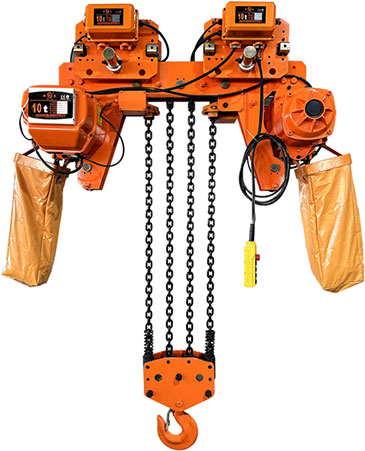
    12.Counterweights:
    – Some types of cranes, especially mobile cranes, use counterweights to increase stability and prevent the crane from tipping over when lifting heavy loads.
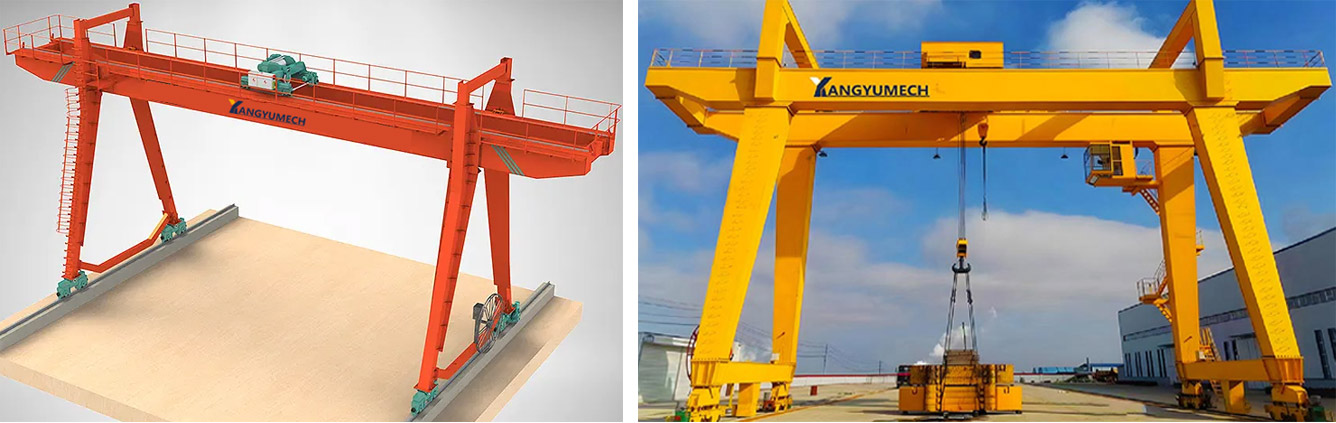
    These components work together to ensure that the crane can safely and efficiently perform its task of lifting and moving heavy objects.

  • European Single Girder Gantry Crane

    European Single Girder Gantry Crane

    European Single Girder Gantry Crane is a cost-effective alternative wherever the installation of overhead cranes is impractical due to a need for a raised runway structure. They are also an ideal supplement to overhead cranes at the workstation level

    Crane Capacity 3 ton, 5 ton, 8 ton, 10 ton, 12.5 ton, 16 ton and 20 ton

    Crane Span 7.5 m to 28.5 m

    Lifting Height 6m to 18m

    Working Class: A5, A6, A7

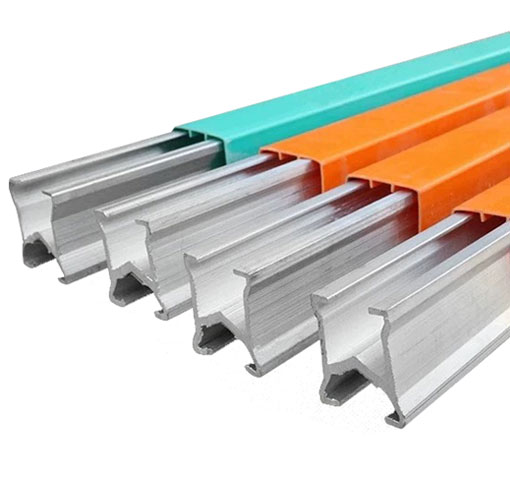
  • Single stage Slip wire

    Single stage Slip wire

    Efficient and durable

    Anti-corrosion and wear-resistant

    Support customization

    Slipline accessories: Connection accessories include hanger clips, connector/retaining, protective boxes, and brackets. connector and protective box every 6 meters (one) with a. Hanging card and bracket every 1.5 meters with a.

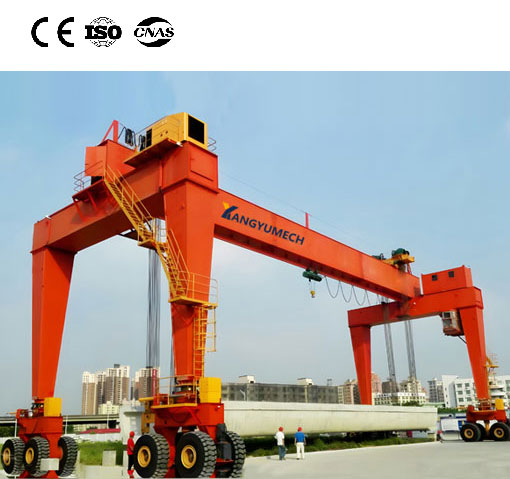
  • Rubber Tyred Gantry Crane / RTG Crane

    Rubber Tyred Gantry Crane / RTG Crane

    Yangyumech rubber tyred gantry cranes demonstrate their technological advantage through increased productivity and a proven low cost per box move. The Yangyumech high quality standard achieved, with ease of maintenance results in minimum downtime, increasing throughput per rubber tyred gantry crane unit.

    Rubber tyred gantry cranes (RTG container crane) are available with spans of between five and ten containers wide (plus a truck lane) and with hoisting heights from 1 over 3 to 1 over 6 containers high.

    Capacity: 5t-900t; Span: 5~50m

  • Six major attention details of the double-girder crane during assembly

    Six major attention details of the double-girder crane during assembly

    1. When assembling parts, pay attention to chamfering, removing burrs and flash. When installing locating pins, they cannot be driven in with iron tools. Under their completely proper fit, they should be pushed in by hand for about three-quarters of the length and then tapped in gently.
    2. To ensure the assembly quality, requirements such as assembly clearance, interference amount, flexibility, and meshing mark should be adjusted, proofread and technically inspected while assembling.


    3. Assembly personnel must understand the purpose, structure and working principle of the assembled machinery. Study and be familiar with the functions of components and the connection methods among them, and be familiar with the assembly process and technical requirements.
    4. The friction surfaces of moving parts should be smeared with appropriate lubricating oil. The tools for oil filling must be clean and dust-proof with a cover.
    5. Count and collect all the required components, and prepare construction materials, tools and equipment, including lifting facilities.
    6. For all parts, further cleaning and technical inspection are required to avoid rework after assembling unqualified parts. Especially the channels for hydraulic, pneumatic and lubrication should be cleaned more cleanly.
    7. For all mating parts and non-interchangeable parts, they should be assembled in pairs or sets according to the marks made during disassembly, repair or manufacture, and chaotic assembly is not allowed. For important rotating parts, tests should be carried out as required, and only after passing can they be allowed to be assembled.
    8. Seals cannot be installed backwards. In order to ensure sealing, when installing various gaskets, it is allowed to smear engine oil, sealant, etc.