Author: yisainuoout

  • Global Top10 Industrial Crane Suppliers and Selection Guide

    Global Top10 Industrial Crane Suppliers and Selection Guide

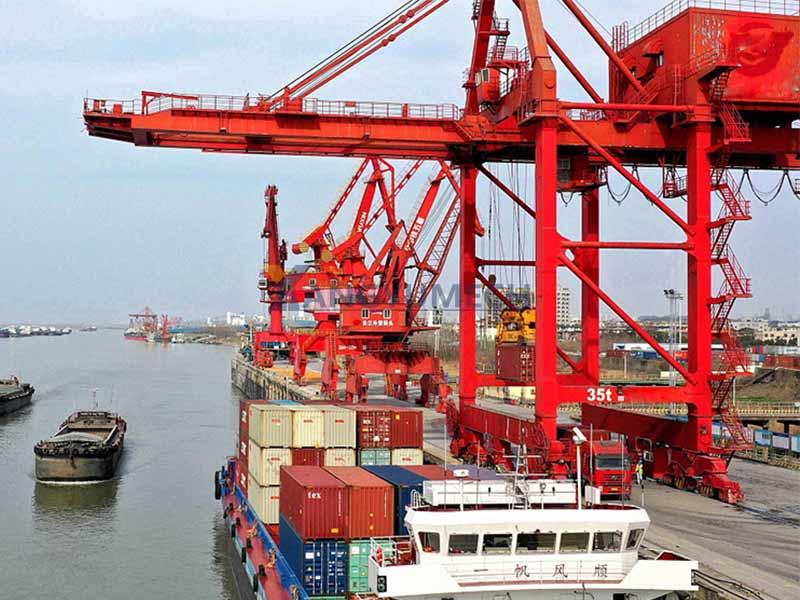
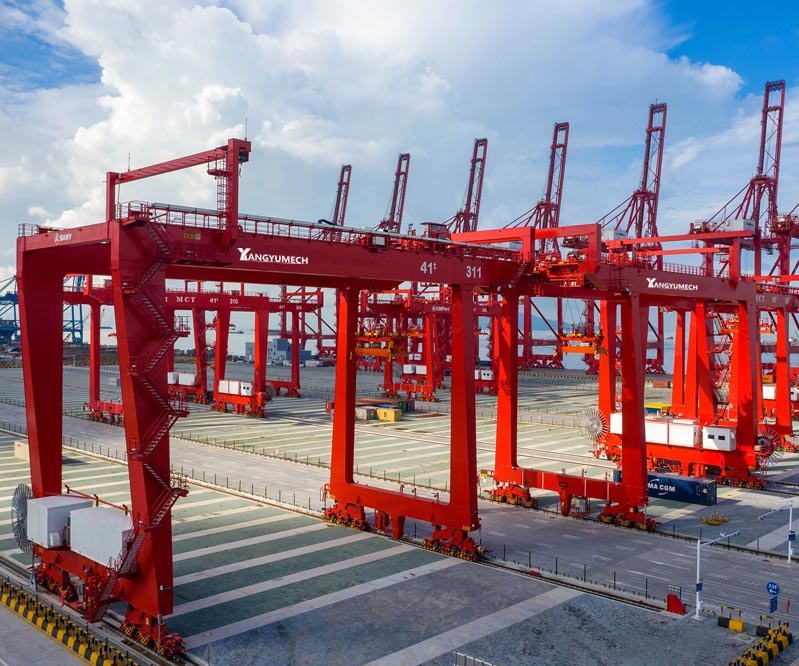
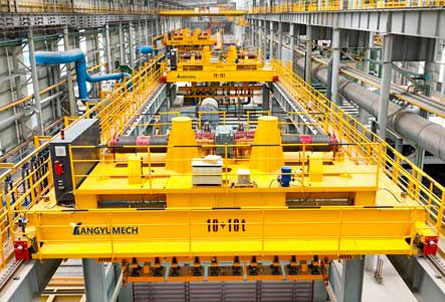
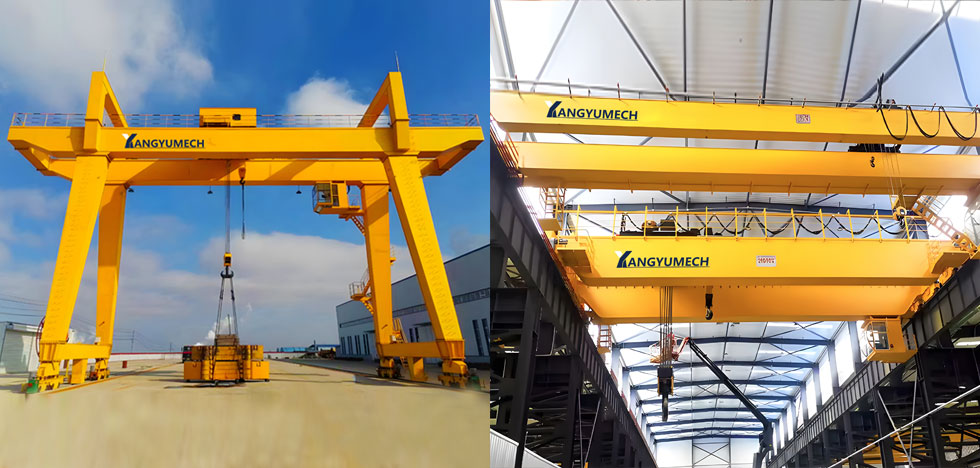
    Industrial cranes are the core equipment in modern manufacturing, infrastructure engineering, logistics and warehousing, and their performance directly determines production efficiency and operational safety. Globally, a number of companies are among the forefront of the industry by virtue of technology accumulation, product matrix and service capabilities. The following are the world’s top 10 leading industrial crane suppliers with comprehensive market share, technical strength and industry reputation (in no particular order):
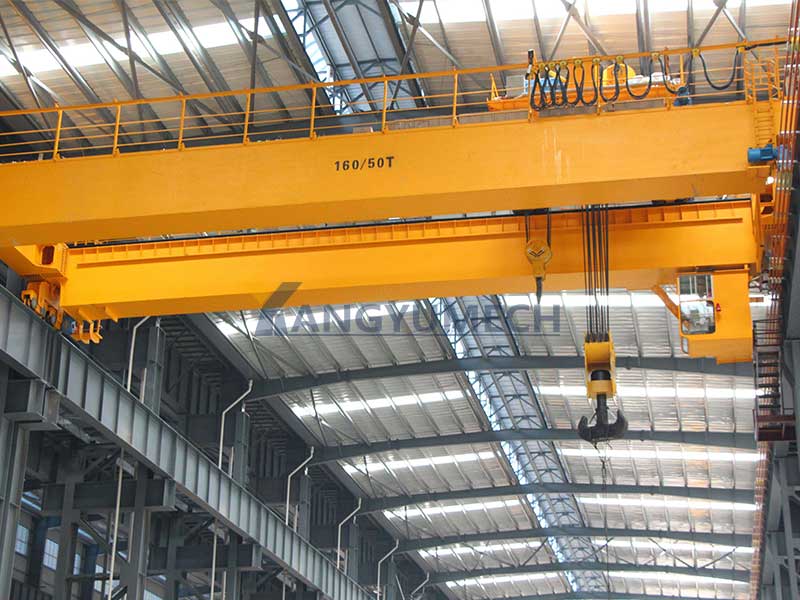
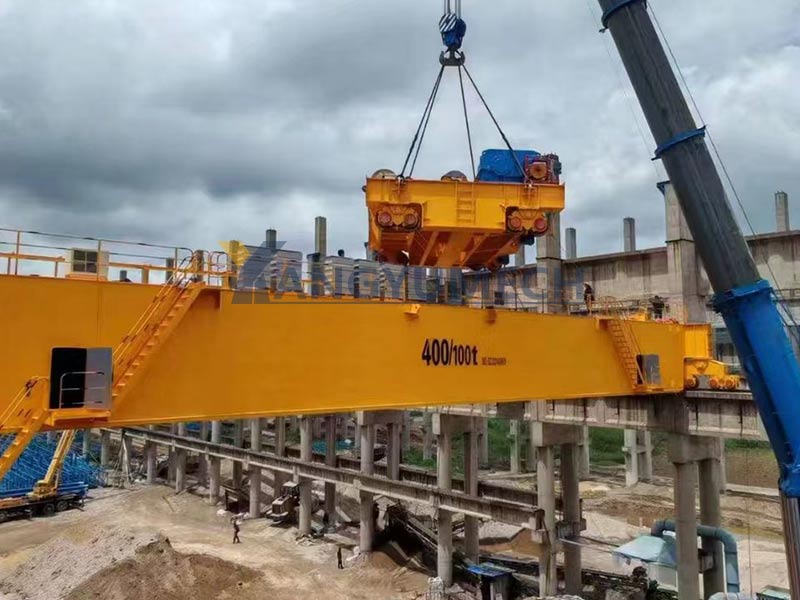
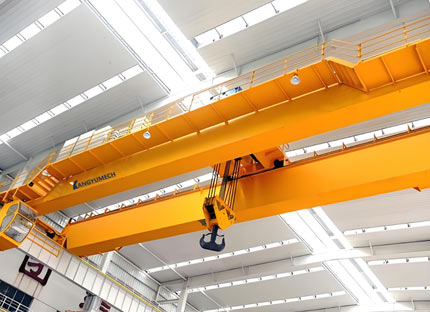
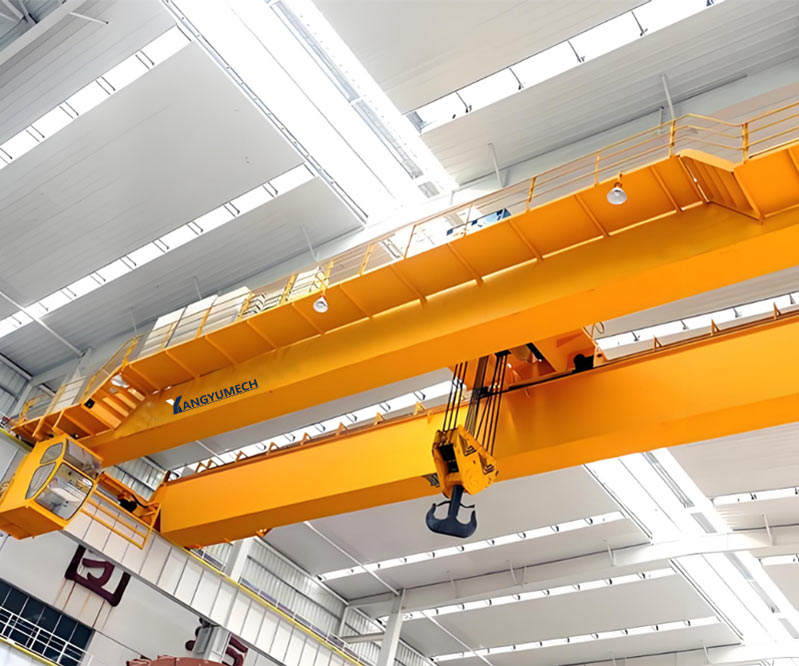
    selection-of-industrial-double-girder-cranes-3

    Liebherr: A century-old German brand, a global crane technology benchmark, leading performance of large-tonnage crawler cranes and all-ground cranes, adapted to extreme working conditions and heavy-duty hoisting needs.

    Konecranes: A leading Finnish company, focusing on industrial cranes and material handling solutions, with a high degree of standardization and a perfect maintenance system, covering many industries such as automobiles and electric power.

    Manitowoc: A veteran manufacturer in the United States, with deep accumulation in the field of crawler cranes, strong heavy-duty stability, and suitable for long-term heavy-duty operations such as mines and ports.

    XCMG: China’s leading construction machinery, with outstanding intelligent manufacturing and ultra-large tonnage technology, 4,000-ton crawler cranes and other products have broken the international monopoly, and the global service network is perfect.

    ZOOMLION: Domestic technology benchmark, leading Several international standards, leading lightweight and intelligent technology, and excellent performance of ultra-large all-ground cranes.

    SANY Heavy Industry: Focusing on electrification and intelligence, pure electric cranes have leading battery life and efficiency, outstanding cost performance, and are suitable for green construction and overseas projects.

    TADANO: A well-known Japanese brand, with mature automobile crane and off-road crane TECHNOLOGY, accurate control and high reliability, suitable for municipal and small and medium-sized projects.

    TEREX: A global diversified supplier of lifting equipment, with a rich product line of off-road cranes and port cranes, which are suitable for complex operating scenarios.

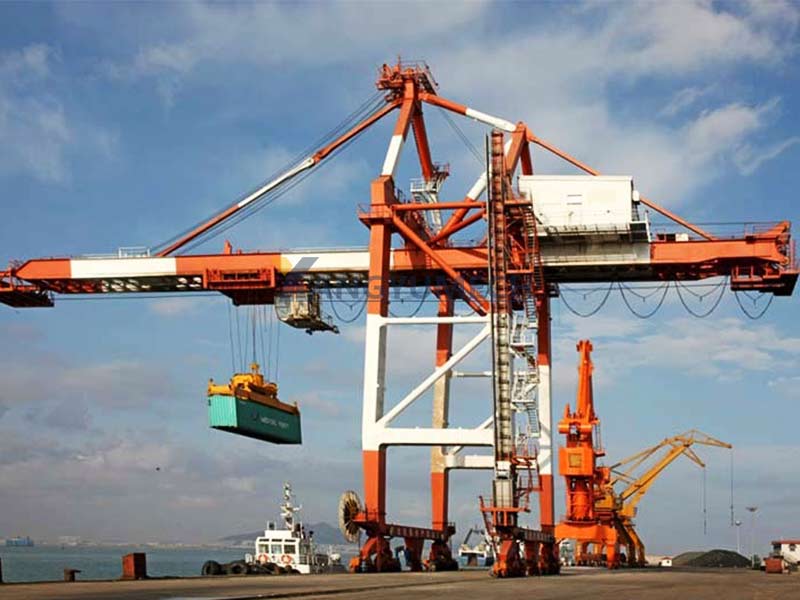
    Zhenhua Heavy Industry: The world’s leading port machinery, leading the market share of large container cranes and bulk cargo handling equipment, and its services cover the global port network.

    Yangyumech: Focuses on customized research and development of industrial cranes, integrating European-style technology with local needs. Its products cover all categories such as bridge, gantry, and cantilever cranes, and are suitable for various industrial scenarios.
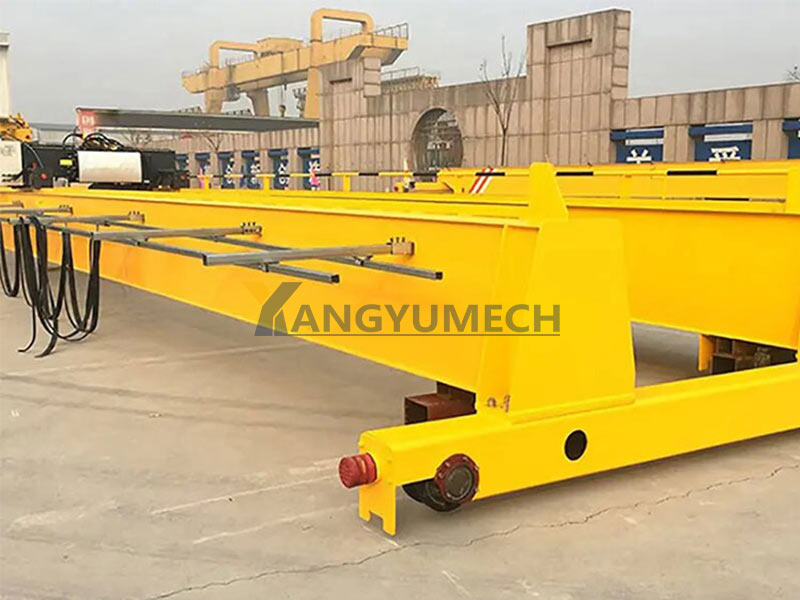
    selection-of-industrial-double-girder-cranes-2

    How To Choose The Right Industrial Crane?

    The selection of industrial cranes needs to combine the three dimensions of operation scenarios, core parameters, and environmental requirements to avoid blind procurement. The specific points are as follows:

    1. Clarify The Core Operating Requirements

    Lifting weight: Choose according to the maximum lifting requirements, reserve 10%-15% safety margin, and distinguish between light (<1T), medium (1-20T), and heavy (>20T) scenarios.
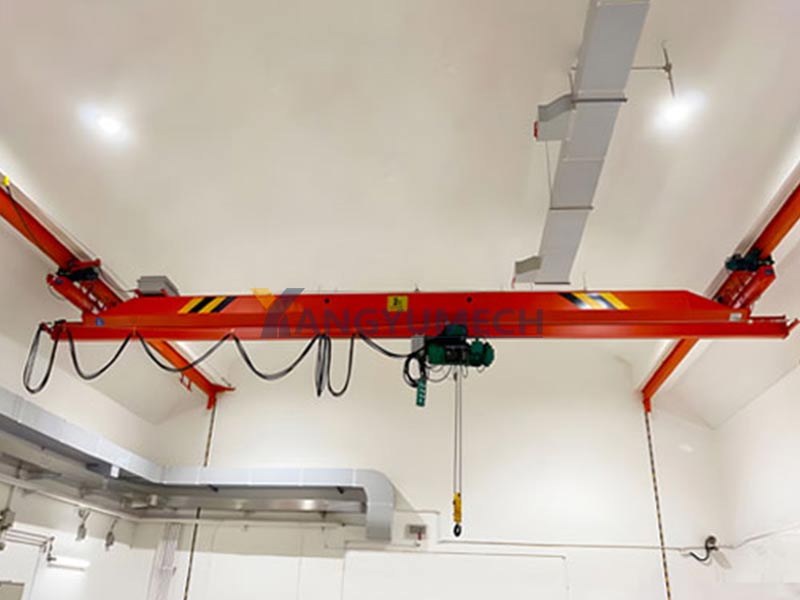
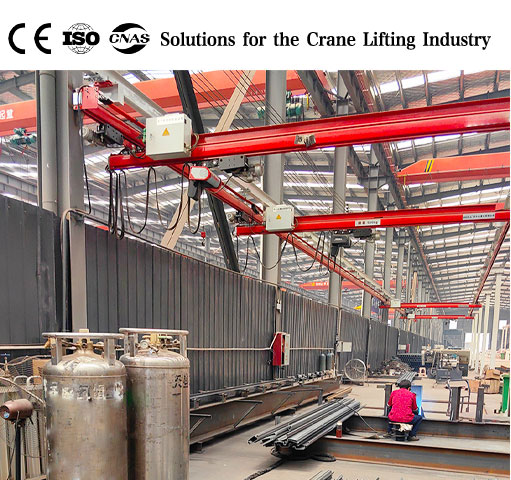
    Working space: indoor priority crane / double-girder bridge crane, low-clearance model; outdoor gantry crane, car crane; small space suitable for cantilever crane, KBK flexible crane.
    Frequency of use: choose economical manual/simple electric equipment for low-frequency operations; choose intelligent frequency-conversion models above A5 for high-frequency and heavy-duty operations to ensure durability.

    2. Matching Environmental and Safety Requirements

    Environmental adaptation: explosion-proof cranes are selected for chemical and dust environments. Special metallurgical models with high-temperature and splash resistance are selected for metallurgical workshops. Seaside and corrosive environments require anticorrosive treatment.
    Safety configuration: overload limit, lifting limit, buffer device are necessary, and an intelligent monitoring and fault early warning system is preferred for high-frequency operations to reduce safety risks.

    3. Consider Performance and Late Cost

    Power and control: indoor selection of electric motor type (no emissions, low noise); outdoor selection of fuel model for scenes without power supply; precision operation priority frequency conversion speed regulation, servo control equipment.
    Maintenance and service: Choose products with common wearing parts and convenient maintenance, and give priority to suppliers with localized maintenance teams to shorten downtime and reduce operation and maintenance costs.

    Yangyumech: Industrial Crane Solution Adapted To All Scenarios

    In the global industrial crane market, Yangyumech has become a reliable choice for various industrial projects with the core advantages of customized research and development, full category coverage, and cost-effective services.

    The company is deeply engaged in the field of industrial lifting, integrating European-style lightweight technology and local manufacturing experience. Its products cover a full range of single/double girder bridge cranes, gantry cranes, cantilever cranes, explosion-proof /metallurgical special cranes, etc., and can provide one-to-one program design according to workshop layout, lifting requirements, and operating frequency, which is perfectly adapted to different industry scenarios such as machining, automobile manufacturing, warehousing and logistics, metallurgy and chemical industry.

    At the technical level, Yangyumech cranes adopt a frequency conversion speed control system for stable operation, energy saving and consumption reduction. The core components are selected from internationally renowned brands to ensure equipment stability and service life. At the same time, they are equipped with intelligent monitoring modules to achieve remote fault diagnosis and status early warning, greatly improving operation and maintenance efficiency.

    In terms of service, Yangyumech has established a full-process service system from program design, manufacturing, installation and commissioning to after-sales maintenance. The localization team responds quickly to needs and provides a solid guarantee for the project’s landing and long-term operation. Whether it is standardized workshop handling or customized requirements for special working conditions, Yangyumech can meet the lifting operation needs of various industrial projects with professional solutions and reliable products.
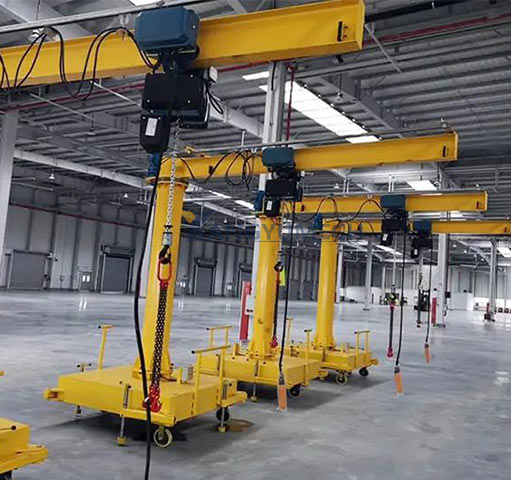
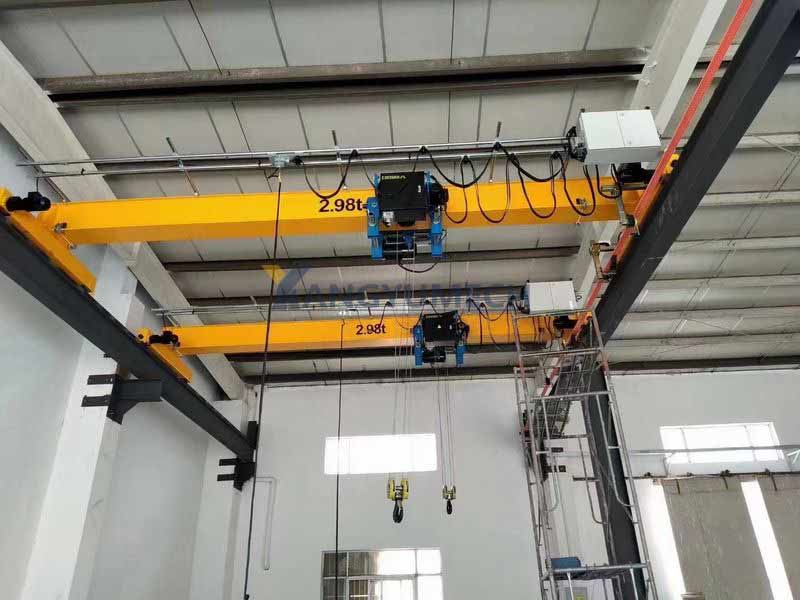
  • What is The Definition Of An Industrial Crane?

    What is The Definition Of An Industrial Crane?

    In the huge system of modern industrial production, the efficient, accurate, and safe handling of materials is the core link to ensure a smooth process. As the key equipment to achieve this function, industrial cranes play an indispensable role.

    1. The Core Definition And Main Categories Of Industrial Cranes

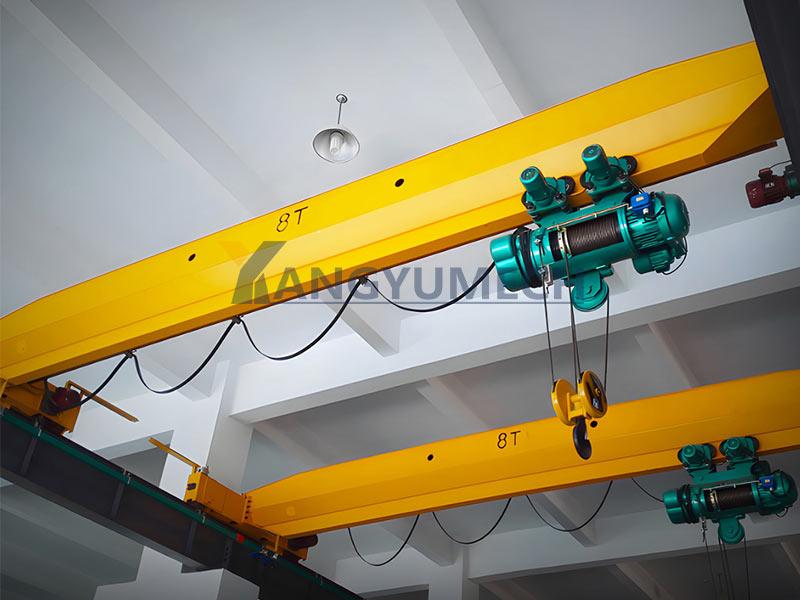
    double-beam-or-single-beam-bridge-crane

    Industrial cranes broadly refer to mechanical and electrical equipment used for vertical lifting and horizontal movement of heavy objects in fixed or semi-fixed places such as factories, workshops, warehouses, docks, etc. Its core value lies in replacing inefficient and dangerous manual handling through precise positioning in three-dimensional space, greatly improving production logistics efficiency and operational safety.

    According to the structure and operation mode, industrial cranes can be divided into the following categories:

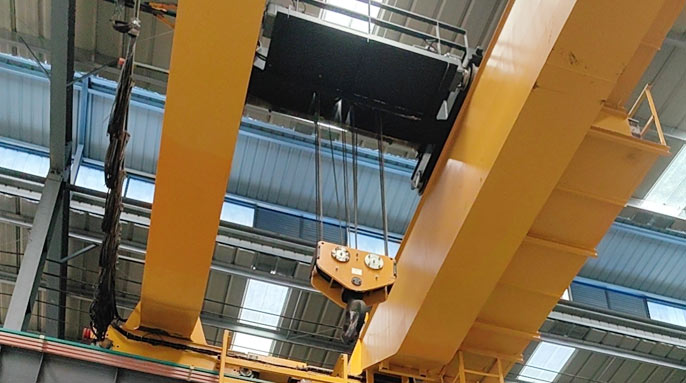
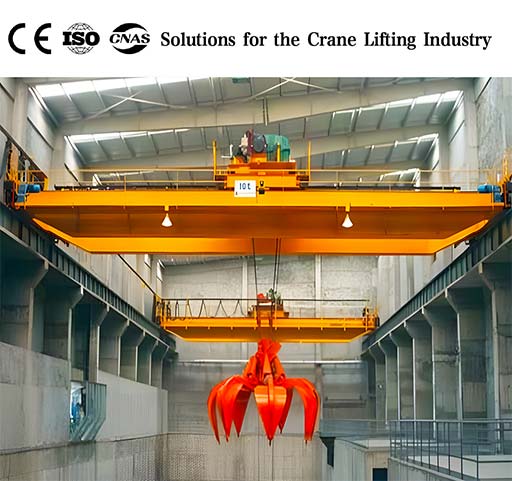
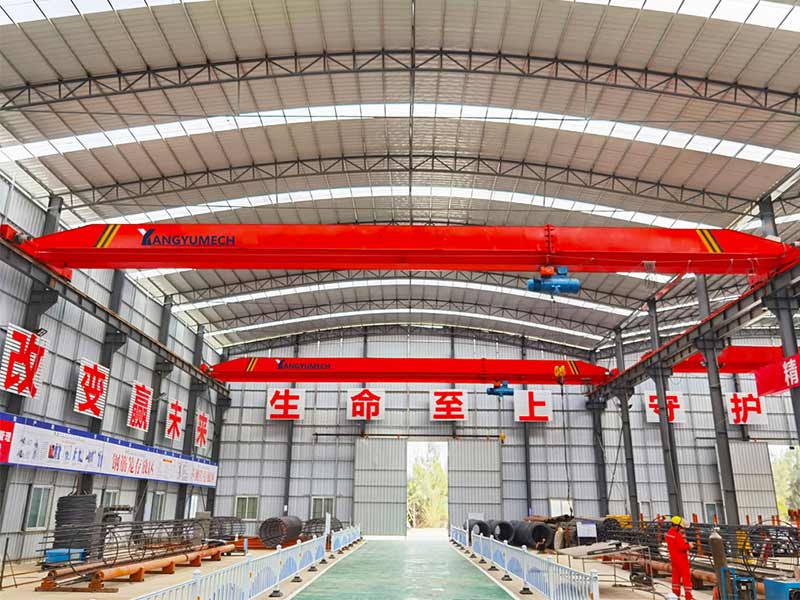
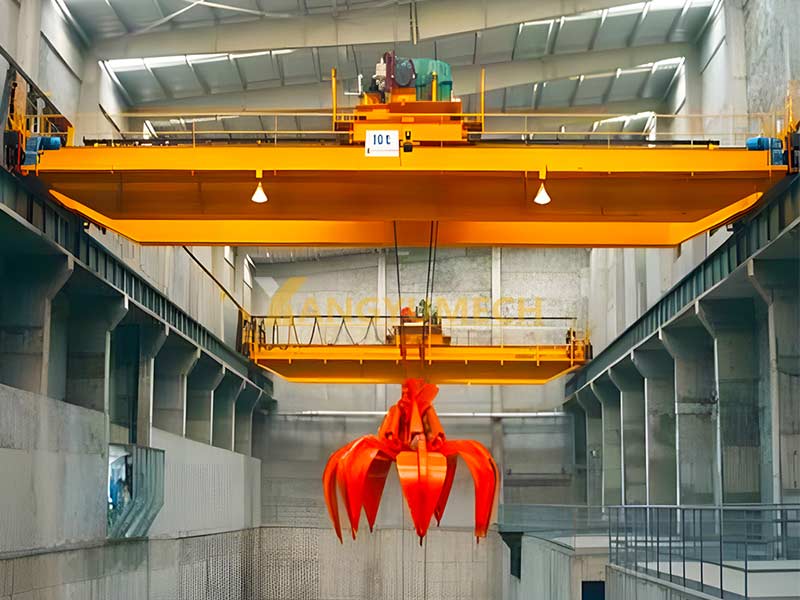
    – Bridge crane: represented by a double-beam or single-beam bridge crane. It is characterized by the use of a metal bridge structure across the workshop, which can run vertically along the track, while the lifting trolley can move laterally on the bridge, which is very suitable for the assembly, transportation, and storage of heavy components in the workshop.
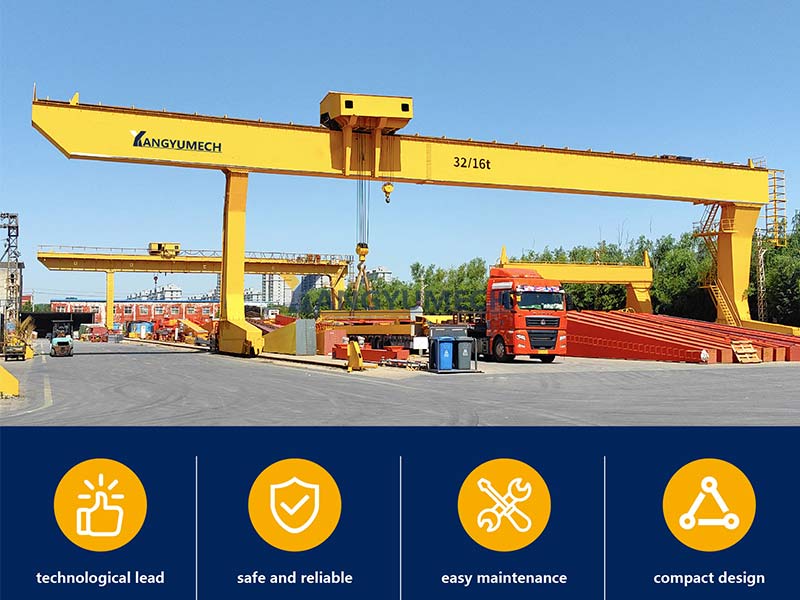
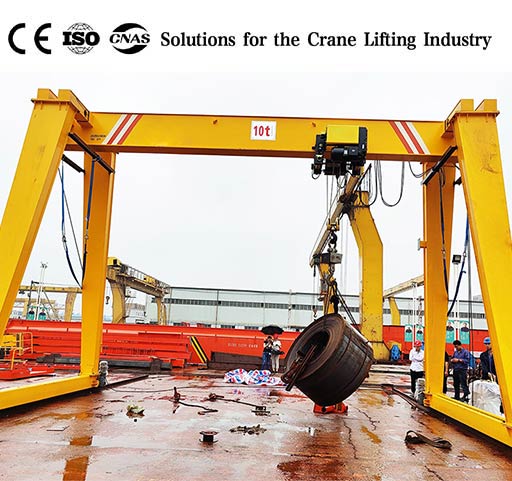
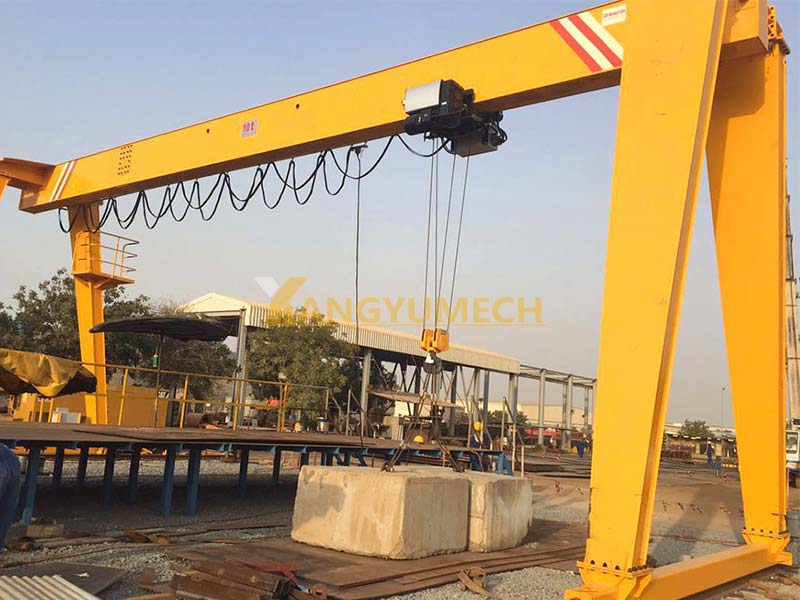
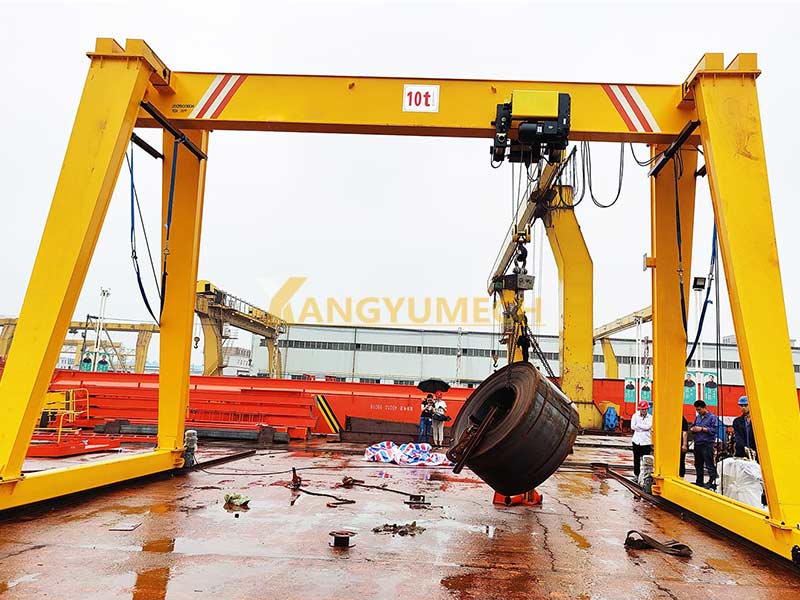
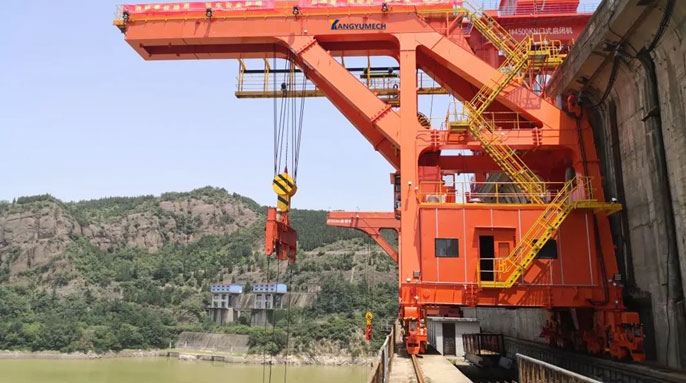
    – Gantry crane (gantry crane): A “door”-shaped frame supported by double columns, usually running on ground tracks. Its advantages lie in its excellent anti-rollover stability and huge span, and it is often equipped with windproof devices. It is the first choice for large-scale hoisting projects such as open-air yards, shipyards, and power station equipment installation.
    – Tower cranes: Achieve self-climbing through a hydraulic jacking system. They offer a significant working height and a large operating radius. These cranes are essential for vertical space operations, like steel structure hoisting for super high-rise buildings and installing wind turbines.
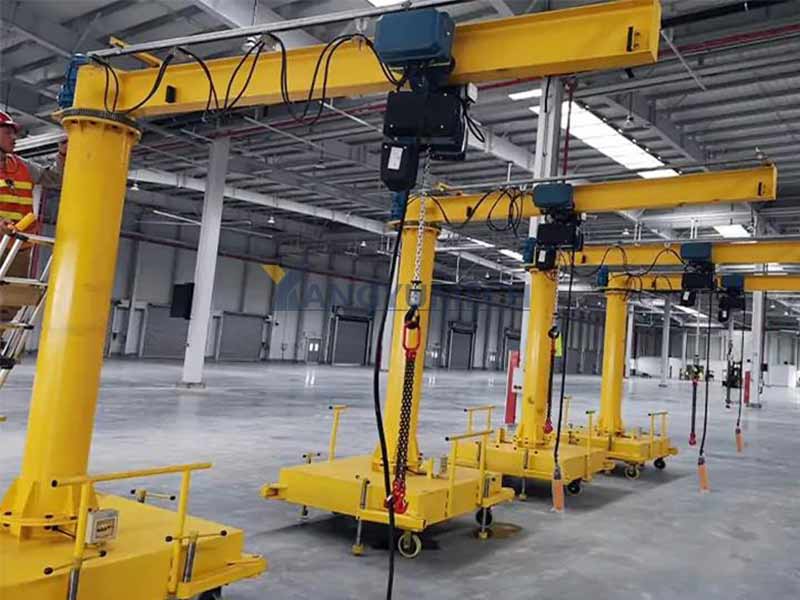
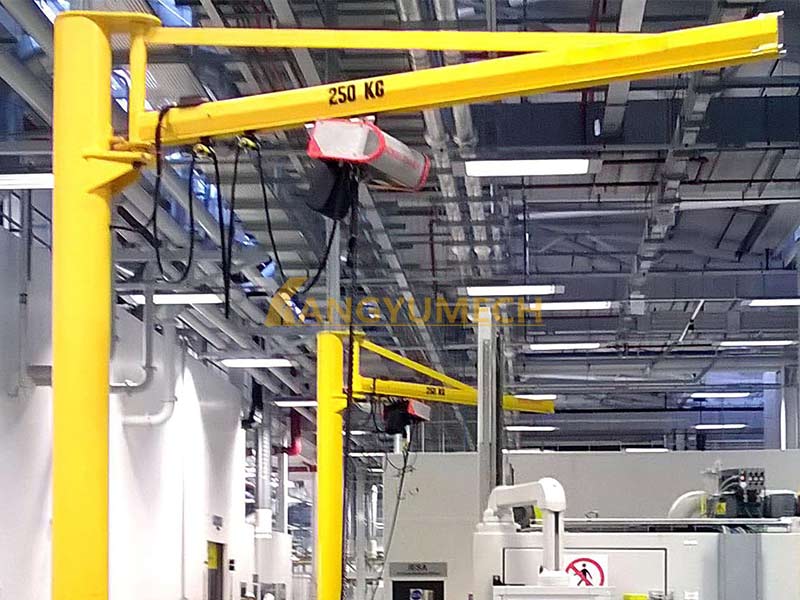
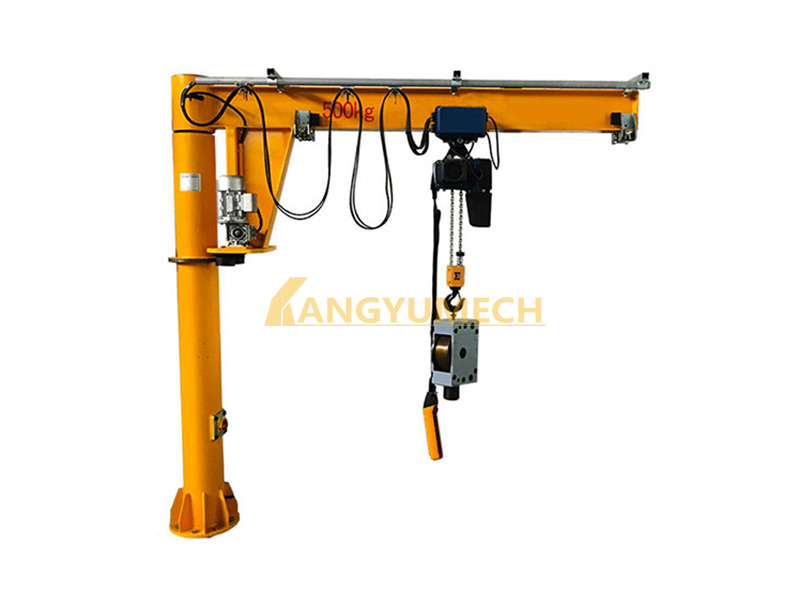
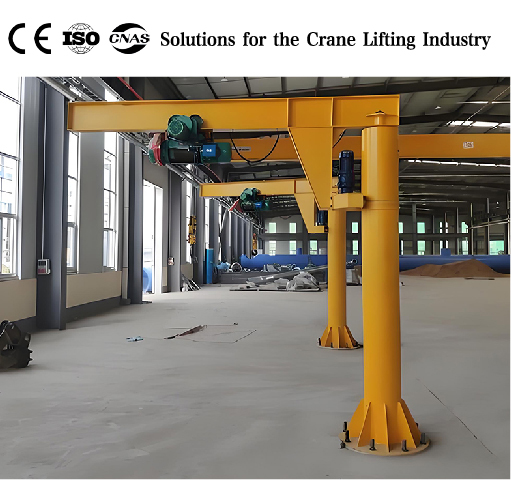
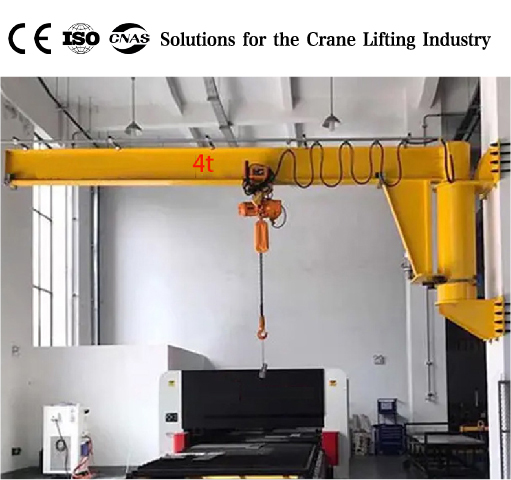
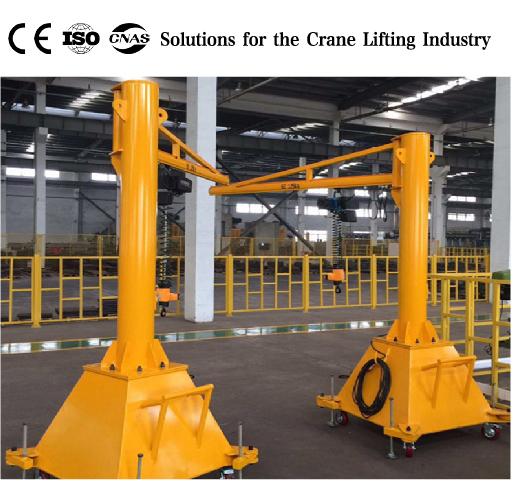
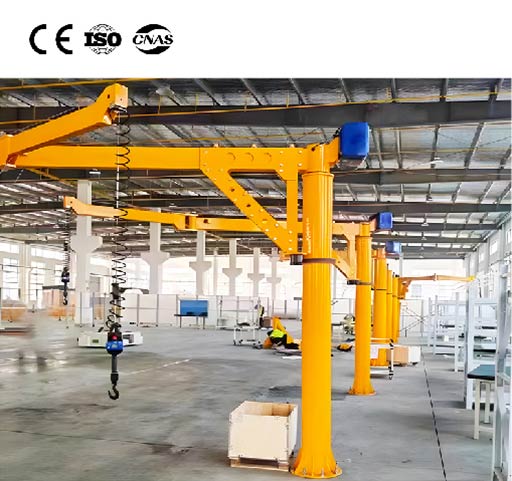
    – Boom type crane (such as overhead jib crane): With a fixed or rotatable boom, it provides flexible local operation coverage, especially suitable for production line stations, maintenance areas, and other occasions where fixed-point lifting accuracy is required.

    Main-Categories-Of-Industrial-Cranes

    2. Considerations For Selecting Cost-Effective Cranes According To Industrial Scenarios

    When choosing a gantry crane, the pursuit of “cost-effective” is not simply a comparison of the initial quotation, but a system project that comprehensively evaluates the whole life cycle cost, equipment performance, and specific working conditions. Different industrial fields have different definitions of the cost performance of crane systems due to their unique process requirements.

    2.1 Automobile manufacturing and precision assembly industry: Such scenarios have extremely high requirements for the positioning accuracy, smooth operation, and cleanliness of equipment (such as clean rooms).
    The selection of high-precision controlled bridge cranes or flexible and modular jib cranes, although the initial investment may be higher, brings about increased production efficiency, reduced product damage rate, and long-term stable operating performance, constituting a higher long-term price ratio.
    Ignoring accuracy and adaptability and choosing cheap general-purpose equipment may lead to frequent process interruptions and hidden cost surges.

    2.2 Metallurgy, chemical industry, energy and power industries: these fields are often accompanied by special environments such as high temperature, high dust, flammable, explosive, or corrosive. Under such harsh working conditions, special electric gantry cranes with corresponding protection levels (such as explosion-proof, insulation, and high temperature types) must be selected. Choosing ordinary equipment that does not have the corresponding qualifications will bring huge safety risks. Therefore, the risk avoidance and continuous production guarantee of special cranes that are “tailored” for the environment and meet safety specifications are the greatest cost-effective manifestations.

    2.3 Logistics, warehousing, and general manufacturing: For conventional material handling and warehouse turnover operations, the core of cost performance lies in reliability, efficiency, and low maintenance costs. Standard double-beam or single-beam bridge cranes and gantry cranes are the mainstream choices. At this time, the focus should be on evaluating the manufacturer’s production process stability, the brand reliability of key components, and the response speed of local after-sales service.
    A wide-ranging service network can significantly reduce the loss of downtime caused by equipment failure, and this part of the value should be included in the cost-effective evaluation system.

    All in all, cost-effective selection starts with thoroughly analyzing process flow, load, space, and the working environment. Buyers must look beyond equipment nameplates to consider energy use, maintenance needs, spare parts availability, and contributions to production efficiency over the service cycle.

    motorized-jib-crane-manufacturer-2

    3. Professional Customization And Global Supply: Empowering Your Industrial Projects

    Understanding the deep needs of different industrial scenarios is the key to transforming cranes from standard products to efficient productivity tools. This is exactly the core competence that a professional overhead crane supplier should have.

    Yangyumech Crane Company is well versed in this way. We not only provide a full range of standardized industrial crane products, but also focus on providing in-depth customized material handling solutions for customers around the world. Our engineering team can go deep into your project site and understand all kinds of complex needs, from the precision cooperation of automotive welding lines to the heavy-duty turnover of ports and terminals, from the dust-free requirements of clean workshops to the high temperature challenges of metallurgical plants.

    Relying on a mature technology platform and a flexible supply chain system, Yangyumech is committed to achieving “global supply and localized services”.No matter where your project is located, we can ensure that we provide full-process service support from professional consulting, program design, compliance, manufacturing, installation and commissioning, personnel training, and lifetime maintenance.

    We believe that the true value lies in helping various industrial projects optimize space utilization, ensure operational safety, and improve operational efficiency through reliable, adaptable equipment and efficient and responsive services, so as to create long-term returns that far exceed the value of the equipment itself.

    Choosing Yangyumech crane means choosing a reliable partner that is supported by technology and centered on customer scenarios to jointly meet the increasingly complex material handling challenges in today’s industrial field.

  • Choosing the Right Gantry Crane for Container Yards: Rail-Mounted vs. Rubber-Tired

    Choosing the Right Gantry Crane for Container Yards: Rail-Mounted vs. Rubber-Tired

    Against the backdrop of continuous global trade growth, the operational efficiency of container yards directly impacts the speed of the entire logistics chain. As the core equipment of a yard, the selection of gantry cranes often presents operators with a difficult choice: should they opt for a rail-mounted (RMG) or a rubber-tired (RTG) system? Each of these two technical approaches has its own distinct characteristics, requiring a comprehensive evaluation that takes into account site conditions, operational models, and long-term planning.

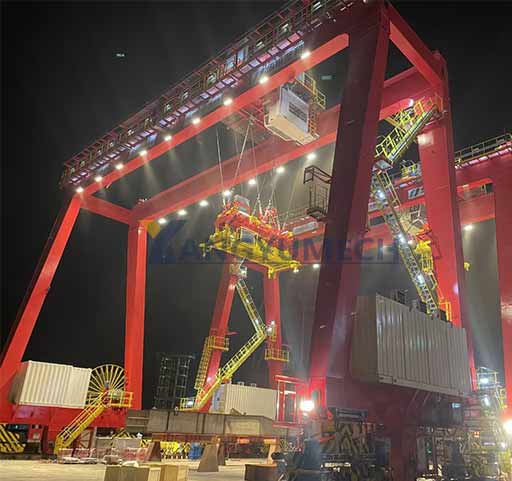
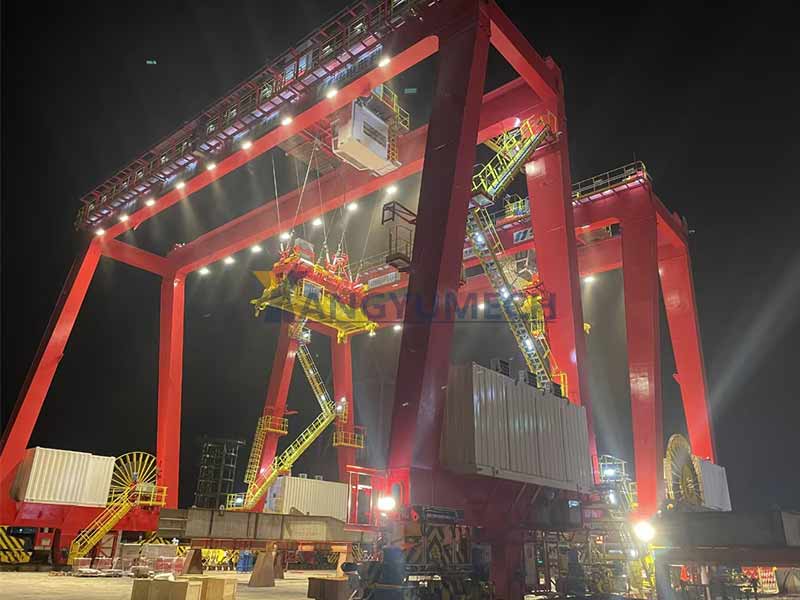
    Rail-Mounted-RMG

    Structural Design and Mobility: The Trade-off Between Fixed and Flexible

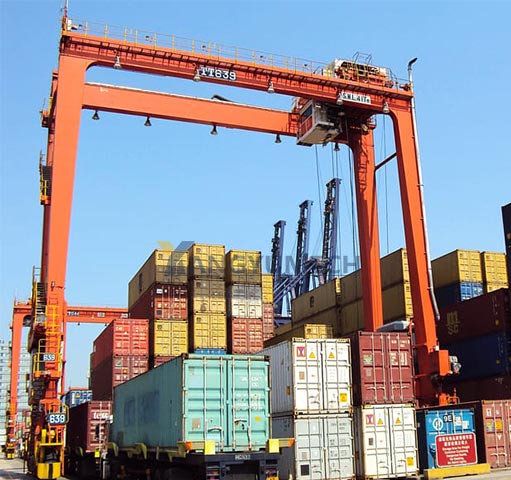
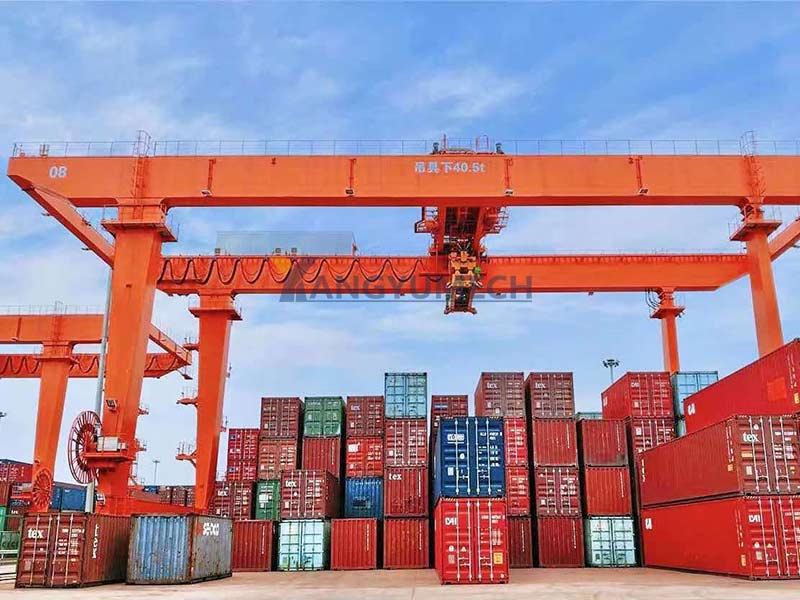
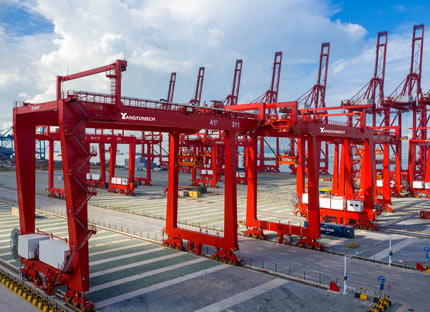
    Rail-mounted gantry cranes (RMG) operate using steel wheels on fixed rails, a design that provides unmatched stability. Their steel structure transfers the load directly to the foundation via the rails, enabling a lifting capacity of over 50 tons, making them particularly suitable for handling double- or even triple-stacked containers. Data from an international port shows that after adopting the RMG system, the operational efficiency of a single unit increased to 35–40 containers per hour, representing an improvement of approximately 25% over traditional equipment.

    Rubber-Tired Gantry Cranes (RTGs), on the other hand, are game-changers thanks to their mobility. Equipped with 8–16 high-load-bearing rubber tires, they can move freely within the yard without requiring complex infrastructure. This characteristic makes them an ideal choice for multi-block, decentralized yards and temporary terminal expansion projects. Modern RTGs feature steering systems capable of 90° turns, with a minimum turning radius of 15 meters, significantly enhancing yard utilization.

    Rail-Mounted-RMG-2

    Technical and Economic Comparison: Short-Term Investment vs. Long-Term Benefits

    Energy consumption is the key differentiator in operating costs. RMGs typically use catenary power supply, with an electrical energy utilization rate exceeding 95%. Actual data from a major Asian hub port shows that their energy consumption per container is 40% lower than that of RTGs. Conventional RTGs, on the other hand, rely on diesel generator sets. Although the latest generation of hybrid models has reduced fuel consumption by 30%, their environmental performance still falls short of that of fully electric RMGs.

    In terms of maintenance costs, the annual maintenance expenses for an RMG’s steel-wheel-on-rail system amount to approximately 1.2% of the equipment’s value, primarily consisting of track alignment and drive motor maintenance. RTGs, on the other hand, face additional expenses such as tire replacement (every 18–24 months) and engine overhauls, with average annual maintenance costs reaching 2.5–3%. However, the modular design of RTGs ensures that a failure in a single unit does not affect the overall system operation; this fault isolation is particularly valuable in certain critical operational scenarios.

    rubber-tired-(RTG)-system

    Site Adaptability and System Integration

    For new large-scale specialized terminals, RMGs demonstrate significant advantages:
    – Configurable cantilever spans of up to 15 meters, with a single unit covering 6 rows of container aisles
    – Precise positioning within ±5 mm via automated control systems
    – Seamless integration with automated yard management systems to enable unmanned operations

    Meanwhile, RTGs are more competitive in the following scenarios:
    – Retrofitting existing traditional yards for automation
    – Facilities requiring frequent layout adjustments, such as intermodal terminals
    – Areas with complex geological conditions (e.g., soft soil foundations)

    Yangyumech’s Customized Solutions

    As a professional manufacturer with 20 years of experience in the port equipment sector, Yangyumech deeply understands the technical nuances of both systems. We provide not only standardized equipment but also full-lifecycle solutions:

    1. Precise Model Selection Consulting
    Through 3D logistics simulation modeling, we analyze key parameters such as your peak container throughput and storage cycles to recommend the optimal combination of models. We previously designed a hybrid RMG+RTG system for a client in the Middle East, increasing site turnover by 18%.

    2. Specialized Model Development
    – Typhoon-resistant RMG (capable of withstanding Category 12 winds)
    – Low-clearance RTG (suitable for height-restricted areas near airports)
    – Custom dual-container spreaders (simultaneous handling of 40-foot and 20-foot containers)

    3. Intelligent Upgrades
    Integrated optical positioning systems (replacing traditional encoders), remote fault diagnosis modules, and AI-based load sway control algorithms elevate operational efficiency to new heights.

    Our recent flagship projects include:
    – A cluster of 8 automated RMGs at a transshipment hub in Southeast Asia
    – A fleet of 20 hybrid RTGs at a port in Africa
    – Cold-resistant (-45°C) gantry cranes for use within the Arctic Circle

    Whether you prioritize the system efficiency of RMGs or prefer the layout flexibility of RTGs, Yangyumech can provide technically feasible and cost-effective customized solutions.

  • 5-Ton Crane Shipped to Singapore and Delivered

    5-Ton Crane Shipped to Singapore and Delivered

    Shipping and Delivery

    customized-5-ton-single-girder-crane-2

    Recently, Yangyu Crane successfully delivered a customized 5-ton single-girder crane to a renowned automotive parts manufacturer in Singapore, completing installation and acceptance testing. This equipment will be used for lifting and transferring components on the company’s newly established production line.

    Tailored to the customer’s column spacing and production cycle requirements, our solution features core specifications as follows: rated lifting capacity of 5 tons, span of 16 meters, lifting height of 9 meters, and duty class A5. The crane’s main girder employs an optimized box-type structure, ensuring rigidity while controlling self-weight. Equipped with branded motors and braking systems, it operates smoothly with precise positioning. The equipment design strictly adheres to national standards with enhanced dustproofing to withstand industrial environments.

    customized-5-ton-single-girder-crane

    From order confirmation through factory production to on-site installation and commissioning, the Yangyu team collaborated closely, rigorously controlling quality and schedule to ensure the equipment was safely commissioned on schedule, earning high praise from the client.

    Our Advantages

    customized-5-ton-single-girder-crane-3

    This case study reaffirms Yangyu Crane’s core strengths: flexible customization tailored to actual client operating conditions, relentless pursuit of product reliability and safety, and end-to-end professional services from design to delivery. We are committed to providing precisely tailored lifting solutions for every client, empowering efficient production.

  • What Is a Gantry Crane?

    What Is a Gantry Crane?

    Heavy lifting in modern industry demands precision, reliability, and structural efficiency. Among the most effective solutions engineered for moving large loads across workspaces is the gantry crane. These machines dominate environments ranging from compact workshops to massive container terminals, providing unmatched flexibility for lifting and transporting heavy materials.

    Understanding the Gantry Crane: Structure, Design, and Core Function

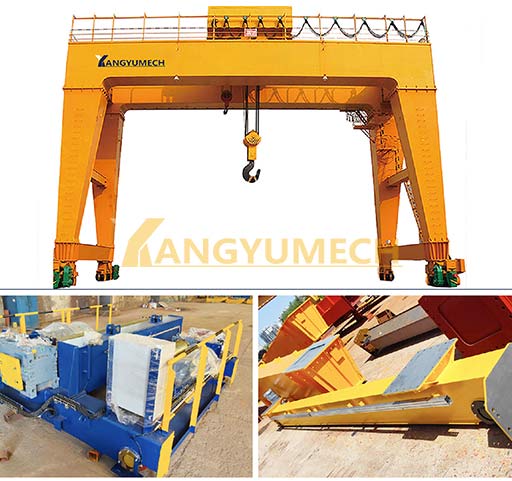
    A gantry crane is a type of overhead lifting system built upon a freestanding support structure known as a gantry frame. The defining characteristic is its ability to straddle a workspace, allowing the crane to lift and move loads while traveling along rails or wheels mounted on the ground.

    Unlike traditional overhead bridge cranes that require building support structures, gantry cranes are self-supporting. This allows installation in both indoor and outdoor environments without relying on existing building frameworks.

    The essential function of a gantry crane is straightforward:
    – Lift heavy materials
    – Transport loads horizontally
    – Position equipment with precision

    These cranes are capable of handling loads ranging from hundreds of pounds to several hundred tons, depending on their design.

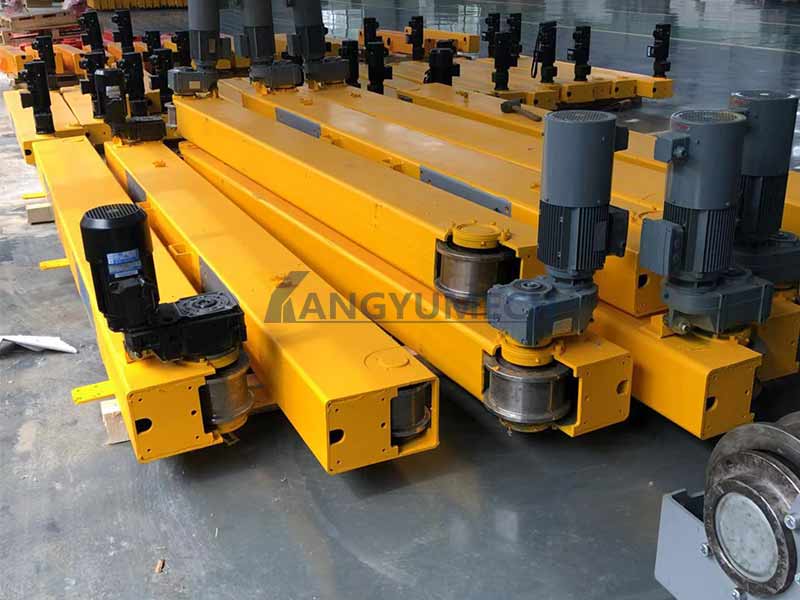
    yangyu-crane-parts-2

    Core Components of a Gantry Crane System

    A gantry crane consists of several integrated structural and mechanical components that work together to perform lifting operations efficiently.

    1. Gantry Legs

    The legs support the entire crane structure and transfer loads to the ground. Most gantry cranes feature two A-frame or inverted V-shaped legs positioned on either side of the working area.

    These legs typically travel along:
    – Ground-mounted rails
    – Rubber wheels
    – Steel wheels
    Their mobility enables the crane to move across the entire working span.

    2. Bridge Girder (Main Beam)

    The bridge girder is the horizontal beam connecting the gantry legs. It forms the main load-bearing structure of the crane.

    The girder supports:
    – Trolley mechanisms
    – Hoists
    – Electrical systems
    Depending on the lifting capacity, the crane may use either single or double girders.

    3. Trolley System

    The trolley travels along the bridge beam and carries the hoisting mechanism. Its purpose is to move the load laterally across the crane span.

    Key trolley functions include:
    – Horizontal load movement
    – Positioning materials with accuracy
    – Supporting hoist components

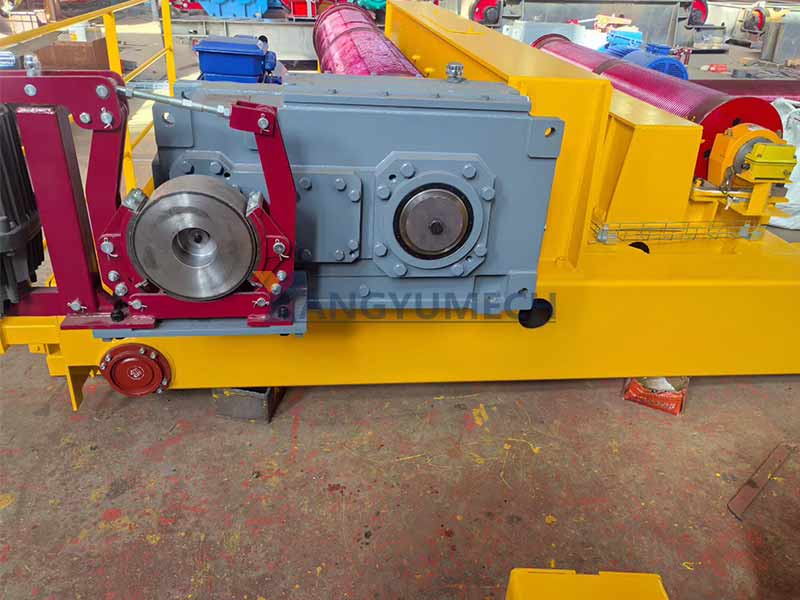
    4. Hoist Mechanism

    The hoist is the lifting unit responsible for raising and lowering loads. It typically uses wire rope or chain systems powered by electric motors.

    The hoist controls:
    – Vertical load movement
    – Speed of lifting operations
    – Load stability during transport

    5. Travel Mechanism

    The travel mechanism moves the crane along its working area. This may include:
    – Rail-mounted wheels
    – Motorized rubber tires
    – Manual push systems (for smaller cranes)
    This mobility is what allows gantry cranes to cover large operational zones efficiently.

    yangyu-crane-parts

    How Gantry Cranes Operate

    The operation of a gantry crane involves three coordinated movements:
    1. Vertical lifting via the hoist
    2. Horizontal trolley travel across the bridge beam
    3. Longitudinal crane movement along ground rails or wheels

    Together, these motions allow operators to position loads precisely anywhere within the crane’s operating area.

    Major Types of Gantry Cranes

    Gantry cranes are engineered in multiple configurations to suit specific operational requirements. Each design balances lifting capacity, structural footprint, and mobility.

    Full Gantry Crane

    The full gantry crane is the most common configuration.
    Key Characteristics
    – Two independent legs supporting the bridge
    – Ground-mounted rail system
    – Entire crane moves across a fixed track
    This design allows vehicles, trucks, and equipment to pass beneath the crane, maximizing workspace efficiency.
    Typical Applications
    – Container yards
    – steel fabrication plants
    – shipyards
    – rail terminals

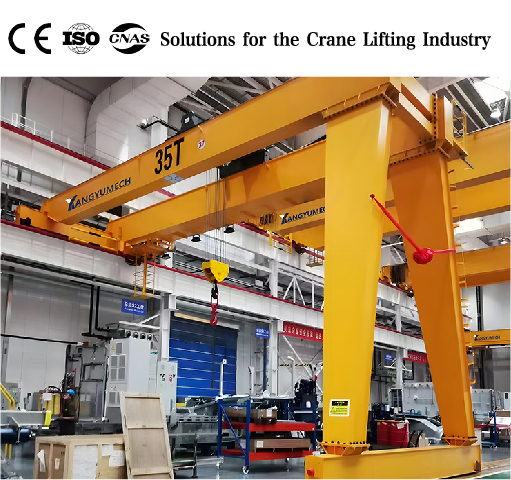
    Semi-Gantry Crane

    A semi-gantry crane combines features of overhead cranes and gantry cranes.
    Structural Configuration
    – One leg runs on a floor rail
    – The opposite side is mounted to a building runway beam
    This design is ideal when floor space is limited or building structures can provide partial support.
    Common Uses
    – manufacturing facilities
    – machining plants
    – fabrication shops

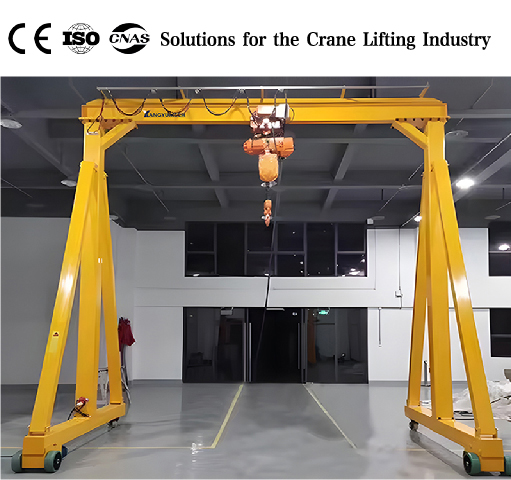
    Portable Gantry Crane

    Portable gantry cranes are lightweight and highly flexible systems designed for temporary lifting tasks.
    Features
    – Easy assembly and dismantling
    – Casters or wheels for mobility
    – Compact structural design
    Advantages
    – Ideal for small workshops
    – No permanent installation required
    – Cost-effective lifting solution
    These cranes are widely used in:
    – equipment maintenance
    – small manufacturing operations
    – automotive repair facilities

    Adjustable Height Gantry Crane

    Adjustable gantry cranes are designed for variable working environments where lifting height requirements change frequently.
    Adjustable Elements
    – Leg height
    – Span width
    – Beam length
    Operators can modify the crane configuration to accommodate different workspaces or lifting tasks.
    This adaptability makes them valuable in construction sites and fabrication workshops.

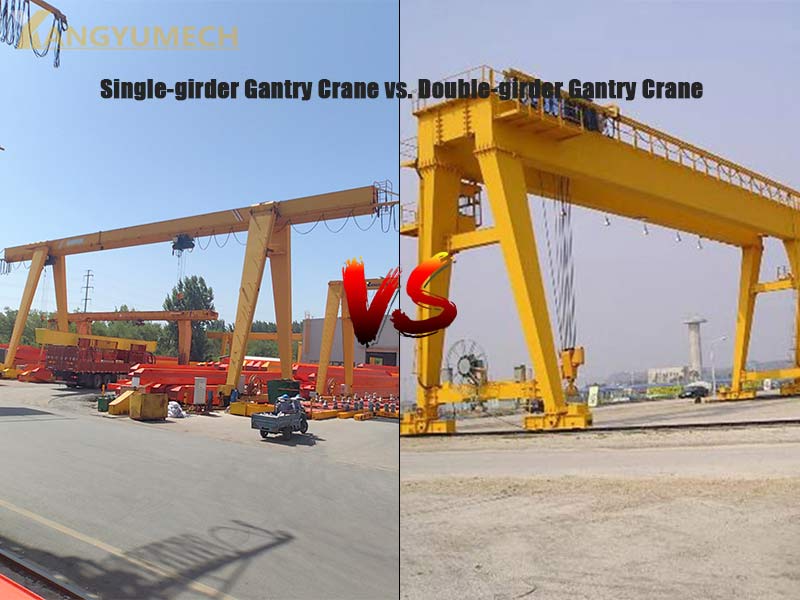
    Single Girder Gantry Crane

    Single girder gantry cranes utilize a single bridge beam supporting the hoist trolley.
    Performance Characteristics
    – Lower lifting capacity
    – Reduced structural weight
    – Lower installation cost
    They are commonly used for light to medium-duty lifting operations.
    – Ideal Environments
    – warehouses
    – maintenance workshops
    – assembly lines
    Their design also allows for under-slung hoist systems, making them suitable where headroom is limited.

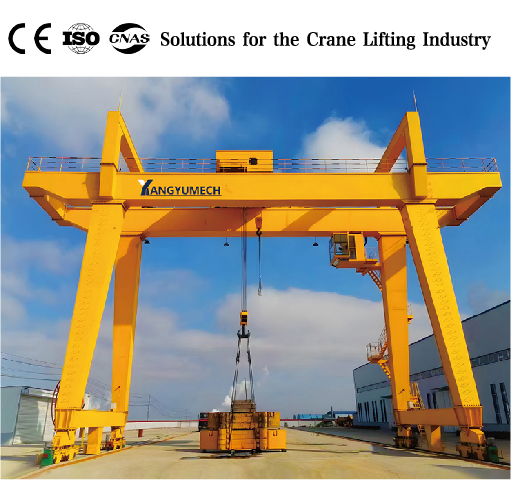
    Double Girder Gantry Crane

    Double girder gantry cranes are built for heavy-duty industrial lifting.
    Structural Advantages
    – Two parallel bridge beams
    – Top-running trolley system
    – Increased load stability
    Performance Capabilities
    – Higher lifting capacities
    – Larger span distances
    – Improved operational precision
    Industries requiring heavy lifting frequently rely on double girder cranes.
    Typical Applications
    – shipbuilding
    – steel mills
    – large manufacturing plants
    – heavy machinery assembly

    the-Right-Gantry-Crane-for-Industrial-Operations

    Industrial Applications of Gantry Cranes

    Gantry cranes serve an enormous range of industries where heavy materials must be transported efficiently.

    Warehouse and Storage Facilities
    Warehouses use gantry cranes for handling oversized inventory and bulk materials.
    Advantages include:
    – flexible mobility
    – precise load positioning
    – efficient use of floor space
    Small mobile gantry cranes with rubber tires allow movement without permanent rail systems.

    Manufacturing Plants
    Manufacturing facilities depend heavily on gantry cranes for handling large components.
    – Common industries include:
    – automotive manufacturing
    – steel fabrication
    – aerospace production
    These cranes assist in moving:
    – engine assemblies
    – steel structures
    – heavy machine parts

    Rail Yards and Intermodal Terminals

    Rail transportation facilities rely on gantry cranes to transfer cargo between trains, trucks, and storage areas.
    Their large span capabilities make them ideal for covering multiple rail lines simultaneously.

    Shipping Ports and Container Terminals

    In maritime logistics, gantry cranes are essential for loading and unloading cargo ships.
    These large-scale cranes handle:
    – shipping containers
    – bulk cargo
    – industrial equipment
    Their mobility allows materials to be moved efficiently across massive dockside operations.

    Airports and Cargo Handling Facilities

    Air cargo terminals use gantry cranes to manage heavy freight and aircraft components.
    Due to the weight and size of aircraft cargo, double girder gantry cranes are commonly deployed in these environments.

    Advantages of Gantry Crane Systems

    Gantry cranes offer several performance advantages that make them indispensable in modern industry.
    Operational Flexibility
    They function indoors and outdoors, making them suitable for a wide range of facilities.
    Cost Efficiency
    Because gantry cranes are self-supporting, they eliminate the need for expensive building reinforcement structures.
    High Load Capacity
    Heavy-duty models can lift extremely large industrial loads safely and efficiently.
    Ease of Installation
    Many systems require minimal site preparation, especially portable or wheel-mounted gantry cranes.
    Improved Workplace Productivity
    By mechanizing heavy lifting, gantry cranes reduce manual labor while increasing operational speed.

    Selecting the Right Gantry Crane for Industrial Operations

    Choosing the correct gantry crane depends on several operational factors:
    Required lifting capacity
    – Span width
    – lifting height
    – operating environment
    – mobility requirements
    Small workshops often benefit from portable or single girder cranes, while large industrial facilities require double girder heavy-duty gantry systems capable of handling massive loads.
    A properly selected crane significantly improves efficiency, safety, and material handling performance.

    Conclusion: Why Gantry Cranes Remain Essential in Modern Industry

    Gantry cranes represent one of the most versatile and powerful lifting systems available today. Their freestanding structure, adaptable configurations, and ability to operate across vast workspaces make them indispensable across industries ranging from manufacturing and logistics to shipbuilding and aviation.

    From compact portable cranes in workshops to massive container-handling systems in global ports, gantry cranes continue to drive industrial productivity by delivering reliable heavy lifting solutions wherever they are needed.

  • What Are The Different Types Of Gantry Girder Cranes? What Is The Application?

    What Are The Different Types Of Gantry Girder Cranes? What Is The Application?

    In heavy industry, logistics and warehousing, and large-scale infrastructure sites, gantry girder cranes are like giant steel arms, carrying the heavy responsibility of moving mountains and seas. With its unique gantry frame structure and strong carrying capacity, this type of crane has become an indispensable piece of equipment in outdoor cargo yards, ports, and large-scale factories.
    However, did you know that seemingly similar gantry girder cranes can actually be categorized into numerous distinct types based on their structural designs, application scenarios, and technical requirements? Choosing the right model is directly related to the project’s efficiency, safety, and cost.

    Application-Scenarios-Of-Gantry-Girder-Cranes

    The Main Types, Characteristics, and Application Scenarios Of Gantry Girder Cranes

    1. Orbital container gantry crane

    This is the iconic equipment of the port and railway container transit station. It adopts a sturdy box-shaped double-beam structure, and the legs on both sides are usually rigid and soft (or both are rigid), and it walks accurately along the track laid on the ground.
    Its core application is efficient stacking and handling of standard containers (20 feet, 40 feet, etc.). Due to its busy operations and large load impact, the carrying capacity of such cranes is usually from 40 tons to more than 100 tons, with a large span and excellent torsional and wind resistance stability. It is designed to cope with high-intensity and standardized logistics operations.

    2. Tire gantry crane

    Unlike the orbital type, RTG crane relies on large pneumatic tires to move freely in the yard, with flexible steering and no fixed track investment. It is also the main force of container depots, especially suitable for occasions where frequent changes in operating channels are required.
    Its carrying capacity is comparable to that of the orbital type, but mobility is its biggest advantage. Modern RTG uses more electric drive (diesel generator sets or lithium battery power supply) to develop in the direction of green and efficient.

    3. General-purpose gantry crane

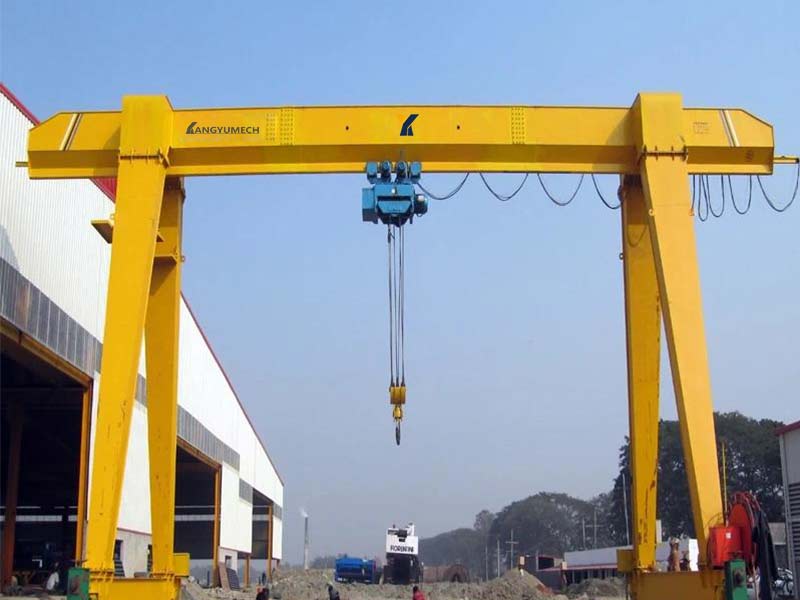
    This is the most widely used category, and it is commonly used in open-air yards, power stations, shipyards, and construction sites. Structurally, it can be divided into a single main beam and a double main beam. The single main beam has a simple structure, light weight, and low cost, and is suitable for hoisting operations with a medium span of less than 20 tons.
    The double main beam (box type or truss type) has stronger rigidity and good stability, and is suitable for lifting heavy materials with large tonnage (up to hundreds of tons) and long spans, such as steel and prefabricated components.

    4. Shipbuilding gantry crane

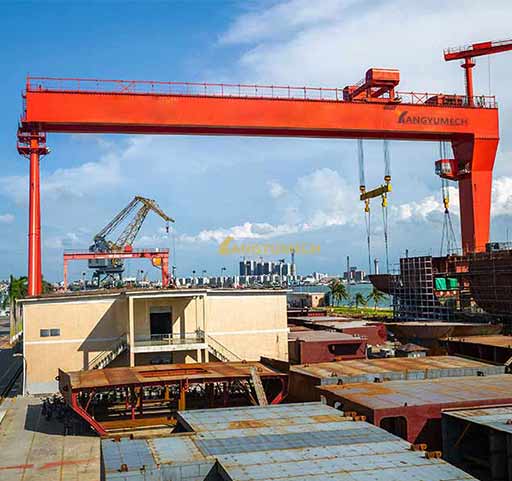
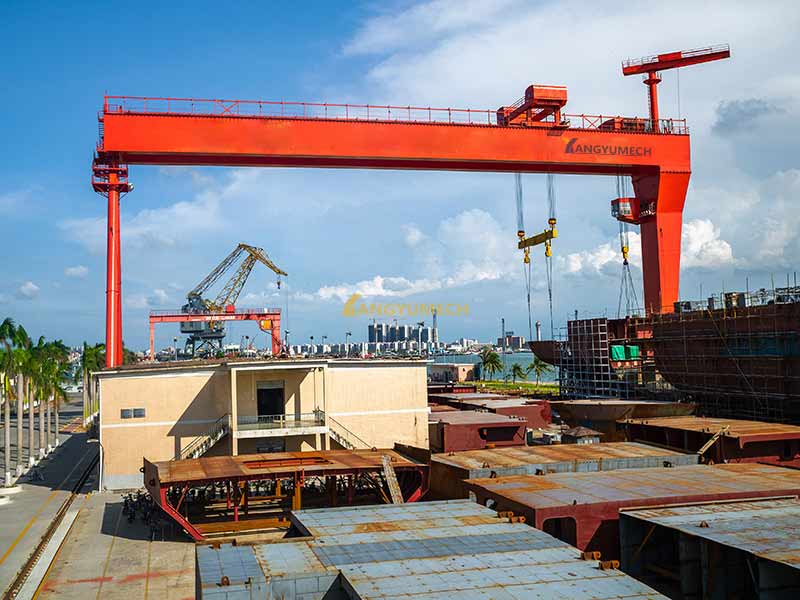
    Specially built for shipbuilding and maintenance, it is a “big mac” in the field of cranes. It is characterized by extremely high lifting height (up to more than 100 meters) and extremely heavy lifting weight (from hundreds of tons to thousands of tons), and is usually equipped with more than two trolleys that can be operated jointly or separately to lift large hull segments. Its carrying capacity is the highest among all types, representing the pinnacle of heavy lifting technology.

    5. Light truss gantry crane

    The triangular truss structure is used as the main beam, which has lightweight, low wind resistance, and good economy. It is mostly used in situations where the lifting weight requirements are not high (usually below 10 tons), but a larger span is required, such as small and medium-sized warehouses, agricultural machinery repair stations, etc. Because of its open structure, it is easy to observe and maintain, and it is cost-effective in specific scenarios.

    Application-Scenarios-Of-Gantry-Girder-Cranes-2

    Key Determinants Of Carrying Capacity

    The carrying capacity of a gantry girder crane is not an isolated number, but is determined by a set of systems.:

    Main beam structure: Double beams generally carry more load than single beams, and the torsional resistance of box beams is better than that of truss beams.
    Lifting mechanism: the configuration level of motor power, reducer, wire rope, and hook group.
    Outriggers and lower beams: responsible for transmitting all loads to the foundation, their stiffness and strength are essential.
    Working level: According to the frequency of use and load rate (A1 to A8 levels), the design safety factor is different.
    External environment: Natural factors such as wind pressure, snow load, and earthquake intensity will directly affect the design load.

    Important note: The carrying capacity must be designed, manufactured, and certified in strict accordance with relevant national specifications (such as GB/T 3811), and the rated lifting weight must be marked in a prominent position; overloading is strictly prohibited.

    Professional Customization To Meet Complex Needs: Choose Yangyu Machinery

    Faced with such a variety of types and strict technical requirements, it is often difficult to choose a “standard” crane that fully fits the unique working conditions of the project. This is the value of professional customized services.

    Yangyumech Crane Company, which has been deeply engaged in the industry for many years, is well versed in this way. We provide not only equipment, but also complete material handling solutions based on customer-specific needs.

    Our team of engineers can communicate with you in depth, taking into account your material characteristics, operating frequency, site restrictions, budget, and construction period, and tailor the most suitable gantry girder crane for you. Whether it is:

    Non-Standard Design That Adapts To Special Span And Headroom Requirements

    Materials and processes that meet specific anti-corrosion, explosion-proof, or clean environment requirements.
    Integrated automation control system to achieve precise positioning and intelligent scheduling
    Turnkey service for the whole process from basic planning, installation, and commissioning to personnel training.
    Yangyumech always insists on solid manufacturing technology, a rigorous quality control system, and safe and reliable products to escort the success of your project. We believe that the most suitable is the best.

    Contact us immediately and let our experts provide a professional lifting solution consultation for your next project.

  • Brief Description Of The World’s Top 10 Industrial Crane Companies

    Brief Description Of The World’s Top 10 Industrial Crane Companies

    In the grand picture of global industrialization, cranes play a vital role. They are the steel arms of construction sites, ports, manufacturing workshops, and energy projects. A powerful and reliable lifting solution is directly related to the progress, cost and safety of the project. When companies plan important material handling systems, understanding the main players in the global market is the first step in making informed decisions.

    heavy-duty-overhead-crane-for-sale-2

    The World’s Top 10 Industrial Crane Companies

    The following are the world’s leading industrial crane manufacturers that are widely recognized based on market influence, technical strength and global service network:

    Kony Group: Finland’s industrial giant, known for its advanced technology, automation solutions and comprehensive service network, is in a leading position in the field of port cranes and factory cranes.
    Demag: Synonymous with German precision engineering, now part of the Kony Group, it is world-renowned for its bridge cranes, wire rope hoists and drive technology, representing excellent performance and reliability.
    Terex: An American brand with an extremely wide product line, from mobile cranes to powerful port container cranes, it is known for its durability and ability to adapt to various harsh environments.
    Liebherr: A family business from Germany with an outstanding reputation in the field of construction machinery. Its crane products (especially mobile and crawler cranes) lead the market with innovative technology and state-of-the-art lifting capabilities.
    Manitowoc: An American company, which owns well-known brands such as Grove (Lin), is one of the world’s largest manufacturers of crawler cranes and large mobile cranes, focusing on the field of heavy lifting.
    Sumitomo Heavy Industries: One of the pillars of Japanese industry, it provides a full range of products from precision small hoists to large bridge and gantry cranes, and is known for its high quality and fine manufacturing technology.
    Sany Heavy Industry: A leading construction machinery company in China. With its strong R&D capabilities and cost advantages, its truck cranes, crawler cranes and other products occupy an important share in the global market.
    ZOOMLION: Another leading Chinese company, its product line covers concrete machinery, engineering cranes and construction lifting machinery, providing cost-effective solutions on a global scale.
    Alpha crane: A leader in medium-sized German companies, focusing on electric hoists, bridge and gantry cranes, and is highly respected in the market segment for its modular design, high safety standards and excellent quality.
    Yangyumech Machinery: As a dynamic professional force in the global market, Yangyumech Machinery is committed to providing high-value customized lifting solutions to customers around the world. We focus on the fields of industrial cranes such as bridge, gantry and cantilever cranes. Through solid engineering design and strict quality control, we ensure that every equipment can complete its mission stably and reliably within the budget, and we are winning the trust of more and more international customers.

    The Core Pedigree Of Industrial Cranes: Ability And Stage

    The world of industrial cranes is diverse, and they can be divided into several categories based on structure and function, each corresponding to different lifting capabilities and application scenarios.

    Bridge and gantry cranes are the pillars of material handling in fixed areas. The bridge crane runs on the track inside the plant, takes up almost no ground space, and has a lifting capacity ranging from a few tons to hundreds of tons. It is the core of automobile manufacturing, metal processing and assembly workshops. Gantry cranes stand on their own and move on the ground track through outriggers. They are suitable for open-air depots, cargo yards and container terminals. Their spans can reach tens of meters, and their lifting capacity also covers a wide range.

    Column mounted jib cranes are known for their flexibility and powerful mobility. Mobile boom cranes are flexible and have rapid transitions. They are the main force for construction sites, equipment installation and emergency hoisting. Crawler cranes have a large grounding area, superior lifting capacity, and can walk with loads. They are specially used for super heavy lifting projects such as large-scale power stations, petrochemical projects, and heavy equipment installation.

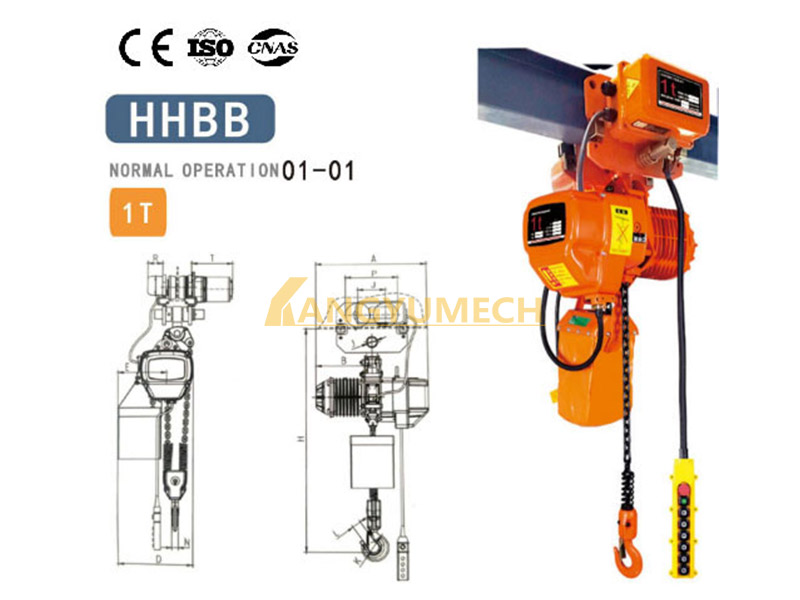
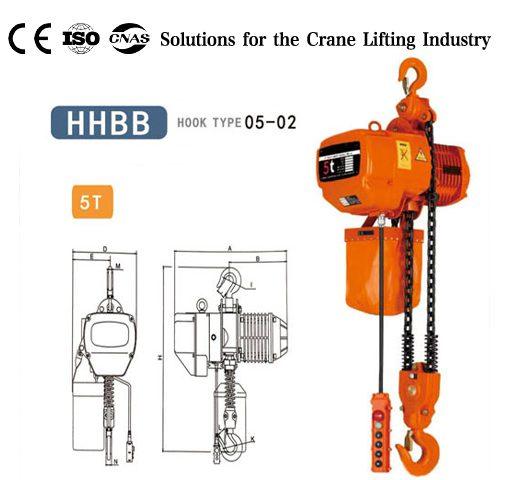
    Hoists and light and small cranes are the “generalists” of the workshop. Wire rope electric hoists and chain electric hoists are the core lifting units integrated into various types of cranes. They can also be used separately for station hoisting. The lifting range ranges from 125 kg to 100 tons, which penetrates into almost all links that require repetitive lifting operations.

    heavy-duty-overhead-crane-for-sale

    Choosing Yangyumech Machinery: Facing The Value Advantages Of The Factory

    Among the many options, direct cooperation with professional manufacturers like Yangyumech machinery can bring unique and significant advantages to customers. Our core model is factory direct sales, which means that every aspect from design, steel cutting, welding, assembly to testing is under our own strict control. This not only eliminates the price increase in the intermediate link, allowing you to obtain high-quality equipment at a more economical cost, but more importantly, it ensures the ultimate response speed and freedom of customization.

    Whether it requires non-standard span, special explosion-proof or anticorrosive treatment, or interface integration with automation systems (such as AGV, WMS), our engineering team can communicate directly and efficiently with you, and quickly transform your specific needs into feasible technical solutions. What we provide is not only standard products, but also precise solutions for your on-site working conditions and process flow.

    We sincerely invite partners and customers around the world to have a direct dialogue with us. Choosing Yangyumech machinery means that you have chosen a reliable partner with the goal of your success. Let us discuss your material handling challenges together, and use our solid manufacturing strength and flexible services to help you improve efficiency, control costs, and ultimately achieve a lasting win-win situation.

  • Single-Beam And Double-Beam Gantry Cranes: How To Make An Informed Choice For Your Project?

    Single-Beam And Double-Beam Gantry Cranes: How To Make An Informed Choice For Your Project?

    In port depots, logistics bases or large manufacturing workshops, gantry cranes (commonly known as gantry cranes) are indispensable backbone equipment. It is known for its strong handling capacity and efficient use of ground space. However, faced with the two main structural forms on the market-single beam and double beam, many project leaders are inevitably confused when choosing the type. These two types of cranes are not simple advantages and disadvantages, but precise solutions for different application scenarios. Understanding the core differences between them is the first step to ensure maximum return on investment and safe and efficient operations.

    Single-Beam-And-Double-Beam-Gantry-Cranes

    Structural Design and Carrying Capacity: Fundamental Differences

    The most intuitive difference is the number of main beams. Single-beam gantry crane, as the name suggests, consists of only one main beam, and the structure is relatively simple. This design brings the advantages of light weight, low manufacturing cost, and easy installation. However, the overall stiffness and stability of a single-beam structure are relatively limited, which determines that its carrying capacity is usually suitable for light to medium-sized loads. The lifting range is generally from 1 ton to 20 tons, and it can reach 50 tons under a specific design.

    The double-beam gantry crane uses two parallel main beams to form an extremely stable support frame. This complex structure gives it excellent strength and rigidity, and it can easily cope with heavy and even super-heavy lifting tasks, with a lifting capacity ranging from 5 tons to more than 500 tons. Therefore, double-girder cranes are the first choice for heavy-duty material handling fields such as steel, heavy machinery manufacturing, and large power stations.

    Performance Characteristics and Applicable Scenarios: Demand-Based Trade-Off

    Different structures directly lead to differences in performance. Due to its lightweight design, the single-girder crane has low headroom height requirements for the plant, thereby saving vertical space. It is very suitable for renovation or installation in existing workshops or highly restricted sites. It is flexible in use and is commonly employed in warehouses, small to medium-sized factories, and open-air cargo yards with low loading and unloading frequencies.

    The advantage of double-girder cranes lies in their powerful performance and wide adaptability. It not only has a large lifting weight, but also can achieve a larger span and a higher lifting height, and can cover a wider working area. In addition, its operation is more stable, with stronger anti-bias load and wind resistance, which is very suitable for continuous operation in heavy tasks, complex working conditions, or outdoor wind and rain weather. In container terminals, large shipyards, and heavy industrial construction sites, double-girder gantry cranes are almost the standard configuration.

    Economics and Long-Term Considerations: The Key to Comprehensive Decision-Making

    From the perspective of initial investment, single-girder cranes are usually more economical in terms of procurement and installation costs. For projects with limited budgets or clear and moderate lifting requirements, they are a very cost-effective choice. However, due to the complex structure and more materials used in double-girder cranes, the initial cost is significantly higher.

    However, decision-making cannot only look at the initial price. For heavy industrial scenarios that require high-frequency and high-load operation, the more durable characteristics of double-girder cranes mean longer service life, lower failure rates, and higher overall operating efficiency, and their long-term investment value may be more prominent. On the contrary, long-term full-load use near the carrying limit of a single-girder crane may accelerate structural fatigue, increase safety risks, and maintenance costs.

    Single-beam-gantry-crane

    Make Your Choice: The Key Is Precise Matching

    In summary, there is no “best” crane, only the “most suitable” crane. Your choice should be based on a clear assessment of the following factors:

    Load weight and frequency: this is the decisive factor. For long-term handling of heavy materials of more than 20 tons or frequent operations, double beams are a more reliable choice.
    Workplace conditions: consider the clearance height and span requirements of the plant and whether it is an indoor or outdoor environment.
    Operating system and safety requirements: For occasions where high-strength and high-level safety standards (such as A5-A8 working level) are required, double-girder cranes are a more professional choice.
    Total project investment budget: balance one-time investment with long-term operation and maintenance costs.

    Choose Yangyumech, Choose a Professional and Valuable Partner

    In the face of complex technology selection, an experienced and trustworthy partner is essential. As a professional gantry crane manufacturer, Yangyumech is well-versed in the essence of single-beam and double-beam design. We not only provide high-quality products that meet international standards, but also are committed to providing customers with tailor-made solutions.

    Our advantage lies in our precise engineering matching ability. Our technical team will analyze your specific working conditions, load curve, and budget in depth to help you clarify your needs and avoid the waste of resources of “big horse-drawn cars” or the safety risks of “small horse-drawn cars”. Whether it is a cost-effective single-beam solution or a solid and durable double-beam system, we ensure that its design, materials, and manufacturing technology can perfectly match your application scenario to achieve the best balance between performance and cost.

    We sincerely invite our customers and partners to contact us. Let Yangyumech’s professional knowledge become part of your project, jointly choose the most suitable lifting equipment, lay a solid and reliable foundation for your production and operation, and work together to achieve a lasting win-win situation.

  • What is a Chain Crane System?

    What is a Chain Crane System?

    In the modern industrial field that pursues efficiency and safety, a mature and reliable material handling technology has always been the cornerstone of the production process. The chain crane system, especially the chain electric hoist driven by electricity, is a core piece of equipment that perfectly combines mechanical power with control accuracy. It is not only a lifting tool for heavy objects, but also an intelligent solution that optimizes workflow, ensures operational safety, and unlocks the potential of three-dimensional space.

    The Basic Principle and Definition of Chain Crane System

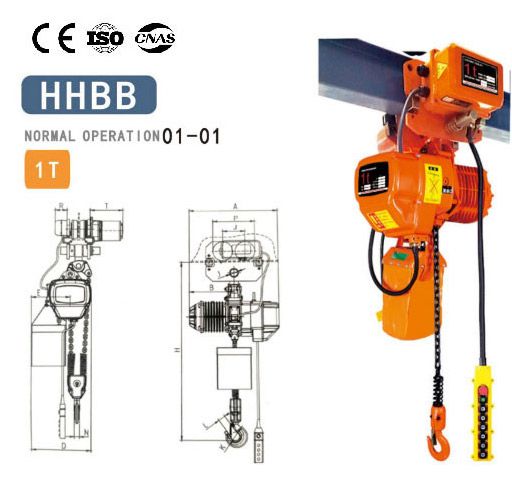
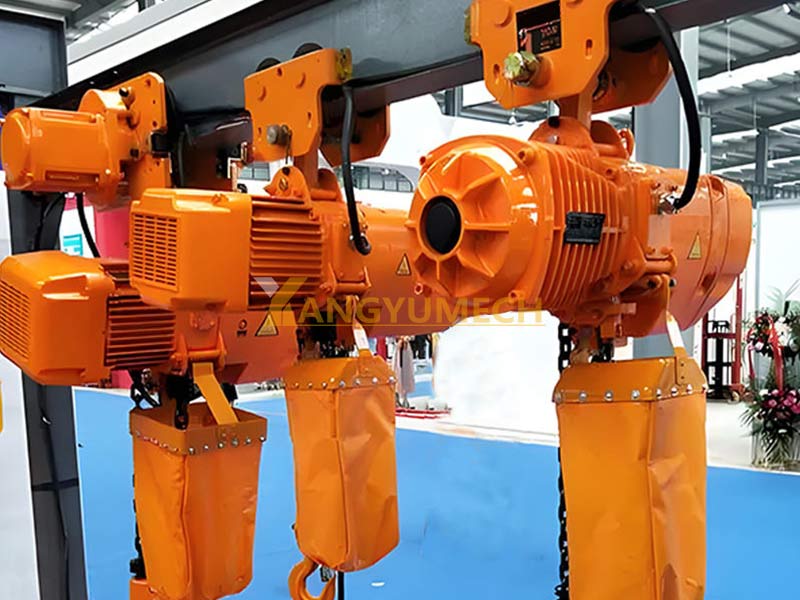
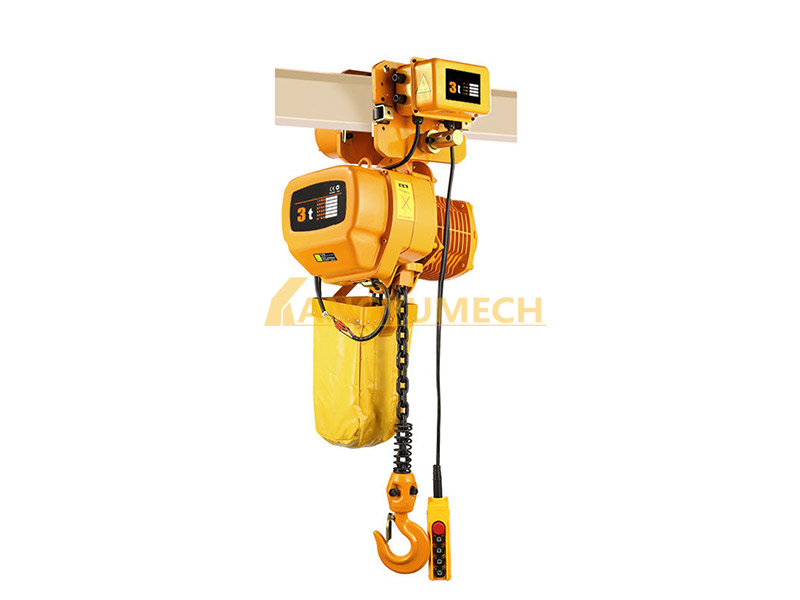
    In essence, a chain crane system is a kind of lifting machinery that vertically lifts and lowers the load by driving a high-strength lifting chain. Its core power unit is usually a rugged motor, the energy it generates is adjusted by a precise gearbox, and finally converted into a smooth and controllable movement of the chain. The operator can intuitively control it through a hanging button station or a wireless remote control to achieve precise positioning of the load. The most distinctive feature of this system is its compact design and strong load capacity, which allows it to be easily integrated into existing factory structures or crane systems, creating maximum handling value in a limited space.

    heavy-duty-chain-hoist-for-sale

    Diversified Types to Meet Demanding Needs

    In order to adapt to various industrial scenarios from clean workshops to hazardous environments, chain cranes have developed a variety of special types to ensure that the most suitable tools are provided for each task.

    Standard and high-speed models: Standard chain electric hoists have achieved a good balance between performance, reliability and cost, and are a common choice for general lifting tasks in workshops, warehouses and light industries. For automated production lines or assembly areas where every second counts, high-speed models can provide faster improvement speeds and significantly increase production beats.

    Thin and variable speed models: In factories, ship compartments or low-rise workshops where space is highly restricted, thin chain hoists rely on their compact mechanical design to provide complete lifting capacity at the expense of very small head space. The variable speed model allows the operator to precisely control the lifting speed, which is essential for handling precision or vulnerable parts in aerospace or precision manufacturing, and can achieve fine positioning at the millimeter level.

    Special safety models: Safety is always the primary consideration in industrial production. In places with flammable and explosive risks such as chemical industry, petroleum and natural gas, explosion-proof chain hoists are specially designed to eliminate the risk of electric sparks and overheating, and provide safety protection for operations in hazardous areas. In the food, beverage and pharmaceutical industries, food-safe chain gourds are made of stainless steel and have a smooth and easy-to-clean surface treatment to meet the most stringent hygiene standards and prevent the growth of bacteria.

    heavy-duty-chain-hoist-for-sale-2

    A Wide Range of Core Application Scenarios

    The versatility of the chain crane system makes it the first choice in many key industries.

    Manufacturing and automated production lines: In automobile manufacturing or mechanical assembly lines, chain electric hoists are widely used to quickly and accurately hoist large components, such as engines or axles, to designated stations. Its smooth operation and variable speed control capabilities ensure the quality and efficiency of precision assembly.

    Warehousing and logistics center: In order to maximize the use of vertical storage space, chain electric hoists are often integrated in the lifting system of the warehouse to lift the goods to the shelf or remove them from the shelf. Its compact design is especially suitable for efficient operation in the limited space between the passage and the shelf.

    Construction and equipment maintenance: On construction sites, it is used to safely transport building materials vertically. In the maintenance workshop, whether it is used independently or as a lifting unit of a jib crane, it is the right-hand man for equipment disassembly and component replacement, and can cover a flexible working radius.

    heavy-duty-chain-hoist-for-sale-3

    Choosing Yangyumech: The Promise of Reliability and Value

    In the face of diverse needs and complex environments, it is essential to choose an experienced and technically sound partner. As a manufacturer focused on lifting solutions, Yangyumech is committed to providing customers with chain crane products that exceed expectations. We know that reliability is the lifeline of equipment. Therefore, we use high-performance motors, durable gearboxes, and high-strength lifting chains to ensure that every equipment can cope with heavy industrial cycles.

    Our advantage lies in combining excellent engineering quality with very competitive costs. We not only provide a series of standardized and efficient products, but we are also good at customized design and manufacturing according to the specific application scenarios of our customers-whether it is an explosion-proof chemical plant, a hygienic food workshop, or a production line that pursues extreme speed. In addition, our system design emphasizes integration with existing facilities to help you achieve a comprehensive upgrade of the material handling process with minimal retrofit costs.

    We sincerely invite our customers to establish contact with us. No matter which industry you are in and what unique material handling challenges you face, Yangyumech’s professional team is willing to be your reliable consultant and partner. Let us discuss the needs together, design solutions, take the efficient and reliable chain crane system as the cornerstone, and work together to achieve a win-win situation of production efficiency and economic benefits.

  • What is a Column Mounted Crane?

    What is a Column Mounted Crane?

    In modern industrial facilities, the efficient utilization of three-dimensional space is crucial for enhancing production efficiency. The column-mounted Jib crane is precisely the solution for this purpose. Unlike traditional bridge cranes, the track system of the column-mounted crane is directly installed beneath the roof steel structure of the factory building. The lifting trolley runs along the lower edge of the track, achieving zero occupation of the ground space. This unique design makes it the preferred equipment in many manufacturing, assembly, and storage scenarios.

    The Main Types And Characteristics Of Column-Mounted Cranes

    The column-mounted Jib crane is not a single device, but rather a system that can be highly configured according to the requirements. Its main types include:

    Single-Beam Column-Mounted Crane
    This is the most cost-effective and efficient basic solution. Using a steel I-section as the main beam, the structure is lightweight and installation is quick. It is typically suitable for applications with a lifting capacity of no more than 20 tons and a service range within medium spans in workshops. Its advantages lie in high cost-effectiveness, enabling it to provide basic fixed-point lifting services for production lines or warehouses. It is particularly suitable for situations where budget constraints exist but there is a need to improve handling efficiency.

    Double-Beam Column-Mounted Crane
    When higher load requirements or larger spans are needed, the double-beam structure becomes the inevitable choice. The two main beams provide excellent stability and rigidity, capable of bearing heavier loads (up to several hundred tons) and achieving greater lifting heights. The double-beam system is usually equipped with more powerful drives and control systems, operating extremely smoothly with high precision. It is a key component in demanding industrial environments such as heavy equipment manufacturing and large component assembly.

    Flexible Combined Girder Crane
    This is a model of modern engineering design, typically employing high-strength box-type beams or combined truss structures. Its core advantage lies in extreme flexibility. The track network can be intricately arranged according to the production process, including straight lines, curved tracks, switches, and lifting sections, allowing the lifting trolley to operate almost without blind spots throughout the entire factory’s three-dimensional space. This system is particularly suitable for modern flexible production lines and automated storage centers with complex process flows and materials that need to be transferred across regions and workstations.

    Single-Beam-Wall-Mounted-Crane-2

    The Core Application Scenarios Of The Column-Mounted Crane

    Thanks to its space-saving and highly flexible features, column-mounted cranes play a crucial role in numerous industries:

    Automobile and equipment assembly line: In the vehicle assembly workshop, column-mounted cranes can precisely lift large components such as engines and axle housings to the designated positions on the production line, enabling efficient assembly line operations.

    Warehousing and logistics center: In automated vertical storage warehouses or distribution centers, flexible combined beam systems can seamlessly connect with automated stackers and conveyor lines to complete the entire process of automated handling of raw materials, in-stocking, and finished product outloading.

    Aerospace and precision manufacturing: For the assembly of aircraft components or precision instrument workshops with extremely high requirements for handling accuracy and environmental cleanliness, customized column-mounted crane systems can provide stable and dust-free lifting solutions.

    Maintenance workshop and testing center: In equipment maintenance rooms or product testing areas, cranes need to cover a wide area to serve different workstations. Column-mounted systems can provide comprehensive coverage to meet the needs of irregular maintenance and lifting.

    Selecting Outstanding Partners: The Engineering Capabilities of Yangyumech

    When you invest in a column-mounted gantry crane system, you are not merely choosing a piece of equipment. You are selecting a long-term productivity partner. Yangyumech, leveraging its profound industry experience and solid engineering technology, is dedicated to providing customers with reliable, efficient, and highly valuable solutions.

    Our core advantage lies in the perfect combination of durable and reliable quality with reasonable costs. We understand that reliable equipment is the guarantee of production continuity. Therefore, we strictly control the design process and use high-quality steel and core components (such as motors, reducers, and electrical control systems) that have been verified by the market for a long time to ensure that each crane has a long lifespan and low failure rate.

    Single-Beam-Wall-Mounted-Crane-3

    Actual Cases Demonstrate Strength

    Automotive Parts Manufacturing Project: We designed and installed a flexible combined-beam-mounted crane system covering the entire production area for a globally renowned automotive parts supplier. This system integrates multiple lifting points and automatic transfer functions, successfully reducing the material transfer time at different workstations by 30%, significantly improving the overall production rhythm of the line.

    Heavy Equipment Assembly Workshop Project: We provided a double-beam column-mounted crane for a large construction machinery manufacturer with a lifting capacity of 75 tons and a span of over 30 meters. We particularly strengthened the structural rigidity and operational stability design to enable it to precisely and safely lift large excavator chassis and upper frames, earning high praise from the customer.

    Our products and services have been exported to dozens of countries around the world, assisting customers in different regions to optimize their material handling processes. We believe that true success stems from the win-win cooperation between both parties.

    Please feel free to contact us and share your specific needs and challenges. The professional team of Yangyumech crane will tailor the most suitable crane solution for you, helping you increase space utilization, optimize production logistics, and jointly achieve efficient and sustainable growth.

  • Five Minutes to Understand the Gantry Crane

    Five Minutes to Understand the Gantry Crane

    What is a Gantry Crane?

    The portal crane, often called a gantry crane, is large-scale lifting equipment whose structure resembles a movable “gate”. It consists of a portal frame (including legs and upper crossbeam), a hoisting trolley, a traveling mechanism for the main girder and an electrical control system. It can perform three-dimensional movements longitudinally, laterally and vertically on fixed tracks or specific sites. This type of overhead crane does not rely on the building structure of the factory. It has strong outdoor operation capabilities and large-span working characteristics, making it a backbone equipment in the field of heavy material handling.
    From an engineering perspective, the core advantage of a gantry crane lies in its self-supporting structure design. It directly transfers the load to the ground track or foundation through stable legs, a feature that makes it particularly suitable for open spaces without overhead support. Whether it is handling hundreds of tons of prefabricated components or standard containers, the gantry crane can provide reliable and efficient solutions.

    gantry-crane-suppliers

    The Main Types Of Gantry Cranes And Their Technical Features

    The diverse designs of gantry cranes enable them to adapt to various site conditions and operational requirements. They can mainly be classified into the following categories:

    1. Full-Girder Cranes and Semi-Girder Cranes
    Full-girder cranes have both sides of their legs running directly on ground tracks, forming a complete “door” shape structure, providing the most extensive working coverage and stability. They are commonly found in large storage yards and ports.
    Semi-girder cranes have one side of their legs running on tracks while the other side is supported by factory columns or specific foundations. They are particularly suitable for operation areas along the edges of buildings, effectively saving space.

    2. Single-Girder Cranes and Double-Girder Cranes
    The single-girder structure is relatively light in self-weight and has a lower manufacturing cost. It is suitable for applications with smaller lifting capacities (typically not exceeding 50 tons) and medium spans, such as general cargo yards or the periphery of workshops.
    The double-girder structure, on the other hand, offers greater rigidity and strength, capable of handling heavier loads (up to hundreds or even thousands of tons) and larger spans. It is the preferred choice for large power stations, heavy equipment manufacturing, and major infrastructure projects.

    3. Tyre-Mounted Cranes and Rail-Mounted Gantry Cranes
    Rail-mounted gantry cranes run along fixed steel rails laid down, offering precise positioning, smooth operation and convenient power supply. They are the standard configuration for most fixed material transfer areas.
    Tyre-mounted gantry cranes stand out for their high mobility. They do not require fixed rails and can move and turn flexibly on flat and solid ground. They play an irreplaceable role in container yards and can quickly adjust their positions according to operational needs.
    In addition, there are specialized variants for specific needs, such as shipyard cranes with extremely high lifting heights for shipyards, and container quay cranes that combine the functions of cranes and loading bridges.

    The Wide Range Of Applications Of Portal Cranes

    The application of gantry cranes runs through almost all the important links of modern industry and logistics:

    Port terminals and container yards: This is the main battlefield for rubber-tyred gantry cranes (RTG) and rail-mounted gantry cranes (RMG), responsible for unloading containers from ships, stacking them, and loading them onto trucks. Their operational efficiency directly determines the port’s throughput capacity.

    Large logistics warehouses and railway freight stations: They are used for loading and unloading packaged goods, wood, steel, and large containers, facilitating the rapid turnover of goods between trucks, storage yards, and warehouses.

    Power stations and heavy equipment manufacturing plants: In thermal, hydro, and nuclear power projects, they are used to lift core heavy components such as generator rotors and boiler drums; in heavy machinery factories, they are used for the assembly and transportation of large structural components.

    Shipbuilding and marine engineering: Giant shipbuilding gantry cranes have extremely high lifting heights and large lifting capacities, capable of hoisting hundreds of tons of ship sections, making them key equipment in modern shipbuilding.

    Large infrastructure construction sites: They are used for lifting and transporting prefabricated bridge segments and concrete components, supporting the rapid construction of high-speed railways, highways, and other projects.

    single-girder-overhead-crane-for-sale

    Choose Reliable Global Partners: Yangyumech

    In the global industrial equipment market, it is crucial to choose a gantry crane manufacturer with solid technology, rich experience, and a reliable reputation. 

    We are well aware that a high-quality gantry crane is not merely a combination of steel but rather a result of exquisite craftsmanship, rigorous engineering, and reliable components. Yangyumech insists on controlling quality from the design stage, using advanced finite element analysis for structural optimization to ensure that each crane not only has outstanding strength but also is economically viable. Our product line includes various types of gantry cranes, and we can provide flexible customized solutions based on the specific site conditions, process requirements, and budget of our customers.

    Our strength is not only reflected on the production line, but has also been widely verified in the international market. Yangyumech’s lifting equipment has been successfully exported to dozens of countries around the world, from infrastructure construction in Asia to logistics centers in Europe, from industrial plants in the Americas to energy projects in Africa. Our products are operating stably all over the world, helping customers improve efficiency and create value. This global footprint demonstrates the outstanding adaptability, reliability and cost-effectiveness of our products.
    We firmly believe that successful business relationships are built on a foundation of mutual benefit. Yangyumech looks forward to working hand in hand with our customers and partners. Whether it’s providing a standard crane or jointly designing a complex material handling system, we will offer professional technical support and comprehensive services to ensure the success of your projects.
    Welcome to contact us at any time to start our journey of win-win cooperation.

  • Why Choose Yangyu Overhead Bridge Cranes?

    Why Choose Yangyu Overhead Bridge Cranes?

    If you work in an industrial setting, you may have seen a bridge crane in action. But what exactly is this powerful piece of equipment, and why is it so crucial to modern manufacturing, logistics, and construction? A bridge crane is not merely a tool for lifting heavy objects; it is a sophisticated system designed for precision, efficiency, and maximizing the utility of the workspace.

    The core of a gridge bridge crane consists of a horizontal beam or “bridge” that runs between two parallel rails fixed to the building’s support structure. The hoist and trolley mechanisms travel along this bridge, providing full three-dimensional movement within a defined working area. This simple yet outstanding design enables operators to lift, lower, and transport heavy loads with a level of control that is unattainable by manual methods.

    top-running-bridge-cranes

    Why Choose Yangyu Overhead Bridge Cranes?

    The widespread adoption of top-running bridge cranes is no accident. It is driven by a series of compelling advantages that directly impact productivity and safety.
    – Unparalleled space efficiency: Unlike mobile cranes that occupy valuable ground space, overhead cranes operate entirely in the air. This keeps the ground clear for personnel, machines, and other vehicles, optimizing the layout of the entire facility.
    – Outstanding load capacity and stability: These cranes are designed for heavy-duty cycles and can handle incredibly heavy loads ranging from a few tons to hundreds of tons. The double-girder design, in particular, provides tremendous strength and rigidity, preventing dangerous sway and ensuring stable load handling.
    – Enhanced workplace safety: By mechanizing the lifting of heavy objects, bridge cranes significantly reduce the risk of musculoskeletal injuries to workers. Controlled and predictable movement paths also minimize the chances of collisions and accidents.
    – Precision and control: Modern cranes feature sophisticated control systems, including variable speed drives and even wireless remote operation. This enables operators to position loads with millimeter accuracy, which is crucial for precise assembly lines or placing objects in tight spaces.
    – Proven durability and low life-cycle cost: Made from high-strength steel and equipped with industrial-grade components, well-maintained overhead cranes offer an extremely long service life. Although the initial investment may be substantial, the return on investment over decades of reliable service is exceptional.
    What are The Application Scenarios Of Gantry Bridge Cranes?

    The versatility of industrial bridge cranes means that their applications in heavy industry are almost unlimited. Common scenarios include:
    – Manufacturing and automotive plants: Move raw materials, engine blocks and chassis along assembly lines.
    – Steel mills and metal manufacturing: Handle molten metal in ladles, transport metal coil, position large structural beams.
    – Shipping ports and intermodal yards: Specifically, large versions such as rubber-tired gantry (RTG) cranes are used to stack and move containers.
    – Power generation: Lift turbines, generators and transformers during maintenance and installation.
    – Warehouses and distribution centers: Efficiently manage heavy palletized goods in storage racks.

    industrial-bridge-crane

    Which are The World’s Top Bridge Overhead Crane Manufacturers?

    When purchasing heavy-duty overhead cranes, many purchasing managers turn their attention to well-known global brands. Companies such as Konecranes (Finland), Demag (Germany, now part of Konecranes), and Terex (USA) are often cited for their extensive product portfolios and global service networks. Chinese manufacturers like ZPMC are dominant forces in the port equipment sector, while Liebherr (Germany/Switzerland) is renowned for its superior engineering across all types of cranes.

    However, focusing solely on the largest corporate entities sometimes means overlooking powerful and agile manufacturers that offer significant value. This is where companies like Yangyumech come into the picture. As a professional manufacturer specializing in material handling solutions, Yangyumech has built a reputation for providing robust and reliable cranes, which are typically associated with well-known enterprises. They represent a growing trend of expert-level manufacturers effectively competing in terms of quality, customization, and cost-effectiveness.

    Why Choose Yangyumech When Buying a Gantry Crane?

    So, what sets Yangyumech apart in the crowded market? The answer lies in their strategic focus on providing uncompromising value. They understand that operating budgets are tight, but performance cannot be sacrificed. Yangyumech is a partner for high-value lifting solutions.
    Yangyumech’s advantage is built on a straightforward promise: to provide high-quality engineering at competitive prices. They achieve this by streamlining the production process and maintaining a direct-to-customer approach. Don’t mistake affordability for compromise. Their cranes are manufactured to recognized international standards and can be customized according to specific operational needs, whether it’s a standard workshop crane or a specialized container handling RTG.

    Our product range demonstrates this commitment to practical innovation, featuring durable wire rope hoists and versatile boom cranes, designed specifically for the real-world industrial challenges. For businesses seeking to enhance material handling capabilities without incurring excessive capital expenditure, Yangyu Technology offers a compelling and sensible choice.
    Are you ready to enhance your operational efficiency? If you are in search of a durable and high-performance bridge overhead crane solution that respects your budget, we encourage you to get in touch. Contact Yangyumech right away to learn how our lifting solutions can be tailored to drive your success.

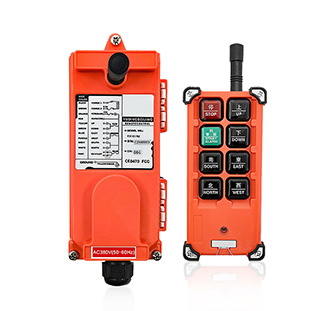
  • Crane Radio Remote Control

    Crane Radio Remote Control

    Crane radio remote control offers a full range of radio control options for all of your material handling needs.

    Capacity: 10-75t

    Span: 18–35m

    Lifting height: 10m

    Working Duty : M5

    Crane traveling: 3–30 m/min

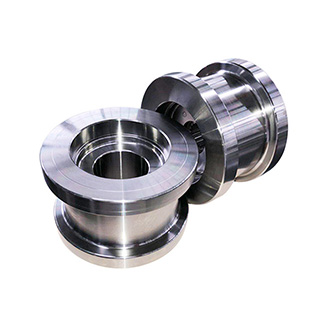
  • Wheel Set

    Wheel Set

    Span: 7.5-25.5 M

    Capacity: 1–12.5 t

    Max.Wheel Load: 13.5~90.94 kn

    Traveling Rail: P24~P43

    Trolley Weight: 405~740 kg

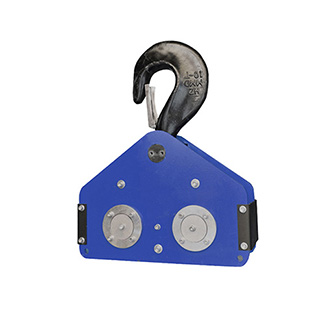
  • Crane Hook

    Crane Hook

    Brand Name:Yangyumech

    Material:Iron

    Quality:Original

    MT test:Accepted

    UT test:accepted

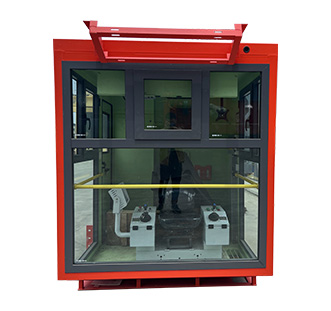
  • Crane Cab

    Crane Cab

    Product brand: Yangyumech

    Accessories suitable for: crane

    Product load: 20T

    Processing customization: Yes

  • Seamless Safety Slip Lines

    Seamless Safety Slip Lines

    Oxygen-free copper sheet, Abrasion wear resistance, Simple and easy mounting

    Material:PVC

    Product Specification:3P/4P/6P

    Turning radius:>750mm

    Conductive material: oxygen-free copper

    Scope of application: Industrial power transmission

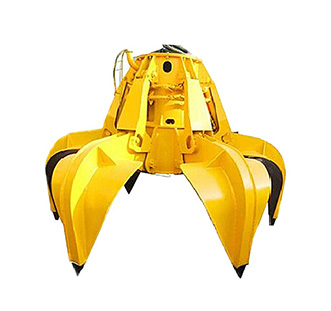
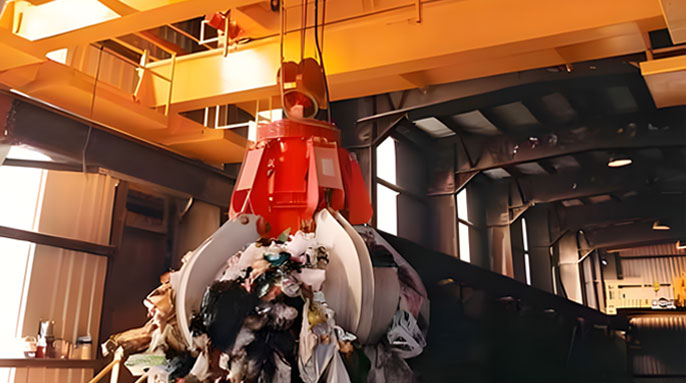
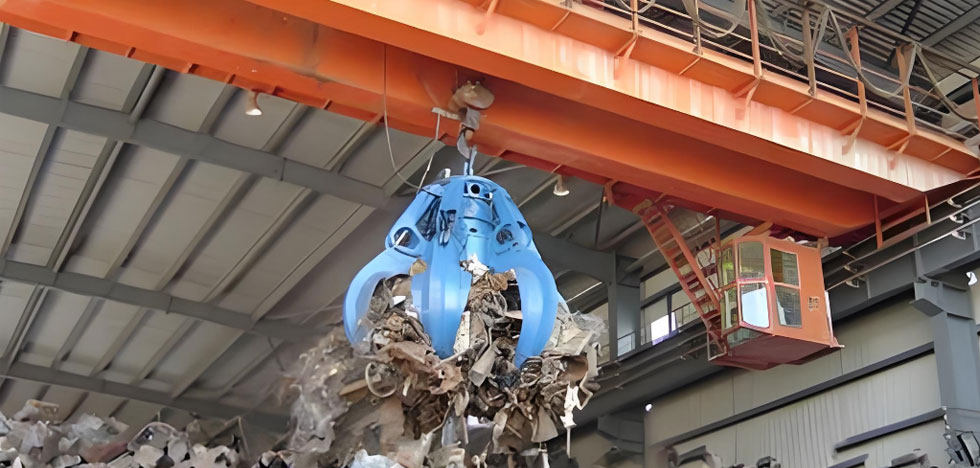
  • Hydraulic Muti-Flap Grab

    Hydraulic Muti-Flap Grab

    Volume: 0.5~20m³

    Self-weight: 1.5~11 t

    Motor power: 11~45kw

    Operating pressure: 180, 200 bar

    Close time: 10~28s

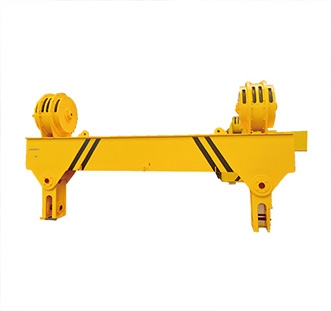
  • Steel Lifting Spreader Beam

    Steel Lifting Spreader Beam

    Load capacity range: 2-40 tons

    Beam material: high-quality low-carbon alloy structural steel

    Beam structure: box shaped, streamline curved surface

    Beam accessories: pin shaft, eye hook (rotating hook)

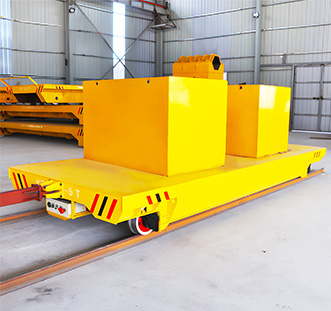
  • Cross Flat Cart, Electric Transfer Cart

    Cross Flat Cart, Electric Transfer Cart

    Length: 2000-10000mm

    Width: 1500-3000mm

    Height: 450-1200mm

    Wheel Diameter: Ф270-Ф600

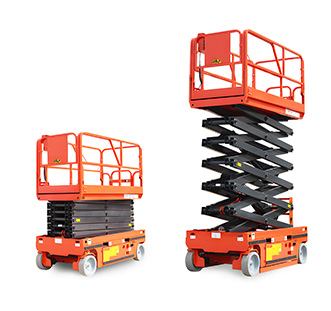
  • Lifting Platform

    Lifting Platform

    Lifting platform is a kind of multifunctional hoisting and handling mechanical equipment, which can be divided into fixed type and mobile type: the mobile type can be divided into straight-arm type, curved-arm type, scissor type, mast type, aluminum alloy lifting platform

    Performance: Reliability and versatility for enhanced efficiency

    Compact and flexible operation: Most machines are equipped with a zero-radius in-turn system for flexible operation in crowded construction sites, lifts and narrow passages. Top-down control:Up, down,left,right, forward, backward, steering and other movements, one person can easily and comfortably complete aerial work.

  • Motor Reducer

    Motor Reducer

    The reduction motor is widely used in metallurgy, mining, light industry, chemical steel, cement, printing, sugar, food, rubber, pickles, construction, lifting and transportation, fans and other industries, and can be used to match imported equipment.

  • Electrical Cabinet

    Electrical Cabinet

    Easy operation

    Low maintenance

    Sturdy construction

  • Single Girder Gantry Crane

    Single Girder Gantry Crane

    Single girder gantry crane is a common type of gantry crane used indoors or outdoors, and it is also an ideal solution for light duty and medium duty material handling. Yangyumech can offer different type design of single girder gantry crane like box girder, truss girder, L shape girder, with low headroom hoist, standard room (monorail) hoist to meet a range of applications. Our products have the characteristics of compact design, light weight, low noise, easy installation, and maintenance.

    Capacity: 0.3t-36t; Span length: 4-35m

    Lifting height: 6m, 9m, 12m, etc.

    Raged voltage: 220V~690V, 50-60Hz, 3ph AC

    Customized: YES

  • Column Mounted Jib Crane

    Column Mounted Jib Crane

    Yangyu Cranes specializes in column-mounted Jib crane solutions. With exceptional stability and precise performance, it seamlessly integrates into your production processes, significantly enhancing efficiency and safety. Contact us now.

    Capacity: 0.25T – 5T

    Lift height: 3m-8m

    Span: 3m-7m

    Power source: 380V 50Hz 3P or Customized

  • Wall Mounted Jib Crane

    Wall Mounted Jib Crane

    Capacity: up to 5 ton

    Arm length: up to 10 m

    Lifting height:up to 20m

    Work duty: M3-M5

    Rotation angle: 120-360°

    Raged voltage: 220V~690V, 50-60Hz, 3ph AC

    Crane control mode: Floor control / Remote control

  • Chain Hoist, Electric Chain Hoist

    Chain Hoist, Electric Chain Hoist

    Light aluminum alloy shell shall be adopted, which is light but hard and fit for use in a terrible work environment with a high heat dissipation rate and all tightness design. Inverse phase sequence protecting device: It is a special electrical installation that controls the circuit not to work in case of a wiring error in the power supply.

    24V/36V device: It is used to prohibit emergencies from occurring in case of the leakage in a switch.

    Lifting Capacity: 0.3-32t

    Customized: YES

  • Hand Chain Hoist

    Hand Chain Hoist

    Smooth, non-jamming chain, Portable and durable

    Sturdy durable

    Duration of use longer

    Smooth guide pulley

    Lifting Capacity: 0.5~46t; Customized:YES

  • Micro Electric Hoist

    Micro Electric Hoist

    Micro electric hoist is a type of lifting hoist, generally divided into household micro hoist and industrial micro hoist, and can also be divided into wire rope micro electric hoist and ring chain micro electric hoist.

  • Electric Trolley, Electric Hoist With Trolley, Electric Hoist & Trolley Set

    Electric Trolley, Electric Hoist With Trolley, Electric Hoist & Trolley Set

    DF type series wire rope electric hoist adopts the European FRM design standards with advanced concepts, beautiful shape. The drive unit adopts domestic advanced point line meshing gear structure making the machine has compact reasonable structure. The operation is simple, convenient and working is safety and efficient and meet the low noise, energy conservation and environmental protection requirements.

    Capacity: 3.2-80t

    Customized:YES

  • Wire Rope Electric Hoist CD MD Hoist

    Wire Rope Electric Hoist CD MD Hoist

    Manufacturer’s direct supply, The quality is more assured

    Strong power

    Fast heat dissipation

    Low noise

    Quality is stable

    Lifting Capacity: 0.25~16t; Customized:YES

  • European Standard Electric Hoist

    European Standard Electric Hoist

    European Type Electric Hoist is designed and manufactured according to international standards with modular and compact design, integrated 3 (motor + reducer + brake) in 1 motor, optimized force distribution to realize the fast and precise positioning fun

    Capacity(kg): 1000-12500

    Working Class(FEM): 1Am-4m

    Working Class (ISO/GB): M4-M7

    Lifting Height (m): 6/9 12/18

    Trolley Speed (m/min): 2-20

  • Steel and Iron Industry

    Steel and Iron Industry

    Iron and steel metallurgical crane is one of the important key equipment in the production of iron and steel enterprises. The metal production industrial has the molten metal, severe heat, dusty, dangerous load and continuous production demands. We work with you to lift heavy and dangerous items throughout the operation process, from transporting raw material, to pour hot metal, to lift finished products in the rolling mill. From charging bay, converter bay, pouring bay, equipment maintenance bay, finished products stacking bay, our advanced products and service can improve the safety and productivity of operations across every area of your plant.

    Iron and steel metallurgical crane requirements for reliability and fault free rate are very strict. According to type classification, most steel mills use bridge cranes and gantry cranes. According to the classification of lifting appliances, steel plants have hooks, grab buckets, clamps, lifting electromagnet cranes, etc.

  • Port Transportation Industry

    Port Transportation Industry

    The port crane is a mechanical equipment that lifts the goods from the quayside to the ship or unloads the goods from the ship to the quayside. Container crane is a kind of crane used for loading and unloading containers. It is mainly used for container stacking and horizontal transportation in docks and stackyards. Compared with forklifts, it has the advantages of flexibility, ease operation, good stability, and low wheel pressure, high stacking layers, and high utilization rate. It can carry out cross-container operations, especially suitable for container loading and unloading in small and medium-sized ports, railway transfer stations and other places.

  • Aviation Indudustry

    Aviation Indudustry

    The application range of cranes in aircraft manufacturing engineering is very extensive. Cranes are required in various stages of aircraft manufacturing. For example, in the process of component production and assembly, cranes can undertake tasks such as lifting, handling, and assembly. In static and flight tests, cranes can assist in installing and dismantling testing equipment. In aircraft maintenance, cranes can be used to assist in dismantling and replacing components. It can be said that cranes play an indispensable role in aircraft manufacturing engineering.

  • Metallurgical Industry

    Metallurgical Industry

    Metallurgical cranes operate by longitudinal movement along the factory track direction, lateral movement of the trolley, and lifting movement of the hook. They are applicable to metal smelting workshops and are special cranes for lifting molten metals that comply with the standards of JB/T7688.1-95 and JB/T7688.15-95. The application of metallurgical cranes is generally suitable for an ambient temperature ranging from -10°C to +50°C. The relative humidity does not exceed 50% at a temperature of 40°C, and the radiant temperature of the molten metal lifted on the forging hook and plate hook does not exceed 300°C. Working levels: A7 and A8 are used in relatively busy metallurgical foundry workshops.

    Metallurgical cranes are mainly special cranes applicable to metal smelting, rolling and hot processing, etc. These include open-hearth charging bridge cranes, ground charging cranes, hopper cranes, ingot stripping cranes, full-mold cranes, cover uncovering cranes, clamp cranes, slab turnover cranes, forging cranes, charging and discharging cranes for heating furnaces, hopper – electromagnetic cranes, and hopper – grab cranes.

  • Waste to Energy and Biomass Industry

    Waste to Energy and Biomass Industry

    The semi-automatic control grab crane for garbage handling is the core equipment of the garbage feeding system of the municipal solid waste incineration plant. It is located above the garbage storage pit and is mainly responsible for the feeding, handling, mixing, picking and weighing of garbage. Yangyumech meets the demands of our customer’s plants with a skilled team in order to deliver Yangyumech project experience that will fit the needs and reuirement of Waste Treatment Plants of any throughput and size.

  • Energy Industry

    Energy Industry

    Crane provides the power industry with material handling equipment suitable for use in individual power plants. Whether it is a traditional thermal power plant, a large hydroelectric power plant, or a remote wind farm, we can provide the right cranes and services to meet your every need, such as power station cranes, hydropower bridge cranes.


  • Water Conservancy and Hydropower Industry

    Water Conservancy and Hydropower Industry

    Water Conservancy and Hydropower Industry whether it is infrastructure construction or later operation stages, bridge cranes and gantry cranes can be said to be highly used basic mechanical equipment.

    Yangyumech provides the power industry with material handling equipment suitable for use in individual power plants. Whether it is a traditional thermal power plant, a large hydroelectric power plant, or a remote wind farm, we can provide the right cranes and services to meet your every need, such as power station cranes, hydropower bridge cranes and hoist gantry cranes.


  • Manufacturing Industry

    Manufacturing Industry

    Yangyumech crane and hoist can be applied to nearly all the manufacturing industries from light product to heavy product. Manufacturing industry has been always the key industry where Yangyu provides material handling solutions. Crane can provide customized cranes according to different product flowchart to meet your special demands, to increase the productivity and safety. Whatever kind of manufacturing you are doing, Yangyumech can provide the suitable crane according to your need.


  • Bridge crane exported to Vietnam – five 30-ton single-girder bridge cranes

    Bridge crane exported to Vietnam – five 30-ton single-girder bridge cranes

    Industry: Steel mill industry

    Lifting equipment: single-girder bridge cranes

    Capacity: 30T

    Location: Vietnam

    December, 2021

    Vietnam clients visited Yangyumech. This project is about five 30-ton single-girder bridge machines for the customer’s steel mill industry. They spent five days at the factory talking to our engineers on the design and details of the cranes.

    Our engineers provided detailed design drawings to meet the needs of our clients, and they finally reached a constant opinion. They placed the order after returning. Thanks for your trust, we will continue to work hard.

     single-girder bridge cranes


  • Our European hoists have been exported to Pakistan area

    Our European hoists have been exported to Pakistan area

    Industry: dealer / distributor
    Lifting equipment: European hoist
    Capacity: 5-70T
    Location: Pakistan
    December, 2019

    European hoist

    Our European hoists have been exported to Pakistan area. We have agents in Pakistan and have reached long-term cooperation. This project is about mass production of 5-70 tons of European hoist. Congratulations on our win-win cooperation!

  • A close and long-term cooperation with the Arabian Peninsula region

    A close and long-term cooperation with the Arabian Peninsula region

    Industry: Manufacturing Industry

    Lifting equipment: Rotating billet clamp

    Capacity: 50T+50T

    Location: Arabian Peninsula region

    December, 2021

    Yangyumech European single and double girder overhead cranes are sold all over the world. Have a close and long-term cooperation with the Arabian Peninsula region. This project is about double girder overhead cranes.

    The Arabian Peninsula region has gained a commanding height in technological competition by successfully introducing rotating billet clamps and double-girder bridge cranes. Looking to the future, the plant will continue to focus on technological innovation to provide higher quality and more efficient steel products for local and international markets and establish its leadership position in the industry.

    Equipped with a variety of detection sensors and using high-strength materials, the device is perfect for the thermal radiation environment of the steel plant.

  • European Type Hoists Are Shipped To Australia

    European Type Hoists Are Shipped To Australia

    Industry: Transportation Industry
    Lifting equipment: European Type Hoists
    Capacity: 80T
    Location: Australia
    January, 2024

    The delivery photos are about 6 sets European type hoist shipped to Australia. The hoists details is lifting capacity 40t; lifting height15m; We will continue to serve customers with a sincere heart, put customers’ needs in the first place, and do our best to solve problems for customers.

    case4-01

    case4-02

    case4-03

  • Double Girder Overhead Crane

    Double Girder Overhead Crane

    Heavy duty motor, 60%ED rating

    Over heating, Overloading protect

    Capacity: 5-400t

     Span: 5-50m

    Lifting Height: 5-50m

  • LD Single Beam Bridge Crane

    LD Single Beam Bridge Crane

    Have a limited budget, but desire excellent performance? Our single-beam bridge crane is your wise answer. Our products have an amazing price/performance ratio, and we can obtain strong profitability with better investment. In addition, our products are stable and durable, safe and worry-free. Moreover, the structure is compact and can be easily adapted to various workshop layouts. Contact us now to get exclusive quotes and free plans to unlock the leap in production capacity.

    Single welding box girder

    High quality automatic welding

    Lifting Height: 5-50m

    Capacity: 1t-40t

    Customized:YES

  • Mobile Gantry Crane(portable/ movable)

    Mobile Gantry Crane(portable/ movable)

    The Yangyumech portable gantry crane can be divided into two types: manual gantry crane and electric gantry crane. If the fixed crane is too complicated for you or cannot be installed, then our N-KBK gantry crane will be your most ideal solution. They can run on a solid and flat ground and can be moved easily in any direction. It will be an ideal choice for various loading and unloading operations in your workshop, as well as maintenance and repair work.

    Capacity: 5T-10T

    Customized:YES

  • Semi Gantry Crane

    Semi Gantry Crane

    Compared with the overhead crane, Semi Gantry Crane saves the workshop space occupied by pillars; Compared with the gantry crane, it saves the production space; One side is support leg, the other side is end carraige as overhead crane, making better use of the plant structure. Semi Gantry Crane is one cost-effective crane solution!

    Capacity: 2t-40t; Span length: 15-30m

    Lifting height: 6-12m,etc.; Work duty: A3-A6

    Raged voltage: 220V~690V, 50-60Hz, 3ph AC

    Reference Price Range:$6000-100000/set

  • Double Girder Gantry Crane

    Double Girder Gantry Crane

    Double girder gantry cranes High CAPACITY Stable Security… Double Girder Gantry Crane is suitable for loading and unloading in sites of open storage, material yard, railway freight station, port terminal and so on. 

    Lifting capacity: Up to 500ton

    Lifting height: Up to 30m or customized

    Lifting span: 3 to 35m; Working class: A5-A7

    Working temperature: -20 to 40 degree C

  • How to choose the right crane for a scrapyard?

    How to choose the right crane for a scrapyard?

    Scrapyards play a crucial role in the processing and recycling of discarded materials, and selecting the right crane is key to ensuring efficient, safe, and environmentally friendly operations. When choosing a crane suitable for a scrapyard, here are some recommendations and considerations:

    Load Capacity and Types:

    First and foremost, you need to identify the most common load types and sizes in your scrapyard. Considering the various types of discarded materials, including metals, scrap paper, plastics, and glass, choosing a crane that can handle a variety of materials is essential. Ensure that the selected equipment has the necessary load capacity to handle the types and sizes of scrap in your yard.

    Environmental Conditions:

    Scrapyards often face harsh environmental conditions such as corrosion, dust, and humidity. Therefore, choosing a corrosion-resistant and durable crane is crucial. This is especially important when dealing with metal scrap, as it may produce acidic solutions or chemical corrosive substances, requiring special coatings and protection to extend the equipment’s lifespan.

    Safety:

    Safety is paramount when it comes to cranes in a scrapyard. Ensure that the selected equipment complies with all safety standards and regulations. Consider safety features such as emergency shutdown systems, collision avoidance devices, and load limiters. Proper training of operators is also necessary to ensure safe crane operation.

    Automation and Intelligence:

    Modern cranes are often equipped with automation and intelligence features that can enhance operational efficiency. Consider selecting a crane with automation control, remote monitoring, and diagnostic capabilities to achieve higher production efficiency and prevent downtime due to equipment failures.

    Adaptability and Customization:

    Scrapyard operations may require a versatile crane capable of adapting to different types and sizes of scrap. Collaborate with suppliers to customize the crane to meet your specific requirements, improving flexibility and efficiency in your facility.

    Economic Considerations and Budget:

    Last but equally important is budgeting. Choose a crane that fits within your budget, but do not sacrifice quality and performance. Since scrapyards typically operate long-term, consider the crane as a long-term investment and evaluate the long-term return on investment.

    Selecting the right crane for a scrapyard is crucial to ensure efficient, environmentally friendly, and safe operations. Taking into account the above factors and working with a trusted supplier will help meet the lifting needs of your scrapyard, supporting your success in the scrap processing and recycling industry.

  • KBK Light Crane

    KBK Light Crane

    The KBK light-load lifting system made of rigid or aluminum profiles has changed the traditional industrial field’s understanding of cranes, making the crane design lighter, more convenient to assemble, and more ergonomic to use, revolutionizing work efficiency and providing benefits to the industrial field. 

    Rated load(ton): 0.5/1/2/5

    Motion Type: Electric control type

  • Movable JIB Crane

    Movable JIB Crane

    We build Mobile Jib Cranes with the soul of a fixed machine. We start with high-grade, structural steel and robotic welding for a frame that resists deflection, not just carries a load. Our patented stabilizing system—featuring heavy-duty locking casters and adjustable load-bearing jacks—ensures rock-solid stability the moment you set the brake. This means your operators get the freedom to move anywhere, with the confidence to handle precision lifts safely, every single time.

    Capacity: up to 1 ton

    Arm length: up to 5 m

    Lifting height: up to 4m

    Work duty: M3-M5

    Rotation angle: 120-360°

    Raged voltage: 220V~690V, 50-60Hz, 3ph AC

    Crane control mode: Floor control / Remote control

  • Port Transportation Industry in Russia for the -40℃ low temperature environment

    Port Transportation Industry in Russia for the -40℃ low temperature environment

    Industry: Port Transportation Industry
    Lifting equipment: Container spreader
    Capacity: 50T
    Location: Russia
    December, 2020

    Russia is high latitude, cold climate, long winter, in the design of the crane steel structure, mechanism parts and electrical equipment design and selection need to do special consideration, so that it can work normally in the -40℃ low temperature environment. During this period, a project team composed of experienced designers and production personnel was set up to have in-depth communication with the Russian side in terms of process design and equipment selection. And based on trust to our company and product quality, they also introduced us to other company and complete the order.

    How lucky to get client’s trust and we will do our best to provide excellent service to all of our clients!

  • What’s the different between overhead bridge crane and gantry crane?

    What’s the different between overhead bridge crane and gantry crane?

    Overhead cranes and gantry cranes have similar functions, both are used to lift objects for transportation and lifting. Can overhead cranes be used outdoors? What is the difference between an overhead crane and a gantry crane?

    1.Can overhead bridge cranes be used outdoors?

    No, because its structural design has no outrigger design, its support mainly depends on the brackets on the plant wall and the steel rails laid on the load bearing beams. The overhead cranes can be operated in idle operation and ground operation. Idle operation is cab operation. The ground operation is usually chosen to use the remote control, which is easy and safe to operate.

    2.Difference between overhead bridge cranes and gantry cranes

    Structure and working mode

    Overhead bridge cranes are composed of main girder, motor, winch, large traveling, small traveling, etc.. Some of them can use electric hoist, some use winch, the size depends on the actual tonnage. There are also double girder and single girder overhead cranes. Large tonnage cranes generally use double girder.

    Gantry cranes are composed of main girder, outriggers, winches, trolley travel, trolley travel, cable reels and so on. Unlike bridge cranes, gantry cranes have outriggers and can be used both indoors and outdoors.

    Working mood

    Overhead cranes are limited to indoor work, the hook can be double electric hoist, suitable for processing plants, automobile factories, metallurgy and general industrial plant lifting.

    Gantry cranes work in a variety of ways, usually indoor small tonnage, shipbuilding gantry cranes and container gantry cranes outdoor, are large tonnage lifting equipment, container gantry cranes are used for port lifting. This type of gantry crane adopts double cantilever structure.

    Performance advantages

    Overhead cranes with high working level are generally used metallurgical cranes, this working level is higher, good performance, while energy consumption is relatively low, in line with environmental standards.

    Portal crane working level is generally A3, which is for general portal cranes, for large tonnage, customers have special requirements of the working level can be adjusted to A5 or A6, energy consumption is relatively high, in line with environmental standards.

    Equipment prices

    Crane simple and reasonable, low operating costs, and gantry cranes compared to the price is slightly lower, but the two are still based on demand, and the two forms are not the same, but the price difference between the two on the market is still relatively large, the impact of the more manufacturers to choose and so on, so the price is not the