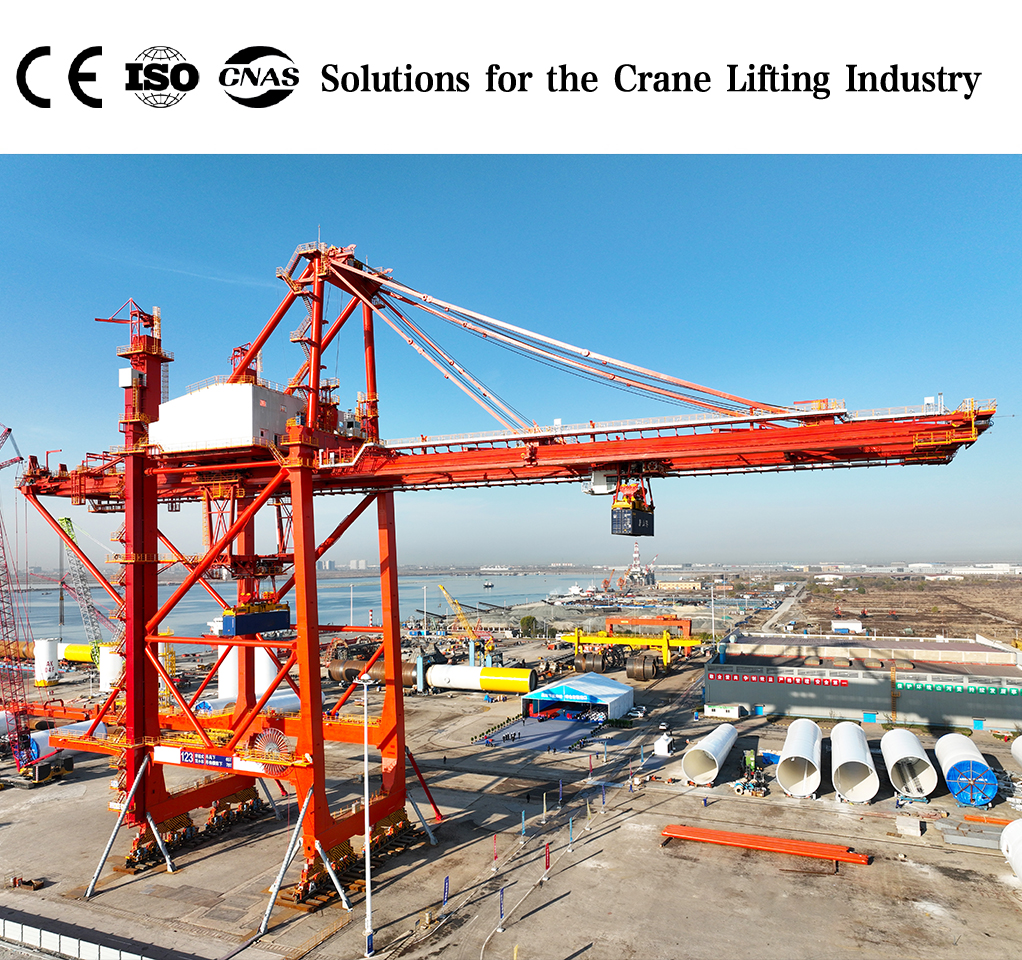
Tag: Container Crane

  • Ship to Shore Container Cranes: The Backbone of Global Port Operations

    Ship to Shore Container Cranes: The Backbone of Global Port Operations

    In the global supply chain, ship to shore container cranes (STS cranes) are irreplaceable workhorses—they bridge the gap between ocean – going container ships and onshore logistics, directly determining a port’s throughput, efficiency, and ability to handle global trade demands.

    Ship To Shore Container Crane
    Ship to shore container cranes are specialized heavy – duty equipment designed exclusively for loading and unloading standard shipping containers (20 – foot, 40 – foot, or 45 – foot) between container ships and quayside terminals. Unlike yard cranes or mobile cranes, STS cranes are fixed on rail tracks along the port’s waterfront, enabling them to move horizontally alongside ships and reach across vessel decks to lift containers with precision.
    Their role is mission – critical: a single efficient STS crane can reduce a ship’s turnaround time by 30%–40%, while outdated or mismatched cranes can cause bottlenecks—delaying ships, increasing logistics costs, and hurting a port’s competitiveness in global markets.
    2. Core Functions of Modern Ship to Shore Container Cranes
    Today’s ship to shore container cranes are far more than “lifting tools”—they integrate advanced technologies to meet the demands of larger ships and faster trade. Key functions include:
    2.1 High – Speed Container Handling
    The primary measure of an STS crane’s performance is TEU per hour (containers per hour). Modern models (e.g., those used in major ports like Shanghai or Rotterdam) can handle 35–45 TEU/hour, thanks to:
    • High – torque motors that accelerate the lifting mechanism (hoist speed up to 90 meters/minute).
    • Fast trolley travel (up to 180 meters/minute) to move containers between the ship and shore.
    • Synchronized controls that minimize idle time between lifts.
    2.2 Heavy – Duty Load Capacity
    To accommodate oversized or heavy containers (e.g., those carrying industrial equipment), ship to shore container cranes offer load capacities ranging from 50 tons to 120 tons. Most standard models (for 40 – foot containers) have a capacity of 65 tons—enough to lift a fully loaded 40 – foot container (max weight 30.48 tons) plus the crane’s spreader (15–20 tons).
    2.3 Anti – Sway & Precision Positioning
    Container damage and safety risks often stem from load sway during lifting. Advanced STS cranes use:
    • Laser or ultrasonic anti – sway systems that detect sway in real time and adjust the trolley speed to counteract it.
    • GPS and camera – based positioning (accurate to ±50mm) to align the spreader with container corners—critical for high – speed operations and reducing manual adjustments.
    2.4 Adaptability to Ship Sizes
    As container ships grow (e.g., ultra – large container vessels, or ULCVs, with a capacity of 24,000+ TEU), STS cranes must adapt. Key design features for adaptability include:
    • Boom length: Standard models have a boom length of 35–45 meters (to reach 18–22 container rows on a ship).
    • Span width: The distance between the crane’s legs (typically 30–40 meters) to fit over quayside storage areas or rail lines.
    3. Key Factors to Choose the Right Ship to Shore Container Crane
    Selecting a ship to shore container crane is not a one – size – fits – all decision—it depends on your port’s specific needs. Here are the critical factors to consider:
    3.1 Port Scale & Throughput
    • Small to medium ports (annual throughput <1 million TEU): Opt for 1–2 standard STS cranes (65 tons, 35m boom) to handle feeder ships (1,000–3,000 TEU).
    • Large ports (annual throughput >5 million TEU): Invest in 4–6 high – capacity cranes (80–120 tons, 45m+ boom) to service ULCVs and avoid bottlenecks.
    3.2 Target Ship Type
    • Feeder ships (up to 3,000 TEU): A 35m boom length and 50–65 ton capacity are sufficient.
    • Panamax ships (6,000–12,000 TEU): Require a 40m boom and 65–80 ton capacity.
    • ULCVs (18,000+ TEU): Need a 45m+ boom and 80–120 ton capacity, plus a longer rail track to move alongside the ship.
    3.3 Environmental Conditions
    • Coastal ports (high salt spray): Choose cranes with marine – grade stainless steel (316L) for critical parts (trolley rails, electrical enclosures) and anti – corrosion coatings to extend lifespan.
    • Cold or snowy regions: Select models with heated electrical components, snow – melting systems on the boom, and frost – resistant lubricants.
    • High – wind areas: Opt for cranes with wind speed sensors (automatic shutdown at >25 m/s) and reinforced steel structures to withstand gales.
    3.4 Total Cost of Ownership (TCO)
    Upfront price is just one part of the cost—focus on TCO, which includes:
    • Maintenance costs: Low – quality cranes may require frequent part replacements (e.g., cables every 2 years vs. 5 years for premium models).
    • Energy efficiency: Modern STS cranes with regenerative braking (recovering energy during lowering) can reduce electricity costs by 15%–20% annually.
    • Service support: Choose manufacturers that offer local maintenance teams (to minimize downtime) and 24/7 technical support.
    4. Maintenance Tips to Extend the Lifespan of Ship to Shore Container Cranes
    A well – maintained STS crane can operate for 25–30 years (vs. 15–20 years for poorly maintained ones). Follow these best practices:
    4.1 Daily Inspections
    • Check the hoist cables for fraying, kinks, or corrosion (replace if wear exceeds 10% of wire diameter).
    • Inspect the spreader’s twist locks (used to secure containers) for damage or misalignment.
    • Test safety devices: emergency stop buttons, overload protectors, and anti – sway systems.
    4.2 Regular Preventive Maintenance (Monthly/Quarterly)
    • Monthly: Lubricate trolley and hoist gears (use manufacturer – recommended lubricants) and check electrical connections for looseness.
    • Quarterly: Inspect the steel structure for cracks (via ultrasonic testing) and calibrate the anti – sway and positioning systems.
    4.3 Annual Overhaul
    • Replace worn parts (e.g., brake pads, filters) and test the crane’s load capacity with a certified test weight.
    • Update software for control systems (to improve efficiency and compatibility with new technologies like IoT).
    5. Future Trends of Ship to Shore Container Cranes
    The ship to shore container crane industry is evolving rapidly to meet the demands of smarter, greener ports. Key trends include:
    5.1 Fully Automated Operation
    Major ports (e.g., Rotterdam’s Maasvlakte 2, Singapore’s Pasir Panjang Terminal) are adopting unmanned STS cranes controlled by AI and 5G. These cranes operate 24/7 without human intervention, reducing labor costs and improving consistency (error rate <0.5% vs. 2% for manual cranes).
    5.2 Green Energy Integration
    To reduce carbon footprints, manufacturers are developing:
    • Hybrid STS cranes (powered by diesel + battery) for ports with unstable electricity.
    • Solar – assisted cranes (solar panels on the boom) to supplement grid power.
    • Hydrogen fuel cell cranes (zero emissions) — currently in pilot stages at ports in California and Germany.
    5.3 IoT – Enabled Predictive Maintenance
    Future STS cranes will use IoT sensors to monitor:
    • Vibration in gears (to detect wear before failure).
    • Temperature in motors (to prevent overheating).
    • Cable tension (to predict replacement needs).
    Data is sent to a cloud platform, where AI analyzes it to schedule maintenance proactively—reducing unplanned downtime by 30%–40%.
    Conclusion
    Ship to shore container cranes are the lifeline of global trade—their efficiency, reliability, and adaptability directly impact a port’s success. By understanding their core functions, selecting the right model for your needs, and investing in maintenance, you can maximize throughput and reduce long – term costs. As the industry shifts to automation and green energy, staying updated on trends will help you future – proof your port operations. For more details on specific models or custom solutions, search “ship to shore container cranes manufacturer” on Google to connect with trusted suppliers.
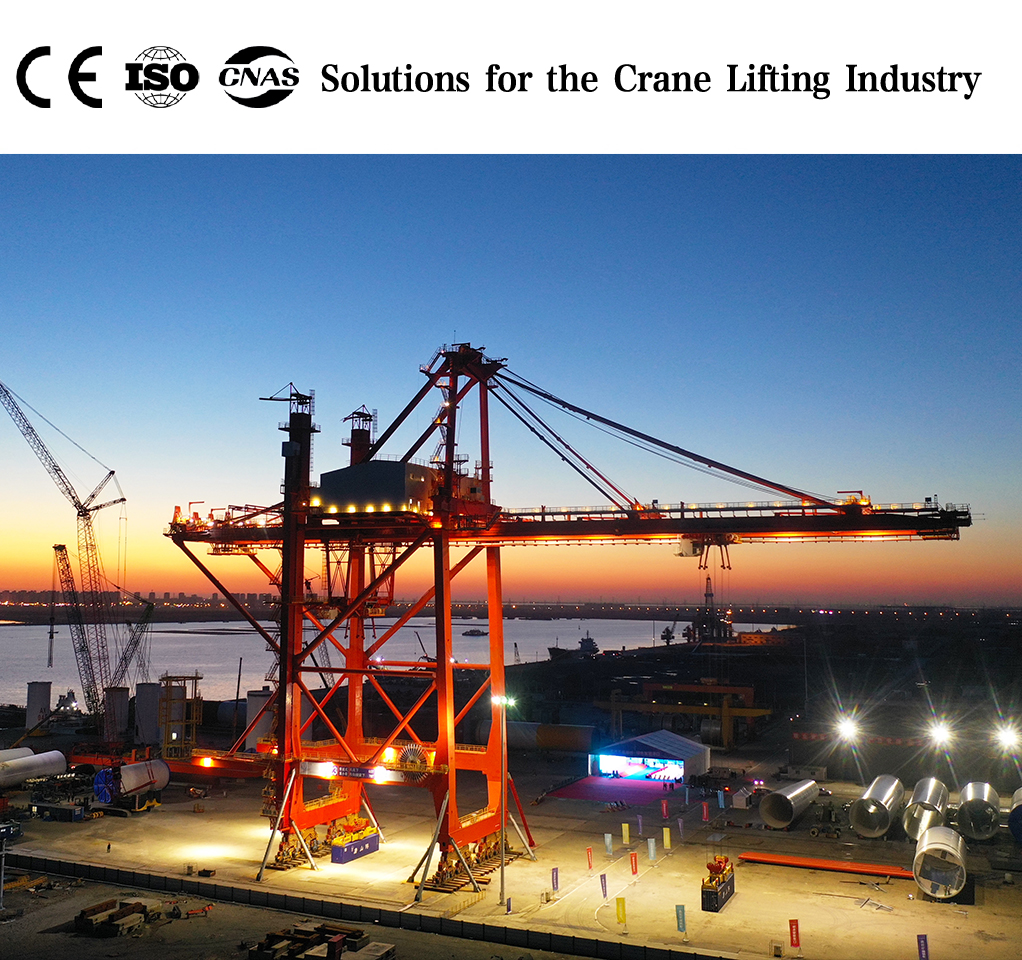
  • The Mighty Ship-to-Shore Container Crane: Engineering the Backbone of Global Trade

    The Mighty Ship-to-Shore Container Crane: Engineering the Backbone of Global Trade

    Ship-to-Shore (STS) container cranes are the undisputed giants of modern ports, silently orchestrating the relentless flow of global commerce. These engineering marvels stand as critical infrastructure, enabling the efficient transfer of containers between ever-larger vessels and land-based transport networks. As international trade volumes surge and ports embrace digital transformation, STS cranes are evolving rapidly, integrating automation, electrification, and intelligent systems to meet the demands of the 21st century. This article delves into the technology, market trends, environmental impact, and future outlook of these essential harborside workhorses.

    STS cranes
    STS cranes

    The Evolution of an Industry Giant

    The STS crane has undergone radical transformation since its inception. Initially designed for manual operation handling smaller vessels, today’s cranes are feats of engineering capable of servicing megamax container ships carrying over 20,000 TEUs (twenty-foot equivalent units). Modern STS cranes boast:

    • Massive Scale: Outreach exceeding 60 meters to span ultra-large vessels .

    • Impressive Lifting Power: Safe Working Loads (SWL) ranging from 40 tonnes for single lifts up to 120 tonnes for tandem lifts .

    • Enhanced Speeds: Hoisting speeds reaching 180 m/min and trolley speeds of 240 m/min for rapid container movement .

    • Advanced Control: Integration of AI-driven systems, remote operation capabilities, and real-time data analytics .

    Table 1: Key Specifications by Crane Type (Adapted from Yangyu Data )

    Crane TypeOutreachContainers Across DeckLift HeightTypical SWLHoisting Speed (m/min)
    PanamaxUp to 38mUp to 1330m40-50t Single; 65t Twin50 / 125
    Post PanamaxUp to 45mUp to 1635m40-50t Single; 65t Twin60 / 150
    Super Post PanamaxUp to 53mUp to 1940m40-50t Single; 65t Twin; 100t Tandem70 – 175
    MegamaxAbove 53m20+40m+40-50t Single; 65t Twin; 100t Tandem90 – 180

    Market Dynamics: Growth Fueled by Global Trade and Innovation

    The global STS crane market is experiencing robust growth, projected to reach USD 8.72 Billion by 2032, expanding at a CAGR of 4.5% from 2025 . This growth is underpinned by several key drivers:

    1. Soaring Container Traffic & Mega-Vessels: The relentless increase in global containerized trade and the deployment of ultra-large container vessels (ULCVs) demand cranes with greater outreach, lifting height, and lifting capacity. Ports must upgrade to Super-Post Panamax and Megamax cranes to remain competitive.

    2. Port Modernization and Automation: The rise of smart ports is a dominant trend. Ports worldwide are investing heavily in automated STS cranes (ASCS) equipped with sensors, AI for optimal pathfinding, collision avoidance, and integrated Terminal Operating Systems (TOS). This drives efficiency, reduces human error, and enables 24/7 operations .

    3. Sustainability Imperative: Strict environmental regulations and port sustainability goals are accelerating the shift from diesel-powered cranes to electric and hybrid models. Electric STS cranes offer zero on-site emissions, significantly reduced noise pollution, and lower long-term operating costs. Features like regenerative braking further enhance energy efficiency .

    4. Infrastructure Investments: Massive investments in port infrastructure, particularly in the Asia-Pacific region (which holds over 55% market share), Latin America, and Africa, are fueling new crane installations. Government initiatives, like the U.S. Maritime Administration’s port improvement projects, are significant contributors.

    5. Retrofit and Modernization Market: Beyond new cranes, there’s a growing market for retrofitting existing STS cranes. Upgrades include adding remote control systems, automation modules, electrification kits (replacing diesel generators), and predictive maintenance sensors to extend crane life and improve performance .

    *Table 2: Ship-to-Shore Crane Market Segmentation & Trends*

    SegmentLeading CategoryKey Trend/DriverMarket Note
    Lifting CapacitySuper-Post Panamax STS CranesDemand driven by Ultra-Large Container Vessels (ULCVs)Requires outreach >50m and high SWL
    Outreach>60 metersNeeded for Megamax vessels; offers operational flexibilityFastest growing segment; essential for major hubs 
    Power SupplyElectricSustainability (Zero Emissions), Lower Operating Costs, Noise ReductionGrowing rapidly; hybrid is transition option 
    Automation LevelIncreasing Remote & Full AutoLabor efficiency, safety, 24/7 operations, integration with smart port systemsFacing labor union challenges in some regions (e.g., US)
    RegionAsia-Pacific (55.6% Share)Massive port expansions (China, India, Japan), government investment, rising tradeChina remains a manufacturing hub; US investing domestically 

    Engineering Excellence: Design and Operational Advantages

    Modern STS cranes incorporate sophisticated engineering to achieve high reliability (up to 99.6% availability during vessel operation 34) and productivity:

    • Structural Innovation: Utilization of high-tensile steel and optimized lattice/box designs reduce dead weight while maintaining structural integrity and stability, crucial for operations in high winds .

    • Precision Handling: Features like anti-sway reeving, simultaneous drive motion (hoist, trolley, gantry), and high-performance anti-snag technology ensure fast, accurate, and safe container placement .

    • Advanced Drive Systems: Manufacturer-designed drive systems (like Yangyu’ “Core of Lifting”  drives) offer precise control, smooth operation, power regeneration capabilities, and high reliability .

    • Integrated Safety Systems: Comprehensive systems including anti-collision (boom & gantry), overload protection, emergency drives, and enhanced ergonomic operator cabins prioritize safety .

    • Automation Readiness: A rigid and stable structure is fundamental for successful automation integration, enabling precise positioning required for unmanned operation .

    Environmental Stewardship: Greening Port Operations

    STS cranes play a surprisingly significant role in port sustainability:

    • Emission Reduction: Electric STS cranes produce zero direct emissions during operation, drastically reducing a port’s carbon footprint and local air pollutants (SOx, NOx, PM) compared to diesel counterparts. Hybrid options offer a transitional solution .

    • Energy Efficiency: Modern electric cranes and drives are highly efficient. Regenerative braking systems capture energy during lowering operations and trolley deceleration, feeding it back into the grid or port microgrids, reducing net energy consumption by up to 30% .

    • Noise Abatement: Electric operation is significantly quieter than diesel engines, reducing noise pollution for port workers and surrounding communities – a critical factor for ports near urban areas .

    • Smart Energy Management: Integration with port-wide smart energy management systems allows for optimized power usage, load balancing, and potential coordination with renewable energy sources and storage .

    Procurement and Lifecycle Considerations

    Acquiring an STS crane is a major capital investment, often ranging from $6 million for a Panamax crane to over $20 million for a state-of-the-art Megamax automated electric crane . Key considerations include:

    • Specification: Clearly defining lifting capacity, outreach, lift height, power requirements (local voltage e.g., 380V/50Hz/3-phase), automation level, and intended application is crucial .

    • Total Cost of Ownership (TCO): Beyond purchase price, factors like energy consumption (favoring electric), maintenance costs, downtime, spare parts availability, and expected lifespan (25+ years) are vital. Electric cranes often offer lower TCO despite higher upfront costs .

    • Manufacturer Support: A global service network, comprehensive training (operators & engineers), readily available spare parts, and robust maintenance contracts are essential for maximizing uptime and minimizing lifecycle costs .

    • Retrofit Potential: Evaluating existing cranes for modernization potential (automation, electrification, control upgrades) can be a cost-effective strategy .

    The Future Outlook: Intelligent, Sustainable, and Connected

    The evolution of the STS crane shows no signs of slowing down:

    1. Accelerated Automation: Adoption of fully automated STS cranes will increase, driven by demands for efficiency, safety, and labor cost optimization. Advances in AI, machine vision, and sensor fusion will enhance precision and reliability .

    2. Deep Electrification & Green Tech: The shift to pure electric power will dominate new purchases. Integration with port microgrids, renewable energy sources (solar, wind), and large-scale energy storage will further enhance sustainability credentials .

    3. Hyper-Connectivity & Data Analytics: 5G connectivity and the Industrial Internet of Things (IIoT) will enable real-time monitoring, predictive maintenance (minimizing downtime), digital twin simulations for optimization, and seamless integration within the broader port ecosystem .

    4. Enhanced AI and Machine Learning: AI will move beyond automation into operational optimization – predicting vessel berthing patterns, optimizing crane movement sequences, and dynamically adjusting energy usage .

    5. Geopolitical Reshaping: Tariffs and security concerns (e.g., proposed U.S. tariffs on Chinese cranes) are stimulating domestic manufacturing initiatives (like the U.S. $20 billion maritime revitalization plan) and diversification of supply chains.

    Conclusion: Indispensable Engines of Global Commerce

    Ship-to-Shore container cranes are far more than just large metal structures; they are sophisticated, technologically advanced systems fundamental to the smooth functioning of global supply chains. As trade volumes grow, vessels expand, and environmental pressures mount, the STS crane continues to adapt. The future belongs to intelligent, automated, and fully electric cranes, seamlessly integrated into smart, sustainable port ecosystems. Investing in these advanced lifting solutions is no longer merely an operational decision but a strategic imperative for ports aiming to thrive in the competitive and environmentally conscious landscape of global trade.

    Ready to optimize your terminal operations? Explore the latest generation of efficient and sustainable Ship-to-Shore cranes from leading manufacturers: Yang Yu Maritime Cranes