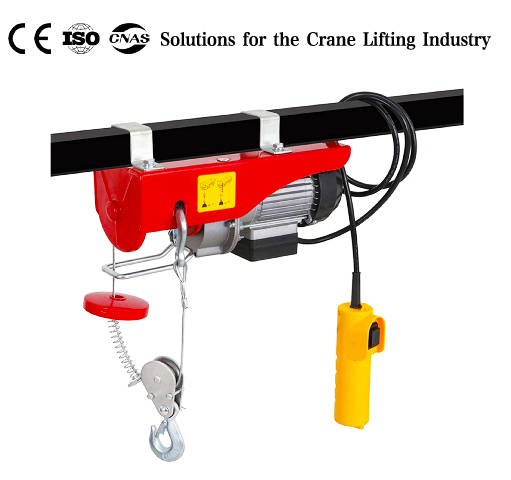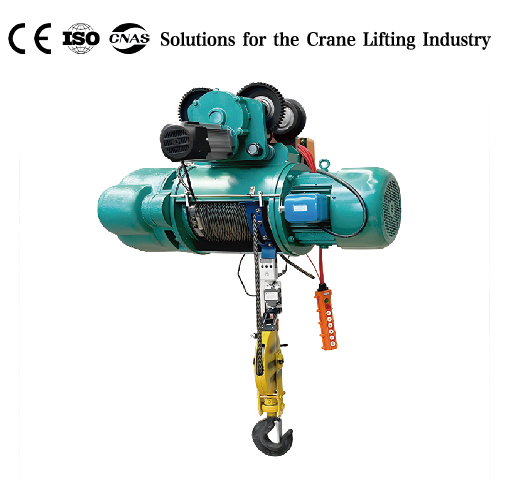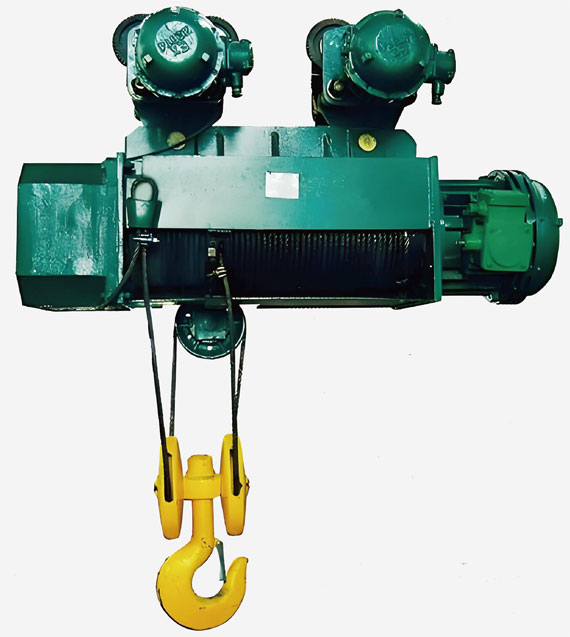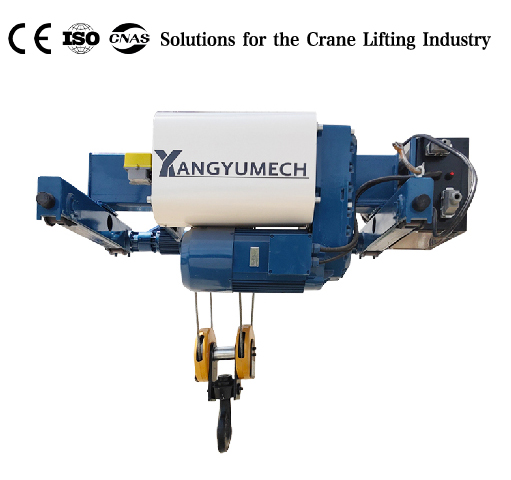
Tag: electric hoist

  • European Standard Electric Hoist: The Definitive Guide to Safe, Compliant Lifting

    European Standard Electric Hoist

    European Standard Electric Hoist: The Definitive Guide to Safe, Compliant Lifting

    In industrial material handling, safety, compliance, and reliability are non-negotiable—especially in regions governed by strict European regulations. The European Standard Electric Hoist (often referred to as EN-standard electric hoist) stands out as a benchmark for lifting equipment, engineered to meet rigorous EU safety and performance norms. This comprehensive guide unpacks everything you need to know about European Standard Electric Hoists, from their core certifications and technical features to real-world applications and selection strategies.
     

    European Standard Electric Hoist

    What is a European Standard Electric Hoist?
    European Standard Electric Hoist

    A European Standard Electric Hoist is a powered lifting device designed and manufactured to comply with mandatory European Union (EU) standards and directives, ensuring safe, efficient operation in industrial, commercial, and logistics environments. Unlike generic electric hoists, these systems undergo rigorous testing to meet pan-European norms, with certifications that validate their safety, durability, and environmental compatibility.

    Core European Standards & Directives

    The performance and safety of European Standard Electric Hoists are governed by key regulations, including:

    • EN 13157: The primary standard for electric chain hoists and electric wire rope hoists, specifying requirements for design, load capacity, braking systems, and noise levels.
    • EN 60204-1: Regulates electrical safety of machinery, covering wiring, insulation, and emergency stop functions.
    • Machinery Directive (2006/42/EC): Mandates essential health and safety requirements for all machinery sold within the EU, including risk assessment and CE marking.
    • ATEX Directive (2014/34/EU): Applies to hoists used in explosive atmospheres (e.g., chemical plants, oil refineries), ensuring protection against ignition risks.

    A valid CE mark is the minimum requirement for European Standard Electric Hoists, indicating compliance with all relevant EU directives. Additional certifications—such as ISO 9001 (quality management) or ISO 14001 (environmental management)—further validate manufacturer credibility.

    Key Advantages of European Standard Electric Hoists

    European Standard Electric Hoists outperform non-compliant alternatives in safety, durability, and operational efficiency. Here are their standout benefits:

    1. Uncompromising Safety Compliance

    Safety is the cornerstone of European standards. These hoists include built-in safeguards to mitigate common lifting risks:

    • Dual braking systems: Primary mechanical brakes (for load holding) and secondary emergency brakes (to stop operation if the primary system fails).
    • Overload protection: Automatic shutoff if the load exceeds the rated capacity (per EN 13157, overload limits are set at 110–125% of maximum load).
    • Emergency stop functionality: Hardwired emergency buttons (EN 60204-1 compliant) that cut power instantly in hazardous situations.
    • IP-rated enclosures: Most models feature IP54 or IP65 protection, shielding electrical components from dust, water, and debris—critical for harsh environments.

    2. Superior Durability & Longevity

    European standards enforce strict material and manufacturing requirements, resulting in hoists built to withstand heavy use:

    • High-grade components: Hardened steel chains (for chain hoists) or galvanized wire ropes (for wire rope hoists) resist wear and corrosion.
    • Precision engineering: Sealed gearboxes and bearings reduce friction, minimizing maintenance needs and extending service life (average lifespan: 10–15 years with proper care).
    • Environmental resilience: Temperature-resistant motors (operating range: -20°C to +40°C for standard models) and corrosion-resistant finishes (e.g., powder coating) suit diverse workplaces.

    3. Precise, Energy-Efficient Operation

    European Standard Electric Hoists prioritize both performance and sustainability:

    • Variable speed control: Most models offer adjustable lifting/traversing speeds (0.5–15 m/min for lifting), enabling precise positioning of delicate loads (e.g., aerospace components, medical equipment).
    • Energy efficiency: Motors comply with EU Regulation 640/2009 (ecodesign for motors), reducing power consumption by 15–30% compared to non-compliant alternatives.
    • Smooth load handling: Anti-sway technology (optional on premium models) minimizes load swing, protecting both goods and workers.

    4. Pan-European Compatibility

    For businesses operating across the EU, these hoists eliminate compliance headaches:

    • Uniform standards: A CE-marked hoist is legally usable in all EU member states (plus EEA countries like Norway and Switzerland), no need for country-specific modifications.
    • Simplified audits: Compliance with EN standards streamlines safety inspections and third-party audits (critical for industries like pharmaceuticals or food processing).

    Technical Specifications of European Standard Electric Hoists

    To select the right hoist for your needs, understanding key technical parameters is essential. Below are the most critical specifications:

    1. Load Capacity

    • Standard ranges: 125 kg to 100,000 kg (100 tonnes), with two primary types:
      • Electric chain hoists: Ideal for light-to-medium loads (125 kg–20,000 kg), common in workshops and warehouses.
      • Electric wire rope hoists: Designed for heavy-duty applications (5,000 kg–100,000 kg), used in steel mills and ports.
    • Safety margin: All models include a 10:1 design factor (hoist components can withstand 10x the rated load), exceeding global safety benchmarks.

    2. Lifting Height & Speed

    • Lifting height: 3 m to 60 m (customizable for tall facilities like warehouses with mezzanines).
    • Lifting speed:
      • Slow speed (0.5–3 m/min): For precision tasks (e.g., assembling electronics).
      • Fast speed (8–15 m/min): For high-throughput operations (e.g., logistics loading).
    • Traversing speed: 5–30 m/min (for hoists mounted on overhead rails or cranes).

    3. Electrical & Mechanical Features

    • Motor type: Three-phase induction motors (standard for industrial use) or single-phase motors (for small workshops, up to 2,000 kg capacity).
    • Insulation class: Class F or H (resistant to high temperatures, critical for continuous operation).
    • Control systems:
      • Pendant controls (line-of-sight operation, EN 60947 compliant).
      • Radio remote controls (range: 50–100 m, ideal for large facilities or hazardous areas).
      • PLC integration (for automated workflows, e.g., smart factories).

    4. Specialized Variants

    • ATEX-compliant hoists: For explosive atmospheres (zones 1/2 for gas, 21/22 for dust), with spark-resistant components and flameproof enclosures.
    • Stainless steel hoists: For hygienic environments (pharmaceuticals, food processing), easy to clean and corrosion-resistant.
    • Low-headroom hoists: Designed for facilities with limited vertical space (e.g., old factories), with compact motor housings.

    Applications of European Standard Electric Hoists

    European Standard Electric Hoists are versatile, fitting diverse industries where safety and compliance are critical. Here are their most common uses:

    1. Automotive Manufacturing

    EU-based automotive plants (e.g., Volkswagen, BMW) rely on these hoists to lift heavy components like engines, transmissions, and chassis. The precise speed control ensures accurate alignment during assembly, while CE compliance simplifies cross-border production (e.g., parts shipped from Germany to Spain).

    2. Pharmaceutical & Medical Device Production

    Pharmaceutical facilities require hoists that meet strict hygiene and safety standards (EN 13157 + GMP guidelines). Stainless steel European Standard Electric Hoists are used to move vials, bioreactors, and sterile equipment, with easy-to-clean surfaces that prevent contamination.

    3. Logistics & Warehousing

    In EU warehouses (e.g., Amazon FBA centers, DHL hubs), electric chain hoists (1–5 tonnes) handle palletized goods, integrating with conveyor systems for automated order fulfillment. Their energy efficiency reduces operational costs, while overload protection prevents damage to inventory.

    4. Heavy Industry & Construction

    Steel mills, shipyards, and construction sites use heavy-duty electric wire rope hoists (10–100 tonnes) to lift steel beams, ship components, and concrete structures. ATEX-compliant variants are common in chemical plants or oil refineries, where explosive risks exist.

    5. Food Processing

    Food manufacturers (e.g., Nestlé, Danone) use stainless steel European Standard Electric Hoists to lift mixing bowls, packaging machinery, and frozen goods. These hoists comply with EU food safety regulations (EC 1935/2004), ensuring no risk of contamination from rust or lubricants.

    European Standard vs. Non-European Standard Electric Hoists: A Comparison

    To understand why European standards matter, here’s how they stack up against non-compliant hoists (e.g., generic Asian or uncertified models):


    Feature

    European Standard Electric Hoist

    Non-European Standard Electric Hoist

    Safety Compliance

    EN 13157, Machinery Directive, CE-marked

    No mandatory global standards; may lack basic safeguards

    Braking System

    Dual brakes (primary + emergency)

    Single brake (high failure risk)

    Load Capacity Reliability

    10:1 design factor (tested)

    Unverified design factors (risk of overloading)

    Durability

    High-grade steel/components (10–15 year lifespan)

    Low-quality materials (3–5 year lifespan)

    Energy Efficiency

    EU ecodesign compliant (15–30% energy savings)

    No efficiency standards (higher power costs)

    EU Legality

    Fully compliant (usable across EU/EEA)

    May be banned or require costly modifications

    Maintenance Costs

    Low (sealed components, minimal wear)

    High (frequent part replacements)

    How to Choose the Right European Standard Electric Hoist

    Selecting a European Standard Electric Hoist requires aligning technical specs with your operational needs. Follow these steps:

    1. Define Your Load Requirements

    • Maximum load weight: Add a 10–20% safety buffer (e.g., if you need to lift 5 tonnes, choose a 6-tonne hoist).
    • Load type: Delicate loads (e.g., glass) need slow speed and anti-sway features; heavy loads (e.g., steel) require wire rope hoists.

    2. Assess Your Work Environment

    • Space constraints: Low-headroom hoists for tight vertical spaces; compact chain hoists for narrow aisles.
    • Hazard risks: ATEX-compliant hoists for explosive areas; stainless steel for hygienic environments.
    • Temperature/humidity: High-temperature motors (class H insulation) for foundries; corrosion-resistant finishes for outdoor use.

    3. Verify Compliance & Certifications

    • Ensure the hoist has a valid CE mark(check for fake marks by verifying the manufacturer’s declaration of conformity).
    • For specialized industries:
      • Pharmaceuticals: GMP compliance + EN 13157.
      • Explosive areas: ATEX certification (zone rating matching your facility).

    4. Evaluate Control & Integration Needs

    • Manual vs. automated: Pendant controls for small workshops; radio remotes + PLC integration for smart factories.
    • Power supply: Three-phase (standard industrial) or single-phase (small facilities, up to 2 tonnes).

    5. Choose a Reputable Manufacturer

    Prioritize EU-based or EU-certified manufacturers (e.g., Demag, Konecranes, STAHL CraneSystems) with:

    • A track record of EN standard compliance.
    • Local after-sales support (critical for maintenance and repairs).
    • Warranty coverage (minimum 2 years for parts and labor).

    Maintenance & Safety Best Practices for European Standard Electric Hoists

    To maximize lifespan and ensure safe operation, follow these guidelines (aligned with EN 13157 and EU safety norms):

    Preventive Maintenance Schedule

    • Daily: Inspect the chain/rope (for cracks or wear), hook (for deformation), and emergency stop button.
    • Weekly: Check electrical connections (loose wires), brake performance (test load holding), and lubrication levels.
    • Monthly: Lubricate chains/ropes (use manufacturer-recommended lubricant) and test overload protection.
    • Annually: Hire a CE-certified technician to perform a full audit, including load testing (125% of rated capacity) and electrical safety checks.

    Safety Guidelines

    • Operator training: Ensure operators are certified to use European Standard Electric Hoists (training should cover EN safety norms).
    • Load limits: Never exceed the rated capacity—even for short lifts (overloading voids CE compliance and risks failure).
    • Inspection records: Maintain detailed logs of maintenance and inspections (required for EU safety audits).
    • Replacement parts: Use only OEM or EN-compliant replacement parts (non-compliant parts invalidate CE certification).

    Future Trends in European Standard Electric Hoists

    As the EU pushes for smarter, greener industrial practices, European Standard Electric Hoists are evolving to meet new demands:

    • IoT Integration: Smart hoists with sensors that monitor performance (e.g., chain wear, motor temperature) and send real-time alerts via industrial IoT platforms (e.g., Siemens MindSphere).
    • Eco-Friendly Designs: Motors with higher energy efficiency (up to IE4 class) and recyclable materials (aligned with EU Circular Economy Action Plan).
    • Autonomous Operation: Hoists integrated with AGVs (Automated Guided Vehicles) and AI systems for fully automated lifting in smart factories.
    • Enhanced Safety Tech: Predictive braking systems (using AI to detect wear) and collision avoidance sensors (for multi-hoist setups).

    Conclusion: Why European Standard Electric Hoists Are a Must for EU-Based Businesses

    European Standard Electric Hoists are more than just lifting equipment—they’re a compliance and safety investment for businesses operating in the EU/EEA. By meeting strict EN standards and EU directives, these hoists reduce accident risks, lower operational costs (via energy efficiency and durability), and eliminate legal barriers to cross-border operations.

    Whether you’re lifting delicate medical equipment or heavy steel beams, a European Standard Electric Hoist delivers the reliability, safety, and compliance that generic hoists can’t match. To get started, consult a certified manufacturer to design a solution tailored to your facility’s needs—and ensure your lifting operations meet the gold standard of EU safety.

    (注:文档部分内容可能由 AI 生成)
  • Electric Hoist With Trolley: Types, Benefits, Selection & Maintenance

    Electric Hoist With Trolley: Types, Benefits, Selection & Maintenance

    In industrial lifting scenarios—from large factories and construction sites to logistics warehouses and assembly lines—the Electric Hoist With Trolley revolutionizes load movement by combining vertical lifting with horizontal travel. Unlike fixed electric hoists (limited to vertical motion), this integrated solution eliminates the need for multiple devices, streamlining operations and boosting productivity. Whether you’re moving heavy machinery across a factory floor or loading cargo onto trucks, an electric hoist with trolley delivers flexibility, safety, and efficiency. This guide breaks down everything you need to know about this essential equipment, including key types, real-world applications, and how to choose the right model—with insights from trusted manufacturers like Henan Yangyumech Co., Ltd.
    Electric Trolley, Electric Hoist With Trolley, Electric Hoist & Trolley Set

    What Is an Electric Hoist With Trolley?

    An Electric Hoist With Trolley is a combined lifting system that pairs a powered electric hoist (chain or wire rope-driven) with a trolley mechanism. The hoist handles vertical lifting/lowering of loads, while the trolley enables smooth horizontal movement along a crane beam (single-girder, double-girder, or monorail). This integration turns “fixed-point lifting” into “full-range load transport,” making it ideal for scenarios where loads need to be moved across wide or tall spaces.

    Key Components of a High-Quality Electric Hoist With Trolley

    Every reliable electric hoist with trolley (such as those from Yangyumech, a supplier with CE, ISO, and CNAS certifications) includes these critical parts:


    • Electric Hoist Unit: Either a chain hoist (for light-to-medium loads, 0.5T-10T) or wire rope hoist (for heavy loads, 5T-50T), equipped with a high-efficiency motor (IE3 for EU-compliant models) and dual brake system.
    • Trolley Mechanism: Manual (hand-pushed) or electric (motor-driven), with anti-wear wheels (made of steel or nylon) that fit standard crane beams (I-beam, H-beam, or KBK tracks).
    • Control System: Integrated pendant controls (for both hoist and trolley) or wireless remotes, allowing operators to manage vertical and horizontal movement simultaneously.
    • Safety Features: Overload protection (prevents hoist damage), limit switches (stops trolley at beam ends), and emergency stop buttons (instant power cut for critical situations).
    • Mounting Accessories: Adjustable clamps or brackets to secure the trolley to the crane beam, ensuring stability during movement.

    Core Benefits of Choosing an Electric Hoist With Trolley

    Compared to standalone electric hoists or manual trolley systems, an integrated electric hoist with trolley offers unmatched advantages for industrial operations:

    1. Full-Range Load Movement (Vertical + Horizontal)

    By combining lifting and travel functions, this system eliminates the need to manually reposition hoists or use separate transport equipment. For example, in a warehouse, a single operator can lift a pallet from the ground, move it horizontally to a shelf, and lower it into place—all in one seamless process.

    2. Boosts Productivity & Reduces Labor Costs

    Manual trolley systems require multiple workers to push heavy loads along beams; electric trolleys handle horizontal movement with minimal effort. This cuts task time by 30-50% and reduces labor needs—critical for 24/7 production lines or understaffed facilities.

    3. Precise Load Positioning

    Electric trolleys offer variable speed control (0.5-10 m/min) for horizontal movement, while the hoist provides precise lifting speeds. This is essential for tasks like assembling machinery, installing equipment, or loading fragile goods—where even minor misalignment could cause damage.

    4. Safe & Compliant

    Top-tier models (like Yangyumech’s) meet global safety standards:


    • Overload Protection: Shuts down the hoist if loads exceed rated capacity (prevents chain/rope snapping).
    • End-Stop Limit Switches: Prevents the trolley from sliding off the crane beam.
    • CE/ISO/CNAS Certification: Ensures legal use in markets like the EU, North America, and Asia—avoiding fines or safety violations.

    5. Versatile Across Industries

    From heavy manufacturing to logistics, electric hoists with trolleys adapt to diverse needs: they work with chain/wire rope hoists, fit different beam types, and handle loads from 0.5T to 50T—making them a “one-size-fits-most” solution.

    Common Types of Electric Hoists With Trolleys (With Use Cases)

    Electric hoists with trolleys are categorized by trolley type (manual/electric), hoist type (chain/wire rope), and compliance standards. Below are the most widely used types—including industry-leading models from Yangyumech, tailored to specific operational needs.

    1. Manual Trolley Electric Chain Hoist (0.5T-5T)

    The most cost-effective option, Manual Trolley Electric Chain Hoists pair a light-duty chain hoist with a hand-pushed trolley. Key features:


    • Trolley Operation: Requires manual force to push/pull along the beam (best for loads ≤5T and short travel distances, 3m-10m).
    • Hoist Specs: 0.5T-5T capacity, 3m-12m lifting height, single or double speed (1-6 m/min).
    • Pros: Low upfront cost, simple maintenance, no extra power needed for the trolley.
    • Best for: Small workshops, retail warehouses, and assembly lines with light loads (e.g., lifting tools, small machinery parts, or inventory pallets).

    2. Electric Trolley Electric Chain Hoist (1T-10T)

    For medium-duty tasks, Electric Trolley Electric Chain Hoists use a motor-driven trolley for horizontal movement. Key specs:


    • Trolley Operation: Electric motor powers travel (speed: 2-8 m/min), with remote/pendant control—no manual effort required.
    • Hoist Specs: 1T-10T capacity, 5m-15m lifting height, EU-standard models use IE3 motors (energy-efficient).
    • Pros: Handles heavier loads than manual trolleys, 适合 long travel distances (10m-30m).
    • Best for: Medium-sized factories (automotive, electronics), logistics centers, and food processing plants (e.g., moving production parts or packaged goods).

    3. Electric Trolley Wire Rope Hoist (5T-50T)

    For heavy-duty applications, Electric Trolley Wire Rope Hoists combine a wire rope hoist (for ultra-heavy loads) with a robust electric trolley. Key features:


    • Trolley Operation: High-torque motor for travel (speed: 1-5 m/min), reinforced wheels for heavy loads, compatible with double-girder cranes.
    • Hoist Specs: 5T-50T capacity, 8m-30m lifting height, IP65 ingress protection (dust/water-resistant for outdoor use).
    • Pros: Lifts massive loads, durable for harsh environments (construction sites, ports).
    • Best for: Heavy industries (steel, mining), ports (cargo loading), and construction projects (e.g., lifting steel beams, concrete blocks, or wind turbine components).

    4. EU-Standard Electric Hoist With Trolley

    For businesses operating in the EU or prioritizing top-tier safety/efficiency, EU-Standard Electric Hoists With Trolleys (offered by Yangyumech) are mandatory. Key benefits:


    • Compliance: Meets EN 13157 (hoist safety), EN 60034 (motor efficiency), and EN 12077-1 (chain standards)—uses IE3/IE4 motors to cut energy costs by 20-30%.
    • Safety Enhancements: Thermal motor protection, anti-drop brakes, and noise reduction (≤75 dB) for factory compliance.
    • Modular Design: Easy to disassemble for maintenance, reducing downtime for 24/7 operations.
    • Best for: EU-based factories, pharmaceutical plants (cleanroom-compatible variants), and businesses exporting to European markets (CE marking required).

    5. KBK Track Electric Hoist With Trolley

    For flexible, modular layouts (e.g., small workshops or dynamic production lines), KBK Track Electric Hoists With Trolleys use lightweight KBK aluminum tracks. Key features:


    • Track Compatibility: Trolley fits KBK standard tracks (easy to install/modify without heavy construction).
    • Hoist Specs: 0.5T-3T capacity, 3m-8m lifting height, compact design for tight spaces.
    • Pros: Customizable track layouts, ideal for changing production needs.
    • Best for: Small-to-medium factories (electronics, furniture), workshops, and laboratories (e.g., moving delicate equipment or test samples).

    How to Select the Right Electric Hoist With Trolley (Step-by-Step)

    Choosing the wrong electric hoist with trolley can lead to safety risks, operational delays, and unnecessary costs. Follow this guide to match the system to your needs:

    Step 1: Define Load & Movement Requirements

    • Rated Load Capacity: Choose a system with a capacity 10-20% higher than your heaviest load (e.g., if your max load is 8T, select a 10T hoist) to avoid overloading.
    • Lifting Height: Measure the vertical distance from the hoist’s mounting point to the lowest load position (e.g., 5m for warehouses, 20m for construction sites).
    • Horizontal Travel Distance: Determine how far the trolley needs to move (e.g., 10m for small factories, 30m for ports) to select the right trolley type (manual/electric).

    Step 2: Match to Your Crane Beam Type

    • Single-Girder Cranes: Use manual or electric trolley chain hoists (0.5T-10T) or light-duty wire rope hoists (5T-10T).
    • Double-Girder Cranes: Opt for heavy-duty electric trolley wire rope hoists (10T-50T) for ultra-heavy loads.
    • KBK Tracks: Choose KBK-compatible electric hoists with trolleys (0.5T-3T) for modular layouts.

    Step 3: Consider the Work Environment

    • Indoor/clean Environments: Electric trolley chain hoists (EU-standard models for hygiene compliance, e.g., food/pharmaceutical plants).
    • Outdoor/Harsh Environments: Electric trolley wire rope hoists with IP65 protection (resists rain, dust, and temperature extremes: -20°C to 60°C).
    • EU/Export Markets: Prioritize EU-standard models with CE certification to meet legal requirements.

    Step 4: Evaluate Control & Safety Features

    • Control Type: Wireless remotes for large spaces or hazardous areas (e.g., construction sites); pendant controls for fixed workstations (e.g., assembly lines).
    • Safety Features: Ensure the system has overload protection, end-stop limit switches, and emergency stop—non-negotiable for industrial use.

    Step 5: Verify Brand Reliability

    Choose suppliers like Henan Yangyumech Co., Ltd. that offer:


    • Proven Certifications: CE, ISO 9001, and CNAS to guarantee quality and compliance.
    • Diverse Models: Manual/electric trolleys, chain/wire rope hoists, and EU-standard options to cover all needs.
    • After-Sales Support: Maintenance services, genuine spare parts (trolley wheels, hoist chains), and technical training for operators.

    Maintenance Tips for Electric Hoists With Trolleys

    To extend the system’s lifespan (10-15 years for high-quality models like Yangyumech’s) and ensure safety, follow these best practices:

    1. Inspect Both Hoist & Trolley Regularly

    • Daily Checks: Examine the hoist chain/rope for wear/corrosion; test the trolley wheels for damage; verify safety features (overload protection, emergency stop) work.
    • Monthly Checks: Lubricate trolley wheels and hoist gears (use manufacturer-recommended grease); inspect electrical connections (wires, plugs) for damage; tighten loose bolts.
    • Annual Servicing: Hire certified technicians (e.g., Yangyumech’s team) to disassemble the trolley and hoist, replace worn parts (brake pads, trolley motors), and calibrate safety controls.

    2. Maintain the Trolley Mechanism

    • Manual Trolleys: Clean wheels weekly to remove debris; lubricate axles every month to prevent sticking.
    • Electric Trolleys: Check the trolley motor for overheating (max temperature: 80°C); replace worn brushes every 6 months; keep the motor housing clean to avoid dust buildup.

    3. Protect the Hoist Unit

    • Chain Hoists: Lubricate chains every 10-20 operating hours; clean chains with a mild detergent (for cleanroom models) to prevent contamination.
    • Wire Rope Hoists: Inspect ropes for fraying (replace if >10% broken strands per EN 13157); lubricate ropes with anti-rust oil to resist corrosion.

    4. Use Genuine Spare Parts

    Never use non-compliant parts (e.g., generic trolley wheels, cheap chains)—they void certifications, reduce performance, and risk accidents. Use Yangyumech’s genuine parts: high-strength trolley wheels, IE3 motors, and EN-compliant chains/ropes.

    5. Train Operators Thoroughly

    Ensure staff are trained to:


    • Operate both hoist and trolley safely (avoid sudden starts/stops, don’t stand under loads).
    • Recognize warning signs (unusual noises from the trolley motor, slack in the chain/rope) and report issues promptly.
    • Follow maintenance schedules (critical for compliance with ISO 9001 and EN standards).

    FAQ: Electric Hoists With Trolleys

    Q1: Can I add a trolley to an existing electric hoist?

    A: Yes—if the hoist is compatible with trolley mounting (check the manufacturer’s specs). Yangyumech offers universal trolleys that fit most standard electric hoists (chain or wire rope).

    Q2: How much does an electric hoist with trolley cost?

    A: Prices vary by type: Manual trolley chain hoists ($800-$3,000); electric trolley chain hoists ($3,000-$8,000); electric trolley wire rope hoists ($8,000-$50,000); EU-standard models ($5,000-$15,000). Contact Yangyumech for customized quotes.

    Q3: Can an electric hoist with trolley be used outdoors?

    A: Yes—choose a wire rope model with IP65 protection (e.g., Yangyumech’s heavy-duty electric trolley wire rope hoist) to resist rain, dust, and extreme temperatures.

    Q4: What’s the difference between a manual and electric trolley?

    A: Manual trolleys require hand-pushing (best for light loads/short distances); electric trolleys use a motor (best for heavy loads/long distances, no manual effort needed).

    Q5: Do I need CE certification for an electric hoist with trolley in the EU?

    A: Yes—CE marking is mandatory. Yangyumech’s EU-standard models meet EN 13157, EN 60034, and EN 12077-1, ensuring legal compliance.

    Final Thoughts

    The Electric Hoist With Trolley is a game-changing solution for industrial load movement, combining vertical lifting and horizontal travel to boost efficiency, safety, and flexibility. Whether you need a manual trolley chain hoist for your workshop, an electric trolley wire rope hoist for heavy construction, or an EU-standard model for European markets, prioritize certified suppliers like Henan Yangyumech Co., Ltd. Their CE, ISO, and CNAS-marked systems guarantee compliance, durability, and long-term value.


    For personalized recommendations (e.g., matching the system to your load capacity, beam type, or environment) or to request a quote, contact Yangyumech’s team today—they’ll help you find the perfect electric hoist with trolley for your needs.
  • Micro Electric Hoist: Types, Uses, Selection & Maintenance

    Micro Electric Hoist: Types, Uses, Selection & Maintenance

    In light-duty lifting scenarios—from home workshops and retail stockrooms to on-site maintenance and small-scale industrial tasks—the Micro Electric Hoist emerges as a compact, portable, and cost-effective solution. Unlike heavy-duty wire rope or chain hoists (designed for large loads), micro electric hoists specialize in lifting lightweight items (typically ≤2T) with ease, making them indispensable for scenarios where space, portability, and simplicity matter most. This comprehensive guide breaks down everything you need to know about micro electric hoists, including key types, real-world applications, and how to choose the right model—with insights from trusted manufacturers like Henan Yangyumech Co., Ltd.
    Micro Electric Hoist

    What Is a Micro Electric Hoist?

    A Micro Electric Hoist is a small-scale powered lifting device that uses a lightweight motor, compact chain, or wire rope to lift, lower, and position loads up to 2 tons. Its core design prioritizes portability (often weighing 5-20 kg) and ease of use, eliminating the need for manual labor or bulky equipment. Whether you’re hanging a ceiling fan at home, lifting inventory in a small warehouse, or repairing HVAC systems on-site, a micro electric hoist streamlines tasks that would otherwise require physical effort or larger hoists.

    Key Components of a Reliable Micro Electric Hoist

    Every high-quality micro electric hoist (such as those from Yangyumech, a supplier with CE, ISO, and CNAS certifications) includes these essential parts:


    • Miniature electric motor: Powers lifting operations—usually 0.1-0.5 kW, optimized for low energy consumption (ideal for home or small business use).
    • Lifting medium: Lightweight alloy steel chain (for 0.1-1T loads) or thin wire rope (for 1-2T loads), with corrosion-resistant coatings (e.g., galvanization) for durability.
    • Compact brake system: Electromagnetic or mechanical brake to secure loads instantly—prevents slipping during power cuts, complying with safety standards like EN 13157 (for EU markets).
    • User-friendly controls: Simple pendant switches (with 24V low voltage for safety) or wireless remotes (for flexible operation in tight spaces).
    • Portable mounting: Hooks, clamps, or small trolleys for easy attachment to beams, ceilings, or even portable stands—no permanent installation required.

    Core Benefits of Choosing a Micro Electric Hoist

    Compared to manual hoists, heavy-duty electric hoists, or even hand tools, micro electric hoists offer unique advantages for light-duty tasks:

    1. Ultra-Portable & Space-Saving

    Most micro electric hoists weigh less than 20 kg (some as light as 5 kg) and fit in toolboxes or storage closets. Unlike large wire rope hoists (which require dedicated crane beams), they can be transported between job sites or stored in small spaces—perfect for mobile maintenance teams or home users.

    2. Easy to Operate (No Expert Training Needed)

    With simple on/off and up/down controls, micro electric hoists require minimal training. Even first-time users can operate them safely, thanks to low-voltage controls (reducing electric shock risk) and built-in safety features (e.g., overload protection).

    3. Cost-Effective for Light-Duty Tasks

    Micro electric hoists are significantly cheaper than heavy-duty hoists (starting at $200-$300) and eliminate the need for hiring labor or renting large equipment. For small businesses or homeowners, this translates to lower upfront costs and faster return on investment.

    4. Versatile Across Scenarios

    From home DIY projects to small-scale industrial tasks, micro electric hoists adapt to diverse needs: lifting tools, hanging decorations, moving inventory, or repairing equipment—all without sacrificing performance.

    5. Safe & Compliant

    Top-tier micro electric hoists (like Yangyumech’s) meet global safety standards:


    • Overload protection: Shuts down the hoist if the load exceeds the rated capacity (prevents chain/rope snapping).
    • Emergency stop: Instantly cuts power in critical situations (e.g., load instability).
    • CE/ISO certification: Ensures legal use in markets like the EU, North America, and Asia—avoiding safety violations or fines.

    Common Types of Micro Electric Hoists (With Use Cases)

    Micro electric hoists are categorized by power source, lifting medium, and application. Below are the most widely used types—including industry-leading models from Yangyumech, tailored to specific user needs.

    1. Corded Micro Electric Hoist (AC-Powered)

    The most common type, Corded Micro Electric Hoists run on standard AC power (110V/220V), making them ideal for fixed locations with power access. Key features:


    • Load capacity: 0.1T to 2T (most popular: 0.5T-1T).
    • Lifting speed: 1-3 m/min (slow enough for precision, fast enough for efficiency).
    • Pros: No battery charging needed; consistent power for extended use.
    • Best for: Home workshops, retail stockrooms, and small factories (e.g., lifting boxes, tools, or small machinery parts).

    2. Battery-Powered Micro Electric Hoist (Cordless)

    For scenarios without power outlets (e.g., outdoor maintenance or remote job sites), Battery-Powered Micro Electric Hoists are a game-changer. Key specs:


    • Battery life: 2-4 hours of continuous use (lithium-ion batteries, rechargeable in 1-2 hours).
    • Load capacity: 0.1T to 1T (lighter than corded models for portability).
    • Pros: Fully wireless; easy to carry to outdoor or off-grid locations.
    • Best for: On-site HVAC repairs, outdoor event setup (hanging lights/speakers), and construction small tasks (e.g., lifting nails or small tools).

    3. Chain-Driven Micro Electric Hoist

    Using lightweight alloy steel chains, Chain-Driven Micro Electric Hoists excel at precise, low-noise lifting. Key features:


    • Chain length: 2m to 10m (customizable for taller spaces).
    • Pros: Smooth operation; less likely to tangling than wire rope; ideal for indoor use.
    • Best for: Home DIY (hanging ceiling fans, curtains), cleanrooms (small pharmaceutical parts), and offices (moving file cabinets).

    4. Wire Rope-Driven Micro Electric Hoist

    For slightly heavier loads (1T-2T), Wire Rope-Driven Micro Electric Hoists use thin, high-strength wire rope for added durability. Key specs:


    • Rope diameter: 3-6 mm (thin enough for compact design, strong enough for 2T loads).
    • Pros: Handles heavier loads than chain-driven models; suitable for damp environments (rust-resistant rope).
    • Best for: Small warehouses (lifting pallets under 2T), garages (hoisting bikes or tools), and outdoor light tasks (e.g., lifting garden equipment).

    5. Trolley-Mounted Micro Electric Hoist

    For horizontal movement (e.g., moving loads along a beam), Trolley-Mounted Micro Electric Hoists pair a micro hoist with a small manual or electric trolley. Key benefits:


    • Trolley type: Manual (for 0.1T-0.5T loads, pushed by hand) or electric (for 0.5T-2T loads, remote-controlled).
    • Beam compatibility: Fits standard I-beams or KBK tracks (common in small factories).
    • Best for: Assembly lines (moving small parts between stations), retail backrooms (shifting inventory along ceiling beams), and workshops (positioning tools over workbenches).

    How to Select the Right Micro Electric Hoist (Step-by-Step)

    Choosing the wrong micro electric hoist can lead to safety risks, inefficiency, or unnecessary costs. Follow this guide to match the hoist to your needs:

    Step 1: Define Load Requirements

    • Rated Load Capacity: Choose a hoist with a capacity 10-20% higher than your heaviest load (e.g., if you need to lift 400 kg, select a 0.5T hoist) to avoid overloading.
    • Lifting Height: Measure the vertical distance from the hoist’s mounting point to the lowest load position (e.g., 2m for home use, 5m for small warehouses). Ensure the chain/rope length meets this need (add 0.5m extra for safety).

    Step 2: Consider Power Source & Location

    • Indoor/Fixed Location: Corded micro electric hoists (AC-powered) are ideal—no battery limits, consistent performance.
    • Outdoor/Mobile Tasks: Battery-powered (cordless) models are better—no need for extension cords, easy to carry.
    • Damp Environments: Wire rope-driven models (with rust-resistant rope) or chain-driven models with galvanized chains (prevent corrosion).

    Step 3: Evaluate Control & Movement Needs

    • Control Type: Pendant controls for fixed workstations (e.g., stockrooms); wireless remotes for flexible use (e.g., outdoor setup or hard-to-reach areas).
    • Horizontal Movement: If you need to move loads side-to-side, add a trolley (manual for light loads, electric for heavier ones).

    Step 4: Check Safety & Compliance

    • Certifications: Ensure the hoist has CE (for EU), ISO 9001 (quality), and CNAS (testing) certifications—critical for safety and legal use.
    • Safety Features: Look for overload protection, emergency stop, and low-voltage controls (reduces shock risk).

    Step 5: Verify Brand Reliability

    Choose suppliers like Henan Yangyumech Co., Ltd. that offer:


    • Proven Quality: CE, ISO, and CNAS certifications to guarantee performance.
    • Diverse Models: Corded, battery-powered, chain-driven, and trolley-mounted options to cover all needs.
    • After-Sales Support: Replacement parts (chains, batteries, controls), technical support, and warranty (usually 1-2 years).

    Maintenance Tips for Micro Electric Hoists

    To extend your hoist’s lifespan (typically 5-8 years with proper care) and ensure safety, follow these simple practices:

    1. Regular Inspections (Quick & Easy)

    • Before Each Use: Check the chain/rope for fraying, kinks, or corrosion; test the brake and emergency stop (takes 1-2 minutes).
    • Monthly: Wipe the motor with a dry cloth to remove dust; tighten loose screws or bolts (prevents vibrations).
    • Every 6 Months: Lubricate the chain/rope with manufacturer-recommended oil (e.g., light machine oil for chains) to reduce wear.

    2. Battery Care (For Cordless Models)

    • Charge Properly: Avoid overcharging (unplug once fully charged, usually 1-2 hours); store batteries in a cool, dry place (prevents degradation).
    • Replace When Needed: Lithium-ion batteries last 2-3 years—replace if charging time doubles or runtime drops by 50%.

    3. Avoid Overloading (Critical for Safety)

    Never exceed the hoist’s rated capacity—even for short periods. Overloading damages the motor, stretches the chain/rope, and increases the risk of accidents. Most micro hoists have built-in overload protection, but it’s better to err on the side of caution.

    4. Store Correctly

    • Corded Models: Wrap the power cord neatly (avoid kinks) and store in a dry closet or toolbox.
    • Cordless Models: Remove the battery and store separately; keep the hoist away from moisture or extreme temperatures (-10°C to 40°C).

    5. Use Genuine Spare Parts

    If parts break (e.g., a frayed chain or faulty control), use Yangyumech’s genuine replacements. Non-compliant parts (e.g., cheap generic chains) void certifications, reduce safety, and shorten the hoist’s lifespan.

    FAQ: Micro Electric Hoists

    Q1: Can a micro electric hoist lift a car?

    A: No—most micro hoists max out at 2T, while cars weigh 1.5T-2.5T (and require even more capacity for safe lifting). Use a heavy-duty wire rope hoist for car lifting.

    Q2: Is a micro electric hoist safe for home use?

    A: Yes—if you choose a certified model (like Yangyumech’s) with low-voltage controls and overload protection. Always follow the user manual (e.g., don’t stand under the load).

    Q3: How long does a battery-powered micro hoist last on one charge?

    A: 2-4 hours of continuous use (e.g., lifting 0.5T loads every few minutes). For intermittent use (e.g., home DIY), it can last a full day.

    Q4: Can I use a micro electric hoist outdoors?

    A: Yes—choose a battery-powered model with IP54 ingress protection (dust and water-resistant). Avoid using corded models outdoors (risk of electric shock from rain).

    Q5: How much does a micro electric hoist cost?

    A: Prices vary by type: Corded models ($200-$800), battery-powered models ($300-$1,000), trolley-mounted models ($500-$1,200). Contact Yangyumech for customized quotes.

    Final Thoughts

    The Micro Electric Hoist is a versatile, user-friendly tool for light-duty lifting—simplifying tasks for homeowners, small businesses, and mobile teams alike. Whether you need a corded model for your workshop, a battery-powered one for on-site repairs, or a trolley-mounted variant for inventory movement, prioritize certified suppliers like Henan Yangyumech Co., Ltd. Their CE, ISO, and CNAS-marked micro hoists guarantee safety, durability, and value for money.


    For personalized recommendations (e.g., matching a hoist to your specific task or location) or to request a quote, contact Yangyumech’s team today—they’ll help you find the perfect micro electric hoist for your needs.
  • Wire Rope Electric Hoist: Types, Benefits, Selection & Maintenance

    Wire Rope Electric Hoist: Types, Benefits, Selection & Maintenance

    In industrial lifting scenarios—from warehouses and manufacturing plants to construction sites—the Wire Rope Electric Hoist stands as a workhorse, combining robust load-bearing capacity with reliable performance. Unlike chain hoists (suited for light-to-medium loads), wire rope electric hoists excel at lifting heavy, bulky items, making them indispensable for heavy-duty operations. This comprehensive guide breaks down everything you need to know about wire rope electric hoists, including key types (like CD/MD series), compliance standards, and how to choose the right model for your needs—with insights from trusted manufacturers like Henan Yangyumech Co., Ltd.
    Wire Rope Electric Hoist CD MD Hoist

    What Is a Wire Rope Electric Hoist?

    A Wire Rope Electric Hoist is a powered lifting device that uses a high-strength wire rope (wound around a drum) and an electric motor to lift, lower, and position heavy loads. Its core design prioritizes stability and load capacity, making it ideal for tasks where manual labor or lighter hoists fall short.

    Key Components of a Wire Rope Electric Hoist

    Every reliable wire rope electric hoist (such as those from Yangyumech) includes these critical parts:


    • High-tensile wire rope: Made from carbon steel or alloy steel, with corrosion-resistant coatings (e.g., galvanization) to withstand wear and harsh environments.
    • Electric motor: Powers the drum rotation—efficiency varies by standard (e.g., IE3 premium motors for European-compliant models, reducing energy use by 15-30%).
    • Lifting drum: Wraps the wire rope, ensuring smooth winding/unwinding to prevent tangling (critical for load stability).
    • Brake system: Dual brakes (electromagnetic and mechanical) for safety—secures loads instantly during power cuts or emergencies, complying with EN 13157 (European safety standard) and ISO 9001.
    • Control unit: Pendant controls (for close-range operation) or remote controls (for safety in large/hazardous areas, e.g., construction sites).
    • Trolley (optional): Mounts the hoist on crane beams (single-girder, double-girder, or monorail) for horizontal movement, expanding its usability.

    Common Types of Wire Rope Electric Hoists (With Use Cases)

    Wire rope electric hoists are categorized by speed, design, and application. Below are the most widely used types—including industry-standard models from Yangyumech, a supplier with CE, ISO, and CNAS certifications (ensuring global compliance).

    1. CD Series Wire Rope Electric Hoist (Single-Speed)

    The CD Series is the most popular entry-level wire rope electric hoist, designed for straightforward heavy-duty tasks. Key features:


    • Single-speed operation: Lifting speed typically 8-12 m/min (fixed), ideal for tasks where precision isn’t the top priority (e.g., warehouse pallet lifting, loading/unloading containers).
    • Load capacity: 0.5T to 20T—covers most light-to-heavy industrial needs.
    • Compact design: Integrates motor, reducer, and brake into a single unit (3-in-1 motor), saving space and simplifying installation on monorails or single-girder cranes.


    Best for: Logistics centers, small factories, and construction sites needing reliable, low-maintenance lifting for regular loads.

    2. MD Series Wire Rope Electric Hoist (Double-Speed)

    The MD Series builds on the CD model with dual-speed functionality, catering to precision-focused tasks. Key advantages:


    • Dual-speed control: Fast speed (8-12 m/min) for quick load movement; slow speed (1-2 m/min) for precise positioning (e.g., assembling heavy machinery, installing fragile equipment).
    • Same load capacity as CD Series: 0.5T to 20T—maintains heavy-duty performance while adding versatility.
    • Compliance: Meets CE, ISO 9001, and CNAS standards, making it suitable for global markets (including the EU and North America).


    Best for: Manufacturing plants (automotive, machinery), workshops, and industries where load accuracy is critical (e.g., aerospace component lifting).

    3. European Standard Wire Rope Electric Hoist

    For businesses operating in the EU or prioritizing top-tier safety/efficiency, the European Standard Wire Rope Electric Hoist (offered by Yangyumech) is a must. Key features:


    • Strict compliance: Adheres to EN 13157 (safety) and EN 60034 (motor efficiency)—uses IE3/IE4 motors to cut energy costs and meet EU sustainability goals (e.g., European Green Deal).
    • Modular design: Easy to disassemble and maintain, reducing downtime (critical for 24/7 production lines).
    • Enhanced safety: Overload protection, emergency stop buttons, and thermal motor protection—exceeding basic safety requirements.


    Best for: EU-based factories, pharmaceutical plants (cleanroom-compatible variants), and businesses exporting to European markets (legal compliance with CE marking is mandatory).

    4. Heavy-Duty Wire Rope Electric Hoist (20T+)

    For ultra-heavy loads (20T to 100T), the Heavy-Duty Wire Rope Electric Hoist is engineered for extreme conditions. Key specs:


    • Reinforced structure: High-strength steel frame, thickened wire rope (16-24 mm diameter), and oversized drum to handle massive loads (e.g., steel beams, concrete blocks in construction).
    • High-torque motor: Ensures smooth lifting even under maximum load, with cooling systems to prevent overheating during long operations.
    • Weather resistance: IP65 ingress protection (dust-tight, water-resistant) for outdoor use (e.g., port cargo handling, bridge construction).


    Best for: Heavy industries (steel, mining), ports, and large-scale construction projects (e.g., skyscraper building, wind turbine installation).

    5. Wire Rope Electric Hoist With Trolley

    The Wire Rope Electric Hoist & Trolley Set combines vertical lifting with horizontal movement, expanding operational range. Key benefits:


    • Trolley options: Manual trolley (for light loads, 0.5-5T) or electric trolley (for heavy loads, 5T+), compatible with single-girder or double-girder cranes.
    • Smooth movement: Trolley wheels with anti-wear bearings, ensuring quiet, stable horizontal travel (critical for precision tasks like assembly line component placement).
    • Customizable: Yangyumech offers trolley stroke adjustments (e.g., 3m to 30m) to match workspace dimensions.


    Best for: Large factories, construction sites, and warehouses needing flexible load movement across wide areas.

    Key Benefits of Choosing a Wire Rope Electric Hoist

    Compared to chain hoists, manual hoists, or other lifting equipment, wire rope electric hoists offer unique advantages—especially for heavy-duty use:

    1. High Load Capacity & Stability

    Wire rope’s high tensile strength (up to 2,000 MPa) allows hoists to handle 0.5T to 100T+ loads, far exceeding chain hoists (typically ≤10T). The drum winding design also distributes load evenly, preventing swaying—critical for lifting bulky items (e.g., machinery, steel plates).

    2. Durability & Long Lifespan

    Quality wire rope (e.g., galvanized or stainless steel) resists corrosion, abrasion, and fatigue. When paired with Yangyumech’s reinforced motor and brake components, these hoists last 10-15 years with proper maintenance—twice as long as low-quality chain hoists.

    3. Efficiency & Labor Savings

    Electric operation eliminates manual labor, reducing operator fatigue and increasing productivity by 30-50% compared to manual hoists. For example, a 10T CD Series hoist can lift a load in 1 minute—task that would take 5+ minutes with a manual chain hoist.

    4. Safety & Compliance

    Top-tier wire rope electric hoists (like Yangyumech’s) meet global safety standards:


    • Overload protection: Shuts down the hoist if load exceeds rated capacity (prevents wire rope snapping).
    • Emergency stop: Instantly cuts power in critical situations (e.g., load instability).
    • CE/ISO/CNAS certification: Ensures legal use in global markets, avoiding fines or product recalls.

    5. Versatility Across Environments

    Wire rope electric hoists adapt to diverse conditions:


    • Indoor use: CD/MD Series for factories/workshops (IP54 protection against dust).
    • Outdoor use: Heavy-duty models with IP65 protection (resists rain, snow, and dust in construction/ports).
    • Cleanrooms: Stainless steel variants (for pharmaceutical/food industries, complying with EN 1672-2 hygiene standards).

    How to Select the Right Wire Rope Electric Hoist (Step-by-Step)

    Choosing the wrong wire rope electric hoist can lead to safety risks, operational delays, and unnecessary costs. Follow this guide to match the hoist to your needs:

    Step 1: Define Load Requirements

    • Rated Load Capacity: Choose a hoist with a capacity 10-20% higher than your heaviest load (e.g., if your max load is 8T, select a 10T hoist) to avoid overloading.
    • Lifting Height: Measure the vertical distance from the hoist’s mounting point to the lowest load position (e.g., 5m for warehouses, 30m for high-rise construction). Ensure the hoist’s wire rope length meets this need (add 1-2m extra for safety).

    Step 2: Determine Speed Needs

    • Single-speed (CD Series): For tasks where speed > precision (e.g., moving pallets between warehouse floors).
    • Double-speed (MD Series): For precision tasks (e.g., aligning machinery parts, installing delicate equipment).

    Step 3: Consider Work Environment

    • Space: Small workshops/monorails need compact CD/MD models; large areas need hoists with trolleys.
    • Conditions:
      • Wet/dusty/outdoor: Choose IP65-rated heavy-duty models (e.g., Yangyumech’s outdoor wire rope electric hoist).
      • EU/export markets: Prioritize European Standard models with CE certification.
      • Cleanrooms: Opt for stainless steel, oil-free variants (compliant with hygiene standards).

    Step 4: Check Compatibility With Existing Equipment

    • Crane type: Ensure the hoist fits your crane (single-girder, double-girder, or monorail). For example, CD/MD Series work with single-girder cranes; heavy-duty models pair with double-girder cranes.
    • Power supply: Match the hoist’s voltage (220V, 380V, 440V) to your site’s power (critical for motor performance and safety).

    Step 5: Verify Brand Reliability

    Choose suppliers like Henan Yangyumech Co., Ltd. that offer:


    • Proven certifications (CE, ISO 9001, CNAS) to guarantee compliance.
    • Diverse product lines (CD, MD, European Standard, heavy-duty) to cover all needs.
    • After-sales support: Maintenance, spare parts (genuine wire ropes, motors), and technical training.

    Maintenance Tips for Wire Rope Electric Hoists

    To extend your hoist’s lifespan, ensure safety, and maintain compliance, follow these best practices:

    1. Inspect Regularly (Per Standards)

    • Daily checks: Examine wire rope for fraying, kinks, or corrosion; test brakes and emergency stop (critical for preventing accidents).
    • Monthly checks: Inspect motor temperature (should not exceed 80°C), trolley wheels (for wear), and control buttons (for responsiveness).
    • Annual servicing: Hire certified technicians (e.g., Yangyumech’s team) to disassemble and service the hoist—replace worn parts (wire rope, brake pads) and lubricate moving components.

    2. Maintain the Wire Rope

    • Lubrication: Use manufacturer-recommended lubricants (e.g., lithium-based grease) to reduce friction—apply every 20-30 operating hours.
    • Cleaning: Wipe the wire rope with a dry cloth after use (especially in dusty/wet environments) to remove debris that causes wear.
    • Replacement: Replace wire rope if it has more than 10% broken strands (per EN 13157) or signs of severe corrosion.

    3. Protect the Motor & Controls

    • Motor care: Keep the motor clean and well-ventilated—avoid blocking air vents (prevents overheating).
    • Control unit: Store pendant controls in a dry place; replace damaged cables immediately (prevents short circuits).

    4. Use Genuine Spare Parts

    Never use non-compliant parts (e.g., cheap wire ropes, generic motors)—they void certifications, reduce performance, and risk accidents. Use Yangyumech’s genuine parts: high-tensile wire ropes, IE3 motors, and EN-compliant brakes.

    5. Train Operators

    Ensure staff are trained to:


    • Operate the hoist safely (follow load limits, use emergency stop correctly).
    • Recognize warning signs (unusual noises, wire rope fraying) and report issues promptly.
    • Follow maintenance schedules (critical for compliance with ISO 9001 and EN 13157).

    FAQ: Wire Rope Electric Hoists

    Q1: How long does a wire rope last in an electric hoist?

    A: With proper lubrication and inspection, a genuine wire rope (e.g., Yangyumech’s galvanized rope) lasts 2-3 years. Replace it sooner if there’s fraying, corrosion, or broken strands.

    Q2: Can a wire rope electric hoist be used outdoors?

    A: Yes—choose a heavy-duty model with IP65 ingress protection (e.g., Yangyumech’s outdoor variant) to resist rain, dust, and temperature extremes (-20°C to 60°C).

    Q3: What’s the difference between CD and MD Series wire rope electric hoists?

    A: CD Series is single-speed (for basic tasks); MD Series is double-speed (for precision tasks). Both have the same load capacity (0.5T-20T) and compliance standards.

    Q4: Do I need CE certification for a wire rope electric hoist in the EU?

    A: Yes—CE marking is mandatory for EU use. Yangyumech’s European Standard wire rope electric hoist meets EN 13157 and EN 60034, ensuring legal compliance.

    Q5: How much does a wire rope electric hoist cost?

    A: Prices vary by capacity and type: CD Series (0.5T-5T) costs $1,000-$5,000; MD Series (5T-20T) costs $5,000-$15,000; heavy-duty models (20T+) cost $15,000-$50,000. Contact Yangyumech for customized quotes.

    Final Thoughts

    The Wire Rope Electric Hoist is a critical investment for heavy-duty lifting—combining strength, safety, and efficiency to streamline industrial operations. Whether you need a single-speed CD Series for warehouses, a double-speed MD Series for precision manufacturing, or a European Standard model for EU markets, prioritize certified suppliers like Henan Yangyumech Co., Ltd. Their CE, ISO, and CNAS-marked hoists guarantee compliance, durability, and after-sales support.


    For personalized recommendations (e.g., matching a hoist to your load capacity or environment) or to request a quote, contact Yangyumech’s team today—they’ll help you find the perfect wire rope electric hoist for your needs.
  • Electric Hoist: Types, Standards, Applications & Buying(2025)

    Electric Hoist: Types, Standards, Applications & Buying(2025)

    In industrial lifting, construction, and logistics, the electric hoist is a cornerstone tool—streamlining heavy-load movement while prioritizing safety and efficiency. From small-scale workshops to large manufacturing plants, choosing the right electric hoist depends on understanding its types, compliance standards, and real-world usability. This guide breaks down everything you need to know about electric hoists, including insights into industry-leading models (like those from Henan Yangyumech Co., Ltd.) to help you make an informed decision.
    Explosion-proof hoist

    What Is an Electric Hoist?

    An electric hoist is a powered lifting device that uses an electric motor to lift, lower, and move heavy objects via a wire rope or chain. Unlike manual hoists (e.g., hand chain hoists), electric models eliminate manual labor, reduce fatigue, and enable precise control—making them ideal for repetitive or heavy-duty lifting tasks.


    Key components of a standard electric hoist include:


    • Electric motor: Powers the lifting mechanism (efficiency varies by standard, e.g., IE3 for European models).
    • Lifting medium: Wire rope (for heavy loads) or chain (for precision and compact spaces).
    • Brake system: Ensures load safety during power cuts or emergencies.
    • Control unit: Pendant or remote controls for easy operation.
    • Trolley (optional): Mounts the hoist on crane beams for horizontal movement.

    Common Types of Electric Hoists (With Use Cases)

    Electric hoists are categorized by their lifting medium, design, and application. Below are the most popular types, including specialized models from Yangyumech— a trusted supplier with CE, ISO, and CNAS certifications (critical for global compliance).

    1. European Standard Electric Hoist

    A top choice for safety and precision, the European Standard Electric Hoist (offered by Yangyumech) adheres to strict EU norms (e.g., EN 13157, EN 60034). Its standout features include:


    • Modular compact design: Integrates motor, reducer, and brake into a single unit (3-in-1 motor) for space-saving installation.
    • Optimized force distribution: Enables fast, accurate load positioning—perfect for assembly lines or precision manufacturing.
    • High efficiency: Uses IE3 premium motors to reduce energy consumption and carbon footprint.


    Best for: EU-based factories, automotive plants, and businesses exporting to Europe (legal compliance with CE marking is mandatory).

    2. Wire Rope Electric Hoist (CD/MD Models)

    Yangyumech’s Wire Rope Electric Hoist (CD/MD series) is a classic, versatile option for heavy loads. It comes in:


    • Single-speed (CD model): For straightforward lifting tasks (e.g., warehouse pallet movement).
    • Double-speed (MD model): For applications needing precision (e.g., loading fragile machinery).


    Design highlights: Compatible with single-girder cranes, monorails, and I-beam structures—making it a staple in logistics centers and construction sites.

    Load capacity: Ranges from small (1T) to heavy-duty (20T+), depending on the model.

    3. Electric Chain Hoist

    Ideal for compact spaces and precise lifting, the Electric Chain Hoist (including Yangyumech’s European-style variant) offers:


    • Easy installation: Works seamlessly with KBK standard track components (common in workshops and cleanrooms).
    • Durable chains: Corrosion-resistant and wear-proof, suitable for indoor use (e.g., pharmaceutical or food processing plants).


    Best for: Small to medium loads (1-10T), assembly lines, and areas where wire ropes might be too bulky.

    4. Micro Electric Hoist

    A lightweight, portable option, the Micro Electric Hoist is designed for light-duty tasks. Yangyumech’s model shares similarities with the CD/MD series but is optimized for:


    • Low load capacity: Typically 0.5-2T (ideal for small workshops or retail stockrooms).
    • Easy maneuverability: Compact size for lifting small equipment or goods in tight spaces.

    5. Electric Hoist With Trolley

    For horizontal movement, Yangyumech’s Electric Hoist & Trolley Set is a game-changer. The trolley mounts the hoist on heavy-duty bridge cranes or gantry cranes, offering:


    • Simple structure: Lightweight yet sturdy, reducing maintenance needs.
    • Dual functionality: Lifts vertically and moves horizontally—perfect for construction sites (e.g., lifting steel beams) or large factories.

    6. Hand Chain Hoist (Manual Alternative)

    While not electric, Yangyumech’s Hand Chain Hoist is worth noting for small-scale, short-distance tasks. Key specs:


    • Load capacity: Up to 20T (usually ≤10T for daily use).
    • Lifting height: Max 6m (suited for quick repairs or warehouse stock adjustments).
    • Durability: High-quality alloy steel shell—sturdy, wear-resistant, and safe.

    Key Standards & Certifications to Look For

    Compliance with global standards ensures your electric hoist is safe, legal, and reliable. Always verify these certifications (all offered by Yangyumech):


    • CE Certification: Mandatory for EU markets—confirms adherence to health, safety, and environmental norms.
    • ISO Certification: ISO 9001 (quality management) and ISO 14001 (environmental management) ensure consistent performance.
    • CNAS Certification: Recognized globally, validating that the hoist meets international testing standards.
    • European Norms (EN): For European Standard models, check EN 13157 (safety) and EN 60034 (motor efficiency).

    How to Choose the Right Electric Hoist (Step-by-Step)

    Selecting an electric hoist depends on your specific needs—follow this guide to avoid costly mistakes:

    Step 1: Define Load Requirements

    • Rated load capacity: Match the hoist’s capacity to your heaviest load (never exceed it—risk of equipment failure). For example:
      • Light tasks (0.5-2T): Micro Electric Hoist.
      • Heavy loads (10-20T): Wire Rope Electric Hoist (CD/MD).
    • Lifting height: Measure the vertical distance from the hoist’s mount to the lowest load position (e.g., 5m for warehouses, 30m for construction cranes).

    Step 2: Consider Your Work Environment

    • Space: Compact areas (e.g., workshops) need Electric Chain Hoists; large spaces (e.g., factories) benefit from hoists with trolleys.
    • Conditions:
      • Wet/dusty areas: Choose hoists with IP54+ ingress protection (prevents debris damage).
      • EU/export markets: Prioritize European Standard Electric Hoists with CE marking.

    Step 3: Check Speed & Control Options

    • Speed: Single-speed (CD models) for simple tasks; double-speed (MD models) for precision (e.g., assembling electronics).
    • Controls: Pendant controls (for close-range use) or remote controls (for safety in large/ hazardous areas).

    Step 4: Verify Brand Reliability

    Opt for suppliers like Henan Yangyumech Co., Ltd. that offer:


    • Proven certifications (CE, ISO, CNAS).
    • Diverse product lines (covers all key hoist types).
    • After-sales support (maintenance, spare parts).

    Maintenance Tips for Electric Hoists

    To extend your hoist’s lifespan and ensure safety, follow these practices:


    1. Regular inspections: Check brakes, wires/chains, and motors monthly (per EN standards for European models).
    2. Lubrication: Use manufacturer-recommended lubricants for chains and gears (prevents wear).
    3. Cleaning: Remove dust/debris from controls and trolley tracks to avoid jams.
    4. Operator training: Ensure staff know how to use the hoist safely (critical for compliance with EU’s EN 14987 standard).
    5. Genuine parts: Use Yangyumech’s original spare parts—non-compliant parts void certifications and risk accidents.

    FAQ: Electric Hoists

    Q1: What’s the difference between a wire rope and chain electric hoist?

    A: Wire rope hoists handle heavier loads (20T+) and are better for outdoor/rough conditions. Chain hoists are more compact, precise, and suited for indoor light-to-medium loads (1-10T).

    Q2: Do I need a trolley for my electric hoist?

    A: Only if you need horizontal movement. Trolleys are essential for bridge/gantry cranes but unnecessary for fixed monorail setups.

    Q3: Can Yangyumech’s electric hoists be used in the EU?

    A: Yes—their European Standard Electric Hoist and other models have CE certification, making them legal for EU use.

    Q4: How long do electric hoists last?

    A: With proper maintenance, Yangyumech’s electric hoists last 10-15 years (European models often last longer due to IE3 motors and durable materials).

    Final Thoughts

    The right electric hoist boosts productivity, ensures safety, and keeps your operations compliant with global standards. Whether you need a precision European Standard model, a versatile CD/MD wire rope hoist, or a compact chain hoist, prioritize certified suppliers like Henan Yangyumech Co., Ltd.—their CE, ISO, and CNAS-marked products guarantee reliability.


    For personalized recommendations (e.g., matching a hoist to your load capacity or industry), contact Yangyumech’s team to explore their full product line.
  • European Standard Electric Hoist: Compliance, Performance & Selection (2025)

    European Standard Electric Hoist: Compliance, Performance & Selection (2025)

    In industrial lifting operations, safety, compliance, and efficiency are non-negotiable—especially in the European market. The European Standard Electric Hoist (often referred to as EU-standard electric hoist) stands out as a benchmark for reliability, thanks to its adherence to strict European norms and certifications. This guide breaks down everything you need to know about these hoists: from core standards and key benefits to how to select the right model for your needs.
    Electric Hoist & Trolley Set

    What Is a European Standard Electric Hoist?

    A European Standard Electric Hoist is a powered lifting device designed and manufactured to meet mandatory European Union (EU) standards, including safety, performance, and environmental requirements. Unlike non-compliant hoists, these products undergo rigorous testing to ensure they align with EU regulations—critical for businesses operating in Europe or exporting to EU member states.

    Core European Standards for Electric Hoists

    The credibility of a European Standard Electric Hoist lies in its compliance with specific EN (European Norm) standards and CE certification:


    • EN 13157: The primary safety standard for electric wire rope hoists and chain hoists. It covers load capacity, braking systems, emergency stop functions, and structural durability.
    • EN 60034: Governs electric motor efficiency, requiring hoists to use IE3 (Premium Efficiency) motors or higher—reducing energy consumption and carbon footprint.
    • EN 12077-1: Applies to electric chain hoists, specifying requirements for chain strength, wear resistance, and operational safety.
    • CE Certification: A mandatory mark indicating the hoist meets EU health, safety, and environmental protection standards. Without CE marking, a hoist cannot be legally sold or used in the EU.

    Key Benefits of Choosing European Standard Electric Hoists

    Why invest in a European Standard Electric Hoist over non-compliant alternatives? The advantages extend beyond legal compliance to long-term operational value:

    1. Uncompromised Safety

    European standards prioritize operator and workplace safety. These hoists include built-in safety features such as:


    • Overload protection (prevents damage from exceeding rated capacity).
    • Emergency stop buttons (immediate shutdown in critical situations).
    • Thermal protection for motors (avoids overheating and fire risks).
    • Anti-drop braking systems (secures loads if power fails).

    2. Energy Efficiency & Sustainability

    EN 60034 mandates high-efficiency motors (IE3 or IE4), which reduce energy usage by 15-30% compared to standard motors. This not only lowers utility costs but also helps businesses meet EU sustainability goals (e.g., the European Green Deal). Additionally, many European Standard Electric Hoists use eco-friendly lubricants and recyclable materials, aligning with RoHS (Restriction of Hazardous Substances) directives.

    3. Durability & Low Maintenance

    European standards enforce strict material and manufacturing requirements. For example:


    • Hoist bodies are made from high-strength steel to withstand heavy use.
    • Chains and wire ropes undergo corrosion-resistant treatments (e.g., galvanization) for longevity.
    • Sealed gearboxes reduce dust and debris ingress, minimizing maintenance needs and extending service life.

    4. Legal Compliance & Market Access

    For businesses operating in the EU, using CE-certified European Standard Electric Hoists is not an option—it’s a legal requirement. Non-compliant hoists risk fines, product recalls, or even business shutdowns. Additionally, these hoists are accepted in global markets that recognize EU standards, simplifying export for multinational companies.

    How to Select the Right European Standard Electric Hoist

    Choosing the correct hoist depends on your specific lifting needs, environment, and compliance requirements. Follow this step-by-step guide:

    Step 1: Define Load Requirements

    • Rated Load Capacity: Match the hoist’s capacity to your heaviest load (e.g., 1 ton, 5 tons, 20 tons). Never exceed the rated capacity—EN 13157 prohibits overloading.
    • Lifting Height: Measure the vertical distance from the hoist’s mounting point to the lowest required load position (e.g., 5m, 10m, 30m). Ensure the hoist’s cable/chain length meets this need.

    Step 2: Consider Operational Environment

    • Temperature: For cold environments (e.g., warehouses in Northern Europe), choose hoists with cold-resistant lubricants and components (rated for -20°C or lower).
    • Dust/Moisture: In factories or outdoor settings, select hoists with IP (Ingress Protection) ratings of IP54 or higher (IP65 for heavy dust/water exposure).
    • Hazardous Areas: For explosive environments (e.g., chemical plants), opt for ATEX-certified European Standard Electric Hoists (compliant with EN 13463-1).

    Step 3: Verify Certifications

    Always check for:


    • Valid CE marking (with a Declaration of Conformity from the manufacturer).
    • Compliance with EN 13157, EN 60034, and relevant standards for your industry.
    • Third-party testing reports (e.g., from TÜV, SGS, or BSI) to confirm compliance.

    Step 4: Evaluate Additional Features

    • Control Options: Choose between pendant controls (for close-range use) or remote controls (for safety in large spaces).
    • Speed Settings: Variable speed hoists are ideal for precise lifting (e.g., in assembly lines), while single-speed models work for simple tasks.
    • Mounting Type: Select from ceiling-mounted, wall-mounted, or mobile (crane-integrated) hoists based on your workspace layout.

    Common Applications of European Standard Electric Hoists

    European Standard Electric Hoists are versatile and used across industries that prioritize safety and compliance:


    • Automotive Manufacturing: Lifting engines, chassis, and heavy components on assembly lines.
    • Logistics & Warehousing: Loading/unloading containers and moving pallets in distribution centers.
    • Construction: Lifting steel beams, concrete blocks, and tools on building sites (often paired with EU-standard cranes).
    • Pharmaceuticals & Food Processing: Sanitary-grade hoists (compliant with EN 1672-2) for lifting equipment in cleanrooms.
    • Renewable Energy: Installing and maintaining wind turbine components (high-capacity hoists with weather-resistant designs).

    Maintenance Tips for Long-Term Performance

    To keep your European Standard Electric Hoist in compliance and optimal condition:


    1. Follow EN 13157 Maintenance Schedules: Inspect brakes, chains, and motors monthly; conduct full servicing annually.
    2. Use Approved Spare Parts: Only replace components with EU-standard parts (e.g., EN-certified chains) to avoid voiding CE certification.
    3. Train Operators: Ensure staff are trained to use the hoist safely (per EN 14987, the EU standard for lifting equipment operator training).
    4. Document Inspections: Keep records of maintenance and testing to demonstrate compliance during EU audits.

    FAQ: European Standard Electric Hoist

    Q1: Can a non-European electric hoist be modified to meet EU standards?

    A: Rarely. Modifying a non-compliant hoist to meet EN 13157, EN 60034, and CE requirements is often more costly than buying a new European Standard Electric Hoist. Additionally, modifications may not pass third-party testing.

    Q2: What’s the difference between a European Standard Electric Hoist and a “global standard” hoist?

    A: Global standard hoists may meet basic safety norms, but European Standard Electric Hoists adhere to stricter EN standards and mandatory CE certification—critical for EU market access.

    Q3: How long does a European Standard Electric Hoist last?

    A: With proper maintenance, these hoists typically last 10-15 years—longer than non-compliant models—thanks to high-quality materials and EN-mandated durability requirements.

    Final Thoughts

    Investing in a European Standard Electric Hoist is an investment in safety, compliance, and long-term efficiency. By prioritizing EN standards and CE certification, businesses can avoid legal risks, reduce operational costs, and ensure a safer workplace. When selecting a model, focus on load requirements, environment, and certifications—and partner with reputable manufacturers that specialize in EU-compliant lifting equipment.


    For personalized recommendations or help verifying a hoist’s compliance, contact a European Standard Electric Hoist supplier with TÜV or SGS certification.
  • Yangyu brand new gantry electric hoist crane trial run: A Complete Guide for Safe and Efficient Operation

    Yangyu brand new gantry electric hoist crane trial run: A Complete Guide for Safe and Efficient Operation

    When investing in a Yangyu brand new gantry electric hoist crane, the trial run is a critical step that determines the equipment’s long-term performance, safety, and compliance with industry standards. Whether you’re a factory manager, logistics supervisor, or construction professional, understanding how to conduct a successful trial run not only protects your investment but also ensures smooth operations for years to come. In this guide, we’ll break down the purpose, key steps, safety checks, and common issues of the Yangyu gantry electric hoist crane trial run—designed to help you optimize the process and get your equipment up and running seamlessly.

    Why Is the Trial Run Essential for Your Yangyu Gantry Electric Hoist Crane?

    Before putting your Yangyu brand new gantry electric hoist crane into full production, a trial run is non-negotiable. It serves three core purposes:
    1. Verify Equipment Performance: The trial run tests if all components—including the electric hoist, gantry frame, trolley, and control system—operate as designed. This ensures the crane meets Yangyu’s factory specifications, such as lifting capacity, speed, and precision.
    1. Identify Safety Risks Early: Even brand-new cranes may have hidden issues (e.g., loose connections, faulty sensors, or unbalanced loads). A trial run helps detect these problems before they lead to accidents, injuries, or costly downtime.
    1. Ensure Compliance: Most regions (e.g., OSHA in the U.S., CE in the EU) require a documented trial run to confirm the crane meets local safety and industry standards. Skipping this step could result in fines or legal liabilities.

    Pre-Trial Run Preparation: What You Need to Do First

    To ensure a smooth trial run for your Yangyu gantry electric hoist crane, start with these preparatory steps:
    1. Check Documentation and Factory Standards
    • Gather all Yangyu-provided documents: User manual, installation guide, certificate of conformity, and component test reports. Confirm that the crane’s model (e.g., Yangyu YZ-M series) matches your order and that all parts are genuine Yangyu components.
    • Review local regulations (e.g., ISO 4301 for risk management) to align the trial run with legal requirements.
    2. Inspect the Crane’s Physical Condition
    • Structural Checks: Examine the gantry frame, beams, and supports for cracks, deformations, or loose bolts. Ensure the crane is level (use a spirit level) to prevent uneven load distribution.
    • Electric Hoist Inspection: Check the hoist motor, cables, and hooks for wear or damage. Verify that the cable is properly wound on the drum and that the hook’s safety latch is functional.
    • Control System Test: Test the emergency stop button, direction controls (up/down, left/right), and limit switches (to prevent overloading or overtravel) to ensure they respond immediately.
    3. Prepare the Trial Run Site
    • Clear the area of obstacles, workers, or debris to create a safe testing zone. Mark the crane’s operating range with warning signs or tape.
    • Ensure the power supply matches the crane’s voltage requirements (check Yangyu’s manual for details). Use a voltage tester to confirm stable power flow.

    Step-by-Step Guide to the Yangyu Gantry Electric Hoist Crane Trial Run

    Follow these steps to conduct a systematic and safe trial run:
    Step 1: No-Load Test (First Phase)
    The no-load test evaluates the crane’s movement without any weight—this is the safest way to identify mechanical or electrical issues.
    • Power On: Turn on the crane’s main power switch and check for warning lights or error codes (refer to Yangyu’s troubleshooting guide if issues arise).
    • Hoist Movement: Operate the electric hoist to lift and lower the empty hook. Check for smooth movement, unusual noises (e.g., grinding or squealing), or delays in response.
    • Trolley and Gantry Travel: Move the trolley (along the gantry beam) and the entire gantry (along the rails) forward and backward. Ensure the movement is steady and that the limit switches stop the crane when it reaches the end of its range.
    • Duration: Run the no-load test for 15–30 minutes to monitor for overheating in the motor or control panel.
    Step 2: Load Test (Second Phase)
    Once the no-load test passes, proceed to the load test to verify the crane’s lifting capacity. Yangyu recommends three load levels:
    1. 50% of Rated Capacity: Use a test weight (e.g., concrete blocks or steel plates) equal to half the crane’s maximum load (e.g., 5 tons for a 10-ton Yangyu crane). Lift the weight 1–2 meters, hold it for 5 minutes, and check for cable stretching or structural strain.
    1. 100% of Rated Capacity: Repeat the process with the full rated load. Move the load horizontally (using the trolley and gantry) to test stability. Ensure the hoist doesn’t slip and that the controls remain responsive.
    1. 125% of Rated Capacity (Overload Test): This test confirms the crane’s safety margin (required by most standards). Lift the overload weight 30–50 centimeters, hold for 10 seconds, and then lower it slowly. Do not move the overload weight horizontally—this could damage the crane.
    Step 3: Post-Test Inspection and Documentation
    After completing the trial run:
    • Inspect Again: Check all components for damage (e.g., bent hooks, frayed cables, or loose bolts) caused by the load test.
    • Record Data: Document every step of the trial run, including test times, load levels, observations (e.g., “no unusual noise at 100% load”), and any issues fixed. This report will be critical for future maintenance and compliance audits.
    • Sign Off: Have the trial run supervisor, safety officer, and a Yangyu technician (if available) sign the report to confirm the crane is ready for use.

    Common Issues During Yangyu Gantry Electric Hoist Crane Trial Run (and How to Fix Them)

    Even with Yangyu’s high-quality manufacturing, you may encounter minor issues during the trial run. Here are solutions to the most common problems:

    Issue
    Possible Cause
    Solution
    Hoist motor overheats
    Poor ventilation or voltage fluctuations
    Clean the motor’s air vents; use a voltage stabilizer to ensure consistent power.
    Limit switches not working
    Loose wiring or faulty sensors
    Check the switch connections (refer to Yangyu’s wiring diagram); replace sensors if needed.
    Gantry moves unevenly
    Uneven rail alignment or worn wheels
    Adjust the rails to level; replace wheels if they show signs of wear.
    Cable slips on the drum
    Improper cable tension or drum damage
    Tighten the cable according to Yangyu’s guidelines; replace the drum if cracked.

    Maintenance Tips After the Trial Run

    To keep your Yangyu brand new gantry electric hoist crane in top condition after the trial run:
    • Lubricate all moving parts (e.g., trolley wheels, hoist bearings) with Yangyu-recommended lubricants to reduce friction.
    • Clean the electric hoist and gantry frame to remove dust or debris that could cause corrosion.
    • Schedule monthly inspections to check for loose bolts, cable wear, or electrical issues.
    • Train operators on proper crane use (refer to Yangyu’s user manual) to prevent misuse and extend the equipment’s lifespan.

    Conclusion

    The trial run of your Yangyu brand new gantry electric hoist crane is more than a formality—it’s a critical step to ensure safety, performance, and compliance. By following the pre-trial preparation, step-by-step testing, and post-test maintenance tips in this guide, you can maximize the value of your Yangyu crane and avoid costly downtime. If you encounter complex issues during the trial run, contact Yangyu’s customer support team for expert assistance—they’re dedicated to helping you get your equipment up and running smoothly.
    Investing time in a thorough trial run today will pay off with years of reliable, efficient operation for your Yangyu gantry electric hoist crane.