Tag: STS Crane

  • How is the price of Yangyu Ship  to  Shore Cranes budgeted?

    How is the price of Yangyu Ship to Shore Cranes budgeted?

    For port operators, logistics companies, or industrial terminal managers planning to invest in port equipment, understanding how the price of Yangyu Ship-to-Shore (STS) Cranes is budgeted is critical to making cost-effective procurement decisions. This article breaks down the core factors influencing Yangyu STS crane pricing, the step-by-step budgeting process, and key considerations—while optimizing for Google SEO to ensure you find this essential information easily.
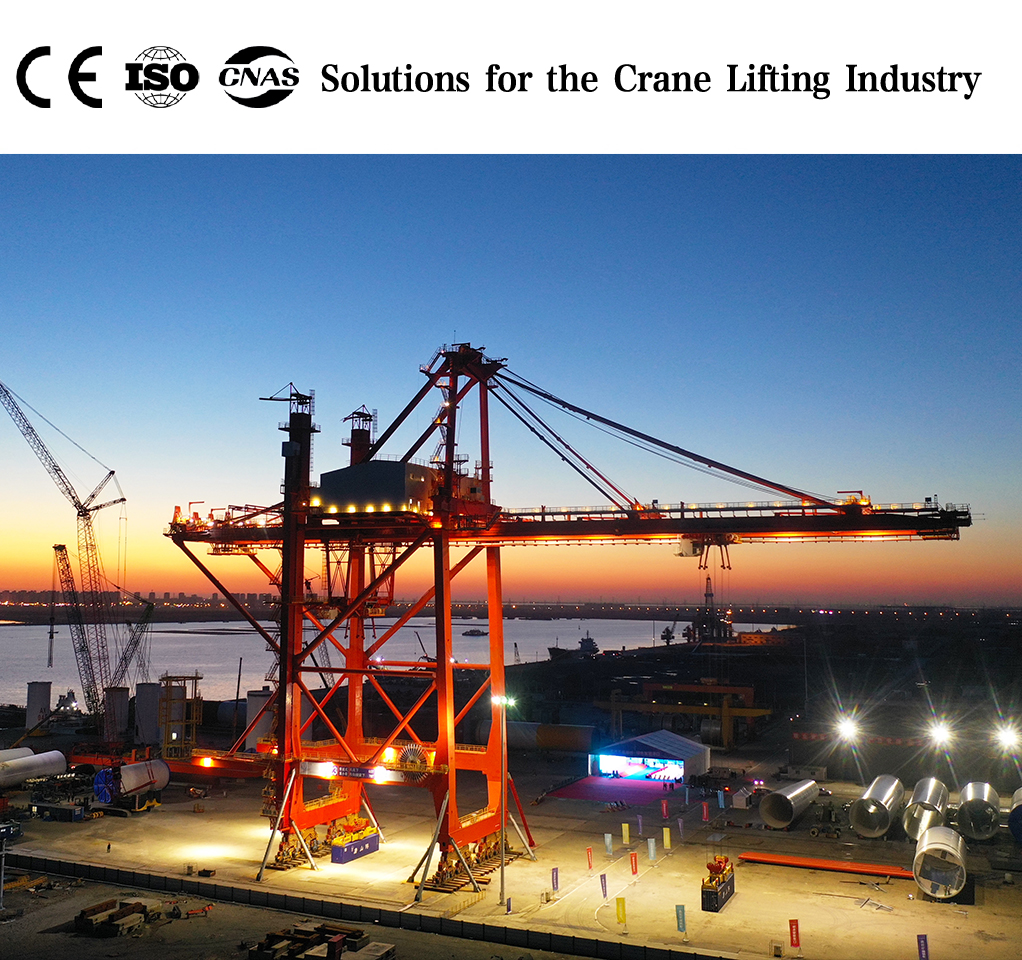
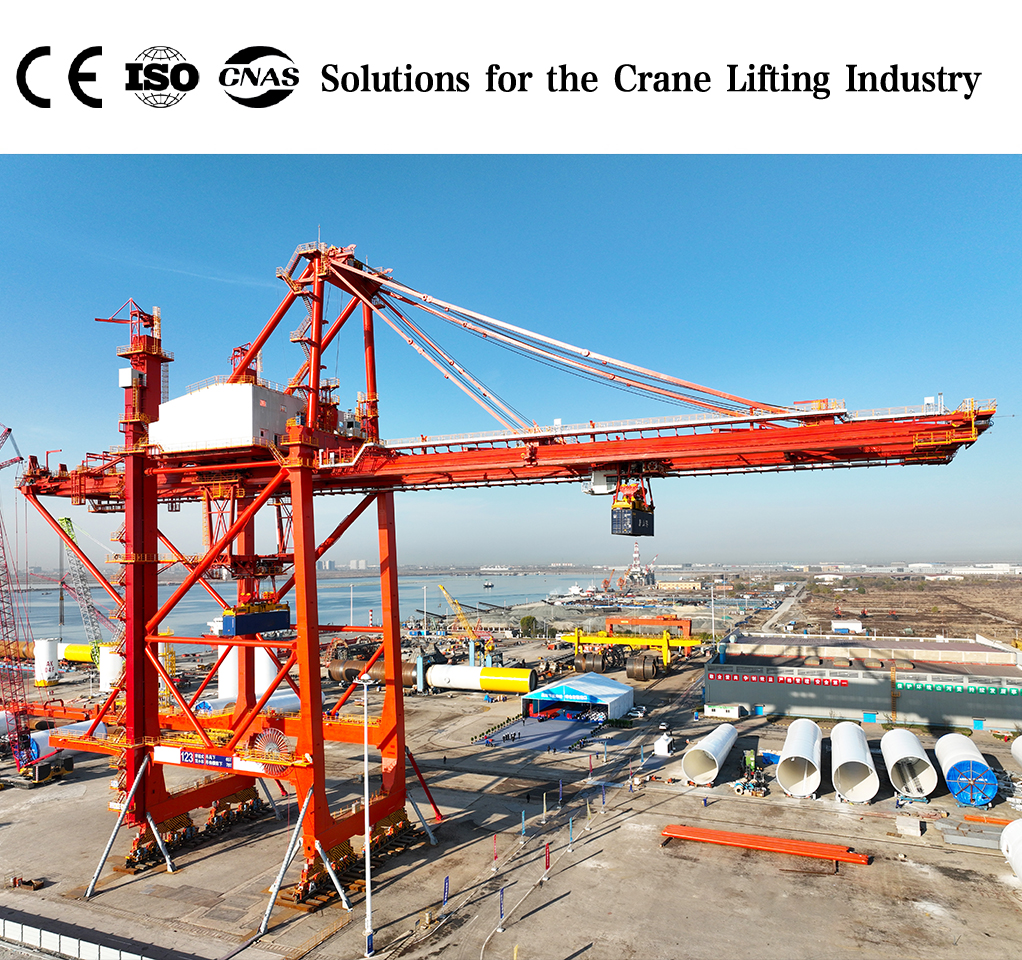
    Ship To Shore Container Crane
    Ship To Shore Container Crane
    1. Core Factors Influencing Yangyu STS Crane Budget
    The price of Yangyu Ship-to-Shore Cranes is not a fixed figure; it depends on customized needs and equipment specifications, with the following factors accounting for 80% of the total budget. Each factor directly impacts material costs, manufacturing complexity, and post-service expenses.
    1.1 Customized Core Configurations (60%-70% of Total Budget)
    Yangyu STS cranes are designed to match specific port operations, and their core components directly determine the base price:
    • Lifting Capacity: As mentioned in the earlier guide to Yangyu STS cranes, lifting capacity ranges from 50 tons to 150+ tons (for heavy-duty projects). A 50-ton standard model uses a 110kW motor and high-strength steel cables (costing ~

      25,000), while a 120-ton model requires a 220kW motor and reinforced cables (adding 

      50,000 to the budget).

    • Span & Boom Length: The span (distance between the crane’s legs) and boom length (reach over the ship) vary by port quay width. A 30-meter span (for small container ports) costs ~

      120,000 in steel structure, while a 45-meter span (for large container ships like Panamax) increases steel costs by 40%-60%.

    • Electrical & Control Systems: Modern Yangyu STS cranes integrate energy-efficient inverters, anti-sway systems, and remote control (for unmanned operations). A basic electrical system costs 

      80,000, while an intelligent system with IoT monitoring (for predictive maintenance) adds 

      40,000.

    1.2 Environmental Adaptation Costs (10%-15% of Total Budget)
    Ports in harsh environments require specialized modifications, which affect the budget:
    • Corrosion Resistance: For coastal ports with high salt spray (e.g., tropical or offshore terminals), Yangyu uses marine-grade stainless steel (316L) for critical parts (e.g., trolley rails) instead of standard carbon steel. This adds 12%-18% to the steel structure cost.
    • Extreme Weather Protection: For ports with heavy rain, snow, or high winds, cranes need waterproof electrical enclosures, wind speed sensors, and snow-melting systems. These adaptations typically cost 

      30,000.

    1.3 Post-Purchase Services (10%-15% of Total Budget)
    Budgeting for Yangyu STS cranes must include non-equipment costs, which are often overlooked but essential for long-term operation:
    • Installation & Commissioning: Yangyu’s professional team handles on-site assembly, alignment, and load testing. Installation costs depend on port accessibility—

      60,000 for standard quays, and 

      100,000 for remote or narrow terminals.

    • Maintenance & Training: A 1-year maintenance package (including spare parts like cables and filters) costs 

      35,000. Operator training (for 5-10 staff) adds 

      8,000 to ensure safe use of the crane’s control systems.

    2. Step-by-Step Budgeting Process for Yangyu STS Cranes
    Yangyu’s budgeting process is transparent and tailored to your needs, ensuring no hidden costs. Here’s how it works:
    Step 1: Demand Assessment (Free Consultation)
    First, Yangyu’s technical team collaborates with you to define key requirements:
    • Port type (container, bulk cargo, or industrial terminal)
    • Target ship size (e.g., 20-foot/40-foot containers, Panamax ships)
    • Daily cargo throughput (to determine crane efficiency needs)
    • Environmental conditions (salt spray, wind speed, temperature)
    This step helps narrow down configurations and avoid over-budgeting for unnecessary features (e.g., a 100-ton crane is unnecessary for a port handling only 20-foot containers).
    Step 2: Cost Calculation (Detailed Breakdown)
    Yangyu provides a itemized cost sheet covering:
    • Direct Costs: Materials (steel, motors, electrical parts), manufacturing labor, and quality testing.
    • Indirect Costs: Transportation (from Yangyu’s factory to the port, including customs fees for international orders) and insurance.
    • Service Costs: Installation, training, and 1-year warranty (extended warranties cost 5%-8% of the total equipment price).
    For example, a standard 65-ton Yangyu STS crane (35m span, basic electrical system) has a typical cost breakdown:
    • Direct Costs: 

      550,000 (steel: 35%, motors: 25%, electronics: 20%)

    • Indirect Costs: 

      70,000 (transport + insurance)

    • Service Costs: 

      80,000 (installation + training)

    • Total Budget: 

      700,000

    Step 3: Final Quotation & Adjustment
    After cost calculation, Yangyu provides a formal quotation with a 30-day validity (to account for raw material price fluctuations, e.g., steel or copper). If your budget is limited, the team can suggest cost-saving adjustments:
    • Opt for a slightly lower lifting capacity (e.g., 60 tons instead of 65 tons) if throughput allows.
    • Choose a standard span instead of a customized one.
    • Delay adding intelligent IoT features (they can be retrofitted later).
    3. Key Tips for Optimizing Yangyu STS Crane Budget
    To avoid overspending while ensuring the crane meets long-term needs, keep these tips in mind:
    • Prioritize “Future-Proof” Features: Invest in a slightly larger span (e.g., 40m instead of 35m) if your port plans to expand to larger ships in 5-10 years—retrofitting a longer boom later costs 2x more than building it initially.
    • Compare Total Cost of Ownership (TCO): A cheaper crane with low-quality parts may have higher maintenance costs (e.g., replacing cables every 2 years instead of 5 years). Yangyu’s cranes use durable components that reduce TCO by 15%-20% over 10 years.
    • Leverage Bulk Purchase Discounts: If buying multiple cranes (e.g., 2-3 for a new terminal), Yangyu offers 5%-10% discounts on the total order.
    Conclusion
    Budgeting for a Yangyu Ship-to-Shore Crane requires balancing current operational needs with long-term cost efficiency. By understanding core cost factors (configurations, environment, services), following the step-by-step budgeting process, and optimizing for future needs, you can secure a crane that delivers value for years. For a personalized budget quote, search “Yangyu STS crane customized quotation” on Google to connect with Yangyu’s technical team directly—they’ll tailor a solution to your port’s unique requirements.
  • Yangyu Ship to Shore Crane: A Comprehensive Guide

    Yangyu Ship to Shore Crane: A Comprehensive Guide

    In the bustling world of port operations, the Yangyu ship to shore crane stands as a crucial piece of equipment. This article will delve deep into the various aspects of this remarkable crane, from its functionality to its significance in the maritime industry.
    Ship To Shore Container Crane
    Understanding the Yangyu Ship to Shore Crane
    The Yangyu ship to shore crane, often abbreviated as STS crane, is specifically designed for the efficient loading and unloading of cargo between ships and the shore at ports. It plays a pivotal role in facilitating smooth and rapid transfer of goods, thereby enhancing the overall productivity of port operations.
    Structure and Components
    1. Steel Structure: The sturdy steel framework of the Yangyu STS crane provides the necessary strength and stability. It is engineered to withstand heavy loads and harsh environmental conditions prevalent in port areas.
    1. Lifting Mechanism: This is the heart of the crane, responsible for hoisting the cargo. High – quality cables and powerful motors ensure reliable and precise lifting operations. The lifting capacity of Yangyu ship to shore cranes can vary, with models capable of handling loads ranging from [specific lower limit] to [specific upper limit] tons, depending on the design and application requirements.
    1. Trolley Traveling Mechanism: The trolley moves horizontally along the crane’s beam, allowing for the positioning of the load both longitudinally and transversely. This mechanism enables accurate placement of cargo onto the ship or on the shore.
    1. Crane Traveling Mechanism: Enables the entire crane to move along the quay. This feature is essential for accessing different areas of the ship or for serving multiple berths, increasing the crane’s versatility.
    1. Machine Room: Houses the control systems, power supply units, and other vital components that regulate the operation of the crane. Advanced control technologies are integrated to ensure smooth and safe operation.
    1. Spreader: The spreader is the attachment at the end of the lifting mechanism that grips and secures the cargo. It is designed to handle different types of containers, such as 20 – foot, 40 – foot, and 45 – foot containers, with ease.
    1. Electrical Equipment: A sophisticated electrical system powers the various components of the crane. It provides the necessary energy for lifting, moving, and controlling the crane’s operations. Additionally, modern Yangyu STS cranes are equipped with energy – efficient features to reduce power consumption.
    1. Safety Devices: Safety is of utmost importance in port operations. Yangyu ship to shore cranes are equipped with an array of safety devices, including anti – sway systems to minimize the swinging of the load during lifting and traveling, overload protection systems to prevent excessive loading, and emergency stop buttons for immediate halts in case of emergencies.
    Working Principle
    When in operation, the Yangyu STS crane first positions itself accurately along the quay side, aligning with the ship’s cargo holds. The operator controls the crane using a control panel located in the cab. The lifting mechanism is activated, and the spreader is lowered towards the cargo on the ship. Once the spreader securely latches onto the container or cargo unit, the lifting mechanism hoists the load. The trolley traveling mechanism then moves the load horizontally along the crane’s beam, while the crane traveling mechanism can be used to adjust the crane’s position along the quay. The load is then carefully lowered onto the waiting transport vehicle or storage area on the shore. The entire process is coordinated with precision to ensure safe and efficient cargo transfer.
    Advantages of Yangyu Ship to Shore Cranes
    1. High Efficiency: These cranes are designed for rapid cargo handling. Their advanced mechanisms allow for quick lifting, traveling, and positioning of loads, significantly reducing the time required for ship loading and unloading. This efficiency helps in minimizing the turnaround time of ships, leading to increased port throughput.
    1. Precision: The control systems of Yangyu STS cranes enable highly accurate positioning of the load. This precision is crucial when handling valuable or delicate cargo, as it reduces the risk of damage during transfer.
    1. Versatility: With the ability to handle different types and sizes of containers and cargo, these cranes can adapt to a wide range of port operations. Whether it’s handling standard shipping containers or specialized cargo, the Yangyu ship to shore crane can get the job done.
    1. Reliability: Built with high – quality materials and components, Yangyu STS cranes are known for their reliability. They are designed to operate continuously in harsh marine environments, with minimal downtime for maintenance. Regular maintenance and the use of advanced diagnostic systems ensure that the crane remains in optimal working condition.
    Applications in the Maritime Industry
    1. Container Ports: In container ports around the world, Yangyu ship to shore cranes are the workhorses. They are responsible for loading and unloading containers from container ships, facilitating the smooth flow of global trade. These cranes can handle large volumes of containers efficiently, ensuring that the port can meet the demands of international shipping.
    1. General Cargo Ports: Even in ports that handle general cargo, such as bulk materials, break – bulk cargo, and project cargo, Yangyu STS cranes can be adapted to handle these diverse types of loads. Specialized attachments can be used in combination with the spreader to securely lift and transfer different cargo items.
    1. Industrial Terminals: At industrial terminals, where raw materials are imported and finished products are exported, Yangyu ship to shore cranes play a vital role in connecting the manufacturing facilities with the global shipping network. They ensure the seamless transfer of goods, contributing to the efficient operation of the industrial complex.
      In conclusion, the Yangyu ship to shore crane is an essential asset in the maritime industry, enabling efficient cargo handling and contributing to the growth of global trade.
    1. How do port cranes load containers onto cargo ships?

      How do port cranes load containers onto cargo ships?

      The seamless loading of massive containers onto towering cargo ships is a symphony of engineering precision and logistical mastery. At the heart of this operation are the giants of the port: container cranes. This intricate process, critical to global trade, involves specialized equipment and carefully choreographed steps to ensure efficiency and safety.

      The Main Workhorses: Container Handling Cranes

      Several types of cranes work in unison at a terminal, but the most iconic is the Ship-to-Shore (STS) crane (also called a container gantry crane). These colossal structures run on rails along the quay (berth), allowing them to traverse the length of the ship.

      • STS Crane Design: They feature a large supporting framework (gantry) that stretches over the ship and the shore. A “spreader” is suspended from a trolley that moves along the crane’s boom. This spreader is the critical device that locks onto a container’s four corner castings, ensuring a secure lift.

      Other essential cranes include:

      • Rubber-Tired Gantry (RTG) Cranes: Used in the container yard to stack containers and bring them to the STS cranes.

      • Straddle Carriers: Mobile vehicles that can lift and transport containers short distances.

      The Step-by-Step Loading Process

      The journey of a container from the yard to its precise spot on a cargo ship involves a meticulously coordinated sequence.

      Step 1: Planning and Stowage Planning

      Long before a ship arrives, a stowage plan is created by computer systems. This digital blueprint determines the exact location for every container on the ship based on its weight, destination, contents, and stability requirements. Heavier containers are typically placed at the bottom, while those destined for the next port are loaded last for easier access.

      Step 2: Moving the Container to the Quay

      An RTG crane or a straddle carrier retrieves the designated container from its stack in the yard and transports it to the quay apron (the area just behind the STS crane). It is often placed here for the STS crane to pick up. Alternatively, some terminals use automated guided vehicles (AGVs) or yard trucks to bring containers to the crane’s waiting area.

      双梁轮胎式起重机

      Step 3: The Crane Operation – Hoisting and Moving

      The STS crane operator, sitting in a cabin high on the crane, takes over. The process is a cycle:

      1. Positioning: The crane trolley moves the spreader over the container on the quay.

      2. Locking On: The spreader is lowered onto the container. Its twist locks automatically engage with the container’s corner castings, securing it. Modern cranes often use automatic spreaders that require no manual intervention.

      3. Lifting: The container is lifted high enough to clear the ship’s rail and any already-stacked containers.

      4. Traversing: The trolley moves the container over the water, positioning it directly above its predetermined cell location on the ship.

      5. Lowering: The container is carefully lowered into the vertical cell guides within the ship’s hold, which ensure it drops into the correct position perfectly aligned.

      6. Unlocking: The spreader’s twist locks disengage, and it is lifted away, ready for the next cycle.

      Step 4: Securing the Containers

      Once a container is placed in its cell, lashing rods and turnbuckles are often used to secure it to the ship’s structure or the container below it. This is a crucial safety step to prevent containers from shifting during the vessel’s voyage through rough seas.

      The Critical Role of the Spreader and Twist Locks

      The spreader is a marvel of engineering that enables the entire system to work. It can adjust its width and length to handle different standard container sizes (20ft, 40ft, 45ft). The twist locks at each corner are the physical interface that grips the container. They are rotated (twisted) 90 degrees by the crane’s mechanism to lock into place on the container’s corner castings.

      Safety and Efficiency: How the Process is Optimized

      Loading a massive ship with thousands of containers in a matter of hours is a feat of optimization.

      • Expert Operators: Highly skilled crane operators ensure smooth and fast movement, minimizing swing and enabling precise placement.

      • Advanced Software: Terminal Operating Systems (TOS) coordinate every aspect, from assigning containers to cranes and optimizing the loading sequence to tracking every box’s location in real-time.

      • Automation: Many modern terminals, like parts of the Port of Rotterdam or Shanghai Yangshan, use fully automated STS cranes and AGVs, which are operated remotely and controlled by computers to maximize efficiency and safety.

      Comparison of Key Container Handling Cranes

      Crane TypePrimary FunctionKey FeatureMobility
      Ship-to-Shore (STS)Loading/unloading from shipVery large, spans the berthRuns on rails along the quay
      Rubber-Tired Gantry (RTG)Stacking containers in the yardPortals over container stacksMoves on rubber tires within the yard
      Straddle CarrierTransporting and stacking containersCan lift and carry containers short distancesHighly mobile on rubber tires

      Conclusion

      Loading containers onto a cargo ship is far more than just moving boxes. It is a complex, technology-driven operation powered by gigantic Ship-to-Shore cranes and supported by a fleet of yard equipment. From the digital stowage plan to the final twist of the lock, every step is designed for maximum speed, precision, and safety, ensuring that the immense vessels at the heart of global trade can turn around quickly and continue their journeys across the world’s oceans.