1. Introduction
1.1 Hook
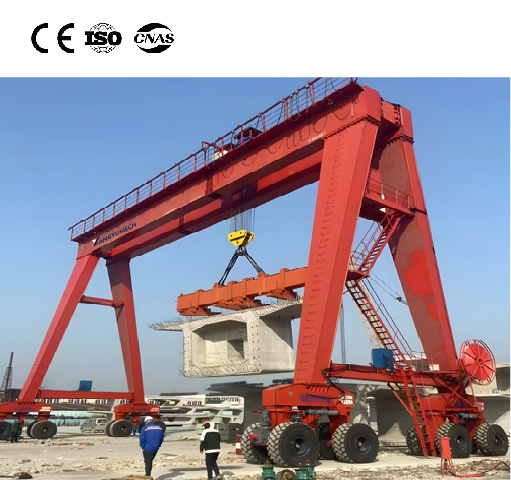
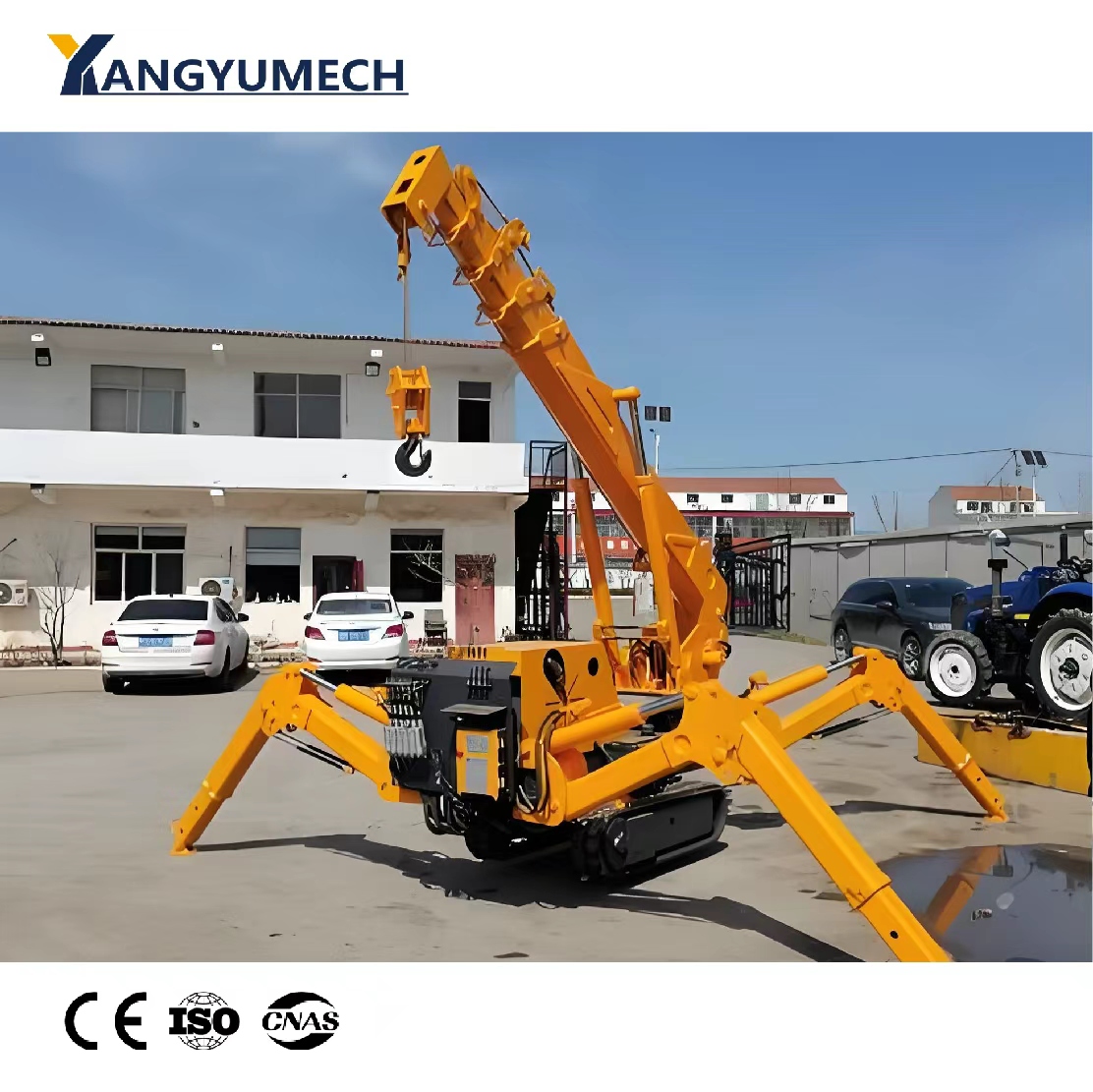
On a bustling construction site, the sun beats down on a scene of controlled chaos. Workers scurry about, coordinating the movement of materials and the progress of the build. Amidst the activity, a new model of Yangyu crane stands tall, its powerful frame and advanced mechanisms commanding attention. With a deafening rumble, it swings its long boom, effortlessly hoisting massive steel beams to dizzying heights. The precision with which it maneuvers, placing each load exactly where it’s needed, is nothing short of mesmerizing. This isn’t just a machine at work; it’s a display of cutting – edge engineering and technological prowess that has caught the eye of the entire construction industry.

1.2 Thesis statement
In this article, we will take an in – depth look at the reasons behind the soaring popularity of the new model of Yangyu crane. From its innovative design and advanced features to its cost – effectiveness and reliability, we’ll explore how this crane is revolutionizing the construction landscape and why it has become the go – to choice for construction projects around the world.
2. Key Features that Stand Out
2.1 Superior Lifting Capacity
One of the most striking features of the new Yangyu crane model is its remarkable lifting capacity. In comparison to its predecessors and many of its competitors in the market, it has been engineered to handle significantly heavier loads. With a maximum lifting capacity of up to [X] tons, it can effortlessly hoist materials that were once a challenge for traditional cranes. For example, in a large – scale infrastructure project, the Yangyu crane was able to lift pre – fabricated concrete sections weighing [X] tons each, while other similar – sized cranes in the area struggled to handle loads above [X – 10] tons. This enhanced lifting capacity not only speeds up the construction process but also reduces the need for multiple lifts or the use of additional heavy – machinery, ultimately saving both time and cost for construction companies.
2.2 Exceptional Maneuverability
Despite its large size and powerful capabilities, the new Yangyu crane model offers exceptional maneuverability. It is equipped with advanced hydraulic systems and intelligent control mechanisms that allow it to operate with precision even in the most challenging workspaces.
The crane’s boom can rotate a full 360 degrees smoothly, and its telescopic function enables it to reach various heights and distances with ease. In a congested urban construction site surrounded by existing buildings and narrow access roads, the Yangyu crane demonstrated its agility. It was able to navigate around obstacles, position itself accurately, and lift materials to the required floors of a high – rise building, where other cranes would have faced difficulties due to limited space. This high – level maneuverability makes it an ideal choice for projects with complex site layouts, whether it’s a renovation project in a historical district or a construction project in a tight industrial area.
2.3 Advanced Safety Systems
Safety is a top priority in any construction project, and the new Yangyu crane model does not disappoint. It comes equipped with a comprehensive set of advanced safety systems. One of the key safety features is the overload protection system. This system constantly monitors the weight of the load being lifted and immediately shuts down the lifting operation if the load exceeds the crane’s rated capacity. This prevents accidents caused by overloading, which can lead to structural failure of the crane and potential damage to the load and the surrounding area.
In addition, it has a state – of – the – art anti – sway control system. When the crane is in motion, especially during the lifting and transporting of loads, swaying can occur due to various factors such as wind or sudden starts and stops. The anti – sway control system uses sensors to detect the slightest sway and automatically adjusts the crane’s movements to minimize it. This ensures that the load remains stable during transportation, reducing the risk of collisions with other objects on the construction site.
Furthermore, the crane is fitted with multiple emergency braking systems. In case of any unexpected malfunction or loss of control, these braking systems can be activated immediately to bring the crane to a safe stop, protecting both the equipment and the workers on the site. These advanced safety systems not only provide peace of mind to the operators and construction managers but also comply with the strictest international safety standards, making the Yangyu crane a reliable and safe choice for any construction project.
3. Real – World Applications Shining Through
3.1 Construction Marvels
In the world of construction, the new Yangyu crane model has become an indispensable asset, especially in large – scale projects. Take, for instance, the construction of a high – rise skyscraper in a major city. The project required the lifting and placement of heavy steel columns, pre – cast concrete slabs, and large – scale building components. The Yangyu crane’s superior lifting capacity meant that it could handle the heaviest of these elements in a single lift, reducing the number of lifting operations significantly.
Its exceptional maneuverability was also put to the test and proven invaluable. Navigating around the existing infrastructure of the city, including narrow streets and neighboring buildings, the crane’s 360 – degree rotating boom and telescopic capabilities allowed it to reach every corner of the construction site with ease. This ensured that materials were delivered precisely to the required locations on each floor, speeding up the construction process. Workers on the site reported that compared to previous projects where they used different crane models, the Yangyu crane reduced the time spent on material handling by almost 30%, leading to a more efficient and timely completion of the building’s structure.
3.2 Industrial Powerhouse
In industrial settings, such as manufacturing plants and factories, the new Yangyu crane model plays a crucial role in keeping the production lines running smoothly. In a large – scale automotive manufacturing plant, for example, the crane is used to move heavy automotive parts, such as engine blocks and large – scale chassis components, between different production stations. The crane’s high – speed operation, combined with its precise control systems, ensures that the parts are transferred quickly and accurately.
This not only improves the overall production efficiency but also reduces the risk of damage to the delicate components during transportation. In a factory that produces heavy – duty machinery, the Yangyu crane’s lifting capacity allows it to handle large – scale raw materials, such as massive steel plates, and move them to the processing areas. The advanced safety features of the crane, like the overload protection and anti – sway control systems, provide a safe working environment for the factory workers. As a result, the factory has seen a decrease in production – related accidents and an increase in the overall output, with the production rate increasing by 25% since the adoption of the Yangyu crane.
3.3 Logistics and Shipping Efficiency
In the logistics and shipping industries, time is money, and the new Yangyu crane model is helping companies save both. At a busy seaport, the Yangyu crane is used for loading and unloading containers from cargo ships. Its powerful lifting capacity enables it to handle the large and heavy shipping containers, which can weigh up to [X] tons each, with ease. The crane’s quick – acting mechanisms and efficient control systems allow for rapid container transfer, reducing the time a ship has to spend at the port.
Compared to traditional cranes at the port, the Yangyu crane can load or unload a container in [X]% less time. This means that ships can turn around faster, increasing the overall throughput of the port. In a large – scale logistics distribution center, the Yangyu crane is used to move pallets of goods in and out of storage areas and onto transport vehicles. Its maneuverability in the tight spaces of the warehouse, along with its high – speed operation, ensures that the goods are processed quickly, leading to faster order fulfillment and improved customer satisfaction.
4. Comparing with Competitors: A Clear Edge
4.1 Performance Benchmarking
When it comes to performance, the new Yangyu crane model outshines its competitors in several crucial aspects. In a recent independent study comparing the lifting speeds of various crane models in the same weight – class, the Yangyu crane demonstrated remarkable efficiency. It was able to lift a standard load of [X] tons to a height of [X] meters in just [X] minutes, while the closest competitor took [X + 2] minutes to complete the same task. This faster lifting speed not only speeds up the overall construction or industrial operation but also means that more work can be accomplished in a shorter period, increasing productivity significantly.
In terms of accuracy, the Yangyu crane’s advanced control system allows for extremely precise positioning of loads. Tests showed that it could place a load within an error margin of less than [X] centimeters, while some competing models had an error margin of up to [X + 5] centimeters. This high level of accuracy is essential in many applications, such as installing delicate machinery in a factory or placing pre – fabricated components in a high – rise building with tight tolerances.
4.2 Cost – Effectiveness Analysis
Over the long – term, the new Yangyu crane model offers significant cost – effectiveness advantages. One of the main cost factors in operating a crane is fuel consumption. The Yangyu crane is designed with fuel – efficient engines and optimized hydraulic systems. In a real – world usage scenario over a period of one year in a construction project, the Yangyu crane consumed [X]% less fuel compared to a similar – sized competitor. Considering the high cost of fuel in the construction and industrial sectors, this reduction in fuel consumption can lead to substantial savings over time.
Maintenance costs are another crucial aspect. The Yangyu crane is built with high – quality components and a modular design that simplifies maintenance. According to maintenance records from multiple users, the average annual maintenance cost of the Yangyu crane is approximately [X]% lower than that of its competitors. Fewer breakdowns and longer intervals between maintenance checks mean less downtime for the crane, ensuring that projects stay on schedule and productivity is not compromised. Additionally, the longer lifespan of the Yangyu crane’s components further reduces the need for frequent replacements, contributing to its overall cost – effectiveness.
5. User Testimonials: Voices of Satisfaction
5.1 Quotes from Construction Firms
Construction firms around the world have been quick to adopt the new Yangyu crane model, and their feedback speaks volumes about its reliability. “Since we started using the new Yangyu crane on our construction projects, we’ve noticed a significant improvement in our workflow,” says John Smith, the project manager of a large – scale construction company. “The crane’s consistent performance, even under heavy – duty usage, has been remarkable. We’ve had no major breakdowns or malfunctions, which has kept our projects on schedule and within budget.”
Another construction firm, ABC Construction, shared their experience. “In our line of work, reliability is non – negotiable. The Yangyu crane has proven to be a rock – solid piece of equipment. It has withstood the test of time and the harsh conditions of our construction sites. Whether it’s lifting heavy loads in extreme weather or operating in tight spaces, we can always count on the Yangyu crane to get the job done safely and efficiently,” said Emily Davis, the operations director at ABC Construction.
5.2 Feedback from Industrial Users
Industrial users have also been singing the praises of the new Yangyu crane model. In a manufacturing plant that produces heavy machinery, the plant manager, David Brown, had this to say: “The Yangyu crane has become an integral part of our production process. Its high – speed operation and precise load – handling capabilities have significantly increased our productivity. What’s more, the easy – to – use control system has made it accessible to our operators, reducing the learning curve and minimizing the risk of human – error during operation.”
A logistics company that uses the Yangyu crane for cargo handling at their warehouse gave similar feedback. “The new Yangyu crane has transformed our logistics operations. It’s not only efficient but also very user – friendly. Our workers find it easy to operate, and the advanced safety features give us peace of mind. We’ve seen a noticeable decrease in the time it takes to load and unload goods, which has directly contributed to our bottom line,” said Sarah Johnson, the logistics manager of the company. These testimonials from satisfied users across different industries are a testament to the new Yangyu crane model’s outstanding performance and its ability to meet the diverse needs of various sectors.
6. The Future Horizon: Yangyu Crane’s Continuing Ascent
6.1 Anticipated Technological Upgrades
As technology continues to evolve at a breakneck pace, the future of the Yangyu crane holds exciting prospects for further technological upgrades. One area that is likely to see significant development is in the realm of automation and artificial intelligence (AI). In the coming years, we can expect the new Yangyu crane model to be equipped with more advanced AI – powered control systems. These systems will not only enhance the crane’s current capabilities but also introduce entirely new features.
For example, the AI could be programmed to analyze the construction site environment in real – time. Using sensors and cameras, it would detect any potential obstacles, changes in weather conditions, or the movement of other machinery. Based on this analysis, the crane would automatically adjust its operations to ensure maximum safety and efficiency. In a complex construction site with multiple cranes working simultaneously, the AI – controlled Yangyu crane could communicate with other cranes and equipment, coordinating movements to avoid collisions and optimize the use of space.
Another potential upgrade is in the field of energy – saving technology. With the growing global focus on environmental sustainability, Yangyu is likely to invest in research and development to make its cranes even more energy – efficient. This could involve the development of hybrid or fully electric crane models. Hybrid cranes would combine the power of traditional fuel engines with electric motors, allowing for more efficient operation during different phases of work. Electric cranes, on the other hand, would eliminate emissions entirely, making them ideal for use in environmentally sensitive areas or urban construction sites where air quality is a major concern.
6.2 Market Expansion Prospects
The new Yangyu crane model has already made a significant impact in the global market, and its future market expansion prospects are highly promising. In emerging economies, there is a burgeoning demand for infrastructure development. Countries in Asia, Africa, and South America are investing heavily in building new roads, bridges, airports, and residential and commercial buildings. The Yangyu crane’s combination of high – performance features, cost – effectiveness, and reliability makes it an attractive choice for these projects.
For instance, in a developing country in Southeast Asia that is currently in the midst of a large – scale urbanization drive, the new Yangyu crane model could play a crucial role. The country needs to construct thousands of new housing units, along with modernizing its transportation infrastructure. The crane’s superior lifting capacity and maneuverability would enable it to handle the diverse requirements of these projects, from lifting heavy construction materials for high – rise buildings to placing large – scale bridge components.
In addition to emerging economies, the Yangyu crane also has the potential to penetrate further into the mature markets of North America and Europe. In these regions, construction companies are constantly on the lookout for equipment that can improve productivity and reduce costs. The Yangyu crane’s cost – effectiveness, especially in terms of fuel consumption and maintenance, gives it a competitive edge. As the brand continues to build its reputation for quality and reliability in these markets, it is likely to gain an even larger market share, challenging the dominance of traditional Western crane manufacturers. With its eye on continuous innovation and technological upgrades, the Yangyu crane is well – positioned to conquer new markets and continue its upward trajectory in the global construction equipment industry.
7. Conclusion
7.1 Recap of Main Points
In summary, the new model of Yangyu crane has emerged as a game – changer in the construction and industrial equipment market. Its superior lifting capacity, allowing it to handle loads of up to [X] tons, has made it an ideal choice for projects that demand heavy – duty lifting operations. This not only increases the efficiency of construction and industrial processes but also reduces the need for multiple or additional machinery, cutting down on costs.
Exceptional maneuverability, with its 360 – degree rotating boom and telescopic capabilities, enables the crane to operate in complex and confined spaces. Whether it’s a congested urban construction site or a tight industrial area, the Yangyu crane can navigate with ease, ensuring that materials are delivered precisely where they are needed.
The advanced safety systems, including overload protection, anti – sway control, and multiple emergency braking systems, not only protect the equipment and the load but also the workers on the site. These safety features comply with international standards, providing a reliable and secure working environment.
In real – world applications, the crane has proven its worth in construction projects, industrial plants, and logistics and shipping operations. It has contributed to the successful completion of high – rise buildings, the smooth running of manufacturing plants, and the efficient handling of cargo at seaports and logistics centers.
When compared to competitors, the Yangyu crane stands out in terms of performance, with faster lifting speeds and higher accuracy. It also offers significant cost – effectiveness advantages, with lower fuel consumption and maintenance costs.
User testimonials from construction firms and industrial users alike have attested to its reliability, performance, and user – friendliness. Looking to the future, the Yangyu crane is poised for further growth, with anticipated technological upgrades in automation, AI, and energy – saving technology, and promising market expansion prospects in emerging and mature economies.
7.2 Call – to – Action
For construction companies, industrial manufacturers, and logistics firms looking to enhance their operational efficiency, reduce costs, and ensure safety, the new model of Yangyu crane is the answer. Don’t miss out on the opportunity to be part of the future of heavy – equipment operations. Consider investing in the Yangyu crane and experience firsthand the difference it can make in your projects and business. With its track record of success and a bright future ahead, the Yangyu crane is not just a piece of equipment; it’s a strategic partner for your growth and success.