Tag: Crane

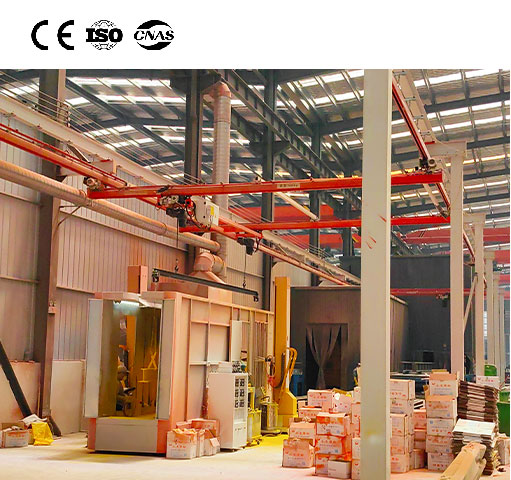
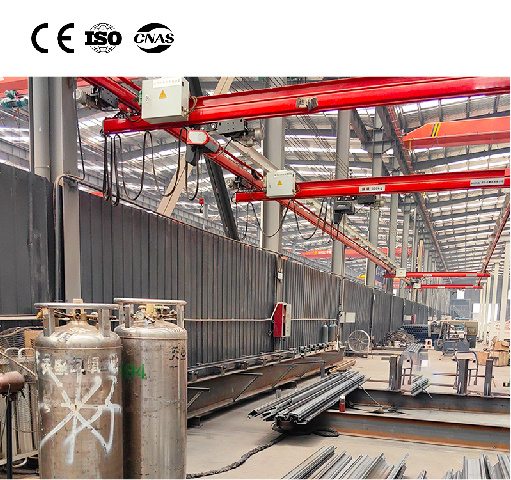
  • KBK Suspension Monorail Crane: The Modern Material Handling

    KBK Suspension Monorail Crane: The Modern Material Handling

    In the fast-paced world of industrial manufacturing and logistics, efficiency and safety in material handling can make or break production targets. Enter the KBK suspension monorail crane – a modular lifting solution that has revolutionized how businesses move materials across their facilities. This comprehensive guide will explore everything you need to know about KBK suspension monorail cranes, from their technical specifications and advantages over traditional systems to practical applications and maintenance tips.
    KBK Suspension Monorail Crane

    What is a KBK Suspension Monorail Crane?

    A KBK suspension monorail crane is a lightweight, modular material handling system designed for precise and efficient lifting operations in industrial environments. Originating from European engineering excellence, KBK systems consist of standardized components that can be customized to fit specific workplace requirements. These cranes suspend from overhead structures, utilizing a single rail track to move loads horizontally, while a hoist provides vertical lifting capability.
    The core components of a KBK suspension monorail system include:
    • Suspension devices for overhead mounting
    • High-strength steel tracks (available in various profiles)
    • Traveling trolleys and carriages
    • Electric chain hoists or pneumatic lifting devices
    • Mobile power supply systems (typically conductor rails)
    • Control units (pendant or radio remote)
    KBK systems are designed to handle loads ranging from 125 kg up to 3,200 kg, making them suitable for both light and medium-duty applications across diverse industries.

    Key Advantages of KBK Suspension Monorail Systems

    KBK suspension monorail cranes offer numerous benefits compared to traditional material handling solutions like bridge cranes or gantry systems:

    1. Superior Flexibility and Modularity

    One of the most significant advantages of KBK systems is their modular design. Components can be easily combined, extended, or reconfigured to adapt to changing production needs. This flexibility allows businesses to start with a basic system and expand it as operations grow, making KBK an investment that evolves with your facility.

    2. Space Optimization

    By suspending from overhead structures, KBK monorail cranes free up valuable floor space that would otherwise be occupied by support columns required for traditional cranes. This design maximizes the working area below the crane, enabling better utilization of facility square footage.

    3. Easy Installation and Reduced Downtime

    KBK systems feature standardized profiles and bolt-on connections that allow for quick installation compared to conventional cranes. Where traditional bridge cranes might require weeks of installation work, KBK monorail systems can often be operational in days, minimizing production disruptions.

    4. Cost-Effective Operation

    KBK suspension monorail cranes reduce both initial and long-term costs. Their lightweight construction reduces the need for heavy-duty structural support, lowering building costs. Additionally, the systems are designed for minimal maintenance requirements, reducing ongoing operational expenses.

    5. Precise and Safe Operation

    With smooth track movement and precise positioning capabilities, KBK systems enable accurate load placement – crucial for delicate assembly operations. The rigid structure minimizes sway and vibration, while built-in safety features and compliance with EC machinery directives ensure safe operation under various conditions.
    Technical Specifications and Design Features
    KBK suspension monorail cranes are engineered with precision to deliver reliable performance. Here are some key technical aspects:
    Load Capacities and Configurations
    KBK systems offer a range of load capacities to suit different applications:
    • KBK.K100: Up to 125 kg for light loads
    • KBK.KI: Up to 500 kg for general light-duty use
    • KBK.KⅡ: Up to 2,000 kg for medium-duty applications
    • KBK.KⅢ: Up to 3,200 kg for heavier loads
    These systems can accommodate spans up to 14 meters, providing versatile coverage for various facility sizes.

    Construction and Durability

    KBK tracks are manufactured using cold-rolled steel profiles, ensuring high strength without excessive weight. This construction method provides excellent straightness and reduces deformation under load. The systems typically meet corrosion category C2-M standards according to DIN EN ISO 12944, ensuring longevity even in challenging environments.
    Control Options
    Operators can control KBK suspension monorail cranes through:
    • Pendant controls for direct line-of-sight operation
    • Radio remote controls for enhanced flexibility and safety
    • Automated systems for repetitive tasks in smart factories
    Safety Compliance
    KBK systems adhere to strict safety standards, including ISO 9001 certification and compliance with EC machinery directives. They feature built-in load limitations to prevent overloading and ensure stable operation during material handling tasks.

    Applications Across Industries

    The versatility of KBK suspension monorail cranes makes them suitable for a wide range of industries and applications:
    Automotive Manufacturing
    In automotive plants, KBK systems excel at moving components like engines, transmissions, and body panels along assembly lines. Their precision positioning helps streamline production processes and reduce assembly times.
    Electronics and Precision Engineering
    For handling delicate electronic components, KBK cranes provide the gentle, precise movement required to prevent damage. Their clean design minimizes contamination risks in sensitive manufacturing environments.
    Warehousing and Logistics
    KBK suspension monorail cranes optimize storage space utilization in warehouses by enabling vertical material movement. They can be integrated with other material handling systems for end-to-end logistics solutions.
    Metalworking and Machinery
    In metal fabrication shops, KBK systems handle raw materials, work-in-progress, and finished parts. Their robust construction stands up to the harsh conditions typical in metalworking environments.
    Food and Pharmaceutical Production
    With appropriate modifications, KBK cranes can meet the hygiene requirements of food processing and pharmaceutical facilities, providing reliable material handling in cleanroom environments.
    Customer feedback highlights significant efficiency improvements after implementing KBK systems, with some reporting a several times increase in operational efficiency compared to previous material handling methods.
    How KBK Compares to Traditional Bridge Cranes
    The advantages of KBK suspension monorail cranes become particularly evident when compared to traditional bridge cranes:

    Feature
    KBK Suspension Monorail Crane
    Traditional Bridge Crane
    Structural Requirements
    Lightweight design requires minimal overhead support
    Heavy-duty construction needs substantial structural reinforcement
    Installation Time
    Days to weeks
    Weeks to months
    Space Utilization
    Maximizes floor space with overhead suspension
    Requires floor space for support columns
    Flexibility
    Easily reconfigured for changing needs
    Fixed configuration, difficult to modify
    Maintenance
    Low maintenance requirements
    Regular, complex maintenance needed
    Noise Levels
    Quiet operation
    Noticeable operational noise
    Cost
    Lower initial and ongoing costs
    Higher installation and maintenance costs

    This comparison shows why many modern facilities are replacing traditional bridge cranes with KBK systems to achieve greater operational efficiency.

    Choosing the Right KBK Suspension Monorail System

    Selecting the appropriate KBK system involves evaluating several key factors:

    1. Load Requirements

    Assess the maximum weight you need to handle, including any potential future increases in load demands. Choose a system with an appropriate safety margin above your regular operating loads.

    2. Facility Dimensions

    Consider the span required, available headroom, and overall facility layout. KBK systems offer various track configurations to navigate around obstacles and optimize material flow paths.

    3. Operational Environment

    Evaluate factors like temperature, humidity, and potential exposure to corrosive substances. Ensure your chosen system meets the necessary environmental resistance standards.

    4. Control Needs

    Determine the most suitable control method based on operator safety, visibility requirements, and the complexity of movements needed.

    5. Future Expansion Plans

    Select a modular system that can be easily extended or modified as your operations grow or change.
    Working with experienced KBK suppliers is crucial to designing a system that precisely matches your operational needs while ensuring compliance with all safety regulations.

    Maintenance and Safety Best Practices

    Proper maintenance ensures the longevity and safe operation of KBK suspension monorail cranes:
    Regular Inspection Schedule
    • Conduct visual inspections of tracks, connections, and moving parts
    • Check electrical systems for wear or damage
    • Verify proper operation of safety features
    • Inspect hoist components and lifting mechanisms
    Preventive Maintenance Tasks
    • Keep tracks clean and free of debris
    • Lubricate moving parts according to manufacturer recommendations
    • Tighten any loose fasteners
    • Test control systems regularly
    • Replace worn components promptly
    Safety Guidelines
    • Never exceed the system’s rated load capacity
    • Ensure operators are properly trained and certified
    • Prohibit lifting of molten metals or hazardous materials unless specifically designed for such use
    • Maintain clear safety zones around operating areas
    • Conduct regular load tests to verify system integrity
    Establishing a comprehensive maintenance program and adhering to safety protocols not only extends the life of your KBK system but also protects your workforce from potential accidents.

    Conclusion: Transforming Material Handling with KBK Technology

    KBK suspension monorail cranes represent a significant advancement in material handling technology, offering unparalleled flexibility, efficiency, and cost-effectiveness for modern industrial operations. Their modular design, easy installation, and adaptability make them an ideal solution for businesses looking to optimize their material handling processes.
    Whether you’re operating a small workshop or a large manufacturing facility, a KBK suspension monorail system can be tailored to your specific needs, providing a reliable material handling solution that grows with your business. By reducing installation time, maximizing space utilization, and minimizing maintenance requirements, KBK systems deliver substantial return on investment while improving workplace safety and productivity.
    As manufacturing and logistics continue to evolve, KBK suspension monorail cranes will undoubtedly play an increasingly important role in shaping efficient, flexible, and safe material handling operations across industries worldwide.
    Ready to transform your material handling processes? Consult with a KBK system specialist today to design a customized solution that meets your operational needs and budget requirements.
  • Unveiling the All – Conquering New Model of Yangyu Crane

    Unveiling the All – Conquering New Model of Yangyu Crane

    1. Introduction

    1.1 Hook

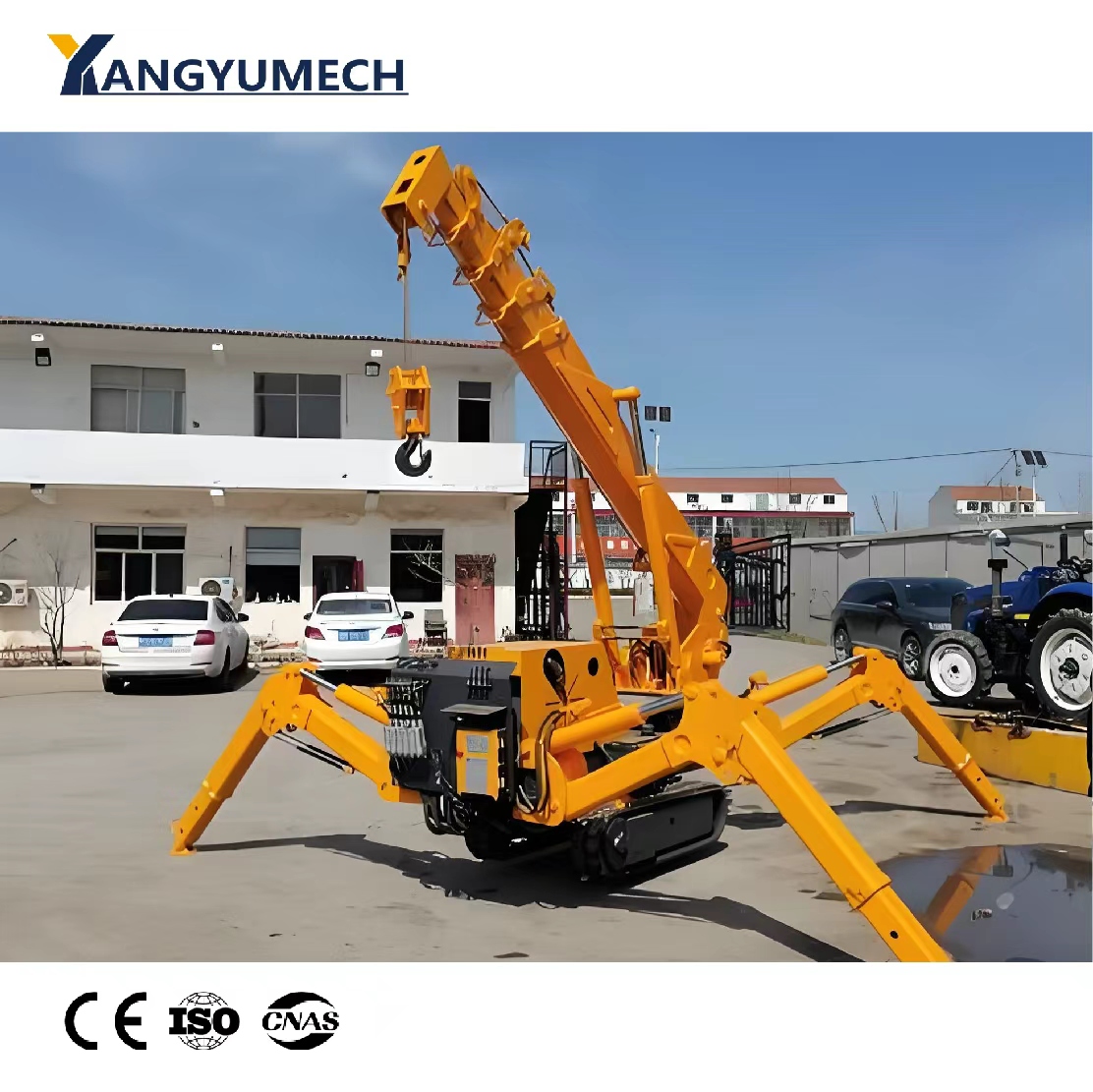
    On a bustling construction site, the sun beats down on a scene of controlled chaos. Workers scurry about, coordinating the movement of materials and the progress of the build. Amidst the activity, a new model of Yangyu crane stands tall, its powerful frame and advanced mechanisms commanding attention. With a deafening rumble, it swings its long boom, effortlessly hoisting massive steel beams to dizzying heights. The precision with which it maneuvers, placing each load exactly where it’s needed, is nothing short of mesmerizing. This isn’t just a machine at work; it’s a display of cutting – edge engineering and technological prowess that has caught the eye of the entire construction industry.
    蜘蛛吊

    1.2 Thesis statement

    In this article, we will take an in – depth look at the reasons behind the soaring popularity of the new model of Yangyu crane. From its innovative design and advanced features to its cost – effectiveness and reliability, we’ll explore how this crane is revolutionizing the construction landscape and why it has become the go – to choice for construction projects around the world.

    2. Key Features that Stand Out

    2.1 Superior Lifting Capacity

    One of the most striking features of the new Yangyu crane model is its remarkable lifting capacity. In comparison to its predecessors and many of its competitors in the market, it has been engineered to handle significantly heavier loads. With a maximum lifting capacity of up to [X] tons, it can effortlessly hoist materials that were once a challenge for traditional cranes.
    For example, in a large – scale infrastructure project, the Yangyu crane was able to lift pre – fabricated concrete sections weighing [X] tons each, while other similar – sized cranes in the area struggled to handle loads above [X – 10] tons. This enhanced lifting capacity not only speeds up the construction process but also reduces the need for multiple lifts or the use of additional heavy – machinery, ultimately saving both time and cost for construction companies.

    2.2 Exceptional Maneuverability

    Despite its large size and powerful capabilities, the new Yangyu crane model offers exceptional maneuverability. It is equipped with advanced hydraulic systems and intelligent control mechanisms that allow it to operate with precision even in the most challenging workspaces.
    The crane’s boom can rotate a full 360 degrees smoothly, and its telescopic function enables it to reach various heights and distances with ease. In a congested urban construction site surrounded by existing buildings and narrow access roads, the Yangyu crane demonstrated its agility. It was able to navigate around obstacles, position itself accurately, and lift materials to the required floors of a high – rise building, where other cranes would have faced difficulties due to limited space. This high – level maneuverability makes it an ideal choice for projects with complex site layouts, whether it’s a renovation project in a historical district or a construction project in a tight industrial area.

    2.3 Advanced Safety Systems

    Safety is a top priority in any construction project, and the new Yangyu crane model does not disappoint. It comes equipped with a comprehensive set of advanced safety systems. One of the key safety features is the overload protection system. This system constantly monitors the weight of the load being lifted and immediately shuts down the lifting operation if the load exceeds the crane’s rated capacity. This prevents accidents caused by overloading, which can lead to structural failure of the crane and potential damage to the load and the surrounding area.
    In addition, it has a state – of – the – art anti – sway control system. When the crane is in motion, especially during the lifting and transporting of loads, swaying can occur due to various factors such as wind or sudden starts and stops. The anti – sway control system uses sensors to detect the slightest sway and automatically adjusts the crane’s movements to minimize it. This ensures that the load remains stable during transportation, reducing the risk of collisions with other objects on the construction site.
    Furthermore, the crane is fitted with multiple emergency braking systems. In case of any unexpected malfunction or loss of control, these braking systems can be activated immediately to bring the crane to a safe stop, protecting both the equipment and the workers on the site. These advanced safety systems not only provide peace of mind to the operators and construction managers but also comply with the strictest international safety standards, making the Yangyu crane a reliable and safe choice for any construction project.

    3. Real – World Applications Shining Through

    3.1 Construction Marvels

    In the world of construction, the new Yangyu crane model has become an indispensable asset, especially in large – scale projects. Take, for instance, the construction of a high – rise skyscraper in a major city. The project required the lifting and placement of heavy steel columns, pre – cast concrete slabs, and large – scale building components. The Yangyu crane’s superior lifting capacity meant that it could handle the heaviest of these elements in a single lift, reducing the number of lifting operations significantly.
    Its exceptional maneuverability was also put to the test and proven invaluable. Navigating around the existing infrastructure of the city, including narrow streets and neighboring buildings, the crane’s 360 – degree rotating boom and telescopic capabilities allowed it to reach every corner of the construction site with ease. This ensured that materials were delivered precisely to the required locations on each floor, speeding up the construction process. Workers on the site reported that compared to previous projects where they used different crane models, the Yangyu crane reduced the time spent on material handling by almost 30%, leading to a more efficient and timely completion of the building’s structure.

    3.2 Industrial Powerhouse

    In industrial settings, such as manufacturing plants and factories, the new Yangyu crane model plays a crucial role in keeping the production lines running smoothly. In a large – scale automotive manufacturing plant, for example, the crane is used to move heavy automotive parts, such as engine blocks and large – scale chassis components, between different production stations. The crane’s high – speed operation, combined with its precise control systems, ensures that the parts are transferred quickly and accurately.
    This not only improves the overall production efficiency but also reduces the risk of damage to the delicate components during transportation. In a factory that produces heavy – duty machinery, the Yangyu crane’s lifting capacity allows it to handle large – scale raw materials, such as massive steel plates, and move them to the processing areas. The advanced safety features of the crane, like the overload protection and anti – sway control systems, provide a safe working environment for the factory workers. As a result, the factory has seen a decrease in production – related accidents and an increase in the overall output, with the production rate increasing by 25% since the adoption of the Yangyu crane.

    3.3 Logistics and Shipping Efficiency

    In the logistics and shipping industries, time is money, and the new Yangyu crane model is helping companies save both. At a busy seaport, the Yangyu crane is used for loading and unloading containers from cargo ships. Its powerful lifting capacity enables it to handle the large and heavy shipping containers, which can weigh up to [X] tons each, with ease. The crane’s quick – acting mechanisms and efficient control systems allow for rapid container transfer, reducing the time a ship has to spend at the port.
    Compared to traditional cranes at the port, the Yangyu crane can load or unload a container in [X]% less time. This means that ships can turn around faster, increasing the overall throughput of the port. In a large – scale logistics distribution center, the Yangyu crane is used to move pallets of goods in and out of storage areas and onto transport vehicles. Its maneuverability in the tight spaces of the warehouse, along with its high – speed operation, ensures that the goods are processed quickly, leading to faster order fulfillment and improved customer satisfaction.

    4. Comparing with Competitors: A Clear Edge

    4.1 Performance Benchmarking

    When it comes to performance, the new Yangyu crane model outshines its competitors in several crucial aspects. In a recent independent study comparing the lifting speeds of various crane models in the same weight – class, the Yangyu crane demonstrated remarkable efficiency. It was able to lift a standard load of [X] tons to a height of [X] meters in just [X] minutes, while the closest competitor took [X + 2] minutes to complete the same task. This faster lifting speed not only speeds up the overall construction or industrial operation but also means that more work can be accomplished in a shorter period, increasing productivity significantly.
    In terms of accuracy, the Yangyu crane’s advanced control system allows for extremely precise positioning of loads. Tests showed that it could place a load within an error margin of less than [X] centimeters, while some competing models had an error margin of up to [X + 5] centimeters. This high level of accuracy is essential in many applications, such as installing delicate machinery in a factory or placing pre – fabricated components in a high – rise building with tight tolerances.

    4.2 Cost – Effectiveness Analysis

    Over the long – term, the new Yangyu crane model offers significant cost – effectiveness advantages. One of the main cost factors in operating a crane is fuel consumption. The Yangyu crane is designed with fuel – efficient engines and optimized hydraulic systems. In a real – world usage scenario over a period of one year in a construction project, the Yangyu crane consumed [X]% less fuel compared to a similar – sized competitor. Considering the high cost of fuel in the construction and industrial sectors, this reduction in fuel consumption can lead to substantial savings over time.
    Maintenance costs are another crucial aspect. The Yangyu crane is built with high – quality components and a modular design that simplifies maintenance. According to maintenance records from multiple users, the average annual maintenance cost of the Yangyu crane is approximately [X]% lower than that of its competitors. Fewer breakdowns and longer intervals between maintenance checks mean less downtime for the crane, ensuring that projects stay on schedule and productivity is not compromised. Additionally, the longer lifespan of the Yangyu crane’s components further reduces the need for frequent replacements, contributing to its overall cost – effectiveness.

    5. User Testimonials: Voices of Satisfaction

    5.1 Quotes from Construction Firms

    Construction firms around the world have been quick to adopt the new Yangyu crane model, and their feedback speaks volumes about its reliability. “Since we started using the new Yangyu crane on our construction projects, we’ve noticed a significant improvement in our workflow,” says John Smith, the project manager of a large – scale construction company. “The crane’s consistent performance, even under heavy – duty usage, has been remarkable. We’ve had no major breakdowns or malfunctions, which has kept our projects on schedule and within budget.”
    Another construction firm, ABC Construction, shared their experience. “In our line of work, reliability is non – negotiable. The Yangyu crane has proven to be a rock – solid piece of equipment. It has withstood the test of time and the harsh conditions of our construction sites. Whether it’s lifting heavy loads in extreme weather or operating in tight spaces, we can always count on the Yangyu crane to get the job done safely and efficiently,” said Emily Davis, the operations director at ABC Construction.

    5.2 Feedback from Industrial Users

    Industrial users have also been singing the praises of the new Yangyu crane model. In a manufacturing plant that produces heavy machinery, the plant manager, David Brown, had this to say: “The Yangyu crane has become an integral part of our production process. Its high – speed operation and precise load – handling capabilities have significantly increased our productivity. What’s more, the easy – to – use control system has made it accessible to our operators, reducing the learning curve and minimizing the risk of human – error during operation.”
    A logistics company that uses the Yangyu crane for cargo handling at their warehouse gave similar feedback. “The new Yangyu crane has transformed our logistics operations. It’s not only efficient but also very user – friendly. Our workers find it easy to operate, and the advanced safety features give us peace of mind. We’ve seen a noticeable decrease in the time it takes to load and unload goods, which has directly contributed to our bottom line,” said Sarah Johnson, the logistics manager of the company. These testimonials from satisfied users across different industries are a testament to the new Yangyu crane model’s outstanding performance and its ability to meet the diverse needs of various sectors.

    6. The Future Horizon: Yangyu Crane’s Continuing Ascent

    6.1 Anticipated Technological Upgrades

    As technology continues to evolve at a breakneck pace, the future of the Yangyu crane holds exciting prospects for further technological upgrades. One area that is likely to see significant development is in the realm of automation and artificial intelligence (AI). In the coming years, we can expect the new Yangyu crane model to be equipped with more advanced AI – powered control systems. These systems will not only enhance the crane’s current capabilities but also introduce entirely new features.
    For example, the AI could be programmed to analyze the construction site environment in real – time. Using sensors and cameras, it would detect any potential obstacles, changes in weather conditions, or the movement of other machinery. Based on this analysis, the crane would automatically adjust its operations to ensure maximum safety and efficiency. In a complex construction site with multiple cranes working simultaneously, the AI – controlled Yangyu crane could communicate with other cranes and equipment, coordinating movements to avoid collisions and optimize the use of space.
    Another potential upgrade is in the field of energy – saving technology. With the growing global focus on environmental sustainability, Yangyu is likely to invest in research and development to make its cranes even more energy – efficient. This could involve the development of hybrid or fully electric crane models. Hybrid cranes would combine the power of traditional fuel engines with electric motors, allowing for more efficient operation during different phases of work. Electric cranes, on the other hand, would eliminate emissions entirely, making them ideal for use in environmentally sensitive areas or urban construction sites where air quality is a major concern.

    6.2 Market Expansion Prospects

    The new Yangyu crane model has already made a significant impact in the global market, and its future market expansion prospects are highly promising. In emerging economies, there is a burgeoning demand for infrastructure development. Countries in Asia, Africa, and South America are investing heavily in building new roads, bridges, airports, and residential and commercial buildings. The Yangyu crane’s combination of high – performance features, cost – effectiveness, and reliability makes it an attractive choice for these projects.
    For instance, in a developing country in Southeast Asia that is currently in the midst of a large – scale urbanization drive, the new Yangyu crane model could play a crucial role. The country needs to construct thousands of new housing units, along with modernizing its transportation infrastructure. The crane’s superior lifting capacity and maneuverability would enable it to handle the diverse requirements of these projects, from lifting heavy construction materials for high – rise buildings to placing large – scale bridge components.
    In addition to emerging economies, the Yangyu crane also has the potential to penetrate further into the mature markets of North America and Europe. In these regions, construction companies are constantly on the lookout for equipment that can improve productivity and reduce costs. The Yangyu crane’s cost – effectiveness, especially in terms of fuel consumption and maintenance, gives it a competitive edge. As the brand continues to build its reputation for quality and reliability in these markets, it is likely to gain an even larger market share, challenging the dominance of traditional Western crane manufacturers. With its eye on continuous innovation and technological upgrades, the Yangyu crane is well – positioned to conquer new markets and continue its upward trajectory in the global construction equipment industry.

    7. Conclusion

    7.1 Recap of Main Points

    In summary, the new model of Yangyu crane has emerged as a game – changer in the construction and industrial equipment market. Its superior lifting capacity, allowing it to handle loads of up to [X] tons, has made it an ideal choice for projects that demand heavy – duty lifting operations. This not only increases the efficiency of construction and industrial processes but also reduces the need for multiple or additional machinery, cutting down on costs.
    Exceptional maneuverability, with its 360 – degree rotating boom and telescopic capabilities, enables the crane to operate in complex and confined spaces. Whether it’s a congested urban construction site or a tight industrial area, the Yangyu crane can navigate with ease, ensuring that materials are delivered precisely where they are needed.
    The advanced safety systems, including overload protection, anti – sway control, and multiple emergency braking systems, not only protect the equipment and the load but also the workers on the site. These safety features comply with international standards, providing a reliable and secure working environment.
    In real – world applications, the crane has proven its worth in construction projects, industrial plants, and logistics and shipping operations. It has contributed to the successful completion of high – rise buildings, the smooth running of manufacturing plants, and the efficient handling of cargo at seaports and logistics centers.
    When compared to competitors, the Yangyu crane stands out in terms of performance, with faster lifting speeds and higher accuracy. It also offers significant cost – effectiveness advantages, with lower fuel consumption and maintenance costs.
    User testimonials from construction firms and industrial users alike have attested to its reliability, performance, and user – friendliness. Looking to the future, the Yangyu crane is poised for further growth, with anticipated technological upgrades in automation, AI, and energy – saving technology, and promising market expansion prospects in emerging and mature economies.

    7.2 Call – to – Action

    For construction companies, industrial manufacturers, and logistics firms looking to enhance their operational efficiency, reduce costs, and ensure safety, the new model of Yangyu crane is the answer. Don’t miss out on the opportunity to be part of the future of heavy – equipment operations. Consider investing in the Yangyu crane and experience firsthand the difference it can make in your projects and business. With its track record of success and a bright future ahead, the Yangyu crane is not just a piece of equipment; it’s a strategic partner for your growth and success.
  • Unveiling the Powerhouse: Yangyu Double girder Tire Crane

    Unveiling the Powerhouse: Yangyu Double girder Tire Crane

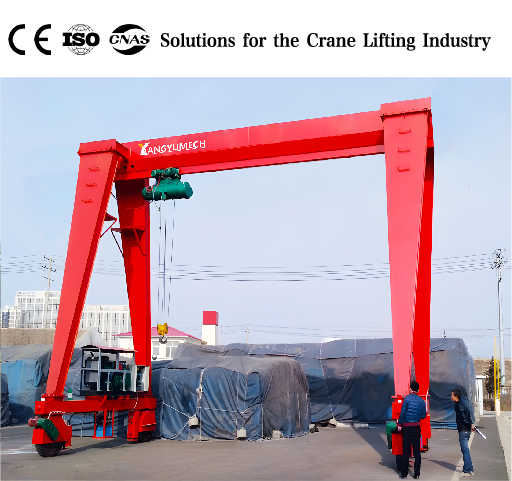
    In the dynamic landscape of modern industry, efficient material handling is the linchpin of smooth operations. Among the plethora of equipment designed to meet this crucial need, the Yangyu Double – girder tire crane stands out as a paragon of innovation, reliability, and versatility. This remarkable piece of machinery has become an indispensable asset across a wide spectrum of industrial sectors, revolutionizing the way heavy – duty lifting and transportation tasks are executed.
    轮胎式单梁起重机
    Whether it’s the bustling construction sites where towering structures take shape, the busy ports handling the constant flow of goods from around the world, or the vast industrial plants engaged in large – scale manufacturing, the Yangyu Double – girder tire crane plays a pivotal role. It serves as the workhorse, enabling the seamless movement of heavy loads with precision and speed, thereby enhancing productivity and reducing operational bottlenecks.
    As industries continue to evolve and demand more from their equipment, the Yangyu Double – girder tire crane has emerged as a symbol of progress. Its unique features and capabilities not only address the current challenges faced by various sectors but also pave the way for future growth and development. In the following sections, we will delve deep into the intricate details of this remarkable crane, exploring its design, functionality, applications, and the competitive edge it offers in the global market.

    1. A Closer Look at Yangyu Double-girder Tire Crane

    1. A Closer Look at Yangyu Double – girder Tire Crane

    1.1 Definition and Basic Structure

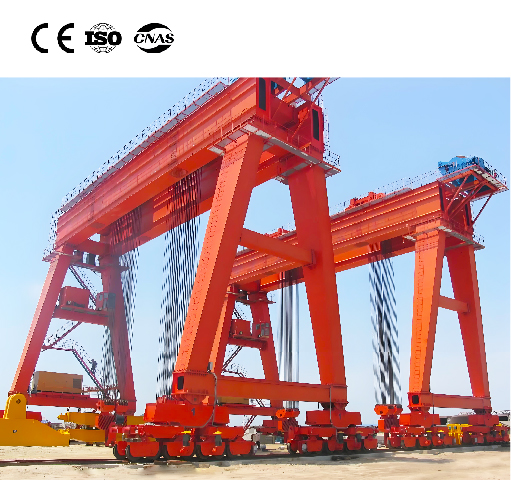
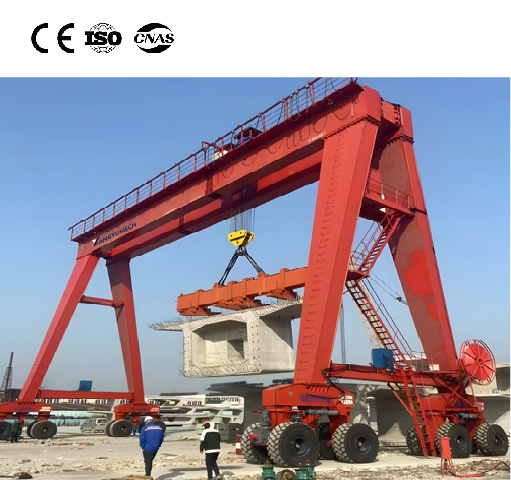
    The Yangyu Double – girder tire crane is a type of mobile lifting equipment that combines the advantages of a double – girder structure and tire – based mobility. It is designed to perform heavy – duty lifting operations in various environments without being restricted by fixed tracks, providing enhanced flexibility compared to traditional gantry or overhead cranes.
    The basic structure of the Yangyu Double – girder tire crane is composed of several key components:
    • Bridge Structure: The bridge of the crane consists of two parallel girders, which are typically made of high – strength steel. These girders are the main load – bearing components of the crane, responsible for supporting the weight of the lifted objects as well as the weight of the trolley and other components. The design of the girders is optimized to ensure high rigidity and stability, reducing the risk of deformation during operation. For example, the girders may have a box – shaped cross – section, which offers excellent resistance to bending and torsion forces.
    • Trolley: The trolley, also known as the lifting trolley, is mounted on the bridge and can move horizontally along the length of the girders. It houses the lifting mechanism, including the hoist motor, reducer, drum, and wire rope. The trolley is responsible for moving the load horizontally across the working area of the crane, allowing for precise positioning of the lifted objects. Some advanced trolleys are equipped with variable – speed drives, enabling smooth and accurate movement at different speeds according to the operational requirements.
    • Running Mechanism: The running mechanism of the Yangyu Double – girder tire crane is what gives it its mobility. It is equipped with large – diameter tires, usually with solid or pneumatic options depending on the application and terrain conditions. The tires are mounted on axles connected to the crane’s chassis, and the running mechanism is powered by an engine or an electric motor. This allows the crane to move freely on various surfaces, such as construction sites, ports, and industrial yards. In addition, the running mechanism often includes a steering system, which can provide different steering modes such as front – wheel steering, rear – wheel steering, and all – wheel steering, enhancing the crane’s maneuverability in tight spaces.
    • Outriggers: To ensure stability during lifting operations, the crane is usually equipped with outriggers. These are extendable support legs that can be deployed on the ground when the crane is in operation. By increasing the base area of the crane, the outriggers help to distribute the load evenly and prevent the crane from tipping over, especially when lifting heavy loads at large radii. The outriggers can be hydraulically or mechanically operated, and they are an essential safety feature of the Yangyu Double – girder tire crane.

    1.2 Key Technical Parameters

    The performance of the Yangyu Double – girder tire crane is determined by several key technical parameters, each of which has a significant impact on its actual operation:
    • Lifting Capacity: This is one of the most crucial parameters, representing the maximum weight that the crane can lift safely. For example, a Yangyu Double – girder tire crane may have a lifting capacity ranging from several tons to over a hundred tons, depending on the model. The lifting capacity directly affects the types of loads that the crane can handle. In a construction site, a crane with a large lifting capacity can be used to lift heavy steel beams, pre – cast concrete components, or large – scale machinery, while a smaller – capacity crane may be suitable for lighter materials such as construction tools and smaller building elements.
    • Span: The span of the double – girder crane refers to the distance between the two girders. A larger span allows the crane to cover a wider working area. In a large industrial workshop or a port terminal, a crane with a long span can reach different positions within the facility without having to reposition itself frequently. For instance, if the span of a crane is 30 meters, it can effectively operate over a large area, facilitating the handling of goods across a wide range of storage locations or workstations.
    • Lifting Height: This parameter indicates the maximum vertical distance that the crane can lift a load from the ground or the reference level. In high – rise construction projects or in industries where tall equipment needs to be installed, a crane with a sufficient lifting height is essential. For example, when constructing a skyscraper, the crane needs to be able to lift building materials to great heights, sometimes reaching hundreds of meters. The lifting height of the Yangyu Double – girder tire crane is designed to meet the requirements of such applications, with some models capable of achieving significant lifting heights.
    • Working Class: The working class of a crane is a measure of its expected usage intensity and load – spectrum. It is typically classified according to standards such as A1 – A8. A higher – class crane (e.g., A6 – A8) is designed for more frequent and heavy – duty operations, while a lower – class crane (e.g., A1 – A3) is suitable for less demanding applications. In a busy port where the crane is in almost constant operation, handling heavy containers around the clock, a high – working – class crane would be required. On the other hand, in a small – scale manufacturing plant with occasional lifting needs, a lower – working – class crane may be sufficient. The working class also affects the design and durability of the crane’s components, as higher – class cranes need to be more robust to withstand the rigors of continuous and heavy – duty use.

    2. Outstanding Features Setting It Apart

    2.1 Superior Lifting Capacity

    One of the most remarkable features of the Yangyu Double – girder tire crane is its superior lifting capacity. Compared to many similar products in the market, it can handle much heavier loads. For instance, in a large – scale port project, while some standard tire cranes might struggle to lift containers weighing over 50 tons, a Yangyu Double – girder tire crane with a high – capacity model can easily hoist 80 – ton containers with ease. This extra lifting power enables it to be used in projects that require the handling of extremely heavy components, such as in the construction of large – scale industrial plants where massive steel columns and heavy – duty machinery need to be installed. The ability to lift such large weights not only expands the scope of applications but also improves the overall efficiency of projects, as fewer lifting operations are needed to complete the task.

    2.2 High Mobility on Tires

    The tire – based design of the Yangyu Double – girder tire crane endows it with high mobility, making it an ideal choice for a variety of complex work sites. Its large – diameter tires allow it to move smoothly on different terrains, including gravel – covered construction sites, uneven port surfaces, and even grassy areas in some industrial yards. The crane can reach speeds that enable quick movement between different work areas within a site. For example, in a large – scale construction project that spans a vast area, the crane can rapidly relocate from one building location to another, reducing the time wasted on repositioning.
    Moreover, its turning radius is relatively small, which means it can maneuver easily in tight spaces. In a busy port terminal with numerous containers and other equipment in close proximity, the Yangyu crane can make sharp turns to access different loading and unloading points. This high mobility also simplifies the process of moving the crane between different projects or job sites. It can be driven directly to the new location on its own tires, eliminating the need for complex and costly transportation methods such as using large – scale trailers or specialized hauling equipment, thus saving both time and money.

    2.3 Precise and Stable Operation

    When it comes to operation, the Yangyu Double – girder tire crane excels in terms of precision and stability. It is equipped with an advanced control system that allows operators to execute lifting and moving tasks with great accuracy. The control system often includes features such as variable – speed control for the hoist, trolley, and running mechanisms. For example, when placing a delicate piece of machinery in a precise position during installation, the operator can use the fine – tuning capabilities of the control system to move the load in small, controlled increments, ensuring that the machinery is placed exactly where it needs to be.
    In terms of stability, the crane’s double – girder structure provides a solid and balanced framework. The outriggers, when extended, further enhance the stability by increasing the base area of the crane. This stability is crucial, especially when lifting heavy loads at large radii. During a high – rise construction project, the crane may need to lift building materials from the ground to great heights while reaching out to different positions on the building. The stable operation of the Yangyu crane ensures that the load remains steady throughout the lifting process, reducing the risk of accidents and damage to the materials. Additionally, the smooth operation of the crane’s components, such as the hoist and trolley, which are designed to minimize vibrations and jerks, also contributes to the overall precision and stability of the operation.

    2.4 Durable and Low – Maintenance Design

    The Yangyu Double – girder tire crane is built to last, thanks to its use of high – quality materials and a well – thought – out structure design. The girders are typically constructed from high – strength steel that can withstand heavy loads and the rigors of continuous use. The tires are also made from durable rubber compounds that can endure various terrains and weather conditions, reducing the frequency of tire replacements.
    The running mechanism and other components are designed with simplicity and reliability in mind. Fewer complex parts mean fewer potential points of failure, and the use of standard and easily – available components makes maintenance and repairs more straightforward. For example, if a part in the running mechanism needs to be replaced, the parts can be sourced quickly and at a relatively low cost. Regular maintenance tasks, such as lubrication and inspection, are also made easy due to the accessible design of the crane’s components. This durable and low – maintenance design not only reduces the downtime of the crane but also cuts down on long – term operating costs, making it a cost – effective choice for businesses in the long run.

    3. Wide – ranging Applications

    3.1 Construction Industry

    In the construction industry, the Yangyu Double – girder tire crane is a workhorse that plays a vital role in various construction activities. When constructing high – rise buildings, it is frequently used to lift and position large – scale pre – cast concrete components. For example, in the construction of a modern high – rise residential complex in a major city, the Yangyu crane was utilized to hoist pre – cast concrete wall panels weighing up to 30 tons each. These panels were lifted from the ground to their designated floors with precision, allowing for a faster and more efficient construction process compared to traditional on – site concrete pouring methods.
    During the construction of large – scale commercial buildings, the crane is also indispensable for handling heavy steel beams. In the building of a new shopping mall, the Yangyu Double – girder tire crane was used to install steel beams that formed the structural framework of the building. The crane’s high lifting capacity and precise operation ensured that the beams were placed accurately, even in complex and high – altitude positions, contributing to the overall structural integrity of the building.
    Moreover, in infrastructure projects such as the construction of bridges, the Yangyu crane can be used to lift and install bridge segments. In a recent bridge – building project over a large river, the crane was used to position pre – fabricated bridge girders. The mobility of the crane on tires allowed it to move along the construction site, accessing different points along the bridge alignment, while its stable operation ensured that the girders were installed smoothly, reducing the time and cost associated with the construction process.

    3.2 Port and Logistics

    At ports, the Yangyu Double – girder tire crane is a key asset for the efficient handling of goods. In a busy international port, it is commonly used to load and unload containers from ships. For instance, a Yangyu crane can lift a standard 20 – foot or 40 – foot container weighing around 20 – 30 tons with ease. It can quickly transfer these containers from the ship’s hold to the port yard or onto waiting trucks for further transportation. The high – speed operation of the crane’s trolley and running mechanisms enables it to complete these tasks in a short time, contributing to the high throughput of the port.
    In logistics transfer centers, the crane is used to handle a wide variety of goods. In a large – scale logistics hub that serves as a distribution point for various consumer goods, the Yangyu crane is responsible for moving pallets of goods from incoming trucks to storage areas and then to outgoing trucks. Its ability to operate in a relatively small space within the logistics center, due to its compact design and good maneuverability, allows for efficient use of the available space. The crane can also work in tandem with other material – handling equipment, such as conveyor belts and forklifts, to create a seamless flow of goods through the logistics process.

    3.3 Industrial Manufacturing

    Within industrial manufacturing plants, the Yangyu Double – girder tire crane is used in numerous critical processes. In a large – scale automotive manufacturing plant, the crane is used to lift and position large automotive components during the assembly process. For example, it can hoist heavy engine blocks and chassis parts into place with great precision, ensuring accurate alignment for subsequent assembly operations. The stability of the crane during lifting operations is crucial in preventing damage to these expensive components.
    In a machinery manufacturing factory, the crane is used for the installation and maintenance of large – scale production equipment. When a new machine tool is being installed, the Yangyu crane can lift the heavy machine from the delivery truck and place it accurately on the factory floor. During equipment maintenance, the crane can be used to remove and replace large parts of the machinery. In a metal – processing plant, the crane can handle large coils of steel or aluminum, moving them from the storage area to the processing lines. Its high – capacity lifting and precise operation ensure that the production process runs smoothly, minimizing downtime due to material – handling issues.

    4. Yangyu Double – girder vs. Competitors

    4.1 Comparison with Single – girder Crane

    When comparing the Yangyu Double – girder tire crane with single – girder cranes, several significant differences come to light. In terms of lifting capacity, the Yangyu double – girder crane has a clear edge. Single – girder cranes are generally more suitable for lighter loads, with their typical lifting capacities often ranging from a few tons to around 20 tons at most. In contrast, the Yangyu Double – girder tire crane can handle much heavier weights, as mentioned earlier, with some models capable of lifting over 100 tons. This makes the double – girder crane an ideal choice for projects involving the handling of large – scale and heavy – duty components, while single – girder cranes may struggle or be completely unsuitable for such tasks.
    Stability is another crucial aspect where the double – girder design shines. The two – girder structure of the Yangyu crane provides a more balanced and rigid framework compared to the single – girder counterpart. During operation, especially when lifting heavy loads at large radii, the double – girder crane experiences less sway and vibration, ensuring a safer and more stable lifting process. In a construction site where precision and stability are essential for placing heavy building materials accurately, the Yangyu double – girder crane’s superior stability gives it a distinct advantage over single – girder cranes.
    The application scenarios of the two types of cranes also vary. Single – girder cranes are commonly used in small – scale manufacturing plants, light – duty workshops, or storage areas where the loads are relatively light and the working space is limited. Their relatively simple structure and lower cost make them a cost – effective option for these less demanding environments. However, in large – scale industrial projects, construction sites of high – rise buildings or large – scale infrastructure, and busy ports, the Yangyu Double – girder tire crane is the preferred choice due to its high lifting capacity, stability, and mobility, which can meet the more complex and demanding requirements of these environments.

    4.2 Contrast with Other Types of Cranes (e.g., Tower Cranes, Gantry Cranes)

    When contrasted with tower cranes, the Yangyu Double – girder tire crane has its own set of unique characteristics. Tower cranes are well – known for their extremely high lifting heights, often reaching hundreds of meters, making them indispensable in high – rise building construction. They are typically fixed in one location during the construction process and are used to lift materials vertically to great heights. However, tower cranes have limited mobility and are not suitable for moving around different job sites easily.
    In contrast, the Yangyu Double – girder tire crane’s high mobility on tires allows it to be quickly relocated within a large – scale construction site or even between different projects. While its lifting height may not match that of a tower crane in some cases, it can still reach sufficient heights for many construction and industrial applications. For example, in a large – scale industrial plant construction project where there are multiple buildings being constructed simultaneously in a large area, the Yangyu crane can move between different building sites, performing various lifting tasks, while a tower crane would be restricted to a single location.
    When compared to gantry cranes, the Yangyu Double – girder tire crane also has notable differences. Gantry cranes are often large – scale, fixed – structure cranes that are typically used in ports and large – scale industrial yards. They are usually installed on fixed tracks, which limits their mobility. Gantry cranes are excellent for handling extremely heavy loads over a large, fixed – area operation, such as in a port terminal where they are used to load and unload large ships.
    The Yangyu Double – girder tire crane, on the other hand, offers the advantage of mobility without the need for fixed tracks. This makes it more suitable for projects where the work area is not fixed or where the crane needs to be able to access different parts of a site quickly. In a construction project on a sloping terrain or in a location where installing fixed – track gantry cranes is not feasible, the Yangyu double – girder tire crane can be easily deployed and used, adapting to the changing terrain and work requirements. Additionally, the outrigger – based stability system of the Yangyu crane provides a different approach to ensuring stability during lifting compared to the large – scale, fixed – base structure of gantry cranes, allowing for more flexibility in operation.

    5. Customer Testimonials and Success Stories

    5.1 Quotes from Satisfied Customers

    Many customers who have used the Yangyu Double – girder tire crane have expressed their satisfaction. Mr. Zhang, a project manager at a large – scale construction company, said, “The Yangyu Double – girder tire crane has been a game – changer for our construction projects. Its high lifting capacity allows us to handle large – scale steel components with ease, which has significantly improved our construction efficiency. We used to spend a lot of time on lifting operations with our previous equipment, but now, with the Yangyu crane, we can complete the same tasks in a much shorter time. Moreover, its stable operation gives us peace of mind, knowing that the materials are being lifted and moved safely.”
    Ms. Li, the operations manager of a port logistics company, commented, “In our busy port, efficiency is key. The Yangyu Double – girder tire crane has met and exceeded our expectations in this regard. Its high – speed trolley and running mechanisms enable us to load and unload containers at a much faster rate than before. The crane’s mobility also allows it to quickly access different parts of the port, reducing waiting times. Since we started using the Yangyu crane, our port’s throughput has increased by a significant margin, and our customers are more satisfied with our services.”

    5.2 Case Studies of Successful Projects

    Case Study 1: High – Rise Building Construction in Shanghai

    In a high – rise building construction project in Shanghai, the construction team faced the challenge of lifting and positioning large pre – cast concrete components at great heights. The project site was also relatively crowded, with limited space for equipment movement. The Yangyu Double – girder tire crane was deployed to address these challenges.
    The crane’s high lifting capacity, with a maximum capacity of 60 tons, allowed it to easily handle the heavy pre – cast concrete panels. Its precise control system enabled the operators to place the panels accurately, even at high altitudes. The mobility of the crane on tires was a great advantage in the crowded construction site. It could move around the site smoothly, avoiding obstacles and reaching different building positions as required.
    As a result, the construction project was completed ahead of schedule. The use of the Yangyu crane reduced the number of lifting operations required, saving both time and labor costs. The overall quality of the building construction was also improved due to the accurate placement of the pre – cast components, and the project received high praise from the client.

    Case Study 2: Port Expansion Project in Shenzhen

    A port in Shenzhen was undergoing an expansion project to increase its handling capacity. The project involved handling a large number of heavy containers, including some oversized and overweight ones. The port management needed a reliable and high – performance crane to meet the demands of the expansion.
    The Yangyu Double – girder tire crane was chosen for the project. Its ability to handle heavy loads, with some models capable of lifting up to 80 – ton containers, was crucial. The crane’s high – speed operation, with fast – moving trolley and running mechanisms, significantly increased the port’s loading and unloading efficiency.
    During the project, the Yangyu crane operated continuously for long hours without major breakdowns, demonstrating its reliability. The port was able to increase its daily container handling capacity by 30% after the implementation of the Yangyu crane. This not only improved the port’s competitiveness but also contributed to the local economic development by facilitating the smooth flow of goods.

    6. After – sales Service and Support

    At Yangyu, we understand that a reliable after – sales service and support system is as crucial as the quality of the product itself. To ensure that our customers can operate the Yangyu Double – girder tire crane with complete peace of mind, we have established a comprehensive after – sales service network.

    6.1 Professional Maintenance and Repair

    We have a team of highly trained and experienced maintenance technicians who are available around the clock. They are well – versed in the technical details of the Yangyu Double – girder tire crane and can quickly diagnose and resolve any mechanical or electrical issues. Whether it’s a minor problem with the hoist mechanism or a more complex issue with the running gear, our technicians are equipped to handle it efficiently.
    For example, in the event of a breakdown, our service team can be dispatched to the customer’s location within a short time, minimizing the downtime of the crane. They carry a full set of specialized tools and diagnostic equipment, allowing them to perform on – site repairs promptly. Regular maintenance services are also provided according to a pre – determined schedule. This includes tasks such as lubrication of moving parts, inspection of the structural integrity of the crane, and calibration of the control systems. By conducting these regular maintenance checks, we can identify potential problems early on and prevent major breakdowns, ensuring the long – term reliable operation of the crane.

    6.2 Sufficient Spare Parts Supply

    To support the maintenance and repair of the Yangyu Double – girder tire crane, we maintain a large inventory of high – quality spare parts. We understand that timely availability of spare parts is essential for minimizing equipment downtime. Whether it’s a replacement for a worn – out tire, a damaged wire rope, or a malfunctioning electrical component, our customers can rely on us to provide the necessary parts quickly.
    Our spare parts are sourced from trusted suppliers and are strictly quality – controlled to ensure that they meet the same high – standards as the original components of the crane. We have a well – organized logistics system in place that can deliver the spare parts to the customer’s location, no matter how remote, in the shortest possible time. In addition, we also offer guidance on the proper installation and use of the spare parts to ensure that they are integrated into the crane correctly, further enhancing the performance and reliability of the equipment.

    6.3 Technical Training for Customers

    We believe that well – trained operators and maintenance personnel are key to the safe and efficient operation of the Yangyu Double – girder tire crane. Therefore, we provide comprehensive technical training programs for our customers. These training programs cover a wide range of topics, including the basic operation of the crane, advanced control techniques, safety procedures, and routine maintenance.
    The training is conducted by our experienced technical instructors, who use a combination of classroom lectures, hands – on demonstrations, and practical exercises to ensure that the participants fully understand the content. For example, during the operation training, the instructors will guide the participants to operate the crane in different scenarios, teaching them how to handle various lifting tasks with precision and safety. In the maintenance training, the participants will learn how to perform maintenance tasks such as oil changes, filter replacements, and component inspections. After the training, the participants will be able to operate and maintain the crane independently, reducing the risk of accidents and equipment failures.
    In conclusion, our comprehensive after – sales service and support system is designed to provide our customers with the highest level of support. We are committed to ensuring that the Yangyu Double – girder tire crane continues to perform at its best throughout its service life, helping our customers to achieve maximum productivity and profitability in their operations.

    7. Future Developments and Innovations

    The future of the Yangyu Double – girder tire crane is brimming with exciting possibilities for development and innovation.

    7.1 (Intelligent Upgrades)

    One of the most significant trends will be the continuous pursuit of intelligent upgrades. With the rapid development of artificial intelligence, the Yangyu crane is likely to be equipped with more advanced intelligent control systems. These systems will enable the crane to have a higher level of autonomous decision – making ability. For example, it can automatically analyze the weight, size, and position of the load, and then optimize the lifting path and operation parameters in real – time to achieve the most efficient and safe lifting operation.
    Moreover, the integration of the Internet of Things (IoT) technology will allow the crane to be connected to a broader network. Operators can remotely monitor the running status of the crane, including parameters such as engine performance, component wear, and operating temperature, through mobile devices or computers. This real – time monitoring not only helps in early detection of potential problems but also enables predictive maintenance. By analyzing the collected data, maintenance teams can predict when a component is likely to fail and replace it proactively, reducing unexpected breakdowns and downtime.

    7.2 (Multi – function Expansion)

    In the future, the Yangyu Double – girder tire crane is expected to see an expansion of its functionality. It may be designed to be more adaptable to different types of loads and working environments. For instance, special attachments could be developed to handle irregular – shaped or delicate items more effectively. In the aerospace industry, where the handling of large and precise aircraft components is crucial, the crane could be equipped with custom – designed lifting fixtures that can securely hold and transport these components without causing any damage.
    Furthermore, the crane may be integrated with other material – handling equipment to form a more comprehensive and efficient logistics system. In a large – scale industrial park, the Yangyu crane could work in synergy with automated guided vehicles (AGVs) and conveyor belts. The crane can unload goods from trucks and then transfer them to the AGVs, which will transport the goods to the production lines or storage areas, creating a seamless and highly automated material – handling process.

    7.3(Green and Environmentally – friendly Innovations)

    As environmental protection becomes an increasingly important global concern, the Yangyu Double – girder tire crane will also focus on green innovation. The development of more energy – efficient power systems is likely. For example, hybrid or fully electric drive systems may be introduced. An electric – powered crane would significantly reduce emissions and noise pollution, making it more suitable for use in environmentally sensitive areas such as urban construction sites or near residential areas.
    In addition, the use of sustainable and recyclable materials in the crane’s construction will be explored. This not only reduces the environmental impact during the manufacturing process but also simplifies the recycling and disposal of the crane at the end of its service life. By incorporating these green technologies, the Yangyu Double – girder tire crane will not only meet the current industrial needs but also contribute to a more sustainable future.

    Conclusion

    In summary, the Yangyu Double – girder tire crane stands as a remarkable piece of machinery that combines high – performance features, wide – ranging applications, and excellent after – sales support. Its superior lifting capacity, high mobility, precise operation, and durable design make it a top – choice solution for various industries, including construction, port and logistics, and industrial manufacturing.
    When compared to its competitors, such as single – girder cranes, tower cranes, and gantry cranes, the Yangyu Double – girder tire crane offers unique advantages that make it more adaptable to different work scenarios. The positive customer testimonials and successful case studies further attest to its reliability and efficiency.
    Looking ahead, the future developments and innovations in the Yangyu Double – girder tire crane, such as intelligent upgrades, multi – function expansion, and green initiatives, promise to make it an even more powerful and sustainable asset for industries worldwide. If you are in search of a high – quality, reliable, and versatile lifting solution, the Yangyu Double – girder tire crane is the ideal choice. Contact us today to learn more about how this remarkable crane can transform your operations and drive your business forward.
  • With So Many Crane Manufacturers in China, Why Is Yangyu Crane So Popular?

    With So Many Crane Manufacturers in China, Why Is Yangyu Crane So Popular?

    1. Introduction

    China’s crane manufacturing industry is among the world’s largest and most competitive, with numerous companies vying for market share in this vital sector. The industry is largely dominated by “the big three” – XCMG, Zoomlion, and SANY – who collectively hold a significant portion of the market. Despite this concentrated competitive landscape and the presence of international giants, Yangyu Crane has emerged as a remarkably popular choice among Chinese consumers and international buyers alike.

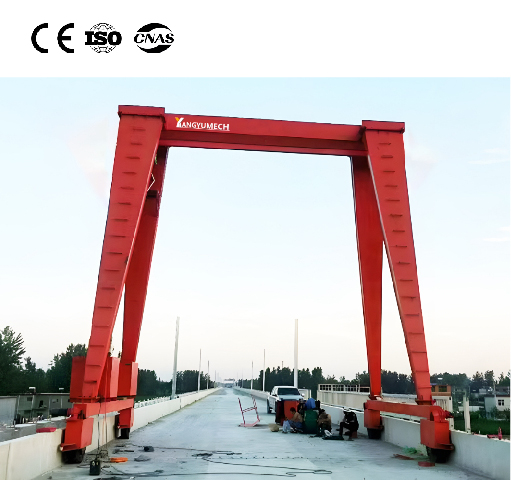
    双梁轮胎式起重机

    This article explores the key factors behind Yangyu Crane’s popularity in an increasingly crowded marketplace, examining how the company has differentiated itself through quality engineering, customer focus, and strategic innovation to earn the trust of crane users across various industries.

    2. Unmatched Product Quality and Reliability

    At the core of Yangyu’s popularity is its reputation for producing exceptionally reliable equipment that performs consistently in demanding conditions:

    • Robust Construction: Yangyu cranes are built with high-strength materials and components designed to withstand heavy loads and repetitive use without failure or deformation. This commitment to durability reduces downtime and extends equipment lifespan.

    • Precision Engineering: Each crane undergoes rigorous quality control processes to ensure all systems operate with precision and reliability. This attention to detail results in equipment that operators can depend on for critical lifting operations.

    • Long-Term Performance: Yangyu cranes are designed for endurance and consistency. Unlike some competitors whose performance may degrade over time, Yangyu equipment maintains its capabilities throughout its service life with proper maintenance.

    This unwavering focus on quality has helped Yangyu build a loyal customer base that trusts the brand to deliver equipment that won’t let them down when it matters most.

    3. Innovative Engineering and Technological Superiority

    While China’s crane industry has historically faced challenges in matching international technological standards510, Yangyu has invested significantly in research and development to bridge this gap:

    • Smart Control Systems: Yangyu incorporates advanced control technologies in their cranes, including precision load management, anti-sway systems, and automated safety features that enhance both performance and safety.

    • Efficiency Innovations: The company has developed proprietary engineering solutions that improve fuel efficiency and reduce operational costs—a key consideration for cost-conscious buyers.

    • Adaptability Features: Yangyu cranes are designed with modular components and adaptable configurations that allow them to perform well in various environments and applications.

    These technological advancements have positioned Yangyu as an innovative player in the market, offering features once found only in more expensive international brands.

    4. Exceptional Value and Cost-Effectiveness

    In a market where price competition has sometimes led to compromised quality9, Yangyu has maintained a focus on delivering superior value:

    • Competitive Pricing: While not the cheapest option available, Yangyu offers an excellent balance of price and performance, providing more value per investment dollar than many competitors.

    • Lower Operating Costs: With features designed for energy efficiency and reduced maintenance requirements, Yangyu cranes offer significantly lower total cost of ownership over time.

    • Long-Term Investment Value: The durability and reliability of Yangyu equipment means better retention of value and longer productive service life, enhancing the return on investment for owners.

    This value proposition has proven particularly appealing to small and medium-sized businesses that need reliable equipment without the premium price tag of some major brands.

    5. Comprehensive Service and Support Network

    Yangyu has distinguished itself through exceptional customer service and support:

    • Rapid Response Times: The company maintains an extensive network of service technicians and parts distribution centers across China, ensuring quick response to maintenance needs and minimal downtime for customers.

    • Comprehensive Training: Yangyu provides extensive operator training and technical documentation to ensure equipment is used properly and maintained correctly, reducing operator errors and extending equipment life.

    • Ongoing Support: Beyond the initial sale, Yangyu maintains long-term relationships with customers, offering ongoing technical support, maintenance reminders, and upgrade options throughout the equipment’s lifecycle.

    This commitment to customer support has been a significant differentiator in a market where after-sales service varies considerably between manufacturers.

    6. Strong Brand Reputation and User Trust

    In the crane industry, reputation and word-of-mouth recommendations play a crucial role in purchasing decisions:

    • Proven Track Record: Yangyu has built a strong reputation for reliability and performance through years of consistent delivery on promises and quality products.

    • User testimonials and case studies: The company showcases numerous success stories from satisfied customers across various industries, providing social proof of their equipment’s capabilities.

    • Industry Recognition: While perhaps not as large as the biggest players, Yangyu has earned respect within the industry for their specialized expertise and commitment to quality.

    This established reputation has become a valuable asset that continues to drive new customer acquisition through referrals and industry recommendations.

    7. Specialized Solutions for Diverse Applications

    Unlike some manufacturers that take a one-size-fits-all approach, Yangyu has developed specialized solutions for various applications:

    • Construction Cranes: Designed for building projects of all sizes, with features optimized for urban construction environments and variable site conditions.

    • Industrial Cranes: tailored for manufacturing facilities and industrial plants, with precision controls and configurations suited to specific manufacturing processes.

    • Port and Logistics Cranes: Engineered for shipping terminals and logistics centers, with capabilities designed to handle containerized goods and port operations.

    • Custom Solutions: Willingness to work with customers on custom configurations for unique applications, providing flexibility that larger manufacturers sometimes cannot offer.

    This application-specific approach allows Yangyu to meet customer needs more precisely than competitors with more generic product lines.

    8. Competitive Advantages in a Crowded Market

    Yangyu has developed several strategic advantages that differentiate it in China’s crowded crane market:

    • Agility and Responsiveness: As a focused manufacturer, Yangyu can respond more quickly to market changes and customer needs than larger, more bureaucratic competitors.

    • Quality Focus: While some manufacturers compete primarily on price, Yangyu has maintained its commitment to quality even when facing pressure to reduce costs.

    • Narket Specialization: The company has developed deep expertise in specific market segments rather than trying to be all things to all customers, allowing for more targeted innovation.

    These strategic choices have enabled Yangyu to carve out a sustainable market position despite competing against much larger companies with greater resources.

    9. Future-Ready Approach and Industry Leadership

    Looking ahead, Yangyu is positioning itself for continued relevance in an evolving industry:

    • Technology Adoption: The company is investing in emerging technologies such as automation, remote operation, and data analytics to stay competitive as industry demands evolve.

    • Sustainability Initiatives: Development of more energy-efficient models and exploration of alternative power sources to address growing environmental concerns.

    • Global Standards Compliance: While focusing on the Chinese market, Yangyu ensures its equipment meets international standards, facilitating export opportunities and appealing to quality-conscious domestic buyers.

    This forward-thinking approach suggests Yangyu’s popularity is not just a temporary phenomenon but based on solid strategic positioning for long-term success.

    10. Conclusion: The Yangyu Difference

    In China’s crowded crane manufacturing landscape, Yangyu has achieved remarkable popularity through a consistent focus on quality, customer satisfaction, and strategic innovation. While larger competitors may dominate in sheer volume, Yangyu has carved out a significant position by delivering reliable performance, excellent value, and outstanding support that resonates with practical-minded equipment buyers.

    The company’s success demonstrates that in a competitive industrial market, there is always room for manufacturers who prioritize genuine value over marketing hype and who build lasting relationships rather than focusing solely on transaction volume. As the Chinese crane industry continues to evolve and mature, Yangyu’s customer-focused approach positions it well for continued popularity and growth.

    For businesses seeking crane equipment that delivers consistent performance, durable construction, and exceptional support without unnecessary complexity or premium pricing, Yangyu Crane represents an compelling choice that justifies its popularity through substance rather than spectacle.

    Experience the Yangyu difference for yourself – explore their range of crane solutions to discover why so many Chinese businesses choose Yangyu for their lifting needs.

  • Yangyu Overhead Crane Service: Ensuring Peak Performance and Reliability

    Yangyu Overhead Crane Service: Ensuring Peak Performance and Reliability

    For businesses that rely on overhead cranes for daily operations—from manufacturing and steel mills to ports and logistics centers—downtime is not an option. Yangyu Overhead Crane Service understands this critical need. While specific details about “Yangyu” brand services are not widely documented in public sources, the overarching principles of top-tier overhead crane service are well-established. This article explores the comprehensive service ecosystem that a provider like Yangyu would offer, emphasizing proactive maintenance, rapid response, and technical expertise to keep your operations running smoothly and efficiently.


    1. The Pillars of Comprehensive Overhead Crane Service

    A robust service program extends far beyond simple repairs. It’s a holistic approach designed to ensure safety, maximize uptime, and extend the operational life of your crucial lifting equipment.

    • Preventive and Scheduled Maintenance: The cornerstone of reliability. Regular, scheduled inspections and maintenance help identify and address potential issues like worn components, electrical irregularities, or structural concerns before they lead to costly failures or safety hazards. This proactive approach is fundamental to avoiding unplanned downtime.

    • Expert Repair and Troubleshooting: Even with excellent maintenance, unexpected issues can arise. A dedicated service team provides expert troubleshooting and efficient repairs, whether it’s addressing mechanical problems, electrical faults, or performance issues. The goal is to restore functionality quickly and minimize impact on your production schedule.

    • Technical Support and Operational Guidance: Service isn’t just about physical repairs. It includes providing expert technical consultation, assisting with complex operational challenges, and offering guidance on optimal crane usage for specific applications, ensuring you get the most out of your equipment.

    • Parts and Components Support: Access to genuine, high-quality replacement parts is crucial for maintaining crane performance and safety. A strong service network ensures the availability of reliable parts, supporting long-term equipment health and reducing the risk of future failures.

    2. The Critical Importance of Professional Crane Servicing

    Neglecting crane service can have severe consequences. Professional maintenance is an investment in safety and operational continuity.

    • Ensuring Safety and Preventing Accidents: Cranes handle heavy loads, often in environments with personnel nearby. Regular professional inspection and maintenance are critical for identifying potential safety risks, such as wear on critical components or brake system issues, thereby preventing accidents and ensuring a safe working environment.

    • Maximizing Equipment Lifespan and Uptime: Well-maintained equipment simply lasts longer and performs better. Regular servicing helps avoid major breakdowns, reducing costly operational interruptions and protecting your significant capital investment in the crane asset.

    • Protecting Your Investment and Reducing Long-Term Costs: While service has a cost, it pales in comparison to the expense of major repairs or full replacements caused by neglect. Consistent, professional maintenance is a key strategy for controlling long-term operating expenses and safeguarding your bottom line.

    3. What to Expect from a Yangyu Service Program

    Drawing from industry best practices, a comprehensive service program typically includes:

    • Rapid Response and On-Site Support: Many leading providers emphasize a quick response to service requests. This can include commitments like technicians arriving on-site within hours for local clients or 24 hours for those further away, ensuring help arrives when you need it most.

    • Customized Service Agreements: Service needs vary. Providers often offer flexible plans, from basic inspections to full-scale, all-inclusive maintenance contracts, allowing you to choose the level of support that best fits your operational needs and budget.

    • Service Network Coverage: For companies with multiple locations or those operating in remote areas, a wide service network is invaluable. This ensures that expert help is available wherever your operations are, providing peace of mind and nationwide support.

    • Training and Knowledge Transfer: Empowering your team is part of great service. Some providers offer operator and maintenance training, helping your staff perform basic checks and operate equipment more efficiently, further enhancing safety and productivity.

    4. Beyond Repairs: Value-Added Services

    Leading crane service providers often expand their offerings to create complete solutions for their customers:

    • Equipment Modernization and Retrofitting: Technology evolves. Service providers can upgrade older cranes with new control systems, safety features, or drive mechanisms, enhancing performance, safety, and efficiency without the need for a completely new crane.

    • Comprehensive Inspection and Certification: Thorough inspections are not just about maintenance; they are often a regulatory or compliance requirement. Professional services include detailed checks and provide the necessary documentation and certification to meet industry standards and legal obligations.

    • Lifelong Support and Relational Partnerships: The best service providers aim to build long-term relationships. This means being a reliable partner throughout the entire lifecycle of your equipment, from installation and commissioning to eventual decommissioning or replacement, always prioritizing your success.


    Key Aspects of a Professional Overhead Crane Service Program

    Service AspectWhat It Typically IncludesWhy It Matters
    Preventive MaintenanceScheduled inspections, lubrication, component adjustment, function testing.Catches small issues early, prevents major failures, ensures safety and extends equipment life.
    Corrective RepairDiagnostics, troubleshooting, repair or replacement of faulty parts.Minimizes downtime by quickly restoring equipment to optimal working condition.
    Technical SupportRemote assistance, operational guidance, engineering consultation.Provides expertise on-demand to solve complex operational challenges quickly.
    Spare PartsInventory of genuine parts, fast ordering, logistical support.Ensures quick and reliable repairs using components designed for your equipment.
    Emergency Response24/7 hotline, rapid dispatch of technicians for critical issues.Offers peace of mind and support for unforeseen breakdowns that halt production.

    5. Choosing the Right Service Partner: Key Considerations

    Selecting a service provider is a significant decision. Here are key factors to consider based on industry standards:

    • Proven Expertise and Experience: Look for a provider with a demonstrated track record of servicing overhead cranes, particularly those of similar type and complexity to yours. Experience often translates to faster diagnostics and more effective solutions.

    • Commitment to Safety and Quality Certifications: Verify that the provider adheres to all relevant safety standards and holds applicable industry certifications. This is a non-negotiable aspect of ensuring work is performed correctly and safely.

    • Responsiveness and Customer-Centric Approach: Your provider should be easy to reach and quick to act. Evaluate their promised response times and look for evidence of a customer-first philosophy in their service commitments.

    • Transparency in Pricing and Contracts: Clear, understandable service agreements and transparent pricing models are essential. You should know what services you are getting and what they cost, with no hidden fees or surprises.

    Conclusion: Invest in Reliability with Professional Crane Service

    Your overhead cranes are vital arteries in your production workflow. Ensuring their health and performance through a professional, comprehensive service program from a provider like Yangyu isn’t just an expense—it’s a strategic investment. It’s an investment in uninterrupted productivity, workplace safety, long-term asset value, and ultimately, your company’s profitability and reputation.

    By choosing a service partner committed to excellence, proactive care, and rapid support, you secure more than just a functioning machine; you gain a reliable partner dedicated to driving your operations forward, mile after productive mile.

  • Yangyu Crane Contributes New Mileage to Customers’ Handling and Loading of Goods

    In today’s fast-paced industrial world, efficiency, safety, and reliability in cargo handling are not just advantages—they are necessities. Yangyu Crane emerges as a pivotal partner in this domain, introducing innovative solutions that significantly enhance operational capabilities across various sectors. By integrating cutting-edge technology with user-centric design, Yangyu Crane is helping businesses set new benchmarks in productivity and cost-effectiveness, truly adding new mileage to their handling and loading operations.

    IMG20250806131748

    1. 🚀 Revolutionizing Efficiency in Port Operations

    Ports are bustling hubs of activity where the speed and efficiency of loading and unloading goods directly impact global supply chains. Yangyu Crane’s equipment is designed to meet these high-demand environments head-on.

    For instance, in a northern Chinese port, the introduction of efficient loading equipment led to notable improvements. The machinery’s robust design ensured stable and reliable performance, which in turn reduced loading times and minimized operational delays. Such enhancements are crucial in port settings where every saved minute translates to significant cost reductions and faster vessel turnarounds.

    Key benefits observed include:

    • Enhanced Shipment Speed: Streamlined processes allow for quicker loading and unloading cycles.

    • Improved Reliability: Equipment built for continuous operation reduces downtime.

    • Optimized Workflow: Integrated systems ensure smoother transitions from ship to shore.

    2. ⚙️ Mastering Complex and Demanding Projects

    The true test of handling equipment often comes in complex projects with unique challenges, such as transporting oversized or heavy machinery. Success in these scenarios requires more than just powerful equipment; it demands precision engineering, meticulous planning, and adaptable solutions.

    Consider the challenge of shipping massive mill equipment from Shenzhen to Sokhna Port, Egypt. The cargo, consisting of three mill sets packed into 3 forty-foot flat racks and 21 forty-foot high containers, presented significant hurdles due to its oversized, overweight, and irregular shape. Traditional methods like forklifts were inadequate.

    The solution involved a multi-faceted approach:

    • Specialized Equipment and Techniques: Using a combination of cranes, forklifts, and manual labor to carefully load and secure the unconventional cargo.

    • Expert Securing and Stabilization: Employing professional materials like steel nails and wire ropes to reinforce the cargo at key vertical points, preventing any movement during transit.

    • Contingency Planning for Unforeseen Events: Adapting to challenges like sudden port changes due to COVID outbreaks and adverse weather conditions by reorganizing logistics and ensuring all cargo was measured and protected before final port entry.

    This project highlights how the right equipment, combined with deep expertise, can turn logistical nightmares into success stories, ensuring project continuity even under pressure.

    3. 🛡️ Ensuring Safety and Reliability in Hazardous Material Handling

    Handling hazardous materials, such as chemicals and fuels, introduces an additional layer of risk that demands utmost safety precautions and unwavering reliability from handling equipment. Yangyu Crane’s focus on precision control and operational stability makes it well-suited for these critical environments.

    A notable example involves the efficient loading of 36,000 tons of Methyl Tert-Butyl Ether (MTBE), a hazardous chemical, onto a vessel at Nantong Yanghong’s terminal. The successful operation relied on stringent safety controls and a seamless collaborative process between the terminal and its client. From tank scheduling and pipeline transfer to ship loading, every step was optimized for safety and efficiency, setting a benchmark for safe operations in hazardous chemical transportation within the Yangtze River Basin.

    Critical safety features for such operations include:

    • Precision Control Systems: Allowing for careful movement and placement of dangerous goods.

    • Enhanced Stability Features: Minimizing the risk of spills or accidents during handling.

    • Robust Construction: Ensuring equipment integrity even when dealing with corrosive or sensitive materials.

    4. 💡 Embracing Technological Innovation for Smarter Handling

    Technological integration is a cornerstone of modern material handling, and Yangyu Crane leverages this to drive significant advancements. While specific details on Yangyu’s technologies are not available in the sources, general innovations in the sector include automation, intelligent control systems, and data-driven performance analytics.

    These technologies contribute to smarter handling in several ways:

    • Automated Guided Vehicles (AGVs) and Smart Forklifts: Companies like Hangcha Group have implemented forward-moving AGVs and stackers to achieve fully unmanned, intelligent, and high-efficiency operations from warehousing to container loading.

    • Intelligent Control Systems: Modern cranes often feature sophisticated software that optimizes load paths, predicts maintenance needs, and provides operators with real-time data for better decision-making.

    • Efficiency and Productivity Metrics: Data analytics help managers understand workflow patterns, identify bottlenecks, and improve overall operational efficiency.

    5. 💰 Driving Value: Reducing Costs and Boosting Profitability

    Beyond enhancing operational capabilities, Yangyu Crane’s solutions are designed to deliver tangible economic benefits. This is achieved by increasing efficiency, reducing downtime, and minimizing operational costs.

    For example, in a railway shipping station, the use of efficient loaders led to a 30% improvement in loading efficiency. This dramatic increase allowed the station to meet tight deadlines consistently, directly impacting its ability to serve clients and generate revenue.

    The financial advantages include:

    • Lower Total Cost of Ownership: Durable equipment requires fewer repairs and has a longer service life.

    • Reduced Fuel Consumption: Energy-efficient designs lower operational expenses.

    • Decreased Labor Costs: Automation and ease of operation can reduce the manpower needed for certain tasks.

    • Minimized Downtime: Reliable performance and prompt service support ensure equipment stays operational.

    6. 🌍 Commitment to Sustainable and Environmentally Conscious Operations

    Modern businesses are increasingly prioritizing sustainability, and their choice of equipment reflects this shift. Yangyu Crane aligns with this trend by developing solutions that reduce environmental impact through energy-efficient technologies and support for green industries.

    This commitment is evident in the support for renewable energy projects. The installation of wind turbines, which involves lifting heavy components like nacelles weighing 140 tons to heights of 160 meters, requires powerful and precise cranes. By enabling efficient and safe renewable energy infrastructure construction, Yangyu Crane contributes indirectly to global efforts in reducing carbon emissions.

    Sustainable features often include:

    • Energy-Efficient Drivetrains: Reducing fuel consumption and carbon footprint.

    • Electric and Hybrid Options: Offering cleaner alternatives for various applications.

    • Durable Design and Recyclability: Ensuring equipment is built to last and materials can be reclaimed at end-of-life.

    Conclusion: Partnering for Future Growth

    Yangyu Crane has established itself as a vital force in the material handling industry by consistently addressing the core needs of its customers: enhanced efficiency, uncompromising safety, remarkable reliability, and clear economic value. Whether it’s revolutionizing port operations, mastering complex logistics projects, ensuring the safe handling of hazardous materials, leveraging technology for smarter operations, or contributing to sustainable development, Yangyu Crane proves to be more than just equipment—it’s a strategic partner for growth.

    By choosing Yangyu Crane, businesses are not just acquiring a machine; they are investing in a future of streamlined operations, reduced costs, and new milestones in their handling and loading capabilities. As industries continue to evolve and challenges become more complex, Yangyu Crane is poised to continue contributing “new mileage” to customers worldwide, driving progress one lift at a time.

  • How did Yangyu mech Crane become well-known within two years?

    How did Yangyu mech Crane become well-known within two years?

    In the highly competitive construction machinery industry, where established giants dominate, the rapid rise of a new player within just two years is remarkable.  We can reconstruct a powerful blueprint for how a newcomer like “Yangyu mech Crane” could achieve rapid industry recognition.

    IMG20250806131748

    1. Laying the Foundation: Core Technical Innovation and R&D Focus

    A relentless focus on research and development (R&D) is the foremost driver for any machinery company aiming for rapid growth.

    • Prioritizing Key Technologies: Successful companies invest heavily in core technologies. For cranes, this includes areas like intelligent boom systems, power energy management, and precision control systems. Yangyu mech, for instance, dedicated resources to overcome 15 key technologies critical to high-level performance, some of which were industry firsts.

    • Building a Strong Patent Portfolio: Protecting innovations is crucial. Leading firms aggressively file for patents domestically and internationally. Yangyu’s mobile crane division, for example, held over 1,272 domestic patents and 51 overseas invention patents by 2021, solidifying its technical leadership.

    • Embracing Electrification and Green Technology: Aligning with global trends like sustainability is key. Developing hybrid or all-electric drives  can be a significant differentiator, reducing emissions and operating costs for customers, which is increasingly important for access to urban and environmentally sensitive projects.

    2. Market Penetration Strategy: Smart Positioning and Overcoming Barriers

    Entering a market requires smart strategies to overcome the initial lack of brand recognition.

    • Leveraging Cost-Effectiveness: Initially, offering high value at a competitive price point is a powerful tool to gain market entry. This doesn’t just mean being cheap; it means offering more features, reliability, or performance for the price than established competitors. This strategy was effectively used by Yangyu in its early days to gain international contracts.

    • Identifying Niche Applications: Instead of competing across the board initially, focusing on specific, high-demand applications like wind power installation or infrastructure projects in emerging markets can provide a foothold. Excelling in a niche builds a reputation for reliability in demanding conditions.

    • Strategic Internationalization from Day One: Looking beyond the domestic market is crucial. Targeting emerging markets involved in large-scale infrastructure development, particularly those under initiatives like the Belt and Road Initiative (BRI) , can provide early volume and reference projects. Meeting international standards (like CE, OSHA) from the beginning is essential for this.

    3. The Power of Supply Chain and Vertical Integration

    Control over the supply chain is critical for cost control, quality assurance, and innovation speed.

    • Localizing Component Production: Reducing reliance on expensive imported parts is vital. A focused strategy on in-house manufacturing and domestic sourcing for core components like gears, hydraulics, and control systems can drastically reduce costs and lead times. XCMG progressed from below 50-ton cranes using mostly domestic parts to nearly 90% domestic content in even their largest cranes over several years.

    • Developing Strategic Supplier Partnerships: Collaborating closely with leading domestic suppliers for components like harmonic reducers, 3D vision systems, and integrated castings can foster joint innovation, ensure quality, and secure favorable pricing.

    Comparative Advantage Table: Traditional vs. Rapid-Growth Strategy

    FactorTraditional ApproachRapid-Growth Strategy (e.g., Hypothetical Yangyu)
    TechnologyIncremental improvements, often followingAggressive R&D, focus on electrification/smart tech
    Market EntryReliance on brand reputation, slow expansionTargeted niches (e.g., wind energy), cost-effectiveness
    Supply ChainGlobal sourcing, often dependent on importsVertical integration, domestic supplier partnerships
    Global StrategyFocus on domestic market first, then exportBorn-global, target emerging markets & Belt-Road projects

    4. Brand Building and Marketing: Creating a Buzz

    Awareness must be built deliberately through strategic marketing and visibility.

    • Pursuing High-Impact Projects and Demonstrations: Securing contracts for high-profile, complex projects showcases capability. Successfully handling difficult lifts demonstrates reliability and performance, generating word-of-mouth and industry media coverage. XCMG’s export of a 650-ton all-terrain crane, a record at the time, was a significant brand-building moment.

    • Leveraging Industry Events and Media: Participating in major international trade shows (like Bauma or Conexpo) and getting featured in authoritative industry publications (KHL Group’s rankings are highly respected ) builds credibility and reaches a global audience.

    • Digital Marketing and Content Creation: Maintaining a strong online presence with detailed product information, case studies, video demonstrations of capabilities, and insights into technology helps in reaching a global audience of potential buyers directly.

    5. Learning from Adjacent Innovations:

    The stunning rise of companies Yangyu in adjacent fields offers valuable lessons for machinery companies.

    • Cost Innovation: Yangyu revolutionized the crane market by delivering performance at a fraction of the cost of client application, creating an entirely new market segment. Applying this philosophy to cranes—finding ways to drastically reduce cost without sacrificing critical performance—could disrupt the market.

    • Agile Development and Rapid Iteration: Yangyu‘s success is partly attributed to its agile iteration mechanism and ability to quickly incorporate feedback. A crane company could adopt similar principles, rapidly prototyping and improving designs based on early customer input rather than following traditional, slower development cycles.

    • Scenario-Based Product Development: Yangyu focuses on “scenario revolution” , developing crane for specific, practical applications.  Our company could focus on designing cranes optimized for very specific tasks rather than trying to be everything to everyone.

    Conclusion: Sustaining Success Beyond Two Years

    Becoming well-known in two years is an incredible achievement, but long-term leadership requires more. The hypothetical success of “Yangyu mech Crane” would depend on translating initial momentum into enduring value by consistently innovating, building a reputation for unparalleled reliability and service, and deeply understanding evolving customer needs. The journey from a newcomer to a trusted global brand requires continuous investment in technology, talent, and customer relationships, ensuring that the company’s name becomes synonymous with quality and innovation in the heavy machinery industry.

  • 2025 New Crane Safety Features: Revolutionizing Safety in the Skies

    2025 New Crane Safety Features: Revolutionizing Safety in the Skies

    In 2025, the crane industry is witnessing a remarkable transformation in safety features, driven by technological advancements and a growing emphasis on worker well – being. As construction, port, and industrial operations continue to demand more from these heavy – duty machines, manufacturers are rising to the challenge by equipping cranes with state – of – the – art safety mechanisms.
    Ship To Shore Container Crane

    Advanced Collision Avoidance Systems

    One of the most significant safety advancements in 2025 is the evolution of collision avoidance systems. Cranes are now being outfitted with a combination of sensors, including LiDAR (Light Detection and Ranging), radar, and high – resolution cameras. For instance, in port operations, the new – generation Yangyu port cranes use LiDAR technology to detect obstacles in their path with pinpoint accuracy. The system can identify other cranes, shipping containers, or even workers in the vicinity. If a potential collision is detected, the crane’s control system will automatically slow down or stop the crane’s movement, preventing accidents before they occur. In construction sites, Liebherr’s latest crawler cranes utilize radar – based collision avoidance systems. These systems can monitor the position and movement of nearby construction equipment and structures in real – time. The data collected is processed instantaneously, and if there is a risk of collision, the crane operator is alerted, and in some cases, the crane’s operation is restricted to ensure safety.

    Smart Load Monitoring and Control

    Load moment indicators (LMIs) have become much more intelligent in 2025. They are no longer just simple devices that display load information. Modern LMIs, such as those found in the latest rough – terrain cranes, are equipped with advanced sensors that can monitor the real – time load weight, boom angle, and radius with extreme precision. These systems can calculate the load moment (the product of the load weight and the distance from the crane’s pivot point) and compare it to the crane’s safe working limits. If the load approaches or exceeds these limits, the LMI will not only issue visual and audible warnings to the operator but also, in some cases, restrict the crane’s functions to prevent overloading. Some high – end cranes, like those from leading manufacturers, also have load – control features that can automatically adjust the crane’s operation to maintain a safe load. For example, if the load starts to sway dangerously, the crane’s control system can adjust the speed and movement of the boom and hoist to stabilize the load, reducing the risk of dropping the load and causing damage or injury.

    Operator – Centric Safety Enhancements

    The design of the operator cab has seen significant safety – related improvements in 2025. Cabs are now more ergonomically designed to reduce operator fatigue, which is a major contributor to accidents. They are equipped with shock – absorbing seats, adjustable controls, and better – quality air – conditioning systems to ensure a comfortable working environment. Additionally, the visibility from the cab has been enhanced. Many crane models, including tower cranes from companies like Yangyu mech,now have large, curved windshields and multiple mirrors or camera – based monitoring systems that provide the operator with a 360 – degree view of the work area. This helps the operator to better detect potential hazards, such as workers or other equipment moving into the crane’s operating zone. In terms of protection, cabs are now built with stronger materials and more robust roll – over protection structures. In the event of a crane tipping over, these structures are designed to protect the operator from injury, providing a safe space within the cab.

    Automated Emergency Response Systems

    In 2025, cranes are being equipped with automated emergency response systems. These systems are designed to take immediate action in the event of a critical safety issue. For example, if a crane’s structural integrity is compromised, sensors can detect the abnormal stress or deformation in real – time. Once detected, the automated emergency response system can automatically activate emergency brakes, lower the load to a safe position, and send out an alert to the relevant personnel. In some cases, the system can also shut down non – essential functions of the crane to prevent further damage. In the case of power failures, new cranes are equipped with backup power systems, such as batteries or small generators, that can ensure the safe operation of critical safety features, like brakes and emergency lighting, for a certain period. This allows the operator to safely bring the crane to a stop and secure the load without the risk of accidents due to sudden loss of power.

    Connectivity and Remote Monitoring for Safety

    The increasing connectivity of cranes in 2025 is also playing a crucial role in safety. Cranes are now equipped with Internet of Things (IoT) technology, which allows them to be remotely monitored. Operators and managers can access real – time data about the crane’s performance, including its location, speed, load status, and any potential safety issues, from a central control room or even a mobile device. For example, in a large construction project with multiple cranes, the project manager can use a dashboard to monitor the safety – related parameters of each crane. If a particular crane shows signs of abnormal behavior, such as an over – loaded condition or a deviation from the normal operating parameters, the manager can take immediate action, such as dispatching maintenance personnel or instructing the operator to take corrective measures. Additionally, remote monitoring can also be used for preventive maintenance. By analyzing the data collected from the crane’s sensors over time, maintenance teams can predict when a component is likely to fail and schedule maintenance before a breakdown occurs, reducing the risk of accidents caused by equipment failure.
    In conclusion, the new safety features in 2025 are redefining the standards of crane safety. These advancements not only protect the lives of workers but also safeguard valuable equipment and property. As the industry continues to innovate, we can expect even more sophisticated safety features to emerge, further enhancing the safety and efficiency of crane operations.
  • How to Choose Crane for Construction Site

    How to Choose Crane for Construction Site

    Selecting the right crane for a construction site is a critical decision that directly impacts project efficiency, safety, and overall success. With a wide range of crane types and models available, it’s essential to consider various factors to ensure the chosen equipment meets the specific needs of the job. This guide will walk you through the key steps and considerations for choosing the perfect crane for your construction site.
    双梁轮胎式起重机

    Understand the Project Requirements

    Before diving into crane options, start by clearly defining your project’s requirements. Begin with lifting capacity – determine the maximum weight of the loads you’ll need to lift. This includes not just the heaviest single item but also regular loads, as overestimating or underestimating can lead to inefficiency or safety risks. For example, if your project involves lifting steel beams weighing up to 25 tons, a crane like the Yangyu 25 Ton Crane would be a suitable candidate.
    Next, consider the lifting height required. Measure the maximum height the crane needs to reach, whether it’s lifting materials to the top of a high-rise building or placing equipment on an elevated platform. Additionally, assess the working radius – the horizontal distance from the crane’s base to the point where the load will be lifted or placed. This helps determine the crane’s reach and whether it can operate within the site’s spatial constraints.

    Evaluate the Construction Site Conditions

    The physical characteristics of your construction site play a significant role in crane selection. First, analyze the terrain. Is the site flat, uneven, or muddy? Rough or soft ground may require a crane with tracked undercarriage (like a crawler crane) for better stability, while a mobile crane with rubber tires might suffice for hard, level surfaces.
    Space availability is another crucial factor. If the site is narrow or has obstacles like existing structures or power lines, a compact crane with good maneuverability is essential. For example, a truck-mounted crane can navigate tight spaces more easily than a large tower crane. Also, check for overhead restrictions, such as low-hanging power lines, which may limit the crane’s boom height.

    Consider Crane Types and Their Applications

    Different crane types are designed for specific tasks, so understanding their strengths and limitations is key. Here are some common options:
    • Mobile Cranes: These are versatile and can be moved easily between sites. They include truck-mounted cranes (ideal for quick setup and short-term tasks) and rough-terrain cranes (built for off-road conditions). Mobile cranes are great for projects with varying lifting points and require flexibility.
    • Tower Cranes: Fixed to the ground or mounted on a building, tower cranes offer exceptional height and lifting capacity, making them perfect for high-rise construction. They have a large working radius but require more time and effort to set up and dismantle.
    • Crawler Cranes: Equipped with tracks, these cranes provide excellent stability on soft or uneven ground. They have high lifting capacities and are often used for heavy-duty tasks like lifting large machinery or structural components.
    • Gantry Cranes: Suitable for outdoor or indoor use, gantry cranes are supported by uprights and run on tracks. They’re commonly used in construction yards for loading and unloading materials.

    Prioritize Safety Features

    Safety should always be a top priority on construction sites, and the crane’s safety features are non-negotiable. Look for cranes equipped with overload protection systems that prevent lifting loads exceeding the crane’s capacity. Emergency stop buttons, anti-two-blocking devices (to prevent the hook from hitting the boom), and stable outriggers or counterweights are also essential.
    Additionally, ensure the crane meets industry safety standards and certifications, such as those set by OSHA (Occupational Safety and Health Administration) or ISO (International Organization for Standardization). Regular maintenance and inspection records are equally important to confirm the crane is in good working condition.

    Assess Cost and Efficiency

    While upfront cost is a consideration, it’s important to evaluate the total cost of ownership. This includes fuel consumption, maintenance costs, and operational efficiency. A crane that’s slightly more expensive but has lower maintenance needs and higher fuel efficiency may be more cost-effective in the long run.
    Rental vs. purchase is another decision. For short-term projects, renting a crane can save money, while purchasing is better for long-term or recurring needs. Also, consider the crane’s setup and dismantling time – a crane that can be operational quickly reduces downtime and keeps the project on schedule.

    Check Operator Availability and Training

    Even the best crane is only as effective as its operator. Ensure that qualified, trained operators are available to handle the chosen crane type. Operators should have the necessary certifications and experience with the specific model to ensure safe and efficient operation. Some cranes, like tower cranes, require specialized training due to their complexity.

    Read Reviews and Seek Expert Advice

    Before making a final decision, research customer reviews and testimonials for the crane models you’re considering. This can provide insights into real-world performance, reliability, and common issues. Additionally, consult with crane manufacturers, suppliers, or industry experts who can offer personalized recommendations based on your project’s unique needs.

    Conclusion

    Choosing the right crane for a construction site involves a careful balance of project requirements, site conditions, crane capabilities, safety features, and cost considerations. By clearly defining your needs, evaluating site conditions, understanding different crane types, and prioritizing safety, you can select a crane that enhances productivity, ensures safety, and keeps your project on track. Whether you opt for a mobile crane for flexibility, a tower crane for height, or a crawler crane for heavy loads, the right choice will be a valuable asset to your construction team.
  • Is Your Construction Project Behind Schedule? It Might Be Because You Chose the Wrong Crane!

    Is Your Construction Project Behind Schedule? It Might Be Because You Chose the Wrong Crane!

    In the high-stakes world of construction, delays cost $1.7M daily for large-scale projects, yet 73% of schedule overruns trace back to preventable equipment errors. Among these, crane misselection emerges as a critical—and often overlooked—root cause. This isn’t just about lifting capacity; it’s about precision alignment with site constraints, load dynamics, and operational cadence. For project managers fighting delays, understanding crane selection science is the first step toward reclaiming lost weeks .

    双梁轮胎式起重机


    I. The Hidden Costs of Wrong Crane Choices

    A. Productivity Black Holes

    • Idle Operator Costs: Crawler cranes in congested urban sites waste 3.2 hours daily maneuvering—equivalent to 40% labor inefficiency.

    • Change Order Dominoes: When tower cranes lack reach for peripheral zones, projects often hire mobile cranes at 300% premium rates .

    B. Safety & Compliance Risks

    • Structural Overloads: Using rough-terrain cranes on unstable soil increases tip-over risks by 65%. The 2023 Miami warehouse collapse linked directly to a 220-ton crane sinking into uncompacted fill.

    • Regulatory Shutdowns: Non-compliant lifts (e.g., boom encroaching airspace) halt projects for 5–14 days per violation .


    II. Decoding Crane Types: Match Machine to Mission

    Table: Crane Profiles & Project Fit Analysis

    Crane TypeIdeal Use CaseSchedule-Killing Pitfalls
    Tower CranesHigh-rises (>15 floors)48-hr delay per jib extension
    Crawler CranesHeavy lifts (300+ tons)1-week disassembly/transport lag
    All-TerrainMulti-zone urban sitesLimited reach with outriggers deployed
    Rough-TerrainOff-road industrial sites15 mph max speed delays relocation

    Real-World Failure: A Houston data center project lost 22 days using a lattice-boom crawler for turbine installations—switching to a 1,200-ton mobile crane with telescopic boom completed lifts in 3 days .


    III. The Site Intelligence Framework: 4-Step Crane Selection

    Step 1: Geotechnical Autopsy

    • Soil Bearing Pressure: >12 tsf? Crawler cranes sink without matting. Use floating crane barges for marshlands.

    • Overhead Threats: Power lines within 20 ft? Requires non-conductive boom cages (+15% rental cost) .

    Step 2: Load DNA Profiling

    • Dynamic Force Calcs: Wind loads >35 mph add 40% effective weight—critical for bridge girder placements.

    • Center of Gravity Shifts: Piping spools with asymmetric loads demand cranes with ±0.5° precision controls .

    Step 3: Access Archaeology

    • Bridge Weight Limits: Rural routes collapse under 25-ton axle loads—demand modular crane delivery.

    • Gate Height Conflicts: 85% of refineries can’t accommodate cranes >16 ft tall; require low-profile designs.

    Step 4: Timeline Syncing

    • Lift Cycle Optimization: For 500+ identical lifts (e.g., precast panels), tower cranes with AI pathing cut cycle times by 30%.

    • Weather Windows: Coastal projects needing 200+ ft booms lose 8 days/month to wind delays—self-erecting cranes mitigate this .


    IV. Next-Gen Solutions: AI, IoT

    A. Digital Twin Simulation
    Platforms like CraneSim run 5,000+ scenario tests in 2 hours:

    • Model wind shear impacts on 150m lifts

    • Predict ground pressure points with LiDAR scans

    • Output ideal crane specs + backup options 

    B. IoT-Enabled Fleet Telematics

    • Predictive Maintenance Alerts: Track hydraulic fluid purity to prevent 73% of boom retraction failures.

    • Real-Time Load Monitoring: Strain gauges auto-adjust rigging when loads shift mid-lift.


    V. Case Study: How a $200M Stadium Got Back on Track

    Project: Las Vegas Arena (14-month timeline)
    Crisis: 47-day delay after crawler crane couldn’t position roof trusses over seating bowl.
    Solution:

    1. Switched to ring-mounted tower cranes with 270° rotation.

    2. Implemented UWB tag tracking for real-time component positioning.

    3. Used 3D load path modeling to avoid HVAC obstructions.
      Result: Trimmed 31 days from schedule, saving $8.9M in delay penalties .


    Conclusion: Lift Smarter, Not Harder

    Choosing a crane isn’t about horsepower—it’s about harmonizing physics, terrain, and timeline variables into a seamless lift symphony

    “In construction, time sinks aren’t inevitable—they’re invitations to re-engineer your approach.”

    Need a Crane Intelligence Audit?

    • Contact us to obtain the site assessment checklist

    • Access the Crane ROI Calculator


    FAQs: Crane Selection Demystified

    Q: Can I use a mobile crane for a 30-story build?
    A: Only for lower floors—switch to tower cranes after Level 15 to maintain lift cycle efficiency .

    Q: How do marshlands impact crane choice?
    *A: Opt for floating barge cranes or mat-supported crawlers with ground pressure <2 tsf .*

  • You Can’t Imagine How Durable Yangyu Heavy Industry’s Cranes Are

    You Can’t Imagine How Durable Yangyu Heavy Industry’s Cranes Are

    Yangyu Heavy Industry has built a reputation on pushing the boundaries of crane longevity, crafting structures and mechanisms that withstand forces most can barely comprehend. If you think you know durable cranes, prepare to have your expectations shattered.

    双梁轮胎式起重机

    Beyond Steel: The DNA of Yangyu Crane Durability

    Yangyu’s exceptional durability isn’t accidental; it’s engineered into every stage of design, material selection, fabrication, and testing. Here’s what sets their cranes apart:

    1. Metallurgical Mastery:

      • Premium Steel Selection: Yangyu doesn’t cut corners on base materials. They utilize high-tensile, low-alloy steels specifically chosen for optimal strength-to-weight ratios, superior fatigue resistance, and enhanced toughness – critical for handling shock loads and repeated stress cycles.

      • Rigorous Material Certification: Every batch of steel comes with traceable mill certificates, guaranteeing chemical composition and mechanical properties meet or exceed international standards (ASTM, DIN, JIS, GB).

    2. Welding Excellence: The Invisible Fortress:

      • Certified Welders: Yangyu employs highly skilled welders certified to stringent international standards (AWS, EN ISO 9606). Consistency and precision are non-negotiable.

      • Advanced Welding Processes: Utilization of Submerged Arc Welding (SAW) for critical, high-stress joints ensures deep penetration, exceptional fusion, and minimal defects. MIG/MAG and TIG processes are used where precision is paramount.

      • NDT as Standard, Not Exception: Non-Destructive Testing (NDT) – including Ultrasonic Testing (UT), Magnetic Particle Testing (MT), and Dye Penetrant Testing (PT) – is rigorously applied to critical welds. This isn’t just spot-checking; it’s comprehensive verification of structural integrity.

      • Stress-Relieving: Post-welding heat treatment (stress relieving) is strategically applied to critical components, significantly reducing residual stresses that lead to cracking and fatigue failure over time.

    3. Design Engineered for Endurance, Not Just Capacity:

      • Conservative Safety Factors: Yangyu designs incorporate robust safety factors that go beyond minimum regulatory requirements. This inherent “over-engineering” provides a substantial buffer against unforeseen stresses and material degradation.

      • Advanced FEA Modeling: Finite Element Analysis (FEA) isn’t just a box to tick. Yangyu uses sophisticated FEA software to simulate real-world operating conditions – dynamic loads, wind forces, seismic events, thermal stresses. This identifies potential high-stress points before fabrication, allowing for design optimization for maximum fatigue life.

      • Fatigue Life Analysis: Critical components (wires, sheaves, gears, structural nodes) undergo rigorous fatigue life calculations based on FEM (Federation Européenne de la Manutention) or other recognized standards, ensuring they meet or exceed the required duty cycles (C1 to C4, or beyond).

    4. Component Quality: The Heartbeat of Longevity:

      • Premium Bearings: High-capacity, precision roller bearings (often from leading global suppliers) are specified to handle radial and axial loads with minimal friction and wear, significantly extending service life.

      • Robust Gearing: Hardened and ground gear sets, meticulously engineered for smooth meshing and power transmission, resist pitting and wear even under demanding conditions.

      • Superior Wire Ropes & Sheaves: Yangyu specifies high-grade, rotation-resistant wire ropes and pairs them with precisely machined sheaves made from durable materials (often cast steel or ductile iron) with optimized groove profiles to minimize rope wear.

    5. Corrosion Defense: Battling the Inevitable:

      • Surface Preparation Perfection: Before any coating, steel undergoes thorough abrasive blasting (e.g., Sa 2.5 or Sa 3 per ISO 8501) to achieve the optimal anchor profile and remove all contaminants.

      • High-Performance Coating Systems: Multi-layer coating systems – typically epoxy primers for adhesion and corrosion inhibition, intermediate build coats, and durable polyurethane topcoats for UV and weather resistance – are applied to exacting thickness specifications. Specialized coatings (zinc-rich primers, epoxy tars) are used for highly corrosive environments (marine, chemical).

      • Critical Area Protection: Additional attention is paid to vulnerable areas like weld seams, edges, and internal cavities.

    Proving Durability: More Than Just Words

    Yangyu doesn’t just claim durability; they validate it:

    • Rigorous Factory Acceptance Testing (FAT): Every crane undergoes comprehensive testing under load (static and dynamic) before leaving the factory, proving structural integrity and functional performance.

    • Cycle Testing: Critical mechanisms are often subjected to accelerated cycle testing to simulate years of operation.

    • Real-World Endurance: Yangyu cranes operating reliably for decades in harsh environments (ports, steel mills, foundries, power plants) are the ultimate testament. Their low incidence of major structural repairs speaks volumes.

    The Tangible Impact of Unmatched Durability

    Investing in a Yangyu crane means investing in peace of mind and long-term value:

    • Radically Reduced Downtime: Fewer structural issues mean less unplanned maintenance and repairs, maximizing operational uptime.

    • Lower Lifetime Costs: While the initial investment might be competitive, the real savings come over decades. Reduced repair bills, less frequent major component replacement, and extended overall lifespan drastically lower the Total Cost of Ownership (TCO).

    • Enhanced Safety: A durable crane is a safe crane. Structural integrity directly prevents catastrophic failures.

    • Predictable Asset Lifespan: Yangyu cranes offer predictable longevity, allowing for accurate long-term budgeting and planning.

    • Higher Resale Value: A well-maintained Yangyu crane with a proven track record of durability commands a premium in the used equipment market.

    Durability Myth-Busting

    • Myth: “All heavy-duty cranes are built the same.” Reality: The depth of engineering, material quality, fabrication rigor, and testing intensity varies significantly. Yangyu’s focus on core structural resilience sets them apart.

    • Myth: “Durability just means thicker steel.” Reality: It’s a holistic approach – premium materials, intelligent design optimized via FEA, flawless welding with NDT, premium components, and superior corrosion protection. Thickness is just one factor.

    Conclusion: Durability You Can Trust, Engineered to Astonish

    When the stakes are high, and failure is not an option, the inherent, almost unimaginable durability of Yangyu Heavy Industry’s cranes becomes their defining advantage. It’s not just about lifting capacity; it’s about building machines engineered to endure. It’s about welds that form an unbreakable bond, steel that laughs off fatigue, and components that outlast expectations. It’s about an investment that pays dividends for decades through relentless, reliable operation.

    Don’t just imagine durability. Experience the Yangyu difference. Challenge them with your most demanding application and discover what truly engineered resilience looks like. Request detailed specifications, ask about their welding and NDT protocols, and inquire about real-world case studies in environments similar to yours. Prepare to be impressed.

  • Crane dancing? No, it’s the art of precision down to the millimeter!

    Crane dancing? No, it’s the art of precision down to the millimeter!

    In the world of construction machinery, where power and strength often take center stage, Yangyu Crane has emerged as a true standout. Many might joke that it looks like a “crane dancing” with its smooth and flexible movements, but in reality, what we’re witnessing is the pinnacle of engineering – the art of precision down to the millimeter.
    花架
    The “Smooth Operator” in the Crane World
    Yangyu Crane has earned a reputation as the “attention-grabber in the crane world” (crane 界的显眼包) for good reason. Its operations are so seamless and fluid that onlookers can’t help but be captivated. Whether it’s lifting heavy loads high into the air, rotating with pinpoint accuracy, or placing materials in tight spaces, every move is executed with a level of smoothness that sets it apart from the competition.
    This exceptional performance is no accident. It’s the result of years of research and development in hardcore technology that has revolutionized the construction machinery industry. Yangyu Crane combines advanced hydraulics, intelligent control systems, and precision engineering to achieve feats that were once thought impossible.
    Precision Down to the Millimeter
    What truly distinguishes Yangyu Crane is its ability to operate with millimeter-level precision. In construction projects where even the smallest error can have catastrophic consequences, this level of accuracy is invaluable.
    Imagine lifting a massive steel beam and placing it exactly where it needs to be, with no room for error. Or maneuvering in a confined space between existing structures, where a single misstep could cause damage. Yangyu Crane handles these challenges with ease, thanks to its state-of-the-art technology.
    The secret lies in its advanced sensor systems and real-time data processing. These technologies work together to constantly monitor the crane’s position, load, and environment. This information is then used to make split-second adjustments, ensuring that every movement is controlled with unparalleled precision.
    The Benefits of Precision Engineering
    The millimeter-level precision of Yangyu Crane offers numerous benefits for construction projects. First and foremost, it enhances safety. By ensuring that loads are placed exactly where they need to be, the risk of accidents and injuries is significantly reduced.
    Precision also improves efficiency. With Yangyu Crane, construction crews can work more quickly and accurately, reducing the time and effort required to complete tasks. This can lead to significant cost savings, as projects are completed on time and within budget.
    In addition, the precision of Yangyu Crane allows for more complex and ambitious construction projects. Architects and engineers can design structures that push the boundaries of what’s possible, knowing that Yangyu Crane has the precision and capability to bring their visions to life.
    The Future of Construction Machinery
    Yangyu Crane is a prime example of how hardcore technology is transforming the construction machinery industry. As technology continues to advance, we can expect to see even more precise, efficient, and safe cranes and other construction equipment.
    From artificial intelligence and machine learning to advanced sensors and robotics, the future of construction machinery is full of exciting possibilities. These technologies will not only improve the performance of equipment but also change the way construction projects are planned, designed, and executed.
    In conclusion, Yangyu Crane’s “dancing” movements are more than just a spectacle – they’re a demonstration of the art of precision down to the millimeter. By combining cutting-edge technology with expert engineering, Yangyu Crane is setting new standards for the construction machinery industry and paving the way for a more efficient, safe, and innovative future.