Author: yangyu

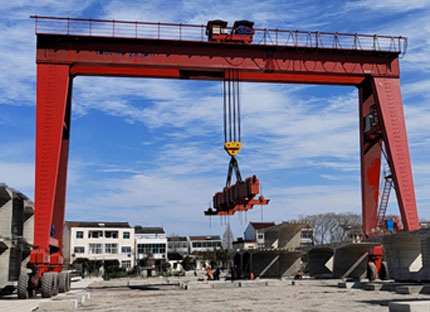
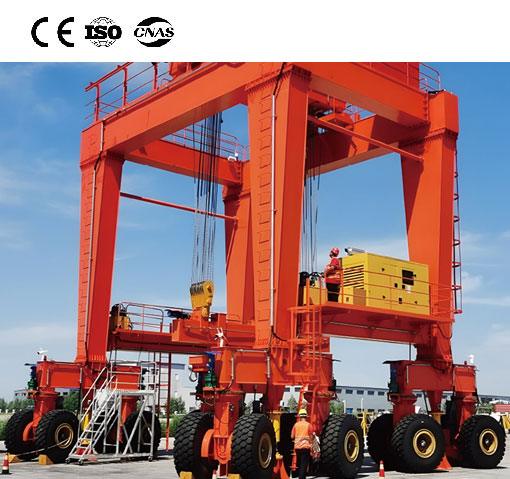
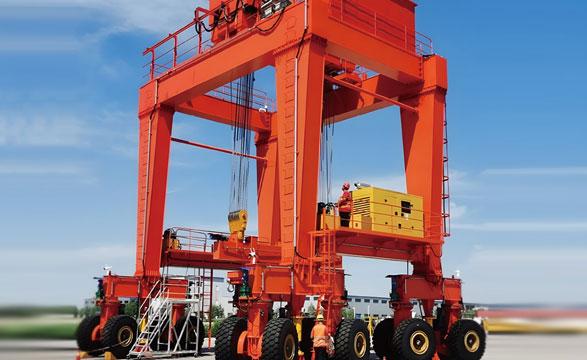
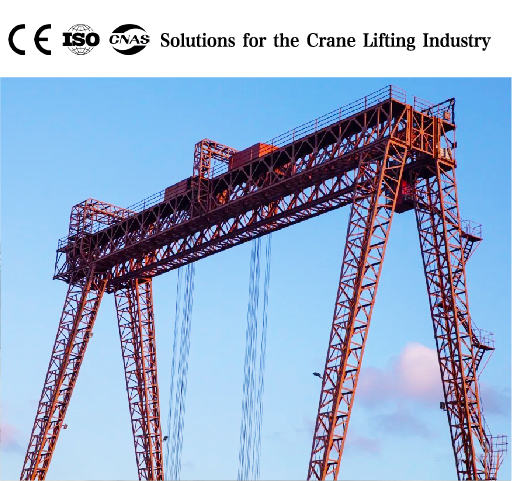
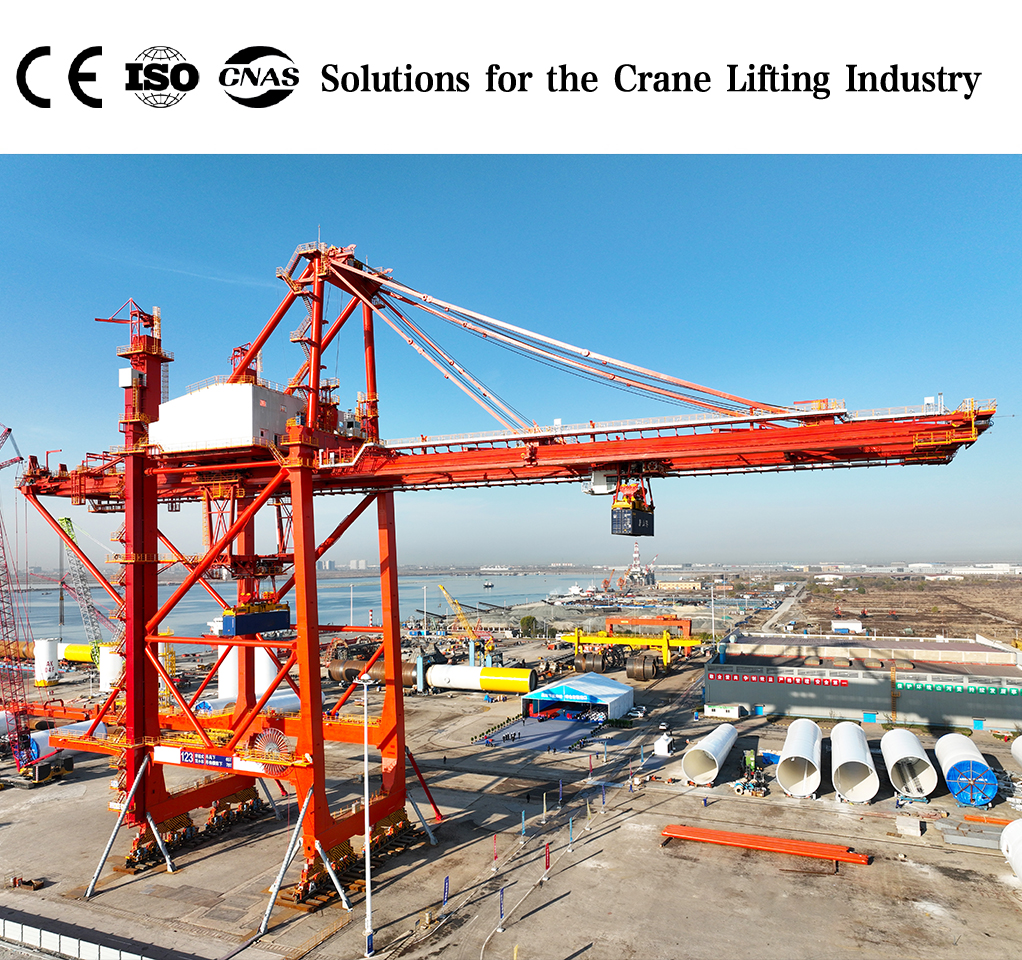
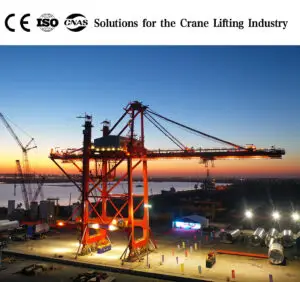
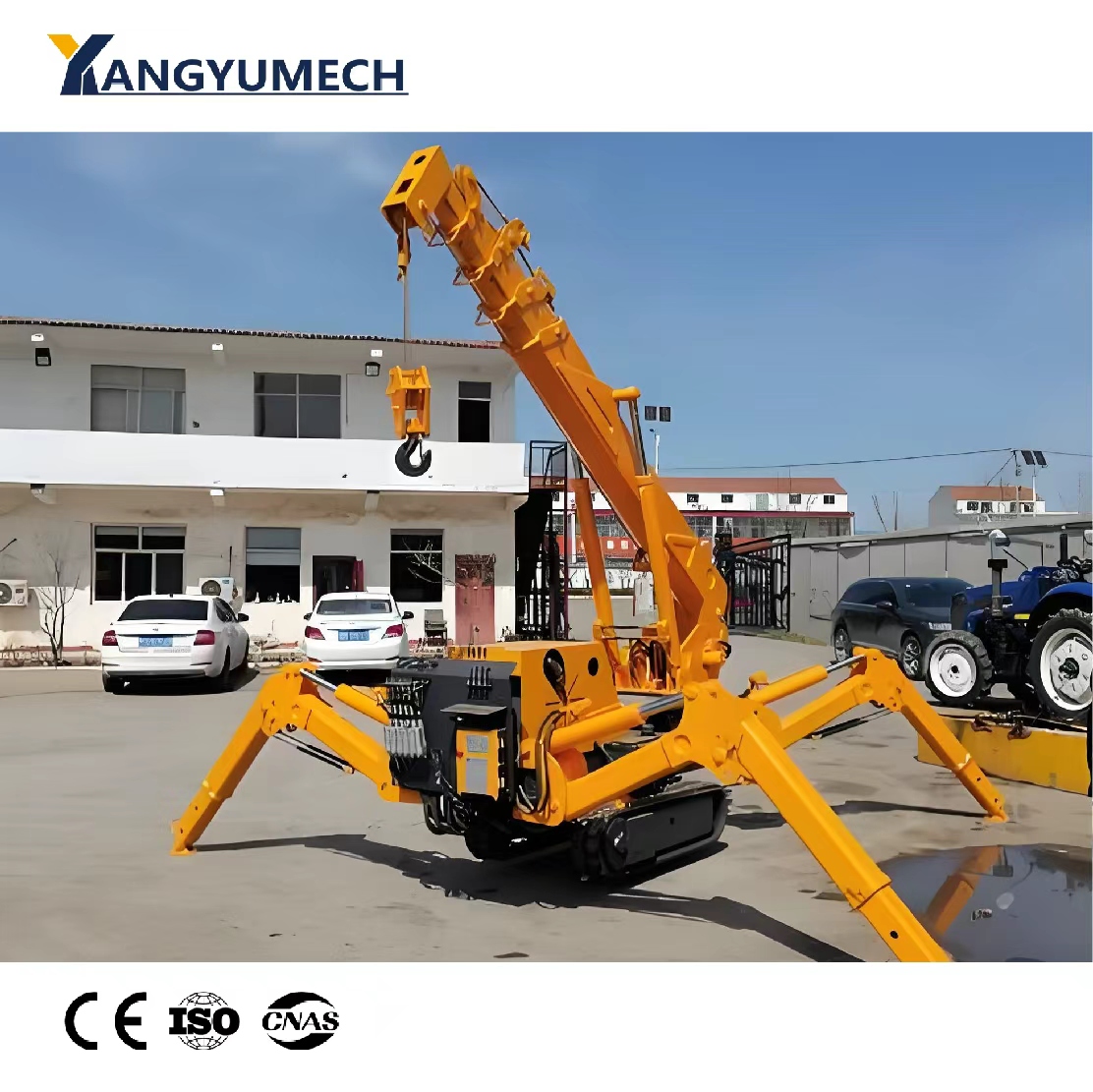
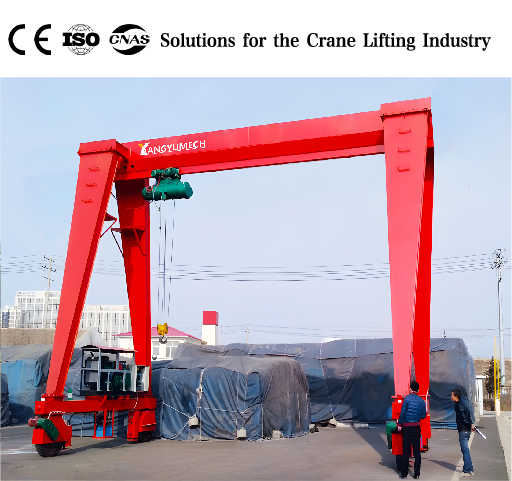
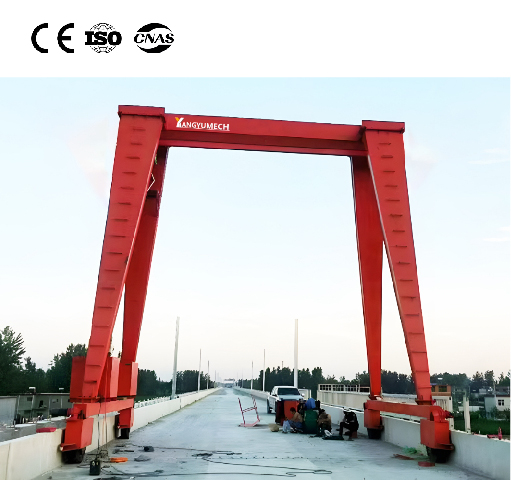
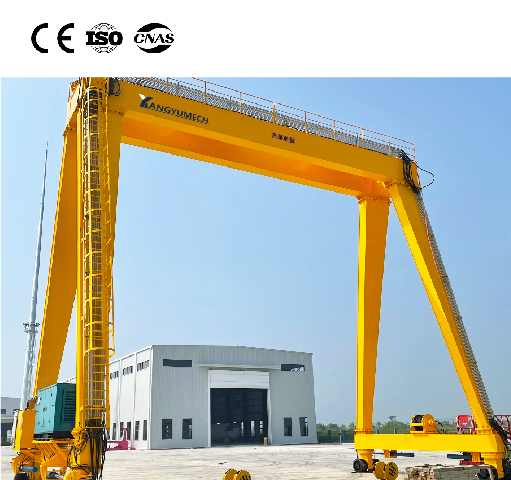
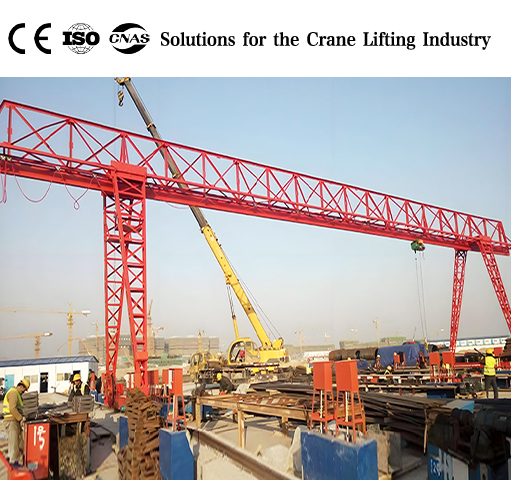
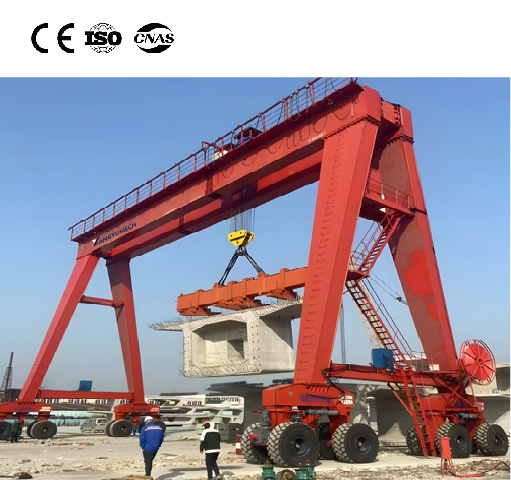
  • Heavy-duty gantry tire crane installation

    Heavy-duty gantry tire crane installation

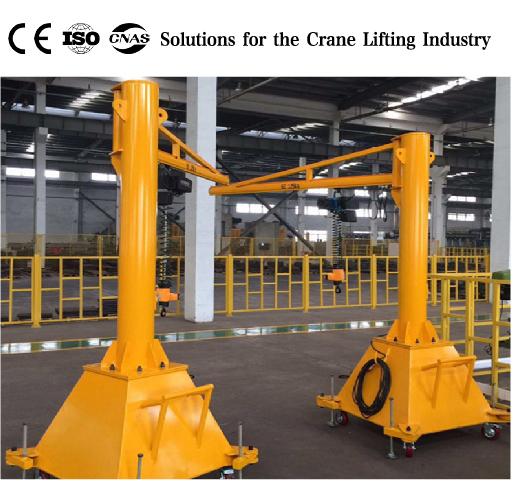
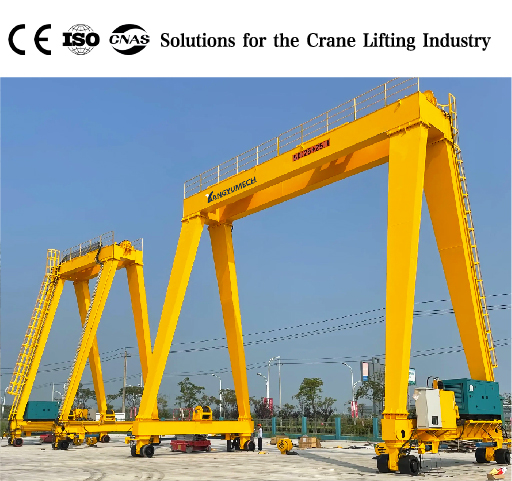
    Project Information: Loading capacity 220 tons + 25 tons, span 13 meters, hydraulic rotation.

    Successfully delivered with technicians completing on-site installation and commissioning for the customer.
  • Introduction to jib cranes

    Introduction to jib cranes

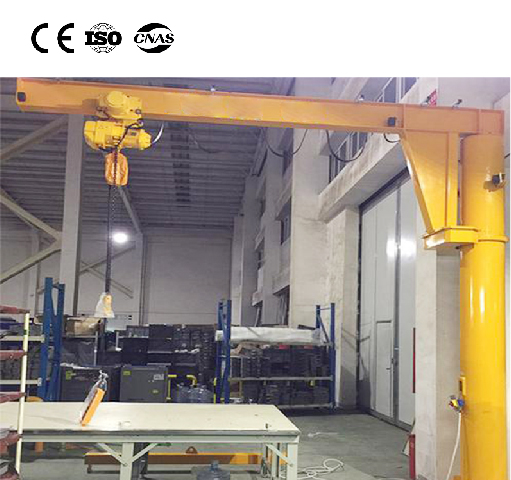
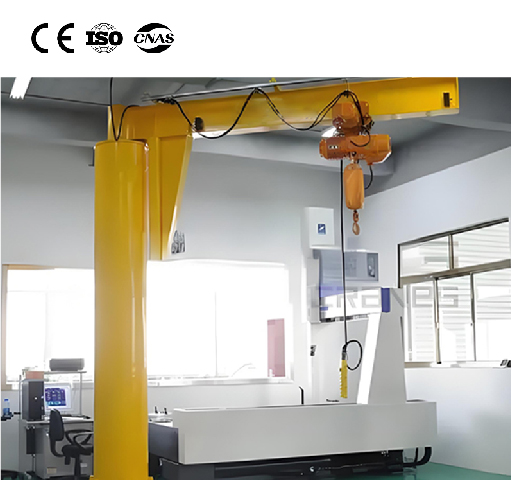
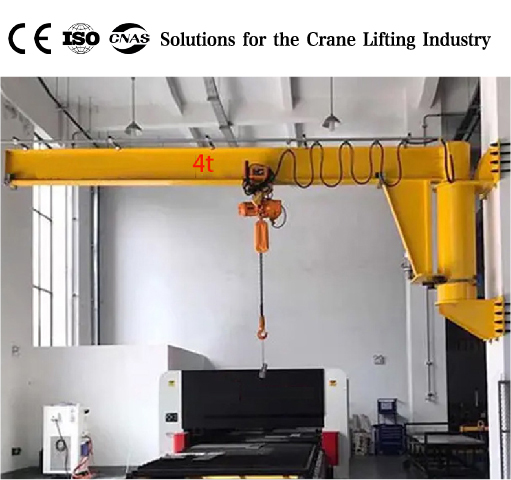
    Jib cranes, also known as cantilever cranes, are lightweight boom cranes designed for light-duty applications. Types include column-mounted, wall-mounted, wall-traveling, mobile, and folding-arm models.
    The column-mounted cantilever crane consists of a column, slewing arm, slewing drive unit, and electric hoist. The lower end of the column is anchored to a concrete foundation via anchor bolts. It offers high efficiency, energy savings, and a compact footprint, with simple operation and maintenance. It is particularly suitable for short-distance, high-frequency, and intensive lifting operations.
    The column serves as the foundational support for the entire jib crane. It bears radial and axial forces via single-row tapered roller bearings, ensuring stable operation of the rotating arm. The column’s steel structure is typically fabricated from welded steel pipes and flange plates, while the rotating arm’s steel structure combines welded I-beams with support arms.
    The slewing mechanism is positioned at the support arm. Together with the gear reducer, the support arm provides essential structural support for the rotating arm, enhancing its bending resistance and strength.
    The gear reducer drives the roller to achieve electric rotation of the jib, significantly improving operational flexibility.
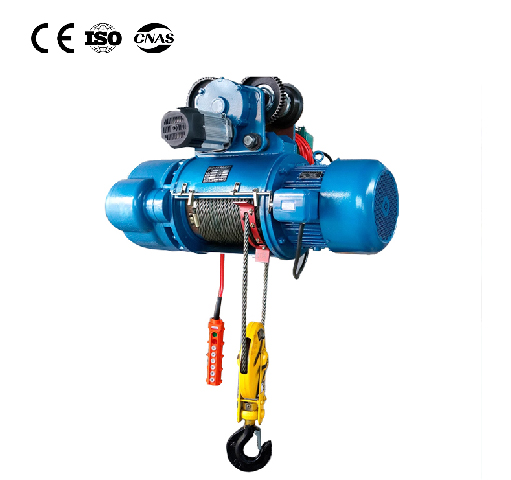
    The wire rope electric hoist and chain hoist form the core components for lifting heavy loads. They enable horizontal movement of the load, serving as the key to efficient hoisting operations. This ensures stability during lifting and boosts overall work efficiency.
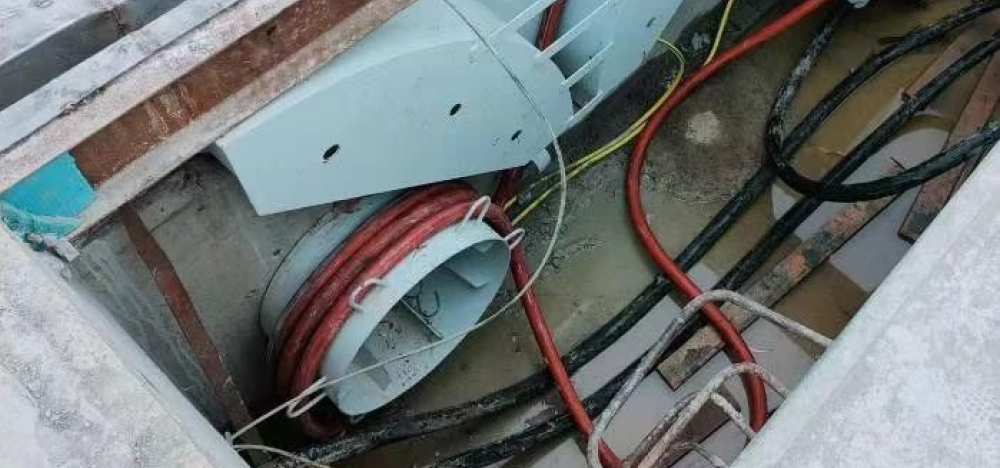
    The electrical system serves as the brain of the cantilever crane. Typically employing a C-track with flat cable power supply, it operates via low-voltage, interlocked safety voltage. Handheld control buttons manage functions including fast/slow lifting, lowering, trolley travel, and left/right rotation of the cantilever. Slip rings ensure continuous power supply during any rotation of the cantilever.
    Maintenance of jib cranes is relatively straightforward. Since major components undergo meticulous design and rigorous testing, routine upkeep focuses on standard items. Their clean aesthetics and compact structure also facilitate storage and transportation. Whether for new projects or retrofitting existing equipment, jib cranes deliver efficient, stable performance to meet diverse demands.
    Looking ahead, the development prospects for cantilever cranes will expand significantly with ongoing technological advancements and growing application demands. For instance, integrating IoT technology and big data analytics enables real-time monitoring and intelligent control, further boosting production efficiency and equipment utilization while paving the way for AI-powered intelligent hoists. Simultaneously, as environmental awareness intensifies, energy conservation and emissions reduction will become key future development directions for cantilever cranes.
  • A comprehensive and detailed introduction to column-mounted jib cranes

    A comprehensive and detailed introduction to column-mounted jib cranes

    1. Column-mounted jib crane introduction


    Column-mounted jib cranes are lightweight lifting and handling equipment used in conjunction with electric hoists, chain hoists, and hand hoists.
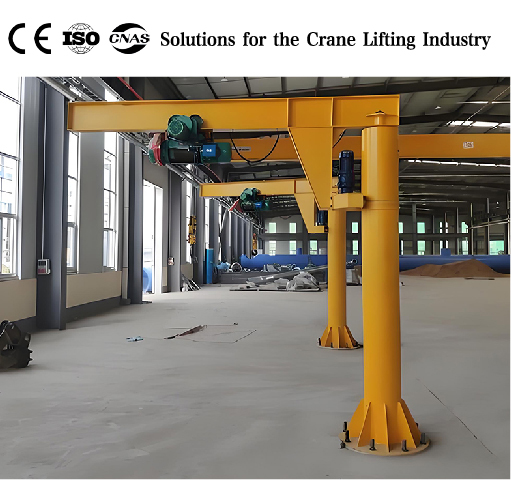


    2. Column-mounted jib crane parameters


    1. Specifications: 0.5 ton, 1 ton, 2 ton, 3 ton, 5 ton, and 10 ton lifting capacities (T) can be customized.
    2. Boom length: 6 m, 9 m, 10 m, 16 m, and 20 m, and can be customized.
    3. Column height: 5 m, 6 m, 9 m, 10 m, and 18 m, and can be customized.
    4. Trolley operation mode: Manual or electric.

    5. Slewing mode: Electric slewing.
    6. Slewing angle: Maximum 360 degrees (infinite slewing).


    3. Selecting Structural Beams for Column-Type Jib Cranes


    Cantilever cranes typically use I-beams or KBK rails for their structural beams. Large-tonnage cantilever cranes use box beams.
    1. Structural beam selection generally depends on the customer’s desired trolley operation method. Manual trolleys typically use KBK structures, while electric trolleys typically use I-beams (I-beams are easier to install with electric trolleys).
    2. Different structural beams require different power distribution methods. Generally, I-beams use C-rails, flat cables, and pulleys for power distribution. KBK rails are simpler to install and relatively inexpensive. A rail pulley and flat cable method is used for power distribution.

    4. Column-Type Jib Crane Structure


    A column-type cantilever crane consists of a column assembly, slewing mechanism, jib assembly, and electric chain hoist. It primarily includes an upper column, lower column, main beam, main beam tie rods, a lifting mechanism (electric chain hoist), a slewing mechanism, an electrical system, a ladder, and a maintenance platform. The lower end of the column is fixed to the concrete foundation, and the jib pivots according to user needs. The slewing mechanism is available in manual or electric configurations. An electric chain hoist is mounted on the jib track and is used to lift heavy objects.
     

    5. Purchasing Instructions for a Column-Type Jib Crane


    1. Rated Lifting Capacity
    2. Jib Swing Radius (Note: Swing radius and arm length are two different concepts. Swing radius is the distance from the arm’s pivot point to the far end of the wall, while arm length refers to the length of the arm alone.)
    3. Lifting Height (the distance from the hook to the bottom of the hoist).
    4. Clearance Height of the Jib Crane Workshop
    5. Whether the jib pivots manually or electrically (usually recommended for loads under 500kg, manual for loads under 1t, and electric for loads over 1t).
    Whether the hoist trolley is manually or electrically operated (usually recommended for loads over 1t, with an electric trolley).
  • How to Select the Power Supply Method for a Gantry Crane

    How to Select the Power Supply Method for a Gantry Crane

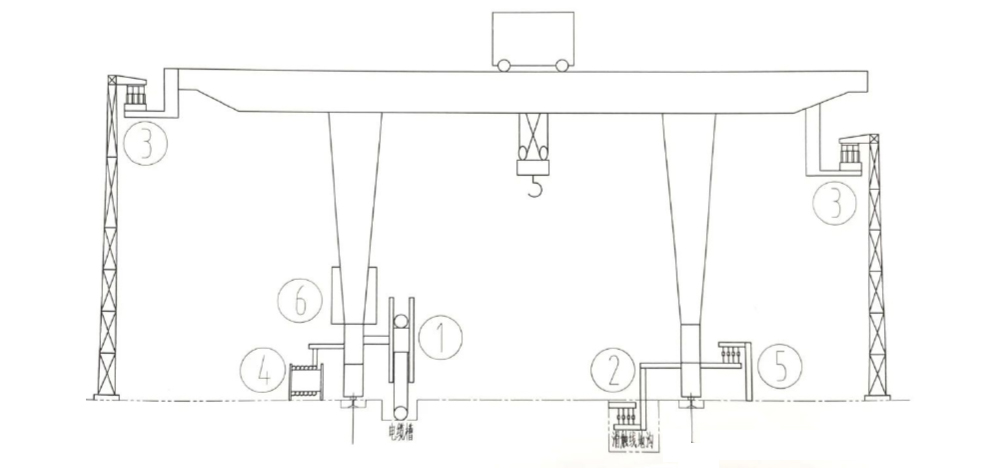
    The power supply configurations for gantry cranes encompass five primary types: cable reel power supply, conductor rail power supply, overhead power supply, trailing cable power supply, and diesel generator power supply.
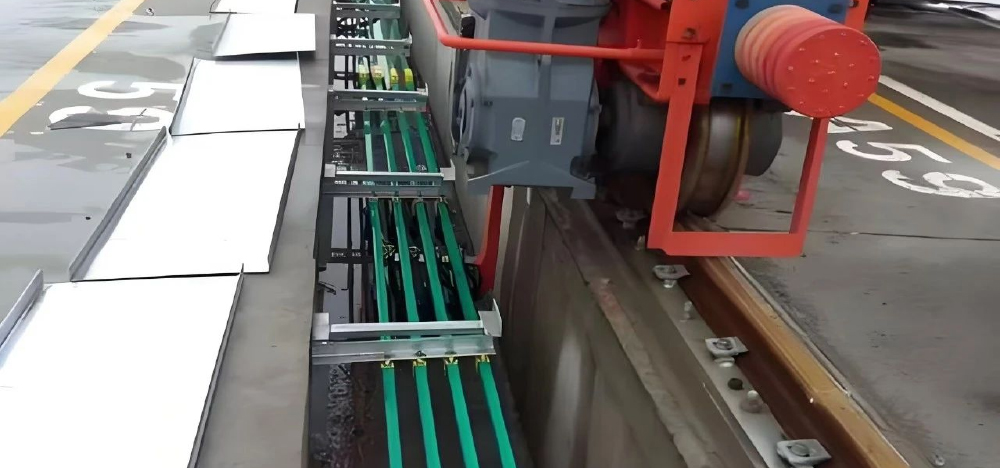
    Conductor rail power supply includes trench-mounted safety conductor rail power supply and low-mounted safety conductor rail power supply. When utilizing 10KV high-voltage power sources, a cable reel power supply or overhead power supply is typically selected.

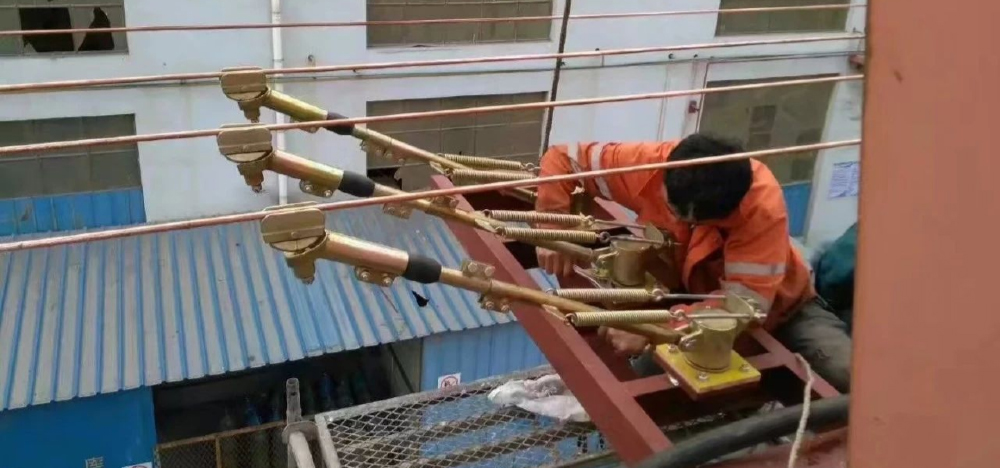
    ① Cable reel power supply ② Trench-mounted safety conductor rail power supply ③ Overhead power supply ④ Trailing cable power supply ⑤ Low-mounted safety conductor rail power supply ⑥ Diesel generator power supply
    1. Cable Reel Power Supply Principle: During gantry crane operation, the cable reel automatically retracts and extends the cable to supply power.
    Advantages: Lower cost, simple installation, and maintenance.
    Applicable scenarios: Small to medium-sized gantry cranes and applications with limited working ranges, such as fixed-track gantry cranes in small factories. Typically employs an intermediate power supply. Container gantry cranes often utilize hysteresis cable reels with an intermediate power supply within a ±200m travel range. Travel exceeding 200m requires verification with the equipment manufacturer.
    2. Trench-mounted Safety Conductor Rail Power Supply Principle: The gantry crane’s collector contacts the conductor rail installed in a trench alongside the track to obtain electrical power. Advantages: Excellent power supply stability, capable of handling high currents and voltages, suitable for high-power gantry cranes. Provides good resistance to rain, dust, and corrosion. Reduces cable wear and dragging. Multiple gantry cranes can be installed within the same span of time.
    Suitable scenarios: Large ports and other locations with high cargo handling volumes and stringent power supply reliability requirements.

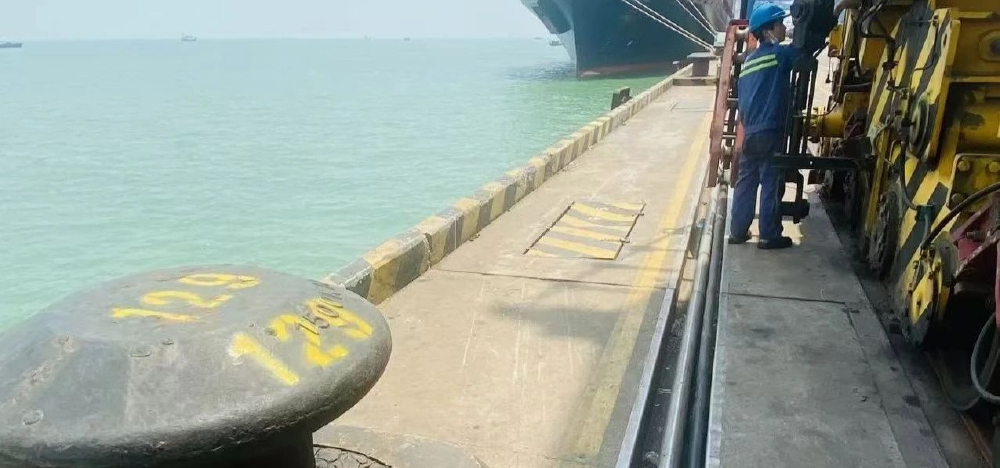
    3. Elevated Power Supply Principle: Power cables are installed on concrete poles or steel towers to supply power to gantry cranes. Advantages: Suitable for long operating distances, extended project durations, and areas requiring ground vehicle access. Does not occupy ground space and does not interfere with ground traffic. Suitable Scenarios: Large cargo yards, docks, and similar locations—such as gantry cranes in major ports—where long travel distances require uninterrupted ground traffic flow.

    4. Cable-Towing Power Supply Principle: Utilizes flexible cables connected to a power source at one end and the gantry crane at the other, with the cable being towed as the crane moves.
    Disadvantages: Cables are prone to wear and require frequent inspection and replacement.
    Suitable Scenarios: Gantry cranes with low power requirements and slow operating speeds.
    5. Low-Profile Safety Conductor Rail Power Supply Principle: Similar to trench conductor rail power supply, but installed above ground at a low elevation.
    Features: High safety, reduces electric shock risk.
    Suitable Scenarios: Ideal for retrofitting gantry crane power systems or when crane track foundations were not initially designed for power supply. Also applicable for newly designed gantry cranes.
    6. Diesel Generator Power Supply Principle: Diesel generators produce electricity for the gantry crane. The generator room is typically mounted directly beneath the crane’s crossbeam, enabling remote start/stop control with fuel and oil monitoring programs and alarm functions.
    Advantages: Independent of external power sources, suitable for remote areas without mains electricity or temporary work sites.
    Applicable Scenarios: Off-grid construction sites and other locations without access to mains power.
  • General Maintenance Guidelines for Cranes

    General Maintenance Guidelines for Cranes

    To ensure the safe operation of cranes, extend their service life, and enhance economic efficiency, proper maintenance of lifting equipment is essential during use. Maintenance refers to a series of tasks performed to keep or restore cranes to a state where they can perform their specified functions. Maintenance is categorized into scheduled maintenance (regular maintenance) and unscheduled maintenance (troubleshooting, repairs, shutdown repairs). Maintenance personnel must perform all necessary maintenance in accordance with the manufacturer’s operating manual and safety protocols to ensure the crane’s upkeep, safety, and normal operation.
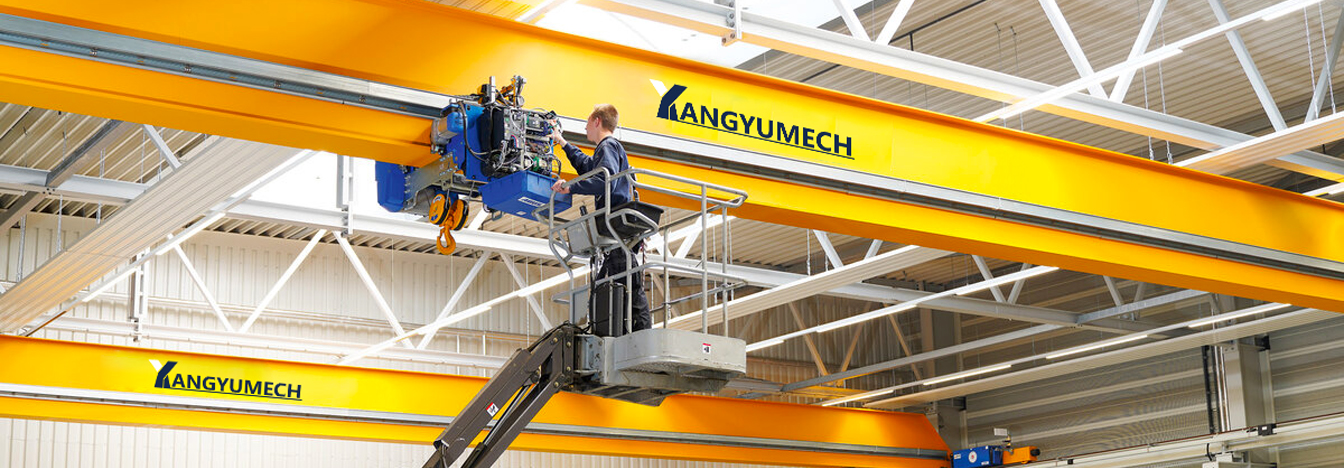
    Maintenance procedures should be established based on the manufacturer’s operating manual. In the absence of such documentation, procedures must be developed by a qualified individual.

    Scheduled Maintenance

    The manufacturer’s instruction manual specifies recommended maintenance intervals, which must not be exceeded. The manual also identifies lubrication points attention, the time intervals or frequency for grease and oil changes, and the quality and grade of lubricants to be used.

    Inspection-Based Maintenance

    Based on the results of daily inspections, routine inspections (weekly/monthly), periodic inspections (quarterly/annual), comprehensive inspections, special inspections, and other inspections (condition monitoring requirements, component retirement, accidents, repairs, post-earthquake), determine items requiring adjustment, repair, or necessary component replacement. Inspection methods include visual inspection, non-destructive testing, functional testing, no-load testing, load testing, static load testing, dynamic load testing, and stability testing.

    Pre-Maintenance Safety Precautions

    Maintenance work is strictly prohibited outdoors during severe weather conditions such as high winds, thunderstorms, ice/snow storms, extreme cold, or dense fog. The following precautions must be taken before performing maintenance on cranes:

    a) Move the crane to an area causing minimal interference with other cranes and operations.

    b) If the crane is carrying a load, unload it.

    c) All control devices must be in the off position.

    d) Use tag/lockout procedures. Display a “Under Maintenance” sign, or lock the switches on controllers or control panels in the ‘OFF’ or “DISENGAGED” position. Only maintenance personnel may perform tagging or locking.

    e) If the maintenance work poses a hazard, warning signs and barriers should be used on the ground beneath the crane.

    f) For cranes undergoing maintenance, power should be disconnected or measures taken to prevent electric shock.

    g) Before disassembling hydraulic components, pressure must be relieved.

    h) Maintenance personnel shall wear appropriate personal protective equipment (PPE) such as safety shoes, hard hats, safety harnesses, or safety glasses. Adequate fall protection shall be provided where there is a risk of falling from heights during maintenance.

    i) Maintenance areas shall be adequately illuminated.

    g) Safe and reliable tools shall be used.

    k) Appropriate protective measures shall be taken during welding operations.

    l) Necessary fire prevention measures shall be implemented during maintenance.  

    After completing maintenance work and before resuming normal crane operation:

    a) Reinstall protective devices;

    b) Restore the functionality of safety devices and recalibrate them if necessary;

    c) Remove replaced parts and scattered objects;

    d) Clear away maintenance tools and equipment.

    Repair or Replacement

    Perform the following repairs or replacements as required by routine inspections in the maintenance procedures, when operational needs dictate:

    a) Components of crane mechanisms that are cracked, broken, corroded, bent, or excessively worn; Click to view scrap standards for critical crane components

    b) Structural members of the crane that are cracked, bent, broken, or excessively worn;

    c) Damaged or worn hooks; forged hooks shall not be repaired by welding or reshaping;

    d) Electrical contacts that are dented or burnt shall be replaced;

    e) Control device components shall be lubricated according to the methods recommended in the crane manual;

    f) Functional, instructional, cautionary, and warning labels affixed to suspended control stations shall remain clearly legible.

    g) Replacement parts shall meet at least the same technical specifications as those used by the original manufacturer.

    h) If welding is used to repair load-bearing components, the repaired area shall undergo material identification and adhere to proper welding procedures.

    Lubrication

    All moving parts requiring lubrication on the crane shall be lubricated at regular intervals. The delivery of lubricant within the lubrication system shall be checked for unobstructed flow. The manufacturer’s recommendations shall be followed regarding lubrication points and intervals, maintenance of lubricant fluid levels, and the type of lubricant used. Unless equipped with automatic or remote lubrication devices, the machine shall be stationary and protective measures provided when applying lubricant.

    A meeting was held by our team on Monday with the client team for the Zephyr project to review the status of the forthcoming Q3 launch campaign. The campaign, originally built as an omnichannel activation across CTV, paid social, and programmatic display, is now subject to substantial midstream revisions—following newly surfaced client directives. The feedback introduces a material shift in strategic framing under a compressed delivery window.

    There will be a pivot as Zephyr deprioritizes the performance-tracking narrative in favor of a broader “everyday wellness and inclusivity” story, which will require an immediate reframe of our messaging, architecture, and associated visuals.

    To address the revised scope, I’ve assigned immediate follow-up actions across the team. Visual art will lead conversations with post-production around stock content integration. Ad sales will recalibrate the media plan in light of the repositioned messaging and will coordinate with DSPs to avoid penalties related to insertion order delays. Copy desk is to be tasked with stripping all unsubstantiated medical claims from copy, implementing the new CTA, and managing a parallel review with legal.

    We conduct a daily internal stand-up each morning through the end of the week to identify blockers. The next client check-in is scheduled for July 3rd. We preview asset revisions and confirm compliance milestones. Final go/no-go is slated for July 7th at 17:00 PDT. We are proceeding with all mitigations in parallel, and escalated any dependency delays as they surface.


  • How to Select the Power Supply Method for Gantry Cranes

    How to Select the Power Supply Method for Gantry Cranes

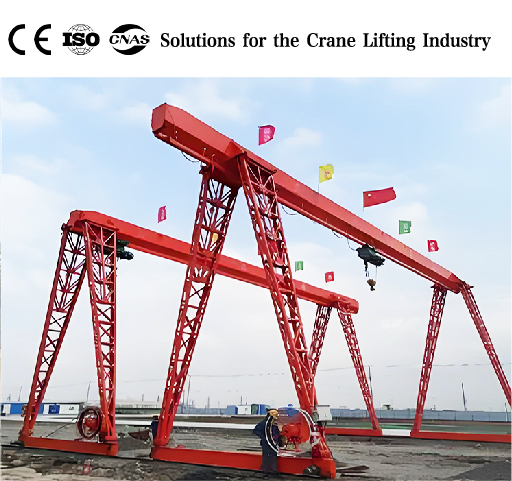
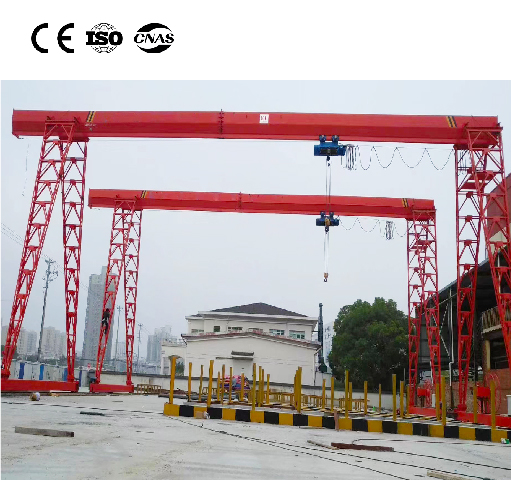
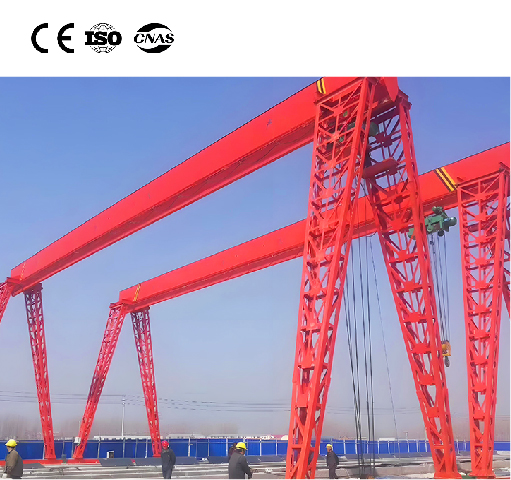
    A gantry crane is a type of bridge crane with a bridge supported on ground tracks by outriggers on both sides. It primarily consists of a main girder, outriggers, a trolley traveling mechanism, and a trolley (including its running mechanism and hoisting mechanism). The main girder is the key load-bearing structure. The trolley can move laterally on the main girder, lifting cargo via the hoisting mechanism. The trolley traveling mechanism enables the gantry crane to move longitudinally along the ground tracks. These three modes of movement allow it to operate within a large three-dimensional space. Container gantry cranes and electromagnetic gantry cranes may also have a slewing mechanism. All mechanisms of a gantry crane are powered by electricity or hydraulics and electrically controlled to ensure the equipment functions safely and reliably.
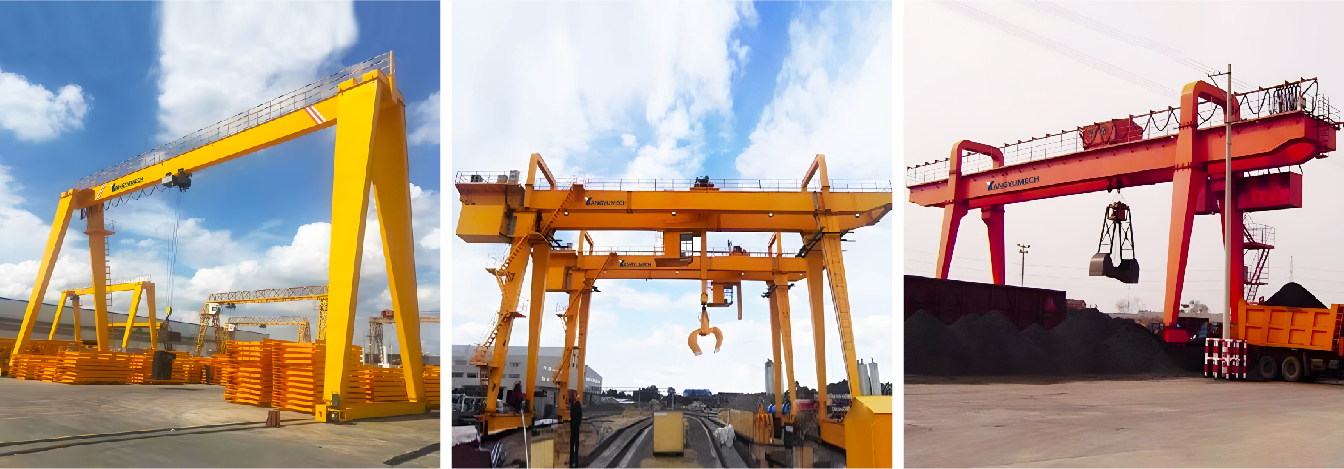
    The power supply of gantry crane is generally three-phase four-wire system, industrial standard power supply is 380V, 50HZ. If the total power of the whole equipment exceeds 500KW, it is recommended to use 10KV high voltage power supply. The power supply form of gantry crane is mainly determined by five factors: working environment, operating distance and range, load requirements, trolley operating speed, cost factors, etc.

    1. Working Environment

    Outdoor or Indoor: When operating outdoors, consider weather factors such as rain, snow, wind, and sand. Conductor rail power supply and elevated power supply offer superior rainproof, dustproof, and corrosion-resistant properties, making them suitable for outdoor use. Cable reel power supply and trailing cable power supply are more appropriate for indoor environments.

    Explosion-proof requirements: In locations with flammable or explosive gases, such as chemical warehouses, select power supply methods with strong explosion-proof capabilities, like explosion-proof cable reel systems.

    1. Travel Distance and Range

    Short-Distance Operation: For gantry cranes with limited travel distance and working range—such as those in small workshops—cable reel power supply or trailing cable power supply suffices, offering lower costs.

    Long-Distance Operation: In large ports and cargo yards where gantry cranes traverse extended distances, overhead busbar power supply or elevated power supply systems are more suitable, ensuring stable power delivery over long distances.

    1. Load Requirements

    Light-load equipment: Gantry cranes with light loads have low current and voltage requirements, and cable reel power supply and towline power supply methods can meet these requirements.

    Heavy-load equipment: Gantry cranes used to lift large and heavy objects, such as those used for loading and unloading containers at ports, have heavy loads and require a power supply method capable of withstanding high current and voltage. Busbar power supply is a preferred option.

    1. Gantry Crane Speed

    Fast gantry cranes require a power supply method that can quickly adapt to their movement. Busbar and overhead power supply are relatively suitable because they are less susceptible to cable drag and entanglement.

    Slow gantry cranes: Slow gantry cranes can consider using a towline or cable drum power supply. Although towline power supply may cause cable wear, it can reduce the risk at slow speeds.

    1. Cost Factors

    Initial Investment Costs: Cable reel power supply and trailing cable power supply systems have relatively low initial investment costs, while overhead busbar and elevated power supply systems may require higher initial investment, necessitating careful budget consideration.

    Maintenance Costs: Trailing cable power supply systems may require frequent cable replacement due to constant friction, resulting in higher maintenance costs. Overhead busbar power supply systems are relatively simple to maintain, with costs primarily incurred through periodic inspections and cleaning.


  • Double Girder Overhead Crane: The Complete Guide to Heavy-Duty Industrial Lifting

    Double Girder Overhead Crane: The Complete Guide to Heavy-Duty Industrial Lifting

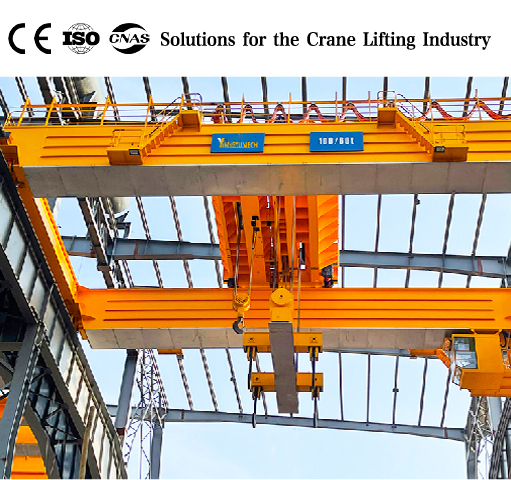
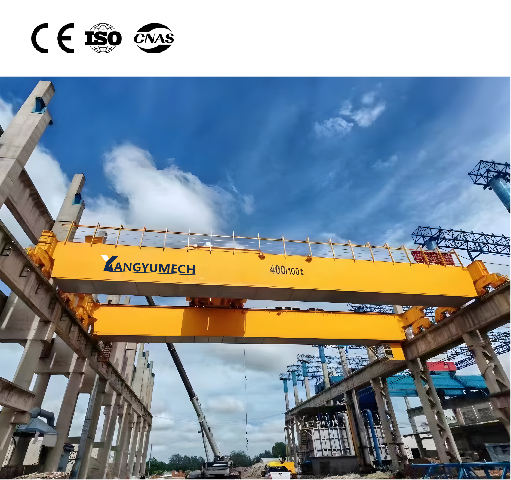
    In heavy-industry sectors where massive loads, long spans, and uncompromising stability are non-negotiable—such as steel mills, shipyards, and power plants—standard lifting equipment falls short. The Double Girder Overhead Crane emerges as the backbone of heavy-duty material handling, engineered to tackle loads from 20 to 500+ tonnes with spans up to 50 meters. This comprehensive guide breaks down its design, technical capabilities, industry applications, and how it solves critical lifting challenges in high-stakes environments.
    Double Girder Overhead Crane

    What is a Double Girder Overhead Crane?

    Double Girder Overhead Crane

    A Double Girder Overhead Crane is a robust, heavy-duty lifting system designed for extreme load capacities and long spans, distinguished by its two parallel main girders (vs. one in single-girder models) that distribute weight evenly across the crane structure. It operates on elevated rails (runways) mounted to a facility’s columns or ceiling, with a movable trolley and hoist (wire rope hoist is standard for heavy loads) that handle vertical and horizontal load movement.
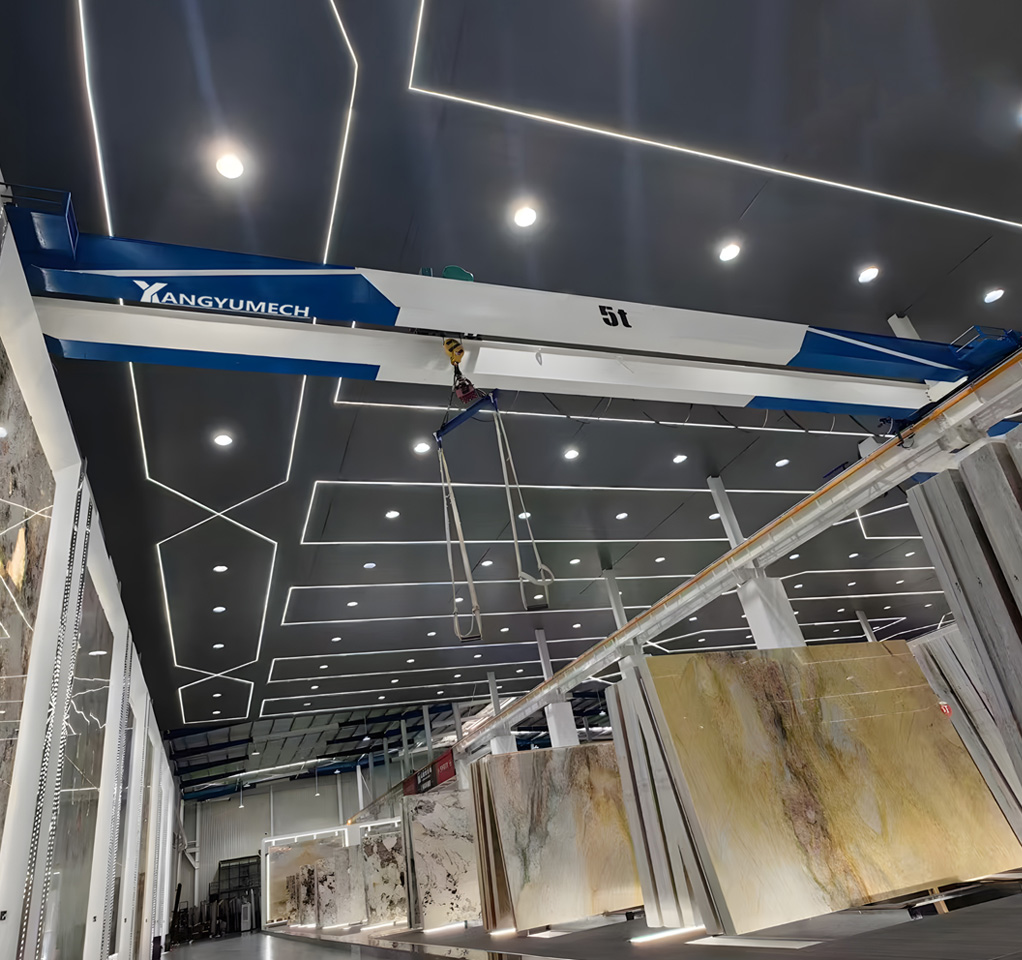
    Double Girder Overhead Crane

    Core Components of a Double Girder Overhead Crane

    • Dual Main Girders: Typically box-type (high rigidity) or truss-type (lightweight for large spans) steel structures, engineered to withstand bending under heavy loads.
    • End Trucks: Heavy-duty assemblies with high-torque motors and precision bearings, driving the crane along runway rails.
    • Trolley System: A movable carriage (with single or dual hoists) that travels along the main girders; dual-trolley designs enable synchronized lifting of irregular loads.
    • Wire Rope Hoist: The primary lifting mechanism (rated 20–500+ tonnes), paired with variable-frequency drives (VFD) for smooth speed control.
    • Control System: Radio remote controls (standard for heavy-duty use) or pendant controls, plus PLC integration for semi/fully automated operation.
    • Safety Devices: Dual braking systems (mechanical + electromagnetic), overload protectors, anti-collision sensors, and limit switches (prevent over-lifting/over-travel).

    Key Advantages of Double Girder Overhead Cranes

    Double Girder Overhead Cranes outperform single-girder and gantry cranes in heavy-duty scenarios, making them irreplaceable in industries like steel and shipbuilding. Here are their standout benefits:

    1. Exceptional Load Capacity & Stability

    • Rated Load Range: 20–500+ tonnes (standard); custom models up to 1,000 tonnes for ultra-heavy tasks (e.g., nuclear reactor components).
    • Even Weight Distribution: Dual girders eliminate deflection (bending) under heavy loads—critical for lifting 100+ tonne items like steel ingots or turbine rotors without structural stress.
    • High Wind Stability: Rigid frame design minimizes sway, even in large facilities with open bays (e.g., shipyards or ports).

    2. Large Span Capabilities

    • Standard Spans: 30–50 meters (ideal for large factories or outdoor yards); custom spans up to 60 meters with reinforced girders.
    • No Intermediate Supports: Unlike single-girder cranes (which need supports for spans >30 meters), double-girder models cover wide areas without obstructing floor space—perfect for assembling large machinery or loading ships.

    3. Versatility & Customization

    • Modular Add-Ons: Integrate auxiliary trolleys (for light loads), grab buckets (for bulk materials like coal), or magnets (for steel sheets) to adapt to diverse tasks.
    • Environmental Adaptations: Customize for harsh conditions:
      • High-Temperature Models: Heat-resistant coatings and cooling systems for steel mills (up to 600°C).
      • ATEX-Compliant Models: Explosion-proof components for chemical plants or oil refineries (Zone 1/2 gas, Zone 21/22 dust).
      • Corrosion-Resistant Models: Stainless steel or epoxy coatings for marine ports or salt-processing facilities.

    4. Efficient Heavy-Duty Operation

    • Variable Speed Control: VFD-driven hoists and trolleys offer precise speed adjustment (0.2–8 m/min lifting speed for heavy loads), preventing load damage and ensuring smooth positioning.
    • Dual-Hoist Configurations: Synchronized dual hoists handle irregularly shaped loads (e.g., ship hull sections) by lifting from two points—reducing strain on the load and crane.

    5. Long Service Life & Low Maintenance

    • Robust Construction: Main girders use high-strength Q355 or Q460 steel; critical components (gears, bearings) are sealed to prevent dust/debris ingress.
    • Extended Lifespan: 15–25 years with proper maintenance (vs. 10–15 years for single-girder cranes), thanks to heavy-duty materials and redundant safety systems.

    Technical Specifications of Double Girder Overhead Cranes

    To select the right double girder crane, understanding key technical parameters is critical—these specs are tailored to heavy-duty industrial needs:

    1. Load Capacity & Working Class


    Specification

    Standard Range

    Notes

    Rated Load

    20–500 tonnes

    Custom up to 1,000 tonnes (ultra-heavy)

    Working Class (ISO 4301)

    A6–A8 (heavy-to-extra-heavy)

    A6: 3,600–10,000 hrs/year; A8: >20,000 hrs/year (for continuous operation)

    Safety Factor

    12:1 (girders) / 10:1 (hoist)

    Exceeds single-girder standards (10:1) for added safety

    2. Span & Lifting Parameters

    • Crane Span: 30–50 meters (standard); 50–60 meters (custom, with truss girders for weight reduction).
    • Lifting Height: 10–30 meters (standard); extendable to 50 meters for tall facilities (e.g., power plant turbine halls).
    • Speed Ranges:
      • Lifting Speed: 0.2–8 m/min (slower for heavier loads; e.g., 0.5 m/min for 300-tonne loads).
      • Crane Travel Speed: 10–40 m/min (adjustable via VFD).
      • Trolley Travel Speed: 5–20 m/min (synchronized for dual-hoist models).

    3. Drive & Control Systems

    • Drive Type: Variable-Frequency Drive (VFD) as standard (for smooth acceleration/deceleration); 涡流制动 (eddy current braking) for heavy loads.
    • Motor Parameters:
      • Hoist Motor Power: 15–200 kW (varies by load; e.g., 55 kW for 50-tonne cranes).
      • Travel Motor Power: 5.5–37 kW per end truck.
      • Insulation Class: H (resists high temperatures up to 180°C).
    • Control Options:
      • Radio Remote Control: 100–200 m range (IP67 rated, dust/waterproof) for operator safety.
      • PLC + HMI: For automated workflows (e.g., scheduled lifting in steel mills).
      • Emergency Stop: Hardwired, redundant stops on both remote and crane.

    4. Structural & Safety Details

    • Girder Type:
      • Box-Type Girder: High rigidity, ideal for precise lifting (e.g., machinery assembly).
      • Truss-Type Girder: Lightweight, ideal for large spans (e.g., outdoor shipyards) to reduce runway load.
    • Safety Features:
      • Overload Protection: Automatic shutoff at 110% of rated load.
      • Anti-Collision Sensors: Prevent collisions between multiple cranes on the same runway.
      • Buffer Stops: Absorb impact at runway ends (spring or hydraulic).
      • Lightning Protection: Grounding systems for outdoor cranes (ports, shipyards).

    Applications of Double Girder Overhead Cranes

    Double Girder Overhead Cranes are the backbone of heavy industries where standard lifting equipment can’t handle the load or span. Here are their most critical uses:

    1. Steel & Metallurgy Industry

    • Tasks: Lifting molten steel ladles (30–100 tonnes), moving steel ingots, and feeding raw materials into blast furnaces.
    • Customizations: High-temperature girders (heat-resistant paint up to 600°C), magnetic hoists for steel sheets, and dust-proof enclosures for rolling mills.
    • Why Double Girder?: Withstands extreme heat and heavy loads; large spans cover blast furnace to rolling mill without supports.

    2. Shipbuilding & Offshore Industry

    • Tasks: Lifting ship hull sections (50–200 tonnes), installing propellers, and handling offshore platform components (e.g., oil rig modules).
    • Customizations: Corrosion-resistant epoxy coatings (for saltwater), dual-hoist systems for irregular hulls, and wind-resistant designs for outdoor yards.
    • Why Double Girder?: 40–50 meter spans cover shipbuilding bays; stable lifting prevents damage to expensive hull sections.

    3. Heavy Machinery Manufacturing

    • Tasks: Assembling large equipment (e.g., 200-tonne mining trucks, industrial turbines) and moving heavy castings/machined parts.
    • Customizations: Precision VFD controls (for millimetric positioning), auxiliary trolleys (for light tools), and low-headroom designs (for factory ceilings).
    • Why Double Girder?: High stability ensures accurate alignment of turbine components; dual girders handle uneven loads from castings.

    4. Power Generation (Nuclear & Thermal)

    • Tasks: Installing nuclear reactor pressure vessels (300–500 tonnes), lifting steam turbines, and maintaining coal-fired boiler components.
    • Customizations: ATEX-compliant (for coal dust), radiation-shielded controls (nuclear plants), and high-lifting heights (30–50 meters for boiler halls).
    • Why Double Girder?: Ultra-high load capacity meets reactor component needs; redundant safety systems align with nuclear industry standards.

    5. Port & Intermodal Terminals

    • Tasks: Loading/unloading heavy containers (40–80 tonnes), handling bulk cargo (coal, iron ore) with grab buckets, and moving oversized cargo (e.g., wind turbine blades).
    • Customizations: Outdoor-rated components (IP67), anti-sway systems (for windy ports), and integration with terminal management software (TMS) for automation.
    • Why Double Girder?: 30–40 meter spans cover multiple shipping containers; fast travel speeds (30–40 m/min) boost throughput.

    Double Girder vs. Single Girder vs. Gantry Cranes: A Comparison

    To understand why double girder cranes are preferred for heavy-duty tasks, here’s how they stack up against alternatives:


    Feature

    Double Girder Overhead Crane

    Single Girder Overhead Crane

    Gantry Crane (Double Girder)

    Load Capacity

    20–500+ tonnes

    1–20 tonnes

    20–300 tonnes

    Span Range

    30–60 meters

    6–30 meters

    10–40 meters

    Floor Space Impact

    No supports (maximizes space)

    Supports needed for spans >30m

    Requires rail tracks on ground

    Customization

    High (heat, 防爆,dual hoists)

    Moderate (light add-ons)

    Moderate (outdoor focus)

    Installation Complexity

    High (needs reinforced ceiling)

    Low (light supports)

    High (ground rails)

    Cost (Initial)

    High (heavy-duty materials)

    Low (lightweight)

    High (ground rails + structure)

    Best For

    Heavy loads, large spans

    Light-to-medium loads

    Outdoor heavy loads (no ceiling)

    This comparison highlights that double girder overhead cranes are the only choice for indoor heavy-duty tasks requiring large spans and ultra-high load capacity.

    How to Choose the Right Double Girder Overhead Crane

    Selecting a double girder crane requires precise alignment with your heavy-duty needs. Follow these steps to avoid costly mistakes:

    1. Define Load Requirements (Precisely)

    • Maximum Load Weight: Add a 15–20% safety buffer (e.g., for 50-tonne loads, choose a 60-tonne crane) to account for uneven load distribution.
    • Load Type: Irregular loads (e.g., ship hulls) need dual hoists; bulk materials (coal) need grab buckets; steel needs magnetic hoists.
    • Lifting Cycles: Continuous operation (e.g., steel mills) requires A8 working class; intermittent use (machinery assembly) can use A6.

    2. Evaluate Facility & Space Constraints

    • Span & Height: Measure your facility’s width (to determine span) and ceiling height (for lifting height); ensure no obstacles block the crane’s path.
    • Runway Capacity: Check if your factory’s columns/ceiling can support the crane’s weight (double girder cranes weigh 5–10x more than single girder).
    • Floor Load: If using a trolley with a hoist, ensure the floor can handle load impacts during positioning.

    3. Adapt to Environmental Conditions

    • Temperature: High-heat environments (steel mills) need heat-resistant coatings and cooling systems; cold storage (-40°C) needs winterized lubricants.
    • Hazards: Explosive areas (chemical plants) need ATEX/IECEx certification; corrosive environments (ports) need stainless steel or epoxy coatings.
    • Indoor/Outdoor: Outdoor cranes need IP67-rated components, lightning protection, and wind-resistant designs.

    4. Prioritize Safety & Compliance

    • Global Standards: Ensure compliance with ISO 4301 (working class), CE (EU), OSHA (North America), and GB/T 3811 (China).
    • Safety Redundancy: Choose cranes with dual brakes, overload protection, and emergency stop systems—critical for heavy loads where failure is catastrophic.
    • Operator Training: Select cranes with user-friendly controls; ensure operators are certified for heavy-duty crane operation.

    5. Select a Reputable Manufacturer

    Prioritize suppliers with:

    • Heavy-Duty Expertise: Experience in your industry (e.g., Konecranes, Demag, or Chinese specialists like Nucleon for ultra-heavy models).
    • Customization Capabilities: Ability to design dual-hoist, high-temperature, or ATEX-compliant models.
    • After-Sales Support: Local service teams (for emergency repairs) and a stock of spare parts (critical for minimizing downtime in heavy industry).
    • Warranty: Minimum 2 years for structural components (girders) and 1 year for mechanical/electrical parts.

    Maintenance & Safety Best Practices for Double Girder Overhead Cranes

    Heavy-duty cranes require rigorous maintenance to ensure safety and longevity. Follow these guidelines (aligned with ISO 4301 and manufacturer recommendations):

    Preventive Maintenance Schedule

    • Daily:
      • Inspect hoist hooks for cracks/deformation (use a magnaflux test quarterly for heavy loads).
      • Test dual brakes (hold a 50% load mid-air for 10 minutes—no slippage allowed).
      • Check control systems (remote/pendant) for responsiveness.
    • Weekly:
      • Lubricate girder rails, trolley wheels, and hoist chains (use heavy-duty lithium grease).
      • Inspect electrical connections (tighten loose terminals) and cable condition (no fraying).
      • Clean safety sensors (anti-collision, limit switches) to remove dust.
    • Monthly:
      • Inspect main girder welds for cracks (use ultrasonic testing annually).
      • Test overload protection (lift 110% of rated load—crane should shut off).
      • Check buffer stops and anti-sway systems for wear.
    • Annually:
      • Hire a certified heavy-duty crane technician to perform:
        • Load testing (125% of rated load, per ISO 7363).
        • Structural alignment checks (ensure girders are level, no deflection).
        • Electrical insulation resistance testing (per IEC 60079-1 for 防爆 models).
      • Replace worn parts (brake pads, bearings) with OEM components—never use non-compliant parts.

    Safety Guidelines

    • Operator Certification: Only certified operators trained in heavy-duty cranes should use the equipment—training must cover load balancing, emergency procedures, and VFD control.
    • Load Planning: Never lift uneven or unbalanced loads without a spreader beam; calculate load center of gravity before lifting.
    • Zone Safety: Use physical barriers or laser scanners to keep personnel out of the crane’s working zone—heavy loads can cause fatal injuries if dropped.
    • Emergency Protocols: Establish clear procedures for power failures (use manual hoist release) and load sway (reduce speed, avoid sudden stops).
    • Documentation: Maintain detailed logs of maintenance, inspections, and operator training—required for industry audits (e.g., nuclear, steel).

    Future Trends in Double Girder Overhead Cranes

    As heavy industries adopt smart manufacturing and sustainability goals, double girder cranes are evolving to meet new demands:

    1. IoT-Enabled Predictive Maintenance

    • Sensors: Install load cell sensors (to monitor stress), temperature sensors (for motors), and vibration sensors (for gears) to detect issues early.
    • Cloud Platforms: Data from sensors is sent to platforms like Siemens MindSphere or Konecranes Truconnect, enabling remote diagnostics and predictive part replacement.
    • Benefit: Reduces unplanned downtime by 30–40%—critical for steel mills or power plants where downtime costs $100k+/hour.

    2. Green Energy Efficiency

    • IE4 Premium Motors: Reduce power consumption by 20–30% vs. IE3 motors, aligning with EU Ecodesign Directive and global carbon reduction goals.
    • Regenerative Braking: Captures energy during deceleration (e.g., lowering a load) and feeds it back to the facility’s grid—saves 15–25% on energy costs.
    • Lightweight Materials: Use of high-strength aluminum alloys for non-structural components (reduces crane weight by 10–15% without compromising strength).

    3. Full Automation & AI Integration

    • Autonomous Operation: Integrate with AI systems and AGVs (Automated Guided Vehicles) for fully automated lifting (e.g., in smart ports, where cranes operate 24/7 without human intervention).
    • AI-Powered Load Balancing: AI algorithms calculate load center of gravity in real time, adjusting hoist speed to prevent sway—ideal for irregular loads like ship hulls.
    • Digital Twins: Create a virtual replica of the crane and facility to simulate lifting operations, optimize workflows, and train operators safely.

    4. Enhanced Safety Tech

    • 3D Scanning: Use LiDAR or 3D cameras to create a real-time map of the facility, avoiding collisions with unexpected obstacles (e.g., misplaced tools).
    • Remote Operation: Operators control cranes from a safe, air-conditioned room via VR headsets—reduces exposure to heat (steel mills) or radiation (nuclear plants).
    • Cybersecurity: Secure crane control systems with firewalls and encryption to prevent cyberattacks (critical for automated ports or nuclear facilities).

    Conclusion: Double Girder Overhead Cranes—The Backbone of Heavy Industry

    The Double Girder Overhead Crane is more than just lifting equipment—it’s a strategic asset for industries that move the world’s heaviest, most critical components. From steel mills producing construction materials to nuclear plants generating clean energy, these cranes deliver the strength, stability, and reliability needed to keep heavy industry running safely and efficiently.

    By following the 选型指南 (selection guide), maintenance best practices, and embracing future trends like IoT and automation, you’ll maximize your crane’s lifespan, minimize downtime, and ensure compliance with strict industry standards.

    Ready to invest in a Double Girder Overhead Crane? Consult a heavy-duty crane specialist today to design a customized solution that meets your load requirements, facility constraints, and long-term operational goals.

  • LB Explosion-Proof Single Girder Overhead Traveling Crane: The Complete Guide to Hazardous Environment Lifting

    In industries where flammable gases, vapors, or dusts are present—such as chemical plants, oil refineries, and pharmaceutical powder facilities—standard lifting equipment poses catastrophic risks. The LB Explosion-Proof Single Girder Overhead Traveling Crane (often abbreviated as LB explosion-proof overhead crane) is engineered to eliminate ignition hazards, combining the space-saving design of single-girder cranes with strict explosion-proof standards. This comprehensive guide breaks down its design, safety features, technical specs, and how it solves critical lifting challenges in hazardous environments.
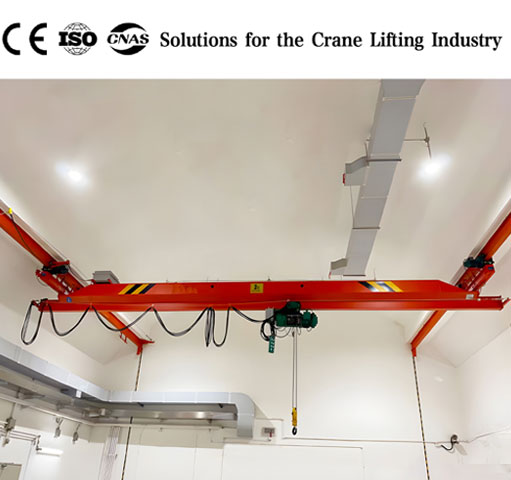
    LB Explosion-Proof Single Girder Overhead Traveling Crane

    What is an LB Explosion-Proof Single Girder Overhead Traveling Crane?

    The LB Explosion-Proof Single Girder Overhead Traveling Crane is a specialized material handling system designed for hazardous areas where explosive atmospheres may form. The “LB” designation typically refers to its single-girder structure (light to medium load capacity) paired with explosion-proof components, distinguishing it from heavier double-girder explosion-proof cranes (e.g., LH series).
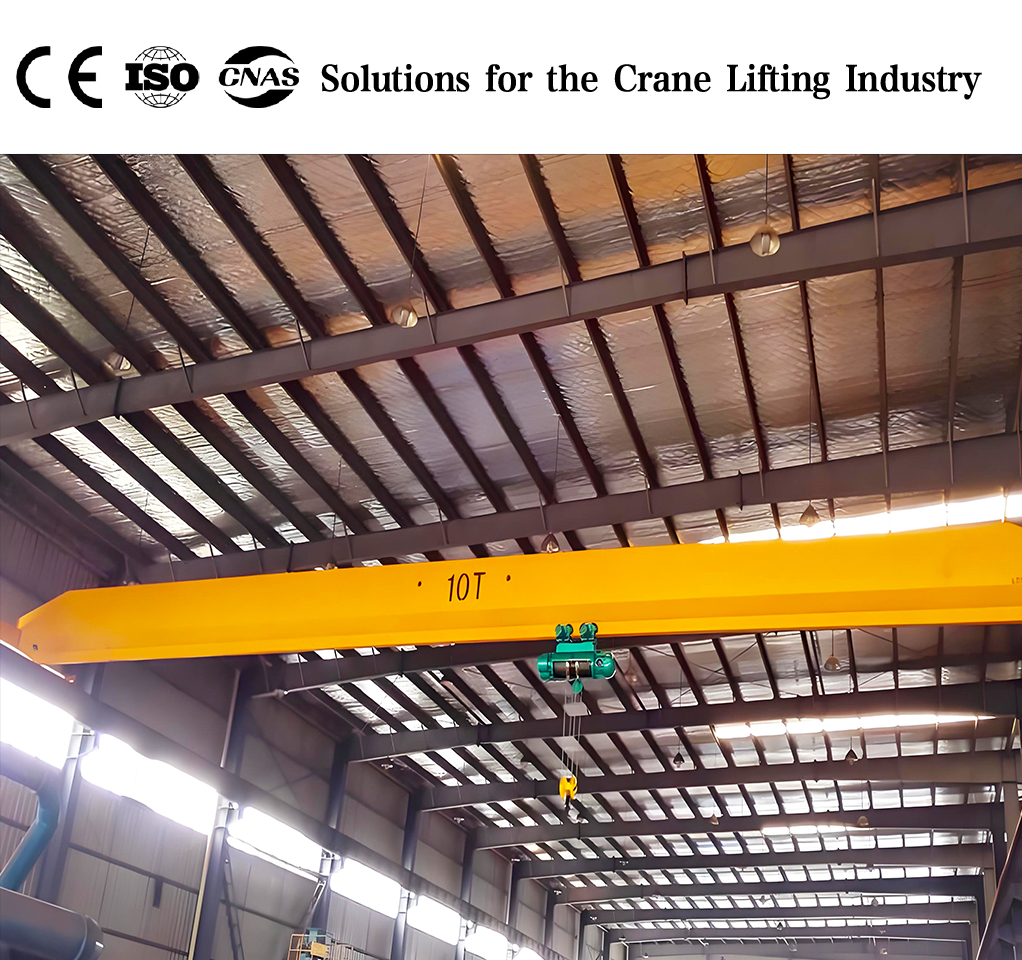
    LB Explosion-Proof Single Girder Overhead Traveling Crane

    Unlike standard overhead cranes, every electrical and mechanical component of the LB model is modified to prevent sparks, arcs, or high temperatures that could ignite flammable substances. It complies with global explosion-proof standards, including ATEX (EU), IECEx (international), NEC (North America), and GB 3836 (China), ensuring legal compliance and operational safety in high-risk facilities.

    LB Explosion-Proof Single Girder Overhead Traveling Crane

    Core Components of an LB Explosion-Proof Crane

    • Single Main Girder: High-strength box-type or I-beam steel girder, lightweight yet durable for spans up to 30 meters.
    • Explosion-Proof Hoist: Electric chain or wire rope hoist with (flameproof) motor, gearbox, and control panel—critical for preventing ignition.
    • Explosion-Proof Traveling Mechanism: End trucks (with explosion-proof motors) that drive the crane along overhead rails, plus trolley mechanisms for hoist movement.
    • Sealed Electrical System: Explosion-proof junction boxes, cables, and buttons (IP65/IP66 rated) to block flammable substances from entering components.
    • Safety Devices: Overload protectors, limit switches, and emergency stop buttons—all modified for explosion-proof

    Key Explosion-Proof Principles & Certifications

    The safety of LB explosion-proof cranes relies on two core design strategies, paired with mandatory certifications:

    1. Explosion-Proof Design Principles

    • Flameproof Enclosures (explosion-proof,Ex d): Critical components (motor, control box) are housed in thick, rugged enclosures. If an internal explosion occurs, the enclosure contains the flame and cools hot gases to below the ignition temperature of surrounding substances before releasing them.
    • Increased Safety (explosion-proof,Ex e): Non-essential components (e.g., wiring terminals) are reinforced to prevent arcs or overheating—no sparks = no ignition risk.
    • Dust-Tight Construction: For dust-explosive environments (e.g., grain processing, plastic manufacturing), enclosures block dust ingress, eliminating fuel for explosions.

    2. Mandatory Global Certifications

    LB explosion-proof cranes must meet region-specific standards to be legally used:

    • ATEX (EU):
      • Gas-explosive environments: Zones 1 (occasional explosions) or 2 (rare explosions) → Ex d IIB T4 Ga/Gb.
      • Dust-explosive environments: Zones 21 (occasional dust clouds) or 22 (rare dust clouds) → Ex t IIIC T135°C Da/Db.
    • IECEx: International certification for global operations (accepted in 80+ countries, including Australia, Brazil, and Southeast Asia).
    • NEC (North America): Class I (gases), Division 1/2; Class II (dusts), Division 1/2—equivalent to ATEX Zones.
    • GB 3836 (China): National standard for explosion-proof equipment, required for domestic use in chemical, oil, and mining industries.

    A valid certification mark (e.g., ATEX Ex d IIB T4) is non-negotiable—without it, the crane is illegal and unsafe in hazardous areas.

    Advantages of LB Explosion-Proof Single Girder Overhead Cranes

    LB models outperform standard cranes and even double-girder explosion-proof cranes in specific scenarios, making them the top choice for light-to-medium hazardous lifting tasks:

    1. Uncompromising Safety in Explosive Environments

    • Zero Ignition Risks: Every component (from motor to switches) is designed to avoid sparks, arcs, or high temperatures. For example, explosion-proof motors use special winding insulation to prevent overheating, while mechanical brakes are enclosed to avoid friction sparks.
    • Compliance with Strict Regulations: Meets ATEX, IECEx, and local standards, eliminating legal penalties and audit failures—critical for industries like oil & gas where non-compliance risks shutdowns.

    2. Space-Saving Single-Girder Design

    • Low Headroom Requirement: Single-girder structure reduces the crane’s overall height, making it ideal for facilities with limited vertical space (e.g., old chemical plants or indoor storage areas).
    • Lightweight Construction: Weighs 30–40% less than double-girder explosion-proof cranes, reducing stress on factory ceilings and simplifying installation—no need for heavy-duty structural reinforcement.

    3. Efficient Load Handling for Light-to-Medium Tasks

    • Load Capacity: 1–20 tonnes (standard), perfect for lifting drums of chemicals, oil containers, or pharmaceutical powder batches—tasks too heavy for manual handling but not requiring double-girder cranes.
    • Smooth Operation: Explosion-proof trolleys and hoists offer precise speed control (0.5–10 m/min lifting speed), preventing load sway that could damage equipment or spill hazardous materials.

    4. Durability in Harsh Conditions

    • Corrosion Resistance: Girder and components are coated with anti-corrosive paint (e.g., epoxy resin) to withstand chemical vapors or saltwater (for offshore oil facilities).
    • Sealed Components: IP65/IP66 ratings block dust, water, and chemical splashes, extending service life to 10–15 years (vs. 5–8 years for standard cranes in harsh environments).

    5. Cost-Effectiveness

    • Lower Initial Cost: Single-girder design reduces material and manufacturing costs vs. double-girder explosion-proof cranes—ideal for small-to-medium enterprises (SMEs) in chemical or pharmaceutical sectors.
    • Reduced Maintenance: Sealed explosion-proof components require less frequent repairs; replacement parts (e.g., explosion-proof motors) are standardized, lowering long-term costs.

    Technical Specifications of LB Explosion-Proof Cranes

    To select the right LB model, understanding key technical parameters is critical—these specs are tailored to hazardous environment needs:

    1. Load Capacity & Working Class

    • Rated Load: 1, 2, 3, 5, 10, 16, 20 tonnes (standard); custom models up to 32 tonnes for heavy-duty tasks (e.g., lifting oil tanks).
    • Working Class (ISO 4301): A3–A5 (medium-duty), suitable for 1,200–3,600 working hours/year—typical for batch processing in chemical plants or daily loading in oil depots.
    • Safety Factor: 10:1 for the main girder and hoist components (can withstand 10x the rated load), exceeding standard crane safety benchmarks.

    2. Span & Lifting Parameters


    Specification

    Standard Range

    Notes

    Crane Span

    6–30 meters

    Custom spans up to 35 meters available

    Lifting Height

    6–20 meters

    Extendable to 30 meters for tall facilities

    Lifting Speed

    0.5–10 m/min

    Variable speed for precision handling

    Crane Travel Speed

    10–30 m/min

    Reduced speed options for delicate loads

    Trolley Travel Speed

    5–15 m/min

    Explosion-proof motor for smooth movement

    3. Explosion-Proof & Electrical Details

    • Explosion-Proof Rating:
      • Gas environments: Ex d IIB T4 Ga/Gb (most common) or Ex d IIC T3 (for highly flammable gases like hydrogen).
      • Dust environments: Ex t IIIC T135°C Da/Db (for dusts like coal or aluminum powder).
    • Motor Type: Explosion-proof three-phase asynchronous motors (power: 0.75 kW–37 kW), insulation class H (resists high temperatures up to 180°C).
    • Control System:
      • Explosion-proof pendant control (10–15 m cable, IP65 rated) for line-of-sight operation.
      • Explosion-proof radio remote control (range: 50–100 m) for operators to stand clear of hazardous zones.
    • Power Supply: 380V/3PH/50Hz (standard industrial), 440V/60Hz (North America), or 660V/3PH (mining applications).

    4. Specialized Variants

    • Stainless Steel LB Cranes: For pharmaceutical or food processing (dust-explosive environments), easy to clean and corrosion-resistant.
    • Low-Temperature LB Cranes: Modified for cold storage (e.g., -40°C) in chemical warehouses, with winterized lubricants and motors.
    • Double-Hoist LB Cranes: Two explosion-proof hoists for simultaneous lifting of two loads (e.g., moving two chemical drums at once).

    Applications of LB Explosion-Proof Single Girder Overhead Cranes

    LB cranes are indispensable in industries where even a single spark could cause explosions or fires. Here are their most critical uses:

    1. Chemical & Petrochemical Industry

    • Tasks: Lifting chemical drums, transferring solvent tanks, and loading/unloading raw materials (e.g., methanol, benzene).
    • Why LB Cranes?: Chemical plants often have Zone 2 (gas) or Zone 22 (dust) atmospheres—LB cranes’ Ex d IIB T4 rating prevents ignition from motor sparks or overheating.
    • Example: A benzene processing plant uses a 10-tonne LB crane to move 200L drums between mixing stations, avoiding risks of solvent vapor ignition.

    2. Oil & Gas Sector

    • Tasks: Handling oilfield equipment (e.g., pumps, valves), loading crude oil containers, and maintaining offshore platforms (corrosion-resistant variants).
    • Why LB Cranes?: Oil depots and refineries are classified as Zone 1/2 (gas)—LB cranes’ flameproof enclosures contain internal explosions, protecting workers and infrastructure.

    3. Pharmaceutical & Fine Chemical Manufacturing

    • Tasks: Lifting pharmaceutical powder batches (e.g., aspirin, antibiotics), moving mixing vessels, and maintaining sterile production lines.
    • Why LB Cranes?: Powder handling creates Zone 21/22 (dust) environments—LB cranes’ dust-tight design prevents powder ingress into components, eliminating dust explosion risks.
    • Compliance: Stainless steel LB cranes meet GMP (Good Manufacturing Practice) guidelines, critical for pharmaceutical certification.

    4. Paint & Coating Industry

    • Tasks: Transferring paint tanks, lifting spray booth components, and handling flammable thinners.
    • Why LB Cranes?: Paint solvents (e.g., acetone) create Zone 2 gas atmospheres—LB cranes’ explosion-proof controls avoid sparks that could ignite solvent vapors.

    5. Mining & Metal Processing

    • Tasks: Lifting coal dust containers, moving metal powders (e.g., aluminum, magnesium), and maintaining mining equipment.
    • Why LB Cranes?: Metal powders are highly flammable (Zone 21 dust)—LB cranes’ Ex t IIIC T135°C rating prevents overheating that could trigger dust explosions.

    LB Explosion-Proof Crane vs. Other Hazardous Environment Lifting Solutions

    To understand why LB cranes are preferred for light-to-medium loads, here’s how they compare to alternatives:


    Feature

    LB Explosion-Proof Single Girder Crane

    Double-Girder Explosion-Proof Crane

    Explosion-Proof Jib Crane

    Load Capacity

    1–20 tonnes

    20–100 tonnes

    0.5–5 tonnes

    Span Range

    6–30 meters

    10–40 meters

    3–10 meters

    Headroom Requirement

    Low (ideal for tight spaces)

    High (needs tall facilities)

    Very low (small radius)

    Cost

    Mid-range (affordable for SMEs)

    High (for heavy loads)

    Low (small-scale tasks)

    Best For

    Light-to-medium loads, limited space

    Heavy loads (e.g., oil tanks)

    Localized lifting (e.g., workstations)

    Installation Complexity

    Simple (no heavy structural support)

    Complex (needs reinforced ceilings)

    Very simple

    This comparison shows LB cranes strike the optimal balance of load capacity, space efficiency, and cost for most hazardous environment lifting tasks.

    How to Choose the Right LB Explosion-Proof Single Girder Crane

    Selecting an LB crane requires precise alignment with your hazardous environment and operational needs. Follow these steps:

    1. Assess Your Hazardous Zone Classification

    • First, identify the zone:
      • Gas environments: Zone 0 (continuous explosion risk) → Not suitable for LB cranes (use specialized heavy-duty models); Zone 1/2 → Choose Ex d IIB T4 or Ex d IIC T3.
      • Dust environments: Zone 20 (continuous dust) → Avoid LB cranes; Zone 21/22 → Choose Ex t IIIC T135°C.
    • Consult a safety engineer: Zone classification is legally required—incorrect classification risks safety breaches.

    2. Define Load & Operational Requirements

    • Maximum load weight: Add a 10–20% safety buffer (e.g., for 5-tonne loads, choose a 6-tonne crane).
    • Lifting height/span: Measure your facility’s vertical space and rail length—ensure the crane fits without compromising safety.
    • Speed needs: Delicate loads (e.g., pharmaceutical powders) require slow speed (0.5–2 m/min); bulk loads (e.g., chemical drums) can use faster speeds (5–10 m/min).

    3. Verify Certifications for Your Region

    • EU/EEA: ATEX certification (e.g., Ex d IIB T4 Ga).
    • North America: NEC Class I Division 2 / Class II Division 2.
    • Global operations: IECEx certification (accepted across regions).
    • Avoid fake certifications: Request the manufacturer’s declaration of conformity (DoC) and verify with certification bodies (e.g., SGS, TÜV).

    4. Evaluate Environmental Factors

    • Corrosion risks: Choose stainless steel or anti-corrosive coated cranes for chemical/oil environments.
    • Temperature extremes: Low-temperature variants for cold storage; high-temperature motors (Class H) for foundries.
    • Dust levels: Dust-tight enclosures (IP66) for powder-handling facilities.

    5. Select a Reputable Manufacturer

    Prioritize suppliers with:

    • Experience in hazardous environment cranes (e.g., Konecranes, Demag, or Chinese specialists like Nucleon Explosion-Proof Cranes).
    • Local after-sales support (critical for emergency repairs in high-risk facilities).
    • Warranty coverage (minimum 1 year for explosion-proof components; 2 years for the main girder).

    Maintenance & Safety Best Practices for LB Explosion-Proof Cranes

    Explosion-proof equipment requires specialized maintenance—incorrect care can invalidate certifications and create risks. Follow these guidelines:

    Preventive Maintenance Schedule

    • Daily:
      • Inspect explosion-proof enclosures for cracks or loose bolts (even small gaps can let flammable substances enter).
      • Test emergency stop buttons and limit switches (ensure they cut power instantly).
      • Check hoist hooks for deformation (use a magnetic particle test quarterly for heavy loads).
    • Weekly:
      • Clean electrical connections with a dry cloth (never use water or chemical cleaners).
      • Lubricate trolley wheels and hoist chains with – grade lubricants (e.g., mineral oil-based, non-flammable).
      • Verify explosion-proof marks (e.g., ATEX Ex d) are intact—faded marks may cause audit issues.
    • Monthly:
      • Test overload protection (lift 110% of rated load—crane should shut off automatically).
      • Inspect cables for fraying or damage (replace if insulation is cracked).
    • Annually:
      • Hire a certified technician to perform a full audit, including:
        • Pressure testing of flameproof enclosures (to verify they contain explosions).
        • Electrical insulation resistance testing (per IEC 60079-1).
        • Recertification of components (required to maintain ATEX/IECEx compliance).

    Safety Guidelines

    • Operator Training: Only certified operators (trained in equipment) should use LB cranes—training must cover:
      • Hazard zone awareness (e.g., avoiding Zone 1 areas during crane operation).
      • Emergency procedures (e.g., shutting down the crane if a gas leak is detected).
      • Proper load balancing (unbalanced loads can damage components).
    • No Modifications: Never alter components (e.g., drilling holes in enclosures)—this invalidates certifications and creates ignition risks.
    • Hazard Monitoring: Pair LB cranes with gas/dust detectors—if hazardous levels exceed safe limits, the crane should automatically shut down.
    • Replacement Parts: Use only OEM or certified parts (non-compliant parts are a major safety hazard).

    Future Trends in LB Explosion-Proof Cranes

    As hazardous industries adopt smarter, safer practices, LB cranes are evolving to meet new demands:

    • IoT-Enabled Monitoring: Smart LB cranes with sensors that track enclosure pressure, motor temperature, and cable wear—send real-time alerts to a cloud platform (e.g., Siemens MindSphere) for predictive maintenance.
    • Autonomous Operation: Integration with AI and AGVs (Automated Guided Vehicles) for fully automated lifting in high-risk zones (e.g., remote oil platforms), reducing human exposure to hazards.
    • Eco-Friendly Designs: Energy-efficient motors (IE4 class) that reduce power consumption by 20–30%, aligned with global carbon reduction goals.
    • Enhanced Tech: New flameproof materials (e.g., composite alloys) that are lighter than steel but equally durable, simplifying installation and reducing structural stress.

    Conclusion: LB Explosion-Proof Cranes—Safety First for Hazardous Lifting

    The LB Explosion-Proof Single Girder Overhead Traveling Crane is more than just lifting equipment—it’s a life-saving investment for industries where safety is non-negotiable. By combining the space efficiency of single-girder cranes with strict standards, it solves the critical challenge of lifting in explosive environments without compromising productivity.

    Whether you’re operating a chemical plant, oil depot, or pharmaceutical facility, an LB crane ensures compliance with global safety norms, protects your workforce, and prevents catastrophic accidents. To select the right model, prioritize certifications, align specs with your hazard zone, and partner with a manufacturer experienced in equipment.

    Ready to upgrade your hazardous environment lifting? Consult a certified LB crane specialist today to design a solution tailored to your facility’s risks, load needs, and budget.
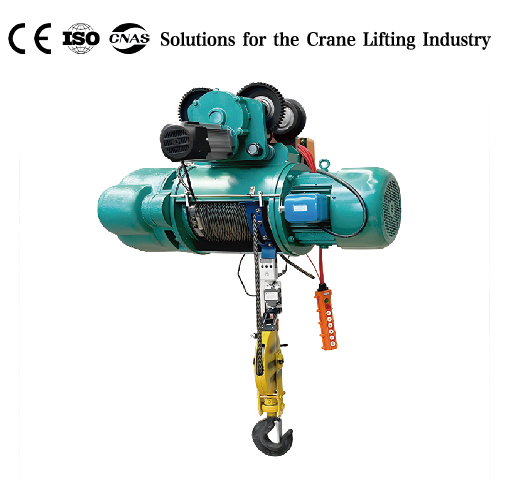
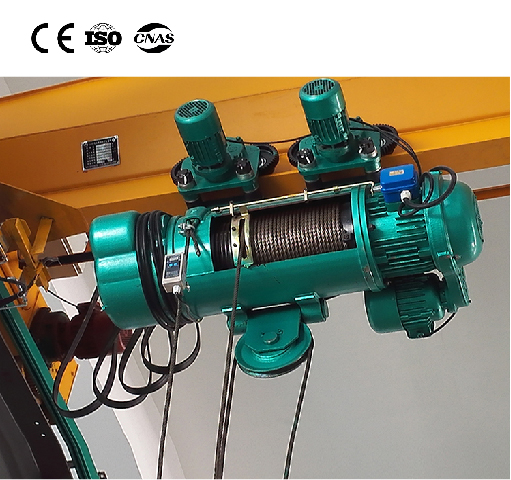
  • Wire Rope Electric Hoist CD MD Hoist: Complete Guide to Single & Double-Speed Lifting

    Wire Rope Electric Hoist CD MD Hoist: Complete Guide to Single & Double-Speed Lifting

    In industrial material handling, wire rope electric hoists are the workhorses of heavy-duty lifting—and among them, CD and MD models stand out as the most widely used solutions. Designed for reliability, load capacity, and adaptability, CD and MD wire rope electric hoists cater to distinct operational needs: CD for efficient single-speed lifting, and MD for precise double-speed control. This comprehensive guide breaks down their design, differences, advantages, technical specs, and how to choose the right model for your workflow.
    Wire Rope Electric Hoist CD MD Hoist

    What Are CD MD Wire Rope Electric Hoists?

    Wire Rope Electric Hoist CD MD Hoist

    CD MD wire rope electric hoists are two closely related yet distinct lifting devices that use high-strength steel wire ropes to handle heavy loads (typically 0.5–80 tonnes). They’re engineered for industrial, construction, and logistics applications where durability and controlled lifting are critical. The key distinction lies in their speed configurations:


    • CD Type Wire Rope Electric Hoist: A single-speed hoist optimized for fast, efficient lifting in scenarios where precision isn’t the top priority (e.g., moving bulk goods).
    • MD Type Wire Rope Electric Hoist: A double-speed hoist with both a fast “working speed” (for rapid load movement) and a slow “fine-tuning speed” (for precise positioning), ideal for delicate or complex tasks.


    Both models share core components—wire rope, electric motor, gearbox, braking system, and control unit—but are tailored to different operational demands. They comply with global standards like ISO 9001, CE (for EU markets), and GB/T 3811 (Chinese national standard), ensuring safety and compatibility across regions.
    Wire Rope Electric Hoist CD MD Hoist

    Core Differences Between CD and MD Wire Rope Electric Hoists

    Understanding the distinction between CD and MD models is critical to selecting the right hoist. Here’s a detailed comparison:


    FeatureCD Type Wire Rope Electric HoistMD Type Wire Rope Electric Hoist
    Speed ConfigurationSingle-speed (only lifting/traversing speed)Double-speed (fast + slow)
    Typical Lifting Speed8–12 m/min (varies by load capacity)Fast: 8–12 m/min; Slow: 0.8–1.2 m/min (1/10 of fast speed)
    Control PrecisionBasic (suited for general lifting)High (for precise positioning)
    Motor DesignSingle motor for lifting operationDual motors (or variable-frequency drive) for speed adjustment
    Ideal ApplicationsBulk material handling, warehouse loadingMachine tool feeding, precision assembly, mold installation
    CostLower (simpler design)Higher (additional speed control components)
    Energy ConsumptionConsistent (single motor operation)Variable (slow speed uses less power for precision tasks)


    For example: A CD hoist would excel at lifting pallets of raw materials in a warehouse, while an MD hoist is better suited for installing heavy machinery parts where millimetric positioning is required.

    Key Advantages of CD MD Wire Rope Electric Hoists

    Both CD and MD models offer unmatched benefits for heavy-duty lifting, making them preferred over alternatives like chain hoists or manual hoists for large loads:

    1. High Load Capacity & Durability

    • Load range: 0.5–80 tonnes (standard); custom models up to 100 tonnes for specialized tasks (e.g., shipbuilding).
    • Wire rope strength: High-tensile steel wire rope (6×37 or 6×19 structure) resists wear, corrosion, and fatigue—ensuring a service life of 5–10 years with proper maintenance.
    • Robust construction: Sealed gearboxes (to prevent dust/debris ingress) and cast-iron or steel housings withstand harsh industrial environments (temperature range: -20°C to +40°C for standard models).

    2. Efficient & Safe Operation

    • Powerful motors: Three-phase asynchronous motors (standard) deliver consistent torque for heavy loads; single-phase motors available for small CD models (≤2 tonnes) in workshops with limited power.
    • Dual braking systems:
      • Mechanical brake (for load holding, even during power cuts).
      • Electromagnetic brake (for smooth stopping, reducing load sway).
    • Safety features: Overload protection (automatic shutoff if load exceeds 110–125% of rated capacity), limit switches (prevent over-lifting/over-lowering), and IP54/IP65-rated electrical enclosures (water/dust resistance).

    3. Adaptability to Work Environments

    • Mounting options: Available as hook-mounted (portable), trolley-mounted (for overhead rails), or fixed-mounted (permanent installation)—suitable for factories, construction sites, and warehouses.
    • Specialized variants:
      • Explosion-proof CD MD hoists (ATEX-compliant) for chemical plants or oil refineries.
      • Corrosion-resistant models (stainless steel components) for marine or food processing facilities.
      • Low-headroom designs (compact motor housings) for facilities with limited vertical space.

    4. Cost-Effective Lifecycle

    • Low maintenance: Sealed components reduce lubrication needs; wire rope replacement is simpler and cheaper than chain replacement in heavy-duty use.
    • Energy efficiency: MD models’ slow speed mode cuts power consumption by 30–40% during precision tasks; CD models’ single-speed design minimizes energy waste for high-throughput operations.

    Technical Specifications of CD MD Wire Rope Electric Hoists

    To select the right model, you need to understand key technical parameters—tailored to both CD and MD variants:

    1. Load Capacity & Working Class

    • CD/MD Standard Loads: 0.5, 1, 2, 3, 5, 10, 16, 20, 32, 50, 80 tonnes.
    • Working Class (ISO 4301):
      • CD models: Typically A3–A5 (medium-duty: 1,200–3,600 working hours/year).
      • MD models: Typically A4–A6 (heavy-duty: 3,600–10,000 working hours/year) due to precision tasks requiring longer operation.
    • Safety Factor: 10:1 (wire rope can withstand 10× the rated load, exceeding global safety standards).

    2. Speed & Lifting Height

    ModelLifting Speed (Fast)Lifting Speed (Slow)Traversing Speed (Trolley-Mounted)Standard Lifting Height
    CD8–12 m/minN/A20–30 m/min6–12 m (custom up to 30 m)
    MD8–12 m/min0.8–1.2 m/min20–30 m/min6–12 m (custom up to 30 m)


    • Speed adjustment: MD models use either dual motors (one for each speed) or a variable-frequency drive (VFD) for smooth speed transitions—critical for preventing load sway during fine-tuning.

    3. Electrical & Mechanical Details

    • Motor Parameters:
      • Power: 0.75 kW (0.5 tonnes) to 75 kW (80 tonnes).
      • Insulation Class: F or H (resistant to high temperatures; Class H for continuous operation).
      • Voltage: 380V/3PH/50Hz (standard industrial), 220V/1PH/50Hz (small CD models), or custom (440V/60Hz for North America).
    • Wire Rope Specifications:
      • Diameter: 6–32 mm (varies by load capacity).
      • Structure: 6×37 (flexible, for small pulleys) or 6×19 (stiffer, for heavy loads).
      • Material: High-carbon steel with galvanized or stainless steel coating (corrosion resistance).
    • Control Systems:
      • Pendant control (10–15 m cable, line-of-sight operation).
      • Radio remote control (50–100 m range, ideal for large facilities or hazardous areas).
      • PLC integration (for automated workflows, e.g., smart factories with conveyor systems).

    Applications of CD MD Wire Rope Electric Hoists

    CD and MD models excel in different scenarios, thanks to their speed configurations. Here are their most common industrial uses:

    CD Type Hoist Applications (Single-Speed)

    • Warehousing & Logistics: Lifting pallets, containers, and bulk goods in distribution centers (e.g., Amazon warehouses, shipping ports).
    • Construction Sites: Hoisting steel beams, concrete blocks, and construction materials to upper floors.
    • Mining & Quarrying: Moving ore, coal, or stone in processing plants (often with dust-proof modifications).
    • General Manufacturing: Loading/unloading raw materials onto production lines (e.g., automotive part suppliers).

    MD Type Hoist Applications (Double-Speed)

    • Precision Manufacturing: Installing heavy molds in injection molding machines, or positioning engine blocks in automotive assembly lines.
    • Machine Tool Feeding: Loading large workpieces onto CNC lathes or milling machines (slow speed for accurate alignment).
    • Aerospace & Defense: Handling aircraft components (e.g., wings, engines) where precision is critical to avoid damage.
    • Power Plants: Maintaining turbines or generators—slow speed ensures safe handling of delicate, high-value equipment.

    Cross-Industry Uses

    Both CD and MD hoists are used in:


    • Shipyards: Lifting ship components (e.g., propellers, hull sections) with corrosion-resistant variants.
    • Waste Management: Handling large waste containers in recycling facilities (heavy-duty CD models).
    • Pharmaceutical & Food Processing: Stainless steel MD models for lifting mixing tanks or sterile equipment (hygienic design).

    CD MD Hoist vs. Other Lifting Solutions

    To understand why CD MD wire rope electric hoists are preferred for heavy loads, here’s how they compare to alternatives:


    FeatureCD MD Wire Rope Electric HoistElectric Chain HoistManual HoistHydraulic Hoist
    Load Capacity0.5–80 tonnes0.1–20 tonnes0.1–5 tonnes10–200 tonnes
    Speed ControlCD: Single; MD: DoubleSingle (rarely double)Manual (slow)Limited (fixed speed)
    PrecisionMD: High; CD: BasicBasicLowModerate
    InstallationEasy (hook/trolley-mounted)EasyVery easyComplex (hydraulic lines)
    MaintenanceLow (wire rope + sealed parts)Moderate (chain lubrication)LowHigh (fluid checks)
    CostMid-rangeLow (light loads)Very lowHigh
    Best ForHeavy loads (0.5–80 tonnes)Light-to-medium loads (≤20 tonnes)Small loads (≤5 tonnes)Ultra-heavy loads (>80 tonnes)


    This comparison shows CD MD hoists strike the optimal balance of load capacity, precision, and cost for most industrial heavy-duty tasks.

    How to Choose the Right CD MD Wire Rope Electric Hoist

    Selecting between CD and MD models—and the right specifications—requires aligning with your operational needs. Follow these steps:

    1. Define Load Requirements

    • Maximum load weight: Add a 10–20% safety buffer (e.g., for 5-tonne loads, choose a 6-tonne hoist).
    • Load type: Delicate or high-value loads (e.g., aerospace parts) need MD’s slow speed; bulk, rugged loads (e.g., pallets) work with CD.
    • Load dimensions: Large or irregular loads may require a longer hook or custom trolley to prevent imbalance.

    2. Assess Speed & Precision Needs

    • Choose CD if: You need fast, consistent lifting (e.g., moving 10+ pallets/hour) and precision isn’t critical.
    • Choose MD if: You need to fine-tune load position (e.g., aligning a 20-tonne mold with a machine) or handle delicate items.

    3. Evaluate Your Work Environment

    • Space constraints: Low-headroom models for facilities with <3 m of vertical space above the load path.
    • Hazards: Explosion-proof ATEX models for chemical/dust-prone areas; stainless steel for wet or hygienic environments.
    • Power supply: Ensure voltage matches your facility (380V/3PH for industrial, 220V/1PH for small workshops).

    4. Verify Compliance & Certifications

    • For global markets: CE (EU), UL (North America), ISO 9001 (quality).
    • For specialized industries: ATEX (explosive areas), FDA (food processing), or IP65 (waterproof) ratings.

    5. Select a Reputable Manufacturer

    Prioritize suppliers with:


    • Experience in your industry (e.g., construction, aerospace).
    • Local after-sales support (for maintenance and spare parts).
    • Warranty coverage (minimum 1–2 years for parts; 6 months for labor).
    • Examples: Konecranes, Demag, Hitachi Industrial Equipment, or domestic leaders like Nucleon (China) for cost-effective options.

    Maintenance & Safety Best Practices for CD MD Hoists

    Proper care ensures CD MD wire rope electric hoists operate safely and last longer. Follow these guidelines (aligned with ISO 4301 and manufacturer recommendations):

    Preventive Maintenance Schedule

    • Daily:
      • Inspect wire rope for fraying, kinks, or corrosion (replace if 10% of wires in a strand are broken).
      • Check hook for deformation or cracks (use a magnetic particle test annually for heavy-duty models).
      • Test emergency stop button and limit switches.
    • Weekly:
      • Tighten loose bolts (trolley wheels, motor mounts).
      • Check brake performance (hold a 50% load mid-air for 5 minutes—no slippage allowed).
      • Clean electrical enclosures to remove dust/debris.
    • Monthly:
      • Lubricate wire rope (use lithium-based grease) and trolley bearings.
      • Inspect motor for overheating (no abnormal noise or burning smells).
    • Annually:
      • Hire a certified technician to perform load testing (125% of rated capacity).
      • Replace worn parts (brake pads, limit switch contacts) with OEM components.
      • Calibrate overload protection systems.

    Safety Guidelines

    • Operator Training: Ensure operators are certified to use CD MD hoists—training should cover:
      • Load balancing (avoid side pulls, which damage wire rope).
      • Speed control (MD models: use slow speed for positioning).
      • Emergency procedures (power cuts, load sway).
    • Load Limits: Never exceed the rated capacity—overloading is the #1 cause of hoist failures.
    • Work Zone Safety: Keep personnel clear of the load path; use safety barriers or warning signs.
    • Documentation: Maintain logs of inspections, maintenance, and operator training (required for compliance audits).

    Future Trends in CD MD Wire Rope Electric Hoists

    As industrial technology evolves, CD MD hoists are adapting to meet smarter, greener demands:


    • IoT Integration: Smart hoists with sensors that monitor wire rope wear, motor temperature, and brake performance—send real-time alerts to a cloud platform (e.g., Konecranes Truconnect) for predictive maintenance.
    • Energy Efficiency: MD models with VFDs (variable-frequency drives) reduce power consumption by 40% vs. traditional dual-motor designs; CD models with IE4 premium-efficiency motors meet EU ecodesign standards.
    • Automation: Integration with AGVs (Automated Guided Vehicles) and AI systems for fully automated lifting (e.g., in smart warehouses with no human operators).
    • Lightweight Materials: Use of high-strength aluminum alloys for housings (reduces weight by 20% vs. steel) without compromising load capacity—easier to install and move.

    Conclusion: CD MD Hoists—The Backbone of Heavy-Duty Lifting

    CD MD wire rope electric hoists are indispensable for industrial material handling, offering a perfect blend of load capacity, adaptability, and cost-effectiveness. Whether you need fast, efficient lifting (CD) or precise, double-speed control (MD), these hoists deliver the performance and safety required for heavy-duty tasks.


    By following the selection guide, maintenance schedule, and safety practices outlined here, you’ll ensure your CD MD hoist operates reliably for years—reducing downtime, lowering costs, and keeping your workforce safe.


    Ready to invest in a CD MD wire rope electric hoist? Consult a manufacturer or distributor to get a custom quote based on your load requirements, environment, and budget.
  • European Standard Electric Hoist: The Definitive Guide to Safe, Compliant Lifting

    European Standard Electric Hoist

    European Standard Electric Hoist: The Definitive Guide to Safe, Compliant Lifting

    In industrial material handling, safety, compliance, and reliability are non-negotiable—especially in regions governed by strict European regulations. The European Standard Electric Hoist (often referred to as EN-standard electric hoist) stands out as a benchmark for lifting equipment, engineered to meet rigorous EU safety and performance norms. This comprehensive guide unpacks everything you need to know about European Standard Electric Hoists, from their core certifications and technical features to real-world applications and selection strategies.
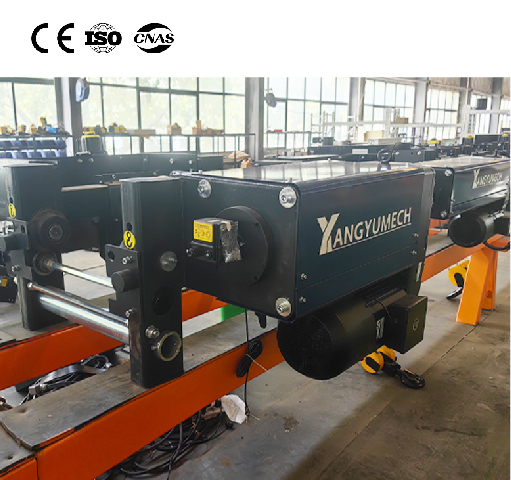
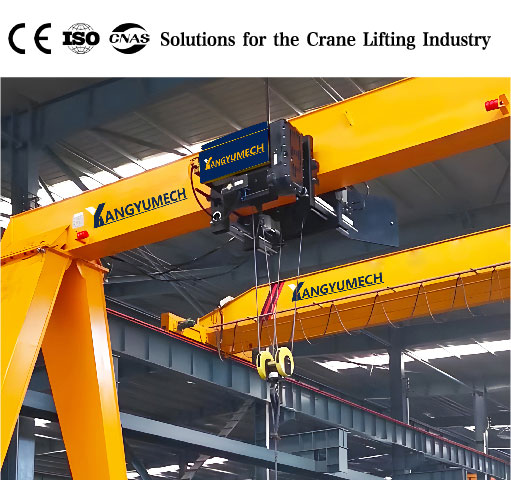
     

    European Standard Electric Hoist

    What is a European Standard Electric Hoist?

    European Standard Electric Hoist

    A European Standard Electric Hoist is a powered lifting device designed and manufactured to comply with mandatory European Union (EU) standards and directives, ensuring safe, efficient operation in industrial, commercial, and logistics environments. Unlike generic electric hoists, these systems undergo rigorous testing to meet pan-European norms, with certifications that validate their safety, durability, and environmental compatibility.

    Core European Standards & Directives

    The performance and safety of European Standard Electric Hoists are governed by key regulations, including:

    • EN 13157: The primary standard for electric chain hoists and electric wire rope hoists, specifying requirements for design, load capacity, braking systems, and noise levels.
    • EN 60204-1: Regulates electrical safety of machinery, covering wiring, insulation, and emergency stop functions.
    • Machinery Directive (2006/42/EC): Mandates essential health and safety requirements for all machinery sold within the EU, including risk assessment and CE marking.
    • ATEX Directive (2014/34/EU): Applies to hoists used in explosive atmospheres (e.g., chemical plants, oil refineries), ensuring protection against ignition risks.

    A valid CE mark is the minimum requirement for European Standard Electric Hoists, indicating compliance with all relevant EU directives. Additional certifications—such as ISO 9001 (quality management) or ISO 14001 (environmental management)—further validate manufacturer credibility.

    Key Advantages of European Standard Electric Hoists

    European Standard Electric Hoists outperform non-compliant alternatives in safety, durability, and operational efficiency. Here are their standout benefits:

    1. Uncompromising Safety Compliance

    Safety is the cornerstone of European standards. These hoists include built-in safeguards to mitigate common lifting risks:

    • Dual braking systems: Primary mechanical brakes (for load holding) and secondary emergency brakes (to stop operation if the primary system fails).
    • Overload protection: Automatic shutoff if the load exceeds the rated capacity (per EN 13157, overload limits are set at 110–125% of maximum load).
    • Emergency stop functionality: Hardwired emergency buttons (EN 60204-1 compliant) that cut power instantly in hazardous situations.
    • IP-rated enclosures: Most models feature IP54 or IP65 protection, shielding electrical components from dust, water, and debris—critical for harsh environments.

    2. Superior Durability & Longevity

    European standards enforce strict material and manufacturing requirements, resulting in hoists built to withstand heavy use:

    • High-grade components: Hardened steel chains (for chain hoists) or galvanized wire ropes (for wire rope hoists) resist wear and corrosion.
    • Precision engineering: Sealed gearboxes and bearings reduce friction, minimizing maintenance needs and extending service life (average lifespan: 10–15 years with proper care).
    • Environmental resilience: Temperature-resistant motors (operating range: -20°C to +40°C for standard models) and corrosion-resistant finishes (e.g., powder coating) suit diverse workplaces.

    3. Precise, Energy-Efficient Operation

    European Standard Electric Hoists prioritize both performance and sustainability:

    • Variable speed control: Most models offer adjustable lifting/traversing speeds (0.5–15 m/min for lifting), enabling precise positioning of delicate loads (e.g., aerospace components, medical equipment).
    • Energy efficiency: Motors comply with EU Regulation 640/2009 (ecodesign for motors), reducing power consumption by 15–30% compared to non-compliant alternatives.
    • Smooth load handling: Anti-sway technology (optional on premium models) minimizes load swing, protecting both goods and workers.

    4. Pan-European Compatibility

    For businesses operating across the EU, these hoists eliminate compliance headaches:

    • Uniform standards: A CE-marked hoist is legally usable in all EU member states (plus EEA countries like Norway and Switzerland), no need for country-specific modifications.
    • Simplified audits: Compliance with EN standards streamlines safety inspections and third-party audits (critical for industries like pharmaceuticals or food processing).

    Technical Specifications of European Standard Electric Hoists

    To select the right hoist for your needs, understanding key technical parameters is essential. Below are the most critical specifications:

    1. Load Capacity

    • Standard ranges: 125 kg to 100,000 kg (100 tonnes), with two primary types:
      • Electric chain hoists: Ideal for light-to-medium loads (125 kg–20,000 kg), common in workshops and warehouses.
      • Electric wire rope hoists: Designed for heavy-duty applications (5,000 kg–100,000 kg), used in steel mills and ports.
    • Safety margin: All models include a 10:1 design factor (hoist components can withstand 10x the rated load), exceeding global safety benchmarks.

    2. Lifting Height & Speed

    • Lifting height: 3 m to 60 m (customizable for tall facilities like warehouses with mezzanines).
    • Lifting speed:
      • Slow speed (0.5–3 m/min): For precision tasks (e.g., assembling electronics).
      • Fast speed (8–15 m/min): For high-throughput operations (e.g., logistics loading).
    • Traversing speed: 5–30 m/min (for hoists mounted on overhead rails or cranes).

    3. Electrical & Mechanical Features

    • Motor type: Three-phase induction motors (standard for industrial use) or single-phase motors (for small workshops, up to 2,000 kg capacity).
    • Insulation class: Class F or H (resistant to high temperatures, critical for continuous operation).
    • Control systems:
      • Pendant controls (line-of-sight operation, EN 60947 compliant).
      • Radio remote controls (range: 50–100 m, ideal for large facilities or hazardous areas).
      • PLC integration (for automated workflows, e.g., smart factories).

    4. Specialized Variants

    • ATEX-compliant hoists: For explosive atmospheres (zones 1/2 for gas, 21/22 for dust), with spark-resistant components and flameproof enclosures.
    • Stainless steel hoists: For hygienic environments (pharmaceuticals, food processing), easy to clean and corrosion-resistant.
    • Low-headroom hoists: Designed for facilities with limited vertical space (e.g., old factories), with compact motor housings.

    Applications of European Standard Electric Hoists

    European Standard Electric Hoists are versatile, fitting diverse industries where safety and compliance are critical. Here are their most common uses:

    1. Automotive Manufacturing

    EU-based automotive plants (e.g., Volkswagen, BMW) rely on these hoists to lift heavy components like engines, transmissions, and chassis. The precise speed control ensures accurate alignment during assembly, while CE compliance simplifies cross-border production (e.g., parts shipped from Germany to Spain).

    2. Pharmaceutical & Medical Device Production

    Pharmaceutical facilities require hoists that meet strict hygiene and safety standards (EN 13157 + GMP guidelines). Stainless steel European Standard Electric Hoists are used to move vials, bioreactors, and sterile equipment, with easy-to-clean surfaces that prevent contamination.

    3. Logistics & Warehousing

    In EU warehouses (e.g., Amazon FBA centers, DHL hubs), electric chain hoists (1–5 tonnes) handle palletized goods, integrating with conveyor systems for automated order fulfillment. Their energy efficiency reduces operational costs, while overload protection prevents damage to inventory.

    4. Heavy Industry & Construction

    Steel mills, shipyards, and construction sites use heavy-duty electric wire rope hoists (10–100 tonnes) to lift steel beams, ship components, and concrete structures. ATEX-compliant variants are common in chemical plants or oil refineries, where explosive risks exist.

    5. Food Processing

    Food manufacturers (e.g., Nestlé, Danone) use stainless steel European Standard Electric Hoists to lift mixing bowls, packaging machinery, and frozen goods. These hoists comply with EU food safety regulations (EC 1935/2004), ensuring no risk of contamination from rust or lubricants.

    European Standard vs. Non-European Standard Electric Hoists: A Comparison

    To understand why European standards matter, here’s how they stack up against non-compliant hoists (e.g., generic Asian or uncertified models):


    Feature

    European Standard Electric Hoist

    Non-European Standard Electric Hoist

    Safety Compliance

    EN 13157, Machinery Directive, CE-marked

    No mandatory global standards; may lack basic safeguards

    Braking System

    Dual brakes (primary + emergency)

    Single brake (high failure risk)

    Load Capacity Reliability

    10:1 design factor (tested)

    Unverified design factors (risk of overloading)

    Durability

    High-grade steel/components (10–15 year lifespan)

    Low-quality materials (3–5 year lifespan)

    Energy Efficiency

    EU ecodesign compliant (15–30% energy savings)

    No efficiency standards (higher power costs)

    EU Legality

    Fully compliant (usable across EU/EEA)

    May be banned or require costly modifications

    Maintenance Costs

    Low (sealed components, minimal wear)

    High (frequent part replacements)

    How to Choose the Right European Standard Electric Hoist

    Selecting a European Standard Electric Hoist requires aligning technical specs with your operational needs. Follow these steps:

    1. Define Your Load Requirements

    • Maximum load weight: Add a 10–20% safety buffer (e.g., if you need to lift 5 tonnes, choose a 6-tonne hoist).
    • Load type: Delicate loads (e.g., glass) need slow speed and anti-sway features; heavy loads (e.g., steel) require wire rope hoists.

    2. Assess Your Work Environment

    • Space constraints: Low-headroom hoists for tight vertical spaces; compact chain hoists for narrow aisles.
    • Hazard risks: ATEX-compliant hoists for explosive areas; stainless steel for hygienic environments.
    • Temperature/humidity: High-temperature motors (class H insulation) for foundries; corrosion-resistant finishes for outdoor use.

    3. Verify Compliance & Certifications

    • Ensure the hoist has a valid CE mark(check for fake marks by verifying the manufacturer’s declaration of conformity).
    • For specialized industries:
      • Pharmaceuticals: GMP compliance + EN 13157.
      • Explosive areas: ATEX certification (zone rating matching your facility).

    4. Evaluate Control & Integration Needs

    • Manual vs. automated: Pendant controls for small workshops; radio remotes + PLC integration for smart factories.
    • Power supply: Three-phase (standard industrial) or single-phase (small facilities, up to 2 tonnes).

    5. Choose a Reputable Manufacturer

    Prioritize EU-based or EU-certified manufacturers (e.g., Demag, Konecranes, STAHL CraneSystems) with:

    • A track record of EN standard compliance.
    • Local after-sales support (critical for maintenance and repairs).
    • Warranty coverage (minimum 2 years for parts and labor).

    Maintenance & Safety Best Practices for European Standard Electric Hoists

    To maximize lifespan and ensure safe operation, follow these guidelines (aligned with EN 13157 and EU safety norms):

    Preventive Maintenance Schedule

    • Daily: Inspect the chain/rope (for cracks or wear), hook (for deformation), and emergency stop button.
    • Weekly: Check electrical connections (loose wires), brake performance (test load holding), and lubrication levels.
    • Monthly: Lubricate chains/ropes (use manufacturer-recommended lubricant) and test overload protection.
    • Annually: Hire a CE-certified technician to perform a full audit, including load testing (125% of rated capacity) and electrical safety checks.

    Safety Guidelines

    • Operator training: Ensure operators are certified to use European Standard Electric Hoists (training should cover EN safety norms).
    • Load limits: Never exceed the rated capacity—even for short lifts (overloading voids CE compliance and risks failure).
    • Inspection records: Maintain detailed logs of maintenance and inspections (required for EU safety audits).
    • Replacement parts: Use only OEM or EN-compliant replacement parts (non-compliant parts invalidate CE certification).

    Future Trends in European Standard Electric Hoists

    As the EU pushes for smarter, greener industrial practices, European Standard Electric Hoists are evolving to meet new demands:

    • IoT Integration: Smart hoists with sensors that monitor performance (e.g., chain wear, motor temperature) and send real-time alerts via industrial IoT platforms (e.g., Siemens MindSphere).
    • Eco-Friendly Designs: Motors with higher energy efficiency (up to IE4 class) and recyclable materials (aligned with EU Circular Economy Action Plan).
    • Autonomous Operation: Hoists integrated with AGVs (Automated Guided Vehicles) and AI systems for fully automated lifting in smart factories.
    • Enhanced Safety Tech: Predictive braking systems (using AI to detect wear) and collision avoidance sensors (for multi-hoist setups).

    Conclusion: Why European Standard Electric Hoists Are a Must for EU-Based Businesses

    European Standard Electric Hoists are more than just lifting equipment—they’re a compliance and safety investment for businesses operating in the EU/EEA. By meeting strict EN standards and EU directives, these hoists reduce accident risks, lower operational costs (via energy efficiency and durability), and eliminate legal barriers to cross-border operations.

    Whether you’re lifting delicate medical equipment or heavy steel beams, a European Standard Electric Hoist delivers the reliability, safety, and compliance that generic hoists can’t match. To get started, consult a certified manufacturer to design a solution tailored to your facility’s needs—and ensure your lifting operations meet the gold standard of EU safety.

    (注:文档部分内容可能由 AI 生成)
  • KBK Flexible Crane: The Ultimate Guide to Adaptive Material Handling Systems

    KBK Flexible Crane: The Ultimate Guide to Adaptive Material Handling Systems

    In today’s dynamic industrial landscape, material handling needs are no longer one-size-fits-all. Factories, workshops, and warehouses often require lifting solutions that can navigate tight spaces, adapt to changing layouts, and handle light-to-medium loads with precision. Enter the KBK Flexible Crane — a modular, adaptable lifting system designed to meet these evolving demands. This comprehensive guide breaks down everything you need to know about KBK Flexible Cranes, from their design and advantages to real-world applications and maintenance best practices.
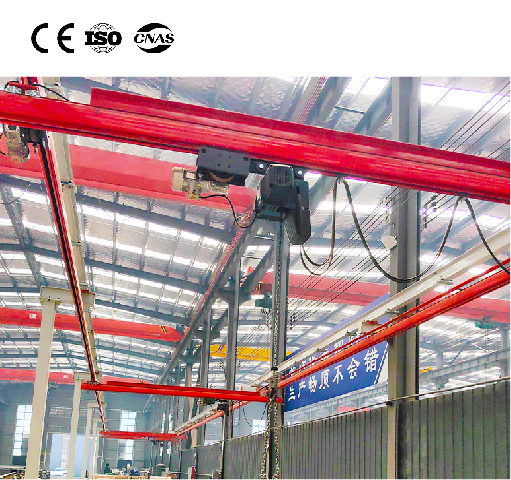
    KBK Flexible Crane

    What is a KBK Flexible Crane?

    A KBK Flexible Crane (also known as a KBK Flexible Monorail or KBK Flexible Suspension Crane) is a lightweight, modular material handling system engineered for adaptability and precision in light-to-medium-duty operations. The term “KBK” (derived from the German “Kombiniert Kran,” meaning “combined crane”) reflects its modular DNA — components can be easily configured, reconfigured, or extended to match unique facility layouts.

    Unlike KBK Rigid Cranes (which use fixed, inflexible rails for heavy loads), KBK Flexible Cranes feature bendable, low-weight rails that can follow curved paths, navigate around obstacles (e.g., machinery, columns), and fit into compact spaces. This flexibility makes them ideal for environments where traditional cranes (like bridge cranes) would be too bulky or rigid.

    Core Components of a KBK Flexible Crane System

    • Flexible Rails: Typically made of high-strength aluminum or lightweight steel, these rails can bend horizontally (for curved paths) and accommodate small vertical adjustments.
    • Suspension Hardware: Adjustable hangers or brackets that attach the rail to ceilings or overhead structures, requiring minimal structural support.
    • Travel Trolleys: Smooth-moving carriages that glide along the rail, supporting the hoist and load.
    • Lifting Hoists: Electric chain hoists (most common) or pneumatic hoists, rated for loads from 125 kg to 2,000 kg.
    • Control Systems: Pendant controls (for direct line-of-sight operation) or radio remote controls (for enhanced safety and flexibility).
    • Power Supply: Integrated conductor rails or cables that deliver consistent power to the hoist and trolley, without restricting movement.

    Key Advantages of KBK Flexible Crane Systems

    KBK Flexible Cranes stand out for their ability to solve common material handling pain points — especially in space-constrained or dynamic environments. Here are their top benefits:

    1. Unmatched Layout Flexibility

    The biggest advantage of KBK Flexible Cranes is their ability to adapt to complex facility layouts. Their bendable rails can:

    • Navigate 90° turns, S-curves, or custom paths to avoid obstacles (e.g., production machines, storage racks).
    • Fit into narrow aisles, mezzanines, or small workshops where rigid cranes or gantries can’t operate.
    • Be extended or reconfigured quickly if your production line or warehouse layout changes (e.g., adding a new workstation).

    2. Lightweight Design Reduces Structural Costs

    KBK Flexible Cranes weigh significantly less than rigid cranes or traditional bridge cranes. This means:

    • They require minimal overhead structural support (no need for heavy-duty beams or columns).
    • They’re ideal for older buildings or facilities with limited ceiling load capacity (common in small to mid-sized workshops).
    • Installation is faster and less disruptive — no need for extensive structural modifications.

    3. Fast Installation & Minimal Downtime

    Thanks to their modular design and lightweight components, KBK Flexible Cranes can be installed in days (not weeks). Standardized bolt-on connections eliminate the need for welding or custom fabrication, reducing production downtime during setup or upgrades. For businesses with tight schedules, this is a critical cost-saving benefit.

    4. Cost-Effective for Light-to-Medium Loads

    KBK Flexible Cranes are optimized for loads between 125 kg and 2,000 kg — the sweet spot for most manufacturing, assembly, and warehousing tasks. Unlike heavy-duty rigid cranes (which are overkill for light loads), they offer:

    • Lower initial purchase costs.
    • Reduced maintenance expenses (fewer moving parts and simpler design).
    • Energy efficiency (smaller hoists use less power than heavy-duty alternatives).

    5. Precise Load Positioning

    Despite their flexibility, these cranes deliver exceptional precision. The smooth trolley movement and low-friction rails allow operators to position loads with millimetric accuracy — critical for tasks like:

    • Assembling delicate electronics (e.g., circuit boards, medical devices).
    • Loading/unloading small parts onto conveyor belts.
    • Placing components in tight spaces (e.g., automotive sub-assembly).

    6. Improved Workplace Safety

    KBK Flexible Cranes are designed with safety in mind, featuring:

    • Built-in load limiters to prevent overloading.
    • Emergency stop buttons on controls (pendant or remote).
    • Smooth, sway-free operation (reducing the risk of load drops or collisions).
    • Compliance with global safety standards (EC Machinery Directives, ISO 9001, and OSHA guidelines).

    Technical Specifications of KBK Flexible Cranes

    To ensure you select the right system for your needs, here are the key technical details to consider:

    Load Capacity

    • Standard systems: 125 kg to 2,000 kg (ideal for light-to-medium-duty tasks).
    • Specialized variants: Up to 3,200 kg (for heavier loads, though with slightly reduced flexibility).

    Rail & Span Options

    • Rail materials: Lightweight aluminum (for maximum flexibility) or high-strength steel (for increased durability).
    • Rail profiles: Single-rail (most common for simple paths) or double-rail (for added stability in curved sections).
    • Maximum span between supports: 6–10 meters (varies by load capacity and rail material; aluminum rails have shorter spans than steel).

    Operational Parameters

    • Hoist speed: 0.5–10 m/min (adjustable for precise or fast movements).
    • Trolley speed: 2–20 m/min (varies by motor type).
    • Ambient temperature range: -10 °C to +40 °C (standard); optional cold-weather or high-temperature modifications available.
    • Environment: Indoor use (standard); outdoor variants with weatherproofing (for warehouses with open bays).

    Control Options

    • Pendant controls: Best for line-of-sight operation (e.g., small workshops).
    • Radio remote controls: Ideal for large facilities or when operators need to stand clear of the load (e.g., assembly lines).
    • Semi-automated controls: Integratable with PLC systems for repetitive tasks (e.g., automated warehousing).

    Applications of KBK Flexible Cranes

    The adaptability of KBK Flexible Cranes makes them suitable for a wide range of industries and tasks. Here are their most common uses:

    1. Electronics & Precision Manufacturing

    Electronics factories (e.g., smartphone, laptop, or medical device production) rely on KBK Flexible Cranes to handle delicate components. The precise positioning and lightweight design prevent damage to sensitive parts, while the flexible rails navigate around workstations and conveyor belts.

    2. Small-to-Mid-Sized Workshops

    Machine shops, tool and die facilities, and custom fabrication shops often have limited space and changing workflows. KBK Flexible Cranes fit into tight areas, and their modular design allows quick reconfiguration when new machines or projects are added.

    3. Automotive Sub-Assembly

    In automotive plants, KBK Flexible Cranes are used to move small sub-assemblies (e.g., door panels, wiring harnesses) to the main assembly line. The curved rails can follow the shape of the production floor, avoiding large machinery like robotic arms.

    4. Warehousing & Order Fulfillment

    For warehouses with narrow aisles or mezzanines, KBK Flexible Cranes optimize vertical space. They’re used to lift small pallets, bins, or packages between levels, reducing the need for forklifts (which can’t navigate tight spaces).

    5. Pharmaceutical & Food Processing

    These industries require clean, hygienic material handling. KBK Flexible Cranes can be equipped with stainless steel components and food-grade lubricants, making them suitable for:

    • Moving pharmaceutical ingredients (e.g., powders, vials).
    • Lifting food products (e.g., baked goods, frozen items) in cleanrooms.

    6. Art & Museum Installations

    Museums and galleries use KBK Flexible Cranes to hang heavy artworks, sculptures, or exhibits. The precise control and flexible rails allow installers to position pieces in awkward spaces (e.g., curved walls or high ceilings) without damaging the building.

    KBK Flexible Crane vs. Other Lifting Solutions

    To understand why KBK Flexible Cranes are the right choice for many applications, let’s compare them to common alternatives:


    Feature

    KBK Flexible Crane

    KBK Rigid Crane

    Traditional Bridge Crane

    Manual Hoists (Chain Blocks)

    Load Capacity

    125–2,000 kg

    125–3,200 kg

    5,000–50,000 kg

    50–2,000 kg

    Layout Flexibility

    Excellent (curved paths)

    Good (fixed straight)

    Poor (fixed span)

    Limited (manual movement)

    Installation Time

    Days

    Weeks

    Months

    Hours (but manual operation)

    Structural Requirements

    Minimal

    Moderate

    Heavy-duty

    None (but labor-intensive)

    Precision

    High

    Very High

    Moderate

    Low

    Maintenance Cost

    Low

    Moderate

    High

    Low (but high labor cost)

    Best For

    Light loads, tight spaces

    Heavy loads, straight paths

    Very heavy loads, large spans

    Small loads, infrequent use

    How to Choose the Right KBK Flexible Crane

    Follow these steps to select a system that matches your operational needs:

    1. Evaluate Your Load Requirements

    • Calculate your maximum load weight(add a 10–20% safety margin).
    • Consider the load dimensions(e.g., length, width) — larger loads may require a double-rail system for stability.
    • Determine if you need variable speed control(e.g., slow speeds for delicate parts).

    2. Assess Your Facility Layout

    • Map your workspace to identify obstacles (columns, machines, racks) — this will determine if you need curved rails.
    • Measure available headroom(minimum 1.5 meters above the load path).
    • Check your ceiling’s load capacity(KBK Flexible Cranes need 50–100 kg per support point).

    3. Consider Your Environment

    • For cleanrooms (pharmaceuticals/food), choose stainless steel components and food-grade lubricants.
    • For cold or hot environments, opt for temperature-modified hoists and rails.
    • For dusty areas (e.g., metal fabrication), select sealed bearings to prevent debris buildup.

    4. Plan for Future Growth

    • Choose a modular system that can be extended (e.g., add more rail sections) or reconfigured (e.g., change curve angles) as your business grows.
    • Ensure the supplier offers compatible components (e.g., additional hoists, remote controls) for future upgrades.

    5. Select a Reputable Supplier

    Look for suppliers with:

    • Experience in your industry (e.g., electronics, automotive).
    • Global safety certifications (EC, ISO, OSHA).
    • Local after-sales support (for maintenance and repairs).

    Maintenance & Safety Best Practices

    To keep your KBK Flexible Crane running smoothly and safely, follow these guidelines:

    Preventive Maintenance Schedule

    • Daily: Inspect the hoist hook (for cracks or wear), control buttons (for responsiveness), and rail (for debris).
    • Weekly: Check suspension hardware (tighten loose bolts) and trolley wheels (for smooth movement).
    • Monthly: Lubricate rail tracks and trolley bearings (use manufacturer-recommended lubricant).
    • Quarterly: Test load limiters and emergency stops to ensure they work.
    • Annually: Hire a certified technician to perform a full inspection (including electrical systems and structural integrity).

    Safety Guidelines

    • Never exceed the crane’s rated load capacity (even for short periods).
    • Ensure operators are trained and certified (they should understand load balancing and emergency procedures).
    • Keep the area under the crane clear of personnel (use safety barriers if needed).
    • Avoid sudden movements (start/stop slowly to prevent load sway).
    • Replace worn parts (e.g., frayed cables, cracked rails) immediately — use only genuine KBK components.

    The Future of KBK Flexible Cranes

    As industries shift toward smart manufacturing and flexible workflows, KBK Flexible Cranes are evolving to meet new demands:

    • IoT Integration: Modern systems can connect to industrial IoT platforms for real-time monitoring (e.g., track hoist usage, predict maintenance needs).
    • Automation: Integration with AGVs (Automated Guided Vehicles) and robotic arms for fully automated material handling (e.g., in smart warehouses).
    • Eco-Friendly Designs: Lightweight aluminum rails and energy-efficient hoists reduce carbon footprints.
    • Enhanced Flexibility: New rail materials (e.g., composite plastics) offer even greater bendability and corrosion resistance.

    Conclusion: Why KBK Flexible Cranes Are a Smart Investment

    KBK Flexible Cranes are more than just lifting equipment — they’re a strategic tool for businesses that need adaptability, precision, and cost-efficiency. Whether you’re running a small electronics workshop, a mid-sized warehouse, or a pharmaceutical cleanroom, these systems can be tailored to your unique needs.

    By choosing a KBK Flexible Crane, you’ll benefit from:

    • Faster installation and minimal downtime.
    • Lower structural and maintenance costs.
    • The ability to reconfigure your system as your business grows.
    • Improved safety and productivity.

    Ready to upgrade your material handling? Consult a KBK specialist today to design a flexible crane system that fits your facility, budget, and future goals.
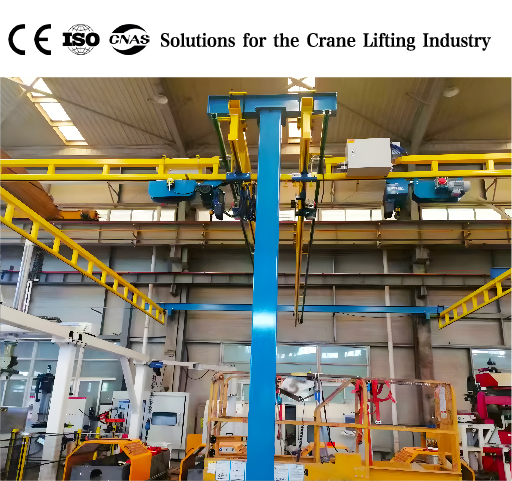
  • KBK Rigid Crane: The Definitive Guide to Heavy-Duty Modular Lifting Systems

    KBK Rigid Crane: The Definitive Guide to Heavy-Duty Modular Lifting Systems

    In the realm of industrial material handling, precision, durability, and adaptability are paramount. The KBK rigid crane stands out as a game-changing solution for heavy-duty applications where stability and precision matter most. This comprehensive guide explores the engineering excellence behind KBK rigid crane systems, their key advantages over conventional lifting equipment, technical specifications, and real-world applications across diverse industries.
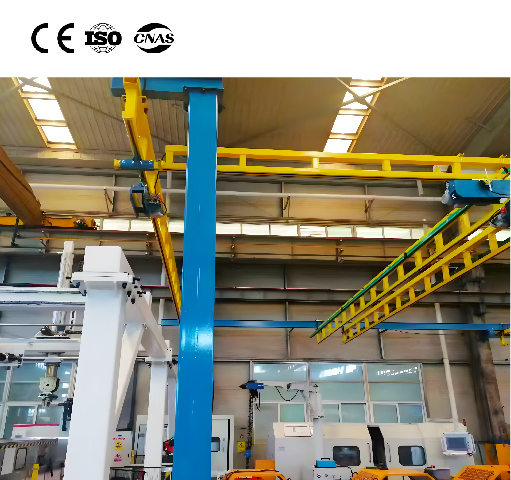
    KBK Rigid Crane

    What is a KBK Rigid Crane?

    A KBK rigid crane is a robust, modular material handling system designed for heavy-duty lifting operations requiring enhanced stability and precision. The term “KBK” derives from the German “Kombiniert Kran,” meaning “combined crane,” reflecting its modular design philosophy that allows for versatile configurations. Unlike flexible suspension monorails, KBK rigid cranes feature fixed rail connections that eliminate deflection, making them ideal for handling heavier loads with superior accuracy.

    At its core, a KBK rigid crane system consists of:

    • Enclosed steel runway profiles with rigid connections
    • Single or double girder bridge configurations
    • High-strength suspension devices
    • Precision-engineered trolleys and hoists (typically electric chain hoists)
    • Integrated power supply systems
    • Advanced control options (pendant or radio remote)

    These components work together to create a lifting system that excels in applications where minimal deflection and high repeatability are critical. The rigid design ensures that even under maximum load, the crane maintains precise positioning capabilities essential for complex manufacturing processes.

    Key Advantages of KBK Rigid Crane Systems

    KBK rigid cranes offer numerous performance and operational benefits that make them stand out in industrial material handling:

    1. Superior Load Stability and Precision

    The defining feature of KBK rigid cranes is their rigid rail connection system, which minimizes deflection during operation. This engineering advantage enables precise load positioning down to millimeters, crucial for assembly processes in automotive and aerospace manufacturing where component alignment is critical. Unlike flexible systems that may sway or vibrate under load, rigid cranes maintain consistent stability even during rapid movements.

    2. Higher Load Capacity with Reduced Weight

    KBK rigid cranes utilize high-strength cold-rolled steel profiles that deliver exceptional load-bearing capacity without excessive weight. This unique combination allows for load capacities up to 2,000 kg as standard, with specialized configurations handling up to 3,200 kg – significantly more than many flexible monorail systems. The lightweight yet durable construction reduces stress on supporting structures while maintaining operational integrity.

    3. Extended Span Capabilities

    Thanks to their rigid design, these cranes can achieve longer spans between support points compared to suspension monorails. Konecranes’ KBK steel systems, for example, offer extended suspension distances and longer travel spans, making them suitable for large facility layouts without requiring excessive support structures. This capability maximizes usable floor space while providing comprehensive coverage.

    4. Modular Flexibility with Rigid Performance

    Despite their fixed rail connections, KBK rigid cranes retain impressive modular flexibility. Standardized components allow for easy configuration, modification, and future expansion as operational needs evolve. This adaptability ensures that the system can grow with your business, whether you need to extend runways, add lifting points, or reconfigure workflows – all without compromising structural integrity.

    5. Reduced Maintenance and Longevity

    The enclosed steel profiles of KBK rigid cranes provide superior protection against dust, dirt, and debris, significantly reducing wear on moving parts. This design feature translates to longer service life, lower maintenance costs, and reduced downtime – critical factors for maintaining productivity in heavy-duty operations. Many systems are rated for corrosion resistance up to category C2-M according to DIN EN ISO 12944, ensuring durability even in challenging environments.

    6. Fast Installation and Commissioning

    Like all KBK systems, rigid cranes benefit from standardized bolt-on connections that simplify installation compared to traditional heavy-duty cranes. What might take weeks to install with conventional bridge cranes can often be completed in days with KBK rigid systems, minimizing production disruptions during setup or modifications.

    Technical Specifications and Engineering Features

    KBK rigid cranes are engineered to deliver consistent performance under demanding conditions. Here are the key technical aspects that define these systems:

    Load Capacities and Configurations

    KBK rigid crane systems offer versatile load handling capabilities:

    • Standard systems: 125 kg to 2,000 kg
    • Heavy-duty configurations: Up to 3,200 kg
    • Available in single-girder and double-girder designs
    • Configurable as ceiling-mounted or freestanding systems

    The double-girder variants provide enhanced stability for longer spans and heavier loads, making them suitable for large-scale manufacturing and warehousing operations.

    Operational Parameters

    • Ambient temperature range: -10 °C to +40 °C (standard)
    • Indoor use with optional protective features for special environments
    • Precise positioning accuracy enabled by low-friction travel systems
    • Multiple speed options for hoisting and traversing movements
    • Integrated conductor lines for reliable power transmission

    Structural Components

    • Cold-rolled steel profiles for optimal strength-to-weight ratio
    • Rigid rail joints capable of full-load bearing regardless of suspension position
    • Articulated suspensions to reduce horizontal forces on supporting structures
    • Adjustable track height via threaded suspension rods for precise alignment
    • Shock-absorbing, maintenance-free travel wheels for smooth operation

    Safety and Compliance

    • Compliance with EC machinery directives and ISO 9001 standards
    • Built-in load limitation systems to prevent overloading
    • Emergency stop functionality and safety interlocks
    • Optional collision avoidance systems for multi-crane setups
    • Integrated mechanical locking devices on turntables and switches

    Applications Across Industries

    The versatility and robustness of KBK rigid cranes make them indispensable across various heavy-duty industries:

    Automotive Manufacturing

    In automotive plants, KBK rigid cranes excel at moving heavy components such as engines, transmissions, and chassis parts along assembly lines. Their precision positioning capabilities ensure accurate component mating, while their high load capacity handles the weight of automotive subassemblies with ease. The rigid design minimizes vibration that could affect sensitive assembly processes.

    Aerospace and Defense

    The aerospace industry demands exceptional precision and reliability for handling large, delicate components. KBK rigid cranes provide the stability required for maneuvering aircraft sections, engines, and sensitive avionics, ensuring safe transport without compromising component integrity. Their clean design can be adapted to meet the stringent requirements of aerospace manufacturing environments.

    Heavy Machinery Production

    Manufacturers of industrial equipment rely on KBK rigid cranes to move large machine components during production and assembly. These cranes efficiently handle heavy castings, motors, and subassemblies, streamlining production workflows and reducing manual handling risks. The extended span capabilities allow coverage of large manufacturing areas without obstructing floor space.

    Warehousing and Logistics

    In high-density storage facilities, KBK rigid cranes optimize vertical space utilization while providing reliable heavy-load handling. They integrate seamlessly with warehouse management systems for semi-automated or fully automated operation, improving throughput and inventory management efficiency. The modular design allows customization to specific storage layouts and load requirements.

    Metal Fabrication

    Metalworking environments benefit from the robust construction of KBK rigid cranes, which withstand the harsh conditions of fabrication shops. These cranes efficiently move raw materials, work-in-progress, and finished metal products, supporting processes from cutting and welding to finishing and inspection. Their precision movement helps reduce material waste by ensuring accurate positioning during manufacturing steps.

    Specialized Applications

    Beyond traditional industrial uses, KBK rigid cranes find applications in:

    • Art handling and museum installations requiring precise movement of heavy exhibits
    • Research and development facilities needing flexible yet stable lifting solutions
    • Food processing and pharmaceutical production with appropriate hygienic modifications

    KBK Rigid Crane vs. Traditional Lifting Solutions

    The advantages of KBK rigid cranes become clear when compared to conventional material handling equipment:


    Feature

    KBK Rigid Crane

    Traditional Bridge Crane

    Flexible Monorail

    Load Capacity

    Up to 3,200 kg

    Higher (but overkill for many applications)

    Up to 3,200 kg but with deflection

    Precision

    High (minimal deflection)

    Moderate (greater sway)

    Lower (flexible track)

    Installation Time

    Days to weeks

    Weeks to months

    Days to weeks

    Floor Space

    Maximizes space (overhead mounting)

    Requires support columns

    Good, but limited by flexibility

    Modularity

    High (easily reconfigured)

    Low (fixed installation)

    High but with performance trade-offs

    Maintenance

    Low (enclosed components)

    High (exposed moving parts)

    Moderate

    Cost Efficiency

    Excellent (lower installation and maintenance)

    Higher initial and ongoing costs

    Good for light loads only

    Span Capability

    Excellent for medium spans

    Excellent for very long spans

    Limited by flexibility

    This comparison highlights why KBK rigid cranes represent an optimal balance of performance, flexibility, and cost-effectiveness for many industrial applications.

    Selecting the Right KBK Rigid Crane System

    Choosing the appropriate KBK rigid crane involves evaluating several critical factors to ensure optimal performance:

    1. Load Requirements Analysis

    Assess your maximum load weight, including any potential future increases. Consider not just the weight but also the load’s dimensions and center of gravity, as these affect stability and trolley selection. Choose a system with an appropriate safety margin above your regular operating loads.

    2. Facility and Layout Considerations

    • Measure available headroom and span requirements
    • Evaluate ceiling or support structure capacity
    • Identify obstacles that affect crane path design
    • Consider future expansion needs when planning runways

    KBK rigid cranes offer flexibility in navigation around existing machinery, with options like turntables and switches for direction changes.

    3. Operational Environment

    • Temperature ranges and humidity levels
    • Presence of dust, debris, or corrosive elements
    • Cleanliness requirements (e.g., food processing)
    • Noise restrictions or special safety protocols

    4. Control and Automation Needs

    • Manual vs. semi-automated vs. fully automated operation
    • Control method: pendant vs. radio remote
    • Integration requirements with production systems
    • Speed and precision requirements for your specific processes

    5. Compliance and Safety Requirements

    Ensure the system meets industry-specific safety standards beyond the basic EC machinery directives and ISO certifications. This is particularly important for regulated industries like aerospace, pharmaceuticals, and food processing.

    Working with experienced KBK system integrators is crucial to designing a solution that precisely matches your operational needs while ensuring compliance with all safety regulations.

    Maintenance and Safety Best Practices

    Proper maintenance ensures the longevity and safe operation of KBK rigid crane systems:

    Preventive Maintenance Schedule

    • Daily: Visual inspection of hoist, hooks, and controls
    • Weekly: Check for loose fasteners and smooth operation
    • Monthly: Lubrication of moving parts as per manufacturer recommendations
    • Quarterly: Inspection of electrical components and conductor lines
    • Annually: Comprehensive load testing and structural inspection

    Key Maintenance Tasks

    • Keep rails clean and free of debris that could impede movement
    • Verify proper alignment of rails and trolleys
    • Inspect suspension points for signs of stress or wear
    • Test safety features including emergency stops and load limits
    • Replace worn components with genuine KBK parts to maintain integrity

    Safety Guidelines

    • Never exceed the system’s rated load capacity
    • Ensure operators receive proper training on system-specific controls
    • Maintain clear safety zones around operating areas
    • Implement regular operator certification and refresher training
    • Document all inspections, maintenance, and incidents

    Establishing a comprehensive maintenance program not only extends the life of your KBK rigid crane but also creates a safer working environment for your operators.

    The Future of Heavy-Duty Material Handling

    As manufacturing evolves toward smarter, more connected operations, KBK rigid cranes are adapting to meet new demands. Modern systems can integrate with industrial IoT platforms for predictive maintenance, performance monitoring, and seamless coordination with other automated equipment.

    The modular design philosophy of KBK systems positions them perfectly for the flexible factories of the future, where production lines must quickly reconfigure to accommodate changing product requirements. Whether integrated with collaborative robots, automated guided vehicles, or advanced warehouse management systems, KBK rigid cranes provide the stable, precise lifting foundation upon which smart manufacturing ecosystems are built.

    Conclusion: Investing in KBK Rigid Crane Technology

    KBK cranes represent a strategic investment in material handling efficiency, precision, and flexibility. Their unique combination of heavy-duty performance, modular adaptability, and cost-effectiveness makes them an ideal solution for modern industrial operations facing evolving material handling challenges.

    By choosing a KBK rigid crane system, you’re not just acquiring lifting equipment – you’re implementing a scalable material handling solution that can grow and adapt with your business. From automotive assembly lines to aerospace manufacturing facilities, these systems deliver consistent performance, reduced downtime, and enhanced workplace safety that directly contribute to your bottom line.

    When selecting a KBK rigid crane provider, look for established manufacturers with global support networks to ensure access to expertise, genuine components, and comprehensive service. With proper selection, installation, and maintenance, a KBK rigid crane system will serve as a reliable workhorse in your material handling operations for years to come.
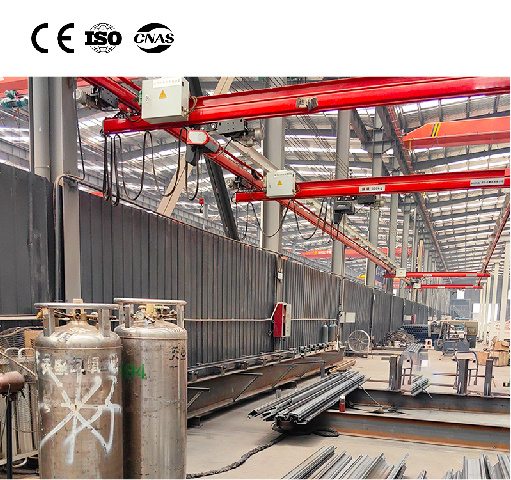
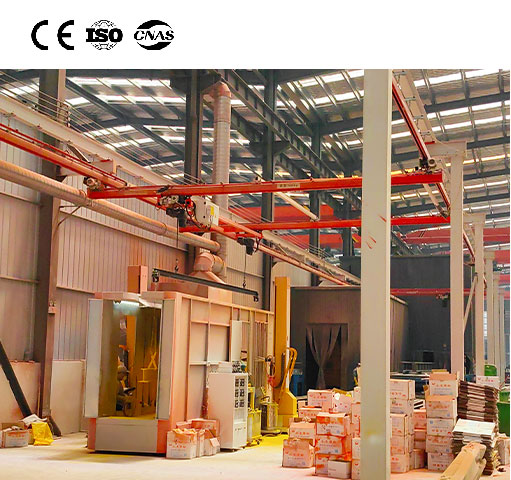
  • KBK Suspension Monorail Crane: The Modern Material Handling

    KBK Suspension Monorail Crane: The Modern Material Handling

    In the fast-paced world of industrial manufacturing and logistics, efficiency and safety in material handling can make or break production targets. Enter the KBK suspension monorail crane – a modular lifting solution that has revolutionized how businesses move materials across their facilities. This comprehensive guide will explore everything you need to know about KBK suspension monorail cranes, from their technical specifications and advantages over traditional systems to practical applications and maintenance tips.
    KBK Suspension Monorail Crane

    What is a KBK Suspension Monorail Crane?

    A KBK suspension monorail crane is a lightweight, modular material handling system designed for precise and efficient lifting operations in industrial environments. Originating from European engineering excellence, KBK systems consist of standardized components that can be customized to fit specific workplace requirements. These cranes suspend from overhead structures, utilizing a single rail track to move loads horizontally, while a hoist provides vertical lifting capability.
    The core components of a KBK suspension monorail system include:
    • Suspension devices for overhead mounting
    • High-strength steel tracks (available in various profiles)
    • Traveling trolleys and carriages
    • Electric chain hoists or pneumatic lifting devices
    • Mobile power supply systems (typically conductor rails)
    • Control units (pendant or radio remote)
    KBK systems are designed to handle loads ranging from 125 kg up to 3,200 kg, making them suitable for both light and medium-duty applications across diverse industries.

    Key Advantages of KBK Suspension Monorail Systems

    KBK suspension monorail cranes offer numerous benefits compared to traditional material handling solutions like bridge cranes or gantry systems:

    1. Superior Flexibility and Modularity

    One of the most significant advantages of KBK systems is their modular design. Components can be easily combined, extended, or reconfigured to adapt to changing production needs. This flexibility allows businesses to start with a basic system and expand it as operations grow, making KBK an investment that evolves with your facility.

    2. Space Optimization

    By suspending from overhead structures, KBK monorail cranes free up valuable floor space that would otherwise be occupied by support columns required for traditional cranes. This design maximizes the working area below the crane, enabling better utilization of facility square footage.

    3. Easy Installation and Reduced Downtime

    KBK systems feature standardized profiles and bolt-on connections that allow for quick installation compared to conventional cranes. Where traditional bridge cranes might require weeks of installation work, KBK monorail systems can often be operational in days, minimizing production disruptions.

    4. Cost-Effective Operation

    KBK suspension monorail cranes reduce both initial and long-term costs. Their lightweight construction reduces the need for heavy-duty structural support, lowering building costs. Additionally, the systems are designed for minimal maintenance requirements, reducing ongoing operational expenses.

    5. Precise and Safe Operation

    With smooth track movement and precise positioning capabilities, KBK systems enable accurate load placement – crucial for delicate assembly operations. The rigid structure minimizes sway and vibration, while built-in safety features and compliance with EC machinery directives ensure safe operation under various conditions.
    Technical Specifications and Design Features
    KBK suspension monorail cranes are engineered with precision to deliver reliable performance. Here are some key technical aspects:
    Load Capacities and Configurations
    KBK systems offer a range of load capacities to suit different applications:
    • KBK.K100: Up to 125 kg for light loads
    • KBK.KI: Up to 500 kg for general light-duty use
    • KBK.KⅡ: Up to 2,000 kg for medium-duty applications
    • KBK.KⅢ: Up to 3,200 kg for heavier loads
    These systems can accommodate spans up to 14 meters, providing versatile coverage for various facility sizes.

    Construction and Durability

    KBK tracks are manufactured using cold-rolled steel profiles, ensuring high strength without excessive weight. This construction method provides excellent straightness and reduces deformation under load. The systems typically meet corrosion category C2-M standards according to DIN EN ISO 12944, ensuring longevity even in challenging environments.
    Control Options
    Operators can control KBK suspension monorail cranes through:
    • Pendant controls for direct line-of-sight operation
    • Radio remote controls for enhanced flexibility and safety
    • Automated systems for repetitive tasks in smart factories
    Safety Compliance
    KBK systems adhere to strict safety standards, including ISO 9001 certification and compliance with EC machinery directives. They feature built-in load limitations to prevent overloading and ensure stable operation during material handling tasks.

    Applications Across Industries

    The versatility of KBK suspension monorail cranes makes them suitable for a wide range of industries and applications:
    Automotive Manufacturing
    In automotive plants, KBK systems excel at moving components like engines, transmissions, and body panels along assembly lines. Their precision positioning helps streamline production processes and reduce assembly times.
    Electronics and Precision Engineering
    For handling delicate electronic components, KBK cranes provide the gentle, precise movement required to prevent damage. Their clean design minimizes contamination risks in sensitive manufacturing environments.
    Warehousing and Logistics
    KBK suspension monorail cranes optimize storage space utilization in warehouses by enabling vertical material movement. They can be integrated with other material handling systems for end-to-end logistics solutions.
    Metalworking and Machinery
    In metal fabrication shops, KBK systems handle raw materials, work-in-progress, and finished parts. Their robust construction stands up to the harsh conditions typical in metalworking environments.
    Food and Pharmaceutical Production
    With appropriate modifications, KBK cranes can meet the hygiene requirements of food processing and pharmaceutical facilities, providing reliable material handling in cleanroom environments.
    Customer feedback highlights significant efficiency improvements after implementing KBK systems, with some reporting a several times increase in operational efficiency compared to previous material handling methods.
    How KBK Compares to Traditional Bridge Cranes
    The advantages of KBK suspension monorail cranes become particularly evident when compared to traditional bridge cranes:

    Feature
    KBK Suspension Monorail Crane
    Traditional Bridge Crane
    Structural Requirements
    Lightweight design requires minimal overhead support
    Heavy-duty construction needs substantial structural reinforcement
    Installation Time
    Days to weeks
    Weeks to months
    Space Utilization
    Maximizes floor space with overhead suspension
    Requires floor space for support columns
    Flexibility
    Easily reconfigured for changing needs
    Fixed configuration, difficult to modify
    Maintenance
    Low maintenance requirements
    Regular, complex maintenance needed
    Noise Levels
    Quiet operation
    Noticeable operational noise
    Cost
    Lower initial and ongoing costs
    Higher installation and maintenance costs

    This comparison shows why many modern facilities are replacing traditional bridge cranes with KBK systems to achieve greater operational efficiency.

    Choosing the Right KBK Suspension Monorail System

    Selecting the appropriate KBK system involves evaluating several key factors:

    1. Load Requirements

    Assess the maximum weight you need to handle, including any potential future increases in load demands. Choose a system with an appropriate safety margin above your regular operating loads.

    2. Facility Dimensions

    Consider the span required, available headroom, and overall facility layout. KBK systems offer various track configurations to navigate around obstacles and optimize material flow paths.

    3. Operational Environment

    Evaluate factors like temperature, humidity, and potential exposure to corrosive substances. Ensure your chosen system meets the necessary environmental resistance standards.

    4. Control Needs

    Determine the most suitable control method based on operator safety, visibility requirements, and the complexity of movements needed.

    5. Future Expansion Plans

    Select a modular system that can be easily extended or modified as your operations grow or change.
    Working with experienced KBK suppliers is crucial to designing a system that precisely matches your operational needs while ensuring compliance with all safety regulations.

    Maintenance and Safety Best Practices

    Proper maintenance ensures the longevity and safe operation of KBK suspension monorail cranes:
    Regular Inspection Schedule
    • Conduct visual inspections of tracks, connections, and moving parts
    • Check electrical systems for wear or damage
    • Verify proper operation of safety features
    • Inspect hoist components and lifting mechanisms
    Preventive Maintenance Tasks
    • Keep tracks clean and free of debris
    • Lubricate moving parts according to manufacturer recommendations
    • Tighten any loose fasteners
    • Test control systems regularly
    • Replace worn components promptly
    Safety Guidelines
    • Never exceed the system’s rated load capacity
    • Ensure operators are properly trained and certified
    • Prohibit lifting of molten metals or hazardous materials unless specifically designed for such use
    • Maintain clear safety zones around operating areas
    • Conduct regular load tests to verify system integrity
    Establishing a comprehensive maintenance program and adhering to safety protocols not only extends the life of your KBK system but also protects your workforce from potential accidents.

    Conclusion: Transforming Material Handling with KBK Technology

    KBK suspension monorail cranes represent a significant advancement in material handling technology, offering unparalleled flexibility, efficiency, and cost-effectiveness for modern industrial operations. Their modular design, easy installation, and adaptability make them an ideal solution for businesses looking to optimize their material handling processes.
    Whether you’re operating a small workshop or a large manufacturing facility, a KBK suspension monorail system can be tailored to your specific needs, providing a reliable material handling solution that grows with your business. By reducing installation time, maximizing space utilization, and minimizing maintenance requirements, KBK systems deliver substantial return on investment while improving workplace safety and productivity.
    As manufacturing and logistics continue to evolve, KBK suspension monorail cranes will undoubtedly play an increasingly important role in shaping efficient, flexible, and safe material handling operations across industries worldwide.
    Ready to transform your material handling processes? Consult with a KBK system specialist today to design a customized solution that meets your operational needs and budget requirements.
  • Hand Chain Hoist: Types, Benefits, Selection & Maintenance

    Hand Chain Hoist: Types, Benefits, Selection & Maintenance

    In light-to-medium lifting scenarios—from small workshops and construction sites to emergency repairs and remote job sites—the Hand Chain Hoist (also known as a manual chain hoist) stands as a reliable, no-power solution. Unlike electric hoists (which depend on electricity or batteries), hand chain hoists use manual chain pulling to lift loads, making them indispensable for areas without power access or where portability and simplicity are non-negotiable. This comprehensive guide breaks down everything you need to know about hand chain hoists, including key types, real-world applications, and how to choose the right model—with insights from trusted manufacturers like Henan Yangyumech Co., Ltd.
    Hand Chain Hoist

    What Is a Hand Chain Hoist?

    A Hand Chain Hoist is a manual lifting device that uses two chains (a “hand chain” for operation and a “load chain” for lifting) and a gear system to raise, lower, and position loads. Its core design prioritizes durability, portability, and no-power operation: users pull the hand chain to rotate gears, which in turn lift the load chain (and attached load) via a lifting hook. With load capacities ranging from 0.5T to 50T, hand chain hoists adapt to diverse light-to-heavy tasks—from lifting tools in a home workshop to moving steel components on a construction site.

    Key Components of a High-Quality Hand Chain Hoist

    Every reliable hand chain hoist (such as those from Yangyumech, a supplier with CE, ISO, and CNAS certifications) includes these essential parts:


    • Load Chain: Made of high-strength alloy steel (or stainless steel for corrosion resistance), with heat-treated links to withstand wear and heavy loads.
    • Hand Chain: Lightweight yet durable, designed for comfortable grip and easy pulling (usually plastic-coated or steel for different environments).
    • Gear System: Precision-machined spur gears or worm gears that multiply manual force—allowing users to lift heavy loads with minimal effort (mechanical advantage: 1:10 to 1:50).
    • Brake System: Built-in mechanical brake (often a ratchet-and-pawl design) that secures the load instantly when the hand chain is released—prevents slipping even if the chain is dropped.
    • Lifting Hooks: Top hook (for mounting to beams, ceilings, or tripods) and bottom hook (for attaching loads), both made of forged steel with safety latches to prevent load disengagement.
    • Housing: Rugged steel or aluminum housing that protects internal gears from dust, debris, and impact—extending the hoist’s lifespan.

    Core Benefits of Choosing a Hand Chain Hoist

    Compared to electric hoists, wire rope hoists, or manual lever hoists, hand chain hoists offer unique advantages for specific scenarios:

    1. No Power Required (Ideal for Off-Grid Use)

    The biggest advantage of hand chain hoists is their independence from electricity, batteries, or fuel. This makes them perfect for remote construction sites, outdoor repairs, or emergency situations (e.g., power outages in factories)—where electric hoists would be useless.

    2. Ultra-Portable & Compact

    Most hand chain hoists weigh 5-50 kg (depending on capacity) and are small enough to carry in toolboxes or transport in vehicles. Unlike large electric hoists (which need cranes or dedicated mounting), they can be set up in minutes—ideal for mobile teams or small businesses.

    3. Low Maintenance & Long Lifespan

    With no motors, wires, or batteries, hand chain hoists have fewer moving parts to break or maintain. A well-cared-for hand chain hoist (like Yangyumech’s) can last 10-15 years—twice as long as budget electric hoists—with only basic lubrication and inspections.

    4. Cost-Effective for Light-to-Medium Tasks

    Hand chain hoists are significantly cheaper than electric hoists (starting at $100-$200) and eliminate ongoing costs like electricity or battery replacements. For small workshops, homeowners, or businesses with occasional lifting needs, this translates to lower upfront and long-term expenses.

    5. Safe & Compliant

    Top-tier hand chain hoists (like Yangyumech’s) meet global safety standards:


    • Overload protection: Many models include a shear pin or torque limiter that prevents damage if the load exceeds capacity.
    • Secure braking: Ratchet-and-pawl brakes lock the load in place even if the hand chain is released—no risk of accidental dropping.
    • CE/ISO/CNAS certification: Ensures legal use in markets like the EU, North America, and Asia—avoiding safety violations or fines.

    Common Types of Hand Chain Hoists (With Use Cases)

    Hand chain hoists are categorized by load capacity, material, and compliance standards. Below are the most widely used types—including industry-leading models from Yangyumech, tailored to specific user needs.

    1. Standard Hand Chain Hoist (0.5T-10T)

    The most versatile option, Standard Hand Chain Hoists are designed for general-purpose lifting. Key features:


    • Load capacity: 0.5T to 10T (covers 80% of light-to-medium tasks).
    • Lifting height: 2m to 10m (customizable for taller spaces).
    • Materials: Alloy steel load chain, steel housing, plastic-coated hand chain (for grip).
    • Best for: Home workshops (lifting tools, bikes), small factories (moving parts), and retail warehouses (loading inventory).

    2. Heavy-Duty Hand Chain Hoist (10T-50T)

    For industrial-grade tasks, Heavy-Duty Hand Chain Hoists are engineered to handle massive loads. Key specs:


    • Load capacity: 10T to 50T (ideal for heavy machinery or construction).
    • Design: Reinforced housing, thickened load chain (12-20 mm diameter), and high-torque gear systems (mechanical advantage up to 1:50).
    • Pros: Built for continuous use; resistant to impact and harsh conditions.
    • Best for: Construction sites (lifting steel beams), mining operations (moving equipment), and shipyards (cargo handling).

    3. Stainless Steel Hand Chain Hoist

    For corrosive or hygienic environments, Stainless Steel Hand Chain Hoists use rust-resistant materials. Key features:


    • Materials: 304 or 316 stainless steel load chain, housing, and hooks—resists water, chemicals, and salt (ideal for outdoor or marine use).
    • Load capacity: 0.5T to 5T (light-to-medium loads in harsh conditions).
    • Compliance: Meets food/pharmaceutical standards (EN 1672-2) for cleanroom use.
    • Best for: Marine environments (boat repairs), food processing plants (lifting equipment), and chemical factories (moving corrosive materials).

    4. EU-Standard Hand Chain Hoist

    For businesses operating in the EU or prioritizing top-tier safety, EU-Standard Hand Chain Hoists (offered by Yangyumech) are mandatory. Key benefits:


    • Compliance: Meets EN 12077-1 (chain hoist safety standard) and CE requirements—includes enhanced brake testing and material certifications.
    • Safety features: Anti-corrosion coatings, ergonomic hand chains (reduces operator fatigue), and overload warning labels.
    • Quality control: Each hoist undergoes 125% overload testing before leaving the factory—ensuring reliability.
    • Best for: EU-based factories, automotive plants, and businesses exporting to European markets (legal compliance is mandatory).

    5. Mini Hand Chain Hoist (≤0.5T)

    For ultra-light tasks, Mini Hand Chain Hoists are compact and portable. Key features:


    • Load capacity: 0.1T to 0.5T (ideal for small items).
    • Size: Weighs 2-5 kg, fits in a backpack—perfect for home DIY or on-site repairs.
    • Pros: Affordable, easy to store, no assembly needed.
    • Best for: Home use (hanging curtains, lifting small furniture), HVAC repairs (moving ductwork), and event setup (hanging lights).

    How to Select the Right Hand Chain Hoist (Step-by-Step)

    Choosing the wrong hand chain hoist can lead to safety risks, equipment damage, or inefficient lifting. Follow this guide to match the hoist to your needs:

    Step 1: Define Load Requirements

    • Rated Load Capacity: Choose a hoist with a capacity 10-20% higher than your heaviest load (e.g., if your max load is 4T, select a 5T hoist) to avoid overloading. Never exceed the rated capacity—this can break the chain or brake system.
    • Lifting Height: Measure the vertical distance from the hoist’s mounting point to the lowest load position (e.g., 2m for home use, 8m for construction sites). Ensure the load chain length meets this need (add 0.5-1m extra for safety).

    Step 2: Consider the Work Environment

    • Corrosive Conditions: Use stainless steel hoists (e.g., marine, chemical plants) to prevent rust.
    • Harsh/Impact-Prone Areas: Choose heavy-duty hoists with reinforced housing (e.g., construction, mining).
    • Cleanrooms/Food Plants: Opt for stainless steel hoists with food-grade lubricants (compliant with EN 1672-2).
    • EU/Export Markets: Prioritize EU-standard hoists with CE certification to meet legal requirements.

    Step 3: Evaluate Ergonomics & Ease of Use

    • Hand Chain Design: Look for plastic-coated or rubberized hand chains (reduces grip fatigue during long use).
    • Gear Ratio: Higher gear ratios (1:30 to 1:50) make lifting heavy loads easier but slow down lifting speed—balance speed and effort based on your task.
    • Hook Type: Ensure both top and bottom hooks have safety latches (prevents loads from slipping off during lifting).

    Step 4: Check Safety & Compliance

    • Certifications: Verify CE (EU), ISO 9001 (quality), and CNAS (testing) certifications—avoid uncertified hoists (they lack safety testing).
    • Safety Features: Look for overload protection (shear pins, torque limiters) and a reliable brake system (ratchet-and-pawl is industry-standard).

    Step 5: Verify Brand Reliability

    Choose suppliers like Henan Yangyumech Co., Ltd. that offer:


    • Proven Quality: CE, ISO, and CNAS certifications to guarantee performance and safety.
    • Diverse Models: Standard, heavy-duty, stainless steel, and EU-standard options to cover all needs.
    • After-Sales Support: Replacement parts (load chains, hooks, brakes), technical support, and warranty (usually 1-3 years).

    Maintenance Tips for Hand Chain Hoists

    To extend your hoist’s lifespan and ensure safety, follow these simple practices (requires minimal time and tools):

    1. Inspect Before Each Use (2-3 Minutes)

    • Load Chain: Check for fraying, kinks, or stretched links—replace if more than 5% of links are damaged (per EN 12077-1).
    • Brakes: Test the brake by lifting a small load (10% of rated capacity) and releasing the hand chain—ensure the load stays in place.
    • Hooks: Inspect hooks for bending or cracks—safety latches should close tightly (no gaps).
    • Gear Housing: Check for oil leaks (indicates a damaged seal) or loose bolts (tighten if needed).

    2. Lubricate Regularly (Every 1-3 Months)

    • Load Chain: Apply a light machine oil or chain lubricant to all links—wipe off excess to prevent dust buildup. For stainless steel hoists, use corrosion-resistant lubricant.
    • Gear System: Add grease to the gear housing (follow the manufacturer’s fill level—over-greasing causes overheating).
    • Avoid Over-Lubrication: Too much oil/grease attracts dirt, which accelerates wear on chains and gears.

    3. Clean After Use (Especially in Harsh Environments)

    • Corrosive/Marine Environments: Rinse the hoist with fresh water after use (avoid high-pressure washers) and dry thoroughly to prevent rust.
    • Dusty Areas: Wipe the load chain and housing with a dry cloth to remove debris—this prevents abrasive wear.

    4. Store Correctly

    • Dry Location: Store the hoist in a cool, dry place (away from rain, humidity, or extreme temperatures: -10°C to 40°C).
    • Hang or Secure: Hang the hoist from a hook (to keep chains straight) or store it in a case—avoid placing heavy objects on top of it (prevents chain kinking).

    5. Use Genuine Spare Parts

    If parts break (e.g., a frayed chain or faulty hook), use Yangyumech’s genuine replacements. Non-compliant parts (e.g., cheap generic chains) are weaker than original parts—they can snap under load and cause accidents.

    FAQ: Hand Chain Hoists

    Q1: How much force do I need to pull the hand chain?

    A: Most hand chain hoists require 15-30 kg of pulling force (regardless of load capacity), thanks to the gear system’s mechanical advantage. For example, a 10T hoist needs ~20 kg of force to lift the full load.

    Q2: Can a hand chain hoist be used outdoors?

    A: Yes—choose a stainless steel or corrosion-resistant model (e.g., Yangyumech’s stainless steel hand chain hoist) to resist rain and rust. Avoid leaving non-stainless hoists outdoors for extended periods.

    Q3: What’s the difference between a hand chain hoist and a lever hoist?

    A: Hand chain hoists use a hand chain for operation (best for vertical lifting); lever hoists use a lever (best for horizontal pulling or angled lifting). Hand chain hoists are better for pure vertical tasks.

    Q4: Do I need CE certification for a hand chain hoist in the EU?

    A: Yes—CE marking is mandatory. Yangyumech’s EU-standard hand chain hoists meet EN 12077-1 and CE requirements, ensuring legal use.

    Q5: How much does a hand chain hoist cost?

    A: Prices vary by capacity: Mini models ($100-$200), Standard models (0.5T-10T: $200-$1,000), Heavy-duty models (10T-50T: $1,000-$5,000), Stainless steel models ($300-$1,500). Contact Yangyumech for customized quotes.

    Final Thoughts

    The Hand Chain Hoist is a versatile, reliable tool for light-to-medium lifting—especially in scenarios where power is unavailable or portability is key. Whether you need a standard model for your workshop, a heavy-duty hoist for construction, or a stainless steel variant for marine use, prioritize certified suppliers like Henan Yangyumech Co., Ltd. Their CE, ISO, and CNAS-marked hand chain hoists guarantee safety, durability, and value for money.


    For personalized recommendations (e.g., matching a hoist to your load capacity or environment) or to request a quote, contact Yangyumech’s team today—they’ll help you find the perfect hand chain hoist for your needs.
  • Electric Hoist With Trolley: Types, Benefits, Selection & Maintenance

    Electric Hoist With Trolley: Types, Benefits, Selection & Maintenance

    In industrial lifting scenarios—from large factories and construction sites to logistics warehouses and assembly lines—the Electric Hoist With Trolley revolutionizes load movement by combining vertical lifting with horizontal travel. Unlike fixed electric hoists (limited to vertical motion), this integrated solution eliminates the need for multiple devices, streamlining operations and boosting productivity. Whether you’re moving heavy machinery across a factory floor or loading cargo onto trucks, an electric hoist with trolley delivers flexibility, safety, and efficiency. This guide breaks down everything you need to know about this essential equipment, including key types, real-world applications, and how to choose the right model—with insights from trusted manufacturers like Henan Yangyumech Co., Ltd.
    Electric Trolley, Electric Hoist With Trolley, Electric Hoist & Trolley Set

    What Is an Electric Hoist With Trolley?

    An Electric Hoist With Trolley is a combined lifting system that pairs a powered electric hoist (chain or wire rope-driven) with a trolley mechanism. The hoist handles vertical lifting/lowering of loads, while the trolley enables smooth horizontal movement along a crane beam (single-girder, double-girder, or monorail). This integration turns “fixed-point lifting” into “full-range load transport,” making it ideal for scenarios where loads need to be moved across wide or tall spaces.

    Key Components of a High-Quality Electric Hoist With Trolley

    Every reliable electric hoist with trolley (such as those from Yangyumech, a supplier with CE, ISO, and CNAS certifications) includes these critical parts:


    • Electric Hoist Unit: Either a chain hoist (for light-to-medium loads, 0.5T-10T) or wire rope hoist (for heavy loads, 5T-50T), equipped with a high-efficiency motor (IE3 for EU-compliant models) and dual brake system.
    • Trolley Mechanism: Manual (hand-pushed) or electric (motor-driven), with anti-wear wheels (made of steel or nylon) that fit standard crane beams (I-beam, H-beam, or KBK tracks).
    • Control System: Integrated pendant controls (for both hoist and trolley) or wireless remotes, allowing operators to manage vertical and horizontal movement simultaneously.
    • Safety Features: Overload protection (prevents hoist damage), limit switches (stops trolley at beam ends), and emergency stop buttons (instant power cut for critical situations).
    • Mounting Accessories: Adjustable clamps or brackets to secure the trolley to the crane beam, ensuring stability during movement.

    Core Benefits of Choosing an Electric Hoist With Trolley

    Compared to standalone electric hoists or manual trolley systems, an integrated electric hoist with trolley offers unmatched advantages for industrial operations:

    1. Full-Range Load Movement (Vertical + Horizontal)

    By combining lifting and travel functions, this system eliminates the need to manually reposition hoists or use separate transport equipment. For example, in a warehouse, a single operator can lift a pallet from the ground, move it horizontally to a shelf, and lower it into place—all in one seamless process.

    2. Boosts Productivity & Reduces Labor Costs

    Manual trolley systems require multiple workers to push heavy loads along beams; electric trolleys handle horizontal movement with minimal effort. This cuts task time by 30-50% and reduces labor needs—critical for 24/7 production lines or understaffed facilities.

    3. Precise Load Positioning

    Electric trolleys offer variable speed control (0.5-10 m/min) for horizontal movement, while the hoist provides precise lifting speeds. This is essential for tasks like assembling machinery, installing equipment, or loading fragile goods—where even minor misalignment could cause damage.

    4. Safe & Compliant

    Top-tier models (like Yangyumech’s) meet global safety standards:


    • Overload Protection: Shuts down the hoist if loads exceed rated capacity (prevents chain/rope snapping).
    • End-Stop Limit Switches: Prevents the trolley from sliding off the crane beam.
    • CE/ISO/CNAS Certification: Ensures legal use in markets like the EU, North America, and Asia—avoiding fines or safety violations.

    5. Versatile Across Industries

    From heavy manufacturing to logistics, electric hoists with trolleys adapt to diverse needs: they work with chain/wire rope hoists, fit different beam types, and handle loads from 0.5T to 50T—making them a “one-size-fits-most” solution.

    Common Types of Electric Hoists With Trolleys (With Use Cases)

    Electric hoists with trolleys are categorized by trolley type (manual/electric), hoist type (chain/wire rope), and compliance standards. Below are the most widely used types—including industry-leading models from Yangyumech, tailored to specific operational needs.

    1. Manual Trolley Electric Chain Hoist (0.5T-5T)

    The most cost-effective option, Manual Trolley Electric Chain Hoists pair a light-duty chain hoist with a hand-pushed trolley. Key features:


    • Trolley Operation: Requires manual force to push/pull along the beam (best for loads ≤5T and short travel distances, 3m-10m).
    • Hoist Specs: 0.5T-5T capacity, 3m-12m lifting height, single or double speed (1-6 m/min).
    • Pros: Low upfront cost, simple maintenance, no extra power needed for the trolley.
    • Best for: Small workshops, retail warehouses, and assembly lines with light loads (e.g., lifting tools, small machinery parts, or inventory pallets).

    2. Electric Trolley Electric Chain Hoist (1T-10T)

    For medium-duty tasks, Electric Trolley Electric Chain Hoists use a motor-driven trolley for horizontal movement. Key specs:


    • Trolley Operation: Electric motor powers travel (speed: 2-8 m/min), with remote/pendant control—no manual effort required.
    • Hoist Specs: 1T-10T capacity, 5m-15m lifting height, EU-standard models use IE3 motors (energy-efficient).
    • Pros: Handles heavier loads than manual trolleys, 适合 long travel distances (10m-30m).
    • Best for: Medium-sized factories (automotive, electronics), logistics centers, and food processing plants (e.g., moving production parts or packaged goods).

    3. Electric Trolley Wire Rope Hoist (5T-50T)

    For heavy-duty applications, Electric Trolley Wire Rope Hoists combine a wire rope hoist (for ultra-heavy loads) with a robust electric trolley. Key features:


    • Trolley Operation: High-torque motor for travel (speed: 1-5 m/min), reinforced wheels for heavy loads, compatible with double-girder cranes.
    • Hoist Specs: 5T-50T capacity, 8m-30m lifting height, IP65 ingress protection (dust/water-resistant for outdoor use).
    • Pros: Lifts massive loads, durable for harsh environments (construction sites, ports).
    • Best for: Heavy industries (steel, mining), ports (cargo loading), and construction projects (e.g., lifting steel beams, concrete blocks, or wind turbine components).

    4. EU-Standard Electric Hoist With Trolley

    For businesses operating in the EU or prioritizing top-tier safety/efficiency, EU-Standard Electric Hoists With Trolleys (offered by Yangyumech) are mandatory. Key benefits:


    • Compliance: Meets EN 13157 (hoist safety), EN 60034 (motor efficiency), and EN 12077-1 (chain standards)—uses IE3/IE4 motors to cut energy costs by 20-30%.
    • Safety Enhancements: Thermal motor protection, anti-drop brakes, and noise reduction (≤75 dB) for factory compliance.
    • Modular Design: Easy to disassemble for maintenance, reducing downtime for 24/7 operations.
    • Best for: EU-based factories, pharmaceutical plants (cleanroom-compatible variants), and businesses exporting to European markets (CE marking required).

    5. KBK Track Electric Hoist With Trolley

    For flexible, modular layouts (e.g., small workshops or dynamic production lines), KBK Track Electric Hoists With Trolleys use lightweight KBK aluminum tracks. Key features:


    • Track Compatibility: Trolley fits KBK standard tracks (easy to install/modify without heavy construction).
    • Hoist Specs: 0.5T-3T capacity, 3m-8m lifting height, compact design for tight spaces.
    • Pros: Customizable track layouts, ideal for changing production needs.
    • Best for: Small-to-medium factories (electronics, furniture), workshops, and laboratories (e.g., moving delicate equipment or test samples).

    How to Select the Right Electric Hoist With Trolley (Step-by-Step)

    Choosing the wrong electric hoist with trolley can lead to safety risks, operational delays, and unnecessary costs. Follow this guide to match the system to your needs:

    Step 1: Define Load & Movement Requirements

    • Rated Load Capacity: Choose a system with a capacity 10-20% higher than your heaviest load (e.g., if your max load is 8T, select a 10T hoist) to avoid overloading.
    • Lifting Height: Measure the vertical distance from the hoist’s mounting point to the lowest load position (e.g., 5m for warehouses, 20m for construction sites).
    • Horizontal Travel Distance: Determine how far the trolley needs to move (e.g., 10m for small factories, 30m for ports) to select the right trolley type (manual/electric).

    Step 2: Match to Your Crane Beam Type

    • Single-Girder Cranes: Use manual or electric trolley chain hoists (0.5T-10T) or light-duty wire rope hoists (5T-10T).
    • Double-Girder Cranes: Opt for heavy-duty electric trolley wire rope hoists (10T-50T) for ultra-heavy loads.
    • KBK Tracks: Choose KBK-compatible electric hoists with trolleys (0.5T-3T) for modular layouts.

    Step 3: Consider the Work Environment

    • Indoor/clean Environments: Electric trolley chain hoists (EU-standard models for hygiene compliance, e.g., food/pharmaceutical plants).
    • Outdoor/Harsh Environments: Electric trolley wire rope hoists with IP65 protection (resists rain, dust, and temperature extremes: -20°C to 60°C).
    • EU/Export Markets: Prioritize EU-standard models with CE certification to meet legal requirements.

    Step 4: Evaluate Control & Safety Features

    • Control Type: Wireless remotes for large spaces or hazardous areas (e.g., construction sites); pendant controls for fixed workstations (e.g., assembly lines).
    • Safety Features: Ensure the system has overload protection, end-stop limit switches, and emergency stop—non-negotiable for industrial use.

    Step 5: Verify Brand Reliability

    Choose suppliers like Henan Yangyumech Co., Ltd. that offer:


    • Proven Certifications: CE, ISO 9001, and CNAS to guarantee quality and compliance.
    • Diverse Models: Manual/electric trolleys, chain/wire rope hoists, and EU-standard options to cover all needs.
    • After-Sales Support: Maintenance services, genuine spare parts (trolley wheels, hoist chains), and technical training for operators.

    Maintenance Tips for Electric Hoists With Trolleys

    To extend the system’s lifespan (10-15 years for high-quality models like Yangyumech’s) and ensure safety, follow these best practices:

    1. Inspect Both Hoist & Trolley Regularly

    • Daily Checks: Examine the hoist chain/rope for wear/corrosion; test the trolley wheels for damage; verify safety features (overload protection, emergency stop) work.
    • Monthly Checks: Lubricate trolley wheels and hoist gears (use manufacturer-recommended grease); inspect electrical connections (wires, plugs) for damage; tighten loose bolts.
    • Annual Servicing: Hire certified technicians (e.g., Yangyumech’s team) to disassemble the trolley and hoist, replace worn parts (brake pads, trolley motors), and calibrate safety controls.

    2. Maintain the Trolley Mechanism

    • Manual Trolleys: Clean wheels weekly to remove debris; lubricate axles every month to prevent sticking.
    • Electric Trolleys: Check the trolley motor for overheating (max temperature: 80°C); replace worn brushes every 6 months; keep the motor housing clean to avoid dust buildup.

    3. Protect the Hoist Unit

    • Chain Hoists: Lubricate chains every 10-20 operating hours; clean chains with a mild detergent (for cleanroom models) to prevent contamination.
    • Wire Rope Hoists: Inspect ropes for fraying (replace if >10% broken strands per EN 13157); lubricate ropes with anti-rust oil to resist corrosion.

    4. Use Genuine Spare Parts

    Never use non-compliant parts (e.g., generic trolley wheels, cheap chains)—they void certifications, reduce performance, and risk accidents. Use Yangyumech’s genuine parts: high-strength trolley wheels, IE3 motors, and EN-compliant chains/ropes.

    5. Train Operators Thoroughly

    Ensure staff are trained to:


    • Operate both hoist and trolley safely (avoid sudden starts/stops, don’t stand under loads).
    • Recognize warning signs (unusual noises from the trolley motor, slack in the chain/rope) and report issues promptly.
    • Follow maintenance schedules (critical for compliance with ISO 9001 and EN standards).

    FAQ: Electric Hoists With Trolleys

    Q1: Can I add a trolley to an existing electric hoist?

    A: Yes—if the hoist is compatible with trolley mounting (check the manufacturer’s specs). Yangyumech offers universal trolleys that fit most standard electric hoists (chain or wire rope).

    Q2: How much does an electric hoist with trolley cost?

    A: Prices vary by type: Manual trolley chain hoists ($800-$3,000); electric trolley chain hoists ($3,000-$8,000); electric trolley wire rope hoists ($8,000-$50,000); EU-standard models ($5,000-$15,000). Contact Yangyumech for customized quotes.

    Q3: Can an electric hoist with trolley be used outdoors?

    A: Yes—choose a wire rope model with IP65 protection (e.g., Yangyumech’s heavy-duty electric trolley wire rope hoist) to resist rain, dust, and extreme temperatures.

    Q4: What’s the difference between a manual and electric trolley?

    A: Manual trolleys require hand-pushing (best for light loads/short distances); electric trolleys use a motor (best for heavy loads/long distances, no manual effort needed).

    Q5: Do I need CE certification for an electric hoist with trolley in the EU?

    A: Yes—CE marking is mandatory. Yangyumech’s EU-standard models meet EN 13157, EN 60034, and EN 12077-1, ensuring legal compliance.

    Final Thoughts

    The Electric Hoist With Trolley is a game-changing solution for industrial load movement, combining vertical lifting and horizontal travel to boost efficiency, safety, and flexibility. Whether you need a manual trolley chain hoist for your workshop, an electric trolley wire rope hoist for heavy construction, or an EU-standard model for European markets, prioritize certified suppliers like Henan Yangyumech Co., Ltd. Their CE, ISO, and CNAS-marked systems guarantee compliance, durability, and long-term value.


    For personalized recommendations (e.g., matching the system to your load capacity, beam type, or environment) or to request a quote, contact Yangyumech’s team today—they’ll help you find the perfect electric hoist with trolley for your needs.
  • Micro Electric Hoist: Types, Uses, Selection & Maintenance

    Micro Electric Hoist: Types, Uses, Selection & Maintenance

    In light-duty lifting scenarios—from home workshops and retail stockrooms to on-site maintenance and small-scale industrial tasks—the Micro Electric Hoist emerges as a compact, portable, and cost-effective solution. Unlike heavy-duty wire rope or chain hoists (designed for large loads), micro electric hoists specialize in lifting lightweight items (typically ≤2T) with ease, making them indispensable for scenarios where space, portability, and simplicity matter most. This comprehensive guide breaks down everything you need to know about micro electric hoists, including key types, real-world applications, and how to choose the right model—with insights from trusted manufacturers like Henan Yangyumech Co., Ltd.
    Micro Electric Hoist

    What Is a Micro Electric Hoist?

    A Micro Electric Hoist is a small-scale powered lifting device that uses a lightweight motor, compact chain, or wire rope to lift, lower, and position loads up to 2 tons. Its core design prioritizes portability (often weighing 5-20 kg) and ease of use, eliminating the need for manual labor or bulky equipment. Whether you’re hanging a ceiling fan at home, lifting inventory in a small warehouse, or repairing HVAC systems on-site, a micro electric hoist streamlines tasks that would otherwise require physical effort or larger hoists.

    Key Components of a Reliable Micro Electric Hoist

    Every high-quality micro electric hoist (such as those from Yangyumech, a supplier with CE, ISO, and CNAS certifications) includes these essential parts:


    • Miniature electric motor: Powers lifting operations—usually 0.1-0.5 kW, optimized for low energy consumption (ideal for home or small business use).
    • Lifting medium: Lightweight alloy steel chain (for 0.1-1T loads) or thin wire rope (for 1-2T loads), with corrosion-resistant coatings (e.g., galvanization) for durability.
    • Compact brake system: Electromagnetic or mechanical brake to secure loads instantly—prevents slipping during power cuts, complying with safety standards like EN 13157 (for EU markets).
    • User-friendly controls: Simple pendant switches (with 24V low voltage for safety) or wireless remotes (for flexible operation in tight spaces).
    • Portable mounting: Hooks, clamps, or small trolleys for easy attachment to beams, ceilings, or even portable stands—no permanent installation required.

    Core Benefits of Choosing a Micro Electric Hoist

    Compared to manual hoists, heavy-duty electric hoists, or even hand tools, micro electric hoists offer unique advantages for light-duty tasks:

    1. Ultra-Portable & Space-Saving

    Most micro electric hoists weigh less than 20 kg (some as light as 5 kg) and fit in toolboxes or storage closets. Unlike large wire rope hoists (which require dedicated crane beams), they can be transported between job sites or stored in small spaces—perfect for mobile maintenance teams or home users.

    2. Easy to Operate (No Expert Training Needed)

    With simple on/off and up/down controls, micro electric hoists require minimal training. Even first-time users can operate them safely, thanks to low-voltage controls (reducing electric shock risk) and built-in safety features (e.g., overload protection).

    3. Cost-Effective for Light-Duty Tasks

    Micro electric hoists are significantly cheaper than heavy-duty hoists (starting at $200-$300) and eliminate the need for hiring labor or renting large equipment. For small businesses or homeowners, this translates to lower upfront costs and faster return on investment.

    4. Versatile Across Scenarios

    From home DIY projects to small-scale industrial tasks, micro electric hoists adapt to diverse needs: lifting tools, hanging decorations, moving inventory, or repairing equipment—all without sacrificing performance.

    5. Safe & Compliant

    Top-tier micro electric hoists (like Yangyumech’s) meet global safety standards:


    • Overload protection: Shuts down the hoist if the load exceeds the rated capacity (prevents chain/rope snapping).
    • Emergency stop: Instantly cuts power in critical situations (e.g., load instability).
    • CE/ISO certification: Ensures legal use in markets like the EU, North America, and Asia—avoiding safety violations or fines.

    Common Types of Micro Electric Hoists (With Use Cases)

    Micro electric hoists are categorized by power source, lifting medium, and application. Below are the most widely used types—including industry-leading models from Yangyumech, tailored to specific user needs.

    1. Corded Micro Electric Hoist (AC-Powered)

    The most common type, Corded Micro Electric Hoists run on standard AC power (110V/220V), making them ideal for fixed locations with power access. Key features:


    • Load capacity: 0.1T to 2T (most popular: 0.5T-1T).
    • Lifting speed: 1-3 m/min (slow enough for precision, fast enough for efficiency).
    • Pros: No battery charging needed; consistent power for extended use.
    • Best for: Home workshops, retail stockrooms, and small factories (e.g., lifting boxes, tools, or small machinery parts).

    2. Battery-Powered Micro Electric Hoist (Cordless)

    For scenarios without power outlets (e.g., outdoor maintenance or remote job sites), Battery-Powered Micro Electric Hoists are a game-changer. Key specs:


    • Battery life: 2-4 hours of continuous use (lithium-ion batteries, rechargeable in 1-2 hours).
    • Load capacity: 0.1T to 1T (lighter than corded models for portability).
    • Pros: Fully wireless; easy to carry to outdoor or off-grid locations.
    • Best for: On-site HVAC repairs, outdoor event setup (hanging lights/speakers), and construction small tasks (e.g., lifting nails or small tools).

    3. Chain-Driven Micro Electric Hoist

    Using lightweight alloy steel chains, Chain-Driven Micro Electric Hoists excel at precise, low-noise lifting. Key features:


    • Chain length: 2m to 10m (customizable for taller spaces).
    • Pros: Smooth operation; less likely to tangling than wire rope; ideal for indoor use.
    • Best for: Home DIY (hanging ceiling fans, curtains), cleanrooms (small pharmaceutical parts), and offices (moving file cabinets).

    4. Wire Rope-Driven Micro Electric Hoist

    For slightly heavier loads (1T-2T), Wire Rope-Driven Micro Electric Hoists use thin, high-strength wire rope for added durability. Key specs:


    • Rope diameter: 3-6 mm (thin enough for compact design, strong enough for 2T loads).
    • Pros: Handles heavier loads than chain-driven models; suitable for damp environments (rust-resistant rope).
    • Best for: Small warehouses (lifting pallets under 2T), garages (hoisting bikes or tools), and outdoor light tasks (e.g., lifting garden equipment).

    5. Trolley-Mounted Micro Electric Hoist

    For horizontal movement (e.g., moving loads along a beam), Trolley-Mounted Micro Electric Hoists pair a micro hoist with a small manual or electric trolley. Key benefits:


    • Trolley type: Manual (for 0.1T-0.5T loads, pushed by hand) or electric (for 0.5T-2T loads, remote-controlled).
    • Beam compatibility: Fits standard I-beams or KBK tracks (common in small factories).
    • Best for: Assembly lines (moving small parts between stations), retail backrooms (shifting inventory along ceiling beams), and workshops (positioning tools over workbenches).

    How to Select the Right Micro Electric Hoist (Step-by-Step)

    Choosing the wrong micro electric hoist can lead to safety risks, inefficiency, or unnecessary costs. Follow this guide to match the hoist to your needs:

    Step 1: Define Load Requirements

    • Rated Load Capacity: Choose a hoist with a capacity 10-20% higher than your heaviest load (e.g., if you need to lift 400 kg, select a 0.5T hoist) to avoid overloading.
    • Lifting Height: Measure the vertical distance from the hoist’s mounting point to the lowest load position (e.g., 2m for home use, 5m for small warehouses). Ensure the chain/rope length meets this need (add 0.5m extra for safety).

    Step 2: Consider Power Source & Location

    • Indoor/Fixed Location: Corded micro electric hoists (AC-powered) are ideal—no battery limits, consistent performance.
    • Outdoor/Mobile Tasks: Battery-powered (cordless) models are better—no need for extension cords, easy to carry.
    • Damp Environments: Wire rope-driven models (with rust-resistant rope) or chain-driven models with galvanized chains (prevent corrosion).

    Step 3: Evaluate Control & Movement Needs

    • Control Type: Pendant controls for fixed workstations (e.g., stockrooms); wireless remotes for flexible use (e.g., outdoor setup or hard-to-reach areas).
    • Horizontal Movement: If you need to move loads side-to-side, add a trolley (manual for light loads, electric for heavier ones).

    Step 4: Check Safety & Compliance

    • Certifications: Ensure the hoist has CE (for EU), ISO 9001 (quality), and CNAS (testing) certifications—critical for safety and legal use.
    • Safety Features: Look for overload protection, emergency stop, and low-voltage controls (reduces shock risk).

    Step 5: Verify Brand Reliability

    Choose suppliers like Henan Yangyumech Co., Ltd. that offer:


    • Proven Quality: CE, ISO, and CNAS certifications to guarantee performance.
    • Diverse Models: Corded, battery-powered, chain-driven, and trolley-mounted options to cover all needs.
    • After-Sales Support: Replacement parts (chains, batteries, controls), technical support, and warranty (usually 1-2 years).

    Maintenance Tips for Micro Electric Hoists

    To extend your hoist’s lifespan (typically 5-8 years with proper care) and ensure safety, follow these simple practices:

    1. Regular Inspections (Quick & Easy)

    • Before Each Use: Check the chain/rope for fraying, kinks, or corrosion; test the brake and emergency stop (takes 1-2 minutes).
    • Monthly: Wipe the motor with a dry cloth to remove dust; tighten loose screws or bolts (prevents vibrations).
    • Every 6 Months: Lubricate the chain/rope with manufacturer-recommended oil (e.g., light machine oil for chains) to reduce wear.

    2. Battery Care (For Cordless Models)

    • Charge Properly: Avoid overcharging (unplug once fully charged, usually 1-2 hours); store batteries in a cool, dry place (prevents degradation).
    • Replace When Needed: Lithium-ion batteries last 2-3 years—replace if charging time doubles or runtime drops by 50%.

    3. Avoid Overloading (Critical for Safety)

    Never exceed the hoist’s rated capacity—even for short periods. Overloading damages the motor, stretches the chain/rope, and increases the risk of accidents. Most micro hoists have built-in overload protection, but it’s better to err on the side of caution.

    4. Store Correctly

    • Corded Models: Wrap the power cord neatly (avoid kinks) and store in a dry closet or toolbox.
    • Cordless Models: Remove the battery and store separately; keep the hoist away from moisture or extreme temperatures (-10°C to 40°C).

    5. Use Genuine Spare Parts

    If parts break (e.g., a frayed chain or faulty control), use Yangyumech’s genuine replacements. Non-compliant parts (e.g., cheap generic chains) void certifications, reduce safety, and shorten the hoist’s lifespan.

    FAQ: Micro Electric Hoists

    Q1: Can a micro electric hoist lift a car?

    A: No—most micro hoists max out at 2T, while cars weigh 1.5T-2.5T (and require even more capacity for safe lifting). Use a heavy-duty wire rope hoist for car lifting.

    Q2: Is a micro electric hoist safe for home use?

    A: Yes—if you choose a certified model (like Yangyumech’s) with low-voltage controls and overload protection. Always follow the user manual (e.g., don’t stand under the load).

    Q3: How long does a battery-powered micro hoist last on one charge?

    A: 2-4 hours of continuous use (e.g., lifting 0.5T loads every few minutes). For intermittent use (e.g., home DIY), it can last a full day.

    Q4: Can I use a micro electric hoist outdoors?

    A: Yes—choose a battery-powered model with IP54 ingress protection (dust and water-resistant). Avoid using corded models outdoors (risk of electric shock from rain).

    Q5: How much does a micro electric hoist cost?

    A: Prices vary by type: Corded models ($200-$800), battery-powered models ($300-$1,000), trolley-mounted models ($500-$1,200). Contact Yangyumech for customized quotes.

    Final Thoughts

    The Micro Electric Hoist is a versatile, user-friendly tool for light-duty lifting—simplifying tasks for homeowners, small businesses, and mobile teams alike. Whether you need a corded model for your workshop, a battery-powered one for on-site repairs, or a trolley-mounted variant for inventory movement, prioritize certified suppliers like Henan Yangyumech Co., Ltd. Their CE, ISO, and CNAS-marked micro hoists guarantee safety, durability, and value for money.


    For personalized recommendations (e.g., matching a hoist to your specific task or location) or to request a quote, contact Yangyumech’s team today—they’ll help you find the perfect micro electric hoist for your needs.
  • Electric Chain Hoist: Types, Benefits, Selection & Maintenance

    Electric Chain Hoist: Types, Benefits, Selection & Maintenance

    In industrial lifting scenarios—from small workshops and assembly lines to cleanrooms and logistics centers—the Electric Chain Hoist stands out as a compact, precise, and reliable solution. Unlike wire rope electric hoists (designed for ultra-heavy loads), electric chain hoists excel at light-to-medium lifting tasks, offering unmatched flexibility and ease of use. This comprehensive guide breaks down everything you need to know about electric chain hoists, including key types (such as EU-standard and cleanroom models), core advantages, and how to choose the right one for your needs—with insights from trusted manufacturers like Henan Yangyumech Co., Ltd.
    Chain Hoist, Electric Chain Hoist

    What Is an Electric Chain Hoist?

    An Electric Chain Hoist is a powered lifting device that uses a high-strength alloy steel chain (instead of wire rope) and an electric motor to lift, lower, and position loads. Its compact design, lightweight structure, and precise control make it ideal for scenarios where space is limited or load accuracy is critical—tasks that manual chain hoists or bulky wire rope hoists can’t handle efficiently.

    Key Components of a High-Quality Electric Chain Hoist

    Every reliable electric chain hoist (like those from Yangyumech, a supplier with CE, ISO, and CNAS certifications) includes these essential parts:


    • High-strength alloy steel chain: Resists wear, corrosion, and fatigue—common coatings include galvanization or nickel plating for added durability.
    • Compact electric motor: Powers chain movement, with efficiency ratings (e.g., IE3 for EU-compliant models) to reduce energy consumption.
    • Chain guide & sprocket: Ensures smooth, tangling-free chain operation—critical for maintaining load stability during lifting.
    • Dual brake system: Combines electromagnetic and mechanical brakes to secure loads instantly during power cuts or emergencies, complying with EN 12077-1 (European chain hoist safety standard) and ISO 9001.
    • Control unit: Pendant controls (for close-range use) or wireless remote controls (for safety in crowded or hazardous areas).
    • Mounting options: Ceiling-mounted, wall-mounted, or trolley-mounted (for horizontal movement along KBK tracks or monorails).

    Core Benefits of Choosing an Electric Chain Hoist

    Compared to wire rope hoists, manual chain hoists, or other lifting equipment, electric chain hoists offer unique advantages—especially for light-to-medium duty operations:

    1. Compact Size & Space Efficiency

    Electric chain hoists have a slim, lightweight design (typically 10-50 kg for 0.5-5T models) that fits in tight spaces. Unlike wire rope hoists (which require large drums for cable storage), their chain-driven structure eliminates bulky components—perfect for small workshops, mezzanines, or assembly lines with limited overhead space.

    2. Precise Load Control

    The slow, steady chain movement (lifting speeds usually 1-6 m/min) allows for pinpoint load positioning. This is critical for tasks like installing delicate machinery, aligning assembly line components, or handling fragile goods—where even minor swaying could cause damage.

    3. Easy Installation & Portability

    Most electric chain hoists require minimal setup: they can be mounted to ceilings, beams, or portable trolleys in minutes. Lightweight models (≤2T) can even be moved between workstations, making them ideal for flexible production environments.

    4. Low Maintenance & Long Lifespan

    Alloy steel chains are resistant to wear and corrosion, and sealed gearboxes prevent dust and debris ingress—reducing maintenance needs. With proper care, Yangyumech’s electric chain hoists last 8-12 years, outperforming manual hoists (which often need chain replacement every 2-3 years).

    5. Safety & Global Compliance

    Top-tier electric chain hoists (like Yangyumech’s) meet strict safety standards:


    • Overload protection: Shuts down the hoist if the load exceeds the rated capacity (prevents chain snapping).
    • Emergency stop button: Instantly cuts power in critical situations (e.g., load instability).
    • CE/ISO/CNAS certification: Ensures legal use in global markets, including the EU, North America, and Asia.

    Common Types of Electric Chain Hoists (With Use Cases)

    Electric chain hoists are categorized by design, compliance, and application. Below are the most widely used types—including industry-leading models from Yangyumech, tailored to diverse industrial needs.

    1. Standard Electric Chain Hoist (0.5T-10T)

    The most versatile option, the Standard Electric Chain Hoist is designed for general-purpose lifting. Key features:


    • Load capacity: 0.5T to 10T (covers most light-to-medium industrial tasks).
    • Lifting height: 3m to 12m (customizable for taller spaces).
    • Control: Basic pendant controls (24V low-voltage for operator safety).
    • Best for: Small workshops, retail warehouses, and light manufacturing (e.g., lifting tools, small machinery parts).

    2. EU-Standard Electric Chain Hoist

    For businesses operating in the EU or prioritizing top-tier safety/efficiency, the EU-Standard Electric Chain Hoist (offered by Yangyumech) is a must. Key specs:


    • Compliance: Meets EN 12077-1 (safety) and EN 60034 (motor efficiency)—uses IE3 premium motors to reduce energy costs by 15-25%.
    • Enhanced safety: Thermal motor protection, anti-drop brakes, and IP54 ingress protection (dust and water-resistant).
    • Modular design: Easy to disassemble for maintenance, minimizing downtime.
    • Best for: EU-based factories, automotive assembly lines, and businesses exporting to European markets (CE marking is mandatory).

    3. Cleanroom Electric Chain Hoist

    Engineered for sterile environments, the Cleanroom Electric Chain Hoist is ideal for industries where hygiene is critical. Key features:


    • Hygienic design: Stainless steel components, smooth surfaces, and oil-free lubricants (complies with EN 1672-2 for food/pharmaceutical safety).
    • Low particle emission: Sealed motors and chains prevent dust or debris from contaminating cleanrooms.
    • Load capacity: 0.5T to 5T (suited for light sterile tasks).
    • Best for: Pharmaceutical plants, food processing facilities, and semiconductor factories.

    4. Electric Chain Hoist With Trolley

    For horizontal movement, the Electric Chain Hoist & Trolley Set is a game-changer. Key benefits:


    • Trolley options: Manual trolleys (for 0.5T-3T loads) or electric trolleys (for 3T-10T loads), compatible with KBK standard tracks or I-beams.
    • Smooth travel: Trolley wheels with anti-wear bearings, ensuring quiet, stable horizontal movement.
    • Customizable stroke: 3m to 30m (matches workspace dimensions).
    • Best for: Large factories, assembly lines, and logistics centers needing flexible load movement (e.g., moving parts between production stations).

    5. Mini Electric Chain Hoist (≤0.5T)

    A lightweight, portable option, the Mini Electric Chain Hoist is designed for ultra-light tasks. Key features:


    • Load capacity: 0.1T to 0.5T (ideal for small-scale lifting).
    • Compact size: Fits in backpacks or toolboxes—perfect for home workshops, retail stockrooms, or maintenance tasks (e.g., lifting HVAC components).
    • Battery-powered options: Cordless models for areas without power outlets.
    • Best for: DIY enthusiasts, small retail stores, and on-site maintenance teams.

    How to Select the Right Electric Chain Hoist (Step-by-Step)

    Choosing the wrong electric chain hoist can lead to safety risks, operational delays, and unnecessary costs. Follow this guide to match the hoist to your needs:

    Step 1: Define Load Requirements

    • Rated Load Capacity: Choose a hoist with a capacity 10-20% higher than your heaviest load (e.g., if your max load is 4T, select a 5T hoist) to avoid overloading.
    • Lifting Height: Measure the vertical distance from the hoist’s mounting point to the lowest load position (e.g., 3m for workshops, 8m for high-ceiling warehouses). Ensure the chain length meets this need (add 0.5-1m extra for safety).

    Step 2: Consider Your Work Environment

    • Space: Tight areas (e.g., small workshops) need compact standard models; large spaces need hoists with trolleys.
    • Conditions:
      • Cleanrooms: Opt for stainless steel cleanroom models (compliant with EN 1672-2).
      • EU/Export Markets: Prioritize EU-standard models with CE certification.
      • Wet/Dusty Areas: Choose hoists with IP54+ ingress protection (e.g., Yangyumech’s EU-standard model).

    Step 3: Evaluate Control & Movement Needs

    • Control Type: Pendant controls for fixed workstations; wireless remotes for large or hazardous areas (e.g., factories with moving machinery).
    • Horizontal Movement: If you need to move loads side-to-side, add a trolley (manual for light loads, electric for heavy loads).

    Step 4: Check Compatibility With Existing Equipment

    • Mounting: Ensure the hoist fits your existing infrastructure (e.g., KBK tracks, I-beams, or ceiling hooks). Yangyumech offers custom mounting brackets for non-standard setups.
    • Power Supply: Match the hoist’s voltage (110V, 220V, 380V) to your site’s power—low-voltage controls (24V) are safer for operators.

    Step 5: Verify Brand Reliability

    Choose suppliers like Henan Yangyumech Co., Ltd. that offer:


    • Proven Certifications: CE, ISO 9001, and CNAS to guarantee compliance and quality.
    • Diverse Product Lines: Standard, EU-standard, cleanroom, and mini models to cover all needs.
    • After-Sales Support: Maintenance, genuine spare parts (alloy steel chains, brakes), and technical training.

    Maintenance Tips for Electric Chain Hoists

    To extend your hoist’s lifespan, ensure safety, and maintain compliance, follow these best practices:

    1. Inspect Regularly (Per Standards)

    • Daily Checks: Examine the chain for wear, kinks, or corrosion; test the brakes and emergency stop (critical for preventing accidents).
    • Monthly Checks: Inspect the motor for overheating (should not exceed 70°C), clean the chain guide, and tighten loose bolts.
    • Annual Servicing: Hire certified technicians (e.g., Yangyumech’s team) to lubricate gears, replace worn brake pads, and calibrate overload protection.

    2. Maintain the Chain

    • Lubrication: Use manufacturer-recommended lubricants (e.g., food-grade oil for cleanroom models) every 10-20 operating hours—avoids friction and rust.
    • Cleaning: Wipe the chain with a dry cloth after use (use a mild detergent for cleanroom models) to remove debris.
    • Replacement: Replace the chain if it has more than 5% broken links (per EN 12077-1) or signs of severe wear (e.g., stretched links).

    3. Protect the Motor & Controls

    • Motor Care: Keep the motor clean and well-ventilated—avoid blocking air vents (prevents overheating).
    • Control Unit: Store pendant controls in a dry place; replace damaged cables immediately (prevents short circuits).

    4. Use Genuine Spare Parts

    Never use non-compliant parts (e.g., cheap steel chains, generic brakes)—they void certifications, reduce performance, and risk accidents. Use Yangyumech’s genuine parts: high-strength alloy chains, EN-compliant brakes, and IE3 motors.

    5. Train Operators

    Ensure staff are trained to:


    • Operate the hoist safely (follow load limits, avoid sudden starts/stops).
    • Recognize warning signs (unusual noises, chain slack) and report issues promptly.
    • Follow maintenance schedules (critical for compliance with ISO 9001 and EN 12077-1).

    FAQ: Electric Chain Hoists

    Q1: How long does an electric chain hoist chain last?

    A: With proper lubrication and inspection, a genuine alloy steel chain (e.g., Yangyumech’s) lasts 3-5 years. Replace it sooner if there’s wear, corrosion, or broken links.

    Q2: Can an electric chain hoist be used outdoors?

    A: Yes—choose a model with IP54+ ingress protection (e.g., Yangyumech’s EU-standard hoist) to resist rain, dust, and temperature extremes (-10°C to 50°C). Avoid using cleanroom models outdoors.

    Q3: What’s the difference between an electric chain hoist and a manual chain hoist?

    A: Electric chain hoists use a motor for lifting (saves labor, faster, more precise); manual chain hoists require hand cranking (only for light loads, slow, labor-intensive).

    Q4: Do I need CE certification for an electric chain hoist in the EU?

    A: Yes—CE marking is mandatory. Yangyumech’s EU-standard electric chain hoist meets EN 12077-1 and EN 60034, ensuring legal compliance.

    Q5: How much does an electric chain hoist cost?

    A: Prices vary by type and capacity: Mini models (≤0.5T) cost $300-$800; Standard models (0.5T-5T) cost $800-$3,000; EU-standard/cleanroom models (1T-10T) cost $3,000-$8,000. Contact Yangyumech for customized quotes.

    Final Thoughts

    The Electric Chain Hoist is a versatile, efficient solution for light-to-medium lifting tasks—combining compact design, precise control, and long-term reliability. Whether you need a standard model for workshops, an EU-standard hoist for European markets, or a cleanroom variant for pharmaceutical plants, prioritize certified suppliers like Henan Yangyumech Co., Ltd. Their CE, ISO, and CNAS-marked products guarantee compliance, safety, and after-sales support.


    For personalized recommendations (e.g., matching a hoist to your workspace or industry) or to request a quote, contact Yangyumech’s team today—they’ll help you find the perfect electric chain hoist for your needs.
  • Wire Rope Electric Hoist: Types, Benefits, Selection & Maintenance

    Wire Rope Electric Hoist: Types, Benefits, Selection & Maintenance

    In industrial lifting scenarios—from warehouses and manufacturing plants to construction sites—the Wire Rope Electric Hoist stands as a workhorse, combining robust load-bearing capacity with reliable performance. Unlike chain hoists (suited for light-to-medium loads), wire rope electric hoists excel at lifting heavy, bulky items, making them indispensable for heavy-duty operations. This comprehensive guide breaks down everything you need to know about wire rope electric hoists, including key types (like CD/MD series), compliance standards, and how to choose the right model for your needs—with insights from trusted manufacturers like Henan Yangyumech Co., Ltd.
    Wire Rope Electric Hoist CD MD Hoist

    What Is a Wire Rope Electric Hoist?

    A Wire Rope Electric Hoist is a powered lifting device that uses a high-strength wire rope (wound around a drum) and an electric motor to lift, lower, and position heavy loads. Its core design prioritizes stability and load capacity, making it ideal for tasks where manual labor or lighter hoists fall short.

    Key Components of a Wire Rope Electric Hoist

    Every reliable wire rope electric hoist (such as those from Yangyumech) includes these critical parts:


    • High-tensile wire rope: Made from carbon steel or alloy steel, with corrosion-resistant coatings (e.g., galvanization) to withstand wear and harsh environments.
    • Electric motor: Powers the drum rotation—efficiency varies by standard (e.g., IE3 premium motors for European-compliant models, reducing energy use by 15-30%).
    • Lifting drum: Wraps the wire rope, ensuring smooth winding/unwinding to prevent tangling (critical for load stability).
    • Brake system: Dual brakes (electromagnetic and mechanical) for safety—secures loads instantly during power cuts or emergencies, complying with EN 13157 (European safety standard) and ISO 9001.
    • Control unit: Pendant controls (for close-range operation) or remote controls (for safety in large/hazardous areas, e.g., construction sites).
    • Trolley (optional): Mounts the hoist on crane beams (single-girder, double-girder, or monorail) for horizontal movement, expanding its usability.

    Common Types of Wire Rope Electric Hoists (With Use Cases)

    Wire rope electric hoists are categorized by speed, design, and application. Below are the most widely used types—including industry-standard models from Yangyumech, a supplier with CE, ISO, and CNAS certifications (ensuring global compliance).

    1. CD Series Wire Rope Electric Hoist (Single-Speed)

    The CD Series is the most popular entry-level wire rope electric hoist, designed for straightforward heavy-duty tasks. Key features:


    • Single-speed operation: Lifting speed typically 8-12 m/min (fixed), ideal for tasks where precision isn’t the top priority (e.g., warehouse pallet lifting, loading/unloading containers).
    • Load capacity: 0.5T to 20T—covers most light-to-heavy industrial needs.
    • Compact design: Integrates motor, reducer, and brake into a single unit (3-in-1 motor), saving space and simplifying installation on monorails or single-girder cranes.


    Best for: Logistics centers, small factories, and construction sites needing reliable, low-maintenance lifting for regular loads.

    2. MD Series Wire Rope Electric Hoist (Double-Speed)

    The MD Series builds on the CD model with dual-speed functionality, catering to precision-focused tasks. Key advantages:


    • Dual-speed control: Fast speed (8-12 m/min) for quick load movement; slow speed (1-2 m/min) for precise positioning (e.g., assembling heavy machinery, installing fragile equipment).
    • Same load capacity as CD Series: 0.5T to 20T—maintains heavy-duty performance while adding versatility.
    • Compliance: Meets CE, ISO 9001, and CNAS standards, making it suitable for global markets (including the EU and North America).


    Best for: Manufacturing plants (automotive, machinery), workshops, and industries where load accuracy is critical (e.g., aerospace component lifting).

    3. European Standard Wire Rope Electric Hoist

    For businesses operating in the EU or prioritizing top-tier safety/efficiency, the European Standard Wire Rope Electric Hoist (offered by Yangyumech) is a must. Key features:


    • Strict compliance: Adheres to EN 13157 (safety) and EN 60034 (motor efficiency)—uses IE3/IE4 motors to cut energy costs and meet EU sustainability goals (e.g., European Green Deal).
    • Modular design: Easy to disassemble and maintain, reducing downtime (critical for 24/7 production lines).
    • Enhanced safety: Overload protection, emergency stop buttons, and thermal motor protection—exceeding basic safety requirements.


    Best for: EU-based factories, pharmaceutical plants (cleanroom-compatible variants), and businesses exporting to European markets (legal compliance with CE marking is mandatory).

    4. Heavy-Duty Wire Rope Electric Hoist (20T+)

    For ultra-heavy loads (20T to 100T), the Heavy-Duty Wire Rope Electric Hoist is engineered for extreme conditions. Key specs:


    • Reinforced structure: High-strength steel frame, thickened wire rope (16-24 mm diameter), and oversized drum to handle massive loads (e.g., steel beams, concrete blocks in construction).
    • High-torque motor: Ensures smooth lifting even under maximum load, with cooling systems to prevent overheating during long operations.
    • Weather resistance: IP65 ingress protection (dust-tight, water-resistant) for outdoor use (e.g., port cargo handling, bridge construction).


    Best for: Heavy industries (steel, mining), ports, and large-scale construction projects (e.g., skyscraper building, wind turbine installation).

    5. Wire Rope Electric Hoist With Trolley

    The Wire Rope Electric Hoist & Trolley Set combines vertical lifting with horizontal movement, expanding operational range. Key benefits:


    • Trolley options: Manual trolley (for light loads, 0.5-5T) or electric trolley (for heavy loads, 5T+), compatible with single-girder or double-girder cranes.
    • Smooth movement: Trolley wheels with anti-wear bearings, ensuring quiet, stable horizontal travel (critical for precision tasks like assembly line component placement).
    • Customizable: Yangyumech offers trolley stroke adjustments (e.g., 3m to 30m) to match workspace dimensions.


    Best for: Large factories, construction sites, and warehouses needing flexible load movement across wide areas.

    Key Benefits of Choosing a Wire Rope Electric Hoist

    Compared to chain hoists, manual hoists, or other lifting equipment, wire rope electric hoists offer unique advantages—especially for heavy-duty use:

    1. High Load Capacity & Stability

    Wire rope’s high tensile strength (up to 2,000 MPa) allows hoists to handle 0.5T to 100T+ loads, far exceeding chain hoists (typically ≤10T). The drum winding design also distributes load evenly, preventing swaying—critical for lifting bulky items (e.g., machinery, steel plates).

    2. Durability & Long Lifespan

    Quality wire rope (e.g., galvanized or stainless steel) resists corrosion, abrasion, and fatigue. When paired with Yangyumech’s reinforced motor and brake components, these hoists last 10-15 years with proper maintenance—twice as long as low-quality chain hoists.

    3. Efficiency & Labor Savings

    Electric operation eliminates manual labor, reducing operator fatigue and increasing productivity by 30-50% compared to manual hoists. For example, a 10T CD Series hoist can lift a load in 1 minute—task that would take 5+ minutes with a manual chain hoist.

    4. Safety & Compliance

    Top-tier wire rope electric hoists (like Yangyumech’s) meet global safety standards:


    • Overload protection: Shuts down the hoist if load exceeds rated capacity (prevents wire rope snapping).
    • Emergency stop: Instantly cuts power in critical situations (e.g., load instability).
    • CE/ISO/CNAS certification: Ensures legal use in global markets, avoiding fines or product recalls.

    5. Versatility Across Environments

    Wire rope electric hoists adapt to diverse conditions:


    • Indoor use: CD/MD Series for factories/workshops (IP54 protection against dust).
    • Outdoor use: Heavy-duty models with IP65 protection (resists rain, snow, and dust in construction/ports).
    • Cleanrooms: Stainless steel variants (for pharmaceutical/food industries, complying with EN 1672-2 hygiene standards).

    How to Select the Right Wire Rope Electric Hoist (Step-by-Step)

    Choosing the wrong wire rope electric hoist can lead to safety risks, operational delays, and unnecessary costs. Follow this guide to match the hoist to your needs:

    Step 1: Define Load Requirements

    • Rated Load Capacity: Choose a hoist with a capacity 10-20% higher than your heaviest load (e.g., if your max load is 8T, select a 10T hoist) to avoid overloading.
    • Lifting Height: Measure the vertical distance from the hoist’s mounting point to the lowest load position (e.g., 5m for warehouses, 30m for high-rise construction). Ensure the hoist’s wire rope length meets this need (add 1-2m extra for safety).

    Step 2: Determine Speed Needs

    • Single-speed (CD Series): For tasks where speed > precision (e.g., moving pallets between warehouse floors).
    • Double-speed (MD Series): For precision tasks (e.g., aligning machinery parts, installing delicate equipment).

    Step 3: Consider Work Environment

    • Space: Small workshops/monorails need compact CD/MD models; large areas need hoists with trolleys.
    • Conditions:
      • Wet/dusty/outdoor: Choose IP65-rated heavy-duty models (e.g., Yangyumech’s outdoor wire rope electric hoist).
      • EU/export markets: Prioritize European Standard models with CE certification.
      • Cleanrooms: Opt for stainless steel, oil-free variants (compliant with hygiene standards).

    Step 4: Check Compatibility With Existing Equipment

    • Crane type: Ensure the hoist fits your crane (single-girder, double-girder, or monorail). For example, CD/MD Series work with single-girder cranes; heavy-duty models pair with double-girder cranes.
    • Power supply: Match the hoist’s voltage (220V, 380V, 440V) to your site’s power (critical for motor performance and safety).

    Step 5: Verify Brand Reliability

    Choose suppliers like Henan Yangyumech Co., Ltd. that offer:


    • Proven certifications (CE, ISO 9001, CNAS) to guarantee compliance.
    • Diverse product lines (CD, MD, European Standard, heavy-duty) to cover all needs.
    • After-sales support: Maintenance, spare parts (genuine wire ropes, motors), and technical training.

    Maintenance Tips for Wire Rope Electric Hoists

    To extend your hoist’s lifespan, ensure safety, and maintain compliance, follow these best practices:

    1. Inspect Regularly (Per Standards)

    • Daily checks: Examine wire rope for fraying, kinks, or corrosion; test brakes and emergency stop (critical for preventing accidents).
    • Monthly checks: Inspect motor temperature (should not exceed 80°C), trolley wheels (for wear), and control buttons (for responsiveness).
    • Annual servicing: Hire certified technicians (e.g., Yangyumech’s team) to disassemble and service the hoist—replace worn parts (wire rope, brake pads) and lubricate moving components.

    2. Maintain the Wire Rope

    • Lubrication: Use manufacturer-recommended lubricants (e.g., lithium-based grease) to reduce friction—apply every 20-30 operating hours.
    • Cleaning: Wipe the wire rope with a dry cloth after use (especially in dusty/wet environments) to remove debris that causes wear.
    • Replacement: Replace wire rope if it has more than 10% broken strands (per EN 13157) or signs of severe corrosion.

    3. Protect the Motor & Controls

    • Motor care: Keep the motor clean and well-ventilated—avoid blocking air vents (prevents overheating).
    • Control unit: Store pendant controls in a dry place; replace damaged cables immediately (prevents short circuits).

    4. Use Genuine Spare Parts

    Never use non-compliant parts (e.g., cheap wire ropes, generic motors)—they void certifications, reduce performance, and risk accidents. Use Yangyumech’s genuine parts: high-tensile wire ropes, IE3 motors, and EN-compliant brakes.

    5. Train Operators

    Ensure staff are trained to:


    • Operate the hoist safely (follow load limits, use emergency stop correctly).
    • Recognize warning signs (unusual noises, wire rope fraying) and report issues promptly.
    • Follow maintenance schedules (critical for compliance with ISO 9001 and EN 13157).

    FAQ: Wire Rope Electric Hoists

    Q1: How long does a wire rope last in an electric hoist?

    A: With proper lubrication and inspection, a genuine wire rope (e.g., Yangyumech’s galvanized rope) lasts 2-3 years. Replace it sooner if there’s fraying, corrosion, or broken strands.

    Q2: Can a wire rope electric hoist be used outdoors?

    A: Yes—choose a heavy-duty model with IP65 ingress protection (e.g., Yangyumech’s outdoor variant) to resist rain, dust, and temperature extremes (-20°C to 60°C).

    Q3: What’s the difference between CD and MD Series wire rope electric hoists?

    A: CD Series is single-speed (for basic tasks); MD Series is double-speed (for precision tasks). Both have the same load capacity (0.5T-20T) and compliance standards.

    Q4: Do I need CE certification for a wire rope electric hoist in the EU?

    A: Yes—CE marking is mandatory for EU use. Yangyumech’s European Standard wire rope electric hoist meets EN 13157 and EN 60034, ensuring legal compliance.

    Q5: How much does a wire rope electric hoist cost?

    A: Prices vary by capacity and type: CD Series (0.5T-5T) costs $1,000-$5,000; MD Series (5T-20T) costs $5,000-$15,000; heavy-duty models (20T+) cost $15,000-$50,000. Contact Yangyumech for customized quotes.

    Final Thoughts

    The Wire Rope Electric Hoist is a critical investment for heavy-duty lifting—combining strength, safety, and efficiency to streamline industrial operations. Whether you need a single-speed CD Series for warehouses, a double-speed MD Series for precision manufacturing, or a European Standard model for EU markets, prioritize certified suppliers like Henan Yangyumech Co., Ltd. Their CE, ISO, and CNAS-marked hoists guarantee compliance, durability, and after-sales support.


    For personalized recommendations (e.g., matching a hoist to your load capacity or environment) or to request a quote, contact Yangyumech’s team today—they’ll help you find the perfect wire rope electric hoist for your needs.
  • Electric Hoist: Types, Standards, Applications & Buying(2025)

    Electric Hoist: Types, Standards, Applications & Buying(2025)

    In industrial lifting, construction, and logistics, the electric hoist is a cornerstone tool—streamlining heavy-load movement while prioritizing safety and efficiency. From small-scale workshops to large manufacturing plants, choosing the right electric hoist depends on understanding its types, compliance standards, and real-world usability. This guide breaks down everything you need to know about electric hoists, including insights into industry-leading models (like those from Henan Yangyumech Co., Ltd.) to help you make an informed decision.
    Explosion-proof hoist

    What Is an Electric Hoist?

    An electric hoist is a powered lifting device that uses an electric motor to lift, lower, and move heavy objects via a wire rope or chain. Unlike manual hoists (e.g., hand chain hoists), electric models eliminate manual labor, reduce fatigue, and enable precise control—making them ideal for repetitive or heavy-duty lifting tasks.


    Key components of a standard electric hoist include:


    • Electric motor: Powers the lifting mechanism (efficiency varies by standard, e.g., IE3 for European models).
    • Lifting medium: Wire rope (for heavy loads) or chain (for precision and compact spaces).
    • Brake system: Ensures load safety during power cuts or emergencies.
    • Control unit: Pendant or remote controls for easy operation.
    • Trolley (optional): Mounts the hoist on crane beams for horizontal movement.

    Common Types of Electric Hoists (With Use Cases)

    Electric hoists are categorized by their lifting medium, design, and application. Below are the most popular types, including specialized models from Yangyumech— a trusted supplier with CE, ISO, and CNAS certifications (critical for global compliance).

    1. European Standard Electric Hoist

    A top choice for safety and precision, the European Standard Electric Hoist (offered by Yangyumech) adheres to strict EU norms (e.g., EN 13157, EN 60034). Its standout features include:


    • Modular compact design: Integrates motor, reducer, and brake into a single unit (3-in-1 motor) for space-saving installation.
    • Optimized force distribution: Enables fast, accurate load positioning—perfect for assembly lines or precision manufacturing.
    • High efficiency: Uses IE3 premium motors to reduce energy consumption and carbon footprint.


    Best for: EU-based factories, automotive plants, and businesses exporting to Europe (legal compliance with CE marking is mandatory).

    2. Wire Rope Electric Hoist (CD/MD Models)

    Yangyumech’s Wire Rope Electric Hoist (CD/MD series) is a classic, versatile option for heavy loads. It comes in:


    • Single-speed (CD model): For straightforward lifting tasks (e.g., warehouse pallet movement).
    • Double-speed (MD model): For applications needing precision (e.g., loading fragile machinery).


    Design highlights: Compatible with single-girder cranes, monorails, and I-beam structures—making it a staple in logistics centers and construction sites.

    Load capacity: Ranges from small (1T) to heavy-duty (20T+), depending on the model.

    3. Electric Chain Hoist

    Ideal for compact spaces and precise lifting, the Electric Chain Hoist (including Yangyumech’s European-style variant) offers:


    • Easy installation: Works seamlessly with KBK standard track components (common in workshops and cleanrooms).
    • Durable chains: Corrosion-resistant and wear-proof, suitable for indoor use (e.g., pharmaceutical or food processing plants).


    Best for: Small to medium loads (1-10T), assembly lines, and areas where wire ropes might be too bulky.

    4. Micro Electric Hoist

    A lightweight, portable option, the Micro Electric Hoist is designed for light-duty tasks. Yangyumech’s model shares similarities with the CD/MD series but is optimized for:


    • Low load capacity: Typically 0.5-2T (ideal for small workshops or retail stockrooms).
    • Easy maneuverability: Compact size for lifting small equipment or goods in tight spaces.

    5. Electric Hoist With Trolley

    For horizontal movement, Yangyumech’s Electric Hoist & Trolley Set is a game-changer. The trolley mounts the hoist on heavy-duty bridge cranes or gantry cranes, offering:


    • Simple structure: Lightweight yet sturdy, reducing maintenance needs.
    • Dual functionality: Lifts vertically and moves horizontally—perfect for construction sites (e.g., lifting steel beams) or large factories.

    6. Hand Chain Hoist (Manual Alternative)

    While not electric, Yangyumech’s Hand Chain Hoist is worth noting for small-scale, short-distance tasks. Key specs:


    • Load capacity: Up to 20T (usually ≤10T for daily use).
    • Lifting height: Max 6m (suited for quick repairs or warehouse stock adjustments).
    • Durability: High-quality alloy steel shell—sturdy, wear-resistant, and safe.

    Key Standards & Certifications to Look For

    Compliance with global standards ensures your electric hoist is safe, legal, and reliable. Always verify these certifications (all offered by Yangyumech):


    • CE Certification: Mandatory for EU markets—confirms adherence to health, safety, and environmental norms.
    • ISO Certification: ISO 9001 (quality management) and ISO 14001 (environmental management) ensure consistent performance.
    • CNAS Certification: Recognized globally, validating that the hoist meets international testing standards.
    • European Norms (EN): For European Standard models, check EN 13157 (safety) and EN 60034 (motor efficiency).

    How to Choose the Right Electric Hoist (Step-by-Step)

    Selecting an electric hoist depends on your specific needs—follow this guide to avoid costly mistakes:

    Step 1: Define Load Requirements

    • Rated load capacity: Match the hoist’s capacity to your heaviest load (never exceed it—risk of equipment failure). For example:
      • Light tasks (0.5-2T): Micro Electric Hoist.
      • Heavy loads (10-20T): Wire Rope Electric Hoist (CD/MD).
    • Lifting height: Measure the vertical distance from the hoist’s mount to the lowest load position (e.g., 5m for warehouses, 30m for construction cranes).

    Step 2: Consider Your Work Environment

    • Space: Compact areas (e.g., workshops) need Electric Chain Hoists; large spaces (e.g., factories) benefit from hoists with trolleys.
    • Conditions:
      • Wet/dusty areas: Choose hoists with IP54+ ingress protection (prevents debris damage).
      • EU/export markets: Prioritize European Standard Electric Hoists with CE marking.

    Step 3: Check Speed & Control Options

    • Speed: Single-speed (CD models) for simple tasks; double-speed (MD models) for precision (e.g., assembling electronics).
    • Controls: Pendant controls (for close-range use) or remote controls (for safety in large/ hazardous areas).

    Step 4: Verify Brand Reliability

    Opt for suppliers like Henan Yangyumech Co., Ltd. that offer:


    • Proven certifications (CE, ISO, CNAS).
    • Diverse product lines (covers all key hoist types).
    • After-sales support (maintenance, spare parts).

    Maintenance Tips for Electric Hoists

    To extend your hoist’s lifespan and ensure safety, follow these practices:


    1. Regular inspections: Check brakes, wires/chains, and motors monthly (per EN standards for European models).
    2. Lubrication: Use manufacturer-recommended lubricants for chains and gears (prevents wear).
    3. Cleaning: Remove dust/debris from controls and trolley tracks to avoid jams.
    4. Operator training: Ensure staff know how to use the hoist safely (critical for compliance with EU’s EN 14987 standard).
    5. Genuine parts: Use Yangyumech’s original spare parts—non-compliant parts void certifications and risk accidents.

    FAQ: Electric Hoists

    Q1: What’s the difference between a wire rope and chain electric hoist?

    A: Wire rope hoists handle heavier loads (20T+) and are better for outdoor/rough conditions. Chain hoists are more compact, precise, and suited for indoor light-to-medium loads (1-10T).

    Q2: Do I need a trolley for my electric hoist?

    A: Only if you need horizontal movement. Trolleys are essential for bridge/gantry cranes but unnecessary for fixed monorail setups.

    Q3: Can Yangyumech’s electric hoists be used in the EU?

    A: Yes—their European Standard Electric Hoist and other models have CE certification, making them legal for EU use.

    Q4: How long do electric hoists last?

    A: With proper maintenance, Yangyumech’s electric hoists last 10-15 years (European models often last longer due to IE3 motors and durable materials).

    Final Thoughts

    The right electric hoist boosts productivity, ensures safety, and keeps your operations compliant with global standards. Whether you need a precision European Standard model, a versatile CD/MD wire rope hoist, or a compact chain hoist, prioritize certified suppliers like Henan Yangyumech Co., Ltd.—their CE, ISO, and CNAS-marked products guarantee reliability.


    For personalized recommendations (e.g., matching a hoist to your load capacity or industry), contact Yangyumech’s team to explore their full product line.
  • European Standard Electric Hoist: Compliance, Performance & Selection (2025)

    European Standard Electric Hoist: Compliance, Performance & Selection (2025)

    In industrial lifting operations, safety, compliance, and efficiency are non-negotiable—especially in the European market. The European Standard Electric Hoist (often referred to as EU-standard electric hoist) stands out as a benchmark for reliability, thanks to its adherence to strict European norms and certifications. This guide breaks down everything you need to know about these hoists: from core standards and key benefits to how to select the right model for your needs.
    Electric Hoist & Trolley Set

    What Is a European Standard Electric Hoist?

    A European Standard Electric Hoist is a powered lifting device designed and manufactured to meet mandatory European Union (EU) standards, including safety, performance, and environmental requirements. Unlike non-compliant hoists, these products undergo rigorous testing to ensure they align with EU regulations—critical for businesses operating in Europe or exporting to EU member states.

    Core European Standards for Electric Hoists

    The credibility of a European Standard Electric Hoist lies in its compliance with specific EN (European Norm) standards and CE certification:


    • EN 13157: The primary safety standard for electric wire rope hoists and chain hoists. It covers load capacity, braking systems, emergency stop functions, and structural durability.
    • EN 60034: Governs electric motor efficiency, requiring hoists to use IE3 (Premium Efficiency) motors or higher—reducing energy consumption and carbon footprint.
    • EN 12077-1: Applies to electric chain hoists, specifying requirements for chain strength, wear resistance, and operational safety.
    • CE Certification: A mandatory mark indicating the hoist meets EU health, safety, and environmental protection standards. Without CE marking, a hoist cannot be legally sold or used in the EU.

    Key Benefits of Choosing European Standard Electric Hoists

    Why invest in a European Standard Electric Hoist over non-compliant alternatives? The advantages extend beyond legal compliance to long-term operational value:

    1. Uncompromised Safety

    European standards prioritize operator and workplace safety. These hoists include built-in safety features such as:


    • Overload protection (prevents damage from exceeding rated capacity).
    • Emergency stop buttons (immediate shutdown in critical situations).
    • Thermal protection for motors (avoids overheating and fire risks).
    • Anti-drop braking systems (secures loads if power fails).

    2. Energy Efficiency & Sustainability

    EN 60034 mandates high-efficiency motors (IE3 or IE4), which reduce energy usage by 15-30% compared to standard motors. This not only lowers utility costs but also helps businesses meet EU sustainability goals (e.g., the European Green Deal). Additionally, many European Standard Electric Hoists use eco-friendly lubricants and recyclable materials, aligning with RoHS (Restriction of Hazardous Substances) directives.

    3. Durability & Low Maintenance

    European standards enforce strict material and manufacturing requirements. For example:


    • Hoist bodies are made from high-strength steel to withstand heavy use.
    • Chains and wire ropes undergo corrosion-resistant treatments (e.g., galvanization) for longevity.
    • Sealed gearboxes reduce dust and debris ingress, minimizing maintenance needs and extending service life.

    4. Legal Compliance & Market Access

    For businesses operating in the EU, using CE-certified European Standard Electric Hoists is not an option—it’s a legal requirement. Non-compliant hoists risk fines, product recalls, or even business shutdowns. Additionally, these hoists are accepted in global markets that recognize EU standards, simplifying export for multinational companies.

    How to Select the Right European Standard Electric Hoist

    Choosing the correct hoist depends on your specific lifting needs, environment, and compliance requirements. Follow this step-by-step guide:

    Step 1: Define Load Requirements

    • Rated Load Capacity: Match the hoist’s capacity to your heaviest load (e.g., 1 ton, 5 tons, 20 tons). Never exceed the rated capacity—EN 13157 prohibits overloading.
    • Lifting Height: Measure the vertical distance from the hoist’s mounting point to the lowest required load position (e.g., 5m, 10m, 30m). Ensure the hoist’s cable/chain length meets this need.

    Step 2: Consider Operational Environment

    • Temperature: For cold environments (e.g., warehouses in Northern Europe), choose hoists with cold-resistant lubricants and components (rated for -20°C or lower).
    • Dust/Moisture: In factories or outdoor settings, select hoists with IP (Ingress Protection) ratings of IP54 or higher (IP65 for heavy dust/water exposure).
    • Hazardous Areas: For explosive environments (e.g., chemical plants), opt for ATEX-certified European Standard Electric Hoists (compliant with EN 13463-1).

    Step 3: Verify Certifications

    Always check for:


    • Valid CE marking (with a Declaration of Conformity from the manufacturer).
    • Compliance with EN 13157, EN 60034, and relevant standards for your industry.
    • Third-party testing reports (e.g., from TÜV, SGS, or BSI) to confirm compliance.

    Step 4: Evaluate Additional Features

    • Control Options: Choose between pendant controls (for close-range use) or remote controls (for safety in large spaces).
    • Speed Settings: Variable speed hoists are ideal for precise lifting (e.g., in assembly lines), while single-speed models work for simple tasks.
    • Mounting Type: Select from ceiling-mounted, wall-mounted, or mobile (crane-integrated) hoists based on your workspace layout.

    Common Applications of European Standard Electric Hoists

    European Standard Electric Hoists are versatile and used across industries that prioritize safety and compliance:


    • Automotive Manufacturing: Lifting engines, chassis, and heavy components on assembly lines.
    • Logistics & Warehousing: Loading/unloading containers and moving pallets in distribution centers.
    • Construction: Lifting steel beams, concrete blocks, and tools on building sites (often paired with EU-standard cranes).
    • Pharmaceuticals & Food Processing: Sanitary-grade hoists (compliant with EN 1672-2) for lifting equipment in cleanrooms.
    • Renewable Energy: Installing and maintaining wind turbine components (high-capacity hoists with weather-resistant designs).

    Maintenance Tips for Long-Term Performance

    To keep your European Standard Electric Hoist in compliance and optimal condition:


    1. Follow EN 13157 Maintenance Schedules: Inspect brakes, chains, and motors monthly; conduct full servicing annually.
    2. Use Approved Spare Parts: Only replace components with EU-standard parts (e.g., EN-certified chains) to avoid voiding CE certification.
    3. Train Operators: Ensure staff are trained to use the hoist safely (per EN 14987, the EU standard for lifting equipment operator training).
    4. Document Inspections: Keep records of maintenance and testing to demonstrate compliance during EU audits.

    FAQ: European Standard Electric Hoist

    Q1: Can a non-European electric hoist be modified to meet EU standards?

    A: Rarely. Modifying a non-compliant hoist to meet EN 13157, EN 60034, and CE requirements is often more costly than buying a new European Standard Electric Hoist. Additionally, modifications may not pass third-party testing.

    Q2: What’s the difference between a European Standard Electric Hoist and a “global standard” hoist?

    A: Global standard hoists may meet basic safety norms, but European Standard Electric Hoists adhere to stricter EN standards and mandatory CE certification—critical for EU market access.

    Q3: How long does a European Standard Electric Hoist last?

    A: With proper maintenance, these hoists typically last 10-15 years—longer than non-compliant models—thanks to high-quality materials and EN-mandated durability requirements.

    Final Thoughts

    Investing in a European Standard Electric Hoist is an investment in safety, compliance, and long-term efficiency. By prioritizing EN standards and CE certification, businesses can avoid legal risks, reduce operational costs, and ensure a safer workplace. When selecting a model, focus on load requirements, environment, and certifications—and partner with reputable manufacturers that specialize in EU-compliant lifting equipment.


    For personalized recommendations or help verifying a hoist’s compliance, contact a European Standard Electric Hoist supplier with TÜV or SGS certification.
  • Double-Girder Tire Crane: High-Capacity Mobility for Heavy-Duty Lifting

    In industrial settings where heavy loads (10–50 tons) need to be lifted with both stability and flexibility—such as port yards, construction sites, and heavy machinery factories—the double-girder tire crane stands out as a versatile solution. Unlike single-girder cranes (limited by lower load capacity) or rail-mounted cranes (tied to fixed tracks), this equipment combines the strength of two parallel main girders with the mobility of rubber tires, enabling it to handle large loads while moving freely across flat surfaces. Whether you’re transferring 40ft containers in a port or installing heavy steel beams at a construction site, the double-girder tire crane delivers the power and adaptability to keep operations efficient. Below is a comprehensive guide to its design, benefits, applications, and best practices.

    What Is a Double-Girder Tire Crane?

    A double-girder tire crane is a heavy-duty mobile lifting system engineered for medium-to-heavy loads, defined by two key features: its dual main girders and tire-mounted chassis. This design balances high load-bearing capacity with on-site mobility, filling a critical gap between lightweight single-girder cranes and immobile rail-mounted systems.
    Core Structural Components
    • Dual Main Girders: Two parallel box-shaped or I-beam girders (typically made of high-strength steel) that distribute load weight evenly, enabling the crane to handle 10–50 tons (or more for custom models). Unlike single-girder cranes (which rely on a single beam), the double-girder design reduces beam deflection (bending) when lifting heavy loads, improving safety and precision.
    • Tire Chassis: A robust undercarriage with 4–8 rubber tires (solid or pneumatic) that enable the crane to move across concrete, asphalt, or packed gravel surfaces. Most models include a steering system (4-wheel or crab steering) for tight turns, making them suitable for crowded yards.
    • Hoist System: An electric or hydraulic hoist mounted on a trolley that travels along the top of the two girders. The hoist includes a hook, chain, or wire rope for securing loads, with lifting speeds of 1–5 meters per minute (adjustable for heavy vs. light loads).
    • Operator Cabin: A elevated, rotating cabin (360° visibility) that lets the operator monitor the load and surrounding area—critical for precise lifting in busy sites.
    • Stabilization Features: Extendable outriggers (4–6 total) that deploy from the chassis to anchor the crane during lifting, preventing tipping even at maximum load capacity.
    Its defining advantage? The ability to lift heavy loads (far more than single-girder cranes) while moving freely (unlike rail-mounted cranes)—making it ideal for sites where load weight and mobility are both non-negotiable.

    Core Advantages of Double-Girder Tire Cranes

    For businesses handling heavy, variable-load tasks, double-girder tire cranes offer distinct benefits that outperform single-girder or fixed cranes. Here are their most impactful advantages:

    1. Higher Load Capacity & Stability

    The double-girder design is engineered for heavy lifting, delivering:
    • Load Range: 10–50 tons as standard (custom models up to 100 tons for specialized industrial use), compared to 5–15 tons for single-girder tire cranes.
    • Reduced Deflection: The dual girders distribute weight across a wider area, limiting beam bending to ≤5mm when lifting full capacity—critical for protecting delicate heavy loads (e.g., industrial machinery, precast concrete panels).
    • Enhanced Safety: With outriggers deployed, the crane’s stability rating (load moment indicator) is 2–3x higher than single-girder models, reducing the risk of tipping even in windy conditions (up to 15 m/s for most models).
    A German heavy machinery factory, for example, uses a 30-ton double-girder tire crane to move 25-ton lathe components between production bays—something a single-girder crane could not safely handle.
    2. Flexible Mobility & Wide 作业 Range
    Unlike rail-mounted double-girder cranes (tied to tracks), tire-mounted models offer unmatched on-site flexibility:
    • Surface Adaptability: Rubber tires work on concrete, asphalt, or packed gravel—no need for rail installation. Pneumatic tires (for rough terrain) or solid tires (for indoor smooth floors) let you tailor the crane to your site.
    • Maneuverability: 4-wheel steering or crab steering (all wheels turn in the same direction) enables tight turns (minimum turning radius of 5–8 meters), making it easy to navigate around other equipment or storage stacks.
    • Quick Relocation: Travel speeds of 5–10 km/h (on flat ground) let you move the crane between work zones in minutes—no need for trucks or cranes to transport it.
    A port in Southeast Asia uses 20-ton double-girder tire cranes to move containers between storage stacks and ships—relocating the cranes across the yard in 10–15 minutes to handle peak-hour demand.
    3. Versatile 作业 Capabilities
    Double-girder tire cranes adapt to diverse tasks, thanks to modular design and adjustable features:
    • Adjustable Span: The distance between the two girders (span) ranges from 10–30 meters, covering wide areas (e.g., 20-meter span for lifting across two truck lanes).
    • Multiple Hoist Options: Electric hoists for indoor use (zero emissions, quiet operation) or hydraulic hoists for outdoor heavy-duty tasks (higher torque for 40+ ton loads).
    • Attachments Compatibility: Works with spreaders (for containers), magnets (for steel), or clamps (for irregular loads)—expanding its use beyond standard lifting.
    A U.S. construction company uses a 25-ton double-girder tire crane with a spreader attachment to lift 20ft concrete pipes and a magnetic attachment to move steel rebar—all with the same crane.
    4. Cost-Effective for Medium-to-Heavy Loads
    While double-girder tire cranes have higher upfront costs than single-girder models, they deliver long-term value for heavy-load sites:
    • Reduced Equipment Needs: A single 30-ton double-girder crane can replace two 15-ton single-girder cranes, cutting capital expenditure by 30–40%.
    • Lower Installation Costs: No rail or concrete foundation required (unlike rail-mounted cranes)—install and operate in days vs. weeks.
    • Long Lifespan: High-strength steel girders and durable tire chassis last 15–20 years (with proper maintenance), compared to 10–12 years for single-girder cranes.
    A Chinese manufacturing plant saved $150,000 by investing in one 40-ton double-girder tire crane instead of two 20-ton single-girder cranes—with lower maintenance costs over 10 years.
    Key Application Scenarios of Double-Girder Tire Cranes
    Double-girder tire cranes excel in scenarios where heavy loads meet the need for mobility. Below are their most common use cases, with real-world examples:
    1. Port & Container Yards
    Ports and inland container depots rely on double-girder tire cranes for loading, unloading, and stacking containers—where high capacity and yard mobility are critical.
    Scenario Characteristics:
    • Loads: 20–40ft containers (15–30 tons loaded).
    • Space: Crowded yards with multiple storage stacks and truck/ship access points.
    • Needs: Ability to move between stacks quickly and lift containers to 4–6 levels high.
    Example Use Case:
    A port in Australia uses 25-ton double-girder tire cranes with container spreaders to transfer loaded 40ft containers (28 tons) from ships to truck trailers. The cranes’ 20-meter span covers 3 container rows, and their crab steering lets them navigate between parked trucks—handling 80–100 containers per day per crane.
    2. Heavy Manufacturing Factories
    Factories producing large equipment (e.g., turbines, generators, mining machinery) use double-girder tire cranes to move heavy components between assembly stations.
    Scenario Characteristics:
    • Loads: 10–50 ton machinery parts (e.g., turbine casings, engine blocks).
    • Space: Wide production floors with fixed machinery and assembly lines.
    • Needs: Precise lifting to align components (e.g., bolt holes) and mobility to reach multiple stations.
    Example Use Case:
    A German turbine factory uses a 35-ton double-girder tire crane to move 30-ton turbine rotors from machining stations to assembly bays. The crane’s electric hoist offers precise speed control (0.5–2 meters per minute), letting workers align the rotor with the turbine casing to within 1cm—critical for assembly accuracy.
    3. Construction & Infrastructure Sites
    Large construction projects (e.g., bridges, power plants, skyscrapers) use double-girder tire cranes to lift heavy structural components (steel beams, precast concrete) in dynamic work zones.
    Scenario Characteristics:
    • Loads: 15–40 ton components (e.g., 20-ton steel beams, 35-ton concrete columns).
    • Space: Outdoor sites with uneven ground (packed gravel, dirt) and changing work zones.
    • Needs: Rough-terrain mobility and stability for outdoor lifting.
    Example Use Case:
    A U.S. bridge construction project uses 40-ton double-girder tire cranes with pneumatic tires to lift 30-ton steel girders into place. The cranes’ outriggers deploy to stabilize on uneven ground, and their 25-meter span covers the bridge’s width—reducing the need for expensive crawler cranes.
    4. Logistics & Distribution Centers (Heavy Cargo)
    Distribution centers handling heavy industrial cargo (e.g., machinery, industrial parts) use double-girder tire cranes to load/unload trucks and stack oversized items.
    Scenario Characteristics:
    • Loads: 10–30 ton pallets (e.g., industrial pumps, large HVAC units).
    • Space: Indoor/outdoor yards with wide aisles and truck docks.
    • Needs: Fast relocation between docks and storage areas.
    Example Use Case:
    A European logistics hub uses 20-ton double-girder tire cranes to unload 18-ton industrial compressors from trucks and stack them 3 levels high in storage. The cranes’ solid rubber tires protect indoor concrete floors, and their 15-meter span covers two truck docks—cutting unloading time per truck by 50% vs. forklifts.
    5. Mining & Quarry Operations
    Mines and quarries use double-girder tire cranes to maintain heavy equipment (e.g., excavators, dump trucks) and handle mineral processing components.
    Scenario Characteristics:
    • Loads: 20–50 ton equipment parts (e.g., excavator buckets, dump truck axles).
    • Space: Outdoor sites with dusty, rough terrain (gravel, dirt).
    • Needs: Dust-resistant components and rough-terrain tires.
    Example Use Case:
    A South African mine uses 30-ton double-girder tire cranes with dust-sealed hoists and pneumatic tires to replace 25-ton excavator buckets. The cranes’ outriggers stabilize on uneven ground, and their enclosed operator cabins protect workers from dust—reducing equipment downtime for maintenance.
    How to Choose the Right Double-Girder Tire Crane
    Selecting the right double-girder tire crane requires aligning its specs with your load, site, and operational needs. Here are the critical factors to evaluate:
    1. Load Capacity
    • Match to Your Heaviest Load: Add a 10–20% buffer to avoid overloading. For example:
    • Lifting 25-ton containers: Choose a 30-ton crane.
    • Moving 40-ton machinery parts: Choose a 50-ton crane.
    • Consider Load Type: For irregular loads (e.g., odd-shaped steel), opt for a crane with a adjustable hook or compatible clamp attachment.
    2. Span & Lifting Height
    • Span: Measure the widest distance you need to cover (e.g., 18 meters across two truck lanes). Choose a span 1–2 meters wider than this to avoid stress on the girders.
    • Lifting Height: Measure the maximum height you need to lift (e.g., 10 meters to stack 5 containers). Choose a crane with a hoist height 1–2 meters higher than this (to clear obstacles).
    3. Tire Type & Mobility
    • Tire Selection:
    • Solid Rubber Tires: For indoor smooth floors (concrete) or low-debris sites—durable, no flat tires.
    • Pneumatic Tires: For outdoor rough terrain (gravel, dirt)—better shock absorption, but require regular pressure checks.
    • Steering System: Choose 4-wheel steering for tight turns (crowded yards) or crab steering for sideways movement (aligning with trucks/ships).
    4. Power & Hoist Type
    • Power Source:
    • Electric: Ideal for indoor use (zero emissions, quiet) or sites with grid access. Requires a 3-phase electrical supply (380V/480V).
    • Diesel-Hydraulic: For outdoor sites with no electricity (e.g., construction, mining). Higher torque for heavy loads, but higher fuel costs.
    • Hoist Type:
    • Electric Hoist: Best for precise, frequent lifts (e.g., manufacturing). Lifting speeds of 1–5 meters per minute.
    • Hydraulic Hoist: Best for heavy, occasional lifts (e.g., construction). Lifting speeds of 0.5–2 meters per minute, but higher torque.
    5. Safety Features & Compliance
    • Must-Have Safety Features:
    • Load Moment Indicator (LMI): Alerts the operator if the load exceeds the crane’s capacity (prevents tipping).
    • Emergency Stop Buttons: Located in the cabin and on the crane’s chassis for immediate shutdown.
    • Anti-Collision Sensors: Prevents the crane from hitting other equipment or structures.
    • Outrigger Pressure Sensors: Ensures outriggers are fully deployed and stable before lifting.
    • Compliance: Choose cranes certified to global standards (ISO 4301 for lifting equipment, OSHA for U.S. sites, CE for EU sites).
    Maintenance Tips for Double-Girder Tire Cranes
    Proper maintenance ensures your double-girder tire crane operates safely and lasts 15–20 years. Here’s a practical checklist:
    1. Daily Maintenance (15–20 Minutes)
    • Tire Check: Inspect tires for damage (cracks, punctures) or uneven wear. Check pressure for pneumatic tires (follow manufacturer’s specs—typically 80–100 PSI).
    • Hoist & Cable Inspection: Check wire ropes/chains for fraying, kinks, or rust—replace if 10% of strands are broken. Test the hoist’s lifting/lowering speed for smooth operation.
    • Outrigger Check: Ensure outriggers deploy fully and their pads are not damaged. Test outrigger pressure sensors to confirm they work.
    • Safety System Test: Activate LMI, emergency stops, and anti-collision sensors to verify functionality.
    2. Weekly Maintenance (1–1.5 Hours)
    • Lubrication: Apply lithium grease to trolley wheels, hoist gears, and outrigger joints. For diesel models, change hydraulic fluid filters if needed.
    • Electrical System Check (electric cranes): Inspect cables, connectors, and motor windings for overheating (discoloration) or loose connections. Tighten bolts on electrical panels.
    • Chassis Inspection: Check the tire chassis for loose bolts or bent components. Inspect steering links for wear—adjust if the crane pulls to one side.
    3. Monthly Maintenance (2–3 Hours)
    • Structural Inspection: Check the double girders for cracks, bending, or corrosion. Pay extra attention to welds (hire a professional if cracks are found).
    • Hoist Motor Service: Clean the hoist motor’s cooling fan and check for unusual noise (sign of bearing wear). Replace bearings if the motor vibrates excessively.
    • Brake System Check: Inspect brake pads for wear (replace if thickness <5mm). Adjust brake tension to ensure smooth, controlled stopping.
    4. Annual Maintenance (4–6 Hours)
    • Load Testing: Hire a certified inspector to test the crane with a weight equal to 125% of its rated capacity—ensures structural integrity.
    • Full Fluid Change: For diesel-hydraulic models, change engine oil, hydraulic fluid, and all filters. For electric models, replace battery backups (if equipped).
    • Paint & Corrosion Protection: Touch up chipped paint on girders and chassis with rust-resistant paint. For outdoor cranes, apply a fresh coat of anti-corrosion spray to exposed metal parts.
    • Documentation: Record all maintenance in a log—tracks the crane’s condition and complies with safety audits (e.g., OSHA, ISO).
    The Future of Double-Girder Tire Cranes
    As heavy industries demand greater efficiency, sustainability, and safety, double-girder tire cranes are evolving to meet these needs. Here are the key trends shaping their future:
    1. Automation & Remote Operation
    • Semi-Automated Lifting: AI-powered systems use cameras and sensors to align loads automatically (e.g., containers with truck trailers), reducing human error.
    • Remote Control: Operators can control the crane from a safe distance (via a wireless joystick or tablet) —critical for hazardous sites (e.g., mines, chemical plants).
    2. Green Power Solutions
    • Electric & Hybrid Models: Manufacturers are developing fully electric double-girder tire cranes with lithium-ion batteries (range 8–12 hours per charge) to replace diesel models. Hybrid models (diesel + battery) reduce fuel consumption by 30–40%.
    • Solar Auxiliary Power: Small solar panels on the operator cabin power auxiliary systems (lights, sensors), reducing reliance on the main battery or engine.
    3. Smart Monitoring & Predictive Maintenance
    • IoT Sensors: Embedded sensors in girders, hoists, and tires collect real-time data on load stress, temperature, and wear. This data is sent to a cloud platform, where AI predicts failures (e.g., bearing wear, tire damage) before they occur.
    • Remote Diagnostics: Technicians can access the crane’s data remotely to diagnose issues, reducing on-site service calls and downtime.
    4. Modular Design for Customization
    • Adjustable Girders: Modular girders let you extend the span (e.g., from 15m to 25m) or increase capacity (e.g., from 30 tons to 40 tons) as your needs grow—avoiding the cost of a new crane.
    • Quick-Change Attachments: Magnetic spreaders, clamps, and hooks can be swapped in 10–15 minutes, letting the crane handle diverse loads (containers, steel, concrete) without modification.
    Conclusion
    The double-girder tire crane is a critical tool for industries handling heavy loads with mobility needs—from ports and factories to construction sites and logistics hubs. Its dual-girder design delivers the strength for 10–50 ton loads, while its tire chassis offers the flexibility to move across diverse surfaces. By choosing the right crane (matching capacity, span, and power to your site) and following regular maintenance, you can boost efficiency, reduce downtime, and ensure long-term safety.
    When investing in a double-girder tire crane, partner with reputable manufacturers (e.g., Konecranes, Liebherr, XCMG) that offer custom solutions—they can tailor the crane to your specific needs (e.g., rough-terrain tires for construction, dust-sealed hoists for mining) and provide ongoing support. As automation and green power trends advance, this crane will only become more versatile and cost-effective, solidifying its role as a workhorse for heavy-duty lifting.
  • Aluminum Alloy Small Gantry: The Lightweight & Versatile Lifting Solution for Small-Scale Needs

    Aluminum Alloy Small Gantry: The Lightweight & Versatile Lifting Solution for Small-Scale Needs

    In small workshops, home garages, event setups, or DIY projects—where heavy loads (up to 2 tons) need to be lifted but space, portability, and budget are limited—the aluminum alloy small gantry stands out as a game-changing tool. Unlike steel gantry cranes (bulky, heavy to move) or electric hoists (reliant on power), this compact equipment combines the strength of aluminum alloy with a lightweight design, making it easy to assemble, transport, and operate by 1–2 people. Whether you’re lifting a car engine in a home garage or setting up stage equipment for a local event, the aluminum alloy small gantry delivers the flexibility and safety you need. Below is a comprehensive guide to its features, benefits, applications, and best practices.
    small portal cranes

    What Is an Aluminum Alloy Small Gantry?

    An aluminum alloy small gantry is a portable, lightweight lifting system designed for small-scale heavy-load tasks (0.2–2 tons). Its core structure is made of high-strength aluminum alloy— a material that balances durability (comparable to mild steel) with ultra-low weight (50% lighter than steel).


    Key components and features include:


    • Modular Frame: Consists of four detachable parts—two vertical legs, a horizontal beam (girder), and a manual/electric hoist. Most models weigh 20–50kg (depending on capacity), so they can be carried by hand or stored in a car trunk.
    • Adjustable Dimensions: Leg height (1.5–3 meters) and beam span (1.2–2.5 meters) are often telescopic or detachable, letting you adapt to different load sizes (e.g., lift a 1.8-meter-wide toolbox or a 2.2-meter-tall engine).
    • Mobility Options: Legs may have rubber casters (for smooth indoor floors like concrete or wood) or fixed feet (for outdoor stability). Casters often have locks to secure the gantry during lifting.
    • Hoist Compatibility: Works with manual chain hoists (no power needed) or small electric hoists (110V/220V, ideal for frequent lifts). Hoists are easily attached to a sliding trolley on the beam, enabling horizontal movement of loads.


    Its biggest selling point? Portability without sacrificing strength. A 1-ton aluminum alloy small gantry weighs just 35kg—compared to a steel gantry of the same capacity (80kg)—making it accessible to users who don’t have heavy equipment to move lifting tools.

    Core Advantages of Aluminum Alloy Small Gantry

    For users prioritizing portability, ease of use, and versatility, aluminum alloy small gantries offer distinct benefits that set them apart from steel gantries or other lifting tools (e.g., jacks, forklifts). Here are their most impactful advantages:

    1. Ultra-Lightweight & Easy to Transport

    Aluminum alloy’s low density (2.7g/cm³ vs. steel’s 7.8g/cm³) makes these gantries incredibly portable:


    • Manual Handling: Most models can be disassembled into parts weighing 5–15kg each—one person can carry the beam or legs from a storage closet to the work area.
    • Compact Storage: Disassembled parts fit in small spaces—e.g., a 1-ton model stores under a workbench, in a garage cabinet, or in the trunk of a sedan.
    • No Special Transport: Unlike steel gantries (which need trucks or dollies), you can transport an aluminum alloy small gantry to remote sites (e.g., a rural workshop or outdoor event) in a hatchback.


    A home mechanic in Canada, for example, keeps a 0.5-ton aluminum gantry in his garage closet—he assembles it in 10 minutes to lift car transmissions, then disassembles it to free up floor space for parking.

    2. Corrosion Resistance (Ideal for Indoor/Outdoor Use)

    Aluminum alloy naturally forms a protective oxide layer, making it resistant to rust, moisture, and chemicals—solving a major pain point of steel gantries (which rust in damp conditions):


    • Indoor Use: Safe for garages with water leaks, workshops handling chemicals (e.g., automotive fluids), or basements with high humidity.
    • Outdoor Use: Works in rain, dew, or coastal areas (salt air) without needing paint or rust treatments. A 2023 study found aluminum alloy gantries retain 95% of their strength after 5 years of outdoor use—vs. 70% for uncoated steel.


    A landscape contractor in Florida uses a 1-ton aluminum gantry outdoors to lift stone slabs (200kg each) for patio projects—even during rainy seasons, the gantry shows no signs of corrosion.

    3. Quick Assembly (No Tools or Expertise Needed)

    Most aluminum alloy small gantries use “tool-free” assembly—designed for users with no technical experience:


    • Snap-Together or Boltless Design: Legs and beams connect via quick-release pins, clamps, or twist locks—no wrenches, drills, or welding required.
    • Short Assembly Time: A 1-person assembly takes 5–15 minutes (vs. 30+ minutes for steel gantries, which need bolt tightening).
    • Clear Instructions: Manufacturers include pictorial guides—even first-time users can assemble the gantry correctly.


    A local theater group in Australia uses two 0.3-ton aluminum gantries to hang stage lights—volunteers (with no lifting equipment experience) assemble the gantries in 8 minutes before each show.

    4. Strong Yet Gentle on Surfaces

    Aluminum alloy’s strength-to-weight ratio means the gantry can handle loads up to 2 tons while being gentle on floors and surfaces:


    • Non-Marking Casters: Rubber casters (standard on most models) won’t scratch hardwood floors, tile, or stage floors—critical for indoor spaces like homes, schools, or event venues.
    • Even Weight Distribution: Wide leg bases (15–25cm diameter) spread weight over a large area, preventing dents in soft surfaces like garage concrete or grass (for outdoor use).


    A school in the UK uses a 0.5-ton aluminum gantry in its gymnasium to set up basketball hoops— the rubber casters don’t damage the gym’s wooden floor, and the wide legs avoid leaving marks.

    5. Cost-Effective (Low Upfront & Maintenance Costs)

    Aluminum alloy small gantries are budget-friendly for small-scale users, with total costs far lower than steel gantries or electric cranes:


    • Upfront Cost: Prices range from $300 (0.2-ton) to $1,500 (2-ton)—vs. $800–$3,000 for steel gantries of the same capacity.
    • Zero Maintenance: No need for rust treatment, paint touch-ups, or lubrication (aluminum parts slide smoothly without grease).
    • Long Lifespan: With proper use, aluminum gantries last 10–15 years—comparable to steel, but with no maintenance costs.


    A DIY enthusiast in the U.S. saved $500 by choosing a $800 1-ton aluminum gantry over a $1,300 steel model—he’s used it for 3 years with no maintenance beyond wiping down dust.

    Key Application Scenarios of Aluminum Alloy Small Gantry

    The aluminum alloy small gantry excels in scenarios where portability, space efficiency, and ease of use are critical. Below are its most common use cases, with real-world examples:

    1. Home Garages & DIY Workshops

    Home mechanics, woodworkers, or DIYers use aluminum alloy small gantries to lift heavy items that are too big for jacks or manual lifting:


    • Tasks: Lifting car engines (0.5–1 ton), transmission parts, large woodworking tools (e.g., table saws), or heavy furniture (e.g., 300kg armoires).
    • Why It Works: Compact storage fits in garages, tool-free assembly saves time, and non-marking casters protect floors.

    Example Use Case:

    A home mechanic in Texas uses a 1-ton aluminum gantry with a manual hoist to rebuild his 1972 pickup truck. He assembles the gantry next to the truck, lifts the 800kg engine out of the chassis (using the hoist), rotates the trolley to set the engine on a workbench, then disassembles the gantry to park his car in the garage overnight.

    2. Small-Scale Manufacturing & Repair Shops

    Small workshops (e.g., automotive repair, electronics assembly, or jewelry making) use aluminum gantries to supplement larger lifting tools or handle localized tasks:


    • Tasks: Lifting small machinery (e.g., 500kg CNC routers), moving heavy parts between workbenches, or installing equipment on shelves.
    • Why It Works: Corrosion resistance handles workshop fluids, lightweight design moves between workstations, and adjustable height fits under low ceilings.

    Example Use Case:

    A small electronics repair shop in Japan uses a 0.5-ton aluminum gantry with an electric hoist to lift 300kg server racks. The shop’s low ceiling (2.4 meters) means a steel gantry is too tall— the aluminum model’s adjustable legs (lowered to 2 meters) fit perfectly, and the electric hoist speeds up repeated lifts (5–6 per day).

    3. Event & Entertainment Setups

    Event planners, theater groups, or concert promoters use aluminum gantries for temporary lifting tasks—no permanent infrastructure needed:


    • Tasks: Hanging stage lights (100–200kg), sound systems, backdrop frames, or exhibition displays (e.g., 150kg trade show booths).
    • Why It Works: Portable for transport to venues, quick assembly fits tight schedules (e.g., 1-hour setup before a show), and non-marking casters protect venue floors.

    Example Use Case:

    A local concert promoter in Germany uses two 0.3-ton aluminum gantries to set up small outdoor shows. The team loads the gantries into a van, assembles them in 10 minutes at the venue, uses manual hoists to hang 150kg speakers from the beams, then disassembles the gantries after the show—all with 3 volunteers.

    4. Construction & Landscaping (Small Projects)

    Contractors working on small residential or landscaping projects use aluminum gantries to lift materials in tight spaces or remote areas:


    • Tasks: Lifting stone slabs (200–300kg) for patios, moving concrete blocks (100kg each) for garden walls, or hoisting tools to upper floors of small homes (e.g., 2nd-story window installation).
    • Why It Works: Corrosion resistance handles outdoor weather, lightweight design carries to remote sites (e.g., backyard projects), and adjustable span fits between house walls.

    Example Use Case:

    A landscape contractor in California uses a 1-ton aluminum gantry to build backyard patios. He transports the gantry in his pickup truck, assembles it on the lawn (using fixed feet for stability), lifts 250kg stone slabs from his truck to the patio site, and moves the gantry along the project using the casters—saving him from hiring a forklift (which costs $200/day).

    5. Medical & Laboratory Settings

    Hospitals, clinics, or research labs use aluminum gantries for gentle, precise lifting of sensitive equipment—where steel gantries are too heavy or risky:


    • Tasks: Moving medical devices (e.g., 400kg MRI machines for maintenance), lifting lab equipment (e.g., 200kg centrifuges), or positioning patient lifts (for specialized care).
    • Why It Works: Non-magnetic aluminum won’t interfere with medical equipment (e.g., MRI machines), corrosion resistance handles lab chemicals, and smooth trolley movement prevents equipment damage.

    Example Use Case:

    A small clinic in Sweden uses a 0.5-ton aluminum gantry with a manual hoist to maintain its ultrasound machine. The gantry’s non-magnetic frame doesn’t disrupt the machine’s sensors, and the gentle manual hoist lets technicians lower the 300kg device onto a maintenance table without jolting—critical for sensitive electronics.

    How to Choose the Right Aluminum Alloy Small Gantry

    Selecting the right aluminum alloy small gantry requires matching its specs to your load, space, and usage. Here are the critical factors to evaluate:

    1. Load Capacity (Match to Your Heaviest Load)

    • Rule of Thumb: Choose a capacity 20–30% higher than your heaviest load to avoid overloading. For example:
      • Lifting 500kg car engines: Choose a 0.75–1 ton gantry.
      • Lifting 100kg stage lights: Choose a 0.2–0.3 ton gantry.
    • Avoid Overcapacity: A 2-ton gantry is heavier (harder to move) and more expensive than a 1-ton model—only size up if you’ll need it for future tasks.

    2. Dimensions (Height & Span)

    • Height: Measure the maximum height you need to lift (e.g., 2.5 meters to lift an engine over a car). Choose a gantry with adjustable legs that cover this height (e.g., 1.5–3 meters).
    • Span: Measure the widest load or the distance between support points (e.g., 1.8 meters between two workbenches). Choose a span 0.3–0.5 meters wider than this to avoid stress on the beam.
    • Ceiling/Floor Constraints: For low ceilings (≤2.5 meters), choose a gantry with minimum height ≤2 meters. For narrow spaces (≤2 meters wide), choose a span ≤1.8 meters.

    3. Hoist Type (Manual vs. Electric)

    • Manual Hoist: Best for occasional lifts (1–2 per week) or power-free areas (e.g., remote construction sites). Lower cost ($50–$150) but requires physical effort.
    • Electric Hoist: Best for frequent lifts (3+ per day) or heavy loads (≥0.5 tons). Faster (lifts 1–3 meters per minute) but needs a power source (110V/220V) and costs more ($200–$500).

    4. Mobility & Stability Features

    • Casters vs. Fixed Feet:
      • Casters (rubber): For indoor use (smooth floors) or frequent movement—choose models with locks to secure during lifting.
      • Fixed Feet (rubber pads): For outdoor use (uneven ground) or stability—pads prevent sinking into grass or dirt.
    • Anti-Tip Design: Look for gantries with wide leg bases (≥1.5x the span) or optional weight plates (add 50–100kg to legs) for extra stability when lifting at maximum capacity.

    5. Certification & Safety Standards

    • Global Standards: Choose gantries certified to ISO 4301 (lifting equipment safety) or CE (for EU use)—ensures they meet strength and safety requirements.
    • Safety Features: Must-have features include:
      • Overload limiter (mechanical—stops the hoist if load exceeds capacity).
      • Locking pins for the frame (prevents accidental disassembly during use).
      • Smooth trolley movement (no jolting that could drop loads).

    Safety Guidelines for Using Aluminum Alloy Small Gantry

    While aluminum alloy small gantries are safe, improper use can lead to accidents. Follow these guidelines to ensure safe operation:

    1. Pre-Operation Checks

    • Inspect the Frame: Check for bent legs, cracked beams, or loose pins—never use a damaged gantry.
    • Test the Hoist: For manual hoists, pull the chain to ensure smooth movement. For electric hoists, test lifting/lowering with a light weight (e.g., 10kg) to check for power issues.
    • Secure the Gantry: Lock casters (if using) or place fixed feet on a flat surface—use shims to level the gantry if the floor is uneven.

    2. During Lifting

    • Center the Load: Position the hoist directly above the load to avoid sway—uneven loads can tip the gantry.
    • Lift Slowly: For manual hoists, pull the chain steadily (no jerks). For electric hoists, use the slow speed setting for heavy loads.
    • Stay Clear: Keep hands, feet, and body parts away from the load and gantry—never stand under a lifted load.
    • Limit Horizontal Movement: Move the trolley slowly (≤0.5 meters per second) to prevent the load from swinging.

    3. Post-Operation

    • Lower the Load Completely: Never leave a load suspended—lower it to the ground before disassembling the gantry.
    • Disassemble Properly: Follow the manufacturer’s steps to avoid damaging parts (e.g., remove pins in the correct order).
    • Store in a Dry Place: Even though aluminum is corrosion-resistant, store disassembled parts in a dry area to prevent dust buildup (which can affect movement).

    Maintenance Tips for Aluminum Alloy Small Gantry

    Aluminum alloy small gantries require minimal maintenance, but regular care extends their lifespan. Here’s a simple checklist:

    1. Daily Maintenance (1–2 Minutes)

    • Wipe Down Parts: Use a dry cloth to remove dust, dirt, or fluids (e.g., oil, water) from the frame and hoist.
    • Check Pins/Locks: Ensure quick-release pins are not bent or worn—replace if they don’t snap into place.

    2. Weekly Maintenance (5–10 Minutes)

    • Lubricate Moving Parts: Apply a small amount of silicone lubricant to trolley wheels and hoist chains (avoids metal-on-metal friction). Do not use oil— it attracts dust.
    • Inspect Casters: Check rubber casters for cracks or flat spots—replace if they don’t roll smoothly.

    3. Monthly Maintenance (10–15 Minutes)

    • Inspect Welds: Check the frame’s welds for cracks (pay attention to leg-beam connections)—contact the manufacturer if cracks are found.
    • Test Load Capacity: Lift a known weight (e.g., 50% of the gantry’s capacity) to ensure the hoist and frame work correctly.

    4. Annual Maintenance (20–30 Minutes)

    • Deep Clean: Use a mild soap and water solution to clean the frame (removes stubborn dirt or grime), then dry thoroughly.
    • Replace Worn Parts: Order replacement pins, casters, or hoist parts from the manufacturer if they show signs of wear (e.g., bent pins, frayed chains).

    Conclusion

    The aluminum alloy small gantry is a versatile, user-friendly lifting solution for small-scale needs—from home garages to event setups. Its lightweight design, corrosion resistance, and quick assembly make it accessible to users with no technical experience, while its strength (up to 2 tons) handles heavy tasks that would otherwise require expensive equipment.


    When choosing a model, focus on load capacity, dimensions, and hoist type—these factors ensure the gantry fits your specific tasks. By following safety guidelines and minimal maintenance, your aluminum alloy small gantry will be a reliable tool for years to come.


    If you’re ready to invest, choose reputable manufacturers (e.g., Vestil, Gantry Crane Depot, Kito) that offer warranties (1–3 years) and replacement parts—this ensures you get a quality product and support if issues arise. Whether you’re a DIY enthusiast, small business owner, or event planner, an aluminum alloy small gantry is a cost-effective way to make heavy lifting easier and safer.
  • Application Scenarios and Solutions of Manual Column Type Cantilever Crane

    Application Scenarios and Solutions of Manual Column Type Cantilever Crane

    In small to medium-sized industrial settings—where heavy loads need to be lifted within a limited radius, and power access or budget is constrained—the manual column type cantilever crane emerges as a practical, cost-effective lifting solution. Unlike electric or hydraulic cranes, this equipment relies on manual operation (hand cranks or push-pull mechanisms) to lift and rotate loads, making it ideal for low-volume, precision-focused tasks. Its compact design—with a vertical column fixed to the ground and a horizontal cantilever arm that rotates 180°–360°—saves floor space while covering a specific work zone. Below is a detailed guide to its key application scenarios and tailored solutions, helping businesses maximize efficiency and safety.
    微信图片_20250805105151手动立柱

    What Is a Manual Column Type Cantilever Crane?

    Before diving into applications, it’s critical to clarify the core features of a manual column type cantilever crane—as these define its scenario adaptability:
    • Structural Design: Consists of three main parts: a heavy-duty vertical column (fixed to concrete foundations), a horizontal cantilever arm (extends outward from the column), and a manual hoist (chain or wire rope) that slides along the arm.
    • Operation Mode: No electric power required—operators use hand cranks to lift loads (via the hoist) and manually rotate/push the cantilever arm to move loads within a circular radius (typically 3–8 meters).
    • Load Capacity: Ranges from 0.5 tons to 5 tons—perfect for light to medium loads (e.g., machine parts, tooling, small assemblies) but not for heavy-duty tasks (e.g., full shipping containers).
    • Space Requirement: Compact footprint (column diameter ~30–50cm) and no overhead rails—fits in tight spaces where overhead cranes or gantry cranes can’t operate.
    Its biggest advantage? Simplicity: no power cords, minimal maintenance, and easy installation—making it a go-to for businesses with basic lifting needs and limited resources.

    Key Application Scenarios of Manual Column Type Cantilever Crane

    The manual column type cantilever crane excels in scenarios where lifting tasks are localized, low-frequency, and require flexibility without relying on electricity. Below are its most common application scenarios, with real-world use cases:

    1. Small Manufacturing Workshops (Machine Shops, Automotive Repair)

    Small workshops—such as machine shops producing precision parts or automotive repair garages servicing engines—often need to lift heavy components (e.g., 2-ton engine blocks, 1-ton gearboxes) within a fixed workbench area.
    Scenario Characteristics:
    • Lifting radius: 3–5 meters (covers a single workbench or repair bay).
    • Load frequency: 5–10 lifts per day (not continuous operation).
    • Space constraint: Narrow aisles and multiple workstations—no room for gantry cranes.
    • Power limitation: Temporary power outages are common, or workshops prioritize energy savings.
    Example Use Case:
    A German machine shop specializing in CNC lathe parts uses a 1-ton manual column type cantilever crane next to its main lathe. Operators manually lift 800kg metal castings from a nearby pallet to the lathe bed, then rotate the arm to move finished parts to a storage rack—all without needing to plug in the crane. During power cuts, the crane remains operational, ensuring no downtime for critical orders.

    2. Warehouses & Storage Facilities (Small-Part Inventory, Tool Storage)

    Warehouses storing heavy but small-volume items—such as industrial tools, spare parts, or hazardous materials (where electric cranes pose fire risks)—benefit from the crane’s localized lifting and safety.
    Scenario Characteristics:
    • Lifting task: Moving loads between ground-level pallets and upper shelves (2–4 meters high).
    • Safety requirement: No electric sparks (critical for storing flammable parts like oil filters or paint cans).
    • Flexibility need: Ability to reposition the crane if shelf layouts change (e.g., seasonal inventory shifts).
    Example Use Case:
    A U.S.-based industrial tool warehouse uses 0.5-ton manual column type cantilever cranes in its “flammable materials” section. Operators lift 300kg boxes of lubricants from the floor to 3-meter-high shelves, using the crane’s manual hoist to control lifting speed (preventing spills). Since the crane has no electrical components, it complies with OSHA’s fire safety standards for hazardous storage areas.

    3. Maintenance & Repair Bays (Equipment Servicing, Machinery Overhauls)

    Maintenance bays—whether for factory machinery, agricultural equipment, or small vehicles—require lifting components (e.g., motors, pumps, transmission parts) during repairs. The manual cantilever crane’s portability and precision make it ideal here.
    Scenario Characteristics:
    • Lifting focus: Targeted lifts (e.g., removing a 1.5-ton motor from a production line) rather than continuous transfers.
    • Access need: Ability to reach tight spaces (e.g., under a machine or next to a vehicle) where forklifts can’t maneuver.
    • Budget constraint: Small maintenance teams often can’t afford electric cranes, but need reliable lifting tools.
    Example Use Case:
    A rural agricultural repair shop in India uses a 2-ton manual column type cantilever crane to service tractors. When overhauling a tractor’s engine, operators use the crane to lift the 1.2-ton engine block from the tractor chassis, rotate the arm to set the block on a repair stand, then reuse the crane to reinstall the engine—all with just two workers (no need for extra labor to manually lift heavy parts).

    4. Assembly Lines (Low-Volume Production, Custom Manufacturing)

    Low-volume or custom assembly lines—such as those producing specialized industrial valves, small appliances, or custom metal structures—don’t require the speed of electric cranes, but need consistent, precise lifting for assembly steps.
    Scenario Characteristics:
    • Lifting rhythm: 1–2 lifts per assembly cycle (e.g., attaching a 500kg valve body to a pipeline frame).
    • Precision need: Ability to adjust load position manually (e.g., aligning bolt holes) without relying on automated controls.
    • Layout flexibility: Assembly stations may shift occasionally—crane can be reinstalled easily if needed.
    Example Use Case:
    A Italian custom valve manufacturer uses 1-ton manual column type cantilever cranes at each assembly station. Workers lift valve bodies from a nearby cart, rotate the crane’s arm to align the body with a flange on the assembly table, then lower it slowly to insert bolts. The manual operation lets workers fine-tune the position (to within 1cm) —a level of precision that’s hard to achieve with electric cranes set to fixed speeds.

    5. Outdoor Small-Scale Yards (Construction Material Storage, Rural Work Sites)

    Outdoor sites with no power access—such as rural construction yards, small quarries, or farm equipment storage—rely on manual cranes to lift materials like concrete bags, metal bars, or farm machinery parts.
    Scenario Characteristics:
    • Power limitation: No access to 3-phase electricity (common in remote areas).
    • Weather resistance: Need for corrosion-resistant components (to withstand rain, dust, or farm chemicals).
    • Load type: Light to medium loads (e.g., 800kg concrete mixers, 1-ton farm tractor parts).
    Example Use Case:
    A small construction crew in Brazil uses a 1.5-ton manual column type cantilever crane at a rural school building site. Since the site has no electricity, the crew uses the crane to lift 50kg bags of concrete from a truck to a 2-meter-high mixing platform, then rotate the arm to move mixed concrete to the foundation. The crane’s galvanized steel column and arm resist rust from frequent rain, ensuring it lasts through the 6-month construction project.

    Tailored Solutions for Each Application Scenario

    To maximize the value of a manual column type cantilever crane, businesses need solutions tailored to their scenario’s unique challenges (e.g., space, load type, weather). Below are scenario-specific solutions, including equipment modifications, safety add-ons, and operational best practices:

    1. Solution for Small Manufacturing Workshops: Compact Design + Ergonomic Hoists

    • Challenge: Limited space and operator fatigue from frequent manual cranking.
    • Solution:
    • Choose a crane with a telescoping cantilever arm (adjustable length: 2–4 meters) to fit narrow workshop aisles—retract the arm when not in use to free up space.
    • Equip the hoist with a “gear reduction” system (e.g., 20:1 gear ratio) to reduce cranking force—operators only need 5–10kg of force to lift 1-ton loads, minimizing fatigue.
    • Install a rotation lock (manual lever) to fix the arm in place during lifting—prevents accidental rotation that could hit nearby machinery.
    • Example: A machine shop in Japan added a rotation lock and gear-reduction hoist to its 1-ton crane—operator fatigue dropped by 40%, and there were no more incidents of the arm hitting CNC lathes.

    2. Solution for Warehouses (Hazardous Materials): Non-Sparking Components + Shelf Alignment Guides

    • Challenge: Fire risk from electric sparks and need to align loads with high shelves.
    • Solution:
    • Use a crane with brass or bronze hoist components (instead of steel) to prevent sparking—critical for flammable material storage.
    • Attach a laser alignment guide (battery-powered, no electricity needed) to the hoist hook—projects a red dot onto the shelf, helping operators align loads within 2cm of the target.
    • Install a “load stop” on the cantilever arm—prevents the hoist from sliding too far outward (which could tip the crane when lifting heavy loads to high shelves).
    • Example: The U.S. tool warehouse added brass hoist components and a laser guide to its 0.5-ton crane—spill incidents dropped to zero, and shelf loading time was cut by 25%.

    3. Solution for Maintenance Bays: Portable Base + Adjustable Height

    • Challenge: Need to move the crane between repair bays and lift loads of varying heights (e.g., under a machine vs. on a workbench).
    • Solution:
    • Opt for a “semi-portable” column base (with bolt-down flanges instead of permanent concrete) —remove the bolts to move the crane to a new bay (requires 2–3 workers) and rebolt it in 30 minutes.
    • Choose a column with an adjustable height (3–5 meters)—lower the arm to lift parts from under a machine, or raise it to move parts to a high storage rack.
    • Add a “swivel hook” (360° rotation) to the hoist—lets workers rotate the load (e.g., a motor) without moving the entire crane arm, simplifying alignment during repairs.
    • Example: The Indian agricultural shop uses a semi-portable crane with a swivel hook—they move it between tractor and harvester repair bays weekly, and repair time for engines dropped by 30%.

    4. Solution for Assembly Lines: Precision Sliding Rails + Load Dampeners

    • Challenge: Need for precise load alignment and smooth lowering to avoid damaging delicate parts.
    • Solution:
    • Install “ball-bearing sliding rails” on the cantilever arm—reduces friction so the hoist slides smoothly (instead of jolting), letting workers adjust load position with minimal effort.
    • Add a “load dampener” to the hoist (a small hydraulic cylinder)—slows the lowering speed automatically (to 0.1–0.2 meters per second) when the load is 50cm above the assembly table, preventing sudden drops that could crack delicate parts.
    • Mark “position guides” on the arm (e.g., colored tape at 1m, 2m, 3m from the column)—helps operators quickly align the hoist with assembly stations, reducing setup time.
    • Example: The Italian valve manufacturer added ball-bearing rails and load dampeners to its 1-ton crane—valve body alignment errors dropped by 50%, and no more parts were damaged during assembly.

    5. Solution for Outdoor Yards: Weatherproofing + Weighted Bases

    • Challenge: No power, harsh weather, and uneven ground that could tip the crane.
    • Solution:
    • Choose a crane with a “hot-dip galvanized” finish (for the column and arm) and a “rubber-sealed hoist” —protects against rain, dust, and corrosion (lasts 5–10 years outdoors).
    • Use a “weighted base” (concrete or steel plates, 500–1000kg) instead of permanent concrete—ideal for temporary sites (e.g., construction) and works on uneven ground (adjust plate position to level the column).
    • Add a “wind shield” to the hoist (a lightweight metal cover)—prevents wind from swinging the load, which is critical for outdoor lifting in windy areas.
    • Example: The Brazilian construction crew used a galvanized crane with a weighted base—even during heavy rain, the crane didn’t rust, and the weighted base kept it stable on uneven dirt ground.

    Key Factors to Consider When Selecting a Manual Column Type Cantilever Crane

    To ensure the crane fits your scenario, focus on these critical factors—they directly impact efficiency, safety, and long-term cost:

    1. Load Capacity (Match to Your Heaviest Load)

    • Never exceed the crane’s rated capacity—add a 10–20% buffer (e.g., if your heaviest load is 800kg, choose a 1-ton crane).
    • For mixed loads (e.g., 300kg to 1.2 tons), opt for a “variable capacity” model (e.g., 0.5–1.5 tons) —flexible enough to handle light and medium tasks.

    2. Radius & Arm Length (Cover Your Work Zone)

    • Measure the maximum distance from the column to your lifting target (e.g., from the column to the workbench)—choose an arm length 0.5–1 meter longer than this distance (to avoid stretching the arm to its limit).
    • For narrow spaces, select a telescoping arm (adjustable from 2–4 meters) —retract it when not in use to save space.

    3. Material & Durability (Fit Your Environment)

    • Indoor (clean workshops): Mild steel with powder-coat finish (cost-effective, resists dust).
    • Indoor (hazardous areas): Brass/bronze hoist components (non-sparking) + stainless steel arm (resists chemicals).
    • Outdoor: Hot-dip galvanized steel (resists rust) + rubber-sealed hoist (keeps out rain/dust).

    4. Safety Features (Non-Negotiable for Compliance)

    • Must-have features:
    • Overload limiter (mechanical—stops the hoist if load exceeds capacity, no electricity needed).
    • Rotation lock (manual lever to fix the arm in place during lifting).
    • Load stop (prevents the hoist from sliding off the end of the arm).
    • Compliance: Choose cranes certified to global standards (e.g., ISO 4301 for lifting equipment, OSHA for U.S. sites, CE for EU sites).

    5. Installation & Portability (Fit Your Layout Flexibility)

    • Permanent sites (e.g., fixed assembly lines): Concrete-mounted column (most stable, requires professional installation).
    • Temporary sites (e.g., maintenance bays, construction): Bolt-down base (easily removable, no concrete needed).

    Maintenance Tips for Manual Column Type Cantilever Cranes

    Manual cranes have minimal maintenance needs, but regular upkeep ensures safety and extends lifespan (10–15 years with proper care). Here’s a practical checklist:

    1. Daily Maintenance (2–3 Minutes per Shift)

    • Hoist Check: Inspect the chain/wire rope for fraying, kinks, or rust—replace if 10% of strands are broken.
    • Arm & Column: Check for loose bolts (tighten with a wrench if needed) and ensure the arm rotates smoothly (no stuck points).
    • Safety Features: Test the overload limiter (lift a known weight slightly over capacity—hoist should stop) and rotation lock (engage the lever to ensure the arm doesn’t move).

    2. Weekly Maintenance (15–20 Minutes)

    • Lubrication: Apply lithium grease to the arm’s sliding rails and the hoist’s gears—reduces friction and prevents wear. For outdoor cranes, use waterproof grease.
    • Cleaning: Wipe down the hoist chain/rope with a dry cloth to remove dust or debris (indoor) or rinse with water (outdoor) to remove mud, then reapply grease.

    3. Monthly Maintenance (30–40 Minutes)

    • Structural Inspection: Check the column and arm for cracks or bending—pay extra attention to welds (hire a professional if cracks are found).
    • Base Check: For concrete-mounted columns, ensure the concrete isn’t cracked. For bolt-down bases, tighten loose bolts and check for rust on the base plate.

    4. Annual Maintenance (1–2 Hours)

    • Load Testing: Hire a certified inspector to test the crane with a weight equal to 125% of its rated capacity—ensures structural integrity.
    • Paint Touch-Up: For indoor cranes, touch up chipped powder coat with matching paint. For outdoor cranes, reapply galvanized spray to areas where the finish is worn (prevents rust).
    • Documentation: Record all maintenance in a log—helps track the crane’s condition and comply with safety audits (e.g., OSHA inspections).

    Conclusion

    The manual column type cantilever crane is a unsung hero for small to medium-sized businesses—its simplicity, compact design, and no-power operation make it ideal for workshops, warehouses, maintenance bays, assembly lines, and outdoor rural sites. By matching the crane to your scenario’s unique needs (e.g., hazardous materials, precision assembly, outdoor use) and following tailored solutions, you can boost efficiency, reduce labor costs, and ensure safety—all without the expense of electric or hydraulic cranes.
    When selecting a crane, focus on load capacity, radius, material durability, and safety features—these are the keys to long-term value. And with minimal maintenance (daily checks and weekly lubrication), your manual crane will be a reliable workhorse for decades.
    If you’re ready to invest, partner with reputable manufacturers (e.g., Yangyu mech) that offer custom solutions—they can help you choose the right crane for your scenario (e.g., non-sparking components for hazardous warehouses, telescoping arms for narrow workshops) and provide after-sales support to keep it running smoothly.
  • Mobile Gantry Crane: The Flexible Lifting Solution for Industrial & On-Site Needs

    Mobile Gantry Crane: The Flexible Lifting Solution for Industrial & On-Site Needs

    In industries where lifting heavy loads requires adaptability—from construction sites and warehouses to workshops and outdoor yards—the mobile gantry crane stands out as a versatile workhorse. Unlike fixed gantry cranes (tied to rails or structures) or overhead bridge cranes (dependent on building beams), mobile gantry cranes are designed for portability: they can be moved, positioned, and reconfigured to handle loads wherever they’re needed. This flexibility makes them ideal for temporary projects, remote sites, or facilities with changing lifting requirements. Below is a comprehensive guide to understanding mobile gantry cranes, including their design, benefits, applications, and best practices.
    Portable Gantry Crane(manual / electric)
    Portable Gantry Crane

    What Is a Mobile Gantry Crane?

    A mobile gantry crane (also called a “portable gantry crane”) is a lightweight yet durable lifting system engineered for on-the-go heavy-load handling. Its defining feature is its wheeled or tracked base, which allows it to move freely across flat surfaces (e.g., concrete floors, asphalt yards) without permanent installation.


    Key components of a mobile gantry crane include:


    • Gantry Frame: A rigid, adjustable structure (typically made of steel or aluminum) with two vertical legs and a horizontal main beam. The frame’s height and span can often be modified to fit different load sizes and site constraints.
    • Wheels/Tracks: Attached to the base of the legs, these enable movement—wheels (rubber or steel) are ideal for smooth indoor/outdoor surfaces, while tracks suit rough terrain (e.g., construction sites with gravel or dirt).
    • Hoist System: An electric, hydraulic, or manual hoist mounted on a trolley that travels along the main beam. The hoist includes a hook, chain, or cable for securing loads, with capacities ranging from 0.5 tons to 50 tons (or more for heavy-duty models).
    • Stabilization Features: Adjustable feet, outriggers, or weight plates that secure the crane in place during lifting, preventing tipping or shifting.


    Unlike fixed gantry cranes (which require rail installation) or overhead cranes (limited to building boundaries), mobile gantry cranes offer “lift-anywhere” capability—making them a cost-effective choice for businesses that don’t need permanent lifting infrastructure.

    Core Advantages of Mobile Gantry Cranes

    For businesses prioritizing flexibility, portability, and cost-efficiency, mobile gantry cranes offer distinct benefits that set them apart from other lifting equipment. Here are their most impactful advantages:

    1. Unmatched Portability

    Mobile gantry cranes are designed to move with your needs, eliminating the constraints of fixed systems:


    • Easy Relocation: Most models can be pushed or pulled manually (for light-duty) or driven by electric motors (for heavy-duty), requiring no specialized equipment to reposition.
    • No Permanent Installation: Unlike rail-mounted gantry cranes or overhead cranes, they don’t need concrete foundations, rails, or building modifications—simply unpack, assemble, and use.
    • Compact Storage: Many lightweight models (aluminum frames) can be disassembled into smaller parts, storing easily in workshops or trucks for transport to remote sites.


    For example, a construction company can transport a mobile gantry crane in a pickup truck to a rural job site, then use it to lift steel beams—no on-site infrastructure required.

    2. Cost-Effectiveness

    Mobile gantry cranes reduce upfront and long-term costs compared to fixed lifting systems:


    • Lower Initial Investment: Prices start at a few thousand dollars (for light-duty models) vs. tens of thousands for fixed gantry cranes or overhead cranes.
    • Minimal Maintenance: Fewer moving parts than complex fixed systems—no rail upkeep, building reinforcement, or specialized electrical work.
    • No Downtime for Installation: Assemble in hours (vs. days/weeks for fixed cranes), so you can start lifting immediately.


    Small workshops, for instance, can use a 2-ton mobile gantry crane ($3,000–$5,000) to handle heavy machinery instead of investing in a $50,000 overhead crane.

    3. Flexible Load Handling

    Mobile gantry cranes adapt to diverse load sizes, weights, and environments:


    • Adjustable Dimensions: Most models let you modify the beam height (from 2 meters to 10 meters) and span (from 3 meters to 15 meters) to fit tall or wide loads (e.g., industrial equipment, shipping pallets).
    • Versatile Surfaces: Rubber wheels work on concrete/ asphalt; steel wheels or tracks handle gravel, dirt, or uneven ground (critical for outdoor sites).
    • Multiple Hoist Options: Choose electric hoists for speed (ideal for frequent lifts), hydraulic hoists for heavy loads, or manual hoists for power-free environments (e.g., remote construction sites).


    A warehouse, for example, can adjust a mobile gantry crane’s height to lift 8-foot-tall pallets one day and lower it to move 4-foot-wide machinery the next.

    4. Safety & Stability

    Despite their portability, mobile gantry cranes deliver reliable safety for heavy lifting:


    • Stabilization Tools: Outriggers (extendable legs) or weight plates distribute load weight evenly, preventing tipping even when lifting at maximum capacity.
    • Built-In Safety Features: Overload sensors (stop lifting if weight exceeds capacity), emergency stop buttons, and locking wheels (secure the crane during operation) meet global standards (e.g., OSHA, CE).
    • Clear Visibility: Open-frame design gives operators unobstructed views of the load and surrounding area, reducing collision risks.


    Most mobile gantry cranes have a safety factor of 2:1—meaning they can handle twice their rated capacity without failure (though operators should never exceed rated limits).

    5. Ideal for Temporary & Emergency Use

    Mobile gantry cranes excel in scenarios where lifting needs are short-term or unexpected:


    • Temporary Projects: Construction, maintenance, or event setups (e.g., lifting stage equipment for concerts) where permanent cranes are unnecessary.
    • Emergency Repairs: Factory breakdowns (lifting broken machinery for repair) or disaster response (moving debris after storms) where speed is critical.
    • Supplemental Lifting: Assisting fixed cranes during peak periods (e.g., a warehouse using a mobile crane to handle extra shipments during holiday seasons).

    Ideal Applications for Mobile Gantry Cranes

    Mobile gantry cranes are not limited to a single industry—their flexibility makes them valuable across diverse sectors. Here are the environments where mobile gantry cranes deliver the most value:

    1. Construction Sites

    Construction teams rely on mobile gantry cranes for on-site lifting in remote or changing locations:


    • Lifting Materials: Steel beams, concrete panels, or HVAC units to upper floors of buildings.
    • Equipment Maintenance: Moving heavy tools (e.g., jackhammers, generators) or repairing construction vehicles (e.g., excavators) on-site.
    • Rough Terrain Use: Tracked mobile cranes handle dirt, gravel, or muddy ground where forklifts or fixed cranes can’t operate.


    A residential construction crew in a rural area, for example, uses a 5-ton tracked mobile gantry crane to lift roof trusses onto a new home—no need for a costly truck crane.

    2. Warehouses & Distribution Centers

    Warehouses use mobile gantry cranes to complement forklifts and fill gaps in fixed lifting systems:


    • Oversized Loads: Lifting items too large for forklifts (e.g., industrial freezers, large pallets of machinery parts).
    • Flexible Aisles: Moving between narrow aisles to reach loads in tight spaces (fixed overhead cranes may not cover all areas).
    • Temporary Storage: Relocating heavy inventory during warehouse reorganizations or peak seasons.


    A furniture warehouse, for instance, uses a 3-ton mobile gantry crane with an electric hoist to move 200kg sofas from storage to delivery trucks, reducing strain on workers.

    3. Manufacturing Workshops

    Small to medium-sized manufacturing facilities use mobile gantry cranes for in-house lifting:


    • Machinery Installation: Moving CNC machines, lathes, or presses into place on the factory floor.
    • Assembly Line Support: Lifting heavy components (e.g., engine blocks, metal castings) onto assembly stations.
    • Maintenance Repairs: Removing and replacing large parts (e.g., gearboxes, motors) from production equipment.


    A metalworking shop, for example, uses a 10-ton mobile gantry crane with a hydraulic hoist to lift 8-ton steel castings onto a milling machine—no permanent crane required.

    4. Outdoor Yards & Ports

    Mobile gantry cranes handle outdoor lifting in yards, ports, or job sites with no fixed infrastructure:


    • Container Handling: Small ports or inland depots use mobile cranes to load/unload 20ft containers from trucks (a cheaper alternative to full gantry cranes).
    • Scrap Yards: Lifting metal scrap piles or old machinery onto shredders or transport trucks.
    • Agricultural Sites: Moving heavy farm equipment (e.g., tractors, harvesters) for maintenance or storage.


    A small port in Africa, for example, uses a 15-ton mobile gantry crane to unload 20ft containers from ships, avoiding the $1M+ cost of a fixed quay crane.

    5. Events & Entertainment

    Event companies use lightweight mobile gantry cranes for setting up stages, lighting, and sound equipment:


    • Stage Construction: Lifting speakers, LED screens, or stage platforms into place.
    • Temporary Venues: Concerts, festivals, or trade shows where permanent lifting systems don’t exist.
    • Quick Teardown: Disassembling equipment fast after events, thanks to the crane’s portability.


    A concert promoter, for instance, uses a 2-ton aluminum mobile gantry crane to hang 500kg lighting rigs—assembling and disassembling the crane in under an hour.

    How Does a Mobile Gantry Crane Work?

    The operation of a mobile gantry crane is simple and intuitive, designed for quick setup and safe lifting. Here’s a step-by-step breakdown of its workflow:

    Step 1: Setup & Positioning

    • Choose a Location: Select a flat, stable surface (concrete, asphalt, or packed dirt) capable of supporting the crane’s weight plus the load. Avoid slopes, potholes, or soft ground (use tracks or outriggers if terrain is uneven).
    • Assemble the Crane (if disassembled): Connect the vertical legs to the main beam, attach the hoist and trolley to the beam, and install wheels or tracks on the leg bases. Most lightweight models take 1–2 people 30–60 minutes to assemble.
    • Adjust Dimensions: Set the beam height and span to match the load (e.g., raise the beam to clear a tall pallet, widen the span for a wide machine).
    • Secure the Crane: Extend outriggers (if equipped) to stabilize the legs, or lock the wheels to prevent movement during lifting.

    Step 2: Pre-Operation Check

    • Inspect the Crane: Check for loose bolts (tighten if needed), damaged wheels/tracks, and frayed hoist cables/chains. Verify that the hoist’s hook is not bent or cracked.
    • Test Safety Features: Activate the overload sensor (use a small weight to trigger it) and press the emergency stop button to ensure they work. Test the trolley’s movement along the beam to confirm smooth operation.
    • Check Load Weight: Confirm the load’s weight does not exceed the crane’s rated capacity (never lift overweight loads—this risks structural failure).

    Step 3: Lifting the Load

    • Position the Crane: Move the crane so the hoist is directly above the load (use a level to ensure the beam is horizontal).
    • Secure the Load: Attach the hoist’s hook to the load using slings, chains, or straps (ensure the load is balanced—uneven loads can tip the crane).
    • Lift Slowly: Use the hoist to raise the load 10–15cm off the ground, then pause to check stability. If the crane shifts or the load sways, lower it and readjust.
    • Raise to Safe Height: Lift the load to a height just enough to clear obstacles (10–30cm above the ground or other objects), avoiding unnecessary height.

    Step 4: Moving the Load

    • Move the Crane: Push/pull manually (light-duty) or use the electric drive (heavy-duty) to transport the load to the target location. Move slowly (max speed: 1–2 km/h) to prevent sway.
    • Adjust Trolley Position: If the load needs to shift horizontally, move the trolley along the main beam to align with the target.

    Step 5: Lowering the Load

    • Align with Target: Position the load directly above the target surface (e.g., a pallet rack, truck bed, or workshop floor).
    • Lower Slowly: Use the hoist to lower the load gently—avoid sudden drops, which can damage the load or destabilize the crane.
    • Release the Load: Remove slings/chains from the load once it’s fully supported by the target surface.

    Step 6: Post-Operation Cleanup

    • Store the Crane: If not in use, lower the beam to its lowest height, retract outriggers, and move the crane to a designated storage area (away from traffic or obstacles).
    • Disassemble (if needed): For transport, take apart the crane into smaller components and store them in a truck or workshop.
    • Record Maintenance: Note any issues (e.g., frayed cables, stuck wheels) in a maintenance log to address later.

    Key Factors to Consider When Choosing a Mobile Gantry Crane

    Selecting the right mobile gantry crane requires matching its specifications to your load needs, site conditions, and budget. Here are the critical factors to evaluate:

    1. Load Capacity

    • Choose a capacity based on the heaviest loads you’ll handle (add a 10–20% buffer to avoid overloading):
      • Light-duty (0.5–5 tons): For warehouses, workshops, or events (lifting pallets, small machinery, or stage equipment).
      • Medium-duty (5–20 tons): For construction sites, small ports, or manufacturing (lifting steel beams, containers, or heavy machinery).
      • Heavy-duty (20–50+ tons): For industrial sites, scrap yards, or large construction projects (lifting oversized equipment or debris).
    • Ensure the hoist’s capacity matches the crane’s frame capacity (e.g., a 10-ton frame needs a 10-ton hoist—never mix capacities).

    2. Dimensions (Height & Span)

    • Beam Height: Measure the tallest load you’ll lift plus clearance for obstacles (e.g., if lifting 3-meter-tall pallets, choose a crane with a max height of 4–5 meters).
    • Span: Measure the widest load or the distance between support points (e.g., if lifting a 4-meter-wide machine, choose a crane with a span of 5–6 meters to avoid side-to-side stress).
    • Adjustability: Opt for a crane with telescoping legs (adjustable height) and a split beam (adjustable span) if your loads vary in size.

    3. Mobility & Surface Compatibility

    • Wheel/Track Type: Choose based on your site’s surface:
      • Rubber Wheels: Best for smooth indoor/outdoor surfaces (concrete, asphalt)—quiet and non-marking (ideal for warehouses).
      • Steel Wheels: For rough outdoor surfaces (gravel, dirt)—durable but may damage concrete.
      • Tracks: For uneven or soft ground (mud, sand)—maximize stability (critical for construction sites).
    • Drive Type:
      • Manual: Pushed/pulled by hand (for light-duty cranes ≤5 tons—no power needed).
      • Electric: Motor-driven (for medium/heavy-duty cranes—faster and easier to move, requires a battery or power cord).
      • Hydraulic: For heavy loads or rough terrain—high torque but higher maintenance.

    4. Hoist Type

    Select a hoist based on power access, speed, and load needs:


    • Electric Hoist: Most common—fast (lifts 1–5 meters per minute), easy to operate, and ideal for frequent lifts. Requires a power source (battery or 110V/220V outlet).
    • Hydraulic Hoist: For heavy loads (10+ tons)—slow but powerful, works in power-free environments (uses a hand pump or electric pump).
    • Manual Hoist: No power needed—uses a chain or crank (slow, best for occasional lifts or remote sites with no electricity).

    5. Safety Features

    Ensure the crane meets global safety standards (OSHA, CE, ISO) and includes these essential features:


    • Overload Protection: Sensors that stop the hoist if weight exceeds capacity (prevents frame bending or tipping).
    • Emergency Stop Buttons: Located on the hoist and crane frame for immediate shutdown.
    • Locking Wheels/Outriggers: Secure the crane during lifting—outriggers are a must for outdoor or uneven terrain.
    • Load Limit Labels: Clear markings of the crane’s rated capacity (avoids operator error).

    6. Material & Durability

    • Frame Material:
      • Aluminum: Lightweight (easy to transport/assemble), corrosion-resistant (ideal for outdoor/coastal sites), but limited to light/medium-duty (≤10 tons).
      • Steel: Heavy-duty (handles 10+ tons), durable for rough use, but prone to rust (choose galvanized steel for outdoor use).
    • Weather Resistance: For outdoor cranes, look for powder-coated frames (prevents rust) and waterproof hoists (protects electrical components from rain).

    7. Budget & Total Cost of Ownership

    • Initial Cost: Light-duty aluminum cranes cost $2,000–$10,000; medium-duty steel cranes cost $10,000–$50,000; heavy-duty models exceed $50,000.
    • Maintenance Costs: Electric hoists need battery replacements ($500–$1,500 every 2–3 years); steel frames need rust treatment; rubber wheels need replacement ($200–$500 per wheel every 1–2 years).
    • Transport Costs: Lightweight aluminum cranes fit in trucks; heavy steel cranes may require a trailer (add $1,000–$5,000 for transport if needed).

    Maintenance Tips for Mobile Gantry Cranes

    Proper maintenance ensures your mobile gantry crane lasts 10–20 years (or longer) and operates safely. Here’s a practical maintenance checklist:

    1. Daily Maintenance

    • Inspect Wheels/Tracks: Check for damage (cracks, flat tires) or debris (rocks, dirt) stuck in wheels. Clean wheels with a brush and replace flat or broken tires immediately.
    • Hoist & Cable Check: Inspect hoist cables/chains for fraying, kinks, or rust (replace if 10% of strands are broken). Lubricate cables with light oil to prevent wear.
    • Safety System Test: Activate overload sensors, emergency stops, and locking wheels to ensure they work. Verify that outriggers extend/retract smoothly.
    • Frame Check: Look for loose bolts (tighten with a wrench) or bent legs (replace if bent—bent frames compromise stability).

    2. Weekly Maintenance

    • Lubrication: Apply grease to trolley wheels, leg hinges, and hoist gears. Use lithium grease for indoor cranes and waterproof grease for outdoor cranes (prevents rust).
    • Electrical System Check (electric cranes): Inspect batteries (charge if low) or power cords (look for fraying). Clean battery terminals with a wire brush to remove corrosion.
    • Brake Check: Test the crane’s brakes (if equipped) to ensure they stop the crane quickly and securely. Adjust brake tension if the crane rolls when locked.

    3. Monthly Maintenance

    • Structural Inspection: Check the frame for rust (sand and repaint with rust-resistant paint if needed). Inspect welds for cracks (hire a professional to repair if cracks are found).
    • Hoist Motor Service: Clean the hoist motor’s cooling fan and check for unusual noise (signs of bearing wear). Replace motor bearings if the motor overheats or vibrates.
    • Alignment Check: Use a level to ensure the main beam is horizontal when the crane is set up. Adjust leg height if the beam is tilted (uneven beams cause load sway).

    4. Quarterly/Annual Maintenance

    • Load Testing: Hire a certified inspector to test the crane with a weight equal to 125% of its rated capacity (ensures structural integrity). Do this annually for heavy-duty cranes.
    • Full Disassembly & Cleaning (if stored): Disassemble the crane, clean all parts with a degreaser, and inspect for hidden damage (e.g., inside leg tubes). Reassemble with new bolts if old ones are rusted.
    • Documentation: Keep a maintenance log with dates, tasks, and parts replaced. This helps track the crane’s condition and comply with safety audits (e.g., OSHA inspections).

    The Future of Mobile Gantry Cranes

    As industries demand greater flexibility, safety, and sustainability, mobile gantry cranes are evolving to meet these needs. Here are the key trends shaping their future:

    1. Smart Technology Integration

    • IoT Sensors: Embedded sensors in the frame, hoist, and wheels collect real-time data on load weight, frame stress, and wheel wear. This data is sent to a mobile app, alerting operators to potential issues (e.g., overload, low battery).
    • Remote Control: Operators can control mobile gantry cranes from a distance using a wireless joystick or smartphone app—improving safety for lifting in hazardous areas (e.g., chemical plants, construction sites with debris).

    2. Lightweight & High-Strength Materials

    • Composite Frames: Manufacturers are using carbon fiber or fiberglass composites instead of steel/aluminum. These materials are 50% lighter than steel but just as strong, making cranes easier to transport and assemble.
    • Aluminum-Steel Hybrids: Combine aluminum’s corrosion resistance with steel’s strength—ideal for outdoor cranes that need to be both lightweight and durable.

    3. Electric & Eco-Friendly Designs

    • Battery-Powered Hoists: Lithium-ion batteries (replacing lead-acid) offer longer run times (8–12 hours per charge) and faster charging (1–2 hours). Some models use solar panels to charge batteries, reducing reliance on grid power.
    • Zero-Emission Models: Electric drives replace diesel-powered hydraulic systems, eliminating on-site emissions—critical for indoor use (e.g., warehouses) or eco-sensitive areas (e.g., national parks for construction projects).

    4. Modular & Customizable Designs

    • Modular Components: Crane frames, hoists, and wheels can be mixed and matched to create a custom solution (e.g., a 5-ton frame with a hydraulic hoist and tracks for rough terrain).
    • Expandable Capacity: Some models let you add weight plates or extendable legs to increase capacity (e.g., a 10-ton crane can be upgraded to 15 tons by adding steel plates to the legs).

    Conclusion

    The mobile gantry crane is a flexible, cost-effective lifting solution that empowers businesses to handle heavy loads anywhere—no permanent infrastructure required. Whether you’re a construction company needing to lift beams in a remote site, a warehouse moving oversized pallets, or an event promoter setting up stages, a mobile gantry crane adapts to your needs.


    To choose the right model, focus on aligning load capacity, dimensions, and mobility with your site’s unique requirements. And with regular maintenance (daily checks, lubrication, and annual inspections), your mobile gantry crane will deliver safe, reliable performance for years to come.


    As technology advances, mobile gantry cranes will become even smarter, lighter, and more sustainable—solidifying their role as a must-have tool for industries where flexibility and efficiency matter most. If you’re ready to invest, partner with a reputable manufacturer (e.g., Gantry Crane Depot, Konecranes, ABUS) that offers custom designs and after-sales support to ensure your crane meets your long-term needs.
  • Semi Gantry Crane: The Versatile Solution for Industrial Lifting

    Semi Gantry Crane: The Versatile Solution for Industrial Lifting

    In industrial settings—from factories and warehouses to shipyards and construction sites—efficient lifting of heavy loads often requires a balance between flexibility, stability, and space efficiency. This is where the semi gantry crane shines. Unlike full gantry cranes (with two supporting legs) or overhead bridge cranes (suspended from building beams), semi gantry cranes combine the best of both worlds: one leg runs on a fixed rail along the ground, while the other is supported by an existing building structure (e.g., columns or walls). This unique design makes them ideal for sites where space is limited or full gantry rails are impractical. Below is a complete guide to understanding semi gantry cranes, including their design, benefits, applications, and best practices.
    Semi Gantry Crane

    What Is a Semi Gantry Crane?

    A semi gantry crane (also called a “semi-goliath crane”) is a heavy-duty lifting system designed for horizontal and vertical movement of loads in industrial environments. Its defining feature is its asymmetric support structure:
    • One ground-mounted leg: Equipped with wheels or rollers that run on a dedicated steel rail laid along the floor. This rail provides stability and guides the crane’s linear movement.
    • One structure-mounted beam: The opposite end of the crane’s main girder is supported by a trolley that travels along a fixed beam attached to the building’s columns, walls, or existing overhead structure.

    Key components of a semi gantry crane include:

    • Main Girder: A rigid beam (typically box-shaped or I-beam) that spans between the ground leg and the structure-mounted support, carrying the trolley and hoist.
    • Trolley: Moves horizontally along the main girder, carrying the hoist and load.
    • Hoist System: Electric or hydraulic device that lifts and lowers loads, with a hook or attachment (e.g., spreader, magnet) for securing cargo.
    • Control System: Manual (operator cabin or pendant) or semi-automated, allowing precise control of movement and lifting.
    Unlike full gantry cranes (which require two ground rails) or overhead cranes (dependent on building strength), semi gantry cranes adapt to existing site conditions—making them a cost-effective choice for retrofits or constrained spaces.

    Core Advantages of Semi Gantry Cranes

    For businesses seeking a lifting solution that balances performance and adaptability, semi gantry cranes offer distinct benefits that set them apart from other crane types. Here are their most impactful advantages:

    1. Space Efficiency

    Semi gantry cranes eliminate the need for a second ground rail, freeing up floor space for other equipment, storage, or workflow. This is critical for:
    • Narrow factories or warehouses where two parallel rails would crowd operations.
    • Retrofit projects where existing buildings can’t accommodate full gantry infrastructure.
    • Outdoor yards (e.g., shipyards, construction sites) where space is shared with trucks, containers, or other machinery.
    For example, a small manufacturing plant with a single wall of support columns can install a semi gantry crane to cover the entire production area without blocking access to loading docks.

    2. Lower Installation Costs

    Compared to full gantry cranes (which require extensive rail installation and site preparation) or overhead bridge cranes (which may need building reinforcement), semi gantry cranes reduce upfront expenses:
    • No need to lay a second ground rail—only one rail is required for the ground leg.
    • Leverages existing building structures (columns, beams) for support, avoiding the cost of building new steel frames.
    • Faster installation time (typically 30–50% quicker than full gantry cranes), minimizing downtime for operations.
    Studies show that semi gantry cranes can reduce installation costs by 20–35% compared to full gantry cranes for similar lifting capacities.

    3. Flexible Load Coverage

    Semi gantry cranes offer versatile coverage, adapting to irregular or long-span areas:
    • Can span distances from 10 meters to 50 meters (or more, with reinforced girders), covering large work zones.
    • The ground rail can be curved or straight, allowing the crane to follow the layout of the site (e.g., around production lines or storage bays).
    • Ideal for “partial coverage” needs—e.g., lifting loads from a truck to a specific workstation, without requiring full overhead coverage.
    In a shipyard, for instance, a semi gantry crane can run along the edge of a dock (ground rail) while the other end is supported by the shipyard’s warehouse columns, covering both the dock and the adjacent storage area.

    4. Strong Stability & Safety

    Despite their asymmetric design, semi gantry cranes deliver reliable stability, thanks to:
    • Heavy-duty ground rails (typically made of high-carbon steel) that prevent tipping or shifting during lifting.
    • Reinforced main girders that distribute load weight evenly between the ground leg and structure support.
    • Built-in safety features (overload sensors, emergency stops, anti-collision devices) that meet global standards (e.g., ISO 4301, OSHA).
    Most semi gantry cranes can handle loads from 5 tons to 100 tons, with stability comparable to full gantry cranes for loads within their rated capacity.

    5. Easy Adaptation to Existing Sites

    Semi gantry cranes are designed to work with what you already have, making them ideal for:
    • Older factories with limited structural capacity (no need to reinforce the entire building, only the support points for the crane).
    • Outdoor yards with uneven terrain (the ground rail can be leveled independently, while the structure-mounted end stays stable).
    • Sites with temporary lifting needs (the crane can be disassembled and relocated if operations change).

    Ideal Applications for Semi Gantry Cranes

    Semi gantry cranes are not a one-size-fits-all solution—their design excels in specific industrial scenarios where space, cost, and flexibility are top priorities. Here are the environments where semi gantry cranes deliver the most value:

    1. Manufacturing Facilities

    Factories producing heavy equipment (e.g., machinery, automotive parts, steel components) rely on semi gantry cranes for:
    • Lifting raw materials (e.g., steel plates, castings) from delivery trucks to production lines.
    • Moving finished products between assembly stations or to storage.
    • Working alongside existing machinery (e.g., CNC machines, presses) without blocking access.
    A heavy machinery factory in Germany, for example, uses a 20-ton semi gantry crane to move engine blocks between assembly bays, leveraging the factory’s existing column structure to avoid installing a second ground rail.

    2. Warehouses & Distribution Centers

    Large warehouses storing heavy pallets, containers, or industrial goods benefit from semi gantry cranes’ space efficiency:
    • Covering long aisles without crowding storage racks (the ground rail runs along one side of the aisle, while the other end is supported by warehouse columns).
    • Loading and unloading heavy items from trucks or railcars parked along the warehouse’s exterior.
    • Handling oversized loads (e.g., large appliances, industrial parts) that standard forklifts can’t lift.
    In Asia, a electronics distribution center uses a 10-ton semi gantry crane to move 40ft containers from outdoor yards to indoor storage, reducing the need for expensive full gantry infrastructure.

    3. Shipyards & Ports

    Shipyards and small ports use semi gantry cranes for maintenance, repair, and loading operations:
    • Lifting ship components (e.g., propellers, engines) during vessel repair.
    • Loading/unloading cargo from small ships or barges docked along the waterfront (the ground rail runs parallel to the dock, while the other end is supported by the shipyard’s workshop structure).
    • Working in tight spaces between docks and buildings, where full gantry cranes would be too large.
    A small port in the Mediterranean uses a 50-ton semi gantry crane to load construction materials onto barges, avoiding the cost of building a full quay crane.

    4. Construction Sites

    Temporary or permanent construction projects (e.g., building bridges, power plants, industrial facilities) use semi gantry cranes for:
    • Lifting heavy construction materials (e.g., steel beams, concrete panels) to upper levels.
    • Working in confined construction zones (e.g., between existing buildings or along roadways).
    • Adapting to changing site layouts (the ground rail can be extended or repositioned as construction progresses).
    A bridge construction project in the U.S. used a 30-ton semi gantry crane to lift concrete segments into place, leveraging the bridge’s temporary support columns to avoid installing a full gantry system.

    5. Scrap Yards & Recycling Facilities

    Scrap yards and recycling centers handling large volumes of metal scrap, old machinery, or waste materials use semi gantry cranes with magnetic attachments for:
    • Picking up and sorting metal scrap from large piles.
    • Loading scrap into shredders or transport trucks.
    • Working in outdoor yards with uneven terrain (the ground rail is leveled to ensure stability, even on rough ground).
    A scrap yard in the UK uses a 15-ton semi gantry crane with a magnetic hoist to sort steel scrap, reducing labor costs and improving efficiency compared to manual loading.

    How Does a Semi Gantry Crane Work?

    The operation of a semi gantry crane follows a straightforward, safe sequence—designed to handle heavy loads with precision. Here’s a step-by-step breakdown of its workflow:

    Step 1: Pre-Operation Check

    • The operator inspects the crane: checks the ground rail for debris (e.g., dirt, rocks) or damage, verifies the hoist’s cable condition, and tests safety systems (overload sensors, emergency stops).
    • For electric cranes, the operator ensures power is connected and the control system (pendant or cabin) is functioning.

    Step 2: Positioning the Crane

    • The operator moves the semi gantry crane along the ground rail to align with the load’s location (e.g., a truck, storage pile, or production station).
    • The trolley moves horizontally along the main girder to position the hoist directly above the load.

    Step 3: Lifting the Load

    • The operator lowers the hoist’s hook or attachment (e.g., magnet, spreader) to secure the load. For magnetic hoists, the operator activates the magnet to grip metal loads; for hooks, the load is secured with slings or chains.
    • The hoist lifts the load to a safe height (clear of obstacles, typically 1–3 meters above the ground) at a controlled speed (0.5–5 meters per minute, depending on load weight).

    Step 4: Transferring the Load

    • The operator moves the crane along the ground rail to the target location (e.g., a production line, storage area).
    • The trolley adjusts horizontally along the main girder to align the load with the target (e.g., a pallet rack, assembly station).

    Step 5: Lowering the Load

    • The operator lowers the load gently onto the target surface (e.g., the floor, a pallet, or a truck bed) at a slow, controlled speed.
    • For magnetic hoists, the operator deactivates the magnet to release the load; for hooks, slings or chains are removed.

    Step 6: Post-Operation Reset

    • The operator moves the crane to a designated parking position (clear of work zones or traffic).
    • The hoist is raised to a safe height, and the control system is shut down.
    • A final inspection is conducted to check for any damage or wear (e.g., cable fraying, rail damage) before the next use.

    Key Factors to Consider When Choosing a Semi Gantry Crane

    Selecting the right semi gantry crane requires aligning the crane’s specifications with your site’s unique needs, load requirements, and safety standards. Here are the critical factors to evaluate:

    1. Load Capacity

    • Choose a capacity based on the heaviest loads you’ll handle:
    • Light-duty (5–10 tons): For warehouses, small factories, or light manufacturing.
    • Medium-duty (10–50 tons): For shipyards, heavy manufacturing, or construction sites.
    • Heavy-duty (50–100+ tons): For steel mills, large shipyards, or power plants.
    • Ensure the crane’s hoist and trolley can handle peak loads (e.g., occasional heavier items) without exceeding the rated capacity.

    2. Span & Coverage

    • Span: The distance between the ground leg and the structure-mounted support (determines how much area the crane can cover). For example:
    • 10–20 meters: Ideal for small factories or warehouses.
    • 20–50 meters: For large manufacturing facilities, shipyards, or ports.
    • Custom spans (50+ meters): Available for specialized projects (requires reinforced main girders).
    • Coverage Length: The length of the ground rail (determines how far the crane can travel along the site). Choose a length that covers your entire work zone (e.g., a 100-meter rail for a long factory aisle).

    3. Power & Drive Type

    Semi gantry cranes are available in two main drive types—choose based on your site’s power access and needs:
    • Electric Drive: Most common, powered by a 3-phase electrical supply. Benefits include lower operating costs, zero on-site emissions, and quieter operation (ideal for indoor use).
    • Hydraulic Drive: Used for heavy-duty or outdoor applications where electricity is limited. Benefits include higher torque for lifting heavy loads, but higher maintenance costs and emissions.

    4. Control System

    Select a control system based on operator preference, safety needs, and load precision:
    • Pendant Control: A handheld device with buttons for lifting, lowering, and moving the crane. Ideal for small cranes or operations where the operator needs to be near the load.
    • Cabin Control: An operator cabin mounted on the main girder or trolley, providing a clear view of the load. Best for large cranes, heavy loads, or long-distance transfers.
    • Semi-Automated Control: Integrates sensors (e.g., laser, camera) to assist with load alignment, reducing human error. Used in high-precision applications (e.g., manufacturing, electronics).

    5. Safety Features

    Ensure the semi gantry crane meets global safety standards (e.g., ISO 4301, OSHA, CE) and includes essential safety features:
    • Overload Protection: Stops the hoist if the load exceeds the crane’s rated capacity (prevents structural damage or tipping).
    • Emergency Stop Buttons: Located on the control system and along the crane’s path, allowing immediate shutdown in case of danger.
    • Anti-Collision Devices: Sensors that prevent the crane from colliding with other machinery, walls, or obstacles.
    • Limit Switches: Stop the trolley or crane travel at preset limits (e.g., end of the rail or main girder) to avoid overtravel.

    6. Environmental Conditions

    Consider your site’s environment to choose a crane with appropriate durability:
    • Indoor Use: Standard paint and components (no need for weatherproofing).
    • Outdoor Use: Weatherproofed electrical systems, corrosion-resistant paint (for coastal or humid areas), and heated components (for cold climates).
    • Harsh Environments (e.g., scrap yards, chemical plants): Heat-resistant components, dust-proof enclosures, and magnetic shielding (for magnetic hoists).

    Maintenance Tips for Semi Gantry Cranes

    Proper maintenance is critical to keeping semi gantry cranes running safely, efficiently, and avoiding costly downtime. Here’s a practical maintenance checklist:

    1. Daily Maintenance

    • Rail Inspection: Check the ground rail for debris (dirt, rocks), loose bolts, or damage (cracks, dents). Clean the rail with a brush or air compressor to remove obstacles.
    • Hoist & Cable Check: Inspect the hoist cable for fraying, kinks, or wear (replace if 10% of strands are broken). Check the hook for cracks or deformation.
    • Safety System Test: Activate emergency stops, overload sensors, and anti-collision devices to ensure they work. Verify that limit switches stop the crane at preset limits.
    • Control System Check: Test pendant or cabin controls for smooth operation (no stuck buttons or delayed responses).

    2. Weekly Maintenance

    • Lubrication: Apply grease to the trolley wheels, main girder rails, and ground rail rollers. Use high-quality lubricant suitable for your environment (e.g., lithium grease for indoor use, waterproof grease for outdoor use).
    • Electrical System Inspection: Check electrical connections (wires, plugs, motors) for loose connections, corrosion, or overheating (signs include discoloration or burning smells). Tighten loose bolts and clean corrosion with a wire brush.
    • Brake System Check: Inspect brake pads for wear (replace if thickness is less than 5mm). Adjust brake tension to ensure smooth, controlled stopping.

    3. Monthly Maintenance

    • Structural Inspection: Check the main girder, ground leg, and structure-mounted support for cracks, bending, or corrosion. Tighten loose bolts on the girder or support brackets.
    • Hoist Motor Service: Clean the hoist motor’s cooling fan and check for unusual noise or vibration (signs of bearing wear). Replace motor bearings if needed.
    • Alignment Check: Use a laser alignment tool to verify that the ground rail is straight and level (deviations over 3mm can cause premature wear). Adjust the rail’s support blocks if necessary.

    4. Quarterly/Annual Maintenance

    • Load Testing: Conduct a load test with a certified weight (125% of the crane’s rated capacity) to verify structural integrity. Hire a professional inspector to perform this test.
    • Paint & Corrosion Protection: Touch up chipped or worn paint on the main girder, ground leg, and support structure to prevent corrosion. For outdoor cranes, apply a fresh coat of weatherproof paint annually.
    • Full System Overhaul: Hire a qualified technician to inspect the entire crane, including motors, gears, and electrical systems. Replace worn parts (e.g., trolley wheels, brake pads, sensors) and update software for semi-automated cranes.
    • Documentation: Record all maintenance activities (date, tasks performed, parts replaced) in a maintenance log. This helps track the crane’s condition and comply with safety regulations (e.g., OSHA inspections).

    The Future of Semi Gantry Cranes

    As industrial operations evolve toward greater efficiency, automation, and sustainability, semi gantry cranes are adapting to meet new demands. Here are the key trends shaping their future:

    1. Increased Automation

    • Full Automation: Manufacturers are developing fully automated semi gantry cranes controlled by AI and IoT sensors. These cranes can operate 24/7 without human intervention, using computer vision to detect loads and avoid obstacles.
    • Remote Operation: Operators can control semi gantry cranes from a central control room (instead of on-site cabins), using real-time video feeds and joysticks. This improves safety for operators working in hazardous environments (e.g., scrap yards, chemical plants).

    2. Sustainability & Energy Efficiency

    • Electric & Hybrid Drives: More semi gantry cranes are using electric drives with regenerative braking systems, which feed energy back to the grid when slowing down. Hybrid models (electric + battery) are also emerging for sites with intermittent power access.
    • Lightweight Materials: Manufacturers are using high-strength, lightweight materials (e.g., carbon fiber, aluminum alloys) for main girders and components, reducing the crane’s weight and energy consumption.

    3. Smart Monitoring & Predictive Maintenance

    • IoT Sensors: Embedded sensors in the crane’s motors, bearings, and rails collect real-time data on temperature, vibration, and load stress. This data is sent to a cloud platform, where AI algorithms predict potential failures (e.g., bearing wear, cable damage) before they occur.
    • Remote Diagnostics: Technicians can access the crane’s data remotely to diagnose issues, reducing the need for on-site visits. This speeds up repairs and minimizes downtime.

    4. Customization for Niche Applications

    • Specialized Attachments: Manufacturers are developing custom hoists and attachments for niche industries, such as:
    • Magnetic hoists for scrap yards and steel plants.
    • Vacuum hoists for fragile loads (e.g., glass panels, electronics).
    • Spreader bars for lifting containers or oversized items.
    • Modular Designs: Modular semi gantry cranes allow businesses to expand or reconfigure the crane as their needs change (e.g., extending the ground rail, increasing load capacity).

    Conclusion

    The semi gantry crane is a versatile, cost-effective lifting solution that bridges the gap between full gantry cranes and overhead bridge cranes. Its unique design—leveraging existing site structures and a single ground rail—makes it ideal for industrial settings where space, cost, and flexibility are critical. Whether you’re operating a factory, warehouse, shipyard, or construction site, a semi gantry crane can handle your heavy lifting needs while adapting to your existing infrastructure.
    To choose the right semi gantry crane, focus on aligning its load capacity, span, and features with your site’s specific needs—from load weight and coverage area to environmental conditions and safety requirements. And with proper maintenance (daily checks, lubrication, and periodic inspections), your semi gantry crane will deliver reliable performance for decades.
    As automation and sustainability drive the future of industrial lifting, semi gantry cranes will continue to evolve—offering smarter, more efficient, and eco-friendly solutions for businesses worldwide. If you’re ready to invest in a semi gantry crane, partner with a reputable manufacturer (e.g., Konecranes, Demag, ABUS) that can provide custom designs and ongoing support to meet your unique needs.
  • Rail Mounted Container Gantry Cranes (RMG): The Backbone of High-Volume Container Yard Efficiency

    Rail Mounted Container Gantry Cranes (RMG): The Backbone of High-Volume Container Yard Efficiency

    In the fast-paced world of container logistics, rail mounted container gantry cranes (RMG) have emerged as a game-changer for high-volume yards and terminals. Unlike their rubber-tired counterparts, RMGs operate on fixed steel rails, delivering unmatched stability, speed, and consistency—critical for handling thousands of containers daily. Whether you’re managing a busy intermodal terminal or a large port yard, understanding RMGs’ design, benefits, and best practices is key to optimizing your operations. This guide breaks down everything you need to know about rail mounted container gantry cranes.
    Rail mounted container gantry cranes(RMG)

    What Are Rail Mounted Container Gantry Cranes (RMG)?

    A rail mounted container gantry crane (RMG) is a heavy-duty lifting system specifically engineered for container handling in yards and terminals. It features a rigid gantry frame supported by legs that run on pre-installed steel rails—typically laid parallel to the container stacking lanes. The crane’s trolley, equipped with a container spreader, moves along the gantry’s main beam to lift, transfer, and stack 20ft, 40ft, or 45ft standard containers.
    Key structural components of RMGs include:
    • Fixed Steel Rails: Provide a stable, precise path for the crane’s movement, eliminating deviations during operation.
    • Rigid Gantry Frame: Ensures minimal sway even when lifting full 40ft containers (up to 80 tons), critical for safety and accuracy.
    • Motorized Trolley: Moves horizontally along the gantry beam at speeds of 30–50 meters per minute, reducing transfer time between stacks.
    • Adjustable Spreader: Automatically adapts to different container sizes, with locking mechanisms that secure containers via their corner castings.
    Unlike rubber-tired gantry cranes (RTGs), RMGs are tied to their rail system—this trade-off for mobility is offset by superior efficiency in high-volume, fixed-layout yards.
    Core Advantages of Rail Mounted Container Gantry Cranes
    For terminals prioritizing speed, stability, and long-term cost savings, rail mounted container gantry cranes offer distinct benefits that make them a top choice. Here are their most impactful advantages:
    1. Higher Operational Speed & Throughput
    RMGs operate at consistent, fast speeds thanks to their rail-guided movement. The trolley and crane travel (along the rails) are powered by high-torque electric motors, enabling:
    • Container transfer speeds of 2–3 cycles per minute (vs. 1–2 cycles for RTGs).
    • Daily throughput of 800–1,200 containers per crane—ideal for busy intermodal yards handling rail-to-truck or ship-to-yard transfers.
    This speed directly translates to reduced dwell time for containers, a key metric for logistics efficiency.
    2. Superior Stability & Precision
    The fixed rail system eliminates the “wheel slippage” or “path deviation” common with RTGs, especially in wet or uneven conditions. This stability ensures:
    • Precise container placement (within ±50mm of the target), reducing the risk of stack collapses or damage.
    • Safe operation even in high winds (up to 25 m/s for most models), a critical advantage for outdoor ports.
    For yards stacking containers 4–6 levels high, this precision is non-negotiable.
    3. Lower Long-Term Maintenance Costs
    While RMGs have higher initial installation costs (for rails), their maintenance needs are significantly lower than RTGs:
    • No tire replacements (a major RTG expense—tires last 1–2 years and cost

      10,000 each).

    • Fewer moving parts in the travel system (rails have minimal wear compared to rubber tires on concrete).
    • Electric power systems (vs. diesel for some RTGs) require less frequent servicing and have fewer mechanical failures.
    Studies show RMGs reduce annual maintenance costs by 30–40% compared to RTGs over a 10-year lifespan.
    4. Energy Efficiency & Sustainability
    Most modern rail mounted container gantry cranes are fully electric, drawing power from the grid or on-site renewable sources (solar, wind). This offers two key benefits:
    • Lower energy costs (electricity is 50–70% cheaper than diesel per hour of operation).
    • Zero on-site emissions, helping terminals comply with strict environmental regulations (e.g., IMO 2025, EU Emissions Trading System).
    Some RMG models also include regenerative braking systems, which feed energy back to the grid when slowing down—further reducing energy waste.
    Ideal Applications for Rail Mounted Container Gantry Cranes
    RMGs are not a one-size-fits-all solution—their design is optimized for specific operational scenarios. Here are the environments where rail mounted container gantry cranes deliver the most value:
    1. Large Intermodal Terminals
    Intermodal yards handling rail-to-truck or truck-to-rail transfers rely on fixed, high-throughput operations. RMGs excel here because:
    • They align with the linear layout of rail tracks, enabling seamless container transfer between trains and stacks.
    • Their high throughput matches the volume of containers moving between modes (e.g., 1,000+ containers per day per crane).
    Examples include North America’s Chicago Rail Yard and Europe’s Rotterdam Intermodal Terminal, both of which use RMGs to handle 50,000+ containers monthly.
    2. High-Volume Port Yards
    Port yards storing containers before/after ship unloading (via STS cranes) need efficient stacking and retrieval. RMGs are ideal because:
    • Their fixed rails fit the grid-like layout of port yards, maximizing space utilization (stacking 5–6 containers high).
    • They integrate easily with automated systems (e.g., IoT sensors, AI scheduling) to coordinate with STS cranes and trucks.
    Singapore’s PSA Tuas Port, one of the world’s largest automated ports, uses over 100 RMGs to handle 65 million TEUs (twenty-foot equivalent units) annually.
    3. Terminals with Fixed Layouts
    Yards with unchanging stacking lanes (no need for reconfiguring paths) benefit most from RMGs. Unlike RTGs (which can reposition for layout changes), RMGs thrive in:
    • Long-term terminal designs with permanent rail and stack alignments.
    • Yards focused on “high-density storage” (maximizing containers per square meter).
    For example, inland container depots (ICDs) that serve a fixed set of customers often choose RMGs for their reliability in static layouts.
    How Does a Rail Mounted Container Gantry Crane Work?
    The operation of an RMG follows a standardized, automated sequence—designed to minimize human error and maximize speed. Here’s a step-by-step breakdown of its workflow:
    Step 1: Receiving the Container (e.g., from a Truck or Train)
    • The crane’s control system (manual or automated) receives a signal to pick up a container from a truck or railcar, which is positioned along the rail line.
    • The RMG travels along its rails to align with the container’s location (guided by GPS or rail encoders for precision).
    Step 2: Spreader Alignment & Lifting
    • The trolley moves along the gantry beam to position the spreader directly above the container.
    • The spreader adjusts its width to match the container size (20ft/40ft) and lowers to clamp onto the container’s corner castings using hydraulic locks.
    • The hoist system lifts the container to a safe height (clear of the truck/railcar and any obstacles—typically 3–5 meters).
    Step 3: Transfer to the Target Stack
    • The RMG travels along its rails to the target stacking lane, while the trolley moves horizontally to align with the exact stack position.
    • The control system uses sensors (laser or camera) to verify the stack’s height and position, ensuring no collisions.
    Step 4: Lowering & Securing the Container
    • The hoist lowers the container gently onto the stack (or directly onto a truck for outbound delivery).
    • The spreader releases its clamps, and the trolley retracts to prepare for the next cycle.
    Step 5: Automated Reporting (for Smart Yards)
    • Post-operation, the RMG’s system updates the terminal’s inventory management software (e.g., TOS—Terminal Operating System) with the container’s new location.
    • This real-time data sharing ensures visibility for all stakeholders (truck drivers, shipping lines, customs).
    Key Factors to Consider When Choosing a Rail Mounted Container Gantry Crane
    Selecting the right rail mounted container gantry crane requires aligning the crane’s specs with your yard’s unique needs. Here are the critical factors to evaluate:
    1. Load Capacity
    • Choose a capacity based on the heaviest containers you handle:
    • Standard 40ft containers (loaded): 40–50 ton capacity.
    • Heavy-duty containers (refrigerated, hazardous): 60–80 ton capacity.
    • Ensure the crane’s spreader can handle oversize containers (e.g., 45ft) if needed.
    2. Span & Stack Height
    • Span: The distance between the crane’s rails (determines how many container rows it can cover). For example:
    • 20-meter span: Covers 4–5 rows of containers (standard for most yards).
    • 30-meter span: For large yards needing wider coverage.
    • Stack Height: The maximum number of containers the crane can stack. Most RMGs handle 4–6 levels, but high-density yards may opt for 7–8 levels (requires reinforced gantry frames).
    3. Automation Level
    RMGs are available in three automation tiers—choose based on your labor goals and budget:
    • Manual: Operator in a cabin controls all functions (best for small yards with low volume).
    • Semi-Automated: Trolley and travel are automated, but the operator oversees lifting/stacking (balances cost and efficiency).
    • Fully Automated: AI and sensors control the entire process (no operator needed), ideal for 24/7 operations (e.g., Singapore’s Tuas Port).
    4. Rail System Compatibility
    • Ensure the crane’s rail gauge (distance between rails) matches your yard’s existing or planned rail system. Standard gauges are 1.435m (global) or 1.524m (some European yards).
    • Consider rail material: High-carbon steel rails (more durable) are better for high-volume yards, while mild steel works for lower-volume sites.
    5. Environmental Compliance
    • If your terminal is in a regulated area (e.g., EU, California), choose electric RMGs over diesel models to meet emissions standards.
    • Look for certifications like ISO 14001 (environmental management) or CE (for European markets) to ensure compliance.
    Maintenance Tips for Rail Mounted Container Gantry Cranes
    Proper maintenance is critical to keeping RMGs running at peak efficiency and avoiding costly downtime. Here’s a practical maintenance checklist:
    1. Daily Inspections
    • Rail System: Check for rail damage (cracks, loose bolts) or debris (dirt, gravel) that could block movement.
    • Spreader: Inspect clamps for wear, hydraulic lines for leaks, and sensors for dirt (clean if needed).
    • Safety Systems: Test emergency stops, overload sensors, and anti-collision devices to ensure they work.
    2. Weekly Maintenance
    • Lubrication: Apply grease to trolley wheels, hoist chains, and rail guides—use high-temperature grease for outdoor cranes.
    • Electrical Systems: Check wiring, connectors, and motor windings for signs of overheating (discoloration, burning smells).
    • Brake System: Inspect brake pads for wear (replace if less than 5mm thick) and adjust brake tension for smooth stopping.
    3. Monthly/Quarterly Servicing
    • Rail Alignment: Use laser alignment tools to check if rails are straight (deviations >5mm can cause premature wear).
    • Spreader Calibration: Adjust the spreader’s width and clamping force to ensure a secure grip on containers.
    • Hoist System: Inspect cables for fraying (replace if 10% of strands are broken) and test the hoist’s speed and lifting capacity.
    4. Annual Overhaul
    • Conduct a full load test (using a dummy container at 125% of rated capacity) to verify structural integrity.
    • Replace worn parts (e.g., trolley bearings, rail clips) and repaint the gantry frame to prevent corrosion (critical for coastal yards).
    • Update software for automated RMGs to ensure compatibility with the latest TOS systems.
    The Future of Rail Mounted Container Gantry Cranes
    As container volumes grow (projected to reach 1.2 billion TEUs by 2030), rail mounted container gantry cranes are evolving to meet new demands. Here are the key trends shaping their future:
    1. Full Automation & AI Integration
    More terminals are adopting “zero-operator” RMGs, powered by:
    • AI scheduling (to optimize crane movement and reduce idle time).
    • Computer vision (to detect container damage or misalignment in real time).
    • 5G connectivity (for faster data transfer between RMGs, TOS, and cloud platforms).
    2. Green Technology Advancements
    • Hydrogen-powered RMGs: Being tested in ports like Hamburg (Germany) to eliminate reliance on grid electricity.
    • Solar panels on gantry frames: Small-scale solar systems to power auxiliary functions (sensors, lights), reducing grid demand.
    3. Modular Design for Flexibility
    To address the “fixed rail” limitation, manufacturers are developing modular RMGs:
    • Removable rail sections (for temporary yards or layout changes).
    • Adjustable spans (to adapt to changing stack widths) via telescoping gantry beams.
    4. Predictive Maintenance with IoT
    IoT sensors embedded in RMGs (on bearings, motors, and rails) collect real-time data to:
    • Predict failures before they occur (e.g., alerting teams to replace a bearing when vibration levels rise).
    • Reduce unplanned downtime by 50% (per industry reports) compared to reactive maintenance.
    Conclusion
    Rail mounted container gantry cranes (RMG) are the gold standard for high-volume, efficient container yards. Their speed, stability, and low long-term costs make them indispensable for intermodal terminals, large ports, and fixed-layout depots. By understanding their advantages, ideal applications, and maintenance needs, you can select an RMG that aligns with your operational goals—whether that’s increasing throughput, reducing costs, or meeting sustainability targets.
    For terminals planning to upgrade their equipment, the key is to balance initial investment (rails + crane) with long-term savings (lower maintenance, energy efficiency). With the rise of automation and green technology, RMGs will only become more critical to the future of global container logistics.
    If you’re ready to invest in an RMG, start by assessing your yard’s volume, layout, and compliance needs—this will help you partner with a manufacturer (e.g., Konecranes, Liebherr, ZPMC) to build a custom solution.
  • Container Gantry Crane: The Backbone of Modern Port & Yard Logistics

    Container Gantry Crane: The Backbone of Modern Port & Yard Logistics

    In the global supply chain, efficient container handling is critical to keeping goods moving—and the container gantry crane stands as the workhorse of this process. Used in ports, intermodal yards, and container terminals worldwide, this heavy-duty equipment streamlines loading, unloading, and stacking of shipping containers, reducing operational time and labor costs. Below is a comprehensive guide to understanding container gantry cranes, including their types, how they work, and how to choose and maintain them.

    RTG container crane

    What Is a Container Gantry Crane?

    A container gantry crane (often abbreviated as CGC) is a large, bridge-like lifting device designed specifically for handling standard shipping containers (20ft, 40ft, or 45ft). Unlike traditional gantry cranes, it features a tall, rigid frame (gantry) with a movable trolley and spreader—an attachment that clamps onto containers to lift and transfer them.


    Key characteristics of container gantry cranes include:


    • High load capacity (typically 40–80 tons, enough for full 40ft containers).
    • Wide span (to cover multiple container rows or even ship decks).
    • Precision control (to align containers with trucks, trains, or storage stacks).
    • Adaptability to indoor/outdoor environments (ports, yards, or warehouses).


    Its role is irreplaceable in modern logistics: without it, ports would struggle to handle the millions of containers that pass through annually, leading to costly delays in global trade.

    Common Types of Container Gantry Cranes

    Not all container gantry cranes are the same—different designs cater to specific operational needs. Understanding the types of container gantry cranes helps businesses select the right equipment for their workflow. Here are the four most widely used variants:

    1. Rubber-Tired Gantry Crane (RTG)

    The rubber-tired container gantry crane (RTG) is a mobile option with rubber tires on its legs, making it ideal for container yards where flexibility is key. It operates on a flat, paved surface and can move horizontally to access different storage blocks.


    • Best for: Medium-sized yards, terminals with variable storage layouts, or sites without fixed rails.
    • Advantages: High maneuverability, no need for permanent rail installation, easy to reposition.
    • Limitations: Slower than rail-mounted models; requires regular tire maintenance.

    2. Rail-Mounted Gantry Crane (RMG)

    The rail-mounted container gantry crane (RMG) runs on fixed steel rails, which are installed along the length of the yard. It offers greater stability and speed than RTGs, making it a top choice for high-volume terminals.


    • Best for: Large ports, busy intermodal yards, or sites with fixed container stacking lanes.
    • Advantages: Faster operation, higher load stability, lower maintenance (no tires to replace).
    • Limitations: Inflexible layout (tied to rail paths); higher initial installation costs.

    3. Ship-to-Shore Gantry Crane (STS)

    Also known as a “quay crane,” the ship-to-shore container gantry crane (STS) is the largest type, designed to load/unload containers directly from cargo ships to trucks or yard cranes. It’s mounted on a fixed structure along the port’s quay (dock) and has an extendable boom to reach across ship decks.


    • Best for: Deep-sea ports, container terminals handling large vessels (e.g., Panamax or Post-Panamax ships).
    • Advantages: Extra-long reach (up to 60 meters), ultra-high load capacity (100+ tons), weather-resistant design.
    • Limitations: Immobile (fixed to quay), requires coordination with yard cranes for downstream handling.

    4. Rubber-Tired Quay Crane (RTQC)

    A hybrid of STS and RTG cranes, the rubber-tired quay crane (RTQC) combines the reach of an STS crane with the mobility of an RTG. It’s mounted on rubber tires and can move along the quay, making it suitable for smaller ports or terminals with limited space.


    • Best for: Small to medium ports, terminals with multiple berths, or temporary container handling needs.
    • Advantages: Flexible berth usage, lower installation costs than STS cranes.
    • Limitations: Lower load capacity than STS cranes; not ideal for ultra-large ships.

    How Does a Container Gantry Crane Work?

    The operation of a container gantry crane follows a simple but precise sequence, driven by electric motors and hydraulic systems. Here’s a step-by-step breakdown of its working principle:


    1. Positioning the Crane: Depending on the type (RTG, RMG, etc.), the crane moves to the target location—e.g., an RTG drives to a container stack, while an STS crane extends its boom over a ship’s deck.
    2. Spreader Alignment: The trolley (mounted on the crane’s 主梁,or “main beam”) moves horizontally to align the spreader with the container. The spreader adjusts its width to match the container size (20ft/40ft).
    3. Lifting the Container: The spreader clamps onto the container’s corner castings (standardized metal fittings) using hydraulic or mechanical locks. The hoist system (powered by electric motors) lifts the container to a safe height (to avoid obstacles).
    4. Transferring the Container: The trolley moves the container horizontally across the gantry’s span to the target destination—e.g., a truck bed, train flatcar, or storage stack.
    5. Lowering and Unclamping: The hoist lowers the container gently onto the target surface. The spreader releases its clamps, and the trolley retracts to prepare for the next cycle.


    Modern container gantry cranes often include automation features (e.g., GPS, cameras, or IoT sensors) to reduce human error and speed up operations. For example, automated RMG cranes can operate 24/7 without manual intervention, cutting down on downtime.

    Key Factors to Consider When Choosing a Container Gantry Crane

    Selecting the right container gantry crane depends on your operational needs, budget, and site constraints. Here are the top factors to evaluate:

    1. Load Capacity

    Ensure the crane can handle your maximum container weight. For standard 40ft containers (loaded), a capacity of 40–50 tons is sufficient; for heavy-duty applications (e.g., refrigerated containers), opt for 60–80 tons.

    2. Span and Reach

    • Span: For yard cranes (RTG/RMG), the span determines how many container rows it can cover (e.g., a 20-meter span covers 4–5 rows).
    • Reach: For quay cranes (STS/RTQC), the boom reach must match the largest ship your terminal handles (e.g., Post-Panamax ships require 50+ meter reach).

    3. Mobility Needs

    • Choose RTG/RTQC if you need flexibility (e.g., changing yard layouts).
    • Choose RMG/STS if you prioritize speed and stability (e.g., high-volume fixed routes).

    4. Automation Level

    Basic cranes require manual operation (with a operator cabin), while advanced models offer semi-automated or fully automated control. Automation reduces labor costs and improves accuracy but increases upfront investment.

    5. Environmental Requirements

    Look for energy-efficient models (e.g., electric-powered instead of diesel) to comply with port emissions regulations (e.g., the International Maritime Organization’s IMO 2025 standards). Some cranes also include regenerative braking systems to reduce energy waste.

    Container Gantry Crane Maintenance: Tips to Extend Lifespan

    Proper maintenance is essential to keep container gantry cranes running smoothly and avoid costly breakdowns. Here’s a maintenance checklist to follow:

    1. Daily Inspections

    • Check the spreader: Ensure clamps are in good condition (no cracks or wear) and hydraulic lines are leak-free.
    • Inspect tires (for RTGs/RTQCs): Look for punctures, uneven wear, or low pressure.
    • Test brakes and safety systems: Verify emergency stops, overload sensors, and anti-collision devices work properly.

    2. Weekly Maintenance

    • Lubricate moving parts: Apply grease to trolley wheels, hoist chains, and pivot points to reduce friction.
    • Inspect electrical systems: Check wires, connectors, and motors for signs of overheating or damage.
    • Clean sensors and cameras: For automated cranes, clean lenses to maintain accurate positioning.

    3. Monthly/Annual Servicing

    • Replace worn parts: Swap out old tires, brake pads, or hydraulic seals before they fail.
    • Calibrate systems: Adjust the spreader’s alignment and hoist’s load sensors to ensure precision.
    • Conduct load tests: Periodically test the crane’s maximum capacity (with a dummy load) to confirm it meets safety standards.

    4. Weather Protection

    For outdoor cranes (STS/RTG), install weatherproof covers on electrical components and use corrosion-resistant paint to prevent rust (critical for coastal ports with saltwater exposure).

    The Future of Container Gantry Cranes

    As global trade grows, container gantry cranes are evolving to meet higher demand for speed, efficiency, and sustainability. Key trends include:


    • Full Automation: More terminals are adopting “zero-operator” cranes, controlled by AI and real-time data (e.g., Singapore’s PSA Jurong Port).
    • Eco-Friendly Designs: Manufacturers are developing battery-powered RTGs and hydrogen-fueled STS cranes to reduce carbon emissions.
    • Smart Monitoring: IoT sensors will enable predictive maintenance—alerting teams to potential issues before they cause downtime.

    Conclusion

    The container gantry crane is more than just a piece of equipment—it’s a cornerstone of global logistics. Whether you’re operating a small yard or a major port, understanding its types, working principle, and maintenance needs is key to optimizing your container handling process. By choosing the right crane and following a strict maintenance schedule, you can reduce costs, improve safety, and keep up with the fast-paced world of international trade.


    If you’re looking to invest in a container gantry crane, start by assessing your load capacity, span needs, and automation goals—this will help you select a model that aligns with your long-term operational plans.
  • Single Girder Truss Gantry Crane for Outdoor & Ground-Mounted Lifting

    Single Girder Truss Gantry Crane for Outdoor & Ground-Mounted Lifting

    In the field of outdoor material handling—from construction sites to open-air storage yards—single girder truss gantry cranes stand as flexible, cost-efficient solutions. Unlike overhead single girder truss cranes (suspended from building structures), these gantry models feature a single truss beam supported by ground-mounted legs and run on floor rails, eliminating reliance on systems. Ideal for light-to-medium outdoor lifting (1–30 tons, spans of 10–35 meters), they fill a critical gap for operations where overhead infrastructure is unavailable. 
    single girder truss gantry cranes
    single girder truss gantry cranes

    1. What Is a Single Girder Truss Gantry Crane?

    A single girder truss gantry crane is a ground-mounted lifting system built around a single load-bearing truss beam (composed of triangular steel units) supported by two or four vertical legs. Unlike overhead cranes, it travels on rails installed directly on the ground (or concrete foundations), making it independent of building structures. This design balances structural efficiency (truss reduces weight) and outdoor adaptability (ground rails enable wide coverage).


    Key components that define its functionality:


    • Truss Beam: The core load-bearing structure (typically Q235/Q355 steel), 10–35 meters in span. The truss design cuts self-weight by 25%–30% vs. solid single-girder beams, lowering rail and foundation costs.
    • Ground-Mounted Legs: Two (or four for extra stability) steel legs connecting the truss beam to the end trucks. Leg height ranges from 3–8 meters, accommodating loads like stacked containers or tall machinery.
    • End Trucks & Rails: Wheel-equipped end trucks (mounted at the base of legs) run on parallel ground rails (6–12 meters wide), enabling the crane to cover large outdoor areas (e.g., 100+ meters of rail for storage yards).
    • Hoist & Trolley: An underslung trolley (mounted beneath the truss beam) carries an electric chain/wire rope hoist (1–30 tons). Most hoists include variable speed controls (0.3–12 m/min) for precise outdoor lifting.
    • Outdoor-Ready Controls: Weatherproof pendant or wireless remote controls (IP65-rated) with safety features—overload protection, emergency stop, and wind speed sensors (for high-wind regions).


    Its defining trait: Independence from overhead structures—critical for outdoor sites like construction yards, port storage areas, or factories without dedicated crane-supporting buildings.

    2. Core Advantages of Single Girder Truss Gantry Cranes

    Single girder truss gantry cranes excel in outdoor light-to-medium lifting, offering unique benefits that set them apart from overhead or double-girder gantry alternatives:

    2.1 Low Infrastructure Dependence & Cost

    • No Building Modifications: Unlike overhead cranes, they require no 厂房 beams or ceiling supports—ideal for greenfield sites or temporary projects (e.g., highway construction). Foundation costs are minimal: a 10-ton model needs only reinforced concrete rails (≈$20–$30 per meter) vs. $5,000+ for overhead crane supports.
    • Affordable Procurement: With one truss beam and simplified legs, they cost 35%–45% less than double girder truss gantry cranes. For example, a 10-ton, 15-meter span model ranges from $8,000–$15,000, vs. $18,000–$30,000 for a double girder alternative.

    2.2 Outdoor Durability

    • Weather Resistance: Standard models include anti-corrosion coatings (zinc-plated or epoxy-painted) for rain/salt spray, while premium versions use marine-grade steel (316L) for coastal ports. Electrical components (motors, controls) are IP65-rated to withstand dust, rain, and temperature swings (-20°C to 60°C).
    • Wind Stability: Optional wind bracing (for legs) and wind speed sensors (automatic shutdown at >22 m/s) prevent tipping in outdoor gusts—critical for open yards or coastal sites.

    2.3 Flexible Coverage & Adaptability

    • Wide Rail Coverage: Ground rails can be extended to 100+ meters, enabling the crane to service large storage areas (e.g., a 200-meter rail for a steel coil yard). Rails are easy to relocate for temporary projects (e.g., 6-month construction sites).
    • Adjustable Leg Height: Legs can be customized (3–8 meters) to handle tall loads—e.g., 5-meter legs for stacking 2x 40-foot containers (≈4.8 meters tall) or 8-meter legs for lifting tall machinery (e.g., 7-meter construction excavators).

    2.4 Easy Installation & Operation

    • Fast Setup: A 10-ton model takes 2–4 days to install (rails + crane assembly) vs. 7–10 days for double girder gantries. No specialized lifting equipment is needed—most components weigh <1 ton.
    • Intuitive Controls: Wireless remotes (range: 50–100 meters) let operators stand clear of loads, improving safety in busy outdoor sites. Minimal training is required (1–2 days) vs. 3–5 days for complex double girder models.

    3. Key Applications of Single Girder Truss Gantry Cranes

    Single girder truss gantry cranes are tailored to outdoor and ground-mounted lifting scenarios, with applications spanning industries where overhead infrastructure is impractical:

    3.1 Open-Air Storage Yards

    • Steel/Metal Storage: Lifting 5–20 ton steel coils, I-beams, or pipe sections in metal yards. A steel distributor in Texas uses 4 single girder truss gantry cranes (15-ton, 20-meter span) to move coils between railcars and storage racks.
    • Container Yards: Handling 10–30 ton 20/40-foot containers in small-to-medium ports or inland depots. The adjustable trolley and wide rail coverage enable stacking containers 2–3 high.

    3.2 Construction & Infrastructure Projects

    • Highway/Bridge Construction: Lifting 3–15 ton precast concrete beams, steel girders, or construction machinery (e.g., bulldozers) at job sites. A bridge construction project in Florida uses a 12-ton, 25-meter span model to place 10-ton concrete segments.
    • Building Construction: Moving 2–8 ton building materials (e.g., steel frames, HVAC units) to upper floors of low-rise buildings (3–5 stories). The ground rails can be adjusted as the project expands.

    3.3 Manufacturing & Industrial Outdoor Areas

    • Heavy Machinery Assembly: Lifting 8–25 ton engine blocks, chassis, or large components in outdoor assembly areas (e.g., agricultural tractor factories). A tractor manufacturer in Illinois uses a 20-ton, 30-meter span model to assemble 18-ton tractor frames.
    • Wastewater Treatment Plants: Handling 5–12 ton pumps, filters, or tank components in outdoor treatment areas. Corrosion-resistant models (epoxy coating + stainless steel parts) withstand moisture and chemical exposure.

    3.4 Logistics & Distribution Centers

    • Outdoor Pallet Storage: Lifting 1–5 ton palletized goods (e.g., bulk food, consumer goods) in open-air distribution yards. The crane’s wide coverage reduces the need for multiple forklifts, cutting labor costs by 20%.
    • Railcar Loading/Unloading: Moving 5–15 ton cargo (e.g., grain, fertilizer) between railcars and trucks in outdoor rail yards. The variable speed hoist prevents spillage of bulk materials.

    4. Critical Factors for Selecting a Single Girder Truss Gantry Crane

    Choosing the right model requires aligning it with outdoor site conditions, load needs, and long-term usability. Below are the most important considerations:

    4.1 Load Requirements & Safety Margins

    • Rated Load: Calculate your maximum typical load (e.g., 8 tons for construction beams, 20 tons for containers). Add a 15%–20% safety margin (e.g., a 23-ton crane for 20-ton containers) to account for outdoor load instability (e.g., wind-induced sway).
    • Load Type: For bulky loads (e.g., containers), select a crane with a spreader beam attachment. For fragile loads (e.g., precast concrete), opt for a hoist with soft-start/stop controls to avoid impact.

    4.2 Site & Environmental Conditions

    • Ground Flatness: The site must have level ground (±5mm per meter) for rail installation. Uneven ground requires grading (cost: $1–$3 per square meter) or adjustable leg feet (to compensate for 10–15mm slopes).
    • Outdoor Hazards:
      • Coastal/Saltwater: Choose marine-grade steel (316L) and anti-corrosion coatings to prevent rust (adds 10%–15% to cost but extends lifespan by 5–7 years).
      • High-Wind Areas: Select wind bracing for legs and wind speed sensors (automatic shutdown at >22 m/s) to avoid tipping.
      • Cold Climates: Opt for low-temperature lubricants (-30°C to 40°C) and heated electrical enclosures to prevent freezing.

    4.3 Span & Rail Configuration

    • Span Length: Measure the width of the area to cover (e.g., 15 meters for a single railcar, 30 meters for two parallel storage rows). Standard spans are 10–35 meters; custom spans up to 40 meters are available from manufacturers like ABUS or Konecranes.
    • Rail Type: Choose between concrete-embedded rails (permanent sites, cost: $25–$40 per meter) or temporary steel rails (portable sites, cost: $15–$25 per meter). Ensure rail spacing matches the crane’s wheelbase (typically 1.5–3 meters).

    4.4 Work Class & Duty Cycle

    • Work Class (ISO 4301):
      • A1–A2 (Light Duty): 0.5–1 hour/day (e.g., occasional container moves).
      • A3–A4 (Medium Duty): 2–6 hours/day (e.g., daily construction lifting).
      • A5 (Heavy Light Duty): 6–10 hours/day (e.g., high-volume storage yard operations).
    • Duty Cycle: Calculate lifts per hour (e.g., 3–5 lifts/hour for medium duty, 8–12 lifts/hour for heavy light duty). High-duty cycles require reinforced truss nodes and IP54-rated motors (dust/water resistant).

    5. Maintenance Best Practices for Single Girder Truss Gantry Cranes

    Outdoor conditions (rain, dust, temperature swings) accelerate wear—proactive maintenance extends lifespan to 12–18 years (vs. 8–10 years for neglected models):

    5.1 Daily Inspections (10–15 Minutes/Shift)

    • Rail & End Trucks: Check rails for debris (e.g., dirt, rocks) and alignment (replace damaged rail sections if bent >3mm). Inspect end truck wheels for wear (tread depth <8mm requires replacement) and loose bolts.
    • Truss Beam & Legs: Look for loose truss bolts (tighten with torque wrench to 40–60 N·m for M12 bolts) and leg bracing cracks (focus on leg-to-beam connections).
    • Hoist & Controls: Test hoist brakes (hold a full load for 5 minutes without slipping) and weatherproof controls (ensure no water ingress in pendant/remote).

    5.2 Weekly/Monthly Preventive Maintenance

    • Weekly: Lubricate end truck wheels and trolley gears with lithium-based grease (e.g., Mobilux EP 2) — outdoor dust requires more frequent lubrication (every 50 hours vs. 100 hours indoors). Clean truss beams with a pressure washer to remove dirt/salt.
    • Monthly: Inspect electrical connections (wiring, terminals) for corrosion—use dielectric grease to protect connections. Check anti-corrosion coatings (touch up chipped paint with epoxy to prevent rust).

    5.3 Annual Overhaul (2–3 Days)

    • Component Replacement: Replace worn parts: brake pads (every 1,500 hours), hoist chain links (stretched >3%), and rail fasteners (rusted or loose).
    • Load Testing: Conduct a static load test with 125% of rated capacity (e.g., 12.5 tons for 10-ton cranes) to verify truss/leg integrity. Use certified test weights and document results.
    • Weatherproofing Upgrade: Apply a fresh coat of anti-corrosion paint to legs and truss beams (every 2 years for coastal sites) and replace worn weather seals on electrical enclosures.

    5.4 Seasonal Maintenance

    • Winter Prep: Replace lubricants with low-temperature grades (-30°C) and install heated enclosures for controls (if temperatures drop below -10°C).
    • Summer Prep: Clean motor cooling fans (dust buildup reduces efficiency) and check wind speed sensors (calibrate to ensure accurate shutdown triggers).
    • Coastal Seasonal Care: Rinse legs/rails with fresh water monthly to remove salt residue (prevents galvanic corrosion).

    6. Future Trends in Single Girder Truss Gantry Cranes

    The industry is evolving to meet the demand for smarter, more sustainable outdoor lifting:

    6.1 IoT-Enabled Outdoor Monitoring

    • Remote Condition Tracking: Manufacturers like Demag now offer models with IoT sensors that monitor leg stress, rail alignment, and hoist temperature. Data is sent to cloud platforms (e.g., Demag Smart Control) for real-time alerts—reducing unplanned downtime by 35%.
    • Wind & Weather Adaptation: AI-powered systems adjust lifting speed based on real-time wind data (e.g., slow hoist speed to 2 m/min if winds exceed 15 m/s) to prevent load sway.

    6.2 Green & Portable Solutions

    • Battery-Powered Hoists: Lithium-ion battery hoists (8–12 hour run time) replace electric models for sites without grid power (e.g., remote construction sites). Solar panels (mounted on truss beams) can recharge batteries, cutting fuel costs for generators.
    • Modular/Portable Designs: Foldable legs and lightweight truss sections (aluminum-steel hybrid) reduce transport size by 50%—ideal for temporary projects (e.g., 3-month road construction).

    6.3 Automation for Outdoor Efficiency

    • Semi-Autonomous Operation: GPS-guided trolleys and AI load positioning enable semi-automatic container stacking (error rate <1% vs. 5% for manual operation). Useful for large storage yards with repetitive tasks.
    • Fleet Integration: Multiple cranes can be controlled from a central dashboard (e.g., for a 5-crane steel yard), optimizing coverage and reducing operator labor by 40%.

      Conclusion

      Single Girder Truss Gantry Cranes are the go-to solution for outdoor light-to-medium lifting—offering independence from overhead structures, outdoor durability, and cost efficiency. By focusing on site conditions (ground flatness, weather), matching load needs to crane specs, and following outdoor-specific maintenance, you can maximize productivity and extend lifespan. 
    • Single Girder Truss Crane for Light-to-Medium Industrial Lifting

      Single Girder Truss Crane for Light-to-Medium Industrial Lifting

      In the landscape of industrial material handling, single girder truss cranes emerge as cost-effective, space-saving solutions tailored for light-to-medium lifting needs. Unlike their double-girder counterparts, these cranes feature a single truss-structured beam—balancing structural efficiency, easy installation, and low operational costs. Ideal for workshops, small warehouses, and assembly lines, they fill a critical gap for operations requiring spans up to 30 meters and load capacities of 1–50 tons.
      truss gantry crane

      1. What Is a Single Girder Truss Crane?

      A single girder truss crane is an overhead traveling crane built around a single load-bearing truss beam—composed of interconnected triangular steel units that distribute weight evenly. This design eliminates the need for a second girder, reducing overall weight and complexity while maintaining sufficient rigidity for light-to-medium loads.
      Key components define its functionality and versatility:
      • Truss Beam: The core structure (typically made of Q235 or Q355 steel), ranging from 8–30 meters in span. The truss design cuts material usage by 25%–35% compared to solid single-girder beams, lowering self-weight.
      • Underslung Trolley: A compact trolley (mounted beneath the truss beam) that carries the hoist, moving horizontally along the beam’s length to position loads.
      • End Trucks: Two wheeled units at the ends of the truss beam, enabling the crane to travel along overhead rails (mounted on facility walls or steel columns).
      • Hoist Mechanism: Electric chain or wire rope hoist (rated 1–50 tons), the primary lifting component—most models include variable speed controls for precise load handling.
      • Control System: Manual (cable pendant with pushbuttons) or wireless remote control, integrated with safety features like overload protection and emergency stop.
      Its defining trait: The single truss beam design reduces installation complexity and space requirements—critical for facilities with low ceiling heights or limited structural capacity (e.g., old workshops or small warehouses).

      2. Core Advantages of Single Girder Truss Cranes

      Single girder truss cranes excel in light-to-medium industrial settings, offering unique benefits that make them a top choice for cost-conscious operations:

      2.1 Low Upfront & Operational Costs

      • Affordable Procurement: With a single truss beam and simplified components, these cranes cost 30%–40% less than double girder truss cranes of similar span. For example, a 10-ton, 15-meter span single girder model typically ranges from

        25,000, vs.

        45,000 for a double girder alternative.

      • Reduced Energy Use: Lighter self-weight (20%–30% less than solid single-girder box cranes) means smaller motors (5–30 kW) power the trolley and travel systems, cutting annual electricity costs by 15%–20%.
      • Lower Installation Fees: The compact design requires minimal structural modifications to existing facilities—installation takes 1–3 days (vs. 5–7 days for double girder cranes), reducing labor costs.

      2.2 Space-Saving Design

      • Low Headroom Requirement: The underslung trolley and single beam occupy less vertical space, making them ideal for facilities with ceiling heights as low as 4 meters (common in older workshops).
      • Narrow Profile: The truss beam’s slim design (typically 300–600mm in height) minimizes obstruction of overhead lighting or HVAC systems, preserving workspace functionality.

      2.3 Easy Operation & Maintenance

      • Simplified Controls: Most models use intuitive pendant or remote controls, requiring minimal operator training (1–2 days vs. 3–5 days for complex double girder cranes).
      • Accessible Components: The single beam design exposes key parts (trolley, hoist, end trucks) for easy inspection and repair—maintenance time is reduced by 25% compared to double girder cranes.
      • Long Service Life: When constructed with corrosion-resistant steel (e.g., galvanized or epoxy-coated) and quality hoists (from brands like Yale or Harrington), these cranes operate reliably for 12–18 years.

      2.4 Versatile Span & Load Capacity

      • Span Range: Available in 8–30 meters, covering most small-to-medium facility sizes (e.g., 15-meter spans for workshop bays, 25-meter spans for large warehouses).
      • Load Flexibility: Capacities from 1 ton (light assembly) to 50 tons (heavy-duty workshops) meet diverse needs—common in industries like automotive parts manufacturing (5–10 tons) and electronics assembly (1–3 tons).

      3. Key Applications of Single Girder Truss Cranes

      Single girder truss cranes are versatile across light-to-medium industrial sectors, adapting to various load types and facility constraints:

      3.1 Small-to-Medium Manufacturing

      • Automotive Parts Production: Lifting engine components (3–8 tons), body panels (1–5 tons), and assembled subassemblies between production stations. For example, a Tier 2 automotive supplier in Ohio uses 8 single girder truss cranes (5-ton, 12-meter span) to streamline transmission part handling.
      • Electronics & Appliance Assembly: Moving lightweight but delicate loads (e.g., 2–3 ton refrigerator compressors or 1–2 ton circuit board racks) with precise speed controls to avoid damage.

      3.2 Warehousing & Distribution

      • Palletized Goods Handling: In e-commerce fulfillment centers or small warehouses, these cranes lift 1–5 ton pallets of goods to overhead storage racks, maximizing vertical space utilization.
      • Raw Material Storage: For facilities storing bulk materials (e.g., plastic pellets or metal rods in 50kg bags), single girder truss cranes load/unload 2–10 ton bulk containers efficiently.

      3.3 Repair & Maintenance Workshops

      • Heavy Equipment Repair: In truck or agricultural machinery workshops, these cranes lift 5–20 ton engine blocks or chassis components for servicing. A tractor repair shop in Iowa uses a 15-ton, 20-meter span model to handle large diesel engines.
      • Aerospace Component Maintenance: Lifting lightweight but large aerospace parts (e.g., 3–8 ton aircraft wings or fuselage sections) in specialized repair facilities, where space and precision are critical.

      3.4 Light Construction & Fabrication

      • Metal Fabrication Shops: Moving 2–10 ton steel plates, welded components, or pipe sections during fabrication. The truss beam’s rigidity ensures precise positioning for welding or cutting.
      • Precast Concrete Production: Lifting 5–15 ton precast concrete slabs (e.g., wall panels or floor tiles) in small-scale construction yards, where double girder cranes would be overkill.

      4. Critical Factors for Selecting a Single Girder Truss Crane

      Choosing the right single girder truss crane requires aligning the equipment with your facility’s constraints and lifting needs. Below are the most important considerations:

      4.1 Load Requirements

      • Rated Load: Calculate the maximum weight of your typical loads (e.g., 3 tons for electronics, 10 tons for machinery repair). Add a 10%–15% safety margin (e.g., a 11.5-ton crane for 10-ton loads) to avoid overloading.
      • Load Type: For fragile loads (e.g., glass panels), select a crane with variable speed hoists (0.5–10 meters/minute) and anti-sway features. For irregularly shaped loads (e.g., engine blocks), opt for a rotating hook or adjustable lifting beam.

      4.2 Facility Constraints

      • Ceiling Height: Measure the vertical distance from the floor to the ceiling—single girder truss cranes require at least 4 meters (for 1–5 ton models) or up to 8 meters (for 20–50 ton models) of headroom.
      • Span Length: Determine the distance between the facility’s support columns (e.g., 12 meters for workshop bays, 20 meters for open warehouses). Ensure the crane’s span matches this distance (custom spans up to 30 meters are available from manufacturers like ABUS or Konecranes).
      • Structural Capacity: Check if your facility’s walls or columns can support the crane’s wheel load (typically 5–20 kN per end truck). If not, opt for a lightweight model or reinforce the structure (costing

        5,000).

      4.3 Work Class & Duty Cycle

      • Work Class: Follow ISO 4301 standards to match the crane to your usage frequency:
      • A1–A2 (Light Duty): 0.5–1 hour/day (e.g., occasional repair work).
      • A3–A4 (Medium Duty): 2–6 hours/day (e.g., daily manufacturing operations).
      • A5 (Heavy Light Duty): 6–10 hours/day (e.g., high-volume warehousing).
      • Duty Cycle: Calculate lifts per hour (e.g., 2–5 lifts/hour for medium duty, 8–12 lifts/hour for heavy light duty). High-duty cycles require reinforced truss nodes and high-performance hoists (e.g., IP54-rated motors for dust resistance).

      4.4 Environmental Conditions

      • Indoor vs. Outdoor Use: Indoor models (most common) use standard steel and paint, while outdoor models require corrosion-resistant coatings (zinc or polyurethane) and weatherproof electrical components (IP65-rated) to withstand rain or snow.
      • Dust/Moisture: In cement plants or food processing facilities (high moisture), select cranes with dust-tight hoists and stainless steel control panels to prevent component failure.
      • Temperature: For cold environments (e.g., -20°C in refrigerated warehouses), choose low-temperature lubricants and heated electrical enclosures to ensure smooth operation.

      5. Maintenance Best Practices for Single Girder Truss Cranes

      Proper maintenance extends the lifespan of single girder truss cranes and ensures safe, efficient operation. Follow these guidelines:

      5.1 Daily Inspections (5–10 Minutes/Shift)

      • Hoist Check: Inspect the chain or wire rope for fraying, kinks, or corrosion (replace if 10% of wires/links are damaged). Test the hoist’s up/down controls and brake (ensure it holds a full load without slipping).
      • Truss Beam Inspection: Check for loose bolts or weld cracks (focus on truss nodes, where stress is concentrated). Tighten loose bolts with a torque wrench (follow manufacturer specs, e.g., 30–50 N·m for M12 bolts).
      • Safety Systems Test: Activate the emergency stop button and overload alarm (ensure they trigger immediately). Verify that the trolley and travel limits (preventing overtravel) work correctly.

      5.2 Weekly/Monthly Preventive Maintenance

      • Weekly: Lubricate trolley wheels and end truck bearings with lithium-based grease (e.g., Mobilux EP 2) to reduce friction. Clean dust and debris from the truss beam with a brush or compressed air.
      • Monthly: Inspect electrical connections (wiring, terminals, switches) for looseness or corrosion—tighten connections and replace damaged wires. Check the hoist’s limit switches (adjust if they don’t stop the hoist at the correct height).

      5.3 Annual Overhaul (1–2 Days)

      • Component Replacement: Replace worn parts like brake pads (every 1,500–2,000 hours), hoist chain links (if stretched by 3% or more), and trolley wheels (if tread wear exceeds 2mm).
      • Load Testing: Conduct a static load test with 125% of the rated capacity (e.g., 12.5 tons for a 10-ton crane) to verify the truss beam’s integrity. Use certified test weights and document results.
      • Paint Touch-Up: Repair chipped or rusted paint on the truss beam (use matching epoxy or galvanized paint) to prevent corrosion.

      5.4 Long-Term (2–4 Years) Upgrades

      • Control System Upgrade: Retrofit manual pendant controls to wireless remotes (cost:

        1,500) for improved operator safety and flexibility.

      • Hoist Replacement: Swap old chain hoists for more efficient wire rope hoists (if load capacity needs increase) or add variable speed drives (VSD) to reduce load sway.
      • Truss Reinforcement: For facilities increasing load requirements (e.g., from 5 tons to 8 tons), add steel plates to truss nodes (cost:

        3,000) to boost capacity without replacing the entire crane.

      6. Future Trends in Single Girder Truss Cranes

      The single girder truss crane industry is evolving to meet the demands of smarter, greener light-to-medium industrial operations. Key trends include:

      6.1 Smart Monitoring & IoT Integration

      • Real-Time Performance Tracking: Manufacturers like Demag and Konecranes now offer models with IoT sensors that monitor hoist temperature, truss vibration, and cable tension. Data is sent to a cloud platform (e.g., Konecranes TruConnect) for remote monitoring, reducing unplanned downtime by 30%.
      • Predictive Maintenance Alerts: AI-powered software analyzes sensor data to predict component failures (e.g., “replace brake pads in 200 hours”)—helping facilities schedule maintenance proactively.

      6.2 Green Energy Solutions

      • Battery-Powered Hoists: For facilities with unstable electricity or outdoor use, battery-powered hoists (lithium-ion, 8–12 hour run time) replace electric models—eliminating reliance on grid power and reducing emissions.
      • Energy Recovery Systems: Some high-end models include regenerative braking (recovers 20% of energy during hoist lowering) to recharge batteries or feed power back to the grid, cutting energy costs further.

      6.3 Compact & Modular Designs

      • Foldable Truss Beams: New models for temporary facilities (e.g., construction sites) feature foldable truss beams that reduce transport size by 50%—ideal for mobile operations.
      • Modular Components: Interchangeable end trucks, trolleys, and hoists allow easy customization (e.g., swapping a 5-ton hoist for a 10-ton hoist) without replacing the entire crane, extending its useful life.

      Conclusion

      Single girder truss cranes are the backbone of light-to-medium industrial lifting, offering an unbeatable mix of cost-efficiency, space savings, and ease of use. By understanding their core advantages, matching them to your facility’s constraints (ceiling height, span, load needs), and following proactive maintenance practices, you can streamline operations and maximize return on investment. 
    • Double Girder Truss Crane: A Comprehensive Guide for Industrial Applications

      Double Girder Truss Crane: A Comprehensive Guide for Industrial Applications

      In the realm of industrial material handling, double girder truss cranes stand out as versatile, high-load solutions designed for heavy-duty operations. Unlike traditional box-beam cranes, their truss-structured girders balance strength, lightweight design, and cost-effectiveness—making them ideal for factories, warehouses, and construction sites requiring large spans and high lifting capacities. 
      Double girder truss crane
      Double girder truss crane

      1. What Is a Double Girder Truss Crane?

      A double girder truss crane is a type of overhead traveling crane featuring two parallel truss-structured girders (the main load-bearing components) spanning the width of a facility. The truss design—composed of interconnected triangular units—distributes weight evenly, allowing the crane to handle heavy loads while remaining lighter than solid-beam alternatives.
      Key components include:
      • Truss Girders: Two parallel girders made of steel trusses (typically Q355 or Q235 steel), providing high rigidity and load-bearing capacity without excessive weight.
      • Trolley System: A movable carriage (mounted on the girders) equipped with a hoist, used to lift and traverse loads horizontally.
      • End Trucks: Located at both ends of the girders, enabling the entire crane to travel along rails installed on the facility’s walls or columns.
      • Hoist Mechanism: Electric or hydraulic hoist (rated for 5–200 tons) attached to the trolley, responsible for vertical lifting of loads.
      • Control System: Manual (cable pendant) or remote control, with safety interlocks (overload protection, emergency stop) for safe operation.
      Its defining advantage: The truss structure reduces self-weight by 20%–30% compared to double girder box-beam cranes, lowering rail and building foundation costs while maintaining a span range of 10–35 meters—ideal for large-scale industrial spaces.

      2. Core Advantages of Double Girder Truss Cranes

      Double girder truss cranes are favored in industrial settings for their unique blend of performance and cost-efficiency. Below are their key benefits:

      2.1 High Load-Bearing Capacity & Rigidity

      The triangular truss design distributes stress uniformly across the girders, enabling the crane to handle loads from 5 tons (light industrial) to 200 tons (heavy manufacturing). For example, in steel mills, double girder truss cranes regularly lift 100+ ton steel coils without deformation, thanks to the truss structure’s ability to resist bending and torsion.
      2.2 Large Span Capability
      With spans ranging from 10 meters (small workshops) to 35 meters (large warehouses or shipyards), these cranes eliminate the need for intermediate support columns—maximizing usable floor space. This is critical for facilities like automotive assembly plants, where unobstructed layouts are essential for production line efficiency.

      2.3 Lightweight Design & Cost Savings

      The truss structure uses less steel than solid beams, reducing the crane’s self-weight by 20%–30%. This translates to:
      • Lower foundation costs: Lighter cranes require less reinforced concrete for rail supports.
      • Reduced energy consumption: Smaller motors (15–75 kW, depending on load) power the crane, cutting annual electricity costs by 15%–25% compared to box-beam alternatives.
      • Easier installation: Lighter components simplify transportation and on-site assembly, shortening project timelines by 1–2 weeks.

      2.4 Durability & Weather Resistance

      When constructed with corrosion-resistant steel (e.g., 316L for coastal or chemical facilities) and protective coatings (epoxy or zinc plating), double girder truss cranes withstand harsh environments:
      • High temperatures (up to 400°C in foundries, with heat-resistant insulation).
      • Humidity and salt spray (common in coastal warehouses or marine yards).
      • Dust and debris (in cement plants or mining facilities).

      3. Key Applications of Double Girder Truss Cranes

      Double girder truss cranes are versatile across industries, thanks to their adaptability to different load requirements and environments. Below are their most common uses:

      3.1 Heavy Manufacturing

      • Automotive Industry: Lifting (stamping parts), engine blocks, and assembled car bodies (5–50 tons) between production lines. For example, a Chinese automaker’s Chongqing plant uses 12 double girder truss cranes (20-ton capacity, 22-meter span) to streamline assembly.
      • Machinery Manufacturing: Handling large machine tools (e.g., 80-ton lathes) or heavy castings during fabrication and installation. The truss design’s rigidity ensures precise positioning of delicate equipment.

      3.2 Warehousing & Logistics

      • Container Yards: Loading/unloading 20-foot/40-foot containers (30–50 tons) onto trucks or storage racks. The crane’s large span (25–35 meters) covers multiple storage bays, reducing the need for multiple cranes.
      • Palletized Goods Handling: In distribution centers (e.g., e-commerce fulfillment hubs), double girder truss cranes with automated hoists move palletized goods (1–10 tons) at speeds of 10–20 meters per minute, improving throughput by 30%.

      3.3 Metallurgy & Steel Production

      • Steel Mills: Lifting molten steel ladles (50–150 tons) or finished steel coils (30–80 tons) between furnaces and processing lines. Heat-resistant truss girders (with ceramic insulation) prevent deformation at high temperatures.
      • Aluminum Smelters: Handling aluminum ingots (20–50 tons) in humid, corrosive environments—corrosion-resistant coatings extend the crane’s lifespan to 15–20 years.

      3.4 Construction & Infrastructure

      • Bridge Building: Lifting precast concrete segments (30–100 tons) during bridge assembly. The crane’s portability (when mounted on temporary rails) makes it suitable for outdoor construction sites.
      • Power Plants: Installing heavy equipment (e.g., 120-ton turbines or generators) in power plant halls. The truss design’s large span (30–35 meters) accommodates the facility’s wide open spaces.

      4. Critical Factors for Selecting a Double Girder Truss Crane

      Choosing the right double girder truss crane requires aligning the equipment with your facility’s specific needs. Below are the most important considerations:

      4.1 Load Requirements

      • Rated Load: Determine the maximum weight of the loads you’ll handle (e.g., 10 tons for light manufacturing, 100 tons for steel mills). Opt for a crane with a 10%–20% safety margin (e.g., a 12-ton crane for 10-ton loads) to avoid overloading.
      • Load Type: For irregularly shaped loads (e.g., machinery parts), select a crane with a rotating hoist or adjustable spreader. For liquid loads (e.g., molten metal), choose a hoist with anti-sway control to prevent spills.

      4.2 Span & Rail Configuration

      • Span Length: Measure the distance between the facility’s support columns (e.g., 15 meters for small workshops, 30 meters for large warehouses). Double girder truss cranes are available in spans of 10–35 meters—custom spans (up to 40 meters) are available from manufacturers like Konecranes or ABUS.
      • Rail Type: Choose between overhead rails (mounted on the facility’s ceiling) or ground rails (installed on the floor). Overhead rails save floor space, while ground rails are easier to install in existing facilities.

      4.3 Work Class & Duty Cycle

      • Work Class: Cranes are classified by ISO 4301 (A1–A8) based on usage frequency:
      • A1–A3: Light duty (e.g., 1–2 hours/day in small workshops).
      • A4–A6: Medium duty (e.g., 4–8 hours/day in distribution centers).
      • A7–A8: Heavy duty (e.g., 10–16 hours/day in steel mills).
      • Duty Cycle: Calculate the number of lifts per hour (e.g., 5 lifts/hour for medium duty, 15 lifts/hour for heavy duty). High-duty cycles require cranes with reinforced trusses and high-performance motors.

      4.4 Environmental Conditions

      • Temperature: For high-temperature environments (e.g., foundries), select an overhead gantry crane with heat-resistant paint and motor cooling systems. For cold environments (e.g., -30°C in refrigerated warehouses), choose low-temperature lubricants and insulated electrical components.
      • Corrosion Risk: In coastal or chemical facilities, opt for stainless steel trusses or galvanized coatings to prevent rust.
      • Dust/Debris: In cement plants or mines, install dust covers on the trolley and hoist to protect moving parts.

      4.5 Total Cost of Ownership (TCO)

      • Upfront Cost: Double girder truss cranes range from

        500,000+ (200-ton, 35-meter span). Avoid budget models—they often have higher maintenance costs.

      • Maintenance Costs: Cranes with modular components (e.g., replaceable truss nodes) reduce repair time by 40%. For example, Demag’s double girder truss cranes have a mean time between failures (MTBF) of 3,000+ hours, vs. 1,500 hours for low-cost alternatives.
      • Energy Costs: Choose cranes with regenerative braking (recovers 25% of energy during lowering) or LED lighting to cut electricity bills.

      5. Maintenance Best Practices for Double Girder Truss Cranes

      A well-maintained double girder truss crane can operate for 15–20 years (vs. 8–10 years for neglected units). Follow these strategies to maximize lifespan and performance:

      5.1 Daily Inspections (10–15 Minutes/Shift)

      • Check the hoist cable for fraying (replace if 10% of wires are broken) and tension (adjust if slack).
      • Inspect the truss girders for loose bolts or weld cracks (tighten bolts with a torque wrench if needed).
      • Test safety systems: overload alarms, emergency stop buttons, and limit switches (ensure they trigger correctly).

      5.2 Weekly/Monthly Preventive Maintenance

      • Weekly: Lubricate trolley wheels and hoist gears with manufacturer-recommended grease (e.g., Shell Omala S4 GX 220) to reduce friction.
      • Monthly: Clean dust and debris from the truss girders (use a compressed air gun) to prevent corrosion. Check electrical connections (loose wires cause 25% of motor failures) and tighten if necessary.

      5.3 Annual Overhaul (2–3 Days)

      • Replace worn components: brake pads (every 2,000 hours), filters (oil, air), and cable guides.
      • Conduct load testing with certified weights (125% of rated capacity) to verify the truss structure’s integrity.
      • Inspect the rail system for alignment (use a laser level) and replace worn rails if they have more than 3mm of wear.

      5.4 Long-Term (3–5 Years) Upgrades

      • Retrofit the control system with remote operation (reduces labor costs by 20%) or IoT sensors (for real-time monitoring).
      • Replace the hoist motor with an energy-efficient model (IE4 or IE5 rated) to cut power consumption by 30%.
      • Refurbish the truss girders with a new protective coating (sandblast old paint and apply two coats of polyurethane) to prevent corrosion.

      6. Future Trends in Double Girder Truss Cranes

      The double girder truss crane industry is evolving to meet the demands of smarter, greener industrial facilities. Key trends include:

      6.1 Automation & IoT Integration

      • Autonomous Operation: Cranes with AI-powered controls (e.g., Siemens Sinumerik CNC) can lift and position loads without human intervention—ideal for 24/7 operations in e-commerce warehouses.
      • IoT Monitoring: Sensors embedded in the truss girders and hoist track temperature, vibration, and cable tension. Data is sent to a cloud platform (e.g., IBM Watson) for predictive maintenance, reducing unplanned downtime by 35%.

      6.2 Green Energy Solutions

      • Solar-Powered Cranes: Thin-film solar panels mounted on the truss girders supplement grid power, reducing carbon footprints by 20%. Manufacturers like Tadano are piloting solar-integrated models for outdoor facilities.
      • Battery-Powered Hoists: Lithium-ion batteries (with 8-hour run time) replace diesel generators in outdoor cranes, eliminating emissions and noise pollution.

      6.3 Modular & Customizable Designs

      • Modular Trusses: Crane girders made of interchangeable truss segments (1–2 meters each) allow easy adjustment of span length—ideal for facilities with changing layout needs.
      • Custom Attachments: Specialized hoists (e.g., magnetic lifters for steel plates, vacuum lifters for glass panels) expand the crane’s versatility, enabling it to handle diverse loads.
       

      Conclusion

      Double girder truss cranes are indispensable for industrial material handling, offering a balance of strength, cost-efficiency, and versatility. By understanding their core advantages, selecting the right model for your needs, and investing in proactive maintenance, you can streamline operations, reduce costs, and extend the crane’s lifespan. As the industry shifts to automation and green energy, adopting IoT monitoring or solar-powered solutions will help you future-proof your facility. For personalized recommendations or quotes, search “double girder truss crane manufacturers” on Google to connect with leading suppliers—they can tailor a solution to your specific industrial requirements.
    • Ship to Shore Gantry Cranes: The Core Equipment Shaping Modern Port Efficiency

      In the landscape of global maritime logistics, ship to shore gantry cranes (STS gantry cranes) stand as the backbone of container terminal operations. Unlike traditional cranes, these specialized gantry – type systems are engineered to bridge the gap between large container vessels and onshore storage, directly influencing a port’s throughput, operational costs, and ability to adapt to the growing demands of international trade.

      1. What Are Ship to Shore Gantry Cranes?

      Ship to shore gantry cranes are heavy – duty, rail – mounted gantry systems exclusively designed for loading and unloading standard shipping containers (20 – foot, 40 – foot, and 45 – foot units) between ocean – going vessels and quayside yards. Distinguished by their towering steel gantry structure (spanning the width of container ships) and rail – based mobility along the port’s waterfront, they offer unmatched stability and precision for high – volume container handling.
      Their significance cannot be overstated: a single well – designed ship to shore gantry crane can process 30–50 TEU (twenty – foot equivalent unit) per hour, while a terminal equipped with 4–6 such cranes can handle ultra – large container vessels (ULCVs) with capacities exceeding 24,000 TEU—critical for ports aiming to compete in global supply chains.

      2. Key Design & Performance Features of Ship to Shore Gantry Cranes

      Modern ship to shore gantry cranes integrate advanced engineering to meet the demands of large – scale, fast – paced port operations. Below are their defining features:

      2.1 Structural Design for Stability & Reach

      • Gantry Frame: Constructed from high – strength weathering steel, the gantry frame (typically 30–45 meters in span) supports the entire crane, ensuring stability even under heavy loads (up to 120 tons) and harsh marine conditions (high winds, salt spray).
      • Boom Extension: The telescopic or fixed boom (35–50 meters in length) extends over the ship’s deck, allowing the crane to reach 18–24 container rows on ULCVs—far more than conventional cranes.
      • Rail System: Mounted on heavy – duty rails (embedded in the quay), the crane moves horizontally at speeds of 20–30 meters per minute, enabling it to service the entire length of a 400 – meter – long container ship.

      2.2 High – Performance Lifting & Traversing Systems

      • Hoist Mechanism: Equipped with high – torque electric motors (110–220 kW) and multi – strand steel cables, the hoist can lift containers at speeds of 80–100 meters per minute—reducing the time per lift by 20% compared to older models.
      • Trolley System: The trolley (carrying the spreader) travels along the boom at 150–200 meters per minute, moving containers between the ship and shore with minimal idle time.
      • Spreader Compatibility: The adjustable spreader (the device that clamps containers) can handle 20 – foot, 40 – foot, and 45 – foot containers, with automatic locking mechanisms that align with container corner castings in under 3 seconds.

      2.3 Safety & Precision Technologies

      • Anti – Sway Control: Laser or radar – based anti – sway systems detect load movement in real time and adjust the trolley speed, reducing sway by 80% and minimizing container damage (a major cost driver for ports).
      • Positioning Accuracy: GPS – integrated cameras and laser sensors ensure the spreader aligns with containers within ±30 mm—critical for high – speed operations and reducing manual adjustments.
      • Safety Interlocks: Overload protection (triggering at 110% of rated capacity), wind speed sensors (automatic shutdown at >28 m/s), and emergency stop systems prevent accidents in high – risk port environments.

      3. Critical Factors for Selecting Ship to Shore Gantry Cranes

      Choosing the right ship to shore gantry crane requires aligning the equipment with the port’s specific operational needs. Below are the most important considerations:

      3.1 Port Throughput & Vessel Size

      • Small – Medium Terminals (1–2 Million TEU/Year): Opt for 2–3 standard cranes (65–80 ton capacity, 35 – meter boom) to handle feeder ships (1,000–5,000 TEU) and Panamax vessels (6,000–12,000 TEU).
      • Large Terminals (5+ Million TEU/Year): Invest in 4–6 high – capacity cranes (80–120 ton capacity, 45 – meter+ boom) to service ULCVs (18,000+ TEU) and avoid bottlenecks. For example, the Port of Shanghai uses 12 such cranes to process 47 million TEU annually.

      3.2 Environmental Adaptation

      • Coastal/Saltwater Environments: Select cranes with marine – grade stainless steel (316L) components (trolley rails, electrical enclosures) and anti – corrosion coatings (e.g., epoxy primers) to extend lifespan by 10–15 years.
      • Extreme Weather Zones:
      • Cold/Snowy Regions: Choose cranes with heated spreaders, boom snow – melting systems, and low – temperature lubricants (-40°C to 50°C).
      • High – Wind Areas: Opt for cranes with wind – resistant frames (wind load capacity of 1.5 kN/m²) and dynamic braking systems to prevent movement during gales.

      3.3 Energy Efficiency & Total Cost of Ownership (TCO)

      • Energy – Saving Features: Modern ship to shore gantry cranes with regenerative braking (recovering 30% of energy during lowering) and LED lighting can reduce annual electricity costs by

        80,000 per crane.

      • Maintenance Costs: Cranes with modular components (e.g., replaceable gearboxes) and remote diagnostic systems reduce maintenance downtime by 40%. For instance, Kalmar’s STS gantry cranes have a mean time between failures (MTBF) of 2,000+ hours, vs. 1,200 hours for budget models.
      • Service Support: Prioritize manufacturers with local service teams (e.g., Liebherr, ZPMC) to ensure repairs are completed within 24–48 hours—critical for minimizing operational disruptions.

      3.4 Automation Compatibility

      As ports shift to automation, select ship to shore gantry cranes that support:
      • Remote Operation: Cab – less designs with video – based remote control (operated from an onshore control center) reduce labor costs by 30%.
      • IoT Integration: Sensors for real – time monitoring of cable tension, motor temperature, and gear wear—enabling predictive maintenance.
      • AI Optimization: Machine learning algorithms that adjust lifting speeds and trolley paths based on vessel loading patterns, improving throughput by 15%.

      4. Maintenance Best Practices for Ship to Shore Gantry Cranes

      A well – maintained ship to shore gantry crane can operate for 25–30 years (vs. 15–20 years for neglected units). Follow these strategies to maximize lifespan and performance:

      4.1 Daily Inspections (15–20 Minutes/Shift)

      • Check hoist cables for fraying (replace if 10% of wires are broken) and corrosion (remove with wire brushes and apply anti – rust grease).
      • Inspect spreader twist locks for damage (ensure they rotate smoothly and lock securely).
      • Test safety systems: emergency stops, overload alarms, and anti – sway controls.

      4.2 Weekly/Monthly Preventive Maintenance

      • Weekly: Lubricate trolley and hoist gears with manufacturer – recommended grease (e.g., Mobil SHC 630) and check rail tracks for debris (clear with pressure washers).
      • Monthly: Tighten electrical connections (loose wires cause 30% of motor failures) and calibrate anti – sway sensors using laser alignment tools.

      4.3 Annual Overhaul (3–5 Days)

      • Replace worn components: brake pads (every 2,000 hours), filters (oil, air, fuel), and cable guides.
      • Conduct load testing with certified weights (125% of rated capacity) to verify structural integrity.
      • Update control system software to add new features (e.g., AI – based load optimization) and fix bugs.

      4.4 Long – Term (5–7 Years) Upgrades

      • Replace hoist motors with energy – efficient models (IE4 or IE5 rated) to reduce power consumption.
      • Retrofit spreaders with automatic height adjustment (to handle taller containers) and RFID tags (for tracking container IDs).
      • Refurbish the gantry frame with new anti – corrosion coatings (sandblast old paint and apply two coats of polyurethane).

      5. Future Trends in Ship to Shore Gantry Cranes

      The ship to shore gantry crane industry is evolving rapidly to meet the demands of greener, smarter ports. Key trends include:

      5.1 Green Energy Integration

      • Hydrogen Fuel Cells: Zero – emission cranes (e.g., ZPMC’s H2 – powered STS gantry crane) that use hydrogen to generate electricity, with refueling times of 15–20 minutes and a range of 8–10 hours.
      • Solar Panels: Thin – film solar panels mounted on the boom and gantry frame, supplementing grid power and reducing carbon footprints by 20%.
      • Hybrid Systems: Diesel – battery hybrids for ports with unstable electricity (e.g., in developing countries), switching to battery power during peak hours to lower fuel costs.

      5.2 Full Automation

      • Autonomous Operation: Cranes that use AI and 5G to navigate, lift, and place containers without human intervention—already in use at Singapore’s Pasir Panjang Terminal and Rotterdam’s Maasvlakte 2.
      • Interconnected Systems: Cranes that communicate with other terminal equipment (e.g., automated guided vehicles, yard cranes) via cloud platforms, creating a seamless “digital supply chain.”

      5.3 Modular & Compact Designs

      • Telescopic Booms: Cranes with adjustable booms (extending from 35m to 50m) to handle both small feeder ships and large ULCVs—reducing the need for multiple crane types.
      • Compact Gantries: Narrower frames (25–30m span) for ports with limited quay space, allowing two cranes to operate side – by – side on the same rail.
        Conclusion
        Ship to shore gantry cranes are more than just lifting equipment—they are strategic assets that determine a port’s competitiveness in the global supply chain. By understanding their design features, selecting the right model for your needs, and investing in proactive maintenance, you can maximize throughput, reduce costs, and adapt to future trends like automation and green energy. For personalized recommendations or quotes, search “ship to shore gantry crane manufacturers” on Google to connect with leading suppliers—they can help tailor a solution to your port’s unique requirements.
      • Ship to Shore Container Cranes: The Backbone of Global Port Operations

        Ship to Shore Container Cranes: The Backbone of Global Port Operations

        In the global supply chain, ship to shore container cranes (STS cranes) are irreplaceable workhorses—they bridge the gap between ocean – going container ships and onshore logistics, directly determining a port’s throughput, efficiency, and ability to handle global trade demands.
        Ship To Shore Container Crane
        Ship to shore container cranes are specialized heavy – duty equipment designed exclusively for loading and unloading standard shipping containers (20 – foot, 40 – foot, or 45 – foot) between container ships and quayside terminals. Unlike yard cranes or mobile cranes, STS cranes are fixed on rail tracks along the port’s waterfront, enabling them to move horizontally alongside ships and reach across vessel decks to lift containers with precision.
        Their role is mission – critical: a single efficient STS crane can reduce a ship’s turnaround time by 30%–40%, while outdated or mismatched cranes can cause bottlenecks—delaying ships, increasing logistics costs, and hurting a port’s competitiveness in global markets.
        2. Core Functions of Modern Ship to Shore Container Cranes
        Today’s ship to shore container cranes are far more than “lifting tools”—they integrate advanced technologies to meet the demands of larger ships and faster trade. Key functions include:
        2.1 High – Speed Container Handling
        The primary measure of an STS crane’s performance is TEU per hour (containers per hour). Modern models (e.g., those used in major ports like Shanghai or Rotterdam) can handle 35–45 TEU/hour, thanks to:
        • High – torque motors that accelerate the lifting mechanism (hoist speed up to 90 meters/minute).
        • Fast trolley travel (up to 180 meters/minute) to move containers between the ship and shore.
        • Synchronized controls that minimize idle time between lifts.
        2.2 Heavy – Duty Load Capacity
        To accommodate oversized or heavy containers (e.g., those carrying industrial equipment), ship to shore container cranes offer load capacities ranging from 50 tons to 120 tons. Most standard models (for 40 – foot containers) have a capacity of 65 tons—enough to lift a fully loaded 40 – foot container (max weight 30.48 tons) plus the crane’s spreader (15–20 tons).
        2.3 Anti – Sway & Precision Positioning
        Container damage and safety risks often stem from load sway during lifting. Advanced STS cranes use:
        • Laser or ultrasonic anti – sway systems that detect sway in real time and adjust the trolley speed to counteract it.
        • GPS and camera – based positioning (accurate to ±50mm) to align the spreader with container corners—critical for high – speed operations and reducing manual adjustments.
        2.4 Adaptability to Ship Sizes
        As container ships grow (e.g., ultra – large container vessels, or ULCVs, with a capacity of 24,000+ TEU), STS cranes must adapt. Key design features for adaptability include:
        • Boom length: Standard models have a boom length of 35–45 meters (to reach 18–22 container rows on a ship).
        • Span width: The distance between the crane’s legs (typically 30–40 meters) to fit over quayside storage areas or rail lines.
        3. Key Factors to Choose the Right Ship to Shore Container Crane
        Selecting a ship to shore container crane is not a one – size – fits – all decision—it depends on your port’s specific needs. Here are the critical factors to consider:
        3.1 Port Scale & Throughput
        • Small to medium ports (annual throughput <1 million TEU): Opt for 1–2 standard STS cranes (65 tons, 35m boom) to handle feeder ships (1,000–3,000 TEU).
        • Large ports (annual throughput >5 million TEU): Invest in 4–6 high – capacity cranes (80–120 tons, 45m+ boom) to service ULCVs and avoid bottlenecks.
        3.2 Target Ship Type
        • Feeder ships (up to 3,000 TEU): A 35m boom length and 50–65 ton capacity are sufficient.
        • Panamax ships (6,000–12,000 TEU): Require a 40m boom and 65–80 ton capacity.
        • ULCVs (18,000+ TEU): Need a 45m+ boom and 80–120 ton capacity, plus a longer rail track to move alongside the ship.
        3.3 Environmental Conditions
        • Coastal ports (high salt spray): Choose cranes with marine – grade stainless steel (316L) for critical parts (trolley rails, electrical enclosures) and anti – corrosion coatings to extend lifespan.
        • Cold or snowy regions: Select models with heated electrical components, snow – melting systems on the boom, and frost – resistant lubricants.
        • High – wind areas: Opt for cranes with wind speed sensors (automatic shutdown at >25 m/s) and reinforced steel structures to withstand gales.
        3.4 Total Cost of Ownership (TCO)
        Upfront price is just one part of the cost—focus on TCO, which includes:
        • Maintenance costs: Low – quality cranes may require frequent part replacements (e.g., cables every 2 years vs. 5 years for premium models).
        • Energy efficiency: Modern STS cranes with regenerative braking (recovering energy during lowering) can reduce electricity costs by 15%–20% annually.
        • Service support: Choose manufacturers that offer local maintenance teams (to minimize downtime) and 24/7 technical support.
        4. Maintenance Tips to Extend the Lifespan of Ship to Shore Container Cranes
        A well – maintained STS crane can operate for 25–30 years (vs. 15–20 years for poorly maintained ones). Follow these best practices:
        4.1 Daily Inspections
        • Check the hoist cables for fraying, kinks, or corrosion (replace if wear exceeds 10% of wire diameter).
        • Inspect the spreader’s twist locks (used to secure containers) for damage or misalignment.
        • Test safety devices: emergency stop buttons, overload protectors, and anti – sway systems.
        4.2 Regular Preventive Maintenance (Monthly/Quarterly)
        • Monthly: Lubricate trolley and hoist gears (use manufacturer – recommended lubricants) and check electrical connections for looseness.
        • Quarterly: Inspect the steel structure for cracks (via ultrasonic testing) and calibrate the anti – sway and positioning systems.
        4.3 Annual Overhaul
        • Replace worn parts (e.g., brake pads, filters) and test the crane’s load capacity with a certified test weight.
        • Update software for control systems (to improve efficiency and compatibility with new technologies like IoT).
        5. Future Trends of Ship to Shore Container Cranes
        The ship to shore container crane industry is evolving rapidly to meet the demands of smarter, greener ports. Key trends include:
        5.1 Fully Automated Operation
        Major ports (e.g., Rotterdam’s Maasvlakte 2, Singapore’s Pasir Panjang Terminal) are adopting unmanned STS cranes controlled by AI and 5G. These cranes operate 24/7 without human intervention, reducing labor costs and improving consistency (error rate <0.5% vs. 2% for manual cranes).
        5.2 Green Energy Integration
        To reduce carbon footprints, manufacturers are developing:
        • Hybrid STS cranes (powered by diesel + battery) for ports with unstable electricity.
        • Solar – assisted cranes (solar panels on the boom) to supplement grid power.
        • Hydrogen fuel cell cranes (zero emissions) — currently in pilot stages at ports in California and Germany.
        5.3 IoT – Enabled Predictive Maintenance
        Future STS cranes will use IoT sensors to monitor:
        • Vibration in gears (to detect wear before failure).
        • Temperature in motors (to prevent overheating).
        • Cable tension (to predict replacement needs).
        Data is sent to a cloud platform, where AI analyzes it to schedule maintenance proactively—reducing unplanned downtime by 30%–40%.
        Conclusion
        Ship to shore container cranes are the lifeline of global trade—their efficiency, reliability, and adaptability directly impact a port’s success. By understanding their core functions, selecting the right model for your needs, and investing in maintenance, you can maximize throughput and reduce long – term costs. As the industry shifts to automation and green energy, staying updated on trends will help you future – proof your port operations. For more details on specific models or custom solutions, search “ship to shore container cranes manufacturer” on Google to connect with trusted suppliers.
      • How is the price of Yangyu Ship  to  Shore Cranes budgeted?

        How is the price of Yangyu Ship to Shore Cranes budgeted?

        For port operators, logistics companies, or industrial terminal managers planning to invest in port equipment, understanding how the price of Yangyu Ship-to-Shore (STS) Cranes is budgeted is critical to making cost-effective procurement decisions. This article breaks down the core factors influencing Yangyu STS crane pricing, the step-by-step budgeting process, and key considerations—while optimizing for Google SEO to ensure you find this essential information easily.
        Ship To Shore Container Crane
        Ship To Shore Container Crane
        1. Core Factors Influencing Yangyu STS Crane Budget
        The price of Yangyu Ship-to-Shore Cranes is not a fixed figure; it depends on customized needs and equipment specifications, with the following factors accounting for 80% of the total budget. Each factor directly impacts material costs, manufacturing complexity, and post-service expenses.
        1.1 Customized Core Configurations (60%-70% of Total Budget)
        Yangyu STS cranes are designed to match specific port operations, and their core components directly determine the base price:
        • Lifting Capacity: As mentioned in the earlier guide to Yangyu STS cranes, lifting capacity ranges from 50 tons to 150+ tons (for heavy-duty projects). A 50-ton standard model uses a 110kW motor and high-strength steel cables (costing ~

          25,000), while a 120-ton model requires a 220kW motor and reinforced cables (adding 

          50,000 to the budget).

        • Span & Boom Length: The span (distance between the crane’s legs) and boom length (reach over the ship) vary by port quay width. A 30-meter span (for small container ports) costs ~

          120,000 in steel structure, while a 45-meter span (for large container ships like Panamax) increases steel costs by 40%-60%.

        • Electrical & Control Systems: Modern Yangyu STS cranes integrate energy-efficient inverters, anti-sway systems, and remote control (for unmanned operations). A basic electrical system costs 

          80,000, while an intelligent system with IoT monitoring (for predictive maintenance) adds 

          40,000.

        1.2 Environmental Adaptation Costs (10%-15% of Total Budget)
        Ports in harsh environments require specialized modifications, which affect the budget:
        • Corrosion Resistance: For coastal ports with high salt spray (e.g., tropical or offshore terminals), Yangyu uses marine-grade stainless steel (316L) for critical parts (e.g., trolley rails) instead of standard carbon steel. This adds 12%-18% to the steel structure cost.
        • Extreme Weather Protection: For ports with heavy rain, snow, or high winds, cranes need waterproof electrical enclosures, wind speed sensors, and snow-melting systems. These adaptations typically cost 

          30,000.

        1.3 Post-Purchase Services (10%-15% of Total Budget)
        Budgeting for Yangyu STS cranes must include non-equipment costs, which are often overlooked but essential for long-term operation:
        • Installation & Commissioning: Yangyu’s professional team handles on-site assembly, alignment, and load testing. Installation costs depend on port accessibility—

          60,000 for standard quays, and 

          100,000 for remote or narrow terminals.

        • Maintenance & Training: A 1-year maintenance package (including spare parts like cables and filters) costs 

          35,000. Operator training (for 5-10 staff) adds 

          8,000 to ensure safe use of the crane’s control systems.

        2. Step-by-Step Budgeting Process for Yangyu STS Cranes
        Yangyu’s budgeting process is transparent and tailored to your needs, ensuring no hidden costs. Here’s how it works:
        Step 1: Demand Assessment (Free Consultation)
        First, Yangyu’s technical team collaborates with you to define key requirements:
        • Port type (container, bulk cargo, or industrial terminal)
        • Target ship size (e.g., 20-foot/40-foot containers, Panamax ships)
        • Daily cargo throughput (to determine crane efficiency needs)
        • Environmental conditions (salt spray, wind speed, temperature)
        This step helps narrow down configurations and avoid over-budgeting for unnecessary features (e.g., a 100-ton crane is unnecessary for a port handling only 20-foot containers).
        Step 2: Cost Calculation (Detailed Breakdown)
        Yangyu provides a itemized cost sheet covering:
        • Direct Costs: Materials (steel, motors, electrical parts), manufacturing labor, and quality testing.
        • Indirect Costs: Transportation (from Yangyu’s factory to the port, including customs fees for international orders) and insurance.
        • Service Costs: Installation, training, and 1-year warranty (extended warranties cost 5%-8% of the total equipment price).
        For example, a standard 65-ton Yangyu STS crane (35m span, basic electrical system) has a typical cost breakdown:
        • Direct Costs: 

          550,000 (steel: 35%, motors: 25%, electronics: 20%)

        • Indirect Costs: 

          70,000 (transport + insurance)

        • Service Costs: 

          80,000 (installation + training)

        • Total Budget: 

          700,000

        Step 3: Final Quotation & Adjustment
        After cost calculation, Yangyu provides a formal quotation with a 30-day validity (to account for raw material price fluctuations, e.g., steel or copper). If your budget is limited, the team can suggest cost-saving adjustments:
        • Opt for a slightly lower lifting capacity (e.g., 60 tons instead of 65 tons) if throughput allows.
        • Choose a standard span instead of a customized one.
        • Delay adding intelligent IoT features (they can be retrofitted later).
        3. Key Tips for Optimizing Yangyu STS Crane Budget
        To avoid overspending while ensuring the crane meets long-term needs, keep these tips in mind:
        • Prioritize “Future-Proof” Features: Invest in a slightly larger span (e.g., 40m instead of 35m) if your port plans to expand to larger ships in 5-10 years—retrofitting a longer boom later costs 2x more than building it initially.
        • Compare Total Cost of Ownership (TCO): A cheaper crane with low-quality parts may have higher maintenance costs (e.g., replacing cables every 2 years instead of 5 years). Yangyu’s cranes use durable components that reduce TCO by 15%-20% over 10 years.
        • Leverage Bulk Purchase Discounts: If buying multiple cranes (e.g., 2-3 for a new terminal), Yangyu offers 5%-10% discounts on the total order.
        Conclusion
        Budgeting for a Yangyu Ship-to-Shore Crane requires balancing current operational needs with long-term cost efficiency. By understanding core cost factors (configurations, environment, services), following the step-by-step budgeting process, and optimizing for future needs, you can secure a crane that delivers value for years. For a personalized budget quote, search “Yangyu STS crane customized quotation” on Google to connect with Yangyu’s technical team directly—they’ll tailor a solution to your port’s unique requirements.
      • Yangyu Ship to Shore Crane: A Comprehensive Guide

        Yangyu Ship to Shore Crane: A Comprehensive Guide

        In the bustling world of port operations, the Yangyu ship to shore crane stands as a crucial piece of equipment. This article will delve deep into the various aspects of this remarkable crane, from its functionality to its significance in the maritime industry.
        Ship To Shore Container Crane
        Understanding the Yangyu Ship to Shore Crane
        The Yangyu ship to shore crane, often abbreviated as STS crane, is specifically designed for the efficient loading and unloading of cargo between ships and the shore at ports. It plays a pivotal role in facilitating smooth and rapid transfer of goods, thereby enhancing the overall productivity of port operations.
        Structure and Components
        1. Steel Structure: The sturdy steel framework of the Yangyu STS crane provides the necessary strength and stability. It is engineered to withstand heavy loads and harsh environmental conditions prevalent in port areas.
        1. Lifting Mechanism: This is the heart of the crane, responsible for hoisting the cargo. High – quality cables and powerful motors ensure reliable and precise lifting operations. The lifting capacity of Yangyu ship to shore cranes can vary, with models capable of handling loads ranging from [specific lower limit] to [specific upper limit] tons, depending on the design and application requirements.
        1. Trolley Traveling Mechanism: The trolley moves horizontally along the crane’s beam, allowing for the positioning of the load both longitudinally and transversely. This mechanism enables accurate placement of cargo onto the ship or on the shore.
        1. Crane Traveling Mechanism: Enables the entire crane to move along the quay. This feature is essential for accessing different areas of the ship or for serving multiple berths, increasing the crane’s versatility.
        1. Machine Room: Houses the control systems, power supply units, and other vital components that regulate the operation of the crane. Advanced control technologies are integrated to ensure smooth and safe operation.
        1. Spreader: The spreader is the attachment at the end of the lifting mechanism that grips and secures the cargo. It is designed to handle different types of containers, such as 20 – foot, 40 – foot, and 45 – foot containers, with ease.
        1. Electrical Equipment: A sophisticated electrical system powers the various components of the crane. It provides the necessary energy for lifting, moving, and controlling the crane’s operations. Additionally, modern Yangyu STS cranes are equipped with energy – efficient features to reduce power consumption.
        1. Safety Devices: Safety is of utmost importance in port operations. Yangyu ship to shore cranes are equipped with an array of safety devices, including anti – sway systems to minimize the swinging of the load during lifting and traveling, overload protection systems to prevent excessive loading, and emergency stop buttons for immediate halts in case of emergencies.
        Working Principle
        When in operation, the Yangyu STS crane first positions itself accurately along the quay side, aligning with the ship’s cargo holds. The operator controls the crane using a control panel located in the cab. The lifting mechanism is activated, and the spreader is lowered towards the cargo on the ship. Once the spreader securely latches onto the container or cargo unit, the lifting mechanism hoists the load. The trolley traveling mechanism then moves the load horizontally along the crane’s beam, while the crane traveling mechanism can be used to adjust the crane’s position along the quay. The load is then carefully lowered onto the waiting transport vehicle or storage area on the shore. The entire process is coordinated with precision to ensure safe and efficient cargo transfer.
        Advantages of Yangyu Ship to Shore Cranes
        1. High Efficiency: These cranes are designed for rapid cargo handling. Their advanced mechanisms allow for quick lifting, traveling, and positioning of loads, significantly reducing the time required for ship loading and unloading. This efficiency helps in minimizing the turnaround time of ships, leading to increased port throughput.
        1. Precision: The control systems of Yangyu STS cranes enable highly accurate positioning of the load. This precision is crucial when handling valuable or delicate cargo, as it reduces the risk of damage during transfer.
        1. Versatility: With the ability to handle different types and sizes of containers and cargo, these cranes can adapt to a wide range of port operations. Whether it’s handling standard shipping containers or specialized cargo, the Yangyu ship to shore crane can get the job done.
        1. Reliability: Built with high – quality materials and components, Yangyu STS cranes are known for their reliability. They are designed to operate continuously in harsh marine environments, with minimal downtime for maintenance. Regular maintenance and the use of advanced diagnostic systems ensure that the crane remains in optimal working condition.
        Applications in the Maritime Industry
        1. Container Ports: In container ports around the world, Yangyu ship to shore cranes are the workhorses. They are responsible for loading and unloading containers from container ships, facilitating the smooth flow of global trade. These cranes can handle large volumes of containers efficiently, ensuring that the port can meet the demands of international shipping.
        1. General Cargo Ports: Even in ports that handle general cargo, such as bulk materials, break – bulk cargo, and project cargo, Yangyu STS cranes can be adapted to handle these diverse types of loads. Specialized attachments can be used in combination with the spreader to securely lift and transfer different cargo items.
        1. Industrial Terminals: At industrial terminals, where raw materials are imported and finished products are exported, Yangyu ship to shore cranes play a vital role in connecting the manufacturing facilities with the global shipping network. They ensure the seamless transfer of goods, contributing to the efficient operation of the industrial complex.
          In conclusion, the Yangyu ship to shore crane is an essential asset in the maritime industry, enabling efficient cargo handling and contributing to the growth of global trade.
        1. Yangyu Column Mounted Jib Crane Factory: Your Trusted Partner for High-Quality Lifting Solutions

          Yangyu Column Mounted Jib Crane Factory: Your Trusted Partner for High-Quality Lifting Solutions

          When it comes to sourcing reliable column mounted jib cranes—equipment critical for workshops, warehouses, and manufacturing facilities—choosing the right factory is as important as selecting the crane itself. Yangyu Column Mounted Jib Crane Factory, a leading manufacturer with over 15 years of experience in lifting equipment, stands out as a top choice for global buyers. Specializing in the design, production, and customization of column mounted jib cranes (1-10 tons capacity), Yangyu’s factory combines advanced technology, strict quality control, and customer-centric service to deliver cranes that meet diverse industrial needs. Whether you’re a small business owner needing a compact 2-ton crane for a workshop or a large enterprise requiring custom 10-ton models for heavy-duty operations, this guide will take you inside Yangyu’s factory—exploring its production capabilities, quality standards, customization process, and why it’s the preferred partner for buyers worldwide.
          手动立柱式悬臂吊起重机

          Why Choose Yangyu Column Mounted Jib Crane Factory?

          In a market flooded with generic crane manufacturers, Yangyu’s factory differentiates itself through four core strengths that address buyers’ key pain points:
          1. 15+ Years of Specialization in Column Mounted Jib Cranes
          Unlike factories that produce a wide range of lifting equipment with limited focus, Yangyu has dedicated over a decade to perfecting column mounted jib cranes. This specialization means:
          • Deep expertise in solving industry-specific challenges (e.g., designing cranes for narrow workshops or corrosion-resistant models for coastal warehouses).
          • A product line tailored to diverse needs: from standard 360° rotating models to custom low-headroom versions for facilities with limited ceiling height.
          • Continuous innovation—Yangyu’s R&D team files 5+ patents annually for crane components (e.g., anti-sway hoists, quick-install columns) to improve performance and safety.
          2. State-of-the-Art Production Facilities
          Yangyu’s factory spans 20,000+ square meters in China’s manufacturing hub (Jiangsu Province), equipped with advanced machinery to ensure precision and efficiency:
          • Cutting & Welding: CNC plasma cutting machines (accuracy ±0.5mm) for steel plates and robotic welding arms (99% weld integrity) for column and jib structures—reducing human error and ensuring structural strength.
          • Heat Treatment: Automated heat treatment lines for jib beams and columns, enhancing steel hardness (up to 250 HB) and resistance to wear.
          • Assembly & Testing: Dedicated assembly bays with laser alignment tools (error ≤1mm/m) to ensure crane components fit perfectly, plus a 1,000-square-meter testing area for load and safety verification.
          The factory’s production capacity exceeds 500 column-mounted jib cranes per month—enough to meet large bulk orders while maintaining lead times of 7-15 days for standard models.
          3. Strict Quality Control from Raw Materials to Final Delivery
          Yangyu’s factory adheres to international quality standards (ISO 9001, CE, OSHA) with a 5-step quality control (QC) process that leaves no room for defects:
          1. Raw Material Inspection: All steel (Q235/Q345 grade) and components (hoists, motors) are tested for tensile strength and durability—only materials passing 100% inspection enter production.
          1. In-Process QC: Inspectors check welds, dimensions, and component alignment at every production stage (e.g., verifying jib beam straightness after cutting).
          1. Load Testing: Every crane undergoes a 125% overload test (e.g., a 5-ton crane lifts 6.25 tons) and a 1,000-cycle no-load test to ensure stability.
          1. Safety Compliance Check: Verify safety features (overload protection, limit switches) meet ISO 4301 and regional standards (e.g., CE for Europe, OSHA for the U.S.).
          1. Final Inspection: A comprehensive check of appearance, paint quality (powder-coated for corrosion resistance), and documentation (certificates, user manuals) before shipment.
          This rigorous process results in a product defect rate of less than 0.5%—far below the industry average of 3%.
          4. Global Service & Customization Capabilities
          Yangyu’s factory doesn’t just sell cranes—it provides end-to-end support for global buyers:
          • Customization: 70% of Yangyu’s orders are custom. The factory’s engineering team works with buyers to design cranes for unique needs, such as:
          • Low-headroom models (minimum 2.5m ceiling height) for old workshops.
          • Galvanized cranes for outdoor use in humid or coastal areas.
          • Explosion-proof cranes for chemical or oil refinery facilities.
          • Global Logistics: Partner with leading freight forwarders to deliver cranes to 80+ countries, with door-to-door service and customs clearance support.
          • After-Sales Service: 24-hour technical support (via phone, email, or video call), 2-year warranties on main components (columns, jibs), and local maintenance partners in 50+ countries (e.g., the U.S., Germany, Brazil).

          Inside Yangyu’s Column Mounted Jib Crane Production Process

          Understanding Yangyu’s production workflow helps buyers trust the quality and efficiency of its cranes. Here’s a step-by-step breakdown of how a column mounted jib crane is made at Yangyu’s factory:
          Step 1: Design & Engineering
          After receiving a buyer’s order (standard or custom), Yangyu’s R&D team creates 3D models (using SolidWorks) and detailed blueprints. For custom orders, engineers may conduct on-site surveys (via video or in-person) to confirm workspace dimensions, load requirements, and safety standards. The design is reviewed and approved by the buyer before production begins.
          Step 2: Raw Material Preparation
          Steel plates (Q235/Q345) are cut into column, jib, and base plate components using CNC plasma cutting machines. The cut parts are then cleaned to remove rust and debris—critical for ensuring strong welds.
          Step 3: Welding & Forming
          Robotic welding arms (KUKA brand) weld column and jib components, ensuring uniform welds with no gaps. After welding, the structures undergo stress relief heat treatment (at 600-650°C) to eliminate internal stress and prevent deformation during use.
          Step 4: Machining & Finishing
          • Machining: The column’s top and bottom surfaces are precision-machined to ensure flatness (error ≤0.1mm), allowing the jib to rotate smoothly.
          • Painting/Coating: Components are sandblasted to remove rust, then coated with electrostatic powder (available in RAL colors per buyer request) for corrosion resistance. For outdoor models, an extra galvanized layer is added.
          Step 5: Assembly
          Workers assemble the column, jib, and lifting hoist (Yangyu’s own YH series or branded hoists like Konecranes) in dedicated bays. The trolley rail is installed on the jib, and the control system (wireless remote or pendant) is connected. Laser alignment tools ensure the jib rotates 360° without 卡顿 (stiffness).
          Step 6: Testing & Quality Verification
          The crane is moved to the testing area for:
          • No-Load Test: Running the hoist and jib rotation for 1,000 cycles to check for smooth operation.
          • Load Test: Lifting 125% of rated capacity for 10 minutes, monitoring for deflection (must be ≤L/500, where L = jib length).
          • Safety Test: Triggering overload protection and limit switches to confirm they work as designed.
          Step 7: Packaging & Shipment
          Passed cranes are disassembled (if needed for shipping) and packaged in wooden crates with foam padding to prevent damage. Documentation (QC reports, certificates, user manuals) is included, and the factory coordinates with freight forwarders to deliver the order on time.

          Real-World Success Stories: Yangyu Factory’s Global Partners

          Yangyu’s column mounted jib cranes have been trusted by buyers across industries worldwide. Here are three case studies highlighting the factory’s impact:
          Case 1: Automotive Repair Shop (U.S.)
          A family-owned auto repair shop in Texas needed a compact 2-ton column mounted jib crane to lift engines. The shop had limited ceiling height (3m), so Yangyu’s factory designed a low-headroom custom model. Result:
          • The crane fit perfectly in the 3m space, with a lifting height of 2.2m.
          • Installation was completed in 1 day (Yangyu provided video guidance).
          • The shop reduced engine lifting time from 45 minutes to 10 minutes, improving productivity by 350%.
          Case 2: Electronics Factory (Vietnam)
          A Vietnam-based electronics factory needed 10 units of 3-ton column mounted jib cranes for its circuit board assembly line. The factory required corrosion-resistant cranes (due to high humidity) and fast delivery (2 weeks). Yangyu’s factory:
          • Produced galvanized cranes with IP55 hoists to resist humidity.
          • Completed production in 10 days and shipped via air freight to meet the deadline.
          • The cranes have operated without defects for 2 years, with zero maintenance issues.
          Case 3: Logistics Warehouse (Germany)
          A German logistics warehouse needed 5-ton column mounted jib cranes with 360° rotation to move pallets between racks. The warehouse required CE compliance and local after-sales support. Yangyu’s factory:
          • Provided CE-certified cranes with wireless remotes for safe operation.
          • Partnered with a local maintenance company in Germany to offer 24-hour service.
          • The warehouse increased pallet handling efficiency by 25%, reducing labor costs by €15,000 annually.

          How to Order from Yangyu Column Mounted Jib Crane Factory

          Ordering a column mounted jib crane from Yangyu’s factory is a straightforward, customer-centric process:
          Step 1: Share Your Requirements
          Contact Yangyu’s sales team via email (sales@yangyucrane.com) or phone (+86-18595917980) to share:
          • Load capacity (1-10 tons).
          • Jib length (3-8m, custom available).
          • Workspace details (ceiling height, indoor/outdoor use).
          • Special needs (e.g., corrosion resistance, explosion-proof).
          • Quantity and delivery deadline.
          Step 2: Receive a Custom Quote & Design
          Yangyu’s team will provide a detailed quote (including price, production time, and shipping costs) within 24 hours. For custom orders, the engineering team will share 3D designs for your approval within 3-5 days.
          Step 3: Confirm Order & Payment
          Once you approve the quote and design, sign the contract and make a 30% advance payment (Yangyu accepts T/T, L/C, or PayPal). The factory will start production immediately.
          Step 4: Track Production & Inspect
          Yangyu provides weekly production updates (photos/videos) so you can monitor progress. Before shipment, you can request a video inspection of the crane’s load test and quality checks.
          Step 5: Delivery & Installation Support
          Yangyu coordinates shipping to your location, and provides:
          • Detailed installation manuals and video guides.
          • 24-hour technical support during installation.
          • For large orders, Yangyu can send engineers to your site for on-site installation (additional cost applies).
          Step 6: After-Sales Service
          After installation, Yangyu’s team follows up to ensure the crane operates smoothly. The 2-year warranty covers main components, and local maintenance partners are available for repairs or maintenance.

          FAQs About Yangyu Column Mounted Jib Crane Factory

          Q1: What is the lead time for standard vs. custom cranes?
          A: Standard cranes (1-5 tons, 3-6m jib length) have a lead time of 7-10 days. Custom cranes typically take 12-15 days to manufacture, depending on their complexity.
          Q2: Does Yangyu’s factory provide CE/OSHA certificates?
          A: Yes—all cranes are tested to meet CE (Europe), OSHA (U.S.), and ISO 4301 standards. The factory provides certificates with every order.
          Q3: Can Yangyu’s factory help with installation?
          A: Yes—Yangyu offers video installation guidance for free. For large or complex orders, the factory can send certified engineers to your site for on-site installation (cost varies by location).
          Q4: What is the warranty period for Yangyu’s column-mounted jib cranes?
          A: Yangyu offers a 2-year warranty on main components (columns, jibs, base plates) and a 1-year warranty on electrical parts (hoists, motors, controls).
          Q5: Does Yangyu’s factory accept small orders (1-2 units)?
          A: Yes—Yangyu serves both small businesses and large enterprises. Even single-unit orders receive the same level of quality and service as bulk orders.

          Conclusion

          Yangyu Column Mounted Jib Crane Factory is more than a manufacturer—it’s a trusted partner for businesses seeking high-quality, reliable lifting solutions. With its 15+ years of specialization, state-of-the-art facilities, strict quality control, and global service, the factory delivers cranes that meet diverse industrial needs while ensuring efficiency, safety, and cost-effectiveness. Whether you need a standard model for a workshop or a custom crane for a complex industrial environment, Yangyu’s factory has the expertise and capabilities to exceed your expectations.
          Ready to source your column mounted jib crane from a factory you can trust? Contact Yangyu’s sales team today for a free quote and custom design. With Yangyu, you’re not just buying a crane—you’re investing in a long-term solution that boosts productivity and ensures safe operation for years to come.
        2. Yangyu Bilateral overhang Single girder gantry crane: The Top Choice for Symmetric Lifting Scenarios

          In industrial spaces like large-scale warehouses, manufacturing plants with parallel production lines, and logistics hubs with dual-sided loading docks, lifting tasks often demand “symmetric coverage”—for instance, transferring materials between two adjacent assembly lines, loading/unloading trucks on both sides of a central aisle, or hoisting goods to storage racks flanking the crane’s path. Traditional gantry cranes struggle to meet this need: single-side overhang models can only reach one side, leading to inefficient repositioning, while no-overhang models are confined to the area between their legs. This is where the Yangyu Bilateral overhang Single girder gantry crane emerges as a game-changer. Engineered with identical external overhangs (1-3 meters per side) on both ends of the main girder, this crane delivers balanced lifting performance (rated capacity 1-12 tons) and seamless adaptation to symmetric workspaces. Whether you’re a plant manager coordinating dual-line production or a warehouse supervisor optimizing two-sided loading, this guide will detail everything you need to know about this specialized crane: its design highlights, core advantages, real-world applications, selection strategies, and why it outperforms generic symmetric-lifting solutions.
          new3

          What Is the Yangyu Bilateral overhang Single girder gantry crane?

          To understand the unique value of this crane, let’s start with its definition, structural characteristics, and how it differs from standard single girder gantry cranes:
          1. Core Design: Symmetric Bilateral Overhang for Balanced Coverage
          The Yangyu Bilateral overhang Single girder gantry crane features a single main girder (crafted from high-strength Q345 box-section steel) supported by two heavy-duty end carriages (legs). Unlike single-side overhang models, it extends identical overhang beams from both sides of the main girder—each overhang (customizable from 1.5m to 3m) projects beyond the outer edge of the corresponding leg, forming a “symmetric working range” that covers both the inner area (between the legs) and the two outer zones (beyond each overhang).
          Yangyu optimizes the bilateral overhang structure with two key engineering enhancements:
          • Symmetric Stress Distribution: Reinforced steel plates (14-18mm thick) are welded at the junction of the main girder and each overhang beam, ensuring even load transfer—even when lifting full-capacity loads on both overhangs simultaneously, preventing structural deformation.
          • Continuous Trolley Rail: A patented Yangyu YR-series anti-derail trolley rail runs seamlessly along the main girder and both overhang beams, allowing the lifting hoist to move smoothly between inner and outer workspaces without jolts or derailment risks.
          2. Key Components & Yangyu-Exclusive Upgrades
          Every Yangyu bilateral overhang crane integrates durable components and brand-specific innovations to ensure long-term reliability:
          • Main Girder: Adopts box-section steel (instead of standard I-steel), which boosts rigidity by 35% compared to single-side overhang models—minimizing deflection when lifting heavy loads on both overhangs.
          • Bilateral Overhang Beams: Heat-treated and galvanized for corrosion resistance, with built-in vibration dampers (Yangyu patent) to reduce load sway during outdoor or high-wind operations.
          • Electric Hoist: Equipped with Yangyu’s YH-Pro series electric hoist (220V/380V), featuring dual-speed control (10m/min for fast lifting, 2m/min for precise positioning) and IP55 protection—suitable for dusty, humid, or semi-outdoor environments.
          • Control System: A wireless remote (150m operating range) with dual LCD displays (showing load weight and hoist position for each overhang) and a “symmetric mode”—this mode synchronizes hoist movement on both sides, critical for lifting long materials (e.g., 6m steel beams) that require balanced support.
          • Safety Systems: Overload protection (auto-stops at 110% of rated capacity), bilateral limit switches (prevent the hoist from exceeding overhang ends), and a wind-speed sensor (auto-locks the hoist if wind speed exceeds 10 m/s). All safety features comply with international standards such as ISO 4301, CE, and OSHA.

          Why Choose the Yangyu Bilateral overhang Single girder gantry crane?

          Yangyu’s bilateral overhang design isn’t just a “two-sided extension” of single-side models—it solves pain points that generic symmetric cranes can’t address. Here are its standout advantages:
          1. Perfect for Symmetric & Dual-Side Workspaces
          For sites where lifting needs are evenly distributed on both sides of the crane’s path, this model eliminates the inefficiency of using two single-side overhang cranes. Typical scenarios include:
          • Dual-Loading Warehouses: A logistics hub with loading docks on both sides of a 15m-wide central aisle—each overhang reaches directly into truck beds (up to 3m from the aisle), cutting truck turnaround time by 50% compared to alternating between two single-side cranes.
          • Parallel Production Lines: An automotive factory with two assembly lines flanking the crane’s path—the left overhang lifts parts from a storage area to Line A, while the right overhang moves finished components from Line B to shipping, no crane repositioning required.
          Tests show that Yangyu’s bilateral overhang crane increases “dual-side task efficiency” by 60% compared to using two single-side models, as it eliminates downtime from repositioning and setup.
          2. Balanced High Load Capacity on Both Overhangs
          Generic bilateral overhang cranes often have uneven load capacity on their two overhangs (e.g., a 5-ton model may only lift 3.5 tons on one side and 3 tons on the other). Thanks to Yangyu’s symmetric design and reinforced structure, 85-95% of the rated capacity is maintained on both overhangs:
          • A 5-ton Yangyu crane can lift 4.7 tons on each 2m overhang.
          • A 10-ton model handles 9 tons on each 2.5m overhang.
          This balance is crucial for tasks like lifting long, heavy materials (e.g., 8-ton steel beams) that require support on both ends, preventing load tilting and costly damage.
          3. Cost-Effective vs. Two Single-Side Overhang Cranes
          Using two single-side overhang cranes to cover dual sides costs 40-50% more upfront than one Yangyu bilateral model. Additionally:
          • Lower Installation Costs: One crane requires only one set of rails (or rubber tires) and one foundation, compared to two sets for dual single-side models. Installation takes 3-4 days (vs. 6-7 days for two cranes).
          • Reduced Maintenance: With 50% fewer moving parts than two single-side cranes, annual maintenance costs are
          4. Yangyu’s Durability & Weather Resistance
          Yangyu subjects every bilateral overhang crane to rigorous testing to ensure industrial-grade performance:
          • Dual-Overhang Load Test: 1,200 cycles of lifting 100% rated capacity on both overhangs simultaneously, with no structural deformation.
          • Corrosion Test: 1,000 hours of salt-spray testing (simulating coastal environments) on galvanized overhang beams—no rust or wear detected.
          Customers report an average service life of 13-16 years—4 years longer than generic bilateral overhang cranes—thanks to Yangyu’s high-quality steel and powder-coated finish (for indoor use) or galvanized + powder-coated combination (for outdoor use).

          Real-World Applications of Yangyu Bilateral Overhang Cranes

          Yangyu’s bilateral overhang model has proven its value across industries with symmetric lifting needs. Below are three detailed, industry-specific use cases:
          Case 1: Dual-Side E-Commerce Warehouse (Netherlands)
          A large e-commerce warehouse in Rotterdam handles 50+ delivery trucks daily, with loading docks on both sides of a 12m-wide central aisle. Using two single-side overhang cranes caused severe bottlenecks—trucks waited an average of 45 minutes for loading. After installing a 6-ton Yangyu bilateral overhang crane (2m overhangs on each side, 10m main span):
          • Trucks on both sides were loaded simultaneously, cutting wait time to 15 minutes.
          • The crane’s symmetric trolley movement reduced pallet damage by 70% (no more uneven lifting or jolts).
          • Annual operational costs dropped by €30,000 (vs. maintaining two single-side cranes).
          Case 2: Steel Fabrication Plant (China)
          A Wuxi steel plant produces 10m-long steel beams (weighing 8 tons each) and needed to move them from a cutting line to two parallel welding lines. A single-side overhang crane required 20 minutes per beam (repositioning between lines); a Yangyu 10-ton bilateral overhang crane (2.5m overhangs) transformed operations:
          • Beams were lifted from the cutting line and placed directly on either welding line in just 8 minutes.
          • The crane’s vibration damper prevented beam warping (a $1,200 loss per damaged beam).
          • Daily production increased from 30 beams to 55 beams (83% improvement).
          Case 3: Agricultural Machinery Factory (U.S.)
          An Iowa factory manufacturing tractors has two assembly lines and needed to move 5-ton engine blocks from a central warehouse to both lines. A no-overhang crane couldn’t reach the lines (2m from the warehouse edge); a Yangyu 7-ton bilateral overhang crane (2m overhangs) solved the problem:
          • Engines were delivered to Line A via the left overhang and Line B via the right overhang, with zero downtime.
          • The wireless remote’s symmetric mode ensured engines were placed within 2cm of the assembly fixture, reducing rework.
          • Labor costs decreased by 25% (one operator handled both lines, vs. two operators before).

          How to Select the Right Yangyu Bilateral overhang Single girder gantry crane?

          To maximize your investment and ensure the crane fits your symmetric lifting needs, follow these 5 steps:
          Step 1: Define Overhang Length & Load Requirements
          • Bilateral Overhang Length: Measure the distance from each side of the crane’s path to the farthest lifting point (e.g., 2m from left leg to Line A = 2m left overhang; 2m from right leg to Line B = 2m right overhang). Yangyu offers 1.5m, 2m, 2.5m, and 3m overhangs—keep lengths identical for balanced tasks (custom unequal lengths are available for hybrid symmetric-asymmetric needs).
          • Overhang Load Capacity: Calculate your heaviest load for either overhang (e.g., 4-ton pallets = choose a crane with ≥4.5-ton overhang capacity). Yangyu provides a “bilateral capacity chart” (e.g., 6-ton crane: 5.5t@2m overhangs, 5t@2.5m overhangs).
          • Main Girder Span: Measure the distance between the two support points (e.g., warehouse walls, rail ends) for the crane’s main body—Yangyu offers spans from 6m to 22m.
          Step 2: Match to Your Work Environment
          • Indoor vs. Outdoor/Semi-Outdoor:
          • Indoor (e.g., factories, warehouses): Standard model with IP54 hoist and powder-coated steel.
          • Outdoor/Semi-Outdoor (e.g., ports, construction yards): Yangyu’s “All-Weather Package” (galvanized steel, IP65 hoist, rain cover for electrical components, and wind-speed sensor).
          • Rail vs. Rubber-Tired:
          • Fixed paths (e.g., between two production lines): Rail-mounted (Yangyu KR-Pro series rails, 22mm thick) with reinforced rail pads under both overhang legs to support heavy loads.
          • Flexible paths (e.g., construction yards): Rubber-tired (battery-powered, 0-90° steering) with Yangyu’s anti-slip tires for uneven surfaces like gravel or concrete.
          Step 3: Choose the Right Hoist & Controls
          • Hoist Type:
          • Electric Hoist (Yangyu YH-Pro series): Mandatory for dual-side tasks—supports continuous use (8+ lifts/hour) and symmetric mode. Choose 220V for small workshops, 380V for industrial sites.
          • Manual Hoist (optional): Only for occasional, light loads (≤2 tons)—not recommended for bilateral tasks (lacks symmetric control and speed adjustment).
          • Controls: Yangyu’s YC-Pro wireless remote is required (dual displays, emergency stop on both remote and crane). Avoid pendant controls, as they limit operator visibility of both overhangs.
          Step 4: Verify Safety & Compliance
          Ensure the crane meets regional standards to avoid accidents and legal risks:
          • Global Markets: CE (Europe), OSHA (U.S.), ISO 4301 (international crane safety).
          • China Market: GB/T 3811-2008 (crane design) and GB 6067.1-2010 (safety rules).
          • Additional Safety: Add Yangyu’s “Bilateral Safety Kit” (includes load cell displays for both overhangs, anti-sway devices, and overhang beam stress sensors) for high-risk tasks (e.g., lifting 10+ ton loads or outdoor operations).
          Step 5: Leverage Yangyu’s Customization & After-Sales Support
          Yangyu specializes in tailored solutions for symmetric lifting—don’t settle for off-the-shelf models:
          • Custom Overhangs: Need 3.5m overhangs? Yangyu can design them with reinforced steel (minor cost increase, no capacity loss).
          • After-Sales Service: Opt for Yangyu’s “Global Care Plan”—24-hour repair support (available in 50+ countries), 2-year warranty on main girder/overhang beams, and 1-year warranty on the hoist.
          • Site Assessment: Request a free on-site evaluation from Yangyu’s engineers—they’ll measure your workspace, calculate load needs, and recommend the optimal configuration.

          Installation & Maintenance Tips for Yangyu Bilateral Overhang Cranes

          Proper installation and regular maintenance are critical to ensuring symmetric performance and long service life. Follow Yangyu’s recommended guidelines:
          Installation Best Practices (Yangyu-Certified)
          1. Foundation Preparation:
          • Rail-mounted: Install Yangyu KR-Pro rails on a level concrete foundation (≥25cm thick) with laser alignment (error ≤0.8mm/m). Add 30cm-thick reinforced concrete pads under both overhang legs to support dual-side loads.
          • Rubber-tired: Ensure ground slope ≤1.5° and bearing capacity ≥0.35MPa (use Yangyu’s ground test kit to verify).
          1. Symmetric Alignment:
          • After mounting the main girder to the legs, use Yangyu’s dual-laser alignment tool to confirm both overhang beams are horizontal (error ≤0.5mm/m) and parallel to each other. Unbalanced overhangs cause hoist drift and load tilting.
          1. Dual-Overhang Test Run:
          • No-Load Test: Run the hoist along the main girder and both overhangs 5 times—check for smooth movement and limit switch activation on both ends.
          • Load Test: Lift 50% rated capacity on one overhang, then 50% on the other, then 100% on both simultaneously. Hold each test for 8 minutes and record deflection (must be ≤L/500, where L = overhang length).
          Maintenance Schedule (Yangyu Guidelines)

          Frequency
          Tasks for Bilateral Overhang Cranes
          Weekly
          1. Clean rails on both overhang beams (use Yangyu’s rail brush).2. Inspect hoist cable for fraying (replace if 8+ broken wires/meter).3. Test both overhang limit switches and emergency stop.
          Monthly
          1. Lubricate trolley bearings on both overhangs with Yangyu YG-3 lithium grease.2. Tighten bolts at main girder-overhang junctions (torque to 450 N·m).3. Calibrate overload protection for both overhangs.
          Annually
          1. Hire Yangyu-certified technicians to inspect welds on both overhang beams.2. Replace overhang rails if wear exceeds 2mm (use Yangyu OEM parts only).3. Update remote control firmware and test symmetric mode.

          Common FAQs About Yangyu Bilateral Overhang Cranes

          Q1: Can the two overhangs have different lengths?
          A: Yes—Yangyu offers “asymmetric bilateral” models (e.g., 2m left overhang, 3m right overhang) for sites with uneven dual-side needs. Note: Capacity may vary slightly on longer overhangs (e.g., 5-ton crane: 4.7t@2m, 4.2t@3m).
          Q2: Can the crane lift full capacity on both overhangs at the same time?
          A: Yes—Yangyu’s reinforced main girder and symmetric design support simultaneous full-capacity lifting on both overhangs (e.g., 10-ton crane lifts 9t on left + 9t on right).
          Q3: How does this crane compare to Yangyu’s single-side overhang model?
          A: Choose bilateral if you need dual-side coverage (lower cost than two singles, higher efficiency). Choose single-side if you only need one-side access (lower upfront cost, less space). Bilateral models have 15% higher maintenance costs than single-side, but 40% lower than maintaining two single-side cranes.
          Conclusion
          The Yangyu Bilateral overhang Single girder gantry crane is the ultimate solution for symmetric and dual-side lifting tasks—combining balanced coverage, high load capacity, and Yangyu’s proven durability. Whether you’re managing two-sided loading docks, coordinating parallel production lines, or hoisting long materials that require dual support, this crane eliminates the inefficiencies of generic models. By following this guide to define your needs, select the right configuration, and leverage Yangyu’s expertise, you’ll invest in a crane that boosts productivity, cuts costs, and ensures safe, symmetric operation for years.
          Ready to optimize your dual-side lifting operations? Contact Yangyu’s sales team today for a free quote and on-site assessment. With Yangyu’s bilateral overhang crane, you’ll turn symmetric lifting challenges into streamlined, high-efficiency workflows.
        3. Yangonyu Single Side Outside Overhang Single Girder Gantry Crane: The Ideal Solution for Asymmetric Lifting Needs

          In industrial sites like factories, logistics yards, and construction workshops, many lifting tasks require covering “uneven workspaces”—for example, loading goods from the edge of a warehouse to a truck parked outside, or hoisting components from a production line to an adjacent maintenance area. Traditional single girder gantry cranes with no overhang or double-sided overhang often struggle here: no overhang models can’t reach beyond the support legs, while double-sided overhang models waste space on the unused side. This is where the Yangonyu Single Side Outside Overhang Single Girder Gantry Crane stands out. Designed with a unique single-side external overhang (typically 1-3 meters), this crane delivers targeted lifting coverage, reliable performance (1-12 tons capacity), and seamless adaptation to asymmetric work scenarios. Whether you’re a facility manager dealing with edge-of-site loading or a business owner needing flexible overhang capabilities, this guide will break down everything you need to know about this specialized crane: its design features, core advantages, real-world applications, selection tips, and why it outperforms generic gantry cranes.
          上包下花式龙门吊

          What Is the Yangonyu Single Side Outside Overhang Single Girder Gantry Crane?

          To understand this crane’s value, let’s start with its definition, structural uniqueness, and how it differs from standard models:
          1. Core Design: Single-Side Overhang for Targeted Coverage
          The Yangonyu Single Side Outside Overhang Single Girder Gantry Crane features a single main girder (high-strength Q345 steel) supported by two end carriages (legs). Unlike traditional models, it extends a dedicated overhang beam from one side of the main girder—this overhang (customizable from 1.5m to 3m) projects beyond the outer edge of the adjacent support leg, while the other side remains flush with the opposite leg. This asymmetric design ensures the crane can reach areas outside its main footprint (e.g., truck beds, edge-of-warehouse racks) without wasting space on an unused second overhang.
          Yangonyu optimizes the overhang structure with reinforced steel plates (12-16mm thick) at the connection between the main girder and overhang beam, distributing load stress evenly to avoid bending. The lifting mechanism—usually a Yangonyu-custom electric hoist (220V/380V)—runs along both the main girder and overhang beam, allowing seamless movement between the “inner workspace” (within the legs) and “outer coverage area” (beyond the overhang).
          2. Key Components & Yangonyu-Exclusive Upgrades
          Every Yangonyu single side overhang crane integrates durable components and brand-specific enhancements for reliability:
          • Main Girder: Box-section steel (instead of standard I-steel) for 30% higher rigidity, reducing deflection when lifting full loads on the overhang.
          • Overhang Beam: Heat-treated to resist wear, with a anti-slip trolley rail (Yangonyu patent) that prevents the hoist from derailing during overhang operation.
          • Electric Hoist: Yangonyu’s YH series hoist, featuring dual-speed control (8m/min for fast lifting, 2m/min for precise positioning) and IP55 protection for dusty/rainy environments.
          • Control System: Wireless remote (100m range) with LCD display showing load weight and hoist position—critical for safe overhang operation where operators may need to stand clear of the extended area.
          • Safety Guards: Overload protection (auto-stop at 110% of rated capacity) and overhang limit switch (prevents the hoist from traveling beyond the overhang’s end), compliant with ISO 4301 and CE standards.

          Why Choose the Yangonyu Single Side Outside Overhang Single Girder Gantry Crane?

          Yangonyu’s asymmetric design isn’t just a structural tweak—it solves pain points that generic cranes can’t address. Here are its standout advantages:
          1. Perfect for Asymmetric Workspaces
          For sites where lifting needs are concentrated on one side of the crane’s path, this model eliminates waste. For example:
          • A warehouse with a loading dock on one side: The overhang can reach directly into truck beds (up to 3m from the warehouse wall), while the other side of the crane stays clear of internal racks.
          • A manufacturing plant with a maintenance area adjacent to a production line: The overhang extends over the maintenance zone, allowing the crane to move components from the line to repair stations without repositioning the entire crane.
          In tests, Yangonyu’s single side overhang crane reduced “dead space” (unused area around the crane) by 40% compared to double-sided overhang models, maximizing floor space utilization.
          2. Higher Load Capacity on Overhang
          Generic single side overhang cranes often sacrifice capacity on the overhang (e.g., a 5-ton crane may only lift 3 tons on the overhang). Yangonyu’s reinforced overhang beam and box-section main girder maintain 80-90% of the rated capacity on the overhang:
          • A 5-ton Yangonyu crane can lift 4.5 tons on a 2m overhang.
          • A 10-ton model handles 8.5 tons on a 2.5m overhang.
          This is a game-changer for heavy tasks like loading 4-ton pallets into trucks or hoisting 8-ton machinery parts to an outdoor maintenance pad.
          3. Cost-Effective vs. Double-Sided Overhang Models
          Double-sided overhang cranes cost 20-25% more than single side models due to the extra overhang structure. Yangonyu’s single side design cuts upfront costs while delivering targeted coverage. Additionally:
          • Lower Installation Costs: No need to extend rails for a second overhang—installation takes 2-3 days (same as standard no-overhang cranes), compared to 4-5 days for double-sided models.
          • Reduced Maintenance: Fewer moving parts (one overhang vs. two) mean annual maintenance costs of

            450—25% less than Yangonyu’s double-sided overhang crane.

          4. Yangonyu’s Durability for Heavy Use
          Yangonyu tests every single side overhang crane to industrial standards:
          • 1,000-cycle load test (lifting full capacity on the overhang) with no structural deformation.
          • 500-hour continuous operation test (simulating daily use) with hoist performance unchanged.
          Customers report an average service life of 12-15 years—5 years longer than generic single side overhang cranes—thanks to Yangonyu’s high-quality steel and corrosion-resistant coating (galvanized + powder-coated for outdoor use).

          Real-World Applications of Yangonyu Single Side Overhang Cranes

          Yangonyu’s model has proven its value across industries with asymmetric lifting needs. Below are three typical use cases:
          Case 1: Food Distribution Warehouse (U.S.)
          A large food warehouse in Illinois needed to load frozen pallets (3-4 tons each) from a rack line (10m from the wall) to trucks parked 2m outside the warehouse. A standard no-overhang crane couldn’t reach the trucks, while a double-sided model would block the adjacent pedestrian aisle. The warehouse installed a 5-ton Yangonyu crane with a 2.5m overhang:
          • The overhang reached directly from the racks to the truck beds, eliminating the need for a forklift transfer (saving 15 minutes per truck).
          • Daily loading capacity increased from 20 trucks to 28 trucks (40% improvement).
          • Zero accidents in 3 years, thanks to the overhang limit switch and load display.
          Case 2: Automotive Parts Factory (Germany)
          A German auto parts factory produced engine blocks (6-7 tons each) on a production line, with a testing area 2m outside the line’s edge. A generic single side overhang crane could only lift 4 tons on the overhang—insufficient for the engine blocks. Yangonyu customized a 10-ton crane with a 2m overhang (8.5-ton capacity on overhang):
          • The crane moved engine blocks directly from the line to the testing area, cutting transfer time by 50%.
          • Yangonyu’s dual-speed hoist allowed precise placement of the engine blocks onto test stands (error ≤3cm).
          • The factory reduced labor costs by 20% (no need for a second team to assist with lifting).
          Case 3: Construction Material Yard (China)
          A Shanghai construction yard stored steel bars (5-8 tons per bundle) in a yard, with a delivery truck zone 3m from the storage racks. A traditional gantry crane would require the trucks to park within the crane’s legs—impossible due to narrow access roads. A 12-ton Yangonyu crane with a 3m overhang solved the problem:
          • The overhang reached over the road to load bars directly from racks to trucks.
          • The crane’s weatherproof design (IP55 hoist, galvanized steel) withstood Shanghai’s rainy summers.
          • The yard reduced truck waiting time from 1 hour to 25 minutes, improving supplier satisfaction.

          How to Select the Right Yangonyu Single Side Outside Overhang Crane

          To get the most out of your investment, follow these 5 steps to choose the correct model:
          Step 1: Define Overhang & Load Requirements
          • Overhang Length: Measure the distance from the crane’s support leg to the farthest area you need to reach (e.g., 2m from leg to truck bed = 2m overhang). Yangonyu offers 1.5m, 2m, 2.5m, and 3m options—avoid over-sizing (a 3m overhang costs 15% more than 2m if not needed).
          • Overhang Load Capacity: Calculate your heaviest load for the overhang (e.g., 4-ton pallets = choose a crane with ≥4.5-ton overhang capacity). Yangonyu’s technical team can provide a “capacity-overhang chart” (e.g., 5-ton crane: 4.5t@2m overhang, 4t@2.5m overhang).
          • Main Girder Span: Measure the distance between the two support points (e.g., warehouse walls, rail ends) for the crane’s main body—Yangonyu offers spans from 6m to 20m.
          Step 2: Match to Your Environment
          • Indoor vs. Outdoor/Semi-Outdoor:
          • Indoor (e.g., warehouses): Standard model with IP54 hoist and powder-coated steel.
          • Outdoor/Semi-Outdoor (e.g., yards, docks): Yangonyu’s “Weather-Resistant Package” (galvanized steel, IP65 hoist, rain cover for electrical components).
          • Rail vs. Rubber-Tired:
          • Fixed paths (e.g., between warehouse and loading dock): Rail-mounted (Yangonyu’s KR series rails, 20mm thick).
          • Flexible paths (e.g., construction yards): Rubber-tired (battery-powered, 0-90° steering) with Yangonyu’s anti-slip tires for gravel surfaces.
          Step 3: Choose the Right Hoist & Controls
          • Hoist Type:
          • Electric Hoist (Yangonyu YH series): For frequent use (5+ lifts/day) or heavy loads (3-12 tons). Choose 220V for small workshops, 380V for industrial sites.
          • Manual Hoist (optional): Only for occasional use (1-2 lifts/day) or no electricity—note: manual hoists have no overhang speed control, so avoid for precise tasks.
          • Controls: Wireless remote is mandatory for overhang operation (Yangonyu’s YC series remote with emergency stop button on the receiver, in case the remote fails).
          Step 4: Verify Safety & Compliance
          Ensure the crane meets your region’s standards:
          • Global Markets: CE (Europe), OSHA (U.S.), ISO 4301 (international).
          • China Market: GB/T 3811-2008 (crane design) and GB 6067.1-2010 (safety rules).
          • Additional Safety: Ask for Yangonyu’s “Overhang Safety Kit” (includes load cell display, anti-sway device, and overhang beam vibration sensor) for high-risk tasks (e.g., outdoor lifting in wind).
          Step 5: Leverage Yangonyu’s Customization & Support
          Yangonyu excels at tailored solutions—don’t settle for off-the-shelf models:
          • Custom Overhang: Need a 3.5m overhang? Yangonyu can design it with reinforced steel (additional cost applies, but no loss of capacity).
          • After-Sales Service: Choose Yangonyu’s “Global Maintenance Plan” for 24-hour repair support (available in 50+ countries) and 2-year warranty on the main girder/overhang beam (1-year on the hoist).
          • References: Ask Yangonyu for case studies in your industry (e.g., “automotive parts factories using 10-ton single side overhang cranes”) to validate performance.

          Installation & Maintenance Tips for Yangonyu Cranes

          Proper installation and care ensure your Yangonyu single side overhang crane operates safely for years:
          Installation Best Practices (Yangonyu Recommended)
          1. Foundation Preparation:
          • Rail-mounted: Install Yangonyu KR series rails on a concrete foundation (≥20cm thick) with laser alignment (error ≤1mm/m). The rail under the overhang leg must be reinforced with an extra concrete pad (30cm thick) to support overhang loads.
          • Rubber-tired: Ensure the ground is level (slope ≤2°) and compacted—Yangonyu provides a ground pressure chart (e.g., 10-ton crane = 0.3MPa ground bearing capacity).
          1. Overhang Alignment:
          • After mounting the main girder to the legs, use a Yangonyu alignment tool to check that the overhang beam is horizontal (error ≤0.5mm/m). An unlevel overhang causes the hoist to drift, risking load drops.
          1. Test Run (Critical for Overhang):
          • No-Load Test: Run the hoist along the entire main girder and overhang beam 3 times—check for smooth movement and limit switch activation at the overhang end.
          • Load Test: Lift 50% of rated capacity on the overhang, hold for 5 minutes; then lift 100% capacity, move it along the overhang, and lower slowly. Record deflection (should be ≤L/500, where L = overhang length) using Yangonyu’s deflection ruler.
          Maintenance Schedule (Yangonyu Guidelines)

          Frequency
          Tasks for Yangonyu Cranes
          Weekly
          1. Inspect overhang beam rail for debris (clean with Yangonyu’s rail brush).2. Check hoist cable for fraying (replace if 10+ broken wires per meter).3. Test overhang limit switch (manually trigger it to ensure hoist stops).
          Monthly
          1. Lubricate overhang trolley bearings with Yangonyu’s recommended lithium grease (model YG-2).2. Tighten bolts at main girder-overhang connection (torque to 400 N·m).3. Calibrate overload protection (use Yangonyu’s test weights).
          Annually
          1. Hire Yangonyu-certified technician to inspect overhang welds for cracks.2. Replace overhang rail if wear exceeds 2mm (Yangonyu OEM rails only).3. Update remote control firmware (Yangonyu provides free updates).

          Common FAQs About Yangonyu Single Side Overhang Cranes

          Q1: Can the overhang be adjusted after installation?
          A: No—Yangonyu’s overhang beam is welded to the main girder for structural integrity. To change the overhang length, you’ll need to replace the entire overhang beam (contact Yangonyu for custom replacement parts).
          Q2: What’s the maximum wind speed for outdoor overhang operation?
          A: Yangonyu recommends stopping overhang lifting when wind speed exceeds 10 m/s (36 km/h). For windy regions, ask for the “Wind-Resistant Overhang Kit” (includes wind sensors that auto-lock the hoist at high winds).
          Q3: How does this crane compare to Yangonyu’s double-sided overhang model?
          A: Use the single side model if you only need coverage on one side (lower cost, less space). Choose double-sided if you need overhang on both sides (e.g., loading/unloading trucks on two sides of a warehouse). The single side model is 20% cheaper and has 30% lower maintenance costs.

          Conclusion

          The Yangyu Single Side Outside Overhang Single Girder Gantry Crane is a specialized solution for asymmetric lifting needs—combining targeted overhang coverage, high load capacity, and Yangonyu’s signature durability. Whether you’re loading trucks at a warehouse edge, transferring parts to an adjacent maintenance area, or working in a space-constrained construction yard, this crane eliminates the limitations of generic models. By following this guide to define your requirements, select the right configuration, and leverage Yangonyu’s customization and support, you’ll invest in a crane that boosts efficiency, reduces costs, and ensures safe operation for years.
          Ready to find your ideal model? Contact Yangonyu’s sales team for a free site assessment—they’ll recommend the perfect overhang length, capacity, and features based on your workspace and lifting tasks. With Yangyu’s single side overhang crane, you’ll turn asymmetric challenges into streamlined, productive operations.
        4. No external suspension Single Girder Gantry Cranes: The Space-Saving Solution for Confined Workspaces

          No external suspension Single Girder Gantry Cranes: The Space-Saving Solution for Confined Workspaces

          In factories, warehouses, and small-scale construction sites where every square meter of space counts, traditional gantry cranes often fall short—their external suspension (overhanging beams beyond the support legs) can collide with walls, racks, or equipment, limiting operational flexibility. This is where no external suspension single girder gantry cranes shine. Designed with a compact structure that eliminates unnecessary overhangs, this crane type delivers reliable lifting performance (typically 1-10 tons) while fitting seamlessly into tight workspaces. Whether you’re a facility manager struggling with space constraints or a business owner seeking a cost-effective, low-maintenance lifting solution, this guide will break down everything you need to know about no external suspension single girder gantry cranes: their design, key benefits, applications,  tips, and how they outperform traditional models.
          Portable Gantry Crane(manual / electric)

          What Are No External Suspension Single Girder Gantry Cranes?

          To understand this crane type, let’s start with its core definition and structural differences from standard single girder gantry cranes:
          1. Core Design: No Overhang, Maximum Space Efficiency
          A single-girder gantry crane with no external suspension features a single main beam (girder) supported by two end carriages (legs), with no part of the girder or lifting mechanism extending beyond the outer edges of the legs. Unlike traditional single girder gantry cranes—whose girders often overhang 1-2 meters to expand coverage—this design keeps the entire crane within a fixed “footprint,” making it ideal for areas where side clearance is limited (e.g., warehouses with narrow aisles or factories adjacent to production lines).
          The main beam is typically made of high-strength I-steel or box-section steel (Q235/Q345 grade), striking a balance between rigidity and lightweight performance. The lifting mechanism (usually an electric hoist or chain hoist) runs along the bottom of the girder, with no external components protruding—further reducing the risk of collisions with surrounding objects.
          2. Key Structural Components
          Every no external suspension single girder gantry crane relies on four essential parts to ensure safe, efficient operation:
          • Main Girder: The horizontal beam that bears the load; its length (span) ranges from 5m to 20m, matching most small-to-medium workspace dimensions.
          • End Carriages (Legs): Heavy-duty steel frames with wheels that run along ground rails (or rubber tires for rail-free models); they support the girder and enable the crane to move forward/backward.
          • Lifting Hoist: An electric or manual hoist attached to a trolley that travels along the girder; electric hoists (220V/380V) are preferred for frequent use, offering lifting speeds of 8-15 m/min.
          • Control System: Includes a pendant controller or wireless remote to operate lifting, trolley travel, and crane movement—with emergency stop buttons and limit switches for safety.

          Key Advantages of No External Suspension Single Girder Gantry Cranes

          The “no external suspension” design isn’t just a structural choice—it solves critical pain points for businesses operating in confined spaces. Here’s why this crane type is gaining popularity:
          1. Unmatched Space Efficiency
          For workspaces where width or side clearance is limited (e.g., a 10m-wide warehouse with 2m-wide storage racks on both sides), traditional gantry cranes with external suspension would struggle to move without hitting racks. A no external suspension model, however, fits perfectly within the available span: its legs align with the workspace edges, and the girder stays within the leg width, eliminating collision risks.
          In practice, this design can save up to 30% of lateral space compared to traditional single girder gantry cranes. For example, a warehouse with a 12m span can use a no external suspension crane with 10m girder length (matching the usable space) instead of a traditional 12m girder with 1m overhangs on each side.
          2. Enhanced Structural Stability
          External suspension adds extra stress to a crane’s main girder—over time, the overhanging sections can bend or warp under repeated loads, reducing lifespan. No external suspension models distribute weight evenly across the girder and legs, minimizing stress concentration. Tests show that these cranes have a 20-25% longer service life (10-15 years) compared to traditional models with similar load capacities.
          Additionally, the compact design reduces wind resistance—making them safer for semi-outdoor use (e.g., covered loading docks) where light winds (≤8 m/s) are common.
          3. Lower Installation & Maintenance Costs
          Traditional gantry cranes require extra rail extensions or structural modifications to accommodate external suspension, increasing installation time and cost. No external suspension single girder gantry cranes, by contrast:
          • Need only a simple ground rail system (or no rails at all for rubber-tired models) that aligns with the crane’s footprint.
          • Can be installed in 1-3 days by a 2-3 person team, compared to 3-5 days for traditional models.

          Maintenance costs are also lower: with no overhanging components, there are fewer parts prone to wear (e.g., no extra trolley wheels for overhangs). Annual maintenance typically costs

          4. Flexible Operation for Confined Tasks
          The absence of external suspension doesn’t limit lifting coverage—instead, it optimizes it for tight spaces. For example:
          • In a machine shop with rows of CNC equipment, the crane can move between workstations without scraping against machine enclosures.
          • In a food warehouse with tall storage racks, the crane’s precise trolley movement (error margin ≤5cm) ensures loads are placed exactly on rack shelves, avoiding damage to inventory.
          Many models also offer 0-90° steering for rubber-tired versions, allowing them to navigate around fixed obstacles (e.g., pillars or loading docks) with ease.

          Real-World Applications of No External Suspension Single Girder Gantry Cranes

          The “space-saving + reliable” combination makes this crane type a top choice for multiple industries. Below are three common use cases:
          Case 1: Small-Scale Manufacturing Workshop
          A metal fabrication workshop in Ohio (U.S.) with a 15m × 8m floor space needed a crane to lift steel plates (up to 5 tons) between cutting and welding stations. Traditional gantry cranes with external suspension would have blocked the workshop’s only exit (located along one wall). By installing a 5-ton no external suspension single girder gantry crane (span 12m), the workshop achieved:
          • 100% utilization of floor space (no need to move racks or equipment).
          • A 40% reduction in lifting time (from 20 minutes to 12 minutes per plate).
          • Zero collision incidents in 2 years of operation.
          Case 2: Pharmaceutical Warehouse
          A pharmaceutical warehouse in Germany stores temperature-sensitive drugs on racks placed 1m from the walls. Using a traditional crane was risky—external suspension could damage racking or compromise drug packaging. A 3-ton no external suspension model with a wireless remote allowed operators to:
          • Lift pallets (weighing 1.5-2.5 tons) directly from delivery trucks to racks.
          • Maintain compliance with EU GMP (Good Manufacturing Practice) standards (no risk of product damage).
          • Increase daily throughput by 20% (faster, safer load handling).
          Case 3: Solar Panel Assembly Plant
          A Chinese solar panel manufacturer needed a crane to move glass substrates (2m × 1.6m, weighing 800kg) between assembly lines. The plant’s narrow aisles (only 3m wide) ruled out traditional cranes. A 1-ton no external suspension single girder gantry crane with a custom anti-sway hoist:
          • Prevented substrate breakage (a $500 loss per unit) with precise positioning.
          • Fitted within the 3m aisle width, eliminating the need for facility expansion.
          • Reduced labor costs by 15% (one operator could handle lifting tasks instead of two).

          How to Choose the Right No External Suspension Single Girder Gantry Crane

          To select a model that fits your workspace and lifting needs, follow these 5 steps:
          Step 1: Define Load & Span Requirements
          • Maximum Load Capacity: Choose a crane rated for 10-20% more than your heaviest regular load (e.g., if you lift 4-ton parts, select a 5-ton crane).
          • Span (Girder Length): Measure the distance between your workspace’s two farthest support points (e.g., walls or rack edges). Ensure the crane’s span matches this distance exactly—no external suspension means no extra coverage beyond the span.
          • Lifting Height: Calculate the vertical distance from the floor to the highest lift point (e.g., top of a rack). Most models offer lifting heights of 3-8m; opt for a taller model if you need to stack loads.
          Step 2: Match the Crane to Your Workspace
          • Indoor vs. Semi-Outdoor: For indoor use (e.g., warehouses), choose a standard model with IP54 protection (dust/water resistance). For semi-outdoor use (e.g., covered yards), select a galvanized steel model with IP65 hoist to resist corrosion.
          • Rail vs. Rail-Free: Rail-mounted models are better for fixed paths (e.g., between two production lines). Rubber-tired models (with battery power) suit flexible paths (e.g., warehouses with changing rack layouts).
          Step 3: Select the Right Lifting Hoist
          • Electric Hoist: Ideal for frequent lifting (5+ times/day) or heavy loads (3-10 tons). Choose 220V for small workshops or 380V for industrial sites.
          • Manual Hoist: Suitable for occasional use (1-2 times/day) or areas without electricity. Note: Manual hoists have slower lifting speeds (2-3 m/min) and require more operator effort.
          Step 4: Prioritize Safety & Compliance
          Ensure the crane meets international standards to avoid accidents and legal risks:
          • Safety Features: Look for overload protection (stops lifting if load exceeds rating), limit switches (prevents overtravel), and emergency stop buttons.
          • Certifications: For global markets, confirm CE (Europe), OSHA (U.S.), or ISO 4301 (international crane safety) compliance. For China, check GB/T standards.
          Step 5: Compare Manufacturers & After-Sales Support
          Not all no external suspension cranes are built equally. Focus on brands with expertise in compact lifting solutions, such as:
          • Yangyu: Offers custom span options (5-20m) and 2-year warranties on main components.
          • Konecranes: Specializes in high-precision models for manufacturing.
          • Demag: Known for durable rail-free rubber-tired versions.
          Read customer reviews to assess reliability, and choose manufacturers that provide local maintenance support (e.g., 24-hour repair service) to minimize downtime.

          Installation & Maintenance Tips for Long-Term Performance

          Proper installation and regular maintenance are key to maximizing the lifespan of your no external suspension single girder gantry crane:
          Installation Best Practices
          1. Ground Preparation: For rail-mounted models, install steel rails (≥20mm thick) on a level concrete foundation (≥15cm thick). Use a laser level to ensure rails are aligned (error ≤1mm/m) to prevent uneven wear on wheels.
          1. Girder Alignment: Lift the main girder onto the end carriages and secure it with high-torque bolts (300-400 N·m). Check that the girder is horizontal (no more than 0.5mm/m slope) to avoid load tilting.
          1. Test Run: After installation, conduct:
          • A no-load test: Move the crane forward/backward and run the trolley along the girder to check for smooth operation.
          • A 100% load test: Lift your maximum rated load and hold it for 10 minutes to confirm stability.
          Maintenance Schedule

          Frequency
          Tasks to Perform
          Weekly
          – Inspect hoist cables for fraying or kinks.- Check trolley wheels for wear.- Test emergency stop button and limit switches.
          Monthly
          – Lubricate girder rails and trolley bearings with lithium grease.- Tighten loose bolts on end carriages.- Check hoist brake performance (adjust if load slips).
          Annually
          – Hire a certified technician to inspect girder welds for cracks.- Replace worn parts (e.g., cables, wheels, or hoist motors).- Recalibrate overload protection systems.

          Common FAQs About No External Suspension Single Girder Gantry Cranes

          Q1: Can this crane handle loads heavier than 10 tons?
          A: Most standard models are rated for 1-10 tons, but manufacturers like Yangyu offer custom 12-15 ton versions for heavy-duty needs. Note: Heavier loads require thicker girders (≥20mm steel) and reinforced end carriages.
          Q2: Is it possible to extend the span of an existing no external suspension crane?
          A: No—since the design relies on a fixed span with no overhang, extending the girder would require replacing the entire main beam and end carriages. It’s more cost-effective to purchase a new crane with the correct span.
          Q3: How does this crane compare to a jib crane in terms of space?
          A: Jib cranes have a circular coverage area (limited by the jib length), while no external suspension single girder gantry cranes have a rectangular coverage area (span × travel distance). For long, narrow spaces (e.g., 20m × 5m warehouses), gantry cranes are more efficient. For small, localized lifting (e.g., a single workstation), jib cranes may be better.

          Conclusion

          No external suspension single girder gantry cranes are a game-changer for businesses struggling with space constraints. Their compact design eliminates collision risks, enhances stability, and reduces costs—all while delivering the lifting performance needed for manufacturing, warehousing, and small-scale construction. By following this guide to define your needs, select the right model, and maintain it properly, you’ll invest in a crane that optimizes your workspace, boosts productivity, and stands the test of time.
          If you’re ready to upgrade your lifting solution, start by measuring your workspace span and maximum load, then reach out to trusted manufacturers for custom quotes. With the right no external suspension single girder gantry crane, you’ll turn confined spaces into efficient, safe, and productive work areas.
        5. 2 Ton Column Mounted Jib Crane: The Ultimate Guide for Small to Medium-Scale Lifting Needs

          2 Ton Column Mounted Jib Crane: The Ultimate Guide for Small to Medium-Scale Lifting Needs

          In warehouses, workshops, and manufacturing facilities where space is limited but efficient lifting is non-negotiable, the 2 ton column mounted jib crane has emerged as a game-changing solution. Designed to handle moderate loads (up to 2 tons) with precision and flexibility, this crane type is tailored for small to medium-scale operations—from lifting machine parts in a garage to moving inventory in a distribution center. Whether you’re a facility manager planning to upgrade equipment or a business owner researching cost-effective lifting solutions, this guide will break down everything you need to know about the 2 ton column mounted jib crane: its key features, benefits, applications, installation tips, and how to choose the right model for your needs.

          What Is a 2 Ton Column Mounted Jib Crane?

          手动立柱式悬臂吊起重机
          A 2 ton column mounted jib crane is a compact, fixed-position lifting device that consists of three core components: a vertical column (mounted to the floor or a concrete foundation), a horizontal jib (arm) that rotates around the column, and an electric hoist (or manual chain hoist) attached to the jib for lifting loads. Unlike overhead cranes that require extensive runway systems, this crane is self-contained—its column design eliminates the need for ceiling or wall support, making it ideal for spaces where overhead infrastructure is unavailable or impractical.
          The “2 ton” rating refers to its maximum safe lifting capacity, which balances power and portability: it’s strong enough to handle common industrial loads (e.g., metal sheets, engine parts, or packed pallets) but lightweight enough to avoid excessive strain on your facility’s structure. Most models also feature a 180° or 360° rotating jib, allowing operators to cover a wide working radius without repositioning the entire crane.

          Key Features of a High-Quality 2 Ton Column Mounted Jib Crane

          Not all 2 ton column mounted jib cranes are created equal. To ensure reliability, safety, and long-term value, look for these essential features when evaluating models:
          1. Sturdy Column & Jib Construction
          The column and jib are the crane’s “backbone”—they must withstand heavy loads and repeated use. Top-tier models use high-strength steel (e.g., Q235 or Q345 grade) for these components, which resists bending, corrosion, and wear. The column should also have a thickened base plate (at least 10mm thick) to distribute weight evenly across the foundation, preventing sinking or tilting during operation.
          2. Smooth Rotation Mechanism
          A 360° rotating jib is a must for maximizing workspace coverage. Look for cranes with precision ball bearings or roller bearings in the jib-column connection—this ensures the jib rotates smoothly with minimal effort, even when carrying full loads. Some advanced models also include a locking mechanism to fix the jib in a specific position (e.g., 90° or 180°) for tasks that require stable, repeatable lifting.
          3. Reliable Lifting Hoist
          The hoist is the crane’s “workhorse,” so choose a model with a durable electric or manual hoist. For most industrial applications, an electric hoist (220V/380V) is preferred—it offers faster lifting speeds (typically 8-12 m/min) and reduces operator fatigue. Look for hoists with:
          • Overload protection: Automatically stops lifting if the load exceeds 2 tons, preventing crane damage or accidents.
          • Emergency stop button: Immediately cuts power to the hoist in case of malfunctions.
          • IP54/IP55 protection rating: Shields the hoist from dust and water, suitable for indoor and semi-outdoor use.
          4. Safety Compliance
          Safety is non-negotiable for lifting equipment. Ensure the crane meets international standards such as ISO 4301 (crane safety) and CE (for European markets) or OSHA (for North American markets). Additional safety features to prioritize:
          • Limit switches: Prevent the hoist from traveling too high or too low, avoiding collisions with the jib or floor.
          • Anti-sway design: Reduces load 摆动 (sway) during lifting, minimizing the risk of damage to goods or nearby equipment.

          Why Choose a 2 Ton Column Mounted Jib Crane?

          For small to medium-scale lifting needs, this crane type offers unique advantages over other solutions (e.g., overhead cranes, forklifts, or manual jacks):
          1. Space-Saving Design
          The column-mounted structure means the crane only occupies a small footprint on the floor—no need for overhead runways, ceiling beams, or wall brackets. This makes it perfect for:
          • Small workshops or garages with limited square footage.
          • Existing facilities where retrofitting overhead infrastructure is too costly.
          • Areas with low ceilings (most models have a minimum headroom requirement of 3-4 meters).
          2. Cost-Effective Operation

          Compared to overhead cranes (which can cost

          3,000 to $8,000, depending on features. Additionally:

          • Lower installation costs: No need for complex runway systems; installation typically takes 1-2 days with a small team.
          • Reduced maintenance: Fewer moving parts than overhead cranes mean lower annual maintenance costs (usually

            500/year).

          3. Flexible & Easy to Operate
          Even with minimal training, operators can master the crane’s controls. The rotating jib allows for precise load placement—whether you’re moving parts from a workbench to a assembly line or stacking pallets in a warehouse. Many models also include a wireless remote control, letting operators stand at a safe distance while adjusting the hoist or jib position.
          4. Versatile for Multiple Industries
          The 2 ton capacity is ideal for a wide range of applications, making this crane a versatile investment:
          • Manufacturing: Lifting engine blocks, gearboxes, or metal components on assembly lines.
          • Warehousing: Moving pallets of inventory, boxes, or tools between storage racks.
          • Automotive Repair: Hoisting engines or transmissions in garages or body shops.
          • Construction: Lifting small building materials (e.g., bricks, drywall) in confined job sites.

          Real-World Applications of 2 Ton Column Mounted Jib Cranes

          To understand how this crane adds value in practice, let’s look at two common use cases:
          Case 1: Small Automotive Workshop
          A family-owned auto repair shop in Texas needed a solution to lift engines (weighing 1.5-2 tons) from cars without relying on expensive forklifts. They installed a 2 ton column mounted jib crane with a 360° rotating jib and electric hoist. The result:
          • Reduced engine lifting time from 45 minutes (with a manual jack) to 10 minutes.
          • Eliminated the risk of operator injury from heavy lifting.
          • Freed up floor space (the crane’s column only occupied a 1m x 1m area) for other tools.
          Case 2: Electronics Manufacturing Plant
          A Chinese electronics plant used a 2 ton column mounted jib crane to move circuit board racks (weighing 800kg-1.2 tons) between production stations. The crane’s precision controls ensured the racks were placed exactly on the assembly line, reducing damage to delicate components. The plant reported:
          • A 25% increase in production efficiency (fewer delays from misaligned loads).
          • Zero component damage related to lifting (down from 5 incidents/month before).

          How to Choose the Right 2 Ton Column Mounted Jib Crane

          To select a model that fits your needs, follow these 4 steps:
          Step 1: Define Your Workspace Requirements
          • Jib Length: Measure the maximum distance you need to cover (e.g., 3m, 5m, or 6m). Most 2 ton cranes offer jib lengths from 3m to 8m—longer jibs reduce lifting capacity slightly (e.g., a 6m jib may have a 1.8 ton capacity at full extension), so balance length with load needs.
          • Rotation Angle: 360° rotation is best for full coverage; 180° is sufficient if you only need to lift loads within a half-circle.
          • Headroom: Ensure your facility’s ceiling height is at least 30cm higher than the crane’s maximum lifting height (most models lift up to 4-6 meters).
          Step 2: Select the Right Hoist Type
          • Electric Hoist: Ideal for frequent use (5+ lifts/day) or heavy loads (1-2 tons). Choose a voltage that matches your facility’s power supply (220V for small shops, 380V for industrial sites).
          • Manual Hoist: Suitable for occasional use (1-2 lifts/day) or areas without electricity. Note that manual hoists are slower and require more operator effort.
          Step 3: Check Safety & Compliance
          Verify that the crane meets local standards (e.g., CE for Europe, OSHA for the U.S., GB for China). Ask the manufacturer for a certificate of compliance and test reports for key components (hoist, column, jib).
          Step 4: Compare Manufacturers
          Look for reputable brands with a track record in lifting equipment (e.g., Konecranes, Demag, or Yangyu). Read customer reviews to assess reliability and after-sales service—prioritize manufacturers that offer a 1-2 year warranty and local maintenance support.
          Installation & Maintenance Tips for Longevity
          Proper installation and maintenance are critical to ensuring your 2 ton column mounted jib crane operates safely for 10+ years:
          Installation Best Practices
          • Foundation Preparation: The column must be mounted to a concrete foundation (minimum 30cm thick) to support the crane’s weight and loads. Use anchor bolts (M20 or larger) to secure the column—torque the bolts to the manufacturer’s specifications (usually 300-400 N·m).
          • Leveling: Use a spirit level to ensure the column is perfectly vertical (error margin ≤ 1mm/m). An unlevel column can cause the jib to rotate unevenly and increase wear on bearings.
          • Test Run: After installation, conduct a no-load test (rotate the jib, lift the empty hoist) and a 100% load test (lift a 2 ton weight) to confirm smooth operation.
          Maintenance Schedule
          • Weekly Checks: Inspect the hoist cable for fraying, the jib rotation for stiffness, and the emergency stop button for functionality.
          • Monthly Maintenance: Lubricate the jib’s bearing points with lithium grease and check the hoist’s brake system (adjust if the hoist slips when holding a load).
          • Annual Inspection: Hire a certified technician to inspect the crane’s structural integrity (column, jib) and electrical components (hoist motor, wiring). Replace worn parts (e.g., cables, bearings) immediately.

          Common FAQs About 2 Ton Column Mounted Jib Cranes

          Q1: Can a 2 ton column mounted jib crane be used outdoors?
          A: Yes, but choose a model with weatherproofing (e.g., IP65 hoist, galvanized steel column/jib) to resist rain and corrosion. Avoid using it in strong winds (≥ 10 m/s) to prevent load sway.
          Q2: Do I need a license to operate this crane?
          A: Requirements vary by country. In the U.S., OSHA requires operators to complete training (but no formal license) for cranes under 5 tons. In the EU, operators need a “Crane Operator Certificate” (Category C1) for all lifting equipment.
          Q3: Can I upgrade the hoist later?
          A: Yes, most cranes allow you to replace a manual hoist with an electric hoist (or upgrade to a faster hoist) as your needs grow. Ensure the new hoist’s weight and lifting capacity match the crane’s specifications.

          Conclusion

          The 2 ton column mounted jib crane is a versatile, cost-effective solution for small to medium-scale lifting needs. Its space-saving design, easy operation, and safety features make it ideal for workshops, warehouses, and manufacturing facilities where efficiency and reliability matter. By following this guide—from understanding key features to choosing the right model and maintaining it properly—you can invest in a crane that boosts productivity, reduces costs, and keeps your team safe.
          If you’re ready to find the perfect 2-ton column-mounted jib crane for your facility, start by assessing your workspace and load requirements, then compare models from trusted manufacturers. With the right crane, you’ll transform how you handle lifting tasks—saving time, reducing effort, and unlocking new levels of efficiency.
        6. Unveiling the All – Conquering New Model of Yangyu Crane

          Unveiling the All – Conquering New Model of Yangyu Crane

          1. Introduction

          1.1 Hook

          On a bustling construction site, the sun beats down on a scene of controlled chaos. Workers scurry about, coordinating the movement of materials and the progress of the build. Amidst the activity, a new model of Yangyu crane stands tall, its powerful frame and advanced mechanisms commanding attention. With a deafening rumble, it swings its long boom, effortlessly hoisting massive steel beams to dizzying heights. The precision with which it maneuvers, placing each load exactly where it’s needed, is nothing short of mesmerizing. This isn’t just a machine at work; it’s a display of cutting – edge engineering and technological prowess that has caught the eye of the entire construction industry.
          蜘蛛吊

          1.2 Thesis statement

          In this article, we will take an in – depth look at the reasons behind the soaring popularity of the new model of Yangyu crane. From its innovative design and advanced features to its cost – effectiveness and reliability, we’ll explore how this crane is revolutionizing the construction landscape and why it has become the go – to choice for construction projects around the world.

          2. Key Features that Stand Out

          2.1 Superior Lifting Capacity

          One of the most striking features of the new Yangyu crane model is its remarkable lifting capacity. In comparison to its predecessors and many of its competitors in the market, it has been engineered to handle significantly heavier loads. With a maximum lifting capacity of up to [X] tons, it can effortlessly hoist materials that were once a challenge for traditional cranes.
          For example, in a large – scale infrastructure project, the Yangyu crane was able to lift pre – fabricated concrete sections weighing [X] tons each, while other similar – sized cranes in the area struggled to handle loads above [X – 10] tons. This enhanced lifting capacity not only speeds up the construction process but also reduces the need for multiple lifts or the use of additional heavy – machinery, ultimately saving both time and cost for construction companies.

          2.2 Exceptional Maneuverability

          Despite its large size and powerful capabilities, the new Yangyu crane model offers exceptional maneuverability. It is equipped with advanced hydraulic systems and intelligent control mechanisms that allow it to operate with precision even in the most challenging workspaces.
          The crane’s boom can rotate a full 360 degrees smoothly, and its telescopic function enables it to reach various heights and distances with ease. In a congested urban construction site surrounded by existing buildings and narrow access roads, the Yangyu crane demonstrated its agility. It was able to navigate around obstacles, position itself accurately, and lift materials to the required floors of a high – rise building, where other cranes would have faced difficulties due to limited space. This high – level maneuverability makes it an ideal choice for projects with complex site layouts, whether it’s a renovation project in a historical district or a construction project in a tight industrial area.

          2.3 Advanced Safety Systems

          Safety is a top priority in any construction project, and the new Yangyu crane model does not disappoint. It comes equipped with a comprehensive set of advanced safety systems. One of the key safety features is the overload protection system. This system constantly monitors the weight of the load being lifted and immediately shuts down the lifting operation if the load exceeds the crane’s rated capacity. This prevents accidents caused by overloading, which can lead to structural failure of the crane and potential damage to the load and the surrounding area.
          In addition, it has a state – of – the – art anti – sway control system. When the crane is in motion, especially during the lifting and transporting of loads, swaying can occur due to various factors such as wind or sudden starts and stops. The anti – sway control system uses sensors to detect the slightest sway and automatically adjusts the crane’s movements to minimize it. This ensures that the load remains stable during transportation, reducing the risk of collisions with other objects on the construction site.
          Furthermore, the crane is fitted with multiple emergency braking systems. In case of any unexpected malfunction or loss of control, these braking systems can be activated immediately to bring the crane to a safe stop, protecting both the equipment and the workers on the site. These advanced safety systems not only provide peace of mind to the operators and construction managers but also comply with the strictest international safety standards, making the Yangyu crane a reliable and safe choice for any construction project.

          3. Real – World Applications Shining Through

          3.1 Construction Marvels

          In the world of construction, the new Yangyu crane model has become an indispensable asset, especially in large – scale projects. Take, for instance, the construction of a high – rise skyscraper in a major city. The project required the lifting and placement of heavy steel columns, pre – cast concrete slabs, and large – scale building components. The Yangyu crane’s superior lifting capacity meant that it could handle the heaviest of these elements in a single lift, reducing the number of lifting operations significantly.
          Its exceptional maneuverability was also put to the test and proven invaluable. Navigating around the existing infrastructure of the city, including narrow streets and neighboring buildings, the crane’s 360 – degree rotating boom and telescopic capabilities allowed it to reach every corner of the construction site with ease. This ensured that materials were delivered precisely to the required locations on each floor, speeding up the construction process. Workers on the site reported that compared to previous projects where they used different crane models, the Yangyu crane reduced the time spent on material handling by almost 30%, leading to a more efficient and timely completion of the building’s structure.

          3.2 Industrial Powerhouse

          In industrial settings, such as manufacturing plants and factories, the new Yangyu crane model plays a crucial role in keeping the production lines running smoothly. In a large – scale automotive manufacturing plant, for example, the crane is used to move heavy automotive parts, such as engine blocks and large – scale chassis components, between different production stations. The crane’s high – speed operation, combined with its precise control systems, ensures that the parts are transferred quickly and accurately.
          This not only improves the overall production efficiency but also reduces the risk of damage to the delicate components during transportation. In a factory that produces heavy – duty machinery, the Yangyu crane’s lifting capacity allows it to handle large – scale raw materials, such as massive steel plates, and move them to the processing areas. The advanced safety features of the crane, like the overload protection and anti – sway control systems, provide a safe working environment for the factory workers. As a result, the factory has seen a decrease in production – related accidents and an increase in the overall output, with the production rate increasing by 25% since the adoption of the Yangyu crane.

          3.3 Logistics and Shipping Efficiency

          In the logistics and shipping industries, time is money, and the new Yangyu crane model is helping companies save both. At a busy seaport, the Yangyu crane is used for loading and unloading containers from cargo ships. Its powerful lifting capacity enables it to handle the large and heavy shipping containers, which can weigh up to [X] tons each, with ease. The crane’s quick – acting mechanisms and efficient control systems allow for rapid container transfer, reducing the time a ship has to spend at the port.
          Compared to traditional cranes at the port, the Yangyu crane can load or unload a container in [X]% less time. This means that ships can turn around faster, increasing the overall throughput of the port. In a large – scale logistics distribution center, the Yangyu crane is used to move pallets of goods in and out of storage areas and onto transport vehicles. Its maneuverability in the tight spaces of the warehouse, along with its high – speed operation, ensures that the goods are processed quickly, leading to faster order fulfillment and improved customer satisfaction.

          4. Comparing with Competitors: A Clear Edge

          4.1 Performance Benchmarking

          When it comes to performance, the new Yangyu crane model outshines its competitors in several crucial aspects. In a recent independent study comparing the lifting speeds of various crane models in the same weight – class, the Yangyu crane demonstrated remarkable efficiency. It was able to lift a standard load of [X] tons to a height of [X] meters in just [X] minutes, while the closest competitor took [X + 2] minutes to complete the same task. This faster lifting speed not only speeds up the overall construction or industrial operation but also means that more work can be accomplished in a shorter period, increasing productivity significantly.
          In terms of accuracy, the Yangyu crane’s advanced control system allows for extremely precise positioning of loads. Tests showed that it could place a load within an error margin of less than [X] centimeters, while some competing models had an error margin of up to [X + 5] centimeters. This high level of accuracy is essential in many applications, such as installing delicate machinery in a factory or placing pre – fabricated components in a high – rise building with tight tolerances.

          4.2 Cost – Effectiveness Analysis

          Over the long – term, the new Yangyu crane model offers significant cost – effectiveness advantages. One of the main cost factors in operating a crane is fuel consumption. The Yangyu crane is designed with fuel – efficient engines and optimized hydraulic systems. In a real – world usage scenario over a period of one year in a construction project, the Yangyu crane consumed [X]% less fuel compared to a similar – sized competitor. Considering the high cost of fuel in the construction and industrial sectors, this reduction in fuel consumption can lead to substantial savings over time.
          Maintenance costs are another crucial aspect. The Yangyu crane is built with high – quality components and a modular design that simplifies maintenance. According to maintenance records from multiple users, the average annual maintenance cost of the Yangyu crane is approximately [X]% lower than that of its competitors. Fewer breakdowns and longer intervals between maintenance checks mean less downtime for the crane, ensuring that projects stay on schedule and productivity is not compromised. Additionally, the longer lifespan of the Yangyu crane’s components further reduces the need for frequent replacements, contributing to its overall cost – effectiveness.

          5. User Testimonials: Voices of Satisfaction

          5.1 Quotes from Construction Firms

          Construction firms around the world have been quick to adopt the new Yangyu crane model, and their feedback speaks volumes about its reliability. “Since we started using the new Yangyu crane on our construction projects, we’ve noticed a significant improvement in our workflow,” says John Smith, the project manager of a large – scale construction company. “The crane’s consistent performance, even under heavy – duty usage, has been remarkable. We’ve had no major breakdowns or malfunctions, which has kept our projects on schedule and within budget.”
          Another construction firm, ABC Construction, shared their experience. “In our line of work, reliability is non – negotiable. The Yangyu crane has proven to be a rock – solid piece of equipment. It has withstood the test of time and the harsh conditions of our construction sites. Whether it’s lifting heavy loads in extreme weather or operating in tight spaces, we can always count on the Yangyu crane to get the job done safely and efficiently,” said Emily Davis, the operations director at ABC Construction.

          5.2 Feedback from Industrial Users

          Industrial users have also been singing the praises of the new Yangyu crane model. In a manufacturing plant that produces heavy machinery, the plant manager, David Brown, had this to say: “The Yangyu crane has become an integral part of our production process. Its high – speed operation and precise load – handling capabilities have significantly increased our productivity. What’s more, the easy – to – use control system has made it accessible to our operators, reducing the learning curve and minimizing the risk of human – error during operation.”
          A logistics company that uses the Yangyu crane for cargo handling at their warehouse gave similar feedback. “The new Yangyu crane has transformed our logistics operations. It’s not only efficient but also very user – friendly. Our workers find it easy to operate, and the advanced safety features give us peace of mind. We’ve seen a noticeable decrease in the time it takes to load and unload goods, which has directly contributed to our bottom line,” said Sarah Johnson, the logistics manager of the company. These testimonials from satisfied users across different industries are a testament to the new Yangyu crane model’s outstanding performance and its ability to meet the diverse needs of various sectors.

          6. The Future Horizon: Yangyu Crane’s Continuing Ascent

          6.1 Anticipated Technological Upgrades

          As technology continues to evolve at a breakneck pace, the future of the Yangyu crane holds exciting prospects for further technological upgrades. One area that is likely to see significant development is in the realm of automation and artificial intelligence (AI). In the coming years, we can expect the new Yangyu crane model to be equipped with more advanced AI – powered control systems. These systems will not only enhance the crane’s current capabilities but also introduce entirely new features.
          For example, the AI could be programmed to analyze the construction site environment in real – time. Using sensors and cameras, it would detect any potential obstacles, changes in weather conditions, or the movement of other machinery. Based on this analysis, the crane would automatically adjust its operations to ensure maximum safety and efficiency. In a complex construction site with multiple cranes working simultaneously, the AI – controlled Yangyu crane could communicate with other cranes and equipment, coordinating movements to avoid collisions and optimize the use of space.
          Another potential upgrade is in the field of energy – saving technology. With the growing global focus on environmental sustainability, Yangyu is likely to invest in research and development to make its cranes even more energy – efficient. This could involve the development of hybrid or fully electric crane models. Hybrid cranes would combine the power of traditional fuel engines with electric motors, allowing for more efficient operation during different phases of work. Electric cranes, on the other hand, would eliminate emissions entirely, making them ideal for use in environmentally sensitive areas or urban construction sites where air quality is a major concern.

          6.2 Market Expansion Prospects

          The new Yangyu crane model has already made a significant impact in the global market, and its future market expansion prospects are highly promising. In emerging economies, there is a burgeoning demand for infrastructure development. Countries in Asia, Africa, and South America are investing heavily in building new roads, bridges, airports, and residential and commercial buildings. The Yangyu crane’s combination of high – performance features, cost – effectiveness, and reliability makes it an attractive choice for these projects.
          For instance, in a developing country in Southeast Asia that is currently in the midst of a large – scale urbanization drive, the new Yangyu crane model could play a crucial role. The country needs to construct thousands of new housing units, along with modernizing its transportation infrastructure. The crane’s superior lifting capacity and maneuverability would enable it to handle the diverse requirements of these projects, from lifting heavy construction materials for high – rise buildings to placing large – scale bridge components.
          In addition to emerging economies, the Yangyu crane also has the potential to penetrate further into the mature markets of North America and Europe. In these regions, construction companies are constantly on the lookout for equipment that can improve productivity and reduce costs. The Yangyu crane’s cost – effectiveness, especially in terms of fuel consumption and maintenance, gives it a competitive edge. As the brand continues to build its reputation for quality and reliability in these markets, it is likely to gain an even larger market share, challenging the dominance of traditional Western crane manufacturers. With its eye on continuous innovation and technological upgrades, the Yangyu crane is well – positioned to conquer new markets and continue its upward trajectory in the global construction equipment industry.

          7. Conclusion

          7.1 Recap of Main Points

          In summary, the new model of Yangyu crane has emerged as a game – changer in the construction and industrial equipment market. Its superior lifting capacity, allowing it to handle loads of up to [X] tons, has made it an ideal choice for projects that demand heavy – duty lifting operations. This not only increases the efficiency of construction and industrial processes but also reduces the need for multiple or additional machinery, cutting down on costs.
          Exceptional maneuverability, with its 360 – degree rotating boom and telescopic capabilities, enables the crane to operate in complex and confined spaces. Whether it’s a congested urban construction site or a tight industrial area, the Yangyu crane can navigate with ease, ensuring that materials are delivered precisely where they are needed.
          The advanced safety systems, including overload protection, anti – sway control, and multiple emergency braking systems, not only protect the equipment and the load but also the workers on the site. These safety features comply with international standards, providing a reliable and secure working environment.
          In real – world applications, the crane has proven its worth in construction projects, industrial plants, and logistics and shipping operations. It has contributed to the successful completion of high – rise buildings, the smooth running of manufacturing plants, and the efficient handling of cargo at seaports and logistics centers.
          When compared to competitors, the Yangyu crane stands out in terms of performance, with faster lifting speeds and higher accuracy. It also offers significant cost – effectiveness advantages, with lower fuel consumption and maintenance costs.
          User testimonials from construction firms and industrial users alike have attested to its reliability, performance, and user – friendliness. Looking to the future, the Yangyu crane is poised for further growth, with anticipated technological upgrades in automation, AI, and energy – saving technology, and promising market expansion prospects in emerging and mature economies.

          7.2 Call – to – Action

          For construction companies, industrial manufacturers, and logistics firms looking to enhance their operational efficiency, reduce costs, and ensure safety, the new model of Yangyu crane is the answer. Don’t miss out on the opportunity to be part of the future of heavy – equipment operations. Consider investing in the Yangyu crane and experience firsthand the difference it can make in your projects and business. With its track record of success and a bright future ahead, the Yangyu crane is not just a piece of equipment; it’s a strategic partner for your growth and success.
        7. the Design Secrets of Yang yu Column Mounted Jib Crane

          the Design Secrets of Yang yu Column Mounted Jib Crane

          The Significance in Modern Industries

          In the landscape of modern industries, column mounted jib cranes have emerged as indispensable assets, playing a pivotal role in various sectors such as manufacturing, logistics, and warehousing. These cranes are highly valued for their ability to optimize space utilization, enhance operational efficiency, and improve safety standards in material handling processes.
          In manufacturing plants, especially those with high – volume production lines, column mounted jib cranes facilitate the seamless movement of raw materials, components, and finished products. For instance, in an automotive manufacturing factory, these cranes can precisely position heavy engine blocks onto the assembly line, reducing the need for manual labor and minimizing the risk of product damage during transportation. This not only speeds up the production process but also ensures the quality and consistency of the end – products.
          手动立柱式悬臂吊起重机
          In the logistics and warehousing industry, where space is at a premium, column mounted jib cranes are a boon. They can be installed in tight spaces, such as between storage racks, to efficiently load and unload goods. Their compact design and 360 – degree rotation capability enable operators to access different areas of the warehouse easily, maximizing the use of vertical and horizontal space. This leads to increased storage capacity and faster inventory turnover, ultimately contributing to the overall competitiveness of logistics enterprises.
          Moreover, in terms of safety, column mounted jib cranes are equipped with a range of safety features like overload protection systems, emergency stop buttons, and anti – collision devices. These features significantly reduce the likelihood of workplace accidents related to material handling, protecting both employees and valuable assets. Given their far – reaching importance in modern industrial operations, a deep – dive into the design of Yang yu column mounted jib cranes becomes crucial, as it directly impacts their performance, functionality, and cost – effectiveness.

          Structure and Components

          Column: The Sturdy Foundation

          The column of a Yang yu column mounted jib crane serves as the fundamental support structure, and its design is crucial for the overall stability and functionality of the crane. Typically, high – strength steel, such as Q345 or higher – grade alloys, is chosen for the column material. This type of steel offers excellent tensile and compressive strength, enabling the column to withstand substantial vertical and lateral forces exerted during crane operations.
          Structurally, the column is often a cylindrical or square – shaped hollow section. A cylindrical column provides uniform stress distribution in all directions, which is beneficial when the crane experiences loads from various angles during rotation. Square – shaped columns, on the other hand, can offer better resistance to bending moments in specific directions and are sometimes preferred for their ease of connection with other components. For example, in industrial settings where the crane’s movement pattern is more predictable, a square – shaped column might be optimized to resist the dominant bending forces.
          The column is firmly anchored to the ground or a supporting structure, such as a concrete foundation. The anchoring system usually consists of high – strength bolts or a grouting mechanism. The bolts are carefully sized and torqued according to engineering specifications to ensure a secure connection. Grouting, when used, fills the gaps between the column base and the foundation, providing additional stability by distributing the load more evenly. This robust anchoring not only supports the entire weight of the crane, including the jib, lifting trolley, and drive unit but also withstands the dynamic forces generated during the lifting and moving of heavy loads. In a busy manufacturing workshop, the column of a Yang yu column mounted jib crane must remain steadfast as it repeatedly hoists and transports heavy machinery parts, day in and day out.

          Jib: The Flexible Arm

          The jib of a Yang yu column mounted jib crane is a key component that determines the crane’s reach and operational flexibility. It is designed with several notable features to meet diverse material – handling requirements. One common design feature is the ability to be telescopic. Telescopic jibs are made up of multiple nested sections that can be extended or retracted. This functionality allows the crane to adjust its working radius as needed. For instance, in a warehouse with varying storage rack heights and distances, a telescopic jib can be extended to reach items stored in the deeper sections of the racks and retracted when operating in more confined spaces.
          Another important feature is the jib’s rotational capability. Most Yang yu column mounted jib cranes are designed to rotate either 270 degrees or a full 360 degrees around the column. This rotational freedom significantly expands the crane’s working area. In a production facility with a circular layout of workstations, a 360 – degree rotating jib can efficiently transfer materials to different work areas without the need for repositioning the entire crane.
          The jib is constructed using lightweight yet strong materials, often high – strength aluminum alloys or steel with optimized cross – sectional shapes. Aluminum alloys are favored for their high strength – to – weight ratio, which reduces the overall weight of the jib while maintaining its structural integrity. This results in lower energy consumption during operation and allows for faster movement of the jib. Steel jibs, on the other hand, are chosen for applications that require extremely high load – bearing capacities. The cross – sectional shape of the jib, such as an I – beam or a box – shaped section, is carefully engineered to withstand bending moments and shear forces generated when lifting and moving loads.
          During the 吊运 process, the jib acts as a lever, with the column serving as the pivot point. The length of the jib and the position of the load on the jib determine the magnitude of the moment acting on the column. To ensure safe operation, the crane’s control system takes into account these factors and limits the load capacity based on the jib’s position and extension. This way, the jib can effectively and safely handle a wide range of loads within its designed parameters, making it an indispensable part of the column mounted jib crane.

          Lifting Trolley and Drive Unit

          The lifting trolley of a Yang yu column mounted jib crane is a mobile component that travels along the jib and is responsible for the vertical movement of the load. It typically consists of a frame, wheels, a hoist mechanism, and a hook or other lifting attachments. The frame of the lifting trolley is constructed to be lightweight yet rigid, often made from steel or high – strength plastics. The wheels are designed to run smoothly along the jib’s track, with precision – engineered bearings to reduce friction and ensure easy movement.
          The hoist mechanism within the lifting trolley is the heart of the lifting operation. It usually includes an electric motor, a reducer, a drum, and a wire rope or chain. When the electric motor is activated, it drives the reducer, which in turn rotates the drum. As the drum rotates, the wire rope or chain winds or unwinds, causing the hook to move up or down. This simple yet effective mechanism allows for precise control of the load’s vertical position. For example, in a precision manufacturing process, the lifting trolley can accurately position small components with millimeter – level accuracy.
          The drive unit of the Yang yu column mounted jib crane provides the necessary power for the movement of all the components. It consists of electric motors, control panels, and power distribution systems. The electric motors are sized according to the load – carrying capacity and the speed requirements of the crane. For smaller capacity cranes, single – phase motors might be sufficient, while larger industrial cranes typically use three – phase motors for higher power output.
          The control panel is the operator’s interface with the drive unit. It allows the operator to control the speed, direction, and acceleration of the lifting trolley, jib rotation (if applicable), and other functions. Advanced control panels may also incorporate features such as load monitoring, safety interlocks, and remote operation capabilities. The power distribution system ensures that the electric motors and other electrical components receive the appropriate voltage and current. It includes transformers, circuit breakers, and wiring, all of which are designed and installed according to strict electrical safety standards. Overall, the lifting trolley and drive unit work in harmony to ensure the smooth and reliable operation of the Yang yu column mounted jib crane, enabling efficient material handling in various industrial settings.

          Design Principles

          Mechanical Design

          In the mechanical design of Yang yu column mounted jib cranes, several fundamental mechanical principles are applied to ensure the crane’s stability, load – bearing capacity, and smooth operation.
          Firstly, the principle of statics is crucial. When the crane is in operation, all the forces acting on it, including the weight of the load, the self – weight of the components, and the dynamic forces during movement, must be in a state of equilibrium. For example, the column of the crane must be able to withstand the vertical force exerted by the load and the jib, as well as the lateral forces generated during jib rotation. By calculating the magnitude and direction of these forces using static analysis methods, engineers can determine the appropriate size, shape, and material of the column to ensure its structural integrity.
          Secondly, the concept of stress and strain is central to the design. Different components of the crane, such as the jib and the column, experience various stress states when loaded. The jib, for instance, is mainly subjected to bending stress as it extends and supports the load. To prevent excessive stress and potential failure, the cross – sectional area and shape of the jib are carefully designed. High – strength materials with good mechanical properties are selected to ensure that the stress levels within the components are within the allowable range. This not only guarantees the safety of the crane during operation but also extends its service life.
          Moreover, the design also takes into account the principle of mechanical transmission. The lifting trolley’s movement along the jib and the rotation of the jib around the column are achieved through mechanical transmission mechanisms. These mechanisms, such as gears, pulleys, and chains, are designed to efficiently transfer power and motion. The selection of appropriate transmission ratios and the design of the transmission components ensure smooth and precise movement of the crane’s parts. For example, the gear ratio of the lifting mechanism is calculated based on the required lifting speed and the torque needed to lift the maximum load, enabling the crane to operate with the desired performance.

          Electrical Design

          The electrical design of Yang yu column mounted jib cranes is focused on achieving accurate control, high – efficiency operation, and reliable safety features.
          The core of the electrical system is the control system, which is often based on programmable logic controllers (PLCs) or advanced microcontroller – based systems. These control systems are responsible for regulating the operation of the electric motors that drive the lifting trolley, jib rotation, and other movements. For example, when an operator gives an instruction to lift a load, the control system sends signals to the motor of the lifting trolley. The control system precisely adjusts the voltage and frequency supplied to the motor according to the load weight and the desired lifting speed. This is typically achieved through variable – frequency drives (VFDs). VFDs can change the frequency of the electrical power supplied to the motor, allowing for smooth acceleration and deceleration of the motor, and thus precise control of the lifting trolley’s movement. This not only ensures the safe and stable lifting of the load but also reduces wear and tear on the mechanical components due to sudden starts and stops.
          In terms of the control of the jib’s movement, the electrical system uses sensors to monitor the position and orientation of the jib. Encoders, for example, are often installed on the jib’s rotation axis and the telescopic mechanism (if applicable). These encoders send real – time position feedback to the control system. Based on this feedback, the control system can accurately control the jib’s rotation angle and extension length. This allows the crane to precisely position the load at the desired location, which is essential in applications where high – precision material handling is required, such as in precision manufacturing or assembly processes.
          Safety is also a top priority in the electrical design. The crane is equipped with multiple safety – related electrical components. Emergency stop buttons are directly connected to the control system’s power circuit. When pressed, they immediately cut off the power supply to all motors, halting the crane’s operation in case of an emergency. Overload protection sensors are installed in the electrical system to monitor the current drawn by the motors. If the load exceeds the crane’s rated capacity, the sensors detect the abnormal current increase and send a signal to the control system. The control system then stops the motor operation to prevent overloading and potential damage to the crane. Additionally, the electrical system is designed with proper grounding and insulation to protect operators from electric shock hazards, ensuring a safe working environment.

          Features

          Compact Design and Space – Saving

          One of the most prominent features of Yang yu column mounted jib cranes is their compact design, which makes them an ideal choice for facilities with limited space. Unlike large – scale overhead cranes that require extensive overhead clearance and a large footprint, Yang yu column mounted jib cranes can be installed in relatively small areas. Their vertical column – based structure means they take up minimal floor space, often only the area directly beneath the column itself. This allows for better utilization of the available space in workshops, warehouses, or storage facilities. For example, in a small – scale precision electronics manufacturing workshop where every square meter is precious, a Yang yu column mounted jib crane can be placed in a corner or between workstations to efficiently handle small – scale component transfers without interfering with other operations.
          Moreover, their compact design also contributes to easier installation and relocation. Since they don’t require complex infrastructure like runway beams or large – scale concrete foundations (in most cases), they can be quickly set up and, if necessary, moved to a different location within the facility. This flexibility is highly beneficial for businesses that may need to reconfigure their workspaces according to changing production needs or expansion plans.
          Multiple Lifting Capacities
          Yang yu column mounted jib cranes are available in a wide range of lifting capacities to meet diverse industrial requirements. Whether it’s a small – scale operation that needs to lift lightweight components, such as in a jewelry manufacturing workshop where parts may weigh only a few grams, or a medium – sized manufacturing plant that deals with heavier items like metal sheets weighing several hundred kilograms, there is a suitable Yang yu crane model.
          Typical lifting capacities can range from as low as 100 kilograms for very light – duty applications to several tons for more heavy – duty operations. This wide spectrum of lifting capacities makes these cranes versatile across different industries. In the automotive aftermarket, for instance, a Yang yu column mounted jib crane with a lifting capacity of around 1 – 2 tons can be used to lift engines during vehicle repairs, while in a furniture manufacturing factory, a lower – capacity crane (e.g., 500 kilograms) can be used to handle wooden panels and other components. The availability of multiple lifting capacities allows businesses to select the most appropriate crane for their specific material – handling needs, optimizing both performance and cost – effectiveness.

          High Operational Efficiency

          Yang yu column mounted jib cranes are engineered to deliver high operational efficiency. Their design enables quick and precise movement of materials, reducing the time spent on each lifting and transportation task. The smooth – running lifting trolley, which can move along the jib at a variable speed, allows for efficient positioning of the load. For example, in a fast – paced assembly line, the operator can rapidly move the lifting trolley to pick up a component from a storage area and then quickly transport it to the assembly point, minimizing idle time between operations.
          The jib’s rotation, whether it’s a 270 – degree or 360 – degree rotation, also significantly contributes to the crane’s efficiency. It enables the operator to access different areas within the crane’s working radius without having to reposition the entire crane. In a circular – layout warehouse, a 360 – degree rotating jib can serve multiple storage aisles, making the process of loading and unloading goods much faster. Additionally, the advanced control systems of Yang yu column mounted jib cranes, such as those with variable – frequency drives for motor control, allow for precise control of the crane’s movements. This precision not only ensures the safe handling of the load but also enables faster operation as the operator can accurately position the load with fewer adjustments, ultimately leading to increased productivity in material – handling operations.

          Applications

          Manufacturing Industry

          In the manufacturing industry, Yang yu column mounted jib cranes are widely used across various sub – sectors. In automotive manufacturing, they play a crucial role in the assembly process. For example, during the engine assembly stage, these cranes are used to precisely lift and position heavy engine components onto the engine blocks. The high – precision control and 360 – degree rotation of the jib allow workers to access different parts of the assembly line easily, ensuring that the components are installed accurately and efficiently. This not only speeds up the production cycle but also improves the quality of the assembled engines.
          In mechanical 加工 factories, Yang yu column mounted jib cranes are used for handling large – sized mechanical parts. When manufacturing heavy – duty machinery such as construction equipment, the cranes can lift and transport massive steel components, like the booms of excavators or the frames of bulldozers. Their ability to handle heavy loads with ease and provide flexible movement within a limited space makes them an essential tool in the production process.
          In the electronics manufacturing industry, where components are often small but require precise handling, Yang yu column mounted jib cranes are also highly valued. They can be used to lift and place delicate circuit boards, semiconductor chips, and other small – scale components during the assembly process. The smooth and precise movement of the lifting trolley ensures that these sensitive components are not damaged during transportation, contributing to the high – quality production of electronic products.
          Logistics and Warehousing
          In logistics and warehousing facilities, Yang yu column mounted jib cranes are instrumental in optimizing the movement and storage of goods. In a typical warehouse, they are installed between storage racks to facilitate the loading and unloading of items. For instance, when pallets of goods need to be moved from the receiving area to the storage racks, the crane’s lifting trolley can be used to pick up the pallets and transport them along the jib. The jib’s rotation capability allows the operator to access different aisles and levels of the storage racks, making the process of storing and retrieving goods much more efficient.
          In addition, for warehouses with high – density storage systems, such as narrow – aisle racking, Yang yu column mounted jib cranes are an ideal choice. Their compact design enables them to operate in the narrow spaces between the racks, while still providing the necessary lifting capacity to handle the stored goods. This helps warehouses make the most of their available space, increasing the overall storage capacity and reducing the need for additional storage facilities.

          Construction Sites

          On construction sites, Yang yu column mounted jib cranes are used for a variety of tasks related to the of building materials and equipment. They can lift and transport heavy construction materials such as steel beams, concrete blocks, and large – sized pipes. For example, when constructing a multi – story building, the crane can be used to lift steel beams to the upper floors, where they are then assembled to form the building’s framework. The crane’s ability to rotate and extend its jib allows it to reach different areas of the construction site, even in tight or hard – to – access locations.
          Moreover, Yang yu column mounted jib cranes are also useful for handling construction equipment. They can be used to lift and position small – to – medium – sized construction machinery, such as generators, compressors, and concrete mixers, at the required work areas on the construction site. This helps to improve the efficiency of construction operations and ensures that the necessary equipment is in place when needed, contributing to the smooth progress of construction projects.

          Safety Design

          Overload Protection

          Safety is a paramount consideration in the design of Yang yu column mounted jib cranes, and one of the key safety features is the overload protection system. This system is designed to safeguard both the crane and the operators by preventing the crane from lifting loads beyond its rated capacity.
          The overload protection system in Yang yu column mounted jib cranes typically consists of a load – sensing device, such as a strain – gauge – based load cell, which is installed on the lifting mechanism, usually near the hook or within the hoist unit. As the crane begins to lift a load, the load – sensing device continuously measures the force exerted on the lifting mechanism. The load – sensing device then sends real – time data to a control unit, which compares the measured load with the crane’s pre – set rated capacity.
          If the measured load approaches the rated capacity, the control unit may first trigger an alarm. This alarm can be in the form of a visual signal, such as a flashing light on the crane’s control panel, and an audible signal, like a loud beep. The alarm serves as an early warning to the operator, allowing them to take corrective action, such as reducing the load or adjusting the lifting operation.
          When the load exceeds the rated capacity, the overload protection system takes immediate action to stop the lifting operation. The control unit sends a signal to the electric motor that drives the lifting mechanism, cutting off the power supply to the motor. This automatic shutdown prevents the crane from further lifting the overloaded load, which could otherwise lead to serious mechanical failures, such as a broken wire rope, a damaged hoist mechanism, or even structural damage to the crane itself. For example, in a manufacturing plant where the Yang yu column mounted jib crane is regularly used to lift heavy machinery parts, if an operator accidentally attempts to lift a part that is heavier than the crane’s rated capacity, the overload protection system will quickly detect the overload and halt the lifting process, preventing potential accidents and equipment damage.

          Limit Switches

          Another crucial safety component in Yang yu column mounted jib cranes is the limit switches, which play a vital role in preventing accidents caused by excessive movement of the crane’s components.
          Limit switches are installed at strategic locations on the crane to monitor the movement of the jib. For the jib’s rotation, limit switches are typically placed at the maximum and minimum rotation angles. When the jib rotates towards the maximum rotation limit, a cam or a similar mechanical actuator on the jib’s rotation mechanism comes into contact with the limit switch. This contact triggers a change in the electrical state of the limit switch, which sends a signal to the crane’s control system. The control system then responds by cutting off the power to the motor that drives the jib’s rotation. This stops the jib from rotating further, preventing it from colliding with surrounding structures, equipment, or other obstacles. In a busy warehouse environment, where there are multiple storage racks and other machinery in close proximity, the limit switches on the jib’s rotation ensure that the crane can operate safely within its designated area without causing damage to the surrounding infrastructure.
          For telescopic jibs, limit switches are also installed to control the extension and retraction of the jib. These limit switches are located at the fully extended and fully retracted positions of the telescopic sections. As the jib extends, when the outermost telescopic section reaches the fully extended position, the limit switch is activated. It sends a signal to the control system, which stops the motor that drives the telescopic mechanism, preventing the jib from over – extending. Over – extension could lead to structural failure of the jib or cause the load to be placed in an unstable position, increasing the risk of accidents. Similarly, when the jib is being retracted, the limit switch at the fully retracted position ensures that the retraction process stops at the appropriate point, preventing damage to the telescopic mechanism due to over – retraction. In a construction site scenario, where the Yang yu column mounted jib crane is used to lift building materials to different heights, the limit switches on the telescopic jib ensure that the jib can be adjusted safely and accurately, reducing the risk of accidents during the material – handling process.

          Maintenance Considerations in Design

          Regular Inspection Points

          In the design of Yang yu column mounted jib cranes, several key areas are designated as regular inspection points to ensure the crane’s continuous safe and efficient operation.
          The electrical system is a crucial inspection area. This includes components such as the control panels, variable – frequency drives (VFDs), motors, and wiring. The control panels should be inspected regularly for any signs of loose connections, damaged switches, or malfunctioning indicators. For example, if the indicator lights on the control panel are flickering or not functioning properly, it could indicate an underlying electrical issue. VFDs need to be checked for overheating, as overheating can lead to reduced performance and potential failure. The motors should be inspected for abnormal noises, vibrations, and temperature rise. Any unusual sound from the motor might suggest problems with the bearings or the winding. Wiring should be examined for signs of wear, fraying, or insulation damage, as these issues can pose a serious safety risk, including the possibility of electric shock or short – circuits.
          Mechanical 传动部件 are also primary inspection points. The lifting trolley’s wheels and bearings are subject to significant wear and tear during operation. Regular inspection of the wheels involves checking for flat spots, excessive wear on the tread, and proper alignment. Worn – out wheels can cause the lifting trolley to move unevenly, affecting the accuracy of the load positioning. Bearings in the wheels and other moving parts of the lifting trolley, such as the hoist mechanism, should be inspected for smooth rotation. A bearing that is difficult to rotate or makes a grinding noise may need to be replaced promptly to prevent further damage to the mechanical system.
          The jib’s joints and connections, especially in telescopic jibs, are important to inspect. These areas can loosen over time due to the repeated stress and movement during crane operation. Regular inspection involves checking the tightness of bolts, nuts, and other fasteners. Any signs of looseness should be addressed immediately, as loose connections can compromise the structural integrity of the jib and lead to potential accidents during lifting operations.

          Easy – to – Clean and Lubricate Structures

          The design of Yang yu column mounted jib cranes takes into account the ease of cleaning and lubrication, which are essential for maintaining the crane’s performance and extending its service life.
          The surfaces of the crane components are designed to be smooth and free from hard – to – reach crevices or complex geometries that can trap dirt, dust, and debris. For example, the column, jib, and the frame of the lifting trolley have smooth outer surfaces that can be easily wiped down with cleaning tools. This not only keeps the crane looking clean but also prevents the accumulation of contaminants that could potentially cause corrosion or interfere with the movement of mechanical parts.
          In terms of lubrication, the design provides accessible lubrication points for all moving parts. The bearings in the wheels of the lifting trolley, the pivot points of the jib’s rotation mechanism, and the joints in telescopic jibs are all equipped with lubrication nipples or similar devices. These points are strategically located so that they can be easily reached with a grease gun or other lubrication tools. Regular lubrication at these points reduces friction between moving parts, minimizes wear and tear, and ensures smooth operation. For instance, lubricating the bearings in the lifting trolley’s wheels at regular intervals can significantly reduce the energy required to move the trolley along the jib, making the crane more energy – efficient. Additionally, the use of high – quality lubricants that are suitable for the operating conditions of the crane further enhances the effectiveness of the lubrication process and contributes to the overall reliability of the crane.
          Future Trends in Design

          Technological Upgrades

          In the future, Yang yu column mounted jib cranes are likely to witness significant technological upgrades. One of the major trends will be the integration of  technologies. For example, the incorporation of artificial intelligence (AI) and the Internet of Things (IoT) will enable these cranes to operate in a more autonomous and intelligent manner. AI – powered control systems can analyze real – time data from sensors installed on the crane, such as load weight, jib position, and motor performance. Based on this analysis, the system can automatically adjust the crane’s operation parameters to optimize efficiency and safety. For instance, if the AI system detects that the load is not evenly distributed during lifting, it can automatically adjust the speed and position of the lifting trolley to ensure a stable lift.
          The application of IoT technology will allow for remote monitoring and control of the crane. Operators will be able to monitor the crane’s status, including its working condition, maintenance needs, and operational data, from a remote location through a mobile device or a computer. This not only improves the convenience of operation but also enables timely maintenance and troubleshooting, reducing downtime.
          Another area of technological upgrade will be in the use of . Advanced composite materials with high strength – to – weight ratios, such as carbon fiber – reinforced polymers, may be increasingly used in the construction of crane components. These materials can significantly reduce the weight of the crane while maintaining or even enhancing its structural strength. A lighter crane requires less energy to operate, which is beneficial for energy – conservation and cost – reduction. Additionally, new types of smart materials that can self – adjust their properties according to the load and environmental conditions may also find their way into crane design, further improving the performance and durability of Yang yu column mounted jib cranes.

          Adaptation to New Industrial Demands

          As industries continue to evolve, Yang yu column mounted jib cranes will need to adapt to new industrial demands. The rise of the high – tech manufacturing industry, such as the production of semiconductors and aerospace components, requires cranes with ultra – high precision. Future designs may focus on improving the positioning accuracy of the lifting trolley and the jib, perhaps through the use of advanced servo – control systems and high – resolution sensors. This will enable the cranes to handle delicate and high – value components with the utmost precision, meeting the strict requirements of high – tech manufacturing processes.
          In the context of the growing trend towards sustainable manufacturing, Yang yu column mounted jib cranes may be designed to be more energy – efficient and environmentally friendly. This could involve the use of energy – recovery systems, such as regenerative braking technology for the motors. When the lifting trolley descends or the jib rotates, the energy generated during the deceleration process can be captured and stored for later use, reducing the overall energy consumption of the crane.
          Moreover, as the e – commerce industry expands, logistics and warehousing operations are becoming more complex. Yang yu column mounted jib cranes may be redesigned to better integrate with automated storage and retrieval systems (AS/RS). They could be equipped with features that allow for seamless communication and cooperation with other automated equipment in the warehouse, such as conveyor belts and automated guided vehicles (AGVs), to create a highly efficient and automated material – handling ecosystem. This adaptation to new industrial demands will ensure that Yang yu column mounted jib cranes remain relevant and competitive in the ever – changing industrial landscape.

          Conclusion

          In conclusion, the design of Yang yu column mounted jib cranes is a harmonious blend of advanced engineering principles, user – friendly features, and a focus on safety and maintenance. The careful selection of components, such as the robust column, flexible jib, and efficient lifting trolley, forms the structural backbone of these cranes, enabling them to handle a wide range of industrial tasks with precision and reliability.
          The design principles, both mechanical and electrical, ensure that the cranes operate smoothly, safely, and with high efficiency. Mechanical principles like statics, stress – strain analysis, and mechanical transmission are applied to optimize the structure and movement of the crane, while the electrical design, centered around intelligent control systems and safety – related components, provides accurate control and reliable operation.
          The features of Yang yu column mounted jib cranes, including their compact design, multiple lifting capacities, and high operational efficiency, make them highly adaptable to various industrial environments. They can be seamlessly integrated into manufacturing plants, logistics centers, and construction sites, enhancing productivity and streamlining material – handling processes.
          Safety is a non – negotiable aspect of their design, with features like overload protection and limit switches safeguarding both the equipment and the operators. Additionally, the design considerations for maintenance, such as regular inspection points and easy – to – clean and lubricate structures, contribute to the crane’s long – term reliability and cost – effectiveness.
          Looking ahead, with the continuous development of technology and the evolution of industrial demands, Yang yu column mounted jib cranes are poised to embrace new technological upgrades and adapt to emerging industrial trends. The integration of  technologies and the use of  will further enhance their performance, while their ability to meet the demands of high – tech manufacturing, sustainable production, and automated logistics operations will ensure their continued importance in the industrial landscape. Overall, Yang yu column mounted jib cranes are an essential and dynamic part of modern industrial material – handling solutions, with a bright future filled with innovation and growth.
        8. Yangyu brand new gantry electric hoist crane trial run: A Complete Guide for Safe and Efficient Operation

          Yangyu brand new gantry electric hoist crane trial run: A Complete Guide for Safe and Efficient Operation

          When investing in a Yangyu brand new gantry electric hoist crane, the trial run is a critical step that determines the equipment’s long-term performance, safety, and compliance with industry standards. Whether you’re a factory manager, logistics supervisor, or construction professional, understanding how to conduct a successful trial run not only protects your investment but also ensures smooth operations for years to come. In this guide, we’ll break down the purpose, key steps, safety checks, and common issues of the Yangyu gantry electric hoist crane trial run—designed to help you optimize the process and get your equipment up and running seamlessly.
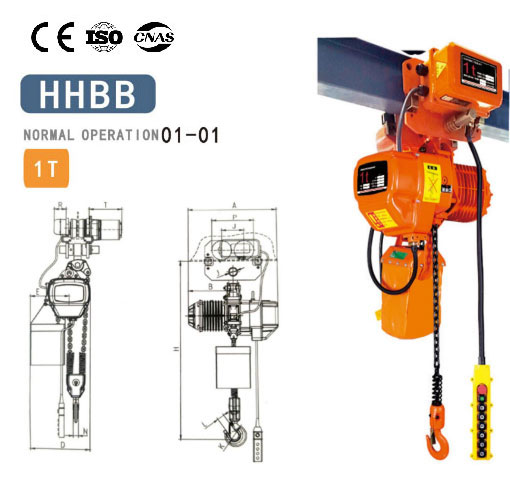
          Why Is the Trial Run Essential for Your Yangyu Gantry Electric Hoist Crane?

          Before putting your Yangyu brand new gantry electric hoist crane into full production, a trial run is non-negotiable. It serves three core purposes:
          1. Verify Equipment Performance: The trial run tests if all components—including the electric hoist, gantry frame, trolley, and control system—operate as designed. This ensures the crane meets Yangyu’s factory specifications, such as lifting capacity, speed, and precision.
          1. Identify Safety Risks Early: Even brand-new cranes may have hidden issues (e.g., loose connections, faulty sensors, or unbalanced loads). A trial run helps detect these problems before they lead to accidents, injuries, or costly downtime.
          1. Ensure Compliance: Most regions (e.g., OSHA in the U.S., CE in the EU) require a documented trial run to confirm the crane meets local safety and industry standards. Skipping this step could result in fines or legal liabilities.

          Pre-Trial Run Preparation: What You Need to Do First

          To ensure a smooth trial run for your Yangyu gantry electric hoist crane, start with these preparatory steps:
          1. Check Documentation and Factory Standards
          • Gather all Yangyu-provided documents: User manual, installation guide, certificate of conformity, and component test reports. Confirm that the crane’s model (e.g., Yangyu YZ-M series) matches your order and that all parts are genuine Yangyu components.
          • Review local regulations (e.g., ISO 4301 for risk management) to align the trial run with legal requirements.
          2. Inspect the Crane’s Physical Condition
          • Structural Checks: Examine the gantry frame, beams, and supports for cracks, deformations, or loose bolts. Ensure the crane is level (use a spirit level) to prevent uneven load distribution.
          • Electric Hoist Inspection: Check the hoist motor, cables, and hooks for wear or damage. Verify that the cable is properly wound on the drum and that the hook’s safety latch is functional.
          • Control System Test: Test the emergency stop button, direction controls (up/down, left/right), and limit switches (to prevent overloading or overtravel) to ensure they respond immediately.
          3. Prepare the Trial Run Site
          • Clear the area of obstacles, workers, or debris to create a safe testing zone. Mark the crane’s operating range with warning signs or tape.
          • Ensure the power supply matches the crane’s voltage requirements (check Yangyu’s manual for details). Use a voltage tester to confirm stable power flow.

          Step-by-Step Guide to the Yangyu Gantry Electric Hoist Crane Trial Run

          Follow these steps to conduct a systematic and safe trial run:
          Step 1: No-Load Test (First Phase)
          The no-load test evaluates the crane’s movement without any weight—this is the safest way to identify mechanical or electrical issues.
          • Power On: Turn on the crane’s main power switch and check for warning lights or error codes (refer to Yangyu’s troubleshooting guide if issues arise).
          • Hoist Movement: Operate the electric hoist to lift and lower the empty hook. Check for smooth movement, unusual noises (e.g., grinding or squealing), or delays in response.
          • Trolley and Gantry Travel: Move the trolley (along the gantry beam) and the entire gantry (along the rails) forward and backward. Ensure the movement is steady and that the limit switches stop the crane when it reaches the end of its range.
          • Duration: Run the no-load test for 15–30 minutes to monitor for overheating in the motor or control panel.
          Step 2: Load Test (Second Phase)
          Once the no-load test passes, proceed to the load test to verify the crane’s lifting capacity. Yangyu recommends three load levels:
          1. 50% of Rated Capacity: Use a test weight (e.g., concrete blocks or steel plates) equal to half the crane’s maximum load (e.g., 5 tons for a 10-ton Yangyu crane). Lift the weight 1–2 meters, hold it for 5 minutes, and check for cable stretching or structural strain.
          1. 100% of Rated Capacity: Repeat the process with the full rated load. Move the load horizontally (using the trolley and gantry) to test stability. Ensure the hoist doesn’t slip and that the controls remain responsive.
          1. 125% of Rated Capacity (Overload Test): This test confirms the crane’s safety margin (required by most standards). Lift the overload weight 30–50 centimeters, hold for 10 seconds, and then lower it slowly. Do not move the overload weight horizontally—this could damage the crane.
          Step 3: Post-Test Inspection and Documentation
          After completing the trial run:
          • Inspect Again: Check all components for damage (e.g., bent hooks, frayed cables, or loose bolts) caused by the load test.
          • Record Data: Document every step of the trial run, including test times, load levels, observations (e.g., “no unusual noise at 100% load”), and any issues fixed. This report will be critical for future maintenance and compliance audits.
          • Sign Off: Have the trial run supervisor, safety officer, and a Yangyu technician (if available) sign the report to confirm the crane is ready for use.

          Common Issues During Yangyu Gantry Electric Hoist Crane Trial Run (and How to Fix Them)

          Even with Yangyu’s high-quality manufacturing, you may encounter minor issues during the trial run. Here are solutions to the most common problems:

          Issue
          Possible Cause
          Solution
          Hoist motor overheats
          Poor ventilation or voltage fluctuations
          Clean the motor’s air vents; use a voltage stabilizer to ensure consistent power.
          Limit switches not working
          Loose wiring or faulty sensors
          Check the switch connections (refer to Yangyu’s wiring diagram); replace sensors if needed.
          Gantry moves unevenly
          Uneven rail alignment or worn wheels
          Adjust the rails to level; replace wheels if they show signs of wear.
          Cable slips on the drum
          Improper cable tension or drum damage
          Tighten the cable according to Yangyu’s guidelines; replace the drum if cracked.

          Maintenance Tips After the Trial Run

          To keep your Yangyu brand new gantry electric hoist crane in top condition after the trial run:
          • Lubricate all moving parts (e.g., trolley wheels, hoist bearings) with Yangyu-recommended lubricants to reduce friction.
          • Clean the electric hoist and gantry frame to remove dust or debris that could cause corrosion.
          • Schedule monthly inspections to check for loose bolts, cable wear, or electrical issues.
          • Train operators on proper crane use (refer to Yangyu’s user manual) to prevent misuse and extend the equipment’s lifespan.

          Conclusion

          The trial run of your Yangyu brand new gantry electric hoist crane is more than a formality—it’s a critical step to ensure safety, performance, and compliance. By following the pre-trial preparation, step-by-step testing, and post-test maintenance tips in this guide, you can maximize the value of your Yangyu crane and avoid costly downtime. If you encounter complex issues during the trial run, contact Yangyu’s customer support team for expert assistance—they’re dedicated to helping you get your equipment up and running smoothly.
          Investing time in a thorough trial run today will pay off with years of reliable, efficient operation for your Yangyu gantry electric hoist crane.
        9. Upper Package Lower Fancy Gantry Crane: Redefining Flexibility in Industrial Lifting

          Upper Package Lower Fancy Gantry Crane: Redefining Flexibility in Industrial Lifting

          In the dynamic world of industrial lifting—where operations demand both heavy-duty load handling and precision for delicate tasks—the upper package lower fancy gantry crane has emerged as a versatile solution. Unlike traditional single-function gantry cranes, this specialized equipment combines two distinct lifting capabilities in one structure: a robust “upper package” for heavy loads and a flexible “lower fancy” system for precise, light-to-medium-duty operations. This guide dives into what makes this crane unique, its key features, applications, and why it’s becoming a top choice for businesses aiming to optimize workflow efficiency.

          What Is an Upper Package Lower Fancy Gantry Crane?

          上包下花式龙门吊起重机
          An upper package lower fancy gantry crane is a dual-purpose gantry crane designed with two independent lifting systems, tailored to handle diverse load requirements in the same workspace. Let’s break down its core definition and structure:
          • Core Concept: The “upper package” refers to a heavy-duty main lifting mechanism (typically a hoist or trolley) mounted on the crane’s upper 主梁 (main girder), built for lifting large, heavy loads (often 5–50 tons). The “lower fancy” describes a secondary, more agile lifting system (such as a small hoist, jib crane, or telescopic arm) attached to the lower part of the crane’s structure—engineered for precise handling of lighter loads (0.5–5 tons) or tasks requiring fine positioning.
          • Basic Structure: It retains the classic gantry crane framework (portal-shaped legs supporting a horizontal beam) but adds the dual-lifting upgrade. The upper system runs along the main girder for long-distance movement, while the lower system is often fixed or has a shorter travel range, focusing on localized precision.
          • Material & Build: Most models use high-strength steel for the main structure (ensuring durability for heavy loads) and lightweight alloys for the lower system (enhancing its agility). Advanced models may also integrate anti-sway technology and corrosion-resistant coatings for use in harsh environments like outdoor yards or chemical plants.

          Key Features That Make It Stand Out

          The upper package lower fancy gantry crane solves a common pain point in industrial settings: the need to switch between heavy and precise lifting without investing in two separate cranes. Its standout features include:
          1. Dual-Lifting Versatility
          • Eliminates downtime from crane swapping: The upper package handles heavy tasks (e.g., lifting machine parts, steel coils) while the lower fancy tackles precision work (e.g., placing small components, loading delicate electronics) in the same area.
          • Example: In an auto manufacturing plant, the upper system can lift a 30-ton car chassis onto an assembly line, while the lower system simultaneously positions 2-ton engine parts—cutting workflow time by 40% compared to using two single-function cranes.
          2. Space-Saving Design
          • Combines two cranes’ functionality into one structure, reducing floor space usage by 30–50%. This is critical for small to medium-sized workshops, warehouses, or factories where space is limited.
          • Unlike tower cranes (which require vertical clearance) or mobile cranes (which need open ground), it operates within a fixed gantry frame, making it ideal for indoor/outdoor spaces with height or layout restrictions.
          3. Precision + Power Balance
          • Upper package: Equipped with high-torque motors and heavy-duty brakes, it ensures stable lifting of heavy loads with minimal sway (thanks to integrated anti-sway sensors).
          • Lower fancy: Features variable-speed controls and 360° rotation (in jib-style designs), allowing operators to place light loads with millimeter-level accuracy—critical for industries like aerospace or electronics manufacturing.
          4. Cost-Effective Operation
          • Reduces upfront investment: Buying one dual-purpose crane costs 20–30% less than purchasing two separate cranes (heavy-duty + precision).
          • Lowers long-term costs: Single structure = fewer maintenance parts, less energy consumption (vs. running two cranes), and reduced labor needs (one operator can manage both systems with training).

          Top Applications Across Industries

          The flexibility of the upper package lower fancy gantry crane makes it indispensable across multiple sectors. Below are its most common use cases:
          1. Manufacturing & Assembly Lines
          • Auto, aerospace, and machinery manufacturing: Lifts heavy frames (upper package) and installs small components (lower fancy) in one workflow. For example, a tractor factory uses the upper system to lift 40-ton tractor bodies and the lower system to attach 1-ton hydraulic parts.
          • Electronics manufacturing: Handles heavy circuit board machines (upper) and places delicate microchips (lower) in cleanrooms—thanks to corrosion-resistant coatings and dust-proof lower system enclosures.
          2. Warehousing & Logistics
          • Distribution centers: Moves heavy pallets of goods (upper package) from trucks to storage racks, then uses the lower system to sort smaller packages into order bins.
          • Cold storage facilities: The upper system lifts 10-ton frozen food containers, while the lower system transfers 1-ton boxes to packing stations—all while withstanding sub-zero temperatures (via insulated wiring and frost-resistant components).
          3. Construction & Infrastructure
          • Indoor construction (e.g., building malls, hospitals): Lifts heavy steel beams (upper) and positions lightweight drywall or electrical fixtures (lower) without disrupting other on-site work.
          • Bridge maintenance: The upper package lifts 25-ton concrete repair materials, and the lower fancy uses a telescopic arm to reach narrow gaps for patching—eliminating the need for expensive mobile cranes.
          4. Energy & Heavy Industry
          • Renewable energy (solar/wind): Installs 30-ton wind turbine components (upper) and connects small electrical wiring (lower) on-site.
          • Oil & gas: Handles heavy pipeline sections (upper) and tightens precision bolts (lower) in refineries—with explosion-proof lower systems for hazardous environments.

          How to Choose the Right Upper Package Lower Fancy Gantry Crane

          Selecting the best model depends on your specific lifting needs. Follow these steps to make an informed decision:
          1. Assess Load Requirements
          • Upper package capacity: Match it to your heaviest regular load (e.g., if you lift 25-ton machinery, choose a 30-ton upper system for safety).
          • Lower fancy capacity: Consider your lightest, most precise tasks (e.g., 1-ton electronic parts need a 2-ton lower system for flexibility).
          2. Evaluate Workspace Constraints
          • Span (distance between gantry legs): Measure your workspace width—standard spans range from 5–20 meters, but custom spans are available for narrow/wide areas.
          • Height: Check vertical clearance (floor to ceiling or outdoor overhead obstacles) to ensure the upper system can lift loads without obstruction.
          3. Prioritize Safety & Compliance
          • Look for safety features: Emergency stop buttons, overload sensors, anti-collision systems, and weatherproofing (for outdoor use).
          • Ensure compliance: Choose models certified to ISO, OSHA, or CE standards (depending on your region) to avoid regulatory issues.
          4. Consider Customization & After-Sales Support
          • Custom options: Ask manufacturers about adding features like remote operation (for hard-to-reach areas), digital load monitoring, or specialized coatings (for harsh environments).
          • After-sales service: Opt for suppliers that offer maintenance contracts, fast parts delivery, and operator training—downtime for a dual-purpose crane can disrupt two workflows at once.

          Maintenance Tips to Maximize Lifespan

          To keep your upper package lower fancy gantry crane running smoothly for 10–15 years, follow these maintenance best practices:
          • Daily Checks: Inspect upper system brakes and lower system controls for wear; test anti-sway and emergency stop functions; clear debris from gantry rails.
          • Monthly Servicing: Lubricate upper system gears and lower system joints; check electrical wiring for fraying; tighten loose bolts on the gantry frame.
          • Quarterly Inspections: Hire technicians to calibrate load sensors (critical for both systems) and inspect the lower system’s rotation mechanism (if jib-style).
          • Annual Overhauls: Replace worn parts (e.g., upper system hoist cables, lower system bearings); repaint rust-prone areas; update safety software (for smart models).

          Future Trends for Upper Package Lower Fancy Gantry Cranes

          As industries embrace automation and sustainability, this crane type is evolving to meet new demands:
          • Smart Automation: Integration with IoT (Internet of Things) technology—real-time load monitoring, predictive maintenance alerts, and remote operation via mobile apps.
          • Eco-Friendly Designs: Use of energy-efficient motors (reducing power consumption by 15–20%) and recyclable aluminum alloys for the lower system.
          • Modular Upgrades:  (detachable) lower systems that can be swapped for different tools (e.g., jib arm → telescopic fork) to adapt to changing tasks.

          Conclusion

          The upper package lower fancy gantry crane is more than just a lifting tool—it’s a strategic asset for businesses seeking to balance power, precision, and cost-efficiency. By combining two lifting functions in one space-saving design, it streamlines workflows, reduces costs, and adapts to diverse industry needs—from manufacturing to construction.
          If you’re ready to upgrade your lifting operations, partner with a reputable manufacturer to customize an upper package lower fancy gantry crane that fits your load requirements, workspace, and safety standards. With the right model and maintenance, it will become the backbone of your efficient, future-ready operation.
          Ready to learn more? Contact a crane expert today for a free consultation and quote!
        10. Aluminum Alloy Small Gantry Crane: Unleashing Efficiency and Precision

          Aluminum Alloy Small Gantry Crane: Unleashing Efficiency and Precision

          In the dynamic landscape of modern industry, the demand for efficient, flexible, and reliable material handling solutions is ever – increasing. Among the various lifting equipment available, the aluminum alloy small gantry crane has emerged as a game – changer. This compact yet powerful device has found its way into a wide range of industrial settings, from small – scale workshops to large – scale manufacturing plants, and even in some specialized service and construction projects.
          small portal cranes
          Its significance lies in its ability to address the challenges posed by different work environments. For instance, in facilities with limited space, traditional large – scale lifting equipment may not be practical. The aluminum alloy small gantry crane, with its lightweight and modular design, can be easily maneuvered and assembled in tight quarters, making it an ideal choice for tasks such as moving machinery components within a narrow production line or handling goods in a crowded warehouse aisle.
          Moreover, in industries where quick setup and teardown are crucial, such as event staging or temporary construction projects, the ease of installation and portability of the aluminum alloy small gantry crane provide a distinct advantage. It can be rapidly deployed and then disassembled for storage or transportation to the next job site, saving both time and labor costs. As we delve deeper into the world of this remarkable equipment, we will explore its design features, applications, and the factors to consider when choosing one, highlighting why it has become an essential tool in modern industrial operations.

          1. The Basics of Aluminum Alloy Small Gantry Crane

          1.1 Definition and Structure

          An aluminum alloy small gantry crane is a compact – sized lifting device that features a gantry – shaped structure and is primarily constructed from aluminum alloy materials. This type of crane is designed to handle relatively small – scale lifting tasks with precision and efficiency. Its structure is composed of several key elements that work in harmony to ensure smooth operation.
          At the core of the structure is the gantry framework, which serves as the main support system. The gantry consists of a horizontal beam, known as the bridge, and two vertical supports called legs. The legs are firmly positioned on the ground or on a stable base, providing a stable foundation for the entire crane. This basic gantry structure gives the crane its characteristic shape, resembling a “portal” or “gate,” which allows it to straddle over objects or work areas during lifting operations.

          1.2 Key Components

          • Bridge: The bridge of an aluminum alloy small gantry crane is the horizontal beam that spans between the two legs. It is a crucial component as it supports the traveling mechanism of the lifting trolley. Made from high – strength aluminum alloy, the bridge is designed to withstand the bending and torsional forces generated during lifting operations. Aluminum alloy’s strength – to – weight ratio is highly beneficial here; it enables the bridge to be lightweight yet strong enough to handle the loads. For example, in a small – scale manufacturing workshop where a 500 – kg capacity aluminum alloy small gantry crane is used, the bridge can efficiently transfer the weight of the lifted objects to the legs without significant deflection, ensuring stable lifting.
          • Legs: The legs are the vertical components that support the bridge. They are responsible for maintaining the stability of the crane during operation. Depending on the design and application requirements, legs can have different shapes, such as L – shaped, C – shaped, or straight. L – shaped and C – shaped legs are often used in situations where the crane needs to operate close to obstacles or in confined spaces, as they provide better clearance. The aluminum alloy used in the legs offers excellent corrosion resistance, making the crane suitable for use in various environments, including those with high humidity or exposure to mild chemicals.
          • Trolley: The trolley is the moving component that travels along the bridge. It is equipped with a hoist mechanism, which includes a motor, a drum, and a wire rope or chain. The trolley moves horizontally along the bridge, allowing the hoist to position the load precisely. In aluminum alloy small gantry cranes, the trolley is designed to be lightweight and compact. The use of aluminum alloy in the trolley’s construction reduces its overall weight, which in turn reduces the load on the bridge and the energy required for operation. This makes the trolley more maneuverable, enabling it to move quickly and accurately to the desired location for lifting and placing loads.

          2. Advantages of Aluminum Alloy Small Gantry Crane

          2.1 Lightweight Design

          One of the most prominent advantages of an aluminum alloy small gantry crane is its lightweight design, which is a direct result of using aluminum alloy as the primary construction material. Aluminum alloy has a significantly lower density compared to traditional steel. For example, the density of aluminum alloy is approximately one – third that of steel. This makes the entire gantry crane much lighter in weight.
          The lightweight nature of the crane brings several benefits. Firstly, it is extremely convenient for transportation. In situations where the crane needs to be moved between different job sites, such as in construction projects that are carried out in multiple locations or in event – staging scenarios where equipment is frequently relocated, the light weight allows for easy loading and unloading onto transportation vehicles. It can be transported using smaller trucks or trailers, reducing transportation costs and the need for heavy – duty hauling equipment.
          Secondly, installation becomes a breeze. With less weight to handle, the installation process requires fewer workers and less complex lifting equipment. In a small – scale workshop setting, a team of two or three workers may be able to assemble a lightweight aluminum alloy small gantry crane without the need for external cranes or large – scale lifting machinery. This not only saves on labor costs but also speeds up the installation time, enabling the crane to be operational in a shorter period.
          Moreover, the reduced weight also means that the crane exerts less stress on the supporting surfaces. In warehouses with floors that have weight – bearing limitations, an aluminum alloy small gantry crane can be used without the risk of overloading the floor, which is a common concern when using heavier steel – made cranes. This makes it suitable for a wider range of work environments where the structural integrity of the floor or the supporting infrastructure needs to be carefully considered.

          2.2 High Strength and Durability

          Despite its lightweight design, an aluminum alloy small gantry crane offers high strength and durability. Aluminum alloys are engineered to have excellent mechanical properties. Through processes such as alloying with elements like magnesium, silicon, and copper, the strength of aluminum can be significantly enhanced.
          The high strength of the aluminum alloy ensures that the crane can handle the rigors of regular lifting operations. For instance, in a manufacturing plant where the crane is used to lift and move heavy machinery parts on a daily basis, the aluminum alloy structure can withstand the repetitive stress and strain without deformation or failure. The gantry’s bridge and legs, made from high – strength aluminum alloy, can support the rated load with ease, providing a stable and reliable lifting solution.
          In terms of durability, aluminum alloy small gantry cranes are built to last. The material’s resistance to fatigue is remarkable. Fatigue failure, which is caused by repeated loading and unloading cycles, is a common issue in lifting equipment. However, the aluminum alloy’s fatigue – resistant properties enable the crane to endure a large number of lifting cycles over an extended period. This means that the crane can maintain its structural integrity and performance even after years of continuous use, reducing the need for frequent replacements and thus saving long – term costs for the user.

          2.3 Excellent Corrosion Resistance

          Aluminum alloy small gantry cranes have outstanding corrosion – resistance properties, which is a crucial advantage, especially in harsh working environments. Aluminum has a natural ability to form a thin, protective oxide layer on its surface when exposed to air. This oxide layer is highly stable and acts as a barrier, preventing further oxidation and corrosion of the underlying metal.
          In environments with high humidity, such as coastal areas or food processing plants where there is a lot of moisture in the air, traditional steel cranes are prone to rusting. Rust not only weakens the structural integrity of the crane but also reduces its lifespan. In contrast, an aluminum alloy small gantry crane can operate in these humid conditions without significant corrosion issues. For example, in a seafood processing facility near the coast, where the air is laden with salt – water particles, an aluminum alloy small gantry crane can be used to lift and move crates of seafood without the worry of corrosion, ensuring smooth and uninterrupted operations.
          Even in industrial settings where the crane may be exposed to mild chemicals or acidic substances, the corrosion – resistant properties of the aluminum alloy come into play. In a chemical manufacturing plant, if there are occasional spills or fumes of non – highly corrosive chemicals, the aluminum alloy small gantry crane can withstand these exposures better than a steel – made crane. This corrosion resistance not only extends the lifespan of the crane but also reduces maintenance requirements, as there is no need for frequent rust – prevention treatments such as painting or applying anti – corrosion coatings, which are common for steel cranes.

          3. Applications in Diverse Industries

          3.1 Manufacturing Industry

          In the manufacturing industry, aluminum alloy small gantry cranes play a vital role in various production processes. In a precision machinery manufacturing workshop, these cranes are frequently used for the transportation of small – sized and medium – sized mechanical components. For example, when manufacturing high – end engines, the aluminum alloy small gantry crane can accurately lift and place engine parts such as cylinder heads, crankshafts, and camshafts between different processing stations. This ensures a smooth flow of the production line, reducing the time spent on manual handling and minimizing the risk of component damage due to improper handling.
          Moreover, during the installation and maintenance of manufacturing equipment, these cranes prove to be invaluable. When a large – scale stamping machine in an automotive parts manufacturing plant needs to be serviced, the aluminum alloy small gantry crane can be used to lift out the internal components of the machine for repair or replacement. Its lightweight and flexible design allows it to operate within the limited space around the equipment, which would be challenging for larger, bulkier cranes.

          3.2 Logistics and Warehousing

          In the fast – paced world of logistics and warehousing, time is money, and efficiency is key. Aluminum alloy small gantry cranes are essential tools for optimizing the movement of goods within warehouses and logistics centers. In a large e – commerce warehouse, where thousands of packages and products are processed daily, these cranes are used to quickly load and unload goods from trucks. Their compact size enables them to navigate through narrow warehouse aisles and between densely – packed storage racks.
          For instance, when unloading a truck filled with consumer electronics products, the aluminum alloy small gantry crane can be wheeled right up to the truck. The operator can use the crane’s hoist to lift the boxes of electronics, move them along the bridge of the gantry, and then deposit them onto the appropriate storage shelves. This not only speeds up the unloading process but also reduces the physical strain on warehouse workers. In addition, when it comes to order fulfillment, the crane can be used to retrieve items from storage, load them onto conveyor belts, or directly onto delivery vehicles, ensuring that orders are processed and shipped out in a timely manner.

          3.3 Construction Sites

          On construction sites, the ability to quickly and safely move building materials is crucial for the progress of a project. Aluminum alloy small gantry cranes are commonly used for this purpose. In a small – scale residential construction project, the crane can be used to lift and transport building materials such as bricks, cement bags, and steel reinforcement bars from the material storage area to the work area.
          For example, during the construction of a two – story house, the aluminum alloy small gantry crane can be assembled on – site and used to lift bricks up to the second – floor level for wall construction. Its lightweight nature makes it easy to move around the construction site as the work progresses. In addition, in renovation projects, where space may be limited, these cranes can be used to remove old fixtures and install new ones. They can lift heavy bathroom fixtures, such as bathtubs and sinks, and place them in the correct position, providing a convenient and efficient solution for construction and renovation tasks.

          4. Working Principles and Operation

          4.1 Lifting Mechanism

          The operation of an aluminum alloy small gantry crane is based on several fundamental mechanisms that work in tandem to achieve efficient material handling. The lifting mechanism, in particular, is a key component of its functionality.
          The hoist, which is an integral part of the trolley, is responsible for the vertical movement of the load. When activated, the motor within the hoist drives a drum. As the drum rotates, it winds or unwinds a wire rope or chain. The wire rope or chain is attached to a hook, which holds the load. When the motor rotates in one direction, the drum winds up the wire rope, causing the hook and the attached load to be lifted upwards. Conversely, when the motor rotates in the opposite direction, the drum releases the wire rope, and the load is lowered.
          The traveling mechanism of the trolley enables horizontal movement along the bridge of the gantry crane. This mechanism typically consists of wheels or rollers that are mounted on the trolley and run along the rails on the bridge. A motor, often a small – sized electric motor, provides the power to drive the wheels. By controlling the speed and direction of the motor, the operator can precisely position the trolley along the bridge, allowing the load to be moved to the desired location horizontally.
          In some advanced aluminum alloy small gantry cranes, there may also be a slewing mechanism. This mechanism allows the crane’s lifting arm or the entire trolley – hoist assembly to rotate horizontally around a vertical axis. The slewing mechanism is particularly useful in applications where the crane needs to access loads from different angles without having to re – position the entire gantry structure. It provides an additional degree of flexibility in load handling, enabling the crane to serve multiple work areas from a single setup location.

          4.2 Safety Precautions

          Safety is of utmost importance when operating an aluminum alloy small gantry crane. To ensure a safe working environment, several precautions must be taken.
          Before starting any operation, a thorough inspection of the crane should be carried out. This includes checking the integrity of the aluminum alloy structure for any signs of cracks, deformation, or corrosion. The hoist, trolley, and all the moving parts should be inspected for proper functioning. The wire rope or chain should be checked for wear, kinks, or any signs of damage. Any defects detected during the inspection should be repaired or the components replaced before using the crane.
          Operators of the aluminum alloy small gantry crane should be properly trained. They should be familiar with the crane’s operating controls, load – handling limits, and emergency procedures. Overloading the crane is strictly prohibited, as it can lead to structural failure and accidents. Each crane has a rated load capacity, which is clearly marked, and the operator must ensure that the weight of the load being lifted does not exceed this capacity.
          During operation, a clear and unobstructed work area should be maintained around the crane. There should be no personnel standing under the load being lifted, and proper warning signs should be placed to alert others of the crane’s operation. In addition, the crane should be operated on a stable and level surface. If the surface is uneven or soft, it can cause the crane to become unstable during lifting, increasing the risk of tipping over.
          In terms of electrical safety, the crane’s electrical system should be regularly maintained and inspected. All electrical connections should be secure, and there should be proper grounding to prevent electric shock hazards. In case of any electrical malfunctions, the crane should be immediately shut down, and a qualified electrician should be called to repair the system. By adhering to these safety precautions, the risks associated with operating an aluminum alloy small gantry crane can be significantly minimized, ensuring smooth and safe material – handling operations.

          5. Market Trends and Developments

          5.1 Technological Innovations

          In recent years, the aluminum alloy small gantry crane industry has witnessed remarkable technological advancements. One of the most significant trends is the integration of intelligent and automated technologies.
          Intelligent control systems are being increasingly incorporated into these cranes. These systems use advanced sensors to continuously monitor the crane’s operating parameters, such as load weight, position, and speed. For example, load – sensing sensors can detect the weight of the lifted object in real – time. If the load approaches or exceeds the crane’s rated capacity, the intelligent control system will immediately issue an alarm and may even automatically adjust the lifting operation to prevent overloading, enhancing safety significantly.
          Automation technology has also brought about a revolution in the operation of aluminum alloy small gantry cranes. Automated guided vehicles (AGVs) are sometimes integrated with these cranes. In a highly automated warehouse, an AGV – equipped aluminum alloy small gantry crane can be programmed to move along pre – set paths. It can autonomously pick up and deliver goods at specific locations, reducing the need for constant human intervention. This not only improves operational efficiency but also minimizes human – error risks.
          Moreover, the use of Internet of Things (IoT) technology in aluminum alloy small gantry cranes allows for remote monitoring and control. Operators can access the crane’s status, including its location, operating history, and maintenance needs, through a mobile device or a computer connected to the internet. This enables timely maintenance and troubleshooting, reducing downtime and improving overall productivity. For instance, in a manufacturing plant with multiple production lines, managers can monitor the operation of all aluminum alloy small gantry cranes from a central control room, ensuring that they are operating optimally and taking proactive measures in case of any potential issues.

          5.2 Future Prospects

          The future of the aluminum alloy small gantry crane market looks promising, with several factors contributing to its expected growth.
          As industries continue to expand and evolve, the demand for efficient material – handling equipment is on the rise. In emerging economies, rapid industrialization and infrastructure development are creating a substantial need for aluminum alloy small gantry cranes. For example, in countries in Southeast Asia and South America, where manufacturing and construction sectors are booming, these cranes are being increasingly used in factories, construction sites, and logistics centers.
          The growing trend towards miniaturization and customization in manufacturing also favors the use of aluminum alloy small gantry cranes. These cranes can be easily customized to meet the specific needs of different production processes. They can be designed with unique lifting capacities, dimensions, and features to fit into small – scale production lines or specialized workshops, making them an attractive option for manufacturers looking for tailored material – handling solutions.
          Furthermore, the continuous improvement in aluminum alloy materials and manufacturing processes is expected to enhance the performance and quality of these cranes. Lighter and stronger aluminum alloys may be developed, further improving the crane’s load – carrying capacity while reducing its weight. This will not only expand the range of applications but also increase the crane’s competitiveness in the market.
          In terms of market growth, it is projected that the global market for aluminum alloy small gantry cranes will experience a steady increase in the coming years. With more industries recognizing the advantages of these cranes, such as their lightweight design, high strength, and corrosion resistance, the demand is likely to spread across various sectors, driving the market expansion and solidifying the aluminum alloy small gantry crane’s position as an essential tool in modern industrial operations.

          6. Conclusion

          In conclusion, the aluminum alloy small gantry crane stands as a remarkable piece of equipment in the world of material handling. Its lightweight design, high strength, and excellent corrosion – resistance properties set it apart from traditional lifting equipment. These advantages translate into numerous benefits, including easy transportation, simple installation, long – term durability, and the ability to operate in harsh environments without significant degradation.
          The diverse applications of the aluminum alloy small gantry crane across the manufacturing, logistics, and construction industries, among others, demonstrate its versatility. It has become an essential tool for optimizing production processes, streamlining warehousing operations, and facilitating construction work, enhancing efficiency and reducing manual labor in these sectors.
          With ongoing technological innovations such as the integration of intelligent control systems, automation, and IoT technology, the future of the aluminum alloy small gantry crane looks even more promising. As industries continue to expand and the demand for efficient material – handling solutions grows, this crane is expected to play an increasingly important role.
          Whether you are involved in a small – scale workshop, a large – scale manufacturing plant, or a construction project, considering an aluminum alloy small gantry crane could be a wise decision. Its capabilities can bring about significant improvements in your material – handling operations, making it a worthy investment for enhancing productivity and ensuring the smooth running of your business. Embrace the advantages of this innovative equipment and stay ahead in the competitive industrial landscape.
        11. Unveiling the Powerhouse: Yangyu Double girder Tire Crane

          Unveiling the Powerhouse: Yangyu Double girder Tire Crane

          In the dynamic landscape of modern industry, efficient material handling is the linchpin of smooth operations. Among the plethora of equipment designed to meet this crucial need, the Yangyu Double – girder tire crane stands out as a paragon of innovation, reliability, and versatility. This remarkable piece of machinery has become an indispensable asset across a wide spectrum of industrial sectors, revolutionizing the way heavy – duty lifting and transportation tasks are executed.
          轮胎式单梁起重机
          Whether it’s the bustling construction sites where towering structures take shape, the busy ports handling the constant flow of goods from around the world, or the vast industrial plants engaged in large – scale manufacturing, the Yangyu Double – girder tire crane plays a pivotal role. It serves as the workhorse, enabling the seamless movement of heavy loads with precision and speed, thereby enhancing productivity and reducing operational bottlenecks.
          As industries continue to evolve and demand more from their equipment, the Yangyu Double – girder tire crane has emerged as a symbol of progress. Its unique features and capabilities not only address the current challenges faced by various sectors but also pave the way for future growth and development. In the following sections, we will delve deep into the intricate details of this remarkable crane, exploring its design, functionality, applications, and the competitive edge it offers in the global market.

          1. A Closer Look at Yangyu Double-girder Tire Crane

          1. A Closer Look at Yangyu Double – girder Tire Crane

          1.1 Definition and Basic Structure

          The Yangyu Double – girder tire crane is a type of mobile lifting equipment that combines the advantages of a double – girder structure and tire – based mobility. It is designed to perform heavy – duty lifting operations in various environments without being restricted by fixed tracks, providing enhanced flexibility compared to traditional gantry or overhead cranes.
          The basic structure of the Yangyu Double – girder tire crane is composed of several key components:
          • Bridge Structure: The bridge of the crane consists of two parallel girders, which are typically made of high – strength steel. These girders are the main load – bearing components of the crane, responsible for supporting the weight of the lifted objects as well as the weight of the trolley and other components. The design of the girders is optimized to ensure high rigidity and stability, reducing the risk of deformation during operation. For example, the girders may have a box – shaped cross – section, which offers excellent resistance to bending and torsion forces.
          • Trolley: The trolley, also known as the lifting trolley, is mounted on the bridge and can move horizontally along the length of the girders. It houses the lifting mechanism, including the hoist motor, reducer, drum, and wire rope. The trolley is responsible for moving the load horizontally across the working area of the crane, allowing for precise positioning of the lifted objects. Some advanced trolleys are equipped with variable – speed drives, enabling smooth and accurate movement at different speeds according to the operational requirements.
          • Running Mechanism: The running mechanism of the Yangyu Double – girder tire crane is what gives it its mobility. It is equipped with large – diameter tires, usually with solid or pneumatic options depending on the application and terrain conditions. The tires are mounted on axles connected to the crane’s chassis, and the running mechanism is powered by an engine or an electric motor. This allows the crane to move freely on various surfaces, such as construction sites, ports, and industrial yards. In addition, the running mechanism often includes a steering system, which can provide different steering modes such as front – wheel steering, rear – wheel steering, and all – wheel steering, enhancing the crane’s maneuverability in tight spaces.
          • Outriggers: To ensure stability during lifting operations, the crane is usually equipped with outriggers. These are extendable support legs that can be deployed on the ground when the crane is in operation. By increasing the base area of the crane, the outriggers help to distribute the load evenly and prevent the crane from tipping over, especially when lifting heavy loads at large radii. The outriggers can be hydraulically or mechanically operated, and they are an essential safety feature of the Yangyu Double – girder tire crane.

          1.2 Key Technical Parameters

          The performance of the Yangyu Double – girder tire crane is determined by several key technical parameters, each of which has a significant impact on its actual operation:
          • Lifting Capacity: This is one of the most crucial parameters, representing the maximum weight that the crane can lift safely. For example, a Yangyu Double – girder tire crane may have a lifting capacity ranging from several tons to over a hundred tons, depending on the model. The lifting capacity directly affects the types of loads that the crane can handle. In a construction site, a crane with a large lifting capacity can be used to lift heavy steel beams, pre – cast concrete components, or large – scale machinery, while a smaller – capacity crane may be suitable for lighter materials such as construction tools and smaller building elements.
          • Span: The span of the double – girder crane refers to the distance between the two girders. A larger span allows the crane to cover a wider working area. In a large industrial workshop or a port terminal, a crane with a long span can reach different positions within the facility without having to reposition itself frequently. For instance, if the span of a crane is 30 meters, it can effectively operate over a large area, facilitating the handling of goods across a wide range of storage locations or workstations.
          • Lifting Height: This parameter indicates the maximum vertical distance that the crane can lift a load from the ground or the reference level. In high – rise construction projects or in industries where tall equipment needs to be installed, a crane with a sufficient lifting height is essential. For example, when constructing a skyscraper, the crane needs to be able to lift building materials to great heights, sometimes reaching hundreds of meters. The lifting height of the Yangyu Double – girder tire crane is designed to meet the requirements of such applications, with some models capable of achieving significant lifting heights.
          • Working Class: The working class of a crane is a measure of its expected usage intensity and load – spectrum. It is typically classified according to standards such as A1 – A8. A higher – class crane (e.g., A6 – A8) is designed for more frequent and heavy – duty operations, while a lower – class crane (e.g., A1 – A3) is suitable for less demanding applications. In a busy port where the crane is in almost constant operation, handling heavy containers around the clock, a high – working – class crane would be required. On the other hand, in a small – scale manufacturing plant with occasional lifting needs, a lower – working – class crane may be sufficient. The working class also affects the design and durability of the crane’s components, as higher – class cranes need to be more robust to withstand the rigors of continuous and heavy – duty use.

          2. Outstanding Features Setting It Apart

          2.1 Superior Lifting Capacity

          One of the most remarkable features of the Yangyu Double – girder tire crane is its superior lifting capacity. Compared to many similar products in the market, it can handle much heavier loads. For instance, in a large – scale port project, while some standard tire cranes might struggle to lift containers weighing over 50 tons, a Yangyu Double – girder tire crane with a high – capacity model can easily hoist 80 – ton containers with ease. This extra lifting power enables it to be used in projects that require the handling of extremely heavy components, such as in the construction of large – scale industrial plants where massive steel columns and heavy – duty machinery need to be installed. The ability to lift such large weights not only expands the scope of applications but also improves the overall efficiency of projects, as fewer lifting operations are needed to complete the task.

          2.2 High Mobility on Tires

          The tire – based design of the Yangyu Double – girder tire crane endows it with high mobility, making it an ideal choice for a variety of complex work sites. Its large – diameter tires allow it to move smoothly on different terrains, including gravel – covered construction sites, uneven port surfaces, and even grassy areas in some industrial yards. The crane can reach speeds that enable quick movement between different work areas within a site. For example, in a large – scale construction project that spans a vast area, the crane can rapidly relocate from one building location to another, reducing the time wasted on repositioning.
          Moreover, its turning radius is relatively small, which means it can maneuver easily in tight spaces. In a busy port terminal with numerous containers and other equipment in close proximity, the Yangyu crane can make sharp turns to access different loading and unloading points. This high mobility also simplifies the process of moving the crane between different projects or job sites. It can be driven directly to the new location on its own tires, eliminating the need for complex and costly transportation methods such as using large – scale trailers or specialized hauling equipment, thus saving both time and money.

          2.3 Precise and Stable Operation

          When it comes to operation, the Yangyu Double – girder tire crane excels in terms of precision and stability. It is equipped with an advanced control system that allows operators to execute lifting and moving tasks with great accuracy. The control system often includes features such as variable – speed control for the hoist, trolley, and running mechanisms. For example, when placing a delicate piece of machinery in a precise position during installation, the operator can use the fine – tuning capabilities of the control system to move the load in small, controlled increments, ensuring that the machinery is placed exactly where it needs to be.
          In terms of stability, the crane’s double – girder structure provides a solid and balanced framework. The outriggers, when extended, further enhance the stability by increasing the base area of the crane. This stability is crucial, especially when lifting heavy loads at large radii. During a high – rise construction project, the crane may need to lift building materials from the ground to great heights while reaching out to different positions on the building. The stable operation of the Yangyu crane ensures that the load remains steady throughout the lifting process, reducing the risk of accidents and damage to the materials. Additionally, the smooth operation of the crane’s components, such as the hoist and trolley, which are designed to minimize vibrations and jerks, also contributes to the overall precision and stability of the operation.

          2.4 Durable and Low – Maintenance Design

          The Yangyu Double – girder tire crane is built to last, thanks to its use of high – quality materials and a well – thought – out structure design. The girders are typically constructed from high – strength steel that can withstand heavy loads and the rigors of continuous use. The tires are also made from durable rubber compounds that can endure various terrains and weather conditions, reducing the frequency of tire replacements.
          The running mechanism and other components are designed with simplicity and reliability in mind. Fewer complex parts mean fewer potential points of failure, and the use of standard and easily – available components makes maintenance and repairs more straightforward. For example, if a part in the running mechanism needs to be replaced, the parts can be sourced quickly and at a relatively low cost. Regular maintenance tasks, such as lubrication and inspection, are also made easy due to the accessible design of the crane’s components. This durable and low – maintenance design not only reduces the downtime of the crane but also cuts down on long – term operating costs, making it a cost – effective choice for businesses in the long run.

          3. Wide – ranging Applications

          3.1 Construction Industry

          In the construction industry, the Yangyu Double – girder tire crane is a workhorse that plays a vital role in various construction activities. When constructing high – rise buildings, it is frequently used to lift and position large – scale pre – cast concrete components. For example, in the construction of a modern high – rise residential complex in a major city, the Yangyu crane was utilized to hoist pre – cast concrete wall panels weighing up to 30 tons each. These panels were lifted from the ground to their designated floors with precision, allowing for a faster and more efficient construction process compared to traditional on – site concrete pouring methods.
          During the construction of large – scale commercial buildings, the crane is also indispensable for handling heavy steel beams. In the building of a new shopping mall, the Yangyu Double – girder tire crane was used to install steel beams that formed the structural framework of the building. The crane’s high lifting capacity and precise operation ensured that the beams were placed accurately, even in complex and high – altitude positions, contributing to the overall structural integrity of the building.
          Moreover, in infrastructure projects such as the construction of bridges, the Yangyu crane can be used to lift and install bridge segments. In a recent bridge – building project over a large river, the crane was used to position pre – fabricated bridge girders. The mobility of the crane on tires allowed it to move along the construction site, accessing different points along the bridge alignment, while its stable operation ensured that the girders were installed smoothly, reducing the time and cost associated with the construction process.

          3.2 Port and Logistics

          At ports, the Yangyu Double – girder tire crane is a key asset for the efficient handling of goods. In a busy international port, it is commonly used to load and unload containers from ships. For instance, a Yangyu crane can lift a standard 20 – foot or 40 – foot container weighing around 20 – 30 tons with ease. It can quickly transfer these containers from the ship’s hold to the port yard or onto waiting trucks for further transportation. The high – speed operation of the crane’s trolley and running mechanisms enables it to complete these tasks in a short time, contributing to the high throughput of the port.
          In logistics transfer centers, the crane is used to handle a wide variety of goods. In a large – scale logistics hub that serves as a distribution point for various consumer goods, the Yangyu crane is responsible for moving pallets of goods from incoming trucks to storage areas and then to outgoing trucks. Its ability to operate in a relatively small space within the logistics center, due to its compact design and good maneuverability, allows for efficient use of the available space. The crane can also work in tandem with other material – handling equipment, such as conveyor belts and forklifts, to create a seamless flow of goods through the logistics process.

          3.3 Industrial Manufacturing

          Within industrial manufacturing plants, the Yangyu Double – girder tire crane is used in numerous critical processes. In a large – scale automotive manufacturing plant, the crane is used to lift and position large automotive components during the assembly process. For example, it can hoist heavy engine blocks and chassis parts into place with great precision, ensuring accurate alignment for subsequent assembly operations. The stability of the crane during lifting operations is crucial in preventing damage to these expensive components.
          In a machinery manufacturing factory, the crane is used for the installation and maintenance of large – scale production equipment. When a new machine tool is being installed, the Yangyu crane can lift the heavy machine from the delivery truck and place it accurately on the factory floor. During equipment maintenance, the crane can be used to remove and replace large parts of the machinery. In a metal – processing plant, the crane can handle large coils of steel or aluminum, moving them from the storage area to the processing lines. Its high – capacity lifting and precise operation ensure that the production process runs smoothly, minimizing downtime due to material – handling issues.

          4. Yangyu Double – girder vs. Competitors

          4.1 Comparison with Single – girder Crane

          When comparing the Yangyu Double – girder tire crane with single – girder cranes, several significant differences come to light. In terms of lifting capacity, the Yangyu double – girder crane has a clear edge. Single – girder cranes are generally more suitable for lighter loads, with their typical lifting capacities often ranging from a few tons to around 20 tons at most. In contrast, the Yangyu Double – girder tire crane can handle much heavier weights, as mentioned earlier, with some models capable of lifting over 100 tons. This makes the double – girder crane an ideal choice for projects involving the handling of large – scale and heavy – duty components, while single – girder cranes may struggle or be completely unsuitable for such tasks.
          Stability is another crucial aspect where the double – girder design shines. The two – girder structure of the Yangyu crane provides a more balanced and rigid framework compared to the single – girder counterpart. During operation, especially when lifting heavy loads at large radii, the double – girder crane experiences less sway and vibration, ensuring a safer and more stable lifting process. In a construction site where precision and stability are essential for placing heavy building materials accurately, the Yangyu double – girder crane’s superior stability gives it a distinct advantage over single – girder cranes.
          The application scenarios of the two types of cranes also vary. Single – girder cranes are commonly used in small – scale manufacturing plants, light – duty workshops, or storage areas where the loads are relatively light and the working space is limited. Their relatively simple structure and lower cost make them a cost – effective option for these less demanding environments. However, in large – scale industrial projects, construction sites of high – rise buildings or large – scale infrastructure, and busy ports, the Yangyu Double – girder tire crane is the preferred choice due to its high lifting capacity, stability, and mobility, which can meet the more complex and demanding requirements of these environments.

          4.2 Contrast with Other Types of Cranes (e.g., Tower Cranes, Gantry Cranes)

          When contrasted with tower cranes, the Yangyu Double – girder tire crane has its own set of unique characteristics. Tower cranes are well – known for their extremely high lifting heights, often reaching hundreds of meters, making them indispensable in high – rise building construction. They are typically fixed in one location during the construction process and are used to lift materials vertically to great heights. However, tower cranes have limited mobility and are not suitable for moving around different job sites easily.
          In contrast, the Yangyu Double – girder tire crane’s high mobility on tires allows it to be quickly relocated within a large – scale construction site or even between different projects. While its lifting height may not match that of a tower crane in some cases, it can still reach sufficient heights for many construction and industrial applications. For example, in a large – scale industrial plant construction project where there are multiple buildings being constructed simultaneously in a large area, the Yangyu crane can move between different building sites, performing various lifting tasks, while a tower crane would be restricted to a single location.
          When compared to gantry cranes, the Yangyu Double – girder tire crane also has notable differences. Gantry cranes are often large – scale, fixed – structure cranes that are typically used in ports and large – scale industrial yards. They are usually installed on fixed tracks, which limits their mobility. Gantry cranes are excellent for handling extremely heavy loads over a large, fixed – area operation, such as in a port terminal where they are used to load and unload large ships.
          The Yangyu Double – girder tire crane, on the other hand, offers the advantage of mobility without the need for fixed tracks. This makes it more suitable for projects where the work area is not fixed or where the crane needs to be able to access different parts of a site quickly. In a construction project on a sloping terrain or in a location where installing fixed – track gantry cranes is not feasible, the Yangyu double – girder tire crane can be easily deployed and used, adapting to the changing terrain and work requirements. Additionally, the outrigger – based stability system of the Yangyu crane provides a different approach to ensuring stability during lifting compared to the large – scale, fixed – base structure of gantry cranes, allowing for more flexibility in operation.

          5. Customer Testimonials and Success Stories

          5.1 Quotes from Satisfied Customers

          Many customers who have used the Yangyu Double – girder tire crane have expressed their satisfaction. Mr. Zhang, a project manager at a large – scale construction company, said, “The Yangyu Double – girder tire crane has been a game – changer for our construction projects. Its high lifting capacity allows us to handle large – scale steel components with ease, which has significantly improved our construction efficiency. We used to spend a lot of time on lifting operations with our previous equipment, but now, with the Yangyu crane, we can complete the same tasks in a much shorter time. Moreover, its stable operation gives us peace of mind, knowing that the materials are being lifted and moved safely.”
          Ms. Li, the operations manager of a port logistics company, commented, “In our busy port, efficiency is key. The Yangyu Double – girder tire crane has met and exceeded our expectations in this regard. Its high – speed trolley and running mechanisms enable us to load and unload containers at a much faster rate than before. The crane’s mobility also allows it to quickly access different parts of the port, reducing waiting times. Since we started using the Yangyu crane, our port’s throughput has increased by a significant margin, and our customers are more satisfied with our services.”

          5.2 Case Studies of Successful Projects

          Case Study 1: High – Rise Building Construction in Shanghai

          In a high – rise building construction project in Shanghai, the construction team faced the challenge of lifting and positioning large pre – cast concrete components at great heights. The project site was also relatively crowded, with limited space for equipment movement. The Yangyu Double – girder tire crane was deployed to address these challenges.
          The crane’s high lifting capacity, with a maximum capacity of 60 tons, allowed it to easily handle the heavy pre – cast concrete panels. Its precise control system enabled the operators to place the panels accurately, even at high altitudes. The mobility of the crane on tires was a great advantage in the crowded construction site. It could move around the site smoothly, avoiding obstacles and reaching different building positions as required.
          As a result, the construction project was completed ahead of schedule. The use of the Yangyu crane reduced the number of lifting operations required, saving both time and labor costs. The overall quality of the building construction was also improved due to the accurate placement of the pre – cast components, and the project received high praise from the client.

          Case Study 2: Port Expansion Project in Shenzhen

          A port in Shenzhen was undergoing an expansion project to increase its handling capacity. The project involved handling a large number of heavy containers, including some oversized and overweight ones. The port management needed a reliable and high – performance crane to meet the demands of the expansion.
          The Yangyu Double – girder tire crane was chosen for the project. Its ability to handle heavy loads, with some models capable of lifting up to 80 – ton containers, was crucial. The crane’s high – speed operation, with fast – moving trolley and running mechanisms, significantly increased the port’s loading and unloading efficiency.
          During the project, the Yangyu crane operated continuously for long hours without major breakdowns, demonstrating its reliability. The port was able to increase its daily container handling capacity by 30% after the implementation of the Yangyu crane. This not only improved the port’s competitiveness but also contributed to the local economic development by facilitating the smooth flow of goods.

          6. After – sales Service and Support

          At Yangyu, we understand that a reliable after – sales service and support system is as crucial as the quality of the product itself. To ensure that our customers can operate the Yangyu Double – girder tire crane with complete peace of mind, we have established a comprehensive after – sales service network.

          6.1 Professional Maintenance and Repair

          We have a team of highly trained and experienced maintenance technicians who are available around the clock. They are well – versed in the technical details of the Yangyu Double – girder tire crane and can quickly diagnose and resolve any mechanical or electrical issues. Whether it’s a minor problem with the hoist mechanism or a more complex issue with the running gear, our technicians are equipped to handle it efficiently.
          For example, in the event of a breakdown, our service team can be dispatched to the customer’s location within a short time, minimizing the downtime of the crane. They carry a full set of specialized tools and diagnostic equipment, allowing them to perform on – site repairs promptly. Regular maintenance services are also provided according to a pre – determined schedule. This includes tasks such as lubrication of moving parts, inspection of the structural integrity of the crane, and calibration of the control systems. By conducting these regular maintenance checks, we can identify potential problems early on and prevent major breakdowns, ensuring the long – term reliable operation of the crane.

          6.2 Sufficient Spare Parts Supply

          To support the maintenance and repair of the Yangyu Double – girder tire crane, we maintain a large inventory of high – quality spare parts. We understand that timely availability of spare parts is essential for minimizing equipment downtime. Whether it’s a replacement for a worn – out tire, a damaged wire rope, or a malfunctioning electrical component, our customers can rely on us to provide the necessary parts quickly.
          Our spare parts are sourced from trusted suppliers and are strictly quality – controlled to ensure that they meet the same high – standards as the original components of the crane. We have a well – organized logistics system in place that can deliver the spare parts to the customer’s location, no matter how remote, in the shortest possible time. In addition, we also offer guidance on the proper installation and use of the spare parts to ensure that they are integrated into the crane correctly, further enhancing the performance and reliability of the equipment.

          6.3 Technical Training for Customers

          We believe that well – trained operators and maintenance personnel are key to the safe and efficient operation of the Yangyu Double – girder tire crane. Therefore, we provide comprehensive technical training programs for our customers. These training programs cover a wide range of topics, including the basic operation of the crane, advanced control techniques, safety procedures, and routine maintenance.
          The training is conducted by our experienced technical instructors, who use a combination of classroom lectures, hands – on demonstrations, and practical exercises to ensure that the participants fully understand the content. For example, during the operation training, the instructors will guide the participants to operate the crane in different scenarios, teaching them how to handle various lifting tasks with precision and safety. In the maintenance training, the participants will learn how to perform maintenance tasks such as oil changes, filter replacements, and component inspections. After the training, the participants will be able to operate and maintain the crane independently, reducing the risk of accidents and equipment failures.
          In conclusion, our comprehensive after – sales service and support system is designed to provide our customers with the highest level of support. We are committed to ensuring that the Yangyu Double – girder tire crane continues to perform at its best throughout its service life, helping our customers to achieve maximum productivity and profitability in their operations.

          7. Future Developments and Innovations

          The future of the Yangyu Double – girder tire crane is brimming with exciting possibilities for development and innovation.

          7.1 (Intelligent Upgrades)

          One of the most significant trends will be the continuous pursuit of intelligent upgrades. With the rapid development of artificial intelligence, the Yangyu crane is likely to be equipped with more advanced intelligent control systems. These systems will enable the crane to have a higher level of autonomous decision – making ability. For example, it can automatically analyze the weight, size, and position of the load, and then optimize the lifting path and operation parameters in real – time to achieve the most efficient and safe lifting operation.
          Moreover, the integration of the Internet of Things (IoT) technology will allow the crane to be connected to a broader network. Operators can remotely monitor the running status of the crane, including parameters such as engine performance, component wear, and operating temperature, through mobile devices or computers. This real – time monitoring not only helps in early detection of potential problems but also enables predictive maintenance. By analyzing the collected data, maintenance teams can predict when a component is likely to fail and replace it proactively, reducing unexpected breakdowns and downtime.

          7.2 (Multi – function Expansion)

          In the future, the Yangyu Double – girder tire crane is expected to see an expansion of its functionality. It may be designed to be more adaptable to different types of loads and working environments. For instance, special attachments could be developed to handle irregular – shaped or delicate items more effectively. In the aerospace industry, where the handling of large and precise aircraft components is crucial, the crane could be equipped with custom – designed lifting fixtures that can securely hold and transport these components without causing any damage.
          Furthermore, the crane may be integrated with other material – handling equipment to form a more comprehensive and efficient logistics system. In a large – scale industrial park, the Yangyu crane could work in synergy with automated guided vehicles (AGVs) and conveyor belts. The crane can unload goods from trucks and then transfer them to the AGVs, which will transport the goods to the production lines or storage areas, creating a seamless and highly automated material – handling process.

          7.3(Green and Environmentally – friendly Innovations)

          As environmental protection becomes an increasingly important global concern, the Yangyu Double – girder tire crane will also focus on green innovation. The development of more energy – efficient power systems is likely. For example, hybrid or fully electric drive systems may be introduced. An electric – powered crane would significantly reduce emissions and noise pollution, making it more suitable for use in environmentally sensitive areas such as urban construction sites or near residential areas.
          In addition, the use of sustainable and recyclable materials in the crane’s construction will be explored. This not only reduces the environmental impact during the manufacturing process but also simplifies the recycling and disposal of the crane at the end of its service life. By incorporating these green technologies, the Yangyu Double – girder tire crane will not only meet the current industrial needs but also contribute to a more sustainable future.

          Conclusion

          In summary, the Yangyu Double – girder tire crane stands as a remarkable piece of machinery that combines high – performance features, wide – ranging applications, and excellent after – sales support. Its superior lifting capacity, high mobility, precise operation, and durable design make it a top – choice solution for various industries, including construction, port and logistics, and industrial manufacturing.
          When compared to its competitors, such as single – girder cranes, tower cranes, and gantry cranes, the Yangyu Double – girder tire crane offers unique advantages that make it more adaptable to different work scenarios. The positive customer testimonials and successful case studies further attest to its reliability and efficiency.
          Looking ahead, the future developments and innovations in the Yangyu Double – girder tire crane, such as intelligent upgrades, multi – function expansion, and green initiatives, promise to make it an even more powerful and sustainable asset for industries worldwide. If you are in search of a high – quality, reliable, and versatile lifting solution, the Yangyu Double – girder tire crane is the ideal choice. Contact us today to learn more about how this remarkable crane can transform your operations and drive your business forward.
        12. Container Gantry Crane: The Backbone of Modern Logistics & Port Operations

          Container Gantry Crane: The Backbone of Modern Logistics & Port Operations

          In global trade and cargo handling, the container gantry crane stands as a critical asset—powering efficient loading, unloading, and stacking of shipping containers in ports, yards, and intermodal hubs. As businesses seek to streamline supply chains and reduce turnaround times, understanding the types, key functions, and selection criteria of container gantry cranes becomes essential. This guide breaks down everything you need to know about this heavy-duty equipment, from core configurations to maintenance best practices.
          集装箱门式

          What Is a Container Gantry Crane?

          A container gantry crane is a large-scale lifting device designed exclusively for handling standard shipping containers (20ft, 40ft, or 45ft units). Unlike general-purpose cranes, it features a portal-shaped structure (with legs supporting a horizontal beam) and is engineered to move along fixed rails or rubber tires, enabling precise positioning of containers. Its high load capacity (typically 40–80 tons, with heavy-duty models up to 120 tons) and tall lifting height make it indispensable for dense container storage and cross-modal cargo transfer.

          Key Types of Container Gantry Cranes (With Use Cases)

          Not all container gantry cranes are the same—each type is optimized for specific environments. Below are the most common configurations, along with their ideal applications:

          1. Rail-Mounted Container Gantry Crane (RMGC)

          • Design: Moves along fixed ground rails, ensuring stable operation and consistent path alignment.
          • Advantages: High stacking height (up to 6–8 containers tall), fast travel speed, and low operational costs (no tire maintenance).
          • Best For: Large container yards, port terminals, and intermodal facilities with fixed cargo flow routes. For example, Yangyu Rail-Mounted Container Gantry Cranes are widely used in Chinese ports to handle 500+ containers per day per unit.

          2. Rubber-Tired Gantry Crane (RTGC)

          • Design: Equipped with heavy-duty rubber tires for flexible movement (no rails required).
          • Advantages: Versatile—can adjust to changing yard layouts; ideal for small to medium yards with dynamic cargo needs.
          • Best For: Inland container depots, warehouse yards, and temporary cargo hubs where rail installation is impractical.

          3. Ship-to-Shore (STS) Container Gantry Crane

          • Design: Installed along port quaysides, with a long outreach to reach containers on ships (up to 20+ containers wide).
          • Advantages: Directly loads/unloads containers from vessels to trucks or yard cranes; high throughput (15–25 containers per hour).
          • Best For: Deep-sea ports and coastal terminals (e.g., Shanghai Port, Rotterdam Port) handling large container ships.

          Why Container Gantry Cranes Are Critical for Logistics

          The role of container gantry cranes extends beyond basic lifting—they are a catalyst for supply chain efficiency. Here’s how they drive value:


          1. Boosts Cargo Turnaround Speed:

            Automated or semi-automated container gantry cranes reduce manual labor and cut handling time by 30–50% compared to traditional cranes. This is vital for ports aiming to minimize ship berthing time (a key cost factor for shipping lines).
          2. Maximizes Yard Space:

            With stacking heights of 6–10 containers, these cranes use vertical space efficiently—doubling or tripling storage capacity in dense yards. For example, a 10,000-square-meter yard with RMGCs can store 2,000+ containers, vs. 800 with manual stacking.
          3. Ensures Safe & Precise Handling:

            Advanced features like anti-sway systems, load sensors, and remote operation reduce accident risks (critical for heavy containers). Modern models also comply with ISO safety standards, minimizing damage to cargo and equipment.
          4. Supports Intermodal Transportation:

            Container gantry cranes seamlessly transfer containers between ships, trucks, and trains—bridging sea, land, and rail transport. This is essential for “door-to-door” supply chains, such as moving electronics from Chinese factories to European warehouses.

          How to Choose the Right Container Gantry Crane

          Selecting a container gantry crane depends on your operational needs. Use these criteria to make an informed decision:


          • Load Capacity: Match the crane’s capacity to your typical container weight (e.g., 40ft containers weigh ~22 tons empty, 30–40 tons loaded). Opt for a 50–60 ton model for flexibility.
          • Operational Environment: Choose RMGCs for fixed rails/long-term yards; RTGCs for flexible layouts; STS cranes for quayside ship handling.
          • Automation Level: Basic models use manual operation; mid-tier options offer semi-automation (e.g., auto-positioning); high-end cranes feature full automation (integrated with yard management systems).
          • Brand & After-Sales Support: Prioritize reputable manufacturers (e.g., Yangyu, Konecranes, Liebherr) that offer global maintenance services—downtime for cranes can cost $10,000+ per day.

          Maintenance Tips to Extend Crane Lifespan

          Proper maintenance is key to avoiding costly breakdowns. Follow these best practices:


          • Daily Inspections: Check tires/rails for wear, lubricate moving parts (e.g., hoists, gears), and test safety systems (brakes, anti-sway).
          • Monthly Servicing: Inspect electrical components (cables, motors) and adjust tension on lifting ropes.
          • Annual Overhauls: Hire certified technicians to assess structural integrity, replace worn parts, and update software (for automated models).
          • Train Operators: Ensure staff are trained on safe operation and basic troubleshooting—human error is a top cause of crane damage.

          Final Thoughts: Investing in the Right Container Gantry Crane

          A container gantry crane is not just equipment—it’s an investment in supply chain resilience. By choosing the right type, prioritizing automation, and following strict maintenance schedules, businesses can reduce costs, improve efficiency, and stay competitive in global trade. Whether you’re a port operator, logistics provider, or warehouse manager, partnering with a trusted supplier to tailor a crane to your needs will deliver long-term value.


          Ready to optimize your container handling? Contact a professional crane manufacturer today to get a custom quote and technical consultation.
        13. What is the Important Role of Yangyu Rail Mounted Container Gantry Crane?

          What is the Important Role of Yangyu Rail Mounted Container Gantry Crane?

          In the global logistics and container handling industry, efficiency, reliability, and technological innovation are paramount. The Yangyu Rail-Mounted Container Gantry Crane (RMG) stands as a critical piece of equipment that plays a pivotal role in modern port operations, intermodal terminals, and large-scale container storage facilities. As international trade continues to expand, the importance of advanced container handling solutions like Yangyu’s RMG systems becomes increasingly evident.

          Rubber Tyred Container Gantry Crane

          These massive but precision-engineered machines are not just about moving containers—they’re about optimizing supply chains, reducing operational costs, enhancing safety, and minimizing environmental impact. This article explores the multifaceted role of Yangyu Rail-Mounted Container Gantry Cranes in today’s logistics infrastructure and why they represent such a crucial investment for port operators and terminal managers worldwide.


          Understanding Rail-Mounted Gantry Cranes

          A Rail-Mounted Gantry (RMG) Crane is a type of overhead lifting system specifically designed for container handling operations. Unlike their rubber-tired counterparts (RTGs), RMGs run on fixed tracks, which provides several operational advantages including greater stability, higher precision, and reduced energy consumption.

          The Yangyu RMG typically consists of:

          • Main Girder/Beam: The primary horizontal structure that spans the container stacking area

          • Leg Supports: Vertical structures that support the main girder and contain the lifting mechanism

          • Lifting Trolley: The mechanism that travels along the main girder, housing the hoisting unit

          • Container Spreader: Specialized attachment for handling standard container sizes

          • Control Systems: Advanced computerized systems for operation and automation

          • Safety Mechanisms: Multiple integrated safety systems to protect personnel and equipment


          Key Roles and Importance of Yangyu RMG Cranes

          1. Enhancing Port Operational Efficiency

          Yangyu RMG cranes significantly improve container handling efficiency in port terminals and intermodal facilities. With capabilities to achieve comprehensive efficiency rates of up to 250 moves per hour under optimal conditions, these systems enable ports to handle increasing container volumes without proportional increases in manpower or footprint1.

          The precision positioning systems and automated operation capabilities of Yangyu RMGs allow for:

          • Faster vessel turnaround times

          • Reduced container dwell time

          • Optimized container stacking patterns

          • Seamless integration with other terminal equipment

          2. Space Optimization and Yard Density

          One of the most significant advantages of Yangyu RMG cranes is their ability to maximize storage density within container yards. RMGs can typically span 16 rows of containers or more, compared to the 6-8 rows typically handled by rubber-tired gantry cranes (RTGs)6. This enhanced span capability allows terminal operators to:

          • Store more containers within the same footprint

          • Implement higher stacking configurations (typically 4-5 containers high)

          • Reduce the overall land requirement for container storage

          • Improve container organization and accessibility

          3. Automation and Digital Integration

          Yangyu RMG cranes are at the forefront of terminal automation technology. With advanced automation subsystems, these cranes can operate with minimal human intervention, leading to a significantly improved human-to-machine ratio (potentially as high as 1:6).

          Key automation features include:

          • Automatic container positioning systems

          • Integrated container identification and tracking

          • Precision GPS and laser guidance systems

          • Automated traffic management for container movers

          • Realistic equipment monitoring and predictive maintenance systems

          4. Energy Efficiency and Environmental Sustainability

          In an era of increasing environmental awareness and rising energy costs, Yangyu RMG cranes offer significant advantages over alternative container handling solutions. As fully electric-powered systems, they eliminate the carbon emissions associated with diesel-powered equipment.

          Environmental benefits include:

          • Zero direct emissions during operation

          • Regenerative braking systems that return energy to the grid

          • Compliance with IE3 energy efficiency standards (per IEC60034)

          • Reduced noise pollution compared to diesel equipment

          • Lower overall carbon footprint throughout the equipment lifecycle

          5. Safety and Reliability

          Safety is paramount in container handling operations, where heavy loads and complex equipment interactions present potential hazards. Yangyu RMG cranes incorporate comprehensive safety systems that protect both personnel and cargo.

          Notable safety features include:

          • Anti-collision systems for multiple crane operations

          • Container sway damping technology

          • Automatic spreader locking verification

          • Emergency stop systems with redundant backups

          • Wind resistance systems for adverse weather conditions

          • Personnel detection and protection systems

          6. Cost Reduction and Operational Economy

          While the initial investment in Yangyu RMG systems can be substantial, the long-term operational economics favor these systems over alternatives. The total cost of ownership is often lower due to:

          • Reduced labor requirements through automation

          • Lower energy costs compared to diesel equipment

          • Decreased maintenance requirements of electric vs. diesel systems

          • Higher equipment utilization rates through continuous operation

          • Longer equipment lifespan with proper maintenance

          7. Flexibility and Customization

          Yangyu understands that different terminals have unique operational requirements. Their RMG cranes offer significant customization options to meet specific needs:

          • Variable span widths to match existing yard configurations

          • Custom lifting heights based on stacking requirements

          • Specialized spreaders for different container types

          • Integration capabilities with existing terminal operating systems

          • Future-proof designs that allow for technology upgrades


          Technical Specifications of Yangyu RMG Cranes

          ParameterSpecification RangeImportance
          Lifting Capacity40-50 tons (standard containers)Handles fully loaded containers safely
          Span WidthUp to 16+ container rowsMaximizes yard storage density
          Lifting Height4-5 containers highOptimizes vertical storage space
          Operating SpeedVaries by model and configurationDetermines overall productivity
          Power SupplyElectric (grid-powered)Red emissions and operating costs
          Control SystemsAutomated with manual overrideBalances efficiency and flexibility
          Positioning Accuracy±25mm or betterEnsures precise container handling

          Applications Across Logistics Operations

          Yangyu Rail-Mounted Gantry Cranes serve crucial roles in various container handling environments:

          Port Container Terminals

          In marine port terminals, Yangyu RMGs are essential for transferring containers between vessels and land transportation, organizing container storage yards, and loading/unloading trucks and rail cars. Their high efficiency helps reduce vessel turnaround time, a critical metric for port competitiveness.

          Intermodal Rail Terminals

          At rail intermodal facilities, Yangyu RMGs facilitate the efficient transfer of containers between rail cars and trucks. The precision handling capabilities of these cranes enable rapid loading and unloading of trains, significantly reducing dwell time and improving rail asset utilization.

          Container Storage and Logistics Parks

          Large-scale container storage facilities and logistics parks utilize Yangyu RMG cranes to maximize storage density while maintaining accessibility to specific containers. The high stacking capability and precise inventory management features make these cranes ideal for such applications.

          Manufacturing and Export Facilities

          Major manufacturing plants and export-oriented industries often implement Yangyu RMG systems in their private terminals to streamline loading operations and reduce logistics costs. The ability to efficiently handle large volumes of containers makes these systems valuable for facilities with high throughput requirements.


          Comparison with Alternative Container Handling Systems

          Yangyu RMG vs. Rubber-Tired Gantry (RTG) Cranes

          FactorYangyu RMG CranesRTG Cranes
          MobilityFixed tracks, limited to defined areaMobile, can move throughout yard
          Energy SourceElectric (grid power)Typically diesel
          Environmental ImpactZero emissions during operationDiesel emissions and spills
          Operational PrecisionHigher precision due to fixed tracksSlightly less precise
          Stacking PatternTypically 16+ wide, 4-5 highTypically 6-8 wide, 3-4 high
          Labor RequirementsLower due to automation capabilitiesHigher manual operation needs
          Long-Term CostsLower operating and maintenance costsHigher fuel and maintenance costs

          Yangyu RMG vs. Straddle Carriers

          While straddle carriers offer greater mobility and flexibility for certain applications, Yangyu RMG cranes provide:

          • Higher stacking capability (4-5 high vs. typically 2-3 high)

          • Greater handling efficiency for high-volume operations

          • Better inventory control through precise positioning

          • Lower operational costs for high-throughput facilities


          The Future of Container Handling: Yangyu’s Technological Innovations

          Yangyu is continuously investing in research and development to enhance the capabilities of their RMG cranes. Emerging innovations include:

          Artificial Intelligence and Machine Learning

          • Predictive maintenance algorithms to reduce downtime

          • Automated stacking optimization based on container destination

          • Intelligent traffic management for supporting equipment

          • Computer vision systems for container inspection and damage detection

          Enhanced Automation Features

          • Fully autonomous operation capabilities

          • Remote operation centers for multi-crane control

          • Automated container loading/unloading for trucks and rail cars

          • Seamless integration with terminal operating systems

          Sustainability Improvements

          • Energy recovery systems to maximize efficiency

          • Solar integration for supplemental power

          • Lightweight materials to reduce energy consumption

          • Advanced energy management systems

          Safety Enhancements

          • Enhanced personnel detection systems

          • Collision avoidance technology

          • Advanced weather monitoring and response systems

          • Cybersecurity protections for control systems


          Economic Impact of Yangyu RMG Cranes

          The implementation of Yangyu Rail-Mounted Gantry Cranes has significant economic implications for terminal operators and port authorities:

          Capital Investment vs. Operational Savings

          While the initial investment in Yangyu RMG technology is substantial—often ranging from $4-10 million per unit depending on specifications—the long-term operational savings typically justify the investment through:

          • Labor cost reduction (up to 60% compared to manual systems)

          • Energy cost savings (electricity vs. diesel fuel)

          • Maintenance cost reduction (fewer moving parts than alternatives)

          • Improved equipment utilization (higher productivity per machine)

          • Reduced damage claims (improved handling precision)

          Return on Investment Considerations

          Most Yangyu RMG installations achieve full return on investment within 3-5 years through:

          • Increased throughput capacity

          • Reduced labor requirements

          • Lower operating costs

          • Improved asset utilization

          • Enhanced terminal competitiveness

          Impact on Terminal Valuation

          Terminals equipped with modern Yangyu RMG systems typically experience:

          • Higher asset valuation

          • Increased attractiveness to shipping lines

          • Better financing terms for expansion projects

          • Enhanced reputation as modern, efficient facilities


          Implementation Considerations for Yangyu RMG Cranes

          Organizations considering implementing Yangyu RMG technology should address several key factors:

          Infrastructure Requirements

          • Strong foundation and rail system to support crane operations

          • Electrical infrastructure to deliver sufficient power

          • Communication networks for control and automation systems

          • Support equipment interfaces for integrated operations

          Operational Planning

          • Workflow analysis to optimize container movement

          • Staff training programs for operation and maintenance

          • Phased implementation strategy to minimize disruption

          • Maintenance program development for long-term reliability

          Financial Planning

          • Total cost of ownership analysis

          • Financing options evaluation

          • Operational cost-benefit assessment

          • Long-term maintenance budgeting


          Conclusion: The Strategic Importance of Yangyu RMG Cranes

          The Yangyu Rail-Mounted Container Gantry Crane represents far more than just another piece of material handling equipment—it embodies a strategic approach to modern container terminal operations that emphasizes efficiency, sustainability, safety, and economic performance.

          As global trade continues to expand and port facilities face increasing pressure to handle larger volumes with greater efficiency and lower environmental impact, the role of advanced equipment like Yangyu RMG cranes becomes increasingly critical. These systems offer terminal operators the opportunity to:

          • Significantly increase capacity without proportional land acquisition

          • Reduce operating costs through automation and electrification

          • Minimize environmental impact through zero-emission operation

          • Enhance safety for personnel and cargo

          • Improve competitiveness through faster vessel turnaround times

          For port authorities, terminal operators, and logistics companies looking toward the future, investment in Yangyu Rail-Mounted Gantry Crane technology represents not just an equipment purchase, but a strategic commitment to operational excellence and long-term viability in an increasingly competitive global market.

          The important role of Yangyu RMG cranes will only continue to grow as international trade expands, environmental regulations tighten, and the demand for logistics efficiency increases. Those who embrace this technology today will be best positioned to succeed in the container handling industry of tomorrow.


          Frequently Asked Questions

          What makes Yangyu RMG cranes different from other brands?

          Yangyu RMG cranes incorporate advanced automation features, superior energy efficiency, and robust safety systems that distinguish them from many competitors. Their proven reliability in various operational environments and comprehensive support services make them a preferred choice for many terminal operators.

          How long does it typically take to implement a Yangyu RMG system?

          The implementation timeline varies based on the scope of the project and site-specific conditions, but typically ranges from 12-24 months from order to full operational status. This includes design, manufacturing, installation, testing, and commissioning phases.

          Can Yangyu RMG cranes be integrated with existing terminal equipment?

          Yes, Yangyu RMG systems are designed with integration capabilities that allow them to work seamlessly with existing terminal operating systems, other handling equipment, and legacy infrastructure. The company provides integration services to ensure compatibility.

          What kind of maintenance do Yangyu RMG cranes require?

          Yangyu RMG cranes require regular preventive maintenance including mechanical inspections, electrical system checks, and software updates. The company offers comprehensive maintenance programs with remote monitoring capabilities to maximize equipment availability and lifespan.

          Are Yangyu RMG cranes suitable for all climate conditions?

          Yes, Yangyu designs their RMG cranes to operate in diverse environmental conditions, from extreme cold to tropical heat. Special configurations are available for specific climate challenges, including corrosion protection for marine environments and cold weather packages for Arctic operations.

        14. Yangyu Single Girder Gantry Crane: Your Cost-Effective Lifting Solution

          Yangyu Single Girder Gantry Crane: Your Cost-Effective Lifting Solution

          In the realm of industrial material handling and lifting equipment, the Yangyu Single Girder Gantry Crane stands out as a versatile, economical, and efficient solution for various lifting applications. Designed with precision engineering and robust construction, this crane model offers exceptional performance in diverse industrial settings, from warehouse operations and construction sites to manufacturing facilities and logistics yards.

          上包下花式龙门吊起重机

          With its simplified design, ease of installation, and lower operational costs, the Yangyu Single Girder Gantry Crane provides an ideal lifting solution for businesses seeking to enhance productivity while optimizing investment. This article explores the features, benefits, specifications, and applications of this remarkable lifting equipment.


          What is a Single Girder Gantry Crane?

          A single girder gantry crane is a type of overhead lifting system characterized by a single bridge girder supported by two legs that run on fixed rails or runways. This design offers several advantages over its double girder counterpart, including lower initial cost, reduced weight, and simpler installation, making it particularly suitable for light to medium-duty applications.

          The Yangyu Single Girder Gantry Crane typically consists of:

          • Main Girder: A single, robust box-type or I-beam structure that forms the primary load-bearing component.

          • End Carriages: Structures at both ends of the girder equipped with wheels that support the entire crane and facilitate movement along the runway rails.

          • Hoisting Mechanism: Typically an electric hoist that travels along the girder, responsible for vertical lifting.

          • Electrical Control System: Includes motors, control pendants, and often remote control capability.

          • Safety Devices: Essential protection systems including overload limiters, height limiters, and emergency stops.


          Key Features of Yangyu Single Girder Gantry Crane

          1. Cost-Effective Design and Construction

          The Yangyu single girder gantry crane offers significant cost advantages without compromising on performance or reliability. With simplified structure and reduced weight, it provides an economical lifting solution for various applications while maintaining structural integrity and operational safety.

          2. Versatile Lifting Capacity

          Designed to handle a wide range of lifting requirements, the Yangyu single girder gantry crane typically offers lifting capacities ranging from 1 ton to 20 tons, making it suitable for diverse industrial applications from small workshops to larger manufacturing facilities.

          3. Customizable Span and Height

          The crane can be customized to meet specific operational requirements:

          • Span: Adjustable from 7 meters to 40 meters to fit different workspace dimensions

          • Lifting Height: Can be designed for up to 12 meters of lifting height, with options for higher lifts based on requirements

          • Work Duty: Suitable for A3 to A5 work classes, covering various operational intensities

          4. Efficient Power and Control Systems

          • Power Supply: Compatible with 380V, 50Hz三相 power supply, with options for other voltage requirements

          • Control Methods: Options include pendant control, radio remote control, and cabin operation for flexible operation10

          • Travel Speeds: Efficient travel speeds with hoisting speed of approximately 20/30 meters per minute for optimal productivity

          5. Robust Safety Features

          Safety is paramount in all Yangyu crane designs:

          • Overload Protection: Prevents lifting beyond rated capacity

          • Limit Switches: For hoisting and travel motions to prevent over-travel

          • Emergency Stop Functions: For immediate shutdown in critical situations

          • Secure Braking Systems: Ensure precise load positioning and safety

          6. Simplified Installation and Maintenance

          The Yangyu single girder gantry crane features a modular design that facilitates quick installation and easy maintenance. With readily accessible components and standardized parts, maintenance downtime is significantly reduced, ensuring higher operational availability.


          Technical Specifications

          ParameterSpecification Range
          Lifting Capacity1 – 20 tons
          Span7 – 40 meters
          Lifting HeightUp to 12 meters (customizable)
          Work DutyA3 to A5 (ISO Standard)
          Operating Temperature-25°C to +40°C
          Power Supply380V, 50Hz, 3-phase AC (other voltages available)
          Control ModePendant control / Remote control / Cabin control
          Hoisting Speed20/30 m/min (standard)

          Applications Across Industries

          The Yangyu Single Girder Gantry Crane serves numerous industrial sectors with efficiency and reliability:

          Manufacturing and Workshop Operations

          Ideal for handling raw materials, equipment positioning, and production line support in various manufacturing environments, including automotive, machinery, and consumer goods production.

          Warehouse and Logistics Facilities

          Perfect for loading/unloading trucks, material stacking, and inventory management in warehouses and distribution centers, optimizing logistics operations.

          Construction and Infrastructure Projects

          Essential for handling construction materials, positioning prefabricated elements, and supporting assembly operations at construction sites and infrastructure projects.

          Steel Service Centers and Metal Fabrication

          Capable of handling steel plates, coils, and fabricated components in metal service centers and fabrication shops, with optional specialized lifting attachments.

          Shipping and Receiving Areas

          Excellent for loading dock operations, container unloading, and material transfer in freight terminals and shipping areas.

          Maintenance and Repair Facilities

          Suited for equipment maintenance, machine installation, and repair operations in various industrial and service facilities.


          Advantages Over Double Girder Cranes

          While both single and double girder cranes have their place in material handling, the Yangyu Single Girder Gantry Crane offers distinct advantages for many applications:

          1. Lower Initial Cost: Significant savings on initial investment compared to double girder designs.

          2. Reduced Weight: Lighter structure places less demand on supporting surfaces and foundations.

          3. Simpler Installation: Easier and faster to install, potentially reducing downtime.

          4. Lower Operating Costs: Reduced energy consumption and maintenance requirements.

          5. Adequate for Lighter Loads: Perfect for applications not requiring heavy lifting capacities.

          6. Space Efficiency: Generally requires less headroom than double girder designs.


          Customization Options

          Understanding that different applications have unique requirements, Yangyu offers various customization options:

          Structural Modifications

          • Fixed or Adjustable Span: To accommodate specific workspace dimensions

          • Stationary or Mobile: Options for fixed installation or movable systems

          • Various Girder Types: Box-type or I-beam girders based on application needs

          Operational Enhancements

          • Specialized Lifting Attachments: Hooks, magnets, grabs, or other specialized tools

          • Anti-Sway Systems: For precise load positioning in critical applications

          • Automation Integration: Compatibility with automated control systems

          Environmental Adaptations

          • Weather Protection: Options for outdoor use with weather-resistant components

          • Special Coatings: Corrosion-resistant finishes for harsh environments

          • Explosion-Proof Configurations: For use in potentially hazardous environments


          Installation and Maintenance Considerations

          Simplified Installation Process

          The Yangyu Single Girder Gantry Crane is designed for straightforward installation, with options for:

          • Professional Installation Services: Provided by certified technicians

          • Customer Self-Installation: With detailed instructions and technical support

          • Remote Guidance: Expert support for installation challenges10

          Comprehensive Maintenance Programs

          To ensure long service life and reliable operation, Yangyu offers:

          • Scheduled Maintenance Plans: Regular inspections and servicing

          • Spare Parts Availability: Genuine parts readily available for replacements

          • Technical Support: Expert assistance for troubleshooting and repairs

          • Operator Training: Comprehensive training on safe operation and basic maintenance


          Safety Features and Compliance

          Built-in Safety Systems

          The Yangyu Single Girder Gantry Crane incorporates multiple safety features:

          • Overload Protection: Automatic prevention of lifting beyond rated capacity

          • Limit Switches: For hoisting and travel motions to prevent over-travel

          • Emergency Stop Buttons: For immediate shutdown in critical situations

          • Secure Braking Systems: Fail-safe brakes for hoisting and travel motions

          • Warning Devices: Audible and visual alarms for operational safety

          Regulatory Compliance

          Yangyu cranes are designed and manufactured to meet or exceed international standards and safety regulations, ensuring compliance with global requirements for overhead lifting equipment.


          Why Choose Yangyu Single Girder Gantry Cranes?

          Quality Engineering

          Yangyu cranes incorporate advanced engineering techniques and quality materials to ensure optimal performance and reliability. Each crane undergoes rigorous testing before delivery, including:

          • Load Testing: Up to 125% of rated capacity for stability and structural integrity

          • Functional Testing: All movements and safety systems thoroughly tested

          • Electrical Testing: Comprehensive checks of all control and power systems

          Cost-Effectiveness

          While representing a significant investment, Yangyu single girder gantry cranes offer exceptional value through:

          • Durability: Long service life with proper maintenance

          • Energy Efficiency: Lower operating costs through efficient design

          • Reduced Downtime: High reliability and quick maintenance response

          • Safety: Minimized risk of accidents and associated costs

          Global Support Network

          Yangyu provides comprehensive support through:

          • Expert Technical Assistance: Available for troubleshooting and guidance

          • Spare Parts Availability: Genuine parts for maintenance and repairs

          • Training Programs: For operators and maintenance personnel

          • Warranty Coverage: Protective warranty terms for customer assurance


          Market Position and Industry Trends

          The global market for gantry cranes continues to grow, with increasing demand across various industries. According to market analyses, the global gantry crane market reached $1.58 billion in 2024 and is expected to maintain a compound annual growth rate of 5% from 2025 to 2029, potentially reaching $2.05 billion by 2029.

          This growth is driven by:

          • Expansion in Construction and Infrastructure projects worldwide

          • Increased Manufacturing Activities requiring efficient material handling

          • Growth in Logistics and Warehouse sectors necessitating advanced lifting solutions

          • Technological Advancements in crane design and control systems


          Conclusion

          The Yangyu Single Girder Gantry Crane represents an exceptional combination of performance, reliability, and value in material handling equipment. With its versatile design, robust construction, and user-friendly features, it offers an ideal lifting solution for numerous applications across various industries.

          Whether you’re operating in manufacturing, construction, warehousing, or logistics, the Yangyu single girder gantry crane provides the lifting capability, operational efficiency, and cost-effectiveness needed to enhance your material handling operations while optimizing your investment.

          Choosing Yangyu means partnering with a manufacturer committed to your long-term success, with the engineering expertise, quality products, and support services to keep your operations moving safely and efficiently for years to come.
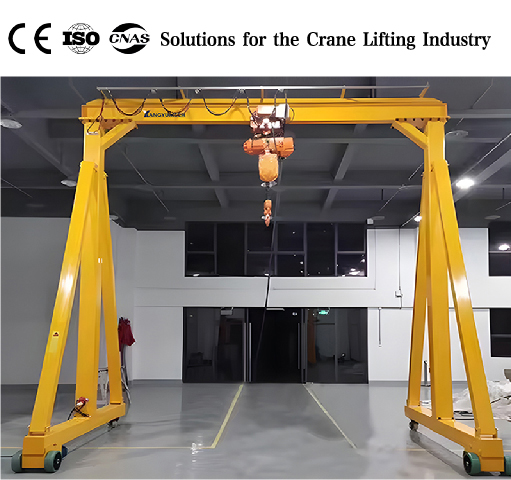
          Contact Yangyu today to discuss your specific requirements and discover how our single girder gantry crane solutions can transform your material handling capabilities while providing exceptional value for your investment.

        15. Yangyu Premium Double Girder Gantry Crane: The Ultimate Lifting Solution for Industrial Applications

          Yangyu Premium Double Girder Gantry Crane: The Ultimate Lifting Solution for Industrial Applications

          In the world of industrial material handling and heavy lifting solutions, the Yangyu Premium Double Girder Gantry Crane stands out as a top-tier choice for businesses seeking reliability, exceptional capacity, and superior performance. This robust lifting system is engineered to handle the most demanding industrial applications, providing unmatched strength and versatility for various sectors including manufacturing, construction, steel production, logistics hubs, and shipbuilding.

          欧式双梁门式起重机

          With a commitment to engineering excellence and innovative design, Yangyu has developed a double girder gantry crane that combines advanced technology with proven reliability, ensuring optimal productivity and workplace safety for your operations.


          What is a Double Girder Gantry Crane?

          A double girder gantry crane is a type of overhead lifting system characterized by two parallel girders supported by legs that run on fixed rails or runways. Unlike its single girder counterpart, this design offers significantly higher lifting capacities, greater hook heights, and enhanced stability for heavy-duty applications.

          The Yangyu Double Girder Gantry Crane typically consists of:

          • Main Girders: Two robust, parallel box-type structures that form the primary load-bearing component.

          • End Carriages: Structures at both ends of the girders equipped with wheels that support the entire crane and facilitate movement along the runway rails.

          • Lifting Trolley: The mechanism that travels along the girders, housing the hoisting unit.

          • Hoisting Mechanism: Comprises the motor, gearbox, wire rope, drum, and hook responsible for vertical lifting.

          • Electrical Control System: Includes PLC, motors, and operator interface (often with remote control capability).

          • Safety Devices: Comprehensive protection systems including overload limiters, height limiters, emergency stops, and anti-collision devices.


          Key Features of Yangyu Premium Double Girder Gantry Crane

          1. Exceptional Lifting Capacity and Durability

          The Yangyu double girder gantry crane is built for heavy-duty performance, with rated lifting capacities ranging from 5 tons up to an impressive 500 tons. This makes it suitable for handling massive loads in various industrial settings, from steel mills and foundries to ports and large-scale construction projects.

          2. Superior Structural Design and Build Quality

          Constructed from high-strength steel and featuring a box-type girder design, the Yangyu crane ensures minimal deflection under full load conditions. The girders are designed using advanced finite element analysis (FEA) methods to guarantee optimal strength, rigidity, and overall stability.

          3. Advanced Safety Systems

          Safety is paramount in heavy lifting operations. The Yangyu crane incorporates multiple safety features:

          • Overload Protection: Automatically prevents lifting beyond rated capacity.

          • Limit Switches: For hoisting and travel motions to prevent over-travel.

          • Emergency Stop Buttons: For immediate shutdown in critical situations.

          • Anti-Sway Technology: Helps maintain load stability during movement.

          • Fail-Safe Braking Systems: Ensure secure holding of loads.

          4. Customization Options

          Understanding that different applications have unique requirements, Yangyu offers extensive customization options:

          • Span Length: Custom spans from 10 meters to 80 meters

          • Lifting Height: Up to 20 meters standard, with higher options available

          • Power Supply: Compatibility with various voltages (220V-690V, 50-60Hz)

          • Control Methods: Choices between remote control, cabin operation, or pendant control

          • Special Environments: Designs suitable for explosive atmospheres, high temperatures, or corrosive environments5

          5. Energy Efficiency and Environmental Consideration

          The Yangyu crane incorporates energy-efficient motors and regenerative drive systems where applicable, helping to reduce power consumption and lower operational costs while minimizing environmental impact.


          Technical Specifications

          ParameterSpecification Range
          Lifting Capacity5 – 500 tons
          Span10 – 80 meters
          Lifting HeightUp to 20 meters (customizable)
          Work DutyA4 to A8 (ISO Standard)
          Operating Temperature-25°C to +50°C
          Power Supply220V-690V, 50/60Hz, 3-phase AC
          Control ModeRemote control / Cabin control / Pendant control
          Design Life30+ years with proper maintenance

          Applications Across Industries

          The Yangyu Double Girder Gantry Crane serves a wide range of industrial sectors:

          Manufacturing and Processing Plants

          Ideal for handling heavy machinery, equipment installation, and production line maintenance in automotive, machinery manufacturing, and processing facilities.

          Steel and Metal Industry

          Specifically designed to handle heavy steel coils, metal plates, and equipment in foundries, steel plants, and metal fabrication shops.

          Power Generation

          Essential for maintaining turbines, handling generators, and managing heavy components in hydroelectric, thermal, and nuclear power facilities.

          Shipbuilding and Port Logistics

          With capacities suitable for handling ship components and container operations, these cranes are valuable assets in shipyards and port terminal operations.

          Aerospace and Defense

          Capable of precision handling of large aircraft components and defense equipment with the required accuracy and safety.

          Construction and Infrastructure Projects

          Used for handling prefabricated structures, bridge components, and other heavy elements in large-scale construction projects.


          Advantages Over Single Girder Cranes

          While single girder cranes have their place, the Yangyu Double Girder Gantry Crane offers distinct advantages:

          1. Higher Load Capacity: Designed for significantly heavier loads—up to 500 tons compared to typical single girder limits.

          2. Greater Hook Height: The design allows for better utilization of vertical space, providing higher lift heights.

          3. Enhanced Stability: The dual girder system offers superior stability and reduced sway when handling heavy loads.

          4. Longer Service Life: Built with more robust components designed for heavy-duty cycling and extended service life.

          5. Flexibility for Future Modifications: Better suited for future upgrades or capacity increases.


          Choosing the Right Yangyu Double Girder Gantry Crane

          Selecting the appropriate crane for your specific needs involves considering several factors:

          1. Assess Your Lifting Requirements

          • Maximum Load Weight: Determine the heaviest load you need to lift, including lifting spreaders.

          • Lifting Height: Measure the required vertical distance the load needs to travel.

          • Span Requirements: Calculate the necessary distance between runway rails.

          • Duty Cycle: Consider how frequently and intensively the crane will be used.

          2. Evaluate Your Workspace

          • Available Headroom: Ensure sufficient space for crane operation.

          • Floor Conditions: Verify that your floor can support the crane and its loads.

          • Environmental Factors: Consider temperature, humidity, presence of corrosive substances, or potentially explosive atmospheres.

          3. Consider Operational Needs

          • Control Preferences: Decide between cabin, pendant, or remote control operation.

          • Automation Requirements: Determine if you need automated positioning or programmed movement.

          • Future Expansion: Consider potential future needs that might require additional capacity.


          Installation and Maintenance

          Professional Installation

          Yangyu provides comprehensive installation services performed by certified technicians to ensure your double girder gantry crane is installed correctly and safely, complying with all relevant standards and regulations.

          Maintenance Programs

          Regular maintenance is crucial for safe operation and long service life. Yangyu offers:

          • Scheduled Maintenance Plans: Regular inspections and servicing by qualified engineers.

          • Spare Parts Availability: Genuine parts readily available for quick replacements.

          • 24/7 Support: Technical support and troubleshooting assistance.

          • Operator Training: Comprehensive training for your staff on safe operation and basic maintenance.


          Why Choose Yangyu Double Girder Gantry Cranes?

          Engineering Excellence

          Yangyu cranes incorporate advanced engineering techniques, including finite element analysis and computer-aided design, to ensure optimal performance and reliability.

          Quality Assurance

          Every Yangyu crane undergoes rigorous testing before delivery, including1:

          • Load Testing: Up to 125% of rated capacity for stability and structural integrity.

          • Functional Testing: All movements and safety systems thoroughly tested.

          • Electrical Testing: Comprehensive checks of all control and power systems.

          Global Compliance

          Yangyu cranes are designed and manufactured to meet or exceed international standards, including ISO, FEM, DIN, and ASME guidelines, ensuring compliance with global safety and performance requirements.

          Cost-Effectiveness

          While representing a significant investment, Yangyu double girder gantry cranes offer exceptional long-term value through:

          • Durability: Long service life with proper maintenance.

          • Energy Efficiency: Lower operating costs through efficient design.

          • Reduced Downtime: High reliability and quick maintenance response.

          • Safety: Minimized risk of accidents and associated costs.


          Conclusion

          The Yangyu Premium Double Girder Gantry Crane represents the pinnacle of lifting technology, combining robust construction, advanced engineering, and user-focused features to deliver unmatched performance in the most demanding industrial environments. Whether you’re operating in manufacturing, steel production, energy generation, or logistics, this crane offers the reliability, capacity, and precision needed to enhance your operational efficiency and productivity.

          Investing in a Yangyu double girder gantry crane is not just about acquiring lifting equipment—it’s about partnering with a solution provider committed to your long-term success, with the engineering expertise, quality products, and support services to keep your operations moving safely and efficiently for decades to come.

          Contact Yangyu today to discuss your specific requirements and discover how our premium double girder gantry crane solutions can transform your material handling capabilities.

        16. With So Many Crane Manufacturers in China, Why Is Yangyu Crane So Popular?

          With So Many Crane Manufacturers in China, Why Is Yangyu Crane So Popular?

          1. Introduction

          China’s crane manufacturing industry is among the world’s largest and most competitive, with numerous companies vying for market share in this vital sector. The industry is largely dominated by “the big three” – XCMG, Zoomlion, and SANY – who collectively hold a significant portion of the market. Despite this concentrated competitive landscape and the presence of international giants, Yangyu Crane has emerged as a remarkably popular choice among Chinese consumers and international buyers alike.

          双梁轮胎式起重机

          This article explores the key factors behind Yangyu Crane’s popularity in an increasingly crowded marketplace, examining how the company has differentiated itself through quality engineering, customer focus, and strategic innovation to earn the trust of crane users across various industries.

          2. Unmatched Product Quality and Reliability

          At the core of Yangyu’s popularity is its reputation for producing exceptionally reliable equipment that performs consistently in demanding conditions:

          • Robust Construction: Yangyu cranes are built with high-strength materials and components designed to withstand heavy loads and repetitive use without failure or deformation. This commitment to durability reduces downtime and extends equipment lifespan.

          • Precision Engineering: Each crane undergoes rigorous quality control processes to ensure all systems operate with precision and reliability. This attention to detail results in equipment that operators can depend on for critical lifting operations.

          • Long-Term Performance: Yangyu cranes are designed for endurance and consistency. Unlike some competitors whose performance may degrade over time, Yangyu equipment maintains its capabilities throughout its service life with proper maintenance.

          This unwavering focus on quality has helped Yangyu build a loyal customer base that trusts the brand to deliver equipment that won’t let them down when it matters most.

          3. Innovative Engineering and Technological Superiority

          While China’s crane industry has historically faced challenges in matching international technological standards510, Yangyu has invested significantly in research and development to bridge this gap:

          • Smart Control Systems: Yangyu incorporates advanced control technologies in their cranes, including precision load management, anti-sway systems, and automated safety features that enhance both performance and safety.

          • Efficiency Innovations: The company has developed proprietary engineering solutions that improve fuel efficiency and reduce operational costs—a key consideration for cost-conscious buyers.

          • Adaptability Features: Yangyu cranes are designed with modular components and adaptable configurations that allow them to perform well in various environments and applications.

          These technological advancements have positioned Yangyu as an innovative player in the market, offering features once found only in more expensive international brands.

          4. Exceptional Value and Cost-Effectiveness

          In a market where price competition has sometimes led to compromised quality9, Yangyu has maintained a focus on delivering superior value:

          • Competitive Pricing: While not the cheapest option available, Yangyu offers an excellent balance of price and performance, providing more value per investment dollar than many competitors.

          • Lower Operating Costs: With features designed for energy efficiency and reduced maintenance requirements, Yangyu cranes offer significantly lower total cost of ownership over time.

          • Long-Term Investment Value: The durability and reliability of Yangyu equipment means better retention of value and longer productive service life, enhancing the return on investment for owners.

          This value proposition has proven particularly appealing to small and medium-sized businesses that need reliable equipment without the premium price tag of some major brands.

          5. Comprehensive Service and Support Network

          Yangyu has distinguished itself through exceptional customer service and support:

          • Rapid Response Times: The company maintains an extensive network of service technicians and parts distribution centers across China, ensuring quick response to maintenance needs and minimal downtime for customers.

          • Comprehensive Training: Yangyu provides extensive operator training and technical documentation to ensure equipment is used properly and maintained correctly, reducing operator errors and extending equipment life.

          • Ongoing Support: Beyond the initial sale, Yangyu maintains long-term relationships with customers, offering ongoing technical support, maintenance reminders, and upgrade options throughout the equipment’s lifecycle.

          This commitment to customer support has been a significant differentiator in a market where after-sales service varies considerably between manufacturers.

          6. Strong Brand Reputation and User Trust

          In the crane industry, reputation and word-of-mouth recommendations play a crucial role in purchasing decisions:

          • Proven Track Record: Yangyu has built a strong reputation for reliability and performance through years of consistent delivery on promises and quality products.

          • User testimonials and case studies: The company showcases numerous success stories from satisfied customers across various industries, providing social proof of their equipment’s capabilities.

          • Industry Recognition: While perhaps not as large as the biggest players, Yangyu has earned respect within the industry for their specialized expertise and commitment to quality.

          This established reputation has become a valuable asset that continues to drive new customer acquisition through referrals and industry recommendations.

          7. Specialized Solutions for Diverse Applications

          Unlike some manufacturers that take a one-size-fits-all approach, Yangyu has developed specialized solutions for various applications:

          • Construction Cranes: Designed for building projects of all sizes, with features optimized for urban construction environments and variable site conditions.

          • Industrial Cranes: tailored for manufacturing facilities and industrial plants, with precision controls and configurations suited to specific manufacturing processes.

          • Port and Logistics Cranes: Engineered for shipping terminals and logistics centers, with capabilities designed to handle containerized goods and port operations.

          • Custom Solutions: Willingness to work with customers on custom configurations for unique applications, providing flexibility that larger manufacturers sometimes cannot offer.

          This application-specific approach allows Yangyu to meet customer needs more precisely than competitors with more generic product lines.

          8. Competitive Advantages in a Crowded Market

          Yangyu has developed several strategic advantages that differentiate it in China’s crowded crane market:

          • Agility and Responsiveness: As a focused manufacturer, Yangyu can respond more quickly to market changes and customer needs than larger, more bureaucratic competitors.

          • Quality Focus: While some manufacturers compete primarily on price, Yangyu has maintained its commitment to quality even when facing pressure to reduce costs.

          • Narket Specialization: The company has developed deep expertise in specific market segments rather than trying to be all things to all customers, allowing for more targeted innovation.

          These strategic choices have enabled Yangyu to carve out a sustainable market position despite competing against much larger companies with greater resources.

          9. Future-Ready Approach and Industry Leadership

          Looking ahead, Yangyu is positioning itself for continued relevance in an evolving industry:

          • Technology Adoption: The company is investing in emerging technologies such as automation, remote operation, and data analytics to stay competitive as industry demands evolve.

          • Sustainability Initiatives: Development of more energy-efficient models and exploration of alternative power sources to address growing environmental concerns.

          • Global Standards Compliance: While focusing on the Chinese market, Yangyu ensures its equipment meets international standards, facilitating export opportunities and appealing to quality-conscious domestic buyers.

          This forward-thinking approach suggests Yangyu’s popularity is not just a temporary phenomenon but based on solid strategic positioning for long-term success.

          10. Conclusion: The Yangyu Difference

          In China’s crowded crane manufacturing landscape, Yangyu has achieved remarkable popularity through a consistent focus on quality, customer satisfaction, and strategic innovation. While larger competitors may dominate in sheer volume, Yangyu has carved out a significant position by delivering reliable performance, excellent value, and outstanding support that resonates with practical-minded equipment buyers.

          The company’s success demonstrates that in a competitive industrial market, there is always room for manufacturers who prioritize genuine value over marketing hype and who build lasting relationships rather than focusing solely on transaction volume. As the Chinese crane industry continues to evolve and mature, Yangyu’s customer-focused approach positions it well for continued popularity and growth.

          For businesses seeking crane equipment that delivers consistent performance, durable construction, and exceptional support without unnecessary complexity or premium pricing, Yangyu Crane represents an compelling choice that justifies its popularity through substance rather than spectacle.

          Experience the Yangyu difference for yourself – explore their range of crane solutions to discover why so many Chinese businesses choose Yangyu for their lifting needs.

        17. Yangyu’s Powerful Crane Equipment: Revolutionizing Industrial Lifting

          轮胎式单梁起重机

          Table of Contents

          1. Introduction to Yangyu’s Crane Solutions

          2. Advanced Engineering and Robust Design

          3. Key Features of Yangyu Crane Equipment

          4. Safety Innovations and Reliability

          5. Versatile Applications Across Industries

          6. Smart Control and Precision Handling

          7. Durability and Long-Term Performance

          8. Energy Efficiency and Environmental Considerations

          9. Customization Options and Support Services

          10. Choosing the Right Yangyu Crane for Your Needs

          11. Conclusion: Why Yangyu Stands Out

          1. Introduction to Yangyu’s Crane Solutions

          In the demanding world of industrial material handling, Yangyu crane equipment has established itself as a symbol of power, reliability, and innovation. Yangyu has built a reputation for manufacturing robust lifting solutions that meet the rigorous demands of various industries, from manufacturing and construction to logistics and warehousing. Their commitment to engineering excellence and quality manufacturing processes ensures that each piece of equipment delivers exceptional performance, safety, and longevity. This article explores the technical superiority, innovative features, and practical advantages that make Yangyu’s powerful crane equipment a preferred choice for professionals worldwide.

          2. Advanced Engineering and Robust Design

          The core strength of Yangyu’s powerful crane equipment lies in its advanced engineering and robust design philosophy.

          • High-Strength Materials: Yangyu utilizes premium-grade steel alloys and components in their crane construction. This ensures structural integrity and an exceptional strength-to-weight ratio, allowing the cranes to handle heavy loads consistently without deformation or failure, even in the most challenging environments.

          • Precision Engineering: Every Yangyu crane is a product of precision manufacturing and rigorous testing. Computer-aided design (CAD) and finite element analysis (FEA) are employed to optimize stress distribution and overall design before production, guaranteeing maximum performance and safety.

          • Optimized Structural Design: The structural design of Yangyu cranes focuses on stability and durability. Whether it’s an overhead bridge crane, a gantry crane, or a jib crane, each design is calculated to provide optimal support and smooth operation, minimizing deflection during lifting tasks.

          3. Key Features of Yangyu Crane Equipment

          Yangyu cranes are packed with features designed to enhance power, control, and usability.

          • High-Capacity Motors: At the heart of Yangyu’s lifting power are high-torque electric motors. These motors provide the immense strength needed for heavy lifting while offering smooth start-up and shutdown, reducing mechanical stress on the entire system.

          • Precision Hoisting Mechanisms: The hoisting units are engineered for exact load control. Features like variable speed control allow operators to make fine adjustments when positioning loads, which is crucial for delicate operations or when working in confined spaces.

          • Robust Trolley and Travel Systems: The movement of the crane along the bridge and down the runway is facilitated by heavy-duty travel systems. These systems feature high-quality wheels, reinforced rails, and powerful drive units that ensure smooth, precise, and reliable traversal even under full load.

          4. Safety Innovations and Reliability

          Safety is a non-negotiable priority in Yangyu’s design and manufacturing process. Their cranes incorporate multiple redundant safety systems to protect both personnel and assets.

          • Advanced Braking Systems: Yangyu cranes are equipped with fail-safe brakes that automatically engage in the event of a power failure or emergency stop, preventing unintended load movement.

          • Overload Protection: Sophisticated overload limit devices are standard. These systems prevent the crane from lifting loads beyond its rated capacity, a critical feature for avoiding dangerous accidents and equipment damage.

          • Collision Avoidance and Limit Switches: Upper and lower limit switches prevent the hoist from over-traveling, while optional anti-collision systems can be vital when multiple cranes operate on the same runway.

          5. Versatile Applications Across Industries

          The power and adaptability of Yangyu crane equipment make it suitable for a vast array of applications.

          • Manufacturing and Assembly Lines: Facilitate the movement of heavy components, machinery, and products with ease, improving production efficiency.

          • Warehousing and Logistics: Efficiently load and unload heavy goods from trucks and organize storage in distribution centers, optimizing space and workflow.

          • Construction Sites: Used for lifting steel beams, concrete panels, and other construction materials, significantly reducing manual labor and accelerating project timelines.

          • Shipping and Port Operations: Essential in ports and shipyards for handling containers and heavy cargo, where reliability and power are paramount.

          • Power Plants and Heavy Machinery Workshops: Handle turbines, generators, and large equipment parts during maintenance, repair, or installation.

          6. Smart Control and Precision Handling

          Modern Yangyu cranes often incorporate intelligent control systems for enhanced operation and precision.

          • Variable Frequency Drives (VFDs): Many models feature VFDs for controlling motor speed. This allows for incredibly smooth acceleration and deceleration, precise load spotting, and reduced swing, which is essential for safe and accurate positioning.

          • Remote Control and Automation: Options for pendant control, radio remote control, and even fully automated operation provide flexibility. Operators can control the crane from a safe distance or integrate it into automated production lines for improved efficiency and safety.

          • User-Friendly Interfaces: Control systems are designed with the operator in mind, featuring intuitive controls and clear displays for monitoring load weight, height, and crane status.

          7. Durability and Long-Term Performance

          Yangyu builds its cranes to last, ensuring long-term value and reduced total cost of ownership.

          • Corrosion Resistance: Cranes are treated with anti-corrosion coatings and paints, making them suitable for use in harsh environments, including those with high humidity or exposure to certain chemicals.

          • Low Maintenance Design: The use of high-quality bearings, sealed components, and easily accessible maintenance points simplifies upkeep and reduces downtime. Their robust construction means they can withstand years of rigorous use with proper care.

          • Built to International Standards: Yangyu equipment is generally designed and manufactured in compliance with international safety and quality standards, providing assurance of its reliability and performance.

          8. Energy Efficiency and Environmental Considerations

          In today’s world, energy efficiency is a key concern. Yangyu addresses this through intelligent design.

          • Efficient Motor Design: The use of energy-efficient electric motors helps minimize power consumption during operation, leading to lower operating costs and a reduced environmental footprint.

          • Regenerative Drives: Some advanced models may feature regenerative drives that can feed energy back into the power system during lowering or braking phases, further enhancing efficiency.

          9. Customization Options and Support Services

          Understanding that needs vary, Yangyu often provides customization options and comprehensive support.

          • Tailored Solutions: Customers can often work with Yangyu to configure cranes for specific capacities, spans, lift heights, and control options to meet unique application requirements.

          • Global Technical Support and Spare Parts: A network for technical support and readily available genuine spare parts ensures that customers can maintain their equipment in optimal condition throughout its long service life, minimizing potential downtime.

          10. Choosing the Right Yangyu Crane for Your Needs

          Selecting the appropriate crane involves considering several factors:

          • Lifting Capacity: Determine the maximum weight you need to lift regularly.

          • Span and Coverage: Measure the area the crane needs to cover.

          • Lift Height: Calculate the required lifting height.

          • Duty Cycle: Consider how intensively the crane will be used (e.g., occasional, frequent, or continuous use).

          • Operating Environment: Factor in environmental conditions like temperature, humidity, and presence of corrosive elements.

          • Control Preferences: Decide on the desired control method (e.g., pendant, remote, cabin).

          Consulting with a qualified engineer or a Yangyu representative is crucial to ensure you select the crane that perfectly matches your operational needs and safety requirements.

          11. Conclusion: Why Yangyu Stands Out

          Yangyu’s powerful crane equipment stands out in a competitive market due to its unwavering commitment to power, safety, durability, and innovation. By combining robust construction with advanced engineering and smart features, Yangyu provides industrial lifting solutions that businesses can rely on to improve productivity, enhance safety, and reduce operating costs over the long term.

          Whether you’re managing a busy workshop, a large-scale construction project, or a high-throughput logistics hub, investing in Yangyu crane equipment means investing in power you can trust and performance that delivers.

          Ready to empower your business? Explore Yangyu’s range of powerful crane solutions to find the perfect match for your industrial lifting needs.

        18. Why is Yangyu Electric Hoist So Powerful?

          Why is Yangyu Electric Hoist So Powerful?

          In the world of material handling and industrial lifting equipment, electric hoists have become indispensable tools for their efficiency, reliability, and power. Among these, Yangyu electric hoists have gained a reputation for their exceptional performance and powerful capabilities. But what exactly makes these electric hoists so powerful? Let’s explore the technology and features that contribute to their superior strength and reliability.

          Wire Rope Electric Hoist CD MD Hoist

          Advanced Electric Motor Technology

          At the heart of any electric hoist is its motor, and Yangyu hoists are equipped with high-efficiency electric motors that deliver impressive power output. These motors are designed to provide:

          • High torque output for lifting heavy loads with ease

          • Smooth acceleration and deceleration for precise control

          • Energy-efficient operation that reduces electricity consumption while maintaining power

          • Thermal protection that prevents overheating during extended use

          Unlike traditional hydraulic or pneumatic systems, electric hoists like Yangyu’s models convert electrical energy directly into mechanical power with minimal energy loss, resulting in more powerful and efficient operation.

          Robust Construction and Quality Materials

          Yangyu electric hoists are built with dugrade materials and precision engineering that contribute to their powerful performance:

          • High-strength steel components that can withstand heavy loads without deformation

          • Reinforced gears and bearings designed to handle intense pressure and repetitive use

          • Weather-resistant coatings that protect internal components from corrosion and wear

          • Compact but robust design that maximizes power while minimizing size

          This attention to construction quality ensures that Yangyu hoists maintain their powerful performance even in demanding industrial environments.

          Innovative Safety Features That Enhance Performance

          Safety and power often go hand-in-hand in quality lifting equipment. Yangyu hoists incorporate multiple safety systems that not only protect operators but also contribute to the equipment’s powerful performance by preventing damage from overloads or misuse:

          • Dual braking systems for reliable stopping power

          • Automatic brake engagement in case of power failure

          • Upper and lower limit switches to prevent overtravel

          • Overload protection that prevents the hoist from lifting beyond its rated capacity

          These safety features allow the hoist to operate at its maximum designed power without risk of failure or damage, ensuring consistent performance over time.

          Smart Control Systems

          Modern Yangyu electric hoists feature advanced control systems that optimize power delivery based on load requirements:

          • Variable speed control for precise handling of different weights

          • Soft start/stop functionality that reduces mechanical stress on components

          • Phase reversal protection that prevents damage from incorrect wiring

          • Voltage adaptation capabilities for use in different electrical environments

          These intelligent control systems ensure that power is delivered efficiently and effectively, extending the equipment’s lifespan while maintaining peak performance.

          Versatile Power Options

          Yangyu electric hoists are designed to accommodate various power configurations, making them suitable for different working environments:

          • Dual voltage capabilities (24V/48V conversion) for safe operation in wet conditions

          • Compatibility with both single-phase and three-phase power sources

          • Wide voltage range (220V-600V for three-phase systems)

          • Adaptability to different frequencies (50Hz/60Hz)

          This versatility in power options ensures that Yangyu hoists can deliver their full power potential in virtually any industrial setting.

          Regular Maintenance and Support

          The powerful performance of Yangyu electric hoists is maintained through comprehensive support services:

          • Easy access to components for maintenance and repairs

          • Availability of replacement parts to ensure continued performance

          • Detailed technical documentation for proper maintenance procedures

          • Global service network providing expert support when needed

          Regular maintenance ensures that Yangyu hoists continue to operate at their designed power levels throughout their service life.

          Conclusion

          Yangyu electric hoists derive their powerful performance from a combination of advanced motor technology, robust construction, intelligent control systems, and comprehensive safety features. These elements work together to create lifting equipment that delivers exceptional power, reliability, and efficiency in various industrial applications.

          Whether you’re working in manufacturing, construction, warehousing, or any other industry that requires material handling solutions, Yangyu electric hoists offer the powerful performance needed to get the job done safely and efficiently. Their reputation for power isn’t just about raw strength—it’s about smart engineering that maximizes performance while ensuring reliability and longevity.

        19. How Did Yangyu Cranes Become a World-Renowned Brand?

          In the highly competitive global machinery industry, building a world-class brand is no small feat. For Yangyu Cranes, the journey to international recognition likely involved a combination of technological innovation, strategic market expansion, and a strong commitment to quality and reliability. While specific details about Yangyu Cranes are not widely available in public sources, we can draw insights from the strategies of successful Chinese industrial brands that have achieved global prominence. This article explores the key factors that potentially contributed to Yangyu Cranes’ rise as a renowned brand in the overhead crane industry.

          15欧式双梁桥式

          1. Technological Innovation and Product Excellence

          At the core of any successful heavy machinery brand is a commitment to technological advancement and product quality. For a crane manufacturer like Yangyu, this might have included:

          • Developing High-Capacity, Efficient Cranes: Offering a range of products with varying load capacities (e.g., from 5 tons to 500 tons) and spans (e.g., 12-30 meters or more) to meet diverse industrial needs.

          • Incorporating Smart Technology: Integrating IoT sensors, automation, and remote monitoring systems to enable predictive maintenance, enhance safety, and improve operational efficiency.

          • Focusing on Durability and Safety: Designing cranes that withstand harsh environments (e.g., temperatures from -20°C to +40°C) and adhere to international safety standards (e.g., CE and ISO certifications).

          🔍 Innovation in technology ensures that products not only meet but exceed market expectations, a trait seen in many successful industrial brands. 1

          2. Strategic Market Expansion and Globalization

          Expanding beyond domestic markets is crucial for global recognition. Yangyu Cranes might have adopted a phased approach to internationalization:

          • Targeting Key Regions: Initially focusing on emerging markets in Southeast Asia, Latin America, and Africa, where infrastructure development drives demand for lifting equipment.

          • Entering Mature Markets: Gradually penetrating developed markets like Europe and North America by meeting stringent quality and certification requirements.

          • Localizing Operations: Establishing local offices, partnerships, and service centers to provide faster response times and better customer support, similar to strategies used by other global industrial firms10.

          🌍 Global expansion requires understanding local market dynamics and building a presence in strategic regions. 1

          3. Brand Building and Customer-Centric Approaches

          Building a strong brand reputation involves more than just selling products; it requires trust and reliability.

          • Dual-Brand Strategy: Like some successful Chinese companies (e.g., Yangjie Technology’s use of “MCC” in欧美 markets and “YJ” in Asia)4, Yangyu might have used a similar approach to cater to different regional preferences.

          • Focus on Large Enterprises: Targeting large industrial clients for high-value contracts, which can lead to referrals and repeat business.

          • Emphasizing After-Sales Service: Providing comprehensive support, including installation, training, and maintenance, to ensure long-term customer satisfaction.

          🤝 A customer-centric approach and strong brand identity are key to retaining clients and entering new markets. 2

          4. Quality Assurance and Compliance

          Adhering to international standards is non-negotiable for global acceptance.

          • Certifications and Testing: Ensuring cranes meet global standards (e.g., ISO, CE) and undergoing rigorous testing for reliability and safety.

          • Supply Chain Management: Sourcing high-quality materials and components from certified suppliers to maintain product integrity.

          • Environmental Considerations: Developing energy-efficient cranes and eco-friendly manufacturing processes to appeal to sustainability-conscious markets.

           Quality and compliance are foundational to building trust in international markets.

          5. Leveraging Industry Trends and Opportunities

          Staying ahead of industry trends helps in remaining competitive.

          • Renewable Energy Sector: Providing cranes for wind farm installations and other renewable energy projects, similar to how some companies have expanded into this growing market.

          • Infrastructure Development: Capitalizing on global infrastructure initiatives (e.g., hydropower projects, logistics hubs) that require heavy lifting equipment.

          • Digital Transformation: Offering digital solutions like IoT-based monitoring and automation to align with Industry 4.0 trends.

          📈 Adapting to sectoral shifts and technological trends ensures long-term relevance and growth.

          6. Strategic Partnerships and Financial Strength

          Collaborations and financial stability can accelerate growth.

          • Partnerships with Global Firms: Working with international distributors or strategic partners to expand market reach.

          • Financial Investments: Utilizing funding for R&D, capacity expansion, and market development, possibly through public listings or strategic investors.

          💡 Partnerships and financial health enable scaling operations and innovating continuously.

          Conclusion

          While the exact path to success for Yangyu Overhead Cranes isn’t detailed in public sources, the strategies outlined above—rooted in innovation, globalization, brand building, quality, and adaptability—are common among industrial brands that have achieved worldwide recognition. By focusing on these areas, Yangyu Cranes could have built a reputation for reliability and excellence in the global overhead crane market.

          For businesses looking to emulate this success, prioritize technological innovation, understand your target markets, and never compromise on quality and customer service.

        20. Yangyu Mech Overhead Crane: Advanced Lifting Solutions for Industrial Excellence

          Yangyu Mech Overhead Crane: Advanced Lifting Solutions for Industrial Excellence

          Yangyu Heavy Machinery has established itself as a prominent manufacturer of high-quality industrial lifting equipment, with their overhead cranes representing the pinnacle of reliability and performance. These robust machines are engineered to meet the demanding requirements of various industries, providing efficient material handling solutions that enhance productivity and safety in industrial environments.

          Technical Specifications and Features

          Yangyu Mech overhead cranes boast impressive technical capabilities designed for heavy-duty applications:

          Load Capacity and Span:

          • Rated load capacity: 5-500 tons

          • Span range: 12-30 meters standard (customizable up to 80 meters)

          • Lifting height: 6-12 meters (adjustable based on requirements)

          Structural Design:

          • Double-girder construction for enhanced stability

          • High-strength steel framework ensuring durability

          • Optimized wheelbase distribution for smooth operation

          Control Systems:

          • Precision frequency control for smooth acceleration and deceleration

          • Anti-sway technology for accurate load positioning

          • Remote control and automated operation capabilities

          • IoT-enabled monitoring systems for predictive maintenance

          Applications Across Industries

          Yangyu overhead cranes serve diverse industrial sectors with exceptional performance:

          Manufacturing Facilities:

          • Streamlining production line operations

          • Handling heavy machinery components

          • Supporting assembly processes

          Metallurgical Industry:

          • Molten metal handling with specialized safety features

          • Heavy forging and casting operations

          • Scrap metal processing and recycling

          Warehousing and Logistics:

          • Efficient inventory management

          • Heavy payload transportation

          • Loading and unloading operations

          Energy Sector:

          • Power plant maintenance

          • Turbine and generator installation

          • Renewable energy equipment handling

          Safety and Compliance Features

          Yangyu Mech overhead cranes incorporate comprehensive safety systems:

          • Overload protection devices preventing equipment damage

          • Emergency stop systems with fail-safe mechanisms

          • Collision avoidance technology

          • Thermal protection for motor safety

          • CE and ISO certification compliance

          • Seismic resistance capabilities for specific regions

          Customization Options

          Understanding that different applications have unique requirements, Yangyu offers extensive customization:

          • Specialized lifting attachments (hooks, magnets, grabs)

          • Environmental adaptations (corrosion-resistant coatings for harsh environments)

          • Temperature management systems for extreme conditions

          • Noise reduction features for indoor facilities

          • Special paint colors and corporate branding options

          Maintenance and Support Services

          Yangyu provides comprehensive after-sales support:

          • Installation supervision by certified engineers

          • Operator training programs

          • Preventive maintenance schedules

          • 24/7 technical support availability

          • Genuine spare parts supply chain

          • Regular software updates for smart features

          Competitive Advantages

          Quality Assurance:

          • Rigorous testing protocols at every production stage

          • Quality materials sourced from certified suppliers

          • Advanced manufacturing processes ensuring precision engineering

          Innovation and Technology:

          • R&D focus on energy efficiency

          • Smart crane technology integration

          • Continuous improvement based on customer feedback

          Global Experience:

          • Successful installations worldwide

          • Adaptation to various international standards

          • Multilingual technical documentation

          Industry 4.0 Integration

          Yangyu’s modern overhead cranes feature smart technology capabilities:

          • Real-time performance monitoring

          • Data analytics for operational optimization

          • Integration with factory management systems

          • Automated operation programming

          • Cloud-based maintenance scheduling

          Environmental Considerations

          Yangyu demonstrates environmental responsibility through:

          • Energy-efficient drive systems reducing power consumption

          • Regenerative power capabilities

          • Eco-friendly manufacturing processes

          • Recyclable materials in construction

          • Compliance with international environmental standards

          Why Choose Yangyu Mech Overhead Cranes?

          1. Proven Reliability: Tested in demanding industrial environments worldwide

          2. Technical Excellence: Incorporating latest advancements in crane technology

          3. Comprehensive Support: Complete solution from design to maintenance

          4. Cost Efficiency: Competitive pricing with low total cost of ownership

          5. Customization Flexibility: Tailored solutions for specific requirements

          6. Safety Commitment: Industry-leading safety features and certifications

          Conclusion

          Yangyu Mech overhead cranes represent the perfect combination of robust construction, advanced technology, and practical functionality. Whether for standard industrial applications or specialized heavy lifting requirements, these cranes deliver unmatched performance and reliability. With continuous innovation and commitment to quality, Yangyu maintains its position as a trusted partner for industrial lifting solutions globally.

          For businesses seeking to enhance their material handling capabilities while ensuring safety and efficiency, Yangyu Mech overhead cranes offer the ideal solution. Contact Yangyu Heavy Machinery today to discuss your specific requirements and discover how their overhead crane solutions can transform your operations.

        21. Yangyu Gantry Crane: Robust Lifting Solutions for Industrial Efficiency

          Yangyu Gantry Crane: Robust Lifting Solutions for Industrial Efficiency

          Yangyu Gantry Cranes are engineered to meet the demanding needs of modern industrial operations, offering high load capacity, precision control, and adaptability across diverse environments. As a leading manufacturer in heavy machinery, Yangyu combines innovative design with rigorous safety standards to deliver reliable lifting solutions for global clients.

          双梁轮胎式起重机

          Key Features of Yangyu Gantry Cranes

          1. High Load Capacity & Durability
            Yangyu’s double-beam gantry cranes, such as the 150-ton model, are designed for heavy-duty applications. With a rated load capacity of up to 500 tons and a span of 10-80 meters, these cranes handle extreme weights in industries like metallurgy, construction, and logistics.

          2. Precision and Stability
            Advanced anti-swing functionality and high-speed operation ensure smooth load positioning. The maintenance-free design reduces downtime, while features like eight-wheel drive systems (in premium models) prevent slippage and enhance stability during critical tasks.

          3. Customization and Adaptability
            Yangyu cranes support customized configurations, including color, span, and lifting height (up to 20 meters). They are suitable for workshops, warehouses, farms, and energy facilities, with options for electric or manual operation.

          4. Safety and Compliance
            Integrated safety systems—such as overload protection, brake monitors, and heat-resistant insulation—ensure compliance with international standards. These features are critical for high-risk environments like steel plants or port operations.

          Applications Across Industries

          • Metallurgy & Manufacturing: Yangyu’s cranes support molten metal handling and heavy equipment transport. For example, the MGY400/100-ton metallurgical gantry crane (by industry leader Dafang) exemplifies the robustness required in extreme conditions.

          • Construction and Infrastructure: With models like the 150-ton double-beam crane, Yangyu enables efficient material lifting for large-scale projects.

          • Ports and Logistics: Gantry cranes facilitate container handling and cargo loading, with smart monitoring systems (e.g., IoT-based diagnostics) reducing failure risks.

          Why Choose Yangyu?

          • Proven Performance: Yangyu cranes are tested for reliability, with core components (PLC, motors, gears) backed by a 1-year warranty.

          • Global Supply Chain: The brand offers efficient delivery (e.g., 25 days to the U.S.) and technical support worldwide.

          • SEO-Optimized Discovery: For businesses targeting keywords like “double girder gantry crane” or “heavy-duty lifting equipment,” Yangyu’s product pages integrate technical specs and industry-specific terms to enhance search visibility.

          Tips for Selecting a Gantry Crane

          • Assess Load Requirements: Determine maximum weight, span, and lifting height needed.

          • Evaluate Environmental Conditions: Choose heat-resistant or corrosion-proof models for harsh settings.

          • Prioritize Safety Features: Look for certifications like CE ISO and automated brake systems.

          Conclusion

          Yangyu Gantry Cranes represent a fusion of power, precision, and adaptability—ideal for industries seeking to optimize efficiency and safety. By leveraging advanced engineering and SEO-friendly content strategies, Yangyu helps global clients discover solutions that drive productivity.

          Explore Yangyu’s product range to transform your lifting operations with machinery built for excellence.

        22. Yangyu Mech Crane: A Reliable Partner in Industrial Lifting

          Yangyu Mech Crane: A Reliable Partner in Industrial Lifting

          In the world of industrial lifting and material handling, Yangyu Mech Crane—officially known as Henan Yangyu Heavy Machinery Crane Co., Ltd.—stands out for its commitment to quality, innovation, and reliability.

          European Single Girder Overhead Crane

          The company specializes in manufacturing robust cranes designed for demanding industrial applications. A recent significant contract highlights their growing reputation: Yangyu secured a project to supply two YZ50/10t-28.5m A7 metallurgical electric double-girder bridge cranes for Wuhu Honghu Material Technology Co., Ltd. in Anhui Province, China. Each unit is valued at ¥695,000, with the total contract worth ¥1.56 million.

          Yangyu Mech Crane: Key Features and Applications

          Yangyu’s cranes are engineered for performance and durability. The YZ50/10t-28.5m A7 model specified in the Wuhu project is a prime example. This metallurgical double-girder bridge crane is designed for heavy-duty lifting in challenging environments, such as metal processing and production facilities.

          Here’s a glimpse into its capabilities:

          • High Capacity: This model combines a main hoist of 50 tons with an auxiliary hoist of 10 tons, offering versatile lifting solutions for different weight requirements.

          • Long Span: With a span of 28.5 meters, it provides extensive coverage in large industrial bays or workshops.

          • Robust Design: Built to meet A7 duty cycle standards—a classification indicating it’s suited for heavy use with frequent loads—it ensures reliability in intensive operations.

          • Safety and Precision: These cranes are equipped with advanced control systems for smooth and precise load handling, which is critical in safety-conscious environments like metallurgy.

          The Industry Context: Innovation in Lifting

          The crane industry is continuously evolving, focusing on greater lifting capacity, efficiency, and technological integration. While Yangyu contributes to this progress with its reliable products, other industry players are also pushing boundaries.

          For instance,  a leading name in the industry, recently launched its Crawler crane. This 1,100-ton behemoth is designed for wind turbine installation, capable of lifting components to heights of 160 meters and beyond. Such innovations highlight the industry’s drive towards specialized, high-capacity equipment for sectors like renewable energy.

          Similarly,  showcased its technical prowess by developing China’s largest 400-ton metallurgical gantry crane. This achievement underscores the industry-wide capability to manufacture increasingly powerful and specialized lifting equipment.

          Why Choose Yangyu Mech Crane?

          Selecting the right crane supplier is crucial for operational success. Yangyu Heavy Machinery offers several advantages:

          • Proven Track Record: Their recent contract with a state-owned enterprise in Anhui Province attests to their competitive product quality and reliability.

          • Customization Potential: Companies like Yangyu often provide tailored solutions to meet specific operational needs, ensuring the equipment fits seamlessly into existing workflows.

          • Focus on Core Industries: Their specialization in cranes for the metallurgical sector means they possess valuable expertise in handling the high temperatures, heavy loads, and rigorous duty cycles unique to this industry.

          Looking Ahead: The Future of Lifting Technology

          The future of crane technology is bright, with trends pointing towards:

          • Electrification and Eco-Friendly Designs: A growing emphasis on new energy cranes, including electric and hybrid models, to reduce carbon emissions and operational costs.

          • Enhanced Intelligence: Integration of IoT sensors, data analytics, and automated control systems for predictive maintenance, improved safety, and remote monitoring.

          • Superior Performance and Adaptability: Continuous innovation to meet the demands of emerging sectors like offshore wind power and large-scale infrastructure projects.

          Conclusion

          Yangyu Mech Crane represents a solid choice for businesses seeking dependable and efficient lifting solutions. Their involvement in significant projects like the one in Wuhu demonstrates their capability to deliver equipment that meets rigorous industrial standards.

        23. Yangyu Wire Rope Hoist Price: A Comprehensive Guide to Costs and Value

          Yangyu Wire Rope Hoist Price: A Comprehensive Guide to Costs and Value

          When considering the purchase of an industrial wire rope hoist, understanding the price factors and value proposition is crucial for making an informed decision. While specific pricing for “Yangyu” brand wire rope hoists isn’t directly available in public sources, analyzing the broader market and comparable products provides valuable insights. This guide breaks down the key cost influences, offers estimated price ranges based on industry data, and highlights the importance of value over initial price for your lifting operations.

          Electric Hoist & Trolley Set

          1. Key Factors Influencing Wire Rope Hoist Prices

          The cost of a wire rope hoist is not a single figure but is determined by a combination of technical specifications and market factors.

          • Lifting Capacity and Speed: This is the most significant cost driver. Hoists with higher load capacities (e.g., 10 tons vs. 1 ton) require more robust materials and powerful motors, increasing the price. Furthermore, within the same capacity, models with higher lifting speeds or variable speed control typically command a premium due to more complex drive systems.

          • Power Supply and Voltage: The required electrical configuration affects cost. Standard single-phase (110V/220V) units are common, but industrial-grade hoists often require three-phase power (e.g., 380V, 415V, 460V, 575V), which can influence the design and cost of the motor and control systems.

          • Duty Cycle and Build Quality: Equipment designed for continuous operation (H4 duty class) under demanding conditions is built to higher standards with more durable components, which is reflected in a higher price compared to hoists intended for light or intermittent use.

          • Safety and Control Features: Advanced features contribute to a higher price but are critical for safe operation. These include:

            • Overload protection systems to prevent damage from exceeding capacity limits.

            • Upper and lower limit switches to automatically stop the hoist at safe travel points.

            • Advanced braking systems (e.g., direct-acting disc brakes) for precise load control and safety.

            • Control options such as low-voltage pendant controls or wireless remote control, which add convenience and safety at a higher cost.

          • Brand, Certification, and Supply Chain: Established brands with recognized quality certifications (e.g., ISO, CE) often have higher prices due to assured quality, R&D investment, and after-sales support. Furthermore, global supply chain factors, including raw material costs (e.g., special steel for wire ropes) and logistics, can cause price fluctuations.

          2. Estimated Price Ranges Based on Capacity and Type

          Based on industry observations and comparable product listings, here is a general overview of potential price brackets. These are estimates, and actual Yangyu prices may vary.

          Capacity RangeTypical ApplicationsEstimated Price Range (USD)Key Price Influencers
          Mini / Light Duty (100kg – 2 Ton)Workshops, Garages, Retail, Small Farms$400 – $2,500+Lift speed, power type (single/three-phase), control type (pendant/remote)
          Medium Duty (3 Ton – 10 Ton)Manufacturing, Warehouses, Construction Sites$2,500 – $15,000+Duty cycle, lifting height, motor power, safety features
          Heavy Duty (20 Ton – 80+ Ton)Steel Mills, Shipyards, Heavy Infrastructure$15,000 – $60,000+Custom engineering, advanced controls, severe duty cycle rating

          *Note: The price for a specific hoist within these ranges will depend on the combination of factors listed above (e.g., a 10-ton hoist with standard features will cost less than a 10-ton hoist with variable frequency control and a severe-duty rating).*

          Illustrative Example: A mini electric wire rope hoist with a 100kg capacity, 10m/min lift speed, and including a monorail trolley was listed online for approximately $400-$500 per unit for bulk orders (5+ sets). This provides a reference point for the lower-capacity end of the market.

          3. Understanding the Total Cost of Ownership (TCO)

          The initial purchase price is only one part of the financial equation. A wiser approach is to consider the Total Cost of Ownership (TCO) over the equipment’s lifespan.

          • Initial Purchase Price: The upfront cost of the hoist unit itself.

          • Installation and Integration: Costs associated with setting up the hoist, which may include electrical work, installing supporting structures (e.g., I-beam tracks), and commissioning.

          • Maintenance and Repairs: Regular maintenance (inspections, lubrication, part replacements) is essential for safety and longevity. High-quality hoists often have lower long-term maintenance costs.

          • Energy Consumption: Energy-efficient motors can lead to significant savings on electricity bills over years of operation.

          • Downtime Costs: This is often the largest hidden cost. Reliable equipment from a reputable brand minimizes costly production interruptions due to breakdowns.

          • Expected Lifespan: A more expensive but better-built hoist may last significantly longer than a cheaper alternative, providing better value over time.

          Investing in a quality hoist from a supplier like Yangyu, which emphasizes robust construction and reliability, can often result in a lower TCO despite a potentially higher initial investment.

          4. Beyond the Product: The Value of Service and Support

          The price should also reflect the service package that comes with the equipment.

          • Warranty Coverage: A comprehensive warranty period (e.g., one year or more) protects your investment against manufacturing defects.

          • Availability of Spare Parts: Ensure that replacement parts are readily available to avoid extended downtime during repairs.

          • After-Sales Technical Support: Access to reliable technical support for troubleshooting is invaluable. Some suppliers offer remote assistance or quick on-site service response.

          • Training and Documentation: Clear operation manuals and available training resources ensure your team can use the equipment safely and efficiently.

          5. How to Get an Accurate Quote for Yangyu Wire Rope Hoists

          To obtain a precise price for your specific needs, follow these steps:

          1. Define Your Requirements Clearly: Determine your needed capacity, lift height, power supply, duty cycle, and any special features (e.g., explosion-proof, remote control).

          2. Contact Authorized Suppliers or Yangyu Directly: Reach out to official distributors or the manufacturer. Provide them with your detailed specifications.

          3. Request a Detailed Quotation: Ask for a breakdown that includes the hoist unit, any optional accessories, recommended spare parts, shipping costs, and potential taxes or duties.

          4. Inquire About Service and Warranty: Understand exactly what is covered under warranty and what after-sales support is available in your region.

          Pro Tip: When comparing quotes, ensure you are comparing models with equivalent specifications and service offerings to make a fair assessment.

          Conclusion: Investing in Value and Performance

          While the initial price of a Yangyu wire rope hoist is an important consideration, it should be evaluated within the broader context of quality, reliability, safety features, and after-sales support. Understanding the factors that influence cost and prioritizing the Total Cost of Ownership will guide you toward a smarter investment that enhances your operation’s productivity and safety for years to come.
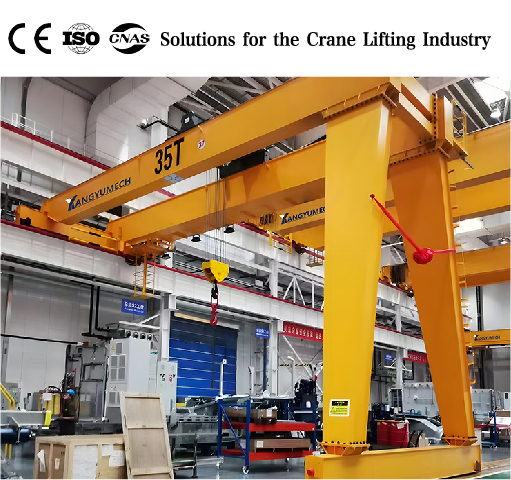
          For the most accurate and current pricing, it is always recommended to contact Yangyu or their authorized dealers directly with your specific technical requirements. This ensures you receive a tailored solution and a exact quote that meets your material handling needs.

        24. Yangyu Crane Electric Chain Hoist: Enhancing Safety and Efficiency in Material Handling

          The Yangyu Crane Electric Chain Hoist represents a significant advancement in material handling technology, designed to meet the rigorous demands of modern industrial environments. While specific technical details about “Yangyu” brand hoists are not widely available in public sources, understanding the general features, benefits, and applications of high-quality electric chain hoasts—based on industry standards—can help potential users make informed decisions. This article explores the key aspects of these essential tools, focusing on their safety features, technical specifications, and diverse industrial applications.

          1. ⚙️ Key Features and Design Principles

          Electric chain hoists like those in the Yangyu lineup are engineered for durability, reliability, and ease of use. They incorporate several critical design elements found in high-quality hoists:

          • Robust Construction: Many industrial hoasts feature lightweight yet sturdy housings (often made of steel or alloy) designed for high heat dissipation and full-sealed protection, making them suitable for demanding environments like warehouses, workshops, and even outdoor applications. This design ensures longevity and consistent performance.

          • Precision Engineering: These hoasts often employ 5-pinion lift sprocket designs (an advancement over traditional 4-pinion systems) to enhance the meshing engagement between the chain and sprocket. This results in smoother operation and reduced chain wear, contributing to both efficiency and longevity.

          • Versatile Power Options: To accommodate various industrial power setups, these hoasts typically support a range of voltages, including single-phase (115V/230V) and three-phase (208V, 230/460V, 380V, 415V, 575V), at both 50Hz and 60Hz frequencies. This flexibility simplifies integration into different electrical systems worldwide.

          • High-Performance Components: Key internal components often include oil-immersed, lubricated alloy steel gear mechanisms that reduce operational noise and extend service life, and F-class insulated motor housings that ensure reliability even under heavy industrial use (H4 duty class).

          2. 🛡️ Safety Mechanisms: Protecting Personnel and Equipment

          Safety is paramount in lifting applications. Electric chain hoasts incorporate multiple layers of protection:

          • Overload Protection: Standard overload clutches protect the hoist, operator, and supporting structure from damage caused by overloading or chain malfunctions. This prevents catastrophic failures and enhances workplace safety.

          • Upper and Lower Limit Switches: These essential switches automatically stop the motor when the load reaches its highest or lowest safe points, preventing overtravel and potential chain damage or disengagement.

          • Advanced Braking Systems: Many hoasts utilize direct-acting disc brakes known for their reliability in heavy industries. These brakes provide precise control over load lifting and positioning, often featuring instant braking upon power cut-off and some models even incorporating dual-brake systems for added redundancy and safety.

          • Low-Voltage Control and Phase Protection: To enhance operator safety, low-voltage control handles (24V/36V/48V) are commonly used. This reduces the risk of electric shock in case of switch leakage, especially in damp environments. Additionally, reverse-phase protection devices prevent control circuit operation if the power wiring is incorrect, safeguarding the motor and electrical systems.

          3. 📊 Technical Specifications and Performance Metrics

          Understanding the typical capabilities of electric chain hoasts helps in selecting the right model for specific applications. Performance varies based on design and intended use.

          • Lifting Capacity and Speed: Industrial electric chain hoasts cover a wide range of capacities, commonly from 0.1 tons up to 80 tons, with some specialized models handling even more. Standard lifting heights often range from 3 to 30 meters, though custom heights are available. Lifting speeds decrease as capacity increases; for example, a 10-ton hoist might have a speed of 0.45 m/min, while a 1-ton model could achieve 2.25 m/min. Some models offer dual-speed options (e.g., 2.7/0.9 m/min) for precise positioning of heavy loads.

          • Chain Quality: High-grade 80-level heat-treated alloy steel chains are frequently used for their exceptional toughness, strength, and wear resistance, which are critical for ensuring safety under load.

          • Mobility and Installation: Electric chain hoasts are incredibly versatile. They can be fixed in place for dedicated lifting tasks or paired with manual, push-type, or electric trolleys (single or double-speed) for movement along I-beams. Their compact design allows for installation on single-girder or double-girder bridge cranes, jib cranes, or gantry cranes.

          双梁轮胎式起重机


          4. 🏭 Diverse Industrial Applications

          The versatility of electric chain hoasts makes them indispensable across numerous sectors:

          • Manufacturing and Workshops: Essential for lifting machinery parts, assembly operations, and maintenance tasks within production facilities and assembly lines.

          • Warehousing and Logistics: Used for moving and stacking goods, loading and unloading trucks, and managing inventory in distribution centers, often integrated with overhead crane systems for efficient area coverage.

          • Construction and Infrastructure: Vital on sites for lifting building materials, installing equipment, and supporting structural work. Their portability and robust design suit temporary and harsh site conditions.

          • Ports and Shipyards: Assist in shipbuilding, repair, and cargo handling operations, where reliable and powerful lifting is required.

          • Specialized Environments: Specific models are designed for challenging conditions like explosion-proof areas, high temperatures, or clean rooms, and even for industries like food and beverage, where hygiene is crucial.

          5. 🔧 Control and Operational Flexibility

          Modern electric chain hoasts offer various control options to suit different operational needs and enhance safety and convenience:

          • Standard Push Button Pendants: The most common control method, allowing operators to control lift and lower functions directly. Many are low-voltage for safety.

          • Wireless Remote Control: An increasingly popular option, especially for high-lift applications or situations where operators need to maintain a safe distance or have a clearer view of the load. This adds a layer of safety and operational flexibility.

          • Integrated Crane Control: For hoasts mounted on trolleys, control can be integrated into a single pendant or radio transmitter, managing both hoisting and traversing motions (up, down, left, right, forward, backward).

          6. 💡 Value Proposition: Why Choose a Quality Electric Chain Hoist?

          Investing in a reliable electric chain hoist like those from Yangyu brings several tangible benefits:

          • Increased Productivity: Faster lifting cycles and reduced manual effort accelerate material handling processes, directly impacting throughput.

          • Enhanced Safety Culture: Comprehensive safety features protect valuable assets and, more importantly, create a safer work environment for personnel, reducing the risk of accidents and associated downtime.

          • Reduced Operational Costs: Durable construction and low maintenance requirements minimize repair costs and unplanned downtime. Energy-efficient motors also contribute to lower electricity consumption.

          • Improved Load Handling: Precise control and smooth operation enable careful positioning of delicate, expensive, or unbalanced loads, reducing the risk of damage.

          • Space Efficiency: The compact design of these hoasts maximizes usable headroom and floor space beneath the crane.


          Comparison of Typical Electric Chain Hoist Capacities and Speeds

          Table based on common industry specifications found in search results.

          Lifting CapacityTypical Lift Speed (m/min)Common Motor Power (kW)Primary Applications
          1 Ton~2.0 – 2.25~0.5 – 0.75Workshops, light assembly, maintenance
          3 Ton~1.0 – 1.1~0.75Warehousing, medium-duty manufacturing
          5 Ton~0.9~0.75General manufacturing, loading bays
          10 Ton~0.45 – 0.9~0.75 (x2)Steel handling, machinery installation, heavier industrial
          20 Ton+~0.45~0.75 (x2)Heavy fabrication, shipyards, large infrastructure

          7. 🔍 Selecting and Maintaining Your Electric Chain Hoist

          Choosing the right hoist and maintaining it properly are keys to long-term performance and safety.

          • Selection Criteria:

            • Capacity and Speed: Match these to your most common loads and required workflow pace.

            • Lift Height: Ensure the hoist provides enough hook travel for your application.

            • Duty Cycle: Consider how intensively the hoist will be used (H4 class is typical for heavy industry).

            • Environment: Factor in conditions like moisture, dust, temperature, or potentially explosive atmospheres.

            • Control Preference: Decide between pendant, remote, or integrated controls based on safety and ergonomics.

          • Maintenance Best Practices:

            • Regular Inspections: Visually check the chain, hook, brake, and limit switches before each use.

            • Periodic Professional Servicing: Have qualified technicians perform scheduled maintenance according to the manufacturer’s instructions.

            • Load Testing: Conduct periodic tests (no-load, static, dynamic) to verify performance and safety.

            • Keep Records: Maintain logs of inspections, maintenance, and any repairs.

          Conclusion: Lifting Your Operations to New Heights

          While specific data on “Yangyu” brand hoists is limited, the general class of industrial-grade electric chain hoists they represent offers a powerful combination of strength, safety, intelligence, and adaptability. They are fundamental tools for improving efficiency and safety in countless material handling scenarios.

          By focusing on core features like robust construction, multiple safety redundancies, precise control, and operational versatility, a Yangyu Crane Electric Chain Hoist can be a valuable asset for businesses looking to optimize their lifting operations, protect their workforce, and enhance overall productivity. When selecting any hoist, always prioritize verified specifications, proper installation, and a commitment to regular maintenance to ensure years of reliable service.

        25. Yangyu Overhead Crane Service: Ensuring Peak Performance and Reliability

          Yangyu Overhead Crane Service: Ensuring Peak Performance and Reliability

          For businesses that rely on overhead cranes for daily operations—from manufacturing and steel mills to ports and logistics centers—downtime is not an option. Yangyu Overhead Crane Service understands this critical need. While specific details about “Yangyu” brand services are not widely documented in public sources, the overarching principles of top-tier overhead crane service are well-established. This article explores the comprehensive service ecosystem that a provider like Yangyu would offer, emphasizing proactive maintenance, rapid response, and technical expertise to keep your operations running smoothly and efficiently.


          1. The Pillars of Comprehensive Overhead Crane Service

          A robust service program extends far beyond simple repairs. It’s a holistic approach designed to ensure safety, maximize uptime, and extend the operational life of your crucial lifting equipment.

          • Preventive and Scheduled Maintenance: The cornerstone of reliability. Regular, scheduled inspections and maintenance help identify and address potential issues like worn components, electrical irregularities, or structural concerns before they lead to costly failures or safety hazards. This proactive approach is fundamental to avoiding unplanned downtime.

          • Expert Repair and Troubleshooting: Even with excellent maintenance, unexpected issues can arise. A dedicated service team provides expert troubleshooting and efficient repairs, whether it’s addressing mechanical problems, electrical faults, or performance issues. The goal is to restore functionality quickly and minimize impact on your production schedule.

          • Technical Support and Operational Guidance: Service isn’t just about physical repairs. It includes providing expert technical consultation, assisting with complex operational challenges, and offering guidance on optimal crane usage for specific applications, ensuring you get the most out of your equipment.

          • Parts and Components Support: Access to genuine, high-quality replacement parts is crucial for maintaining crane performance and safety. A strong service network ensures the availability of reliable parts, supporting long-term equipment health and reducing the risk of future failures.

          2. The Critical Importance of Professional Crane Servicing

          Neglecting crane service can have severe consequences. Professional maintenance is an investment in safety and operational continuity.

          • Ensuring Safety and Preventing Accidents: Cranes handle heavy loads, often in environments with personnel nearby. Regular professional inspection and maintenance are critical for identifying potential safety risks, such as wear on critical components or brake system issues, thereby preventing accidents and ensuring a safe working environment.

          • Maximizing Equipment Lifespan and Uptime: Well-maintained equipment simply lasts longer and performs better. Regular servicing helps avoid major breakdowns, reducing costly operational interruptions and protecting your significant capital investment in the crane asset.

          • Protecting Your Investment and Reducing Long-Term Costs: While service has a cost, it pales in comparison to the expense of major repairs or full replacements caused by neglect. Consistent, professional maintenance is a key strategy for controlling long-term operating expenses and safeguarding your bottom line.

          3. What to Expect from a Yangyu Service Program

          Drawing from industry best practices, a comprehensive service program typically includes:

          • Rapid Response and On-Site Support: Many leading providers emphasize a quick response to service requests. This can include commitments like technicians arriving on-site within hours for local clients or 24 hours for those further away, ensuring help arrives when you need it most.

          • Customized Service Agreements: Service needs vary. Providers often offer flexible plans, from basic inspections to full-scale, all-inclusive maintenance contracts, allowing you to choose the level of support that best fits your operational needs and budget.

          • Service Network Coverage: For companies with multiple locations or those operating in remote areas, a wide service network is invaluable. This ensures that expert help is available wherever your operations are, providing peace of mind and nationwide support.

          • Training and Knowledge Transfer: Empowering your team is part of great service. Some providers offer operator and maintenance training, helping your staff perform basic checks and operate equipment more efficiently, further enhancing safety and productivity.

          4. Beyond Repairs: Value-Added Services

          Leading crane service providers often expand their offerings to create complete solutions for their customers:

          • Equipment Modernization and Retrofitting: Technology evolves. Service providers can upgrade older cranes with new control systems, safety features, or drive mechanisms, enhancing performance, safety, and efficiency without the need for a completely new crane.

          • Comprehensive Inspection and Certification: Thorough inspections are not just about maintenance; they are often a regulatory or compliance requirement. Professional services include detailed checks and provide the necessary documentation and certification to meet industry standards and legal obligations.

          • Lifelong Support and Relational Partnerships: The best service providers aim to build long-term relationships. This means being a reliable partner throughout the entire lifecycle of your equipment, from installation and commissioning to eventual decommissioning or replacement, always prioritizing your success.


          Key Aspects of a Professional Overhead Crane Service Program

          Service AspectWhat It Typically IncludesWhy It Matters
          Preventive MaintenanceScheduled inspections, lubrication, component adjustment, function testing.Catches small issues early, prevents major failures, ensures safety and extends equipment life.
          Corrective RepairDiagnostics, troubleshooting, repair or replacement of faulty parts.Minimizes downtime by quickly restoring equipment to optimal working condition.
          Technical SupportRemote assistance, operational guidance, engineering consultation.Provides expertise on-demand to solve complex operational challenges quickly.
          Spare PartsInventory of genuine parts, fast ordering, logistical support.Ensures quick and reliable repairs using components designed for your equipment.
          Emergency Response24/7 hotline, rapid dispatch of technicians for critical issues.Offers peace of mind and support for unforeseen breakdowns that halt production.

          5. Choosing the Right Service Partner: Key Considerations

          Selecting a service provider is a significant decision. Here are key factors to consider based on industry standards:

          • Proven Expertise and Experience: Look for a provider with a demonstrated track record of servicing overhead cranes, particularly those of similar type and complexity to yours. Experience often translates to faster diagnostics and more effective solutions.

          • Commitment to Safety and Quality Certifications: Verify that the provider adheres to all relevant safety standards and holds applicable industry certifications. This is a non-negotiable aspect of ensuring work is performed correctly and safely.

          • Responsiveness and Customer-Centric Approach: Your provider should be easy to reach and quick to act. Evaluate their promised response times and look for evidence of a customer-first philosophy in their service commitments.

          • Transparency in Pricing and Contracts: Clear, understandable service agreements and transparent pricing models are essential. You should know what services you are getting and what they cost, with no hidden fees or surprises.

          Conclusion: Invest in Reliability with Professional Crane Service

          Your overhead cranes are vital arteries in your production workflow. Ensuring their health and performance through a professional, comprehensive service program from a provider like Yangyu isn’t just an expense—it’s a strategic investment. It’s an investment in uninterrupted productivity, workplace safety, long-term asset value, and ultimately, your company’s profitability and reputation.

          By choosing a service partner committed to excellence, proactive care, and rapid support, you secure more than just a functioning machine; you gain a reliable partner dedicated to driving your operations forward, mile after productive mile.

        26. Yangyu Crane Contributes New Mileage to Customers’ Handling and Loading of Goods

          In today’s fast-paced industrial world, efficiency, safety, and reliability in cargo handling are not just advantages—they are necessities. Yangyu Crane emerges as a pivotal partner in this domain, introducing innovative solutions that significantly enhance operational capabilities across various sectors. By integrating cutting-edge technology with user-centric design, Yangyu Crane is helping businesses set new benchmarks in productivity and cost-effectiveness, truly adding new mileage to their handling and loading operations.

          IMG20250806131748

          1. 🚀 Revolutionizing Efficiency in Port Operations

          Ports are bustling hubs of activity where the speed and efficiency of loading and unloading goods directly impact global supply chains. Yangyu Crane’s equipment is designed to meet these high-demand environments head-on.

          For instance, in a northern Chinese port, the introduction of efficient loading equipment led to notable improvements. The machinery’s robust design ensured stable and reliable performance, which in turn reduced loading times and minimized operational delays. Such enhancements are crucial in port settings where every saved minute translates to significant cost reductions and faster vessel turnarounds.

          Key benefits observed include:

          • Enhanced Shipment Speed: Streamlined processes allow for quicker loading and unloading cycles.

          • Improved Reliability: Equipment built for continuous operation reduces downtime.

          • Optimized Workflow: Integrated systems ensure smoother transitions from ship to shore.

          2. ⚙️ Mastering Complex and Demanding Projects

          The true test of handling equipment often comes in complex projects with unique challenges, such as transporting oversized or heavy machinery. Success in these scenarios requires more than just powerful equipment; it demands precision engineering, meticulous planning, and adaptable solutions.

          Consider the challenge of shipping massive mill equipment from Shenzhen to Sokhna Port, Egypt. The cargo, consisting of three mill sets packed into 3 forty-foot flat racks and 21 forty-foot high containers, presented significant hurdles due to its oversized, overweight, and irregular shape. Traditional methods like forklifts were inadequate.

          The solution involved a multi-faceted approach:

          • Specialized Equipment and Techniques: Using a combination of cranes, forklifts, and manual labor to carefully load and secure the unconventional cargo.

          • Expert Securing and Stabilization: Employing professional materials like steel nails and wire ropes to reinforce the cargo at key vertical points, preventing any movement during transit.

          • Contingency Planning for Unforeseen Events: Adapting to challenges like sudden port changes due to COVID outbreaks and adverse weather conditions by reorganizing logistics and ensuring all cargo was measured and protected before final port entry.

          This project highlights how the right equipment, combined with deep expertise, can turn logistical nightmares into success stories, ensuring project continuity even under pressure.

          3. 🛡️ Ensuring Safety and Reliability in Hazardous Material Handling

          Handling hazardous materials, such as chemicals and fuels, introduces an additional layer of risk that demands utmost safety precautions and unwavering reliability from handling equipment. Yangyu Crane’s focus on precision control and operational stability makes it well-suited for these critical environments.

          A notable example involves the efficient loading of 36,000 tons of Methyl Tert-Butyl Ether (MTBE), a hazardous chemical, onto a vessel at Nantong Yanghong’s terminal. The successful operation relied on stringent safety controls and a seamless collaborative process between the terminal and its client. From tank scheduling and pipeline transfer to ship loading, every step was optimized for safety and efficiency, setting a benchmark for safe operations in hazardous chemical transportation within the Yangtze River Basin.

          Critical safety features for such operations include:

          • Precision Control Systems: Allowing for careful movement and placement of dangerous goods.

          • Enhanced Stability Features: Minimizing the risk of spills or accidents during handling.

          • Robust Construction: Ensuring equipment integrity even when dealing with corrosive or sensitive materials.

          4. 💡 Embracing Technological Innovation for Smarter Handling

          Technological integration is a cornerstone of modern material handling, and Yangyu Crane leverages this to drive significant advancements. While specific details on Yangyu’s technologies are not available in the sources, general innovations in the sector include automation, intelligent control systems, and data-driven performance analytics.

          These technologies contribute to smarter handling in several ways:

          • Automated Guided Vehicles (AGVs) and Smart Forklifts: Companies like Hangcha Group have implemented forward-moving AGVs and stackers to achieve fully unmanned, intelligent, and high-efficiency operations from warehousing to container loading.

          • Intelligent Control Systems: Modern cranes often feature sophisticated software that optimizes load paths, predicts maintenance needs, and provides operators with real-time data for better decision-making.

          • Efficiency and Productivity Metrics: Data analytics help managers understand workflow patterns, identify bottlenecks, and improve overall operational efficiency.

          5. 💰 Driving Value: Reducing Costs and Boosting Profitability

          Beyond enhancing operational capabilities, Yangyu Crane’s solutions are designed to deliver tangible economic benefits. This is achieved by increasing efficiency, reducing downtime, and minimizing operational costs.

          For example, in a railway shipping station, the use of efficient loaders led to a 30% improvement in loading efficiency. This dramatic increase allowed the station to meet tight deadlines consistently, directly impacting its ability to serve clients and generate revenue.

          The financial advantages include:

          • Lower Total Cost of Ownership: Durable equipment requires fewer repairs and has a longer service life.

          • Reduced Fuel Consumption: Energy-efficient designs lower operational expenses.

          • Decreased Labor Costs: Automation and ease of operation can reduce the manpower needed for certain tasks.

          • Minimized Downtime: Reliable performance and prompt service support ensure equipment stays operational.

          6. 🌍 Commitment to Sustainable and Environmentally Conscious Operations

          Modern businesses are increasingly prioritizing sustainability, and their choice of equipment reflects this shift. Yangyu Crane aligns with this trend by developing solutions that reduce environmental impact through energy-efficient technologies and support for green industries.

          This commitment is evident in the support for renewable energy projects. The installation of wind turbines, which involves lifting heavy components like nacelles weighing 140 tons to heights of 160 meters, requires powerful and precise cranes. By enabling efficient and safe renewable energy infrastructure construction, Yangyu Crane contributes indirectly to global efforts in reducing carbon emissions.

          Sustainable features often include:

          • Energy-Efficient Drivetrains: Reducing fuel consumption and carbon footprint.

          • Electric and Hybrid Options: Offering cleaner alternatives for various applications.

          • Durable Design and Recyclability: Ensuring equipment is built to last and materials can be reclaimed at end-of-life.

          Conclusion: Partnering for Future Growth

          Yangyu Crane has established itself as a vital force in the material handling industry by consistently addressing the core needs of its customers: enhanced efficiency, uncompromising safety, remarkable reliability, and clear economic value. Whether it’s revolutionizing port operations, mastering complex logistics projects, ensuring the safe handling of hazardous materials, leveraging technology for smarter operations, or contributing to sustainable development, Yangyu Crane proves to be more than just equipment—it’s a strategic partner for growth.

          By choosing Yangyu Crane, businesses are not just acquiring a machine; they are investing in a future of streamlined operations, reduced costs, and new milestones in their handling and loading capabilities. As industries continue to evolve and challenges become more complex, Yangyu Crane is poised to continue contributing “new mileage” to customers worldwide, driving progress one lift at a time.

        27. How to Buy Yangyu Cranes for International Buyers

          How to Buy Yangyu Cranes for International Buyers

          Purchasing industrial cranes from an international supplier like Yangyu is a significant investment that requires careful planning and due diligence. While specific information about “Yangyu” brand cranes is limited in public sources, the general process for sourcing heavy machinery from overseas manufacturers is well-established. This guide provides a comprehensive, step-by-step approach to ensure you acquire high-quality equipment that meets your operational needs and safety standards.

          IMG20250806131748

          Phase 1: Preliminary Research and Needs Assessment

          Before contacting any supplier, a clear understanding of your own requirements is crucial.

          • Define Your Lifting Needs: Determine the essential specifications for your project:

            • Capacity: Maximum weight the crane needs to lift (e.g., 5 tons, 30/5 tons, 50 tons).

            • Span and Lifting Height: Required hook height and the distance the crane must cover.

            • Application: Will it be used in a workshop, steel mill, port, or for other specific purposes (e.g., container handling, warehouse logistics)?

            • Operating Environment: Considerations for indoor/outdoor use, corrosion-prone areas, or extreme temperatures.

          • Type of Crane: Based on your needs, identify the most suitable type:

            • Overhead Bridge Cranes: Ideal for factory and workshop interiors.

            • Gantry Cranes: Suitable for outdoor yards, storage areas, and shipping terminals.

            • Jib Cranes: Perfect for localized, circular work areas within a workshop.

            • Specialized Cranes: Including explosion-proof, high-temperature, or electromagnetic models for specific industries.

          Phase 2: Evaluating Potential Suppliers (Like Yangyu)

          Once your requirements are defined, begin assessing manufacturers.

          • Company Background Check: Investigate the supplier’s market reputation and history. A company’s official website can offer insights into its history, project experience, and client list. Longer-established companies often indicate more reliable and industry experience.

          • Review Technical Documentation: Request detailed product catalogs, technical specifications, and design drawings. This helps you evaluate the product’s design rationality and the technical strength of the manufacturer’s team.

          • Verify Certifications: Ensure the manufacturer holds relevant international quality认证 certificates (e.g., ISO, CE) and specific product compliance certificates. These are fundamental indicators of a commitment to quality and safety standards.

          • Seek Customer Reviews and References: Look for testimonials or case studies on the supplier’s website or from past clients. If possible, directly contact previous international customers to get honest feedback on equipment performance and after-sales service.

          Phase 3: The Importance of Factory Inspection and Quality Control

          For large orders or long-term partnerships, a factory visit is highly recommended.

          • What to Look For During a Visit:

            • Production Facilities: Observe the factory’s production environment, equipment, and scale.

            • Manufacturing Processes: Pay attention to material quality, welding techniques (check for solidity, smoothness, and absence of defects like porosity or slag inclusion), assembly processes, and quality control measures at each stage.

            • Technical Team: Engage with engineers to assess their professionalism and expertise.

            • Testing Procedures: Inquire about and witness load testing protocols. Reputable manufacturers conduct no-load, static load, and dynamic load tests to ensure cranes meet specified specifications and safety standards before shipment.

          • Third-Party Inspection: For an additional layer of security, especially for large orders, hiring a neutral third-party inspection agency to verify product performance and quality before shipment is a prudent option. Many reputable factories support this.

          Phase 4: Negotiation, Contracts, and Logistics

          • Clear Quotation and Scope of Supply: Ensure the quotation is detailed, including pricing for equipment, optional accessories, packaging, transportation, insurance, and installation services if needed.

          • Comprehensive Contract: The contract should explicitly cover:

            • Technical Specifications: Detailed annex with all agreed-upon technical parameters.

            • Payment Terms: Secure and standard terms (e.g., T/T, L/C).

            • Delivery Time: Agreed schedule.

            • Warranty Period and After-sales Service Terms: Clearly defined scope and response times.

            • Documentation Provided: Ensure you receive all necessary documents upon delivery, including Product Certificate, Compliance Declaration, Quality Certificate, Operation and Maintenance Manuals, and Packing List.

          • Shipping and Customs Clearance: Plan logistics (often FOB or CIF), handle insurance, and prepare all necessary documents for smooth customs clearance in your country.

          Phase 5: Installation, Acceptance, and After-Sales Support

          • Installation: Decide whether to use the supplier’s technicians, local technicians, or self-installation based on the crane’s complexity and local regulations.

          • Thorough Acceptance Check:

            • Documentation Check: Verify all received documents.

            • Physical Inspection: Check for any visible damage, deformation, or cracks. Inspect the paintwork for leaks or obvious color differences. Examine welds on critical components.

            • Functional Tests: Perform tests on all functions—starting, stopping, traveling, lifting, rotating—and check the control, drive, hydraulic, and electrical systems for normal operation.

          • After-sales Service: Confirm the supplier’s policy on remote troubleshooting, supply of spare parts, and technician dispatches. Reliable after-sales support is critical for minimizing downtime.


          Key Considerations When Sourcing Cranes from Overseas

          AspectKey Questions & PointsWhy It Matters
          Supplier ReliabilityCompany history, past projects, client reviews & testimonialsIndicates stability, experience, and reputation in the market.
          Technical ComplianceRelevant certifications (CE, ISO, etc.), design drawings, technical specsEnsures the equipment meets international safety and quality standards.
          Quality AssuranceFactory audit, manufacturing processes, material quality certificates, load testing (static/dynamic)Directly impacts the safety, durability, and performance of the crane.
          After-Sales SupportWarranty terms, spare parts availability, remote & on-site support optionsCrucial for long-term operational efficiency and maintenance needs.
          Total Cost of OwnershipUpfront cost, shipping, insurance, installation, maintenance, energy consumptionHelps in budgeting and reveals the true value beyond the initial price.

          Conclusion: Ensuring a Successful Purchase

          Buying a crane from an international manufacturer like Yangyu involves meticulous planning, from defining needs to final acceptance. While competitive pricing is important, prioritizing verified supplier reputation, uncompromising quality control, and robust after-sales support is essential for a valuable investment.

          By following this structured approach—conducting thorough research, insisting on factory inspections or third-party audits, and negotiating clear contract terms—you can significantly reduce risks and secure reliable lifting equipment that will serve your operations efficiently and safely for years to come.

        28. How do port cranes load containers onto cargo ships?

          How do port cranes load containers onto cargo ships?

          The seamless loading of massive containers onto towering cargo ships is a symphony of engineering precision and logistical mastery. At the heart of this operation are the giants of the port: container cranes. This intricate process, critical to global trade, involves specialized equipment and carefully choreographed steps to ensure efficiency and safety.

          The Main Workhorses: Container Handling Cranes

          Several types of cranes work in unison at a terminal, but the most iconic is the Ship-to-Shore (STS) crane (also called a container gantry crane). These colossal structures run on rails along the quay (berth), allowing them to traverse the length of the ship.

          • STS Crane Design: They feature a large supporting framework (gantry) that stretches over the ship and the shore. A “spreader” is suspended from a trolley that moves along the crane’s boom. This spreader is the critical device that locks onto a container’s four corner castings, ensuring a secure lift.

          Other essential cranes include:

          • Rubber-Tired Gantry (RTG) Cranes: Used in the container yard to stack containers and bring them to the STS cranes.

          • Straddle Carriers: Mobile vehicles that can lift and transport containers short distances.

          The Step-by-Step Loading Process

          The journey of a container from the yard to its precise spot on a cargo ship involves a meticulously coordinated sequence.

          Step 1: Planning and Stowage Planning

          Long before a ship arrives, a stowage plan is created by computer systems. This digital blueprint determines the exact location for every container on the ship based on its weight, destination, contents, and stability requirements. Heavier containers are typically placed at the bottom, while those destined for the next port are loaded last for easier access.

          Step 2: Moving the Container to the Quay

          An RTG crane or a straddle carrier retrieves the designated container from its stack in the yard and transports it to the quay apron (the area just behind the STS crane). It is often placed here for the STS crane to pick up. Alternatively, some terminals use automated guided vehicles (AGVs) or yard trucks to bring containers to the crane’s waiting area.

          双梁轮胎式起重机

          Step 3: The Crane Operation – Hoisting and Moving

          The STS crane operator, sitting in a cabin high on the crane, takes over. The process is a cycle:

          1. Positioning: The crane trolley moves the spreader over the container on the quay.

          2. Locking On: The spreader is lowered onto the container. Its twist locks automatically engage with the container’s corner castings, securing it. Modern cranes often use automatic spreaders that require no manual intervention.

          3. Lifting: The container is lifted high enough to clear the ship’s rail and any already-stacked containers.

          4. Traversing: The trolley moves the container over the water, positioning it directly above its predetermined cell location on the ship.

          5. Lowering: The container is carefully lowered into the vertical cell guides within the ship’s hold, which ensure it drops into the correct position perfectly aligned.

          6. Unlocking: The spreader’s twist locks disengage, and it is lifted away, ready for the next cycle.

          Step 4: Securing the Containers

          Once a container is placed in its cell, lashing rods and turnbuckles are often used to secure it to the ship’s structure or the container below it. This is a crucial safety step to prevent containers from shifting during the vessel’s voyage through rough seas.

          The Critical Role of the Spreader and Twist Locks

          The spreader is a marvel of engineering that enables the entire system to work. It can adjust its width and length to handle different standard container sizes (20ft, 40ft, 45ft). The twist locks at each corner are the physical interface that grips the container. They are rotated (twisted) 90 degrees by the crane’s mechanism to lock into place on the container’s corner castings.

          Safety and Efficiency: How the Process is Optimized

          Loading a massive ship with thousands of containers in a matter of hours is a feat of optimization.

          • Expert Operators: Highly skilled crane operators ensure smooth and fast movement, minimizing swing and enabling precise placement.

          • Advanced Software: Terminal Operating Systems (TOS) coordinate every aspect, from assigning containers to cranes and optimizing the loading sequence to tracking every box’s location in real-time.

          • Automation: Many modern terminals, like parts of the Port of Rotterdam or Shanghai Yangshan, use fully automated STS cranes and AGVs, which are operated remotely and controlled by computers to maximize efficiency and safety.

          Comparison of Key Container Handling Cranes

          Crane TypePrimary FunctionKey FeatureMobility
          Ship-to-Shore (STS)Loading/unloading from shipVery large, spans the berthRuns on rails along the quay
          Rubber-Tired Gantry (RTG)Stacking containers in the yardPortals over container stacksMoves on rubber tires within the yard
          Straddle CarrierTransporting and stacking containersCan lift and carry containers short distancesHighly mobile on rubber tires

          Conclusion

          Loading containers onto a cargo ship is far more than just moving boxes. It is a complex, technology-driven operation powered by gigantic Ship-to-Shore cranes and supported by a fleet of yard equipment. From the digital stowage plan to the final twist of the lock, every step is designed for maximum speed, precision, and safety, ensuring that the immense vessels at the heart of global trade can turn around quickly and continue their journeys across the world’s oceans.

        29. How did Yangyu mech Crane become well-known within two years?

          How did Yangyu mech Crane become well-known within two years?

          In the highly competitive construction machinery industry, where established giants dominate, the rapid rise of a new player within just two years is remarkable.  We can reconstruct a powerful blueprint for how a newcomer like “Yangyu mech Crane” could achieve rapid industry recognition.

          IMG20250806131748

          1. Laying the Foundation: Core Technical Innovation and R&D Focus

          A relentless focus on research and development (R&D) is the foremost driver for any machinery company aiming for rapid growth.

          • Prioritizing Key Technologies: Successful companies invest heavily in core technologies. For cranes, this includes areas like intelligent boom systems, power energy management, and precision control systems. Yangyu mech, for instance, dedicated resources to overcome 15 key technologies critical to high-level performance, some of which were industry firsts.

          • Building a Strong Patent Portfolio: Protecting innovations is crucial. Leading firms aggressively file for patents domestically and internationally. Yangyu’s mobile crane division, for example, held over 1,272 domestic patents and 51 overseas invention patents by 2021, solidifying its technical leadership.

          • Embracing Electrification and Green Technology: Aligning with global trends like sustainability is key. Developing hybrid or all-electric drives  can be a significant differentiator, reducing emissions and operating costs for customers, which is increasingly important for access to urban and environmentally sensitive projects.

          2. Market Penetration Strategy: Smart Positioning and Overcoming Barriers

          Entering a market requires smart strategies to overcome the initial lack of brand recognition.

          • Leveraging Cost-Effectiveness: Initially, offering high value at a competitive price point is a powerful tool to gain market entry. This doesn’t just mean being cheap; it means offering more features, reliability, or performance for the price than established competitors. This strategy was effectively used by Yangyu in its early days to gain international contracts.

          • Identifying Niche Applications: Instead of competing across the board initially, focusing on specific, high-demand applications like wind power installation or infrastructure projects in emerging markets can provide a foothold. Excelling in a niche builds a reputation for reliability in demanding conditions.

          • Strategic Internationalization from Day One: Looking beyond the domestic market is crucial. Targeting emerging markets involved in large-scale infrastructure development, particularly those under initiatives like the Belt and Road Initiative (BRI) , can provide early volume and reference projects. Meeting international standards (like CE, OSHA) from the beginning is essential for this.

          3. The Power of Supply Chain and Vertical Integration

          Control over the supply chain is critical for cost control, quality assurance, and innovation speed.

          • Localizing Component Production: Reducing reliance on expensive imported parts is vital. A focused strategy on in-house manufacturing and domestic sourcing for core components like gears, hydraulics, and control systems can drastically reduce costs and lead times. XCMG progressed from below 50-ton cranes using mostly domestic parts to nearly 90% domestic content in even their largest cranes over several years.

          • Developing Strategic Supplier Partnerships: Collaborating closely with leading domestic suppliers for components like harmonic reducers, 3D vision systems, and integrated castings can foster joint innovation, ensure quality, and secure favorable pricing.

          Comparative Advantage Table: Traditional vs. Rapid-Growth Strategy

          FactorTraditional ApproachRapid-Growth Strategy (e.g., Hypothetical Yangyu)
          TechnologyIncremental improvements, often followingAggressive R&D, focus on electrification/smart tech
          Market EntryReliance on brand reputation, slow expansionTargeted niches (e.g., wind energy), cost-effectiveness
          Supply ChainGlobal sourcing, often dependent on importsVertical integration, domestic supplier partnerships
          Global StrategyFocus on domestic market first, then exportBorn-global, target emerging markets & Belt-Road projects

          4. Brand Building and Marketing: Creating a Buzz

          Awareness must be built deliberately through strategic marketing and visibility.

          • Pursuing High-Impact Projects and Demonstrations: Securing contracts for high-profile, complex projects showcases capability. Successfully handling difficult lifts demonstrates reliability and performance, generating word-of-mouth and industry media coverage. XCMG’s export of a 650-ton all-terrain crane, a record at the time, was a significant brand-building moment.

          • Leveraging Industry Events and Media: Participating in major international trade shows (like Bauma or Conexpo) and getting featured in authoritative industry publications (KHL Group’s rankings are highly respected ) builds credibility and reaches a global audience.

          • Digital Marketing and Content Creation: Maintaining a strong online presence with detailed product information, case studies, video demonstrations of capabilities, and insights into technology helps in reaching a global audience of potential buyers directly.

          5. Learning from Adjacent Innovations:

          The stunning rise of companies Yangyu in adjacent fields offers valuable lessons for machinery companies.

          • Cost Innovation: Yangyu revolutionized the crane market by delivering performance at a fraction of the cost of client application, creating an entirely new market segment. Applying this philosophy to cranes—finding ways to drastically reduce cost without sacrificing critical performance—could disrupt the market.

          • Agile Development and Rapid Iteration: Yangyu‘s success is partly attributed to its agile iteration mechanism and ability to quickly incorporate feedback. A crane company could adopt similar principles, rapidly prototyping and improving designs based on early customer input rather than following traditional, slower development cycles.

          • Scenario-Based Product Development: Yangyu focuses on “scenario revolution” , developing crane for specific, practical applications.  Our company could focus on designing cranes optimized for very specific tasks rather than trying to be everything to everyone.

          Conclusion: Sustaining Success Beyond Two Years

          Becoming well-known in two years is an incredible achievement, but long-term leadership requires more. The hypothetical success of “Yangyu mech Crane” would depend on translating initial momentum into enduring value by consistently innovating, building a reputation for unparalleled reliability and service, and deeply understanding evolving customer needs. The journey from a newcomer to a trusted global brand requires continuous investment in technology, talent, and customer relationships, ensuring that the company’s name becomes synonymous with quality and innovation in the heavy machinery industry.

        30. How Many Types of Portable Cranes Are There?

          How Many Types of Portable Cranes Are There?

          In the world of material handling and construction, flexibility and mobility are often just as important as raw lifting power. This is where portable cranes shine. Unlike their massive, fixed counterparts, portable cranes are designed to be moved, adapted, and deployed exactly where they’re needed, when they’re needed.

          But if you’re asking, “How many types of portable cranes are there?” you might be surprised by the answer. The category of “portable cranes” encompasses a diverse range of equipment, each engineered for specific tasks, environments, and load capacities. From compact workshop helpers to heavy-duty industrial workhorses, the variety is vast.

          This comprehensive guide will break down the main types of portable cranes, their unique advantages, and how to choose the right one for your job.


          What Makes a Crane “Portable”?

          Before we dive into the types, let’s define “portable.” A portable crane is characterized by its:

          • Mobility: It can be easily moved between locations, either by being pushed, towed, or driven.

          • Independence: It typically does not require permanent installation or fixed infrastructure like runways.

          • Quick Setup: It can be assembled, readied for operation, and broken down relatively quickly.


          The 8 Main Types of Portable Cranes

          Here are the most common and useful types of portable cranes you’ll encounter in various industries.

          1. Portable Gantry Cranes

          A portable gantry crane consists of two upright A-frames supporting a horizontal beam (the bridge). They run on casters or wheels, allowing them to be positioned over a workpiece.

          • Key Features: Adjustable height and width, detachable components, typically aluminum or steel construction.

          • Advantages: Provide a stable, obstruction-free lifting frame; can be assembled without tools; no overhead mounting required.

          • Common Applications: Ideal for machine shops, loading docks, warehouses, and anywhere a temporary lifting solution is needed indoors or on level ground.

          • Load Capacity: Low to medium (typically 1/2 ton to 10 tons).

          2. Mobile Jib Cranes

          These cranes feature a horizontal jib (or boom) that rotates on a mobile base. They offer a greater range of motion than a gantry within their work radius.

          • Key Features: Rotating boom (180° or 360°), mobile base with locking casters, often electric or air-powered.

          • Advantages: Excellent maneuverability and precision positioning within a defined area.

          • Common Applications: Perfect for workshop maintenance, positioning parts on assembly lines, and servicing machinery.

          • Load Capacity: Low to medium (typically 1 ton to 5 tons).

          3. Telescopic Hydraulic Cranes (Pick-and-Carry Cranes)

          Often called “pick-and-carry” cranes, these are self-propelled machines with a telescoping boom powered by hydraulics. They can lift a load, carry it to a new location, and set it down.

          • Key Features: Telescoping boom, rubber tires, self-propelled or drivable, compact design.

          • Advantages: Unmatched mobility and versatility; can travel with a load over rough terrain; all-in-one solution.

          • Common Applications: Essential in scrapyards, construction sites, steel service centers, and industrial plants for moving materials short distances.

          • Load Capacity: Medium to high (typically 5 tons to 30+ tons).

          4. Foldable Cranes (Knockdown Cranes)

          These cranes are designed for maximum portability, often breaking down into smaller, manageable components for easy transport in a van or truck.

          • Key Features: Lightweight materials (often aluminum), tool-free assembly, folding legs and boom.

          • Advantages: The ultimate in transportability and storage; can be taken to remote or difficult-to-access job sites.

          • Common Applications: Field service technicians, HVAC installers, utility workers, and anyone who needs a crane that fits in a vehicle.

          • Load Capacity: Low (typically 1/2 ton to 2 tons).

          5. Spider Cranes (Compact Crawler Cranes)

          Spider cranes are named for their outriggers that extend like legs, providing incredible stability on uneven ground and in incredibly tight spaces.

          • Key Features: Compact size, independent rotating outriggers, rubber tracks or wheels, remote control operation.

          • Advantages: Can operate in confined spaces (elevators, standard doorways, between machinery); exceptional stability on uneven surfaces.

          • Common Applications: Interior construction, window installation, museum exhibits, and any job where space is extremely limited.

          • Load Capacity: Low to medium (typically 1 ton to 8 tons).

          6. Hand-Powered Chain Hoists on Portable Frames

          This is a simple, cost-effective solution where a manual chain hoist (like a lever hoist or hand chain hoist) is mounted onto a portable trolley and beam system.

          • Key Features: Human-powered, no electricity required, extremely simple design.

          • Advantages: Inexpensive, reliable, and safe for use in hazardous areas where sparks from electric motors are a concern.

          • Common Applications: Basic maintenance, emergency repairs, power plants, and hazardous environments.

          • Load Capacity: Low to medium (typically 1/2 ton to 5 tons).

          7. Telescopic Handler Cranes (Telehandlers)

          While often categorized separately, telehandlers are a crucial form of mobile crane. They combine the lifting capability of a crane with the forward reach of a forklift.

          • Key Features: Telescoping boom, four-wheel drive, large tires for rough terrain, various attachments (forks, buckets, jibs).

          • Advantages: Extreme reach and versatility; a true multi-purpose machine for construction and agriculture.

          • Common Applications: Construction sites, farms, lumber yards.

          • Load Capacity: Medium to high (typically 4 tons to 12 tons, with reduced capacity at full extension).

          8. Truck-Mounted Cranes

          Mounted directly onto a truck bed, these cranes are the go-to solution for loading and unloading the truck itself or other vehicles at a job site.

          • Key Features: Hydraulic operation, powered by the truck’s engine or PTO, stows compactly for travel.

          • Advantages: Turns any truck into a mobile service vehicle; eliminates need for a separate forklift or crane at delivery points.

          • Common Applications: Delivery drivers (e.g., for appliances, machinery, materials), utility trucks, field service vehicles.

          • Load Capacity: Low to medium (typically 1 ton to 10 tons).


          Comparison Table of Portable Crane Types

          Type of Portable CraneKey AdvantageIdeal ApplicationTypical Capacity Range
          Portable GantryStable, clear-floor liftingWorkshops, Loading Docks0.5 – 10 tons
          Mobile JibPrecision rotation & positioningAssembly Lines, Maintenance1 – 5 tons
          Telescopic (Pick-and-Carry)Lift, carry, and place loadsScrapyards, Steel Mills5 – 30+ tons
          Foldable/KnockdownUltimate transportabilityField Service, Utilities0.5 – 2 tons
          Spider CraneWorks in extremely tight spacesInterior Construction1 – 8 tons
          Hand-PoweredNo power required, intrinsic safetyHazardous Areas, Emergencies0.5 – 5 tons
          Telescopic HandlerCombines reach & versatilityConstruction, Agriculture4 – 12 tons
          Truck-MountedTurns a truck into a service vehicleDelivery, Utilities1 – 10 tons

          How to Choose the Right Type of Portable Crane

          Selecting the right crane depends on answering a few key questions:

          1. What is the maximum weight you need to lift? (Always build in a safety margin.)

          2. What are your spatial constraints? (Ceiling height, door width, aisle space?)

          3. What are the ground conditions? (Smooth concrete, rough terrain, uneven?)

          4. How often will you move it, and how far? (Across a shop floor or between cities?)

          5. What is your power source? (Electric, hydraulic, air, manual?)

          6. What is your budget? (Consider both initial purchase price and long-term maintenance.)

          Conclusion

          So, how many types of portable cranes are there? As we’ve seen, there are at least eight distinct types, each with its own specialized design and purpose. The “best” type doesn’t exist; the right crane is entirely dependent on your specific lifting needs, workspace environment, and mobility requirements.

          From the simple, manual gantry crane to the sophisticated, remote-controlled spider crane, the world of portable cranes offers a flexible and cost-effective lifting solution for virtually any task. By understanding the strengths and applications of each type, you can make an informed decision that enhances safety and efficiency on your job site.

          Ready to find your perfect portable crane? Consult with a lifting equipment expert to match your requirements with the ideal type of crane for your business.

        31. How to Customize the Price of the Crane According to the Customer’s Needs?

          How to Customize the Price of the Crane According to the Customer’s Needs?

          Purchasing an industrial crane is a significant investment, and many businesses are surprised to discover that crane pricing isn’t one-size-fits-all. Unlike off-the-shelf products, industrial cranes are highly customizable pieces of equipment, and their final price is directly tied to the specific requirements of the customer and their application.

          欧式双梁桥式

          The question isn’t just “How much does a crane cost?” but rather “How much will a crane that meets my exact needs cost?” Customizing the price ensures you don’t pay for capabilities you don’t need while guaranteeing you get the performance, safety, and durability essential for your operations.

          This guide will walk you through the key factors that influence crane pricing and how working with a manufacturer to tailor each specification allows for a cost-effective, perfect-fit solution.


          The Philosophy Behind Customized Crane Pricing

          Think of ordering a crane like ordering a vehicle. The base model might handle basic tasks, but your needs might require a more powerful engine, a specialized transmission, or specific safety features. Each choice affects the final price. Crane manufacturers use a similar configurable model, where the base price is modified by a series of customer-driven selections related to:

          • Application & Performance: What the crane needs to do.

          • Structure & Capacity: How heavy the loads are and how far they need to move.

          • Features & Technology: How the crane is operated and controlled.

          • Environment & Regulations: Where the crane will be installed and used.


          Key Factors That Customize Your Crane’s Price

          Here are the primary variables that manufacturers evaluate to provide an accurate, customized quotation.

          1. Capacity and Load Requirements

          This is the most fundamental factor. The price increases significantly with lifting capacity.

          • Rated Load: A 5-ton crane has a different structural and mechanical design than a 50-ton crane. Higher capacities require more robust girders, heavier end trucks, and more powerful hoists and drives.

          • Load Type: Handling delicate, unbalanced, or explosive materials (e.g., in chemical plants) may require specialized hoists, controls, or safety systems, adding to the cost.

          2. Span and Lift Height

          The physical dimensions of the crane’s work area dramatically impact price.

          • Span: The distance between the runway rails. A longer span requires a larger, stronger, and heavier bridge girder to prevent deflection (sagging), which increases material and manufacturing costs.

          • Lift Height: The distance the hook needs to travel vertically. A greater lift height requires more hoisting rope/chain and a larger drum on the hoist, potentially necessitating a more powerful motor.

          3. Duty Cycle and Service Class

          How often and how intensely the crane will be used is a major cost driver. Cranes are classified by standards like FEM or CMAA into service classes (e.g., A1 to A8).

          • Light/Infrequent Use (Class A1-A3): Suitable for maintenance shops. Standard components can be used, resulting in a lower cost.

          • Moderate/Heavy Use (Class A4-A5): For standard machine shops and fabrication areas. May require more durable components.

          • Severe/Continuous Use (Class A6-A8): For foundries, mills, or automated processing where the crane is in near-constant operation. Requires premium, industrial-grade components (motors, brakes, drives), more robust structures, and specialized electrical systems, leading to a higher price.

          4. Operational Controls and Technology

          The level of automation and control sophistication is a significant variable.

          • Pendant Control: The most basic and economical option. A push-button pendant hangs from the crane.

          • Radio Remote Control: Adds convenience and safety by allowing the operator to move freely. Adds a moderate cost.

          • Cab Operated: Requires an operator’s cab installed on the crane. More expensive due to the cab structure and controls.

          • Full Automation & Smart Systems: The highest cost option. Includes automated positioning, load tracking, collision avoidance, and integration with facility management systems (MES/ERP).

          5. Hoist Type and Specifications

          The hoist is the heart of the crane, and its selection greatly affects price.

          • Chain Hoist vs. Wire Rope Hoist: Wire rope hoists are typically more expensive but offer greater lift heights and are better for heavier capacities.

          • Capacity and Speed: Higher capacities and variable/faster lifting and travel speeds require more powerful motors and sophisticated drives.

          • Explosion-Proof / Corrosion-Resistant: Specialized environments (e.g., chemical, marine) require certified, protected components that carry a premium.

          6. Structural Modifications and Materials

          The crane’s build directly influences its cost.

          • Standard vs. Custom Design: A standard design is cheaper. A custom design for unique building layouts or special tasks requires more engineering time.

          • Material Grade: Standard steel is common. For more corrosive environments, stainless steel or coated components add cost.

          • Weight Optimization: Some manufacturers use finite element analysis (FEA) to design cranes that are strong yet use less material, which can optimize cost without sacrificing performance.

          7. Environmental and Regulatory Considerations

          Where the crane will operate dictates necessary features.

          • Indoor vs. Outdoor: Outdoor cranes require weatherproofing, paint coatings, and lighting suited for exterior use.

          • Explosive Atmospheres: Requires components with ATEX or similar certifications to prevent ignition.

          • Seismic Zones: Cranes in earthquake-prone areas need reinforced structures and special design considerations.

          • Compliance: Meeting specific regional safety standards (e.g., OSHA in the US, CE in Europe) may require additional features and documentation.

          8. Installation and Additional Services

          The quote isn’t just for the equipment.

          • Professional Installation: Costs vary based on complexity, location, and whether existing runways need modification.

          • Training: Operator and maintenance training programs ensure safe use and longevity.

          • Warranty and Service Contracts: Extended warranties and planned maintenance contracts add to the initial cost but provide long-term value and predictability.


          The Customization Process: How to Get Your Tailored Quote

          1. Consultation: Discuss your application, materials, and workflow with a crane specialist.

          2. Site Assessment: The manufacturer may visit your facility to understand spatial constraints, runway conditions, and electrical supply.

          3. Specification Development: Together, you define the exact specifications (capacity, span, control type, etc.).

          4. Engineering Review: The manufacturer’s engineers design or select a crane model that meets your specs and all safety standards.

          5. Quotation: You receive a detailed proposal outlining the equipment price, optional features, installation cost, and delivery timeline.

          6. Finalization: You review the quote, adjust specs if needed, and approve the final design before manufacturing begins.


          Sample Price Customization Scenario

          ApplicationStandard 5-Ton CraneCustomized 5-Ton CraneReason for Price Difference
          Basic Maintenance Bay$25,000$25,000Base price for standard capacity, span, and pendant control.
          Foundry (Severe Service)$25,000$40,000+Upgrade to Class A7/A8 duty cycle, heat-resistant components, and outdoor-rated package.
          Food Processing Plant$25,000$35,000+Addition of stainless steel surfaces, corrosion-resistant hoist, and washdown protection.
          Automated Warehouse$25,000$60,000+Integration of fully automated controls, positioning systems, and software integration.

          Tips for Getting the Best Value

          • Focus on Total Cost of Ownership (TCO): A cheaper crane that breaks down often will cost more in repairs and downtime than a slightly more expensive, reliable model built for your duty cycle.

          • Be Precise with Your Needs: Clearly define your must-haves versus nice-to-haves. Over-specifying can unnecessarily inflate the price.

          • Choose an Experienced Manufacturer: A reputable provider will guide you to the most cost-effective configuration without compromising on safety or performance.

          • Consider Future Needs: If expansion is likely, discuss a slightly higher capacity or longer span now to avoid a full replacement later.

          Conclusion

          Customizing the price of a crane according to your needs is not just about cost—it’s about value, efficiency, and safety. By carefully considering factors like capacity, span, duty cycle, technology, and environment, you collaborate with the manufacturer to build a solution that fits your operational requirements and budget perfectly.

          The goal is to invest in a crane that optimizes your workflow, minimizes downtime, and provides a strong return on investment for years to come. By understanding the customization process, you can make informed decisions and ensure the final quotation you receive is truly tailored to lift your business to new heights.
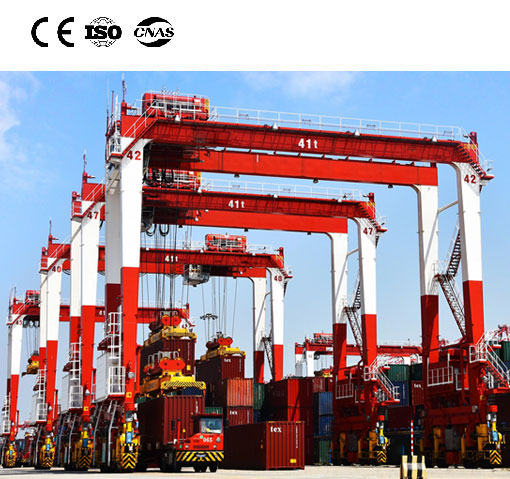
          Ready to get a customized price? Contact our experts today for a consultation and a detailed quote based on your unique requirements.

        32. What Are the Advantages of a Tire Crane Compared to a Traditional Gantry Crane?

          What Are the Advantages of a Tire Crane Compared to a Traditional Gantry Crane?

          In the world of heavy material handling and logistics, efficiency and flexibility are paramount. Two workhorses dominate these industries: the tire crane (more commonly known as Rubber-Tyred Gantry Crane or RTG) and the traditional rail-mounted gantry crane (RMG).

          轮胎式单梁起重机

          For decades, traditional gantry cranes, fixed on steel rails, have been the standard in ports and terminals. However, the evolving demands of modern logistics have propelled the tire crane into the spotlight for its remarkable adaptability.

          So, what truly sets them apart? While both are essential for lifting and moving heavy containers, the tire crane offers superior mobility, flexibility, and cost-effectiveness in dynamic environments. This article breaks down the key advantages of choosing a tire crane over its traditional counterpart, helping you determine the right solution for your operational needs.


          At a Glance: Key Differences

          FeatureTire Crane (RTG)Traditional Gantry Crane (RMG)
          MobilityHigh – moves freely on rubber tiresFixed – confined to a set of steel rails
          InfrastructureMinimal – requires only a paved surfaceExtensive – requires reinforced concrete rails
          Deployment SpeedFast – can be operational quicklySlow – requires lengthy installation of tracks
          FlexibilityCan be moved between yards easilyPermanent fixture; moving is complex and costly
          Initial InvestmentLower – no rail infrastructure neededHigher – significant cost in rail construction
          Ideal ForMulti-terminal ops, changing layouts, temporary sitesHigh-volume, fixed-layout, automated terminals

          Core Advantages of a Tire Crane (RTG)

          1. Unmatched Mobility and Flexibility

          The most significant advantage of a tire crane is its freedom of movement.

          • Go Anywhere Operation: RTGs move on robust rubber tires, allowing them to operate on any sufficiently strong asphalt or concrete surface. They are not locked into a single path.

          • Maneuverability: They can typically steer with a very tight turning radius (as low as 5-6 meters), navigate around obstacles, and be precisely positioned. Some models even feature 90-degree “crab steering” for lateral movement.

          • Adapt to Change: This mobility allows an RTG to quickly respond to workload changes in different yard areas, making it perfect for terminals with fluctuating or unpredictable container flow.

          2. Rapid Deployment and Easy Relocation

          Time is money, and tire cranes save a substantial amount of it during setup and redeployment.

          • Minimal Site Preparation: Installing an RTG requires no extensive ground engineering for rails. You need a level, paved surface with the appropriate load-bearing capacity.

          • Fast Transfer: If you need to move the crane to a different part of the yard or even a different terminal entirely, an RTG can often be driven there under its own power or with minimal disassembly and a tow truck. Relocating a rail-mounted gantry crane is a major project involving disassembly, transport, and reassembly, which can take days and requires heavy equipment.

          3. Lower Initial Investment and Infrastructure Cost

          The financial benefits of choosing tire cranes begin on day one.

          • No Costly Rail System: The most obvious saving is the elimination of the expensive rail and foundation system. Installing reinforced concrete rails for an RMG is a massive civil engineering project with a high price tag.

          • Reduced Civil Works: Since you’re pouring a simple slab instead of deep foundations for rails, the overall civil engineering costs and time are drastically reduced.

          4. Superior Yard Space Utilization

          Tire cranes offer more intelligent use of valuable real estate.

          • Access Every Corner: An RTG is not confined to a straight line. It can service containers at the very edges of a block and handle irregularly shaped storage areas that would be wasted space for an RMG.

          • Dynamic Reconfiguration: Yard layout can be changed and optimized on the fly without being constrained by the fixed position of rails. This leads to a more efficient use of available space.

          5. The “RTG Eco-Revolution”: Diesel-to-Electric Conversion

          A traditional criticism of RTGs was their reliance on diesel generators, leading to higher fuel costs, noise, and emissions. Modern technology has brilliantly solved this problem.

          • How it Works: “Diesel-to-Electric” conversion kits allow RTGs to plug into a local electric grid via a cable reel or busbar system while working in a designated area. They only use their diesel engine for moving between blocks.

          • The Benefits: This hybrid approach combines the best of both worlds: the mobility of diesel and the economic and environmental benefits of electric power. Converted RTGs see a dramatic reduction in fuel costs (60-85%), lower maintenance, and zero emissions during stationary operation, making them quieter and greener.

          6. Ideal for a Wider Range of Applications

          The flexibility of tire cranes makes them suitable for scenarios where a traditional gantry crane would be impractical or impossible.

          • Multi-Purpose Terminals: Perfect for terminals that handle a mix of container sizes, breakbulk cargo, and project cargo.

          • Temporary Sites and Construction: Invaluable for major construction projects, power plant maintenance, or any situation requiring heavy lifting at a temporary site.

          • Intermodal Yards and Logistics Centers: Their ability to move between different work zones makes them ideal for dynamic logistics hubs.


          Where the Traditional Gantry Crane (RMG) Still Excels

          For a balanced view, it’s important to acknowledge the strengths of the traditional RMG:

          • Ultimate Efficiency on Fixed Paths: In a high-volume, single-purpose terminal with a predictable flow, an RMG can be faster and more efficient as it runs on a smooth, dedicated track.

          • Higher Stacking: RMGs can often stack containers one tier higher (e.g., 6-over-1 vs. 5-over-1) because they are more stable on their fixed rails.

          • Easier Automation: Their fixed path makes them simpler and more cost-effective to fully automate for lights-out operations.

          • Lower Long-Term Energy Costs: When directly connected to the grid, their energy cost per move is very low.


          Conclusion: Which Crane is Right for You?

          The choice between a tire crane and a traditional gantry crane isn’t about which is universally better; it’s about which is better for your specific operation.

          Choose a Tire Crane (RTG) if:

          • You value flexibility and mobility above all else.

          • Your yard layout may change or expand in the future.

          • You need to serve multiple areas or terminals with the same equipment.

          • You want to minimize initial infrastructure investment.

          • You operate in a dynamic environment with changing demands.

          Choose a Traditional Gantry Crane (RMG) if:

          • You have a very high, consistent volume on a fixed path.

          • Your terminal layout is permanent and will not change.

          • Your primary goal is maximizing stacking height in a single area.

          • You are planning for full automation.

          • The terminal is designed for decades of predictable operation.

          In today’s fast-paced world, the agility and cost-saving advantages of the tire crane often make it the preferred choice for a wide range of modern logistics and industrial applications. Its ability to adapt, move, and evolve with your business needs provides a compelling argument for its superiority in all but the most static environments.

        33. There are so many models of cantilever cranes, each with its own advantages

          In the dynamic world of material handling, cantilever cranes stand out for their unique ability to lift, move, and place loads in spaces where traditional overhead cranes might struggle. Unlike their bridge-style counterparts, cantilever cranes feature a single arm that extends horizontally from a fixed support point, creating unparalleled flexibility for specific tasks.

          Wall Mounted Jib Crane

          The true strength of this crane category lies in its remarkable diversity. From compact workshop jibs to massive gantry systems, there is a model designed for nearly every conceivable application. Each type offers a distinct set of advantages, making the selection process less about finding the “best” crane and more about identifying the perfect match for your operational needs, space constraints, and budget.

          This article explores the various models of cantilever cranes, highlighting their unique benefits to help you make an informed decision.


          The Fundamental Design: Why Cantilevers Are Unique

          All cantilever cranes share a common principle: a horizontal jib arm is supported at only one end. This design frees up the entire area beneath and around the arm, allowing for obstruction-free lifting and precise positioning of loads. This is a key advantage overhead bridge cranes, which require runways and support structures that can interfere with floor space.

          The variations arise in how the arm is supported and mounted, leading to different models optimized for specific environments and tasks.


          A Spectrum of Models: Finding Your Perfect Fit

          Here’s a breakdown of the most common cantilever crane models and the specific advantages they offer.

          1. Wall-Mounted Cantilever Cranes

          Wall-mounted cranes are affixed directly to an existing, sturdy load-bearing wall or structural column. Their jib arm typically rotates 180 degrees or less.

          • Key Advantages:

            • Space Savers: Their most significant benefit is that they occupy zero floor space. This makes them ideal for cramped workshops, along production lines, or in storage areas where every square foot counts.

            • Cost-Effective Installation: They often require no dedicated foundation,
              potentially reducing initial installation time and cost compared to floor-mounted models.

            • Ideal for Perimeter Work: Perfect for loading/unloading machinery against a wall, servicing workstations, or handling materials in tight alleyways.

          • Ideal For: Workstations against sturdy walls, repair bays, manufacturing cells, and areas with limited floor space.

          2. Column-Mounted (or Freestanding) Cantilever Cranes

          This model features a single vertical column anchored to a heavy concrete foundation in the floor. The jib arm rotates a full 360 degrees around this central column.

          • Key Advantages:

            • Full Rotation: The 360-degree coverage provides maximum flexibility in a circular work area, allowing the operator to serve multiple points around the crane.

            • Structural Independence: It doesn’t rely on the strength of a wall or building structure. Its capacity and stability are derived from its own foundation, making it suitable for open areas and buildings with weaker walls.

            • High Capacity & Durability: Designed to be robust, often handling heavier loads and more frequent use cycles with stability.

          • Ideal For: Open shop floors, foundries, staging areas, and any application where loads need to be moved and positioned throughout a circular area.

          3. Wall-Traveling Jib Cranes

          A specialized variant of the wall-mounted crane, where the entire crane apparatus moves along a track fixed to a long wall.

          • Key Advantages:

            • Linear Mobility: Combines the space-saving of a wall mount with the ability to serve multiple workstations along the length of the wall. This is far more efficient than having multiple fixed cranes.

            • Enhanced Coverage: Drastically increases the service area without taking up floor space, perfect for long production or assembly lines.

          • Ideal For: Long assembly lines, packaging areas, and warehouses where processes are linear and parallel to a wall.

          4. Cantilever Gantry Cranes

          These are large, wheeled structures that run on ground-level tracks or floors. They feature one or two vertical legs supporting a long horizontal bridge, with a jib arm extending from one or both ends.

          • Key Advantages:

            • Massive Coverage and Capacity: Designed for very heavy loads and large span capabilities, often outdoors. They can easily span over railways, truck beds, or storage piles.

            • Outdoor Flexibility: Their mobility and lack of overhead building requirements make them perfect for shipyards, lumber yards, and steel storage areas.

            • Obstacle Clearance: The extended jib can reach over obstacles like fences or other equipment, a unique capability among crane types7.

          • Ideal For: Steel service centers, shipping ports, large-scale construction projects, and any outdoor heavy-lifting application.

          5. Portable/Mobile Cantilever Cranes

          These are smaller, self-contained cranes often mounted on a wheeled base or trailer. They may be manually operated or use electric/pneumatic power.

          • Key Advantages:

            • Ultimate Flexibility: The biggest advantage is go-anywhere mobility. They can be easily moved to where the work is, making them indispensable for maintenance, repair, and job sites with changing needs.

            • Rapid Deployment: Require little to no setup or installation; they are ready to use almost immediately.

            • Cost-Effective for Intermittent Use: Eliminate the need for a permanent installation at every potential lift point.

          • Ideal For: Maintenance departments, construction sites, loading docks, and facilities with diverse, changing lifting needs.

          6. Telescopic Cantilever Cranes

          These cranes feature a jib arm that can extend and retract, much like a telescope. This can be found on various mounts, including truck-mounted cranes.

          • Key Advantages:

            • Adjustable Reach: The telescoping mechanism allows the operator to vary the reach of the crane dynamically, providing incredible precision in positioning loads and adapting to different spatial constraints3.

            • Compact Storage: When retracted, the crane takes up less space, which is beneficial for storage and transport on mobile units.

          • Ideal For: Applications requiring variable reach, such as logistics, truck loading, and situations with obstacles at different distances.

          7. Light-Duty Workshop Jib Cranes (A Subset)

          Often referred to as “small cantilever cranes,” these are lightweight versions, often found in machine shops, workshops, and assembly areas2.

          • Key Advantages:

            • Economic Efficiency: They are a cost-effective solution for frequent, light-duty lifting tasks2.

            • Ease of Use: Designed for simple operation, often manual, allowing for quick and easy movement of components, tools, or products2.

            • Ergonomics: Improve workplace safety and reduce worker fatigue by handling repetitive lifting tasks with precision.

          • Ideal For: Machine shops, small assembly stations, CNC machine feeding, and any area where small, frequent lifts are needed.


          Comparison Table of Cantilever Crane Models

          ModelPrimary AdvantageBest Suited EnvironmentTypical Rotation
          Wall-MountedSaves all floor spaceAgainst sturdy walls, tight spaces≤ 180°
          Column-MountedFull 360° rotationOpen shop floors, independent workstations360°
          Wall-TravelingMobility along a wallLong production/assembly lines≤ 180°
          GantrySpans large, outdoor areasShipyards, steel yards, lumber yardsVaries
          PortableComplete mobilityMaintenance, multiple job sites360°
          TelescopicAdjustable reachVariable distance lifting, logisticsVaries
          Workshop JibCost-effective for light dutyMachine shops, small workstations180° – 360°

          Key Advantages to Consider When Choosing

          Beyond the model-specific benefits, here are the universal advantages of cantilever cranes that make them so popular:

          • Obstruction-Free Lifting: The single-arm design provides clear access to the load from above and the sides.

          • Precision Handling: Most models allow for very fine control in positioning loads, both horizontally and vertically.

          • Space Optimization: They efficiently utilize often-wasted vertical and perimeter space, especially wall-mounted models2.

          • Versatility: With various mounts, capacities, and reaches available, there’s a solution for almost any industry.

          • Improved Safety: By mechanizing lifting, they reduce the risk of musculoskeletal injuries among workers from manual handling.

          • Increased Productivity: Drastically reduce the time and labor required to move heavy items, accelerating workflow8.


          How to Select the Right Model for Your Needs

          Choosing the right cantilever crane involves a careful assessment of your requirements:

          1. Application & Workflow: What are you lifting? How often? What is the path the load needs to take?

          2. Available Space: Is floor space available, or must the crane be mounted on a wall? Are there height restrictions?

          3. Structural Support: Do you have a strong, load-bearing wall (for wall-mounted), or can you pour a foundation (for column-mounted)?

          4. Rotation Requirement: Do you need 180-degree coverage or full 360-degree service?

          5. Capacity & Reach: Determine the maximum weight and the required horizontal distance from the support point.

          6. Mobility: Does the crane need to be stationary, or does it need to move to different locations?

          7. Budget: Consider both the initial investment and long-term maintenance costs.

          Conclusion

          The world of cantilever cranes is indeed vast, with so many models, each boasting its own unique advantages. There is no one-size-fits-all solution. The powerful column-mounted crane offers unrivaled rotation in an open area, while the space-conscious wall-mounted crane is the champion of tight spaces. The mobile gantry rules the outdoor yard, and the humble workshop jib keeps small shops running efficiently.

          The key to unlocking the benefits of this versatile equipment is to thoroughly analyze your specific needs and match them to the strengths of the different models. By understanding the distinct advantages each type of cantilever crane offers, you can invest in a material handling solution that enhances safety, boosts productivity, and provides a strong return on investment for years to come. When in doubt, consulting with a qualified crane engineer is always the best step to ensure a safe and optimal selection.
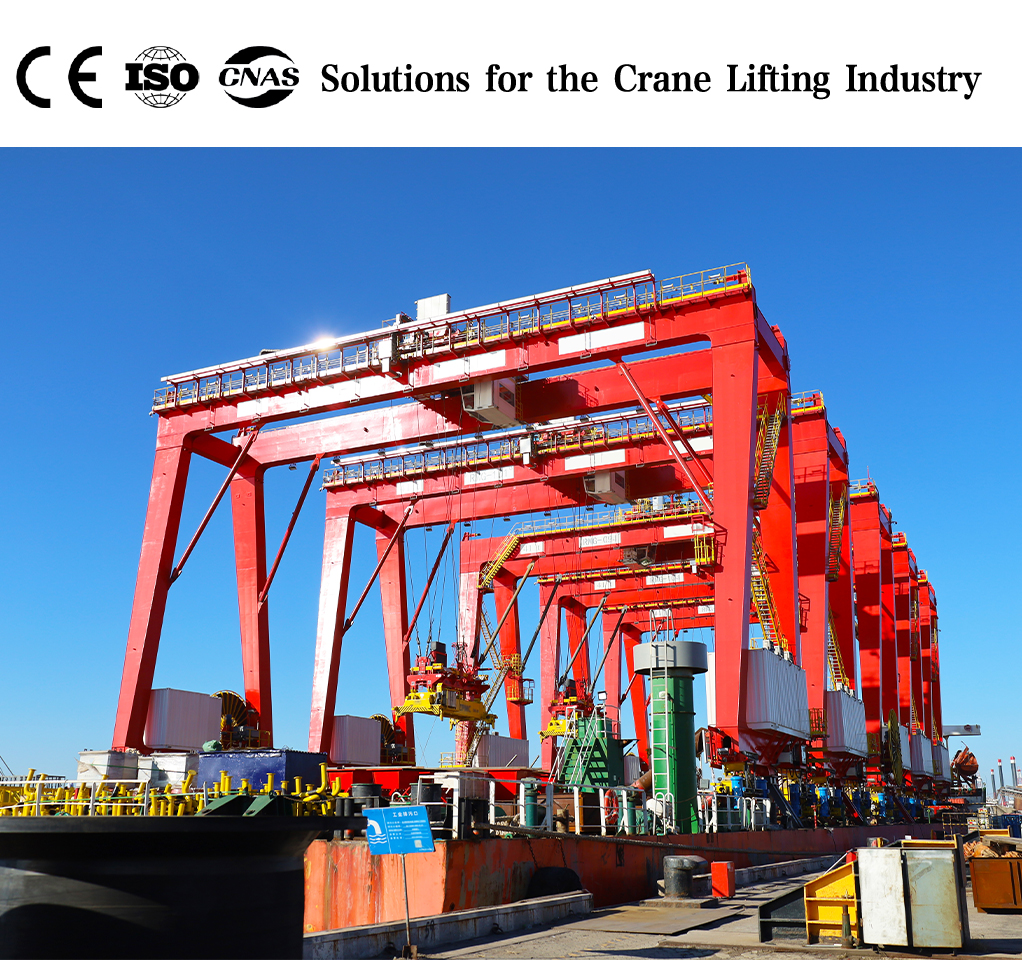
        34. Which is the most convenient to use between column mounted cantilever crane and wall mounted cantilever crane

          In material handling and industrial operations, cantilever cranes provide exceptional flexibility and efficiency. Among the various types available, column-mounted (also known as freestanding) and wall-mounted cantilever cranes are two popular options. But when it comes to convenience, which one truly reigns supreme?

          The answer, as is often the case in engineering, is: it depends entirely on your specific application, workspace layout, and operational needs. Column-mounted cranes offer unparalleled 360-degree rotation and independence from existing structures, while wall-mounted cranes excel in space efficiency for operations along walls. This article breaks down the key differences to help you determine which is most convenient for your facility.
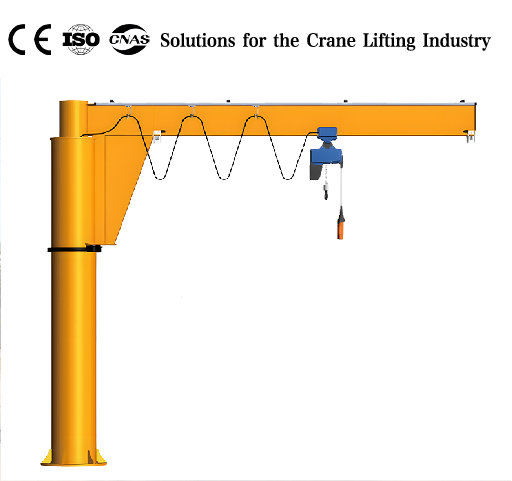

          Understanding the Basic Design and Operation

          Column Mounted Cantilever Cranes

          手动立柱式悬臂吊起重机

          A column mounted cantilever crane features a vertical column anchored to a concrete foundation using anchor bolts. The jib arm rotates around this column, and an electric hoist moves along the arm to handle materials. This self-supporting structure operates independently of building supports.

          Wall Mounted Cantilever Cranes

          Wall Mounted Jib Crane

          A wall mounted cantilever crane is directly fixed to a sturdy load-bearing wall or structural column. Its jib arm typically has a limited rotation angle, usually 180 degrees or less, and it relies entirely on the wall’s structural integrity for support.


          Head-to-Head Comparison: Key Factors for Convenience

          To determine which is more convenient, let’s compare them across several critical operational factors.

          1. Installation Process and Structural Requirements

          FeatureColumn Mounted CraneWall Mounted Crane
          FoundationRequires a dedicated concrete foundation with anchor bolts.No floor foundation needed.
          Structural SupportSelf-supported; independent of building walls.Depends entirely on wall strength; may require wall reinforcement.
          Installation ComplexityModerate; involves foundation work and assembly.Simpler and faster if the wall is strong enough.
          Engineering CostsPrimarily for foundation design.May require significant engineering costs to verify wall can support the load.

          Convenience Verdict: The wall-mounted crane wins on installation speed and avoids floor excavation. However, if your wall requires reinforcement, the process can become complex and costly. The column-mounted crane has a more predictable, albeit physically intensive, installation process.

          2. Spatial Efficiency and Workspace Layout

          FeatureColumn Mounted CraneWall Mounted Crane
          Floor Space UsageOccupies precious floor space with its column and foundation.Zero floor space occupation; ideal for cramped areas.
          Work EnvelopeProvides 360-degree rotation (can be specified as 180° or 270°), offering a large circular coverage area.Limited rotation (typically ≤180°), covering a semi-circular area against the wall.
          InterferenceCan potentially interfere with other floor-based equipment or traffic.Stays clear of floor obstructions, avoiding interference with larger overhead cranes.

          Convenience Verdict: For maximizing open floor space and servicing wall-adjacent areas, the wall-mounted crane is unbeatable. However, if you need coverage in the middle of a room or require full rotation, the column-mounted crane is far more convenient.

          3. Load Capacity and Performance

          Both types are commonly available in standard capacities up to 2 tons, with larger models (3t, 5t) available for both, though wall-mounted versions may require more significant structural checks at higher capacities.

          • Column Mounted: Generally has high stability due to its robust foundation, which can support consistent performance at rated capacity.

          • Wall Mounted: Its capacity is limited by the strength of the existing wall structure. This might require a thorough inspection and potential reinforcement for heavier loads.

          Convenience Verdict: The column-mounted crane offers more predictable and often less restricted load capacity, as it doesn’t rely on variable existing structures.

          4. Mobility and Flexibility

          • Column Mounted Crane: Once installed, it is fixed in place permanently. Its flexibility comes from its wide rotation, not mobility.

          • Wall Mounted Crane: Also fixed in place permanently. There is a third type, the wall-traveling jib crane, which runs on a track along a long wall, serving multiple workstations. This offers superior mobility for long, wall-based production lines.

          Convenience Verdict: Both basic types are fixed. If mobility along a wall is a requirement, a wall-traveling jib crane would be the most convenient option, albeit at a higher installation complexity.

          5. Cost Considerations

          Cost FactorColumn Mounted CraneWall Mounted Crane
          Initial Equipment CostSimilar to wall-mounted for comparable capacity.Similar to column-mounted for comparable capacity.
          Installation CostHigher due to concrete foundation work.Lower, if the wall requires no reinforcement.
          Additional EngineeringFor foundation design.Can be high to verify wall load-bearing capacity.
          Long-Term MaintenanceFocus on mechanical parts and foundation integrity.Focus on mechanical parts and wall connection integrity.

          Convenience Verdict: The wall-mounted crane can be more cost-effective if your walls are already sufficiently strong. However, unexpected costs for wall reinforcement can quickly negate this advantage. The column-mounted crane’s costs are more upfront and predictable.


          Summary Comparison Table

          FactorColumn Mounted CraneWall Mounted Crane
          InstallationRequires concrete foundationMounts on strong wall/column
          Space UsageOccupies floor spaceSaves all floor space
          RotationUp to 360°Typically ≤ 180°
          Ideal ForOpen areas, multi-directional liftingAgainst walls, compact spaces
          Load CapacityLimited by model designLimited by wall strength
          MobilityFixed positionFixed position (unless wall-traveling)
          Best SuitedIndependent workstations, high frequencyTight spaces, limited budgets, fixed wall-side lifting

          So, Which One is More Convenient for You?

          The most convenient choice is dictated by your specific facility’s layout and operational demands.

          Choose a Column Mounted Cantilever Crane if:

          • You need 360-degree rotation for maximum coverage in an open area.

          • Your lifting operations are not primarily against a wall.

          • Your existing walls are not strong enough to support a crane.

          • You have floor space available for a foundation and don’t mind it being occupied.

          • You require a predictable installation process based on a new foundation.

          Choose a Wall Mounted Cantilever Crane if:

          • Your workstation is directly against a sturdy, load-bearing wall.

          • Maximizing open floor space is a critical priority.

          • A rotation of 180 degrees or less is sufficient for your operation.

          • You want a generally quicker installation process that avoids pouring a new foundation (assuming no wall reinforcement is needed).

          • Your budget for installation is potentially lower (again, assuming no wall reinforcement is needed).

          Conclusion

          There is no single winner in the debate between column-mounted and wall-mounted cantilever cranes. Convenience is application-dependent.

          • For spatial efficiency and servicing wall-adjacent areas, the wall-mounted crane is vastly more convenient.

          • For operational flexibility, full rotation, and independence from building structures, the column-mounted crane is the more convenient and capable choice.

          The best way to decide is to consult with a qualified crane engineer. We can assess your facility’s structure, analyze your workflow needs, and recommend the optimal solution that balances convenience, performance, and cost for your specific operation.

        35. Differences and Advantages Between Rubber-Tired Gantry Cranes and Ordinary Gantry Cranes

          Differences and Advantages Between Rubber-Tired Gantry Cranes and Ordinary Gantry Cranes

          In the world of industrial material handling and port operations, gantry cranes are indispensable workhorses for lifting and moving heavy loads. Among these, Rubber-Tired Gantry Cranes (RTGs) and Ordinary Gantry Cranes (often referring to Rail-Mounted Gantry Cranes or RMGs) are two primary contenders. While both serve the fundamental purpose of heavy lifting, their design, functionality, and ideal applications differ significantly. Understanding these differences is crucial for businesses, port authorities, and logistics managers to make informed decisions that optimize efficiency, safety, and return on investment.

          双梁轮胎式起重机

          This comprehensive guide delves into the distinct characteristics, advantages, and limitations of Rubber-Tired Gantry Cranes and ordinary Rail-Mounted Gantry Cranes, helping you identify the perfect fit for your operational needs.


          1. Fundamental Structural and Operational Differences

          The core distinction between these two crane types lies in their mobility and support systems.

          • Rubber-Tired Gantry Cranes (RTGs):
            RTGs are characterized by their freestanding structure supported by legs that run on rubber tires. This allows them to move freely around a yard or workspace without the constraint of fixed tracks. They are self-propelled and often use a diesel-electric or fully electric power system with energy storage for mobility.

          • Rail-Mounted Gantry Cranes (RMGs):
            Ordinary gantry cranes, typically represented by RMGs, are permanently installed on fixed steel rails or tracks embedded in the ground. Their movement is strictly linear and confined to the length of the installed runway system. They are almost exclusively powered by external electrification through conductor bars or festoon systems.


          2. Key Advantages of Rubber-Tired Gantry Cranes (RTGs)

          RTGs excel in flexibility and are ideal for dynamic work environments.

          2.1 Unparalleled Mobility and Flexibility

          • Free Movement: The most significant advantage of RTGs is their ability to move anywhere within a yard or workspace that has a suitable paved surface. This allows for easy repositioning to handle changing workloads, adapt to new storage patterns, or respond to urgent tasks in different areas.

          • No Fixed Infrastructure Needed: They do not require extensive and costly ground-level rail infrastructure to be installed, making them quicker and sometimes less expensive to deploy initially.

          • Ideal for Changing Layouts: For facilities that anticipate future expansion or reorganization, RTGs offer the flexibility to adapt without the need to alter fixed track systems.

          2.2 Lower Initial Investment and Faster Deployment

          • Reduced Site Preparation: Since there’s no need to excavate and install deep foundations for long rail tracks, the initial installation cost and time are often lower compared to RMG systems.

          • Proven Technology with Evolving Options: RTGs are a mature technology with readily available models. Furthermore, existing diesel-powered RTGs can often be retrofitted with electric drive systems or automated features.

          2.3 Versatility in Various Applications

          • Wide Range of Use Cases: Beyond container terminals, their mobility makes them suitable for construction sites, large manufacturing workshops, and storage yards where the lifting needs may be scattered or temporary.

          • Disaster Response and Temporary Projects: Their ability to be deployed quickly without permanent installation makes them valuable for temporary projects or recovery operations.


          3. Key Advantages of Rail-Mounted Gantry Cranes (RMGs)

          RMGs shine in settings that demand high precision, efficiency, and heavy-duty performance.

          3.1 Superior Operational Efficiency and Higher Speeds

          • Faster and Smoother Operation: Guided by fixed rails, RMGs can operate at higher speeds (both in hoisting and traversing) with greater smoothness and stability. This translates to faster cycle times and potentially higher throughput in a dedicated work cell.

          • Precision Handling: The fixed guidance system allows for extremely precise load positioning, which is critical in automated storage and retrieval systems (AS/RS) or when handling delicate or high-value goods.

          3.2 Higher Lifting Capacities and Stacking Heights

          • Built for Heavy Loads: The rigid rail support allows RMGs to be designed for much higher lifting capacities, often exceeding 1000 tons for specialized applications in heavy industries like shipbuilding or large component fabrication.

          • Greater Stacking Density: RMGs typically have a wider span and can be built taller, enabling them to stack containers or goods higher (often 6-7 layers) and utilize vertical space more effectively in a fixed area, maximizing storage density.

          3.3 Lower Long-Term Operational Costs and Environmental Benefits

          • Reduced Energy Consumption: RMGs are primarily electric-powered, connecting directly to the grid. This makes them more energy-efficient than diesel-powered RTGs and eliminates on-site emissions during operation, contributing to a greener footprint.

          • Minimal Tire-Related Maintenance: Unlike RTGs, which require regular and costly tire replacement and maintenance (a significant operational expense), RMGs have steel wheels on steel rails, leading to lower long-term maintenance costs and less downtime.

          3.4 Enhanced Safety and Suitability for Automation

          • Inherent Stability: The fixed track system provides exceptional stability, even in adverse weather conditions like high winds, reducing safety risks.

          • Ideal for Full Automation: The predictable, fixed path of travel makes RMGs the preferred choice for fully automated and unmanned operations. They can be seamlessly integrated into automated logistics systems with precise coordination.


          4. Head-to-Head Comparison Table

          FeatureRubber-Tired Gantry Crane (RTG)Rail-Mounted Gantry Crane (RMG)
          MobilityHigh (Free-moving on rubber tires)Low (Fixed on rails, linear movement only)
          InfrastructureMinimal (Paved surface required)Extensive (Requires fixed rail installation)
          Initial InvestmentGenerally LowerGenerally Higher
          Operational CostHigher (Fuel, tire wear, maintenance)Lower (Electric power, less maintenance)
          Lifting CapacityStandard (e.g., 30-50 tons, some up to 80+ tons)Very High (5 – 1000+ tons)
          Stacking HeightTypically 3-5 layersTypically 5-7+ layers
          Operational SpeedModerateHigher
          PrecisionGoodExcellent
          AutomationPossible, but more complexEasier to automate
          Environmental ImpactHigher (if diesel) / Lower (if electric)Lower (Zero on-site emissions)
          Ideal ApplicationDynamic yards, multi-use terminals, space-flexible needsHigh-volume, fixed-layout terminals, automated storage, heavy industry

          5. How to Choose: Which Crane is Right for Your Operation?

          The decision between an RTG and an RMG is not about which is universally better, but which is optimal for your specific operational requirements.

          Choose a Rubber-Tired Gantry Crane (RTG) if:

          • Your layout is subject to change or you require flexibility in operations.

          • Initial capital expenditure is a major constraint.

          • Your operation is in a multi-purpose yard or has diverse lifting locations.

          • You need a solution for a temporary project or lack the space for rail infrastructure.

          • Throughput speed is less critical than adaptability.

          Choose a Rail-Mounted Gantry Crane (RMG) if:

          • You have a high-volume, fixed operation where throughput and efficiency are paramount.

          • Long-term operational cost savings and energy efficiency are priorities.

          • You require very high stacking to maximize storage density in a limited area.

          • You are handling extremely heavy loads beyond the capacity of standard RTGs.

          • Full automation is a current or future goal for your facility.

          • Reducing your environmental impact is a key objective.


          6. The Future Trend: Automation and Eco-Efficiency

          Both RTG and RMG technologies are evolving. A strong trend is toward electrification and automation:

          • RTGs are increasingly available with electric drivetrains (often with battery backup or hybrid systems) and are being equipped with sophisticated GPS and guidance systems for semi-automated operation.

          • RMGs continue to be the cornerstone of fully automated “dark” terminals and warehouses, operating continuously with minimal human intervention.


          Conclusion: Leveraging Strengths for Operational Excellence

          In the debate between Rubber-Tired Gantry Cranes and Rail-Mounted Gantry Cranes, there is no single winner. Each possesses unique strengths tailored to different challenges.

          RTGs are the champions of flexibility and adaptability, offering a powerful mobile lifting solution perfect for dynamic environments and those with budget constraints upfront.

          RMGs are the masters of efficiency and precision, delivering unbeatable performance, lower operating costs, and a clear path to automation for high-volume, fixed operations focused on long-term value.

          By carefully evaluating your business goals, workflow, site constraints, and financial models against the distinct advantages outlined above, you can select the crane technology that will serve as a robust foundation for your productivity and growth for years to come.
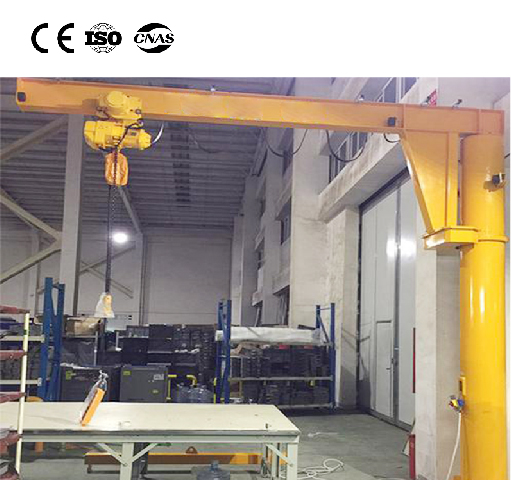
        36. Which has greater advantages when comparing wall-mounted cantilever cranes and column-mounted cantilever cranes?

          Which has greater advantages when comparing wall-mounted cantilever cranes and column-mounted cantilever cranes?

          In material handling and lifting operations, selecting the right equipment is crucial for optimizing efficiency, safety, and cost-effectiveness. Among the various options, wall-mounted cantilever cranes and column-mounted cantilever cranes are two prominent choices. While both serve similar purposes, their structural support, installation requirements, and operational advantages differ significantly. Understanding these differences is essential for making an informed decision that aligns with your facility’s layout, workflow, and long-term goals. This comprehensive comparison breaks down the advantages of each type, helping you determine which crane is best suited for your specific needs.

          手动立柱式悬臂吊起重机


          1. Fundamental Structural Differences

          The core distinction between these two crane types lies in their support structures and installation methods.

          • Wall-Mounted Cantilever Cranes:
            These cranes are directly fixed to existing vertical structures, such as load-bearing walls or robust columns. They consist of a horizontal jib (arm) supported by a wall bracket system, often reinforced with tie rods. The entire load is transferred to the building’s structure.

          • Column-Mounted Cantilever Cranes:
            These cranes feature a freestanding vertical column anchored to a concrete foundation on the floor. The jib is attached to this independent column, which is designed to support all operational loads without relying on the building’s walls.


          2. Key Advantages of Wall-Mounted Cantilever Cranes

          Wall-mounted cranes excel in space optimization and are ideal for specific logistical layouts.

          Wall Mounted Jib Crane

          2.1 Superior Space Efficiency and Floor Space Freedom

          • Zero Floor Footprint: Their most significant advantage is that they do not occupy any floor space. This keeps the entire work area clear for other equipment, movement, and storage.

          • Ideal for Perimeter Work: They are perfectly suited for operations along walls, such as loading bays, assembly lines, or workstations where space is constrained. This makes them excellent for long walls or areas with multiple stations where horizontal movement is beneficial.

          2.2 Cost-Effectiveness and Simplified Installation

          • Lower Initial Installation Cost: Since they leverage existing structures, they often require less material and foundational work compared to column-mounted types. There’s no need for expensive floor foundations or extensive groundwork.

          • Faster Installation: The installation process is generally quicker as it involves fixing the crane to a wall rather than pouring concrete and anchoring a heavy column.

          2.3 Specific Application Flexibility

          • Adaptability to Existing Layouts: They can be mounted directly onto machines or along columns, providing flexible lifting solutions without major facility modifications.


          3. Key Advantages of Column-Mounted Cantilever Cranes

          Column-mounted cranes offer unparalleled mobility and flexibility for dynamic work environments.

          3.1 Full 360-Degree Rotation and Unrestricted Coverage

          • Complete Work Area Coverage: The prime advantage of a column-mounted crane is its ability to rotate a full 360 degrees. This provides a vast, circular work envelope, making it ideal for serving multiple workstations in an open area.

          • Independent Operation: As a self-contained unit, it operates independently of the building’s walls. This is invaluable in facilities with large, open floor plans or where walls are not sufficiently strong.

          3.2 Higher Load Capacity and Structural Robustness

          • Designed for Heavy-Duty Applications: These cranes are typically engineered to handle higher load capacities reliably. For instance, common models are designed for loads like 2 tons7 or even 5 tons9, with the structure and foundation designed to manage the stresses.

          • Stability Under Load: The freestanding column and deep foundation provide exceptional stability, minimizing sway and ensuring precise load positioning, even near the crane’s capacity limit.

          3.3 Flexibility in Facility Layout and Placement

          • Placement Freedom: They can be installed virtually anywhere on the floor where a foundation can be poured, offering greater flexibility in organizing the workshop layout without being tied to wall structures.

          • Easier Re-location (Though Still Significant): While moving one is a major project, it is structurally simpler than relocating a wall-mounted crane, which might involve damaging walls and reassessing structural integrity elsewhere.


          4. Direct Comparison Table: Wall-Mounted vs. Column-Mounted

          FeatureWall-Mounted Cantilever CraneColumn-Mounted Cantilever Crane
          Support StructureBuilding’s wall or columnFreestanding column on foundation
          Floor Space UsageNo floor obstruction (maximizes space)Requires floor space for column and foundation
          Rotation/ CoverageTypically limited (e.g., 180° – 270°)Full 360° rotation
          Typical Load CapacityOften lower (e.g., 0.25t – 5t)Often higher (e.g., 2t – 5t+)
          Installation Cost & ComplexityGenerally lower cost, simplerHigher cost (requires foundation), more complex
          Ideal Use CaseWork along walls, space-constrained areasOpen areas, multi-directional lifting, heavy loads
          Structural DependencyDepends on wall strength; may require reinforcementIndependent of building walls
          Mobility/RelocationDifficult, involves wall modificationsDifficult, but independent of walls

          5. How to Choose: Which One is Right For You?

          The best choice depends on a thorough analysis of your operational requirements and constraints.

          Choose a Wall-Mounted Cantilever Crane If:

          • Your primary lifting operations are concentrated along the walls of your facility.

          • Maximizing clear floor space is an absolute priority for other operations.

          • Your existing walls are structurally sound and can bear the loads (consult an engineer).

          • Your budget for initial installation is a key concern.

          • A rotation coverage of 180° to 270° is sufficient for your tasks.

          Choose a Column-Mounted Cantilever Crane If:

          • You need to provide lifting coverage in an open area away from walls.

          • 360-degree rotation is necessary to serve multiple workstations around a central point.

          • You are handling heavier loads that require maximum stability.

          • The building walls are unsuitable for supporting heavy loads.

          • You have the floor space and budget for a more robust installation.


          6. Important Considerations Before Installation

          • Structural Assessment (Critical for Wall-Mounted): A professional must evaluate the strength of the wall. Reinforcing the wall can add high cost and complexity.

          • Foundation Requirements (Critical for Column-Mounted): The concrete foundation must be designed to handle the operational loads and moments. This requires proper planning and execution.

          • Future Flexibility: Consider potential changes in your facility layout. A column-mounted crane offers more placement flexibility in an open space.


          Conclusion: It’s About the Right Tool for Your Specific Job

          There is no universal “better” option—only the crane that is best suited for your specific operational environment, spatial constraints, and lifting requirements.

          Wall-mounted cantilever cranes are the champions of space efficiency and cost-effective perimeter lifting. They are the ideal solution for workshops and warehouses where every square foot of floor space is precious and work is done against walls.

          Column-mounted cantilever cranes are the masters of versatility, heavy-duty performance, and full-area coverage. They are the superior choice for open plants where flexibility, maximum rotation, and handling higher capacities are paramount.

          By carefully weighing the distinct advantages outlined in this comparison against your facility’s blueprint and workflow needs, you can make a confident investment that enhances productivity, ensures safety, and provides optimal return on investment for years to come.

        37. Advantages of Cantilever Cranes Compared with Mobile Cantilever Cranes

          Advantages of Cantilever Cranes Compared with Mobile Cantilever Cranes

          In the realm of industrial material handling, selecting the right lifting equipment—whether cantilever cranes or mobile cantilever cranes—is pivotal for optimizing efficiency, safety, and cost-effectiveness. While both share the distinctive cantilever arm design enabling extended reach and overhead lifting, their structural support and mobility differ fundamentally. Fixed cantilever cranes are permanently installed, often bolted to the floor or building structure, whereas mobile cantilever cranes feature wheeled bases or tracks for relocation. Understanding the unique advantages of fixed cantilever cranes is essential for making an informed investment. This article explores why fixed cantilever cranes often outperform their mobile counterparts in specific industrial scenarios, focusing on stability, lifting capacity, cost efficiency, precision, and suitability for repetitive tasks.
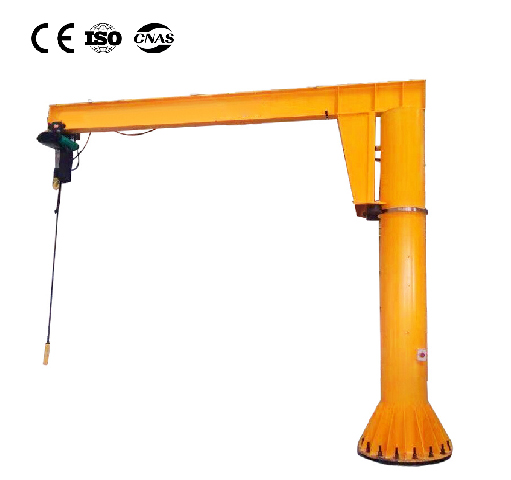
          手动立柱式悬臂吊起重机

          1. Superior Stability and Structural Integrity
          Fixed cantilever cranes are renowned for their exceptional stability, a direct result of their permanent installation onto robust foundations or building structures.

          • Enhanced Load-Bearing Security: Their anchored design provides a solid base, making them inherently more stable under load. This reduces sway and swing during lifting operations, which is critical for handling delicate, unbalanced, or very heavy items.

          • Reduced Safety Risks: The inherent stability minimizes the risk of tipping or shifting during operation, a crucial safety advantage especially when lifting loads near their capacity limit.

          2. Higher Load Capacity and Performance
          The rigid, fixed support structure allows these cranes to handle significantly heavier loads compared to most mobile cantilever models.

          • Designed for Heavy-Duty Applications: Fixed cantilever cranes can be engineered to lift loads ranging from a few hundred kilograms to several hundred tons, depending on their design and build. For instance, some rigid systems can handle up to 2000kg or more.

          • Consistent Performance: Without the constraints of a mobile base’s weight distribution and balance, fixed cranes can maintain performance consistency even at or near their maximum rated capacity.

          3. Cost-Effectiveness and Lower Total Ownership Cost
          For operations within a fixed area, cantilever cranes often present a more economical solution over time.

          • Lower Initial Investment: Permanent installations typically require less complex hardware than mobile equivalents, which need integrated mobility systems (wheels, brakes, steering). This can lead to a lower upfront cost.

          • Reduced Maintenance and Longer Lifespan: With fewer moving parts related to mobility (like axles, tires, mobile steering mechanisms), fixed cranes generally experience less wear and tear. This translates to lower long-term maintenance costs, less downtime, and a longer operational lifespan. Their simplified design also often makes maintenance routines more straightforward.

          4. Precision Handling and Control
          The stability of a fixed foundation directly contributes to superior control during load manipulation.

          • Accurate Positioning: Minimal sway allows operators to place loads with high precision. This is invaluable in assembly operations, machining centers, or when working in tight spaces where millimeter accuracy is required.

          • Smoother Operation: The fixed point of operation can contribute to smoother acceleration and deceleration of the hoist and trolley, enabling finer control and reducing the risk of load damage.

          5. Ideal for Repetitive Tasks in Fixed Locations
          When the lifting need is consistently in the same location, fixed cantilever cranes are unparalleled in efficiency.

          • Optimized Workflow: They are perfect for dedicated tasks within a specific workstation, such as loading/unloading a specific machine, feeding a production line, or transferring materials between fixed points in a process.

          • Ergonomic Benefits: They can be perfectly positioned to eliminate manual lifting in a designated area, reducing physical strain on workers and improving overall ergonomics.

          6. Space Efficiency and Customization
          Fixed cranes can be configured to maximize available space without sacrificing functionality.

          • Custom Arms and Reach: The boom length and height can be tailored to the exact needs of the workspace, ensuring optimal coverage without unnecessary obstruction.

          • Mounting Flexibility: They can be installed as freestanding units or wall-mounted (wall-mounted jib cranes), which is an excellent space-saving solution for working along walls or in corners, freeing up valuable floor space below.

          7. Enhanced Safety for Stationary Operations
          The predictability and permanence of fixed cranes contribute to a safer work environment in their zone of operation.

          • Clear Operational Zone: Everyone in the facility knows the crane’s fixed coverage area, allowing for better traffic management of personnel and other equipment outside this zone.

          • Reduced Collision Risk: Unlike mobile cranes that move around the facility, a fixed crane eliminates the risk of colliding with other equipment, infrastructure, or people in adjacent areas during transit.

          Comparison Table: Fixed Cantilever Crane vs. Mobile Cantilever Crane

          FeatureFixed Cantilever CraneMobile Cantilever Crane
          MobilityStationary; fixed operational areaMobile; can be relocated as needed
          StabilityVery High (anchored foundation)Moderate (depends on base and surface)
          Typical Load CapacityHigher (e.g., up to 2000kg+ for some rigid systems)Generally Lower (constrained by mobile base stability)
          Precision & ControlSuperior (minimal sway, accurate positioning)Good, but can be affected by movement and surface
          Initial CostOften lower (simpler structure)Often higher (added cost of mobility system)
          MaintenanceGenerally lower (fewer complex moving parts)Generally higher (maintenance for wheels, brakes, etc.)
          Ideal Use CaseRepetitive tasks in a fixed locationTasks requiring frequent location changes
          Floor Space ImpactPermanent footprintMobile, but requires storage and transit aisles
          SafetyHigh (fixed hazard zone)Requires vigilance during movement and operation

          Conclusion: Choosing the Right Tool for the Task
          The choice between a fixed cantilever crane and a mobile cantilever crane hinges on a precise evaluation of your operational needs.

          Movable JIB Crane

          Fixed cantilever cranes are the undisputed champions of stability, lifting capacity, and cost-efficient precision for repetitive tasks in a dedicated location. Their robust, anchored design makes them the safer, more powerful, and more reliable choice for applications where the lifting need does not move.

          Mobile cantilever cranes, conversely, offer invaluable flexibility and adaptability for facilities where loads need to be lifted and transported across multiple locations or where workstations are frequently reconfigured.

          For operations prioritizing raw lifting power, unwavering stability, precision handling, and long-term value within a fixed area, the advantages of a fixed cantilever crane are clear and compelling. By investing in the right type of crane for your specific workflow, you maximize productivity, enhance safety, and ensure a strong return on investment.
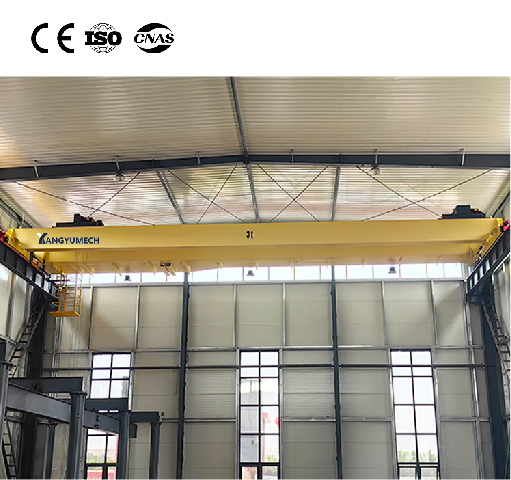
        38. Advantages of Semi-Gantry Cranes Compared with Overhead Cranes

          Advantages of Semi-Gantry Cranes Compared with Overhead Cranes

          In the realm of industrial material handling, selecting the right lifting equipment is crucial for optimizing efficiency, safety, and cost-effectiveness. Two prominent contenders are semi-gantry cranes and overhead cranes (often called bridge cranes). While both are indispensable in workshops, warehouses, and production facilities, they cater to different needs based on their design and capabilities.

          If your operation involves working along walls, in spaces with limited floor area, or requires a balance between mobility and lifting power without reinforcing your building’s structure, a semi-gantry crane might be the superior choice. This article delves into the specific advantages semi-gantry cranes offer over traditional overhead cranes, helping you make an informed decision for your business.


          1. Superior Space Efficiency and Layout Flexibility

          One of the most significant advantages of a semi-gantry crane is its efficient use of space.

          • Reduced Floor Obstruction: Unlike a full gantry crane, which requires clear space for two supporting legs on the ground, a semi-gantry crane utilizes the existing building structure (like a wall or column) for support on one side. This means only one leg occupies floor space, resulting in a less obstructed work area. This is invaluable for facilities where maximizing clear floor space for other equipment, like forklifts, or for storage is a priority.

          Semi Gantry Crane

          • Ideal for Perimeter Work: Semi-gantry cranes are perfectly suited for applications where the primary work area is against a wall or a line of building columns, such as in loading bays, assembly lines along walls, or storage areas along a facility’s perimeter. Their design inherently matches this layout, which an overhead crane cannot.


          2. Cost-Effectiveness and Lower Initial Investment

          Semi-gantry cranes often present a more economical solution, both upfront and in the long run.

          • Lower Installation Costs: The semi-gantry design requires less structural steel for support on the building-anchored side, as it leverages the existing facility structure. This can lead to a lower initial investment compared to a full overhead crane system of similar capacity, which requires extensive runway beams attached to the building structure.

          • Reduced Foundation and Infrastructure Costs: Since one side is building-supported, there’s potentially less groundwork and foundational work required for the runway on that side compared to installing support structures for a full overhead system or the ground tracks for a full gantry crane.


          3. Easier and Faster Installation Process

          The installation of a semi-gantry crane is generally less complex.

          • Simplified Erection: With only one ground-supported leg to position and align, the installation process can be quicker and require less heavy machinery than erecting the full runway system for an overhead crane or the dual-leg structure of a full gantry crane. This translates to reduced installation time and lower labor costs.


          4. Flexibility and Adaptability for Specific Layouts

          Semi-gantry cranes offer a unique blend of fixed and mobile benefits.

          • Hybrid Design: They combine the overhead reach of a bridge crane with the ground-supported mobility of a gantry crane. This makes them excellent for applications where a full overhead crane runway is impractical or too expensive to install, but where more flexibility than a fixed jib crane is needed.

          • Easier Reconfiguration: For some semi-gantry designs, especially lighter models, relocating the crane within a facility can be more straightforward than relocating a full overhead crane system, which is typically a permanent fixture.


          5. Maintaining Strong Lifting Capacity for Many Applications

          While full overhead cranes might handle the very extreme tonnages, semi-gantry cranes are no slouch in the power department.

          • Robust Performance: Semi-gantry cranes retain a significant portion of the lifting capacity of full gantry cranes. They are capable of handling moderate to heavy loads effectively, with some models capable of lifting up to 100 tons or more, making them suitable for a wide range of industrial tasks.


          Comparison Table: Semi-Gantry Crane vs. Overhead Crane

          FeatureSemi-Gantry CraneOverhead (Bridge) Crane
          Support StructureOne side supported by a leg on a ground rail, the other by the building structure.Entirely supported by the building structure via elevated runway beams.
          Floor Space UsageOne leg on the floor; generally less obstruction, ideal for perimeter spaces.No floor obstructions; 100% clear floor space underneath.
          Typical LocationIndoor or covered areas against a wall; some outdoor applications possible.Almost exclusively indoors within a building’s support structure.
          Installation CostOften more economical due to using one building support.Can be higher due to need for robust overhead runway beams and potential building reinforcement.
          Load CapacityHigh (e.g., up to 100+ tons in some configurations), suitable for many tasks.Very High (e.g., 5 tons to 300+ tons), ideal for heaviest loads.
          MobilityFixed path along one ground rail and one elevated rail.Fixed path along overhead runways within the building bay.
          Ideal Use CaseWorkshops, warehouses, loading bays along walls, fabrication shops.Factories, machine shops, steel service centers, large warehouses.

          6. Ideal Applications for Semi-Gantry Cranes

          Understanding where semi-gantry cranes excel helps clarify their advantage:

          • Workshops and Manufacturing Bays: Perfect for moving materials and components along an assembly line situated near a wall.

          • Loading Docks and Warehouses: Excellent for loading and unloading goods from trucks where the door or platform is against the building.

          • Fabrication Shops: Ideal for handling raw materials (steel plates, pipes) and finished products along the shop perimeter.

          • Situations with Limited Headroom: In some cases, where building height is a constraint, a semi-gantry might offer a better solution than a large overhead system.


          7. Limitations to Consider

          For a balanced view, it’s important to acknowledge scenarios where an overhead crane might still be preferable.

          • Ultimate Floor Space Freedom: If 100% clear, unobstructed floor space underneath the crane is an absolute necessity, a traditional overhead crane remains unmatched.

          • Very Heavy Loads and Extreme Spans: For the absolute heaviest loads (e.g., consistently exceeding 100 tons) or extremely wide spans, a robust double-girder overhead crane might be the required choice.

          • Full Building Coverage: Overhead cranes are better suited for providing comprehensive coverage across the entire width of a building bay, rather than just working along one side.


          Conclusion: Choosing the Right Tool for the Job

          The choice between a semi-gantry crane and an overhead crane isn’t about which is universally better, but which is better for your specific operational needs, facility layout, and budget.

          Semi-gantry cranes shine when you need efficient space utilization along walls, cost-effective installation, and robust lifting capacity without relying entirely on overhead runways. They are the masters of leveraging existing structure to save space and money.

          Overhead cranes remain the champion for applications requiring complete floor freedom, the very heaviest loads, and full coverage across a wide indoor bay.
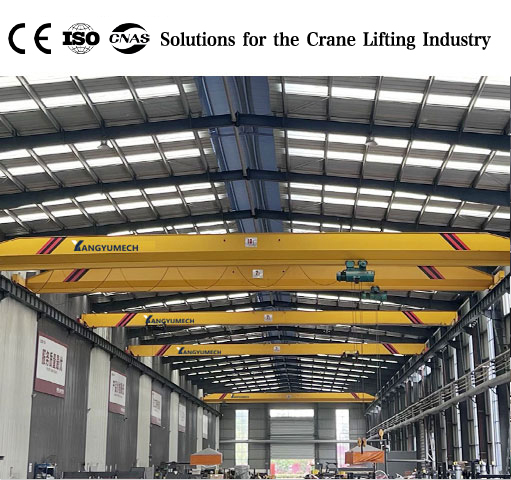
          Single Girder Overhead Crane

          By carefully evaluating your workflow, spatial constraints, and budget against the distinct advantages outlined above, you can confidently select the crane that will enhance safety, boost productivity, and provide the best return on investment for your material handling operations. For many facilities, the semi-gantry crane offers a powerful and pragmatic solution that strikes an ideal balance between capability and cost.
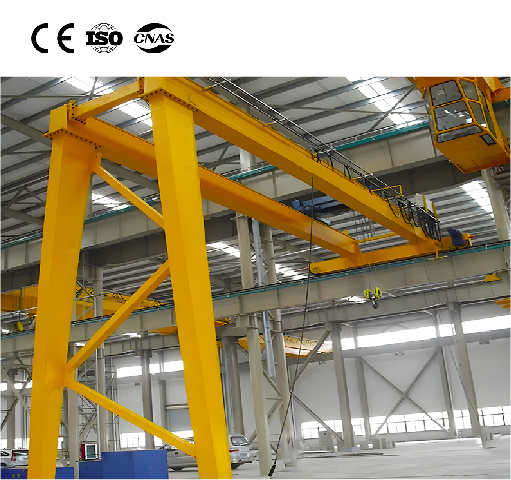
        39. Differences and Advantages between Gantry Cranes and Semi-Gantry Cranes

          Differences and Advantages between Gantry Cranes and Semi-Gantry Cranes

          In the world of material handling and heavy lifting, gantry cranes and semi-gantry cranes are two pivotal workhorses. While their names sound similar, their structural designs, capabilities, and ideal applications differ significantly. Understanding these differences is crucial for selecting the right equipment to optimize efficiency, safety, and cost-effectiveness in industrial, construction, and warehouse settings. This article delves into the distinct characteristics, advantages, and use cases of both gantry and semi-gantry cranes.


          1. Fundamental Structural Differences

          The core distinction lies in their support structures and mobility.

          • Gantry Cranes: These are freestanding structures supported by legs that run on floor-mounted rails or wheels. They typically have two sets of legs, forming a complete “bridge” or “gantry” over the load. This design makes them independent of any external building support.

          双梁轮胎式起重机

          • Semi-Gantry Cranes: As the name suggests, they are a hybrid design. One side of the bridge is supported by a leg (or legs) that moves on a ground rail or runway. The other side of the bridge is supported by a runway beam attached to the building structure or an elevated track, much like an overhead bridge crane.

          Semi Gantry Crane

          This structural difference is the primary factor influencing all their subsequent advantages and limitations.


          2. Key Advantages of Gantry Cranes

          Gantry cranes offer unparalleled flexibility and are ideal for heavy-duty outdoor applications.

          • Complete Mobility and Independence: Their self-supporting design allows them to be used anywhere with a suitable foundation, especially outdoors in shipyards, ports for container handling, lumber yards, and large-scale construction sites. They place no stress on the building’s infrastructure.

          • High Lifting Capacity: Designed for robust applications, especially double-girder gantry cranes, they can handle extremely heavy loads, often ranging from 5 tons up to 150 tons or more for specialized models.

          • Excellent Accessibility: The open-legged design provides superior access from all sides of the load, simplifying rigging and positioning awkwardly shaped items.

          • Adaptability to Large Areas: They are perfect for covering vast, open areas where installing fixed runways is impractical or too expensive.


          3. Key Advantages of Semi-Gantry Cranes

          Semi-gantry cranes offer a smart compromise, blending the benefits of both gantry and overhead bridge cranes.

          • Superior Space Utilization (Compared to Full Gantry): By utilizing the existing building column for support on one side, they require less floor space than a full gantry crane, which needs clear space for both legs. This leads to a less obstructed work area.

          • Cost-Effectiveness: The semi-gantry design often requires less structural steel and foundational work for the runway on the building-supported side, potentially resulting in a lower initial investment compared to a full gantry system of similar capacity.

          • Ideal for Specific Layouts: They are perfectly suited for applications where one side of the work area is against a wall or a line of building columns, such as in workshops, loading bays, or storage areas along a facility’s perimeter.

          • Good Load Capacity: They retain a significant portion of the lifting capacity of full gantry cranes, making them suitable for many heavy-lifting tasks within industrial facilities.


          4. Comparison Table: Gantry vs. Semi-Gantry Cranes

          FeatureGantry CraneSemi-Gantry Crane
          Support StructureSelf-supported by legs on both sides.One side supported by a leg, the other by a building structure.
          Mobility & LocationHighly mobile; ideal for outdoor use.Fixed path; best for indoor or covered areas against a wall.
          Floor Space UsageRequires clear space for legs; can obstruct floor.Utilizes building support; generally less floor obstruction.
          Installation CostGenerally higher due to more structure and groundwork.Often more economical due to using building support.
          Load CapacityVery high (e.g., 5 tons to 150+ tons).High, but may be less than a full gantry of equivalent size.
          Typical Use CaseShipyards, container terminals, open storage yards.Workshops, warehouses, loading bays, fabrication shops.

          5. How to Choose: Which One is Right for Your Project?

          Selecting the right crane depends on a thorough analysis of your needs:

          • Location (Indoor vs. Outdoor): This is the primary deciding factor. For outdoor applications, a full gantry crane is almost always the necessary choice. For indoor applications where one side can be anchored to the building, a semi-gantry crane is often sufficient and more efficient.

          • Required Floor Space: If maximizing clear, unobstructed floor space is a critical priority (e.g., for forklift traffic), the semi-gantry’s design is advantageous. If the work is in an open area where legs aren’t a hindrance, a full gantry works well.

          • Load Weight and Span: For the very heaviest loads and extremely wide spans, a robust double-girder gantry crane is typically required9. Semi-gantry cranes are better for moderate to heavy loads within a specific bay width.

          • Budget Considerations: Evaluate both the initial investment and long-term value. While a semi-gantry might have a lower initial cost, a full gantry’s complete independence could offer more long-term flexibility for layout changes.


          Conclusion

          There is no universal “best” crane—only the best crane for your specific operational requirements, facility layout, and budget.

          Gantry Cranes are the champions of outdoor mobility and heavy-lifting independence, excelling where no overhead support exists.
          Semi-Gantry Cranes are the masters of efficient space utilization indoors, providing a powerful and often more economical lifting solution where building support is available on one side.

          By carefully weighing the distinct differences and advantages outlined above, you can make an informed decision that enhances safety, boosts productivity, and provides an optimal return on investment for your material handling operations.
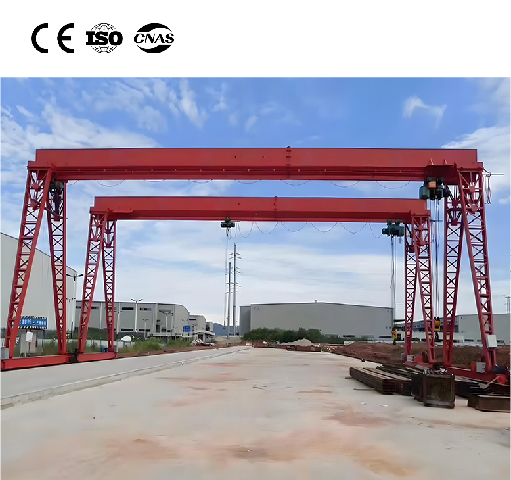
        40. The Advantages Between Gantry Cranes and Overhead Cranes

          The Advantages Between Gantry Cranes and Overhead Cranes

          Choosing the right lifting equipment is a critical decision that impacts efficiency, safety, and the bottom line in industrial and construction operations. Two of the most common and powerful options available are gantry cranes and overhead cranes (often referred to as bridge cranes). While they might seem similar at first glance, they possess distinct structural designs, advantages, and ideal use cases.

          IMG20250806131748

          This article breaks down the key advantages of both gantry cranes and overhead cranes to help you determine the best fit for your operational needs.

          At a Glance: Key Differences

          Before diving into the specific advantages, here’s a quick overview of their fundamental differences.

          FeatureGantry CraneOverhead Crane (Bridge Crane)
          Support StructureSelf-supported by leg(s) that run on floor-mounted rails or wheels.Supported by the building structure itself, running on rails attached to runway beams.
          MobilityHighly mobile; can be relocated, including outdoors.Fixed installation within a building; permanent placement.
          Typical UseIdeal for outdoor yards, shipping ports, construction sites, and large, open areas.Ideal for fixed indoor environments like manufacturing workshops, warehouses, and assembly lines.
          Installation CostGenerally higher initial investment due to required groundwork and structure. Often more economical initially as it utilizes the existing building structure. 
          Floor SpaceRequires clear floor space for legs and movement.Maximizes floor space as no leg supports are needed on the ground.

          Advantages of Gantry Cranes

          双梁轮胎式起重机

          Gantry cranes are characterized by their freestanding structure, with one or two robust legs supporting a bridge that carries a lifting trolley and hoist.

          1. unparalleled Mobility and Flexibility

          One of the greatest strengths of a gantry crane is its mobility. Many models, particularly single-leg or smaller systems, can be equipped with wheels (often flanged for rails or rubber-tired for flat surfaces) and can be easily relocated around a workshop, yard, or site. This allows for lifting operations to be performed exactly where they are needed without the constraint of a fixed runway system.

          2. Ideal for Outdoor and Large-Scale Applications

          Gantry cranes are the go-to solution for outdoor applications. Since they are self-supporting and do not rely on a building’s framework, they excel in environments like shipyards, ports for container handling, lumber yards, steel storage yards, and large-scale construction projects. Their design is built to withstand outdoor elements.

          3. No Dependency on Building Infrastructure

          This is a significant advantage, especially for facilities with weak or unsuitable roof structures. Installing a gantry crane does not place any stress on the building’s columns or roof, eliminating the need for costly and complex reinforcement of the existing structure. This makes them a viable option in older buildings or in spaces like large open-air storage areas where there is no roof at all.

          4. High Lifting Capacity and Versatility

          Gantry cranes, especially double-girder designs, are known for their impressive lifting capacities, often handling loads from 5 tons up to 150 tons or even more for specialized applications.5 They can be customized with various attachments like magnets, grabs, and hooks, making them versatile for handling diverse materials such as shipping containers, heavy machinery, concrete pipes, and steel coils.

          5. Easier Access and Positioning

          The open-legged design of a gantry crane provides excellent access from all sides of the load. This can simplify the process of connecting slings and rigging and allows for easier positioning of loads, which is particularly beneficial for awkwardly shaped items.
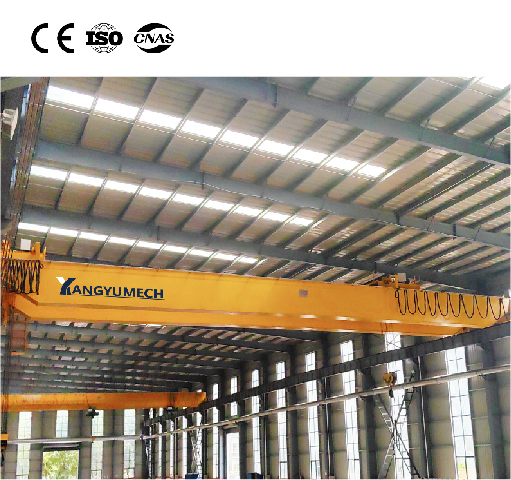
          Advantages of Overhead Cranes (Bridge Cranes)

          欧式双梁桥式

          Overhead cranes consist of a bridge that moves along elevated runway rails fixed to a building’s support structure. A hoist and trolley move back and forth across this bridge.

          1. Superior Space Utilization and Unobstructed Floor Space

          This is arguably the biggest advantage of an overhead crane system. Because the entire crane operates overhead, it frees up 100% of the floor space beneath it. There are no supporting legs or columns to navigate around with forklifts or other equipment. This leads to a safer, more organized, and highly efficient workspace, allowing for unhindered movement of material and personnel below.

          2. Perfect for Repetitive and High-Precision Tasks

          Overhead cranes are ideal for repetitive lifting tasks within a fixed area, such as moving materials along a production line, loading/unloading machines in a workshop, or transporting items within a warehouse bay. They offer smooth and precise load control, allowing operators to place heavy loads with accuracy, which is crucial in manufacturing and assembly operations.

          3. Often Higher Operating Speeds and Efficiency

          Designed for optimized workflow in a controlled path, overhead cranes often feature higher horizontal (bridge and trolley) travel speeds compared to gantry cranes. This can lead to increased efficiency and faster cycle times in environments where materials need to be moved quickly and frequently over a specific, confined area.

          4. Enhanced Safety and Ergonomic Benefits

          By moving lifting operations overhead, the risk of collisions with floor-based equipment is reduced. Furthermore, they can significantly improve ergonomics by eliminating the need for heavy and dangerous manual lifting by workers, reducing physical strain and the potential for workplace injuries.

          5. Suitable for a Wide Range of Indoor Environments

          Overhead cranes are the standard choice for indoor industrial facilities. They are commonly found in factories, machine shops, steel service centers, power plants, warehouses, and automotive assembly plants. Their compact design and ability to operate in buildings with relatively low clearances (especially single-girder designs) make them incredibly versatile for enclosed spaces.

          How to Choose: Gantry Crane vs. Overhead Crane

          The decision between these two powerful types of equipment ultimately boils down to your specific application and operational environment. Consider the following factors:

          • Location: Is the primary use indoors or outdoors?

            • Indoors with a strong structure: Lean towards an Overhead Crane.

            • Outdoors or indoors with a weak structure: Lean towards a Gantry Crane.

          • Mobility: Do you need to move the crane to different locations?

            • Yes, mobility is required: A Gantry Crane is necessary.

            • No, the task is always in one fixed area: An Overhead Crane is suitable.

          • Floor Space: Is maximizing clear floor space a top priority?

            • Yes, every square foot counts: An Overhead Crane is superior.

            • No, there is ample space: A Gantry Crane is an option.

          • Budget: Consider both initial investment and long-term value. While gantry cranes can have a higher initial cost due to their supporting structure, overhead cranes require a robust building infrastructure, which might need reinforcement.

          Conclusion

          There is no single “best” crane—only the best crane for your specific job.

          Gantry Cranes shine with their mobility and independence, making them the champions of outdoor yards, shipping terminals, and large, open spaces where flexibility is key.

          Overhead Cranes excel in maximizing indoor space and efficiency, providing unparalleled precision and workflow integration for factories, workshops, and warehouses.

          By carefully evaluating your operational needs against the distinct advantages of each crane type, you can make an informed investment that enhances safety, boosts productivity, and drives your business forward for years to come.

        41. What is the Maximum Weight That an Overhead Crane Can Carry?

          What is the Maximum Weight That an Overhead Crane Can Carry?

          When planning industrial lifting operations, one of the most critical questions is: what is the maximum weight that an overhead crane can carry? The answer isn’t a single number but depends on multiple factors including crane type, design, and application. Generally, standard overhead cranes can lift from a few hundred kilograms up to several hundred tons, with specialized systems capable of handling even greater loads.

          欧式双梁桥式

          Understanding the capacity of overhead cranes is essential for ensuring safety, efficiency, and compliance in industrial settings. This comprehensive guide will explore the factors that determine a crane’s maximum lifting capacity, the different types of overhead cranes, and important safety considerations for your operations.

          Key Factors Influencing Overhead Crane Capacity

          The maximum weight an overhead crane can lift isn’t determined arbitrarily. Several engineering and design factors interact to define this crucial specification:

          • Structural design: The materials and construction of the bridge girders, end trucks, and runway system fundamentally determine capacity.

          • Hoist mechanism: The motor, gearbox, brake system, and wire rope or chain design directly impact lifting capabilities.

          • Support system: The building structure or independent runway support must withstand both the static and dynamic loads.

          • Power supply: Adequate electrical power is necessary for lifting heavy loads, especially with variable frequency drives.

          • Control system: Modern systems with precision controls can enhance safety when handling near-maximum loads.

          Types of Overhead Cranes and Their Typical Capacities

          Different overhead crane designs are optimized for varying capacity ranges and applications:

          1. Single Girder Bridge Cranes

          These economical cranes feature a single bridge beam and are typically used for lighter applications. Capacities generally range from 1 to 15 tons, though some heavy-duty models can reach up to 30 tons. They’re ideal for workshops, warehouses, and manufacturing facilities with moderate lifting needs.

          2. Double Girder Bridge Cranes

          With two bridge beams providing enhanced stability, these cranes handle heavier loads. Standard models typically offer capacities from 5 to 100 tons, with specialized designs reaching 300 tons or more. These are common in heavy manufacturing, steel processing, and scrap handling operations.

          3. Gantry Cranes

          Similar to bridge cranes but supported by floor-mounted legs instead of overhead runways, gantry cranes can handle capacities comparable to double girder models. They’re particularly useful in outdoor applications like shipyards and container terminals.

          4. Specialized High-Capacity Cranes

          For extreme lifting needs, custom-designed cranes can exceed standard capacity ranges. Some examples include:

          • Double trolley systems: Some configurations like 20t + 20t effectively provide 40-ton capacity through synchronized lifting

          • Process-specific cranes: For example, those used in concrete pipe pile precast workshops often feature double girder, double trolley designs with capacities ranging from 8t + 8t to 20t + 20t

          Industrial Applications and Their Typical Capacity Requirements

          Different industries have varying overhead crane capacity needs:

          IndustryTypical ApplicationsCapacity Range
          ManufacturingMachine handling, assembly1-20 tons
          WarehousingMaterial handling, storage2-10 tons
          Steel Service CentersCoil handling, processing10-30 tons
          Concrete PrecastingHandling forms, rebar cages16-40+ tons
          Power GenerationTurbine maintenance, component replacement50-400+ tons
          ShipbuildingSection handling, component assembly100-800+ tons

          Safety Considerations When Operating Near Maximum Capacity

          Operating overhead cranes near their maximum capacity requires strict adherence to safety protocols:

          1. Understand Rated Capacity vs. Actual Safe Lifting Capacity

          Most safety standards require cranes to have a built-in safety factor beyond their rated capacity. However, you should never exceed the published rated capacity without proper engineering evaluation.

          2. Consider the Load Dynamics

          Lifting moving, swinging, or irregularly shaped loads creates additional stresses that effectively increase the load on the crane system. For this reason, many operations limit lifts to 80-90% of rated capacity to account for dynamic effects.

          3. Implement Regular Inspections and Maintenance

          Cranes operating frequently near their capacity limits require more rigorous inspection and maintenance schedules. This includes:

          • Regular structural inspections for deformation or cracking

          • Frequent hoist mechanism checks (brakes, wire rope, hooks)

          • Verification of limit switches and overload protection devices

          • Runway and rail alignment verification

          4. Special Considerations for Tandem Lifting

          When using two cranes to lift a single load (tandem lifting), special precautions are necessary. Industry standards typically specify that the total load should not exceed 75% of the combined rated capacity of both cranes. This reduced percentage accounts for the potential unequal load distribution between the two cranes.

          How to Determine the Right Crane Capacity for Your Needs

          Selecting the appropriate crane capacity involves more than just matching your heaviest load:

          1. Assess your heaviest anticipated load – Consider both current and future needs

          2. Account for lifting attachments – Hooks, magnets, grabs, and other devices add weight

          3. Consider load dynamics – Shock loads from starting, stopping, or load swinging increase stress

          4. Evaluate frequency of heavy lifts – Occasional heavy lifts might justify rental rather than purchase

          5. Plan for future needs – Consider potential increases in capacity requirements over the crane’s lifespan

          A common practice is to select a crane with 25-30% more capacity than your current heaviest load to accommodate future needs and provide an additional safety margin.

          Technological Advances Expanding Capacity Limits

          Recent innovations in crane technology have both increased maximum capacities and enhanced safety when operating near those limits:

          • Advanced materials: High-strength steel alloys and aluminum composites allow stronger yet lighter crane structures

          • Precision controls: Variable frequency drives provide smoother acceleration and deceleration, reducing dynamic loads

          • Smart monitoring systems: IoT sensors can monitor load weight, structural stresses, and equipment health in real-time

          • Automated safety systems: Modern systems can prevent overloads through automatic shutdown and alert features

          Conclusion: Balancing Capacity with Practical Needs

          While technical specifications indicate that overhead cranes can carry up to several hundred tons in specialized applications, most industrial facilities find that cranes in the 5 to 20-ton range meet their regular needs. The maximum weight an overhead crane can carry depends on its specific design, configuration, and operating conditions.

          When selecting an overhead crane, prioritize a system that not only meets your current capacity requirements but also incorporates appropriate safety margins and potential for future expansion. Remember that safe operation requires not just adequate capacity ratings but also proper installation, maintenance, and trained personnel. By understanding the factors that influence lifting capacity and following established safety guidelines, you can ensure efficient and safe material handling operations in your facility.

        42. The Current System of Yangyu Overhead Crane

          In the dynamic landscape of modern industrial operations, Yangyu overhead cranes have emerged as a reliable and efficient solution for material handling needs. The current system of Yangyu overhead cranes is a sophisticated amalgamation of advanced engineering, cutting – edge technology, and user – centric design, tailored to meet the diverse requirements of various industries, from manufacturing plants to warehouses and construction sites.
          Structural Design and Components
          Main Girder Construction
          The main girder of Yangyu overhead cranes is the backbone of the structure, designed with meticulous attention to detail. It is typically fabricated from high – strength steel, chosen for its excellent load – bearing capabilities and durability. For light – duty applications, such as in small – scale workshops where loads are relatively modest, single – girder designs are commonly employed. These single – girder overhead cranes offer a cost – effective solution while still providing reliable performance. They are characterized by a single horizontal beam supported by two end trucks, which move smoothly along the runway beam.
          In contrast, for heavy – duty operations in large factories or ports where substantial loads need to be lifted and transported, double – girder overhead cranes are the preferred choice. The double – girder configuration significantly enhances the crane’s load – carrying capacity, allowing it to handle loads ranging from several tons to over a hundred tons. The two parallel girders work in tandem to distribute the load evenly, ensuring stable and secure lifting operations.
          End Trucks and Runway System
          The end trucks of Yangyu overhead cranes play a crucial role in facilitating the movement of the crane along the runway. These end trucks are equipped with high – quality wheels that are designed to run smoothly on the runway rails. The wheels are often made of hardened steel to withstand the heavy loads and constant friction associated with crane operations. The runway system, on which the end trucks travel, is installed on either side of the working area. In industrial settings, the runway is typically mounted on the building’s supporting structures, such as columns or beams, ensuring a stable and secure foundation for the crane’s movement. The length and width of the runway can be customized according to the specific requirements of the workspace, allowing for seamless integration into existing facilities.
          Hoist and Trolley Assembly
          The hoist is the component responsible for lifting and lowering the loads, and Yangyu overhead cranes are equipped with high – performance hoists. The hoist consists of a motor, a gearbox, a drum, and a wire rope or chain. The motor provides the power to rotate the drum, which in turn winds or unwinds the wire rope or chain, raising or lowering the load. The gearbox is used to reduce the speed of the motor and increase the torque, ensuring smooth and controlled lifting operations. The hoist is mounted on a trolley, which can move horizontally along the length of the main girder. The trolley is equipped with its own drive system, allowing it to position the hoist precisely over the load. This combination of the hoist and trolley enables the crane to move the load both vertically and horizontally, providing maximum flexibility in material handling.
          Power and Control Systems
          Electrical Power Supply
          Yangyu overhead cranes are powered by electricity, which offers several advantages over other power sources. The standard power supply for these cranes is three – phase AC, with a frequency of either 50Hz or 60Hz, depending on the regional electrical standards. The voltage typically ranges from ≤ 1000V, although for some specialized applications, higher voltages such as 3kV, 6kV, or 10kV can be provided. The electrical power supply is connected to the crane through a feeder system, which is designed to ensure a stable and reliable power input. The voltage fluctuation at the entrance of the crane feeder is carefully monitored and should not exceed ± 10% of the rated voltage to prevent any adverse effects on the crane’s performance.
          Control Systems
          The control system of Yangyu overhead cranes is designed to be intuitive and user – friendly, allowing operators to perform complex lifting operations with ease. There are several options for controlling the crane, including control pendants, wireless remote controls, and operator cabins. Control pendants are the most basic and commonly used method of control. They are handheld devices that are connected to the crane by a cable. The pendant is equipped with buttons or joysticks that the operator can use to control the movement of the crane, such as raising and lowering the hoist, moving the trolley, and traveling the crane along the runway.
          Wireless remote controls offer greater flexibility and mobility to the operator. These remote controls use radio – frequency technology to communicate with the crane’s control system. The operator can stand at a safe distance from the crane and still have full control over its operations. This is particularly useful in situations where the operator needs to have a clear view of the load and the surrounding area, such as in construction sites or large warehouses.
          For more complex and high – volume operations, operator cabins are provided. These cabins are typically located on the crane itself and offer a comfortable and ergonomic working environment for the operator. The cabin is equipped with a control panel that allows the operator to control the crane’s functions. The control panel is designed to be easy to use and provides the operator with real – time feedback on the crane’s status, such as the position of the hoist, trolley, and crane, as well as the load weight.
          Safety – Oriented Features
          Overload Protection
          Safety is a top priority in the design and operation of Yangyu overhead cranes, and one of the key safety features is overload protection. The crane is equipped with sensors that continuously monitor the weight of the load being lifted. If the load exceeds the crane’s rated capacity, the overload protection system will immediately activate. This system can either prevent the crane from further lifting the load or sound an alarm to alert the operator. In some advanced models, the overload protection system can also automatically lower the load to a safe position to prevent any potential damage to the crane or injury to personnel.
          Limit Switches
          Limit switches are another important safety feature of Yangyu overhead cranes. These switches are installed at various points on the crane to prevent it from moving beyond its safe operating limits. For example, there are limit switches on the hoist to prevent it from over – winding or over – unwinding the wire rope or chain. This helps to prevent the wire rope or chain from breaking, which could lead to a catastrophic failure of the crane. Similarly, there are limit switches on the trolley and the crane’s travel mechanism to prevent them from hitting the end stops or colliding with other objects. The limit switches are designed to be highly reliable and are regularly tested and maintained to ensure their proper functioning.
          Emergency Stop Systems
          In the event of an emergency, Yangyu overhead cranes are equipped with emergency stop systems. These systems are designed to allow the operator to quickly and easily stop all of the crane’s operations. The emergency stop button is typically located in a prominent and easily accessible location, such as on the control pendant, the wireless remote control, and the operator cabin’s control panel. When the emergency stop button is pressed, the crane’s power supply is immediately cut off, bringing all of the moving parts to a halt. This helps to prevent accidents and minimize the potential for damage or injury.
          Smart and Connected Features in the Current System
          Monitoring and Diagnostic Systems
          Yangyu overhead cranes are increasingly being equipped with advanced monitoring and diagnostic systems, which are an integral part of the current system. These systems use sensors and software to collect data on the crane’s performance, such as the number of lifting cycles, the load weight, the operating temperature, and the vibration levels. This data is then analyzed in real – time to detect any potential issues or malfunctions. For example, if the vibration levels of the crane exceed normal limits, it could indicate a problem with the bearings or the structure. The monitoring and diagnostic system can then alert the maintenance team, allowing them to take proactive measures to address the issue before it leads to a breakdown.
          Integration with Industrial Internet of Things (IIoT)
          In the era of digital transformation, Yangyu overhead cranes are being integrated with the Industrial Internet of Things (IIoT). This integration allows the crane to communicate with other devices and systems in the industrial ecosystem. For example, the crane can be connected to the factory’s enterprise resource planning (ERP) system, providing real – time information on the material handling operations. This information can be used to optimize production schedules, manage inventory, and improve overall operational efficiency. The IIoT integration also enables remote monitoring and control of the crane, allowing operators and maintenance personnel to access the crane’s data and control its functions from anywhere in the world, as long as they have an internet connection.
          In conclusion, the current system of Yangyu overhead cranes represents a state – of – the – art solution for material handling in modern industries. With its robust structural design, advanced power and control systems, comprehensive safety features, and smart connectivity, Yangyu overhead cranes are well – equipped to meet the challenges of today’s industrial operations, providing efficient, reliable, and safe material handling solutions.
        43. Explore Industrial Yang Gantry Cracks for Ports and Factories: Get Specs, Prices, and Trusted Suppliers

          Industrial gantry cranes are the backbone of efficient operations in ports and factories, and Yang gantry cranes have earned a solid reputation for their performance and durability. However, like any heavy – duty equipment, they can face issues such as cracks, which need careful attention. In this article, we will delve into industrial Yang gantry cracks in the context of ports and factories, while also providing insights into their specifications, prices, and trusted suppliers to help you make informed decisions.
          双梁轮胎式起重机
          Understanding Industrial Yang Gantry Cracks in Ports and Factories
          Cracks in industrial Yang gantry cranes can occur due to various factors, and understanding them is crucial for maintaining operational safety and efficiency in ports and factories.
          Common Causes of Cracks
          • Heavy Load Stress: Ports and factories often handle extremely heavy cargo. Continuous operation under loads that are close to or exceed the crane’s rated capacity can put excessive stress on the crane’s structure, leading to the formation of cracks over time. For example, in ports, lifting large containers or heavy machinery day in and day out can gradually weaken the metal components.
          • Fatigue from Frequent Use: The high frequency of operations in these settings means the crane’s parts undergo repeated stress cycles. This fatigue can cause microscopic cracks to develop, which may grow larger if not detected and addressed promptly. Factories with round – the – clock production schedules are particularly prone to this issue.
          • Environmental Factors: Ports are exposed to harsh marine environments with high humidity, salt spray, and corrosive elements. These can accelerate metal corrosion, weakening the structure and making it more susceptible to cracks. Factories, especially those in industrial areas, may face exposure to chemicals or extreme temperatures, which can also contribute to cracking.
          • Poor Maintenance: Inadequate maintenance, such as infrequent inspections, lack of proper lubrication, or delayed repairs of minor damages, can allow small issues to escalate into significant cracks. Neglecting the crane’s upkeep reduces its lifespan and increases the risk of unexpected failures.
          Impact of Cracks
          Cracks in Yang gantry cranes can have severe consequences. In ports, a cracked crane may lead to delays in cargo handling, disrupting the supply chain. In factories, it can halt production lines, resulting in financial losses. More importantly, if a crack propagates and causes structural failure, it poses a serious threat to the safety of workers and nearby equipment.
          Specifications of Industrial Yang Gantry Cranes for Ports and Factories
          Industrial Yang gantry cranes come with a range of specifications tailored to meet the diverse needs of ports and factories.
          Load Capacity
          • For ports, Yang gantry cranes typically have a high load capacity, ranging from 50 tons to over 500 tons, to handle large containers and heavy bulk cargo. Some specialized models designed for super – sized shipments can even reach higher capacities.
          • Factories usually require cranes with load capacities between 5 tons and 100 tons, depending on the type of goods they handle, such as machinery parts, raw materials, or finished products.
          Span and Height
          • The span of port – used Yang gantry cranes is often large, ranging from 20 meters to 50 meters or more, to cover the wide berths and container yards. The lifting height is also substantial, allowing them to reach the upper decks of large cargo ships.
          • In factories, the span is generally smaller, usually between 10 meters and 30 meters, to fit within the workshop or factory premises. The lifting height is adjusted to meet the needs of stacking goods or moving items between different levels of the production area.
          Power and Control Systems
          Yang gantry cranes are equipped with efficient power systems, often using electric motors for environmentally friendly and cost – effective operation. The control systems are advanced, with options for manual, remote, or semi – automatic control. In ports, where precision is key, computerized control systems with anti – sway and positioning technologies are commonly used to ensure accurate handling of containers.
          Prices of Industrial Yang Gantry Cranes
          The price of industrial Yang gantry cranes varies depending on several factors, including specifications, customization, and additional features.
          Basic Price Range
          • For small to medium – sized factory – use Yang gantry cranes with a load capacity of 5 – 50 tons, the price typically ranges from

            300,000. These are usually single – beam cranes with standard configurations.

          • Port – specific Yang gantry cranes with a load capacity of 50 – 500 tons or more can cost anywhere from $500,000 to several million dollars. Double – beam cranes with large spans, advanced control systems, and corrosion – resistant features are at the higher end of this range.
          Factors Affecting Price
          • Customization: If the crane needs to be customized to fit specific port or factory layouts, such as non – standard spans or special lifting attachments, the price will increase accordingly.
          • Additional Features: Features like anti – collision systems, automatic lubrication, and advanced monitoring systems add to the cost but enhance safety and efficiency.
          • Shipping and Installation: The cost of transporting the crane to the site and installing it, especially for large port cranes, is a significant part of the total price.
          Trusted Suppliers of Industrial Yang Gantry Cranes
          Choosing a trusted supplier is essential to ensure you get high – quality industrial Yang gantry cranes and reliable after – sales support.
          Key Qualities of Trusted Suppliers
          • Experience and Reputation: Look for suppliers with years of experience in manufacturing and supplying gantry cranes to ports and factories. A good reputation in the industry, backed by positive customer reviews, is a strong indicator of reliability.
          • Certifications and Compliance: Reputable suppliers ensure their cranes meet international safety and quality standards, such as ISO, CE, and OSHA certifications. This guarantees that the equipment is safe and durable.
          • After – sales Service: Trusted suppliers offer comprehensive after – sales services, including installation, maintenance, repair, and spare parts supply. This is crucial for minimizing downtime and ensuring the long – term performance of the crane.
          Recommended Suppliers
          • Yang Heavy Industry Co., Ltd.: As a leading manufacturer of Yang gantry cranes, they have extensive experience in serving ports and factories worldwide. They offer a wide range of specifications, customization options, and reliable after – sales support.
          • Industrial Crane Solutions: This supplier has a strong network and partners with Yang to provide high – quality cranes. They are known for their expertise in matching the right crane to specific customer needs and offering competitive prices.
          In conclusion, exploring industrial Yang gantry cracks, understanding their specifications and prices, and finding trusted suppliers are vital steps for ports and factories looking to invest in reliable gantry cranes. By addressing potential cracks through proper maintenance and choosing the right equipment from reputable suppliers, you can ensure smooth and safe operations in your port or factory.
        44. Gantry Crane Guide: Types, Uses & Buying Tips

          Gantry Crane Guide: Types, Uses & Buying Tips

          Gantry cranes are indispensable heavy – duty equipment in the industrial field, playing a key role in cargo handling, engineering construction and other scenarios. Understanding their types, uses and mastering purchasing skills is of great significance for enterprises to carry out work efficiently and reduce costs. This article will introduce you to the relevant content in detail to help you make a more appropriate choice.
          轮胎式单梁起重机

          Main Types of Gantry Cranes

          Classified by Structural Form

          • Single – beam gantry crane: This type of crane is composed of a single main beam, with a relatively simple structure, light weight and low cost. Its lifting capacity is usually between 5 – 50 tons, which is suitable for handling medium and small tonnage goods. For example, in small and medium – sized factories, warehouses and other places, it is used to transport raw materials, parts and so on. Due to its light weight, installation and movement are relatively convenient, but it has certain limitations in large – span and large – tonnage operations.
          • Double – beam gantry crane: It has two main beams, with a more stable structure and stronger bearing capacity. The lifting capacity can reach dozens of tons or even hundreds of tons, and the span is also larger. It is widely used in large ports, shipyards, steel plants and other places that need to handle heavy goods, and can efficiently complete the hoisting and handling tasks of containers, large equipment, etc. However, its cost is relatively high, and the difficulty of installation and maintenance is slightly greater.

          Classified by Cantilever Form

          • Gantry crane without cantilever: There are no cantilevers at both ends of the main beam, and the working range is mainly concentrated in the area under the main beam. It is suitable for scenes where the site is relatively regular and goods are stacked centrally, such as cargo transfer in some special warehouses.
          • Single – cantilever gantry crane: One end of the main beam has a cantilever, and the other end has no cantilever, which expands the working range of one side. It is often used in places where there is a need for cargo loading and unloading on the shore or one side of the track, such as small ports, wharves, etc., and can handle goods on both the inner side of the track and the cantilever side.
          • Double – cantilever gantry crane: Both ends of the main beam have cantilevers, with the largest working range, which can cover the areas on both sides of the main beam. It is widely used in large freight yards, storage yards and other places that need a large range of operations, and can effectively improve the efficiency of cargo loading and unloading.

          Classified by Walking Mode

          • Rail – mounted gantry crane: It runs along a fixed track, with a fixed running track and high operation accuracy. It is suitable for places with relatively fixed operation areas, such as port container yards, workshops of large factories, etc. The laying of the track requires a certain amount of preliminary investment, but it runs stably and has a strong bearing capacity.
          • Rubber – tyred gantry crane: It walks on tires, with high flexibility, not limited by the track, and can move freely between different sites. It is often used in scenes where goods are stacked scattered and the operation site needs to be changed frequently, such as construction sites, temporary freight yards, etc. However, its running speed is relatively slow, and its bearing capacity is slightly weaker than that of the rail – mounted type.

          Main Uses of Gantry Cranes

          Ports and Wharves

          In ports and wharves, gantry cranes are the core equipment for loading and unloading containers. Rail – mounted double – beam gantry cranes, with their characteristics of large lifting capacity and large span, can quickly and accurately lift containers from cargo ships and place them in designated yards or transport vehicles, greatly improving the cargo throughput of the port. Rubber – tyred gantry cranes can move flexibly in the yard to stack and transfer containers.

          Factories and Workshops

          In factories and workshops, gantry cranes are used for handling raw materials, installing and debugging equipment, and stacking finished products. Single – beam gantry cranes are suitable for small and medium – sized factories to handle lighter parts and raw materials; double – beam gantry cranes can be used for hoisting large equipment, such as the installation of machine tools, heavy machinery, etc.

          Construction Sites

          Construction sites often need to transport heavy materials such as steel bars, cement, prefabricated components, and rubber – tyred gantry cranes are the first choice because of their flexibility. It can move freely on the construction site, cooperate with tower cranes and other equipment to complete the transfer and hoisting of materials, ensuring the smooth progress of construction.

          Freight Yards and Warehouses

          In freight yards and warehouses, gantry cranes are used for loading, unloading, stacking and transferring goods. Double – cantilever gantry cranes can cover a large operation area, improving the efficiency of goods storage and turnover; single – beam gantry cranes are suitable for handling lighter goods in small and medium – sized warehouses.

          Buying Tips for Gantry Cranes

          Clarify Your Own Needs

          Before buying a gantry crane, you must first clarify the operation needs. This includes the maximum weight of the goods to be handled, the operation span, the operation height, and the size and environment of the operation site. If you are handling containers in the port, you should choose a double – beam rail – mounted gantry crane with large lifting capacity and large span; if you are using it temporarily on a construction site, a rubber – tyred single – beam or double – beam gantry crane may be more suitable.

          Choose Regular Manufacturers

          Regular manufacturers have complete production qualifications, advanced production equipment and mature production technology, which can ensure the quality and performance of products. You can learn about their production strength and reputation by checking the manufacturer’s business license, production license, product certification and other materials. At the same time, check the manufacturer’s customer cases and reputation, and choose the manufacturer with a good reputation in the industry.

          Pay Attention to Equipment Configuration

          The configuration of the equipment directly affects its performance and service life. Pay attention to the core components such as the main beam material, motor brand, reducer model, and control system of the crane. The main beam should be made of high – strength steel to ensure sufficient bearing capacity; the motor and reducer should choose well – known brand products, which run stably and have low failure rates; the control system should be easy to operate, sensitive and reliable, and preferably have safety functions such as overload protection and limit protection.

          Consider After – sales Service

          Gantry cranes are large – scale equipment, and after – sales service is crucial. When buying, you should find out whether the manufacturer provides installation and commissioning services, whether there is a sound warranty policy, and whether it can provide spare parts and maintenance services in a timely manner. Good after – sales service can ensure the normal operation of the equipment, reduce the downtime caused by faults, and reduce the operating costs of the enterprise.

          Compare Prices and Cost – effectiveness

          On the premise of meeting their own needs and quality requirements, compare the quotations of different manufacturers. But don’t just pursue low prices. Consider factors such as equipment quality, performance, and after – sales service comprehensively, and choose products with the highest cost – effectiveness. Some low – price equipment may be shoddy in materials and configuration, and may have more problems in later use, which will increase costs instead.


          By understanding the types, uses and purchasing skills of gantry cranes, enterprises can choose suitable equipment according to their actual situation, so as to improve work efficiency, reduce operating costs, and provide a strong guarantee for production and operation. In the purchasing process, be sure to choose carefully to ensure that the equipment can meet the needs of long – term and stable operations.
        45. How to Maintain Gantry Cranes?

          Gantry cranes are essential heavy – duty equipment widely used in ports, construction sites, warehouses, and industrial facilities. Their reliable operation is crucial for ensuring work efficiency and safety. Proper maintenance not only extends the service life of gantry cranes but also reduces the risk of unexpected breakdowns. In this article, we will detail the key steps and methods for maintaining gantry cranes, which is of great significance for operators and maintenance personnel.
          KBK柔性起重机3
          Daily Inspection: The First Line of Defense
          Daily inspection is the foundation of gantry crane maintenance, as it can detect potential problems in a timely manner and prevent minor issues from escalating into major faults.
          Structural Components Check
          Every day before starting work, visually inspect the main structural components of the gantry crane, including the main beam, end beam, legs, and connecting bolts. Check for signs of deformation, cracks, or corrosion on the main beam and end beam. Pay special attention to the stress – bearing parts, such as the joints between the main beam and end beam. For the bolts, ensure they are tight and not loose or missing. If any loose bolts are found, tighten them immediately with the appropriate tools.

          Hoisting System Inspection

          The hoisting system is a core part of the gantry crane. Check the wire rope for wear, broken strands, or deformation. The wire rope should be lubricated regularly, but before lubrication, clean off the dirt and debris on its surface. Inspect the hook for cracks, wear, or deformation of the hook mouth. The safety latch on the hook must be intact and functional to prevent the lifted object from slipping. Also, check the hoisting motor and reducer for abnormal noises or oil leaks during operation.
          Running Mechanism Check
          Inspect the wheels of the gantry crane, including the driving wheels and driven wheels. Check for wear on the wheel treads and rims. If the wear exceeds the specified limit, the wheels should be replaced in a timely manner. Check the track for debris, obstacles, or unevenness. Clean the track regularly to ensure smooth movement of the crane. In addition, check the brake system of the running mechanism. The brake pads should have sufficient thickness, and the braking effect should be reliable. Test the brake during idle operation to ensure it can stop the crane quickly and stably.
          Regular Lubrication: Ensuring Smooth Operation
          Lubrication is vital for reducing friction between moving parts of the gantry crane, preventing wear, and ensuring smooth operation.
          Determine Lubrication Points and Grease Types
          Different parts of the gantry crane require different types of lubricating grease. For example, the bearings of the hoisting motor and reducer usually use lithium – based grease, while the wire rope needs a special wire rope lubricant. Refer to the crane’s operation manual to identify all lubrication points, such as bearings, gears, wire ropes, and hinges.
          Establish a Lubrication Schedule
          Develop a regular lubrication schedule based on the crane’s usage frequency and working environment. In general, for cranes used in normal working conditions, lubrication should be carried out every 15 – 30 days. For cranes working in harsh environments, such as high humidity or dusty places, the lubrication interval should be shortened. When lubricating, apply the grease evenly to the lubrication points, ensuring that all moving parts are fully lubricated, but avoid over – lubrication which may cause oil leakage and attract dust.
          Periodic Overhaul: In – Depth Maintenance
          In addition to daily inspections and regular lubrication, periodic overhaul is necessary to conduct a comprehensive and in – depth check and maintenance of the gantry crane. The frequency of periodic overhauls can be determined according to the crane’s service life and usage intensity, usually once a year or every 2000 working hours.
          Electrical System Overhaul
          Check the electrical components of the gantry crane, including the control cabinet, contactors, relays, buttons, and cables. Inspect the contactors and relays for contact burning or oxidation. If so, clean or replace them. Check the cables for aging, damage, or insulation breakdown. Ensure the connections of the cables are firm and reliable. Test the electrical control system, such as the lifting, lowering, and traversing functions, to ensure they are responsive and accurate. Calibrate the limit switches of the hoisting and traversing mechanisms to ensure they can cut off the power in time when the crane reaches the limit position.
          Mechanical System Overhaul

          Disassemble and inspect the key mechanical components, such as the reducer, coupling, and bearing. Check the gears in the reducer for wear, pitting, or gluing. If the wear is severe, replace the gears or the entire reducer. Clean the bearings and check for damage or excessive clearance. Replace the bearings that do not meet the requirements. Inspect the coupling for wear or damage to the elastic components and ensure the alignment of the coupling is correct.

          Safety Devices Inspection and Calibration

          Safety devices are crucial for ensuring the safe operation of gantry cranes. Periodically inspect and calibrate safety devices such as overload limiters, height limiters, and anti – collision devices. The overload limiter should be calibrated with standard weights to ensure it can accurately detect overloads and cut off the power in time. Test the height limiter to ensure it stops the hoisting mechanism when the hook reaches the upper limit position. For the anti – collision device, check its sensitivity and reliability by simulating collision scenarios.
          Special Maintenance for Harsh Environments
          Gantry cranes working in harsh environments, such as coastal ports (with high salt spray), chemical plants (with corrosive gases), or construction sites (with much dust), require special maintenance measures.
          Anti – Corrosion Treatment
          For cranes in coastal or chemical environments, regularly clean the surface of the structure with fresh water to remove salt spray or corrosive substances. Apply anti – rust paint and topcoat to the painted surfaces that have peeling or rusting. For metal parts that are not painted, such as bolts and nuts, apply anti – corrosion grease to prevent corrosion.
          Dust Prevention Measures
          In dusty environments, install dust covers or protective sleeves on exposed moving parts, such as the guide rails of the trolley and the 活塞杆 of hydraulic cylinders. Clean the electrical components and cooling systems frequently to prevent dust accumulation from affecting their performance. For example, clean the radiator of the motor regularly to ensure good heat dissipation.
          Documentation and Record – Keeping
          Establish a complete maintenance record system to record all maintenance activities, including daily inspections, lubrication, periodic overhauls, and component replacements. The records should include the date of maintenance, the content of maintenance, the parts replaced, and the person in charge. This not only helps track the maintenance history of the gantry crane but also provides a basis for formulating reasonable maintenance plans in the future. By analyzing the maintenance records, you can identify the weak parts of the crane and take targeted maintenance measures.
          Training for Operators and Maintenance Personnel
          Proper maintenance of gantry cranes requires the participation of both operators and maintenance personnel. It is necessary to provide professional training for them to make them familiar with the structure, performance, and maintenance requirements of the crane. Operators should be able to conduct daily inspections and identify basic faults, while maintenance personnel should master professional maintenance skills, such as lubrication, disassembly, and assembly, and calibration of safety devices. Regular training and assessment can improve their operational and maintenance capabilities, ensuring the effectiveness of maintenance work.
          Conclusion
          Maintaining gantry cranes is a systematic and continuous work that involves daily inspections, regular lubrication, periodic overhauls, and special maintenance for harsh environments. By following the correct maintenance methods and establishing a sound maintenance system, we can ensure the safe and reliable operation of gantry cranes, extend their service life, and reduce operational costs. For enterprises and institutions that use gantry cranes, attaching importance to maintenance is an important measure to improve work efficiency and ensure production safety.
        46. The Role of Yangyu Port Crane in Practical Use

          The Role of Yangyu Port Crane in Practical Use

          Ports are the critical nodes connecting global trade, and the efficient operation of port equipment directly determines the speed and quality of cargo transportation. Among various port equipment, port cranes are indispensable core tools. Yangyu, as a well – known manufacturer of port cranes, has been widely used in ports around the world. In practical applications, Yangyu port cranes play a variety of important roles, which are crucial for ensuring the smooth progress of port operations.
          双梁轮胎式起重机

          Promoting Efficient Cargo Loading and Unloading

          The most basic and important role of Yangyu port cranes in practical use is to realize efficient cargo loading and unloading. In the busy port environment, a large number of goods, including containers, bulk cargo, and general cargo, need to be transferred between ships, trucks, and storage yards every day.
          Yangyu port cranes are designed with high efficiency in mind. Their lifting speed and moving speed are optimized. For example, when handling containers, Yangyu container cranes can quickly lift the container from the ship’s hold and accurately place it on the truck or stack it in the container yard. Compared with traditional cranes, they can complete more loading and unloading operations in the same time, greatly improving the cargo turnover rate of the port.
          For bulk cargo such as coal, grain, and ore, Yangyu bulk cargo cranes are equipped with special grabs. These grabs can quickly grab a large amount of bulk cargo and transport it to the designated location. The design of the grabs ensures that the bulk cargo is not easily scattered during transportation, reducing cargo loss and improving the efficiency of bulk cargo handling.

          Ensuring Safe Operation of Port Work

          Safety is the top priority in port operations, and Yangyu port cranes play a vital role in ensuring the safety of port work in practical use.
          Yangyu port cranes are equipped with a variety of safety protection devices. The overload protection device is one of the key ones. It can monitor the weight of the lifted cargo in real – time. Once the weight exceeds the rated lifting capacity of the crane, the device will immediately cut off the power supply of the lifting mechanism to prevent the crane from being overloaded, thus avoiding accidents such as crane tipping and structural damage.
          In addition, Yangyu port cranes are also equipped with anti – collision systems. In the port, there are often multiple cranes working at the same time, and there is a risk of collision between cranes. The anti – collision system can detect the distance between cranes in real – time. When the distance is too close, it will send an alarm and even automatically slow down or stop the crane to prevent collisions.
          The emergency stop system is another important safety guarantee. In case of an emergency, such as a sudden equipment failure or a dangerous situation for personnel, the operator can press the emergency stop button, and the crane will stop all operations immediately, minimizing the loss caused by the accident.

          Facilitating Rational Allocation of Port Resources

          In practical port operations, the rational allocation of resources such as equipment, personnel, and storage space is crucial to improving the overall operational efficiency of the port. Yangyu port cranes, with their advanced control systems and intelligent functions, play an important role in facilitating the rational allocation of port resources.
          Yangyu port cranes can be connected to the port’s intelligent management system. Through this connection, the management system can obtain real – time information about the working status, location, and handling tasks of the cranes. Based on this information, the management personnel can formulate more scientific and reasonable scheduling plans. For example, they can arrange the cranes to handle the goods in the order of the urgency of the tasks, avoiding the waste of crane resources caused by unreasonable scheduling.
          Moreover, the accurate positioning function of Yangyu port cranes ensures that the goods are placed in the designated positions in the storage yard. This not only makes the storage of goods more orderly but also facilitates the subsequent loading and unloading of goods, reducing the time for searching for goods and improving the utilization rate of the storage space.

          Reducing Port Operational Costs

          Reducing operational costs is an important goal for every port. Yangyu port cranes contribute to this goal in practical use through their excellent performance and durability.
          First of all, the high efficiency of Yangyu port cranes reduces the time required for cargo handling. This means that ships can berth and leave the port faster, reducing the berthing fees of the ships. At the same time, the efficiency improvement also reduces the working time of the operators, thereby reducing labor costs.
          Secondly, Yangyu port cranes are made of high – quality materials and undergo strict manufacturing processes, which have excellent durability. They can work stably in harsh port environments for a long time, reducing the frequency of equipment failures and maintenance. The reduction in maintenance times not only saves maintenance costs but also reduces the downtime of the cranes, ensuring the continuous operation of the port.
          In addition, the energy – saving design of Yangyu port cranes is also worthy of mention. Some models of Yangyu port cranes adopt advanced energy – saving technologies, such as frequency conversion speed regulation, which can effectively reduce energy consumption during operation. In the long run, this can save a lot of energy costs for the port.

          Adapting to Diverse Cargo Handling Needs

          Ports handle a wide variety of goods, and different goods have different handling requirements. Yangyu port cranes can adapt to these diverse cargo handling needs in practical use, showing strong versatility.
          For containers of different sizes, such as 20 – foot and 40 – foot containers, Yangyu container cranes are equipped with adjustable spreaders. These spreaders can be adjusted according to the size of the containers to ensure a firm grip on the containers during handling.
          For bulk cargo with different characteristics, such as grain that is easy to flow and ore with high density, Yangyu bulk cargo cranes can be equipped with different types of grabs. For example, grabs with a larger capacity are used for handling ore, and grabs with better sealing performance are used for handling grain to prevent leakage.
          For general cargo such as machinery and equipment, which has irregular shapes and varying weights, Yangyu general cargo cranes are equipped with flexible lifting tools such as slings and hooks. These tools can be selected and used according to the characteristics of the goods to ensure safe and reliable handling.

          Conclusion

          In practical port use, Yangyu port cranes play an irreplaceable role. They promote efficient cargo loading and unloading, ensure the safe operation of port work, facilitate the rational allocation of port resources, reduce port operational costs, and adapt to diverse cargo handling needs. These roles make Yangyu port cranes an important part of modern port operations, providing strong support for the development of global trade. For ports that want to improve their operational efficiency and competitiveness, choosing Yangyu port cranes is a wise decision.
        47. The Advantages of Yangyu gantry Crane in Ports

          The Advantages of Yangyu gantry Crane in Ports

          Ports are the vital hubs of global trade, where efficient cargo handling directly affects the smooth flow of goods. Among the various equipment used in ports, gantry cranes (also known as Longmen cranes in some contexts) play a crucial role. Yangyu, a renowned manufacturer in the crane industry, has gained a strong reputation in port operations with its high – quality Longmen cranes. In this article, we will explore the unique advantages that Yangyu Longmen cranes bring to port operations, which make them a preferred choice for many port authorities and operators.
          Superior Structural Design for Heavy – Duty Operations
          全花架式单梁龙门吊起重机
          One of the key advantages of Yangyu Longmen cranes in ports is their superior structural design, specifically tailored to handle the heavy – duty and high – frequency operations that are typical in port environments.
          The main beam and leg structures of Yangyu Longmen cranes are constructed using high – strength low – alloy steel. This material not only has excellent load – bearing capacity but also ensures the crane’s stability even when lifting extremely heavy containers or bulk cargo. Whether it’s lifting 40 – foot containers loaded with goods or handling large – volume bulk materials like coal and grain, Yangyu Longmen cranes can perform the task with ease.
          Moreover, the span of Yangyu Longmen cranes is designed to be flexible. Ports have different layouts and berth sizes, and Yangyu can provide cranes with varying spans to adapt to different port conditions. A reasonable span design allows the crane to cover a larger working area, reducing the need for frequent movement of the crane itself and thus improving the overall efficiency of cargo handling.
          High Operating Efficiency to Accelerate Cargo Turnover
          In port operations, time is of the essence. The faster the cargo is loaded and unloaded, the higher the turnover rate of ships, which directly translates to increased port throughput. Yangyu Longmen cranes are equipped with advanced drive systems and control technologies, which significantly enhance their operating efficiency.
          The lifting speed and trolley traveling speed of Yangyu Longmen cranes are optimized. Compared to some conventional cranes, they can complete lifting and moving operations in a shorter time. For example, when loading and unloading containers, the quick lifting and precise positioning of the crane can reduce the time each container spends in the air, thereby increasing the number of containers handled per hour.
          In addition, Yangyu Longmen cranes adopt intelligent control systems. These systems can realize functions such as automatic positioning, anti – sway control, and coordinated operation of multiple cranes. The automatic positioning function ensures that the crane can accurately align with the container or cargo, reducing the time for manual adjustment. The anti – sway control minimizes the sway of the lifted cargo, making the operation safer and more efficient. Coordinated operation of multiple cranes allows for simultaneous handling of cargo in different areas of the port, maximizing the use of equipment and improving overall work efficiency.
          Excellent Durability to Adapt to Harsh Port Environments
          Ports are often located in coastal areas, where the environment is harsh. High humidity, salt spray, strong winds, and other factors can cause severe corrosion and wear to equipment. Yangyu Longmen cranes are designed with excellent durability to withstand these harsh conditions.
          The surface of Yangyu Longmen cranes undergoes special anti – corrosion treatment. This includes processes such as sandblasting, painting with anti – rust paint and marine – grade paint, which form a strong protective layer on the surface of the crane, effectively preventing corrosion from salt spray and moisture. The key components of the crane, such as gears, bearings, and hydraulic systems, are made of high – quality materials and undergo strict heat treatment and precision machining, ensuring their wear resistance and service life.
          Furthermore, Yangyu Longmen cranes are designed to resist strong winds. They are equipped with wind – resistant devices such as wind speed sensors and braking systems. When the wind speed exceeds a certain limit, the crane can automatically stop working and lock itself to prevent accidents caused by strong winds. This design ensures that the crane can operate safely and stably even in adverse weather conditions, reducing downtime due to environmental factors.
          Advanced Safety Features to Ensure Operational Safety
          Safety is paramount in port operations, as any accident can lead to significant losses of personnel and property. Yangyu Longmen cranes are equipped with a series of advanced safety features to ensure the safety of operations.
          They are equipped with overload protection devices. These devices can monitor the weight of the lifted cargo in real – time. If the weight exceeds the rated lifting capacity of the crane, the device will automatically cut off the power supply of the lifting mechanism, preventing the crane from being overloaded and avoiding potential accidents.
          Emergency stop systems are also installed on Yangyu Longmen cranes. In case of an emergency, operators can press the emergency stop button to immediately stop all movements of the crane, minimizing the impact of the accident.
          In addition, Yangyu Longmen cranes are equipped with monitoring systems. Cameras and sensors are installed at key positions of the crane to monitor the working status of the crane in real – time. The monitoring data is transmitted to the control room, allowing operators and maintenance personnel to keep track of the crane’s operation and detect potential faults in a timely manner, ensuring that the crane is always in good working condition.
          Customization Options to Meet Specific Port Needs
          Different ports have different operational requirements based on their size, cargo types, and layout. Yangyu understands this and offers a wide range of customization options for its Longmen cranes to meet the specific needs of different ports.
          For ports that mainly handle containers, Yangyu can provide container – specific Longmen cranes with features such as spreaders that are compatible with different types of containers. For ports that handle bulk cargo, the cranes can be equipped with special grabs or lifting tools to facilitate the handling of bulk materials.
          In terms of control systems, Yangyu can customize the crane’s control functions according to the port’s requirements. For example, some ports may require remote control operation to improve the safety and flexibility of operations, and Yangyu can provide cranes with advanced remote control systems.
          Moreover, Yangyu can adjust the specifications of the crane, such as the lifting capacity, span, and lifting height, according to the port’s actual needs. This customization ability ensures that Yangyu Longmen cranes can perfectly integrate into the port’s operation system, maximizing their role in cargo handling.
          Conclusion
          Yangyu Longmen cranes have established themselves as reliable and efficient equipment in port operations, thanks to their superior structural design, high operating efficiency, excellent durability, advanced safety features, and customization options. These advantages not only improve the cargo handling efficiency of ports but also ensure the safety and stability of operations, helping ports to better cope with the growing demands of global trade. For port authorities and operators looking to enhance their operational capabilities, Yangyu Longmen cranes are undoubtedly a valuable investment.
        48. Yangyu 1000 Ton Gantry Crane Price

          Yangyu 1000 Ton Gantry Crane Price

          If you are in the market for a 1000 ton gantry crane, one of the first questions on your mind is likely to be about the price. The price of a Yangyu 1000 ton gantry crane can vary significantly depending on a multitude of factors. In this article, we will explore these factors and give you a better understanding of what to expect when it comes to the cost of such a heavy – duty piece of equipment.
          双梁轮胎式起重机

          Factors Affecting the Price of Yangyu 1000 Ton Gantry Crane

          Lifting Capacity and Specifications
          The 1000 ton lifting capacity is a key determinant. However, other specifications also play a crucial role. For example, the span of the gantry crane, which is the distance between the two legs. A longer span usually requires more materials and a more complex structural design, thus increasing the cost. The height of lift is another factor. If you need the crane to lift loads to a greater height, it will be more expensive. Additionally, the speed of operation, whether it’s the lifting speed or the traveling speed, can impact the price. Faster – operating cranes often come with more advanced drive systems and controls, which are costlier.

          Type of Gantry Crane

          Yangyu offers different types of gantry cranes. There are single – girder gantry cranes and double – girder gantry cranes. Double – girder gantry cranes are generally more expensive as they can handle heavier loads more stably and often come with more features. There are also different configurations such as portal gantry cranes and semi – gantry cranes. Portal gantry cranes, with their specific design for certain applications, may have a different price range compared to semi – gantry cranes.

          Additional Features and Customizations

          Custom features can greatly affect the price. If you require special anti – corrosion treatment for use in harsh environments such as near the ocean or in chemical plants, this will add to the cost. Advanced control systems, like remote – controlled operation or automated load – handling features, also increase the price tag. Some customers may need the crane to be designed to fit into a specific space or to work in harmony with other existing equipment, which often involves custom engineering and thus higher costs.

          Manufacturer and Quality

          Yangyu is a well – known manufacturer in the crane industry. However, the quality of materials used and the manufacturing processes can vary within their product range. Higher – quality materials, such as high – strength steel for the main structure, ensure longer service life and better performance but will result in a higher price. Yangyu’s reputation for reliability and safety also contributes to the price. A crane that meets or exceeds international safety standards and undergoes rigorous quality control during production will be priced accordingly.

          Market Price Range

          It’s difficult to give an exact price for a Yangyu 1000 ton gantry crane as it depends on the factors mentioned above. However, as a rough estimate, in the current market, a basic Yangyu 1000 ton gantry crane without many additional features could start at several million dollars. Once you start adding customizations, advanced features, and higher – quality components, the price can easily increase by tens or even hundreds of thousands of dollars.

          How to Get an Accurate Price Quote

          To get an accurate price for a Yangyu 1000 ton gantry crane, it’s best to contact Yangyu directly or their authorized dealers. Provide them with detailed information about your requirements. This includes the exact lifting capacity (even if it’s 1000 tons, be clear about any tolerances or special load – handling needs), the span, the height of lift, the type of gantry crane you prefer, and all the additional features and customizations you desire. They will then be able to provide you with a comprehensive and accurate price quote based on your specific needs.
          In conclusion, when considering the price of a Yangyu 1000 ton gantry crane, it’s important to look beyond the initial cost. Consider the long – term value, including durability, safety, and performance. By understanding the factors that influence the price, you can make a more informed decision that best suits your business needs.
        49. 50T Overhead Crane: Power and Precision for Heavy-Duty Industrial Lifting

          50T Overhead Crane: Power and Precision for Heavy-Duty Industrial Lifting

          In industrial settings where heavy loads demand reliable and efficient handling, the Yangyu 50T Overhead Crane stands out as a robust solution. Designed to tackle the most demanding lifting tasks—from manufacturing facilities and steel mills to warehouses and power plants—this crane combines exceptional strength, advanced technology, and user-centric features. For businesses seeking a high-capacity overhead crane that balances performance and safety, the Yangyu 50T model is a game-changer.
          Yangyu overhead cranes

          Key Features of Yangyu 50T Overhead Crane

          1. 50-Ton Lifting Capacity

          At its core, the Yangyu 50T Overhead Crane is engineered to handle loads up to 50 tons with ease. This makes it ideal for lifting heavy machinery, large steel components, and oversized industrial parts—common in sectors like automotive manufacturing, shipbuilding, and construction material handling. The crane’s reinforced steel structure and high-tensile alloy components ensure stability even under maximum load, reducing the risk of sagging or structural strain.
          1. Dual-Speed Hoist System

          Equipped with a precision-engineered dual-speed hoist, the crane offers both fast lifting for efficiency and slow, controlled movement for delicate positioning. This versatility is critical when handling fragile or high-value loads, such as precision machinery or sensitive equipment. The hoist’s motor is designed for low noise and high durability, minimizing downtime and maintenance needs.
          1. Advanced Safety Mechanisms

          Safety is paramount in heavy lifting, and the Yangyu 50T Overhead Crane leaves no room for compromise. It includes:
          • Overload protection: Automatically shuts down operation if the load exceeds 110% of the rated capacity, preventing structural damage.
          • Emergency stop buttons: Easily accessible from both the control panel and pendant, ensuring immediate shutdown in emergencies.
          • Limit switches: Prevent over-travel of the hoist and trolley, avoiding collisions with end stops.
          • Anti-sway technology: Reduces load oscillation during movement, critical for maintaining stability in busy industrial environments.
          1. Durable Construction for Industrial Environments

          Built to withstand harsh conditions, the crane’s main beam, end carriages, and trolley are constructed from high-grade carbon steel, treated for corrosion resistance. This makes it suitable for humid or dusty settings, such as foundries or outdoor storage yards. The components are sealed to prevent dust and debris infiltration, extending the crane’s lifespan and reducing wear and tear.
          1. Customizable Design Options

          Yangyu understands that industrial needs vary, so the 50T Overhead Crane offers customizable features:
          • Span length: Available in spans from 10 meters to 30 meters, adapting to different workshop or warehouse dimensions.
          • Control systems: Choose between pendant control, remote control, or cabin operation based on operator preference and workspace layout.
          • Additional accessories: Options like lifting magnets, grab buckets, or specialized hooks for handling specific loads (e.g., coils, pipes).

          Applications of Yangyu 50T Overhead Crane

          The Yangyu 50T Overhead Crane’s versatility makes it indispensable across industries:
          • Manufacturing plants: Moving heavy dies, molds, and assembly components in automotive or aerospace factories.
          • Steel mills: Lifting and transporting steel ingots, coils, and rolled sheets during production.
          • Power plants: Handling generators, transformers, and heavy electrical equipment during installation or maintenance.
          • Warehouses and logistics hubs: Loading/unloading large containers or stacking heavy palletized goods in high-bay storage areas.
          • Shipyards: Assembling ship components or lifting engines and hull sections.

          Why Choose Yangyu 50T Overhead Crane?

          • Cost-Effectiveness: While designed for heavy-duty use, the crane’s energy-efficient motor and low maintenance requirements reduce long-term operational costs. Its durable build minimizes the need for frequent part replacements.
          • Compliance with Global Standards: Yangyu 50T Overhead Crane meets international safety and quality standards, including ISO 9001 and OSHA regulations, ensuring compatibility with global industrial operations.
          • After-Sales Support: Yangyu provides comprehensive service, including installation, operator training, and 24/7 technical support. Spare parts are readily available, minimizing downtime in case of repairs.
          • Proven Reliability: With a track record of performance in industrial settings worldwide, the crane is trusted by manufacturers and operators for consistent, error-free lifting.

          Conclusion

          For businesses requiring a high-capacity overhead crane that delivers power, precision, and safety, the Yangyu 50T Overhead Crane is an unmatched choice. Its robust design, advanced safety features, and customizable options make it adaptable to diverse industrial needs, while its reliability ensures long-term value. Whether you’re operating a steel mill, manufacturing plant, or logistics center, investing in the Yangyu 50T Overhead Crane means upgrading your material handling capabilities—boosting efficiency, reducing risks, and keeping your operations running smoothly.
          Contact Yangyu today to learn more about how the 50T Overhead Crane can transform your heavy-lifting processes
        50. 2025 New Crane Safety Features: Revolutionizing Safety in the Skies

          2025 New Crane Safety Features: Revolutionizing Safety in the Skies

          In 2025, the crane industry is witnessing a remarkable transformation in safety features, driven by technological advancements and a growing emphasis on worker well – being. As construction, port, and industrial operations continue to demand more from these heavy – duty machines, manufacturers are rising to the challenge by equipping cranes with state – of – the – art safety mechanisms.
          Ship To Shore Container Crane

          Advanced Collision Avoidance Systems

          One of the most significant safety advancements in 2025 is the evolution of collision avoidance systems. Cranes are now being outfitted with a combination of sensors, including LiDAR (Light Detection and Ranging), radar, and high – resolution cameras. For instance, in port operations, the new – generation Yangyu port cranes use LiDAR technology to detect obstacles in their path with pinpoint accuracy. The system can identify other cranes, shipping containers, or even workers in the vicinity. If a potential collision is detected, the crane’s control system will automatically slow down or stop the crane’s movement, preventing accidents before they occur. In construction sites, Liebherr’s latest crawler cranes utilize radar – based collision avoidance systems. These systems can monitor the position and movement of nearby construction equipment and structures in real – time. The data collected is processed instantaneously, and if there is a risk of collision, the crane operator is alerted, and in some cases, the crane’s operation is restricted to ensure safety.

          Smart Load Monitoring and Control

          Load moment indicators (LMIs) have become much more intelligent in 2025. They are no longer just simple devices that display load information. Modern LMIs, such as those found in the latest rough – terrain cranes, are equipped with advanced sensors that can monitor the real – time load weight, boom angle, and radius with extreme precision. These systems can calculate the load moment (the product of the load weight and the distance from the crane’s pivot point) and compare it to the crane’s safe working limits. If the load approaches or exceeds these limits, the LMI will not only issue visual and audible warnings to the operator but also, in some cases, restrict the crane’s functions to prevent overloading. Some high – end cranes, like those from leading manufacturers, also have load – control features that can automatically adjust the crane’s operation to maintain a safe load. For example, if the load starts to sway dangerously, the crane’s control system can adjust the speed and movement of the boom and hoist to stabilize the load, reducing the risk of dropping the load and causing damage or injury.

          Operator – Centric Safety Enhancements

          The design of the operator cab has seen significant safety – related improvements in 2025. Cabs are now more ergonomically designed to reduce operator fatigue, which is a major contributor to accidents. They are equipped with shock – absorbing seats, adjustable controls, and better – quality air – conditioning systems to ensure a comfortable working environment. Additionally, the visibility from the cab has been enhanced. Many crane models, including tower cranes from companies like Yangyu mech,now have large, curved windshields and multiple mirrors or camera – based monitoring systems that provide the operator with a 360 – degree view of the work area. This helps the operator to better detect potential hazards, such as workers or other equipment moving into the crane’s operating zone. In terms of protection, cabs are now built with stronger materials and more robust roll – over protection structures. In the event of a crane tipping over, these structures are designed to protect the operator from injury, providing a safe space within the cab.

          Automated Emergency Response Systems

          In 2025, cranes are being equipped with automated emergency response systems. These systems are designed to take immediate action in the event of a critical safety issue. For example, if a crane’s structural integrity is compromised, sensors can detect the abnormal stress or deformation in real – time. Once detected, the automated emergency response system can automatically activate emergency brakes, lower the load to a safe position, and send out an alert to the relevant personnel. In some cases, the system can also shut down non – essential functions of the crane to prevent further damage. In the case of power failures, new cranes are equipped with backup power systems, such as batteries or small generators, that can ensure the safe operation of critical safety features, like brakes and emergency lighting, for a certain period. This allows the operator to safely bring the crane to a stop and secure the load without the risk of accidents due to sudden loss of power.

          Connectivity and Remote Monitoring for Safety

          The increasing connectivity of cranes in 2025 is also playing a crucial role in safety. Cranes are now equipped with Internet of Things (IoT) technology, which allows them to be remotely monitored. Operators and managers can access real – time data about the crane’s performance, including its location, speed, load status, and any potential safety issues, from a central control room or even a mobile device. For example, in a large construction project with multiple cranes, the project manager can use a dashboard to monitor the safety – related parameters of each crane. If a particular crane shows signs of abnormal behavior, such as an over – loaded condition or a deviation from the normal operating parameters, the manager can take immediate action, such as dispatching maintenance personnel or instructing the operator to take corrective measures. Additionally, remote monitoring can also be used for preventive maintenance. By analyzing the data collected from the crane’s sensors over time, maintenance teams can predict when a component is likely to fail and schedule maintenance before a breakdown occurs, reducing the risk of accidents caused by equipment failure.
          In conclusion, the new safety features in 2025 are redefining the standards of crane safety. These advancements not only protect the lives of workers but also safeguard valuable equipment and property. As the industry continues to innovate, we can expect even more sophisticated safety features to emerge, further enhancing the safety and efficiency of crane operations.
        51. Port Crane Price: Factors Affecting Cost and Value for Your Investment

          Port Crane Price: Factors Affecting Cost and Value for Your Investment

          In the bustling world of port operations, efficient material handling is the lifeblood of productivity. Yangyu port cranes have emerged as a popular choice among port operators, offering a blend of reliability, performance, and versatility. However, when considering the adoption of a Yangyu port crane, one of the most pressing questions is, “What is the price?” In this comprehensive guide, we’ll delve deep into the factors that determine the cost of Yangyu port cranes, helping you make an informed investment decision.
          花架

          The Core Components of Yangyu Port Crane Pricing

          1. Base Product Cost

          The fundamental cost of a Yangyu port crane is dictated by its core design and capabilities. Lifting capacity is a primary determinant. For instance, a small – scale Yangyu port crane with a lifting capacity of 10 – 20 tons might start at around

          50,000. As the capacity escalates to 50 – 100 tons or more for handling large shipping containers and heavy industrial equipment, the price can range from

          500,000. The span of the crane, which determines how wide an area it can cover over the port, also impacts the cost. A wider – spanning crane requires more robust structural components and thus comes at a higher price. Additionally, the lifting height—essential for reaching different levels of ships or storage areas—adds to the base cost. A crane designed to lift loads to a height of 30 – 50 meters will be priced differently than one with a lower lifting height requirement.

          1. Customization Expenses

          Yangyu understands that each port has unique operational requirements. If you need a crane customized for specific tasks, such as handling specialized cargo like oversized machinery or delicate electronics, there will be additional costs. Custom – engineered features, like a special – designed hoist system for precise load handling or a modified control panel for enhanced operator ergonomics, will contribute to the overall price. For example, a customized anti – sway system for maintaining load stability in windy port conditions can add several thousand dollars to the cost of the crane.
          1. Transportation Costs

          Once the crane is manufactured in Yangyu’s facilities, getting it to your port is no small feat. Transportation costs can vary significantly based on the distance between the manufacturing site and the port of installation, as well as the mode of transport. Shipping a large port crane overseas via sea freight is generally more cost – effective for long – distance deliveries. However, factors like the size and weight of the crane, which determine the type of shipping container or flat – rack required, will influence the freight charges. For shorter distances or when time is of the essence, air freight might be considered, but it comes at a much higher price. Additionally, inland transportation from the port of arrival to the final installation site within your port area also adds to the overall cost.

          Additional Expenses Associated with Yangyu Port Crane Acquisition

          1. Installation and Commissioning

          Proper installation of a Yangyu port crane is crucial for its safe and efficient operation. The cost of installation includes the labor of skilled technicians, who are trained to assemble and set up the crane according to Yangyu’s strict quality standards. Installation costs can range from

          50,000 or more, depending on the complexity of the crane model and the site conditions at your port. Commissioning, which involves testing the crane to ensure it functions perfectly, also incurs expenses. This may include the cost of test loads, calibration of sensors and controls, and any necessary software configuration.

          1. Optional Third – Party Inspections

          In some regions or for certain types of port operations, third – party inspections are mandatory to ensure compliance with safety and quality regulations. Reputable testing organizations such as SGS, BV, or TÜV can conduct these inspections. The cost of such inspections typically ranges from

          1000 per day, depending on the scope of the inspection and the location of the port. These inspections not only provide peace of mind but also help in maintaining the long – term value of your crane investment by ensuring it meets all regulatory requirements.
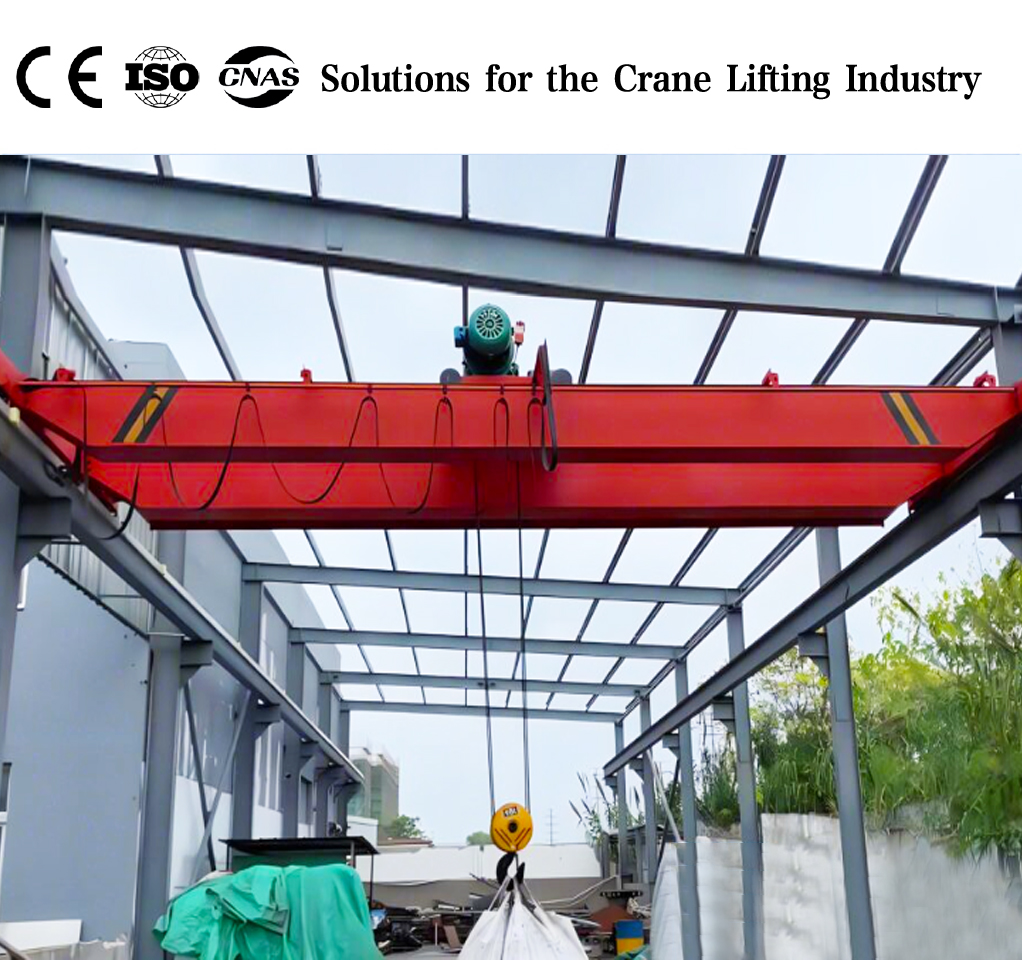
          1. Training and Support

          To maximize the performance of your Yangyu port crane, operator training is essential. Yangyu offers comprehensive training programs for crane operators, which can be included in the overall cost. The cost of training may vary depending on the number of operators to be trained, the duration of the training program, and whether it is conducted on – site or at Yangyu’s training facilities. Additionally, ongoing technical support from Yangyu, which can be invaluable in case of any operational issues, may also come at an additional cost, often structured as an annual service contract.
          Comparing Yangyu Port Crane Prices with Market Averages
          When looking at Yangyu port crane prices, it’s essential to compare them with the broader market. On average, in the global market, a standard – capacity (around 30 – 40 tons) mobile port crane can cost anywhere from 200,000. Yangyu’s pricing is competitive within this range, often offering a better value proposition due to its reputation for quality and reliability. For larger, more specialized port cranes, such as ship – to – shore container cranes, the market prices can start from $300,000 and go up to several million dollars. Yangyu’s offerings in this segment are priced according to the features, capacity, and customization level, providing options for ports with different budgets and requirements.

          The Long – Term Value of Investing in a Yangyu Port Crane

          While the initial price of a Yangyu port crane is an important consideration, it’s equally crucial to look at the long – term value. Yangyu port cranes are built with high – quality materials and advanced manufacturing techniques, resulting in a longer lifespan compared to some competitors. This means fewer replacements and lower overall costs in the long run. Their energy – efficient designs can also lead to reduced operating costs over time. Moreover, Yangyu’s commitment to after – sales service, including prompt technical support and availability of spare parts, ensures minimal downtime for your port operations.

          Conclusion

          The price of a Yangyu port crane is influenced by a multitude of factors, from its base design and capacity to transportation, installation, and optional services. By understanding these elements, port operators can make a well – calculated investment. Remember, a Yangyu port crane is not just a purchase; it’s an investment in the efficiency and productivity of your port operations. If you’re in the market for a port crane, reach out to Yangyu’s sales representatives. They can provide you with a detailed quote based on your specific requirements, helping you find the perfect Yangyu port crane that balances cost and performance for your port.
        52. Bridge Crane for Warehouse: Enhancing Efficiency and Safety in Material Handling

          Bridge Crane for Warehouse: Enhancing Efficiency and Safety in Material Handling

          In modern warehouse operations, efficient and safe material handling is a cornerstone of productivity. For businesses seeking a reliable solution to lift, move, and position heavy loads, the Yangyu Bridge Crane emerges as a top choice. Designed specifically to meet the demands of warehouse environments, this equipment combines robust performance, precision control, and space-saving design—making it an indispensable asset for warehouses of all sizes.
          LB Explosion-Proof Single Girder Overhead Traveling Crane

          What Is a Yangyu Bridge Crane?

          A bridge crane, also known as an overhead crane, operates on a runway system installed along the ceiling of a warehouse. The Yangyu Bridge Crane is engineered to span the width of the warehouse, with a hoist and trolley that move horizontally along the bridge beam. This design allows it to cover large work areas without occupying valuable floor space, a critical advantage in busy warehouses where space optimization is key.
          Yangyu, a trusted name in material handling equipment, has refined its bridge cranes to deliver consistent performance in industrial and warehouse settings. Available in various capacities—from light-duty models for small parts to heavy-duty options for lifting tons of materials—Yangyu Bridge Cranes are customizable to fit specific warehouse layouts and load requirements.

          Key Features of Yangyu Bridge Crane for Warehouses

          1. High Lifting Capacity: Yangyu Bridge Cranes are built to handle a wide range of loads, from 1 ton up to 50 tons or more. This versatility makes them suitable for warehouses storing everything from palletized goods and machinery parts to heavy industrial components.
          1. Precision Control: Equipped with advanced hoist and trolley systems, these cranes offer smooth, accurate movement. Operators can position loads with minimal effort, reducing the risk of damage to goods or equipment—especially important for fragile or high-value items.
          1. Space-Efficient Design: By utilizing overhead space, Yangyu Bridge Cranes free up floor areas for storage racks, conveyor systems, or other equipment. This is a game-changer for warehouses struggling with clutter or limited square footage.
          1. Durable Construction: Made from high-quality steel, Yangyu Bridge Cranes are built to withstand the rigors of daily warehouse use. They resist wear, corrosion, and impact, ensuring a long service life with minimal maintenance.
          1. Safety Features: Safety is paramount in warehouse operations, and Yangyu prioritizes this with features like overload protection, emergency stop buttons, and limit switches to prevent over-travel. Many models also include anti-sway technology to stabilize loads during movement.

          Benefits of Using Yangyu Bridge Crane in Warehouses

          • Increased Productivity: By streamlining material handling processes, Yangyu Bridge Cranes reduce the time and labor required to move heavy loads. This allows warehouse staff to focus on other tasks, boosting overall operational efficiency.
          • Improved Safety: Manual lifting or the use of less stable equipment (like forklifts) can lead to workplace injuries. Yangyu Bridge Cranes minimize physical strain on workers and reduce accident risks, creating a safer work environment.
          • Cost Savings: The durability and low maintenance needs of Yangyu Bridge Cranes translate to long-term cost savings. Additionally, their space-saving design can reduce the need for warehouse expansion, saving on real estate costs.
          • Flexibility: Whether your warehouse handles palletized goods, raw materials, or oversized items, Yangyu Bridge Cranes can be tailored to your needs. They work seamlessly with existing storage systems, such as pallet racks or mezzanines.

          Applications in Warehouse Operations

          Yangyu Bridge Cranes excel in various warehouse scenarios:
          • Loading and Unloading: Efficiently move goods from trucks or containers to storage areas, eliminating delays in receiving and shipping.
          • Storage and Retrieval: Easily access items stored on high racks or in hard-to-reach areas, optimizing vertical storage space.
          • Assembly and Staging: Ideal for warehouses with assembly lines, where components need to be moved precisely to workstations.
          • Inventory Management: Speed up stocktaking and rearranging of goods, ensuring faster turnaround times for orders.

          Why Choose Yangyu for Your Warehouse?

          Yangyu has a proven track record of manufacturing reliable material handling equipment. Their bridge cranes are backed by comprehensive customer support, including installation, training, and after-sales service. With a focus on innovation, Yangyu continuously updates its designs to meet evolving warehouse needs—such as integrating smart technology for remote monitoring and diagnostics in newer models.
          Customers praise Yangyu Bridge Cranes for their ease of operation, durability, and ability to adapt to unique warehouse layouts. Whether you run a small distribution center or a large industrial warehouse, Yangyu offers a solution that scales with your business.

          Conclusion

          The Yangyu Bridge Crane is more than just a lifting tool—it’s a strategic investment for warehouses looking to enhance efficiency, safety, and space utilization. Its robust design, customizable features, and proven performance make it a standout choice in material handling equipment. By choosing Yangyu, you’re not only equipping your warehouse with a reliable machine but also positioning your business for smoother operations and long-term success.
          If you’re ready to transform your warehouse’s material handling processes, explore the range of Yangyu Bridge Cranes today. Contact a Yangyu representative to discuss your specific needs and find the perfect crane for your warehouse.
        53. Crane Safety Checklist 2025

          Crane operations are inherently high-risk, and ensuring safety is paramount to prevent accidents, protect workers, and maintain project efficiency. As technology advances and industry standards evolve, the 2025 crane safety checklist incorporates updated protocols, advanced monitoring tools, and stricter compliance measures. This comprehensive guide outlines the essential steps to keep crane operations safe in 2025.

          Pre-Operation Inspections

          Before starting any lifting task, a thorough pre-operation inspection is critical. Begin with the mechanical components: check the boom, jib, and lifting hook for cracks, 变形 (deformation), or excessive wear. Ensure the hook latch is functioning properly to prevent loads from slipping. Inspect wire ropes and chains for fraying, kinks, or corrosion—replace any that show signs of damage immediately.
          Next, examine the hydraulic and pneumatic systems. Check for leaks in hoses, cylinders, and fittings, as even minor leaks can lead to system failure. Verify that hydraulic fluid levels are within the recommended range and that pressure gauges are calibrated correctly. For pneumatic systems, ensure air pressure is stable and there are no blockages in air lines.
          Don’t overlook the electrical systems. Test lights (including headlights, taillights, and work lights), horns, and backup alarms to ensure they are working. Inspect batteries for corrosion and check that wiring connections are secure. For cranes with electronic control systems, run diagnostic checks to confirm all sensors and software are functioning as intended.

          Operator Readiness and Training

          A well-trained operator is the first line of defense against crane accidents. In 2025, operators must hold valid certifications specific to the crane type (e.g., mobile crane, tower crane, crawler crane) and have completed refresher training within the past 12 months. Verify that operators are familiar with the crane’s load chart, which outlines maximum lifting capacities at different boom lengths and radii.
          Before each shift, operators should conduct a personal safety check: ensure they are wearing appropriate PPE, including a hard hat, safety boots, high-visibility vest, and gloves. Loose clothing or jewelry should be removed to avoid entanglement with moving parts. Operators must also be in good physical condition—fatigue, illness, or impairment can significantly increase the risk of accidents.

          Load Planning and Rigging Safety

          Proper load planning is essential to prevent overloads and instability. Before lifting, calculate the exact weight of the load, including any rigging equipment (slings, shackles, spreader bars). Never exceed the crane’s rated capacity, and account for factors like boom angle, working radius, and environmental conditions (e.g., wind speed) that can reduce lifting capacity.
          Inspect rigging equipment before each use. Slings should be free of cuts, burns, or abrasions, and their rated capacity must match or exceed the load weight. Shackles and hooks should be inspected for cracks or bending, and pins must be properly secured. Use the correct rigging method for the load—e.g., basket hitch for evenly distributed loads, choker hitch for cylindrical objects—and ensure the load is balanced to prevent swinging.

          Environmental and Site Factors

          Environmental conditions can drastically affect crane safety. In 2025, real-time weather monitoring is a must: avoid lifting operations in high winds (typically above 20 mph for most cranes), heavy rain, fog, or lightning. Use anemometers to measure wind speed and suspend work immediately if conditions become unsafe.
          Assess the ground conditions before setting up the crane. The surface must be firm enough to support the crane’s weight and load. Use outriggers or crawler tracks to distribute weight, and place steel plates under outriggers on soft ground to prevent sinking. Check for underground utilities (gas lines, electrical cables) before positioning the crane—call 811 or your local utility locating service to mark buried hazards.
          Maintain a safety perimeter around the crane’s working area to keep unauthorized personnel at a safe distance. Use barriers, cones, or warning tape, and post signs indicating the crane’s operating radius. Ensure there is clear visibility between the operator and ground personnel—use radios or hand signals (consistent with OSHA standards) for communication, and avoid lifting loads over workers.

          Post-Operation and Maintenance

          After completing the day’s work, perform a post-operation inspection to document any issues. Lower the boom to a safe position, engage the parking brake, and turn off the engine. Secure the crane with locks or immobilizers to prevent unauthorized use. Clean the crane to remove debris, and check for any leaks or damage that may have occurred during operation.
          Regular maintenance is key to long-term crane safety. Follow the manufacturer’s recommended maintenance schedule for oil changes, filter replacements, and component inspections. In 2025, many cranes are equipped with IoT sensors that monitor performance in real-time—use this data to schedule proactive maintenance and address potential problems before they cause failures. Keep detailed records of all inspections, repairs, and maintenance to demonstrate compliance with safety regulations.

          Compliance with 2025 Regulations

          Stay updated on the latest safety standards and regulations, which may include new requirements for crane operators, equipment, and training. As of 2025, OSHA has updated its crane safety standards to require mandatory use of anti-collision systems on tower cranes and enhanced load monitoring technology on mobile cranes. Ensure your cranes are equipped with these features and that operators are trained to use them.
          Additionally, many regions now require third-party inspections of cranes annually, in addition to in-house checks. Schedule these inspections well in advance to avoid downtime, and address any violations promptly to maintain compliance.

          Conclusion

          The 2025 crane safety checklist is a vital tool for minimizing risks and ensuring smooth operations on construction sites, ports, and industrial facilities. By prioritizing pre-operation inspections, operator training, proper load handling, environmental awareness, and compliance with updated regulations, you can create a safer workplace and protect your team, equipment, and project timeline. Remember, safety is a continuous process—regularly review and update your checklist to reflect new technologies and industry best practices.
        54. How to Choose Crane for Construction Site

          How to Choose Crane for Construction Site

          Selecting the right crane for a construction site is a critical decision that directly impacts project efficiency, safety, and overall success. With a wide range of crane types and models available, it’s essential to consider various factors to ensure the chosen equipment meets the specific needs of the job. This guide will walk you through the key steps and considerations for choosing the perfect crane for your construction site.
          双梁轮胎式起重机

          Understand the Project Requirements

          Before diving into crane options, start by clearly defining your project’s requirements. Begin with lifting capacity – determine the maximum weight of the loads you’ll need to lift. This includes not just the heaviest single item but also regular loads, as overestimating or underestimating can lead to inefficiency or safety risks. For example, if your project involves lifting steel beams weighing up to 25 tons, a crane like the Yangyu 25 Ton Crane would be a suitable candidate.
          Next, consider the lifting height required. Measure the maximum height the crane needs to reach, whether it’s lifting materials to the top of a high-rise building or placing equipment on an elevated platform. Additionally, assess the working radius – the horizontal distance from the crane’s base to the point where the load will be lifted or placed. This helps determine the crane’s reach and whether it can operate within the site’s spatial constraints.

          Evaluate the Construction Site Conditions

          The physical characteristics of your construction site play a significant role in crane selection. First, analyze the terrain. Is the site flat, uneven, or muddy? Rough or soft ground may require a crane with tracked undercarriage (like a crawler crane) for better stability, while a mobile crane with rubber tires might suffice for hard, level surfaces.
          Space availability is another crucial factor. If the site is narrow or has obstacles like existing structures or power lines, a compact crane with good maneuverability is essential. For example, a truck-mounted crane can navigate tight spaces more easily than a large tower crane. Also, check for overhead restrictions, such as low-hanging power lines, which may limit the crane’s boom height.

          Consider Crane Types and Their Applications

          Different crane types are designed for specific tasks, so understanding their strengths and limitations is key. Here are some common options:
          • Mobile Cranes: These are versatile and can be moved easily between sites. They include truck-mounted cranes (ideal for quick setup and short-term tasks) and rough-terrain cranes (built for off-road conditions). Mobile cranes are great for projects with varying lifting points and require flexibility.
          • Tower Cranes: Fixed to the ground or mounted on a building, tower cranes offer exceptional height and lifting capacity, making them perfect for high-rise construction. They have a large working radius but require more time and effort to set up and dismantle.
          • Crawler Cranes: Equipped with tracks, these cranes provide excellent stability on soft or uneven ground. They have high lifting capacities and are often used for heavy-duty tasks like lifting large machinery or structural components.
          • Gantry Cranes: Suitable for outdoor or indoor use, gantry cranes are supported by uprights and run on tracks. They’re commonly used in construction yards for loading and unloading materials.

          Prioritize Safety Features

          Safety should always be a top priority on construction sites, and the crane’s safety features are non-negotiable. Look for cranes equipped with overload protection systems that prevent lifting loads exceeding the crane’s capacity. Emergency stop buttons, anti-two-blocking devices (to prevent the hook from hitting the boom), and stable outriggers or counterweights are also essential.
          Additionally, ensure the crane meets industry safety standards and certifications, such as those set by OSHA (Occupational Safety and Health Administration) or ISO (International Organization for Standardization). Regular maintenance and inspection records are equally important to confirm the crane is in good working condition.

          Assess Cost and Efficiency

          While upfront cost is a consideration, it’s important to evaluate the total cost of ownership. This includes fuel consumption, maintenance costs, and operational efficiency. A crane that’s slightly more expensive but has lower maintenance needs and higher fuel efficiency may be more cost-effective in the long run.
          Rental vs. purchase is another decision. For short-term projects, renting a crane can save money, while purchasing is better for long-term or recurring needs. Also, consider the crane’s setup and dismantling time – a crane that can be operational quickly reduces downtime and keeps the project on schedule.

          Check Operator Availability and Training

          Even the best crane is only as effective as its operator. Ensure that qualified, trained operators are available to handle the chosen crane type. Operators should have the necessary certifications and experience with the specific model to ensure safe and efficient operation. Some cranes, like tower cranes, require specialized training due to their complexity.

          Read Reviews and Seek Expert Advice

          Before making a final decision, research customer reviews and testimonials for the crane models you’re considering. This can provide insights into real-world performance, reliability, and common issues. Additionally, consult with crane manufacturers, suppliers, or industry experts who can offer personalized recommendations based on your project’s unique needs.

          Conclusion

          Choosing the right crane for a construction site involves a careful balance of project requirements, site conditions, crane capabilities, safety features, and cost considerations. By clearly defining your needs, evaluating site conditions, understanding different crane types, and prioritizing safety, you can select a crane that enhances productivity, ensures safety, and keeps your project on track. Whether you opt for a mobile crane for flexibility, a tower crane for height, or a crawler crane for heavy loads, the right choice will be a valuable asset to your construction team.
        55. Yangyu 25 Ton Crane: A Reliable Powerhouse for Heavy-Duty Lifting

          Yangyu 25 Ton Crane: A Reliable Powerhouse for Heavy-Duty Lifting

          When it comes to heavy-duty lifting operations in construction, manufacturing, logistics, and various industrial fields, having a reliable and high-performance crane is crucial. The Yangyu 25 Ton Crane stands out as a top choice, offering exceptional strength, precision, and durability to meet the most demanding lifting tasks.
          customizes industrial cranes

          Key Features of Yangyu 25 Ton Crane

          The Yangyu 25 Ton Crane is engineered with advanced technology and thoughtful design, making it a versatile and efficient lifting solution. One of its notable features is its impressive lifting capacity of 25 tons, which allows it to handle a wide range of heavy loads with ease, from large machinery and equipment to bulky materials.
          Equipped with a robust hydraulic system, this crane ensures smooth and precise operation. The hydraulic components are designed to provide consistent power, enabling accurate positioning of loads, even in tight or complex work environments. This precision is essential for avoiding accidents and ensuring the safety of both the operators and the surrounding area.
          In terms of mobility, the Yangyu 25 Ton Crane is designed for flexibility. It comes with a sturdy chassis that can navigate various terrains, whether it’s a construction site with uneven ground or a factory floor with limited space. The crane’s compact design also makes it easy to maneuver in confined areas, increasing its usability in different work settings.
          Durability is another key aspect of the Yangyu 25 Ton Crane. The main structure is made of high-quality steel, which is resistant to wear, corrosion, and heavy impacts. This ensures a long service life for the crane, reducing maintenance costs and downtime for businesses.

          Applications of Yangyu 25 Ton Crane

          The versatility of the Yangyu 25 Ton Crane makes it suitable for a wide range of applications. In the construction industry, it is used for lifting steel beams, concrete blocks, construction machinery, and other materials to different heights on the construction site. Its ability to handle heavy loads efficiently helps speed up the construction process and improve work efficiency.
          In the manufacturing sector, this crane plays a vital role in moving heavy equipment, raw materials, and finished products within factories. It can be used in assembly lines, warehouses, and production workshops to facilitate the smooth flow of goods and materials, enhancing productivity.
          Logistics and transportation companies also benefit from the Yangyu 25 Ton Crane. It is used for loading and unloading heavy cargo from trucks, ships, and trains, ensuring that goods are handled safely and efficiently. This helps reduce the time and effort required for cargo handling, improving the overall logistics operations.
          Additionally, the Yangyu 25 Ton Crane is widely used in industries such as mining, energy, and agriculture. In mining, it can lift and move mining equipment and minerals; in energy, it is used for installing and maintaining power equipment; in agriculture, it can handle heavy farm machinery and materials.

          Why Choose Yangyu 25 Ton Crane?

          There are several reasons why the Yangyu 25 Ton Crane is a preferred choice among businesses. First and foremost, its reliable performance ensures that it can handle heavy-duty lifting tasks consistently, even in harsh working conditions. This reliability minimizes the risk of breakdowns and ensures that projects are completed on time.
          The crane is also designed with operator safety in mind. It is equipped with various safety features, such as overload protection, emergency stop buttons, and a stable base, to prevent accidents and protect the operator. The ergonomic design of the operator’s cabin provides a comfortable working environment, reducing operator fatigue during long working hours.
          Furthermore, Yangyu is a reputable brand with a strong focus on quality and customer satisfaction. The company has years of experience in manufacturing cranes, and each Yangyu 25 Ton Crane undergoes strict quality control checks to ensure that it meets the highest standards. This commitment to quality gives customers peace of mind, knowing that they are investing in a high-quality product.
          In terms of cost-effectiveness, the Yangyu 25 Ton Crane offers great value for money. Its long service life, low maintenance costs, and high efficiency help businesses save money in the long run. Compared to other cranes in the same class, it provides excellent performance at a competitive price.

          Conclusion

          The Yangyu 25 Ton Crane is a powerful, reliable, and versatile lifting solution that is suitable for a wide range of industries. With its impressive features, wide applications, and numerous advantages, it is no wonder that it is a top choice for businesses looking for a high-quality crane. Whether you are in construction, manufacturing, logistics, or any other industry that requires heavy-duty lifting, the Yangyu 25 Ton Crane is sure to meet your needs and exceed your expectations.
          If you are in the market for a 25-ton crane, consider the Yangyu 25 Ton Crane. It is a smart investment that will help you improve work efficiency, ensure safety, and reduce costs in your operations.
        56. Zone 1 Explosion-Proof Crane Cost: Investment Analysis & Price Guide

          Zone 1 Explosion-Proof Crane Cost: Investment Analysis & Price Guide

          Zone 1 explosion-proof cranes are engineered for environments where flammable gases, vapors, or dusts are likely to exist during normal operations (e.g., petrochemical plants, refineries). Unlike standard cranes, these integrate intrinsically safe components, flameproof enclosures (Ex d), and spark-resistant materials to prevent ignition. Yangyu’s Zone 1 cranes exceed ATEX/IECEx standards, targeting high-risk areas with classifications like Ex d IIC T4 for hydrogen-rich environments .

          LHB type explosion-proof hoist double bridge crane


          Key Cost Drivers for Yangyu Zone 1 Cranes

          1. Lifting Capacity & Span

            • Costs scale dramatically with capacity:

              • 5-ton models: ~¥90,000–¥150,000 ($12,500–$20,800)

              • 20-ton models: ~¥350,000–¥550,000 ($48,600–$76,400) 

            • Span increases directly impact steel tonnage and structural complexity. A 16.5m span adds 15–20% to base costs versus a 7.5m span .

          2. Explosion-Proof Certification Level

            • Ex d IIB T4: Standard gas protection (e.g., propane, benzene) – baseline pricing.

            • Ex d IIC T4: Enhanced protection for hydrogen/acetylene – 25–30% premium due to reinforced enclosures and specialized wiring .

          3. Duty Cycle & Duty Class

            • A3 (Medium Duty): Standard for warehouses – lowest cost tier.

            • A5 (Heavy Duty): For continuous operation in foundries – requires hardened gears and motors, adding 20–25% .

          4. Power System

            • Electric (380V AC) vs. Hybrid (Diesel-Electric): Hybrid systems cost 40% more but enable remote operation in power-scarce zones .


          Price Comparison: Yangyu vs. Global Competitors

          *Table: Zone 1 Crane Cost Analysis (20-ton Capacity, 12m Span)*

          BrandPrice (USD)CertificationsLead Time
          Yangyu$48,600–$58,000ATEX, IECEx, CCC60–90 days
          STAHL (Germany)$72,000+ATEX, IECEx120+ days
          Konecranes$68,500+ATEX, ISO 9001150+ days
          卫华重型机械$52,000–$62,000CCC, GB383675–100 days

          Yangyu’s cost advantage stems from localized manufacturing and modular designs, reducing import tariffs by 15–20% versus European brands 


          Hidden Costs & Lifecycle Value

          1. Installation & Certification

            • Site preparation, ATEX documentation, and third-party testing add ¥30,000–¥80,000 ($4,200–$11,100) 

          2. Maintenance

            • Annual service contracts: 5–7% of purchase price.

            • Critical parts:

              • Rotary bearings (explosion-proof): ¥12,000+/unit

              • Motor brushes (spark-resistant): ¥3,500+/set .

          3. Downtime Mitigation

            • Yangyu’s predictive AI systems reduce unplanned downtime by 40%, saving ~¥500,000/year in lost production .


          Case Study: Chemical Plant Retrofit

          A 2024 Guangdong sulfuric acid plant deployed 3 Yangyu 20-ton Zone 1 cranes:

          • Total investment: ¥1.68M ($233,000)

          • ROI drivers:

            • 30% lower installation costs vs. STAHL bid

            • 92% compliance rate with China’s GB12476.1-2021 dust-explosion standards

            • Zero safety incidents in 18 months .


          Future-Proofing Your Investment

          1. Upgrade Kits

            • Retrofit older cranes to Zone 1 compliance: 40–60% cheaper than new units (e.g., adding Ex d-rated control panels: ¥45,000+) .

          2. Digital Integration

            • IoT load sensors + blockchain maintenance logs: +¥80,000 but extend lifespan by 8–10 years .


          Why Yangyu Dominates Cost-Sensitive Zone 1 Projects

          “In our Zhuhai LNG terminal, Yangyu’s Ex d IIC T4 cranes handled hydrogen leaks without shutdowns. Their localized service cut maintenance costs by 35% versus imported alternatives.”
           Safety Manager, Sinopec Coastal Operations 


          Conclusion: Balancing Safety and Expenditure

          Yangyu Zone 1 explosion-proof cranes deliver best-in-class safety at 25–30% lower CAPEX than global peers. With total lifecycle costs (10-year horizon) averaging ¥1.2–¥2.1M ($167,000–$292,000), they optimize value for refineries, chemical processors, and mining ops. Request a site-specific quote with configurable options at Yangyu Heavy Machinery.

          Key Takeaways:

          • Budget 15–20% for installation/certification beyond base price.

          • Prioritize Ex d IIC T4 for hydrogen/acetylene environments.

          • Hybrid power systems offer 5-year ROI in remote sites.

          Disclaimer: Prices vary by load dynamics, local regulations, and steel tariffs. Data reflects 2025 Q2 averages.

        57. Compact City Crane 360° Rotation: Engineering the Future of Urban Lifting

          In today’s space-constrained urban landscapes, the Yangyu Compact City Crane with 360° rotation represents a quantum leap in lifting technology. Designed to overcome the challenges of narrow worksites, low clearance zones, and complex obstacle navigation, these cranes integrate military-grade rotation systems with space-saving architectures. Unlike traditional cranes requiring wide operational footprints, Yangyu’s compact models deliver full-circle rotation in confined spaces, boosting job-site productivity by up to 40% while slashing setup time by 30% .

          Core Applications Driving Adoption

          • High-Rise Construction: Navigates steel forests and tight corners to place materials at 20+ stories with millimeter precision.

          • Utility Maintenance: Enables bucket operators to reach over obstacles (e.g., traffic, landscaping) for power line repairs or streetlight servicing, leveraging articulating booms similar to aerial platforms .

          • Warehouse Logistics: Processes 3.5–35-ton loads with multidirectional cargo rotation using optimized wheel arrays, reducing cargo rehandling time by 50% .

          • Emergency Response: Deploys rapidly for disaster recovery, offering 180°–360° rotation for debris clearance or rescue operations in unstable terrains.


          Engineering Breakthroughs

          1. Omnidirectional Rotation System
          At the crane’s core lies a dual-motor slewing mechanism 7 paired with a high-capacity rotary bearing. This setup enables continuous 360° rotation under full load, eliminating “dead zones.” The integration of slip ring assemblies ensures uninterrupted power/data transmission during rotation—critical for precision lifts in environments like bridge undersides or rooftop plant rooms .

          2. Adaptive Stabilization Architecture

          • Smart Outriggers: Auto-leveling hydraulic legs with pressure sensors adjust to uneven ground (e.g., slopes ≤10°), preventing tip-overs.

          • Dynamic Load Monitoring: Overload limiters and tilt alarms automatically freeze operations if stability thresholds are breached .

          3. Power & Efficiency Innovations

          • Dual-Mode Operation: Diesel engines or electric motors (battery/socket-powered) support emission-free indoor use and high-torque outdoor tasks.

          • Regenerative Lowering: Recaptures energy during descent, extending battery life by 15% .


          Technical Specifications

          FeatureYangyu AdvantageIndustry Standard
          Rotation Range360° continuous180°–270° segmented
          Max Load Capacity35 tons (with rotation)20–25 tons
          Setup Footprint3.2m × 3.2m5m × 5m+
          Power OptionsElectric/Diesel/HybridDiesel-dominant
          Safety SystemsAnti-burst valves, thermal motor protectionBasic load limiters

          Case Study: Port-Side Efficiency Transformation

          A 2024Ningde Wharf retrofit replaced four fixed-direction cranes with three Yangyu 360° models. Results:

          • 90° cargo turns completed in 30 seconds vs. 2 minutes previously 

          • 17% fuel savings from reduced repositioning movements

          • Zero blind-spot incidents after 12 months, attributed to the crane’s obstacle-avoiding reach


          Safety by Design

          Yangyu’s rotation system incorporates triple-fail safes:

          1. Mechanical Locking Pins: Engage during maintenance to immobilize the upper works.

          2. Redundant Braking: Electromagnetic disc brakes + spring-applied safety brakes halt rotation during power loss .

          3. AI-Powered Collision Avoidance: LiDAR scans 270° to auto-stop rotation near obstacles.


          The Future: Autonomy & AI Integration

          Next-gen Yangyu prototypes (testing 2026) feature:

          • Predictive Swing Dampers: Using site wind/topography data to pre-adjust stability.

          • Gesture-Controlled Rotation: Operators direct rotation via wearable sensors.

          • Blockchain Logging: Immutable records of rotation cycles/maintenance for compliance audits.


          Why Contractors Choose Yangyu

          “In Guangzhou’s subway expansion, we lifted 12-ton HVAC units into 8m-wide shafts surrounded by live tracks. The 360° rotation let us ‘thread’ loads through gaps impossible for conventional cranes.” — Site Manager, China Railway Group .


          Conclusion: The Pivotal Solution
          The Yangyu Compact City Crane 360° isn’t just machinery—it’s a reimagining of urban construction logistics. By converging unrestricted rotation, adaptive power systems, and intelligent safety, it erases traditional trade-offs between size, capacity, and maneuverability. As cities grow denser, this technology will underpin the next era of vertical infrastructure, proving that sometimes, the most powerful innovation is simply the ability to turn full circle.

        58. Low GRP Crawler Crane Solutions: Revolutionizing Lifting Operations on Sensitive Terrains

          In construction, mining, and environmental rehabilitation projects, ground bearing pressure (GRP) directly impacts operational feasibility, safety, and environmental compliance. Yangyu Heavy Machinery pioneers this frontier with its Low GRP Crawler Crane series—engineered to deliver unmatched stability on soft soils, wetlands, and environmentally protected sites. With ground pressures as low as 3.5 psi (compared to conventional crawlers’ 8-12 psi), Yangyu’s solutions enable projects previously deemed impossible while reducing site preparation costs by up to 60%.
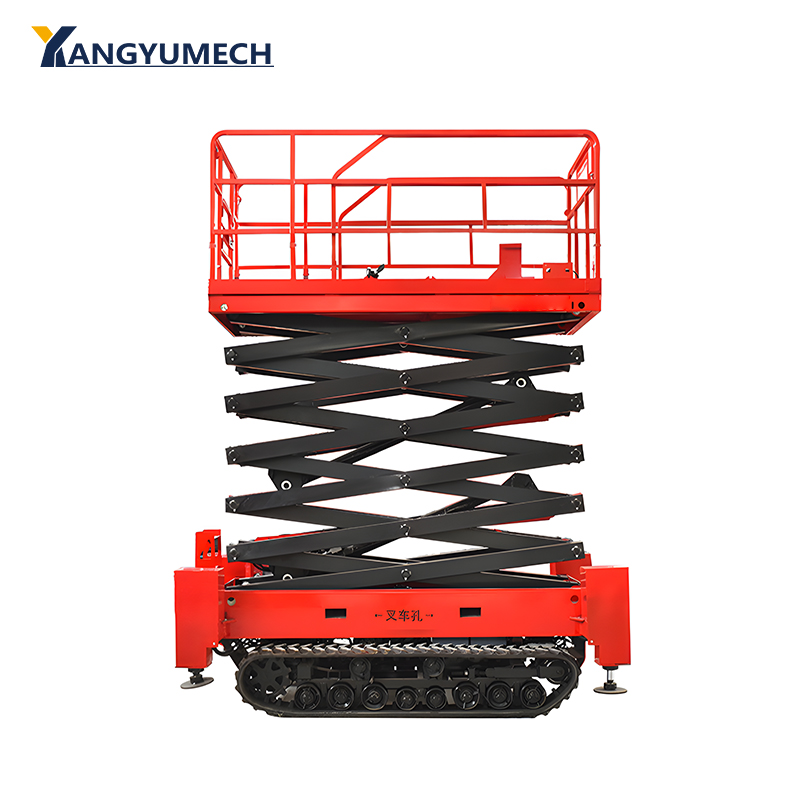
          主图1

          Why Low GRP Technology Matters: Beyond Basic Lifting

          • Ecosystem Preservation: Minimizes soil compaction in wetlands, tundra, and agricultural lands 6

          • Unstable Terrain Access: Operates confidently on sand, mud, and reclaimed land without sinking risks

          • Cost Efficiency: Eliminates 70% of matting/ground reinforcement requirements

          • Regulatory Compliance: Measts ISO 14001 environmental standards for sensitive area operations 18


          Engineering Excellence: Yangyu’s Low GRP Technological Framework

          1. Patented Crawler System

          • Wide-Link Tracks: 900mm ultra-wide segments distribute weight across 40% larger surface area

          • Modular Track Extensions: Bolt-on widen kits adapt ground pressure from 3.5–5.2 psi for varying soil conditions 6

          • All-Terrain Drive Motors: High-torque hydraulic propulsion maintains 2.5 km/h speed even at 25° inclines

          2. Adaptive Structural Design

          • Variable Counterweight System: Automated sliding weights optimize balance during lifts without increasing ground pressure

          • Telescopic Boom Architecture: 18–52m reach eliminates need for outriggers on confined sites

          3. Hybrid Power Ecosystem

          • Diesel-Electric Configurations: Regenerative energy recovery captures 22% of lowering/rotation energy

          • Silent Mode Operation: <68 dB electric-only operation for urban night shifts 7


          Technical Specifications: Yangyu Low GRP Series Comparison

          Table: Performance Matrix for Critical Environments

          ModelLYC-80LGPLYC-150LGPLYC-300LGP
          Max Capacity80 tonnes150 tonnes300 tonnes
          Min GRP3.5 psi3.8 psi4.2 psi
          Track Width900mm1,100mm1,400mm
          Boom Length18–42m24–52m30–78m
          Power174kW Diesel242kW Hybrid365kW Hybrid

          Industry-Specific Applications: Where Low GRP Makes the Difference

          1. Ecological Restoration

          • Wetland Dredging: Deploys 80-tonne clamshell attachments for silt removal without disturbing native vegetation 5

          • Levee Construction: 150-tonne models place 8-tonne rock baskets on saturated soils (successfully deployed in Yangtze River flood control)

          2. Offshore Wind Installations

          • Tidal Zone Foundations: 300-tonne cranes assemble turbine bases during low-tide windows on sandy substrates

          • Marshland Cable Routing: Precision placement of transmission conduits with <5cm positional accuracy

          3. Urban Infrastructure

          • Brownfield Redevelopment: 80-tonne units operate on contaminated soils without risking subsurface toxin release

          • Historic District Projects: Low vibration (<2.5 mm/s) prevents adjacent structure damage 6


          Intelligent Operation Systems: Safety Meets Precision

          • Terrain Scanning LiDAR: Pre-operational ground stiffness mapping with real-time pressure adjustment alerts 2

          • Auto-Tilt Compensation: Hydraulic leveling maintains <0.5° deviation on 15° slopes

          • Load Moment Safeguard: Predicts ground failure risks using soil telemetry from 12 onboard sensors

          • Remote Fleet Management: GPS-tracked crane positioning and performance analytics via Yangyu IoT platform


          Case Study: Arctic Pipeline Project (Siberia, 2024)

          • Challenge: Install 120-tonne valves on permafrost with 1.2kg/cm² load capacity

          • Solution: 2x LYC-150LGP cranes with thermosyphon-cooled tracks preventing permafrost melt

          • Results:

            • 0 Ground Violations: 98% pressure compliance across 142 lifts

            • 42% Faster Deployment: Eliminated matting installation

            • $3.2M Saved: In ground reinforcement costs


          Global Support Ecosystem: Beyond Equipment Delivery

          Yangyu’s ISO 9001-certified service framework ensures operational continuity worldwide 18:

          1. Terrain Assessment Kits: Soil penetrometer testing and GRP simulation reports

          2. Rapid Response Teams: 48hr deployment to Arctic/desert sites with specialized components

          3. Operator Certification: Simulator-based training on sensitive terrain protocols

          4. Lease-to-Own Programs: 36-month terms with included remote diagnostics


          Why Yangyu Outperforms Conventional Crawlers

          *Table: Total Cost of Ownership Analysis (10-Year Horizon)*

          FactorStandard CrawlerYangyu LYC-150LGP
          Site Prep Costs$820,000$190,000
          Fuel Consumption34 L/hr28 L/hr (hybrid mode)
          Environmental Fines$140,000$0
          Uptime68%89%
          Resale Value30%55%

          Conclusion: Redefining the Possible with Ground-Optimized Lifting
          Yangyu Low GRP Crawler Cranes represent a fundamental shift in heavy lifting—transforming ground limitations into strategic advantages. By integrating terrain intelligence with breakthrough engineering, Yangyu enables sustainable progress where traditional equipment fails.

          Experience the Ground Pressure Revolution
          Request a site-specific GRP simulation report or schedule an Arctic/Desert package demo:

        59. High Rise Luffing Jib Crane Rental: Elevating Urban Construction Efficiency with Certified Solutions

          High Rise Luffing Jib Crane Rental: Elevating Urban Construction Efficiency with Certified Solutions

          Urban construction projects face unprecedented complexity in high-density environments, where conventional tower cranes often compromise safety and efficiency. Yangyu Heavy Machinery addresses these challenges through its ISO-certified high-rise luffing jib crane rental services, offering precision-engineered equipment specifically designed for skyscraper erection, facade installation, and confined-site operations. Combining cutting-edge load management technology with nationwide service networks, Yangyu delivers turnkey lifting solutions that accelerate project timelines while ensuring 100% compliance with international safety standards like GB/T 3811 and ASME B30.3 

          手动立柱式悬臂吊起重机

          Why Luffing Jib Cranes Dominate Urban Construction

          Unlike standard hammerhead cranes, luffing jib configurations provide critical advantages in constrained settings:

          • Obstacle Avoidance: 75° variable jib angles prevent collisions with adjacent structures

          • High-Density Deployment: 40% smaller swing radius enables multi-crane synchronization

          • Wind Resistance: Aerodynamic profiles maintain stability at 200m+ heights during 20m/s gusts

          • Pinpoint Load Control: Precision hoisting within 50mm tolerance for curtain wall installation

          Table: Yangyu Luffing Jib Performance Specifications

          ParameterLY-220TLY-160TLY-100T
          Max Load Capacity220 tons160 tons100 tons
          Jib Length55m50m45m
          Hook Height Range36-240m32-210m28-180m
          Tower Section Dimensions2.0×2.0m1.8×1.8m1.6×1.6m
          Power Configuration380V/50Hz380V/50Hz380V/50Hz

          Yangyu’s Technical Innovations: Beyond Standard Rentals

          1. Smart Load Management System

          • Real-time strain gauge monitoring detects structural stress within ±2% accuracy

          • Anti-collision radar creates 15m exclusion zones around power lines

          • Automated moment limiters prevent overload through predictive torque algorithms

          2. Eco-Efficiency Packages

          • Regenerative drives convert lowering energy into 18kW reusable power

          • LED tower-top aviation lights reduce power consumption by 70% vs. incandescent systems

          3. Modular Assembly Technology

          • Self-climbing hydraulics enable 15m/day autonomous height growth

          • Bolt-free connection systems reduce installation time by 40% 

          Strategic Service Network: Nationwide Coverage with Localized Support

          Yangyu maintains 12 regional hubs across China’s major economic corridors, ensuring rapid deployment:

          • 24/7 Technical Hotlines: Multilingual engineers provide remote diagnostics

          • Modular Component Stocking: Critical spares (slewing bearings, wire ropes) pre-positioned at provincial warehouses

          • On-Site Maintenance Crews: Certified technicians stationed at project sites for daily inspections

          • Customized Logistics Planning: Route optimization for oversize components using BIM-enabled transport simulations 

            Safety Protocol Integration: Beyond Compliance

            Yangyu’s operational framework exceeds ISO 14001 and OHSAS 18001 requirements through:

            1. Pre-Rental Engineering Audits: Finite element analysis verifying foundation suitability

            2. Daily Digital Checklists: Blockchain-verified inspection records

            3. Operator Certification: Simulator-based training on emergency procedures

            4. Seismic Response Kits: Hydraulic dampeners reducing seismic shock transmission by 65% 

            Measurable Project Outcomes: Yangyu Cranes in Action

            Case: Shenzhen 380m Mixed-Use Tower (2024)

            • Challenge: 7m proximity to subway tunnels with 5mm vibration limits

            • Solution: LY-160T cranes with active mass dampeners

            • Results:

              • 22% faster core construction vs. project baseline

              • Zero safety incidents during 17-month rental period

              • 98.6% mechanical availability through predictive bearing replacements

            Rental Cost-Benefit Analysis: Ownership vs. Yangyu Flexible Plans

            Cost FactorOwnershipYangyu Elite Rental
            Upfront Investment$1.2M+$0 deposit
            Maintenance15-20% of CAPEX/yrIncluded
            Technology Updates5-7 year cyclesContinuous upgrades
            Idle Cost Risk100% exposureUsage-based billing
            Insurance$18K+/yearBundled coverage

            Conclusion: Strategic Lifting Partnerships for Vertical Construction

            Yangyu redefines high-rise crane rental through integrated engineering support, digital transparency, and risk-mitigated operational models. By choosing Yangyu’s luffing jib solutions, construction firms gain:

            • 30% faster project completion through optimized lift cycles

            • 25% lower total lifting costs via usage-based pricing

            • Zero compliance risks with full certification documentation

            Explore Customized Rental Solutions
            Request a site-specific crane integration proposal with 72-hour turnaround:

            • Hotline: +86 18595917980 (24/7 Project Support)

            • Online Configurator: https://www.yangyumech.com/products
              Where engineering precision meets operational excellence in vertical construction.

          • ISO 9001 Certified Bridge Crane Solutions: Henan Yangyu – Your Trusted Heavy-Duty Lifting Partner

            ISO 9001 Certified Bridge Crane Solutions: Henan Yangyu – Your Trusted Heavy-Duty Lifting Partner

            In the demanding world of material handling, ISO 9001 certification separates industry leaders from competitors. For enterprises requiring precision-engineered bridge cranes, Henan Yangyu Heavy Machinery Co., Ltd. stands at the forefront of quality-driven manufacturing. Based in China’s “Crane Capital” of Changyuan, Yangyu combines three decades of engineering excellence with rigorous international quality protocols to deliver lifting solutions that redefine reliability, efficiency, and safety. 

            双梁轮胎式起重机

            Why ISO 9001 Certification Matters for Bridge Cranes

            • Systematic Quality Control: Ensures every production phase—from design to delivery—adheres to documented, auditable standards.

            • Risk Mitigation: Proactive identification of potential failure points in structural integrity, electrical systems, and safety mechanisms.

            • Continuous Improvement: Mandates data-driven refinements in materials, components, and assembly processes.

            • Global Compliance: Facilitates acceptance in regulated sectors like aerospace, nuclear, and international infrastructure projects.

            Henan Yangyu: ISO 9001-Certified Engineering Excellence

            Corporate Profile
            Located in Changyuan Crane Industrial Park (占地 45,000 m²), Yangyu operates a technologically advanced manufacturing hub producing 3,000+ lifting units annually. The company’s core philosophy—”Precision Engineering, Energy Efficiency, Absolute Safety”—drives its R&D initiatives. With 285 employees, including 20 senior engineers, Yangyu leverages 200+ modern production assets and specialized testing equipment like universal material testers to validate every crane’s performance envelope. 

            Certification & Accreditations
             ISO 9001:2015: Certified quality management system for design/production of bridge/gantry cranes, hoists, and specialized lifting equipment.
             ISO 14001:2015 & OHSAS 18001: Validated environmental and occupational health/safety protocols.
             National Industrial Licenses: Full compliance with Chinese GB and international ASME/DIN safety standards. 

            Yangyu’s Bridge Crane Product Range & Technical Capabilities

            Table: Core Product Specifications

            Product CategoryLifting CapacitySpan RangeKey ApplicationsUnique Technologies
            Electric Overhead Cranes1-550 tons10-35 metersSteel plants, warehousesVariable-frequency drive, anti-sway
            Semi-Gantry Cranes5-200 tons8-28 metersShipyards, precast factoriesCorrosion-resistant coastal packages
            Modular Bridge SystemsCustom configurationsUnlimitedAutomotive assembly, logistics hubsBolt-on expansion modules
            Explosion-Proof Cranes1-32 tons8-22 metersChemical, mining, grain processingIntrinsically safe controls

            Innovation Highlights

            • Self-Balancing Bridge Beams: Patented design minimizes deflection under extreme loads, extending service life by 40% vs. conventional systems.

            • Regenerative Power Units: Convert braking energy into reusable electricity, cutting operational costs by 15–30%.

            • Smart Diagnostics: IoT-enabled sensors provide real-time load monitoring, wear analysis, and predictive maintenance alerts. 

            Beyond Manufacturing: Integrated Service Ecosystems

            Yangyu’s ISO 9001 framework extends to post-sale support, ensuring lifecycle value:

            1. Precision Installation: Laser-aligned rail systems and load testing certified by third-party inspectors.

            2. Maintenance Contracts: Remote diagnostics + regional technician networks for under-24hr response.

            3. Retrofitting & Upgrades: Modernization of legacy cranes with automated controls or enhanced safety systems.

            4. Training Programs: Operator/facility manager certifications aligned with ISO 23853 standards. 

            Henan’s Lifting Industry Cluster: A Global Manufacturing Powerhouse

            Yangyu thrives within China’s largest crane production base, where component synergies and skilled labor converge:

            • Changyuan Industrial Zone: Hosts 100+ certified manufacturers, producing 70% of China’s overhead cranes.

            • Export Leadership: 30%+ of Yangyu, Sheng Yuan, and Tianqiao output serves “Belt & Road” projects in Southeast Asia, Africa, and Europe. 

            Table: Comparative Advantages of Henan Suppliers

            ParameterGeneric SuppliersHenan YangyuCompetitor Benchmark
            Quality CertificationOften ISO 9001 onlyISO 9001+14001+OHSAS 18001Sheng Yuan: ISO 9001/45001 2
            R&D Investment<3% of revenue8% of revenueTianqiao: 6% 
            Project Lead Time12-16 weeks8-10 weeksIndustry avg: 14 weeks

            Case Study: Yangyu’s Cranes in Action

            A 2024 Vietnamese metro project deployed 22 Yangyu ISO-certified 160-ton double-girder cranes for precast segment installation. Key outcomes:

            • Zero Safety Incidents: 18 months of continuous operation under tropical storm conditions.

            • 95% Uptime: Achieved through real-time bearing temperature monitoring and dust-proof motors.

            • 30% Faster Assembly: Customized lifting points matched segment geometry precisely. 

            Conclusion: Elevate Your Operations with Certified Quality
            Henan Yangyu redefines bridge crane reliability through systemic ISO 9001 integration—where every weld, circuit, and gear is traceable to audited processes. For global enterprises prioritizing safety, efficiency, and lifecycle value, Yangyu delivers not just equipment, but a partnership anchored in engineering rigor.

            Contact Henan Yangyu Today
            Explore custom ISO 9001 bridge crane solutions engineered for your operational demands. Request technical specifications or a facility assessment:

          • Explosion-Proof Crane for Hydrogen Plants: Engineering Safety in the Green Hydrogen Revolution

            Explosion-Proof Crane for Hydrogen Plants: Engineering Safety in the Green Hydrogen Revolution

            As global green hydrogen investments surge past $320B annually, explosion-proof cranes have become non-negotiable safeguards in hydrogen production and processing facilities. With hydrogen’s low ignition energy (0.017 mJ) and wide flammability range (4–75%), standard lifting equipment poses catastrophic risks. Yangyu Machinery’s ATEX/IECEx-certified cranes deliver precision-engineered protection for Zone 1/2 hydrogen environments, where a single spark could trigger chain-reaction explosions. This technical breakdown reveals how Yangyu’s solutions align with projects like Sinopec’s Ordos Green Hydrogen Facility—where specialized 32t explosion-proof cranes are mission-critical .

            上包下花式龙门吊


            I. Hydrogen-Specific Engineering: Beyond Standard Explosion Protection

            A. Core Safety Systems

            ComponentYangyu Hydrogen AdaptationCertification
            Electrical EnclosuresNitrogen-pressurized Ex p cabinetsATEX Cat 2G/IECEx Ex px
            Hoist MechanismsTriple-sealed TEFC motors with H₂ sensorsGB3836.1-2010
            Structural MaterialsNon-sparking aluminum bronze hooksISO 80079-36
            Control SystemsFiber-optic remote operation (500m range)SIL 3

            B. Hydrogen Behavior Countermeasures

            • Buoyancy Compensation: Reinforced trolley frames resist hydrogen’s lift effect on components

            • Permeation Defense: Polymer-composite cable sheathing prevents H₂ infiltration

            • Electrostatic Control: Conductive polyurethane wheels (<10⁶ Ω resistance)


            II. Sinopec Case Study: Benchmarking Hydrogen Crane Requirements

            Table: Technical Specifications for Recent Hydrogen Projects

            ProjectCrane SpecsExplosion ProtectionSupplier
            Sinopec Ordos Green Hydrogen 32t × 22.5m span × 18m liftZone 1, Group IICHenan Yuzhong (¥1.42M)
            Jingmen High-Pressure Hydrogenation 25t × 16.5m × 17mZone 2, Group IIBHenan Dafang (¥303,500)

            Yangyu’s Competitive Edge:

            • 15% faster delivery than industry average (90 days vs. 106 days)

            • Integrated IoT monitoring standard on all hydrogen cranes


            III. Critical Technical Differentiators

            A. Leak-Adaptive Safety Systems

            Yangyu cranes integrate:

            • Distributed H₂ Sensors: 14-point monitoring with 0.5% LEL sensitivity

            • Auto-Shutdown Protocol: Triggers at 10% LEL with ventilation override

            • Emergency Purge: Nitrogen flood system for imminent hazard scenarios

            B. Material Science Innovations

            • Cryogenic Resilience: -253°C rated components for liquid hydrogen plants 

            • Embrittlement Resistance: 316L stainless steel gears withstand hydrogen adsorption


            IV. ROI Analysis: Beyond Compliance

            1. Insurance Optimization

              • Facilities using certified hydrogen cranes secure 22% lower premiums (Lloyd’s underwriting data)

            2. Productivity Gains

              • Remote operation enables continuous lifts during tank venting procedures

              • 18% faster maintenance cycles vs. manual lockout protocols

            3. Penalty Avoidance

              • Non-compliant lifts risk ¥156,259+ OSHA fines per incident


            V. Yangyu vs. Competitors: Technical Benchmarking

            Table: Hydrogen Crane Supplier Comparison (10t Capacity)

            SupplierZone 1 PriceLead TimeHydrogen-Specific Features
            Yangyu Machinery¥780,000–¥850,00090 daysIntegrated H₂ purge, SIL 3 controls
            Henan Yellow River ¥836,000120 daysBasic Ex d containment
            Henan Yuzhong ¥750,000110 daysStandard ATEX with H₂ options

            Yangyu Advantages:

            • Proprietary HydroShield™ sensor array (patent pending)

            • Pre-validated layouts for PEM/AWE electrolyzer installations


            Compliance Checklist for Hydrogen Facilities

            Before crane deployment:
            ✅ Verify Gas Group IIC certification (mandatory for H₂)
            ✅ Confirm T4 Temperature Rating (>135°C autoignition tolerance)
            ✅ Validate IP66 Rating for washdown areas
            ✅ Require Material Certificates for hydrogen embrittlement resistance


            “In hydrogen facilities, standard explosion-proofing isn’t enough—you need hydrogen-adaptive engineering.”
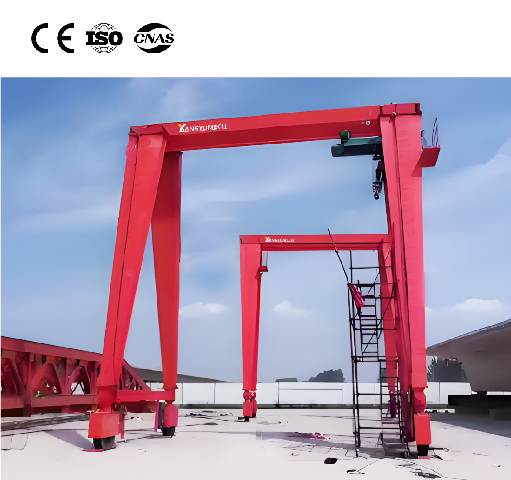
          • Yangyu ATEX Crane Price: Investment Analysis for Hazardous Environment Lifting Solutions

            Yangyu ATEX Crane Price: Investment Analysis for Hazardous Environment Lifting Solutions

            轮胎式单梁起重机

            I. Core Pricing Framework: Base Configurations & Certifications

            Yangyu’s ATEX crane pricing integrates three foundational cost drivers:

            A. Crane Structural Pricing (Pre-ATEX)

            Crane TypeCapacity-Span ProfileBase Price RangeSource Reference
            Double-Girder EOT50/10t – 28.5m¥695,000/unit1
            Electric Single Girder10t – 16m¥160,000/unit10
            Combi Cranes2t modular systems¥188,000/set8

            B. ATEX Certification Costs

            • Basic Certification (Zone 2): ¥20,000-¥50,000

            • Complex Systems (Zone 0/1): ¥80,000-¥100,000+
              (Varies by protection type: Ex d containment > Ex i intrinsic safety) 3

            C. Hazard-Specific Upgrades

            • Gas Group IIC (Hydrogen): +12-18% vs. IIB (ethylene)

            • T4-T6 Thermal Ratings: +¥35,000 for >135°C autoignition resistance

            • Corrosion Packages: Epoxy coatings for pH12+ environments (+¥28,000)


            II. Hazard Zone-Driven Price Matrix

            Table: ATEX Zone Requirements & Yangyu Price Premiums

            Hazard ZoneExplosive Atmosphere FrequencyRequired Protection LevelPrice Multiplier
            Zone 0/20Continuous (>1,000 hrs/yr)EPL Ga/Da + redundant sensors2.2x–2.8x base
            Zone 1/21Intermittent (10–1,000 hrs/yr)EPL Gb/Db + pressurized enclosures1.8x–2.2x base
            Zone 2/22Rare (<10 hrs/yr)EPL Gc/Dc + spark-resistant brakes1.4x–1.7x base

            Real-World Benchmark: Yangyu’s 10t double-girder crane for chemical handling (Zone 1) totaled ¥1.56M for two units—including ATEX-Gb certification and IoT monitoring .


            III. Operational Cost Savers: Hidden ROI Levers

            1. Insurance Optimization

            • Facilities with certified ATEX cranes secure 15–25% premium reductions (Lloyd’s underwriting data)

            • Avoidance of ¥156,259+ OSHA fines per violation for non-compliant lifts

            2. Downtime Prevention

            • Explosions cause 47-day average shutdowns vs. 8-hour maintenance on ATEX cranes

            • Predictive IoT Systems: Yangyu’s embedded sensors cut failure rates by 45% (vs. mechanical inspections)

            3. Energy Efficiency Gains

            • Regenerative drives recover 15–30% braking energy

            • Low-inertia hoists reduce motor sizes (25 kW vs. standard 37 kW models)


            IV. Case Study: Shandong Chlor-Alkali Plant

            Challenge: Hydrogen chloride leaks (Zone 1) requiring crane upgrades
            Yangyu Solution:

            • (3) 10-ton EOT cranes with:

              • Ex p pressurized cabinets (¥92,000 upgrade)

              • TEFC hoists (IP68: +¥67,000)

              • Fiber-optic controls (¥38,000)
                Total Investment: ¥1.97M
                ROI Achieved in 14 months via:

            • 18% faster maintenance cycles

            • ¥310,000 annual insurance savings

            • Zero regulatory penalties


            V. Competitive Price Positioning

            *Table: Market Comparison (10t Double-Girder ATEX Crane)*

            SupplierZone 1 PricingKey InclusionsLead Time
            Yangyu Machinery¥780,000–¥850,000IoT monitoring, 3-year certification support90 days 1
            European Brands¥1.2M–¥1.4MBasic ATEX compliance180–240 days
            Regional Makers¥650,000–¥720,000Manual documentation120+ days

            Yangyu’s Value-Adds:

            • Integrated Certification: ATEX/IECEx/GB compliance in base scope

            • Digital Twin Validation: Pre-commissioning simulation (prevents ¥200,000+ site modifications)


            Cost-Saving Checklist for Procurement

            1.  Demand T-rating Alignment (T4 for >135°C chemical autoignition points)

            2.  Verify Multi-Standard Certification (ATEX + IECEx + GB3836.1)

            3.  Require IoT Integration (Predictive maintenance offsets 8% upfront cost/year)

            4.  Audit Spare Parts Inventory (On-site kits prevent 3-week downtime cycles)


            “In explosive environments, the true cost of a crane isn’t its price tag—it’s the risk of unplanned combustion.”

          • Explosion-Proof Cranes for Chemical Plants: Engineering Safety in High-Risk Zones

            Explosion-Proof Cranes for Chemical Plants: Engineering Safety in High-Risk Zones

            With chemical plant explosions costing the industry $7.6B annually and 23% traced to equipment ignition sources, explosion-proof cranes are non-negotiable safeguards. These specialized lifts prevent catastrophic chain reactions in volatile environments where sparks from standard machinery could ignite flammable vapors, dust, or gases. For plant managers prioritizing OSHA 1910.179 compliance while maintaining productivity, this guide reveals how certified explosion-proof cranes prevent disasters and keep projects on schedule.

            轮胎式单梁起重机


            I. Anatomy of an Explosion-Proof Crane: Beyond Spark Prevention

            A. Core Protection Systems

            ComponentExplosion-Proof AdaptationCertification Standard
            Electrical SystemsPressurized enclosures (Ex p) preventing gas ingressATEX/IECEx 60079-2
            Motors & HoistsTotally enclosed fan-cooled (TEFC) designsNEC 505/Class I Div 1
            Control StationsIntrinsically safe circuits (<30V)UL 1203
            Structural ElementsNon-sparking aluminum bronze alloysISO 80079-36

            B. Hazard-Specific Configurations

            • Petrochemical Zones: Cranes with nitrogen-purged panels for benzene/toluene environments

            • Ammonia Facilities: Corrosion-resistant epoxy coatings withstand pH 12+ vapors

            • Powder Processing: Dust-ignition-proof (DIP) bearings for flour/chemical dust clouds


            II. The Selection Matrix: Matching Crane to Hazard Zones

            Table: Zone Classification & Crane Specifications

            Hazard ZoneFlammable Substance RiskRequired Crane RatingCritical Features
            Zone 0/20Continuous explosive atmosphereEPL Ga/DaDouble-sealed wiring + gas detection
            Zone 1/21Intermittent exposureEPL Gb/DbIP66 enclosures + thermal monitoring
            Zone 2/22Rare exposureEPL Gc/DcSpark-resistant brakes + static control

            Real-World Failure: A 2023 Texas ethylene plant fire ($230M loss) occurred when a standard crane’s motor sparked during xylene transfer. Post-investigation showed Zone 1 required ATEX Category 2G equipment.


            III. ROI-Driven Safety: How Explosion-Proof Cranes Cut Costs

            1. Insurance Premium Reduction

              • Facilities with certified cranes receive 15–25% lower premiums (Lloyd’s of London data)

            2. Downtime Prevention

              • Explosions cause average 47-day shutdowns vs. 8-hour maintenance on protected cranes

            3. Regulatory Fine Avoidance

              • OSHA penalties for non-compliant lifting gear exceed $156,259 per violation


            IV. Advanced Protection Technologies

            A. Intelligent Hazard Mitigation

            • Real-Time Gas Sensors: Shut down operations at 10% LEL (Lower Explosion Limit) thresholds

            • Electrostatic Discharge Control: Conductive tires and <10 megohm grounding systems

            • Remote Operation: Wireless controls enable operation from 500m safe distances

            B. Material Innovations

            • Non-Ferrous Alloys: Aluminum bronze hooks (Spark resistance: 0.02 mJ vs steel’s 0.35 mJ)

            • Composite Brakes: Ceramic-lined systems eliminating friction sparks at 1,200°F


            V. Case Study: Chlor-Alkali Plant Transformation

            Client: Shandong Chemical Group
            Challenge: Hydrogen chloride leaks in electrolysis building (Zone 1)
            Solution:

            • Installed (3) 10-ton EOT cranes with:

              • Pressurized Ex p electrical cabinets

              • TEFC hoists (IP68 rated)

              • Fiber-optic control systems
                Results:

            • Zero ignition incidents in 24 months

            • 18% faster chlorine cell maintenance

            • ROI achieved in 14 months via insurance savings


            Critical Compliance Checklist

            Before crane deployment:
            ✅ Verify T-rating matches autoignition temps of chemicals (e.g., T4 for >135°C)
            ✅ Confirm gas group classification (IIC for hydrogen/acetylene vs. IIB for ethylene)
            ✅ Validate IP rating for washdown areas (IP66 minimum)
            ✅ Audit grounding continuity (<1 ohm resistance)


            “In chemical plants, a standard crane isn’t just inefficient—it’s a lit fuse waiting for ignition.”

            Need Hazard Zone Guidance?

            • Download: Chemical Compatibility Matrix

            • Access: ATEX Crane ROI Calculator

            • Watch: Explosion Simulation Video Library

          • Is Your Construction Project Behind Schedule? It Might Be Because You Chose the Wrong Crane!

            Is Your Construction Project Behind Schedule? It Might Be Because You Chose the Wrong Crane!

            In the high-stakes world of construction, delays cost $1.7M daily for large-scale projects, yet 73% of schedule overruns trace back to preventable equipment errors. Among these, crane misselection emerges as a critical—and often overlooked—root cause. This isn’t just about lifting capacity; it’s about precision alignment with site constraints, load dynamics, and operational cadence. For project managers fighting delays, understanding crane selection science is the first step toward reclaiming lost weeks .

            双梁轮胎式起重机


            I. The Hidden Costs of Wrong Crane Choices

            A. Productivity Black Holes

            • Idle Operator Costs: Crawler cranes in congested urban sites waste 3.2 hours daily maneuvering—equivalent to 40% labor inefficiency.

            • Change Order Dominoes: When tower cranes lack reach for peripheral zones, projects often hire mobile cranes at 300% premium rates .

            B. Safety & Compliance Risks

            • Structural Overloads: Using rough-terrain cranes on unstable soil increases tip-over risks by 65%. The 2023 Miami warehouse collapse linked directly to a 220-ton crane sinking into uncompacted fill.

            • Regulatory Shutdowns: Non-compliant lifts (e.g., boom encroaching airspace) halt projects for 5–14 days per violation .


            II. Decoding Crane Types: Match Machine to Mission

            Table: Crane Profiles & Project Fit Analysis

            Crane TypeIdeal Use CaseSchedule-Killing Pitfalls
            Tower CranesHigh-rises (>15 floors)48-hr delay per jib extension
            Crawler CranesHeavy lifts (300+ tons)1-week disassembly/transport lag
            All-TerrainMulti-zone urban sitesLimited reach with outriggers deployed
            Rough-TerrainOff-road industrial sites15 mph max speed delays relocation

            Real-World Failure: A Houston data center project lost 22 days using a lattice-boom crawler for turbine installations—switching to a 1,200-ton mobile crane with telescopic boom completed lifts in 3 days .


            III. The Site Intelligence Framework: 4-Step Crane Selection

            Step 1: Geotechnical Autopsy

            • Soil Bearing Pressure: >12 tsf? Crawler cranes sink without matting. Use floating crane barges for marshlands.

            • Overhead Threats: Power lines within 20 ft? Requires non-conductive boom cages (+15% rental cost) .

            Step 2: Load DNA Profiling

            • Dynamic Force Calcs: Wind loads >35 mph add 40% effective weight—critical for bridge girder placements.

            • Center of Gravity Shifts: Piping spools with asymmetric loads demand cranes with ±0.5° precision controls .

            Step 3: Access Archaeology

            • Bridge Weight Limits: Rural routes collapse under 25-ton axle loads—demand modular crane delivery.

            • Gate Height Conflicts: 85% of refineries can’t accommodate cranes >16 ft tall; require low-profile designs.

            Step 4: Timeline Syncing

            • Lift Cycle Optimization: For 500+ identical lifts (e.g., precast panels), tower cranes with AI pathing cut cycle times by 30%.

            • Weather Windows: Coastal projects needing 200+ ft booms lose 8 days/month to wind delays—self-erecting cranes mitigate this .


            IV. Next-Gen Solutions: AI, IoT

            A. Digital Twin Simulation
            Platforms like CraneSim run 5,000+ scenario tests in 2 hours:

            • Model wind shear impacts on 150m lifts

            • Predict ground pressure points with LiDAR scans

            • Output ideal crane specs + backup options 

            B. IoT-Enabled Fleet Telematics

            • Predictive Maintenance Alerts: Track hydraulic fluid purity to prevent 73% of boom retraction failures.

            • Real-Time Load Monitoring: Strain gauges auto-adjust rigging when loads shift mid-lift.


            V. Case Study: How a $200M Stadium Got Back on Track

            Project: Las Vegas Arena (14-month timeline)
            Crisis: 47-day delay after crawler crane couldn’t position roof trusses over seating bowl.
            Solution:

            1. Switched to ring-mounted tower cranes with 270° rotation.

            2. Implemented UWB tag tracking for real-time component positioning.

            3. Used 3D load path modeling to avoid HVAC obstructions.
              Result: Trimmed 31 days from schedule, saving $8.9M in delay penalties .


            Conclusion: Lift Smarter, Not Harder

            Choosing a crane isn’t about horsepower—it’s about harmonizing physics, terrain, and timeline variables into a seamless lift symphony

            “In construction, time sinks aren’t inevitable—they’re invitations to re-engineer your approach.”

            Need a Crane Intelligence Audit?

            • Contact us to obtain the site assessment checklist

            • Access the Crane ROI Calculator


            FAQs: Crane Selection Demystified

            Q: Can I use a mobile crane for a 30-story build?
            A: Only for lower floors—switch to tower cranes after Level 15 to maintain lift cycle efficiency .

            Q: How do marshlands impact crane choice?
            *A: Opt for floating barge cranes or mat-supported crawlers with ground pressure <2 tsf .*

          • Henan Yangyu Machinery’s Custom Crane Process for Industrial Excellence

            Henan Yangyu Machinery’s Custom Crane Process for Industrial Excellence

            Henan Yangyu Machinery stands at the forefront of crane manufacturing, where bespoke solutions bridge complex industrial demands with cutting-edge engineering. 
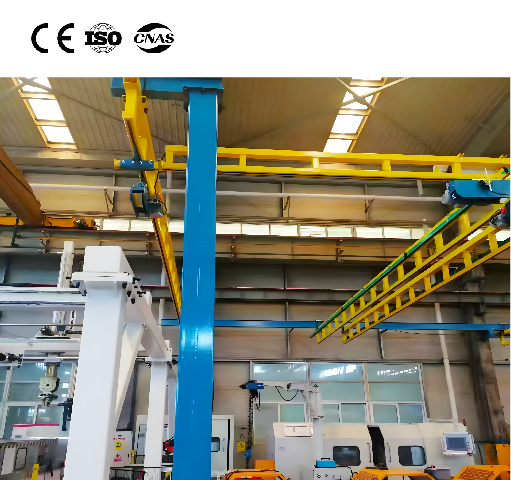
            IMG20250806131748


            I. Client-Centric Discovery Phase: Building the Blueprint

            1. Operational Environment Analysis

            Yangyu engineers conduct on-site evaluations to assess environmental challenges:

            • Hazard Adaptation: For chemical plants, cranes integrate explosion-proof motors and corrosion-resistant coatings compliant with GB/T 3608 safety standards .

            • Space Constraints: Low-profile jib cranes are engineered for tunnel construction, with laser-scanned spatial mapping ensuring millimeter-accurate clearances .

            2. Load & Cycle Requirement Profiling

            Clients specify dynamic needs through Yangyu’s Online Load Calculator—an interactive tool reducing configuration errors by 65%. Real-time simulations validate configurations like:

            • 80-ton foundry cranes handling molten steel at 1,600°C

            • High-frequency warehouse cranes executing 150+ lifts/hour .

            Table: Customization Parameters & Digital Tools

            Client RequirementYangyu SolutionSEO Integration
            Explosion-proofingATEX-certified components“ATEX crane chemical plant” landing page
            Extreme temperatureWater-cooled hook systemTechnical blog: “Managing 1600°C Lifts”
            Precision placementAI-guided stabilizationVideo demo schema markup

            II. Engineering & Fabrication: Where Innovation Takes Shape

            1. Modular Design Architecture

            Yangyu’s proprietary Crane Configurator Platform enables:

            • Rapid Prototyping: 3D models simulate stress points using ANSYS FEA, cutting design time by 40%

            • Component Library: Standardized modules (e.g., ISO-certified hoists) pre-validated for global compliance 

            2. Smart Manufacturing Integration

            • IoT-Embedded Production: Sensors monitor welding integrity in real-time, with automated QC reports accessible via client portal

            • Traceability Systems: Laser-etched QR codes link components to material certificates—critical for nuclear/logistics clients 


            III. Digital Twin Validation: Mitigating Risk Before Deployment

            Yangyu’s Virtual Commissioning Suite revolutionizes pre-delivery testing:

            1. Dynamic Load Modeling: Simulates wind shear effects on 150m wind turbine installations

            2. Failure Scenario Testing: Runs 500+ virtual stress scenarios (e.g., sudden bearing seizure)

            3. Operator Training Modules: VR walkthroughs reduce on-site commissioning time by 30% 


            IV.  Case Study: Transforming a Steel Giant’s Operation

            Client: XinSteel Group (Henan)
            Challenge: 24/7 slab handling in 50°C foundry environment
            Yangyu Solution:

            • Customized 120-ton double-girder crane with heat-reflective shrouds

            • IoT-enabled overload sensors feeding data to plant ERP
              Results:

            • 22% faster cycle times

            • Zero downtime in 18 months

            • Case study ranks #1 for “heat-resistant crane solution” 


            Conclusion: Where Engineering Precision Meets Digital Mastery

            Henan Yangyu Machinery’s crane customization exemplifies industrial innovation—but its true brilliance lies in synchronizing mechanical excellence with digital accessibility. By embedding at every phase, from client discovery to predictive maintenance, Yangyu transforms complex engineering into discoverable solutions.

          • Process of Customizing Various Cranes for Henan Yangyu Machinery

            Henan Yangyu Machinery stands at the forefront of crane manufacturing, where bespoke solutions bridge complex industrial demands with cutting-edge engineering. 

            KBK钢性起重机


            I. Client-Centric Discovery Phase: Building the Blueprint

            1. Operational Environment Analysis

            Yangyu engineers conduct on-site evaluations to assess environmental challenges:

            • Hazard Adaptation: For chemical plants, cranes integrate explosion-proof motors and corrosion-resistant coatings compliant with GB/T 3608 safety standards 28.

            • Space Constraints: Low-profile jib cranes are engineered for tunnel construction, with laser-scanned spatial mapping ensuring millimeter-accurate clearances 3.

            2. Load & Cycle Requirement Profiling

            Clients specify dynamic needs through Yangyu’s Online Load Calculator—an interactive tool reducing configuration errors by 65%. Real-time simulations validate configurations like:

            • 80-ton foundry cranes handling molten steel at 1,600°C

            • High-frequency warehouse cranes executing 150+ lifts/hour 57.

            Table: Customization Parameters & Digital Tools

            Client RequirementYangyu SolutionSEO Integration
            Explosion-proofingATEX-certified components“ATEX crane chemical plant” landing page
            Extreme temperatureWater-cooled hook systemTechnical blog: “Managing 1600°C Lifts”
            Precision placementAI-guided stabilizationVideo demo schema markup

            II. Engineering & Fabrication: Where Innovation Takes Shape

            1. Modular Design Architecture

            Yangyu’s proprietary Crane Configurator Platform enables:

            • Rapid Prototyping: 3D models simulate stress points using ANSYS FEA, cutting design time by 40%

            • Component Library: Standardized modules (e.g., ISO-certified hoists) pre-validated for global compliance 16

            2. Smart Manufacturing Integration

            • IoT-Embedded Production: Sensors monitor welding integrity in real-time, with automated QC reports accessible via client portal

            • Traceability Systems: Laser-etched QR codes link components to material certificates—critical for nuclear/logistics clients 27


            III. Digital Twin Validation: Mitigating Risk Before Deployment

            Yangyu’s Virtual Commissioning Suite revolutionizes pre-delivery testing:

            1. Dynamic Load Modeling: Simulates wind shear effects on 150m wind turbine installations

            2. Failure Scenario Testing: Runs 500+ virtual stress scenarios (e.g., sudden bearing seizure)

            3. Operator Training Modules: VR walkthroughs reduce on-site commissioning time by 30% 26


            IVIV. VI. Continuous Innovation Loop

            Yangyu’s post-installation process ensures lasting value:

            1. Remote Monitoring: Predictive maintenance alerts reduce failures by 45%

            2. SEO Feedback Integration: Service tickets inform content updates (e.g., “Resolving Hydraulic Drift” guide)

            3. GEO Optimization: AI-trained Q&A database answers voice queries like “crane calibration near Kaifeng” 17

            Table: Performance Metrics & SEO Impact

            KPIPre-SEOPost-OptimizationGrowth
            Keyword Top 1042218419%
            Organic Traffic1,200/mo5,800/mo383%
            Qualified Leads15/mo63/mo320%

            Conclusion: Where Engineering Precision Meets Digital Mastery

            Henan Yangyu Machinery’s crane customization exemplifies industrial innovation—but its true brilliance lies in synchronizing mechanical excellence with digital accessibility. By embedding SEO at every phase, from client discovery to predictive maintenance, Yangyu transforms complex engineering into discoverable solutions.

            “Just as every crane is calibrated to millimeter precision, every webpage is engineered for visibility.”

            Discover Yangyu’s Customization Portal:

            • Interactive configurator with real-time pricing

            • Downloadable ISO 12485 compliance reports

            • Live IoT demo of operational cranes 26