
In steel manufacturing facilities, moving heavy materials efficiently and safely is not optional—it is the foundation of daily operations. Whether you are handling raw steel coils, finished structural beams, or scrap metal for recycling, the right crane system can make the difference between a smooth production line and costly downtime.
Steel manufacturing environments present unique challenges that standard lifting equipment simply cannot handle. High temperatures near furnaces, abrasive dust from cutting operations, and the sheer weight of steel products demand specialized crane solutions designed specifically for these harsh conditions. This article explores what steel manufacturers need to know when selecting overhead crane systems for their facilities.
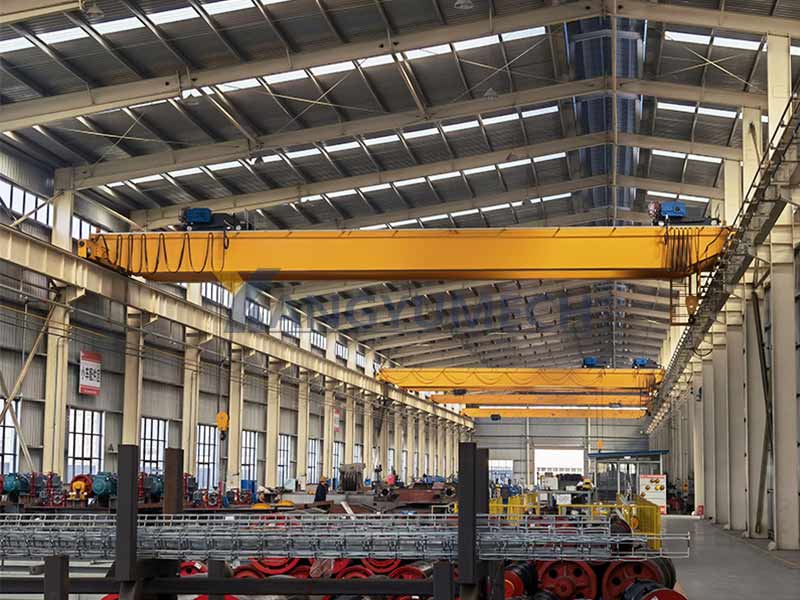
Before selecting crane equipment, it helps to understand how material flows through a typical steel manufacturing facility. Raw materials arrive as steel plates, coils, or billets. These materials must be moved to cutting stations, forming equipment, welding areas, and finally to storage or shipping docks. Each stage requires different lifting capabilities.
In the receiving area, gantry cranes often handle the initial unloading of heavy steel shipments. These outdoor systems need to withstand weather exposure while managing loads that can exceed 50 tons. Moving indoors, overhead bridge cranes take over, transporting materials between processing stations with precision and speed.
Load capacity is the obvious starting point, but it is not the whole story. Steel manufacturers must also consider duty cycle, environmental conditions, and integration with existing production systems. A crane rated for 20 tons might handle the weight, but if it operates 16 hours per day in a dusty, high-temperature environment, it needs heavy-duty components and robust construction.
Working environment factors heavily into equipment selection. Furnace areas expose cranes to radiant heat that can damage standard electrical components. Cutting and grinding stations generate metallic dust that accelerates wear on mechanical parts. Galvanizing lines introduce corrosive vapors that attack unprotected steel surfaces. Each of these conditions requires specific design adaptations.
Control systems matter more than many buyers initially realize. Radio remote controls allow operators to maintain safe distances from hot materials and moving loads. Variable frequency drives enable smooth acceleration and deceleration, reducing mechanical stress and improving positioning accuracy. Anti-sway technology helps operators place loads precisely, which is critical when aligning steel pieces for welding or assembly.
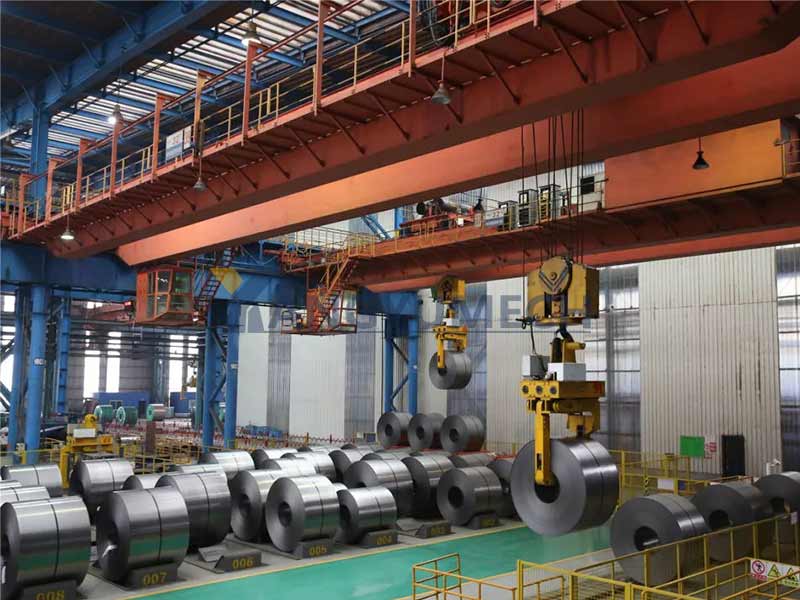
Single girder overhead cranes work well for lighter applications up to about 20 tons. They offer cost-effective solutions for general material handling, parts storage, and maintenance areas. Their simpler design means lower initial investment and easier maintenance, making them popular for smaller fabrication shops and secondary operations.
Double girder overhead cranes become necessary when capacity requirements exceed 20 tons or when exceptionally long spans are needed. The dual beam design distributes loads more evenly and allows for higher hook positions, maximizing usable vertical space. These systems dominate primary production areas where raw materials and heavy work-in-process items move regularly.
Gantry cranes provide flexibility for outdoor storage yards and loading docks. Unlike overhead cranes that require building support structures, gantry cranes run on ground-level rails, making them ideal for facilities without existing crane infrastructure. Rubber-tired gantry cranes add mobility, allowing equipment to serve multiple areas without fixed rail installations.
Specialized lifting attachments extend crane versatility in steel operations. Electromagnetic lifting beams handle steel plates and scrap metal without slings or hooks. C-hooks designed for coil handling prevent damage to delicate steel surfaces. Custom spreader beams accommodate long structural members that would flex dangerously if lifted from a single point.
Steel manufacturing cranes must meet stringent safety standards. OSHA regulations in the United States, CE marking requirements in Europe, and various national standards elsewhere govern design, installation, and operation. Regular inspections, load testing, and operator training are not just good practice—they are legal requirements.
Modern crane systems incorporate multiple safety features. Limit switches prevent over-travel in all directions. Load moment indicators warn operators when approaching capacity limits. Emergency stop systems halt all motion instantly when activated. These features protect both personnel and equipment from accidents that could shut down production for days.
Even the best crane equipment requires regular maintenance to perform reliably. Steel manufacturing environments are particularly hard on mechanical systems. Dust infiltration accelerates bearing wear. Thermal cycling causes expansion and contraction that loosens fasteners. Heavy loads stress structural components over time.
Preventive maintenance programs should include regular lubrication of all moving parts, inspection of wire ropes and chains for wear or damage, testing of brakes and limit switches, and examination of structural members for cracks or deformation. Keeping detailed maintenance records helps identify patterns and predict when components need replacement before they fail.
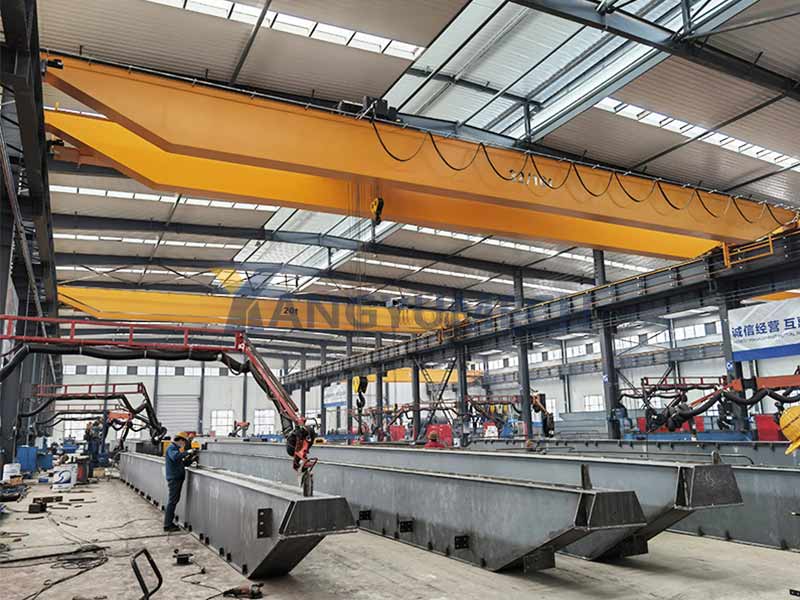
Selecting a crane supplier involves more than comparing prices. Look for manufacturers with proven experience in steel industry applications. Ask for references from similar facilities. Review their engineering capabilities—can they customize solutions for your specific layout and workflow?
After-sales support deserves serious attention. When a crane breaks down in the middle of a production run, you need parts and technical support quickly, not in six weeks. Local service presence, spare parts inventory, and responsive technical support separate reliable suppliers from those who disappear after the sale.
Yangyumech has built its reputation supplying crane solutions that perform reliably in demanding industrial environments. Our engineering team understands the specific challenges steel manufacturers face, from handling red-hot billets to managing massive structural steel assemblies.
We offer comprehensive crane systems including single and double-girder overhead cranes, gantry cranes for outdoor operations, and specialized lifting equipment designed for steel industry applications. Our European standard electric hoists provide the precision and durability steel operations demand, with lifting capacities ranging from 0.3 tons to over 500 tons.
What sets Yangyumech apart is our commitment to understanding each client’s unique requirements. We do not sell catalog equipment—we engineer solutions. Our team works with your production planners to analyze material flow, identify bottlenecks, and design crane systems that integrate smoothly with your existing operations.
Quality manufacturing using high-grade materials ensures our cranes withstand the harsh conditions found in steel facilities. CE and ISO certifications demonstrate our commitment to international safety and quality standards. With installations operating in over 50 countries, we have proven our equipment performs in diverse environments and regulatory frameworks.
Beyond equipment supply, Yangyumech provides full lifecycle support. From initial consultation and custom design through installation, commissioning, and ongoing maintenance, we remain your partner for the long term. Our rapid-response service team minimizes downtime when issues arise, because we understand that every hour of lost production costs money.
Whether you are building a new steel manufacturing facility, expanding existing capacity, or upgrading aging equipment, Yangyumech delivers crane solutions that meet your material handling needs today and adapt as your business grows. Contact our engineering team to discuss your specific requirements and discover how the right crane system can improve your operational efficiency.

