
The shipping industry has long been one of the largest contributors to global carbon emissions. For decades, diesel-powered cranes dominated container terminals and bulk handling facilities, delivering raw lifting power while burning thousands of liters of fuel each year. That equation is now shifting rapidly.
Across major ports in Europe, Southeast Asia, and increasingly in China and the Middle East, electrically powered port cranes are being specified as the default for new procurement, and retrofits of existing diesel fleets are accelerating.
The reasons are not purely environmental. The economics have reached a tipping point that makes electric crane adoption difficult to argue against.
Port operators face mounting pressure from three directions simultaneously. Regulatory bodies are tightening emission standards for coastal and port-adjacent industrial zones, with several jurisdictions now mandating diesel phase-out timelines for cargo handling equipment.
Corporate sustainability requirements from shipping lines and logistics companies are creating preferential berth allocation for terminals that can demonstrate measurable emission reductions.
And port authorities in competitive markets are finding that environmental performance is becoming a differentiating factor when attracting major shipping alliances.
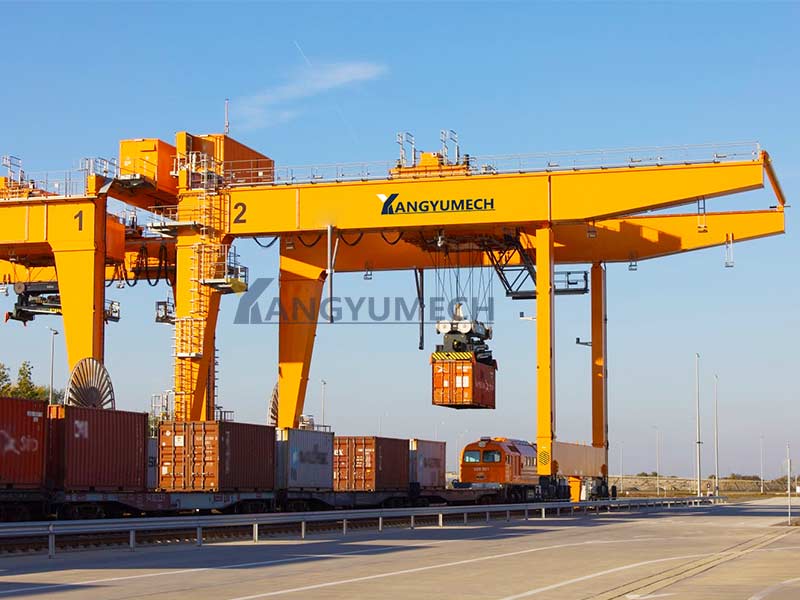
Electric cranes address all three pressures in a single equipment decision. A typical diesel-powered rubber-tired gantry crane operating in a container yard consumes between 400 and 800 liters of diesel per day depending on utilization.
Converting that same machine to electric power eliminates direct tailpipe emissions, removes the noise burden on surrounding communities, and reduces per-container handling costs by a significant margin once the initial conversion investment is recovered.
Early skepticism about electric crane performance centered on concerns about reliability and power availability. Could an electric motor deliver the torque and response speed needed for rapid container cycling?
Would grid infrastructure at older terminals support the power demand? These concerns have been largely resolved.
Modern electric crane systems use variable-frequency drives and regenerative braking technology that actually outperforms diesel equivalents in several respects. When a crane lowers a loaded container, the regenerative system feeds energy back into the grid rather than dissipating it as heat.
In high-cycle operations, this energy recovery can offset 15 to 25 percent of total power consumption. The result is an electric crane that not only runs cleaner but operates with faster cycle times and more precise load control.
For terminals where grid power is unreliable or unavailable, hybrid crane systems offer a practical alternative. These units combine battery-electric drive with a small diesel generator that charges the battery pack during low-demand periods.
The crane runs on electric power during normal operations, with the diesel engine engaging only when battery levels drop below a set threshold. This configuration delivers most of the emission benefits of full electrification while maintaining operational independence from grid infrastructure.
Total cost of ownership analysis consistently favors electric cranes over diesel when a five-year or longer horizon is considered.
The upfront premium for electric or electric-hybrid port cranes typically ranges from 15 to 30 percent above comparable diesel models. However, the ongoing cost advantages accumulate quickly.
Fuel costs for diesel cranes are volatile and trending upward in most regions. Electricity costs are substantially lower per unit of energy delivered and far less susceptible to geopolitical supply disruptions.
Maintenance costs for electric drive systems are also lower because electric motors have fewer moving parts, no oil changes, no exhaust system components to replace, and longer service intervals.
Several terminal operators have reported that the payback period for electric crane conversion is now between three and five years, after which the savings flow directly to the bottom line.
There is also a less obvious financial benefit. Terminals that achieve measurable emission reductions through electrification gain access to green port certification programs, carbon credit markets, and preferential treatment in government infrastructure funding allocations.
These revenue streams and cost offsets are becoming a material factor in procurement decisions for forward-thinking operators.
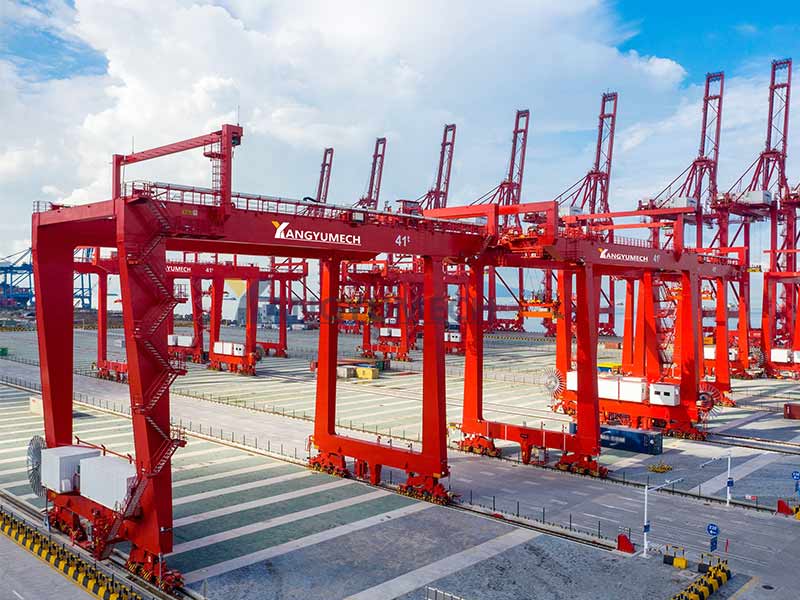
The transition from diesel to electric is no longer a question of whether, but how quickly.
For port operators planning equipment investments over the next five to ten years, the strategic direction is clear: new crane acquisitions should default to electric or electric-hybrid configurations, and a phased conversion plan for existing diesel fleets should be part of the capital expenditure roadmap.
However, not every port or terminal is at the same stage of readiness. Facilities with modern grid infrastructure and stable power supply can move directly to full electrification. Older terminals with limited electrical capacity may benefit from hybrid configurations as an interim step.
And for certain applications such as temporary construction cranes or mobile lifting at undeveloped port sites, diesel power remains the pragmatic choice for the foreseeable future.
Yangyumech understands that every port, terminal, and industrial site operates under unique conditions. That is why we manufacture and supply cranes across all major drive configurations, including fully electric overhead cranes and gantry cranes, diesel-powered mobile and portal cranes for off-grid applications, and hybrid electric-diesel systems for terminals transitioning toward full electrification.
With over 20 years of manufacturing experience and equipment delivered to more than 30 countries, Yangyumech provides tailored crane solutions based on your power infrastructure, emission compliance requirements, and operational budget.
Our engineering team will assess your site conditions and recommend the optimal drive configuration, whether that means a grid-connected electric RTG crane for a modern container terminal, a hybrid gantry crane for a facility with intermittent power supply, or a robust diesel crane for a remote construction project.
If you are evaluating crane drive options for an upcoming terminal upgrade or new facility development, contact Yangyumech for a detailed consultation.
We will help you select the right powertrain for your specific conditions, balancing emission targets with operational reliability and long-term cost efficiency.

