
Walk into almost any machine shop, steel fabrication facility, or production plant that handles heavy components regularly, and you will probably see one running across the ceiling. The bridge crane is one of those pieces of equipment that most engineers and procurement managers encounter at some point.
At its core, a bridge crane is a material handling system built around a horizontal bridge structure that travels along fixed runways mounted to the building’s support columns. The hoist is carried by a trolley moving along the bridge, while the bridge moves along the runway—giving the crane two axes of travel. A load can be picked up and placed anywhere within the rectangular footprint covered by the runway system.
This overhead configuration means the crane does not occupy floor space when it is not in use, which is why it remains the default choice for production and process facilities where workspace is at a premium. An electric overhead bridge crane—the kind referred to in most industrial contexts as an EOT crane—is simply a bridge crane where the bridge and hoist are both powered by electric motors rather than manual operation.
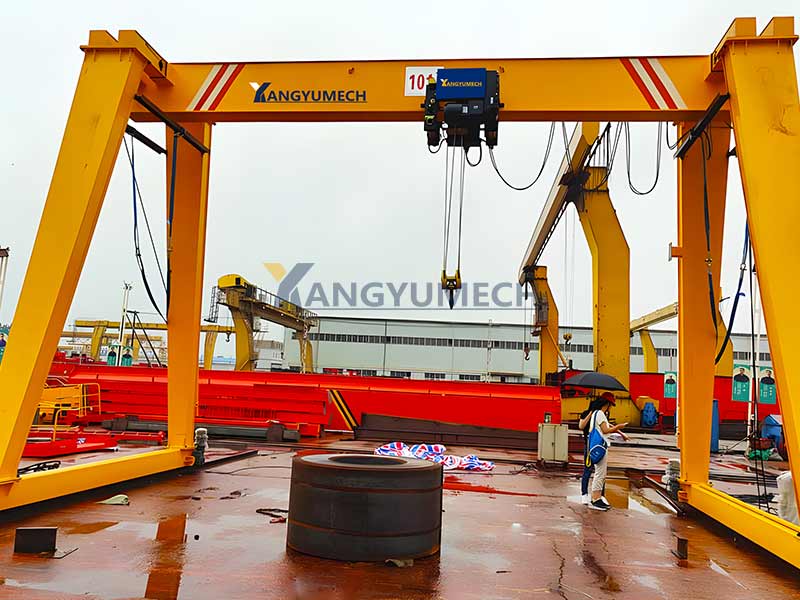
The single girder bridge crane and double girder bridge crane are the two main types of bridge cranes, and the choice between them is one of the first decisions buyers face.
A single girder bridge crane has one main beam spanning the runway, with the hoist trolley running along the underside. The simplicity of this design means a lower installed cost and faster installation. Single girder overhead bridge cranes work well for loads up to about 50 tons and are common in manufacturing workshops, maintenance bays, and lighter production environments.
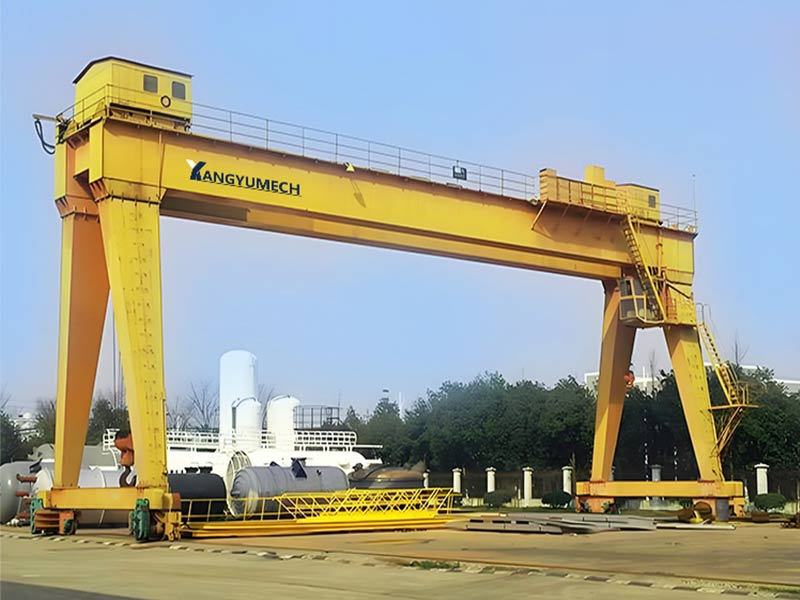
A double girder bridge crane uses two parallel beams acting together as the bridge structure, providing greater stiffness and higher load capacity—double girder overhead bridge cranes routinely handle from 50 tons to several hundred tons. The second beam also allows the hoist to be mounted above the bridge, increasing hook height. For heavy fabrication, steel mills, or operations where load dimensions create headroom concerns, the double girder bridge crane is usually the better choice.
Bridge crane applications are broader than many people expect. The common thread is repeated heavy lifting within a defined footprint—but the specifics vary considerably.
In manufacturing, a bridge crane for manufacturing operations handles component positioning, machine installation and removal, and the movement of workpieces between process stations—avoiding the need to maneuver forklifts through active production areas.
A warehouse bridge crane installation makes sense when the facility handles heavy inbound or outbound materials that exceed safe forklift capacity. Large machine frames, structural steel sections, and production equipment are common examples. A crane for warehouse use can be paired with manipulators, vacuum lifters, or custom grabs to match the specific load profile.
Steel mills and metals processing facilities depend on industrial bridge crane systems for furnace charging, ingot and slab handling, and the movement of finished plate and coil. These are high-duty-cycle applications where getting the bridge crane load capacity and duty rating right from the start matters for long-term reliability.
When evaluating bridge crane specifications for a purchase or upgrade, a few parameters deserve more attention than they typically receive.
Bridge crane load capacity should be specified with a margin above your heaviest planned load. Industry practice generally calls for rated capacity at least 25 percent above the maximum static load you expect to handle, to account for dynamic effects like swinging loads and off-center lifts. Under-specifying the capacity to reduce the purchase price is a decision that tends to cost more in accelerated wear and downtime than it saves upfront.
Bridge crane safety systems have become standard rather than optional in most procurement specifications. Load monitoring devices, anti-collision systems, and remote or semi-automated operation are features that buyers increasingly specify. Confirm with the bridge crane manufacturer that the equipment meets applicable FEM, ISO, or regional safety standards before ordering.
Bridge crane maintenance is easier to plan for before the crane is installed than after. Consider access to brakes, wire ropes, hook assemblies, and limit switches when evaluating different designs—this affects the total cost of ownership significantly over the crane’s operating life.
The bridge crane price you receive can vary considerably depending on whether you are buying from a distributor or directly from a bridge crane manufacturer. A manufacturer can supply certified structural calculations, match documentation to your procurement specification, and accommodate custom adaptations. Working directly with a bridge crane supplier rather than a distributor also matters when you need technical support or spare parts.
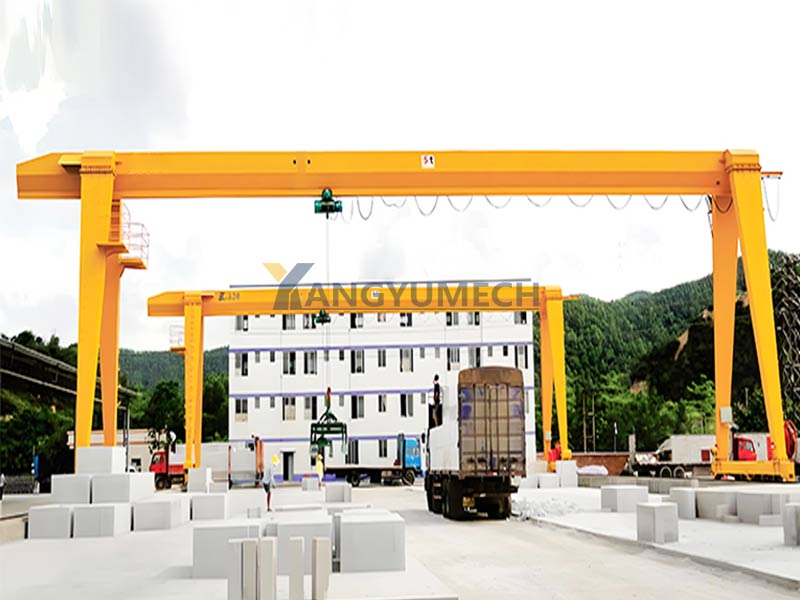
Yangyumech is a bridge crane manufacturer covering single girder and double girder bridge cranes from 5 tons to 500 tons, alongside industrial gantry cranes, jib cranes, and electric chain hoists. The breadth of the product range means that a single bridge crane supplier can cover the full lifting equipment scope for most production or process facilities.
Every Yangyumech overhead bridge crane is load-tested before dispatch and manufactured under documented quality control. The engineering team works directly with buyer specifications to match span, capacity, duty class, hoist type, and control configuration to your actual operating conditions.
For buyers comparing bridge crane price across suppliers, Yangyumech offers direct-to-end-user pricing that eliminates distributor margins. Getting a tailored quotation before finalizing your specification helps you avoid paying for capabilities you do not need—or under-specifying in a way that creates problems later.

